

We use cookies to ensure our website works properly and to personalise your experience. Cookies policy
Vidya Niketan Institute of Pharmacy and Research Center, Bota, Sangamner, Ahilyanagar 422602
Depression, anxiety, and stress are common mental health disorders that significantly affect daily life and overall well-being. The increasing limitations and side effects associated with conventional therapies have encouraged the exploration of herbal alternatives. The present study focuses on the formulation and evaluation of a polyherbal neuro-calming preparation containing Camellia sinensis (Tea plant) and Boerhavia diffusa (Punarnava). Pharmacognostic and phytochemical studies were performed to ensure the quality and purity of the herbal ingredients. The prepared formulation was evaluated for antidepressant and anxiolytic activities using standard behavioral models. The results showed a significant reduction in immobility time and improved behavioral responses, comparable to the standard drug imipramine. These findings suggest that the polyherbal formulation possesses promising neuro-calming, antidepressant, and anti-anxiety properties and may serve as a safe natural alternative for managing stress-related disorders.
Stress, anxiety, and depression are among the most prevalent mental health disorders worldwide and have become major public health concerns due to rapid urbanization, lifestyle changes, occupational pressure, and social challenges.[1] These psychological disorders adversely affect emotional well-being, cognitive function, sleep quality, and overall quality of life. According to the World Health Organization, millions of people suffer from anxiety and depressive disorders, leading to significant social and economic burdens.[2] Although conventional pharmacological therapies such as benzodiazepines, antidepressants, and anxiolytics are effective, their long-term use is often associated with adverse effects including sedation, dependence, tolerance, cognitive impairment, and withdrawal symptoms. Therefore, there is a growing interest in safer and more effective herbal alternatives for managing stress, anxiety, and depression.[3]
Medicinal plants have been used for centuries in traditional systems of medicine due to their therapeutic efficacy and minimal side effects.[4] Herbal formulations contain various bioactive phytochemicals such as flavonoids, alkaloids, tannins, terpenoids, and phenolic compounds that exhibit neuroprotective, anxiolytic, antidepressant, and adaptogenic activities. Polyherbal formulations, which combine multiple medicinal plants, are particularly advantageous because they provide synergistic therapeutic effects, enhance efficacy, and reduce toxicity compared to single-herb preparations.[5]
Among the medicinal plants with neuro-calming properties, Mimosa pudica has attracted considerable scientific attention. Commonly known as the sensitive plant or touch-me-not, Mimosa pudica belongs to the family Fabaceae and is widely distributed in tropical and subtropical regions. Traditionally, it has been used for treating insomnia, nervous disorders, inflammation, wounds, and various neurological conditions.[6] Phytochemical investigations have revealed the presence of alkaloids, flavonoids, glycosides, tannins, and amino acids, which contribute to its antioxidant, neuroprotective, antidepressant, and anxiolytic activities. Experimental studies suggest that extracts of Mimosa pudica can modulate neurotransmitter systems, reduce oxidative stress, and improve behavioral responses associated with anxiety and depression[7].
The concept of a neuro-calming herbal preparation involves the use of medicinal plants capable of regulating neurotransmitter balance, reducing stress-induced physiological responses, and promoting mental relaxation. Polyherbal neuro-calming formulations may act through multiple mechanisms, including enhancement of gamma-aminobutyric acid (GABA) activity, modulation of serotonin and dopamine levels, antioxidant protection, and reduction of neuroinflammation. Such multi-targeted actions make herbal formulations promising alternatives for the management of stress-related disorders.[8]
The present study focuses on the formulation and evaluation of a polyherbal neuro-calming preparation using Mimosa pudica as the principal herbal ingredient for the management of stress, anxiety, and depression. The formulation is designed to provide a natural, safe, and effective therapeutic option by utilizing the synergistic effects of selected medicinal herbs. Furthermore, the prepared formulation will be evaluated for its physicochemical characteristics, phytochemical constituents, stability, safety, and potential neuro-calming activity. The findings of this study may contribute to the development of an evidence-based herbal product for improving mental health and enhancing overall psychological well-being.
Plant Profile of Mimosa pudica L.
Mimosa pudica L., commonly known as Touch-Me-Not or Sensitive Plant (Lajwanti), is a medicinal herb belonging to the family Fabaceae. It is widely distributed in tropical and subtropical regions, including India. The plant is characterized by its sensitive bipinnate leaves that fold when touched. It contains various bioactive compounds such as flavonoids, alkaloids, tannins, phenolics, glycosides, and mimosine. Traditionally, Mimosa pudica has been used to treat anxiety, insomnia, depression, inflammation, wounds, and nervous disorders. Scientific studies have reported its antioxidant, anxiolytic, antidepressant, and neuroprotective properties. These activities help reduce oxidative stress and support mental well-being, making Mimosa pudica a valuable ingredient in polyherbal neuro-calming formulations for the management of stress, anxiety, and depression.[9]
MATERIAL & METHOD
Materials
The ingredients used in the formulation of the polyherbal neuro-calming preparation included Mimosa pudica powder, ginger (Zingiber officinale), tulsi (Ocimum tenuiflorum), and mentha (Mentha spp.), which were collected from the Herbal Garden. Liquorice (Glycyrrhiza glabra), starch, magnesium stearate, and lactose were procured from the VNIPRC Botanical Research Laboratory. Mimosa pudica powder served as the principal herbal ingredient, while ginger, tulsi, and liquorice were incorporated for their complementary antioxidant, adaptogenic, and neuroprotective properties. Starch was used as a binder, magnesium stearate as a lubricant, and lactose as a diluent in the formulation process. All ingredients were of suitable pharmaceutical grade and were used without further purification.
Plant Material Collection and Authentication
The whole plant of Mimosa pudica was collected from the local area of Sangamner, Ahmednagar District, Maharashtra, India. The collected plant material was thoroughly cleaned to remove adhering dirt and foreign matter and shade-dried at room temperature away from direct sunlight. The dried material was then coarsely powdered using a mechanical grinder and passed through a 40-mesh sieve to obtain a uniform particle size suitable for extraction and formulation studies. The powdered drug was stored in an airtight container until further use. The plant material was authenticated by Dr. M. S. Khayde, Director, Botanical Laboratory, Sangamner Road, Nashik, Maharashtra, by comparing its morphological characteristics with standard botanical descriptions. A voucher specimen of the authenticated plant was deposited in the laboratory herbarium for future reference.
PHARMACOGNOSTIC EVALUATION.[10-20]
|
Parameter |
Methodology |
|
Total Ash Value |
Accurately weighed 2 g of air-dried powdered drug was placed in a tarred silica crucible and incinerated at a temperature not exceeding 450°C until free from carbon. The crucible was cooled in a desiccator and weighed. The process was repeated until a constant weight was obtained. The percentage of total ash was calculated with reference to the air-dried drug. |
|
Water-Soluble Ash Value |
The total ash obtained was boiled with 25 mL of distilled water for 5 minutes. The insoluble matter was collected in a Gooch crucible, washed with hot water, ignited at 450°C for 15 minutes, cooled, and weighed. The weight of insoluble matter was subtracted from the total ash to determine the water-soluble ash, expressed as % w/w of the air-dried drug. |
|
Acid-Insoluble Ash Value |
The total ash was boiled with 25 mL of 2 M hydrochloric acid for 5 minutes. The insoluble matter was filtered, washed with hot water, ignited, cooled in a desiccator, and weighed. The percentage of acid-insoluble ash was calculated with reference to the air-dried drug. |
|
Water-Soluble Extractive Value |
Five grams of air-dried coarsely powdered drug was macerated with 100 mL of chloroform water in a closed flask for 24 hours, shaken frequently during the first 6 hours and allowed to stand for 18 hours. The solution was filtered, and 25 mL of the filtrate was evaporated to dryness in a shallow dish, dried at 105°C, and weighed. The percentage of water-soluble extractive was calculated. |
|
Alcohol-Soluble Extractive Value |
Five grams of air-dried powdered drug was macerated with 100 mL of ethanol of specified strength in a closed flask for 24 hours, shaken frequently during the first 6 hours and allowed to stand for 18 hours. The filtrate (25 mL) was evaporated to dryness, dried at 105°C, and weighed. The percentage of alcohol-soluble extractive value was calculated. |
|
Foreign Organic Matter |
Five grams of air-dried powdered drug was spread in a thin layer and examined visually or using a 6× magnifying lens. Foreign organic matter was separated manually, weighed, and its percentage was calculated with respect to the weight of the sample taken. |
|
Loss on Drying (LOD) |
About 2 g of sample was accurately weighed in a previously dried and weighed glass-stoppered bottle. The sample was dried in an oven until constant weight was obtained, cooled in a desiccator, and reweighed. The loss in weight was calculated and expressed as % w/w of the air-dried drug. |
Extraction Procedure of Mimosa pudica Leaves
Fresh leaves of Mimosa pudica were collected from the local area of Sangamner, Ahmednagar District, Maharashtra, India. The collected leaves were thoroughly washed with distilled water to remove dirt and other impurities. The cleaned leaves were shade-dried at room temperature for four days and then pulverized into a coarse powder using a mechanical grinder. About 20 g of the powdered plant material was accurately weighed and placed in a Soxhlet extraction thimble.[21] The thimble was plugged with cotton to prevent the transfer of fine particles into the distillation flask.[22]A total of 100 mL of ethanol was added to the round-bottom flask as the extraction solvent.[23] The extraction was carried out in a Soxhlet apparatus for 4 hours. After completion of the extraction process, the ethanolic extract was filtered and concentrated using a rotary vacuum evaporator to obtain a concentrated ethanolic extract of Mimosa pudica. The extract was then stored in an airtight container for further phytochemical and formulation studies.[24,25]
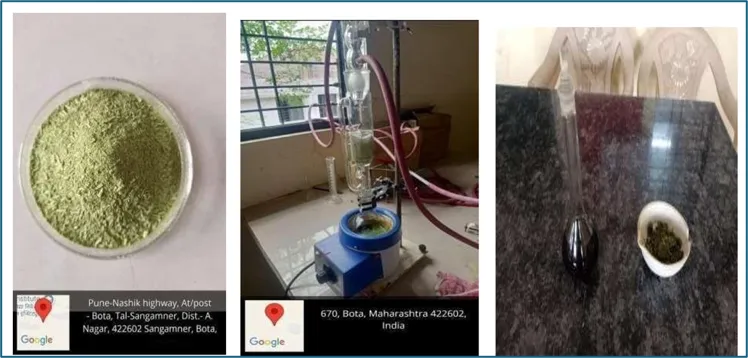
FIG : EXTRACTION OF MIMOSA PUDICA.
Table:2 Formulation table for tablets Batch Size: 500 mg (20 Tablet)
|
Sr. no |
Ingredients |
F1 |
F2 |
F3 |
F4 |
F5 |
|
1 |
Mimosa powder (API) |
215 |
215 |
215 |
215 |
215 |
|
2 |
Ginger |
60 |
55 |
53 |
48 |
53 |
|
3 |
Tulsi |
10 |
10 |
10 |
10 |
10 |
|
4 |
Menta |
10 |
10 |
10 |
10 |
10 |
|
5 |
Starch |
10 |
10 |
12 |
25 |
16 |
|
6 |
Liquorice |
18 |
15 |
20 |
20 |
10 |
|
7 |
Mg. stearate |
17 |
20 |
18 |
20 |
17 |
|
8 |
Lactose |
160 |
165 |
162 |
152 |
160 |
|
|
Total |
500 Mg |
||||
Results and Discussion of Pre-compression Parameters
|
Parameter |
Observation |
Discussion |
|
Angle of Repose (°) |
F1: 24.5, F2: 29.3, F3: 28.45, F4: 23.4, F5: 27.55 |
All formulations showed angles below 30°, indicating good flow properties. F4 exhibited the best flowability with the lowest angle of repose (23.4°). |
|
Bulk Density (g/cm³) |
F1: 0.48, F2: 0.47, F3: 0.50, F4: 0.45, F5: 0.50 |
The bulk density values indicate satisfactory packing characteristics of the powder blends. F3 and F5 showed the highest bulk density. |
|
Tapped Density (g/cm³) |
F1: 0.57, F2: 0.55, F3: 0.54, F4: 0.51, F5: 0.56 |
The tapped density values were slightly higher than bulk density, indicating good compressibility and packing ability of the blends. |
|
Compressibility Index (%) |
F1: 15.79, F2: 14.55, F3: 7.41, F4: 11.76, F5: 10.71 |
All formulations showed acceptable compressibility. F3 exhibited the lowest compressibility index, indicating excellent flow and compressibility. |
|
Hausner Ratio |
F1: 1.4, F2: 1.6, F3: 1.2, F4: 1.8, F5: 1.2 |
F3 and F5 showed the lowest Hausner ratio (1.2), indicating superior flow properties. Overall, all formulations were suitable for tablet compression. |
Table 3: Figures of Formulation and Evaluation Process
|
Figure |
Title |
Description |
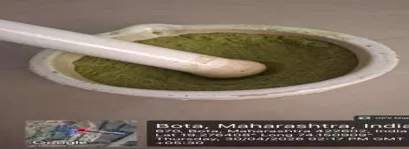
|
Fine Powder |
Finely powdered Mimosa pudica and other herbal ingredients obtained after grinding and size reduction. |

|
Sieving Method |
Sieving of powdered material through a suitable mesh to obtain uniform particle size for formulation. |

|
Tablet Punching |
Compression of the prepared blend into tablets using a tablet punching machine. |
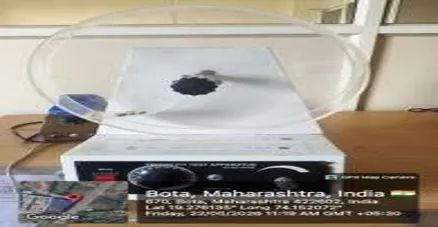
|
Friability Test Apparatus |
Apparatus used to evaluate the mechanical strength and resistance of tablets to abrasion during handling and transportation. |
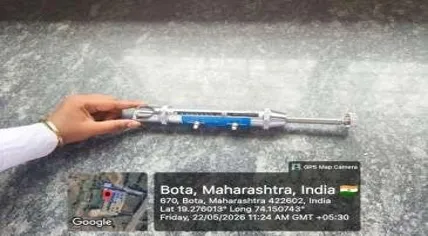
|
Hardness Tester |
Instrument used to determine the crushing strength or hardness of the prepared tablets. |
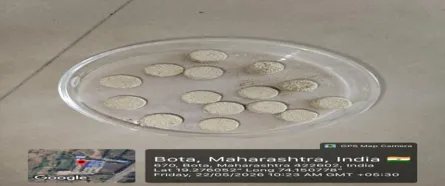
|
Final Product |
Optimized polyherbal neuro-calming tablets prepared using Mimosa pudica and other herbal ingredients. |
Table 4: Interpretation of Pie Chart Showing Distribution of Batches
|
Batch |
Approximate Contribution (%) |
Interpretation |
|
F1 |
18% |
Moderate contribution among all formulations. |
|
F2 |
20% |
Slightly higher contribution than F1. |
|
F3 |
35% |
Highest contribution, indicating the optimized formulation. |
|
F4 |
15% |
Lower contribution compared to F1, F2, and F3. |
|
F5 |
12% |
Lowest contribution among all batches. |
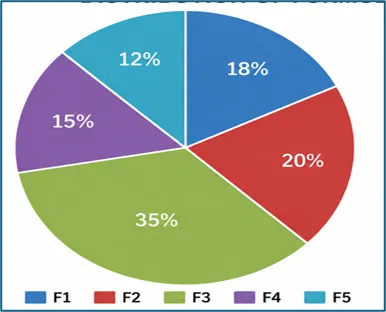
Fig. 2: Pie chart showing percentage distribution of formulation batches (F1–F5).
CONCLUSION
The present study successfully demonstrated the formulation and evaluation of a polyherbal neuro-calming tablet containing Mimosa pudica extract for the management of stress, anxiety, and depression. Among all the formulations prepared, Batch F3 was identified as the optimized formulation based on its superior pre-compression and post-compression characteristics, including satisfactory flow properties, hardness, friability, weight variation, and drug release profile. The formulation exhibited acceptable physicochemical properties and showed promising potential as a herbal neuro-calming preparation.The developed tablet formulation offers a natural, safe, and cost-effective alternative or adjunct to conventional synthetic medications used for stress, anxiety, and depression management. The presence of bioactive phytoconstituents in Mimosa pudica and other herbal ingredients may contribute to its anxiolytic, antidepressant, antioxidant, and neuroprotective effects. The successful performance of Batch F3 highlights the potential of herbal-based drug delivery systems in promoting mental well-being and supports the integration of traditional herbal medicine with modern pharmaceutical technology.However, further studies including in vivo pharmacological evaluation, toxicity assessment, pharmacokinetic investigations, and long-term stability studies are required to establish the safety, efficacy, and therapeutic potential of the formulation before its advancement to clinical trials and commercial development.
REFERENCES

Anushka Ayyar, Dattatray Bhawar, Sheetal Sanap, Kalyani Sawant, Monali Shinde, Dr. Kiran Shinde, Formulation and Evaluation of Polyherbal Neuro-Calming Preparation Using Mimosa pudica for Stress, Anxiety, and Depression Management, Int. J. of Pharm. Sci., 2026, Vol 4, Issue 6, 3271-3278. https://doi.org/10.5281/zenodo.20674137
 10.5281/zenodo.20674137