

We use cookies to ensure our website works properly and to personalise your experience. Cookies policy
1 Pharm D, Abhinav Education Society’ s College of Pharmacy, Narhe, Pune- 411041
2 Pharm D, Abhinav Education Society’ s College of Pharmacy, Narhe, Pune- 411041
3 Pharm D, Abhinav Education Society’ s College of Pharmacy, Narhe, Pune- 411041
4 Principal, Abhinav Education Society’ s College of Pharmacy, Narhe, Pune- 411041
5Clinical Pharmacologist, Sahyadri super specialty Hospital, Deccan, Pune- 411004.
To estimate the frequency of UTI’s among patients with diabetes mellitus compared to non- diabetic individuals, investigate the most frequent bacterial strains responsible for UTI’s in diabetic patients, evaluate the resistance profile of UTI – causing pathogen to commonly prescribed antibiotics, examine whether the diabetic patients are more likely to have antibiotic-resistant UTI’s compared to non- diabetic individuals. A prospective observational study was conducted over six months at Sahyadri Super Speciality Hospital, Pune. A total of 110 hospitalized patients with confirmed UTIs based on urine culture and sensitivity testing were included. Patients of all ages and both genders were assessed, provided they had UTI symptoms and documented diabetes status. Urine samples were collected and analysed for pathogen identification and antibiotic susceptibility using standard microbiological methods, including disc diffusion and minimum inhibitory concentration (MIC) techniques. Exclusion criteria included asymptomatic bacteriuria, recent antibiotic use, pregnancy, and severe immunosuppression. Data were analysed for prevalence, resistance trends, and associations with diabetes.
Urinary tract infections (UTIs) are among the most common bacterial infections affecting the urethra, bladder, ureters, or kidneys. They are particularly prevalent in females due to anatomical factors but also affect males, especially those with comorbidities. Escherichia coli is the most frequently isolated uropathogen, though other bacteria and fungi are also implicated [1].
Patients with diabetes mellitus (DM) are at a significantly higher risk of UTIs due to factors such as hyperglycaemia-induced immune dysfunction, glycosuria, and diabetic cystopathy, which facilitate bacterial growth and retention [4]. Moreover, the frequent use of antibiotics in this population has contributed to the emergence of multidrug-resistant (MDR) organisms, complicating treatment and increasing morbidity [8].
UTIs can manifest with various symptoms: including frequent urination, burning sensation during urination, cloudy or foul-smelling urine, pelvic or flank pain, and in severe cases, fever and chills. If left untreated, infections can ascend to the kidneys, leading to pyelonephritis or potentially life-threatening complications like sepsis [1].
Moreover, diabetic patients are more frequently exposed to antibiotics, either due to recurrent infections or poor glycemic control, which increases the risk of antimicrobial resistance (AMR). This growing resistance limits the effectiveness of commonly used antibiotics and poses a significant challenge in managing UTIs effectively [8]. The emergence of multidrug-resistant (MDR) strains such as extended-spectrum beta-lactamase (ESBL) producers and carbapenem-resistant Enterobacteriaceae (CRE) further complicates treatment decisions [8].
The diagnosis: typically established through clinical presentation supported by laboratory investigations. Urine analysis, particularly midstream clean-catch specimens, and urine culture with sensitivity testing, remain the gold standard for identifying pathogens and selecting appropriate antimicrobial therapy. In diabetics, early detection is vital to prevent complications and tailor antibiotic therapy, especially considering the high likelihood of resistant organisms.
The increasing burden of UTIs, particularly in diabetic patients, necessitates careful monitoring of resistance patterns. This study focuses on understanding the prevalence of antibiotic-resistant uropathogens in diabetic and non-diabetic populations and aims to offer valuable insights for optimizing treatment strategies and public health policies [9].
2. MATERIAL AND METHODS
The study was conducted in Pune, India, at a tertiary care facility. The institutional ethics committee accepted the protocol. The hospital administration and academic and research council granted their consent for the use of the patients' anonymised data. Consent from each patient was not acquired. Patients who were admitted consecutively during a period of six months, from September 2024 to March 2025, were included.
A case-report form was developed. We acquired information on the following: Demographic, and microbiological information from hospital records, such as diabetes status, glycemic control (HbA1c), UTI history, urine culture results, and antibiotic sensitivity testing (AST). After analysing the data, laboratory data on urine cultures and antibiotic resistance patterns will be analysed to identify prevalent pathogens and their resistance profiles. The analysis will also assess associations between factors like glycemic control and UTI recurrence or antibiotic resistance. using statistical methods such as chi-square tests. Based on the findings, recommendations will be made, regarding improved antibiotic prescribing practices and diabetes management to reduce the occurrence of antibiotic-resistant UTIs.
Inclusion-
Exclusion-
3. RESULT
3.1 Gender-Based Distribution
Upon gender stratification, the data revealed a higher prevalence of UTIs in male patients. Of the total 110 cases, 72 patients (65%) were male, whereas 38 patients (35%) were female. This results in a male-to-female ratio of approximately 1.9:1, indicating that UTIs were nearly twice as common in males as in females within the studied cohort.
Table 1. Distribution of Patients by Gender wise
|
Gender |
Frequency(N) |
Percentage (%) |
|
Male |
72 |
65 |
|
Female |
38 |
35 |
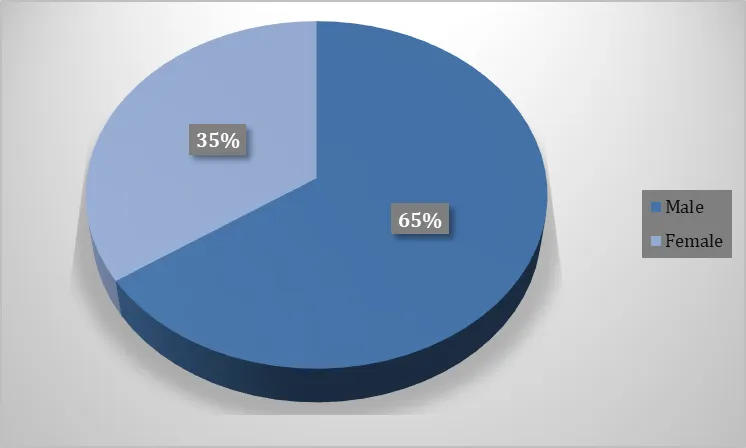
FIG.1: Distribution of Patients by Gender wise
3.2 Age-Wise Distribution of UTI Patients
A total of 110 UTI patients were categorized into five age groups: 0–20 years, 21–40 years, 41–60 years, 61–80 years, and 81–100 years, to assess the prevalence of UTIs across different age brackets.
The distribution of patients across these age groups was as follows:
Table 2. Distribution of Patients by Age wise
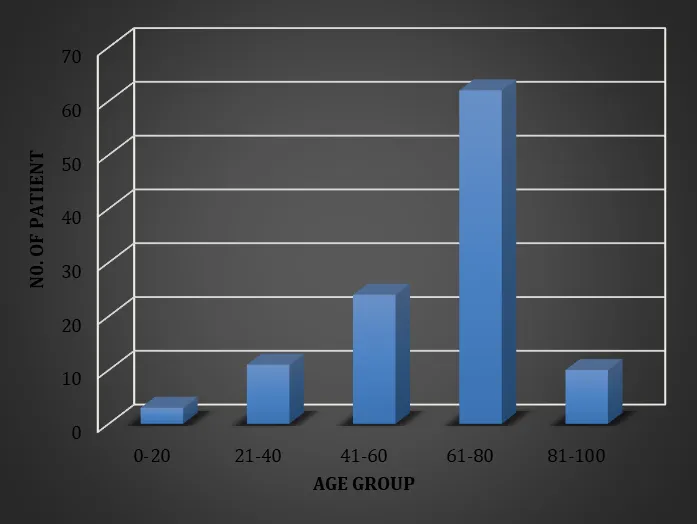
FIG.2: Distribution of Patients by Age wise
Findings and Interpretation
The highest incidence of UTIs was observed in the 61–80 years age group, accounting for 58.2% of the total cases, followed by the 41–60 years group (21.8%). The occurrence of UTIs was notably lower in younger individuals, with only 2.7% of cases reported in the 0–20 years category.
This distribution suggests that elderly patients (≥60 years) are at a significantly higher risk of developing UTIs, possibly due to age-related physiological changes, comorbid conditions, immunosenescence, and increased use of catheters or hospitalization. In contrast, younger age groups showed lower susceptibility to UTIs in this study population.
3.3 Correlation Between Diabetes and UTI
Among the 110 UTI patients analysed, a significant proportion had diabetes mellitus (DM). The distribution was as follows:
Table 3. Distribution of Patients by Diabetes Status
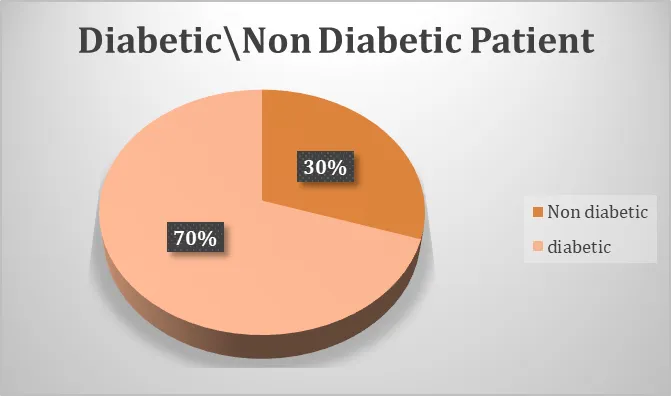
FIG.3: Distribution of Patients by Diabetes Status
Findings and Interpretation
The data indicates that 70% of the UTI cases were observed in diabetic patients, whereas only 30% occurred in non-diabetic individuals. This suggests a strong association between diabetes and an increased risk of UTIs.
Several factors contribute to the higher prevalence of UTIs in diabetic patients, including:
Clinical Implications
The significant 70% prevalence of UTI among diabetic patients highlights the need for early screening, preventive measures, and stringent glycemic control to reduce the risk of recurrent or complicated UTIs.
The correlation between diabetes and UTI suggests that diabetic patients should be closely monitored for early symptoms of urinary infections, and antibiotic therapy should be carefully selected, considering the higher likelihood of multidrug-resistant (MDR) pathogens in this population.
3.4 Pathogen Distribution & Percentage
Total Samples Analysed: 110
Table 4. Pathogen Distribution
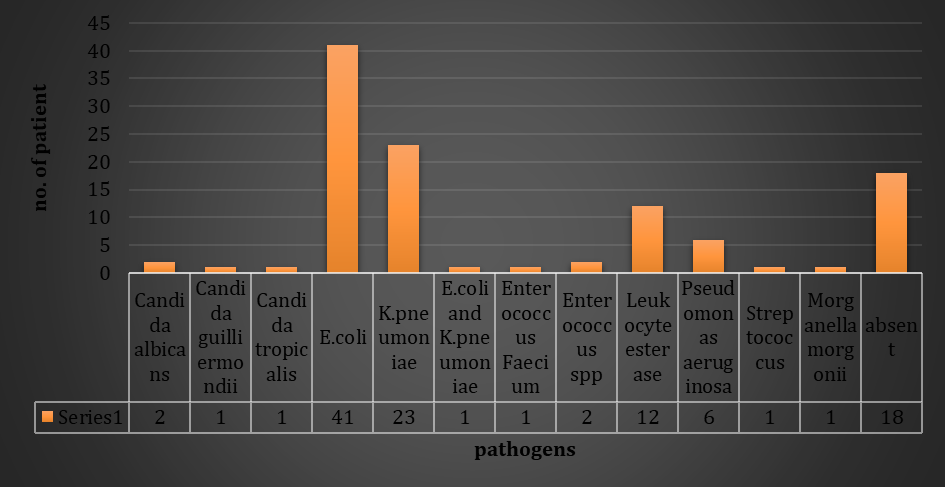
FIG.4: Pathogen Distribution
Key Observations:
This data suggests E. coli and K. pneumoniae as the major contributors to UTIs, with Candida spp. and Pseudomonas aeruginosa playing a minor role. Let me know if you need further analysis.
To simplify analysis and identify treatment trends, we categorized 13 pathogens into 6 broader groups based on clinical significance and prevalence. E. coli and K. pneumoniae were classified separately as they were the most frequently isolated pathogens. Leukocyte esterase-positive cases were grouped to indicate potential UTIs where no specific pathogen was isolated. Pseudomonas aeruginosa was analysed separately due to its distinct antibiotic resistance profile. Less common pathogens (Candida spp., Enterococcus, Morganella, etc.) were grouped as ‘Other’ to streamline interpretation. Finally, sterile cases were classified as ‘Absent’ to differentiate non-infectious samples.
Table 4.1. Pathogen Distribution
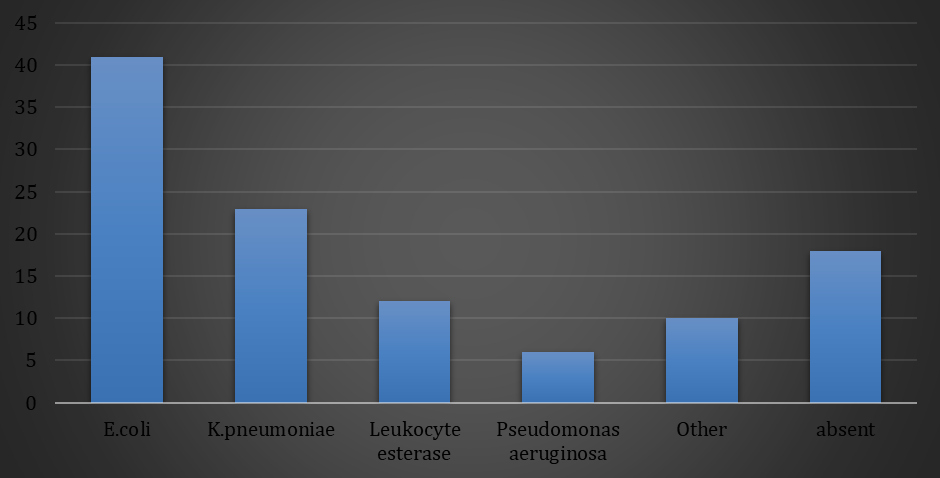
FIG.4.1: Pathogen Distribution
1) Common Sensitive Antibiotic
In this study of 110 urine culture reports, Amikacin emerged as the most commonly sensitive antibiotic, particularly for E. coli (43.9%) and K. pneumoniae (52.17%). For Pseudomonas aeruginosa, Ceftriaxone showed 50% sensitivity, while fungal infections responded best to Caspofungin and Flucytosine. These findings highlight the importance of targeted antibiotic selection to combat antimicrobial resistance.
Table 5. Most common sensitive Antibiotic for E. coli
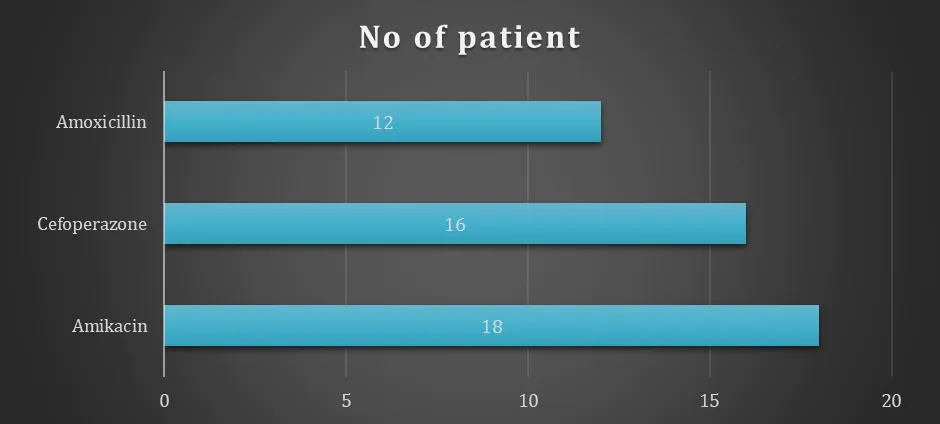
FIG.5: Most common sensitive Antibiotic for E. coli
1. E. coli (41 patients – 37.27%)
Most Common Sensitive Antibiotic: Out of 110 UTI patients, Escherichia coli was isolated in 41 cases. Among these, the most commonly found antibiotics in the urine reports were Amikacin in 18 patients, Cefoperazone in 16 patients, and Amoxicillin in 12 patients.
2. Klebsiella pneumoniae (23 patients – 20.91%)
Most Common Sensitive Antibiotic: Amikacin (12 patients, 52.17%)
3. Leukocyte Esterase Positive (12 patients – 10.91%)
Most Common Sensitive Antibiotic: Cefazolin & Cefuroxime (2 patients, 16.67%)
4. Pseudomonas aeruginosa (6 patients – 5.45%)
Most Common Sensitive Antibiotic: Ceftriaxone (3 patients, 50%)
5. Other Pathogens (10 patients – 9.09%)
Most Common Sensitive Antibiotics: Caspofungin & Flucytosine (3 patients, 30%)
6.Absent/Sterile (18 patients – 16.36%)
Key Observation:
Amikacin is the most effective antibiotic for both E. coli (43.9%) and K. pneumoniae (52.17%).
Pseudomonas aeruginosa shows 50% sensitivity to ceftriaxone.
Leukocyte esterase-positive patients respond poorly to first-line antibiotics (only 16.67% sensitivity to cefazolin/cefuroxime).
Fungal infections are best treated with caspofungin and flucytosine.
2) Common resistant Antibiotics:
In this study revealed high antibiotic resistance patterns among UTI pathogens. E. coli showed the most resistance to Cefepime (7 cases), while K. pneumoniae was highly resistant to Ampicillin (9 cases). Levofloxacin resistance was noted in leukocyte esterase-positive cases, and Pseudomonas aeruginosa exhibited resistance to multiple antibiotics, including Amoxicillin, Ampicillin, Erythromycin, and Tetracycline (2 cases each). These findings emphasize the need for judicious antibiotic use to prevent resistance escalation
Here’s the breakdown of most common resistant antibiotics for each category, along with the percentage of patients affected:
1. E. coli (41 patients – 37.27%)
Out of 110 UTI patients, Escherichia coli was isolated in 41 cases. Among these, resistance to Cefepime was found in 7 patients (17.1%), while Amoxicillin and Cefuroxime showed resistance in 5 patients each (12.2%).
Table 6. Most common Resistant Antibiotics for E. coli
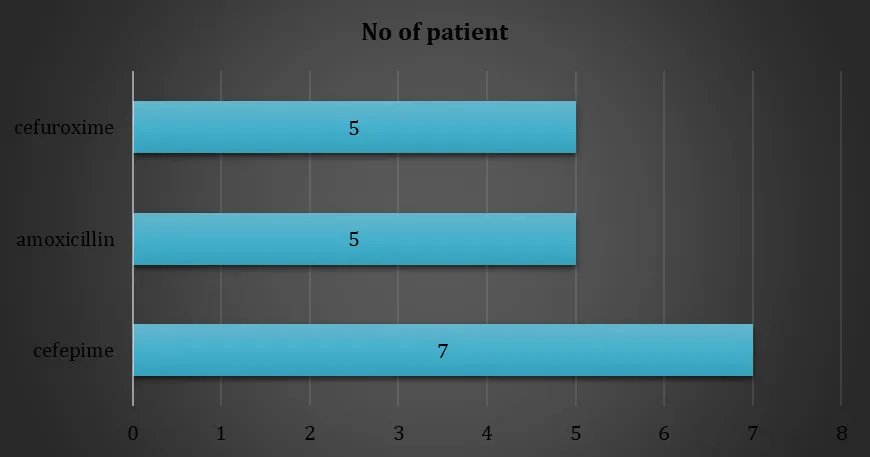
FIG.6: Most common Resistant Antibiotics for E. coli
2. Klebsiella pneumoniae (23 patients – 20.91%)
Most Common Resistant Antibiotic: Ampicillin (9 patients, 39.13%)
3. Leukocyte Esterase Positive (12 patients – 10.91%)
Most Common Resistant Antibiotic: Levofloxacin (2 patients, 16.67%)
4. Pseudomonas aeruginosa (6 patients – 5.45%)
Most Common Resistant Antibiotics: Amoxicillin, Ampicillin, Erythromycin, Tetracycline (2 patients each, 33.33% per antibiotic)
5. Other Pathogens (10 patients – 9.09%)
Most Common Resistant Antibiotics: Amoxicillin, Ampicillin (2 patients each, 20% per antibiotic)
6. Absent/Sterile (18 patients – 16.36%)
Key Observation:
Cefepime resistance in E. coli (17.07%) suggests possible ESBL or carbapenemase-producing strains.
Ampicillin shows the highest resistance in K. pneumoniae (39.13%), confirming its inefficacy for treatment.
Levofloxacin resistance in leukocyte esterase-positive cases (16.67%) suggests fluoroquinolone resistance trends.
Pseudomonas aeruginosa exhibits multi-drug resistance (33.33% per antibiotic), making treatment challenging.
Beta-lactam antibiotics (Amoxicillin, Ampicillin) are ineffective in many "Other" pathogens (20% resistance each).
5. Multidrug Resistance (MDR) Analysis:
In this study, a total of 110 UTI patients were assessed for the presence of multidrug-resistant (MDR) pathogens. 38 patients (35%) demonstrated MDR infections, while 72 patients (65%) had infections without evidence of multidrug resistance.
MDR Prevalence
The findings indicate that 35% of the UTI cases in this study were caused by pathogens resistant to multiple antimicrobial agents, which are typically considered standard treatments for UTIs. This resistance is concerning, as it limits the effectiveness of commonly prescribed antibiotics and may complicate the management of UTIs.
Implications of MDR
MDR UTIs are associated with more challenging treatment regimens, requiring the use of alternative antibiotics, often with a broader spectrum of activity and more potential for adverse effects. This underscores the importance of early identification and appropriate antibiotic therapy to avoid treatment failure and the further spread of resistance.
The significant presence of MDR in 34.5% of patients calls for careful monitoring of antimicrobial resistance patterns in clinical settings.
Table 6. Multidrug resistance Analysis
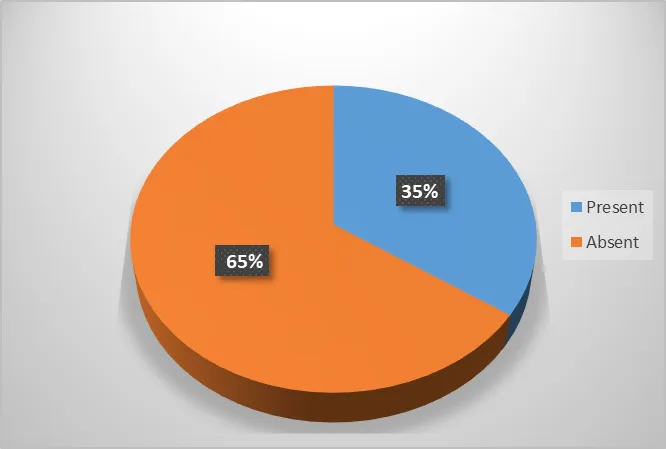
FIG.7: Multidrug resistance Analysis
DISCUSSION:
1. Gender Trends:
Males had a higher UTI prevalence (65%, male-to-female ratio 1.9:1), possibly due to comorbidities and catheter use.
2. Age Distribution:
Most cases occurred in patients aged 61–80 years (58.2%), followed by 41–60 years (21.8%).
Young individuals (0–20 years) had the lowest incidence (2.7%).
3. Diabetes Association:
70% of UTI patients were diabetic.
Factors: weakened immunity, glycosuria, bladder dysfunction, and higher MDR risk.
4. Microbiological Profile:
Common pathogens: E. coli (37.27%), K. pneumoniae (20.91%), P. aeruginosa (5.45%), Enterococcus spp. (2.73%), and Candida spp. (3.64%).
Sterile cultures in 16.36% of cases.
5. Antibiotic Sensitivity:
Effective agents: Amikacin, Ceftriaxone (for P. aeruginosa), Caspofungin, Flucytosine.
Resistance seen to Cefepime (17.07% in E. coli), Ampicillin (39.13% in K. pneumoniae), and multiple drugs in P. aeruginosa.
6. MDR Concerns:
35% of cases were MDR, increasing treatment challenges.
CONCLUSION:
The study emphasizes a significant burden of UTIs among hospitalized patients, especially those with diabetes and in the elderly population. E. coli and Klebsiella pneumoniae were the predominant causative organisms, and a considerable proportion (35%) of cases exhibited multidrug resistance, indicating a growing challenge in infection management. While Amikacin and Ceftriaxone demonstrated effective sensitivity profiles, resistance to commonly used antibiotics such as Ampicillin and Cefepime was notably high. The findings underscore the need for routine microbial culture and sensitivity testing before initiating antibiotic therapy to ensure appropriate treatment. Rational antibiotic use, strict infection control protocols, and regular antimicrobial stewardship interventions are essential to curb the rising trend of antimicrobial resistance. Furthermore, early diagnosis and proper management in high-risk groups like diabetic patients can help reduce complications and improve clinical outcomes.
REFERENCES


Vedanti Rane*, Prerana Doorkar, Divya Chothe, Dr. Trupti Tuse, Dr. Manoj Pisure, Study Of UTI’s And Prevalence Of Antibiotic-Resistant Pathogens In Patients With UTI And DM In A Tertiary Care Hospital: A Prospective Observational Study., Int. J. of Pharm. Sci., 2026, Vol 4, Issue 8, 2135-2146. https://doi.org/10.5281/zenodo.21915543
 10.5281/zenodo.21915543