

We use cookies to ensure our website works properly and to personalise your experience. Cookies policy
1Department of Pharmacology, IPS Academy College of Pharmacy, Indore, Madhya Pradesh, India
2Department of Pharmacology, IPS Academy College of Pharmacy, Indore, Madhya Pradesh, India.
Chronic stress leads to sustained activation of the hypothalamic-pituitary-adrenal (HPA) axis, resulting in continuous exposure of the brain to glucocorticoids. This prolonged exposure leads to changes in the brain, including neuroinflammation, oxidative stress, and synaptic dysfunction. The impact of these changes on hippocampal neurogenesis and synaptic plasticity disrupts neural circuits that control memory and executive function. Nevertheless, multiple studies continue to provide evidence that the brain has built-in protective Mechanisms to remain viable during chronic stress. These central pathways encompass brain-derived neurotrophic factor (BDNF) signaling, endocannabinoid modulation, endogenous antioxidant defense, and inhibition of pro-inflammatory cascades. The purpose of this review is to provide an overview of the current understanding of the molecular and cellular mechanisms underlying stress-induced cognitive impairment and to highlight therapies aimed at protecting cognitive function. Pharmacological agents such as antidepressants, endocannabinoid modulators, and tropomyosin receptor kinase B (TrkB) receptor agonists show some promise in restoring the neurotrophic signaling response. Nutritional supplementation (nutraceuticals), such as omega-3 fatty acids, polyphenolic compounds, and ?-sitosterol, is thought to offer neuroprotection primarily through their antioxidant and anti-inflammatory properties. Additionally, lifestyle changes, such as practicing mindfulness, engaging in yoga, and engaging in physical activity, enhance cognitive reserve and promote neuroplasticity. In summary, given the individuality of stress responses, a multimodal approach targeting multiple protective pathways is proposed to protect the brain from stress.
Stress has become a widespread phenomenon in modern society. All species, including humans, can develop adaptive responses to lessen the physical and psychological impacts of stress. When faced with trauma or repeated exposure to cumulative stressors, individuals may develop psychiatric conditions such as depression, generalized anxiety disorder, obsessive-compulsive disorder, post-traumatic stress disorder, and addictive behaviors. [1] In short-term situations, the body makes physiological adaptations to help the person cope with the effects of a potentially traumatic event. However, with long-term stress, the physiological adaptations that occur become maladaptive, and the physiological functioning necessary for maintaining homeostasis becomes impaired. Chronic exposure to stress now appears to be a substantial contributing factor in cognitive decline and mood disorders, while also increasing the likelihood of developing neurodegenerative conditions such as Alzheimer's disease. [2]
The hypothalamic pituitary adrenal (HPA) axis is an endocrine system responsible for regulating how our bodies respond to stress through control of the secretion of glucocorticoid hormones, which in humans is cortisol and in animals is corticosterone, for example, released during acute stress. Transient release of glucocorticoids provides energy or glucose for use and supports memory formation. [3,4]
These brain changes are linked to developing anxiety disorders, memory problems, and emotional dysregulation. [5] The body engages in a stress-resolution process when prompted; the purpose of this is to provide protection from outside harm, but that protective response to stress has detrimental effects, causing neuroinflammation. Microglia’s active cells act as a modifying cellular component; however, when microglia are under prolonged stress, their status can switch from anti-inflammatory to an inflammatory response because of multiple activations of receptors on the microglia. The activation states of microglia are; therefore, the primary cytokines produced as a response to stress: IL-1β, IL-6, and TNF-α all alter synaptic signaling and synaptic plasticity in the brain. [6,7]
In cohort/longitudinal studies, chronic stress, coupled with prolonged activation of the hypothalamic-pituitary-adrenal (HPA) axis, is a predictor of an increased risk for developing dementia. [8] Chronic stress has been shown to reduce the availability of neurotrophic factor (BDNF), so as a result, through impairing synaptic plasticity and neuroplasticity due to a reduction in BDNF, contributing to cognitive decline. [9,10] In addition, through chronic stress, there is also a disruption in levels of neurotransmitters, a disruption in the function of the mitochondria, a disruption of mechanisms of redox homeostasis, and the development of a molecular environment in which the maintenance of cognitive function is not supported; chronic strain has been associated with oxidative injury, dysfunctional mitochondria, and decreased levels of antioxidants. [11,12]
Newer models have provided the ability to deepen the understanding and identification of cognitive resilience (the brain's capacity to remain functioning adequately while exposed to outside non-supportive stressors at a level of increasing severity) caused by direct and/or indirect exposure to chronic stressors to the brain at high levels. [13,14] There is current evidence that physical activity (e.g., walking), practicing mindfulness to alleviate stress through awareness of one's body and mind, and eating antioxidant-rich foods may have biological effects (anti-inflammatory, neurotrophic, and metabolic) that help reduce or eliminate cognitive deficits caused by the effects of long-term chronic stress. [15,16 ]
NEUROBIOLOGICAL AND SYSTEMIC EFFECTS OF CHRONIC STRESS
Chronic stress can cause neurophysiological and neurobiological changes leading to cognitive impairment and/or cognitive decline experienced by individuals who have been exposed to chronic stress long-term, causing changes in the synapse. During a period of stress, several primary regions in the brain, including the hypothalamus-pituitary-adrenal (HPA) axis, the sympathetic nervous system, and the neuroimmune system, respond to the stressful experience(s). While activation of these systems may facilitate the maintenance of metabolic health over a shorter time frame, prolonged activation of these systems will result in damage to many of the brain's cellular functions that are associated with the nervous system, such as neurotransmission, neuroinflammation, brain oxidative stress (through the presence of free radicals), and neurotrophic signaling. [17,18]
Dysregulation of the Hypothalamic-Pituitary-Adrenal (HPA) Axis
Chronic stress is mediated primarily via the hypothalamic-pituitary-adrenal (HPA) axis. Under prolonged exposure to chronic stress, the hypothalamus releases corticotropin-releasing hormone (CRH), leading to elevated levels of adrenocorticotropic hormone (ACTH) and glucocorticoids. Repeated glucocorticoid exposure disrupts the HPA axis's negative feedback response, leading to persistent elevations in cortisol levels. Continued stimulation of glucocorticoid receptors is detrimental to neuronal function in the hippocampus; for example, chronic stimulation of these receptors causes less dendritic branching and less adult neurogenesis in the dentate gyrus and ultimately less long-term potentiation (LTP), the cellular mechanism through which learning occurs. [4]
Long-term exposure to glucocorticoids has also been shown to affect neurotransmitter levels by decreasing the ability of glutamate transporters (EAATs) to absorb glutamate, increasing the amount of excess excitatory signaling due to increased NMDA receptor activation, and affecting the carriers involved in the transport of serotonin, dopamine, and norepinephrine. Changes in the neurotransmitter systems lead to emotional problems and cognitive problems under conditions of prolonged stress. [10]
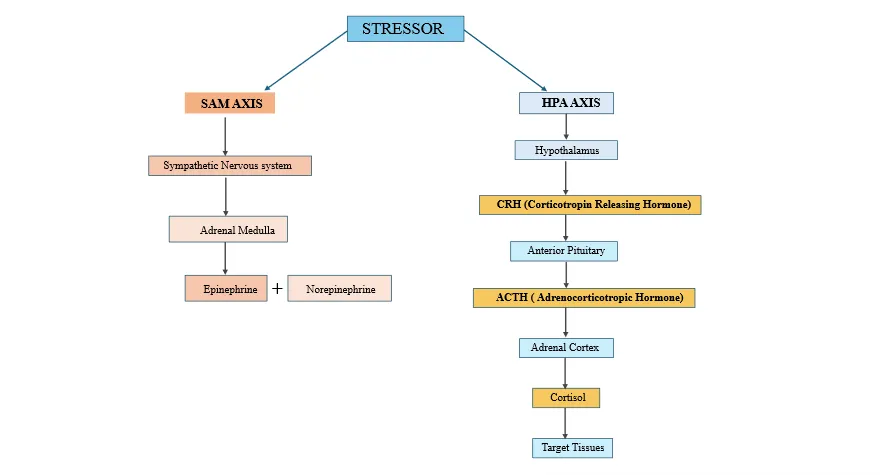
Figure 1: Neuroendocrine pathways involved in stress response
Table 1. Chronic stress induces coordinated neuroendocrine, inflammatory, and oxidative alterations across multiple brain regions and systemic pathways
|
Brain Part |
Physical change due to stress |
Mechanism of action |
References |
|
HPA Axis |
Excessive glucocorticoids |
Persistence of inhibitory feedback dysfunction, allostatic (stress-related overload) |
[17] |
|
Hippocampus |
Reductions of neurogenesis; Withdrawn dendritic Processes |
Memory and learning impairments |
[18] |
|
Prefrontal cortex |
Loss of synapses; altered levels of monoamine signaling |
Changes in executive function, attention deficit disorder |
[4] |
|
Amygdala |
Structural hypertrophy; hyper-reactivity |
Heightened anxiety and emotional regulation issues |
[5] |
|
Mitochondria/oxidative reduction system |
Increase in free radicals; decrease in antioxidant production |
Oxidative damage and susceptibility of the nervous system to injury |
[12] |
Neuroinflammation and Microglial Activation
Long-term exposure to stress can lead to neuroinflammation, which can affect cognitive impairment. This proinflammatory microenvironment is characterized by the production of proinflammatory cytokines, such as interleukin-1β, Interleukin-6, and tumor necrosis factor-α, all of which can affect synaptic communication and neuronal death.
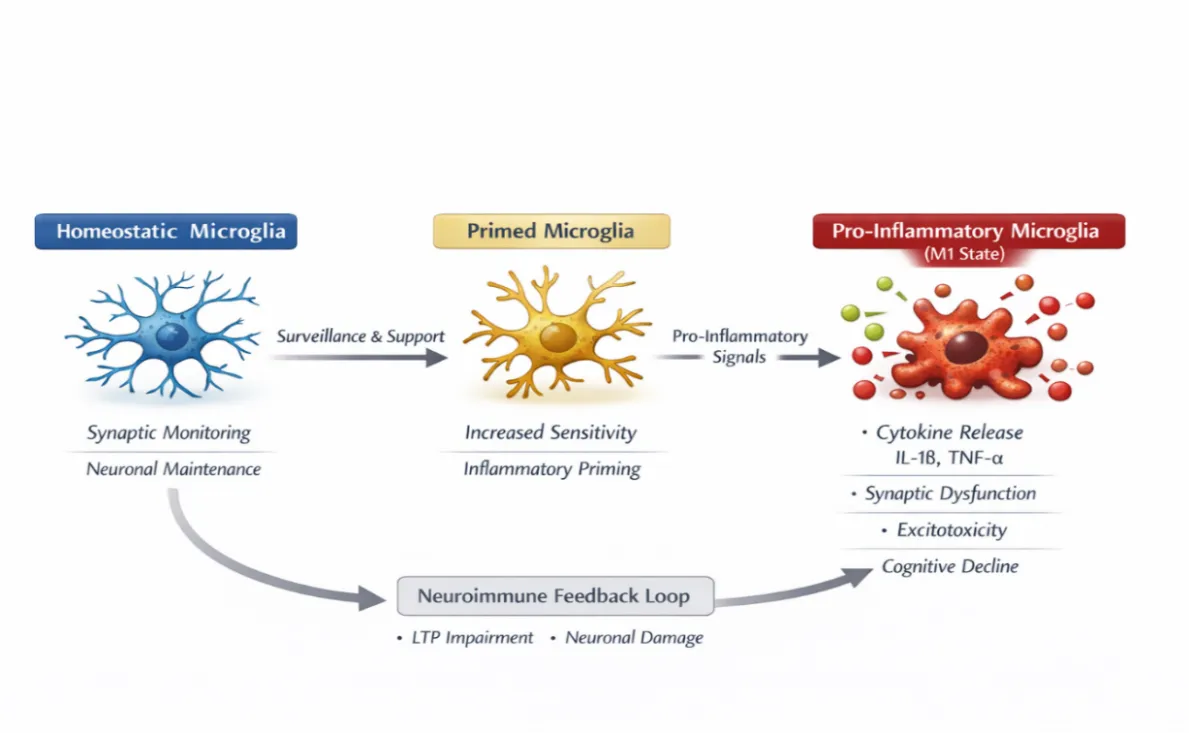
Figure 2: Neuroinflammation and Microglial Activation
In normal conditions, microglia reside in a resting state and are primed for maintaining homeostasis, performing synaptic pruning, and providing trophic support. After being exposed to chronic stress, microglia exhibit reactive phenotypes, also known as “primed” microglia, which hyper-respond to repeated exposure to stressful situations, resulting in increased production of neuroinflammatory substances in response to subsequent stressors. [19]
Oxidative Stress and Mitochondrial Dysfunction
Chronic stress has been shown to cause increased production of reactive oxygen/nitrogen species (ROS/RNS), which, when in excess, can overload the brain’s antioxidant defense system and produce multiple damaging events through processes such as lipid peroxidation, protein carbonylation, and DNA breakage, leading to apoptotic events or mitochondrial dysfunction as previously discussed. [12] Antioxidant enzyme activities (e.g., Superoxide Dismutase (SOD), Catalase (CAT), Glutathione Peroxidase) are decreased by chronic stress; therefore, oxidative injury caused by chronic stress ultimately results in further oxidative insults. [21]
Neurotrophic and Synaptic Alterations
Neurotrophic Factors are important for the development and adaptation of synapses (connections between neurons). Stress also induces physical changes in dendritic spine morphology and reduces synaptic spine density. A breakdown in the number of synaptic connections impairs neuronal communication across the brain and the area in use, with negative effects on decision-making, working memory, and attention span. [1,4]
Table 2. Microglial responses to chronic stress follow a dynamic trajectory from homeostatic surveillance to maladaptive inflammatory activation.
|
Microglial State |
Stress-related Trigger |
Functional Outcome |
Cognitive Impact |
References |
|
Homeostatic microglia |
Physiological stress |
synaptic maintenance |
Cognitive stability |
[19] |
|
Primed microglia |
Chronic psychosocial stress |
Excessive inflammation |
Increased risk of memory loss |
[20] |
|
Pro-inflammatory Microglia |
Continued exposure to elevated glucocorticoids |
Isolated pro-inflammatory cytokines (IL-1β & TNF-α) |
Reduced Plasticity |
[7] |
|
Dysregulated microglia |
Repeatedly experiencing stress |
Synaptic pruning error |
Reduced long-term cognitive ability |
[19] |
COGNITIVE AND BEHAVIORAL CONSEQUENCES OF PROLONGED STRESS
Exposure to chronic stress has a dramatic impact on cognitive function; prolonged exposure to high amounts of neuroendocrine and neuroinflammatory pathway activation may result in a decline in neuronal communication and synaptic plasticity, leading to a drop-off in the overall function of neural networks, all resulting in measurable deficits in attention, memory, executive function, and emotional regulation. [5] The long-term consequences of chronic stress not only have effects that are apparent at any given time, but also significant amounts of chronic stress can create neurocognitive changes that are akin to the first signs of neurodegenerative or mood disorders. [21]
Effects on Memory and Learning
Cognitive decline changes in brain growth hormones over an extended period of time can create problems with memory storage/retrieval and the overall integrity of different parts of the brain. For example, elevated glucocorticoid levels within the body can interfere with the process by which long-term potentiation occurs in the hippocampus, which is the basis for consolidating memories in the brain. They found that chronic stress was significantly correlated with poor performance on tests within both cognitive domains included in this analysis. [22]
The executive function and dysfunction of the prefrontal cortex
Chronic stress has caused several changes in the structure and function of the PFC. Specifically, in response to chronic stress, the PFC has been rendered unable to generate new neurons or adjust neurotransmitter signaling. Chronic stress significantly affects emotional and behavioral regulation. Persistent activation of the amygdala, in conjunction with prefrontal dysfunction, increases anxiety, irritability, and mood instability. The failure of the PFC to generate new neurons and to adapt neurotransmitter signaling has resulted in deficits related to working memory, shifting attention, and inhibition of behavior. [23] Functional neuroimaging has shown evidence from various studies that chronic stress has resulted in an increase in amygdala activity and a decrease in PFC activity during various cognitive tasks. This shift in neurophysiology indicates that people are increasingly relying on emotional reflexive behavior rather than goal-directed behavior. People with chronic work stress experience higher levels of cognitive fatigue, slower processing speed, and poor performance on cognitive tasks. [24]
Table 3. Prolonged stress exposure produces domain-specific cognitive and behavioral impairments involving memory, executive function, and emotional regulation.
|
Cognitive Domain |
Stress-Related Cognitive Deficit |
Affected Brain Region |
References |
|
Working Memory |
Reduced Capacity, Slowed Processing |
Anterior Cingulate Cortex |
[22] |
|
Long-term memory |
Impaired Retrieval, Impaired Consolidation |
Hippocampus |
[1] |
|
Executive function |
Poor Decision Making and Poor Inhibition |
PFC-amygdala Circuit |
[25] |
|
Emotional Regulation |
Anxiety and Mood Instability |
Amygdala-PFC Circuit |
[8] |
|
Dementia Risk |
Accelerated Cognitive Age |
Hippocampus |
[2] |
MECHANISTIC PATHWAYS OF COGNITIVE PROTECTION UNDER PROLONGED STRESS
While chronic stress can interfere with the nervous system’s ability to regulate itself properly (homeostasis), there are ways your brain can adapt over time to offer you some amount of protection against cognitive decline caused by chronic stress. There are several neuroprotective systems in the brain, such as neurotrophic factors/signaling, antioxidants, neurotransmitter levels, modulating neuroinflammatory responses, and regulating cannabinoids, that work together to keep synapses intact and provide a foundation for neural plasticity. [27]
Brain-Derived Neurotrophic Factor (BDNF) and Synaptic Plasticity
Chronic Stress Can Change How Our Brain Performs Cognitively. Neurotrophins. Continuous exposure to long-term stress has been shown to inhibit BDNF expression in the hippocampus through opposing effects of glucocorticoids on the CREB pathway, thereby decreasing neurogenesis and cognitive function. [28]
Multiple studies highlight the correlation between an individual’s ability to tolerate chronic stress and either retaining or increasing their BDNF levels following a chronic or acute stress event. reported that resilient individuals have higher levels of BDNF in the hippocampus and greater synaptic density compared to those with poor stress tolerance. [15] Lifestyle changes, such as exercise, mindfulness/meditation, and omega-3 intake, may increase BDNF levels and support recovery of hippocampal plasticity. [6]
Oxidative Stress and Antioxidant Defense Mechanisms
The concentration of reactive oxygen species (ROS) in the body increases during prolonged stress. Reactive oxygen species (ROS) damage the DNA of human cells and the lipid membranes of all cell types. ROS impair the ability of nerve mitochondria to perform metabolic processes. Therefore, prolonged stress results in the destruction of the lipid membranes of all human cell types. [22]
The endogenous antioxidant systems of the brain can help counteract cognitive decline; however, low levels of oxidative damage have been shown to induce hormesis (activation of the Nrf2 pathway) and to increase the efficiency of antioxidant defense mechanisms, thereby increasing the overall resilience of synapses. Over time, chronic stress will disturb both of these effects. Several nutraceutical/botanical antioxidants, such as curcumin, resveratrol, and β-sitosterol, have been shown to enhance intermediate antioxidant functions and improve learning and memory. β-Sitosterol has been shown to exert neuroprotective effects by enhancing mitochondrial function and reducing lipid peroxidation, thereby preserving synaptic transmission in the hippocampus under chronic stressors. [28]
Neurotransmitter Modulation and Synaptic Homeostasis
Cognitive defense, while under protracted stress, is yet another method that helps one keep the balance of neurotransmitters, but most importantly of glutamate, GABA (gamma-aminobutyric acid), and monoamines (dopamine, norepinephrine, and serotonin) during stressful events. Long-term exposure to stress has been shown to disrupt glutamatergic signaling through unregulated glutamate release and overactivity of NMDA receptors, leading to excitotoxic damage to the brain. [28]
Many neuroprotective mechanisms counteract glutamatergic excitotoxicity by upregulating glutamate transporter expression and improving GABAergic modulation to restore the balance between excitation and inhibition in the brain. [29]
Dopaminergic modulation associated with Prefrontal Cortex regions of the brain supports a range of cognitive processes related to attention and executive control over time, whereas serotonergic signals assist the brain in controlling emotional states. Enhancing monoaminergic improves cognitive resilience through restoring neurochemical stability and increasing efficiency at synapses. [8]
Modulation of Neuroinflammation and Microglial Homeostasis
When the immune system is able to effectively respond to stressors, it can generate anti-inflammatory cytokines (e.g., IL-10, TGF-β), as well as specific factors that promote the resolution of inflammation. Thus, these factors reduce the extent to which neuroinflammation develops in response to stress and contribute positively to cognitive function. Several natural substances (e.g., resveratrol, curcumin, and flavonoids) have been demonstrated to prevent cytokine-induced neurodegenerative effects via inhibition of the NF-κB signaling pathway as well as enhance memory consolidation. [29]
The Endocannabinoid System in Stress Adaptation
The ECS is comprised of two types of Cannabinoid Receptors (CB1 and CB2), two types of Endocannabinoids (AEA and 2-AG), and enzymes that metabolize AEA and 2-AG. [23] The ECS aids in the regulation of our emotions and thoughts when under stressful situations through a variety of mechanisms, including reducing hyperactivity along the HPA axis, reducing excitotoxic potential via glutamate, and improving synaptic plasticity through activation of the ECS. Chronic stress leads to decreased concentrations of AEA and decreased expression of CB1 receptors, thereby stressing the human body and reducing the individual's ability to adapt to stressful situations. However, pharmacological or natural means of increasing ECS activation/expression of receptors have been shown to improve resilience and cognitive recovery. [30]
Table 4. Despite pervasive disruption in neurobiology, several endogenous protective pathways protect against cognitive decline induced by stressors.
|
Protective Pathway |
Mechanism of Action |
Cognitive Benefit |
References |
|
BDNF–TrkB signaling |
Synaptic plasticity and neurogenesis |
memory resilience |
[9,10] |
|
Antioxidant defense |
ROS neutralization and mitochondrial protection |
neuronal survival |
[11,12] |
|
Neurotransmitter balance |
glutamate/GABA homeostasis |
cognitive flexibility |
[30] |
|
Endocannabinoid system |
HPA axis suppression and synaptic stability |
stress adaptation |
[31] |
|
Anti-inflammatory signaling |
cytokine suppression |
preserved synaptic function |
[7] |
PHARMACOLOGICAL AND NATURAL INTERVENTIONS FOR COGNITIVE PROTECTION UNDER CHRONIC STRESS
There are several possible reasons for cognitive decline: dysregulated neuronal signaling due to chronic stress, the effects on oxidative/inflammatory pathways, and disrupted neuroendocrine function (the regulatory balance between hormones and brain activity). However, there is now considerable preclinical and clinical evidence supporting the use of specific medications, nutraceutical products, dietary supplements, and/or lifestyle choices to reverse these changes and correct the function of neurotrophic factors, antioxidants, and immunological substances.
Pharmacological Strategies: Neuroprotective and Cognitive-Enhancing Agents
Antidepressants and Neurotrophic Modulators
SSRI and SNRI antidepressants help mitigate the effects of stress on cognitive functioning in several ways, including upregulating BDNF-TrkB signaling and promoting neurogenesis within the hippocampus. As an additional outcome, they reverse structural atrophy resulting from long-term exposure to glucocorticoids. [10] Trypaflavin7,8-dihydroxyflavone small TrkB agonist capable of mimicking the cognitive-enhancing effects of BDNF, allowing it to improve immediate recall and retention in models of chronic stress. BDNF modulation represents a novel mechanism of action for future ligand optimization efforts; however, highly selective TrkB agonists have the potential to provide neuroprotection without the negative side effects associated with standard antidepressant medication use. [32]
Anti-inflammatory and Antioxidant Agents
Oxidative stress, resulting from prolonged stressors, induces inflammation and alters neuronal tissue. Various pharmacological/nutraceutical products with neuroprotective actions restoring redox homeostasis and inhibiting neuroinflammation have recently been identified. Although nonsteroidal anti-inflammatory drugs (NSAIDs) and glucocorticoid receptor antagonists have been shown to partially reduce inflammation-associated cognitive loss following the use of these drugs on a chronic basis due to the side effects associated with their use, more research is directed toward using phytochemicals with antioxidant and flavonoid properties as safer replacement products for these medications. [33]
Endocannabinoid System Modulators
Recent findings on the Endocannabinoid System (ECS) may offer new therapies to reduce the body’s stress response and, conversely, improve neuronal integrity . The activation of cannabinoid receptors (CB1) within both the hippocampus (HIP) and prefrontal cortex (PFC) is responsible for reducing excessive activation of the hypothalamically activated (HPA axis, as well as preventing the presynaptic release of excessive amounts of glutamate; this helps maintain emotional and synaptic homeostasis. Overall, both the administration of CB1 receptor agonists and of fatty acid amide hydrolase (FAAH) inhibitors to restore anandamide (AEA) and 2-arachidonoylglycerol (2-AG) to homeostatic levels have been shown to improve cognition and neuroplasticity. [38] Moreover, drugs that target the CB2 receptor system may help restore cognitive function in patients with cognitive impairment associated with brain inflammation. [39]
Table 5: lifestyle and nutritional interventions exert broad neuroprotective effects by modulating neurotrophic, inflammatory, and metabolic pathways: key non-pharmacological strategies and their cognitive benefits.
|
Intervention |
First Target |
Neuroprotective Property |
Evidences |
References |
|
Aerobic exercise |
BDNF Up, Inflammation Down |
Memory and Attention |
Systematic Review |
[33] |
|
Mindfulness/CBT |
Cortisol Down, PFC Control Up |
Stability of executive function |
Meta-analysis |
[34] |
|
Omega-3 Fatty Acids |
Microglial Modulation |
Cognition Preservation |
Clinical Review |
[35] |
|
Flavonoids |
Antioxidant, Anti-inflammatory |
Neuroplastic Support |
Review Data |
[36] |
|
Dietary Antioxidant |
Redox Homeostasis |
Neuronal Protection |
Preclinical and Clinical |
[37] |
Nutritional and Natural Compounds in Cognitive Protection
Omega-3 Fatty Acids and Dietary Lipids
Omega-3 polyunsaturated fatty acids (PUFA) consist mainly of two types of fat: docosahexaenoic acid (DHA) and eicosapentaenoic acid (EPA). Research has shown that these omega-3 fatty acids improve the fluidity of neuronal membranes, facilitate synaptic signaling, and promote an anti-inflammatory response. [35] Increasing omega-3 consumption enhances attention, executive functioning, and working memory in individuals experiencing chronic psychological stress. [36]
Flavonoids and Polyphenols
The flavonoids (quercetin, catechin, luteolin, kaempferol) improve blood flow to the brain, mediate intercellular signaling, and generate energy in cells (mitochondria) to better adapt to stress. [15] A high flavonoid content will maintain brain health over the long term and delay cognitive aging, demonstrating that a diverse diet can serve as a preventive measure against the adverse effects of stress on the nervous system. [21] Food sources of flavonoids include berries, green tea, dark chocolate, and citrus fruits. Resveratrol also stimulates sirtuin 1 (SIRT1), promotes mitochondrial biogenesis, and protects neurons against glucocorticoid-induced damage. [15]
Vitamins and Trace Elements
Vitamin B6, Vitamin B12, Vitamin D, Vitamin E, Zinc, Magnesium, and Selenium are important for neuronal signaling, as antioxidants, and for preventing declines in their efficiency under increased stress, which could impair mood regulation. [40]
This optimal intake of vitamins and/or minerals can be supplemented to help balance redox, thereby supporting optimal neurotransmitter production. Vitamin D has been shown to regulate calcium levels in the body and to exert anti-inflammatory effects on the nervous system. [41]
Lifestyle and Behavioral Interventions
Exercise and Physical Activity
Exercising can slow cognitive degeneration. Increasing Brain-derived neurotrophic factor (BDNF), growing new nerve cells in the hippocampus, and promoting the brain's glucose and oxygen supply are all functions that can be improved through exercise. Both aerobic and resistance training improve the body's use of oxygen and glucose; both types of training benefit by lowering oxidative stress and modulating the body's immune response; both activities help decrease neuroinflammation and enhance cognitive health. [26]
During exercise, there is a release of substances such as irisin, cathepsin B, and lactate (the byproducts of muscular contractions) from working muscle tissues. These products function to provide systemic protection to the nervous system by working to enhance the function of the mitochondria and reducing the damaging effects of glucocorticoids. Even at just moderate intensities (150 minutes a week of walking at 3 miles an hour), HIIT or high-intensity interval training may be even more beneficial to cognitive health. [42]
Mindfulness, Meditation, and Cognitive Behavioral Therapy (CBT)
Multiple studies indicate that Mindfulness-Based Interventions (MBIs) and Cognitive Behavioural Therapy (CBT) cause measurable neurobiological changes, such as an increase in functional connectivity of the prefrontal cortex and the decrease in hyperactivity of the amygdala. Neuroimaging studies suggest that those who practice mindfulness regularly have greater density of gray matter in areas of the brain, such as the anterior cingulate gyrus and hippocampus, that are responsible for emotional regulation and cognitive control. [42]
THEORIZING COGNITIVE RESILIENCE AND DEVELOPING ADAPTIVE MODELS/FRAMEWORKS: TRANSLATING NEW FINDINGS FOR USE IN PRACTICE
Where there is a clear negative neurobiological effect on the brain from prolonged chronic stress exposure, it is also clear that not everyone has suffered equal cognitive decline from chronic stress exposure. A large and growing body of research indicates that cognitive resilience is the capability of the brain to maintain or return to a functional cognitive state due to stress-related changes in function. In concert with an individual's biological reserve, mental adaptation, and environmental enrichment have tremendous collective buffering capacity to protect the brain against both functional and structural failures. [43]
Conceptual Foundations of Cognitive Resilience
Cognitive resilience is an extension of large theories like brain maintenance and cognitive reserve. [44]
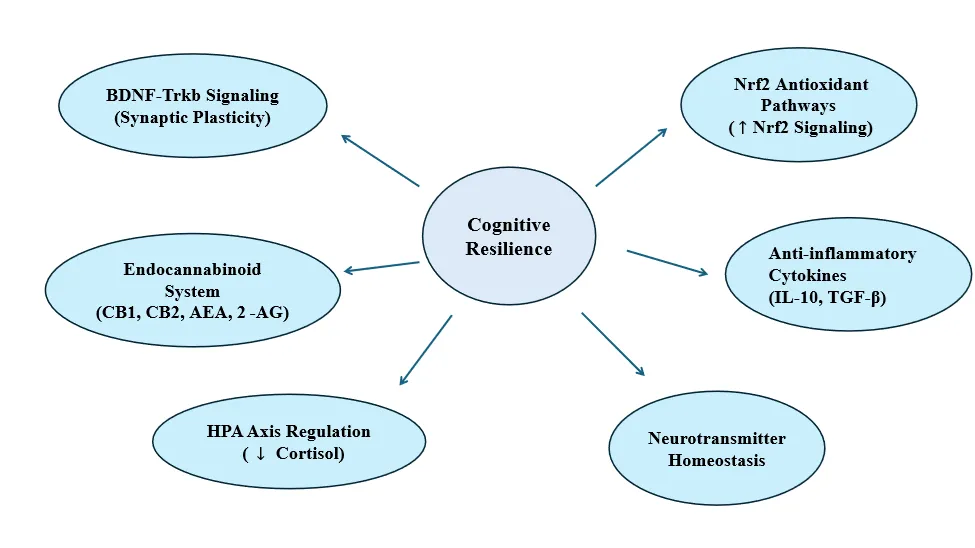
Figure 3: Mechanistic Pathways of Cognitive Protection
Neurobiological Substrates of Cognitive Resilience
The levels of brain-derived neurotrophic factor (BDNF), as well as the formation and rewiring of synapses, are altered as a result of increased neuronal connectivity, particularly in a new layer of the entorhinal cortex, following neuronal activation in the short term and in the chronic stress-induced remodeling of the brain structures responsible for regulating emotion. [46] Antioxidants are controlled metabolically: Nrf2-dependent antioxidant genes are upregulated to maintain the efficiency of the mitochondria and reduce the risk of developing oxidative injury. [47]
Psychological and Behavioral Determinants of Resilience
Cognitive resilience encompasses behavioral and affective components, as well as molecular and cellular bases. In general, those exhibiting positive coping behaviors, better regulating their emotions, and participating in directed goal-directed behaviors tend to show decreased physiological responses to stressors and recover more quickly from cognitive deficits among those exhibiting psychological flexibility and adaptability. [48]
Psychological practices, such as mindfulness, cognitive-behavioural therapy, and stress inoculation training, promote neuroplasticity through encouraging both top-down emotion regulation by the anterior prefrontal cortex and activation of the stress-response brain structures within the limbic system, as demonstrated by neuroimaging findings showing increased cortical thickness and improved connectivity of the executive function networks of academic participants with regular practice of mindfulness. [49]
FUTURE PERSPECTIVES
Future research needs to pay attention to the transition from preclinical results to their clinical application to ensure that the obtained mechanistic knowledge is translated into appropriate therapeutic interventions. The incorporation of novel translational technologies, including brain organoids, advanced neuroimaging techniques, and multi-omics methods, will allow for a better understanding of the molecular and cellular mechanisms of stress-related cognitive impairment. The longitudinal studies will play a key role in establishing the causality of chronic stress and cognitive decline, thus eliminating the drawbacks of current cross-sectional studies. Additionally, further research should concentrate on the gut-brain axis as an emerging therapeutic target for the restoration of the microbiome balance and regulation of HPA axis hyperactivity. Lastly, future research needs to consider sex differences in response to chronic stress; using machine learning will facilitate the elucidation of the effect of fluctuating hormones on neuroinflammation and glucocorticoid signaling.
CONCLUSION
Chronic stress might lead to cognitive impairments due to molecular, structural, and functional changes in brain areas responding to stressors. Prolonged HPA axis activation, together with chronic neuroinflammation, oxidative stress, and neuroplasticity impairment, leads to neuronal degradation and instability of neural networks in the hippocampus and prefrontal cortex. Ultimately, such changes result in learning and memory impairments and executive function deficits characteristic of stress-related cognitive dysfunction.
Intervention targeting molecular mechanisms involved in cognitive dysfunction might be effective in treating stress-related cognitive impairments. Modulation of BDNF-TrkB signaling, endocannabinoid system modulation, activation of endogenous antioxidant systems, and inhibition of inflammatory pathways might be considered as potential therapeutic targets. Preservation of cognitive abilities in the long term might need a multi-level strategy combining pharmacotherapy with lifestyle intervention, which includes physical activity, stress-reduction techniques, and a diet rich in omega-3 fatty acids and polyphenols. Such strategies might facilitate neuroplasticity and enhance the capacity of an individual to withstand stress-related effects.
Moreover, cognitive resilience might serve as an explanation of individual differences in vulnerability to cognitive impairments caused by stress. Future research should concentrate on searching for robust biological and digital biomarkers of cognitive resilience to develop personalized treatment and prevention of stress-related neurocognitive disorders.
REFERENCES


Vivek Kalme*, Neelam Balekar, Cognitive Protection Under Prolonged Stress: Neurobiological Mechanisms, Molecular Pathways, And Therapeutic Interventions., Int. J. of Pharm. Sci., 2026, Vol 4, Issue 8, 2147-2162. https://doi.org/10.5281/zenodo.21915788
 10.5281/zenodo.21915788