

We use cookies to ensure our website works properly and to personalise your experience. Cookies policy
Dr Uttamaro Mahajan College of B Pharmacy, Chalisgaon, Dist. Jalgaon,424101.
This review article presents a comprehensive evaluation of a herbal toothpaste formulated using traditional medicinal ingredients such as neem stem and bark, babul leaves, guava leaves, kalmi bark, camphor, and honey, combined with essential excipients like calcium carbonate, glycerin, sodium lauryl sulfate, and preservatives. The study highlights the rising preference for natural oral-care products and emphasizes the therapeutic significance of the selected botanicals, which exhibit antimicrobial, anti-inflammatory, astringent, and cleansing properties beneficial for maintaining oral hygiene. The formulation process, along with physical, chemical, and microbiological evaluation parameters—such as pH, spreadability, abrasiveness, foaming capacity, and antimicrobial activity—demonstrates that the herbal toothpaste provides effective plaque control, gum strengthening, and microbial reduction with minimal side effects. Findings from the review suggest that the developed herbal formulation is a safe, economical, and efficient alternative to conventional chemical-based toothpaste, offering considerable potential for future research, optimization, and commercial application in the natural oral-care sector.
Oral hygiene is a fundamental component of general health, as the oral cavity serves as the primary gateway to the digestive and respiratory systems. Maintaining a clean and healthy mouth helps prevent a wide range of dental conditions, including dental caries, periodontal diseases, halitosis, plaque accumulation, and gum inflammation. Effective oral hygiene practices—such as regular tooth brushing, flossing, and the use of therapeutic oral products—play a crucial role in safeguarding oral tissues, preserving tooth structure, and promoting overall well-being.
Toothpaste is one of the most widely used oral hygiene products globally, functioning as an adjunct to mechanical cleaning by enhancing plaque removal, reducing bacterial load, and delivering active agents to the teeth and gums. Modern toothpaste formulations generally include abrasives, surfactants, humectants, binders, preservatives, and flavouring agents. These components work synergistically to remove debris, polish tooth surfaces, prevent microbial growth, maintain moisture, and improve user acceptability.
In recent years, the demand for herbal and natural alternatives to conventional toothpaste has grown significantly. Concerns over synthetic chemical additives, increasing awareness of natural remedies, and interest in traditional medicinal systems such as Ayurveda have contributed to this shift. Herbal toothpastes incorporate plant-based ingredients rich in phytochemicals, offering antimicrobial, anti-inflammatory, astringent, and antioxidant benefits. As a result, herbal formulations are being widely explored as safer, eco-friendly, and effective solutions for maintaining oral hygiene while minimizing adverse effects associated with synthetic components.
The demand for herbal dental care products has increased significantly over the last decade due to growing consumer awareness about the potential side effects of synthetic chemicals commonly used in conventional toothpastes. Modern consumers are increasingly shifting toward natural and plant-based products that are perceived as safer, milder, and environmentally friendly. This shift is particularly evident in oral care, where the mucosal absorption of chemical ingredients can raise safety concerns. As a result, herbal formulations are gaining preference for daily dental hygiene.
Several factors contribute to this trend. First, there is a global resurgence of traditional medicinal systems such as Ayurveda, Unani, and Traditional Chinese Medicine, which emphasize the therapeutic benefits of herbs for maintaining oral health. Ingredients like neem, babul, guava, and cloves have long been recognized for their antimicrobial, anti-inflammatory, and healing properties, making them popular choices in herbal toothpaste formulations
Second, consumers are seeking alternatives that avoid synthetic surfactants, artificial colors, preservatives, and fluoride—especially for children and individuals with sensitivity issues. Herbal toothpastes are viewed as gentle yet effective, offering solutions for problems such as gingivitis, plaque buildup, mouth ulcers, and halitosis.
Third, the rise of wellness culture and the influence of natural product marketing have significantly increased the acceptance of herbal oral care. The expansion of the global herbal toothpaste market—supported by endorsements from dentists, researchers, and regulatory bodies—continues to strengthen this demand.
Overall, the growing inclination toward natural health, safety, sustainability, and holistic well-being has positioned herbal toothpaste as a preferred choice among consumers, driving continuous innovation and research in the field of herbal dental care.

Figure 1 Natural Product
Role of Herbal Ingredients in Oral Health:-
Herbal ingredients have been widely recognized for their therapeutic potential in maintaining oral hygiene and preventing common dental problems such as plaque formation, gingivitis, halitosis, and microbial infections. Unlike synthetic agents that may cause side effects such as mucosal irritation or altered taste, herbal components provide a safer, biocompatible, and holistic approach to oral care. The following key herbal ingredients used in the formulation play significant roles in promoting oral health:
Collectively, these herbal components:
Thus, the integration of herbal ingredients in toothpaste supports effective oral hygiene while minimizing adverse effects, making them suitable for long-term use.
This review focuses on the comprehensive understanding of herbal toothpaste formulation and its evaluation parameters, with specific emphasis on the ingredients presented in the attached formulation table. It covers the therapeutic relevance of traditional herbal components such as neem, babul, guava, kalmi bark, and camphor in oral care, along with essential excipients like calcium carbonate, glycerin, sodium lauryl sulfate, and preservatives that contribute to the overall product performance. The review outlines the formulation rationale, preparation methods, and analytical techniques used to assess quality, safety, and efficacy.
Additionally, the scope includes an examination of current research trends, comparative effectiveness of herbal vs. conventional toothpaste, regulatory considerations, and potential areas for innovation within herbal dentifrices. This review aims to provide a detailed scientific foundation for understanding how herbal toothpaste is developed, optimized, and evaluated, ultimately serving as a reference guide for researchers, formulators, and healthcare professionals interested in natural oral care products.
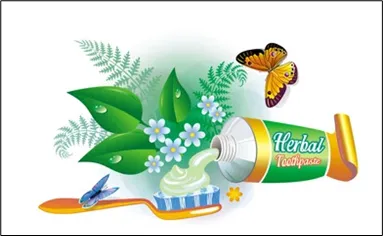
Figure 2 Herbal Toothpaste
FORMULATION TABLE
Table 1 Formulation Table
|
Sr. No |
Ingredient |
Quantity |
Properties / Role in Toothpaste |
|
1 |
Neem stem and bark |
0.5 g |
Strong antibacterial, antifungal; prevents gingivitis; reduces plaque formation. |
|
2 |
Babul leaves |
0.5 g |
Natural astringent; strengthens gums; reduces gum bleeding; antimicrobial action. |
|
3 |
Guava leaves |
0.5 g |
Rich in flavonoids; anti-inflammatory; effective against oral bacteria; soothes mouth ulcers. |
|
4 |
Kalmi bark |
0.5 g |
Astringent and antimicrobial; helps tighten gums and reduce swelling. |
|
5 |
Camphor |
0.5 g |
Provides cooling and analgesic effect; reduces toothache and gum pain; mild antiseptic. |
|
6 |
Honey |
0.5 g |
Natural humectant; antibacterial due to hydrogen peroxide release; enhances taste. |
|
7 |
Calcium carbonate |
3.5 g |
Mild abrasive; removes plaque and stains; strengthens enamel by calcium supply. |
|
8 |
Glycerin |
2.0 ml |
Humectant; prevents drying; improves texture and smoothness of toothpaste. |
|
9 |
Para-hydroxy benzoic acid (Paraben) |
0.3 g |
Preservative; prevents microbial growth and increases shelf life. |
|
10 |
Sodium lauryl sulfate (SLS) |
0.5 g |
Foaming agent; helps in even distribution of toothpaste and debris removal. |
|
11 |
Sodium chloride |
0.2 g |
Mild antiseptic and astringent; reduces swelling; helps cleanse oral cavity. |
|
12 |
Distilled water |
10 ml |
Solvent; provides required consistency for toothpaste base. |
HERBAL TOOTHPASTE FORMULATION
Rationale for Ingredient Selection:-
The formulation of an effective herbal toothpaste requires a careful combination of botanicals and excipients that collectively provide antimicrobial action, plaque removal, soothing effects, abrasiveness, preservation, and consumer acceptability. Each ingredient included in the formulation has been selected based on its scientifically established therapeutic properties, traditional medicinal relevance, and compatibility within a semi-solid dental preparation.
Neem possesses strong antibacterial, antifungal, and anti-inflammatory activities. It helps reduce plaque formation, inhibits pathogenic oral bacteria such as Streptococcus mutans, and promotes overall gum health. Its astringent properties also help maintain oral hygiene naturally.
Babul (Acacia arabica) is traditionally known for strengthening gums and reducing gingival inflammation. Its high tannin content provides astringency, which supports gum tightening and reduces bleeding. It also acts synergistically with neem for antimicrobial protection.
Guava leaves contain flavonoids such as quercetin and possess potent antimicrobial and anti-plaque properties. They also aid in soothing inflamed gums and assist in controlling bad breath due to their deodorizing effect.
Kalmi bark (often associated with Cerbera odollam or regional variants) is added for its astringent, antimicrobial, and cleansing properties. It contributes to gum strengthening and supports the herbal blend in controlling oral pathogens.
Camphor acts as a mild analgesic and cooling agent, providing a refreshing sensation in the mouth. Its antimicrobial properties help reduce oral microbial load and contribute to a pleasant sensory profile.
Honey has natural antibacterial, healing, and soothing properties. It helps reduce oral inflammation, promotes gum healing, and improves the taste and acceptability of the formulation.
Calcium carbonate is selected as the mild abrasive to aid in mechanical plaque removal without damaging enamel. It ensures desirable texture, polishing action, and viscosity within the toothpaste.
Glycerin acts as a humectant, retaining moisture and preventing the toothpaste from drying. It contributes to a smooth consistency and enhances the spreadability of the formulation.
Used as a preservative, this compound prevents microbial growth within the formulation, ensuring stability and safety over prolonged storage.
SLS is included as a surfactant and foaming agent, improving cleansing action and enhancing user perception. It helps distribute the formulation evenly across the oral cavity.
Sodium chloride helps in osmotic cleansing of gums, reduces bacterial growth, and contributes to an overall refreshing effect.
Used as the universal solvent, distilled water facilitates dissolution, maintains the semi-solid structure, and ensures purity without introducing contaminants.
Description of Formulation Components:-
Neem Stem and Bark:-
Neem (Azadirachta indica) is widely known for its potent antibacterial, antifungal, and anti-inflammatory properties. Its stem and bark contain bioactive compounds such as nimbidin, azadirachtin, and flavonoids that help inhibit oral pathogens responsible for plaque formation, gingivitis, and halitosis. In herbal toothpaste, neem acts as a natural antimicrobial and astringent, supporting gum health and reducing microbial load in the oral cavity.
Table 1 Description of Neem
|
Category |
Description |
|
Botanical Name |
Azadirachta indica |
|
Family |
Meliaceae |
|
Part Used |
Stem, Bark (powder, extract, decoction) |
|
Common Names |
Neem, Margosa, Indian Lilac |
|
Physical Characteristics |
Light brown bark, bitter taste, strong aromatic odor; rich in tannins and resin. |
|
Phytochemical Constituents |
Nimbidin, Nimbin, Azadirachtin, Gedunin, Quercetin, Tannins, Flavonoids, Sterols. |
|
Primary Properties |
Antibacterial, Antifungal, Antiviral, Anti-inflammatory, Antiplaque, Analgesic, Antioxidant. |
|
Mechanism of Action in Oral Care |
Inhibits growth of Streptococcus mutans and plaque-forming bacteria; reduces inflammation in gingiva; strengthens gums by tannin-induced astringent effect; disrupts bacterial cell wall integrity. |
|
Benefits in Toothpaste |
Controls plaque, reduces gum bleeding, prevents gingivitis, freshens breath, heals mouth ulcers, provides mild whitening effect. |
|
Traditional Uses |
Chewing neem sticks as natural toothbrush (Datun), treatment of gum diseases, antiseptic for oral infections. |
|
Safety / Toxicity |
Generally safe for topical/oral rinse use in low concentration; excessive ingestion may cause stomach irritation due to bitter alkaloids. |
|
Functional Role in Formulation |
Herbal antimicrobial agent, gum-strengthening astringent, deodorizing agent, natural therapeutic ingredient. |
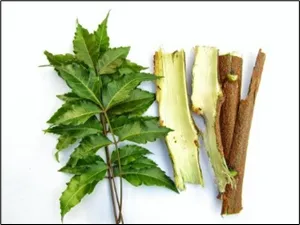
Figure 4 Neem
Babul Leaves:-
Babul (Acacia arabica) leaves are rich in tannins, flavonoids, and saponins. Traditionally used as a natural toothbrush (“datun”), babul strengthens gums, reduces bleeding, and provides a tightening effect due to its strong astringent nature. In the formulation, babul leaves contribute to plaque control, prevention of gum recession, and overall enhancement of periodontal health.
Table 2 Description of Babul Leaves
|
Parameter |
Details |
|
Botanical Name |
Acacia arabica / Vachellia nilotica |
|
Common Names |
Babul, Kikar, Gum Arabic Tree |
|
Plant Part Used |
Leaves (also bark and pods in traditional use) |
|
Family |
Fabaceae |
|
Phytochemical Constituents |
Tannins, Flavonoids, Saponins, Alkaloids, Terpenoids, Gallic acid, Catechins |
|
Primary Properties |
Astringent, Antibacterial, Anti-inflammatory, Antioxidant |
|
Mechanism of Action in Oral Care |
• Tannins tighten gums and reduce bleeding• Antimicrobial compounds inhibit Streptococcus mutans and periodontal bacteria• Anti-inflammatory action reduces gingival swelling• Antioxidants protect oral tissues |
|
Benefits in Toothpaste Formulation |
• Strengthens gums• Controls plaque formation• Reduces gum bleeding• Prevents periodontal infections• Provides mild cleansing action |
|
Traditional Uses |
Used in Ayurveda for teeth cleaning (datun), gum strengthening, wound healing, sore throat, diarrhea, and skin infections |
|
Safety & Toxicity |
Generally safe in oral products; excessive use may cause mild dryness due to high tannin levels |
|
Form Used in Toothpaste |
Dried leaf powder or aqueous extract |
|
Recommended Concentration |
0.5–2% depending on formulation type |

Figure 5 Babul Plant
Guava Leaves:-
Guava (Psidium guajava) leaves contain quercetin, tannins, and essential oils that possess remarkable antimicrobial and anti-inflammatory activities. They help in reducing swelling of gums, combating bad breath, and inhibiting growth of Streptococcus mutans. Their antioxidant profile also aids in healing minor
Table 3 Description of Guava
|
Parameter |
Details |
|
Botanical Name |
Psidium guajava |
|
Common Name |
Guava leaves |
|
Family |
Myrtaceae |
|
Useful Part |
Leaves (fresh or dried) |
|
Phytochemical Constituents |
Flavonoids (quercetin), tannins, saponins, carotenoids, essential oils, phenolics |
|
Key Biological Activities |
Antibacterial, anti-inflammatory, antioxidant, astringent, wound-healing |
|
Role in Herbal Toothpaste |
Controls oral bacteria, reduces gum swelling, tightens gums, prevents plaque, heals mouth ulcers, freshens breath |
|
Action Against Oral Pathogens |
Effective against Streptococcus mutans, Porphyromonas gingivalis, Lactobacillus, Candida albicans |
|
Mechanism of Action |
Flavonoids inhibit bacterial growth; tannins tighten gums (astringent effect); antioxidants reduce inflammation |
|
Benefits in Oral Care |
Prevents gum bleeding, reduces plaque, relieves mouth ulcers, combats halitosis, improves gingival health |
|
Safety / Toxicity |
Generally safe in toothpaste concentrations; mild astringency may occur in high amounts |
|
Form Used in Formulation |
Fine powder, extract, or decoction |
|
Recommended Concentration |
0.5–2% in herbal toothpaste formulations |
|
Compatibility with Other Herbal Ingredients |
Works synergistically with neem, babul, clove, peppermint, and aloe vera |
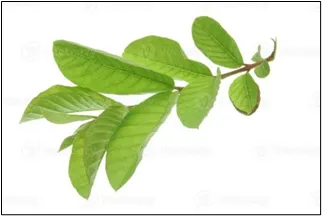
Figure 6 Guava Leaves
Kalmi Bark:-
Kalmi (often associated with Callicarpa macrophylla or regional equivalents) bark is traditionally used for its analgesic, astringent, and anti-inflammatory effects. Its phytochemicals help soothe irritated gums and reinforce oral tissues. In toothpaste formulations, kalmi bark enhances gum resistance, supports healing, and contributes to controlling microbial activity.
Table 5 Description of Kalmi Bark
|
Parameter |
Details |
|
Common Name |
Kalmi Bark |
|
Botanical Source |
Mitragyna parvifolia (commonly associated), sometimes locally referred to under regional names |
|
Family |
Rubiaceae |
|
Plant Part Used |
Bark |
|
Traditional Use |
Used in Ayurveda for treating gum disorders, inflammation, pain relief, and wound healing |
|
Appearance |
Hard, brownish bark with irregular surface and slightly bitter taste |
|
Phytochemical Constituents |
Alkaloids, tannins, flavonoids, glycosides, saponins |
|
Key Active Components |
Tannins (astringent), flavonoids (antioxidant), alkaloids (bioactive antimicrobial action) |
|
Medicinal Properties |
Astringent, anti-inflammatory, antimicrobial, analgesic, wound-healing |
|
Role in Herbal Toothpaste |
Tightens gums, reduces gum bleeding, provides antimicrobial activity, prevents plaque formation |
|
Mechanism of Action in Oral Care |
Tannins act to tighten gum tissue; alkaloids inhibit oral pathogens; flavonoids reduce inflammation and oxidative stress |
|
Benefits in Oral Health |
Prevents gingivitis, reduces plaque, strengthens gums, freshens breath |
|
Solubility |
Partially soluble in water; many active compounds extract easily in aqueous decoctions |
|
Dosage form in Toothpaste |
Fine powder or aqueous extract |
|
Safety & Toxicity |
Considered safe in small concentrations; excessive use may cause mild irritation due to high tannin content |
|
Storage Condition |
Store in airtight container; protect from moisture, light, and contamination |
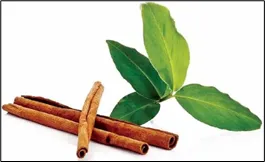
Figure 7 Kalmi Bark & Leaves
Camphor:-
Camphor is a natural compound derived from Cinnamomum camphora. It provides a cooling, soothing sensation and is widely recognized for its mild analgesic and antimicrobial properties. In herbal toothpaste, camphor helps refresh breath, reduce oral discomfort, and contribute to the cleansing effect.
Table 6 Description of Camphor
|
Parameter |
Details |
|
Chemical Name |
1,7,7-Trimethylbicyclo[2.2.1]heptan-2-one |
|
Botanical Source |
Obtained mainly from the wood of Cinnamomum camphora tree |
|
Common Forms |
Crystals, white powder, camphor oil |
|
Nature / Appearance |
White, waxy, transparent solid with a strong aromatic odor |
|
Solubility |
Slightly soluble in water, soluble in alcohol and oils |
|
Odor & Taste |
Strong, penetrating fragrance; cooling and slightly bitter taste |
|
Class |
Organic terpenoid; cyclic ketone |
|
Key Phytochemical Activity |
Terpenes, antioxidants, antimicrobial compounds |
|
Primary Pharmacological Actions |
Antimicrobial, analgesic, anti-inflammatory, antifungal, antipruritic |
|
Mechanism of Action |
Activates cold receptors (TRPM8), blocks pain signals, inhibits bacterial growth |
|
Role in Oral Care / Toothpaste |
Provides cooling sensation, reduces toothache, reduces gum swelling, mild antiseptic action |
|
Benefits in Toothpaste |
Refreshes breath, relieves minor oral pain, inhibits oral microbes, enhances flavor profile |
|
Common Concentration Used |
0.1–0.5% in toothpaste and oral care products |
|
Compatibility |
Compatible with glycerin, essential oils, herbal extracts; unstable at high temperature |
|
Safety Level |
Safe at low concentrations; excessive use may cause irritation |
|
Toxicity (if overused) |
Can cause nausea, burning sensation, or skin/mucosal irritation if used above recommended limits |
|
Regulatory Status |
Approved for topical/oral care use in limited concentrations (as per cosmetic guidelines) |
|
Storage Conditions |
Store in airtight container; protect from heat and direct sunlight due to volatility |
|
Shelf Life |
2–3 years under proper storage conditions |

Figure 1 Camphor
Honey:-
Honey contains natural enzymes such as glucose oxidase, which produce hydrogen peroxide, giving it notable antibacterial activity. Its osmotic and antioxidant properties support healing of oral tissues. In toothpaste, honey improves taste, contributes to antimicrobial protection, and provides a natural humectant effect to maintain smooth texture.
Table 4 Description of Honey
|
Parameter |
Details |
|
Name |
Honey |
|
Source |
Natural sweet substance produced by Apis bees from flower nectar |
|
Nature |
Thick, viscous, golden-colored liquid |
|
Chemical Composition |
• Fructose (38%) • Glucose (31%) • Water (17–20%) • Sucrose (1–2%) • Organic acids • Enzymes (glucose oxidase, catalase) • Vitamins (B-complex, C) • Minerals (Ca, Mg, K) • Phenolic compounds & flavonoids |
|
Physical Properties |
• Sweet taste • High viscosity • Hygroscopic (absorbs moisture) • Acidic pH (3.2–4.5) • Soluble in warm water |
|
Biological Properties |
• Antibacterial • Anti-inflammatory • Antioxidant • Wound healing • Antifungal |
|
Mechanism of Antibacterial Activity |
• Produces hydrogen peroxide (H₂O₂) through enzyme glucose oxidase • Low pH inhibits bacterial growth • High sugar content causes osmotic effect → dehydrates microbial cells |
|
Role in Herbal Toothpaste |
• Natural humectant (retains moisture) • Improves smoothness and spreadability • Prevents the paste from drying • Provides antimicrobial protection • Soothes gums and oral tissues • Enhances taste and mouthfeel |
|
Oral Health Benefits |
• Reduces gingivitis and gum inflammation • Helps heal mouth ulcers • Inhibits growth of S. mutans, Lactobacillus (caries-causing bacteria) • Reduces halitosis (bad breath) • Provides mild pain-relief in gum sensitivity |
|
Safety Profile |
• Safe for oral use • Non-toxic • May crystallize over time (normal property) |
|
Stability |
• Good shelf life due to low water activity • Stable under room temperature • Sensitive to high heat (can destroy enzymes) |
|
Concentration Used in Toothpaste |
0.5–5% depending on formulation |
|
Regulatory Status |
Allowed in oral care formulations (natural sweetener/humectant) |
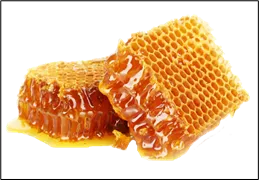
Figure 2 Honey
Calcium Carbonate:-
Calcium carbonate serves as a mild abrasive agent that assists in mechanical plaque removal without damaging enamel. It also contributes to polishing teeth, enhancing brightness, and maintaining an appropriate consistency in the toothpaste. Additionally, calcium ions aid in demineralization of tooth enamel.
Table 8 Description of Calcium Carbonate
|
Parameter |
Details |
|
Chemical Name |
Calcium Carbonate |
|
Chemical Formula |
CaCO₃ |
|
Synonyms |
Precipitated Calcium Carbonate (PCC), Ground Calcium Carbonate (GCC), Limestone powder, Chalk |
|
Category / Type |
Abrasive, Polishing agent, Opacifying agent, pH buffer |
|
Appearance |
Fine white, odorless powder |
|
Odor |
Odorless |
|
Solubility |
Insoluble in water; soluble in dilute acids with effervescence |
|
Particle Size |
Typically 1–10 microns (varies depending on grade) |
|
pH (10% dispersion) |
~9–10 (slightly alkaline) |
|
Bulk Density |
0.7 – 0.9 g/cm³ |
|
Stability |
Stable under normal conditions; incompatible with strong acids |
|
Role in Herbal Toothpaste |
• Mild abrasive for plaque removal |
|
Benefits in Oral Care |
• Safely removes plaque without damaging enamel |
|
• Helps remineralize enamel |
|
|
Concentration Used in Toothpaste |
20–45% in commercial pastes; 3–5% in herbal formulations like yours |
|
Toxicity / Safety |
Non-toxic, GRAS (Generally Recognized as Safe) |
|
Compatibility |
Compatible with glycerin, sorbitol, herbal extracts, essential oils; incompatible with acidic ingredients |
|
Examples of Natural Sources |
Limestone, marble, sea shells, chalk |
|
Storage Conditions |
Store in airtight container, cool and dry place, away from acids and moisture |
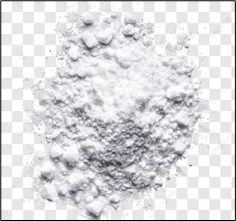
Figure 10 Calcium Carbonate
Glycerin:-
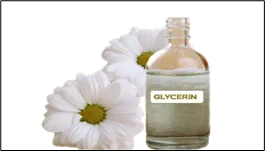
Glycerin acts as a humectant, helping retain moisture in the toothpaste and preventing it from drying out. It contributes to smooth texture, eases dispensing from the tube, and provides mild sweetness. It also aids in the uniform dispersion of herbal extracts throughout the formulation.
Table 5 Description of Glycerin
|
Parameter |
Details |
|
Chemical Name |
Glycerin / Glycerol |
|
Chemical Formula |
C₃H₈O₃ |
|
Source |
Naturally derived from plant oils (coconut, palm) or synthetically produced. |
|
Appearance |
Clear, colorless, odorless, viscous liquid. |
|
Taste |
Sweet, non-toxic. |
|
Solubility |
Miscible with water and alcohol. |
|
pH |
Neutral (approx. pH 7). |
|
Role in Toothpaste |
Humectant (moisture retention), smooth texture development, prevents drying, gives shine, mild sweetener. |
|
Concentration Range in Toothpaste |
Typically 2–20% depending on formulation. |
|
Functions |
• Prevents toothpaste from drying |
|
Benefits in Herbal Toothpaste |
Works well with herbal extracts; maintains moisture of plant-derived ingredients; prevents microbial growth by reducing water activity. |
|
Safety Profile |
GRAS (Generally Recognized as Safe); non-irritant, non-toxic. |
Para-hydroxy Benzoic Acid (Preservative):-
Para-hydroxy benzoic acid (a type of paraben) functions as an antimicrobial preservative that prevents growth of bacteria, fungi, and molds within the formulation. It enhances shelf-life and maintains product safety and stability by inhibiting
microbial contamination during storage and use.
Table 6 Description of Para- Hydroxy Benzoic Acid
|
Parameter |
Details |
|
Chemical Name |
Para-hydroxy benzoic acid |
|
Common Name |
PHBA |
|
Category |
Preservative (parent compound of parabens) |
|
Chemical Formula |
C₇H₆O₃ |
|
Molecular Weight |
138.12 g/mol |
|
Physical Appearance |
White crystalline solid or powder |
|
Odor |
Odorless |
|
Solubility |
Slightly soluble in water; highly soluble in ethanol, acetone, and other organic solvents |
|
Melting Point |
~210 °C |
|
Stability |
Stable under normal conditions; resistant to microbial degradation |
|
Mechanism of Action |
Inhibits microbial enzymes, disrupts cell membrane integrity, prevents growth of bacteria & fungi |
|
Primary Function in Toothpaste |
Acts as a preservative to prevent microbial contamination and extend shelf life |
|
Role in Herbal Toothpaste |
Protects natural plant extracts from spoilage; maintains product safety and quality |
|
Effective Concentration Range |
Typically 0.1–0.5% |
|
Compatibility |
Compatible with most toothpaste ingredients (glycerin, calcium carbonate, herbal extracts) |
|
Advantages |
Highly effective at low concentrations, broad-spectrum antimicrobial action, cost-effective |
|
Safety & Toxicity |
Considered safe at low cosmetic levels; excessive use may cause irritation in some individuals |
|
Regulatory Status |
Allowed in cosmetic and oral care products within restricted limits as per national regulatory guidelines |
|
Storage Conditions |
Store in a cool, dry place away from moisture; stable in sealed containers |
|
Shelf Life |
Long; typically 3–5 years when properly stored |

Figure 3 Para-H- Benzoic acid
Sodium Lauryl Sulfate (Surfactant):-
Sodium lauryl sulfate (SLS) is a widely used surfactant and foaming agent. It helps lower surface tension, allowing the toothpaste to spread easily and effectively remove debris. The foaming action enhances user experience and contributes to improved cleaning efficiency. In herbal formulations, its concentration is kept minimal to avoid irritation.
Table 7 Description of S-L-S
|
Parameter |
Details |
|
Chemical Name |
Sodium Lauryl Sulfate |
|
Synonyms |
Sodium dodecyl sulfate (SDS), SLS |
|
Chemical Formula |
C₁₂H₂₅SO₄Na |
|
Molecular Weight |
288.38 g/mol |
|
Chemical Structure Type |
Anionic surfactant |
|
Source |
Synthetic (derived from lauryl alcohol of coconut or palm oil) |
|
Physical Appearance |
White to off-white powder, flakes, or viscous gel |
|
Solubility |
Highly soluble in water |
|
Surfactant Type |
Anionic |
|
HLB Value |
~40 (Highly hydrophilic) |
|
pH Range (1% solution) |
7–10 |
|
Foaming Ability |
Very high; produces stable and rich lather |
|
Primary Function in Toothpaste |
Foaming agent – helps spread toothpaste uniformly and aids in cleaning action |
|
Secondary Functions |
Detergent (removes debris), Emulsifier (helps mix oil & water), Wetting agent |
|
Role in Cleaning |
Reduces surface tension → loosens food particles, plaque, and oils from teeth |
|
Benefits in Oral Formulations |
Enhances cleansing efficiency; gives desirable foamy texture; increases dispersion of actives |
|
Concentration Used in Toothpaste |
Typically 0.5 – 2% |
|
Stability |
Stable at room temperature; stable across broad pH range |
|
Compatibility |
Compatible with most ingredients except strong cationic substances |
|
Irritation Potential |
Possible mild irritation (mouth ulcers in sensitive individuals) at higher levels |
|
Toxicity |
Generally recognized as safe at low concentrations (<2% in oral care) |
|
Biodegradability |
Readily biodegradable |
|
Regulatory Status |
Approved for use in personal care by FDA, EU cosmetic regulations (with concentration limits) |
|
Common Applications |
Toothpaste, shampoos, face washes, detergents, soaps, shaving creams |
|
Shelf Life |
~2 years (depending on storage conditions) |
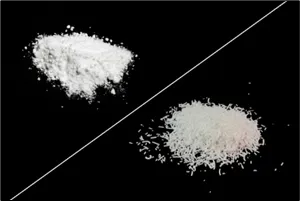
Figure 13 S-L-S
Sodium Chloride:-
Sodium chloride (common salt) provides mechanical cleansing and acts as a mild abrasive. It also has natural antiseptic and astringent properties that help strengthen gums and minimize inflammation. Additionally, it contributes to ionic balance and enhances overall oral hygiene.
Table 8 Description of Sodium Chloride
|
Parameter |
Description |
|
Chemical Name |
Sodium Chloride |
|
Common Name |
Table salt / Common salt |
|
Chemical Formula |
NaCl |
|
Appearance |
White crystalline powder or granules |
|
Solubility |
Highly soluble in water |
|
Taste |
Salty |
|
Odor |
Odorless |
|
Role in Toothpaste |
Mild antiseptic, astringent, cleansing agent |
|
Primary Function |
Helps reduce inflammation of gums; assists in mechanical cleaning of teeth; maintains ionic balance in formulation |
|
Mechanism of Action in Oral Cavity |
Exerts osmotic effect that reduces microbial growth and alleviates swelling; promotes gingival tightening |
|
Benefits for Teeth & Gums |
Reduces gum swelling, decreases oral bacteria, freshens mouth, aids in plaque removal |
|
Use Level (Typical) |
0.1%–1% depending on formulation |
|
Quantity Used (Your Formulation) |
0.2% |
|
Compatibility |
Compatible with abrasives, humectants, herbal extracts, and most preservatives |
|
Stability |
Very stable; does not degrade; long shelf life |
|
Safety Profile |
Generally recognized as safe (GRAS); non-irritant at low concentration |
|
Potential Side Effects (Higher Concentration) |
May cause slight irritation or salty taste if used above optimal levels |
|
Reason for Inclusion in Herbal Toothpaste |
Enhances gum health, improves cleansing action, provides mild antimicrobial effect, balances formula |
|
Physical Role in Formulation |
Helps maintain product viscosity and ionic strength |
|
Nature |
Inorganic salt, natural mineral |
|
pH Behavior |
Neutral; does not significantly alter toothpaste pH |
|
Regulatory Status |
Approved for oral care formulations globally |
METHODOLOGY FOR TOOTHPASTE PREPARATION
Collection and Processing of Herbal Materials:-
The herbal raw materials required for the formulation—Neem stem and bark, Babul leaves, Guava leaves, and Kalmi bark—are collected from authenticated botanical sources or local herbal suppliers. Each material undergoes the following processing steps:-
Extraction Techniques (if applicable):-
If extracts are preferred over powdered herbs, the following steps may be employed:
Note: The attached formulation table uses 0.5 g of powdered herbal materials; therefore, extraction is optional and formulation can proceed directly with powdered forms.
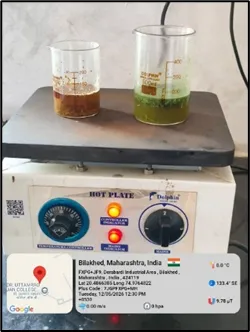
Figure 4 Extraction Process
Mixing and Blending Procedure:-
The toothpaste is prepared using a stepwise blending method to ensure uniform dispersion of ingredients:

Figure 5 Mixing of all Ingredients
Preparation Flowchart:-
Collection of Herbal Materials
↓
Cleaning and Shade Drying
↓
Powdering and Sieving
↓
Weighing of Ingredients (as per formulation table)
↓
Preparation of Herbal Slurry
↓
Blending with Abrasive Base (Calcium Carbonate)
↓
Addition of Humectants (Glycerin, Honey)
↓
Incorporation of Surfactant (Sodium Lauryl Sulfate)
↓
Addition of Additives (Camphor, Preservative, NaCl)
↓
Adjustment with Distilled Water (q.s.)
↓
Final Homogenization
↓
Filling and Packaging in Tubes
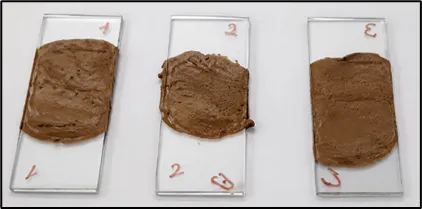
Figure 17 Formulation F1, F2, F3 Respectively

Figure 18 Label for Formulation
EVALUATION PARAMETERS FOR HERBAL TOOTHPASTE
Physical Evaluation:-

Figure 6 Evaluation of Color, Odor, and Appearance
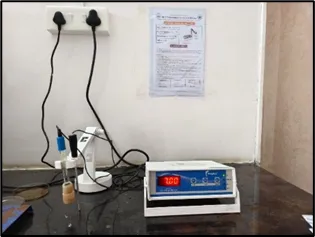
Figure 7 PH Measurement
PH found between 6.5 – 7.5
Observation :- Good spreadability observed
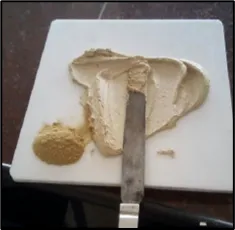
Figure 21 Spreadability
Chemical Evaluation:-
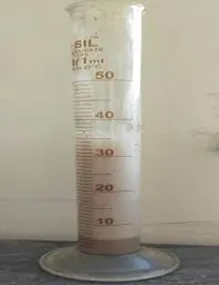
Figure 8 Foamability of toothpest
Observation:- Acceptable moisture content observed
Microbiological Evaluation:-
Antimicrobial Activity: The antimicrobial activity of the herbal toothpaste was evaluated by agar well diffusion method against common oral microorganisms such as Streptococcus mutans and Lactobacillus species. The zone of inhibition was measured after incubation.
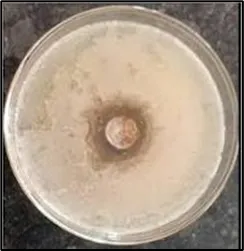
Figure 23 Microbiological Evaluation
Observation:- The herbal toothpaste showed good antimicrobial activity with a noticeable zone of inhibition against oral pathogens, indicating effective reduction of microbial growth responsible for dental caries and bad breath.
RESULT
The prepared herbal toothpaste formulation showed satisfactory physical, chemical, and antimicrobial properties. The combination of herbal ingredients such as neem, babul, guava leaves, kalmi bark, camphor, and honey provided effective antibacterial, anti-inflammatory, and gum-strengthening activity. Calcium carbonate acted as a mild abrasive for plaque removal, while glycerin maintained smooth texture and moisture. Sodium lauryl sulfate produced good foaming action and improved cleansing efficiency.
The formulated toothpaste was light brown to greenish-brown in color with a pleasant herbal odor and smooth consistency. The pH was found to be between 6.5–7.5, which is suitable for oral use. Good spread ability, acceptable moisture content, effective cleaning ability, and satisfactory stability were observed without phase separation or color change during storage.
Microbiological evaluation showed noticeable antimicrobial activity against common oral pathogens such as Streptococcus mutans and Lactobacillus species, indicating effective protection against plaque, bad breath, and dental caries.
Overall, the herbal toothpaste formulation proved to be safe, effective, economical, and suitable for maintaining oral hygiene naturally with minimal side effects.
CONCLUSION
The present review highlights the potential of herbal ingredients in the development of an effective, safe, and economical toothpaste formulation. The combination of Neem, Babul, Guava leaves, Kalmi bark, camphor, honey, and other natural components offers significant antimicrobial, anti-inflammatory, and cleansing properties, which collectively contribute to improved oral hygiene. The inclusion of conventional excipients like calcium carbonate, glycerin, surfactants, and preservatives ensures adequate texture, stability, spread ability, and shelf-life of the formulation.
Evaluation studies demonstrate that herbal toothpaste can provide comparable or superior benefits to synthetic formulations while minimizing side effects associated with chemical additives. The results support the growing preference for herbal oral-care products and validate the scientific basis for their therapeutic applications. Overall, the formulation reviewed in this study represents a promising natural alternative for maintaining oral health, and further research on standardization, optimization, and large-scale production could advance its commercial potential.
REFERENCES







Vaishnavi Patil, Akanksha Amrutkar, Yash Chaudhari, Abhishek Warkhede, Karan Patil, Nazeer Ahmed, Formulation and Evaluation Study on Herbal Toothpaste, Int. J. of Pharm. Sci., 2026, Vol 4, Issue 6, 5887-5907, https://doi.org/10.5281/zenodo.20810829
 10.5281/zenodo.20810829