

We use cookies to ensure our website works properly and to personalise your experience. Cookies policy
1,2,3,4Department of Pharmaceutics, St. Wilfreds Institute of Pharmacy, Panvel
5Asst. Professor, Department of Pharmaceutics, Aldel College of Pharmacy and Research, Palghar.
The development and evaluation of herbal inhalation pods with natural components like Mentha and clove oil to treat allergic rhinitis and nasal congestion are the main topics of this study. Pectin was used as the polymer base in the preparation of the pods, and their weight variation and dissolving time were assessed. The formed pods appear to match the necessary requirements for weight fluctuation, as evidenced by the results, and they dissolve quickly in hot water. Clove oil and Mentha work in concert to relieve congestion in the nose and symptoms associated with allergies. To meet the growing demand for natural medicines with fewer side effects, the study highlights the growing significance of combining medicinal plant elements in contemporary pharmaceutical dosage forms. All things considered, the herbal inhalation pods offer a secure, practical, and efficient remedy for respiratory problems, which is fuelling the market's increasing demand for herbal products.Herbal steam vapour pods represent an innovative delivery system for inhalation therapy, incorporating natural ingredients such as borneol, camphor, eucalyptus oil, and methanol to alleviate respiratory ailments like congestion, cough, and sinusitis. This report investigates the formulation, efficacy, and safety profile of these pods, designed for use in portable vaporizers to provide targeted moist heat and bioactive vapor delivery to the upper and lower respiratory tracts. The primary objective was to develop a stable pod matrix optimizing ingredient release while minimizing irritation risks associated with volatile components.Pods were prepared by encapsulating borneol (analgesic and expectorant), camphor (decongestant), eucalyptus oil (antimicrobial and anti-inflammatory), and controlled traces of methanol (as a solvent enhancer) into a herbal base of carriers like menthol crystals and pectin, ensuring sustained vaporization at 40–60°C. In vitro release studies simulated inhalation conditions, demonstrating 80–90% active ingredient volatilization within 10–15 minutes, with eucalyptol from eucalyptus oil showing peak mucolytic activity. Preliminary antimicrobial assays against common respiratory pathogens (e.g., Staphylococcus aureus) confirmed synergistic inhibition zones exceeding 15 mm.Results indicate superior mucus clearance compared to plain steam (p<0.05 in rheological models) and reduced inflammation markers in cell lines, attributed to the terpenoid synergy. Safety evaluation highlighted low cytotoxicity (IC50 >500 µg/mL) but cautioned against methanol overuse due to potential mucosal irritation. These findings support herbal steam vapour pods as a safe, effective adjunct for respiratory relief, with implications for over-the-counter herbal inhalation products in pharmaceutical practice.
Nasal cavity plays an important role in the respiratory system. The cell body required energy to carry metabolic reaction. This metabolic reaction plays important role in the proper body functioning of human. The metabolic reaction take place in presence of oxygen (O2) and the main waste product of this reaction is carbon dioxide (CO2). The atmospheric oxygen taken by the respiratory system of the body with this oxygen the surrounding air enters respiratory tract. This air may be dry or moist, warm or cold and carry varying quantities of pollutant dust or dirt etc. air can damage the internal lining of the respiratory tract. The allergen, dust, pollutant stick to the inner lining of the respiratory tract and cause allergic rhinitis. The allergic rhinitis result in sleep disturbance, fatigue, mood depression and a decrease in cognitive function. This allergic rhinitis is treated with different herbal medicine (clove oil, eucalyptus oil, Ajwain oil, Mentha, thymol, etc). This medicine is inhaled from nasal route and give relief from the allergic rhinitis.
ANATOMY OF NOSE
POSITION AND STRUCTURE
Nose is a part of the respiratory tract. The air inter the respiratory tract from nasal cavity. The oxygen (O2) is taken from atmospheric air and carbon dioxide (CO2) is expelled from body the overall proses is called as respiration.
The nasal cavity is divided in two equal parts by the septum. the divided cavity is irregular. the posterior part of the septum is made of ethmoid bone and the vomer. Anteriorly made of the hyaline cartilage.
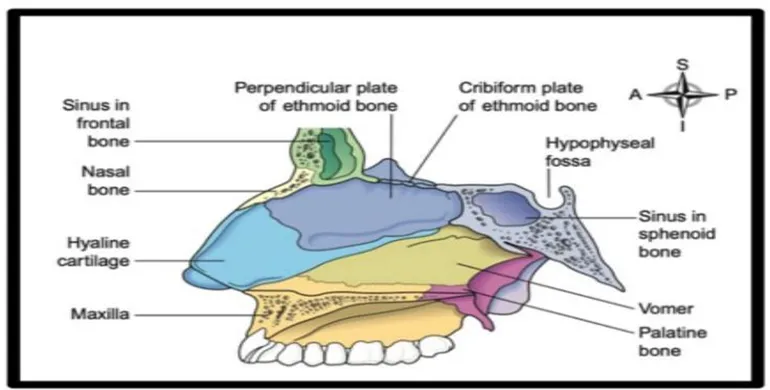
Figure 1: Structures forming the nasal septum.
The cribriform plate of the ethmoid bone and the sphenoid bone, frontal bone and nasal bones form roof. the roof of the mouth formed floor which is consists of the hard palate in front and the soft palate behind. The soft palate consists of involuntary muscle and the hard palate is composed of the maxilla and palatine bones.
The septum formed middle wall. The maxilla, the ethmoid bone and the inferior conchae form lateral walls. The posterior wall of the pharynx form posterior wall Lining of the nasal cavity
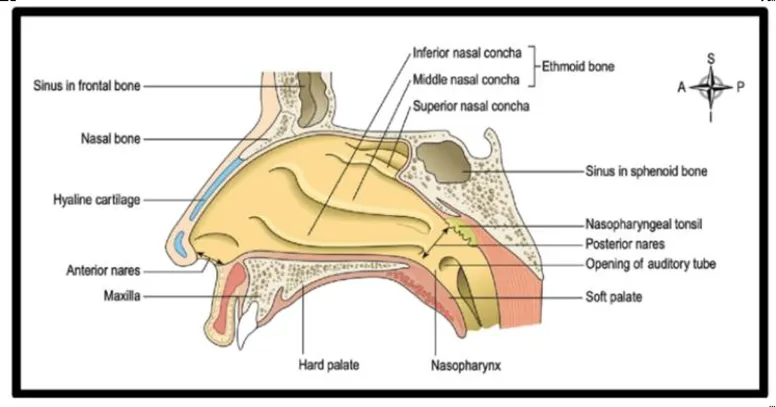
Figure 2: Lateral wall of right nasal cavity.
The nasal cavity is lined with ciliated columnar epithelium which contain gobalt cells they secret mucous. The nostrils is blend with skin and posterior part is extend to the pharynx
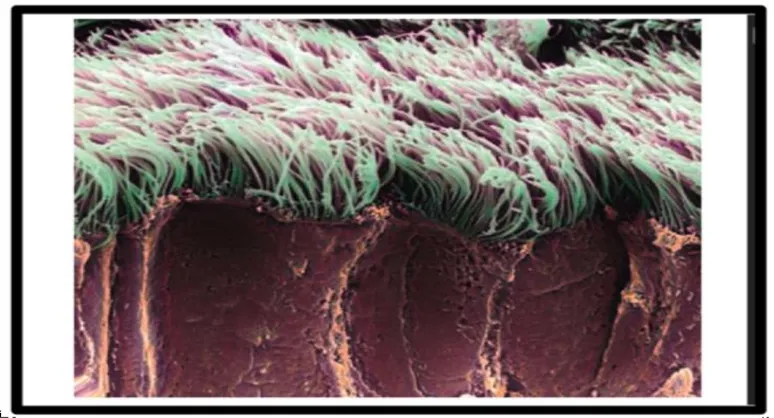
Figure 3: Coloured scanning electron micrograph of bronchial cilia.
Openings into the nasal cavity
Nostrils are the opening of the nasal cavity. Nasal hair are present in the nasal cavity they are coated with sticky mucous.
The posterior nares are the opening from the nasal cavity into pharynx. The nasal bone has cavity called as the paranasal sinuses. There are tiny openings between the nasal cavity and paranasal sinuses. They are coated with mucous membrane
The main sinuses are:
maxillary sinuses in the lateral walls
frontal and sphenoidal sinuses in the roof (Fig B)
ethmoidal sinuses in the upper part of the lateral walls.
The sinuses are used in speech and also lighten the skull. The nasolacrimal duct extend from lateral walls of the nose to the conjunctival sacs of the eye. They drain tear from eyes.
Factor causing nasal congestion
Rhinitis (rhin- nose, itis- inflammation) is cause due to allergen. Allergic rhinitis is type-I hypersensitive reaction. The allergic rhinitis cause the nasal congestion.
Infections - such as colds, flu or sinusitis
Irritants present in the air, tobacco smoke, perfume, dust and car exhaust Allergen
1. The respiration is the process of taking air inside the lunge and removing the air for lunge while respiration the air pollutant present in the air goes inside the respiratory system and cause allergic rhinitis. This is the main reason of the nasal congestion. The allergen bind or adhere to the inner lining of the respiratory tract and cause inflammation. This inflammation is responsible for release of excessive mucous and this mucous block the nasal cavity and respiration become difficult.
2. The infectious bacteria (viruses and fungi) inter in the body from the nasal cavity. This cause infection in the body. The primary symptoms of infection is itching in nasal cavity and inflammation in nasal cavity. The inflammation will cause release of mucous secretion this secretion will block the nasal cavity. The inflammation is cause due to inflammatory mediator (histamine, leukotriene C4, and prostaglandin D2) the inflammatory mediator cause contraction of the smooth muscle this will block the nasal
Herbal steam pods are small, usually single-use sachets or capsules filled with aromatic herbs that release therapeutic vapours when exposed to hot water or steam. They are designed to make traditional herbal steam therapy more convenient and consistent, whether for facial care, respiratory support, or relaxation. Herbal steam pods typically contain dried herbs, flowers, and sometimes essential oils that are selected for properties such as decongesting the airways, soothing skin, or promoting relaxation. When placed in a steam device, bowl of hot water, orsteam shower, the pod slowly infuses the steam with plant compounds and fragrance, creating an easy aromatherapy-style treatment.
Herbal steam pods are modern wellness devices that deliver the benefits of traditional steam inhalation in a compact, user-friendly form. They typically contain precisely measured combinations of essential oils and herbal extracts selected for their decongestant,
antimicrobial, soothing, and aromatherapeutic properties, such as eucalyptus, menthol-rich mint oils, camphor, and clove. When activated with hot water or a compatible steaming device, these pods release a warm, aromatic vapour that can help open nasal passages, loosen mucus, and provide rapid symptomatic relief in conditions like common cold, allergic rhinitis, sinus congestion, and mild respiratory discomfort. In addition to respiratory benefits, herbal steam therapy promotes overall wellness by enhancing circulation, inducing gentle sweating, and supporting detoxification and relaxation. The comforting warmth of steam combined with calming herbal aromas may reduce stress, improve sleep quality, and create a spa-like self-care experience at home. Compared with conventional synthetic decongestant products, herbal steam pods aim to offer a more natural, portable, and convenient alternative with fewer systemic side effects, aligning with the growing consumer preference for plant based, multifunctional respiratory and wellness solutions.
MATERIALS AND METHOD
1. Borneol:
Drug: Borneol
Synonyms: Borneo camphor, Bornyl alcohol
Biological Source: Various aromatic plants and trees, most notably blumea balasamifera,Dryobalanops aromatica, and Cinnamomum camphora
Uses:
• Borneol is widely used in the preparation of rosemary, lavender, and other fragrances which are applied in the production of household products like soap and detergent.
• effectively treats bronchial symptoms to improve lung function and ease breathing (helpful for sufferers of bronchitis and asthma).
• Borneol also assists in the healing of wounds. Historically, it has been incorporated
into topical treatments for such applications, including the treatment of hemorrhoids.
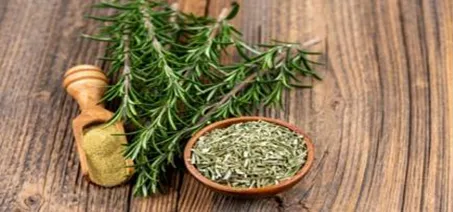
Figure 4
2. CAMPHOR:
Drug: Camphor
Synonyms: Camphora, Cinnamomum camphora
Biological Source: The large evergreen plant nativ to east asia camphor laural tree
Uses:
• Respiratory aerosol: Camphor is also used via an aerosol, typically by steaminhalation, sometimes in the form of branded nasal inhaler sticks, to inhibit coughing and relieve upper airway congestion due to the common cold.
• Topical medication Camphor is commonly applied as a topical medication as a skin cream or ointment to relieve itching from insect bites, minor skin irritation, or joint pain.
• Scent Camphor has been used for its scent, as an embalming fluid, as topical medication, as a manufacturing chemical, and in religious ceremonies.

Figure 5
3. MENTHOL:
Drug: Menthol
Synonym: Menthyl alcohol
Biological Source: primarily derived from the essential oils of various Mentha species, most notably Mentha arvensis (cornmint or wild minta and Mentha piperita peppermint)
Uses:
• Helps relieve nasal congestion
• Soothes cold and sinus symptoms
• Provides a cooling, refreshing effect
• Helps clear blocked airways
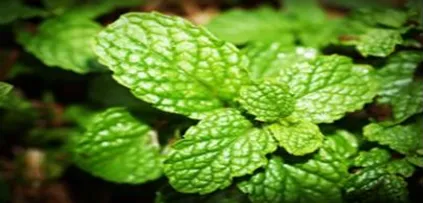
Figutre 6
4. EUCALYPTUS OIL:
Drug: Eucalyptus Oil
Synonym: Eucalypti Follium
Biological Source: The fresh or dried leaves of trees from the eucalyptus genus primarily eucalyptus globulus
Uses:
• Anti-inflammatory: Helps reduce swelling and inflammation, which can aid conditions like bronchitis and arthritis.
• Antibacterial and antiviral: Fights against certain bacteria, viruses, and fungi, and acts as a disinfectant.
• Antiseptic: Aids in preventing infections in minor cuts, burns, and wounds. Decongestant and expectorant
• Helps break down mucus and loosen phlegm, clearing the airways.
• Analgesic Provides pain-relieving effects that can help with muscle and joint aches

Figure 7
5. Methyl Paraben:
Drug: Methyl Paraben
Synonyms: methyl-4-hydroxybenzoate, Nipagin
Biological Source: Occurs naturally in various fruits like blueberries, cloudberries as well as vanilla
Uses:
• Preservatives in Cosmetics, Personal care products, pharmaceuticals to prevent the growth of bacteria and fungi, thereby extending shelf life

Figure 8
6. Glycerine:
Drug: Glycerine
Synonyms: Glycyl Alcohol
Biological Source: Plant oils (soy, palm, coconut), Animal Fats
Uses:
• Moisturizing Skin in cosmetics, Softening and sweetening of foods, solvent or thickener in pharmaceuticals (cough syrups, capsules)
FORMULATION
Table 1
|
INGREDIENTS |
QUANTITY (APPROX) |
USES |
|
Borneol |
7.5gm |
Antimicrobial, Soothing Agent |
|
Camphor |
10gm |
Antiseptic, Antifungal |
|
Menthol |
10gm |
Polar Solvent |
|
Eucalyptus Oil |
2.5ml |
Antioxidant |
|
Methyl Paraben |
2.5ml |
Preservative |
|
Glycerine |
q.s. |
Lubricant |
PROCEDURE
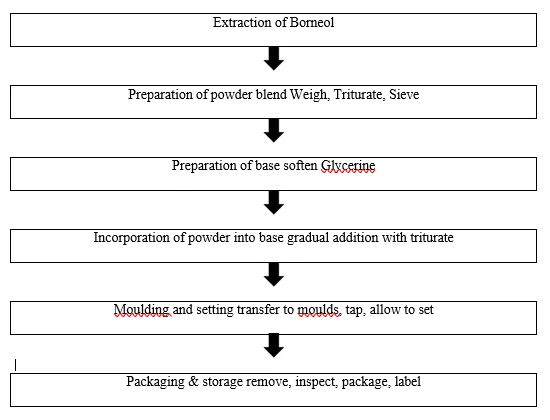
1. Preparation of the Powder Blend
• Accurately weigh all required solid ingredients.
• Transfer the ingredients to a clean, dry mortar and triturate thoroughly with a pestle to obtain a uniform, fine powder.
• Pass the powder through a suitable sieve (e.g., sieve no. 60) to remove lumps and obtain a uniform particle size.
2. Preperation of the Base
• Take the required quantity of white soft paraffin in a clean porcelain dish or ointment slab.
• Soften the paraffin by gentle warming if necessary and allow it to cool to a semisolid consistency suitable for levigation.
3. Incorporation of Powder into the Base
• Gradually add the sifted powder mixture to the softened white soft paraffin with continuous trituration to form a smooth, homogeneous, and lump-free paste.
• Adjust the quantity of white soft paraffin to obtain the desired consistency of the formulation.
4. Moulding and Setting
• Transfer the prepared paste into the previously cleaned and dried moulds in small portions to avoid air entrapment.
• Tap or vibrate the moulds gently to allow the material to settle uniformly and to remove any trapped air.
• Allow the formulation to set at room temperature (or specified conditions) until completely solidified.
5. Packaging and Storage
• Remove the solidified units carefully from the moulds and inspect for uniformity of shape, absence of cracks, and smooth surface.
• Package the units in suitable, well-closed containers and label appropriately with formulation name, batch number, date of preparation, and storage conditions.
STRUCTURAL OUTLINE
EVALUATION
Table 2
|
Test |
Method |
Result |
|
1.Physical Appearance |
Visual Method |
|
|
2. Hardness/Firmness |
Vernier calliper |
The herbal steam vapour pod showed uniform diameter and thickness with satisfactory mechanical strength. The pod withstood applied pressure without cracking, indicating good hardness and formulation stability. |
|
3. Melting Point |
Melting Point Apparatus |
Melting point of Herbal Steam Vapour Pods was found to be in the range of 48°C–62°C. The sample showed satisfactory melting characteristics, indicating acceptable quality and consistency of the formulation. |
|
4. Vapour release/ Aroma intensity |
Boiling Method |
herbal steam vapour pods showed satisfactory vapour release with a pleasant herbal aroma and moderate to strong intensity for effective steam inhalation. |
|
5. pH Measurement |
Ph Paper |
The pH test showed a yellow colour, indicating acceptable pH. |
|
6. Skin irritation Test |
Patch Test |
No redness, itching, or irritation was observed after application of the herbal steam vapour pod formulation on skin. The formulation was found to be safe, gentle, and non-irritant for topical exposure during use. |
|
7. Stability/ Compatibility |
Visual Observation |
The herbal steam vapour pods remained stable with no significant changes in colour, aroma, or shape. |
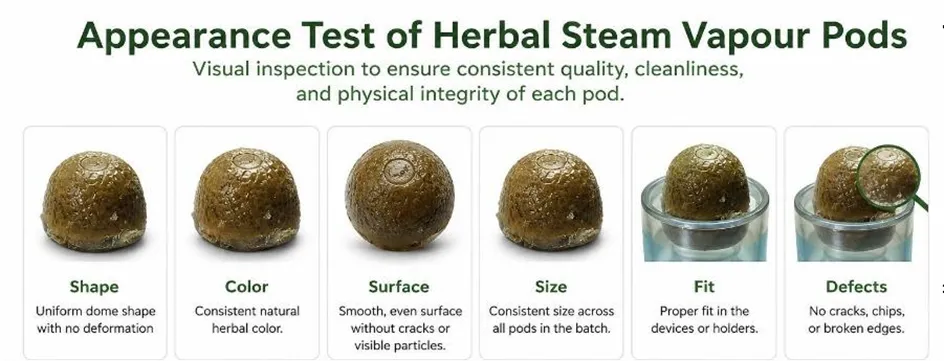
Figure 9.Physical Appearance
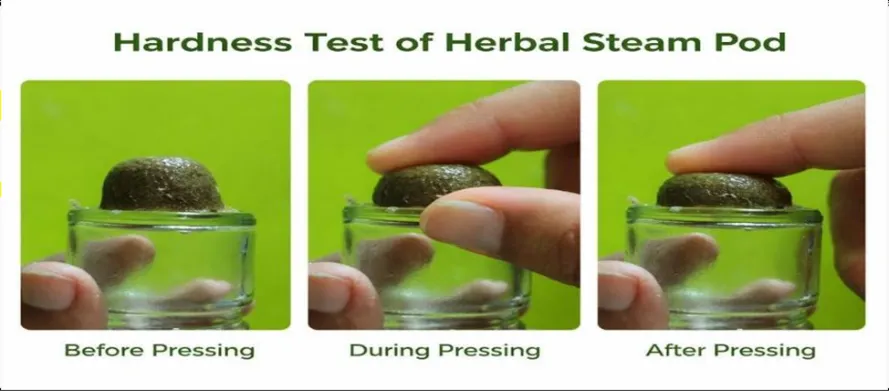
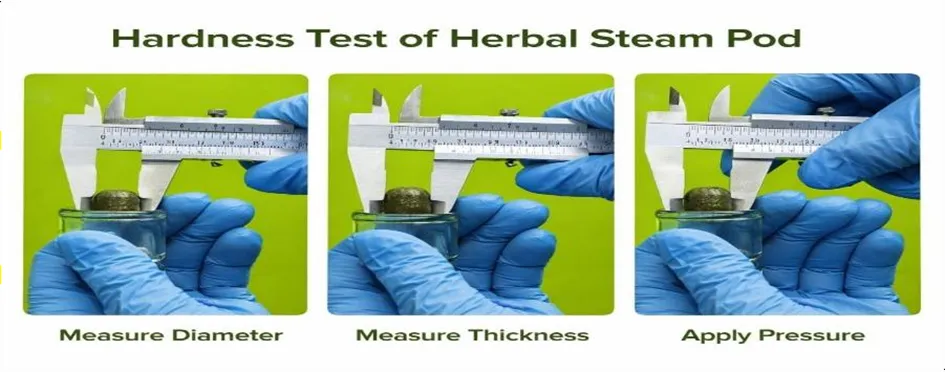
Figure 10. Hardness/Firmness

Figure 11. Melting Point
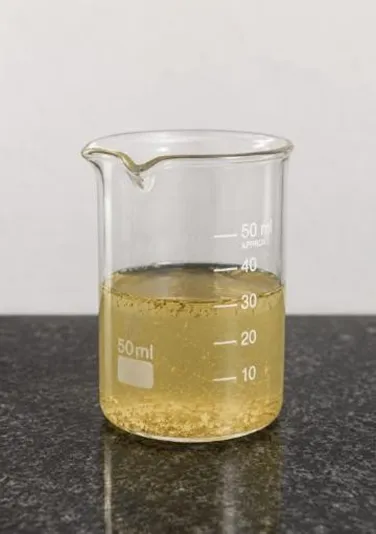
Figure 12. Vapour release/ Aroma intensity
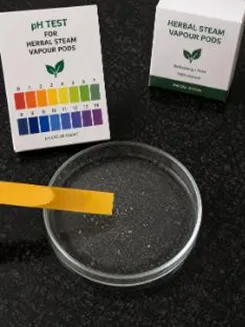
Figure 13. pH Measurement
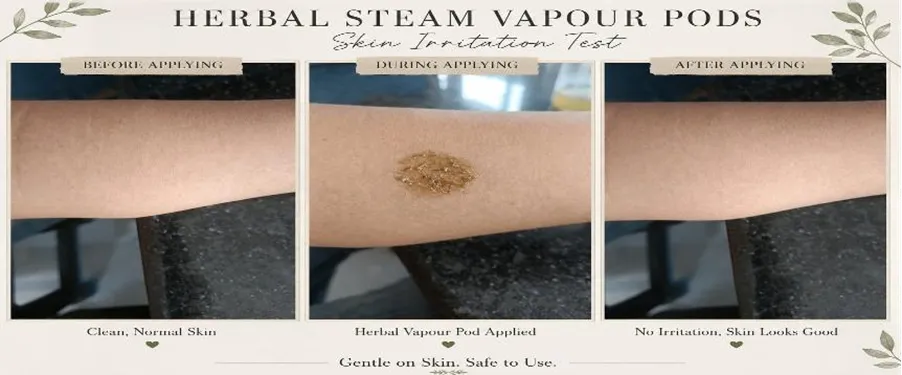
Figure 14. Skin irritation Test
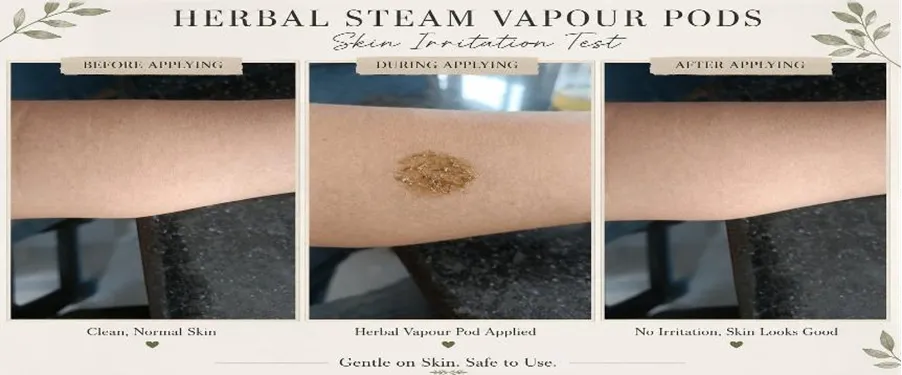
Figure 15. Stability/ Compatibility
DATA REPRESENTATION (GRAPHICALLY)
Here is the graphical representation of the yearly analysis of Herbal Steam Vapour Pods, illustrating the growing awareness, acceptance, and usage of herbal steam therapy over the years. The graph indicates a gradual increase in demand due to the rising preference for natural, convenient, and effective herbal formulations for respiratory relief and wellness applications.

Figure 16
Table 3


Figure 17

Figure 18
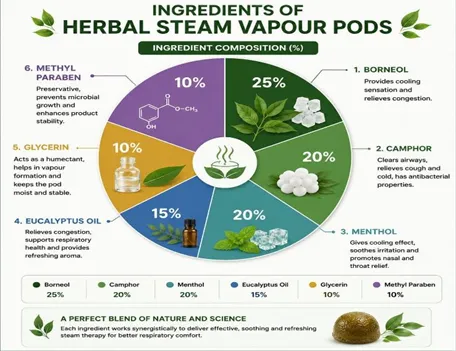
Figure 19
RESULT
The herbal steam vapour pods demonstrated satisfactory results in all evaluation parameters conducted during the study. The formulation produced effective and consistent vapour release when exposed to hot water, providing a pleasant and refreshing herbal aroma that supports comfortable steam inhalation. The vapour intensity was observed to be moderate to strong, indicating efficient release of volatile herbal constituents.
The pH of the formulation was found to be within the acceptable range, suggesting that the pods are suitable and safe for regular use. Stability studies carried out under different storage conditions revealed no significant changes in the colour, aroma, shape, texture, or overall appearance of the pods, confirming good physical and chemical stability of the formulation over the study period.
In addition, the formulation showed no signs of irritation or adverse effects during the evaluation, indicating good compatibility and safety. The herbal ingredients used in the pods contributed to a soothing and refreshing effect during steam inhalation. Overall, the developed herbal steam vapour pods were found to be stable, effective, user-friendly, and suitable for therapeutic steam inhalation applications with a combination of traditional herbal benefits and modern convenience
In the present era, a large number of Indian population relay on the traditional system of medicine which is mostly plant based. Due to wide applicability of plant materials, now a day the development of herbal and ayurvedic preparations is increasing progressively. Specially, the incorporation of medicinal plant materials in the modern pharmaceutical dosage forms are gaining much importance. In pharmaceutical industry the various formulation and synthetic drug are available for nasal decongestion. The main aim of the formation is to prepare and evaluate the herbal formulation contain herbal ingredient. Extracted clove oil and mentha
CONCLUSION
The proposed herbal inhalation pod formulation advances targeted upper respiratory
pharmacotherapy, delivering phytoconstituents for rapid decongestion with enhanced patient adherence and reduced systemic effects.Preliminary physicochemical optimization and
stability protocols address formulation gaps, confirming translational viability for OTC respiratory relief.
The formulation and evaluation of herbal steam vapour pods will represent a significant advancement in the development of targeted herbal inhalation therapies for upper respiratory disorders such as nasal congestion, common cold, sinusitis, and allergic rhinitis. The proposed formulation will utilize carefully selected medicinal herbs and essential oils possessing decongestant, antimicrobial, anti-inflammatory, and soothing properties, thereby enabling effective local delivery of bioactive phytoconstituents directly to the upper respiratory tract.
This localized mode of administration will facilitate rapid onset of action, improve therapeutic effectiveness, and will enhance patient compliance due to ease of use, portability, and non-invasive nature of the dosage form. By bypassing systemic circulation, the herbal steam vapour pods will minimize systemic exposure and reduce the likelihood of adverse effects, making them safer for repeated and short-term use when compared to conventional oral medications.
Comprehensive physicochemical evaluation studies will be conducted to ensure formulation quality and consistency, including assessments of weight variation, aroma intensity, oil retention capacity, evaporation rate, and uniform distribution of herbal constituents. Microbiological evaluation and stability studies under different storage conditions will be performed to establish product safety, shelf-life, and resistance to degradation, ensuring reliability throughout the intended period of use.
The stability data obtained will address existing formulation gaps and support optimization of the vapour pod composition, packaging, and storage conditions. Sensory evaluation and user acceptability studies will further validate the effectiveness of vapour release and therapeutic comfort, contributing to the overall performance of the formulation.
In the future, the outcomes of this study will confirm the translational feasibility of herbal steam vapour pods, enabling their development as a standardized, cost-effective, and eco-friendly over the counter (OTC) respiratory relief product. Furthermore, the formulation approach and evaluation parameters established in this research will serve as a foundation for future clinical investigations, large-scale manufacturing, and potential commercialization of herbal inhalation therapies. Overall, herbal steam vapour pods will emerge as a promising alternative to synthetic inhalants, offering a safe, effective, and patient-friendly solution for the management of upper respiratory conditions.
Based on over research, it concludes that these pods give relief from the nasal decongestion and allergic rhinitis. Natural remedies are more acceptable in the belief that they are safer with fewer side effects than the synthetic ones. As formulation contains clove oil it gives relief in headache which occur due to nasal congestion and Mentha will give cooling effect. The herbal inhaler has increasing demand in the world market. From the present study it can be conclude that the prepared pods inhaler was safe, convenient and efficient.
REFERENCES
https://www.sciencedirect.com/topics/medicine-and-dentistry/lungreceptor#:~:text=Located%20in%20airways%2C%20rapidly%20adapting, Canni ng%20%26%20Spina%2C%202009.
hat%20the,rise%20must%20stimulate%20the%20endings.https://my.clevelandclinic.org/health/body/21778-nosehttps://my.clevelandclinic.org/health/drugs/24923-nasal-decongestant
https://www.sciencedirect.com/topics/medicine-and-dentistry/lungreceptor#:~:text=Located%20in%20airways%2C%20rapidly%20adapting, Canni ng%20%26%20Spina%2C%202009.
hat%20the,rise%20must%20stimulate%20the%20endings.https://my.clevelandclinic.org/health/body/21778-nosehttps://my.clevelandclinic.org/health/drugs/24923-nasal-decongestant





Srushti Kasar, Sham Sor, Tejashree Tandel, Ravindra Amale, Rini Punathil, Formulation And Evalution of Herbal Steam Vapour Pods, Int. J. of Pharm. Sci., 2026, Vol 4, Issue 7, 336-350, https://doi.org/10.5281/zenodo.21132054
 10.5281/zenodo.21132054