

We use cookies to ensure our website works properly and to personalise your experience. Cookies policy
Dr. Kolpe Institute of Pharmacy, Kolpewadi.
The present study aims to develop a multi-functional chia seed churn intended to support weight management, improve digestion and promote overall health.Chia seed are rich in essential such as dietary fibers ,omega 3 fatty acids , proteins and antioxidants which contribute to their health promoting properties.In this formulation chia seeds were blended with other natural ingredients including chia seeds, flax seeds, oats, fennel, almonds, black salt,jeera and dry ginger powder to enhance both nutritional value and functional benefits.The preparation method involves steps such as cleaning, shade drying , light roasting , mixing to produce a fine powder. The formulated churn is expected to aid digestion, weight management and contribute a better skin and hair health. It also demonstrated acceptable texture and stability when stored under proper airtight container.Therefore, the developed chia seeds churn may serve as a natural and beneficial dietary supplement for supporting a healthy lifestyle.
Chia seeds (salvia his panica) consider as a functional food because of their rich nutritional properties.They contain high level of dietary fiber, protein, omega-3 fatty acids, along with essential vitamins and minerals that supports overall health.
Regular intake of chia seeds has been linked with better digestion, effective weight management or weight control and improved metabolic function.
In current situation there has been an increasing preference for natural and plant -based supplements. As people are becoming more conscious about maintaining a healthy lifestyle and balanced nutrition or a balanced diet.
Powder formulation are widely preferred due to their ease of consumption and versatility, as they can be mixed with liquids such as water or milk. These forms may also enhance the absorption or nutrients in the body.
Churn, which is a traditional powdered preparation , is commonly used because of Its simplicity, longer shelf life and effectiveness. The combination of chia seeds with other natural ingredients can improve both nutritional quality and functional benefit.
Such formulation may also help in supporting digestion, increasing energy, wight management and promoting healthy skin and hair.
Hence, the present study is focused on the preparation and evaluation of chia seed powder as a health supplement. The objectives is to create a natural, nutrient -rich and easy to use formulation that may assist in weight management, digestive health and overall well-being.
LITERATURE REVIEW OF CHIA SEED POWDER:
|
SR.NO |
AUTHOR/ YEAR |
STUDY FOCUS |
KEY FINDINGS |
CONCLUSION |
|
1 |
Knez hrncic et al 2019 |
Nutritional profile of chia seeds |
Rich in fiber, omega-3, protein, antioxidants |
Use full as a functional food |
|
2 |
MDPI,2020 |
Polyphenols in chia seeds |
High antioxidants activity reduce oxidative stress |
Supports overall Health |
|
3 |
Research gate studies,2022 |
Digestion and satiety |
Forms gel-like structure, improve digestion |
Helps in weight management |
|
4 |
Harvard health, 2023 |
Health benefits |
Supports heart health and metabolism |
Good dietary supplement |
|
5 |
WebMD, 2022 |
General use |
Improve digestion and provide nutrients |
Safe for regular consumption |
|
6 |
Polyherbal studies |
Churn formulation |
Combination increases effectiveness |
Better therapeutic value
|
|
7 |
Flaxseed research |
Omega -3 and lignans |
Improve skin and hair health |
Enhance nutritional value
|
Chia seeds are widely used in churn formulation because of their rich nutritional composition and functional properties.
They are an excellent source of dilatory fiber, omega 3 fatty acids, protein and antioxidant which contribute to various health benefits. There ability to observer water and promote satiety makes them useful in formulation intended for digestion support and weight management.
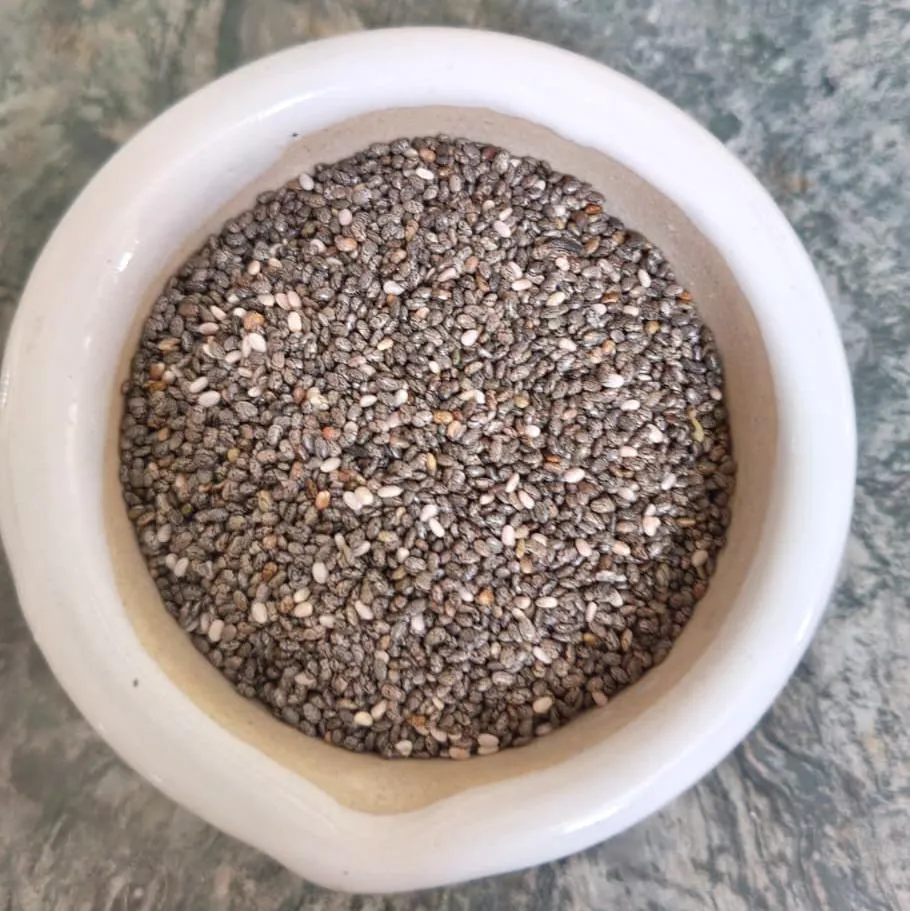
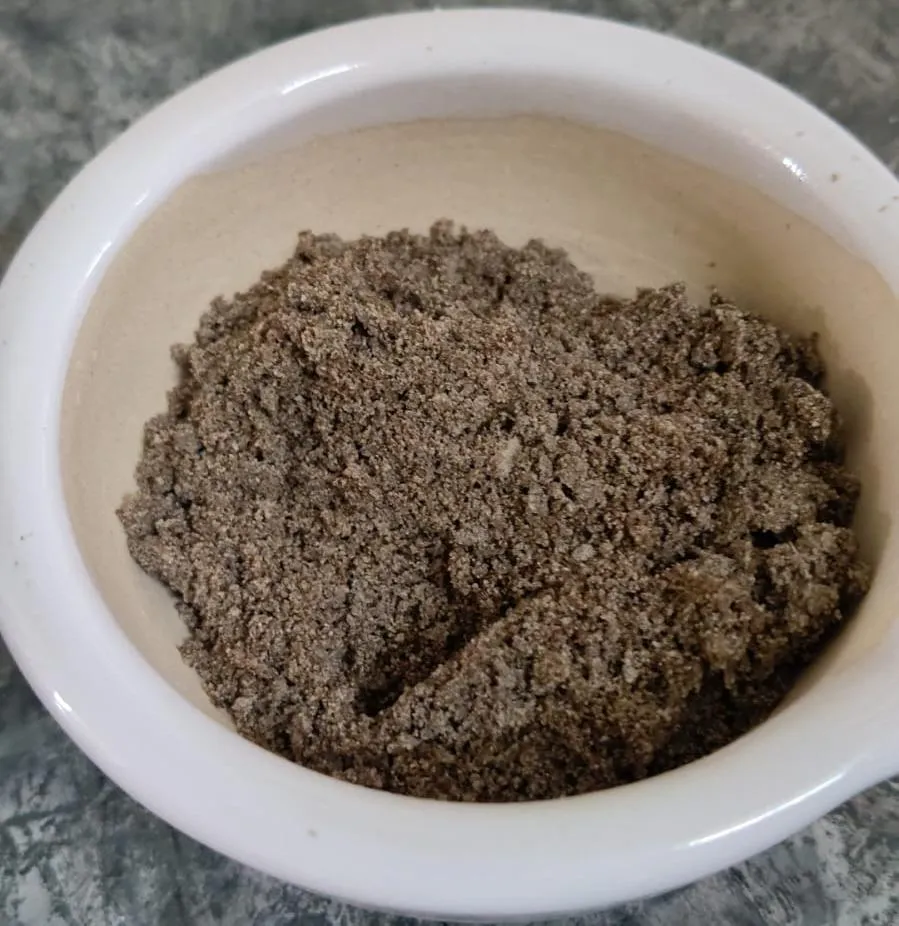
FIG :1 CHIA SEEDS AND CHIA SEEDS POWDER
TOXONOMY OF CHIA SSEDS:
|
CLASSIFICATION RANK |
TOXONOMY
|
|
Kingdom |
Plantae |
|
Division |
Magnoliophyte |
|
Class |
Magnoliopsida |
|
Order |
Lamiales |
|
Family |
Lamiaceae |
|
Genus |
Salvia |
|
Species |
Salvia hispanica |
2: FLAX SEEDS
Flax seeds are commonly incorporated into churn formulation because of their rich nutritional composition and functional benefits.
They are an excellent source of dietary fiber, omega-3 fatty acids, lignans and antioxidants which contribute to improved digestion, enhanced satiety and overall well- being.
Their inclusion in the formulation and support heart health, weight management, skin and hair nourishment.
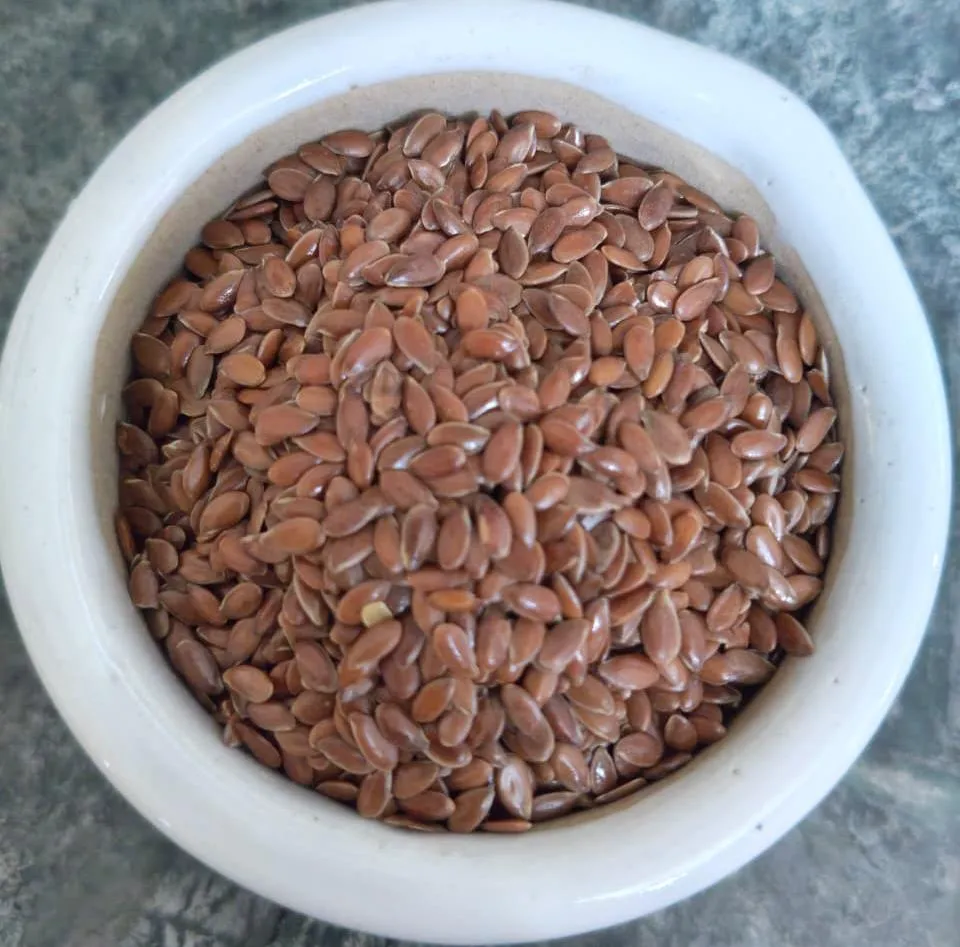
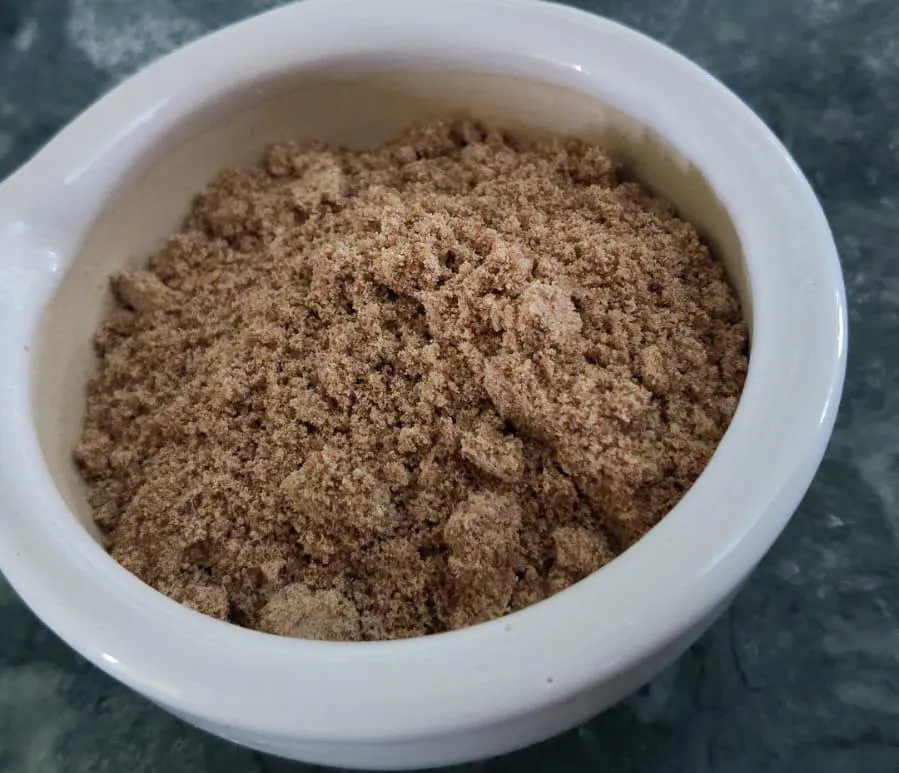
FIG :2 FLAX SEEDS AND FLAX SEED POWDER
TOXONOMY FLAX SEEDS
|
CLASSIFICATION RANK |
TOXONOMY
|
|
Kingdom |
Plantae |
|
division |
Magnoliopsida |
|
class |
Malpighiales |
|
Order |
Malpighiales |
|
Family |
Linaceae |
|
Genus |
Linum |
|
species |
Linum usitatissimum |
3: OATS (rolled oats)
Oats are widely used in churn formulation due to their content and nutritional value. They are rich in beta-glucan fiber which may help improve digestion, increase satiety and support weight management.
Oats also provide energy and contribute to the smooth texture and consistency of the formulation, making them a suitable ingredients in functional health supplements.
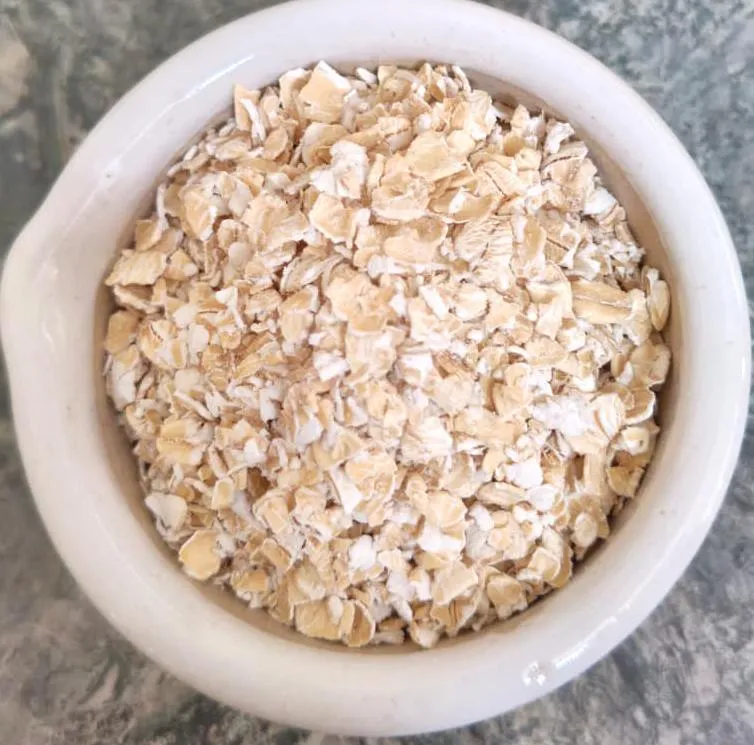
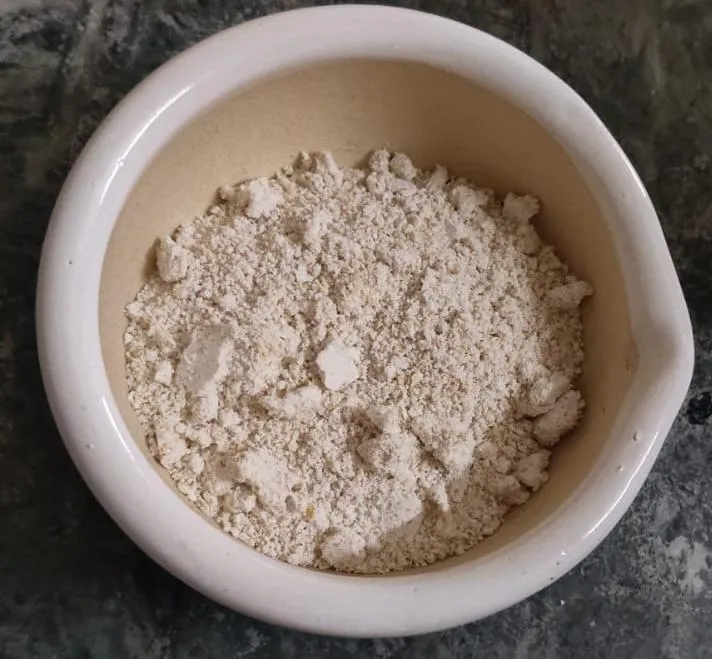
FIG :3 OATS AND OATS POWDER
TOXONOMY OF OATS
|
CLASSIFICATION RANK |
TOXONOMY
|
|
Kingdom |
Plantae |
|
Division |
Magnoliophyte |
|
Class |
Liliopsida |
|
Order |
Poales |
|
Family |
Poaceae |
|
Genus |
Avena |
|
Species |
Avena sativa |
4: CUMIN SEEDS (JEERA)
Cumin seeds are digestive widely incorporated into churn formulation due to their beneficial digestive properties and characteristic aroma.
They may help improve digestion, reduce bloating and support metabolism.
In addition, cumin seeds contain antioxidants and essential nutrients that contribute to the overall functional value of formulation.
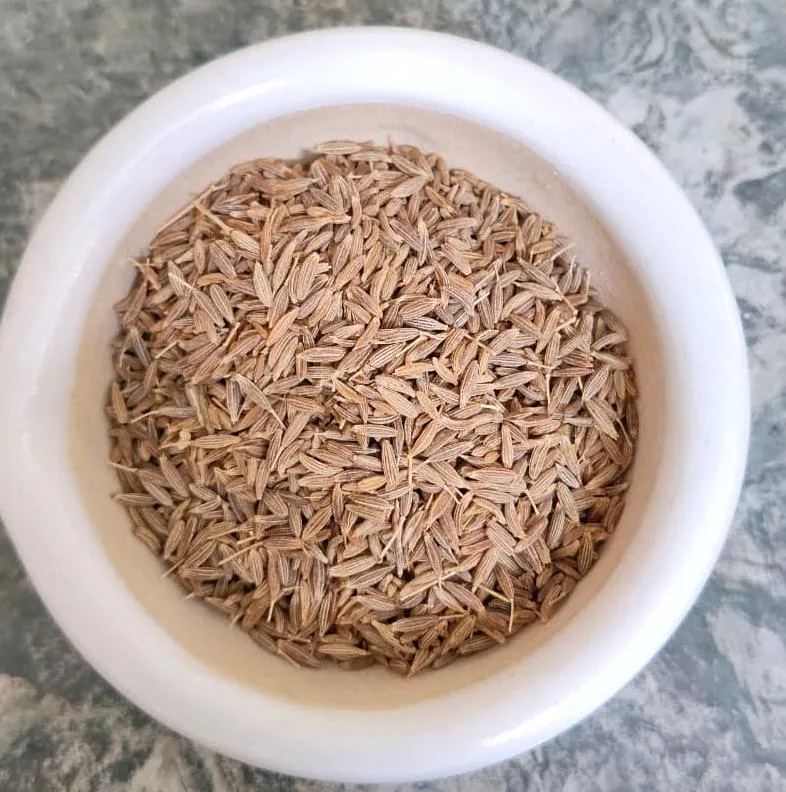
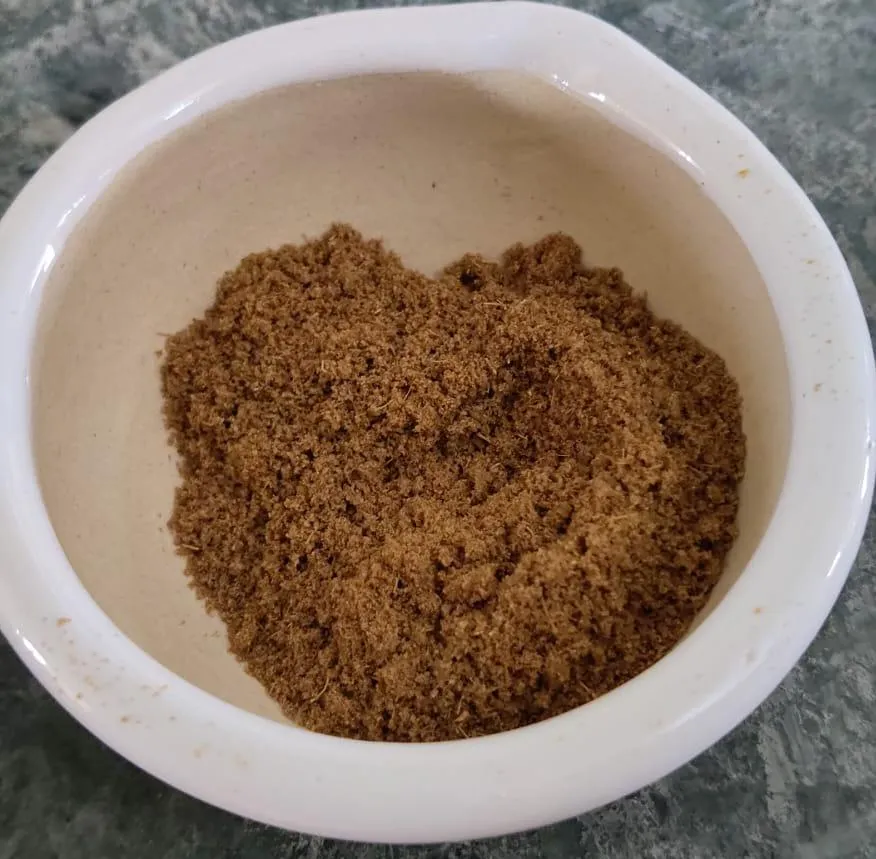
FIG: 4 CUMIN SEEDS AND CUMIN SEEDS POWDER
TOXONOMY OF CUMIN SEEDS
|
CLASSIFICATION RANK |
TOXONOMY
|
|
Kingdom |
Plantae |
|
Division |
Magnoliophyte |
|
Class |
Magnoliopsida |
|
Order |
Apiales |
|
Family |
Apiaceae |
|
Genus |
Cuminum |
|
species |
Cuminum cyminum |
4: FENNEL SEEDS (SAUNF)
Fennel seed are widely used in churn formulation because of their digestive and aromatic properties.
They may help in reducing bloating, improve digestion and support metabolism. In addition, the presence of antioxidants and essential oils enhances the functional value and palatability of the formulation.
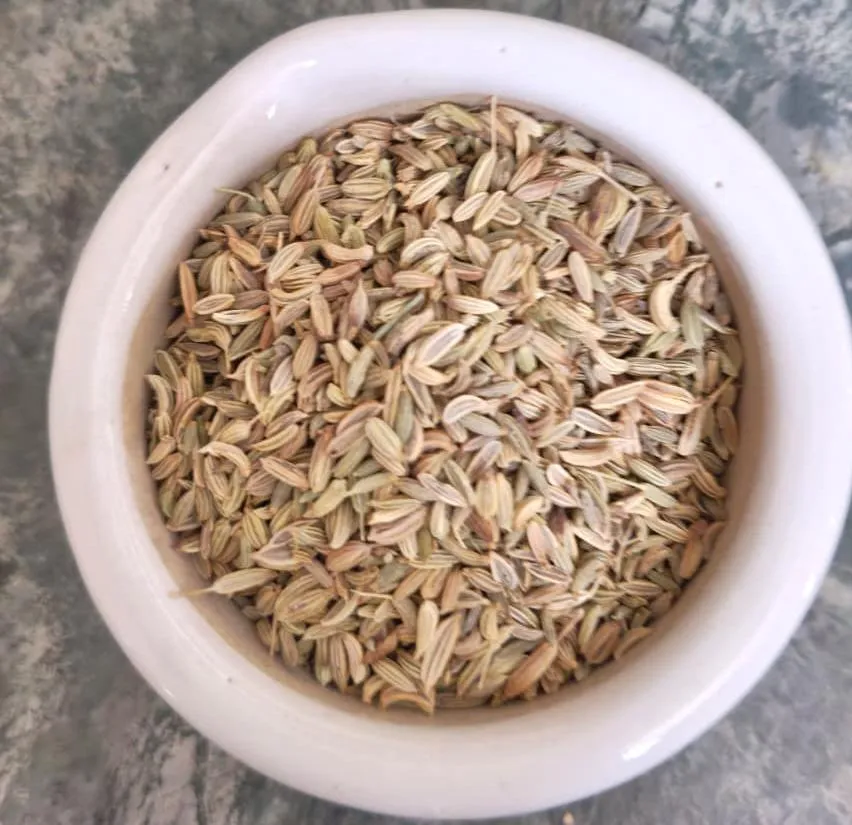
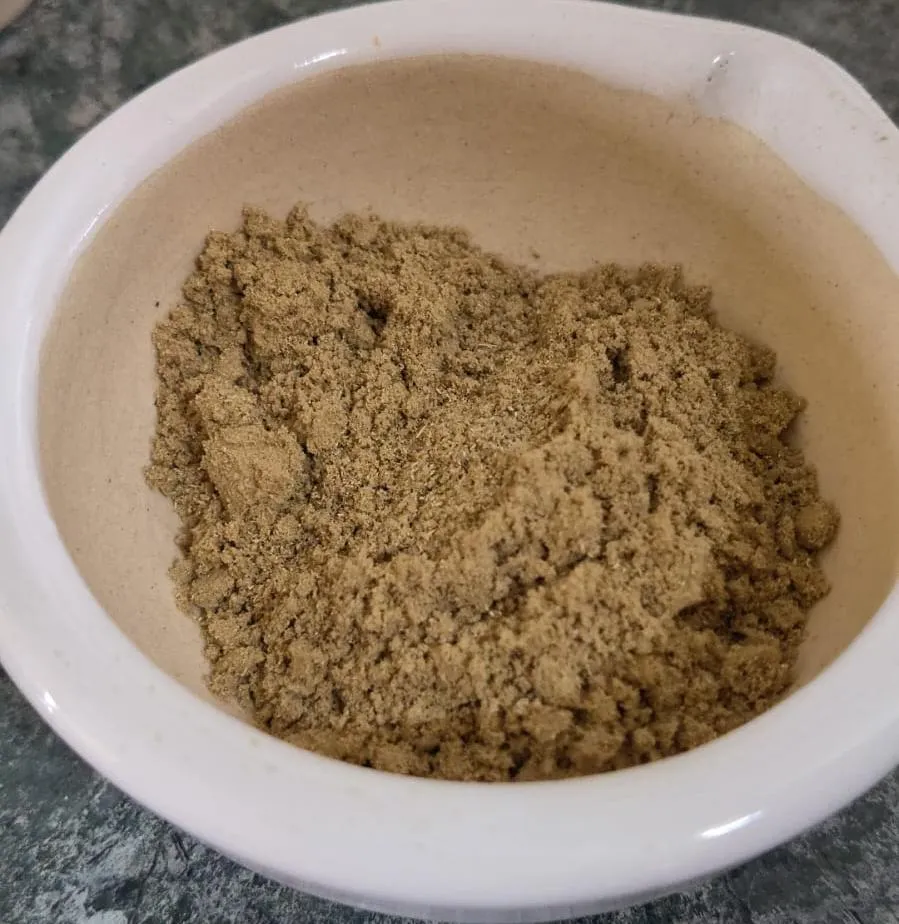
FIG 5: FENNEL SEEDS AND FENNEL SEEDS POWDER
TOXONOMY OF FENNEL SEEDS
|
CLASSIFICATION RANK |
TOXONOMY
|
|
Kingdom |
Plantae |
|
Division |
Magnoliophyte |
|
Class |
Magnoliopsida |
|
Order |
Apiales |
|
Family |
Apiaceae |
|
Genus |
Foeniculum |
|
Species |
Foeniculum vulgare |
6: ALMONDS
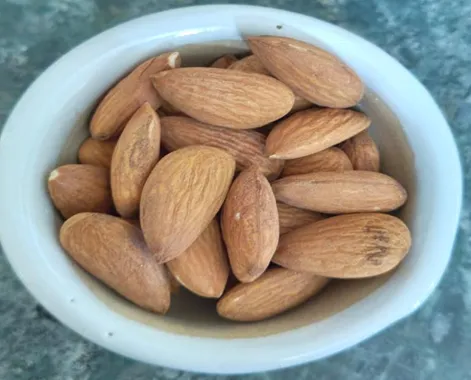
Almonds are commonly used in churn formulation due to their rich nutritional composition and health benefits.
They are an excellent source of healthy fats, protein, vitamin E and antioxidants which contribute to overall nourishment and well-being. Their inclusion in the formulation may support energy level, skin and hair health and improve the nutritional value of the product.
TOXONOMY OF ALMONDS
|
CLASSIFICATION RANK |
TOXONOMY
|
|
Kingdom |
Plantae |
|
Division |
Magnoliophyte |
|
Class |
Magnoliopsida |
|
Order |
Rosales |
|
Family |
Rosaceae |
|
Genus |
Prunus |
|
Species |
Prunus dulcis |
7: DRY GINGER POWDER
Dry ginger powder used in churn formulations due to its digestive and therapeutic properties . it may help improve digestion, reduce bloating and support metabolism.
In addition, the presence of antioxidants and bioactive compounds contributes to the functional value of the formulation while enhancing its flavor and aroma.
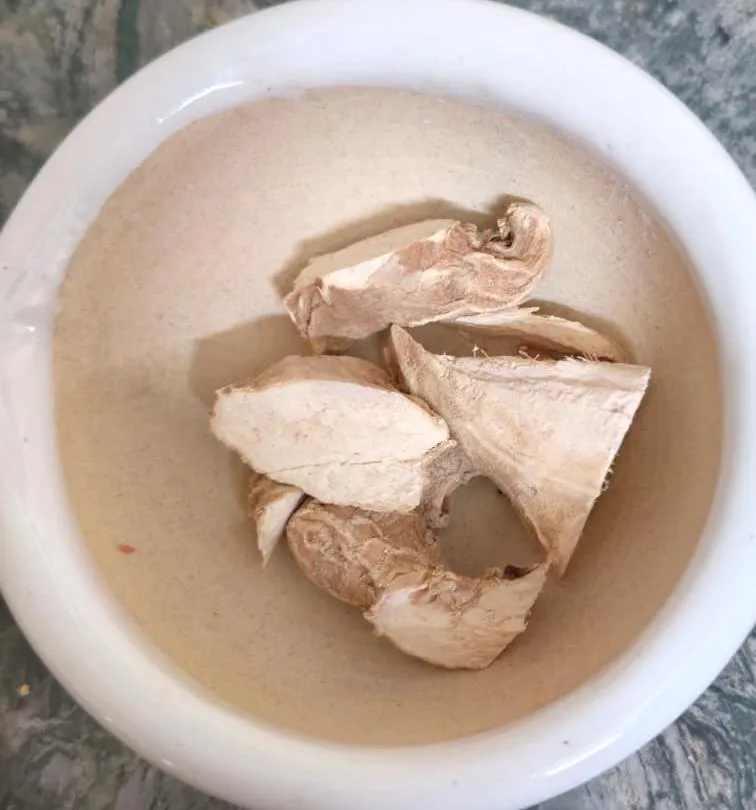
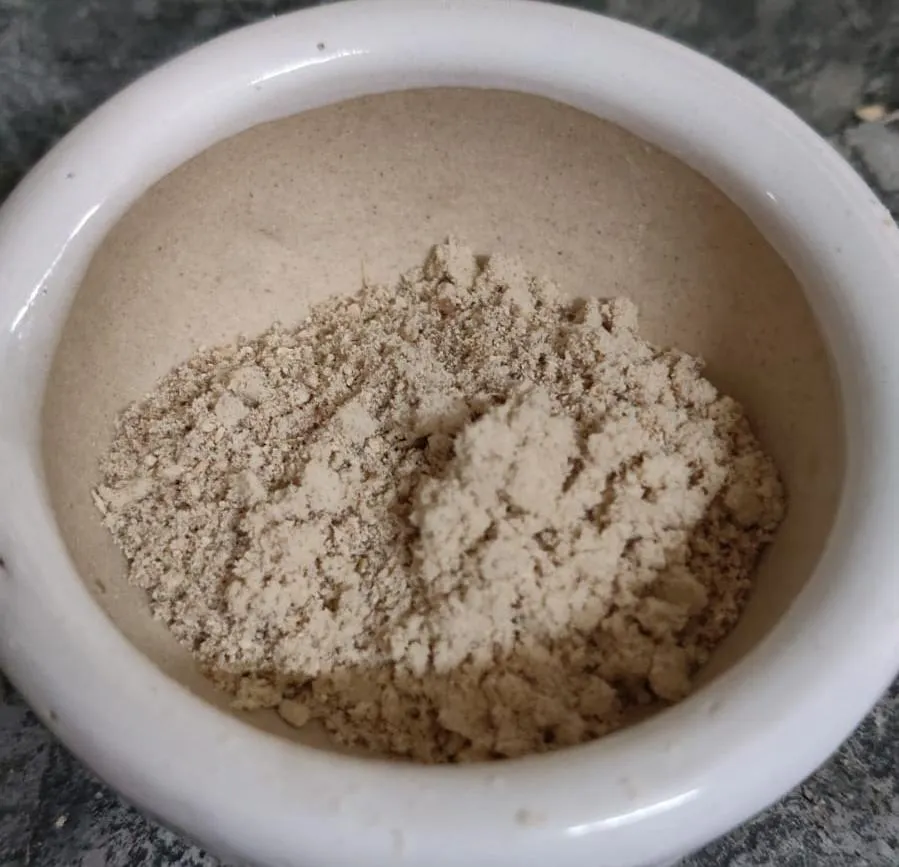
FIG :7 DRY GINGER AND DRY GINGER POWDER
TOXONOMY OF DRY GINGER POWDER
|
CLASSIFICATION RANK |
TOXONOMY |
|
Kingdom |
Plantae |
|
Division |
Magnoliophyte |
|
Class |
Liliopsida |
|
Order |
Zingiberales |
|
Family |
Zingiberaceae |
|
Genus |
Zingiber |
|
Species |
Zingiber officinale |
8: BLACK SALT
Black salt is widely used into churn formulations because of its digestive and flavor enhancing properties.
It may help reduce bloating, improve digestion and increase palatability of the formulation.
In addition, its traditional use in digestive preparation makes it a suitable ingredient in functional health supplements.
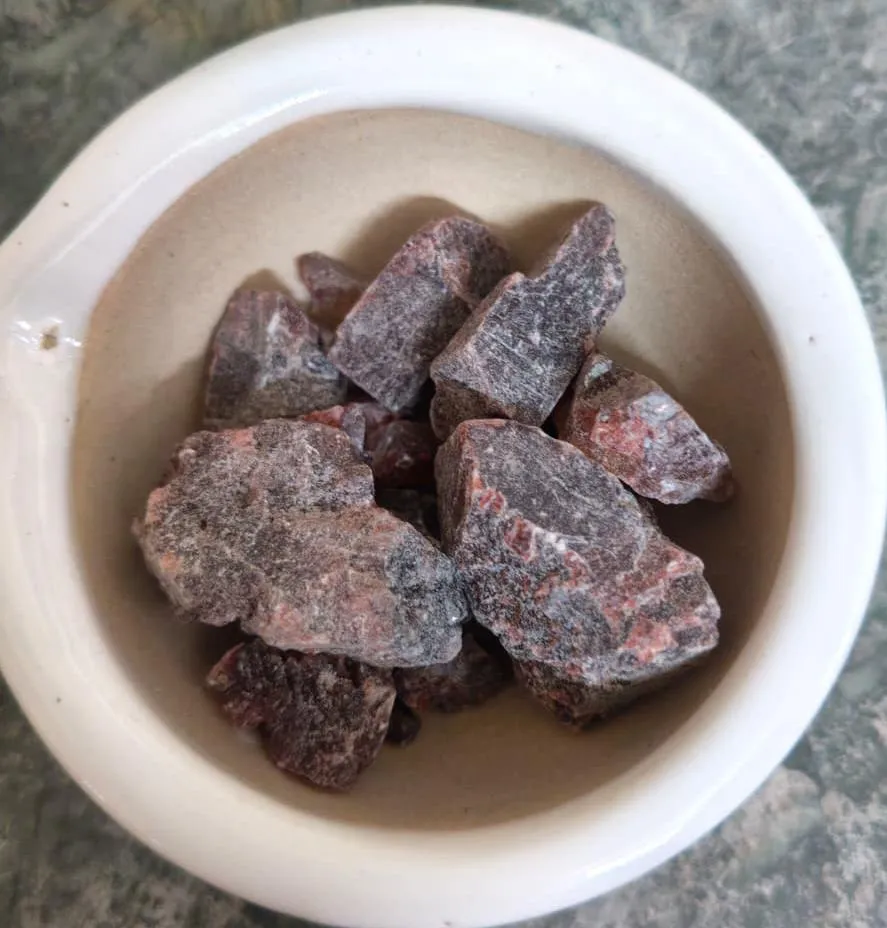
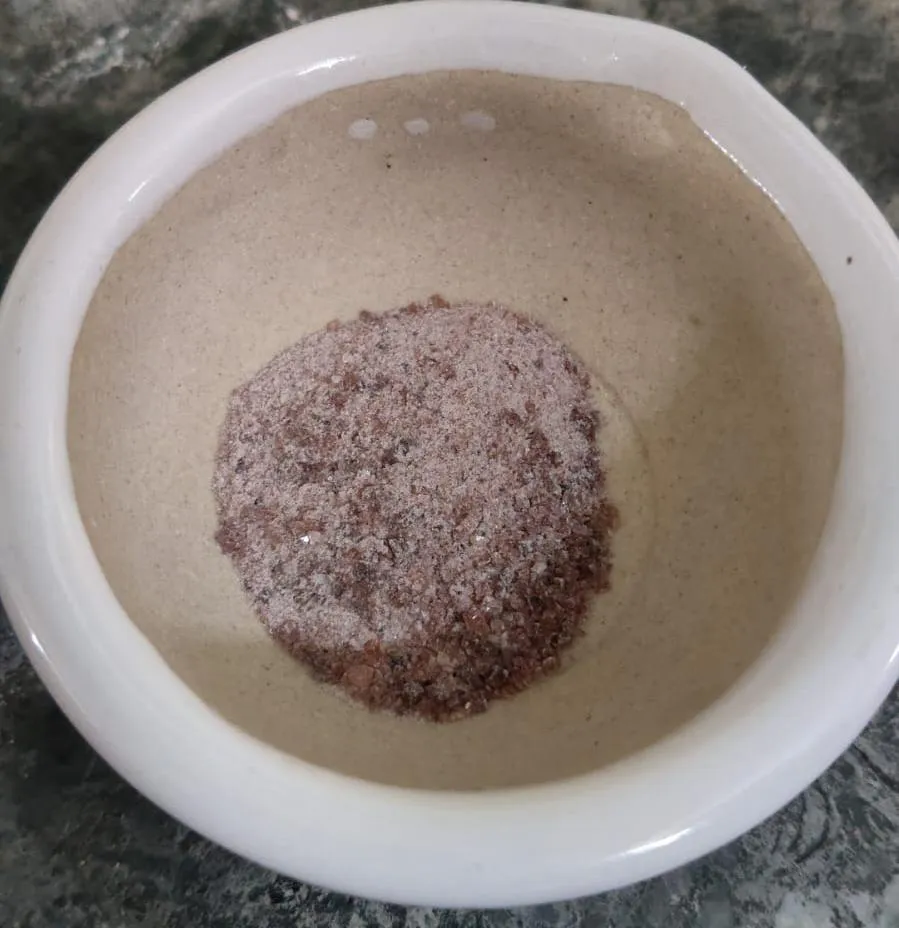
FIG: 8 BLACK SALT
METHODS OF PREPARATION:
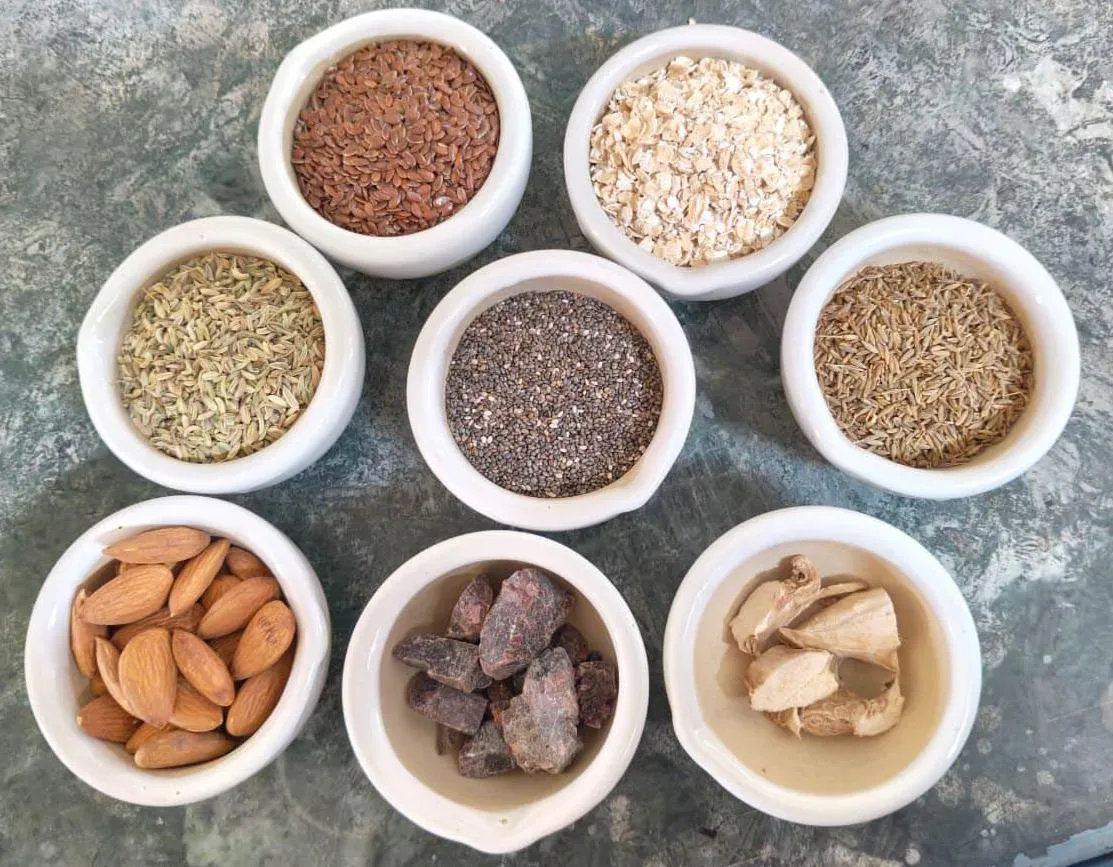
FIG :9 ALL DRIED INGREIDEINTS USED IN CHURN
FORMULATION TABLE:
|
INGREDIENTS |
QUANTITY |
|
Chia seed |
40 gm |
|
Flax seed |
20 m |
|
Oats |
15 m |
|
Cumin seeds |
10 m |
|
Fennel seeds |
10 m |
|
Almond |
5 m |
|
Dry ginger powder |
3 m |
|
Black salt |
2 m |
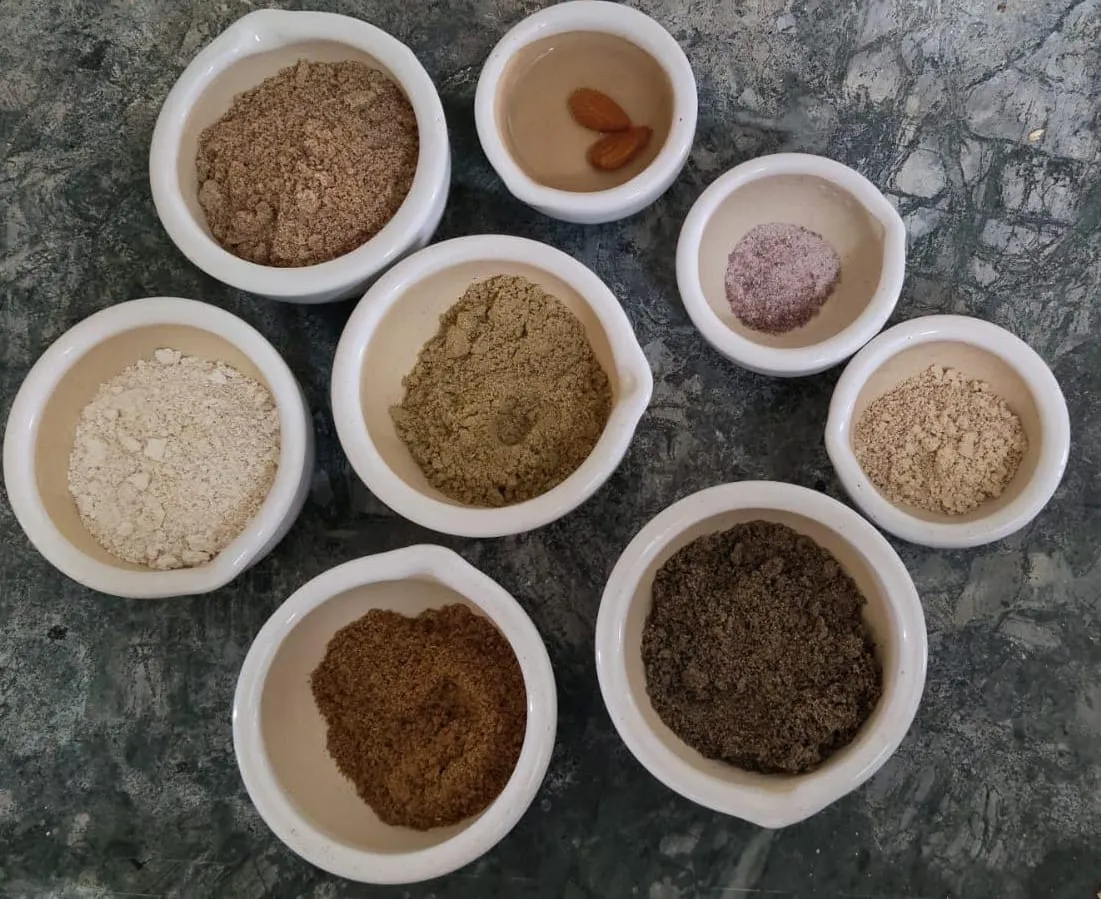
FIG: 10 POWDER OF ALL INGREDIENTS USED IN CHURN
BATCH PREPARATION:
The formulation of chia seed powder was carried out in two batches to ensure consistency and reproducibility of the result.
Each batch was prepared using the same method and quantity of ingredients. The prepared batches were evaluated for physical and sensory properties and no significant variation was observed between batches.
OBSERVATIONAL STUDY:
|
BATCH NO |
OBSERVATION |
RESULT
|
|
Batch 1 |
Good texture and aroma |
Acceptable |
|
Batch 2 |
Similar properties |
Consistent |
ROUTE OF ADMINISTRATION AND DOSAGE:
DOSAGE ACCORDING TO AGE:
|
CHILDERN |
½ to 1 teaspoon daily |
|
ADULT |
1-2 teaspoon daily |
|
ELDERLY |
1 teaspoon daily |
EVALUATION PARAMETERS:
PHYSICAL PARAMETERS:
|
PHYSICAL PARAMETER |
OBSERVATION |
RESULT
|
|
Color |
Light brown |
Acceptable |
|
Texture |
Fine and uniform |
Good quality |
|
Appearance |
Smooth powder |
Uniform |
|
Particle size |
Fine |
Suitable for consumption |
SENSORY PARAMETERS:
|
SENSORY PARAMETERS |
OBSERVATION |
RESULT
|
|
Taste |
Slightly nutty |
Palatable |
|
Aroma |
Mild and pleasant |
Acceptable |
|
Mouthfeel |
Smooth |
Comfortable to consume |
|
Overall acceptability |
Good |
Suitable as supplement |
STABILITY PARAMETER:
|
STABILITY PARAMETER |
OBSERVATION |
RESULT
|
|
Storage stability |
No major change stable |
Stable |
|
Moisture effect |
Low moisture |
Good shelf life |
|
Color / texture change |
No significant change |
Acceptable |
ADVANTAGES OF CHIA SEED CHURNA:
PRECAUTION:
RESULT AND DISCUSSION:
PHYSICAL AND SENSORY EVALUATION OF CHIA SEED CHURNA
|
SR.NO |
PARAMETER |
OBSERVATION |
EVALUATION CRITERIA |
REMARK
|
|
1 |
Color |
Light brown |
Visual |
Acceptable |
|
2 |
Texture |
Fine and uniform |
By touch |
Good quality |
|
3 |
Aroma |
Mild and pleasant |
Sensory evaluation |
Acceptable |
|
4 |
Taste |
Slightly nutty |
Organoleptic test |
Palatable
|
|
5 |
Appearance |
Smooth powder |
Visual |
Uniform
|
|
6 |
Particle size |
Fine |
Sieving method |
Suitable for use |
|
7 |
Moisture content |
Low |
Physical observation |
Good shelf life |
|
8 |
Storage stability |
No change observed |
After storage study |
Stable
|
FUNCTIONAL BENEFITS EVALUATION:
|
R.NO |
PARAMETER |
OBSERVATION |
INFERENCE
|
|
1 |
Satiety level |
Increased |
Helps in weight management
|
|
2 |
Digestion |
Improved |
Reduce bloating
|
|
3 |
Energy level |
Moderate improvement |
Provide sustained energy
|
|
4 |
Skin health |
Improve texture |
Due to antioxidant
|
|
5 |
Hair quality |
Slight improvement |
Nutrient support
|
The result presented in the tables indicate that the developed chia seed powder demonstrated satisfactory physical and sensory characteristics along with possible functional advantages.
The formulation exhibited good stability, acceptable taste and significant nutritional value indicating its suitability as a health supplements.
CONCLUSION
The present study successfully focused on the formulation and preliminary evaluation of chia seeds powder as a functional health supplement.
The developed formulation exhibited acceptable physical and sensory properties, including good texture, aroma and palatability.
The use of natural ingredients contributed overall nutritional quality of the product. the formulation is rich in dietary fiber, omega-3 fatty acids and antioxidants which may help in supporting digestion, promoting satiety and assisting in weight management.
Additionally the presence of this nutrients may contribute to improve skin and hair health.
The product also demonstrated good stability under appropriate storage conditions.
Overall, the study suggests that chia seeds powder can be considered a promising natural health supplement.
However, further detailed clinical and analytical studies are required to confirm its long-term effectiveness and health benefits.
REFERENCES

Lande Sanika, Vighe Shital, Wable Aniket, Sinare Omkar, Datir Vinay, Jadhav Gayatri, Gaikwad Vijay, Formulation And Preliminary Evaluation of Chia Seeds (Salvia Hispanica) Powder as A Functional Health Supplement, Int. J. of Pharm. Sci., 2026, Vol 4, Issue 6, 667-676, https://doi.org/10.5281/zenodo.20525768
 10.5281/zenodo.20525768