

We use cookies to ensure our website works properly and to personalise your experience. Cookies policy
Department Of Botany, Shri Shivaji College of Arts, Commerce and Science, Akola, India.
The present investigation was undertaken to formulate and evaluate an herbal nasal spray using selected medicinal plant ingredients, namely Tulsi (Ocimum sanctum L.), Ginger (Zingiber officinale Rosc.), eucalyptus oil, and camphor. These plant materials are traditionally recognized for their antimicrobial, anti-inflammatory, soothing, and decongestant properties in the management of respiratory ailments. The primary objective of this study was to develop a safe, natural, economical, and plant-based alternative to commonly used synthetic nasal sprays for the relief of nasal congestion, common cold, sinus discomfort, and minor respiratory irritation. The prepared herbal nasal spray was evaluated for important physicochemical parameters such as pH, clarity, homogeneity, viscosity, and short-term stability, which are essential for nasal administration and user comfort. The evaluation results revealed that the developed formulation possessed an acceptable pH range suitable for nasal mucosa, good clarity without particulate matter, uniform consistency, and satisfactory stability during the observation period. The formulation also exhibited a mild and pleasant herbal aroma due to the presence of eucalyptus oil and camphor, which may contribute to a refreshing sensation and improved breathing comfort. The phytochemical constituents naturally present in Tulsi, ginger, eucalyptus, and camphor are known to possess antimicrobial and anti-inflammatory potential, suggesting supportive action in reducing nasal blockage and microbial load. These findings indicate that the prepared herbal nasal spray is physically stable and potentially beneficial for mild respiratory discomfort.
Respiratory tract infections and nasal congestion are among the most common health problems affecting people worldwide. These conditions cause discomfort, difficulty in breathing, and reduced quality of life. According to the World Health Organization, respiratory infections contribute significantly to global morbidity and healthcare burden, especially in developing countries (World Health Organization, 2021). Nasal congestion occurs mainly due to inflammation of nasal mucosa, increased mucus secretion, and blockage of nasal passages, which commonly occur during conditions such as common cold, sinusitis, and allergic rhinitis (Eccles, 2010). Conventional synthetic nasal sprays are widely used to provide immediate relief from nasal blockage; however, prolonged use of these medications may lead to adverse effects such as nasal irritation, dryness, and rebound congestion (Eceles, 2010). In recent years, there has been increasing interest in the use of herbal medicines as safer and more sustainable alternatives to synthetic drugs. Herbal medicines have been used in traditional healthcare systems for centuries and are considered to have fewer side effects compared to synthetic pharmaceutical products (Ekor, 2014). Plants contain a wide range of bioactive compounds such as alkaloids, flavonoids, terpenoids, and phenolic compounds that exhibit antimicrobial, anti-inflammatory, and antioxidant activities, making them useful in the treatment of respiratory diseases (Fabricant & Farnsworth, 2001). Due to these therapeutic properties, medicinal plants are increasingly explored for the development of herbal formulations and drug delivery systems. Among medicinal plants, Ocimum sanctum L.(Tulsi) has been widely used in traditional medicine for the treatment of respiratory disorders, cough, and cold. Tulsi possesses antimicrobial, anti-inflammatory, immunomodulatory, and antioxidant properties, which contribute to its effectiveness in respiratory health management (Prakash & Gupta, 2005). Similarly, ginger (Zingiber officinale Rosc.) is another important medicinal plant known for its anti-inflammatory, antimicrobial, and antioxidant activities. The presence of bioactive compounds such as gingerols and shogaols makes ginger useful in relieving inflammation and infections associated with respiratory tract disorders (Ali et al., 2008). Essential oils also play a significant role in respiratory therapy. Eucalyptus oil, which contains the active compound 1,8-cineole, has been reported to exhibit strong anti-inflammatory, mucolytic, and bronchodilators effects that help in clearing nasal passages and improving breathing comfort (Juergens et al., 2003). Camphor is another natural compound commonly used in traditional medicinal preparations due to its antimicrobial, analgesic, and soothing properties. It is widely used in inhalation therapy and topical formulations to relieve nasal congestion and respiratory discomfort (Chen et al., 2013). The nasal route has become an important pathway for drug delivery because of its rich blood supply, rapid drug absorption, and ability to provide both local and systemic therapeutic effects. Nasal drug delivery systems can provide faster onset of action compared to oral medications and are particularly useful for treating localized nasal conditions (Illum, 2000). Recent advances in pharmaceutical research have also encouraged the development of herbal nasal formulations, including sprays and inhalable preparations, for effective management of respiratory disorders (Kaur et al., 2015). Herbal drug formulation and standardization require proper scientific evaluation to ensure quality, safety, and efficacy. Pharmacognostic studies, physicochemical analysis, and quality control methods are essential to validate herbal products for medicinal use (Kokateet al., 2010; Mukherjee, 2019). Global health organizations have also emphasized the importance of integrating traditional medicine with modern healthcare systems to improve accessibility and affordability of treatments (World Health Organization, 2013). Furthermore, plant-derived antimicrobial compounds have shown promising activity against a variety of pathogenic microorganisms responsible for respiratory infections (Cowan, 1999). Traditional knowledge systems such as Ayurveda have long described the therapeutic value of medicinal plants like Tulsi and ginger in the treatment of respiratory ailments and nasal congestion (Sharma, 2004). Ethnobotanical studies further highlight the importance of medicinal plants in community healthcare systems around the world (Sofowora, 2008) Modern pharmacological research also supports the role of natural compounds in reducing inflammation, microbial infection, and respiratory discomfort (Rang et al., 2012). Therefore, considering the medicinal potential of these plants and the advantages of nasal drug delivery, the present study aims to formulate and evaluate an herbal nasal spray using Tulsi, ginger, eucalyptus oil, and camphor. The formulation is expected to provide a natural, safe, and cost-effective alternative for relieving nasal congestion and improving respiratory comfort. The study also focuses on evaluating important physicochemical properties of the prepared formulation to determine its suitability for nasal administration.
Literature Review:
Several studies have highlighted the increasing prevalence of respiratory tract infections and nasal congestion as major public health concerns worldwide, particularly in developing countries where environmental pollution and seasonal infections are common (World Health Organization, 2021). Conventional nasal decongestant drugs provide rapid relief but are often associated with limitations such as mucosal dryness, irritation, and rebound congestion after prolonged use, which has encouraged researchers to explore safer plant-based alternatives (Eccles. 2010: Ekor, 2014). Traditional medicinal plants have long been recognized as valuable sources of therapeutic compounds for respiratory disorders and infectious diseases (Fabricant & Farnsworth, 2001). Ocimum sanctum L. (Tulsi) has been widely investigated for its antimicrobial, anti-inflammatory, antioxidant, and immunomodulatory activities, supporting its traditional use in cough, cold, and bronchial conditions (Prakash & Gupta, 2005). Experimental and pharmacological studies also demonstrate that ginger (Zingiber officinale Rosc.) possesses bioactive constituents such as gingerols and shogaols that reduce inflammation, inhibit microbial growth, and provide symptomatic relief in upper respiratory tract infections (Ali et al., 2008). Essential oils derived from aromatic plants have gained attention for respiratory therapy. Eucalyptus oil, rich in 1,8-cineole, exhibits mucolytic, bronchodilators, and anti-inflammatory properties that improve airway clearance and breathing efficiency in respiratory disorders (Juergens et al., 2003). Camphor has similarly been reported to show antimicrobial, mild analgesic, and counter-irritant effects, which contribute to relief from nasal obstruction and irritation when used in topical or inhalation preparations (Chen et al., 2013). Research in herbal drug development emphasizes the importance of combining multiple plant ingredients to obtain synergistic therapeutic effects and improved efficacy (Patwardhan et al., 2004). The nasal route has emerged as an efficient drug delivery pathway due to rapid absorption, avoidance of hepatic first-pass metabolism, and suitability for localized treatment of nasal conditions (Illum, 2000). Recent advancements in nasal formulation technology further support the incorporation of herbal extracts into sprays and inhalable preparations for respiratory management (Kaur et al., 2015). Quality control and standardization remain essential challenges in herbal pharmaceutical research. Pharmacognostic evaluation, physicochemical testing, and stability assessment are necessary to ensure the safety, purity, and reproducibility of herbal formulations (Kokateer al., 2010; Mukherjee, 2019). Global
health strategies also encourage scientific validation and integration of traditional medicine into modern healthcare systems to enhance accessibility and affordability of treatment (WHO, 2013). Previous investigations confirm that plant-derived antimicrobial compounds are effective against various pathogenic microorganisms associated with respiratory infections (Cowan, 1999). Ethnobotanical and traditional medicinal literature across different cultures further supports the therapeutic relevance of herbal remedies in managing common respiratory ailments (Sofowora, 2008). Modern pharmacological research and classical Ayurvedic texts also describe the beneficial role of Tulsi, ginger, and aromatic plant constituents in reducing inflammation, clearing airways, and improving respiratory comfort (Rang et al., 2012; Sharma, 2004). Although individual medicinal plants have been extensively studied, limited research is available on their combined use in a standardized herbal nasal spray formulation. Therefore, systematic formulation and evaluation of a multi-herbal nasal spray containing Tulsi, ginger, eucalyptus oil, and camphor is necessary to establish its physicochemical stability and potential therapeutic usefulness in managing mild nasal congestion and related respiratory discomfort.
Motivation
The healthcare and wellness industry is experiencing a growing demand for herbal and natural products. Consumers are increasingly looking for chemical-free alternatives to conventional healthcare products due to concerns about side effects and long-term safety. Herbal remedies have gained popularity because of their natural origin, therapeutic benefits, and compatibility with traditional systems of medicine. Nasal sprays are widely used for the management of nasal congestion, allergies, sinus discomfort, and respiratory irritation. However, many commercially available nasal sprays contain synthetic chemicals that may cause dryness, irritation, or discomfort with prolonged use. This has created a need for safer and more natural nasal care products. The present project aims to develop a herbal nasal spray using medicinal plants such as Tulsi (Ocimum tenuiflorum) and Camphor (Cinnamomum camphor), which are known for their antimicrobial, anti-inflammatory, and decongestant properties. The formulation offers an opportunity to combine traditional herbal knowledge with modern pharmaceutical techniques to create an innovative healthcare product. The project also supports the growing trend of sustainable and eco-friendly product development. The herbal nasal spray is expected to provide relief from nasal congestion, maintain nasal hygiene, support respiratory health, and minimize the side effects associated with synthetic formulations. Its natural composition makes it suitable for a wide range of users seeking safe and effective respiratory care solutions. The increasing awareness of preventive healthcare and herbal medicine makes this formulation a promising product with both scientific and commercial potential.
Materials And Methodology:
This research follows a systematic approach to formulate and assess an herbal nasal spray using medicinal plants sources from the Akola region. The methodology is divided into the following phases
A. Ethnobotanical Survey and Plant Selection
Samples of plants were collected from the Akola region, Maharashtra. Plants were authenticated by using
V.N. Naik Flora of Marathwada. On the basis of their Anti-inflammatory, Antimicrobial, Antioxidant, soothing and rejuvenate properties the plants were selected.
1.Botanical name: Ocimum sanctum L
Common name: Tulsi
Family: Lamiaceae Part used: leaves
Morphology: Tulsi is an aromatic, erect, branched herb or small shrub growing up to 30-60 cm tall. The stem is green or purplish and hairy. Leaves are simple, opposite, ovate with serrated margins and have a strong characteristic aroma. Flowers are small, purplish or white, arranged in terminal inflorescences.
Uses: Tulsi leaves possess antimicrobial, anti-inflammatory, antioxidant and immunomodulatory properties. They are widely used in the treatment of respiratory disorders such as cold, cough, and nasal congestion. Tulsi also helps in improving immunity and acts as a natural remedy for various infections. Flax seeds come in brown and yellow (golden) varieties. They produce a vegetable oil called flaxseed oil or linseed oil. This oil is one of the oldest commercial oils

2. Botanical name: Zingiber officinale Rosc.
Common name: Ginger
Family: Zingiberaceae Part
used: Rhizome
Morphology Ginger is a perennial herb with underground branched rhizomes. The plant grows about 60-100 cm tall with leafy stems. Leaves are long, narrow, lanceolate andarranged alternately. The rhizome is thick, irregular, and light brown in color externally with a yellowish interior and characteristic pungent aroma.
Uses: Ginger has strong anti-inflammatory, antimicrobial and antioxidant properties. It is commonly used in the treatment of respiratory problems, cold, and throat infections. Ginger helps in reducing inflammation, improving circulation, and providing relief from nasal congestion and irritation.

1. Collection and Authentication of Plant Material
Fresh, healthy, and disease-free leaves of Tulsi (Ocimum sanctum L.) and rhizomes of ginger (Zingiber officinale Rosc.) were collected from local garden sources in Akola district, Maharashtra. The collected plant materials were taxonomically identified based on standard botanical characters and compared with available floristic descriptions to ensure authenticity. The samples were washed thoroughly under running tap water followed by rinsing with distilled water to remove adhering dust, soil particles, and microbial contaminants. Clean plant materials were shade-dried at room temperature (25-30 °C) for 7-10 days to preserve thermolabile phytochemicals. The dried materials were coarsely powdered using a sterile mechanical grinder and stored in labelled, airtight glass containers until further use.
2.Chemicals, Reagents, and Instruments
Pharmaceutical-grade eucalyptus oil and camphor were procured from an authenticated herbal supplier. Sodium chloride was used for maintaining isotonicity, and glycerin served as a humectant and soothing agent for nasal mucosa. Distilled water was used as the extraction and formulation medium. Instruments used in the study included a digital weighing balance, hot plate, beakers, measuring cylinders, muslin cloth, Whatman No. I filter paper, pH strips/digital pH meter, glass stirring rods, and sterilized nasal spray bottles
3. Preparation of Aqueous Herbal Extract
Accurately weighed powdered Tulsi leaves and ginger rhizomes (in equal proportion) were transferred into a clean beaker containing a measured volume of distilled water. The mixture was gently heated at 60-70 °C for approximately 20-30 minutes with continuous stirring to facilitate extraction of water-soluble phytoconstituents. The extract was allowed to cool at room temperature and then filtered first through double-layered muslin cloth to remove coarse particles, followed by filtration through Whatman No. I filter paper to obtain a clear filtrate. The filtrate was mildly concentrated by gentle heating to achieve the desired strength and then stored in a sterile container under refrigerated conditions until formulation.
4. Formulation of Herbal Nasal Spray
An isotonic base solution was prepared by dissolving the calculated quantity of sodium chloride in distilled water. The previously prepared herbal extract was gradually incorporated into this base with continuous magnetic or manual stirring to ensure uniform mixing. A small, controlled quantity of eucalyptus oil was added as a natural decongestant and aromatic agent. Finely powdered camphor was dissolved separately and incorporated slowly into the formulation to enhance antimicrobial and soothing activity. Glycerine was added to provide lubrication, moisture retention, and comfort to nasal mucosa. The final volume of the preparation was adjusted using distilled water, and the formulation was filtered again to remove any undissolved particles. The clear solution was aseptically transferred into sterilized nasal spray containers, sealed properly, and labelled for evaluation.
Evaluation of the Formulated Nasal Spray
Organoleptic Properties :
1. Colour order, and general appearance of the formulation were examined visually to ensure acceptability and absence of contamination.
2. Determination of pH
The pH of the formulation was measured using calibrated pH strips or a digital pH meter. A pH close to neutral (5.5-7.0) was considered suitable for nasal mucosal compatibility.

3.Clarity and Particulate Matter
The formulation was observed to be satisfactory colourless. Applications of Herbal Nasal Spray
Helps in relieving nasal congestion and blocked nose.
Provides soothing effect to irritated nasal passages.
Supports respiratory health by improving airflow through the nasal cavity. Exhibits antimicrobial activity against certain bacteria and viruses.
May help in reducing symptoms of common cold and seasonal allergies. Assists in maintaining nasal hygiene and cleanliness.
Helps reduce inflammation of the nasal mucosa.
Can be used as a natural alternative to synthetic nasal decongestants. Suitable for regular use due to the presence of herbal ingredients.
Promotes comfortable breathing and overall nasal wellness. May help in preventing minor respiratory infections.
Supports the use of traditional Ayurvedic herbs in modern healthcare products.
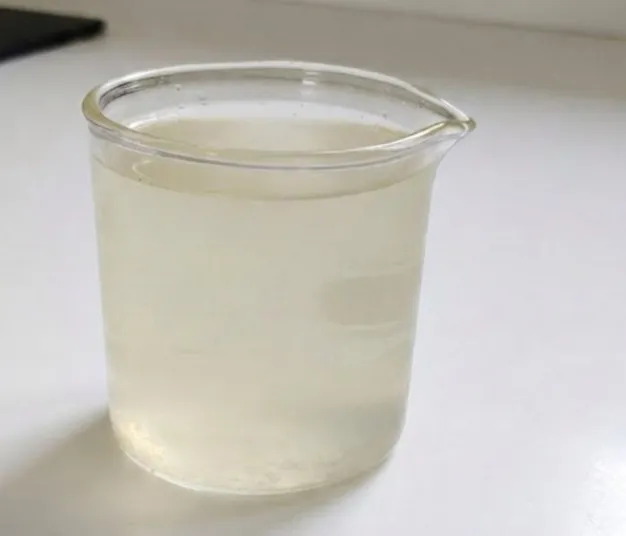
RESULTS AND OBSERVATIONS
Table 1. Physicochemical Evaluation of Polyherbal Nasal Spray
|
Parameter |
Observation |
|
Appearance |
Clear and colourless |
|
Clarity |
Transparent |
|
pH |
5.5 |
|
Homogeneity |
Uniform |
|
Spray Pattern |
Uniform |
|
Odour |
Pleasant herbal aroma |
pH Evaluation
The pH of the prepared formulation was determined using a pH indicator strip. The observed pH value was approximately 5.5 , indicating compatibility with nasal mucosal tissues and suitability for nasal administration.
Clarity Assessment
Visual examination revealed a clear and colourless formulation without visible particulate matter, indicating successful filtration and formulation stability.
Spray Pattern Evaluation
The prepared formulation produced a uniform spray pattern upon actuation, suggesting satisfactory atomization characteristics and efficient nasal delivery.
CONCLUSION:
In conclusion, the study successfully demonstrates that a stable, and potentially beneficial herbal nasal spray can be formulated using traditional medicinal plants. The findings support the growing scientific interest in herbal respiratory therapeutics and provide a foundational step toward the development of evidence-based, plant-derived nasal healthcare products. Further detailed investigations may enable translation of this formulation into a safe and effective natural remedy for routine respiratory relief.
Future Scope
ACKNOWLEDGEMENT
I express my deep gratitude to the project supervisor, Dr. N. B. Chaukhande, Professor, Department of Botany, Shri Shivaji College of Arts, Commerce and Science, Akola, for her valuable guidance, inspiration, encouragement, suggestion and kind co-operation.
I am also grateful to Dr. R. M. Bhise, Principal, Shri Shivaji College of Arts, Commerce and Science, Akola, for providing necessary laboratory facilities for my work.
I heartfully thank Dr. D. K. Koche, Professor and Head, Department of Botany, Shri Shivaji College of Arts, Commerce and Science, Akola, for his guidance and support in carrying out this study.
I take this opportunity to express my thanks to Dr. V. S. Patil, Dr. A.V. Oke, Mr. S. A Rathod and Dr. R.
N. Patil for their valuable suggestions and co-operation.
I am also thankful to Ms. Pooja Sawasakade, Ms. Bushra Anjum Shaikh, Ms. Renuka Pande, Ms. Pratiksha Kaware, Ms. Aishwarya Dhule, Manjari mam and for their help and encouragement throughout the work.
1 extend a big thanks to Mr. V. B. Tayade, Shreyash Waghmare for their kind assistance in the laboratory work.
How can I miss my Colleagues, who time to time extended their helping hand during this project work? I thank my friends, Ms. Vaishnavi M. Ingle, Ms. Anuradha Ingle and Ms. Vaishnavi Sonkar for their valuable co-operation in completion of my project.
How can I forget the most important part of my life, my mother, Mrs. Savita V. Dasharathi, my father Mr. Vasant B. Dasharathi and my whole family for their support and motivation.
Last but not least, I thank all my friends and family, without whom this project wouldn't have been possible.
REFERENCES

Nikita Dasharathi, Formulation of Herbal Nasal Spray, Int. J. of Pharm. Sci., 2026, Vol 4, Issue 6, 3483-3492. https://doi.org/10.5281/zenodo.20698560
 10.5281/zenodo.20698560