

We use cookies to ensure our website works properly and to personalise your experience. Cookies policy
KES's Late Shri P.C.B. College of D. Pharmacy & Late Prof. R. K. Kele College of B. Pharmacy, Amalner, Jalgaon, India
By 2026, artificial intelligence (AI) has moved from promise to proof in pharmaceutical r&d, reshaping the trajectory from algorithms to regulatory approvals. The first generation of ai-discovered therapeutics is now advancing through pivotal phase ii and iii trials, marking a watershed moment for clinical validation. This perspective reviews the tangible outcomes of ai-driven drug discovery, highlighting how generative foundation models and autonomous laboratories have compressed preclinical development timelines from years to months. Case studies in oncology, fibrosis, and rare diseases illustrate how ai-enhanced safety and pharmacokinetic predictions have elevated phase i success rates to unprecedented levels, while the enduring challenge of phase iii underscores the complexity of human biology. Beyond clinical milestones, we examine evolving regulatory frameworks, the integration of multi-modal datasets, and persistent barriers such as data scarcity and model interpretability. While ai cannot eliminate attrition, it has fundamentally re-engineered the economics and predictability of drug development, heralding a paradigm shift toward faster, more efficient and patient-centric therapeutic innovation.
Advancements in drug discovery have significantly transformed medicine, converting previously lethal diseases into manageable treatment protocols. The process of developing and testing new pharmaceuticals has become more streamlined, enhancing medical practice. However, the creation of a new drug can take over a decade and average around $2.6 billion. Additionally, fewer than 10% of drugs that enter Phase I clinical trials manage to reach the market [1.2]. This lengthy and expensive process typically encompasses various in vitro, in silico, and in vivo experiments, which generally take about four years to complete, along with preclinical studies that cover pharmacokinetic, pharmacodynamic, and toxicological research. Drug screening entails a series of experiments and assessments aimed at evaluating potential drug candidates.
Artificial intelligence (AI), also referred to as machine intelligence, mimics human cognition, enabling computers to perform tasks linked to human thought processes during learning and problem-solving.[3] AI utilizes tools and software that allow for autonomous decision-making based on the analysis of incoming data. [4] While artificial intelligence and machine learning are related, they are not synonymous; AI, a subset of computer science that merges engineering with statistics, employs algorithms to execute tasks and facilitate decisions and predictions. AI-based methods have also been utilized to forecast the potential toxicity of drug candidates [5].
Drug discovery has traditionally navigated a prolonged and intricate pipeline that includes target identification, hit discovery, lead optimization, preclinical studies, clinical trials, and regulatory approval. Each of these phases demands exhaustive experimentation, substantial datasets, and multidisciplinary expertise. Growing challenges arise from the increasing complexity of diseases such as cancer, neurodegenerative disorders, infectious diseases, and rare genetic conditions, all of which underscore the limitations of conventional drug development methods. Traditional approaches often depend on trial-and-error processes, making them inefficient and costly. Consequently, researchers are turning to innovative technologies to enhance the speed, precision, and success rates of pharmaceutical development.
Recent technological advancements in computational biology, bioinformatics, big data analytics, and sophisticated computing have revolutionized pharmaceutical research. The advent of vast biological databases, genomic sequencing technologies, electronic health records, and high-throughput screening techniques generates immense volumes of data, making manual management and analysis increasingly infeasible. AI presents a powerful solution to efficiently process and analyze these complex datasets, enabling researchers to uncover significant patterns and connections that might otherwise go unnoticed.
Integrated AI techniques—including machine learning (ML), deep learning (DL), natural language processing (NLP), reinforcement learning, and generative models—are steadily becoming a part of drug discovery workflows. For instance, ML algorithms can sift through historical datasets to identify characteristics linked to successful drug candidates, while DL models can distill intricate biological relationships from molecular and genomic data. Additionally, NLP facilitates the analysis of scientific literature, patents, and clinical records, expediting information gathering from extensive text sources.
The incorporation of AI into pharmaceutical research signifies a transformative shift from traditional experimental methodologies to data-driven decision-making. AI is poised to assist researchers across multiple stages of drug development, encompassing target identification, virtual screening, molecular design, toxicity prediction, biomarker discovery, patient stratification, and clinical trial optimization. By utilizing predictive analytics and automation, AI can decrease human error, cut development costs, and boost the likelihood of discovering effective therapeutic candidates.
One of the noteworthy applications of AI within contemporary drug discovery is virtual screening. Traditional laboratory methods that screen millions of chemical compounds are prohibitively expensive and time-consuming. AI-enhanced virtual screening capabilities can quickly evaluate extensive chemical libraries to identify compounds possessing desired biological properties, greatly limiting the number of compounds that require experimental evaluation and thus speeding up lead identification.
Furthermore, AI has played a pivotal role in strategies for drug repurposing, which involves leveraging existing approved drugs for new therapeutic applications. Since approved medications have known safety profiles, repurposing can significantly shorten development timelines and mitigate financial risks. During global health crises, such as outbreaks of infectious diseases, AI-supported drug repurposing tactics have proven to be particularly effective in rapidly identifying candidate molecules for therapeutic deployment.
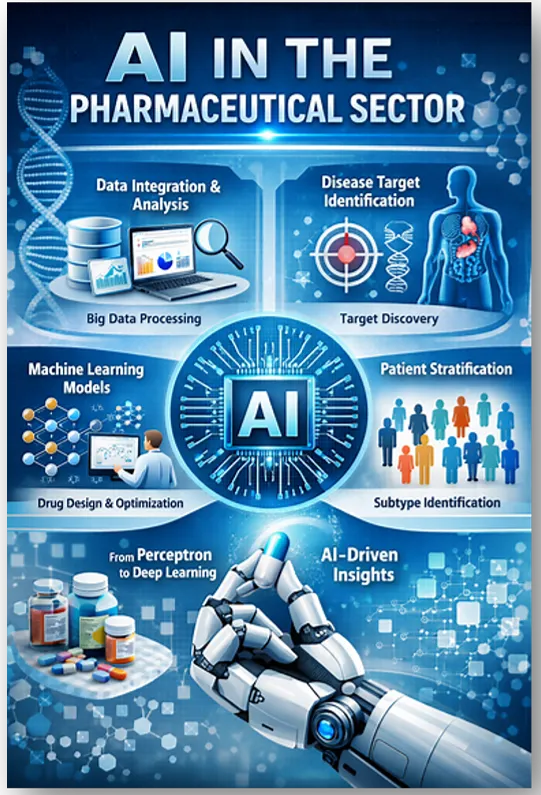
Artificial Intelligence in the Pharmaceutical Sector-
The digitization of data in the pharmaceutical industry has surged in recent years. However, this has made it increasingly difficult to collect, analyze, and integrate information to address key clinical challenges. AI incorporates various methodological areas, including[6]. knowledge representation, problem-solving, and basic machine learning models (ML). Early implementations of neural networks, such as the Perceptron, offered promising solutions, exemplified by a notable 1992 study by Weinstein et al. that utilized neural networks to elucidate the mechanisms of cancer treatments[7]. Unsupervised machine learning can help identify disease targets and subtypes by applying feature-finding algorithms and clustering techniques. [8]
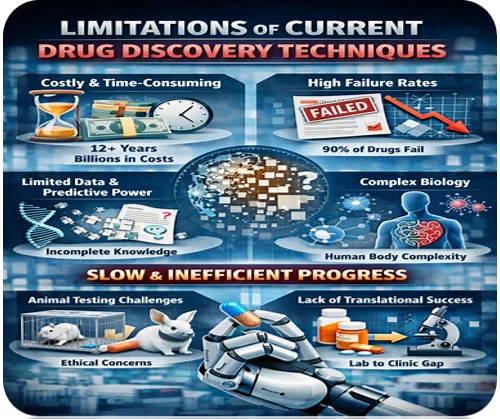
Limitations of Current Drug Discovery Techniques-
Despite the examination of numerous potential drug molecules to identify those with necessary properties, existing methods are often costly, time-consuming, and prone to inaccuracies [9]. Additionally, they can be limited by the availability of suitable test compounds and the ability to accurately predict their bodily behavior[10]. These challenges can be addressed by various AI-based algorithms, including reinforcement learning, supervised and unsupervised learning techniques, evolutionary algorithms, and rule-based algorithms. These technologies can more precisely and efficiently predict the effectiveness and toxicity of new therapeutic molecules compared to traditional methods[11,12]. Furthermore, AI algorithms[13] can discover novel drug targets, such as specific proteins or genetic pathways involved in diseases, potentially expanding drug[14] discovery beyond the limitations of conventional approaches and leading to the development of new and more effective medications. Despite their long-standing presence, these AI methods demonstrate significant promise. While traditional pharmaceutical research methods have seen some success, they are limited by their dependence on trial-and-error approaches and their inability to accurately predict the behavior of new, potentially bioactive compounds. In contrast, methods that utilize artificial intelligence (AI) can enhance the efficiency and accuracy of drug discovery processes, leading to the development of more effective medications.
While ligand-based and structure-based methods are well-established techniques for developing unique molecular profiles with effective pharmacological properties, the process [15, 16] of computer-assisted de novo drug creation remains challenging. The integration of artificial intelligence (AI) and machine learning with single-cell biological data can yield groundbreaking outcomes in drug discovery by enhancing the prediction of biomarkers and identifying valuable disease-related targets for new drug candidates [17]. Furthermore, AI's application in drug development can optimize a medication's metabolism and excretion, thereby improving its safety and effectiveness for both humans and animals. Proper regulation of metabolism and excretion is vital for removing harmful substances from the body and preventing their accumulation, which can lead to metabolic disorders and damage to the liver and kidneys. Additionally, drug metabolism plays a significant role in issues such as multidrug resistance in cancer treatments and viral infections. Recent research has shown AI's effectiveness in predicting drug metabolism and excretion [18].
The application of machine learning (ML) in forecasting the toxicity and efficacy of pharmaceuticals is becoming increasingly important. Traditionally, assessing a compound's potential effects on the human body involves labor-intensive and time-consuming experiments, leading to lengthy and costly processes with often unclear and variable results. This is where AI techniques, such as ML, can provide significant improvements. ML algorithms can identify patterns and trends within large datasets that human researchers might overlook. For example, a recent dataset comprising known medicinal compounds and their biological activities was utilized to train a deep learning (DL) algorithm [19] , which subsequently demonstrated high accuracy in predicting the effects of new chemicals. Additionally, after extensive training with large databases of both hazardous and non-toxic substances, significant advancements have been made in preventing the toxicity of potential therapeutic agents [20].
Another crucial role of AI in drug development is the detection of drug-drug interactions, which can occur when multiple medications are administered to a patient, leading to altered effects or adverse reactions. AI techniques can analyze extensive datasets of known drug interactions to identify trends and patterns. A recent ML system has successfully predicted interactions between new medication combinations. Furthermore [21] , AI is pivotal in personalized medicine by enabling the identification of potential drug-drug interactions, thus facilitating the creation of tailored treatment plans that minimize the risk of adverse side effects.
Several successful studies in AI-based drug discovery have identified new compounds with strong potential for treating cancer. This shows that AI is an effective tool for finding new and promising treatment options. Recent studies have shown that machine learning (ML) can help identify small chemical inhibitors for the MEK22 protein, which is an important target in cancer treatment. Finding effective inhibitors for this protein has been difficult using traditional methods, but ML successfully discovered new potential inhibitors.
Similarly, machine learning has also been used to identify new inhibitors of beta-secretase, an enzyme associated with the development of Alzheimer's disease [22] . These examples demonstrate how AI can improve the prediction of a drug’s effectiveness and safety before further development. As a result, AI can speed up the drug discovery process and support the development of safer and more effective medicines.
AI plays an important role in improving medicinal chemistry by helping scientists analyze large amounts of data quickly and accurately. For AI and machine learning to work effectively, access to large datasets and proper analysis tools is necessary. Rather than replacing medicinal chemists, AI acts as a supportive tool that helps them work more efficiently. As suggested by researchers, medicinal chemists who use AI are likely to perform better than those who do not use it. AI can also help predict the safety, toxicity, and effectiveness of potential drug candidates, making the drug discovery process faster and more efficient.
AI helps improve research, development, and operational processes in several areas of chemistry, including computational chemistry, spectroscopy, material design, reaction optimization, drug discovery, and process control. It also supports clinicians through clinical decision support systems, helping them design better treatment strategies based on patient outcomes. In addition, AI is used in medical imaging to analyze MRI scans, CT scans, X-rays, and other images to detect diseases or abnormalities. According to Carolyn Meltzer, AI is not meant to replace doctors but to assist them in their work. Overall, AI has the potential to transform healthcare by improving our understanding of diseases and supporting better data-based decision-making.
Ethical Considerations of AI in the Pharmaceutical Industry-
The use of Artificial Intelligence (AI) in the pharmaceutical industry is increasing rapidly. AI helps in deciding which medicines should be developed, which clinical trials should be conducted, and how drugs should be marketed and distributed. However, using AI also raises several ethical concerns because these decisions can directly affect people's health and quality of life.
One major concern is bias in AI systems. If AI is trained using limited or unbalanced data, it may give unfair results and create unequal healthcare opportunities for certain groups of people. Another concern is job loss, as automation through AI may reduce the need for human workers in some areas of the pharmaceutical industry.
Data privacy and security are also important issues. AI systems require large amounts of medical and patient data, which may be at risk of unauthorized access or misuse. Such incidents could affect both patient privacy and the reputation of healthcare organizations. Therefore, sensitive medical information should be collected and used responsibly while following legal and ethical guidelines.
To ensure ethical use of AI in pharmaceuticals, several measures should be taken. AI systems should be trained using diverse and representative datasets, regularly checked for bias, and supported with strong data protection and security systems.
Reinforcement learning, a type of AI, focuses on making decisions in specific situations and choosing actions that produce the best results. According to a 2015 report by the Pharmaceutical Research and Manufacturers of America, more than 800 cancer treatments and vaccines were under development, showing progress toward personalized medicine based on genetic information.
AI is improving many healthcare areas by making processes faster and more efficient. For example, University College London Hospital and Google's DeepMind Health collaborated to develop machine learning tools that can distinguish between cancerous and healthy tissues to improve radiation therapy. AI is also helping in personalized treatments, clinical trial research, radiology, and radiotherapy to provide more accurate diagnosis and treatment.
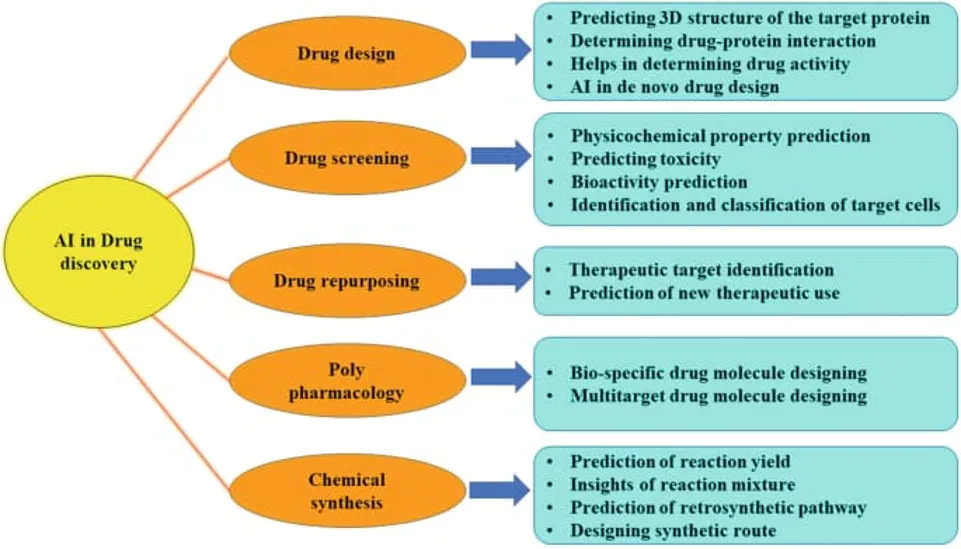
In drug synthesis, after identifying potential molecules, the next and most difficult step is to create these compounds in the laboratory. This process is usually done through retrosynthesis [23], which means breaking down a complex molecule into simpler parts to understand how it can be made. The Synthia program, earlier called Chematica, uses computer-based rules to suggest possible methods for synthesizing important pharmaceutical compounds. It can also help scientists design materials that have never been created before and suggest alternative ways to produce patented products. Another method, called Reinforcement Learning for Structural Evolution, uses advanced deep learning models to generate and predict new molecules from the beginning, making drug discovery faster and easier.
AI in Drug Discovery –Target Identification -
Artificial Intelligence (AI) helps scientists identify possible drug targets by analyzing different types of data such as clinical, genomic, and proteomic information. AI can detect disease-related genes, proteins, and molecular pathways that may be useful for developing new medicines. Target identification and disease modeling are important early steps in drug discovery because they greatly affect the success of later stages of drug development.
Today, AI is widely used in target discovery because it can process large amounts of data and understand complex biological systems much faster than traditional methods. Researchers are using AI-generated synthetic data, deep learning models, and experimental studies to improve the process of finding drug targets.
When selecting a drug target, scientists consider factors such as novelty, druggability (whether the target can be affected by a drug), and safety or toxicity. Sometimes, there is a balance between choosing a completely new target and selecting one with stronger scientific evidence.
Recently, AI has opened a new era in drug development, with several AI-designed drugs entering clinical trials. Traditionally, discovering drug targets took many years and often began in academic research laboratories. AI is helping speed up this process by analyzing complex biological information more efficiently.
Current research focuses on new developments in AI-assisted target discovery and explores both the opportunities and challenges involved. As more AI-identified targets are tested and validated, AI is expected to play an even bigger role in future drug discovery and medicine development.
Virtual Screening and AI in Drug Discovery -
The main purpose of virtual screening is to identify drug candidates that have a high chance of binding effectively to a specific biological target, such as a protein involved in disease progression. In traditional drug discovery, researchers need to test thousands or even millions of compounds in laboratories, which is expensive and time-consuming. Artificial Intelligence (AI) has transformed this process by allowing scientists to perform these screenings virtually using computer-based methods.AI helps researchers analyze large chemical libraries and prioritize compounds that are more likely to interact with target proteins. Machine learning algorithms can predict important properties such as chemical reactions, molecular behavior, and binding affinity. Binding affinity refers to how strongly a drug molecule attaches to its target protein. A stronger interaction generally increases the likelihood that the drug can effectively block or modify the target’s activity. By predicting these interactions before laboratory testing, AI reduces unnecessary experiments, saving both time and resources. The importance of AI-assisted virtual screening became especially clear during the COVID-19 pandemic. The pandemic, caused by severe acute respiratory syndrome coronavirus 2 (SARS-CoV-2), resulted in millions of deaths worldwide and created an urgent need for rapid drug discovery. If effective antiviral drugs had been identified earlier, many lives might have been saved. This highlighted the necessity of developing strategies capable of quickly discovering inhibitors against viral targets during future outbreaks. One important target for antiviral drug development is the SARS-CoV-2 major protease (Mpro). This enzyme plays a crucial role in the replication of the coronavirus. The virus requires this protease to process proteins needed for its growth and multiplication inside human cells. Therefore, blocking the activity of Mpro can prevent the virus from reproducing, making it an attractive therapeutic target. To identify inhibitors against this viral protease, researchers investigated two different virtual screening approaches. In the first method, approximately 235 million virtual molecules from a highly diverse chemical library were computationally screened against the active site of the SARS-CoV-2 major protease. The active site is the specific region of a protein where interactions with molecules occur. Structure-based molecular docking techniques were used to predict how these molecules fit into the protein and estimate their binding strength. Docking simulates interactions between molecules and target proteins and predicts whether a compound can potentially inhibit protein function. After computational screening, the top 100 highest-ranked compounds were selected for laboratory testing. Experimental evaluations included studies on compound binding and chemical properties. Through this process, researchers identified three compounds that showed inhibitory activity against the protease.
In the second approach, millions of structurally complex molecules were docked and analyzed. Researchers experimentally tested 93 selected compounds and further optimized one fragment discovered through crystallographic screening. Crystallographic screening is a method that determines the three-dimensional arrangement of molecules interacting with proteins. This technique helps scientists visualize how fragments bind and modify them to improve drug effectiveness. Five optimized fragment derivatives demonstrated inhibitory activity against the viral protease. Although global vaccination efforts have significantly reduced the impact of COVID-19, vaccines alone may not provide complete long-term protection. Several SARS-CoV-2 variants have emerged with mutations that reduce vaccine effectiveness. Because viruses continuously evolve, antiviral drugs are expected to become an essential component of future disease management strategies. SARS-CoV-2 is likely to remain present in the human population and may continue to pose serious public health risks. Therefore, antiviral therapies are important not only for treating infected individuals but also for preventive use in high-risk populations. AI-powered virtual screening provides a rapid, efficient, and cost-effective approach for discovering such antiviral drugs. This technology can accelerate therapeutic development and improve preparedness for future infectious disease outbreaks. SARS-CoV-2 is likely to remain present in the human population and may continue to pose serious public health risks. Therefore, antiviral therapies are important not only for treating infected individuals but also for preventive use in high-risk populations. AI-powered virtual screening provides a rapid, efficient, and cost-effective approach for discovering such antiviral drugs. This technology can accelerate therapeutic development and improve preparedness for future infectious disease outbreaks.
Structure–Activity Relationship (SAR) Modelling-
Artificial Intelligence (AI) can help scientists understand the relationship between the chemical structure of a compound and its biological activity. This process is called Structure–Activity Relationship (SAR) modelling. By identifying these relationships, researchers can design better drug molecules with improved properties such as higher potency, better selectivity, and favorable pharmacokinetic characteristics. This increases the chances of developing effective therapeutic candidates. AI plays an important role in overcoming the challenges involved in handling and analyzing large SAR datasets. Modern techniques such as machine learning and deep learning can automatically analyze large amounts of data and identify hidden patterns that may not be easily detected using traditional methods. These approaches help researchers extract useful information from complex datasets and speed up the drug discovery process. One major challenge in environmental and pharmaceutical research is collecting and analyzing large amounts of data for the huge number of synthetic organic compounds being produced today. To understand how long these chemicals remain in the environment, scientists developed the concept of Structure–Biodegradability Relationships (SBR). SBR explains how a compound's chemical structure affects its ability to degrade in the environment. Earlier studies often used a complex “universal” inoculum containing microorganisms collected from different environments to study the degradation of structurally related compounds under similar conditions. These experiments helped researchers determine how the type and position of chemical substituents influence biodegradability. Results showed that compounds containing halogen groups often exhibit greater persistence and lower biodegradability under aerobic conditions. To simplify SAR analysis, researchers developed tools such as the ChemSAR web-based pipeline framework. ChemSAR helps users build SAR classification models for small chemical compounds through an easy step-by-step process. The platform can validate and standardize chemical structures, calculate 783 molecular descriptors and different fingerprint types, filter important features, generate predictive models, and interpret results through feature importance analysis and tree visualization. It also creates downlodable reports and high quality graphical outputs, making SAR analysis more accessible and efficient for researchers.
De Novo Drug Design -
De novo drug design means creating completely new drug molecules from the beginning with the help of computers and Artificial Intelligence (AI). Instead of only testing already known chemicals, AI can design new compounds that may work better against a disease target. This process helps scientists discover innovative medicines faster and more efficiently.
AI uses advanced methods such as generative models and reinforcement learning to create new molecules. Generative models learn patterns from large amounts of chemical data and can generate new compounds that resemble useful drugs. Reinforcement learning helps the AI improve its designs by rewarding molecules that show desirable properties, such as strong effectiveness, low toxicity, and better safety. Traditional drug discovery often requires scientists to manually screen thousands or millions of compounds, which takes a lot of time and money. AI expands the range of possible chemicals by learning from experimental studies, biological databases, and large chemical libraries. As a result, researchers can identify promising drug candidates much more quickly and explore chemical structures that may never have been considered before. There are two major approaches used in de novo drug design: Structure-based drug design In this method, scientists use information about the three-dimensional structure of the disease target, usually a protein or receptor. AI studies the shape and characteristics of the target and designs molecules that can fit into the binding site like a key fitting into a lock. The receptor structures are commonly obtained through techniques such as X-ray crystallography, Nuclear Magnetic Resonance (NMR), and electron microscopy. Understanding the target structure helps researchers design more accurate and effective drug molecules. Ligand-based drug designThis method is used when the exact structure of the target is not available. Instead, scientists study known molecules (ligands) that already interact with the target. AI analyzes their chemical properties and biological activities and then creates new molecules with similar or improved characteristics. Drug discovery has become increasingly difficult because of constantly changing healthcare needs, emerging diseases, drug resistance, and the demand for safer and more personalized treatments. Developing a new medicine through traditional methods can take many years and cost billions of dollars. Therefore, there is a need for faster and smarter approaches. De novo drug design offers a powerful solution because it reduces time, lowers costs, and increases the chance of finding effective drug candidates. Recently, the development of Generative Artificial Intelligence (Generative AI) has brought a major transformation to this field.
Role of AI in De Novo Drug Discovery -
Artificial Intelligence (AI) algorithms help scientists create and improve drug-like molecules quickly and with less manual effort. Traditionally, researchers had to spend years testing a huge number of chemical compounds to identify useful drugs. This process required a lot of time, money, and laboratory work. AI makes this process faster by helping scientists automatically generate new compounds and optimize them according to desired properties such as effectiveness, safety, and reduced side effects. Recent studies have shown that de novo drug design is becoming an important area in modern pharmaceutical research. Researchers are exploring how AI can speed up the development of new medicines and improve drug discovery methods. Among these developments, Active Learning (AL) and generative algorithms have shown promising results.
Active Learning (AL) is a machine learning approach where the AI system continuously learns from selected data and improves its predictions over time. Instead of analyzing all available data, the model focuses on the most informative examples. This reduces unnecessary experiments and helps researchers make better decisions with fewer resources. In addition to Active Learning, both traditional AI methods and newer generative AI algorithms are now used in drug discovery. Traditional methods identify patterns from existing data, while generative models can create entirely new molecules that may have therapeutic potential. These approaches are particularly important in diseases such as cancer, where there is a continuous need for safer and more effective treatment options. Cancer is highly complex, and many existing therapies have limitations such as resistance, toxicity, or limited effectiveness. AI provides opportunities to discover novel compounds that may overcome these problems. The combination of AI with established experimental techniques and computational methods offers significant potential. Rather than replacing traditional drug development, AI can work together with laboratory experiments, molecular simulations, and biological testing to improve overall efficiency and success rates.
Although AI has enormous potential to transform de novo drug discovery, it is important to understand that the technology is still developing. While AI can accelerate many stages of drug development, several challenges still limit its full use. Therefore, scientists need to maintain a balanced and realistic view of its present capabilities and future possibilities.
Some Major Challenges include:-
To fully utilize AI in drug discovery, these challenges must be addressed. Researchers believe AI will increase the efficiency, speed, and effectiveness of developing medicines, but progress may occur gradually because solving these issues requires significant effort.
Even though the future of AI in drug discovery appears highly promising, many uncertainties still remain. Scientists expect that AI algorithms will become more advanced and capable of handling increasingly complex tasks. Future systems may analyze larger datasets, explore broader chemical spaces, and generate more accurate predictions. However, these improvements may still encounter limitations and technical obstacles.
AI-based drug design has already produced important achievements, including:
However, these advancements are still at an early stage. Many current applications are considered experimental and require further development before becoming routine practices in pharmaceutical industries. Therefore, the progress of AI in drug discovery should be approached carefully. Researchers must ensure that new AI technologies are robust, reliable, transparent, and genuinely useful. With continued improvements and responsible development, AI has the potential to become a valuable tool for creating innovative therapies and improving future healthcare solutions.
Optimizing Drug Candidates and the Role of AI in Healthcare -
Optimizing Drug Candidates: Artificial Intelligence (AI) helps researchers improve and refine potential drug molecules before they become medicines. During drug discovery, many compounds are identified, but not all of them are suitable as drugs. Some may not work effectively, some may produce harmful side effects, and others may not be absorbed properly by the body. AI helps scientists solve these problems by analyzing and optimizing drug candidates.
AI algorithms can study several important factors related to a drug candidate, including:
By analyzing these factors, AI helps researchers improve the chemical structure of compounds so they become more effective and safer. This process is called drug optimization.
AI can also predict important physicochemical properties of drug molecules, such as:
Traditionally, scientists had to perform many laboratory experiments to test these properties, which required large amounts of time, money, and effort. AI reduces this burden by predicting results using computer models before actual experiments are conducted. As a result, researchers can focus only on the compounds with a higher chance of success. This makes drug development faster, cheaper, and more efficient.
Artificial Intelligence in Medicine-
Artificial Intelligence in medicine refers to the use of computer systems and advanced algorithms that can perform tasks usually done by healthcare professionals. AI uses technologies such as:
Machine Learning (ML): allows computers to learn patterns from data and improve their performance without being directly programmed.
Natural Language Processing (NLP): enables computers to understand and analyze human language, such as medical records or research articles.
Deep Learning: a specialized form of ML that can identify complex patterns in large datasets.
The main goal of medical AI is to improve the accuracy, speed, and efficiency of healthcare services.
AI is currently used in many medical fields, including:
1. Medical Image Analysis
AI can analyze medical images such as X-rays, MRI scans, and CT scans. It helps doctors detect diseases like cancer, fractures, or abnormalities earlier and more accurately.
2. Drug Discovery and Development
AI speeds up the identification of drug targets and predicts which compounds are most likely to become successful medicines.
3. Personalized Treatment Planning
Every patient responds differently to treatments. AI studies patient information, genetic data, and medical history to create individualized treatment plans.
4. Disease Diagnosis and Prediction
AI can identify disease patterns and predict health risks before symptoms become severe. Early prediction can improve treatment outcomes.
5. Patient Monitoring
Wearable devices and AI systems continuously monitor patient health, detect abnormalities, and alert healthcare providers if necessary.
AI methods used in drug repurposing include:
1. Machine Learning Models- These models learn from previous biological and drug data and predict new therapeutic uses for medicines.
2. Deep Learning Techniques- Deep learning uses complex neural networks to analyze large and complicated biological datasets.
3. Network-Based Analysis- This method studies interactions among drugs, genes, proteins, and diseases to identify possible treatment relationships.
4. Natural Language Processing (NLP)- NLP can read and analyze scientific papers and medical literature to extract useful information automatically.
5. Structure-Based Prediction Models- These approaches analyze molecular and protein structures to predict drug effectiveness.
The use of AI in drug repurposing offers several advantages:
Despite these benefits, some challenges remain. AI predictions depend heavily on the quality and availability of data. Incomplete or biased datasets can affect accuracy. Additionally, AI-generated predictions still require laboratory experiments and clinical trials before drugs can be used in patients.
Overall, AI-driven drug repurposing represents a powerful approach in modern pharmaceutical research. By combining computational methods with existing medical knowledge, AI helps researchers discover new therapeutic applications for old drugs faster and more efficiently. Its success during the COVID-19 pandemic demonstrated its potential to transform future drug development and improve global healthcare outcomes.
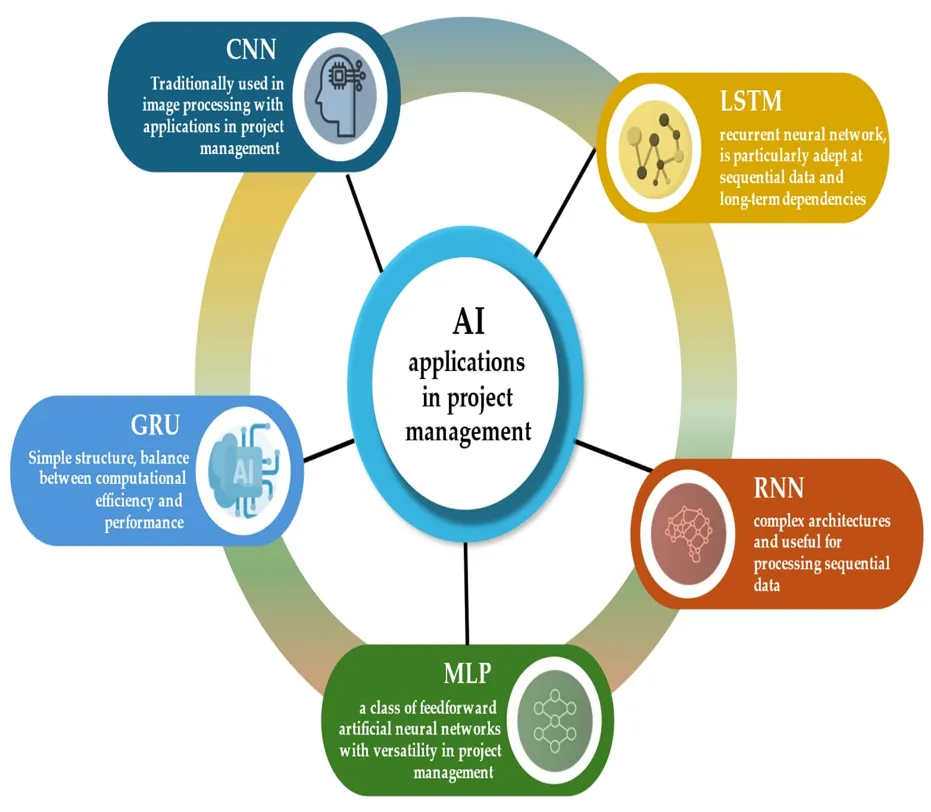
Artificial Intelligence and Quantitative structure –
Activity Relationship (QSAR)modeling have developed significantly [29] over the last fifty years. QSAR models help researchers predict how a molecule’s structure affects its biological activity and pharmacokinetic behavior, such as toxicity and elimination from the body. To allow computers to understand molecules, their structural properties—such as shape, chemical characteristics, and pharmacophore features—are transformed into numerical values called molecular descriptors. These descriptors allow computers to analyze and compare compounds efficiently. Many modern AI techniques, including self-organizing maps and deep learning systems, originated during the rapid growth of artificial neural networks in cheminformatics during the 1990s [30,31]. Deep learning gained major recognition in 2012 after achieving excellent performance in the Merck Molecular Activity Challenge [32], demonstrating its ability to predict molecular activity accurately. However, scientists continue to debate whether deep learning always performs better than other machine [33] learning methods, such as gradient boosting models, when both use the same molecular information [34] . One major strength of deep learning is its ability to perform multitask learning [35,36]. Instead of predicting only one property at a time, multitask learning allows a model to learn several related properties simultaneously [37] . Unlike traditional multi-output methods [38,39] , multitask learning identifies relationships between different prediction tasks and uses shared information to improve performance. This is especially useful in drug development because researchers usually need to optimize many properties at the same time, such as effectiveness, safety, and metabolism. Since chemical datasets often contain incomplete information across different endpoints, multitask learning helps use available data more efficiently. The concept of predicting multiple biological outcomes from molecular descriptors existed before deep learning became popular, but modern AI approaches have made this process much more powerful and effective.
1. Prediction of Physicochemical Properties-
The success of a drug in reaching the market largely depends on its ADMET properties (Absorption, Distribution, Metabolism, Excretion, and Toxicity) These properties are strongly affected by the physicochemical characteristics of a drug molecule [40,41] . Therefore, understanding these characteristics is very important during drug development. One important property is the ionization constant (pKa), which affects how a molecule behaves in different environments. The pKa influences important features such as water solubility and the octanol–water distribution coefficient (logD). These properties determine how well a drug dissolves and moves within the body, which can also affect the formulation and delivery of the medicine. In addition, the charge state of a compound changes at different pH levels and significantly influences its ADMET behavior. Drug molecules with suitable physicochemical properties often become good lead compounds and provide valuable ideas for designing new medicines. However, promising properties alone do not guarantee successful drug development [42]
Directly measuring the physical properties of small molecules in laboratories can be difficult and time-consuming. Therefore, accurate prediction methods are useful because they help researchers improve and optimize molecular structures until desired properties are achieved. Many computational and AI-based methods focus on predicting specific physicochemical properties such as lipophilicity [43] (fat solubility) and water solubility [44], while others can predict several properties simultaneously[45] . For example, one AI approach used Natural Language Processing (NLP) techniques on molecular SMILES representations. The model converted molecular structures into embedding vectors and used a transformer model to predict the water solubility of molecules [46].
2. Forecasting Features Related to ADMET-
Many drug candidates fail during clinical trials not because they lack effectiveness, but because they show poor ADMET characteristics. The ADME part (Absorption, Distribution, Metabolism, and Excretion) plays a major role in determining whether a drug can successfully reach its target protein inside the body and how it is transported or processed.
During the early stages of drug discovery, researchers may need to evaluate hundreds or even thousands of compounds for their ADMET properties. Testing each compound through laboratory experiments and animal studies requires a large amount of time, money, and effort To overcome this challenge, Artificial Intelligence (AI) has become widely used in drug discovery. AI models can rapidly analyze large amounts of chemical and biological data and accurately predict ADMET properties. This helps scientists identify promising drug candidates early, reduce experimental costs, save time, and improve the overall efficiency of drug development [47,48].
AI in Disease Diagnosis-
Artificial intelligence (AI) is changing the way doctors identify, treat, and manage diseases. AI systems can quickly examine huge amounts of medical information, such as patient symptoms, laboratory reports, medical records, and imaging data. By analyzing this large amount of information in a short time, AI can recognize patterns that may be difficult for humans to detect. This helps doctors identify diseases at an earlier stage. Early disease detection is very important because it allows doctors to start treatment sooner and take preventive actions before the disease becomes severe or spreads further. AI-based technologies are especially useful in detecting communicable diseases and various medical conditions with greater speed and accuracy. These systems can identify infectious organisms and diseases with high sensitivity and precision, reducing the risk of wrong diagnoses and avoiding unnecessary medical procedures. As a result, AI improves decision-making, increases treatment efficiency, and enhances overall patient outcomes Early disease detection is very important because it allows doctors to start treatment sooner and take preventive actions before the disease becomes severe or spreads further. AI-based technologies are especially useful in detecting communicable diseases and various medical conditions with greater speed and accuracy. These systems can identify infectious organisms and diseases with high sensitivity and precision, reducing the risk of wrong diagnoses and avoiding unnecessary medical procedures. As a result, AI improves decision-making, increases treatment efficiency, and enhances overall patient outcomes.
Pulmonary Hypertension-
Pulmonary hypertension is a serious cardiovascular disorder in which the blood pressure inside the pulmonary arteries becomes abnormally high. Pulmonary arteries are responsible for carrying blood from the heart to the lungs. When pressure in these arteries increases, blood flow to the lungs becomes difficult, causing strain on the heart and leading to serious health complications. Early diagnosis of pulmonary hypertension is essential because timely treatment can slow disease progression and reduce complications. Researchers developed an AI model using chest X-ray images collected from patients with different types of pulmonary hypertension as well as healthy individuals. The AI system learned to recognize subtle patterns in these images that may not be easily visible to the human eye. The model achieved an Area Under the Receiver Operating Characteristic curve (AUROC) value of 0.945, indicating excellent performance. It also showed an accuracy of 86.14% in distinguishing various forms of pulmonary hypertension. These results suggest that AI can assist doctors in making faster and more accurate diagnoses, improving patient care and treatment planning.
Alzheimer’s Disease-
Alzheimer’s disease (AD) is a progressive neurodegenerative disorder that affects the brain. It gradually damages memory, thinking ability, learning capacity, and daily functioning. Diagnosing Alzheimer’s disease in its early stages remains challenging because symptoms often develop slowly and can resemble normal aging or other conditions. Traditional diagnosis of Alzheimer’s disease often depends on invasive tests and specialized procedures that are usually available only in selected healthcare facilities. Because of these limitations, there has been a need for a simpler, more affordable, and accessible screening method.
Recent developments in medical imaging technology, especially fluorine-18-fluorodeoxyglucose positron emission tomography (FDG-PET) brain imaging, have improved early detection of Alzheimer’s disease. AI models have been developed to analyze these brain images efficiently. The system is described as an “end-to-end” AI model because it performs all stages of diagnosis within a single framework, from image processing to final disease prediction. This approach reduces manual effort, increases diagnostic efficiency, and supports early identification of Alzheimer’s disease. Early diagnosis allows patients to receive proper care and treatment at an earlier stage, potentially improving quality of life and disease management.
Cancer-
Cancer is mainly diagnosed using clinical imaging techniques such as X-rays, CT scans, MRI scans, and microscopic examinations. These methods help doctors observe abnormal changes in body tissues and identify tumors. In recent years, artificial intelligence (AI) has become an important tool in improving cancer diagnosis by increasing speed and accuracy.
One example is an online AI-based tool called AI Dermatologist, which uses deep learning technology to detect skin cancer from photographs uploaded by users. The system carefully examines the images and studies several important features of skin lesions, including:
By analyzing these characteristics, the AI model can distinguish between benign (non-cancerous) and malignant (cancerous) tumors. The AI Dermatologist demonstrated a sensitivity of approximately 87% in detecting malignant cells from body images, showing its ability to accurately identify many cancer cases. Traditionally, skin cancer diagnosis depends on microscopic examination of tissue samples collected through biopsy procedures. However, AI-based systems can support doctors by providing faster preliminary assessments and reducing diagnostic workload. Researchers are continuously improving AI model structures to better analyze different patterns found in radiological and medical images.
Another major advancement supporting AI in cancer research is Next Generation Sequencing (NGS) technology. NGS can generate detailed information about an individual's entire genome, producing extremely large amounts of biological data. Processing and interpreting such data manually can take days or even weeks.
Deep learning and AI methods have created new opportunities for converting this enormous amount of information, often referred to as big data, into useful medical knowledge.
AI applications in genomic studies include:
AI contributes to many stages of drug discovery including:
Although AI has many advantages, several challenges still limit its full implementation.
One major challenge is the dependence of AI systems on high-quality data availability. AI performance greatly depends on reliable and well-organized datasets. Better data collection, management systems, and user-friendly platforms are necessary to effectively manage big data characteristics such as:
Without sufficient and properly curated data, extracting meaningful insights becomes difficult and can slow progress in AI-driven drug development.
Additional challenges include:
Deep learning models requiring large amounts of high-quality data for effective performance
To overcome these limitations, researchers are exploring advanced methods such as transfer learning, which enables AI models to apply knowledge learned from one task to another related task. This approach may reduce the need for extremely large datasets and improve AI performance in future drug discovery applications.
RESULT AND DISCUSSION-
One of the major applications of AI in medicinal chemistry is predicting the toxicity and effectiveness of drug compounds. Traditionally, researchers relied on laboratory experiments that required a large amount of time, effort, and money to determine how a compound affects the human body. AI helps reduce this burden by analyzing large datasets and providing predictions quickly.
AI improves different stages of drug discovery, including:
AI can create predictive models that identify compounds likely to bind strongly with target proteins, increasing the chances of discovering effective medicines. The use of AI in pharmaceutical research creates both opportunities and challenges. Programs such as AI-based structure-guided drug discovery initiatives encourage collaboration between industry experts and researchers. These collaborations combine machine learning techniques with molecular structure analysis to improve drug development methods.
However, the performance of AI systems depends heavily on the availability of large, high-quality datasets. Collecting and maintaining these datasets often requires substantial investment. Poor-quality or incomplete data can lead to inaccurate predictions and unreliable outcomes.
Several challenges still limit the full implementation of AI in the pharmaceutical industry:
1. Shortage of skilled professionals capable of managing AI systems
2. High implementation costs, especially for smaller companies
3. Concerns that AI may replace human jobs
4. Doubts regarding the reliability of AI-generated results
5. Lack of transparency due to AI's "black box" nature
Despite these concerns, AI mainly automates repetitive tasks rather than replacing human intelligence. This allows scientists and researchers to spend more time on complex analysis, creative thinking, and decision-making. Therefore, AI is more likely to support human work rather than eliminate it. To fully benefit from AI technologies, pharmaceutical companies require trained data scientists and software developers who understand both AI techniques and the goals of drug research and development.
As AI technology continues to advance, it is expected to solve many current challenges in medicine development. AI may also help reduce healthcare costs and improve treatment methods. One exciting future application is personalized medicine, where AI can help create medicines designed specifically for individual patients, including selecting the correct dosage and drug release patterns according to personal needs Overall, AI has the potential to revolutionize pharmaceutical research and transform the future of healthcare.
The successful use of artificial intelligence (AI) in healthcare and drug development depends on combining important factors and technologies according to each patient’s specific needs. Every patient is different, so treatments and medical decisions should be personalized. One major concern about AI is that people fear it may replace human jobs. Another challenge is the need for strict rules and regulations before AI can be widely used. However, the purpose of AI is not to completely replace humans; instead, it is designed to assist people and make difficult tasks easier and faster. AI can rapidly identify potential drug compounds that may become useful medicines. It can also suggest ways to create these compounds through suitable chemical synthesis pathways. Furthermore, AI can predict what type of chemical structures are needed for effective drugs and help scientists understand how drugs interact with biological targets in the body.
CONCLUSION
The pharmaceutical industry has experienced major progress after the introduction of Artificial Intelligence (AI). AI has become an important technology in drug discovery and development because it helps scientists find better treatments for serious and long-term diseases such as diabetes, Parkinson’s disease, Alzheimer’s disease, and Obsessive-Compulsive Disorder (OCD). Many of these diseases were difficult to treat effectively using traditional methods. AI can analyze huge amounts of medical and biological data quickly, helping researchers discover new solutions faster than before. The importance of AI became even more noticeable during the COVID-19 pandemic, when there was an urgent need to develop medicines and vaccines in a short period of time. AI helped speed up the process of identifying potential drug candidates and understanding disease behavior. This showed how powerful AI can be in responding to global health emergencies. In the coming years, most pharmaceutical companies are expected to work closely with AI-based organizations and technologies. Such collaborations may bring major improvements to the healthcare and pharmaceutical industries. Researchers believe that explainable or interpretable AI systems and active learning methods will become increasingly important in the next decade. These advanced tools can make AI decisions easier to understand, allowing scientists to track, examine, and better understand every stage of the drug development process. Artificial Intelligence, Machine Learning (ML), and Deep Learning are transforming the drug discovery pipeline by improving human decision-making and reducing the time needed for research. Deep learning techniques are widely used in Computer-Aided Drug Discovery (CADD), helping researchers identify important drug molecules more efficiently and accurately. This review highlights recent advancements in AI applications for drug discovery and development. However, the successful use of AI depends on several important factors, including access to high-quality and reliable data, solving ethical issues, and understanding the limitations of AI methods. To overcome these challenges, researchers are focusing on strategies such as explainable AI, data augmentation techniques, and combining AI approaches with traditional laboratory experiments. These methods can make drug discovery more effective, reliable, and beneficial for future healthcare systems.
REFERENCES

Khushi Nikam, Asmita Jadhav, Pankaj Jadhav, Devesh Bhavsar, From Algorithms to Approvals: A 2026 Perspective on AI-Driven Drug Discovery and Clinical Success, Int. J. of Pharm. Sci., 2026, Vol 4, Issue 6, 2789-2811. https://doi.org/10.5281/zenodo.20629521
 10.5281/zenodo.20629521