

We use cookies to ensure our website works properly and to personalise your experience. Cookies policy
Women's College of Pharmacy, Peth Vadgaon, Kolhapur, Maharashtra
Medicinal mushroom G. lucidum (GL) is indigenous to tropical and temperate parts. It has been used for more than 2,000 years in China, Japan, and Korea. It is well known for its healing qualities, which include boosting qi, soothing the soul, and curing conditions including insomnia, asthma, and appetite loss. These conventional assertions have been confirmed by contemporary scientific research, which has identified a variety of bioactive substances that are responsible for its pharmacological actions, including fatty acids, sterols, triterpenoids (ganoderic acids), and polysaccharides. Antitumor, anti-inflammatory, antibacterial, antioxidant, antiviral, hepatoprotective, and immunomodulatory properties are just a few of the biological activity that GL demonstrates. Solid-state fermentation has been used in artificial horticulture because of its scarcity and rising demand worldwide. Extracted from fruiting bodies or spores, GL polysaccharides (GLPs) exhibit potential as neuroprotective and health-promoting agents. The mushroom contributes to the expanding Indian market, which is probable to reach a worth of about $25 million in 2023, through its extensive commercialization in nutraceuticals, drinks, and cosmetics. Its function in controlling gut flora and enhancing biochemical and hematological parameters all of which support general wellbeing has also been highlighted by recent study. All things considered, GL is a powerful natural resource with substantial therapeutic and commercial potential for contemporary healthcare.
Nearly everywhere in temperate and tropical Asia, North America, and Europe you can find the woody basidiomycete GL. [1] Many Asian countries have a long tradition of using this particular variety of mushroom for both culinary and medicinal purposes. For more than 2000 years, GL has been utilised medicinally in China. Its effects include calming the mind and spirit, easing coughs and asthma, and energizing the qi, according to the Chinese Pharmacopoeia. Use it if you're experiencing issues like agitation, insomnia, heart palpitations, lack of oxygen in the blood, coughing, asthma, constipation, difficulty breathing, or lack of hunger. [2] Nonetheless, until the 20th century, Western civilization was unaware of therapeutic value of GL. [3] Contemporary scientific investigations and clinical studies have validated the age-old wisdom regarding GL in Asian nations, establishing a scientific foundation for it. [4] Contemporary studies demonstrate that GL comprises polysaccharides, sterols, steroids, fatty acids, triterpenoids, nucleotides, and various other bioactive compounds. [5] This fungus is frequently referred to as the “Mushroom of Immortality,” “Herb of Spiritual Potency,” and “Celestial Herb” because of its diverse healing attributes. [6] Ganoderic acids is important bioactive components of GL. Scientific evidence supports GA's medicinal uses, which include its ability to fight tumors, malaria, bacteria, inflammation, and viruses. Supplements containing GL are promoted as a food item and a medicinal remedy for improving metabolism and immunity. Supplements, beverages, coffee, powdered tea, syrups, toothpaste, and soaps are some of the most popular products. By reducing dihydrotestosterone and prostatic hyperplasia, it improves male hair. [9] By 2023, the ganoderma-based nutraceutical industry in India is projected to have grown rapidly, with a value of $25 million USD. Due to its increasing raw material demand on a global scale and its relative scarcity, this fungus is being artificially farmed. [11] After six months of solid-state fermentation, GL matures into a fruiting body. [12] Alternatives are required because growing fungi is a tedious and messy process. Isolated from either fruit or spore powder of GL, GLP is a component of GL with active characteristics [13]. In-depth analyses of GLP's relevance have proliferated within the past few years [14]. A good example is the potential of GLPs as novel neuroprotective agents. [15] GL has many uses and benefits, such as reducing inflammation, high blood pressure, cholesterol, and sugar levels; protecting the liver; preventing bronchitis; and inhibiting platelet aggregation. It also has antiviral, antifungal, antiparasitic, antitumor, antiviral, antifungal, antihypertensive, antihypertensive, antihypertensive, kidney and nerve tonic, and antidiabetic effects. [16] Lots of people have been thinking about the gut microbiota and how it relates to a healthy person as of late. Gut microbiota also acting a role in improving health by regulating biochemical and hematological markers. Manipulating gut microbiota is most effective way to promote a vigorous lifestyle. [17]
Classification:[18]
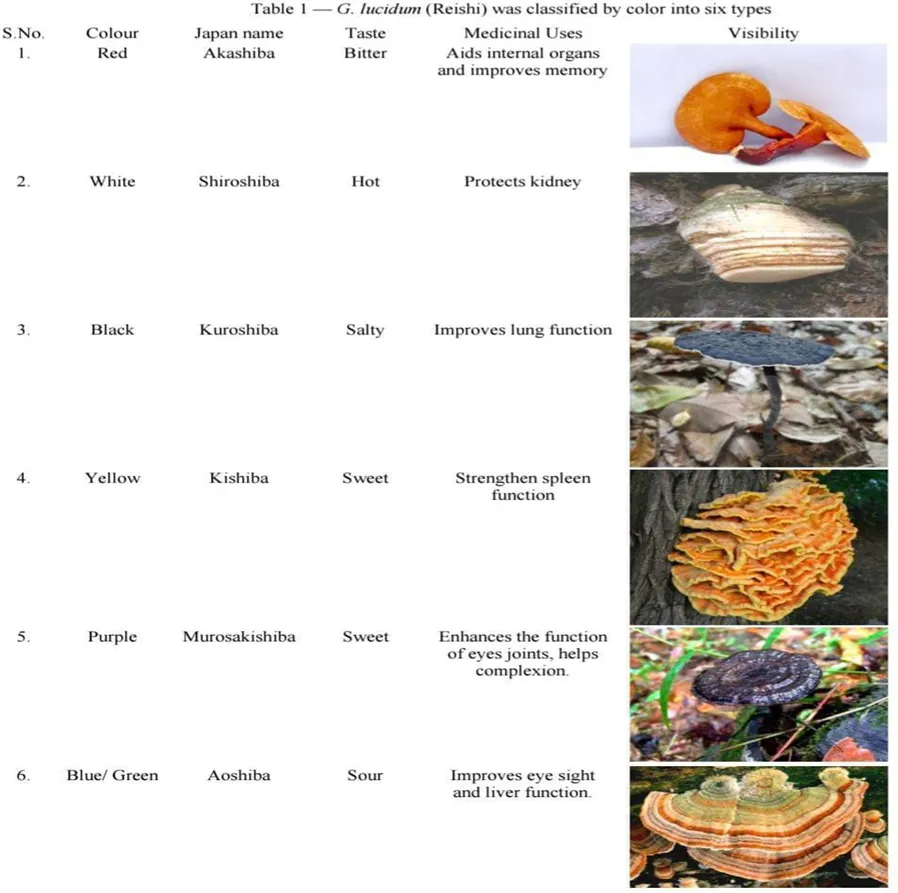
Taxonomy of mushroom: [19]
Phytoconstituents:
Metabolite extraction from GL has been carried out in multiple investigations using various solvents such as water, chloroform, acetone, or methanol. [20], From GL's fruiting body, spores, and mycelium, > 300 chemicals have been isolated thus far. GL contains a wide range of chemicals, as revealed by its nonvolatile component analysis. Many additional things are included in this, such as ash carbohydrates, fat, fiber and protein. Many analytical and extraction techniques have been developed based on the physical and chemical characteristics of complex compounds. [21] Triterpenes and lucidones are among utmost predominant terpenes found in plants [22]. Cholorogenic, protocatechuic, gallic, cinnamic, and p-hydroxybenzoic acids are all part of this class. There are antityrosinase, antioxidant, antibacterial, and anti-inflammatory effects associated with these compounds. [23] The Several GL formulations have demonstrated encouraging results in the management of liver diseases. In this category you'll find spore powder, sporoderm-breaking spores, and spore oil.[24]
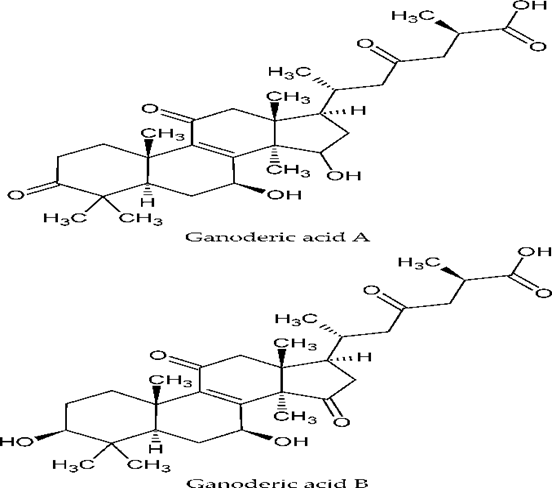
Figure1.Triterpenoidspresent in G. lucidum
Triterpenoids protected mouse livers from D-galactosamine, amanitin, and CCl4-induced injury. It has also been proven how these triterpenoids provide hepatoprotection. [25] In addition to these bioactive compounds, GL's nutritional profile shows that it could be a useful nutraceutical and functional food in a variation of forms.[26]
MORPHOLOGY:
Fruiting bodies of GL, which are typically found in India, are characterized by a extended, dense, corky stipe that is dark brown in color and has an irregular or kidney-shaped shape. In addition to having a thick edge, you may also see them linked to trees at the base by means of a dark pileus (G. applanatum). The ellipsoidal, double-walled basidiospores have an oval or flat top, a narrowly rounded base, and a globoid-like, truncated or narrowly rounded tip. Basidiospores span in size from 6.24-9.08 µm in length and from 9.11 - 12 µm in width. 1 [27] GL's mature pileus has an elongated kidney form, is reddish-brown to crimson, and has bright yellow or white edges, or neither. The tubes can be as deep as 2 cm and have white pores that are 0.1 cm in diameter; bruises usually have a brownish tint to them. The stipe is fairly thick, measuring 1-2 cm thickness and 3-12 cm length. A vivid reddish-black hue and brown spore prints adorn the smooth, cylindrical crust. [28, 29] A thin margin ranging from yellowish to brown ran over the upper surface, which was dark reddish-brown in hue and radially sulcate and semidull. On this surface, one could see basidiospores that were 7-8.5 × 5-6 µm in size. In Chinese contexts, GL typically appears in cream to buff colors.[30]
Cultivation:
Wood log cultivation: Sterilizing short wood logs, wood logs, and stumps are the three methods that can be utilized to cultivate wood logs. Out of the four methods, the short wood log culture method is the best due to its short growing cycle, high-quality fruiting body, and plenty of spores. Cheap mist chambers with a sand bed at the bottom are used to cultivate wooden billets. Submerging the billets vertically in the sand is done once colonization is complete. Subsequently, in a bamboo chamber, a thin layer of garden soil is spread over these billets. Over the course of the growing season, these sand beds will be watered twice daily to maintain a temperature 25-30°C and a humidity 60 to 70 percent.[31-39]
Artificial cultivation: The demand for its products' commercial manufacture was greater than the supply of GL fruiting bodies from the wild. It is quite challenging to gather Ganoderma in the field and preserve its quality. In the past, only the affluent could afford to hunt Ganoderma in its natural habitat and eat it, in contrast to now when most of it is cultivated and enjoyed by everyone. Though artificially grown Ganoderma had previously been accomplished in 1969 by technicians at the Institute of Microbiology, Chinese Academy of Sciences, Beijing, employing spore separation culture technique. [40] Subsequently, ganoderma cultivation exploded in popularity across Asia, particularly in Korea, Japan, and China. To inoculate unsterilized, one-meter-long natural logs before they are buried in a trench, ganoderma has been employed since 1969. Logs of broad-leaved hardwood, typically sourced from actual trees, can be used to cultivate Ganoderma. Although the crop has a five-year harvest window, the fruiting bodies don't show up for another six to twenty-four months.
Replacement cultivation, sawdust cultivation, and basswood growing are some of the other methods that have been attempted. Various substrates, including wood logs, grain, sawdust, tea remnants, cotton seed hulls, sunflower seed hulls, cork remnants, maize cobs, cakes made from olive oil presses, wheat straw, and more. Are employed to cultivate GL artificially. One can achieve a variety of development shapes, including antler-like structures, by adjusting the growth circumstances, primarily the temperature and CO2 volume. The natural log cultivation method is likely to generate a lesser yield and take longer to produce than the sawdust synthetic log cultivation approach. The two primary approaches of cultivating GL differ in respect to the culture media. While mycelium biomass is only grown using the liquid state medium (LSM), fruiting bodies, spores, and mycelium biomass can all be produced utilizing solid state medium (SSM) culture method. Faster production of high-quality mycelial biomass and targeted biochemical substances, advanced fermentation methods are the way to go.
There are two distinct phases to growth pattern of GL that are defined by media secondhand for cultivation: solid state fermentation also liquid state fermentation. Instead of 3-5 months required for substrate cultivation, which is caused by fermentation. The preparation of mother culture (spawn) and substrate material for the growth of the fruiting body are two crucial steps in the production process[41]
PHARMACOLOGICAL POTENTIAL ACTIVITY:
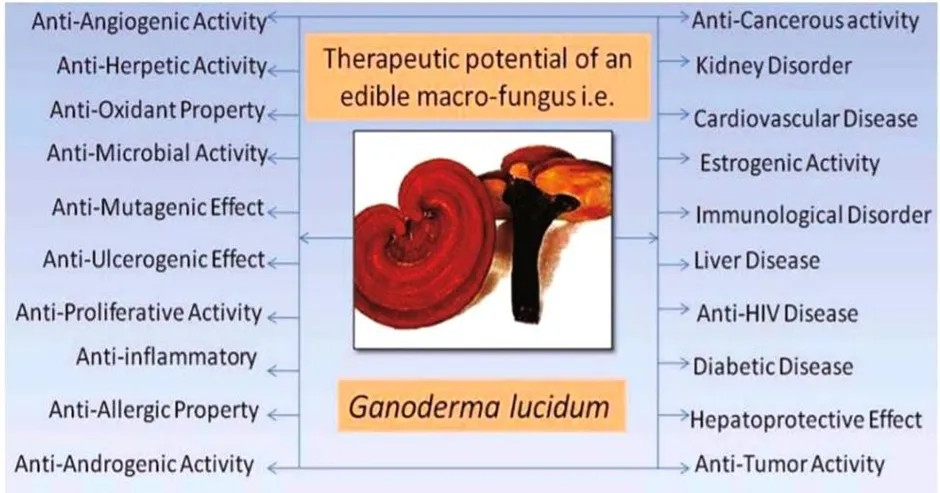
Immunological Activity: [D-giucan], Protein [LZ-8], polysaccharides and terpenoids are components of G. lucidum that exhibit strong immunomodulatory effects. These active components have essential immunomodulatory effects, leads to generation of cytokines. As potent T cell activators, different GL strains secrete a wide range of cytokines, the most notable of which is IL-2. Human peripheral blood mononuclear cells produced more cytokines, when exposed to GL crude water extract. A polysaccharide fraction (GL-B) caused an increase in IL-2 production and inhibited the proliferation of cytotoxic T cells. Another study found that a polysaccharide that was isolated from water enhanced NK cell cytotoxicity in the spleens of tumor-bearing animals. Our immune system primarily consists of macrophages. Nitrous oxide (NO) and other facilitators, free of cytokines, are created as they digest GL material.[42]
Anti-Human Immunodeficiency Virus (HIV): Since several GL triterpenoids have effective inhibitory activity against HIV33, AIDS caused by HIV infection has emerged as a major social and medical concern. Similarly, 2 compounds isolated, lucidenic acid and lucidenic lactones, inhibit HIV-1 RT34 and reduce the activity of DNA polymerase in calf and rat. Ganoderiol F and ganodermanontriol, which McKenna et al. isolated from its fruiting portion, have an IC100 of 7.8 µg/mL26 and suppress HIV-1 growth.
Furthermore, a number of substances demonstrated strong anti-HIV-1 protease action, with lucidumol B, ganoderic acid, ganodermanontriol, ganolucidic acid A, and ganodermanondiol.
It claims that triterpenoids exhibiting anti-protease action have a structural activity of HIV by particular triterpenoids' C3, C24, or C25 atoms.
Anticancer Activity: Recent studies have validated GL's anticancer effects, mostly through immunological modulation. Its polysaccharides, especially β-D-glucans, T-helper cells, stimulate macrophages, and NK cells, enhancing host defense. Furthermore, GL promotes dendritic cell maturation and cytotoxic T lymphocyte function. Its anticancer effects include immune activation, stimulation of Phase II enzymes, angiogenesis suppression, inhibition of uPA/uPAR synthesis, and direct cytotoxicity.[43]
Antioxidant Activity: polysaccharide-peptide complexes, Polysaccharides, triterpenes, and phenolic compounds are amid potent antioxidants found in GL (Kana et al., 2015). Research indicates that GL’s antioxidants are rapidly absorbed after ingestion, boosting plasma's antioxidant activity. Its glucans scavenge free radicals, inhibit lipid peroxidation, and cause human blood cells to produce interferon. Additionally, GL exhibits remarkable efficacy against breast cancer, most likely due to its antioxidant and enzymatic qualities.[44]
Antidiabetic Activity: The pharmacologically active ingredients of GL have hypoglycemic effects on both humans and animals. Its extracts significantly reduce phosphoenol-pyruvate carboxykinase levels, which are often elevated in obese and diabetic animals, via reducing hepatic PEPCK gene expression (Agius, 2007). Studies show that GL controls blood glucose levels by boosting plasma insulin secretion and lowering plasma glucose. It reduces hyperglycemia by lowering hepatic glucose production and raising action of glucose-6-phosphate dehydrogenase, phosphofructokinase, and hepatic glucokinase.
Antimicrobial Activity: Multiple investigations have demonstrated that GL can inhibit the proliferation of infected bacteria. The powerful antibacterial actions are caused by its polysaccharides. The antibacterial properties of GL methanol extract are effective against a wide variety of bacteria. In addition, GL in reduces the effectiveness of antibiotics such as cefazolin, ampicillin, oxytetracycline, and chloramphenicol. In addition, the antifungal characteristics of GL toothpaste significantly limit growth of Candida albicans, the primary yeast responsible for oral candidiasis.[45]
Antiosteoporotic Activity: Research on GL ethanol extract suggests that it may be able to prevent bone loss from ovariectomy by lowering blood osteocalcin levels, which is similar to the effects of 17β-estradiol. Bioactive compounds from GL may be used to treat osteoporosis and other age-related disorders associated with sex hormones. By attaching to the oestrogen receptor, triggering cellular and molecular events, or increasing essential minerals for strong bones, as calcium, iron, and phosphorus, it may have anti-osteoporotic effect.
Anti-inflammatory Activity: using lipopolysaccharide, a component of gram-negative bacterial cell walls, to activate murine macrophage cell lines, scientists have considered anti-inflammatory effects of GL triterpenes. Through Toll-like receptor-4 signaling, these triterpenes promote the activation of transcription factors as AP-1 and NF-κB. Potential anti-inflammatory and antiproliferative agents may be triterpenes from GL, which induce cell cycle arrest by decreasing synthesis of inflammatory mediators. Additionally, the C-type lectin known as pattern recognition receptor dectin-1 interacts with the immunomodulatory polysaccharide GL β-glucan, which in turn triggers innate immunological responses in antigen-presenting cells by interacting with TLR2.[46]
Anti-arthritic Activity: GL has the potential to alleviate autoimmune diseases like rheumatoid arthritis via its immunomodulatory and anti-inflammatory effects. GL is linked to the etiology of rheumatoid arthritis, according to in vitro research, because it affects the manufacture of cytokines by peripheral mononuclear cells. These cytokines include TNF-α and interleukins. In addition, the growth of RASFs (rheumatoid arthritis synovial fibroblasts) and the synthesis of monocyte chemoattractant proteins are both inhibited by GL. One reason for these inhibitory effects is that the NF-κB transcription pathway is largely suppressed.
Cardioprotective Activity: GL in has important cardiovascular advantages, including as reducing cholesterol, triglycerides, and blood pressure. Clinical studies have shown that after ingesting GL extract for two months, blood pressure of hypertension patients reverted to normal. Additionally, research show that it lowers cholesterol and prevents atherosclerosis in rats. Polysaccharide-peptide complexes, which have hypotensive, antithrombotic, and hypolipidemic effects, protect endothelial cells. A double-blind study found that GL in enhanced ECG, decreased chest pain, and enhanced respiratory function. Glutathione (GSH), a cofactor for antioxidant enzymes (GPx, GST, CAT, and SOD), is increased, which aids in cardioprotection. Its extracts scavenge free radicals to reduce adriamycin-induced cardiotoxicity, and its triterpenoids have ACE-inhibitory qualities. Recent studies have shown that after a 15-day treatment, GL reduced cardiomyocyte necrosis and reperfusion contracture in ischemic rat hearts.[47]
Anti-Allergic Activity: The anti-inflammatory plant GL has extensive history of usage in old medicine, particularly in treatment of asthma and allergies. Histamine mediates allergic reactions, such as asthma and allergies. Another study suggests that the current target-specific approach to anti-allergic research may help persons suffering from histamine-mediated allergic reactions by reestablishing the equilibrium between TH1 and TH2 cytokines.
Anti-Androgenic Activity: Some instances of significant androgen-mediated illnesses include benign prostatic hyperplasia (BPH), acne, androgenic alopecia, hirsutism, and prostate cancer. The steroid enzyme 5-reductase converts testosterone into dihydrotestosterone (DHT), the principal hormone responsible for prostatic androgen. Additionally, the ganoderol B, which is derived from the fruiting section, down-regulates androgen receptor (AR) signaling, and the ethanolic extract inhibits 5-reductase (isozymes). It continues by detailing how ganoderol B binds to AR to prevent testosterone-induced ventral prostrate regrowth and androgen-induced LNcaP cell proliferation in rats [13]. Treatment of benign prostatic hyperplasia (BPH) may be aided by triterpenoids derived from GL, as suggested by a TRLC trial. Another investigation found that GL extract is more effective than BPH at inhibiting 5-reductase.[48]
Anti-Angiogenic Activity: The physiological process known as angiogenesis generates new blood cells by repurposing old ones. It is a standard method for promoting tissue repair and development. When it comes to treating cancer patients, this effect might be crucial. In addition to reducing production of inducible free radical components like NO, the GL extract carried out this activity. Additionally, comparable actions were shown to occur when a 70% ethylic extract of fruiting bodies (GL) was used. This tool is great for controlling the process of angiogenesis.
Anti-Herpetic Activity: herpes simplex virus (HSV) is accountable for producing the herpes simplex disorder. Type 2 and type 1 human swine viruses are the two varieties. It inhibit growth of HSV-1 also HSV-2. An anti-herpetic polysaccharide was derived from GL, a bacterium known for its acidic protein binding properties. When combined by HSV-1 also HSV-2 in vitro cells, APBP successfully suppressed viral activity at dosages of 300 and 440 µg/mL, which were 500% effective. The chemicals produced by GL, which contain protein-bound polysaccharides, were found to have anti-hepatic effects. Potentially leading to the development of a novel antihepatic medication, GLhw-02 differs from APBP. Therefore, GL is a potent HSV-1 and HSV-2 inhibitor.
Estrogenic Activity: A bone deformity known as osteoporosis increases the likelihood of fractures. Estrogen shortage (which happens after menopause) is one of the hormonal factors that greatly exacerbates this illness. A preventive effect of GL against osteoporosis is its ability to increase bone resorption while decrease bone deposition, the process that normally occurs in weight-bearing bones. ethanolic extract of GL supposedly impacted human breast cancer by promoting proliferation of MCF-7 cells. In a manner similar to 17-estradiol intervention, the anti-estrogenic ethanol extract of GL decreased this proliferative action by decreasing blood serum osteocalcin levels and ovariectomy-induced bone failure. Research has shown that GL's ethanolic extract has significant effects against estrogen insufficiency-induced bone resorption, without significantly impacting the uterus. GL may be useful in treating osteoporosis, according to the results.
Anti-Ulcerogenic Activity: Numerous ulcer varieties, including peptic, corneal, venous, vaginal, and oral ulcers, have been identified. One of the ulcers that appears to be curable is GL. The indomethacin-infected rat was especially affected by the mucosal effects of the GL polysaccharides. To study the potential pathways, we assessed the amounts of TNF and ornithine decarboxylase (ODC) proteins as well as the activity of stomach mucosal mRNA. The effects of GLPS on gastric cell culture (RGM-1) mucus production, ODC and c-Myc protein expression, and cell proliferation were also examined. Additionally, GLPS increased c-Myc protein expression at a constant dose.[49]
Anti-Viral Activity: Antiviral chemotherapy aims to produce antiviral medications that inhibit viral growth without disrupting normal cell cycle. Finding and developing new antiviral medications that do not cause unwanted side effects or viral resistance is of the utmost importance. Other plant-based substances soluble in water and methanol have demonstrated antiviral action, and oral administration of the extract did not produce any ill effects, showing that GL is highly safe to use. The five chemicals that made up the GL carpophores were GLMe-1, -2, -4, and -7. Both HSV and VSV were able to have their cytotoxic effects reduced by these medications. The development of HSV-2 plaques was prevented in Vero and HEp-2 cells by GLhw at 50% EC concentrations of 590 and 580 μg/ml, respectively. Experimental selectivity index (SI) values of 13.32 and 16.26 indicated a reduction in plaque and an increase, respectively. In spite of showing negligible cytotoxicity at concentrations up to 1000 μg/ml, the GLMe-4 molecule showed strong antiviral activity against the VSV New Jersey strain with a SI greater than 5.43. Afterwards, studies revealed that neutral protein-bound polysaccharide (NPBP) could be the mechanism by which acidic protein-bound polysaccharides exercise their antiviral effects. Herpes simplex viruses were coupled using an acidic protein-bound polysaccharide (APBP) produced by GL. The results showed that APBP had a greater effective concentration (EC 50) of 300 to 520 μg/ml against HSV-1 and HSV-2 compared to NPBP. The antiviral activity was determined using preincubation, attachment, and penetration tests with HSV-1 and HSV-2.
We were able to investigate the likely mechanism by which APBP kills viruses. The results demonstrated that APBP directly inhibited the growth of HSV-1 and HSV-2. It is exceedingly improbable that APBP would initiate a transition from a normal to an antiviral state due to its inability to produce IFN or molecules similar to it in vitro. The outcomes demonstrated that at 100 and 90 μg/ml concentrations, APBP inhibited the ability of HSV-1 and HSV-2 to bind to and penetrate Vero cells. These findings demonstrate that APBP binds to HSV-specific attachment and penetration glycoproteins, thereby disrupting the complex interactions between cell plasma membranes and HSV.
Anti-Fungal Activity: There may be thousands of species of fungi, but only around 100 are known to cause serious infections in humans. As a general rule, healthy people have a decent level of intrinsic protection against fungus, and most fungal infections are minor and self-limiting. Even though our immune systems and skin and mucosal surfaces are usually strong enough to keep these common pathogens at bay, there are times when they aren't. Very little is known about GL-derived antifungal principles at this time.
Anti-Bacterial Activity: Multiple investigations have demonstrated that GL's antibacterial properties can inhibit growth of both bacteria. Fifteen different bacterial strains, had their growth inhibition mechanisms inhibited by carpophores of GL. The study also discovered that GL extract typically had additive effects when used by 4 antibiotics: cefazolin, ampicillin, oxytetracycline, and chloramphenicol. But there were two examples of antagonistic interactions (between chloramphenicol and cefazolin) and two examples of synergistic interactions (between ampicillin and cefazolin). Laboratory investigations have shown that water-based Ganoderma species extracts, triterpenoids, and ganomycin have a extensive variety of antibacterial effects bacteria, including Helicobacter pylori. Although further clinical trials are needed to establish this, it is reasonable to assume that individuals suffering from chronic infections (such chronic bronchitis) or peptic ulcer problems caused by Helicobacter pylori may find relief through the antibacterial characteristics of Ganoderma species.
Anti-Proliferative Activity: Ganoderma was found to have dose-and time-dependent effects on growth suppression in the human colon carcinoma cell line HT-29 and induction of cell death in the breast cancer cell lines MDA-MB-231 and MCF-7. Cell death caused by GL occurs in malignancies such as multiple myeloma, leukemia, and lymphoma. A total of 26 different human cancer cell lines were used to investigate the anti-proliferative effects of GL extract. It was found that six hematopoietic cell lines were the most receptive. A dose-and time-dependent effect was shown for ganoderma in inhibiting the growth of human colon carcinoma cell line HT-29 and in causing cell death in the breast cancer cell lines MDA-MB-231 and MCF-7. When exposed to GL, cells from leukemia, lymphoma, and multiple myeloma cannot survive. It is suggested that GL extract may possess anti-proliferative characteristics, as six out of twenty-six human cancer cell lines examined were hematologic cell lines.
Anti-Tumour Activity: The anti-tumor efficiency against sarcoma 180 in mice was shown by GL polysaccharides, which include glycoproteins, heteropolysaccharides, and π-D-glucans. The findings of the experiment demonstrated that hepatoma cells were destroyed by ganoderic acids T-Z and other triterpenoids derived from GL. The lanostanoid 3-hydroxyl-26-oxo-5。-lanosta-8,24-dien-11-one and the steroid ergosta-7,22-diene-3,3,9-triol were fruiting bodies of GL. In vitro experiments with human PLC/PRF/5 and KB cells demonstrated that both compounds strongly inhibited cell proliferation.
CONCLUSION:
Asian nations have long used GL, a highly prized medicinal mushroom, for therapeutic purposes. The results of this study support the idea that it has a high concentration of bioactive compounds, such as polysaccharides and triterpenoids, which have several pharmacological uses, such as reducing inflammation, inhibiting tumor growth, and influencing immune responses. The rising demand for it on a global scale has encouraged its artificial cultivation and commercialization in numerous nutraceutical and cosmetic products. Its function in controlling gut flora further emphasizes how crucial it is to preserving general health. As a result, GL is a promising natural resource with substantial nutritional, therapeutic, and financial promise for the advancement of healthcare in the future
REFERENCES

Shubhangi Jadhav, Dr. Mahesh Thorat, Dr. Dhanraj Jadge, Ganoderma lucidum: A Comprehensive Review on its Phytochemistry and Pharmacological Potential, Int. J. of Pharm. Sci., 2026, Vol 4, Issue 5, 7501-7513. https://doi.org/10.5281/zenodo.20422756
 10.5281/zenodo.20422756