

We use cookies to ensure our website works properly and to personalise your experience. Cookies policy
Sigma Institute of Pharmacy, Sigma University, Vadodara, Gujarat 390019
Traditional analytical chemistry techniques heavily rely on volatile organic solvents, energy-intensive processes, and hazardous reagents, contributing significantly to industrial pollution and laboratory waste generation. This review paper provides a comprehensive overview of Green Analytical Chemistry (GAC) as a transformative approach designed to mitigate these adverse environmental impacts. Guided by the 12 principles of GAC and the underlying goals of the Pollution Prevention Act of 1990, this work examines sustainable methodologies currently revolutionizing the field. Key advancements evaluated include the substitution of traditional solvents with eco-friendly alternatives (such as water, supercritical carbon dioxide, and task-specific ionic liquids), the implementation of miniaturized sample preparation steps (including solid-phase micro extraction and Quenchers), and the integration of automated instrumentation. Furthermore, we explore the integration of emerging technologies—namely nanotechnology, artificial intelligence (AI), machine learning algorithms for mobile phase optimization, and autonomous robotics in self-driving laboratories. The critical role of Life Cycle Assessment (LCA) in tracking "cradle-to-grave" environmental footprints is emphasized alongside the practical real-life application of clean technologies in pharmaceutical quality control, agricultural waste valorisation, solar energy infrastructure, and rainwater harvesting. By balancing ecological sustainability with operational efficiency and economic viability, GAC provides a robust roadmap for shifting laboratories toward a safer, zero-waste future.
What is Green Chemistry?
Green Chemistry is the design and use of chemical processes and products that reduce or eliminate the use and generation of hazardous substances. It helps in protecting human health and the environment by selecting safer chemicals based on available data about toxicity and ecological impact.
The main objective of Green Chemistry is pollution prevention, which means stopping waste formation at the source instead of treating or disposing of it later. This idea became important after the Pollution Prevention Act of 1990, which established pollution prevention as a key environmental policy.
Green Chemistry is different from pollution control methods such as waste treatment, monitoring, or safety handling. These methods reduce risk but do not prevent pollution. Green Chemistry focuses on using chemistry itself to avoid creating harmful substances.[1]
Although the chemical industry has made progress in reducing risks through new technologies and safer handling, these are not true Green Chemistry approaches. Green Chemistry requires changing the design of chemical processes to make them inherently safer.
One challenge in Green Chemistry is that it is difficult to measure the total environmental impact because changes in one stage of a chemical’s life cycle may affect other stages. However, this should not stop progress. Many chemical processes can still be improved, and even small improvements are valuable [2].
Green Chemistry encourages continuous development of safer methods. Even if a process is not completely environmentally friendly, improving some stages is still important. Future improvements can address the remaining issues.
Overall, Green Chemistry is a sustainable, preventive, and innovative approach that helps reduce pollution, minimize hazards, and create safer chemical processes for long-term environmental protection. [3]
Green chemistry is important because traditional chemical processes often produce toxic waste, consume large amounts of energy, and harm the environment. Green chemistry helps solve these problems by making chemical processes cleaner and safer.
It helps in reducing air, water, and soil pollution by minimizing the release of harmful chemicals during chemical processes. It also reduces the generation of hazardous waste, making disposal safer and easier. Green chemistry encourages the use of renewable and natural resources, which helps conserve valuable natural materials for future generations.
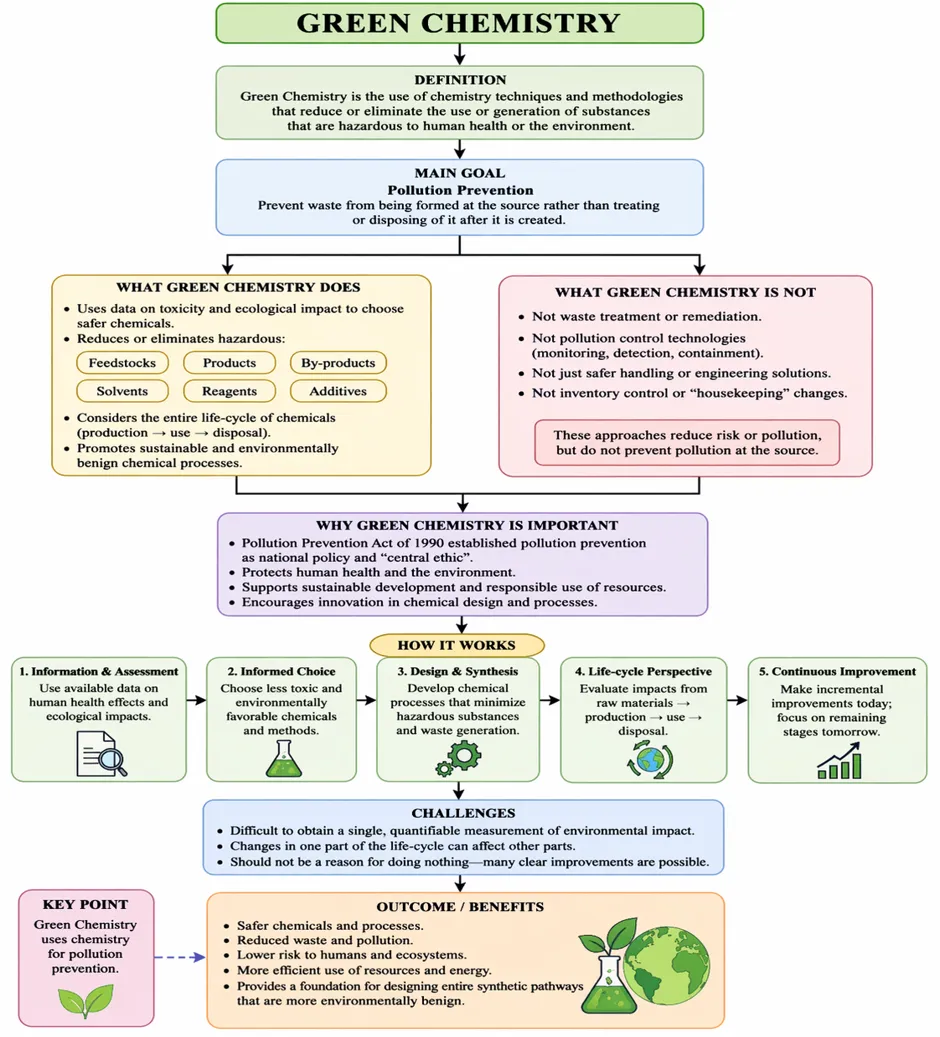
Figure:1 Flowchart of Green Chemistry Principles and Benefits
Principles of Green Analytical Chemistry[4,5]
The core principles guiding GAC include:
1. Safer Reagents: Preference for non-toxic or less hazardous chemicals to mitigate health risks and environmental impact.
2. Waste Minimization: Strategies to reduce waste generation during analytical processes, including optimizing sample preparation and disposal methods
3. Energy Efficiency: Development of methods that require less energy, thereby reducing the carbon footprint associated with analytical procedures.
4. Real-time Analysis: Techniques that allow for immediate analysis without extensive sample collection or transportation, which can be resource-intensive.
5. Sustainable Resources: Use of renewable materials and green solvents derived from biomass whenever possible.
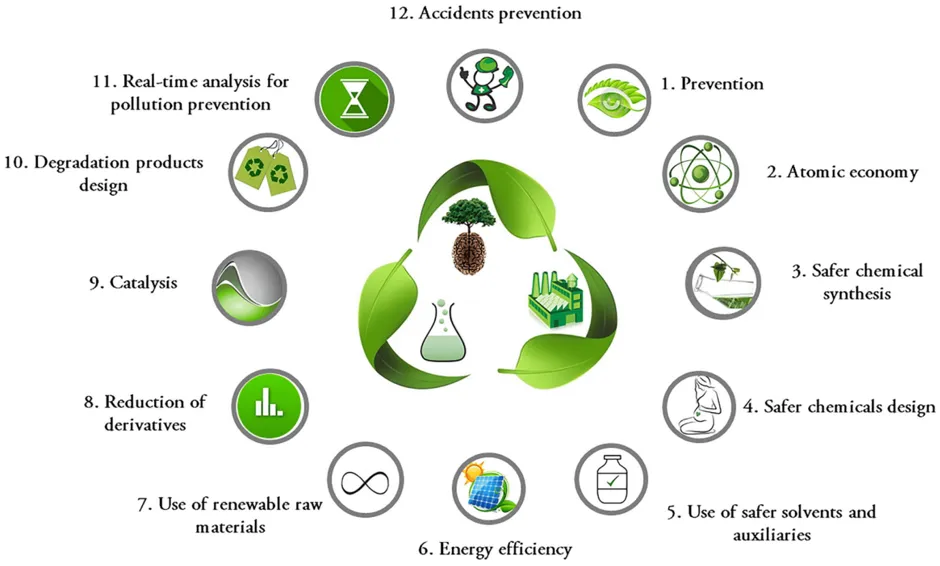
Figure 2: The 12 principles of GAC In our approach
The 12 principles of GAC are as follows.[6]
1. Direct analytical techniques should be applied to avoid sample treatment.
2. Minimal sample size and minimal number of samples are goals.
3. In situ measurements should be performed.
4. Integration of analytical processes and operations saves energy and reduces the use of Reagents.
5. Automated and miniaturized methods should be selected.
6. Derivatization should be avoided.
7. Generation of a large volume of analytical waste should be avoided and proper.
8. Multi-analyte or multi-parameter methods are preferred versus methods using one analyte at a time.
9. The use of energy should be minimized.
10. Reagents obtained from renewable source should be preferred.
11. Toxic reagents should be eliminated or replaced.
12. The safety of the operator should be increased management of analytical waste should be provided.
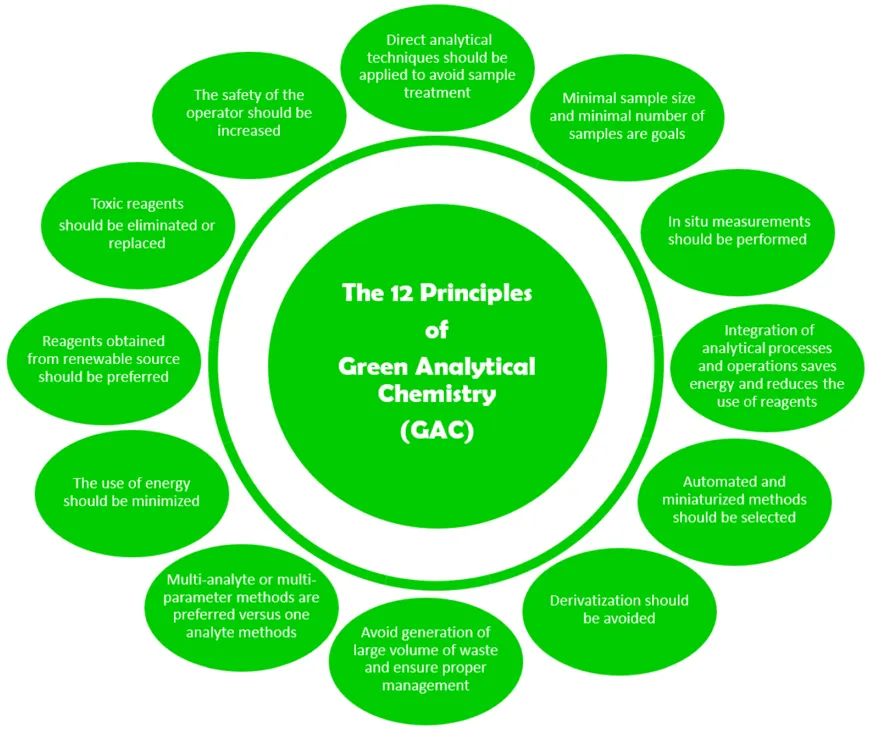
Figure 3: The 12 Principle of green analytical chemistry
Methods in Green Analytical Chemistry [7]
The implementation of GAC involves several innovative methods aimed at enhancing sustainability:
1. Sample Preparation Techniques:
Utilization of greener solvents.
Omission of sample preparation steps when feasible.
Adoption of alternative extraction methods to minimize solvent use [8]
2. Analytical Instrumentation:
Development of on-site analytical devices that reduce the need for extensive laboratory processes.
Use of automated systems to streamline analyses and reduce human error. [4][6]
3. Quality by Design (QbD):
Incorporating QbD principles in method development to ensure robustness while considering environmental impacts. This involves systematic evaluation and optimization of analytical methods. [9]
4. Assessment Tools:
Application of metrics such as the HPLC-EAT tool and AMVI approach to evaluate the greenness of analytical techniques based on criteria like reagent toxicity and waste production. [2, 10]
Sample Preparation Methods in Green Analytical Chemistry [1, 12, 13]
Green Analytical Chemistry (GAC) emphasizes sustainable practices in analytical processes, particularly in sample preparation. This approach aims to reduce the environmental impact associated with traditional methods, which often rely on hazardous solvents and generate significant waste. Here are some key methods of sample preparation that align with GAC principles:
1. Use of Green Solvents:
Replacement of Harmful Solvents: Traditional organic solvents can be replaced with safer alternatives such as water, ethanol, or other biodegradable solvents. This minimizes health risks and environmental contamination [1, 3]
Green Extraction Techniques: Techniques like Solid Phase Extraction (SPE) utilize less solvent and can be more efficient than conventional methods [3]
2. Minimization of Sample Preparation Steps:
Omitting Steps Where Possible: Reducing the number of steps in sample preparation not only saves time but also decreases the amount of solvent and reagents used. For instance, direct analysis methods can eliminate the need for extensive sample handling. [3, 5]
Miniaturization: Implementing miniaturized techniques, such as micro-extraction methods, allows for lower reagent consumption and waste generation while maintaining analytical performance [2, 4]
3. Innovative Techniques:
Assisted Extraction Methods: Techniques such as Quenchers (Quick, Easy, Cheap, Effective, Rugged, and Safe) are designed to simplify extraction processes while using minimal solvents [3]
Use of Renewable Resources: Incorporating renewable materials in sample preparation helps reduce reliance on non-renewable resources and aligns with sustainability goals [1]
4. Real-Time Analysis:
In Situ Techniques: Methods that allow for real-time analysis can significantly reduce the need for sample transport and preparation, thus minimizing waste and energy consumption
By adopting these green sample preparation methods, laboratories can enhance the sustainability of their analytical processes while ensuring compliance with environmental regulations and improving safety for personnel involved in chemical analysis. [1, 3]
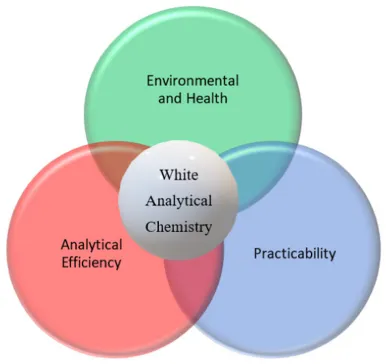
Figure 3: Main Application of GAC
Types of Green Analytical Chemistry Methods [11, 14]
GAC encompasses various methods that can be categorized based on their approaches and applications:
1. Green Chromatography: Techniques like ultra-high-performance liquid chromatography (UHPLC) and high-performance thin-layer chromatography (HPTLC) utilize green solvents and minimize solvent usage. [15]
2. Spectroscopy: Methods such as UV-visible spectroscopy that employ fewer hazardous reagents and generate less waste. [16, 17]
3. Micro extraction Techniques: Approaches like solid-phase extraction (SPE) and dispersive liquid-liquid micro extraction that reduce solvent usage while maintaining analytical performance. [18]
4. Miniaturized Analytical Devices: Development of compact instruments that require smaller sample volumes and generate less waste. [19, 20]
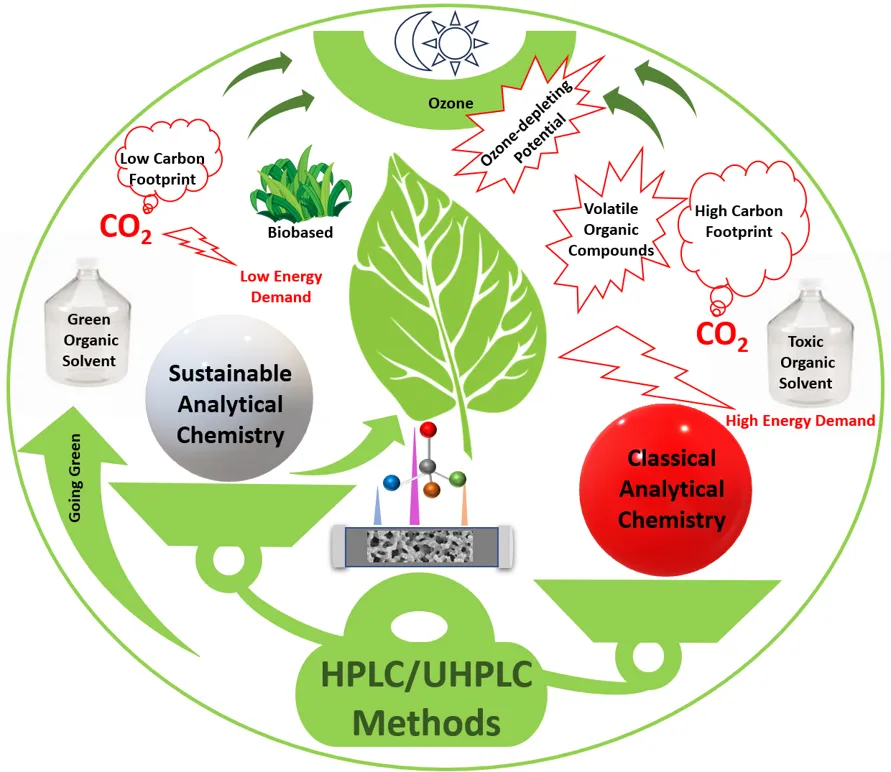
Figure 4: Green Analytical Techniques.
Why is green chemistry important?
The large-scale environmental impact of the chemical industry, noting that billions of pounds of chemicals were released into air, water, and land, even though only a small number of chemicals are actually monitored. Among all industries, chemical manufacturing is the biggest contributor to these releases. [21, 22]
It describes how environmental protection in the United States has traditionally relied on strict regulations, known as “command and control” approaches. These require companies to install expensive equipment and systems to treat, control, and dispose of waste. However, these methods mainly manage pollution after it is created rather than preventing it.
The passage also highlights an important economic issue: the real environmental costs such as pollution clean-up, damage to ecosystems, and healthcare expenses are not included in the price of products. [22, 23, 24]
This means society indirectly pays for these impacts. Therefore, there is a need for technologies that are not only environmentally safe but also economically beneficial.
Although the chemical industry has achieved strong economic success, including a major trade surplus, its environmental footprint remains very high. Companies are under increasing pressure due to competition and strict regulations, so they are looking for ways to reduce costs, especially those related to waste and environmental compliance. [25]
Green Chemistry is introduced as a promising solution to these challenges. It focuses on designing chemical processes that reduce or eliminate the creation of harmful substances from the beginning. [26]
By adopting Green Chemistry principles, companies can lower environmental and safety costs, improve efficiency, and even increase profits. It can also reduce the financial burden of regulations, acting like a “tax benefit” for industries.
Overall, the passage emphasizes that Green Chemistry provides a sustainable path forward, helping industries innovate while protecting the environment and
Improving economic performance. [27]
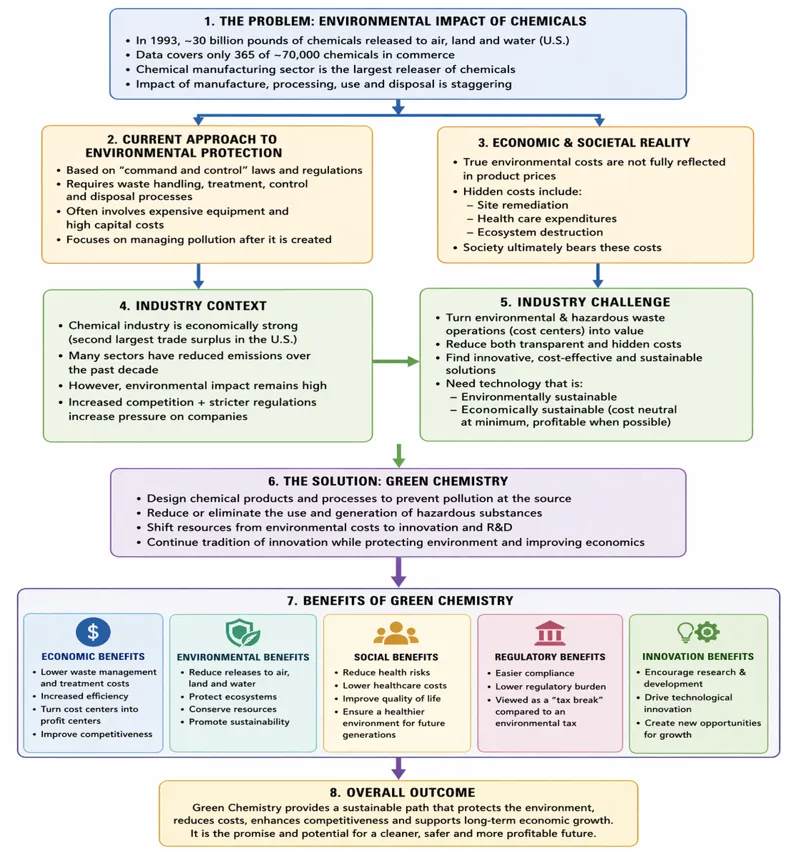
Figure 5: Role and Benefits of Green Chemistry
Innovations & Technologies
Innovations and technologies play a major role in making green chemistry more effective, sustainable, and practical. These advancements help reduce pollution, save energy, and use safer materials in chemical processes. Green chemistry is continuously evolving through modern technologies that aim to minimize environmental impact, improve efficiency, and enhance safety. These innovations are not just theoretical—they are actively used in industries, research labs, and pharmaceuticals. Green energy integration in green chemistry involves the use of renewable energy sources such as solar energy, wind energy, and biomass energy to carry out chemical processes in a more sustainable way. Waste-to-value technologies in green chemistry focus on converting waste materials into useful and valuable products instead of treating them as useless. For example, agricultural waste can be transformed into bio-fuels, plastic waste can be recycled into new materials or converted into fuel, and carbon dioxide (CO₂) can be captured and used to produce chemicals through advanced processes.[`17]
1. Nanotechnology in Green Chemistry
Nanotechnology involves the manipulation of materials at the nanoscale (1–100 nm), where substances exhibit unique physical and chemical properties. In green chemistry, it plays a crucial role in reducing waste and enhancing reaction efficiency. Nano catalysts, for example, provide a very high surface area, allowing chemical reactions to occur faster and with lower energy consumption. This reduces the need for harsh reaction conditions and minimizes by-products. Additionally, nanoparticles are used in environmental remediation, such as removing pollutants from water and air through adsorption and catalytic degradation. Another important application is in drug delivery systems, where nanoparticles ensure targeted delivery of medicines, reducing dosage and side effects. Despite its advantages, proper assessment of nanoparticle toxicity and environmental impact is necessary to ensure safe use. [17, 18]
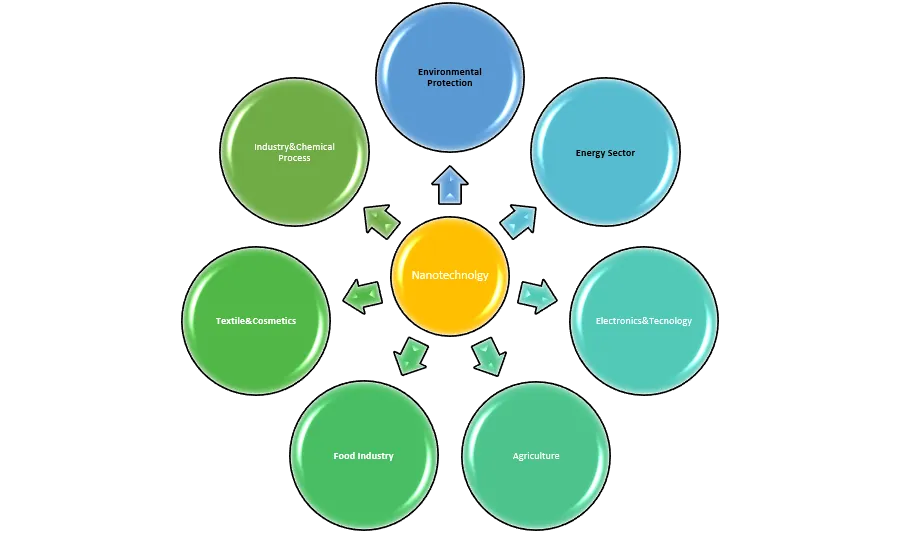
Figure 6: Nanotechnology Application
2. Renewable Resources
Such Renewable resources are natural resources that can be replenished over time, as plants, biomass, solar energy, and wind energy. Green chemistry emphasizes replacing non-renewable fossil-based raw materials with these sustainable alternatives. Biomass, including agricultural waste and plant materials, can be converted into fuels, chemicals, and materials. For instance, bioethanol and biodiesel are produced from renewable feed stocks and serve as eco-friendly alternatives to petroleum fuels. Similarly, solar energy is increasingly used to drive chemical reactions, reducing dependence on fossil fuels. Using renewable resources helps in reducing greenhouse gas emissions, conserving natural reserves, and promoting sustainable industrial development. However, challenges such as cost, availability, and efficient conversion technologies still need to be addressed. [28]
3. Bio-based Chemicals
Bio-based chemicals are derived from biological sources such as plants, microorganisms, and agricultural residues. These chemicals are often biodegradable, less toxic, and environmentally friendly compared to conventional synthetic chemicals. Examples include bioplastics (like polylactic acid), bio-based solvents, and natural polymers. These materials are widely used in packaging, pharmaceuticals, and agriculture. Enzymes and microorganisms are also used as biocatalysts in chemical reactions, offering high specificity and operating under mild conditions, which reduces energy consumption and waste generation. The shift toward bio-based chemicals supports a circular economy, where waste materials are reused and recycled into valuable products. However, large-scale production and economic feasibility remain key challenges. [29, 30]
Green Solvents in Analytical Chemistry
Analytical chemistry traditionally relies on organic solvents that are often toxic, volatile, and harmful to the environment. Green analytical chemistry promotes the use of eco-friendly or “green” solvents that reduce environmental impact, improve safety, and maintain analytical efficiency. Among the most important green solvents are water, supercritical carbon dioxide (CO₂), and ionic liquids. [31]
1. Water as a Green Solvent
Water is considered the most environmentally friendly solvent due to its non-toxic, non-flammable, inexpensive, and abundant nature. It is widely used in analytical techniques such as chromatography, spectroscopy, and titration. Water supports many chemical reactions and can dissolve a wide range of substances, especially polar compounds. In green analytical chemistry, replacing organic solvents (like benzene or chloroform) with water significantly reduces hazardous waste and exposure risks. However, water also has limitations. It may not dissolve non-polar compounds effectively, and in some cases, it can interfere with certain analytical methods. Despite this, advancements such as micellar solutions and modified water systems are helping overcome these challenges. [32]
2. Supercritical Carbon Dioxide (CO₂)
Supercritical CO₂ is a unique green solvent formed when carbon dioxide is subjected to high temperature and pressure, reaching a state where it has properties of both a liquid and a gas. In this state, CO₂ becomes an excellent solvent for extraction and separation processes. It is widely used in supercritical fluid chromatography (SFC) and extraction techniques. One major advantage is that CO₂ is non-toxic, non-flammable, and easily removable—it simply evaporates after use, leaving no solvent residue. Supercritical CO₂ is especially useful for extracting non-polar compounds, such as essential oils and pharmaceuticals. However, the need for high-pressure equipment increases cost and complexity. [33, 34]
3. Ionic Liquids
Ionic liquids are salts that remain in liquid form at relatively low temperatures (often below 100°C). They consist of organic cations and inorganic/organic anions. These solvents are considered green because they have low volatility (almost no vapour pressure), which reduces air pollution and exposure risks. Ionic liquids are highly stable and can be designed for specific applications, making them very versatile in analytical chemistry. They are used in extraction, separation, electrochemistry, and chromatography.[35] Additionally, their ability to dissolve a wide range of compounds makes them a promising alternative to traditional solvents. However, some ionic liquids may be expensive and not completely biodegradable, so careful selection and development are necessary.
Automation & AI in Green Analytical Chemistry
Automation means using machines, instruments, and software to perform analytical tasks with minimal human involvement. Automation in Green Analytical Chemistry involves the use of automated instruments and robotic systems to perform laboratory tasks with high precision and efficiency. minimizing manual handling of chemicals, automation not only improves accuracy and reproducibility of results but also enhances safety by reducing human exposure to hazardous substances.[36,] Automation leads to less chemical waste because precise measurement ensures that only the required amount of reagents is used, avoiding excess. Additionally, reduced exposure to chemicals makes the laboratory environment safer for workers by minimizing direct contact with hazardous substances. Automation is time-saving, allowing faster analysis and higher throughput, which increases overall laboratory productivity. Artificial Intelligence(AI) refers to computer systems that can analyse data, learn patterns, and make decisions.AI-based method optimization in green analytical chemistry involves the use of artificial intelligence techniques such as machine learning, neural networks, genetic algorithms, and Bayesian optimization to design and improve analytical procedures in a more sustainable way. Robotics plays a major role in Data analysis and interpretation .When automation and AI work together, they create intelligent laboratory systems Smart instruments. The future of Green Analytical Chemistry lies in the development of fully automated “green labs,” where most laboratory operations are carried out by advanced machines with minimal human intervention, ensuring efficiency and sustainability. The integration with Iota (Internet of Things) will enable real-time monitoring, data sharing, and remote control of laboratory instruments, making processes more efficient and resource-saving. AI-driven sustainable chemical processes will play a key role by optimizing experimental conditions, reducing waste, and improving accuracy through smart decision-making. [37]
1. Smart instrument
Smart instruments are advanced analytical devices that use automation, sensors, and artificial intelligence (AI) to perform chemical analysis with minimum human effort, high accuracy, and eco-friendly methods. They are an important part of modern smart analytical chemistry, which combines green chemistry with AI and automation. In the automation Instruments can perform experiments automatically, not required for continuous human operation. (Example: - automatic sample injection, measurement, and result generation) They reduce chemical waste, improve accuracy, and support eco-friendly practices, making them essential for modern laboratories and industries. [38]
Example: -AI-Integrated Spectroscopic Sensors (NIR & Raman):-
Smart spectrometers are moving away from "wet chemistry" toward "dry" non-destructive analysis. Modern Near-Infrared (NIR) and Raman spectrometers are "smart" because they use AI-driven chemo metrics to interpret signals from raw samples (like soil or plant matter) without requiring chemical extraction. This eliminates the need for hazardous organic solvents.
2. AI-based method optimization
AI-based method optimization means using Artificial Intelligence (AI) to automatically select and improve analytical methods so that they become faster, more accurate, and environmentally friendly (green). Instead of manual trial-and-error, AI finds the best conditions for experiments with minimum waste. Artificial intelligence (AI) analyses this data using advanced algorithms to identify patterns and relationships. Based on this analysis, the AI predicts the best experimental conditions such as temperature, solvent, pH, and other parameters.
Example: -Genetic Algorithms (GA) for Mobile Phase Optimization:-
In chromatography, choosing the right solvent mix is the biggest source of chemical waste. Genetic Algorithms—which mimic biological evolution—are used to "evolve" the best mobile phase composition. The AI starts with a population of solvent recipes and "mutates" them over iterations to maximize separation efficiency while minimizing the volume and toxicity of the solvents used (e.g., swapping Acetonitrile for Ethanol). [39]
2. Robotics in labs
Robotics in laboratories means the use of automated machines (robots) to perform chemical experiments and analysis with high precision, less human effort, and eco-friendly methods. These robotic systems can handle samples, perform tests, and record results automatically. Samples are first loaded into the robotic system, after which the robot performs tasks such as mixing, heating, and transferring liquids with high precision. The prepared samples are then analysed using sensors and analytical instruments.
Example: -Autonomous Synthesis & Discovery (Self-Driving Labs):-
The most advanced application is the Self-Driving Laboratory (SDL), where AI and robotics create a "closed-loop" system that discovers molecules and optimizes processes without human intervention. Rapid Optimization: Systems like RoboChem integrate liquid handlers, photo reactors, and inline, spectrometers to autonomously optimize photochemical reactions, often identifying green conditions in days that would take humans months. [40]
Future Scope of Green Analytical Chemistry
Future scope of Green Analytical Chemistry (GAC) is very promising as science moves toward sustainability and environmental protection. It focuses on reducing harmful chemicals, minimizing waste, and improving efficiency in analytical processes.Future Scope of Green Analytical Chemistry increasing global concerns about pollution, climate change, and sustainable development, the demand for eco-friendly analytical methods is growing rapidly. In the future, GAC will play a vital role in developing safer laboratories, cleaner industrial processes, and sustainable technologies. [12, 13, 14]
Example:-
Are a key future direction of GAC? Laboratories will increasingly adopt eco-friendly practices such as reducing solvent consumption, using energy-efficient instruments, recycling materials, and implementing waste management systems. The concept of “green labs” promotes safer working environments while lowering environmental impact. Automation and miniaturization techniques will also help reduce resource usage. [14]
2. Green Pharmaceuticals
The future of green analytical chemistry in pharmaceuticals focuses on developing safer and cleaner methods for drug analysis that minimize harm to both humans and the environment. Additionally, eco-friendly quality control processes are being adopted to ensure sustainability throughout pharmaceutical production. [12] As a result, these advancements help in significantly lowering environmental pollution caused by pharmaceutical industries while maintaining high standards of drug safety and effectiveness.
Will further expand the scope of GAC. Innovations such as nanotechnology, biosensors, microfluidics, and artificial intelligence will enable faster, more accurate, and less wasteful analysis. Techniques requiring smaller sample sizes and producing minimal waste will become standard. These technologies will also support real-time monitoring and improve the overall sustainability of analytical practices. [13]
Green solvents are environmentally friendly liquids used in analysis that are non-toxic, biodegradable, and less hazardous. Example:-Water (most common and safest solvent), Ethanol (obtained from fermentation of plants); Supercritical CO₂ (used in extraction techniques); Ionic liquids (low volatility, reusable) Renewable resources are materials obtained from natural sources that can be replenished, such as plants, agricultural waste, and biomass. Their use helps in reducing pollution, conserving natural resources, and promoting sustainable development. This approach is an important step toward making chemical analysis safer and more environmentally friendly. They have a low environmental impact because they produce less pollution and are often biodegradable. In the long term, they are cost-effective as they reduce the need for expensive, non-renewable chemicals. It supports sustainability by conserving natural resources and ensuring their availability for future use. These resources are generally less toxic, making them safer to handle and reducing health risks in laboratories. [13]
Overall, the future of Green Analytical Chemistry lies in integrating sustainability with innovation, making analytical processes safer, cost-effective, and environmentally responsible.
Life Cycle Assessment (LCA) in Green Chemistry
Life Cycle Assessment (LCA) in Green Chemistry is a systematic method used to evaluate the environmental impact of a chemical product, process, or material throughout its entire life cycle—from raw material extraction to final disposal. It helps scientists and industries design greener processes by identifying stages that cause the most environmental harm.
LCA in green chemistry follows a “cradle-to-grave” approach, which includes raw material extraction, manufacturing, transportation, usage, and disposal or recycling. By analysing each stage, chemists can reduce energy consumption, minimize waste generation, and select safer chemicals, aligning with the principles of green chemistry. [21, 23]
The process of LCA generally consists of four main steps. First, definition goal and scope, where the purpose and boundaries of the study are decided. Second, inventory analysis, which involves collecting data on energy use, raw materials, emissions, and waste. Third, impact assessment, where the environmental effects such as global warming, toxicity, and pollution are evaluated. Finally, interpretation, where results are analysed to make decisions for improvement. [23]
In green chemistry, LCA is highly useful because it prevents shifting pollution from one stage to another. For example, a process may reduce waste in the lab but increase energy consumption during production—LCA helps identify such trade-offs. It supports the selection of renewable resources, safer solvents, and efficient reaction conditions.
Overall, Life Cycle Assessment is an essential tool in green chemistry that ensures sustainability is considered at every stage, leading to environmentally friendly and economically viable chemical processes. [21]
APPLICATIONS OF GREEN CHEMISTRY AND TECHNOLOGY IN LIFE
Eco-Friendly Dry clean-up of Clothes
Perchloroethylene (PERC) used for dry cleaning pollutes water resource and cancer-causing agent. To solve this problem Joseph De Simons, Timothy Remark, and James synthesized Micelle which is made up of liquid CO2 and a surfactant for cleaning garments. Cleaning machines have now been produced utilizing this procedure. Micelle Technology13 has likewise developed a metal cleaning framework that utilizations CO2 and a surfactant accordingly dispensing with the need of halogenated solvents14. [41]
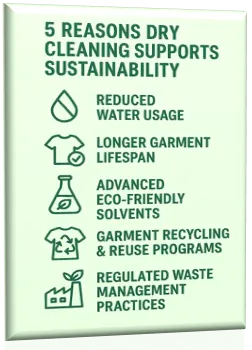
Figure 7: Eco-Friendly Advantages of Dry Cleaning
Solution to Turn Turbid Water Clear
Tamarind seed kernel powder, discarded as agriculture waste, is a good agent to create municipal and industrial waste water clear. The current follow is to use Al-salt to treat such water. It’s been found that alum will increase poisonous ions in treated water and will cause diseases like Alzheimer’s. [42]
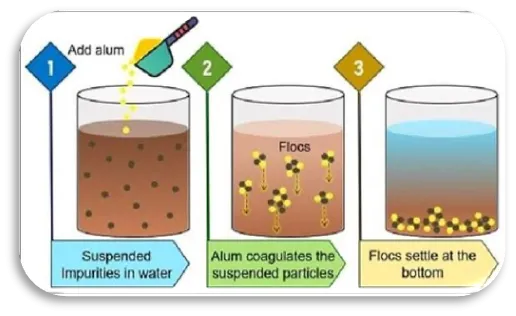
Figure 8: Water Purification by Coagulation and Sedimentation
On the opposite hand kernel powder is not- poisonous and is perishable and price effective. For the study, four flocculants specifically tamarind seed kernel powder, mixture of the powder and starch, starch ad alum were used. Flocculants with slurries were ready by combining measured quantity of clay and water. The result showed aggregation of the powder and suspended particles were a lot of porous and allowed water to exudate and become compact a lot of simply and shaped larger volume of clear water. Starch flocks on the opposite hand were found to be light-weight weight and fewer porous and thus didn’t enable water to taste it simply.[43] The study establishes the powder’s potentials associate degree economic flocculants with performance shut more matured flocculants like K2SO4Al2 (SO4)3.24H2O (potash alum)[44]
Solar Array
One of the best known examples of green technology would be the solar cell. A solar cell directly converts the energy in light into electrical energy through the process of photovoltaics. Generating electricity from solar energy means less consumption of fossil fuels, reducing pollution and greenhouse gas emissions. [41]
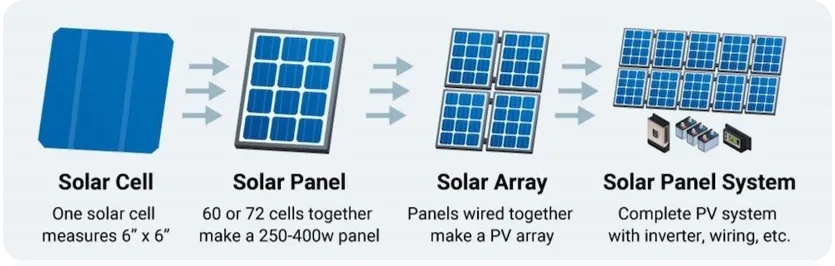
Figure 9: Solar Cell to Solar Power System
Reusable Water Bottle
Another simple invention that can be considered green is the reusable water bottle. Drinking lots of water is healthy. Reducing plastic waste is great for the environment. Hence, trendy reusable water bottles that you can refill yourself are health-promoting, eco-friendly, and green. [45]
Solar Water Heater
Installing a solar water heater can be a great way to cut down on energy costs at a much lower initial expense. The costs associated with the installation of a solar water heater are actually recouped much faster than the costs associated with photovoltaic technology for power generation. This is due to the increased efficiency of solar water heating systems, as well as their reduced expense when compared to the large solar array required for powering a home. [46]

Figure10: Working Model of a Solar Water Heater
Wind Generator
The costs of a home wind generator vary greatly. Some have built their own wind generators with off-the-shelf parts from their local hardware stores. Others have purchased kits or paid for professional installation to supplement the power purchased from their local electrical grid. The power production capability of a home wind generator varies about as much as the initial expense. Many kit based generators will produce only enough power to offset 10-15% of your Home energy costs. [47]
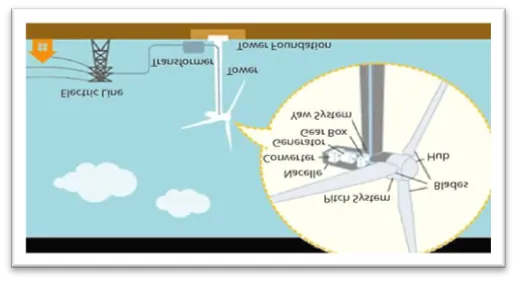
Figure11: Wind Energy Generation System
Rainwater Harvesting System
Rain collector systems are extremely simple mechanical systems that connect to a gutter system or other rooftop water collection network and store rain water in a barrel or cistern for later no potable use (like watering plants, flushing toilets, and irrigation). These systems are extremely inexpensive. [48]
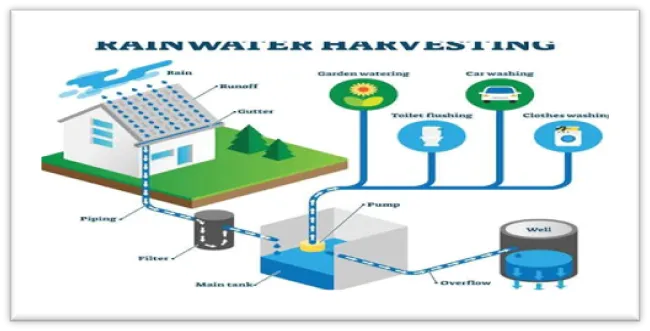
Figure12: Rain water harvesting system
Insulation of House
Based on EPA estimates, 10% of household energy usage a year is due to energy loss from poor insulation. We will get an excellent return on investment from sealing our home to prevent energy escape. [49]
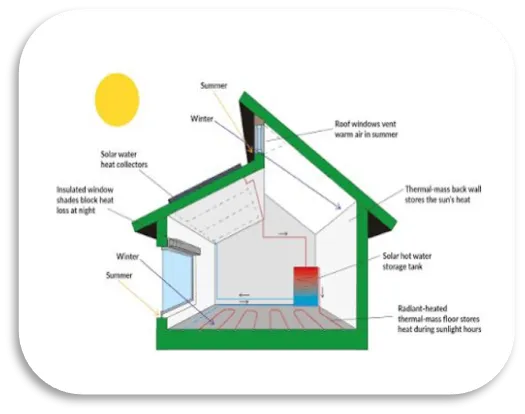
Figure13: system of Insulation of House
Building with Green Technology
Green buildings use a variety of environmentally friendly techniques to reduce their impact on the environment. Reclaimed materials, passive solar design, natural ventilation and green roofing technology can allow builders to produce a structure with a considerably smaller carbon footprint than normal construction. These techniques not only benefit the environment, but they can produce economically attractive buildings that are healthier for the occupants as well. The chief benefit of building green is reducing a building’s impact on the environment. Using green building techniques can also reduce the costs associated with construction and operation of a building.

Figure14: Energy Efficient House
Green ventilation techniques involve open spaces and natural airflow, reducing the need for traditional air conditioning and preventing many of these problems. [49, 50]
CONCLUSION
Green Analytical Chemistry (GAC) has emerged as an important approach for reducing environmental pollution and improving laboratory safety through sustainable analytical practices. By applying the principles of GAC, analytical methods can minimize hazardous chemicals, energy consumption, and waste generation while maintaining accuracy and efficiency. The use of green solvents, miniaturized techniques, automation, artificial intelligence, and renewable resources has significantly improved the sustainability of modern analytical processes. In addition, Life Cycle Assessment (LCA) helps evaluate environmental impact throughout the entire process, ensuring better decision-making for greener practices. Although challenges such as cost and large-scale implementation still exist, continuous advancements in technology and green methodologies are making analytical chemistry safer, cleaner, and more environmentally responsible. Overall, GAC represents a promising future for sustainable scientific development and eco-friendly industrial growth.
REFERENCES

Kunj Raiyani, Megh Dighe, Jagrut Moradiya, Aditi Tyagi, Green Chemistry and Analytical Sustainability: Contemporary Methods and Uses, Int. J. of Pharm. Sci., 2026, Vol 4, Issue 6, 2867-2887. https://doi.org/10.5281/zenodo.20636444
 10.5281/zenodo.20636444