

We use cookies to ensure our website works properly and to personalise your experience. Cookies policy
Devaki Amma Memorial College Of Pharmacy, Malappuram, Kerala.
Atopic dermatitis (AD) is a long-term inflammatory skin condition that causes itching, recurring eczema-like lesions, and a weakened barrier function in the skin. Historically regarded as a localized dermatological condition, recent findings underscore its systemic characteristics, with a notable contribution of gut microbial dysbiosis to disease etiology. This review examines the molecular connections between gut microbial imbalance and atopic dermatitis via the gut–skin axis, a bidirectional communication network that incorporates immunological, metabolic, and neuroendocrine pathways. Changes in the composition of gut microbiota, such as less diversity of microbes and fewer beneficial bacteria like Lactobacillus and Bifidobacterium, can cause immune dysregulation by throwing off the balance between Treg and Th2 cells and making more pro-inflammatory cytokines. Dysbiosis also weakens the intestinal barrier, making it more permeable and allowing microbial components to move through the body, thereby exacerbating cutaneous inflammation. Microbial metabolites, such as short-chain fatty acids and tryptophan derivatives, are essential for preserving immunological homeostasis and skin barrier integrity; their loss exacerbates disease severity. Oxidative stress has become a pivotal pathway connecting intestinal dysbiosis to chronic inflammation, characterized by elevated reactive oxygen species and diminished antioxidant defenses, which lead to tissue damage and enduring skin lesions. The incorporation of the gut–brain–skin axis underscores the impact of neuroendocrine pathways and psychological stress in altering the course of AD. Future outlooks highlight the promise of microbiome-targeted therapeutics, encompassing probiotics, dietary modifications, and antioxidant-oriented approaches. A more thorough understanding of the gut-skin axis may help create new, tailored ways to treat atopic dermatitis effectively
Atopic dermatitis (AD) is a chronic inflammatory skin disorder characterized by recurrent eczematous lesions, intense pruritus, and impaired skin barrier function. It affects both children and adults and represents one of the most common dermatological diseases worldwide, with increasing prevalence over the past decades. The pathogenesis of AD is complex and involves a multifactorial interplay between genetic predisposition, immune dysregulation, epidermal barrier defects, and environmental triggers. Traditionally, AD has been considered a skin-localized disorder driven primarily by Th2-mediated immune responses and cytokines such as interleukin (IL)-4, IL-13, and IL-31. However, emerging evidence suggests that systemic factors beyond the skin contribute significantly to disease initiation and progression, highlighting the importance of understanding the broader biological networks involved in AD pathophysiology [1,2].
The gut–skin axis, a two-way communication pathway connecting the intestinal microbiota with skin homeostasis and immunological modulation, has received more attention in recent years. The human gut microbiota is essential for preserving immunological equilibrium, controlling inflammatory reactions, and generating chemicals that affect distant organs, such as the skin. A number of inflammatory conditions, including atopic dermatitis, have been linked to dysbiosis, which is defined as an imbalance in microbial composition and diversity. Research has shown that people with AD frequently have changed gut microbial profiles, which are marked by changes in beneficial bacterial populations and decreased microbial diversity. These changes may cause systemic inflammation, impair immunological tolerance, and contribute to the onset and aggravation of skin inflammation [3,4,5]
Additionally, it has been demonstrated that microbial metabolites including tryptophan derivatives, short-chain fatty acids, and other bioactive substances affect the integrity of the epidermal barrier and immunological signaling pathways. Gut microbiota can influence systemic immune responses that eventually impact skin physiology through interactions with immune cells and epithelial tissues. Therefore, a molecular framework for comprehending how intestinal dysbiosis may contribute to the pathophysiology of atopic dermatitis is provided by the idea of the gut–skin axis. The specific mechanisms connecting changes in the gut microbiota to skin inflammation are still not fully understood, despite the expanding body of research in this field. More study is required to find novel therapeutic targets within this axis and to define the molecular pathways involved [6,7].
THE HUMAN GUT MICROBIOTA.
Composition and Diversity of Gut Microbiota.
The human gastrointestinal tract hosts a highly complex microbial ecosystem collectively known as the gut microbiota, consisting of trillions of microorganisms including bacteria, viruses, fungi, and archaea that interact closely with host physiology. The majority of gut microbial populations belong to the bacterial phyla Firmicutes and Bacteroidetes, followed by Actinobacteria and Proteobacteria, which together contribute to maintaining intestinal homeostasis and metabolic balance [8]. These microbial communities perform essential physiological functions such as nutrient metabolism, vitamin synthesis, and protection against pathogenic microorganisms [4]. The diversity and stability of gut microbiota are considered critical indicators of intestinal health, as reduced microbial diversity has been associated with several inflammatory and metabolic disorders. Additionally, commensal microorganisms contribute to maintaining epithelial barrier integrity and regulating host metabolic pathways through the production of various bioactive metabolites [9]. Alterations in microbial composition, often referred to as gut dysbiosis, may disrupt host–microbe interactions and contribute to the pathogenesis of immune-mediated diseases including atopic dermatitis [3].
Role of Gut Microbiota in Immune Homeostasis.
The gut microbiota, a highly complex microbial ecology made up of trillions of bacteria, viruses, fungi, and archaea that intimately interact with host physiology, is found in the human gastrointestinal tract. The bacterial phyla Firmicutes and Bacteroidetes make up the majority of gut microbial populations, followed by Actinobacteria and Proteobacteria, which collectively support intestinal homeostasis and metabolic balance [8]. These microbial populations carry out vital physiological processes such vitamin production, nutrition metabolism, and defense against harmful microbes [4]. Reduced microbial diversity has been linked to a number of inflammatory and metabolic illnesses, making the variety and stability of the gut microbiota important markers of intestinal health. Additionally, by producing a variety of bioactive metabolites, commensal bacteria support the integrity of the epithelial barrier and control host metabolic pathways [9]. Gut dysbiosis, a term used to describe changes in microbial composition, might interfere with host-microbe interactions and play a role in the pathophysiology of immune-mediated disorders, such as atopic dermatitis [3].
Factors Influencing Gut Microbial Composition.
Multiple intrinsic and extrinsic factors influence gut microbiota composition throughout life. Among these, diet, host factors, age, antibiotics, and environmental exposures are the most significant determinants [10].
1. Overall Diet Patterns
Diet is one of the most influential and rapidly modifiable factors affecting gut microbiota. Nutrients serve as substrates for microbial metabolism, thereby shaping microbial diversity and function [11]. Even short-term dietary changes (within 3–4 days) can significantly alter microbiota composition [12].
Mediterranean diet → increases beneficial bacteria (e.g., Faecalibacterium, Roseburia)
Western diet → promotes dysbiosis and inflammation [12].
Carbohydrates and Dietary Fiber
Non-digestible carbohydrates (dietary fiber) are key modulators of gut microbiota.
Deficiency effects:
Dietary Fats
High-fat diets negatively impact microbiota:
Animal-based high-fat diets also increase bile acid metabolism, altering microbial composition and promoting harmful bacteria.
Dietary Proteins
Protein influences microbiota through its metabolites:
Balanced protein intake is essential to maintain microbial homeostasis.
Food Additives and Processing
Modern processed foods contain additives that can:
Industrialization has reduced microbial diversity compared to traditional diets.
2. Host-Related Factors
Immune and Biological Factors.
The host actively shapes microbiota via:
These factors selectively promote beneficial microbes and suppress pathogens.
MicroRNAs (miRNAs)
Host-derived miRNAs can directly regulate gut bacteria:
This represents a novel mechanism of host–microbiota interaction.
Genetic Factors
Host genetics influence microbiota composition by:
However, environmental factors (especially diet) often have a stronger influence [12].
3. Early-Life Factors
Mode of Delivery
This early colonization affects long-term immune development.
Infant Feeding
Breast milk oligosaccharides act as prebiotics.
Age
Gut microbiota evolves across life:
Dietary diversity can slow age-related dysbiosis [12].
5. Antibiotics and Drugs
Antibiotics are one of the most disruptive factors:
Even low-dose exposure (e.g., in food) may affect microbiota and metabolism.
6. Environmental and Lifestyle Factors
Industrialization
Modern lifestyle leads to:
Lifestyle and Habits
Factors include:
These indirectly influence gut microbiota through metabolic and immune pathways.
7. Interrelationship Between Factors
Gut microbiota composition is not controlled by a single factor but by a complex interaction:
Disruption of this balance leads to dysbiosis, which is linked to multiple disease [12].
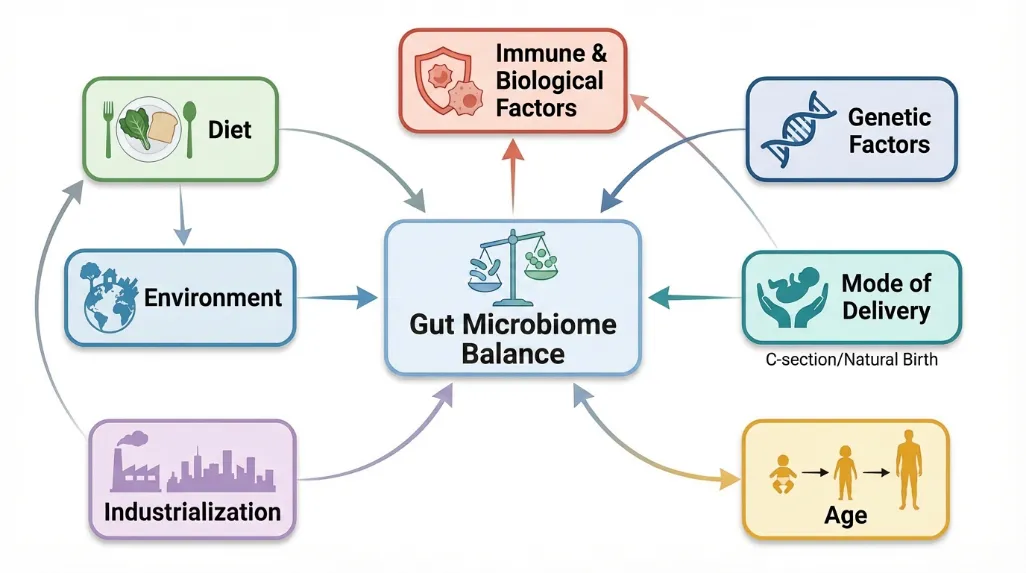
Figure 1: Factors influencing gut microbiome balance.
PATHOPHYSIOLOGY OF ATOPIC DERMATITIS.
A complex interaction of genetic susceptibility, immunological dysregulation, epidermal barrier malfunction, and microbial imbalance, including gut microbiota dysbiosis, characterizes atopic dermatitis (AD), a chronic inflammatory skin condition. According to recent research, changes in the gut–skin axis have a major role in the development and course of disease through systemic immunological and metabolic pathways [13].
Skin Barrier Dysfunction
Structural proteins including filaggrin, loricrin, and involucrin are mainly responsible for maintaining the integrity of the epidermal barrier. Increased transepidermal water loss (TEWL) and improved allergy and pathogen penetration are caused by mutations or decreased expression of these proteins in AD.Inflammation is exacerbated by disruption of the barrier, which promotes immunological activation and microbial colonization, especially by Staphylococcus aureus. Additionally, it has been demonstrated that dysbiosis of the gut microbiota indirectly compromises the function of the epidermal barrier through systemic inflammatory mediators and decreased production of advantageous metabolites such as short-chain fatty acids (SCFAs) [14].
Immune Dysregulation (Th1/Th2 Imbalance)
Skewing toward a Th2-dominant immune response, particularly during the acute period, is a defining characteristic of AD. Elevated cytokines like these are indicative of this: Interleukin (IL)-4, IL-5, and IL-13. These cytokines stimulate allergic inflammation, eosinophil activation, and IgE production. The gut microbiota is essential for preserving immunological homeostasis. Dysbiosis results in increased Th2 polarization and decreased induction of regulatory T cells (Tregs). Reduced SCFA levels in dysbiosis contribute to immunological imbalance and disease aggravation, whereas microbial metabolites such as SCFAs typically promote Treg differentiation and inhibit inflammation [14].
Role of IgE and Allergic Sensitization
High levels of IgE in the blood are a key sign of AD, and Th2 cytokines cause them. IgE attaches to high-affinity receptors on mast cells and basophils, which causes the cells to degranulate and release histamine and other inflammatory substances when they come into contact with an allergen. Increased intestinal permeability, commonly referred to as "leaky gut," linked to gut dysbiosis, facilitates systemic exposure to food and microbial antigens, hence augmenting allergy sensitization and IgE-mediated reactions. This creates a connection between problems with the intestinal barrier and systemic allergy inflammation in AD [13,14].
Microbial Dysbiosis (Skin and Gut)
Dysbiosis of both the skin and the gut microbiota is a key factor in the development of AD. Skin dysbiosis is marked by less variety in microbes and too much Staphylococcus aureus. Gut dysbiosis also includes lower levels of good bacteria (Lactobacillus, Bifidobacterium) and more pathogenic species (Escherichia coli, Clostridium). This imbalance encourages signaling that causes inflammation, breaks down barriers, and messes up the immune system. Dysbiosis also changes the generation of microbial metabolites, which has an effect on systemic inflammation and skin homeostasis [15].
Increased Intestinal Permeability (“Leaky Gut”)
Dysbiosis of the gut microbiota can damage tight junction proteins in the intestinal epithelium, which makes the intestines more permeable. This makes it possible for translocation of Lipopolysaccharides (LPS) , Metabolites from microbes and Toxins into the body's blood. These circulating substances cause systemic inflammation and immunological activation, which can make skin irritation worse in AD. Biomarkers such lipopolysaccharide-binding protein (LBP), I-FABP, and cytokines (IL-10, IL-22) have been linked to problems with the gut barrier and the severity of AD [16].
THE GUT–SKIN AXIS.
The gut-skin axis is a complicated, two-way communication network that connects the skin with the gastrointestinal system through immunological, metabolic, and neuroendocrine pathways. There is more and more proof that dysbiosis of the gut microbiota is a major cause of atopic dermatitis (AD) because it changes systemic inflammation, immunological responses, and barrier integrity [17]. The gut–skin axis is the functional and physiological link between the gut microbiome and skin homeostasis. This link is made possible by circulating metabolites, immunological mediators, and signaling molecules. A healthy gut microbiota keeps the intestinal barrier strong and the immune system tolerant, which helps keep the skin healthy. On the other hand, dysbiosis causes the immune system to become active all over the body and sends inflammatory signals, which can contribute to skin problems like AD [18]. Establishment of the microbiome in early life is crucial, as it influences immunological development and affects vulnerability to allergy conditions, such as atopic dermatitis [19].
The gut-skin axis works by sending signals in both directions. This means that changes in the gut can affect the skin and vice versa. From the gut to the skin: Gut bacteria make metabolites including short-chain fatty acids (SCFAs), lipopolysaccharides (LPS), and toxins that get into the bloodstream and change how the skin works and how inflamed it is. From Skin to Gut: Skin inflammation, infections, and environmental exposures (e.g., UV radiation) might modify systemic immune responses, thereby affecting gut microbiota composition. Immune pathways, microbial metabolites, and neuroendocrine signals all work together to make this two-way interaction happen [20].
Immune signaling is the fundamental way that the gut and skin are related. The gut microbiota interacts with the host's immune system in the following ways like Pattern recognition receptors (PRRs) such as Toll-like receptors (TLRs), Initiating both the innate and adaptive immune response, Regulation of T helper cells (Th1, Th2, Th17) and regulatory T cells (Tregs). Dysbiosis leads to less activity in tregs, enhanced allergic reactions facilitated by Th2 and more cytokines, such as IL-4, IL-5, and IL-13, are produced [21].
Neuroendocrine mechanisms also control the gut-skin axis. These mechanisms involve interactions between the nervous system, endocrine signaling, and microbiota. The gut microbiota has an effect on Making neurotransmitters like serotonin and GABA, Release of stress hormones such as cortisol, through the hypothalamic–pituitary–adrenal axis and Modulation of the neuroimmune system. Psychological stress can alter the composition of gut microbiota and enhance intestinal permeability, resulting in systemic inflammation and the worsening of AD symptoms. Additionally, microbial metabolites and neuroactive compounds can directly influence skin nerve endings and immune cells, leading to pruritus and inflammation. This shows how important the gut-brain-skin axis is, where stress, microbiota, and immune responses work together to make diseases worse. Microbial metabolites, including SCFAs, promote anti-inflammatory pathways and immunological tolerance. Conversely, reducing these metabolites results in persistent inflammation and disease development. Thus, immunological dysregulation caused by an imbalance in gut microbiota plays a key role in the start and continuation of skin inflammation [22].
MECHANISMS LINKING GUT DYSBIOSIS TO ATOPIC DERMATITIS
Gut microbiota dysbiosis plays a role in the development of atopic dermatitis (AD) through various linked pathways, including immunological dysregulation, barrier failure, changes in microbial metabolites, oxidative stress, and epigenetic control. These mechanisms function through the gut–skin axis, connecting intestinal dysbiosis to systemic inflammation and cutaneous immunological responses [23]. The gut microbiota is a key player in both innate and adaptive immunity, and when it is disturbed, it can cause an immunological imbalance that is linked to AD [21]. For the immune system to stay healthy, Tregs and Th17 cells need to work together in a balanced way. Gut microbiota facilitates Treg differentiation and immunological tolerance; conversely, dysbiosis diminishes beneficial microorganisms and hinders Treg function while exacerbating Th17-mediated inflammation. This imbalance leads to prolonged systemic inflammation and a breakdown of immunological tolerance, which helps AD develop [19].
Dysbiosis encourages a Th2-dominant immune response, which is marked by higher levels of cytokines such IL-4, IL-5, and IL-13. These cytokines make things happen like making IgE, Activation of eosinophils, Degranulation of mast cells. This causes allergic irritation and problems with the skin barrier, which are two of the main signs of AD [24]. Gut dysbiosis compromises the integrity of the intestinal barrier, leading to increased permeability and systemic exposure to inflammatory mediators. Occludin, claudins, and ZO-1 are tight junction proteins that help keep the intestinal barrier strong. Dysbiosis diminishes their expression, resulting in heightened permeability and the transport of microbial constituents into the bloodstream [25]. Higher permeability lets things in like LPS (lipopolysaccharides), toxins from microbes, antigens in food. These cause the immune system to become active throughout the body and release inflammatory cytokines, which makes skin irritation worse. Clinical investigations have demonstrated that biomarkers associated with leaky gut correspond with the severity of atopic dermatitis (AD). Gut microbiota makes metabolites that control the immune system and keep the skin healthy.Acetate, propionate, and butyrate are examples of SCFAs which make the gut barrier work better, encourage Treg differentiation and stop inflammation. Lower levels of SCFA in dysbiosis are linked to worse AD and problems with immunological function [16]. When gut microorganisms break down tryptophan, they make indole derivatives that turn on the aryl hydrocarbon receptor (AhR). AhR signaling is very important for keeping the skin barrier up, regulation of the immune system, responses that fight inflammation. Altered tryptophan metabolism in dysbiosis enhances vulnerability to inflammatory skin disorders [26].
Oxidative stress is a major factor that connects gut dysbiosis to long-term inflammation in AD. Dysbiosis boosts the formation of reactive oxygen species (ROS) by activating the immune system and releasing endotoxins. Too much ROS causes Lipid peroxidation, damage to DNA Starting up pathways that cause inflammation. These processes make skin irritation and disease development worse [27]. An imbalance in gut microbiota is linked to diminished antioxidant defenses, characterized by lowered levels of glutathione and antioxidant enzymes. This leads to more damage from oxidation, impaired skin barrier function and persistent inflammation. This oxidative imbalance is a major cause of AD's long-term effects [28].
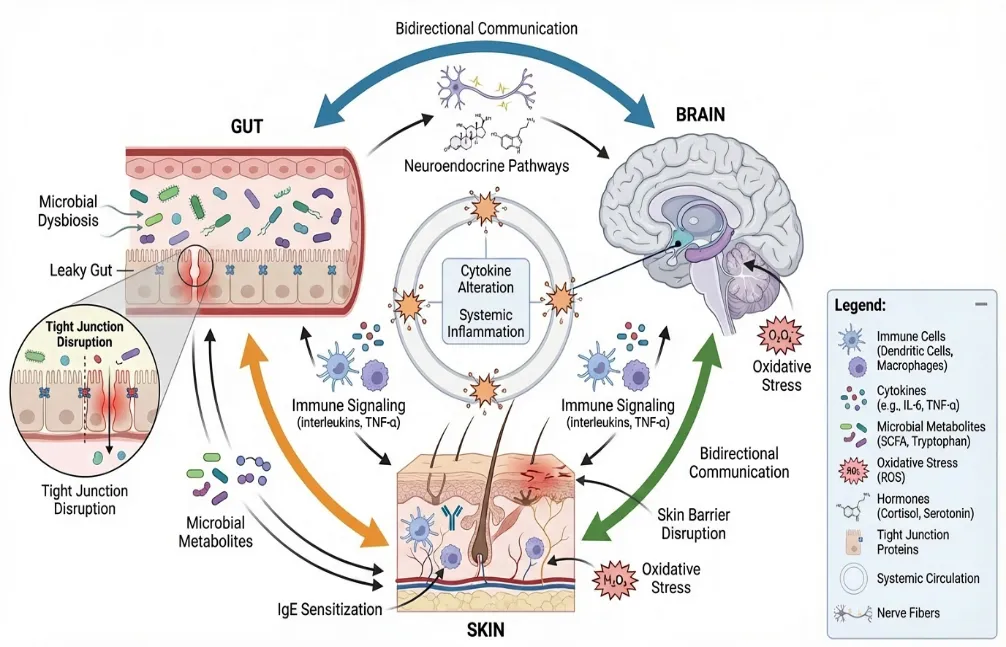
Figure 2: Mechanistic overview of the gut–brain–skin axis in atopic dermatitis .
FUTURE PERSPECTIVES
Comprehending the function of gut microbiota dysbiosis in atopic dermatitis (AD) has unveiled novel pathways for precision medicine, targeted therapies, and integrative methodologies. Nonetheless, some deficiencies persist that necessitate additional inquiry.Subsequent investigations ought to concentrate on tailored manipulation of the gut microbiota informed by distinct microbial profiles. Progress in metagenomics, metabolomics, and AI-driven microbiome analysis could facilitate the identification of distinct microbial patterns linked to the severity of Atopic dermatitis and the response to treatment. Customized treatments including strain-specific probiotics, next-generation synbiotics, and microbiota-directed diets show promise for restoring microbial balance and enhancing therapeutic outcomes. Nonetheless, variation in study designs and the absence of established protocols continue to pose substantial obstacles [2,5]. New research reveals that oxidative stress is a key relationship between gut dysbiosis, systemic inflammation, and skin disease. Subsequent studies ought to examine the signaling mechanisms that are sensitive to redox, the interplay between gut bacteria and host antioxidant mechanisms and the therapeutic potential of natural antioxidants and phytochemicals. Plant-derived substances with antioxidant characteristics, including polyphenols, may influence gut microbiota and mitigate inflammation, signifying a possible supplementary approach in atopic dermatitis management [29]. Future research should employ a comprehensive framework that incorporates the gut–brain–skin axis, taking into account the function of neuroendocrine communication (HPA axis), stress that comes from the mind and neuroactive chemicals from microbiota. Comprehending these relationships may yield insights into the stress-induced aggravation of atopic dermatitis and facilitate the development of multimodal therapeutic approaches, encompassing behavioral and microbiome-targeted interventions [30]. The early-life era is a crucial time for developing the immune system. Future study ought to concentrate on maternal microbiome and prenatal factors, How to feed babies (breastfeeding vs. formula) and initial probiotic supplementation. Longitudinal studies are necessary to ascertain if early microbiome therapies can avert or diminish the risk of Alzheimer's disease progression [19]. Future research ought to use multi-omics technologies, encompassing: Genomics, transcriptomics, proteomics, and metabolomics are all fields of study. These methods can give a full picture of how the host and microbiota interact, which can help find new biomarkers and treatment targets in Atopic dermatitis [5].
CONCLUSION
Atopic dermatitis (AD) is becoming acknowledged as a systemic, multifactorial disorder rather than a condition limited exclusively to the skin. This review underscores the critical role of gut microbiota dysbiosis in the development of atopic dermatitis (AD), accentuating the significance of the gut–skin axis as a fundamental mechanistic connection between intestinal health and cutaneous inflammation. Recent research indicates that changes in the composition and diversity of gut microbiota contribute to atopic dermatitis (AD) via several interrelated mechanisms, including immunological dysregulation, compromised barrier function, modified microbial metabolites, oxidative stress, and epigenetic abnormalities.
The disturbance of immunological homeostasis, especially the disproportion between Treg and Th2/Th17 responses, is pivotal in facilitating allergic inflammation and disease advancement. At the same time, increased permeability of the intestines makes it easier for microbial components to move through the body, which increases inflammatory signals and makes skin problems worse. Microbial metabolites, including short-chain fatty acids and tryptophan derivatives, are essential regulators of immunological tolerance and barrier integrity. Their depletion in dysbiosis exacerbates disease severity.
An increasing amount of research shows that oxidative stress is a major relationship between gut dysbiosis and chronic inflammation in AD. Excessive generation of reactive oxygen species, along with compromised antioxidant defenses, facilitates cellular damage, immunological activation, and the persistence of skin lesions. The incorporation of the gut–brain–skin axis emphasizes the significance of neuroendocrine pathways and psychological stress in influencing disease activity, underscoring the necessity for a comprehensive knowledge of AD pathogenesis.
Even if there have been big improvements, there are still some problems, such as the fact that microbiome researches are very different from one another and the need for standardized methods. Future investigations concentrating on tailored microbiome-based therapies, multi-omics methodologies, and the precise manipulation of microbial metabolites and oxidative pathways are anticipated to enhance therapeutic effects.
In conclusion, the gut microbiota constitutes a significant and alterable role in the pathophysiology of atopic dermatitis. A more profound comprehension of the gut-skin axis and its related mechanisms may facilitate the development of innovative, holistic therapeutic approaches that target the root causes of atopic dermatitis instead of merely mitigating symptoms.
REFERENCES
Guo, Z., Yang, J., Zang, R., Yang, Y., Wang, Q., & Xu, C. (2026). The brain–gut–skin axis in inflammatory and disfiguring skin diseases: mechanistic insights, clinical correlations, and therapeutic strategies. In Frontiers in Immunology (Vol. 17). Frontiers Media SA.

Huda Yaseen P. C, Mridhul Mohan P, Anson Maroky, G. Babu, Gut Microbiota Dysbiosis in Atopic Dermatitis: Mechanistic Insights into the Gut–Skin Axis, Int. J. of Pharm. Sci., 2026, Vol 4, Issue 7, 2232-2243, https://doi.org/10.5281/zenodo.21305139
 10.5281/zenodo.21305139