

We use cookies to ensure our website works properly and to personalise your experience. Cookies policy
Lucknow Model College of Pharmacy, Lucknow, Uttar Pradesh
Herbal medicines have been widely used for the prevention and treatment of various diseases due to their therapeutic effectiveness and natural origin. However, the clinical application of many herbal constituents is often limited by poor solubility, low bioavailability, instability, and rapid elimination from the body. To overcome these problems, researchers have developed new methods for delivering drugs which microsphere-based delivery systems have shown significant potential. Herbal microspheres are particulate carrier systems designed to encapsulate bioactive plant constituents and provide controlled as well as sustained drug release. This review explains how packaging herbal medicines into tiny, microscopic spheres helps them work much better in the body. Various formulation strategies, preparation methods, and characterization parameters of herbal microspheres are discussed. The review also summarizes the applications of herbal microspheres in enhancing drug stability, bioavailability, targeted delivery, and patient compliance. Furthermore, recent developments, current research trends, and challenges associated with the formulation and commercialization of herbal microsphere systems are critically analysed. Future perspectives for the development of herbal microsphere technology are also presented. Overall, herbal microspheres represent a promising approach for improving the efficacy and clinical uses of herbal medicines and may contribute significantly to the development of advanced herbal drug delivery systems.
Herbal medicines have been used for centuries in the prevention and treatment of various diseases because of their therapeutic efficacy, natural origin, and comparatively lower incidence of adverse effects. In recent years, the global demand for herbal products has increased significantly due to growing awareness regarding natural healthcare systems and the limitations associated with synthetic drugs. However, practical issues make them hard to use, many herbal bioactive compounds suffer from poor aqueous solubility, low bioavailability, rapid degradation, short biological half-life, which restrict their clinical effectiveness [27,30].
To overcome these issues, innovative drug delivery systems have been introduced to enhance the effectiveness of herbal treatment, Among these systems, microsphere-based drug delivery has gained considerable attention because of its ability to provide controlled and sustained drug release, enhance drug stability, improve bioavailability, and reduce dosing frequency [1,4]. Microspheres are free-flowing spherical particles generally ranging from 1 to 1000 μm in diameter, composed of natural or synthetic polymers that encapsulate active pharmaceutical ingredients within a polymeric matrix or shell structure [5].
Recent advancements in polymer science and microencapsulation technologies have expanded the application of herbal microspheres in the treatment of chronic diseases, infectious disorders, inflammatory conditions, and cancer. Various natural polymers such as chitosan, alginate, gelatin, and starch, as well as synthetic polymers including poly(lactic-co-glycolic acid) (PLGA), have been successfully utilized for the formulation of herbal microspheres [27,28] These developments have led to improved drug loading efficiency, controlled release characteristics, and enhanced therapeutic outcomes [18,20].
Overview of Herbal Drug Delivery Systems
Herbal medicines have been an integral part of traditional healthcare systems for centuries and continue to play a significant role in modern therapeutics. The increasing interest in plant-based medicines is primarily attributed to their natural origin, therapeutic effectiveness, affordability, and comparatively lower incidence of adverse effects. Numerous herbal products contain bioactive compounds such as alkaloids, flavonoids, glycosides, terpenoids, and polyphenols that exhibit a wide range of pharmacological activities including anti-inflammatory, antioxidant, antimicrobial, antidiabetic, and anticancer effects[30].
Herbal remedies have a lot of medical potential but they are hard to use in clinics because they don’t mix or dissolve easily in water, low permeability, instability in the gastrointestinal environment, rapid metabolism, and inadequate bioavailability. These limitations may result in reduced therapeutic effectiveness and inconsistent clinical outcomes. Therefore, there is a growing need for advanced drug delivery approaches that can improve the performance of herbal formulations[27].
Various novel drug delivery systems such as liposomes, nanoparticles, phytosomes, microspheres, microcapsules, and nanoemulsions have been investigated for the delivery of herbal drugs [25,31].
Recent advancements in pharmaceutical technology have further expanded the applications of herbal drug delivery systems. Researchers are increasingly focusing on the development of biodegradable and biocompatible carriers capable of delivering herbal drugs in a controlled and site-specific manner. These innovations have opened new opportunities for improving the therapeutic potential of herbal medicines and integrating them into evidence-based healthcare practices [27,28].
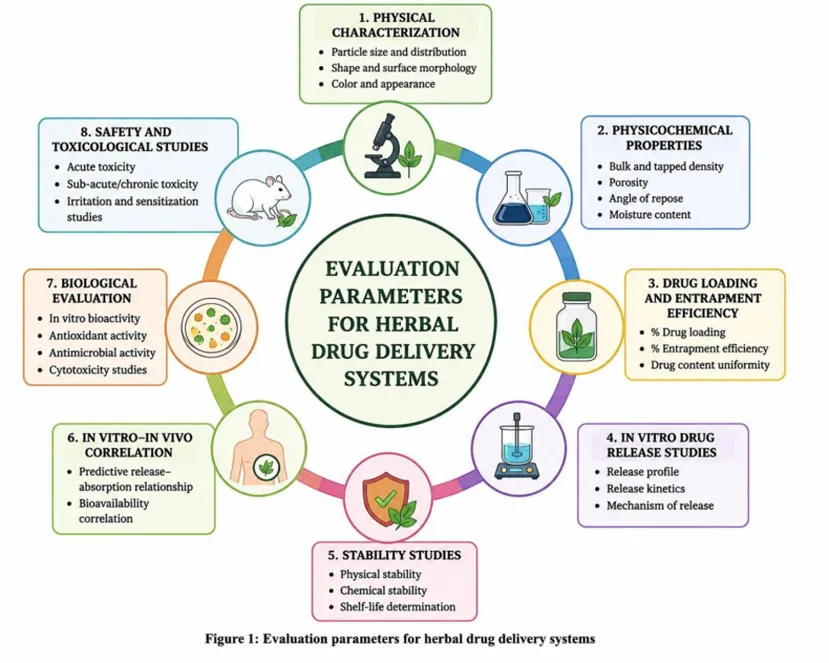
Microspheres: Definition, Characteristics and Advantages
Definition of Microspheres
Microspheres are small, free-flowing spherical particles that are widely used in controlled and targeted drug delivery systems. These particles are generally prepared from natural or synthetic polymers and range in size from approximately 1 to 1000 µm. The active drug substance is either encapsulated, dissolved, or uniformly dispersed within the polymeric matrix, which helps in controlling the release of the drug over a specific period. Due to their unique structure and ability to protect the encapsulated drug from degradation, microspheres have become an important component of modern pharmaceutical research [1,5].
In herbal drug delivery, microspheres serve as effective carriers for plant-derived bioactive compounds. Many herbal constituents suffer from poor stability and low bioavailability when administered through conventional dosage forms. Encapsulation of herbal extracts into microspheres helps in protecting these active compounds from environmental and physiological degradation while improving their therapeutic performance. As a result, microspheres are increasingly being explored for the delivery of herbal drugs in various therapeutic applications [27].
Characteristics of Microspheres
Microspheres possess several characteristics that make them suitable for drug delivery applications. One of their most important features is their spherical shape, which ensures uniform distribution and predictable drug release behavior. The particle size of microspheres significantly influences drug loading capacity, release rate, and absorption characteristics. Smaller particles generally provide a larger surface area, which may enhance drug release and bioavailability.
Another important characteristic is their ability to encapsulate both hydrophilic and hydrophobic drugs. The polymeric material also plays a crucial role in determining the stability, biodegradability, and biocompatibility of the formulation. Biodegradable polymers are particularly preferred because they gradually degrade into non-toxic products after releasing the drug [4].
The major characteristics of microspheres include:-
1.Spherical and free-flowing nature
2.Controlled and sustained drug release capability
3.High drug-loading capacity
4.Biocompatibility and biodegradability
5.Protection of drugs from degradation
6.Improved bioavailability
7.Possibility of targeted drug delivery
8.Enhanced stability of herbal constituents
Advantages of Microspheres
Microspheres offer several advantages over conventional drug delivery systems and therefore have gained significant attention in pharmaceutical research. One of the primary advantages is their ability to provide controlled and sustained drug release. This property helps maintain therapeutic drug concentrations in the body for extended periods, reducing fluctuations in plasma drug levels and minimizing dosing frequency[29].
Patient compliance can also be improved through microsphere-based formulations because the frequency of drug administration is reduced. Furthermore, microspheres can be formulated for various routes of administration, including oral, nasal, ocular, parenteral, and topical delivery systems, making them highly versatile carriers [18,28].
1.The major advantages of microspheres are:
2.Sustained and controlled drug release
3.Improved stability of herbal constituents
4.Enhanced bioavailability
5.Reduced dosing frequency
6.Better patient compliance
7.Site-specific drug delivery
8.Reduced adverse effects
9.Protection from environmental degradation
10.Versatility in formulation design
Types of Microspheres
Microspheres can be classified into different categories based on their composition, mechanism of action, and therapeutic application. The major types of microspheres used in pharmaceutical drug delivery systems are discussed below.
Bioadhesive Microspheres
Bioadhesive microspheres are designed to adhere to biological membranes such as the gastrointestinal mucosa, nasal mucosa, buccal cavity, and ocular surface. The adhesive property increases the residence time of the formulation at the site of absorption, thereby enhancing drug uptake and improving bioavailability. These microspheres are particularly useful for drugs that exhibit poor absorption or require prolonged contact with the mucosal surface. In herbal drug delivery, bioadhesive microspheres help maintain sustained therapeutic activity by ensuring prolonged retention of herbal constituents at the target site[25].
The effectiveness of bioadhesive microspheres depends on factors such as polymer type, particle size, and interaction between the polymer and biological tissue. Commonly used bioadhesive polymers include chitosan, carbopol, and sodium alginate.
Floating Microspheres
Floating microspheres, also known as gastro-retentive microspheres, are low-density systems capable of remaining buoyant in gastric fluids for extended periods. Due to their floating ability, these microspheres remain in the stomach for a longer duration and release the drug in a controlled manner. This property is especially beneficial for drugs that are primarily absorbed from the stomach or upper gastrointestinal tract.
Herbal drugs with limited absorption windows can significantly benefit from floating microsphere formulations because prolonged gastric retention improves drug dissolution and absorption. As a result, therapeutic efficacy can be enhanced while reducing dosing frequency [12].
Magnetic Microspheres
Magnetic microspheres are specialized drug delivery systems that contain magnetic materials incorporated within the polymer matrix. These microspheres can be guided to a specific target site by applying an external magnetic field. This targeted approach minimizes drug distribution to healthy tissues and enhances drug concentration at the desired location.
Magnetic microspheres have attracted considerable attention in the treatment of cancer and localized diseases because they reduce systemic toxicity and improve therapeutic outcomes.[1,8].
Radioactive Microspheres
Radioactive microspheres are used primarily in the treatment of tumors and certain chronic diseases. The localized release of radiation helps destroy abnormal cells while minimizing damage to surrounding healthy tissues.
Although radioactive microspheres are mainly utilized in advanced medical therapies, they represent an important category of microsphere-based drug delivery systems due to their site-specific action and therapeutic effectiveness. Their application requires careful monitoring because of safety concerns associated with radiation exposure[1].
Polymeric Microspheres
Polymeric microspheres are among the most widely used microsphere systems in pharmaceutical formulations. These microspheres are prepared using either biodegradable or non-biodegradable polymers. Biodegradable polymers such as chitosan, gelatin, starch, and poly(lactic-co-glycolic acid) (PLGA) gradually degrade into non-toxic products after releasing the encapsulated drug. In contrast, non-biodegradable polymers provide prolonged drug release but may require removal from the body after therapy.
Due to their excellent biocompatibility and drug-loading capacity, they are frequently employed in herbal drug delivery systems. Encapsulation of herbal extracts within polymeric microspheres improves stability, protects phytoconstituents from degradation, and enhances bioavailability [4,27]
Mucoadhesive Microspheres
Mucoadhesive microspheres are a specialized category of bioadhesive microspheres that specifically interact with the mucus layer covering biological membranes. These systems improve drug retention time and promote intimate contact between the drug and absorption site. Mucoadhesive microspheres are particularly useful in nasal, buccal, ocular, and gastrointestinal drug delivery systems.
For herbal medicines, mucoadhesive microspheres offer significant advantages by enhancing the absorption of poorly bioavailable phytoconstituents and reducing drug loss due to rapid clearance from mucosal surfaces[29].
Overall, each type of microsphere possesses unique characteristics and therapeutic advantages. The selection of an appropriate microsphere system depends on the physicochemical properties of the herbal drug, therapeutic objectives, route of administration.
Different types of microspheres have been developed to meet specific therapeutic requirements and drug delivery challenges. Among them, polymeric, bioadhesive, floating, and mucoadhesive microspheres are the most commonly used systems in herbal drug delivery research [2,4,8].
Polymers Used in Herbal Microspheres
Polymers play a crucial role in the formulation of microspheres as they determine the stability, drug-loading capacity, release behavior, biodegradability, and overall performance of the drug delivery system. The selection of an appropriate polymer is one of the most important factors in the successful development of herbal microsphere formulations. An ideal polymer should be biocompatible, non-toxic, biodegradable, and capable of providing controlled drug release. Depending on their origin, polymers used in microsphere preparation can be broadly classified into natural polymers and synthetic polymers [1,2].
Natural Polymers
Natural polymers are obtained from plant, animal, or microbial sources and are widely used in herbal drug delivery systems because of their excellent biocompatibility, biodegradability, and safety profile. These polymers are generally preferred for herbal formulations as they are less toxic and environmentally friendly.
Chitosan
Chitosan is one of the most extensively used natural polymers in microsphere preparation. It is obtained by the deacetylation of chitin, which is mainly found in the shells of crustaceans.In herbal microsphere formulations, chitosan helps improve drug stability, prolong residence time at the absorption site, and enhance bioavailability. Due to its positive charge, it can interact effectively with negatively charged biological membranes, resulting in improved drug absorption [3,4].
Sodium Alginate
Sodium alginate is a naturally occurring polysaccharide obtained from brown seaweed. It is widely used in microsphere preparation because of its ability to form gels in the presence of calcium ions. Alginate-based microspheres are easy to prepare and provide effective encapsulation of herbal extracts[5].
Gelatin
Gelatin is a protein-based natural polymer derived from collagen. It is commonly used in pharmaceutical formulations because of its non-toxic nature, biodegradability, and excellent film-forming properties. Gelatin microspheres are capable of encapsulating a wide variety of herbal compounds and provide controlled drug release.
The polymer also enhances drug stability and protects bioactive constituents from environmental factors such as moisture and oxidation. Because of its safety and versatility, gelatin remains an important material in microsphere technology [2].
Starch
Starch is a naturally occurring polysaccharide widely available from plant sources. Due to its low cost, biodegradability, and biocompatibility, starch has been extensively investigated for drug delivery applications. Starch-based microspheres can effectively encapsulate herbal extracts and improve their stability.
Additionally, Its abundance and safety profile make it an attractive polymer for herbal microsphere development [6].
Guar Gum and Xanthan Gum
Guar gum and xanthan gum are natural polysaccharides that have gained considerable attention in controlled drug delivery systems. These polymers exhibit high swelling capacity and good bioadhesive properties. Their ability to form viscous gels helps regulate drug release and improve retention at the absorption site.
Several studies have demonstrated the successful incorporation of herbal extracts into guar gum and xanthan gum microspheres for prolonged therapeutic action [7].
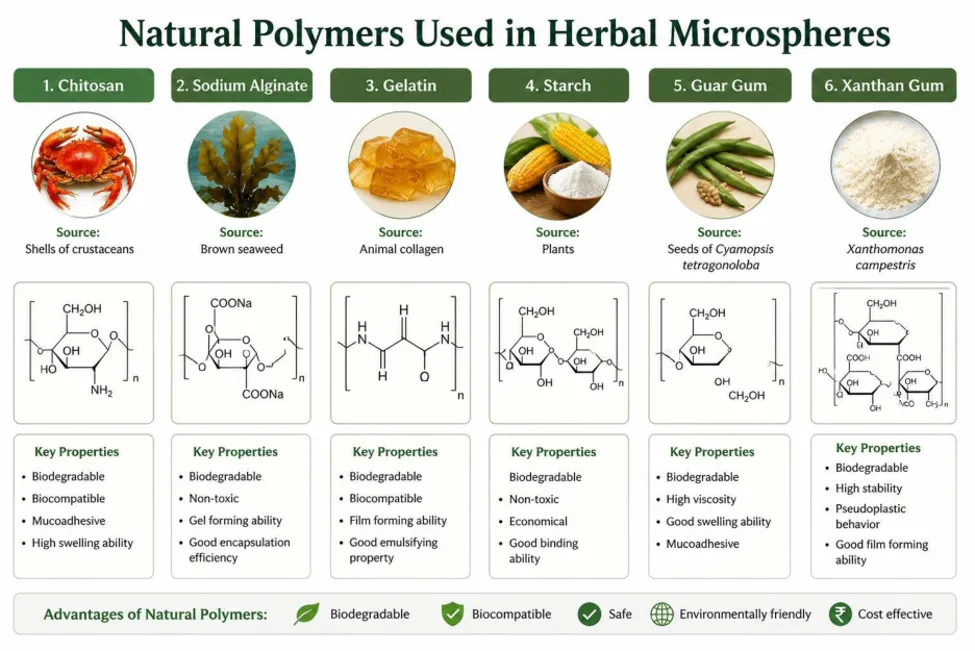
Figure:2 Classification of Natural Polymers Used in Herbal Microspheres
Synthetic Polymers
Synthetic polymers are chemically manufactured materials that provide greater control over drug release characteristics, mechanical strength, and formulation stability. These polymers are widely used when precise and reproducible drug delivery is required.
Poly (Lactic-co-Glycolic Acid) (PLGA)
PLGA is one of the most widely used biodegradable synthetic polymers in microsphere technology. It degrades into lactic acid and glycolic acid, which are naturally metabolized by the body.PLGA microspheres are capable of providing sustained drug release over extended periods and have been successfully utilized for the delivery of various herbal bioactive compounds. The release profile can be modified by altering the polymer composition and molecular weight [8].
Polyvinyl Alcohol (PVA)
Polyvinyl alcohol is a water-soluble synthetic polymer commonly used as a stabilizer and emulsifying agent during microsphere preparation. It improves particle formation and enhances the physical stability of microsphere formulations.
PVA contributes to uniform particle size distribution and helps maintain the integrity of herbal microspheres during storage and administration [5].
Eudragit
Eudragit is a family of synthetic polymers widely used for controlled and site-specific drug delivery. Different grades of Eudragit exhibit pH-dependent solubility, allowing the drug to be released at specific locations within the gastrointestinal tract.
This property makes Eudragit particularly useful for protecting herbal drugs from degradation in acidic gastric conditions and ensuring their release in the intestine where absorption is optimal [4].
Ethyl Cellulose
Ethyl cellulose is a water-insoluble polymer frequently used in sustained-release microsphere formulations. It forms a strong polymeric matrix around the drug, thereby controlling the diffusion of the active ingredient.
The polymer provides prolonged drug release and improves the stability of herbal compounds that are sensitive to environmental conditions. Because of these advantages, ethyl cellulose is extensively employed in controlled-release microsphere systems [6]. (PLGA, PVA, Eudragit, Ethyl Cellulose)
Selection Criteria for Polymers in Herbal Microspheres
The selection of a suitable polymer depends on several factors, including the nature of the herbal drug, desired release profile, route of administration, biodegradability, and compatibility with the active constituents. The polymer should be capable of protecting the herbal extract from degradation while maintaining its biological activity throughout the delivery process [1,8].
Methods of Preparation of Herbal Microspheres
The preparation method plays a crucial role in determining the physicochemical properties, drug-loading efficiency, particle size, release behavior, and overall performance of microspheres. Various techniques have been developed for the preparation of herbal microspheres depending on the nature of the herbal extract, polymer characteristics, and desired therapeutic outcome.Some of the most commonly used methods for the preparation of herbal microspheres include solvent evaporation, spray drying, ionic gelation, emulsion cross-linking, and phase separation techniques [1,2].
1. Solvent Evaporation Method
The solvent evaporation method is one of the most widely used techniques for the preparation of microspheres. In this method, the herbal extract and polymer are dissolved in a volatile organic solvent to form a homogeneous solution. The resulting solution is then dispersed into an external aqueous phase containing a stabilizing agent under continuous stirring.
As the stirring process continues, the organic solvent gradually evaporates, resulting in the formation of solid microspheres. The prepared microspheres are then collected, washed, and dried for further evaluation.
This technique is preferred because it is simple, reproducible, and capable of producing microspheres with high encapsulation efficiency. It is particularly suitable for herbal compounds that remain stable in organic solvents and require controlled drug release characteristics [3,4].
Limitations
2. Spray Drying Method
Spray drying is a rapid and widely employed technique for the preparation of microspheres. In this method, the herbal extract and polymer are dissolved or dispersed in a suitable solvent system to form a feed solution. The solution is then atomized into fine droplets using a spray dryer.
The droplets are exposed to a stream of hot air, which causes rapid solvent evaporation and results in the formation of dry microspheres. The final product is collected through a cyclone separator.
Spray drying offers several advantages, including short processing time, scalability, and suitability for large-scale production. It is extensively used for the encapsulation of herbal extracts due to its ability to improve the stability and shelf life of bioactive compounds [5].
Limitations
3. Ionic Gelation Method
The ionic gelation method is commonly employed for the preparation of microspheres using natural polymers such as chitosan and sodium alginate. In this technique, the polymer solution containing the herbal extract is added dropwise into a cross-linking solution under continuous stirring.
The interaction between oppositely charged ions leads to the formation of a gel network, resulting in the production of microspheres. For example, sodium alginate forms microspheres in the presence of calcium chloride due to ionic cross-linking.
This method is particularly suitable for herbal formulations because it avoids the use of toxic organic solvents and harsh processing conditions. Consequently, it helps preserve the biological activity of sensitive .
Limitations
4. Emulsion Cross-Linking Method
The emulsion cross-linking method is extensively used for the preparation of microspheres containing proteins and natural polymers. In this method, the polymer and herbal extract are dispersed in an aqueous phase and subsequently emulsified into an oil phase under mechanical stirring.
After emulsion formation, a suitable cross-linking agent is added to stabilize the microspheres. The cross-linking process hardens the polymer matrix and entraps the herbal extract within the microsphere structure.
This technique produces stable microspheres with good drug entrapment efficiency and controlled drug release properties. It is particularly useful when prolonged drug release is desired .
Limitations
5. Phase Separation (Coacervation) Method
Phase separation, also known as coacervation, is a commonly used microencapsulation technique. In this method, the polymer is dissolved in a suitable solvent and mixed with the herbal extract. Subsequently, phase separation is induced by changing temperature, pH, or by adding a non-solvent.
As a result, the polymer-rich phase surrounds the herbal drug particles and forms a coating around them. The formed microspheres are then hardened, collected, and dried.
This technique is advantageous for encapsulating sensitive herbal constituents and provides effective control over particle size and drug release characteristics [2,8].
Limitations
6 .Other Emerging Techniques
Recent advancements in pharmaceutical technology have introduced several novel approaches for microsphere preparation, including solvent diffusion, supercritical fluid technology, electrospraying, and microfluidic techniques. These methods provide better control over particle size, morphology, drug loading, and release behavior. Although these technologies are still under investigation, they offer promising opportunities for the development of advanced herbal microsphere formulations [8].
Current Trends in Herbal Microsphere-Based Drug Delivery Systems
In recent years, significant advancements have been made in the field of herbal drug delivery systems. The increasing demand for plant-based medicines and the limitations associated with conventional herbal formulations have encouraged researchers to develop more efficient delivery approaches. Microsphere technology has emerged as a promising strategy for improving the therapeutic performance of herbal drugs. Current research is mainly focused on enhancing bioavailability, achieving controlled drug release, improving drug stability, and developing targeted delivery systems for herbal bioactive compounds [1,2].
1.Increasing Use of Natural and Biodegradable Polymers
One of the major trends observed in recent years is the growing use of natural and biodegradable polymers in microsphere formulations. Polymers such as chitosan, alginate, gelatin, and starch are increasingly preferred because they are biocompatible, biodegradable, and safe for long-term use. These polymers not only improve the stability of herbal drugs but also provide controlled release characteristics. Researchers are continuously exploring natural polymers as alternatives to synthetic materials to develop safer and environmentally friendly drug delivery systems [3,4].
2.Development of Controlled Release Herbal Formulations
Another important trend is the development of controlled and sustained release herbal formulations. Many herbal drugs require frequent administration because of their short half-life and rapid elimination from the body. Microsphere-based systems are being designed to release herbal constituents gradually over an extended period, thereby maintaining therapeutic drug levels and reducing dosing frequency. This approach not only improves treatment outcomes but also enhances patient compliance [5].
3. Enhancement of Bioavailability of Herbal Drugs
Poor bioavailability remains one of the major challenges associated with herbal medicines. Several phytoconstituents exhibit poor water solubility and limited absorption in the gastrointestinal tract. Recent studies have focused on the use of microsphere technology to improve the bioavailability of these compounds. Encapsulation of herbal extracts within microspheres protects them from degradation and increases their absorption, leading to improved therapeutic efficacy [2,6].
4.Site-Specific and Targeted Drug Delivery
Targeted drug delivery has become an important area of research in herbal microsphere formulations. Scientists are developing microspheres that can deliver herbal drugs directly to the desired site of action. This approach minimizes drug loss, reduces adverse effects, and enhances therapeutic effectiveness. Bioadhesive and magnetic microspheres are being extensively investigated for site-specific delivery of herbal bioactive compounds in various disease conditions [7].
5.Application of Herbal Microspheres in Chronic Diseases
Recent research has shown increasing interest in the application of herbal microspheres for the treatment of chronic diseases such as diabetes, cancer, arthritis, inflammatory disorders, and cardiovascular diseases. Controlled release properties of microspheres help maintain therapeutic drug levels for longer durations, which is particularly beneficial in long-term disease management. As a result, many herbal extracts are now being formulated into microsphere systems to improve their clinical effectiveness [8].
6. Advanced Microencapsulation Techniques
Technological advancements have led to the development of improved microencapsulation methods that provide better control over particle size, drug loading, and release behavior. Techniques such as spray drying, ionic gelation, solvent evaporation, and emulsion cross-linking are being optimized to enhance the quality and performance of herbal microsphere formulations. These advancements have contributed significantly to the successful incorporation of herbal drugs into microsphere delivery systems [4,5].
7. Commercial Interest in Herbal Microsphere Formulations
The pharmaceutical industry is also showing growing interest in herbal microsphere-based products. Increased consumer preference for natural medicines and advancements in manufacturing technologies have encouraged the development of commercially viable herbal drug delivery systems. Researchers and industries are working together to develop formulations that are effective, stable, and suitable for large-scale production [1].
Challenges in Herbal Microsphere-Based Drug Delivery Systems
Despite the significant advantages offered by herbal microsphere-based drug delivery systems, several challenges still limit their widespread application and commercialization. The successful development of herbal microspheres requires careful selection of polymers, preparation methods, and formulation parameters. In addition, the complex nature of herbal extracts creates several formulation and quality control issues. Therefore, overcoming these challenges is essential for improving the effectiveness and acceptance of herbal microsphere formulations [1,2].
Variability in Herbal Extracts
One of the major challenges associated with herbal drug delivery systems is the natural variability of herbal extracts. The chemical composition of medicinal plants may vary depending on factors such as geographical location, climatic conditions, harvesting time, and extraction methods. Such variations can affect the quality, efficacy, and reproducibility of herbal microsphere formulations.
Unlike synthetic drugs, herbal preparations contain multiple bioactive constituents, making it difficult to maintain batch-to-batch consistency. This variability may influence drug loading, encapsulation efficiency, and release characteristics of microspheres [3].
Low Bioavailability of Herbal Constituents
Many herbal compounds possess poor water solubility and limited permeability, resulting in low bioavailability. Although microsphere technology can improve drug absorption, achieving adequate bioavailability for certain phytoconstituents remains a challenge. In some cases, the active compounds may undergo degradation before reaching the target site, reducing their therapeutic effectiveness [4].
Stability-Related Problems
The stability of herbal drugs is another important concern in microsphere formulations. Several phytoconstituents are sensitive to environmental factors such as light, heat, moisture, and oxygen. These factors may lead to degradation of active compounds during formulation, storage, or transportation.
Maintaining the stability of herbal extracts throughout the product shelf life is essential to ensure consistent therapeutic activity. Therefore, appropriate formulation strategies and packaging systems are required to minimize degradation [5].
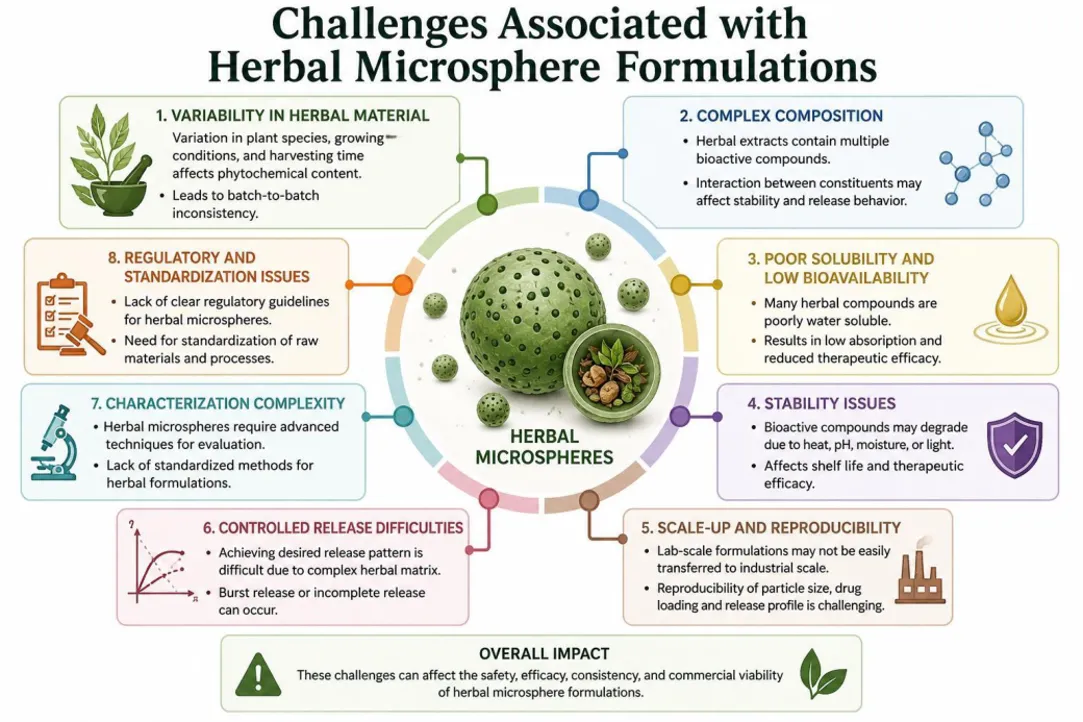
Figure :3 Challenges Associated with Herbal Microsphere Formulations
Scale-Up and Manufacturing Difficulties
Most herbal microsphere formulations are initially developed at the laboratory scale. However, translating these formulations to industrial-scale production presents several difficulties. Maintaining uniform particle size, drug loading, and encapsulation efficiency during large-scale manufacturing can be challenging.
Moreover, some preparation methods require specialized equipment and strict process control, which may increase production costs and complexity. These factors can limit the commercial viability of herbal microsphere products [6].
Encapsulation Efficiency Issues
Efficient encapsulation of herbal extracts remains a significant challenge in microsphere technology. Some herbal constituents may diffuse out of the polymer matrix during formulation, resulting in reduced drug loading and lower therapeutic efficacy.
Achieving high encapsulation efficiency while maintaining controlled drug release characteristics requires optimization of formulation variables, including polymer concentration, solvent system, and preparation technique [7].
Regulatory and Quality Control Challenges
Regulatory approval of herbal microsphere formulations is often more complicated than that of conventional pharmaceutical products. The lack of standardized guidelines for herbal formulations can create difficulties in quality assessment, safety evaluation, and efficacy validation.
Additionally, establishing appropriate quality control parameters for complex herbal preparations remains a major challenge. Regulatory authorities require sufficient scientific evidence regarding product safety, stability, and therapeutic effectiveness before approval [8].
Limited Clinical Evidence
Although numerous studies have demonstrated the potential benefits of herbal microspheres in laboratory and animal models, clinical studies in humans are still limited. The lack of sufficient clinical evidence restricts the acceptance and widespread use of many herbal microsphere formulations in modern healthcare systems.
More well-designed clinical trials are required to establish their long-term safety, efficacy, and therapeutic advantages [2].
Opportunities and Future Perspectives
The growing demand for natural medicines and continuous advancements in pharmaceutical technology have created numerous opportunities for the development of herbal microsphere-based drug delivery systems. These systems offer significant potential for improving the therapeutic performance of herbal drugs and expanding their application in modern healthcare. Future research is expected to focus on innovative formulation approaches, advanced delivery technologies, and commercialization strategies to maximize the benefits of herbal microspheres [1,2].
Development of Advanced Drug Delivery Systems
Recent progress in drug delivery technology provides an opportunity to develop more sophisticated herbal microsphere formulations. Researchers are exploring smart delivery systems capable of responding to environmental stimuli such as pH, temperature, and enzyme activity. Such systems may provide more precise control over drug release and improve therapeutic outcomes [6].
Integration with Nanotechnology
The combination of microsphere technology with nanotechnology represents a promising area of future research. Nano-enabled microsphere systems can improve drug solubility, stability, and targeted delivery while maintaining controlled release characteristics.
This integrated approach may significantly enhance the effectiveness of herbal drugs and open new possibilities for the treatment of complex diseases [4].
Commercialization and Industrial Growth
The increasing popularity of herbal medicines worldwide presents substantial opportunities for the commercialization of herbal microsphere products. Pharmaceutical industries are investing in research and development activities aimed at producing effective and marketable herbal formulations.
Advancements in manufacturing technologies and quality control systems are expected to facilitate large-scale production and improve product consistency [8].
Personalized Herbal Therapy
Personalized medicine is emerging as an important trend in healthcare. Future herbal microsphere formulations may be tailored according to individual patient requirements, disease conditions, and therapeutic goals. Such personalized approaches could enhance treatment effectiveness and improve patient outcomes [5].
CONCLUSION
Herbal medicines continue to play an important role in healthcare because of their therapeutic potential, natural origin, and wide range of pharmacological activities. However, many herbal bioactive compounds face challenges such as poor solubility, low bioavailability, instability, and rapid degradation, which may limit their therapeutic effectiveness. To overcome these limitations, microsphere-based drug delivery systems have emerged as a promising approach for improving the delivery and performance of herbal drugs [1,2].
Microspheres offer several advantages, including controlled and sustained drug release, enhanced stability of phytoconstituents, improved bioavailability, reduced dosing frequency, and the possibility of targeted drug delivery. The use of suitable natural and synthetic polymers, along with advanced preparation techniques such as solvent evaporation, spray drying, ionic gelation, and emulsion cross-linking, has significantly contributed to the successful development of herbal microsphere formulations [3,4].
Recent trends in this field indicate increasing emphasis on biodegradable polymers, controlled release systems, targeted drug delivery, and the integration of advanced technologies to improve the therapeutic efficacy of herbal medicines. At the same time, challenges such as variability in herbal extracts, stability issues, manufacturing complexities, regulatory concerns, and limited clinical evidence continue to hinder the widespread commercialization of these systems [5,6].
Despite these challenges, herbal microsphere-based drug delivery systems present substantial opportunities for future research and development. Advances in polymer science, nanotechnology, personalized medicine, and large-scale manufacturing are expected to further enhance the effectiveness and commercial applicability of these formulations. With continued scientific investigation and technological innovation, herbal microspheres have the potential to become an important platform for the safe, effective, and targeted delivery of herbal therapeutic agents in modern healthcare [7,8].
REFERENCES



Sonali Vishkarma, Shashank Tiwari, Sandhya Kumari, Herbal Microsphere Based Drug Delivery System: Current Trends, Challenges and Opportunities, Int. J. of Pharm. Sci., 2026, Vol 4, Issue 6, 7522-7538. https://doi.org/10.5281/zenodo.21054542
 10.5281/zenodo.21054542