

We use cookies to ensure our website works properly and to personalise your experience. Cookies policy
Department of Biotechnology, St. Bede’s College, Navbahar,Shimla, H.P-171002.
Visceral leishmaniasis (VL) is a serious parasitic disease caused by Leishmania species, with Leishmania donovani being one of the major causative species. The absence of an effective licensed human vaccine and the limitations associated with existing treatment highlight the need for alternative approaches for vaccine development. In the present study, an immunoinformatics-based approach was used to design a multi-epitope cocktail vaccine candidate against L. donovani. The protein sequence associated with accession number CAJ1986469 was analysed for potential immune-responsive regions. B-cell and T-cell epitopes, including MHC class I and MHC class II-associated epitopes, were investigated using the Immune Epitope Database (IEDB). Candidate epitopes showing an antigenicity threshold above 0.5 were considered for further analysis, and 20 epitopes from each selected group were evaluated. Sequence comparison was performed using Clustal Omega, resulting in the selection of Sequence 29 and Sequence 30 for vaccine construct development. The selected sequences were subsequently combined with suitable linker/adjuvant components to generate the proposed peptide construct. Structural modelling and three-dimensional visualization were then performed to examine the predicted structure of the construct. To investigate its possible interaction with immune receptors, TLR2, TLR4 and TLR9 structures obtained from the Protein Data Bank (PDB IDs: 2OZ7, 2Z64 and 5ZLN) were selected. Molecular docking was performed using the HDOCK server to assess the potential interaction between the designed construct and the selected receptors. Overall, this study presents a computational framework integrating epitope prediction, sequence analysis, vaccine construct design, structural modelling and molecular docking for the preliminary development of a multi-epitope vaccine candidate against L. donovani.
Leishmaniasis is a neglected tropical disease caused by protozoan parasites of the genus Leishmania and transmitted mainly through the bite of infected female sand flies. Visceral leishmaniasis (VL), also known as kala-azar, is the most severe form of the disease and is associated mainly with Leishmania donovani and Leishmania infantum. If untreated, VL can be fatal and therefore remains an important public-health concern, particularly in endemic regions [1,2].
The control of visceral leishmaniasis mainly depends on antileishmanial treatment and other public-health measures. However, treatment is associated with several challenges, including toxicity, treatment failure, relapse, and the emergence of drug resistance. In addition, an effective and widely available human vaccine is still lacking. These limitations have increased interest in the development of new vaccine strategies against Leishmania [1,2].
Development of a vaccine against L. donovani is challenging because the parasite has a complex life cycle and can survive within host cells. A protective response against Leishmania involves both cellular and humoral immunity. Therefore, the identification of suitable antigenic regions capable of stimulating different components of the immune system is an important step in vaccine development. Immunoinformatics-based approaches have increasingly been applied for the identification of potential epitopes and the design of multi-epitope vaccine candidates [3–5].
B-cell and T-cell epitopes have different roles in the immune response. B-cell epitopes are recognized by antibodies, whereas T-cell epitopes are presented by major histocompatibility complex (MHC) molecules and contribute to cellular immune responses. MHC class I and MHC class II molecules are involved in antigen presentation to different T-cell populations. Consequently, the combined analysis of B-cell, MHC-I, and MHC-II epitopes can provide a broader basis for the development of a multi-epitope vaccine [3–5].
Recent computational studies have demonstrated the application of this approach to L. donovani. Saha et al. developed an in-silico multi-epitope vaccine by identifying B-cell and T-cell epitopes from selected L. donovani proteins and subsequently performing structural modelling and molecular docking [3]. Similar work has used immunoinformatics-based prediction of B-cell and T-cell epitopes, incorporation of an adjuvant, structural analysis, and docking with TLR4 to develop a multi-epitope vaccine candidate [4]. More recent work has also incorporated B-cell, MHC-I, and MHC-II epitope analysis with structural prediction and molecular docking as part of an immunoinformatics-based vaccine-design workflow [5].
In the present study, an immunoinformatics-based approach was used to design a potential multi-epitope vaccine against Leishmania donovani. The objectives of the study were:
1. The predition of B-cell and T-cell epitopes, including MHC class I and MHC class II epitopes using the respective prediction approaches. Candidate regions satisfying the selected antigenicity threshold of 0.5 were considered for subsequent analysis, and antigenicity values were assessed using VaxiJen [6].
2. To retrieve the overlapping B-cell, MHC-I, and MHC-II sequences by subsequently compiling and comparing using Clustal Omega [7].
3. To add appropriate adjuvant and linker components to form the proposed multi-epitope vaccine construct [8,9].
4. To do structural modelling of vaccine construct was performed to obtain a predicted three-dimensional representation of the designed [10].
5. To perform molecular doking for receptor-interaction analysis.
6. To evaluate the vaccine construct was further evaluated using C-ImmSim for in-silico immune simulation [20–22].
Visceral leishmaniasis continues to require improved preventive approaches because of the limitations associated with current treatment strategies and the absence of a widely available human vaccine [1,2,23–25]. Immunoinformatics provides an opportunity to integrate antigen identification, epitope prediction, structural analysis, receptor docking, and immune simulation into a single computational workflow. Previous studies have demonstrated the potential of this approach for designing candidate vaccines against L. donovani and other infectious diseases [3–5,26–28].
Thus, the present study integrates epitope prediction, antigenicity screening, multiple sequence alignment, multi-epitope vaccine construction, structural modelling, energy minimization, molecular docking, PyMOL-based structural visualization, and immune simulation into a single computational workflow. The study provides a preliminary in-silico assessment of a CPB-based multi-epitope vaccine candidate against L. donovani. Since computational predictions alone cannot establish vaccine efficacy, further experimental investigations would be required to validate the antigenicity, immunogenicity, structural stability, receptor interactions, and protective potential of the proposed construct [29,30].
MATERIALS AND METHODS
The present study was conducted using an in-silico immunoinformatics approach for the design of a potential multi-epitope vaccine candidate against Leishmania donovani. The methodology involved a series of computational steps, beginning with retrieval of the selected protein sequence from the National Center for Biotechnology Information (NCBI) database. The retrieved sequence was analysed for potential B-cell and T-cell epitopes, including MHC class I and MHC class II epitopes, using the Immune Epitope Database (IEDB). The predicted epitopes were screened on the basis of antigenicity, followed by comparative sequence analysis using Clustal Omega. Selected sequences were then combined to develop the proposed multi-epitope vaccine construct with suitable linker and adjuvant components. Structural modelling, energy minimization and three-dimensional visualization were subsequently performed. Finally, selected Toll-like receptors were used for molecular docking analysis, followed by computational immune-response simulation using C-ImmSim. The overall workflow was based on established immunoinformatics and computational vaccine-design approaches [9–11,14].
1. Retrieval of Protein Sequence
The protein sequence selected for the present study was retrieved from the National Center for Biotechnology Information (NCBI) database. The sequence corresponding to accession number CAJ1986469 was obtained in FASTA format and used as the starting sequence for subsequent immunoinformatics analysis. NCBI provides access to a comprehensive collection of biological sequence databases and was used for retrieval of the selected L. donovani protein sequence [7].
2. B-cell and T-cell Epitope Prediction
The selected protein sequence was analysed using the Immune Epitope Database (IEDB) for the identification of potential immune-responsive epitopes [8]. Both B-cell and T-cell epitopes were considered in the analysis. T-cell epitope analysis included epitopes associated with MHC class I and MHC class II presentation. The combined analysis of B-cell, MHC-I and MHC-II epitopes provided a basis for selecting multiple immune-responsive regions for the proposed multi-epitope vaccine construct [9–11].
3. Antigenicity Screening
The predicted epitope sequences were subsequently screened according to their antigenic potential. An antigenicity threshold of 0.5 was used in the present study, and candidate epitopes showing values above this threshold were considered for further analysis. Antigenicity prediction provides a computational means of identifying sequences with potential antigenic characteristics and has been widely incorporated into immunoinformatics-based vaccine-design studies [9–12].
Following antigenicity screening, 20 epitopes from each selected group were taken forward for further evaluation and construct development.
4. Multiple Sequence Alignment
The selected epitope sequences were subjected to multiple sequence alignment using Clustal Omega. The alignment was performed to compare the selected sequences and examine their sequence relationships. Clustal Omega is a widely used tool for generating high-quality multiple sequence alignments of protein sequences [13]. The resulting alignment was examined, and GTPAAALFEEFKRTYRRAYGTLAEEQQRLAandGTPAAALFEEFKRTYRRAYGTLAEEQQRLwere selected for subsequent development of the vaccine construct.
5. Multi-Epitope Vaccine Construct Design
The selected sequences were subsequently arranged and combined to form the proposed multi-epitope vaccine construct. Suitable linker and adjuvant components were incorporated into the construct according to the design used in the present study. The selected immune-responsive sequences were therefore assembled into a single peptide construct for further structural analysis.The incorporation of multiple epitopes along with linker and adjuvant components has been reported in previous computational vaccine-design studies against L. donovani and visceral leishmaniasis [9–11,14].
6. Three-Dimesional Structure Prediction
Following preparation of the vaccine construct, its predicted three-dimensional structure was generated using structural modelling approaches. SWISS-MODEL was used for homology-based structural modelling, while Swiss-PdbViewer was used for examination and visualization of the predicted structure [15,16].The predicted structure was examined to obtain an overall representation of the three-dimensional arrangement of the designed vaccine construct.
7. Energy Minimization and Structural Visualization
The predicted vaccine structure was subjected to energy minimization as part of the structural preparation process. Energy minimization was performed to obtain a computationally optimized structural model before further analysis. The resulting structure was subsequently visualized using PyMOL, which was used to examine the three-dimensional conformation of the vaccine construct [17].
8. Selection of Toll-Like Receptors
To investigate the possible interaction of the designed vaccine construct with immune-related receptors, selected Toll-like receptor (TLR) structures were obtained from the Protein Data Bank (PDB).The receptor structures selected in the present study were: TLR2 (PDB ID: 2OZ7), TLR4 (PDB ID: 2Z64) and TLR9 (PDB ID: 5ZLN).The selected receptor structures were examined and prepared for subsequent molecular docking analysis. Toll-like receptors are important components of innate immune recognition and have been investigated as receptor targets in computational vaccine-design studies [9–11,14].
9. Molecular Docking
Molecular docking was performed between the designed vaccine construct and the selected Toll-like receptors. HDOCK was used for the docking analysis. HDOCK is a web-based docking platform developed for the prediction of biomolecular interactions using a hybrid docking strategy [18].The docking analysis was performed to investigate the possible binding interactions between the proposed vaccine construct and the selected immune receptors. The resulting docked complexes were subsequently examined to assess the predicted receptor–vaccine interactions.
10. Immune Simulation
The designed vaccine construct was subsequently analysed using C-ImmSim to obtain a computational prediction of the possible immune response generated by the proposed construct. C-ImmSim is an in-silico platform that models aspects of the immune response and has been applied in computational vaccine-development studies.The specific dosage, simulation schedule and final C-ImmSim results are not included in the present methodology because these details will be incorporated from the final simulation data obtained in the study.
RESULTS
Retrieval and Characterization of the Target Protein
The initial step of the study involved the selection of a suitable protein target from Leishmania donovani. The protein sequence was retrieved from the NCBI Protein database using the accession number CAJ1986469.1. The database record identified the selected protein as cysteine peptidase B (CPB) of L. donovani. The complete amino acid sequence was obtained in FASTA format and subsequently used as the input sequence for the immunoinformatics analysis. The retrieved CPB protein sequence record used for the analysis is shown in Figure 1.
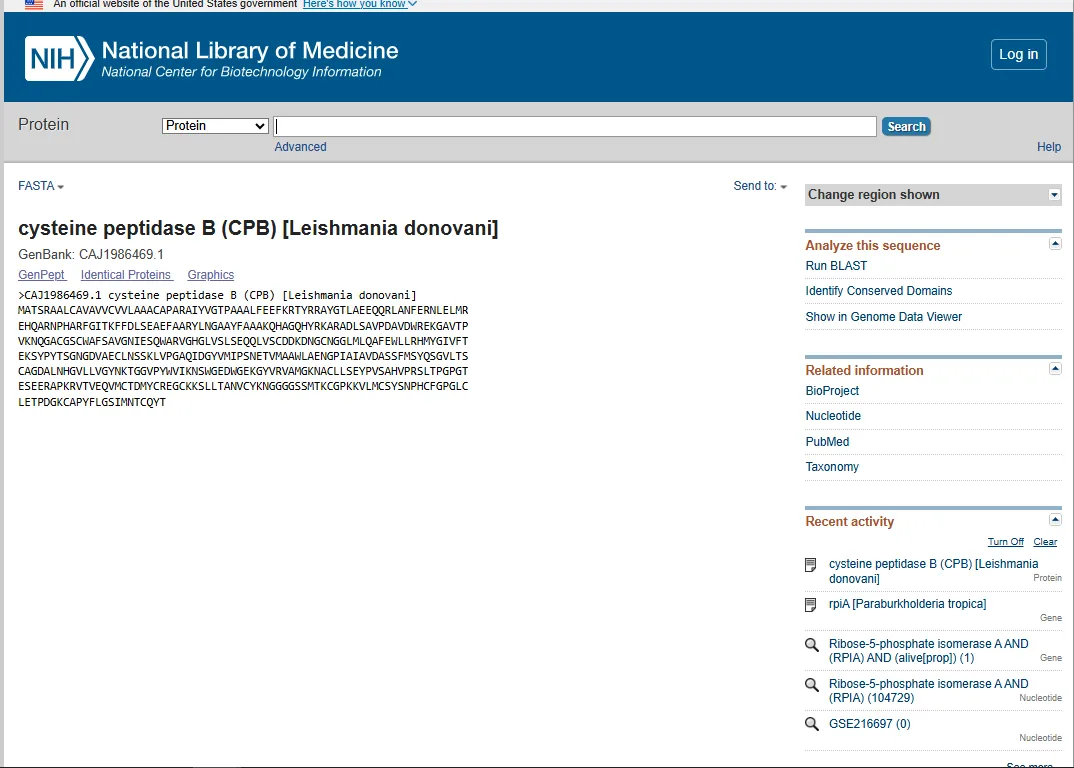
Figure 1: Retrieval of the Leishmania donovani Cysteine Peptidase B (CPB) Protein Sequence from the NCBI Database.
Cysteine peptidase B was selected as the target protein because it provided the sequence framework from which potential immune-responsive regions could be identified. The retrieved sequence contained the amino acid residues corresponding to the CPB protein and was carried forward for epitope prediction. The sequence obtained from NCBI therefore served as the starting point for the subsequent identification and selection of B-cell and T-cell epitopes.
Prediction and Selection of B-Cell Epitopes
As B-cell epitopes are important for antibody recognition and vaccine development, the CPB protein sequence of Leishmania donovani was analysed using different prediction approaches available through the Immune Epitope Database (IEDB). Six methods were used for the prediction of potential B-cell epitope regions, including BepiPred, Chou and Fasman β-turn prediction, Parker hydrophilicity prediction, Karplus and Schulz flexibility prediction, Emini surface accessibility prediction, and Kolaskar and Tongaonkar antigenicity prediction. These methods were used to examine different sequence characteristics that may contribute to the potential recognition of peptide regions by B cells.The predicted regions obtained from these methods were compared, and the common peptide sequences identified by more than one prediction approach were considered for further analysis (Table1).
Table 1: Common B-cell Epitopes Identified from the CPB Protein Using Multiple B-cell Epitope Prediction Methods and Their Corresponding Antigenicity Scores.
| Common Epitope | Parker | Chou | BIPRED | Antigenic Score TPDGKC | PARKER | CHOU | BIPRED | 1.4493 VCYKNGGGGSSMTKCGP | PARKER | CHOU | BIPRED | 1.0750 LTPGPGTESEERAPKRVTV | PARKER | KARPLUS | N/A | 0.8282 CAGDALN | PARKER | CHOU | N/A | 0.7284 |
|---|
For BepiPred, a threshold of >0.5 was used for the prediction of potential epitope regions, while the remaining methods were assessed according to their respective prediction parameters. Based on the comparison of the predicted regions, four common sequences were identified: TPDGKC, VGCYKNGGGGSSMTKCGP, LTPGPGTESEERAPKRVIV, and CAGDALIN. The prediction profiles obtained from the six B-cell epitope methods are presented in Figure 2.
[Figure - see the formatted PDF]
Figure 2: B-cell Epitope Prediction Profiles for the L. Donovani CPB Protein Using Six IEDB Prediction Methods.
The common peptide regions were then assessed for their antigenic potential. The antigenicity scores obtained for TPDGKC, VGCYKNGGGGSSMTKCGP, LTPGPGTESEERAPKRVIV, and CAGDALIN were 1.4493, 1.0750, 0.8282, and 0.7284, respectively. All four sequences showed antigenicity scores above the 0.5 threshold used in this study. Among the identified candidates, TPDGKC exhibited the highest antigenicity score, whereas CAGDALIN showed the lowest score among the four selected common regions.The identification of these common regions across the prediction approaches, together with their antigenicity scores above the selected threshold, provided a focused set of candidate B-cell epitopes from the CPB protein. These sequences were subsequently considered for comparison with the predicted MHC class I and MHC class II epitopes in the further development of the multi-epitope vaccine construct. The selected B-cell epitopes and their corresponding antigenicity scores are summarized in Table 2.
Table 2: Predicted MHC Class I Epitopes of the L. donovani CPB Protein and Their Antigenicity Scores.
| MHC class 1 Peptide | Antigenic Score | MHC class II Peptide | Antigenic Score LLSEYPVSA | 0.7286 | FKRTYRRAYGTLAEEQ | 0.6326 TLAEEQQRL | 0.6238 | FKRTYRRAYGTLAEEQQ | 0.6315 RLANFERNLEL | 0.8500 | ALFEEFKRTYRRAYGTLAEEQQ | 0.5888 AQIDGYVMI | 1.2979 | ALFEEFKRTYRRAYGTLAEEQ | 0.5842 YGTLAEEQQRL | 1.1284 | FKRTYRRAYGTLAEE | 0.6060 LLSEYPVSAHV | 0.7889 | ALFEEFKRTYRRAYGTLAEEQQR | 0.6304 MLQAFEWLL | 0.8816 | FKRTYRRAYGTLAEEQQR | 0.6834 RLANFERNL | 0.8743 | ALFEEFKRTYRRAYGTLAEEQQRL | 0.5724 ACLLSEYPVSA | 0.7101 | ALFEEFKRTYRRAYGTLAEEQQRLA | 0.5788 GTLAEEQQRL | 1.3540 | FKRTYRRAYGTLAEEQQRL | 0.6016 KLVPGAQIDGYV | 2.0322 | ALFEEFKRTYRRAYGTLAEEQQRLAN | 0.5499 AIYVGTPAA | 1.1182 | GTPAAALFEEFKRTYRRAYGTLAEEQQR | 0.7519 | | GTPAAALFEEFKRTYRRAYGTLAEEQQRLA | 0.7011 | | GTPAAALFEEFKRTYRRAYGTLAEEQQRL | 0.701 | | FKRTYRRAYGTLAEEQQRLA | 0.6082 | | GTPAAALFEEFKRTYRRAYGTLAEEQQ | 0.7241 | | GTPAAALFEEFKRTYRRAYGTLAEEQ | 0.7256 |
|---|
Prediction and Selection of MHC Class I Epitopes
Following the identification of B-cell epitopes, the cysteine peptidase B (CPB) protein of Leishmania donovani was further analysed for potential MHC class I epitopes using the Immune Epitope Database (IEDB). MHC class I epitope prediction was performed to identify peptide regions that could potentially contribute to antigen-specific cellular immune responses. The predicted peptides were subsequently evaluated for their antigenic potential using an antigenicity threshold of 0.5. A total of 12 MHC class I peptide sequences were identified, and all showed antigenicity scores above the selected threshold. The antigenicity scores ranged from 0.6238 to 2.0322, indicating variation in the predicted antigenic potential of the candidate peptides. Among the identified sequences, KLVPGAQIDGYV showed the highest antigenicity score (2.0322), followed by GTLAEEQQRL (1.3540) and AQIDGYVMI (1.2979). Other peptides with comparatively high scores included YGTLAEEQQRL (1.1284) and AIYVGTPAA (1.1182).
Several overlapping peptide regions were also observed among the predicted candidates. For example, LLSEYPVSA, LLSEYPVSAHV, and ACLLSEYPVSA shared a common sequence region, while TLAEEQQRL, GTLAEEQQRL, and YGTLAEEQQRL represented overlapping peptides from another region of the CPB sequence. Similarly, RLANFERNLEL and RLANFERNL showed substantial sequence overlap. These overlapping predictions suggest that certain regions of the CPB protein were consistently recognized across the MHC-I peptide predictions. Overall, the MHC class I analysis identified 12 antigenic peptide candidates, all exceeding the predefined 0.5 antigenicity threshold. These sequences were therefore retained for subsequent comparison with the B-cell and MHC class II epitope predictions and for further selection during multi-epitope vaccine construct development. The predicted MHC class I epitopes and their antigenicity scores are summarized in Table 2.
Prediction and Selection of MHC Class II Epitopes
The CPB protein sequence was further analysed for potential MHC class II epitopes using the IEDB prediction approach. Since MHC class II-mediated antigen presentation is important for the activation of CD4⁺ T-cell responses, the predicted peptide regions were screened for their antigenic potential using the predefined antigenicity threshold of 0.5. A total of 17 MHC class II peptide sequences were identified, and all of them showed antigenicity scores above the selected threshold. The scores ranged from 0.5499 to 0.7519. Among the predicted peptides, GTPAAALFEEFKRTYRRAYGTLAEEQQR exhibited the highest antigenicity score (0.7519), followed by GTPAAALFEEFKRTYRRAYGTLAEEQ (0.7256) and GTPAAALFEEFKRTYRRAYGTLAEEQQ (0.7241). Other relatively high-scoring peptides included GTPAAALFEEFKRTYRRAYGTLAEEQQRLA (0.7011) and GTPAAALFEEFKRTYRRAYGTLAEEQQRL (0.7010). A clear pattern of overlapping sequences was observed among the predicted MHC class II epitopes. Most of the peptides shared the central region FKRTYRRAYGTLAEEQQ, with variations in their lengths and flanking residues. For example, FKRTYRRAYGTLAEEQ, FKRTYRRAYGTLAEEQQ, FKRTYRRAYGTLAEEQQR, and FKRTYRRAYGTLAEEQQRL represented overlapping predictions from the same region. Similarly, several longer peptides beginning with ALFEEF or GTPAAA extended across this region. This consistent overlap indicates that the corresponding region of the construct was repeatedly predicted as an antigenic MHC class II-binding region.
The lowest antigenicity score among the predicted peptides was observed for GTPAAALFEEFKRTYRRAYGTLAEEQQRLAN (0.5499), which nevertheless remained above the predefined threshold. Overall, the MHC class II analysis identified 17 antigenic peptide candidates, all exceeding the 0.5 antigenicity cutoff. The overlapping nature of these predictions provided a basis for considering this region during subsequent epitope selection and multi-epitope construct development.
Selection of Immunodominant Regions
To identify the regions most consistently represented among the predicted epitope sequences, the selected B-cell, MHC class I, and MHC class II peptide sequences were subjected to multiple sequence alignment using Clustal Omega. A total of 33 sequences were included in the alignment. The resulting alignment showed that several of the predicted peptides shared substantial sequence similarity, particularly within the region containing GTPAAALFEEFKRTYRRAYGTLAEEQQRL.
A prominent conserved region was observed among the MHC class II-derived sequences, with repeated occurrence of the central FKRTYRRAYGTLAEEQQ sequence. The alignment also demonstrated that the longer peptides containing the GTPAAA and ALFEEF regions overlapped extensively with this conserved core. This pattern indicated that the same region was repeatedly represented among the predicted antigenic sequences.
Based on the overall sequence conservation and the extent of overlap observed in the alignment, Sequence 29 and Sequence 30 were selected for further construct development. Both sequences contained the highly conserved region GTPAAALFEEFKRTYRRAYGTLAEEQQRL, with only a minor difference at the terminal region. The close similarity between these two sequences is clearly visible in the alignment, where their major residues remain consistently aligned across the predicted antigenic region. Thus, the Clustal Omega analysis provided a basis for narrowing the predicted peptide set to Sequence 29 and Sequence 30, which were subsequently carried forward for the design and structural analysis of the proposed multi-epitope vaccine construct. The selected sequences were subsequently retrieved in FASTA format and transferred to a text file using Notepad. The FASTA-formatted sequences were maintained as the basis for the subsequent construct-design step. The multiple sequence alignment used to select Sequence 29 and Sequence 30 is shown in Figure 3.
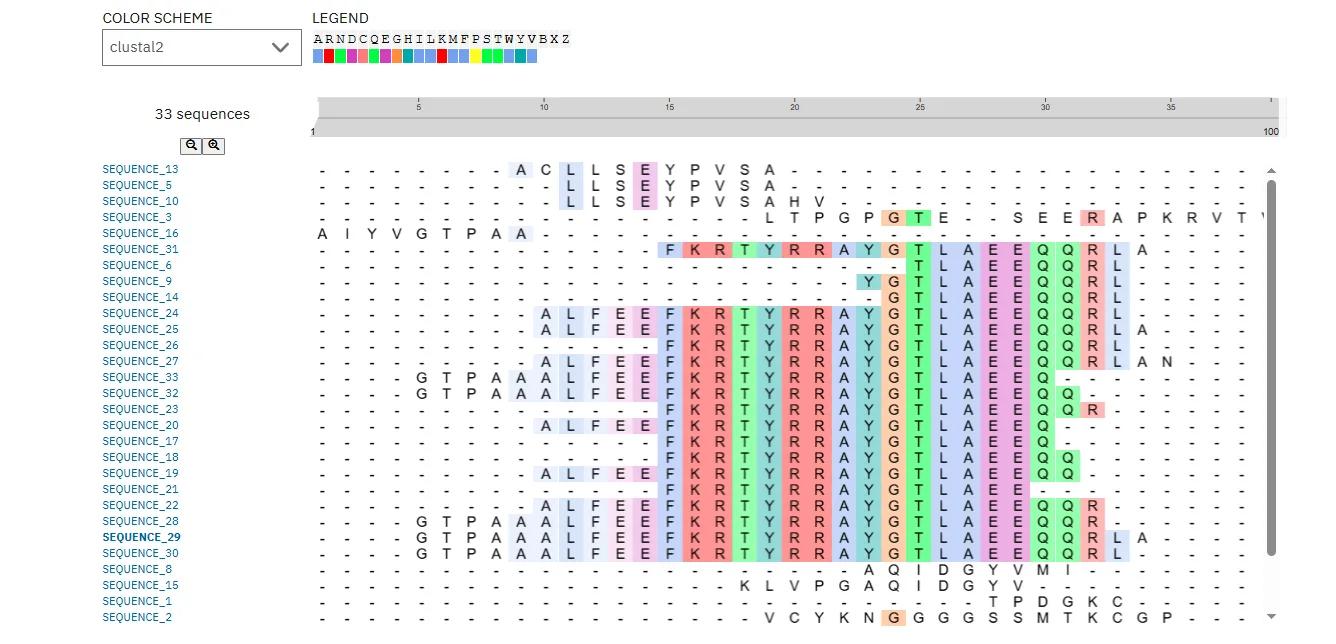
Figure 3: Multiple Sequence Alignment of the Selected B-cell, MHC Class I, and MHC Class II Epitopes Generated Using Clustal Omega.
Selection and Incorporation of Adjuvant and Linker
Following the selection of Sequence 29 and Sequence 30, the selected antigenic sequence was prepared for construction of the multi-epitope vaccine. Based on the reviewed literature, EAAAK was selected as the linker and CpG was selected as the adjuvant. EAAAK belongs to the group of rigid linkers commonly used to maintain spatial separation between adjoining protein domains. The reported rigid-linker examples include (EAAAK)n, with the rigid structure helping to separate functional regions within a fusion construct.
The selection of CpG was based on its reported use as a TLR9 agonist in peptide-based vaccine design. The reviewed paper describes CpG oligonucleotides as TLR9 agonists and notes that CpG recognition by TLR9 is associated with immunostimulatory responses. Different CpG ODN types, including Type A, Type B, and Type C, are described according to their sequence and structural characteristics. The literature also provides examples of multi-epitope vaccine constructs in which EAAAK is incorporated as a linker alongside TLR-directed adjuvant components. For example, EAAAK is reported in constructs containing TLR2 or TLR4 agonists, supporting its application for maintaining separation between the adjuvant and antigenic regions.
Accordingly, CpG was incorporated as the adjuvant and EAAAK as the linker in the present study. The selected Sequence 29/30 antigenic region was combined with these components to obtain the final continuous vaccine construct sequence. The completed FASTA sequence was then used for the subsequent three-dimensional structural modelling and structural analysis.
Construction of the Final Combined Vaccine Sequence
After the identification of Sequence 29 and Sequence 30 through Clustal Omega alignment, the selected antigenic regions were taken forward for the construction of the proposed multi-epitope vaccine. The selected components were assembled into a single continuous sequence, incorporating the CpG adjuvant and the EAAAK linker along with the antigenic sequence identified from the alignment analysis.
The components were arranged in a defined order to obtain a proper combined construct. The resulting sequence began with the CpG adjuvant region, followed by the selected antigenic region, after which the EAAAK linker was introduced to provide separation between the adjoining regions. The antigenic sequence was then incorporated again as part of the final combined construct. In this way, the individual components were joined into one continuous peptide sequence rather than being analysed separately.
The final construct was formatted in FASTA format under the designation Peptide_Construct. The complete sequence obtained after combining the selected components was:“TCGTCGTTTTGTCGTTTTGTCGTTGTPAAALFEEFKRTYRRAYGTLAEEQQRLAEAAAKGTPAAALFEEFKRTYRRAYGTLAEEQQRL”.
Three-Dimensional Structure Prediction and Energy Minimization
Following the construction of the final combined multi-epitope vaccine sequence, the finalized FASTA sequence was taken forward for three-dimensional structural analysis. At this stage, the objective was to obtain a structural representation of the designed construct that could subsequently be used for further structural evaluation and molecular docking studies.
The structural modelling workflow was initiated using Swiss-PdbViewer, followed by the selection of SWISS-MODEL for generation of the three-dimensional structure. The completed vaccine construct sequence was imported into the modelling workflow in FASTA format. The submitted sequence was then processed by SWISS-MODEL, resulting in the generation of a predicted three-dimensional structure corresponding to the designed multi-epitope construct.
The generated structure provided a three-dimensional representation of the complete vaccine construct containing the incorporated antigenic regions together with the selected adjuvant and linker components. The obtained model was subsequently examined as the structural basis for the next stage of analysis. Since the initial predicted structure represents a computationally generated conformation, an energy minimization step was performed to refine the obtained model. Energy minimization was carried out to reduce unfavorable structural interactions within the generated model and to obtain a more suitable conformation for subsequent structural studies. The predicted three-dimensional structure of the designed vaccine construct is shown in Figure 4.
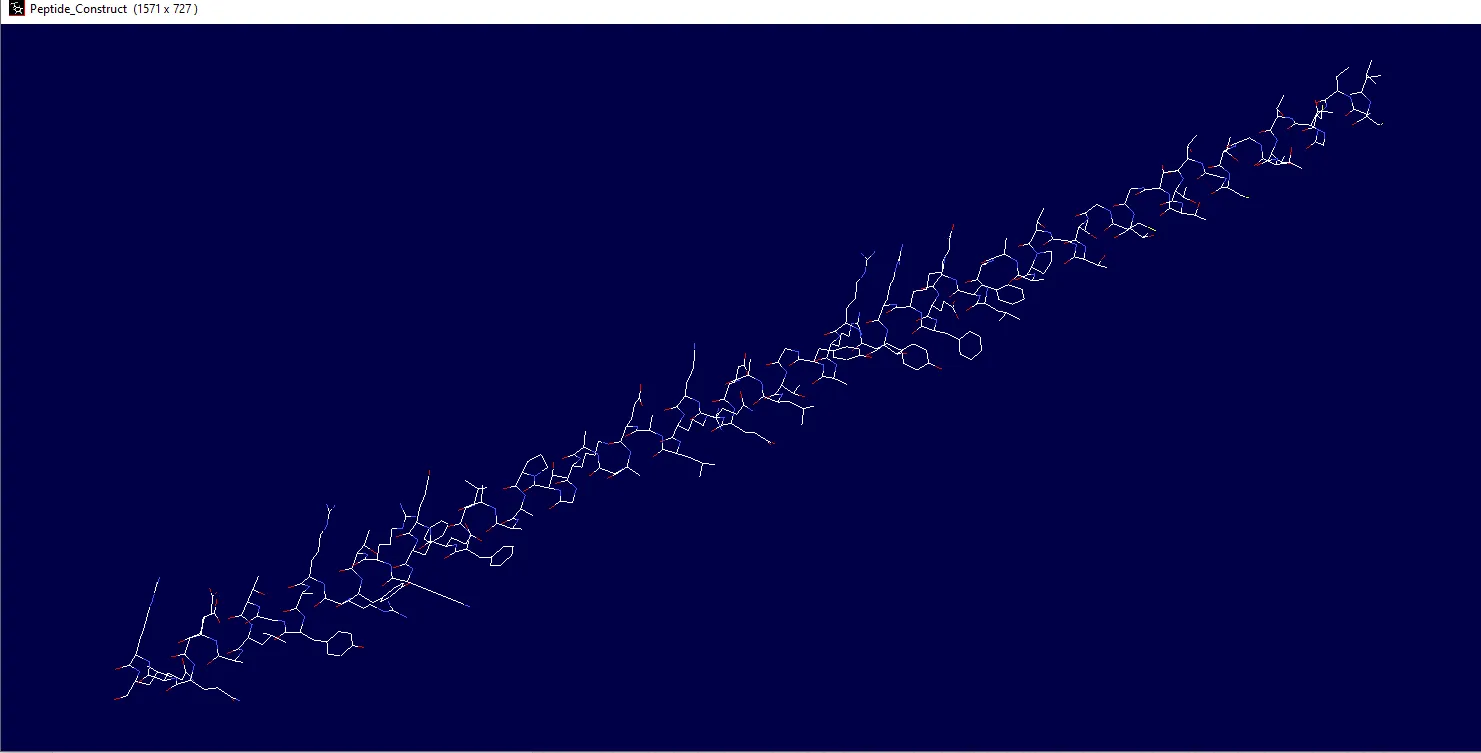
Figure 4: Predicted Three-Dimensional Structure of the Designed Multi-Epitope Vaccine Construct Generated Using Swiss-Model.
After energy minimization, the refined structure was retained for further analysis and visualization. The minimized model was subsequently used in the downstream molecular docking workflow with the selected Toll-like receptor structures. Thus, the structural modelling stage converted the finalized linear vaccine sequence into a three-dimensional model and provided an energy-minimized structure suitable for subsequent computational investigation.
Structural Visualization Using PyMOL
After the three-dimensional structure was generated and subjected to energy minimization, the refined vaccine structure was further analysed using PyMOL. The energy-minimized structural file was imported into PyMOL, where the predicted three-dimensional conformation of the multi-epitope vaccine construct was visualized and examined. PyMOL is a molecular visualization system that supports the representation and analysis of three-dimensional biomolecular structures.
The generated model was viewed using different structural representations to examine the overall organization of the vaccine construct. The minimized structure obtained after modelling was retained as the structural model for the subsequent stages of the study. PyMOL was also used later in the workflow for visualization and comparison of the vaccine structure with the docked receptor complexes. Thus, the use of PyMOL provided a three-dimensional visual representation of the energy-minimized multi-epitope vaccine construct.
Selection of Toll-Like Receptor Structures for Molecular Docking
Following structural modelling and energy minimization of the designed multi-epitope vaccine construct, the next stage involved selecting suitable Toll-like receptor (TLR) structures for molecular docking analysis. Three receptors were selected based on their reported association with Leishmania-related pathogen-associated molecular patterns and their availability as experimentally determined structures in the Protein Data Bank (PDB). The selected receptors were TLR2, TLR4, and TLR9, represented by PDB structures 2OZ7, 2Z64, and 5ZLN, respectively.
For TLR2, the structure PDB 2OZ7 was selected. This structure represents a TLR1–TLR2 complex bound to a triacylated lipopeptide and therefore provides a structurally characterized TLR2-containing receptor model. The selection was biologically relevant to the study because Leishmania lipophosphoglycan (LPG) has been experimentally associated with TLR2-mediated recognition. The available research indicates that LPG can interact with TLR2 and influence subsequent innate immune signalling. Importantly, the selected 2OZ7 structure was used as a TLR2 receptor model and was not treated as a crystal structure of TLR2 directly bound to Leishmania LPG.
For TLR4, PDB 2Z64 was selected. This structure corresponds to the mouse TLR4–MD-2 complex and has an experimentally determined resolution of 2.84 Å. The structure therefore provided an experimentally characterized receptor complex for the computational docking stage. Its selection was further supported by experimental studies indicating involvement of TLR4 in Leishmania infection and parasite-associated inflammatory signalling.
For TLR9, the selected structure was PDB 5ZLN, representing mouse TLR9 complexed with CpG-containing DNA. This receptor was particularly relevant because the designed vaccine construct incorporated a CpG component, while TLR9 is a receptor associated with recognition of CpG DNA. Experimental studies have also linked TLR9 signalling with immune responses against Leishmania, including evidence for a role in protective immunity against L. donovani.
Thus, the three receptor structures selected for the subsequent docking analysis were TLR2 (2OZ7), TLR4 (2Z64), and TLR9 (5ZLN). These structures were subsequently opened and prepared in PyMOL, together with the energy-minimized vaccine construct, for the molecular docking stage. The selected receptor structures, including their PDB identifiers, are summarized in Table 3.
Table 3: Toll-like Receptor Structures Selected for Molecular Docking Analysis.
| TLR | Leishmania-associated molecule | PDB structure to use | What the PDB represents | Research validation TLR2 | Lipophosphoglycan (LPG) | 2OZ7 | TLR1–TLR2 bound to a triacylated lipopeptide | de Veer et al., 2003; Srivastava et al., 2013 TLR4 | LPG / lipid-associated parasite components | 2Z64 | Mouse TLR4–MD-2 complex | Chandra et al., 2016; Rojas-Bernabé et al., 2014 TLR9 | Leishmania DNA / CpG DNA | 5ZLN | Mouse TLR9 complexed with CpG DNA and TCGCCA DNA | Abou Fakher et al., 2009; Bhattacharya et al., 2023 |
|---|
Molecular Docking of the Multi-Epitope Vaccine Construct with Toll-Like Receptors
Following the structural modelling and energy minimization of the designed multi-epitope vaccine construct, three Toll-like receptor (TLR) structures were selected from the Protein Data Bank (PDB) for the molecular docking analysis. The selected receptor structures were TLR2 (PDB ID: 2OZ7), TLR4 (PDB ID: 2Z64), and TLR9 (PDB ID: 5ZLN). These three receptor structures were obtained from the PDB and prepared for the subsequent docking analysis.
The selected TLR structures were then opened and examined using PyMOL. The receptor structures were visualized individually to confirm their three-dimensional structural representation before proceeding with docking. The energy-minimized vaccine construct was also prepared as the ligand structure for the interaction analysis.
Molecular docking was subsequently performed using the HDOCK server. The prepared vaccine construct was docked against each of the selected TLR structures to obtain predicted receptor–vaccine interaction models. The docking analysis generated multiple models for each receptor–ligand combination, which were retained for further examination.
After completion of the HDOCK analysis, the generated docking models were taken back into PyMOL for structural visualization and comparison. The vaccine construct and the corresponding docked TLR structures were opened together in PyMOL, allowing the predicted receptor–vaccine complexes to be examined in their three-dimensional arrangement. The docking models were then used for further interpretation of the interactions between the designed vaccine construct and the selected TLR receptors. The predicted vaccine–TLR docking complexes are intended to be illustrated in Figure 5. The docking scores obtained for the vaccine–TLR complexes are summarized in Table 4.
Table 4: HDOCK Docking Scores Obtained for the Predicted Vaccine–TLR2, TLR4 And TLR9 Complexes.
| Rank/Model | HDOCK Score TLR2 | HDOCK Score TLR4 | HDOCK Score TLR9 1 | −3422.51 | -3758.49 | -16078 2 | −3119.85 | -3678.81 | -15612 3 | −3106.29 | -3614.81 | -14768 4 | −3006.47 | -3604.81 | -14488 5 | −2980.24 | -3600.89 | -14480 6 | −2881.36 | -3598.19 | -14388 7 | −2821.31 | -3560.90 | -14210 8 | −2780.75 | -3527.05 | -14182 9 | −2761.36 | -3480.27 | -13902 10 | −2284.64 | -3311.56 | -13832 Figure 5: TLRS with ligands docked and binded with pymol to form interactions. In-Silico Immune Simulation and Dosage Validation Using C-ImmSim Following the molecular docking and structural visualization of the vaccine–TLR complexes, the designed multi-epitope vaccine construct was further evaluated using the C-ImmSim server for in-silico immune simulation. This stage was included to assess the predicted immune response to the designed construct under the selected simulation conditions. The vaccine construct was submitted to C-ImmSim, and the simulation was used to examine the immune response generated following administration of the designed construct. Particular attention was given to the dosage and administration schedule used during the simulation. The selected dosage conditions were entered into the server, and the resulting immune-responseprofile was examined to determine whether the proposed dosing schedule produced a measurable simulated immune response. The C-ImmSim output was subsequently considered alongside the preceding epitope-prediction, structural-modelling, and molecular-docking results. In this way, the immune simulation provided an additional computational step for evaluating the proposed vaccine construct before drawing the overall conclusions of the study. The simulated immune-response outputs generated by C-ImmSim are shown in Figure 6. Figure 6: C-ImmSim in-silico immune-response simulation of the designed multi-epitope vaccine construct. |
|---|
DISCUSSION
The present study employed an integrated immunoinformatics strategy for the identification and selection of potential antigenic regions from the Leishmania donovani cysteine peptidase B (CPB) protein for the development of a multi-epitope vaccine candidate. Visceral leishmaniasis remains an important neglected tropical disease, and the absence of a licensed human vaccine has encouraged the investigation of alternative vaccine-development strategies [17,18]. The difficulties associated with conventional vaccine development, together with the complex host–parasite interaction and intracellular nature of Leishmania, have made computational approaches increasingly useful for preliminary antigen and epitope screening [19,30]. Several previous studies have demonstrated the application of immunoinformatics, reverse vaccinology, epitope prediction, structural modelling, molecular docking, and immune simulation for the development of candidate vaccines against L. donovani and other Leishmania species [20–23,25–29].
In the present study, B-cell epitope prediction was initially performed using six complementary approaches, namely BepiPred, Chou–Fasman β-turn prediction, Parker hydrophilicity prediction, Karplus–Schulz flexibility prediction, Emini surface accessibility prediction, and Kolaskar and Tongaonkar antigenicity prediction. These approaches examine different sequence-derived characteristics that may contribute to potential antibody recognition. The IEDB Analysis Resource provides established computational tools for prediction and analysis of B-cell and T-cell epitopes and is therefore widely used in immunoinformatics-based vaccine studies [2,3]. BepiPred is specifically designed for sequence-based identification of potential linear B-cell epitopes and has been improved through the incorporation of information from experimentally determined conformational epitopes [4]. In the present analysis, the common B-cell regions identified were TPDGKC, VGCYKNGGGGSSMTKCGP, LTPGPGTESEERAPKRVIV, and CAGDALIN. Their corresponding VaxiJen antigenicity values were 1.4493, 1.0750, 0.8282, and 0.7284, respectively. All four regions exceeded the selected threshold of 0.5, supporting their retention for subsequent analysis.
The antigenicity of the predicted regions was evaluated using VaxiJen. VaxiJen was developed as an alignment-independent method for predicting protective antigens and subunit vaccine candidates [1]. The use of an antigenicity threshold provides a computational method for reducing the number of predicted regions before further vaccine construction. Previous immunoinformatics studies of visceral leishmaniasis have similarly incorporated antigenicity screening as part of their vaccine-design workflows [20,21,25]. Nevertheless, the VaxiJen scores obtained in the present study represent computational predictions and should not be interpreted as experimental measurements of antigenicity or immunogenicity. The highest value among the selected B-cell regions was observed for TPDGKC, while CAGDALIN showed the lowest value, although both remained above the selected threshold.
The MHC class I analysis produced 12 candidate peptides with values above the selected threshold. The scores ranged from 0.6238 to 2.0322, with KLVPGAQIDGYV (2.0322) showing the highest value, followed by GTLAEEQQRL (1.3540) and AQIDGYVMI (1.2979). The remaining predicted sequences were YGTLAEEQQRL, AIYVGTPAA, MLQAFEWLL, RLANFERNL, RLANFERNLEL, LLSEYPVSAHV, LLSEYPVSA, ACLLSEYPVSA, and TLAEEQQRL. Several overlapping peptide regions were evident in this dataset. For example, LLSEYPVSA occurred within multiple longer peptides, while TLAEEQQRL was represented within GTLAEEQQRL and YGTLAEEQQRL. Similarly, RLANFERNL occurred within RLANFERNLEL. Such overlapping predictions suggest that several candidate peptides may represent related antigenic regions rather than completely independent sites. The identification of MHC-I epitopes is relevant to the cellular immune component of vaccine development because peptides presented through MHC class I molecules can participate in CD8+ T-cell recognition [2,20,23].
The MHC class II analysis identified 17 candidate regions, with values ranging from 0.5499 to 0.7519. The highest-scoring sequence was GTPAAALFEEFKRTYRRAYGTLAEEQQR, with a value of 0.7519, followed by GTPAAALFEEFKRTYRRAYGTLAEEQ (0.7256), GTPAAALFEEFKRTYRRAYGTLAEEQQ (0.7241), GTPAAALFEEFKRTYRRAYGTLAEEQQRLA (0.7011), and GTPAAALFEEFKRTYRRAYGTLAEEQQRL (0.7010). A repeated region, FKRTYRRAYGTLAEEQQ, was observed among several of the predicted MHC-II peptides. This recurrence suggests that the same portion of the sequence was repeatedly identified by the prediction analysis despite differences in peptide length and terminal extensions. Previous studies have demonstrated the importance of MHC-II-restricted epitopes in L. donovani, including experimental investigation of predicted peptide-specific CD4+ T-cell responses [24]. MHC-II prediction has also been incorporated into several computational multi-epitope vaccine studies against visceral leishmaniasis [20,23,25,27].
Following the individual epitope analyses, the predicted B-cell, MHC-I, and MHC-II sequences were compiled and subjected to multiple sequence alignment using Clustal Omega. Multiple sequence alignment provides a means of examining sequence relationships and identifying regions shared between candidate sequences. Clustal Omega was developed for the rapid generation of high-quality protein multiple sequence alignments and has become a commonly used alignment method in computational biology [5]. In the present study, the resulting alignment was examined specifically to identify sequences containing regions represented across all three epitope categories. Based on this analysis, Sequence 29 and Sequence 30 were identified as containing the relevant regions and were selected for subsequent vaccine-construct development. This selection step provided an additional level of filtering after epitope prediction and antigenicity assessment and was consistent with the general strategy used in previous immunoinformatics-based vaccine studies, where predicted epitopes are further screened before assembly into a final construct [20,21,23,25].
The selected sequences were subsequently combined with the chosen CpG adjuvant and EAAAK linker. The incorporation of an adjuvant and linker is commonly used in multi-epitope vaccine design to combine antigenic regions into a single construct while providing additional immunostimulatory or structural functionality [21,23,25–27]. CpG-containing sequences are associated with TLR9-mediated innate immune recognition, while rigid linkers such as EAAAK can provide spatial separation between adjoining functional regions. The relationship between CpG-containing DNA and TLR9 recognition was established experimentally by Hemmi et al. [9], and subsequent work has further characterized TLR-mediated innate recognition pathways [10,11,30]. The final sequence generated in the present study was designated Peptide_Construct and contained the CpG component, antigenic sequence regions, and EAAAK linker. The exact construct sequence was TCGTCGTTTTGTCGTTTTGTCGTTGTPAAALFEEFKRTYRRAYGTLAEEQQRLAEAAAKGTPAAALFEEFKRTYRRAYGTLAEEQQRL. The completed sequence was subsequently used for structural modelling. Although the selected adjuvant and linker provide a rational computational design, their incorporation does not by itself establish the biological activity of the complete construct.
The completed vaccine sequence was then subjected to three-dimensional structural modelling. SWISS-PdbViewer and SWISS-MODEL are established computational resources for comparative protein modelling and structural analysis [6,7]. The generated three-dimensional model was subsequently subjected to energy minimization before being taken forward for docking analysis. Energy minimization was used as a computational refinement step to obtain a more suitable structural conformation. The minimized structure was then visualized using PyMOL before receptor docking. Similar structural modelling workflows have been used in previous computational vaccine studies against L. donovani, where predicted tertiary structures were generated before molecular docking and subsequent immune analysis [20,23,25,27]. However, because the structure in the present study was computationally predicted rather than experimentally determined, its conformation should be regarded as a model for subsequent computational analysis.
Three Toll-like receptor structures were selected for docking: TLR2 (PDB ID: 2OZ7), TLR4 (PDB ID: 2Z64), and TLR9 (PDB ID: 5ZLN). The selection was based on the biological relevance of these receptors to innate immune recognition and the availability of structurally characterized receptor models. TLR2 has been associated with recognition of Leishmania-derived lipophosphoglycan, and experimental studies have demonstrated an association between MyD88-dependent signalling, TLR2, and Leishmania infection [12,13]. TLR4 has also been investigated in L. donovani infection, with experimental studies indicating a role for TLR4-associated signalling in antileishmanial immune responses [14,15]. TLR9 was particularly relevant to the present construct because of the incorporation of the CpG component. TLR9 recognizes CpG-containing DNA and contributes to innate immune responses [9–11]. The interaction between Leishmania components and TLR-associated pathways has also been investigated in previous studies [13,16,30]. The selected PDB structures used in the present study were TLR2 2OZ7, TLR4 2Z64, and TLR9 5ZLN.
Molecular docking was subsequently performed using the HDOCK server. HDOCK is a computational platform developed for protein–protein and protein–DNA/RNA docking and employs a hybrid docking strategy [8]. The top ten docking scores obtained in the present analysis were −3422.51, −3119.85, −3106.29, −3006.47, −2980.24, −2881.36, −2821.31, −2780.75, −2761.36, and −2284.64, respectively. The most negative reported score was therefore −3422.51. These values represent computational docking scores and should not be interpreted as experimentally determined binding affinities. Molecular docking can provide a predicted orientation and relative computational assessment of receptor–ligand interactions, but experimental binding assays would be required to establish the strength and biological relevance of the interaction [8]. The generated docking models were subsequently saved and examined in PyMOL together with the original vaccine structure. The vaccine and docked structures were matched and visually inspected to assess their predicted relative orientations. Similar docking-based evaluation has been incorporated into previous L. donovani multi-epitope vaccine studies [20,23,27–29].
The final stage of the computational workflow involved immune simulation using C-ImmSim. Previous L. donovani vaccine studies have used in-silico immune simulation to investigate theoretical immune responses following administration of a computationally designed vaccine construct [20,23,27]. In the present study, the designed sequence was evaluated under the selected simulation and dosage conditions after completion of the epitope, structural, and docking analyses. The simulation therefore provided an additional computational assessment of the proposed vaccine. However, C-ImmSim output represents a theoretical simulation and cannot substitute for experimental measurement of antibody responses, T-cell activation, cytokine production, or protective immunity. Therefore, the specific dosage and simulation outputs should be interpreted according to the actual parameters used in the present study rather than being inferred from other computational studies.
The overall workflow used in the present investigation is comparable to previous computational vaccine-development studies against L. donovani. Saha et al. developed an immunoinformatics-based multi-epitope vaccine by combining B-cell and T-cell epitope prediction with structural modelling, molecular docking, molecular dynamics, and immune simulation [20]. Another study used an immunoinformatics approach to identify antigenic extracellular proteins of L. donovani, followed by the incorporation of CTL and HTL epitopes, adjuvant and linker components, structural modelling, and validation of the resulting vaccine construct [21]. More recent work has also applied comprehensive B-cell, MHC-I, and MHC-II epitope screening followed by vaccine construction, structural prediction, receptor docking, and immune simulation [22]. Similarly, experimental work on a L. donovani membrane-bound acid phosphatase-derived multi-epitope vaccine demonstrated how computational vaccine design can subsequently be extended to in-vitro evaluation [28]. Other studies have explored multi-epitope vaccine candidates based on different Leishmania proteins, further demonstrating the growing use of integrated computational strategies [23,25–29].
Several limitations should be considered when interpreting the present findings. First, B-cell, MHC-I, and MHC-II epitope prediction represents computational screening and does not establish actual antibody recognition, antigen processing, MHC presentation, or T-cell activation [2–4]. Second, the three-dimensional vaccine structure was computationally predicted and energy-minimized rather than experimentally determined. Consequently, subsequent docking results depend partly on the predicted structural model [6,7]. Third, docking scores are computational estimates and should not be interpreted as experimental binding energies [8]. In addition, an interaction predicted between a vaccine construct and a TLR does not demonstrate receptor activation because biological signalling depends on receptor organization, cellular localization, ligand orientation, and downstream signalling pathways [10,11,30]. Finally, immune simulation provides a theoretical representation of an immune response and cannot replace laboratory or animal studies. Previous research has similarly emphasized the requirement for experimental validation following computational vaccine design [20,28].
Taken together, the present study provides a structured computational workflow for the design and preliminary evaluation of a CPB-based multi-epitope vaccine candidate against L. donovani. The identification of B-cell, MHC-I, and MHC-II regions was followed by antigenicity screening and multiple sequence alignment, through which Sequence 29 and Sequence 30 were selected for further construct development. Incorporation of the CpG component and EAAAK linker produced the final vaccine sequence, which was subsequently subjected to structural modelling, energy minimization, PyMOL visualization, TLR selection, molecular docking, and C-ImmSim analysis. The combination of these approaches provides a computational basis for further investigation of the proposed construct. However, the results should be considered preliminary and in-silico in nature. Experimental studies will be required to determine whether the predicted epitopes are immunologically recognized, whether the construct remains structurally stable, whether the predicted TLR interactions occur experimentally, and whether the candidate can induce protective immunity against L. donovani [20,23,28–30].
REFERENCES




Tanvi Sharma, Aarti Lagwal, Luvina Dogra, Anita Chauhan, Immunoinformatics Based Design and in Silico Prediction of a Multi-Epitope Cocktail Vaccine Against Visceral Leishmaniasis, Int. J. of Pharm. Sci., 2026, Vol 4, Issue 10, 4502-4519. https://doi.org/10.5281/zenodo.23727597
 10.5281/zenodo.23727597
Severity: 8192
Message: substr(): Passing null to parameter #1 ($string) of type string is deprecated
Filename: frontend/article.php
Line Number: 890