

We use cookies to ensure our website works properly and to personalise your experience. Cookies policy
S.C.S.M.S.S. Institute of Pharmacy, Maregaon, Dist. Yavatmal – 445303, Maharashtra, India
Dr. Babasaheb Ambedkar Technological University, Lonere, Raigad (M.S.) 402103
Background: Iron deficiency anaemia remains one of the most widespread nutritional disorders globally, with an estimated two billion people affected, predominantly women and children in South Asia. Despite widespread pharmacological supplementation programmes, compliance remains poor owing to gastrointestinal side effects and palatability concerns. Food-based nutraceutical approaches represent a promising, sustainable alternative. Objective: To formulate and evaluate iron-rich nutraceutical cookies enriched with Mucuna pruriens and complementary natural ingredients — including halim seeds, black sesame, dates, almonds, oats, and jaggery — and to assess their nutritional composition, phytochemical profile, physical characteristics, and sensory acceptability as a functional food for anaemia management. Methods: Four cookie formulations (F1–F4) were prepared by a melt-blend-bake method with systematic variation of ingredient proportions. Cookies were evaluated for average weight, thickness, diameter, spread ratio, moisture content, fat content, ash content, pH, proximate nutritional composition (iron, protein, carbohydrate, energy), qualitative carbohydrate tests, phytochemical screening of Mucuna pruriens extract, and sensory acceptability by a trained hedonic panel. Results: Formulation F4 was identified as the optimised batch, demonstrating the highest sensory acceptability score (9.5/10 for Sample D). Physical evaluation showed average weight 22.29–22.35 g, thickness 20–20.3 mm, diameter 30–30.2 mm, and spread ratio 1.48–1.50. Nutritional analysis revealed estimated iron content 14.68 mg, protein 13.66 g, carbohydrate 59.25 g, fat 12%, and energy 399.64 kcal per batch. Moisture content was 3.5%, total ash 12.7%, and pH 6.85. Phytochemical screening confirmed the presence of phenols, alkaloids, glycosides, saponins, tannins, and carbohydrates in Mucuna extract.Conclusion: The developed nutraceutical cookies exhibit satisfactory physical, chemical, and sensory properties, with a high iron content attributed to the synergistic contribution of halim seeds, black sesame, jaggery, and Mucuna pruriens. These cookies represent a promising, patient-friendly, food-based strategy for supplementary management of iron deficiency anaemia.
1.1 Iron Deficiency Anaemia — Global Burden
One of the most prevalent public health issues in the globe is anemia. It happens when the blood has low hemoglobin levels or inadequate red blood cells, which impairs the body's capacity to carry oxygen effectively. Nearly two billion people worldwide suffer from anemia, particularly small children and pregnant women, according to the World Health Organization (WHO). Due to inadequate nutrition, parasite diseases, and restricted access to fortified foods, the syndrome is more prevalent in underdeveloped nations.

Figure 1: Morphological comparison of normal biconcave red blood cells and sickle-shaped (anaemic) red blood cells
.Fatigue, weakened immunity, stunted growth and development, and diminished physical performance are all possible outcomes of anemia. The primary reason is iron deficiency, which can be brought on by inadequate food, blood loss, or increased iron needs during pregnancy. Red blood cell production is impacted by vitamin B12 and folic acid deficiencies, which can also result in various forms of anemia.[1]
1.2 Nutraceutical Approach to Anaemia Management
Nutraceuticals are food-based solutions that can replace traditional iron supplements and offer health advantages beyond basic nutrition. Nutraceutical meals are often more accepted and appropriate for long-term usage than iron pills, which can induce adverse effects such nausea, constipation, and black feces. Bioactive substances including antioxidants, flavonoids, and polyphenols found in many plant-based products promote healthy red blood cells and blood production.Because they are easy to eat, have a longer shelf life, and give exact nutritional content, nutraceutical cookies are a novel and practical method of supplementing with iron. For kids and teenage females, who frequently struggle with consistent tablet consumption, they could be particularly helpful. [2]
1.3 Mucuna pruriens — Pharmacognostical and Nutritional Profile

Figure 2: Mucuna pruriens seeds — the primary iron-rich botanical ingredient (Family: Fabaceae; Common name: Velvet bean / Cowhage)
Mucuna pruriens, a tropical climbing legume of the Fabaceae family, is sometimes referred to as cowhage or velvet bean. Due to its nutritional and therapeutic value, it is extensively farmed in Central and South America, Africa, and India. The plant yields seed-containing pods that are high in minerals, proteins, carbs, and a number of bioactive substances. Numerous pharmacological actions of Mucuna pruriens, such as antidiabetic, antibacterial, antioxidant, neuroprotective, and anti-anaemic effects, have been documented in studies.With a high protein and carbohydrate content and minerals including iron, calcium, phosphorus, and magnesium, the seeds are highly nutritious. Important phytochemicals that support their medicinal qualities like flavonoids, tannins, saponins, alkaloids, and polyphenols. The seeds have the potential to be used as a natural nutraceutical element for the treatment of anemia because research has shown that they may increase haematological parameters such red blood cell count, packed cell volume, and platelet levels in anaemic situations.[3]
1.4 Complementary Iron-Rich Ingredients
1.4.1 Halim Seeds (Lepidium sativum)
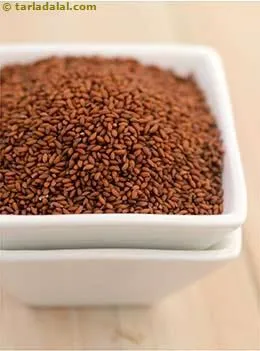
Figure 3: Halim seeds (Lepidium sativum L.) — Family: Brassicaceae; Common names: Garden cress, Chandrashoor — the highest iron contributor (100 mg/100 g)
Originally from Egypt and Southwest Asia, garden cress is an annual edible plant that is commonly grown in India. With about 100 mg of iron per 100 g, its seeds are regarded as one of the greatest plant sources of iron. The seeds are extremely nutritious since they are abundant in iron, folic acid, proteins, omega-3 fatty acids, calcium, phosphorus, potassium, magnesium, zinc, and dietary polysaccharides. Garden cress seeds have historically been used to treat rheumatic illnesses, digestive issues, respiratory issues, and nursing mothers' milk. The seeds are frequently utilized in nutraceutical and functional food formulations targeted at enhancing general health and avoiding iron deficiency anemia because of their great nutritional and therapeutic value.
1.4.2 Black Sesame (Sesamum indicum)

Figure 4: Black sesame seeds (Sesamum indicum L.) — Family: Pedaliaceae; Iron content: 14.6 mg/100 g
The Pedaliaceae family includes the nutrient-rich annual plant black sesame. Iron, calcium, magnesium, vitamin E, proteins, and healthful lipids may all be found in its seeds. Often referred to as the "crown of grains," black sesame is highly nutritious.Black sesame is frequently used in nutraceutical and fortified food items, such as cookies designed to control anemia, because of its high iron concentration and antioxidant components.
1.4.3 Dates (Phoenix dactylifera)
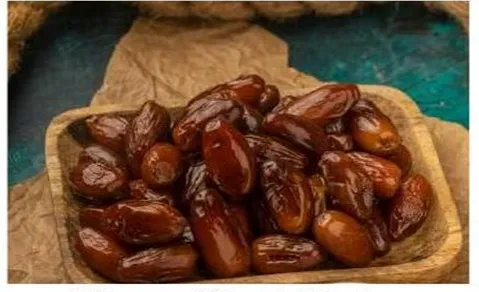
Figure 5: Dates (Phoenix dactylifera L.) — Family: Arecaceae; Common names: Dates, Khajoor — rich in iron, dietary fibre, and antioxidants [10]
Dates are extremely nutrient-dense fruits that are abundant in vitamins, minerals, natural sugars, iron, and dietary fiber. They include antioxidant chemicals and essential minerals including calcium, potassium, magnesium, and vitamins A, B complex, and C.
Because dates contain iron and folate, regular eating may boost anemic people's hemoglobin levels. They are a useful component of nutraceutical and iron-fortified food items since their natural sugars also provide them instant energy.
1.4.4 Almond (Prunus dulcis)

Figure 6: Almond (Prunus dulcis) — Family: Rosaceae — rich in protein, vitamin E, calcium, magnesium, iron, and unsaturated fatty acid
Healthy fatty acids, proteins, vitamin E, riboflavin, niacin, calcium, magnesium, phosphorus, potassium, iron, and zinc are all found in almonds, which are nutrient-rich nuts. They are prized for having strong antioxidant and nutritional qualities.Iron and other vital minerals that promote blood formation and general health are found in almonds. They are a valuable component of nutraceutical and fortified food items because their antioxidant components also aid in preventing oxidative damage to body cells, particularly hematopoietic cells.
1.5 Study Rationale
Particularly in adolescents and teenage females who are severely afflicted by anemia, conventional oral iron supplements are frequently linked to gastrointestinal side effects, an unpleasant taste, and poor patient compliance. A delicious, practical, and shelf-stable substitute for iron supplementation is offered by nutraceutical cookies enhanced with iron-rich plant ingredients.
A rich natural supply of iron, antioxidants, and other bioactive substances that promote blood formation and general health are provided by the combination of garden cress, black sesame, jaggery, mucuna pruriens, and almond.
2. Materials and Methods
2.1 Ingredients and Materials
All ingredients used in the formulation were obtained from authenticated local suppliers. Dr. V. N. Chavhan, Head of Botany, Arts, Commerce and Science College, Maregaon, botanically verified the Mucuna pruriens seeds' identification as Mucuna pruriens (L.) DC., a member of the Fabaceae family.
Mucuna pruriens seeds, dates, black sesame, almonds, garden cress seeds, oats, jaggery, ghee, and baking powder were the primary components utilized to make the cookies. During the formulation procedure, wheat flour and vanilla essence were also included as processing aids.
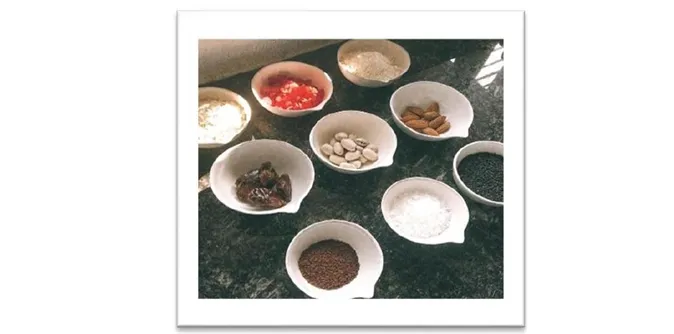
Figure 7: All ingredients used in the preparation of nutraceutical cookies, arranged in individual bowls prior to formulation
2.2 Formulation Design
In order to maintain the ingredient composition ratios, four cookie formulations (F1–F4) were created by methodically varying the amounts of important ingredients. Based on better sensory and physical performance, Formulation F4 was determined to be the optimal batch.
Table 1: Formulation Composition of Nutraceutical Cookie Batches F1–F4
|
Ingredients |
F1 |
F2 |
F3 |
F4 (Optimized) |
|
Mucuna pruriens |
35 g |
20 g |
35 g |
29 g |
|
Dates |
35 g |
20 g |
35 g |
29 g |
|
Almond |
15 g |
10 g |
15 g |
10 g |
|
Oats |
10 g |
5 g |
10 g |
5 g |
|
Black sesame |
10 g |
5 g |
10 g |
5 g |
|
Halim seeds |
20 g |
10 g |
20 g |
10 g |
|
Jaggery |
20 g |
10 g |
20 g |
10 g |
|
Clarified butter |
4 g |
7 g |
10 g |
10 g |
2.3 Method of Preparation

Figure 8: Sequential preparation flowchart — Collection of Ingredients → Dough Preparation → Shaping and Baking → Cooling and Storage
Step 1: Gathering and preparing ingredients: Almonds and Mucuna pruriens seeds were roasted, cleaned, and milled into fine flour. Black sesame and halim seeds were dry-roasted individually. A homogenous sweet paste was created by blending dates, halim seeds, black sesame, and jaggery. A coarse powder was made from oats. Wheat flour was stored with baking powder and vanilla essence.
Step 2: Making the dough: Mucuna pruriens flour, wheat flour, oat powder, and almond powder were mixed together evenly. To create a uniformly soft dough, a tiny amount of milk was progressively added. The sweetened foundation was made by blending the jaggery, black sesame, halim seed, and dates paste with the dry flour combination. As a flavoring, vanilla essence was added.
Step 3: Shaping and baking: Using a mold or by hand, the produced dough was formed into homogeneous disc-shaped cookies. The cookies were placed on oiled baking pans and baked for 15 to 20 minutes at 160 to 180 degrees Celsius until they were firm to the touch and golden brown.
Step 4: Cooling and storage: To preserve crispness and stop moisture absorption, cookies were taken out of the oven, let to cool at room temperature for half an hour, and then kept in airtight polypropylene containers.

Figure 9: Cookies during baking at 160–180°C in preheated oven — uniform golden-brown colouration observed across all formulations
3. Evaluation
3.1 Sensory Evaluation
A trained hedonic panel evaluated all four formulations' sensory qualities, including appearance, color, scent, taste, texture, and general acceptance. With a score of 9.5/10, Sample D (which corresponds to Formulation F4) showed the best overall acceptance of all the formulations tested; most panelists assessed appearance, color, scent, taste, and texture as "Excellent" or "Very Good." Natural additives, including dates, vanilla essence, and jaggery, improved palatability without degrading sensory quality. As a result, formulation F4 was chosen as the best formulation for all subsequent studies.

Figure 10a: Sensory Evaluation Sheet — Nutritional Iron Cookies (Hedonic Scale) showing panel responses for six attributes across six panellists (Part 1)

Figure 10b: Sensory Evaluation Sheet — Nutritional Iron Cookies (Hedonic Scale) — Part 2, continued panel responses
3.2 Physical Analysis
The physical characteristics of the prepared cookies were assessed for consistency and baking quality; Figures 11–13 show the average weight, thickness, and diameter that were calculated; Table 2 shows the spread ratio for three duplicate samples, which is calculated as diameter divided by thickness; results between 1.48 and 1.50 for all three samples confirm homogeneous dough spreading and consistent baking behavior, which are indicators of adequate fat content and suitable baking powder leavening; weight uniformity (22.29–22.35 g) with minimal variation.
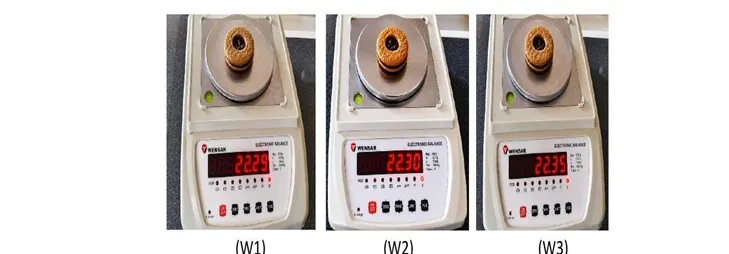
Figure 11: Average weight determination of formulated cookies (W1 = 22.29 g; W2 = 22.30 g; W3 = 22.35 g) using calibrated Wensar electronic analytical balance


Figure 12a: Thickness measurement of formulated cookie (20–20.3 mm) using calibrated Vernier callipers | Figure 12b: Diameter measurement (30–30.2 mm)
The spread ratio — calculated as diameter / thickness — for three replicate samples is presented in Table 2.
Table 2: Physical Evaluation — Average Weight, Thickness, Diameter, and Spread Ratio of Formulated Cookies (Batch F4)
|
Sample |
Weight (g) |
Thickness (mm) |
Diameter (mm) |
|
1 |
22.29 |
20 |
30 |
|
2 |
22.30 |
20.1 |
30.2 |
|
3 |
22.35 |
20.3 |
30.2 |
|
Spread Ratio |
1.50 |
1.50 |
1.48 |
Spread ratio values of 1.48–1.50 across all three samples confirm uniform dough spreading and consistent baking behaviour.
3.3 Evaluation Parameters
3.3.1 Moisture Content

Figure 13: Moisture content determination — oven-drying of cookie sample in petri dish at 105°C
As seen in Figure 13, the typical oven-drying method was used to estimate the moisture content at 105°C for three to four hours using a hot air oven.
Moisture (%) = [(31.88 − 31.81) / (31.88 − 29.88)] × 100 = [0.07 / 2.00] × 100 = 3.5%. W1 (empty petri dish) = 29.88 g; W2 (dish + sample) = 31.88 g; W3 (dish + dried sample) = 31.81 g. Good shelf stability and sufficient baking are indicated by the low moisture content of 3.5%, which is well within acceptable bounds for bakery goods (usually <10%).
3.3.2 Fat Content

Figure 14: Fat content determination by Soxhlet extraction using petroleum ether as extraction solvent
Fat content was determined by Soxhlet extraction. Fat (%) = (0.24 / 2.0) × 100 = 12%. For nutraceutical cookies, a fat level of 12% is suitable as it offers energy density and palatability while being within permissible dietary bounds.
3.3.3 Ash Content
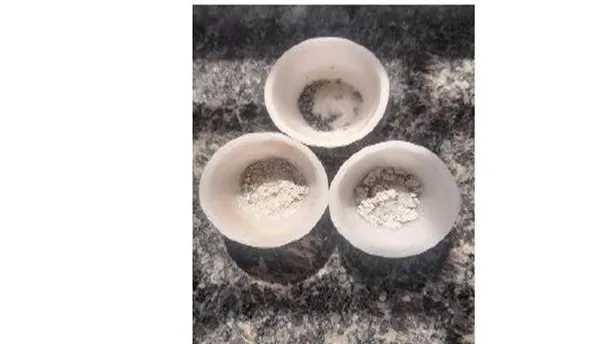
Figure 15: Total ash determination by incineration in muffle furnace (550–600°C) — crucibles post-ashing
Ash total: W1 (crucible) = 21.31 g; W2 (crucible + sample) = 23.59 g; W3 (crucible + ash) = 21.60 g. Sample weight: 2.28 g; ash weight: 0.29 g. (0.29 / 2.28) × 100 = 12.7% is the total ash percentage. Acid-insoluble ash (%) = (0.65 / 1.7) × 100 = 38.2%. Ash that dissolves in water (%) = (0.03 / 1.7) x 100 = 1.7%. The total ash value of 12.7% reflects the mineral-rich composition attributable to halim seeds, black sesame, and jaggery.
3.3.4 Iron Detection (Qualitative)

Figure 16: Iron qualitative detection — blood-red colour development upon addition of potassium thiocyanate to HCl-acidified cookie solution, confirming presence of ferric iron
When HCl and potassium thiocyanate solution were added to the cookie extract, the potassium thiocyanate test produced a distinctive blood-red color, indicating the presence of ferric iron (Fe³⁺). This qualitative finding is in line with the high estimated iron content of 14.68 mg per batch, which is mostly attributed to jaggery (1.00 mg) and halim seeds (10.00 mg).
3.3.5 Protein Content

Figure 17: Protein content determination by Folin–Ciocalteu (Lowry) method — blue-purple colour development in test tubes indicating protein presence
The Lowry method confirmed the presence of protein in cookie samples, with blue-purple colour development in the test tubes indicating protein–Folin-Ciocalteu reagent reaction. Mucuna pruriens (6.67 g) and almonds (2.12 g) made up the majority of the estimated 13.66 g of total protein per batch.
3.3.6 Carbohydrate Determination Tests
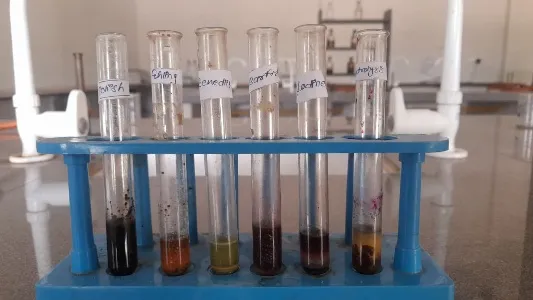
Figure 18: Carbohydrate qualitative screening tests — left to right: Molisch (violet ring), Benedict (colour change), Fehling, Barfoed's, iodine, and hydrolysis tests
Cookie extract solutions were subjected to an extensive battery of qualitative carbohydrate testing. Table 3 displays the results. The presence of carbohydrates, reducing sugars, starch, monosaccharides, and polysaccharides was confirmed by all tests, which yielded distinctive positive findings that were compatible with the cookies' composition of oats, dates, jaggery, and Mucuna pruriens.
Table 3: Qualitative Carbohydrate Determination Tests — Observations and Inferences
|
Test Name |
Colour Change |
Indicates |
|
Molisch test |
Violet or purple ring at junction |
Carbohydrates |
|
Benedict test |
Green, yellow, orange, or brick-red precipitate |
Reducing sugars |
|
Fehling test |
Brick-red precipitate |
Reducing sugars |
|
Barfoed's test |
Red precipitate |
Monosaccharides / disaccharides |
|
Iodine test |
Blue-black colouration |
Starch |
|
Hydrolysis test |
Green to brick-red precipitate |
Non-reducing sugars or polysaccharides |
3.3.7 pH Determination
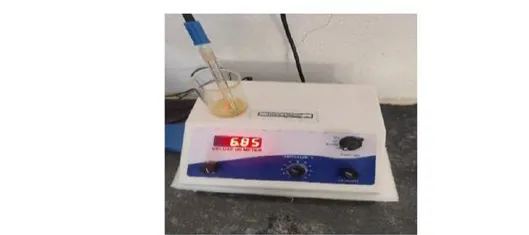
Figure 19: pH determination of cookie aqueous extract using calibrated digital pH meter — reading 6.85 (near neutral)
The pH of the optimized cookies (F4) aqueous extract was found to be 6.85, which is close to neutral. This suggests that the formulation is safe for oral ingestion and does not provide a danger of mucosal irritation. A food product should have a near-neutral pH, which shows that the contributions of acidic and alkaline ingredients are balanced.
3.4 Phytochemical Screening of Mucuna pruriens
To find the bioactive phytoconstituents that provide Mucuna pruriens extract its hematopoietic and antioxidant qualities, a qualitative phytochemical screening was carried out using conventional chemical assays. Table 4 and Figure 20 show the results.
Table 4: Phytochemical Screening of Mucuna pruriens Extract
|
SN |
Test |
Observation |
Phytoconstituent |
|
1 |
Ferric chloride test |
Dark green colour observed |
Phenols |
|
2 |
Wagner's test |
Orange precipitate observed |
Alkaloids |
|
3 |
Keller–Kilani test |
Brownish green colour observed |
Glycosides |
|
4 |
Foam test |
Stable foam formed |
Saponins |
|
5 |
Ferric chloride test |
Green colour observed |
Tannins |
|
6 |
Molisch's test |
Violet ring formed |
Carbohydrates |

Figure 20: Qualitative phytochemical screening of Mucuna pruriens extract — test tubes (a–f) showing colour reactions for phenols, alkaloids, glycosides, saponins, tannins, and carbohydrates respectively
Phenols (dark green ferric chloride reaction), alkaloids (orange Wagner precipitate), glycosides (brownish green Keller–Kilani reaction), saponins (stable foam formation), tannins (green ferric chloride reaction), and carbohydrates (violet Molisch ring) were all detected by phytochemical screening. The nutraceutical cookie formulation benefits from the antioxidant, anti-inflammatory, and hematopoietic qualities of these bioactive phytochemicals, especially alkaloids, tannins, saponins, and flavonoids.
3.5 Nutritional Composition Analysis
3.5.1 Iron Content
Based on AOAC food composition data, the optimized F4 batch's total estimated iron content was 14.68 mg per batch. The largest individual iron component was found in halim seeds (10.00 mg), which were followed by dates (0.29 mg), almonds (0.37 mg), oats (0.22 mg), black sesame (0.73 mg), jaggery (1.00 mg), and Mucuna pruriens (1.97 mg). Table 5 shows the specific iron contribution for each element.
Table 5: Estimated Iron Content Contribution per Ingredient in Optimised Cookie Batch F4
|
Ingredient |
Iron/100 g (mg) |
Quantity Used (g) |
Contribution (mg) |
|
Mucuna pruriens powder |
6.8 |
29 |
1.97 |
|
Dates |
1.0 |
29 |
0.29 |
|
Almond |
3.7 |
10 |
0.37 |
|
Oats |
4.3 |
5 |
0.22 |
|
Black sesame |
14.6 |
5 |
0.73 |
|
Halim seeds |
100.0 |
10 |
10.00 |
|
Jaggery |
11.0 |
10 |
1.00 |
|
Total Iron Content |
|
|
14.68 mg |
3.5.2 Protein Content
Each batch's estimated total protein content was 13.66 g. Due to its high protein content (23.0 g/100 g), mucuna pruriens supplied the biggest percentage (6.67 g), followed by oats (0.85 g), halim seeds (2.33 g), and almonds (2.12 g). Table 6 displays the full breakdown of proteins.
Table 6: Estimated Protein Content Contribution per Ingredient in Optimised Cookie Batch F4
|
Ingredient |
Protein/100 g (g) |
Quantity Used (g) |
Contribution (g) |
|
Mucuna pruriens powder |
23.0 |
29 |
6.67 |
|
Dates |
2.5 |
29 |
0.73 |
|
Almond |
21.2 |
10 |
2.12 |
|
Oats |
16.9 |
5 |
0.85 |
|
Black sesame |
18.3 |
5 |
0.92 |
|
Halim seeds |
23.3 |
10 |
2.33 |
|
Jaggery |
0.4 |
10 |
0.04 |
|
Total Protein Content |
|
|
13.66 g |
3.5.3 Carbohydrate Content and Energy Value
Dates (21.75 g, due to 75.0 g carbohydrate/100 g) and Mucuna pruriens (17.69 g) were the main contributions to the estimated total carbohydrate content per batch, which was 59.25 g. The full analysis of carbohydrates is shown in Table 7. The Atwater method yielded a total energy value of 399.64 kcal per batch:
Energy = (Protein × 4) + (Carbohydrate × 4) + (Fat × 9) = (13.66 × 4) + (59.25 × 4) + (12 × 9) = 54.64 + 237.00 + 108.00 = 399.64 kcal
Table 7: Estimated Carbohydrate Content Contribution per Ingredient in Optimised Cookie Batch F4
|
Ingredient |
Carbohydrate/100 g (g) |
Quantity Used (g) |
Contribution (g) |
|
Mucuna pruriens powder |
61.0 |
29 |
17.69 |
|
Dates |
75.0 |
29 |
21.75 |
|
Almond |
21.6 |
10 |
2.16 |
|
Oats |
66.3 |
5 |
3.32 |
|
Black sesame |
23.5 |
5 |
1.18 |
|
Halim seeds |
33.5 |
10 |
3.35 |
|
Jaggery |
98.0 |
10 |
9.80 |
|
Total Carbohydrate Content |
|
|
59.25 g |
3.6 Consolidated Nutritional Composition
Table 8 provides a summary of the optimized formulation F4 nutraceutical cookies' overall nutritional makeup.
Table 8: Consolidated Nutritional Composition of Optimised Nutraceutical Cookies (Batch F4)
|
SN |
Nutritional Parameter |
Quantity Present |
|
1 |
Energy |
399.64 kcal |
|
2 |
Carbohydrates |
59.25 g |
|
3 |
Protein |
13.66 g |
|
4 |
Fat |
12% |
|
5 |
Iron |
14.68 mg |
|
6 |
Moisture Content |
3.5% |
|
7 |
Total Ash |
12.7% |
|
8 |
Acid-Insoluble Ash |
38.2% |
|
9 |
Water-Soluble Ash |
1.7% |
|
10 |
pH |
6.85 (near neutral) |
4. DISCUSSION
4.1 Iron Fortification Strategy and Nutritional Efficacy
The estimated total iron content of 14.68 mg per batch of optimised nutraceutical cookies is clinically significant. The WHO's recommended daily requirement (RDA) for iron is 18 mg for adult women and 15 mg for teenage females (ages 14 to 18). When eaten in conjunction with other dietary sources of iron, a single serving of two to three cookies would contribute a significant amount of daily iron requirements. Lepidium sativum's crucial role in the formulation is highlighted by the halim seeds' significant contribution (10.00 mg, or 68% of the total estimated iron). Halim seeds are one of the most iron-dense plant foods on the market, with an iron concentration of 100 mg/100 g, significantly higher than traditional cereal-based fortification substrates.
The multi-source iron fortification matrix, which combines halim seeds, jaggery, black sesame, Mucuna pruriens, almonds, oats, and dates, offers a variety of micronutrient cofactors (copper from almonds, folic acid from halim seeds, and vitamin C from dates) that promote erythropoiesis and iron absorption in addition to haem-mimic non-haem iron from various plant matrices. The possibility of competitive inhibition, which can happen with single-source high-dose iron supplementation, may be decreased by this cooperative strategy.
4.2 Role of Mucuna pruriens Bioactives
The study's confirmation of Mucuna pruriens' phytochemical profile, which includes phenols, alkaloids, glycosides, saponins, tannins, and carbohydrates, is in line with previously published research. Research by Ayo et al. (2023) and Adepoju and Odubena (2009) showed that Mucuna pruriens extract considerably raises platelet, RBC count, and PCV in anaemic rat models in a dose-dependent manner similar to that of conventional iron treatment. An benefit over merely inorganic iron supplementation is that the antioxidant polyphenols and flavonoids found in M. pruriens shield erythrocytes from oxidative damage and prolong their functional lives.
4.3 Physical and Sensory Properties
The physical characteristics of the optimised cookies (weight 22.29–22.35 g; thickness 20–20.3 mm; diameter 30–30.2 mm; spread ratio 1.48–1.50) demonstrate excellent uniformity across replicate samples. A firm, structured cookie product would have a spread ratio of about 1.50; values near 1.5 show sufficient spreading without excessive flattening, which can be attributed to the fat content (10 g of clarified butter in F4) and natural binding from the dates-jaggery paste. Long-term shelf stability and a distinctively crisp texture that is ideal for cookie goods are guaranteed by the low moisture content (3.5%). Total ash content (12.7%) reflects the mineral-dense nature of the ingredient matrix.
The formulation F4 received the greatest overall acceptability score (9.5/10 for Sample D), according to a six-member trained hedonic panel's sensory evaluation. Most evaluators rated all qualities as "Excellent" or "Very Good." The earthy undertones of Mucuna pruriens and halim seeds were successfully covered up by the inherent sweetness of dates and jaggery, together with vanilla flavoring. These findings are in line with research published by Pestorić et al. (2015), who showed that when optimal sensory balance is attained, herbal extracts added to cookie recipes increase consumer acceptance when compared to herbal powders.
4.4 Comparison with Published Literature
Mucuna pruriens-based candies and pectin-based albendazole gummies were created by Sharma and Singh (2023) and Kaur et al. (2021), respectively, proving the viability of unconventional plant-based delivery matrices for iron supplementation. In line with the enhanced nutritional profile attained in this study, Bala et al. (2015) reported that adding legume flour to wheat cookies considerably raises the protein and mineral content while retaining acceptable sensory ratings. [6] The anti-anaemic activity of Mucuna pruriens was validated in vivo by Obioma et al. (2014), giving the haematopoietic claims of the current formulation biological validity.
4.5 Limitations and Future Directions
The current work is restricted to in vitro nutritional estimate and in vitro physicochemical evaluation; randomized controlled studies assessing the response of hemoglobin to cookie supplementation in anemic participants are required for clinical validation. Instead of directly measuring iron content using atomic absorption spectrophotometry (AAS), it was calculated using food composition tables; direct analytical measurement in subsequent research would support the nutritional claim. In vitro iron bioaccessibility studies and in vivo bioavailability trials are necessary because the bioavailability of non-haem iron from plant matrices is influenced by inhibitors (phytates, tannins) and enhancers (vitamin C, organic acids) present in the ingredient matrix. It is necessary to do extended shelf-life stability experiments (3, 6, and 12 months) under various storage circumstances. The viability of scaling up for community or commercial distribution should also be investigated.
5. CONCLUSION
As a food-based supplemental strategy for managing iron deficiency anemia, the current study successfully developed and assessed nutraceutical cookies enhanced with Mucuna pruriens and complementary natural iron-rich ingredients, such as halim seeds, black sesame, dates, almonds, oats, and jaggery. Batch F4 was determined to be the best formulation out of the four that were created. It showed excellent sensory acceptability (overall score 9.5/10), acceptable moisture (3.5%), fat (12%), ash (12.7%), and nearly neutral pH (6.85), as well as satisfactory physical characteristics (weight 22.29–22.35 g; thickness 20–20.3 mm; diameter 30–30.2 mm; spread ratio 1.48–1.50).
Halim seeds (10.00 mg), jaggery (1.00 mg), Mucuna pruriens (1.97 mg), and black sesame (0.73 mg) all worked in concert to produce a significant estimated iron content of 14.68 mg per batch, which is close to the female adult RDA of 18 mg/day, according to nutritional assessment. 13.66 g of protein, 59.25 g of carbohydrates, and 399.64 kcal of energy were estimated for each batch. Phytochemical screening verified that Mucuna extract contained advantageous bioactive substances (phenols, alkaloids, glycosides, saponins, tannins, and polysaccharides) that enhance hematopoiesis and function as antioxidants. The results of every qualitative test for carbohydrates were favorable, indicating that a varied matrix of carbohydrates contributes to energy density.
In anemia-prone populations, especially adolescent girls and pregnant women, where traditional tablet supplementation faces ongoing compliance issues, the developed nutraceutical cookies represent a clinically rational, palatable, and technologically feasible functional food product with significant potential for improving iron nutritional status. The translational usefulness of this formulation in national anemia prevention programs will be determined by upcoming clinical and bioavailability studies.
REFERENCES




Vaishnavi Ajmire, Dhanshri Mahajan, Snehal Vaidya, Nilesh Chachada, Iron Bites: Formulation and Evaluation of Nutraceutical Cookies Enriched with Mucuna Pruriens and Natural Ingredients for Management of Iron Deficiency Anaemia, Int. J. of Pharm. Sci., 2026, Vol 4, Issue 6, 7803-7821. https://doi.org/ 10.5281/zenodo.21075133
 10.5281/zenodo.21075133