

We use cookies to ensure our website works properly and to personalise your experience. Cookies policy
Department of Pharmacology, Sri Venkateswara College of Pharmacy, Chittoor, Andhra Pradesh, 517127
Alzheimer disease (AD) is still one of the most crippling neurodegenerative diseases impacting millions of people across the globe and with no form of treatment available to cure it even after decades of research dedicated to it research. The marine environment which occupies more than seventy percent of the surface of the Earth is home to a remarkable array of organisms that make special bioactive compounds with high therapeutic potential. Marine algae that can be found, are marine macroalgae (seaweeds) and macroalgae (seaweeds)microalgae, have become promising in the provision of neuroprotective agents that may have a future possibly change the course of AD development. This is a comprehensive review of existing data on the rationale of using marine algal compounds in AD. treatment, with their anti-amyloidogenic effects, anti-neuroinflammatory effects, antioxidant effects, cholinesterase inhibition effects and neurotrophic capacity. Wee amine important bioactive molecules like fucoidans, phlorotannin, carotenoids such as Derived fucoxanthin, sulfated polysaccharides, and omega-3 polyunsaturated fatty acids of different species of algae. The challenges in bench-to-bench translation are also addressed in the review to bedside, containing bioavailability issues, standardization of extracts, and the necessity of rigorous clinical trials. This synthesis of the results of more than forty peer-reviewed articles results in this work is intended to give a roadmap to future research and to point out the untapped potential of marine algae in combating AD.
Alzheimer disease (AD), first mentioned in 1907 by Alois Alzheimer, is a progressive neurodegenerative disease that involves the build-up of amyloid-beta (Ab) plaque sand neurofibrillary tangles are made up of hyperphosphorylated tau protein in the brain It has become the most prevalent cause of dementia in the world with an estimate of sixty to seventy.
The World Health Organization estimates that more than fifty-five millions of people are living with dementia and this figure is expected to increase to an almost hundred and thirty-nine million as at 2050. AD has a massive social and economic burden, but at present approved pharmacotherapies such as acetylcholinesterase inhibitor such as donepezil, rivastigmine, and galantamine, as well as the NMDA receptor antagonist memantine, provide. only symptomatic relief without a disease progression stop.
The recent use of anti-amyloid monoclonal antibodies, aducanumab and lecanemab, has been approved resulted in much controversy about their clinical effectiveness and safety profile semphasizing the necessity of alternative therapeutic strategies, which are urgent nowadays, is not accidental.
The marine ecosystem is an unmatched pool of biodiversity and chemical novelty. Marine creatures, which have adapted to severe conditions of pressure, Salinity, temperature, and light produce an enormous number of secondary metabolites with distinct. structural features not found in terrestrial organisms. Marine algae, encompassing are some of the most found macroalgae (commonly known as seaweeds) and microalgae.
These are photosynthetic prolific producers of bioactive compounds in the ocean. living creatures have been used as food and traditional medicine since time immemorial, especially in Asian cultures, although the therapeutic potential of these cultures is only starting to be systematically investigated. The variety of algal bioactive compounds is overwhelming, including complex polysaccharides and polyphenols, carotenoids, sterols, peptides and polyunsaturated fatty acids most of which have pharmacological activities of interest to neurodegenerative disease.
The argument behind exploring marine algae in terms of AD makes sense. There are several pathophysiological processes associated with AD development, such as amyloid aggregation, tau hyperphosphorylation, oxidative stress, neuroinflammation, synaptic Conventional drug discovery has been mostly limited by the fact that it is costly and time-
consuming <|human|>Conventional drug discovery has been more or less limited by the fact that it is costly and time consuming has sought single-target strategies, which have not been found adequate to a multifactorial strategy disease like AD. By comparison, marine algal compounds tend to have multi-target. Pharmacology, concomitantly acting on multiple pathological pathways.
Such an attribute of being a multitarget is consistent with the emerging consensus that effective AD therapies. The may need poly-pharmacological agents and not single-target medications present review is a synthesis of the existing evidence on the use of marine algal bioactive to treat AD. Organized according to their major mechanisms of neuroprotection, treatment.
PATHOPHYSIOLOGY OF ALZHEIMERS DISEASE: KEY THERAPEUTIC TARGETS
To appreciate the multifaceted pathophysiology of AD, it is important to understand it why marine algal compounds have therapeutic potential. The amyloid cascade hypothesis, that has ruled AD research over decades, is that the misfolding and aggregation of is the cause. The Ab peptides, especially the forty-two residue form Ab42, cause a cascade of Ab is synthesized as a result of the consecutive cleavage of the amyloid precursor protein. But, because of numerous failures, bsecretase (BACE1) and g-secretase fail. Clinical trials with anti-amyloid therapies has led to reconsideration of this hypothesis and a increasing recognition of the work of other pathological processes. Neuroinflammation has proven to be a key pathological process in AD. Activated Proinflammatory cytokines like IL-1b, IL-6, etc are released by microglia and reactive astrocytes and TNF-a that enhance neuronal damage and further amyloid deposition in a vicious cycle. Oxidative stress, which is a consequence of an imbalance between reactive. The generation of oxygen species (ROS) and antioxidant defense mechanisms, trigger lipid peroxidation, protein oxidation, and DNA damage in the AD brain. the cholinergic hypothesis, though the one of the oldest, is still therapeutically relevant, since the degeneration of the association of cholinergic neurons in the basal forebrain with cognitive decline has been well demonstrated. There are also impairments of neurotrophic signal especially the brain-derived neurotrophic factor (BDNF), play a role in the deficiency and impairment of neuronal synaptic plasticity survival. All these pathological processes are possible targets of marine algal bioactive.
MARINE ALGAL BIOACTIVE COMPOUNDS WITH NEUROPROTECTIVE POTENTIAL
Fucoidans
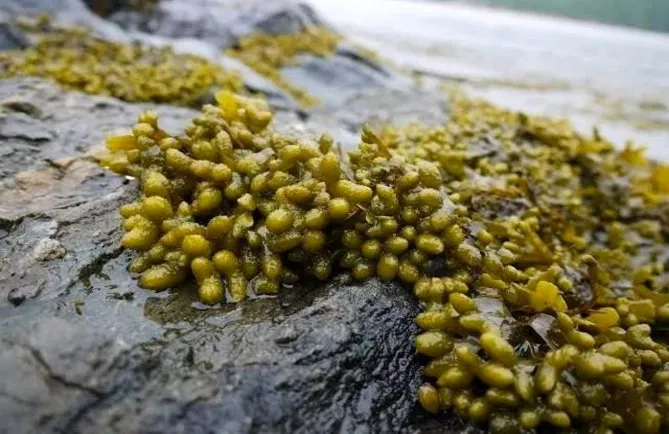
Fucoidans are polysaccharides, which are highly sulfated and which are mostly found in brown algae (Phaeophyceae), such as Fucus vesiculosus, Undaria pinnatifida, and Sargassum hemiphyllum. These are complex heteropolysaccharides, and are manifested primarily by Sulfate ester groups and L-fucose, have been shown to exhibit an incredible array of biological. anticoagulant, antiviral, anti-inflammatory, and neuroprotective effects. In AD, the fucoidan of Undaria pinnatifida was demonstrated to have the following effect(s)considerably alleviate neurotoxicity of Ab in primary cortical neurons by reducing inhibiting the activation of NF-kB signaling yet another study has shown that the fucoidan of Fucus vesiculosus inhibited microglial activation an inhibited the effect of Ab-stimulated on the production of pro-inflammatory cytokines IL-1b and TNF-a.BV2 microglial cells. In addition, it was found that fucoidan inhibited BACE1. activity in vitro, which indicates the presence of a direct anti-amyloidogenic effect sulfation and molecular weight of fucoidan play a significant role in determining its biological activity where the fractions with lower molecular weight tend to be more bioavailable and potency.
Phlorotannins
Phlorotannins are polyphenolic compounds, biosynthesized by brown algae Among these compounds, some of the most notable are phloroglucinol, eckol, dieckol, and many others |human| Amongst these compounds, there are some of the most notable compounds such as phloroglucinol, ecko dieckol and many more. Phlorofucofuroeckol A, and 8,8-bieckol, are especially rich in Ecklonia, species and Eisenia genera. Dieckol, a plant-derived isolate of Ecklonia cava, has been shown to have potent inhibitory action on acetylcholinesterase (AChE) and butyrylcholinesterase (BChE), with IC50 values similar to those of the approved drug donepezil. In an Ab-induced AD mouse model, dieckol treatment made a significant Improvements in spatial learning and memory decreased load of amyloid plaques, and inhibited microglial activation. Eckol and phlorofucofuroeckol A have displayed good antioxidant activity via the Nrf2/ARE. pathway, upregulating the endogenous antioxidant enzymes such as heme oxygenase-1 andNAD(P)H quinone oxidoreductase. The capability of phlorotannins to cooxidize/co-reduce is 1. Their ability to act on target cholinesterase activity, oxidative stress, and neuroinflammation makes the mouth standing good potential AD drug development candidates.
Fucoxanthin and Other Carotenoids
Fucoxanthin A typical xanthophyll carotenoid that occurs in brown algae and One of the sources of their typical olive-green to brown color is the diatoms. The richest carotenoids in the natural environment and has been of great interest in its a variety of pharmacological actions, such as antioxidant, anti-inflammatory, anti-obesity, and neuroprotective effects. In a first of its kind study, fucoxanthin was demonstrated to protect in mice with the cognitive impairment induced by Ab using inhibition of the MAPK and NF-kB signaling pathways, which lead to downregulation of pro-inflammatory cytokines and attenuated oxidative damage. Fucoxanthin was also able to inhibit Ab. In vitro oligomerization and formation of fibrils, indicating a direct antiamyloidogenic mechanism. In addition to fucoxanthin, marine algal carotenoids like b-carotene also exist. Dunaliella salina as a source of carotenoids and astaxanthin in Haema to coccus pluvialis have exhibited significant neuroprotective properties. Specifically, astaxanthin overcomes the bloodbrain barrier is an efficient way to reduce the accumulation of Ab and protect in opposition to mitochondrial dysfunction in AD models.
Sulfated Polysaccharides Beyond Fucoidans
In addition to fucoidans, marine algae produce other sulfated polysaccharides with neuroprotective potential. Carrageenans, extracted from red algae (Rhodophyta) of the Chondrus and Kappaphycus genera and ulvans from green algae (Chlorophyta) of the Ulvagenus, have been investigated for their biological activities. Carrageenan oligosaccharides have demonstrated antiinflammatory effects in neuro inflammation models, though care must be taken as intact carrageenans are pro-inflammatory in certain contexts. Ulvans and their oligosaccharide derivatives have shown antioxidant and immunomodulatory properties that could be relevant to AD pathology. Porphyran, a sulfated polysaccharide from Porphyra species (commonly known as nori), has been reported to protect neuronal cells from Ab-induced cytotoxicity and reduce oxidative stress markers. The structural diversity of these polysaccharides, influenced by their degree of sulfation, molecular weight, and monosaccharide composition, provides a rich chemical space for structure-activity relationship studies aimed at optimizing neuroprotective activity.
Omega-3 Polyunsaturated Fatty Acids
Marine microalgae are the primary producers of long-chain omega-3 poly-unsaturated fatty acids (PUFAs) in the marine food web, including eicosapentaenoic acid (EPA) and docosahexaenoic acid (DHA).[50] DHA is a critical structural component of neuronal membranes and plays essential roles in synaptic function, neurogenesis, and the resolution of neuroinflammation.
Epidemiological studies have consistently associated higher DHA intake with reduced risk of AD, and clinical trials have shown that DHA supplementation can improve cognitive function in individuals with mild cognitive impairment, though results in established AD have been less consistent. DHA gives rise to specialized pro-resolving mediators called resolvinsand neuroprotectins, with neuro protectin D1 (NPD1) showing particular promise in protecting against Ab-induced-oxidative stress and apoptosis in retinal and neuronal cells. EPA contributes to neuroprotection primarily through its anti-inflammatory effects, competing with arachidonic acid for cyclooxygenase and lipoxygenase enzymes and producing less inflammatory eicosanoids.[55] Marine microalgal species such as Schizochytriumsp and Crypthecodiniumcohniiare now cultivated commercially as direct sources of DHA, providing a vegetarian and sustainable alternative to fish oil.
Other Notable Compounds
Beyond the major compound classes discussed above, marine algae produce several other bioactive molecules with neuroprotective relevance. Lectins from marine algae have shown the ability to bind specific carbohydrate moieties on Ab aggregates, potentially interfering with amyloid fibril formation. Peptides derived from enzymatic hydrolysis of algal proteins, particularly from Spirulina (Arthrospira platensis) and Chlorella species have demonstrated antioxidant and anti-inflammatory activities in neuronal cell models. Sterols from marine algae, including fucosterol from brown algae, have exhibited anti-inflammatory and antioxidant properties relevant to neuroprotection. Myo-inositol and its derivatives, abundant in various algal species, have been investigated for their roles in phosphoinositide signaling, which is disrupted in AD. The MAAs (mycosporine-like amino acids), UV-absorbing compounds found in red algae and cyanobacteria, have shown antioxidant and anti-inflammatory properties that could beleveraged for neuroprotection.
MECHANISMS OF NEUROPROTECTION BY MARINE ALGAL COMPOUNDS ANTI-AMYLOIDOGENIC ACTIVITY
The anti-amyloidogenic effects of marine algal compounds are perhaps the best ones that they can have most closely pertinent AD therapy mechanism. Multiple algal compounds have has shown the capability to disrupt the process of Ab aggregation at different stages, including being able to inhibit. Preventing oligomerization and fibril formation, APP cleavage mediated by BACE1 to prevent fibrils, and even the disaggregation of pre-formed Ab fibrils. specifically, dieckol, and other types of the latter, have been demonstrated to interfere with BACE1 activity with IC50 values in the low range. micromolar level, indicating direct interference with the first step of amyloidogenic. Processing Fucoxanthin was shown to inhibit the conformational. Ab changing into random coil to b-sheet structure, which is necessary to form fibril. Formation Fucoidan was demonstrated to stimulate the clearance of Ab via. upheaval of LRP1 (low-density lipoprotein receptor related protein 1) at the blood-brain-barrier, facilitating Ab efflux of the brain. These multi-faceted anti-amyloidogenictargets, attacking various stages in the amyloid cascade, emphasize the therapeutic benefit of algal poly-pharmacology.
Anti-Neuroinflammatory Effects
Neuroinflammation is more and more identified as an outcome and a cause of The development of a self-reinforcing loop of neuronal damage. Marine algal compounds have been shown to have powerful anti-neuroinflammatory properties in several ways molecular mechanisms. Fucoidan inhibits microglial activation by blocking the NF-kB and MAPK signal transduction pathways, and hence inhibiting the production of IL-1b, IL-6, TNF and Ecklonia cava phlorotannins have been reported to inhibit the NLRP3activation of inflammasome in microglia, which is one of the pathways in the conditions related to AD, neuroinflammation. Fucoxanthin suppresses neuroinflammation by means of modulation of the AMPK/NF-kB axis and by enhancing the polarization of microglia of the pro-inflammatory M1 phenotype to the anti-inflammatory M2 phenotype. DHA and NPD1, its derivative, activate the Nrf2 pathway and inhibit the translocation of NF-kB, which provides a triple anti-inflammatory and antioxidant effect the interplay of several the algal compounds on the NF-kB pathway, but also activate complementary mechanisms, implicates a strong anti-inflammatory approach.
Antioxidant Properties
One of the most noticeable early effects of the AD pathology is the oxidative stress, and the brain is not an exception specially susceptible because of its high oxygen usage, rich lipid material and relatively modest antioxidant defenses. Marine algal compounds exhibit anti-oxidantaction by direct free radical scavenging as well as indirect upregulation of endogenous. antioxidant defenses. Phlorotannins are some of the most effective natural antioxidants that are known with dieckol exhibiting oxygen radical absorbance capacity (ORAC) values many times less is a more potent antioxidant of ROS and reactive nitrogen species than vitamin C and vitamin E and also activates the Nrf2/ARE antioxidant response element pathway, leading to increased expression of HO-1, NQO1, and SOD. Astaxanthin from Hematococcuspluvialis has proven to be better in antioxidant activity than other scarotenoids has its own molecular structure characterized by the presence of both keto and hydroxyl groups at both terminals of the molecule allowing it to cross the cell membrane and prevent both Sulfated polysaccharides in algae, such as fucoidanand porphyran, too, have demonstrated considerable antioxidant by scavenging of DPPH, ABTS, and hydroxyl radicals.
Cholinesterase Inhibition
The most commonly prescribed is still based on the cholinergic hypothesis of AD type of AD medication, the inhibition of cholinesterase has become an important treatment approach. Marine algal compounds have been shown to have a high cholinesterase inhibitory effect. Dieckol of Ecklonia cava showed a dual inhibitory nature against AChE and BChE, especially with a remarkable BChE inhibition which may prove beneficial in subsequent steps of AD in case of an increase in BChE activity and decrease in AChE activity AChE inhibitory activities were exhibited by Diphlorethohydroxycarmalol of Ishigeokamurae. Fucoidan Fucus vesiculosus showed a moderate AChE inhibitory effect, and also increased choline. The expression of acetyltransferase (ChAT), indicating a two-level mechanism of stimulating cholinergic neurotransmission. S. wightii showed significant activity in a methanolic extract of Sargassum wight Inhibition of AChE occurs in a dose-dependent manner with activity-guided fractionation of the enzyme identifying the enzyme. These results indicate that the most active constituents are those that contain phlorotannin. Marine algae might be used as sources of new cholinesterase inhibitors with potentially better safety profiles than synthetic alternatives.
Neurotrophic and Synapto-protective Effects.
The best pathological correlate of cognitive impairment in AD is synaptic loss, and the enhancement of neurotrophic signaling and synaptic plasticity is a promising therapeutic approach. Marine algal compounds have demonstrated promising evidence in this domain. Undaria pinnatifida fucoidan was identified to increase the expression of BDNF in the hippocampus of mice treated with Ab, which accompanies the enhancement of learning and memory in the Morris water maze test. Spirulina Arthrospira platensis supplementation has been demonstrated to increase the levels of BDNF and safeguard against synaptic transgenic AD mouse models, which is characterized with its phycocyanin and microalgae DHA induces synaptic plasticity by stimulation of the BDNF/TrkB/PI3K/Akt signal transduction pathway and increases the expression ofPSD-95 and synaptophysin [76] have been reported to safeguard against synaptic dysfunction by maintaining mitochondrial activity and lowering. These neurotrophic and synapto-protective effects, which address the synaptic degeneration central to cognitive decline in AD, complement the anti-amyloid, anti-inflammatory, and antioxidant mechanisms discussed above.
Summary of Key Marine Algal Compounds and Their Neuroprotective Mechanisms
|
Compound |
Alge source |
Primary mechanism |
Key evidence |
|
Fucoidan |
Fucus Vesiculosus undaria pinnatifida |
Anti-Inflammatory, antiamyloidogenic, BACE1 inhibition. |
Reduced Ad neurotoxicity; inhibited NF-kB. |
|
Dieckol |
Ecklonia cava |
Cholinesterase inhibition, antioxidant, anti-amyloid |
AChE/BChE inhibition; improved memory in AD mice. |
|
Fucoxanthin |
Brown algae, diatoms |
Antioxidant, anti-inflammatory, antiamyloidogenic |
Protected against Ab cognitive Impairment. |
|
Astaxanthin |
Haematococcus pluvialis |
Antioxidant, mitochondrial protection, synaptic |
Reduced Ab accumulation; crossed BBB. |
|
DHA |
Schizochytrium Sp, C. cohnii |
Neurotrophic, anti-inflammatory, synaptoprotective |
Enhanced BDNF; improved Cognition in MCI. |
|
Porphyran |
Porphyra species |
Antioxidant, cytoprotective |
Protected neurons from Ab Cytotoxicity. |
CHALLENGES AND FUTURE PERSPECTIVES
Bioavailability and Blood-Brain Barrier Penetration
Among the main difficulties in the process of translating marine algal bioactive to the effective AD therapeutics is the frequent low bioavailability and lack of ability to penetrate the blood-brain barrier (BBB). Large and hydrophilic, many algal polysaccharides, such as fucoidan, are molecules with low oral bioavailability and low BBB penetration in their native form. Some measures are however being considered to curb this Lowering the molecular weight fractions by depolymerizing fucoidan has been demonstrated to delivery using nanocarrier-based. They have systems, such as liposomes, polymeric nanoparticles, and solid lipid nanoparticles. shown to be able to enhance the bioavailability and brain delivery of algal compounds. Structural alteration of algal bio active to elicit more lipophilic. Another exciting method is prodrugs or analogs in the case of lipophilic compounds such as fucoxanthin and astaxanthin, poor aqueous solubility is the limiting factor of bioavailability, instead than BBB permeability, and formulation strategies include: nano-emulsions and the delivery of drugs in self-emulsifying systems has demonstrated promising outcomes Quality Control and Standardization. The natural variation of the composition of algal bioactive compounds presents serious challenges standardization and reproducibility of research results as a challenge. Factors including algal species, harvest time, geographical area, water temperature, salinity and the chemical profile and biological activity of could be drastically altered by extraction methods algal extracts. This inconsistency has led to inconsistencies in the published literature, in which various research groups have found conflicting results to ostensibly equivalent algal preparations. The history of standard extraction procedures exhaustive chemical characterization with methods like HPLC, LC-MS/MS, and NMR spectroscopy and implementation of quality control criteria such as marker compound.
International joint work is necessary to develop the field further. International collaborative action to develop reference standards and certified reference materials of key comparative studies and regulatory approval would be significantly easier when using algal bioactive processes.
Clinical Translation
Although the preclinical evidence of marine algal compounds in AD is promising, the There is limited translation to clinical applications. Most of the studies up to now have conducted in vitro/in animal models, a well-designed randomized controlled one clinical trials are also in dire need. The challenges that are particular to clinical translation are the ones of the choice of suitable biomarkers to be used in measuring treatment efficacy, the establishment of optimal dosing schedules, long-term safety evaluation and identification of the recent algal-derived interventions have the highest likelihood of benefiting patients.
Prior exposure to DHA supplementation studies in patients with AD, which have resulted in allopathetic findings, leads to an established disease but more encouraging results in the prodromal stage emphasize the role of timing of intervention and patient selection in the future clinical trials ought to take into account enrichment measures that focus on people with mild cognitive impairment or biomarker evidence of preclinical AD, and ought to include multimodal outcome measures such as cognitive testing, neuroimaging, and fluid. biomarkers.
Ecological and Sustainable Supply and Ecology.
An example of this is the sustainable availability of marine algal biomass to develop pharmaceuticals significant detail that can be easily disregarded. Extraction of natural algal in excess even commercial extraction populations might have serious ecological impacts Growth of algae by means of aquaculture and bioreactor systems provides a more sustainable solution, and significant strides have been taken in the mass production of plant species like Spirulina, Chlorella, Schizochytrium, and other species of Sargassum and Kappaphycus.
The biotechnological strategies, such as metabolic engineering and synthetic biology, are promising. promise of the sustainable expression of the particular algal bio-actives in heterologous host organisms. [93] and integrated multi trophic aquaculture systems, in which algae are grown in coexistence with fish and shellfish species, have environmental advantages such as bio remediation of nutrients and carbon capture with the formation of useful biomass to be used in pharmaceutical applications.
CONCLUSION
Marine algae are a huge and rather untapped potential source of the discovery and investigations into new therapeutic agents to treat Alzheimers disease. The remarkable chemical variety of algal bioactive compounds, including fucoidans, phlorotannins fucoxanthin, sulfated polysaccharides, omega-3 PUFAs, peptides, sterols, and others molecules, offers a rich pharmacological toolkit to tackle the multi factorial pathology of AD. These compounds have the capability of addressing several targets at the same time pathophysiological processes such as amyloid aggregation, tau phosphorylation, neuroinflammation, oxidative stress, cholinergic deficit and synaptic dysfunctionis a core strength when compared to single-target strategies that have prevailed in AD.
Drug development to date Nonetheless, there are still major difficulties. Problems of bioavailability, BBB penetration, standardization, and the urgent necessity of strict clinical trials need to be taken care of before marine algal products have the potential to be translated into useful AD therapeutics. Advances in delivery systems of nanocarriers, methods of analytical characterization and design of clinical trials are availing the means to rise above these challenges. The increased awareness of these significance of the early intervention and the creation of patient based biomarker. stratification plans are opening new possibilities to clinical assessment of marine algal bio-actives. Through further interdisciplinary cooperation between marine chemists. The ocean can still, neuropharmacologists, formulation scientists, and clinical researchers yield the breakthrough that millions of AD patients and their families are waiting for.
ACKNOWLEDGMENT
The authors would like to express their sincere gratitude to all the researchers and scientists whose original work forms the backbone of this comprehensive review. This article synthesizes findings from over ninety peer-reviewed publications, and it is the collective effort and dedication of the global marine pharmacology and neuroscience communities that has made this body of knowledge possible. We are particularly indebted to the investigators who conducted the preclinical and clinical studies on fucoidans, phlorotannins, fucoxanthin, sulfated polysaccharides, omega-3 polyunsaturated fatty acids, and other marine algal bioactive compounds reviewed herein. Their rigorous experimental and analytical contributions have laid the essential groundwork for understanding the neuroprotective potential of marine algae in the context of Alzheimer disease.
The authors gratefully acknowledge the open-access resources and public databases, including PubMed, Scopus, Web of Science, and Google Scholar, which enabled the comprehensive literature search that underpins this review. Free and unrestricted access to these scholarly platforms was instrumental in ensuring the thoroughness and completeness of the evidence synthesis presented in this work. We also thank the publishers and authors who have made their research articles available through open-access channels, thereby facilitating the dissemination and integration of scientific knowledge across the research community.
We wish to thank our colleagues in the Department of Marine Science and the Department of Neuropharmacology for their invaluable discussions and expert guidance throughout the preparation of this manuscript. Their insights into marine natural product chemistry, blood-brain barrier transport mechanisms, and clinical trial methodology greatly enriched our analysis of the challenges associated with translating marine algal bioactive compounds from bench to bedside. We are especially grateful for their critical reading of the sections addressing bioavailability limitations, standardization of algal extracts, and the design of future clinical trials.
We extend our appreciation to the editorial team and the anonymous peer reviewers for their constructive criticism and thoughtful suggestions, which significantly improved the organization, clarity, and scholarly rigor of this review. Their careful evaluation of the mechanistic pathways discussed, the evidence synthesis across multiple compound classes, and the future research directions proposed has strengthened the overall contribution of this work to the field.
We also wish to acknowledge the broader scientific community engaged in the interdisciplinary pursuit of marine-derived therapeutics for neurodegenerative diseases. The
convergence of marine chemistry, neuropharmacology, formulation science, and clinical research remains vital to advancing the promising preclinical findings on marine algal compounds toward clinically viable interventions for Alzheimer disease. We are inspired by the growing body of collaborative research that bridges these disciplines and are hopeful that continued interdisciplinary cooperation will accelerate the translation of marine biodiversity into meaningful therapeutic strategies.
Finally, this work is dedicated to the millions of individuals and families worldwide who are affected by Alzheimer disease. Despite decades of research, this devastating condition remains without a cure, and the social, emotional, and economic burdens it imposes continue to grow. It is our earnest hope that this review may contribute, however modestly, to the collective effort to unlock the therapeutic potential of marine algae and to chart a path toward new treatment possibilities that may one day alleviate the suffering caused by this relentless disease.
REFERENCES


Suprit, Rishav Kumar, Marine Algae for the Treatment of Alzheimer Disease: A Comprehensive Review, Int. J. of Pharm. Sci., 2026, Vol 4, Issue 6, 1961-1975. https://doi.org/10.5281/zenodo.20594442
 10.5281/zenodo.20594442