We use cookies to ensure our website works properly and to personalise your experience. Cookies policy
College of Pharmaceutical Sciences, Government Medical College, Thiruvananthapuram
This article explores the transformative potential of microfluidics in revolutionizing personalized healthcare and drug delivery. Microfluidic systems miniaturized platforms for manipulating fluids at the micro scale offer unprecedented precision, integration, and efficiency in biomedical applications. Through detailed examination of microfluidic device types, fabrication technologies, and their integration with advanced drug delivery systems, this work highlights how these innovations enable real-time diagnostics, targeted therapeutics, and point-of-care solutions. Special focus is given to the role of microfluidics in nanoparticle synthesis, organ-on-chip models, and intelligent, stimuli-responsive drug delivery platforms. Additionally, the report addresses the convergence of microfluidics with artificial intelligence, enabling predictive analytics and adaptive control in healthcare. Despite technical and regulatory challenges, the findings underscore the vast promise of microfluidic technologies in advancing precision medicine, wearable diagnostics, and smart therapeutic systems, ultimately shaping the future of patient-centred care.
With the enormous developments in micro and nanofabrication, a new research field for scientists and engineers called micro or nanofluidic was opened. To design, build, and operate devices that can manipulate drugs, particles, and biological materials like proteins and cells in miniaturized fluid volumes can be considered as a central theme of microfluidics. Such devices also known as Lab-on-a-chip systems (LOC), bio microelectromechanical systems (BioMEMS) or miniaturized total analysis systems (µTAS) allow us bridging the gap between volumes which are familiar in classical laboratories or pilot factories and the micro-scale volumes common in biology. They can be the key to automated drug formulation, fast screening, protein crystallization, drug delivery, microbioreactors, organ-on-chip, and many other applications. (1)
Microfluidics is defined as the science and engineering of systems in which fluid behaviour differs from conventional flow theory primarily due to the small length scale of the system. (2)
Microfluidics is both the science which studies the behaviour of fluids through micro-channels, and the technology of manufacturing microminiaturized devices containing chambers and tunnels through which fluids flow or are confined. (3)
Principles of microfluidics
The performance of these systems is governed by distinct physical principles:
1. Laminar Flow
At the microscale, fluid motion is characterized by smooth and orderly paths or “streamlines," known as laminar flow. Turbulence is rare due to low Reynolds numbers, which are a ratio of inertial to viscous forces.
Reynolds number (Re) is defined as:
Re = ρVD/μ
where:
ρ = fluid density,
V = velocity,
D = channel diameter,
μ=dynamic viscosity.
In microfluidic devices, typical Re < 100 ensures stable, predictable flow behavior.
Poiseuille’s law applies for pressure-driven laminar flow in circular channels:
Q= (πR^4 ΔP) / (8μℓ)
Flow rate is highly sensitive to channel dimensions doubling radius increases flow 16x.
2. Diffusion
Diffusion governs mixing at the microscale, since turbulence is absent. It results from Brownian motion of particles, described by Fick’s laws.
Mean square displacement
⟨x²⟩ = 2Dt
where D is the diffusion coefficient.
At small scales, diffusion is efficient due to shorter travel distances, but is slow across larger channels. Mixing strategies often employ microstructures or electrokinetic stirring.
3. Surface Tension
Surface tension dominates in microfluidics due to high surface-area-to-volume ratios. It results from intermolecular forces at interfaces.
Defined as:
γ = force per unit length (N/m)
Capillary effects cause fluid motion in narrow channels and droplet formation.
Electrowetting-on-dielectric (EWOD) enables dynamic control of droplets:
cos(θ-V) - cos(θ-0) = (ε-r ε-0 V²) / (2γ t)
This principle allows manipulation of discrete droplets for digital microfluidics.
4. Scaling Laws
Microfluidic physics often scale non-linearly with size. Important effects include:
- Increased SAV ratio: Enhances heat and mass transfer.
- Dominance of surface forces over volume forces.
- Laminar-to-turbulent transition Re scales with geometry.
Key implication: Physical phenomena at macroscale often behave differently in microscale, requiring specialized design and modeling.
5. Quantum Microfluidics
An emerging area dealing with fluid behavior near quantum scales, particularly relevant to superfluidity and near-zero temperature systems.
Quantum effects in confined fluids include quantized vortices and reduced viscosity.
Although less applicable to conventional bioMEMS, this field holds potential for nanoscale diagnostics and quantum-based sensors.
6. Electrokinetic Phenomena
These phenomena utilize electric fields to manipulate fluids and particles:
Electro-osmosis (EOF): Movement of liquid caused by interaction between an electric field and charged surfaces (Electric Double Layer).
Electrophoresis: Motion of charged particles relative to the stationary fluid:
Streaming Potential: When fluid flow pushes mobile ions in the EDL, an opposing electrical potential develops, leading to reduced flow due to electro viscous effects.
Dielectrophoresis (DEP): Movement of neutral but polarizable particles in non-uniform electric fields. Used for cell sorting, trapping, and manipulation.
Electrowetting (EWOD): Voltage changes surface tension, modifying droplet shape and movement:
Types of microfluidic devices
Microfluidic devices are miniaturized systems designed to precisely control and manipulate small volumes of fluids (typically: 10-9 to 10-18 L) within micro-scale channels and chambers. These devices, often referred to as "chips," are like circuit boards for fluids, integrating multiple laboratory functions onto a single platform. They are used in various fields for applications such as drug testing, environmental monitoring, and point-of-care diagnostics. (5)
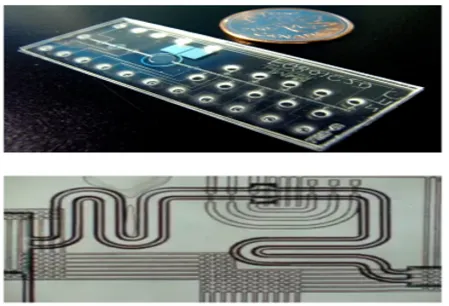
Fig.1.1 Microfluidic devices(6)
Microfluidic devices can be classified by their flow type: droplet-based, paper-based and continuous-flow-based microfluidic devices
Droplet-based Microfluidics
Droplet-based microfluidic devices are micro-engineered systems that manipulate discrete volumes of one fluid (typically aqueous) encapsulated within another immiscible fluid (such as oil), forming droplets that serve as isolated microreactors for chemical, biological, or physical processes. These devices enable precise control over droplet generation, transport, merging, splitting, and analysis, facilitating high-throughput and compartmentalized experimentation at the microscale. Once generated, droplets undergo various manipulations such as fission, fusion, mixing, sorting, and trapping to facilitate reactions. Droplet-based microfluidics finds extensive application in fields such as biological assays (e.g., PCR, sequencing, and cell-based studies), chemical synthesis (including nanoparticle and organic compound production), and medical diagnostics (for early disease detection, monitoring, and personalized treatment). (7)
Paper-based Microfluidic Devices
Paper-based microfluidic devices (µPADs) are analytical platforms fabricated using patterned paper substrates, where capillary action is used to guide fluid flow through hydrophilic channels defined by hydrophobic barriers. These devices enable low cost, portable, and equipment free chemical and biological assays, particularly suited for point-of-care diagnostics. They can be fabricated using simple techniques such as wax printing, which forms hydrophobic barriers by melting wax into the paper, or inkjet printing. μPADs are widely applied in point-of-care diagnostics, environmental monitoring, food safety, and forensic or drug testing. (8)
Continuous-flow-based Microfluidic Devices
Continuous-flow-based microfluidic devices are microfabricated systems in which fluids are continuously driven through enclosed microchannels using external pressure sources (e.g., syringe pumps or pressure controllers). These devices rely on precise control of laminar flow and diffusion-based mixing, and are widely used for chemical synthesis, biological assays, and fluid dynamics studies at the microscale.
These devices are widely used in medical diagnostics, environmental monitoring, drug delivery, nanoparticle synthesis, cell culture, and food science, offering precise microenvironment control for applications like point-of-care testing and on-chip chemical reactions. (9)
Personalised medicine
Personalized medicine, also known as precision medicine is a unique approach refers to a tailoring of medical treatment for the individual characteristics of patients. These medicines are made based upon the genetic setup of human genome. Precision medicine having various advantages over conventional medicine like optimum therapy required, increase safety and efficacy, decrease adverse drug reaction, enhance patient compliance, reduce cost, time and clinical trials failure rate. Personalized medicine is a type of targeted treatment and it is helpful for wide spectrum of diseases like lung cancer, brain tumour, prostate cancer, rheumatoid arthritis, autoimmune diseases, etc. (10)
While there is no universally accepted definition, the EU Health Ministers, in their Council conclusions on personalised medicine for patients published in December 2015, defined personalised medicine as:
‘’A medical model using characterization of individuals’ phenotypes and genotypes (e.g., molecular profiling, medical imaging, lifestyle data) for tailoring the right therapeutic strategy for the right person at the right time and/or to determine the predisposition to disease and/or to deliver timely and targeted prevention.’’ (11)
Concept of Personalised Medicine
Personalised medicine (PM) is a transformative approach that modifies medical treatment to the individual characteristics of each patient such as genetics, age, gender, ethnicity, and environment marking a shift from standardized, population-based therapies. Originating in the late 20th century and pioneered by Archibald E. Garrod, the "Father of Precision Medicine," PM initially focused on genomic markers for risk assessment, prevention, and therapeutic decision making. It has since evolved to encompass biomarker-based diagnostics, targeted drug development, pharmacogenomics, nutritive genomics, and genome editing, significantly improving diagnostic precision and treatment outcomes in diseases like cancer and atherosclerosis. Realizing PM's full potential demands robust infrastructure, interdisciplinary collaboration, biobank networks, and international integration. As a core strategy for future biomedical innovation, PM is now widely adopted by pharmaceutical and biotech industries, aiming to revolutionize healthcare through individualized, predictive, and preventive interventions.

Fig.1.2 Archibald Garrod: Father of Precision Medicine
Advantages and Disadvantages
Personalised medicine offers numerous advantages by tailoring healthcare based on an individual's genetic makeup. (12) Enabling early disease prediction, prevention, and precise treatment selection. (13) It enhances drug efficacy. However, several challenges and limitations persist, including ethical concerns over genetic testing, data privacy risks, uncertainties in test validity, and equity issues due to potential misuse of genomic information. (14)
Integration of microfluidics with drug delivery systems
Microfluidics has revolutionized the development of drug delivery systems (DDS) by providing a powerful tool for controlled synthesis, precise drug release, and real-time observation. This integration enhances drug efficacy, bioavailability, and pharmacokinetics while minimizing side effects.
Recent developments in precision drug delivery using microfluidics, structured into three main areas: (a) the fabrication of drug carriers, including lipid-based and polymeric nanoparticles, through microfluidic platforms; (b) the integration of microfluidics into microneedle technologies for minimally invasive applications; (c) the broader applications of microfluidics in nanomedicine and drug research, such as crystallization techniques and the development of in vitro platforms for studying delivery mechanisms.
Role of microfluidic techniques in enhancing drug delivery particle synthesis
1. Microfluidic Techniques for Lipid Nanoparticle Synthesis: Lipid-based nanoparticles (LNPs) are a promising class of drug delivery systems due to their biocompatibility, capacity for encapsulating diverse therapeutic agents, and ability to facilitate controlled drug release. LNPs are particularly useful for delivering hydrophobic drugs, nucleic acids, and other sensitive molecules. Techniques for LNP synthesis are Microfluidic Hydrodynamic Focusing (MHF), Chaotic Advection Mixers, Vortex Focusing. (15)
2. Microfluidic Synthesis of Polymeric Nanoparticles: Polymeric nanoparticles (PNPs) are composed of polymeric materials such as poly (lactic-co-glycolic acid) (PLGA), polycaprolactone (PCL), and other biodegradable or biocompatible polymers. The microfluidic synthesis of PNPs shares similarities with LNP production in the areas of precise control over particle size, size distribution, and encapsulation efficiency. Techniques for PNP synthesis include hydrodynamic focusing, nanoprecipitation, and coaxial flow systems. (16)
3. Microfluidic Production of Droplet-Based Microparticles: This technique involves the generation of droplets within microchannels, where polymer solutions are encapsulated in immiscible carrier fluids. These droplets are then solidified through processes such as crosslinking, solvent evaporation, or polymerization. These methods offer precision, reproducibility, and compatibility with various drug types and materials, making them an attractive choice for next generation therapeutic systems. (16)
4. Based Microneedle Systems for Carrier-Free Drug Delivery: Microneedles are devices that utilize arrays of micro sized-needles, small, precise structures designed to penetrate the skin or other tissues for targeted drug delivery, which are highly integrated into microfluidic devices to optimize the delivery of therapeutics. The control offered by microfluidics ensures localized and controlled release of the drug, which can enhance the bioavailability and targeted action of therapeutics, particularly those that may degrade in the digestive system. (17)
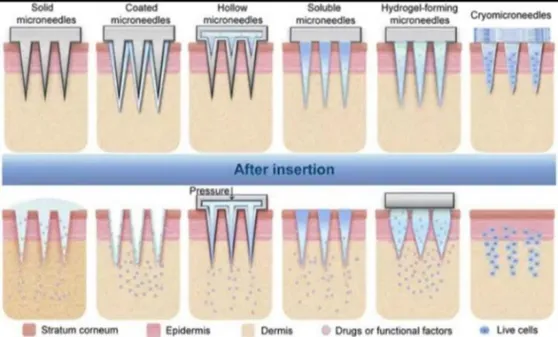
Fig. 1.3. Types of microneedles and their corresponding drug delivery mechanisms(18)
The advancements in drug delivery systems enabled by microfluidics enhance bioavailability, drug efficiency, and nanoparticle performance. Despite progress, challenges remain in scaling these systems for clinical use, with the need for improved parallelization and simplified fabrication. Integrating microfluidics with organ-on-a-chip technology offers promising solutions for more accurate preclinical testing and personalized medicine. With continued interdisciplinary collaboration, microfluidics has the potential to transform further drug delivery and therapeutic applications.
Microfluidic systems are highly suited for the manipulation of biomolecules, cells, and particles, offering miniaturized platforms with integrated functions for biomedical diagnostics and analysis. These devices enhance automation, control, and high-throughput processing while reducing sample volume, assay time, and costs. There are many technical challenges associated with developing microfluidic devices for biomedical applications. Addressing these challenges requires technological advances in many areas, including sensing, cell manipulation, cell, tissue, and organ culture platforms and micro pumping technologies.
On-chip sensors, such as those utilizing impedance spectroscopy and Clausius–Mossotti factor measurements, provide insights into cellular properties and haemostasis. Furthermore, compact, self-driven micro-pumping methods especially vacuum-assisted pumping using PDMS are essential for portable lab-on-chip systems. Beyond biomedical use, microfluidics is increasingly applied in environmental monitoring, enabling rapid, low-volume analysis of pollutants in air and water, thereby reducing waste and enhancing on-site detection capabilities. (19)
Techniques for 3D fabrication
3D bioprinting is an additive manufacturing technique that fabricates tissues and organs through a layer-by-layer approach. The process involves three main stages: pre-bioprinting, bioprinting, and post-printing. Based on the working mechanism, bioprinting technologies are categorized into inkjet-based, extrusion-based, stereolithography, and laser-based bioprinting. The core material used is termed as “bioink,” which typically contains living cells when printing biological tissues and cell free formulations when printing scaffolds. All materials must be biocompatible, biodegradable, and non-toxic during processing to ensure safety and effectiveness in biomedical applications. (20)
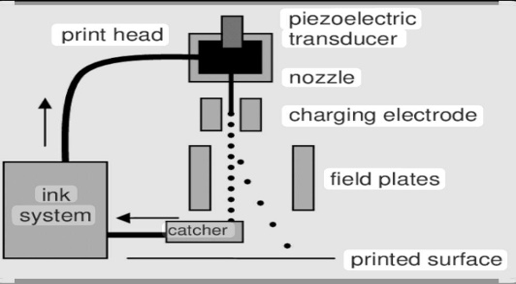
Inkjet Printing
This 3D printing technique involves spreading powder particles on a platform and selectively depositing hydrogel droplets or low viscosity resins to bind the particles into solid structures layer by layer. Ink is ejected from fine nozzles, and in some cases, 3D model can be produced by a laser approach. Two types ofinks: wax-based and liquid-based are commonly used for printing. (20)
Biodegradable chips
In response to the environmental challenges posed by non-biodegradable materials in microfluidics, researchers are increasingly exploring biodegradable materials for Lab-on-a-Chip (LOC) devices. These sustainable alternatives, derived from renewable natural or synthetic sources, offer biocompatibility, non-toxicity, and reduced ecological impact, without compromising device performance. Biodegradable materials are broadly classified into three categories: natural polymers (e.g., cellulose, chitosan), synthetic biodegradable polymers (e.g., PLA, PGA), and hybrid/composite materials (e.g., cellulose-based composites). (22)
Lab on a chip technology
Lab-on-a-Chip technology implies those techniques that perform various laboratory operations on a miniaturized scale such as chemical synthesis and analysis on a single chip leading to a handheld and portable device. In other words, LOC is a device which is capable of scaling the single or multiple laboratory functions down to chip format. The size of this chip ranges from millimetres to a few square centimetres. Lab-on-a-Chip (LOC) technology integrates fluidics, electronics, optics, and biosensors into a miniaturized platform, primarily built on microfluidics the manipulation of fluids and particles at micro and submicron scales. These systems are particularly impactful in clinical diagnostics, where they support both point-of-care and central laboratory testing, ranging from simple immunoassays to complex analytical systems. (23)
Lab-on-a-Chip (LOC) systems offer numerous advantages, including low reagent consumption, rapid analysis due to efficient heat and mass transfer, and the integration of multiple functions on a compact platform, enabling high-throughput, and potentially disposable diagnostics. They also enhance safety and automation, reducing exposure to hazardous materials. However, widespread adoption is limited by complex and costly microfabrication processes requiring specialized expertise, with many applications still in the proof-of-concept stage. Additionally, microscale effects such as capillary forces and surface roughness can hinder standard lab procedure replication, while miniaturized detection methods may suffer from low signal-to-noise ratios, affecting analytical accuracy. (23)
Applications of Lab-on-a-Chip
Lab-on-a-Chip (LOC) technology enables quick and accurate diagnosis of diseases using small fluid samples. Portable LOC devices can detect various analytes and are being developed for diagnosing conditions like cancer, bipolar disorder, and male fertility. Integrating proteomics data with digital tools improves result accuracy and supports personalized treatment. (24)
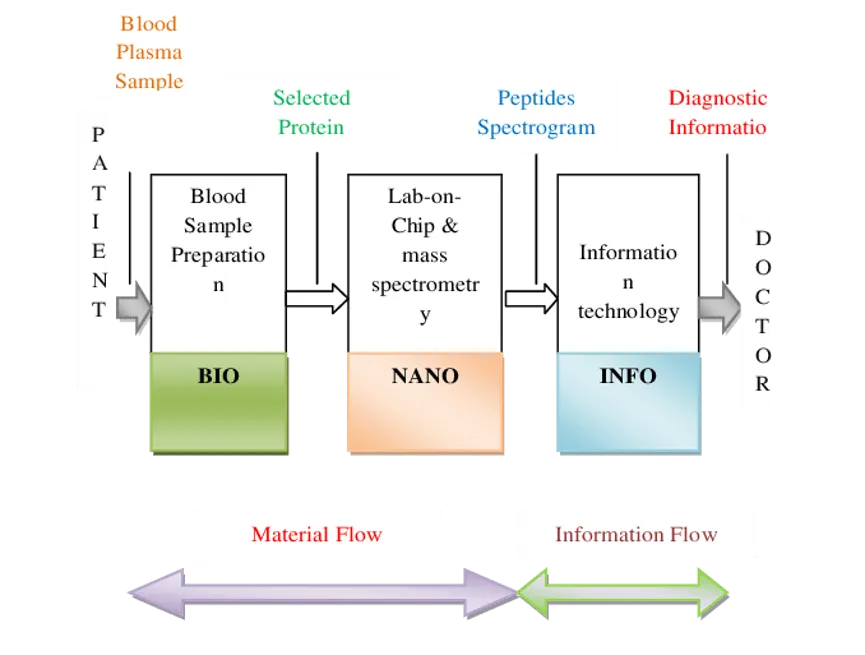
Fig.1.5 The LOCCANDIA Diagnostic Analysis Chain(25)
The LOCCANDIA project is shown in figure 1.5, this project is primarily concerned for the diagnosis of pancreatic cancer in early stage. This can be done by validating the plasma protein which is integrated with a profiling application with the help of a Lab-on-Chip development i.e. a novel nanotechnology-based platform a full proteomics analysis chain. (26)
Working Principle
Lab-on-a-Chip (LOC) systems use microfluidics to control fluid movement at the microscale, primarily relying on laminar flow for precise and predictable behaviour. Fluids travel through microchannels embedded with components such as valves, pumps, and sensors, enabling processes like reagent mixing, serial dilution, and particle separation. Actuators guide the sample through each analytical stage, with results often displayed via external devices. Originally made from silicon, LOC devices now include materials like glass, ceramics, metals, and paper, offering cost-effective and versatile options. This miniaturized format allows complex laboratory tasks to be performed efficiently, making LOC technology valuable in diagnostics, environmental testing, and biomedical research. (27)
Point of care diagnosis
A microfluidic system has a high sensitivity in detection and can quickly obtain detection results, therefore, the combination of a microfluidic system and POCT (Point of Care Testing) could be used to design more portable and low-cost devices for rapid detection. The integration of microfluidics in medical point detection has significantly changed disease diagnosis and pathogen detection. Being easy to use, having no need for skilled personnel or heavy equipment, requiring a low sample size and delivering fast results makes POCT equipment an indispensable part of the healthcare industry.
Detection of infectious diseases
Lin et al., designed a detection tool integrating a diagnostic microchip, domestic portable fluorescent detectors, and a microfluidic immunoassay that could detect IgG, IgM, and antigens, improving the sensitivity and accuracy of SARS-CoV-2 diagnosis. Davidson et al., designed a paper-based microfluidic POC detection device to detect SARS-CoV-2 in saliva by loop-mediated isothermal amplification. Wang et al., designed a paper-based microfluidic POC device using reverse transcription loop-mediated isothermal amplification (RT-LAMP) to detect SARS-CoV-2 in saliva. Yang et al., developed a microfluidic immunoassay box with a handheld optical reader that uses patient urine to test for HIV. The total cost is only USD 70, and test results can be provided in a few seconds.
Detection of Cardiovascular diseases:
Boonkaew et al., developed a paper-based microfluidic that can simultaneously measure the levels of three essential CVD biomarkers: C-reactive protein (CRP), cTnI, and procalcitonin (PCT). Sinha et al., designed an integrated microfluidic POC system with a field-effect transistor (FET) sensor array that could detect a variety of cardiac biomarkers simultaneously. Four biomarkers of CVD, including CRP, N-terminal pro B-type natriuretic peptide (NT-proBNP), cTnl, and fibrinogen, could be detected in clinical samples (approximately 4 µL) within 5 min. Ramasamy et al., designed a sensor system that can be worn on the body. The system incorporates intelligent wireless communication technology and can be used by doctors to make diagnoses using, for example, the wearer’s electrocardiogram (ECG) and electroencephalogram (EEG) readings.
Detection of Tumour
Nunna et al., designed a POC system combining a biochip and a microfluidic that could monitor the progress of cancer in real-time by measuring the CA-125 concentration in blood from a finger puncture. Yang et al., proposed an integrated microfluidic device, to separate the specific exosomes of lung cancer from the urine of patients. Karakaya et al., developed a paper-based microfluidic chip that achieved the early detection of cervical cancer by measuring HPV 16 and HPV 18. (28)
Organ on chip (ooc) models
Organ-on-a-Chip (OOC) is a microfluidic cell culture device that mimics tissue and organ level functions using living cells arranged in chip like platforms. These systems replicate biological processes like vascular perfusion, tissue interfaces, mechanical strain, and fluid flow, making them powerful tools in drug testing, disease modelling, and organ function analysis. Microfluidic chips are fabricated using photolithography and soft lithography, primarily with PDMS. They allow precise control of physical and chemical environments and enable real-time imaging. Parameters like fluid flow, shear stress, oxygen levels, and ECM configuration can be controlled to simulate realistic organ behaviour.
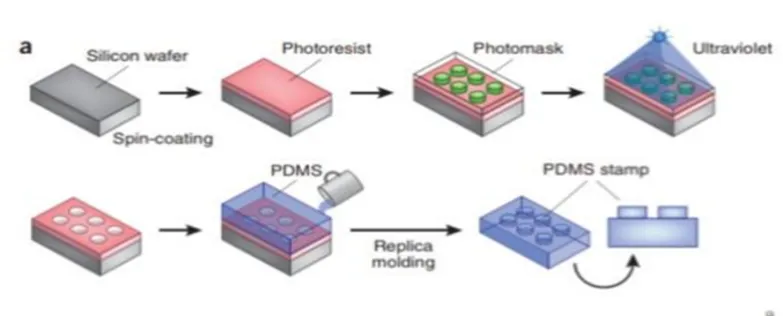
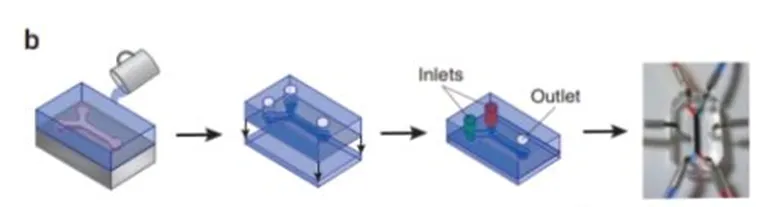
Fig.1.6 Fabrication methods for microfluidic chips (29)
Applications
Organ-on-a-Chip (OOC) devices are used for drug ADMET testing, PK/PD modelling, and evaluating drug efficacy. They help simulate disease conditions like cancer, fibrosis, and lung infections, allowing real-time monitoring, biomarker discovery, and toxicity analysis. OOCs support personalized medicine and reduce reliance on animal testing.
Organ-on-a-Chip (OOC) systems offer significant advantages by closely replicating organ level functions through controlled fluid flow, mechanical forces, and microenvironments. They support real-time imaging, long-term cell viability, and provide more accurate predictions of human responses than traditional models. However, challenges include complex fabrication, bubble formation, drug absorption by PDMS, ECM degradation, and difficulties in integrating multiple tissues with a shared medium. Future developments focus on improving materials and chip stability, and designing scalable multi organ platforms to advance disease modelling, personalized medicine, and efficient drug development. (29)
Integration with ai and machine learning
Microfluidic devices, originally passive systems for precise fluid handling, have evolved into intelligent platforms through integration with artificial intelligence (AI) and machine learning (ML). This convergence enhances real-time analysis, workflow optimization, and adaptive responses in biomedical research. Historically rooted in the development of lab-on-a-chip (LOC) systems and µTAS, microfluidics gained efficiency through advancements like 3D printing. Parallelly, AI, ML, and deep learning (DL) have enabled systems to learn from data, making them essential for automating experiments, analysing complex biological processes, and improving drug discovery. Foundational AI techniques such as regression, classification, clustering, dimensionality reduction, and reinforcement learning along with ML and DL models, empower intelligent microfluidics to perform high-level data interpretation, optimize assays, and support innovations in biosensing and healthcare.
Intelligent microfluidics benefits
The integration of AI into microfluidic systems offers transformative benefits by enhancing functionality, precision, and automation. AI enables rapid prediction of fluid dynamics through data-driven simulations, surpassing traditional CFD methods. It supports generative design for optimized chip layouts, ensures scalable and reproducible processes, and enables real-time monitoring and dynamic adjustments. Intelligent microfluidics also benefit from automated feedback loops, increased experimental efficiency, and reduced need for expert intervention. Additionally, AI excels in pattern recognition and predictive analytics, allowing for accurate classification, forecasting, and protocol optimization in complex biological and chemical analyses.
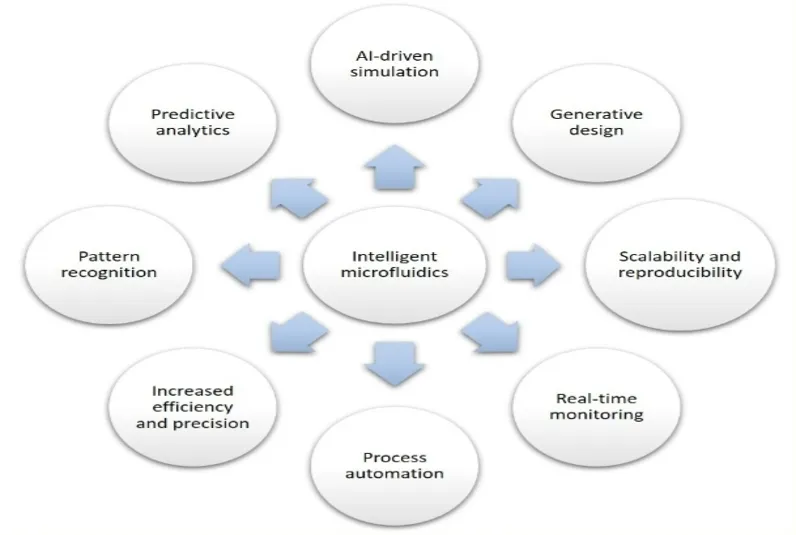
Fig.1.7 Benefits of intelligent microfluidics (30)
Applications of intelligent microfluidics
Intelligent microfluidics, enhanced by AI and machine learning, significantly improves efficiency, precision, and automation across a range of biomedical and analytical applications. These include precise flow control using micropumps for lab-on-a-chip systems, droplet manipulation with ML-based tools that predict and optimize droplet formation, and advanced point-of-care diagnostics for personalized medicine such as tracking T-cell dynamics or detecting DNA via ML image analysis. AI also enhances drug susceptibility testing through CNNs that assess cellular responses and platelet classification, while improving bacterial detection and reducing reliance on animal models. Additionally, intelligent systems enable high-throughput cell counting and sorting using optical, electrical, and mechanical cell properties, achieving rapid and accurate classification, such as leukemia and RBCs, with over 96% accuracy. (30)
Smart microfluidic drug delivery systems
“Smart drug delivery systems are advanced formulations that can respond to specific biological stimuli (such as pH, temperature, enzymes, redox potential, or external triggers like light or magnetic fields) to achieve controlled, targeted, and on-demand release of therapeutic agents at the desired site of action.”
Smart microfluidic drug delivery systems offer precise control over the rate, timing, and location of drug release, enhancing personalized treatment and therapeutic outcomes. These systems help maintain optimal drug levels and reduce the need for frequent dosing, making them especially valuable for chronic disease management. While implantable devices are well-studied, there is a growing need for autonomous, self-regulating systems. Such devices typically include a drug reservoir, actuator, biosensing module with a signal processor, and a power source. This drug delivery systems enable closed-loop therapy by integrating biosensors with drug reservoirs for controlled, responsive drug release. Integrated biosensors can detect specific biomarkers and trigger-controlled drug release in real-time. Examples include a glucose-responsive hydrogel sensor with an electrically activated microvalve (Tsai et al.) and a wearable patch using heat-triggered M-silica nanoparticles for transdermal delivery (Son et al.). While these platforms show promise for combining diagnostics and therapy, challenges remain in sensor reliability, miniaturization, and maintaining stable feedback control. (31)
Microfluidic Wearable Patches
"A microfluidic wearable patch is a skin-adherable device that integrates microfluidic channels and functional components (such as sensors, reservoirs, and actuators) to continuously collect, analyse, and deliver biofluids or therapeutic agents in real-time for health monitoring or treatment purposes." (32)
The patch uses ultrasonic waves to create tiny channels in the skin, allowing medications to pass through and into the bloodstream. This approach can be used to deliver a variety of medications, including hormones, muscle relaxants, and other drugs. MIT researchers developed a wearable microfluidic patch that uses ultrasonic waves to create temporary skin channels, significantly enhancing transdermal drug delivery. In tests, it increased niacinamide absorption by 26-fold compared to passive diffusion and delivered in 30 minutes what microneedles achieved in six hours. This non-invasive patch offers a controllable alternative for delivering drugs like hormones or pain relievers and shows promise for use in cosmetics, dermatology, and chronic disease management. Future advancements aim to improve penetration depth and enable delivery of larger molecules or systemic treatments. (33)
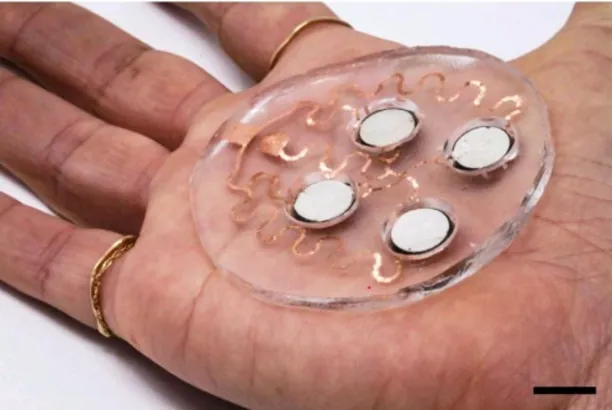
Fig.1.8 Wearable patch developed by MIT researchers (33)
Stimuli-Sensitive Drug Delivery Systems
“Stimuli-responsive microfluidic systems are microfabricated devices that incorporate materials capable of undergoing physical or chemical changes in response to specific stimuli, enabling dynamic and controllable functions such as fluid flow regulation, analyte detection, or drug release.”
These microfluidic drug delivery systems enable precise, on-demand release of therapeutics by reacting to specific physiological or external cues such as pH, temperature, enzymes, or light. These systems are especially effective in targeting disease-specific environments like the acidic conditions of tumors allowing localized treatment while minimizing systemic side effects. Applications include span cancer therapy, diabetes management, and wound healing, supporting the broader goals of personalized medicine. Their adaptability and targeted action enhance therapeutic outcomes, though challenges remain in biocompatibility, manufacturing, and response control. Future advancements aim to integrate smart biosensors and validate long-term clinical safety, as demonstrated by examples like glucose-responsive insulin patches and pH-sensitive drug carriers. (34)
Future horizons: challenges and opportunities
Challenges
1. Device Fabrication and Standardization
2. Biocompatibility and Long-Term Stability
3. Regulatory and Ethical Hurdles
4. Integration with Healthcare Infrastructure
5. Cost and Accessibility
Opportunities
1. Advancement in Precision Medicine
2. Theranostics: Diagnostics + Therapeutics
3. High-Throughput and Miniaturized Drug Screening
4. Organ-on-Chip and Disease Modelling
5. Wearable and Implantable Devices
CONCLUSION
Microfluidics, the science of manipulating fluids at the microscale, has revolutionized biomedical and pharmaceutical fields by enabling precise control over fluid behaviour through principles like laminar flow, diffusion, electrokinetics, and surface tension. Microfluidic devices including droplet-based, paper-based, and continuous-flow systems are central to lab-on-a-chip (LOC) platforms that integrate diagnostics, drug delivery, and therapeutic monitoring into compact, high-throughput systems. These technologies support point-of-care testing for diseases such as cancer and cardiovascular disorders, simulate physiological environments in organ-on-chip (OOC) models, and enable single-cell analysis for precision medicine. Integration with drug delivery systems facilitates controlled nanoparticle synthesis microneedle applications, and smart release mechanisms, enhancing drug efficacy and bioavailability. Additionally, artificial intelligence and machine learning augment microfluidics by enabling real-time monitoring, predictive analytics, and automated workflows, significantly advancing nanomedicine and personalized therapy. Despite challenges in device fabrication, biocompatibility, and regulatory pathways, microfluidics holds transformative potential in personalized medicine, wearable technologies, and theranostics, paving the way for a future of individualized, efficient, and accessible healthcare solutions.
REFERENCES


Dr. Sherin A Hameed, Divya Elizabeth Varghese, Athira Ravi P, Athira S Binu, Devika B S, Microfluidics-Based Platforms for Personalized Healthcare: Current Progress and Future Perspectives, Int. J. of Pharm. Sci., 2026, Vol 4, Issue 8, 3974-3990. https://doi.org/10.5281/zenodo.22086534
 10.5281/zenodo.22086534