

We use cookies to ensure our website works properly and to personalise your experience. Cookies policy
Department of B. Pharmacy Yashoda Technical Campus, Faculty Of Pharmacy, Satara, Satara, India.
The goal of the current study was to create and assess a polyherbal antifungal cream with ginger oil from Zingiber officinale, garlic oil from Allium sativum, and plumbagin extracted from Plumbago zeylanica. The physicochemical characteristics and compatibility of the medication and excipients were ascertained through preformulation experiments. Using the emulsification procedure, the cream was made. The resulting formulation's pH, viscosity, spreadability, extrudability, homogeneity, stability, and antifungal efficacy against Candida albicans were all assessed. Significant antifungal activity, excellent physicochemical characteristics, and high stability were all demonstrated. According to the study's findings, the created polyherbal cream is a useful topical antifungal medication
Dermatology's therapeutic landscape has undergone a major turning point as researchers and clinicians tackle the twin problems of increasing fungal virulence and the declining effectiveness of conventional synthetic antifungal medicines. Particularly in tropical and subtropical regions where humidity and temperature maximize fungal growth, superficial fungal infections—which include dermatophytosis, candidiasis, and different tinea manifestations—represent a significant worldwide health burden. The quick establishment of resistant strains and inadequate skin penetration are common problems with traditional topical therapy. In order to maximize the bioactivity of concentrated plant oils produced from Allium sativum (garlic), Zingiber officinale (ginger), and Plumbago zeylanica (Indian leadwort), the pharmaceutical industry has shifted its attention toward sophisticated delivery technologies like emulgels. [1, 2, 3]
A stabilized emulsion is integrated with a gelling matrix to create an emulgel, a dual-control delivery device. The surrounding gel matrix offers rheological characteristics for prolonged release and increased residence time, while this structure offers a special setting where lipophilic medications are solubilized within oil droplets. Targeting fungal pathogens through several pathways while maintaining superior skin permeability is achieved by combining the synergistic actions of garlic, ginger, and plumbago oils. [4, 5, 6, 7]
Phytochemical Profiling and Active Ingredients
The three main botanical components of the suggested emulgel have complicated chemical signatures that contribute to its effectiveness.
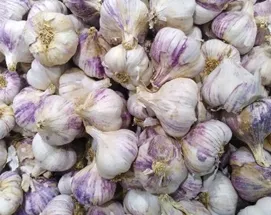
Allium sativum (Garlic Oil)
The antibacterial qualities of Allium sativum, a member of the Amaryllidaceae family, have been used for millennia. Garlic oil's distinct composition of organosulfur compounds is the main reason for pharmacological interest. The vacuolar enzyme alliinase is released when Allium sativum cloves are mechanically disrupted, which helps convert alliin into allicin (diallyl thiosulfinate). The main antifungal agents in garlic oil are diallyl disulfide (DADS) and diallyl trisulfide (DATS), two oil-soluble sulfides that are derived from allicin, a highly reactive, volatile molecule. [8, 9]
These sulfur-containing compounds, which can penetrate the fungal cell membrane and establish disulfide bonds with the sulfhydryl groups of important enzymes, are predominant in garlic essential oil, according to GC-MS research. Membrane integrity is compromised, and vital metabolic activities are inhibited as a result of this interaction. [10]
TABLE NO. 1
|
Compound identified |
Average Percentage |
Pharmacological action |
|
Diallyl Trisulfide |
16.8 – 33.4 |
A powerful fungicidal drug that stops microtubule formation. |
|
Diallyl Disulfide |
17.2-28.99 |
Fungal cells' precursor to reactive oxygen species. |
|
Allyl Methyl Trisulfide |
14.5 – 29.12 |
Combined antibacterial component. |
|
2-Vinyl-4H-1,3-Dithiine |
2.5 |
Membrane stability and anti-biofilm activities. |
|
Allyl Methyl Disulfide |
2.3 – 8.3 |
A contributing metabolite of sulfur. |
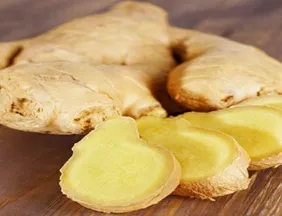
Zingiber officinale (Ginger Oil) Characterization
Both volatile oils and non-volatile, strong chemicals like gingerols and shogaols can be found in abundance in the rhizome of Zingiber officinale (Zingiberaceae). Sesquiterpene hydrocarbons are highly concentrated in ginger essential oil. Alpha-zingiberene, the main component, helps provide the oil its anti-inflammatory and antibacterial qualities.[11,12,13]
Ginger oil's antifungal action includes interfering with fungal intracellular signaling and causing oxidative stress. It has been demonstrated that phenolic chemicals, such as zingerone and other gingerol derivatives, exhibit strong anti-Candida activity by preventing hyphal production and hindering the growth of biofilms.
TABLE NO. 2
|
Compound identified |
Average Percentage |
Pharmacological action |
|
Zingiberene |
10.5 - 18.61 |
principal antibacterial and aromatic carrier. |
|
Curcumin |
2.9 - 9.91 |
Antioxidant and anti-inflammatory assistance. |
|
Sesquiphellandrene |
5.8 - 9.25 |
combined antifungal properties. Improvement of penetration and antimicrobial qualities. |
|
Eugenol |
7.4 – 78.81 |
Enhancement of antibacterial properties and penetration. |
|
Zingerone |
9.0 - 9.5 |
scavenging free radicals and inhibiting metabolism. |
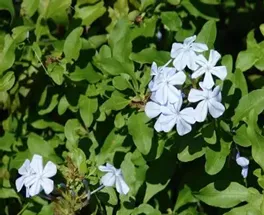
Plumbago zeylanica (Plumbago Oil) and Anti-Biofilm Utility.
The naphthoquinone plumbagin (5-hydroxy-2-methyl-1,4-naphthoquinone) is found in the roots of Plumbago zeylanica, also referred to as Indian leadwort or "Chitrak," a valuable medicinal plant. A strong pro-oxidant, plumbagin causes fungal cells to produce reactive oxygen species (ROS), which damages DNA and causes apoptosis.
Plumbago zeylanica oil or concentrated extract is an effective fungicidal and fungistatic agent. It is an essential part of a synergistic polyherbal formulation since it can regulate the resistance of common medications like ketoconazole, potentially increasing their efficacy by up to 12-fold.
TABLE NO. 3
|
Compound identified |
Average Percentage |
Pharmacological action |
|
Plumbagin |
32.4 – 69.1 |
ROS inducer, primary naphthoquinone, and antifungal. |
|
Phenol, 2,4-bis(1,1-dimethylethyl) |
54.62 |
Antifungal and antioxidant properties. |
|
Lupeol |
Present |
anti-inflammatory and stimulates the healing of wounds. |
|
Hexadecanoic acid |
13.79 |
Antimicrobial activity and saturated fatty acid. |
|
Beta- Sitosterol |
Present |
stability of the dermal barrier. |
Pathophysiology of Superficial Fungal Infections and Biofilm Formation
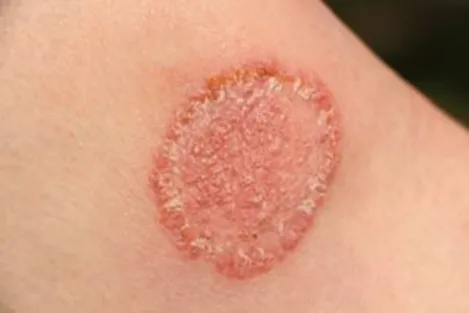
Evaluating the effectiveness of the emulgel requires a thorough understanding of the target pathogens. Yeasts like Candida albicans and dermatophytes like Trichophyton rubrum and Microsporum canis are the main culprits behind superficial mycoses. [14, 15, 16]
Dermatophytosis Mechanisms
Proteolytic and keratolytic enzymes are secreted by specialized fungi called dermatophytes, which infiltrate keratinized tissues like skin, hair, and nails. Tinea pedis and tinea corporis are primarily caused by species such as Trichophyton rubrum. Garlic oil has proven to be very powerful against T. rubrum, effectively preventing its growth by rupturing the integrity of its cell walls. [17, 18]
Biofilm Resistance and Candida albicans The opportunistic pathogen Candida albicans can create biofilms, which are intricate cell communities enmeshed in a matrix of extracellular polymeric substances (EPS). Antifungal therapy resistance is increased by the protective habitat that biofilms offer. Plumbagin from Plumbago zeylanica, which has been demonstrated to prevent biofilm formation by interfering with early adhesion, is strategically added to address this issue.
FUNGAL INFECTION
PRE-FORMULATION STUDY OF ACTIVE INGREDIENTS AND EXCIPIENTS
To ensure the formulation's stability and effectiveness, preformulation tests were carried out to assess the physicochemical characteristics of the active ingredients and their compatibility with excipients. The active components were ginger oil from Zingiber officinale, garlic oil from Allium sativum, and plumbagin from Plumbago zeylanica.
1. Organoleptic Properties
TABLE NO. 4
|
Ingredient |
Appearance |
Odor |
Nature |
|
Plumbagin |
Yellow Liquid |
Characteristic |
Oily
|
|
Garlic oil |
Pale yellow liquid |
Strong and pungent |
Oily
|
|
Ginger oil |
Light yellow liquid |
Aromatic |
Oily
|
2. Solubility Study
TABLE NO. 5
|
Oil |
Water |
Ethanol |
Oil Phase |
|
Plumbago oil |
Insoluble |
Slightly soluble |
Soluble
|
|
Garlic oil
|
Insoluble |
Slightly soluble |
Soluble
|
|
Ginger oil |
Insoluble |
Slightly soluble |
Soluble
|
3. pH Compatibility Study of Herbal Oils with Excipients
TABLE NO. 6
|
Component |
Observed pH Range |
Compatibility with Skin |
Remark
|
|
Plumbago oil |
5.8 – 6.5 |
Compatible |
No irritation expected |
|
Garlic oil |
5.5 – 6.2 |
Compatible |
Stable in formulation |
|
Ginger oil |
5.6 – 6.3 |
Compatible |
Stable for topical use |
|
Carbopol gel base |
6.0 – 7.0 |
Compatible |
Requires neutralization |
|
Final emulgel formulation |
5.5 – 6.5 |
Highly compatible |
Ideal skin PH |
4. Partition Behaviour Study of Herbal Oils
TABLE NO.7
|
Oil |
log P Value |
Nature |
Interpretation |
|
Plumbago oil |
2.5 – 3.0 |
Lipophilic |
Good skin permeation |
|
Garlic oil
|
>3.0 |
Highly lipophilic |
Strong membrane penetration |
|
Ginger oil |
2.0 – 2.8 |
Moderately lipophilic |
Suitable for topical delivery |
5. Drug–Excipient Compatibility
TABLE NO. 8
|
Oil |
Excipients Tested |
Observation |
Result |
|
Plumbago oil |
Carbopol940, stearic acid, cetyl alcohol, liquid paraffin |
No precipitation or color shift |
Acceptable
|
|
Garlic oil
|
Carbopol940, Stearic acid, Cetylalcohol, liquid paraffin |
Absence of phase separation
|
Acceptable
|
|
Ginger oil |
Carbopol940, stearic acid, Cetylalcohol, Liquid paraffin |
There was no evidence of instability.
|
Acceptable
|
Formulation Development and Optimized Ingredients
Three separate phases are incorporated in the formation of the antifungal emulgel: the gelling matrix, the aqueous phase, and the oil phase. The goal is to develop a system with a total active concentration of 7% that is both stable and pleasing in appearance.
Selection of Excipients and Formulation Table
The polyherbal antifungal emulgel's precise composition for 100 millilitres is described below. Stearic acid and cetyl alcohol are used in this formulation to give the emulsion phase body and stability, while Carbopol 940 serves as the structural gelling agent.
TABLE NO. 9
|
Sr. No |
Ingredient |
Quantity |
Role |
|
1 |
Plumbago oil |
1% |
Antifungal |
|
2 |
Garlic oil (from Allium sativum) |
2% |
Antifungal |
|
3 |
Ginger oil |
1% |
Antifungal |
|
4 |
Stearic acid |
10% |
Emulsifier |
|
5 |
Cetyl alcohol |
2% |
Emollient |
|
6 |
Liquid paraffin |
5% |
Oil phase |
|
7 |
Carbopol 940 |
1% |
Gelling agent |
|
8 |
Triethanolamine |
q.s. |
Neutralizer |
|
9 |
Glycerin |
5% |
Humectant |
|
10 |
Methyl paraben |
0.1% |
Preservative |
|
11 |
Propyl paraben |
0.05% |
Preservative |
|
12 |
Purified water |
q.s. (100%) |
Vehicle |
Preparation Methodology: The Multi-Stage Emulsification Process
To ensure homogeneity and the stability of the thermolabile oils, the emulgel is developed in three separate steps.
Stage 1: Preparation of the Oil Phase.
Stearic acid (10%) and cetyl alcohol (2%) are melted at about 70°C to create the oil phase. Once melted, the lipophilic preservatives (propyl paraben) and liquid paraffin (2%) are added. The active oils (garlic 3%, ginger 2%, and plumbago 2%) are added to this phase right before emulsification or after the temperature has somewhat fallen to prevent thermal degradation in order to retain the volatile organosulfur compounds in garlic oil and the gingerols in ginger oil. [19, 20]
Stage 2: Gel Base Preparation and Aqueous Phase
To guarantee full swelling and uniform dispersion of the polymer chains, carbopol 940 (1%) was dissolved in filtered water with constant stirring and left to hydrate for several hours. For a stable gel network to develop and for the desired rheological qualities to be achieved, Carbopol must be properly hydrated. [21;22] The residual aqueous phase was used to dissolve methyl paraben (0.1%), a hydrophilic preservative, and glycerin (5%), a humectant and plasticizer. As is frequently advised in the development of semisolid formulations, the aqueous phase was then heated to the same temperature as the oil phase in order to assure homogeneity and avoid phase separation during emulsification.[23]
Stage 3: Formulation of the Emulgel
An initial oil-in-water (O/W) emulsion was created by gradually incorporating the oil phase into the aqueous phase while stirring quickly. Oil droplets were uniformly dispersed throughout the aqueous medium because of consistent agitation, which is essential for the stability and homogeneity of the emulsion.[24] Triethanolamine was then added to neutralise the emulsion that had developed. This raised the pH and caused Carbopol 940 to ionize, causing swelling and the creation of a three-dimensional gel network. Through this procedure, the low-viscosity emulsion was changed into a stable, non-greasy emulgel with improved spreadability and favorable rheological characteristics. [25,26]
Physicochemical Characterization and Evaluation Parameters.
Physical Appearance of Trial Batches
The created emulgel trial batches' organoleptic properties, such as color, odor, appearance, consistency, homogeneity, phase separation, and lump presence, were assessed visually. The observations are outlined below, and the formulations were created using the factorial design.[17, 28, 29]
Table: Physical Evaluation of Emulgel Trial Batches.
|
Parameter |
Batch F1 |
Batch F2 |
Batch F3 |
Batch F4 (Optimized Batch) |
|
Color |
Light yellow |
Light yellow |
Pale yellow |
Off-white to yellowish |
|
Odor |
Characteristic |
Characteristic |
Characteristic |
Characteristic |
|
Appearance |
Smooth |
Smooth |
Smooth |
Smooth and glossy |
|
Consistency |
Liquid |
Semi-solid |
Semi-solid |
Semi-solid, smooth |
|
Homogeneity |
Fair |
Good |
Good |
Excellent |
|
Phase separation |
Yes (Creaming) |
Slight |
Absent |
Absent |
|
Presence of lumps |
Absent |
Absent |
Absent |
Absent |
Batch F4 was chosen as the optimized batch because it had the best physical attributes of all the trial formulations. It had a smooth, glossy, uniform semi-solid consistency and an off-white to yellowish color. The excellent integration of the herbal oils was demonstrated by the formulation's distinctively strong garlic and aromatic ginger scents. Batch F4 showed no signs of phase separation or lump formation, indicating high emulsion stability and even component distribution. Batches F2 and F3 demonstrated acceptable appearance and stability but somewhat poorer homogeneity than the optimal formulation, whereas Batch F1 showed creaming with a relatively liquid consistency.
pH Determination:
To guarantee skin compatibility and reduce the risk of irritation, the pH of the prepared emulgel batches was measured with a digital pH meter. Each formulation was made as a 1% aqueous dispersion, and the electrode was submerged in the sample to be measured. In order to mirror the natural pH of the skin, the allowable pH range for topical preparations was kept between 5.5 and 6.5. [30,31,32]
Table : PH Evaluation of Emulgel Trial Batches.
|
Sr. No. |
Batch |
pH Value |
|
1 |
F1 |
5.7 |
|
2 |
F2 |
5.7 |
|
3 |
F3 |
5.8 |
|
4 |
F4 (Optimized Batch) |
5.9 |
he created emulgels are safe for topical administration and are unlikely to cause skin irritation, as all formulation batches showed pH values within the acceptable skin-friendly range of 5.5–6.5. Out of all the batches, the optimized batch F4 had a pH of 5.9, which is near the skin's physiological pH and promotes greater patient compatibility and acceptability.
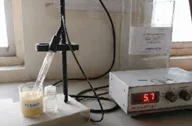
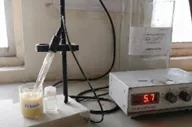
F1 BATCH F2 BATCH
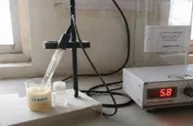
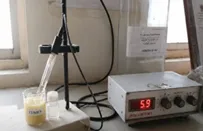
F3 BATCH F4 BATCH
Viscosity Determination:
A Brookfield viscometer equipped with an appropriate spindle was used to measure the viscosity of the prepared emulgel formulations at room temperature and a set rotational speed (rpm). The spreadability, consistency, and stability of topical formulations are significantly influenced by viscosity. [33,34,35]
Table: Viscosity Evaluation of Emulgel Trial Batches.
|
Sr. No. |
Batch |
Viscosity (cps) |
|
1 |
F1 |
64000 |
|
2 |
F2 |
65000 |
|
3 |
F3 |
66000 |
|
4 |
F4 (Optimized Batch) |
67500 |
High and consistent viscosity values were shown in all formulation batches, suggesting that the generated emulgels were stable and consistent. Variations in polymer concentration and composition during factorial design optimization could be the cause of the progressive rise in viscosity from F1 to F4. Without compromising the formulation's smooth application, the optimized batch F4 demonstrated the maximum viscosity, which increased stability, retention on the skin's surface, and patient acceptability.


F1 BATCH F2 BATCH


F3 BATCH F4 BATCH
Spreadability:
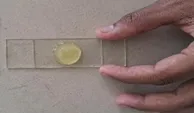
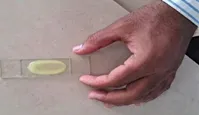
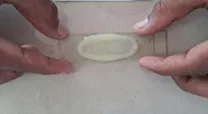
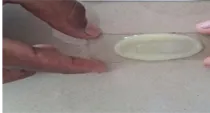
The glass slide method was used to assess the prepared emulgel compositions' spreadability. Two glass slides were sandwiched with a small amount of emulgel, and the upper slide was given a certain amount of weight. It was noted how long it took for the higher slide to move and detach from the bottom slide. The following formula was used to determine spreadability. [36, 37]
Formula:
S = M × L / T
|
Sr. No. |
Batch |
Spreadability |
|
1 |
F1 |
15.55 |
|
2 |
F2 |
16.00 |
|
3 |
F3 |
16.20 |
|
4 |
F4 (Optimized Batch) |
16.50 |
Good spreadability was shown by all formulation batches, indicating ease of application throughout the skin's surface. Better consistency, a smoother texture, and increased patient acceptability were suggested by the optimized batch F4, which had the highest spreadability value. The formulation's optimal viscosity and even dispersion of the gelling ingredient may be responsible for the batches' progressive improvement in spreadability.
F1 BATCH F2 BATCH
F3 BATCH F4 BATCH
Extrudability:
The resulting emulgel compositions were filled into a collapsible aluminum tube to assess their extrudability. To ascertain the ease of extrusion from the container, a steady pressure was applied to the tube, and the amount of emulgel extruded was measured. Convenient application and patient compliance depend on good extrudability. [38, 39, 40]
|
Sr. No. |
Batch |
Extrudability |
|
1 |
F1 |
88% |
|
2 |
F2 |
90% |
|
3 |
F3 |
92% |
|
4 |
F4 (Optimized Batch) |
94% |
ood extrudability was shown by all formulation batches, meaning that the emulgel could be removed from the collapsible tube with little effort. Because of its smooth texture, appropriate viscosity, and enhanced homogeneity, optimized batch F4 showed the maximum extrudability. According to the findings, the adjusted formulation has the right consistency for easy topical application and improved patient acceptability.
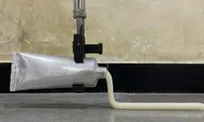
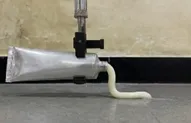
F1 BATCH F2 BATCH
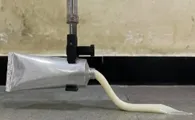
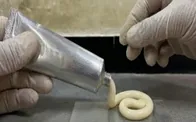
F3 BATCH F4 BATCH
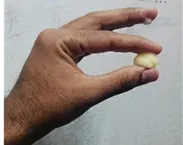
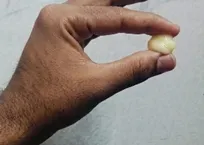
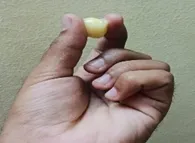
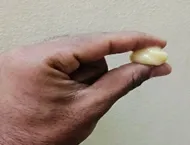
Homogeneity:
By pressing a tiny amount of emulgel between the fingers and visually inspecting the formulations for consistency, uniformity, and the presence of lumps, the homogeneity of the created emulgel formulations was assessed. The overall quality and stability of the emulgel are enhanced by a homogenous formulation, which guarantees consistent dispersion of active components. [41, 42, 43, 44]
|
Sr. No. |
Batch |
Homogeneity |
Presence of Lumps |
|
1 |
F1 |
Uniform |
Absent |
|
2 |
F2 |
Uniform |
Absent |
|
3 |
F3 |
Uniform |
Absent |
|
4 |
F4 (Optimized Batch) |
Highly Uniform |
Absent |
Every batch of the formulation exhibited good homogeneity, with a smooth texture and no lumps, suggesting that the contents were properly mixed and dispersed throughout the formulation. The emulgel's overall quality and the efficacy of the formulation procedure were confirmed by the optimized batch F4's improved uniformity and smooth consistency when compared to the other batches.
F1 BATCH F2 BATCH
F3 BATCH F4 BATCH
Skin Irritation Test:
To assess the safety of the developed emulgel formulations for topical administration, a skin irritation study was conducted. After applying a tiny amount of emulgel from each batch to the shaved skin region, the treated area was checked for redness, itching, swelling, or irritation for a whole day. [45, 46]
Sr. No.
|
Batch |
Redness |
Itching |
|
|
1 |
F1 |
Absent |
Absent |
|
2 |
F2 |
Absent |
Absent |
|
3 |
F3 |
Absent |
Absent |
|
4 |
F4 (Optimized Batch) |
Absent |
Absent |
uring the observation period, none of the formulation batches displayed any obvious symptoms of swelling, redness, itching, or irritation. The findings show that every created emulgel formulation was safe to apply topically and did not cause irritation. Additionally, the optimized batch F4 showed outstanding skin compatibility, indicating that it is suitable for therapeutic use on the skin.
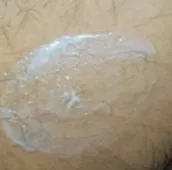
F1 BATCH F2 BATCH

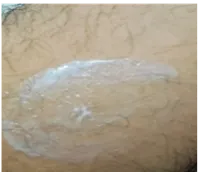
F3 BATCH F4 BATCH
Antifungal Activity:
The agar well diffusion method was used to assess the generated emulgel formulations' antifungal efficacy against Candida albicans. Samples from each formulation batch were added to wells made in agar plates that had already been inoculated with fungal culture. The zone of inhibition was determined to assess the antifungal efficacy after the plates were incubated at 37°C for 24 to 48 hours. [47, 48, 49]
Sr. No.
|
Batch |
Zone of Inhibition (mm) |
|
|
1 |
F1 |
11 |
|
2 |
F2 |
12 |
|
3 |
F3 |
13 |
|
4 |
F4 (Optimized Batch) |
15 |
All formulation batches demonstrated appreciable antifungal activity against Candida albicans, indicating the effectiveness of the incorporated herbal oils. The optimized batch F4 exhibited the largest zone of inhibition, suggesting enhanced antifungal potential compared to the other trial batches. The improved activity may be attributed to better formulation uniformity, optimized composition, and synergistic action of the herbal constituents present in the emulgel.
STABILITY STUDY:
According to standard recommendations, stability studies were conducted to assess the polyherbal antifungal emulgel's chemical and physical stability under various storage circumstances. [50, 51, 52, 53]
Storage Conditions
Parameter
|
Initial |
After 15 Days |
After 30 Days |
Observation |
|
|
Appearance |
Smooth and homogeneous |
No significant change |
No significant change |
Stable |
|
Color |
Off-white to yellowish |
No significant change |
No significant change |
Stable |
|
Odor |
Characteristic |
No significant change |
No significant change |
Stable |
|
pH |
5.9 |
5.8 |
5.8 |
Within acceptable limit |
|
Viscosity (cps) |
67500 |
67000 |
66800 |
Slight decrease |
|
Spreadability |
16.5 |
16.3 |
16.1 |
Acceptable |
Under both storage circumstances, the optimized emulgel formulation (F4) maintained its physical and chemical stability for the course of the trial. The look, color, odor, and homogeneity did not significantly change. Skin compatibility was indicated by the pH being within the permissible range for topical treatment. Over time, there was a minor decline in viscosity and spreadability, but these values stayed within acceptable bounds and had no effect on the formulation's overall quality. These results show that the synthesized polyherbal antifungal emulgel has adequate shelf-life qualities and high stability, making it acceptable for topical use.
RESULT
Plumbago zeylanica, Allium sativum, and Zingiber officinale oils were used in the formulation of the polyherbal antifungal emulgel, which was assessed for a number of factors.
CONCLUSION
Plumbago zeylanica, Allium sativum, and Zingiber officinale oils were used in the successful formulation and evaluation of a polyherbal antifungal emulgel in this work. The formulation demonstrated favorable physicochemical characteristics, such as homogeneity, spreadability, viscosity, and pH.Because of the synergistic impact of herbal oils, the optimized batch (F3) showed the maximum efficacy in the antifungal experiments, which showed substantial activity against Candida albicans. Good shelf-life was indicated by stability studies, which verified that the formulation remained stable with no notable alterations. All things considered, the created emulgel can be regarded as a secure, efficient, and promising substitute for topical antifungal therapy, particularly in overcoming drug resistance.
REFERENCES

Yogesh Karade, Sanika Kurkute, Ashutosh Patil, Vaishnavi Kavathekar, Rutuja Padar, Namrata Kale, Deepti Maske, Multi-Component Phytopharmaceutical Development: Formulation, Characterization, and Clinical Evaluation of a Synergistic Antifungal Emulgel Utilizing Allium sativum, Zingiber officinale, and Plumbago zeylanica Oils, Int. J. of Pharm. Sci., 2026, Vol 4, Issue 6, 1898-1913, https://doi.org/10.5281/zenodo.20591919
 10.5281/zenodo.20591919