

We use cookies to ensure our website works properly and to personalise your experience. Cookies policy
Department of Pharmaceutics, Government College of Pharmacy Chhatrapati Sambhajinagar.
Due to its large surface area, thin epithelial barrier and extensive vascularization the pulmonary route has become an essential platform for both local and systemic drug delivery. Dry powder inhalers (DPIs) are unique among available devices because they are non-invasive propellant-free systems that enhance deep lung deposition patient compliance and drug stability. Polymeric nanoparticles, solid lipid nanoparticles, liposomes, proliposomes, lipospheres and nanostructured lipid carriers are examples of nanotechnology advancements that have improved bioavailability sustained release and targeted delivery. Powder flow dispersion and stability are further optimized by engineered excipients such as lactose, mannitol, trehalose, leucine and trileucine. Aerodynamic properties can be precisely controlled through the use of manufacturing techniques such as micronization, spray drying, spray freeze drying and supercritical fluid processing which are backed by Quality by Design (QbD). Notwithstanding these developments there are still issues: dose variability brought on by patient effort during inhalation sensitivity to moisture restricted regulatory approval of new excipients challenges with scaling up and a lack of knowledge regarding the long-term pulmonary safety of nanocarriers. To fully achieve the therapeutic potential of DPIs enabled by nanotechnology these gaps must be filled through translational research regulatory harmonization and integrated device–formulation design.
For centuries pulmonary routes have been used to treat a variety of respiratory conditions. Balsams, myrrh, aromatic plant vapors and plant leaves were all used in ancient inhalation treatments. In the 1920s a nebulizer solution of adrenaline was introduced. In 1925, nebulizer insulin for pigs was used in diabetes experiments and in 1945 the recently discovered penicillins through pulmonary delivery was examined. Nebulizers were widely used and steroids had been introduced in the middle of the 1950s to treat asthma. The pressured metered dose inhaler (pMDI) which was first introduced in 1956 has emerged as the cornerstone of asthma treatment. Because of its special qualities which include a large absorptive area of up to 100m2 an extremely thin 0. 1 μm - 0. 2 μm absorptive mucosal membrane and a good blood supply this route has become more and more important in recent years. Nebulizers dry powder and pressurized metered dose inhalers are the three platforms on which devices based on these three platforms deliver drugs via the pulmonary route[1]
A drug effectiveness is mostly determined by its intrinsic qualities and the particular illness it is intended to treat. A localized approach is made possible by inhaling the drug directly into the lungs which can lower the body`s overall medication concentrations and the need for larger dosages. This approach can produce notable therapeutic effects as numerous studies have shown and it may improve medication efficacy while reducing systemic toxicity. A decrease in fibrosis and other pulmonary complications has also been linked to the inhalation-based administration of these agents. Intranasal or oral inhalation routes are used to deliver medication to the lungs. Regardless of the delivery method the device drug formulation and the subject inhalation technique can all affect how effective nasal delivery is. Intra-tracheal instillation also known as intra-tracheal inhalation is the term used to describe the oral inhalation of medications.[2]
Therapeutic agents particularly synthetic biomolecules like proteins peptides and nucleic acids can now be delivered to the lungs using DPIs a revolutionary platform. A few of the special benefits of the pulmonary route are systemic delivery of biomolecules with high bioavailability and direct access to the lungs vast surface area and vascular network which allow for the local treatment of respiratory disorders. DPIs provide a non-invasive patient-friendly substitute for conventional parenteral routes in the administration of biomolecules by avoiding their disadvantages which include patient discomfort infection risk and low compliance. DPIs are non-invasive drug delivery methods that specifically target the respiratory system avoiding first-pass metabolism in the liver and gastrointestinal breakdown. Because of this they are an essential substitute for injectable and oral treatments especially for delicate biomolecules like proteins peptides and nucleic acids. By ensuring both localized and systemic therapeutic effects DPIs improve patient comfort and efficacy.[3]
Lung infections, cystic fibrosis, asthma and chronic obstructive pulmonary disease are among the respiratory disorders it is used to treat. Compared to conventional oral and intravenous medication IDP administration has a number of benefits such as increased compliance decreased systemic, side effects, and enhanced bioavailability.[4] It is versatile delivery systems which may require some degree of dexterity to operate, although one of the objectives of recent developments has been to simplify their operation. Typically, they dispense a metered quantity of powder in a stream of air drawn through the device by the patient own inspiration. In the design of a new powder inhaler consideration must be given to optimising the formulation of the powder containing the drug substance to ensure a chemically stable and consistent dose; design of the metering system within the inhaler to provide consistent doses over a range of inhalation conditions; and design of the powder inhaler itself to produce a convenient device that is comfortable and easy for the patient to use.[5] By using the patients own respiration DPIs improved physicochemical stability and deeper lung deposition. Larger carrier excipients (like lactose mannitol or sorbitol) are combined with micronized drug particles (1–5 mm) to create DPIs which are easier to use and less irritating than pMDIs. powder blends that are easy to use.[6]
DPI provide few of benefits that is Encapsulating capability, long-term stability, no liquid propellant, no hand-lung inhalation coordination, altered pharmacokinetics, an extended release profile, enhanced tolerability, decreased toxicity, ease of use and noninvasiveness. The DPI devices are further divided into passive and active devices according to the mechanisms of particle dispersion and aerosolization. The energy needed for powder dispersion in a passive DPI device is provided by the patient inspiratory flow. Overdosing or underdosing may result from variations in the patient inspiratory flow which can also affect the amount of medication administered. The inspiratory flow of a patient is not a determining factor for an active DPI device.[7] Conventional inhalable formulations typically have large spongy grains vehicle-admixture particles etc. The microsized drug particles dissolve in the fluid inside the lungs when patients use traditional forms of inhalable powder formulation which DPI can overcome this.[8]
A thorough summary of nanotechnology-based approaches in dry powder inhaler (DPI) formulations for targeted pulmonary drug delivery is given in this review. It highlights how the incorporation of nanoparticles can improve therapeutic efficacy by overcoming the drawbacks of traditional inhalation therapies including low bioavailability rapid clearance and poor deposition. Various nanocarrier types—polymeric lipid-based liposomes and hybrid systems—as well as formulation and characterization techniques and physiological barriers that impact deposition and retention are covered. The future potential of pulmonary therapies enabled by nanotechnology is outlined by highlighting emerging developments such as aerodynamic optimization stimuli-responsive and targeted DPI systems safety regulatory and translational considerations.
DRUG SELECTION CRITERIA FOR DPI
1. Appropriateness for pulmonary administration (rapid systemic onset or therapeutic target in the lung).
2. Potency in accordance with microgram–milligram dosage[2]
3. Physical-chemical characteristics that allow for the production of aerodynamic particles between 1 and 5 µm.
4. Low hygroscopicity or the possibility of stabilization with excipients along with acceptable powder flow.[9]
5. Proven dissolution in lung fluid simulation or particle engineering readiness as well as expected inhalation safety and large-scale manufacturing. As per the Quality Considerations Guidance for Industry regulatory guidance for inhalation products analytical procedures and stability studies were planned.[10]
COMPOSITION OF CARRIER USED IN DPI
Despite being pharmacologically inert excipients are essential for improving formulation performance. They lower particle adhesion enhance powder dispersion and enhance the active pharmaceutical ingredients (API) mechanical strength chemical and physical stability and release properties. Excipients improve taste and provide sensory feedback during inhalation help achieve the ideal particle size for pulmonary drug delivery and provide bulk for simpler handling and dosing. They also increase patient compliance.
1. Lactose: One of the main factors influencing drug release in dry powder formulations is the adhesion of the drug to the carrier particles. Lactose is the recommended option because of its safety profile but adding fine excipients is another tactic to control these interactions. Drug adhesion is decreased and dispersion is improved by fine lactose particles occupying high energy surface sites on the carrier through processes like multiplet formation triboelectric modifications and redistribution. These multiplets can either reach distal lung regions or aid in drug detachment. However too much fines incorporation can disrupt manufacturing processes like mixing and capsule filling and adversely impact powder flow.[11]
2. Mannitol: An alternative to lactose in inhalation powders has been investigated: mannitol a sugar alcohol. Since it doesn’t reduce like lactose does it works well with APIs that contain amines. When mixed with excipients that increase the systems glass transition temperature or prevent crystallization mannitol despite having a low glass transition temperature can act as a stabilizer. The first authorized inhalable insulin formulation Exubera which included mannitol in addition to sodium citrate glycine and sodium phosphate served as an example of this.[12]. For dry powder inhaler (DPI) formulations, mannitol is becoming more and more acknowledged as a promising non-reducing, non-hygroscopic sugar alcohol that offers enhanced stability, patient compliance, and biologic compatibility. Nevertheless, its natural state frequently lacks the best surface and aerodynamic qualities, making particle engineering methods like surface modification, freeze drying, and recrystallization necessary. For instance, producing surface roughness on a nanoscale from saturated mannitol solutions improves the fine particle fraction and aerosolization effectiveness of medications such as salbutamol sulfate. To enhance drug detachment, engineered fine mannitol particles may also function as ternary additions with lactose. Further development of mannitol carriers with customized surface morphology and micromeritic characteristics may be able to get over lactose restrictions and expand the use of DPI in biologics and innovative treatments.[13]
3. Trehalose: A common stabilizing agent in spray-dried inhalation powders trehalose is a non-reducing glucose disaccharide with a high glass transition temperature (~106 °C) that forms a protective glassy matrix. Even though it makes biopharmaceuticals more stable while drying and storing its hygroscopic properties after spray drying can cause cohesiveness and recrystallization making handling and storage more difficult. Trehalose is frequently mixed with moisture-protective excipients like leucine to address this. Despite being widely accepted as safe in food the FDA has not yet approved trehalose as an excipient for inhalation.[12]
4. L-Leucine: L‑Leucine, a nonpolar aliphatic amino acid, is the most extensively studied amino acid excipient in inhalation dry powders. Its inclusion in spray‑dried formulations enhances aerosolization performance and mitigates the hygroscopicity of amorphous powders, which are otherwise prone to moisture‑induced crystallization and agglomeration. Through its surface activity and low solubility, leucine forms a hydrophobic coating on particles, thereby improving their physical stability.[12]
5. Trileucine: Trileucine, a tripeptide composed of three leucine residues linked by peptide bonds, has been investigated as an excipient in inhalation dry powders. Similar to L‑leucine, it improves aerosolization performance and enhances the physical stability of spray‑dried formulations by reducing moisture sensitivity and particle aggregation. [12]
DIFFERENT NANOTECHNOLOGY APPROCHES USED IN DPI FORMULATIONS:
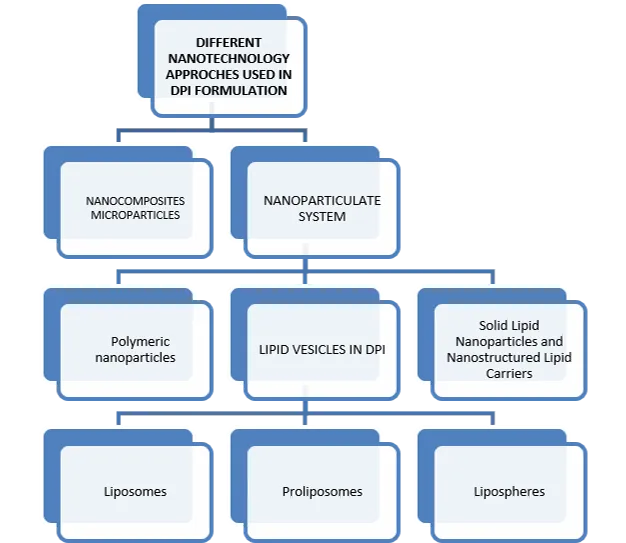
Fig. 1. Different Nanotechnology Approaches used in DPI Formulation
1. Nanocomposites Microparticles:
microparticle-based drug delivery systems are becoming more and more significant in respiratory therapy Because they can increase the therapeutic index prolong the drug half-life and lower toxicity. In order to allow for sustained release these micron-sized carriers encapsulate medications in films of natural or synthetic polymers with regulated thickness and permeability. Numerous varieties are appropriate for inhalation such as polymeric solid lipid large porous and drug–cyclodextrin complex microparticles. They are very effective for pulmonary delivery due to their deep lung deposition ability and resistance to aggregation. When used with dry powder inhalers they offer benefits like convenience ease of use and propellant-free operation.[14]
2. Nanoparticulate System:
a. Polymeric nanoparticles: The biocompatible and biodegradable polymers PLGA, PLA, chitosan, alginate and PCL are used to create polymeric nanoparticles (PNPs) which show promise as inhalation therapy carriers. Safety is ensured by the non-toxic by-products that these polymers break down into and surface modifications can improve targeting. PNPs are mostly taken up by cells through endocytosis which causes the therapeutics to be localized intra-lysosomally. Diffusion impaction sedimentation and interception are some of the processes that control pulmonary deposition and are all influenced by particle size. While diffusion is fueled by the Brownian motion of ultrafine particles interception happens when elongated particles follow airflow and make contact with airway walls. (Drugs Delivered by Nanoparticles in Inhaled Therapy: Enhancing Respiratory Health). For pulmonary arterial hypertension (PAH) treatment simvastatin nanoparticles greatly improve solubility and bioavailability when added to dry powder inhalers (DPIs). With a narrow distribution and a particle size reduction to about 100 nm (PDI = 0. 105) the solubility doubles from 0. 65 µg/mL to 1. 27 µg/mL reducing crystallinity during spray drying. This improvement avoids the extensive first-pass metabolism that limits oral bioavailability (~5 percent) and speeds up dissolution in lung fluid. In order to achieve effective lung deposition nanoparticles aggregate into respirable sizes (1–5 µm) (FPF = 20% MMAD = 1. 33 ± 0. 18 µm). When combined these characteristics allow for more effective treatment better pharmacokinetics and targeted pulmonary delivery.[15]
b. Solid Lipid Nanoparticles and Nanostructured Lipid Carriers: The first class of lipid nanocarriers are solid lipid nanoparticles (SLNs) which are made of biocompatible lipids that stay solid at room temperature and physiological conditions. They are usually 40–1000 nm in size. Low cytotoxicity sustained release with pseudo zero order kinetics drug protection and physicochemical stability are among the benefits of these formulations which contain 0–30 percent (w/w) lipid dispersed in aqueous surfactant solutions. The second generation of nanostructured lipid carriers (NLCs) are made up of partially crystallized lipid matrices that are created by combining solid lipids with oils in ratios ranging from 70:30 to 99. 9:0. 1 which results in a less ordered structure with a greater capacity for drug loading. Aerosolization of both SLNs and NLCs into respirable droplets allows for controlled release extended retention and effective lung deposition. SLN and NLC-based DPI formulations are promising for inhaled drug delivery because of their ability to increase patient compliance prolong dosing intervals and improve therapeutic outcomes.[16]
3. Lipid Vesicles In DPI
a. Liposomes: Comprising aqueous compartments surrounded by concentric lipid bilayers liposomes serve as slow-release reservoirs that extend drug exposure. When compared to free drug encapsulation decreases systemic absorption and encourages even distribution throughout the lung airspaces. This makes it possible to lower healthcare costs improve patient quality of life and reduce the frequency of dosing. The phase-out of propellants and the limited stability of aqueous liposomal dispersions underscore the potential of dry powder inhalers (DPIs) as the most practical substitute for administering liposomal formulations in dry form even though MDIs currently deliver a large number of inhaled medications.[17] To improve localized pulmonary delivery and offer extended drug retention for rescue therapy in transplant rejection a nano liposomal dry powder inhaler (DPI) of tacrolimus was created. The formulation demonstrated a high level of drug entrapment efficiency (96 percent ± 1 point 5 percent) prolonged in vivo lung residence for 24 hours and sustained in vitro release for up to 18 hours. When compared to plain tacrolimus lung exposure increased 1–8 times (AUC₀–₂₄h) indicating enhanced bioavailability and long-lasting therapeutic effect. Additionally the optimized DPI showed outstanding aerosolization qualities allowing for effective deep lung deposition.[18]
As an alternative to traditional liposome powders proliposomes are phospholipid-coated carbohydrates that when hydrated in the pulmonary environment form liposomes. Techniques like spray drying, alcoholic phospholipid solutions or air jet milling phospholipid–drug blends with lactose can be used to prepare them. Multilamellar vesicles (MLVs) with entrapment efficiency and fine particle fraction (FPF) that depend on formulation are produced by these systems FPF values are usually between 20 and 30 percent. Powdered liposomes have great promise for inhaled antimicrobial delivery and are appropriate for low-dose treatments like asthma. To ensure drug protection and efficient pulmonary targeting beclomethasone dipropionate (BDP) proliposomes for instance exhibit a high entrapment efficiency (94 percent).[19] [20]
b. Lipospheres: Lipospheres are self-contained spherical microparticles with a hydrophobic lipid core that is held in place by a phospholipid monolayer. They range in size from 0. 2 to 100 µm. Their solid lipid matrix improves physicochemical stability and bioavailability by allowing controlled drug release. DPPC/DPPG (75:25) was used to create a cyclosporine A (CsA) liposphere-based DPI through spray drying. With an FPF of 52. 99 ± 4. 12 percent an MMAD of 2. 79 ± 0. 47 µm and a GSD of 1. 85 ± 0. 05 aerosol characterization using a next-generation impactor showed good performance. In contrast to co-spray-dried CsA alone the lipospheres demonstrated enhanced aerosol dispersion reduced residual water content and superior physicochemical stability.[21]
Table no.1: Overview of Microparticle and Nanoparticle Drug Delivery Systems
|
Drug Delivery System |
Characteristics |
Active Pharmaceutical Ingredient |
Method of Preparation |
Size |
Ref |
|
Microparticles |
Solid Lipid Microparticles (SLMs) |
Quercetin |
o/w emulsification method |
5.72 µm |
[22] |
|
Polymeric Microparticles (PLGA MPs) |
Rifapentine |
Spray drying |
~2 µm |
[23] |
|
|
PCL Microparticles (PCL MPs) |
Resveratrol |
Vibrational atomization spray drying |
3.8 µm |
[24] |
|
|
Nanoparticles |
Polymeric Nanoparticles |
Heparin |
Ionotropic gelation technique |
162–217 nm |
[25] |
|
Solid Lipid Nanoparticles (SLNs) |
Budesonide |
Emulsification–solvent diffusion method |
218.2 nm |
[26] |
|
|
Nanostructured Lipid Carrier (NLC) |
Paclitaxel |
Emulsification and ultrasonication method, spray drying |
283.4 nm |
[27] |
|
|
Liposomes |
Curcumin |
Nano-spray drying |
2.10 µm |
[19] |
|
|
Proliposomes |
Synergistic Ciprofloxacin and Colistin |
Ultrasonic spray-freeze drying |
~100 µm |
[28] |
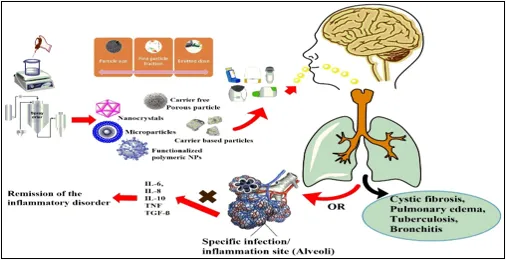
Fig. 2. Particle engineering for formulation of dry powder inhalation systems applicable in lung diseases[29]
MANUFACTURING OF DPI FORMULATION
By reducing coarse active pharmaceutical ingredients (APIs) and excipients to micron-sized dimensions usually from the submicron scale up to several tens of microns micronization is a particle engineering technique. Improved dissolution bioavailability of poorly soluble medications and the production of respirable particles for pulmonary delivery are all made possible by its ability to control particle size distribution morphology and surface area. Additionally micronization improves content uniformity and manufacturing reproducibility. A general classification of the techniques is bottom up (constructive particle formation e. g. A. antisolvent precipitation spray drying or top down (particle size reduction through impact shear or compression e. g. 3. milling homogenization under high pressure).[30]
MECHANISM OF ACTION OF DPI
Inhalers that use dry powder are highly advanced machines. The user must inhale through the device for the active medication to reach the respiratory tract. Through a process known as deagglomeration, the energy from this inhalation breaks up the compacted drug powder and moves the de-agglomerated drug into the lung. The majority of DPIs contain a drug that has been micronized and combined with lactose or other carrier particles to provide adequate flowability and inhibit aggregation. Fine lactose particles are frequently added to the carrier lactose to saturate high-energy binding sites and easily detachable aggregates with the drug particles, thereby improving the aerosolization of the drug particles.[41]
The therapeutic ratio is higher with the pulmonary route than with the oral and parenteral routes because it enables the delivery of a relatively small amount of the active ingredient directly through the respiratory system, reaching a high local concentration in the airways while also reducing systemic side effects. Additionally, the lungs have highly effective clearance systems that prevent harmful environmental particles from entering the body. Drug deposition in the respiratory system is a crucial factor to take into account when evaluating the effectiveness of an inhaled dosage form. The first step following a successful particle inhalation is drug deposition, which can occur via a variety of mechanisms, including direct interception, electrostatic deposition, and inertial impaction, sedimentation, and diffusion (Table ).[42]
Table 2. Deposition mechanisms in the lungs according to particle size.
|
Sr. No. |
Particle Size |
Mechanism |
Parts of Respiratory Tract |
|
1 |
Above 5 µm |
Inertial impaction |
Oropharynx and conducting airways |
|
2 |
0.5–5 µm |
Sedimentation |
Bronchi, Bronchioles and Alveoli |
|
3 |
0.5–3 µm |
Sedimentation and Diffusion |
– |
|
4 |
Below 0.5 µm |
Diffusion and Brownian motion |
Alveolar region |
The deposition of therapeutic aerosol particles onto the epithelial surfaces of the respiratory tract is governed by three predominant mechanisms: Brownian diffusion, which serves as the principal mechanism for particles measuring less than 0.5 µm; gravitational sedimentation, which is relevant for particles exceeding 0.5 µm; and impaction, which predominantly influences particles larger than 5 µm. Additional mechanisms that play a comparatively minor role in particle deposition encompass interception and electrostatic interactions that occur between the particles and the pulmonary walls.[6]
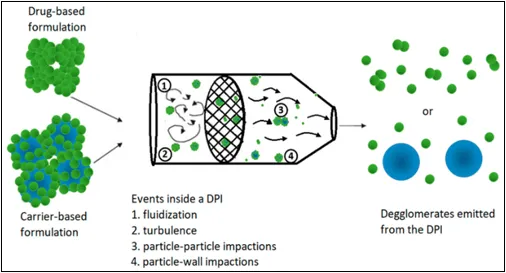
Fig. 3: Schematics-of-dry-powder-inhaler-DPI-dispersion-mechanisms Flow and Particle Modelling of Dry Powder Inhalers: Methodologies.[43]
a. Diffusion: Brownian motion or diffusional deposition is especially important for very small particles (submicron size) that build up in the alveoli and minor airways. The pulmonary dosage is optimized and the fraction of particles that are successfully delivered to their designated site is increased thanks to the careful engineering of advanced inhalation apparatus that releases tiny particles (1–5 μm in aerodynamic diameter). The rate at which aerosol particles are released from an apparatus and move through the airways as well as the inhalation flow rate can significantly impact the patterns of pulmonary deposition. A lower inhalation velocity tends to promote more peripheral deposition patterns whereas a higher inhalation velocity generally corresponds with increased deposition in the central and oro-pharyngeal regions. A slow inhalation flow however might not be sufficient to break up the powdered drug when using a low-resistance dry-powder inhaler which would limit lung deposition. In conclusion the most effective strategy for overall lung deposition and penetration into distal airways has been proven to date to be an inhalation device design paradigm that combines slow-moving aerosols with smaller drug particles or droplets.[20] According to the general form (Dtr)1/2 the deposition by diffusion is proportional to the diffusion coefficient D and the residence time tr. D is the particles diffusion coefficient. given by. where dp is the particle diameter g is the dynamic viscosity Cc is the slip correction factor T is the absolute temperature and k is Boltzmanns constant. This upper limit of the diffusion-dominated regime is the size at which the combined effects of impaction and sedimentation equal the effect of diffusion on DF. The comparison of the size-dependent DF curve (obtained from e. g. G. the ICRP model) between a hypothetical particle with zero density (DF due to diffusion only) and a spherical particle with a given density (DF due to diffusion impaction and sedimentation). The size of interest is the one for which the actual density (DF) is twice that of the zero density (DF).[44]
b. Sedimentation: Sedimentation happens due to gravity, mainly seen in the narrow airways and alveolar spaces because of the short distance particles travel before hitting the walls. Particles sized between 1–5 mm are primarily set down through a sedimentation process. Particle deposition through sedimentation correlates positively with particle diameter or size and rises as airspace dimensions diminish. Consequently, sedimentation leads to greater particle deposition in the alveoli compared to the bronchi.[6]
c. Impaction: It impacts large particles, which possess significant mass and tend to move quickly. Large particles do not modify their flow path at the narrow bifurcations, leading to a higher occurrence of this phenomenon as aerodynamic particle size increases.
d. Enzymatic Degradation: Degradative enzymes are present in the lungs, although far less frequently than in the GIT. The drug component in various delivery systems may be hydrolyzed by various enzymes based on its characteristics. Proteases, peptidases, and lipases are all included. CYP450 enzymes are also present and play a crucial role in metabolizing most medications.[45]
e. Electrostatic Charge Attraction: The electrostatic characteristics of particles lead to (a) both attraction and repulsion among particles from space charge forces, impacting agglomeration and interactions with other particles; and (b) attraction between particles and neutral inner airway surfaces due to image charge forces. At high particle number density, space charge force deposition prevails, while image charge the it force deposition becomes significant for lower density particles.[46]
CHARACTERIZATION AND EVALUATION OF DRY POWDER
Dry powder formulations call for a specific technical design and manufacture. The formulation should be processed in a way which makes the discharge of the device formulation-containing compartments and the duplicability of the dose measured undemanding. The formulation should also be satisfactory and suitable so that the API reaches and deposits on the desired target area with an appropriate flow rate. As a result, the drug and carriers should be present in an adequate aerodynamic size distribution, and then be dispersed properly in the airstream inhaled by the patient.[47][42]
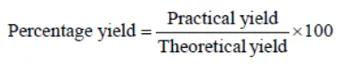
Entrapment efficacy = (estimated % drug content) / (% drug content theoretical) × 100. [6][52]
In the domain of pharmaceutical manufacturing, the primary objective is to attain an encapsulation efficiency (EE) approaching 100% in order to effectively integrate the active pharmaceutical ingredient into the carrier system while minimizing material loss. No significant discrepancies in the reported EE of the two predominant production methodologies were observed. A substantial proportion of the investigations employed the technique of hot homogenization. Nevertheless, thermal treatment has the potential to degrade the drug intended for incorporation. This complicates the assessment of the impact of thermal application on the drug, relegating the analysis to theoretical considerations informed by alternative data and molecular architecture, thereby underscoring the necessity for drug recovery evaluations as outlined in the subsequent section.[53]
BD = Powder blend weight divided by packings untapped volume.
TD = Powder blend weight divided by packings taped volume.
By applying the following formula to calculate Carrs Compressibility Index (CI) the flowability of the powder blend was further evaluated.
CI= [(TD-BD) x 100] / TD
Since the processes involved are rather complex, thorough testing is necessary to ensure the efficiency, quality, and safety of the formulation through general and supplementary tests are as follows in this table:[59][60][61]
Table no. 3: Analytical and Quality Evaluation Parameters for Dry Powder Inhalers (DPIs)
|
Sr. no. |
Test |
Description |
|
1. |
Particle size determination |
The determination is carried out either by light scattering decay or by a cascade impactor. μm is used to express the particle size. |
|
2. |
Fine Particle Fraction (FPF) |
determines the percentage of fine particles typically. which are released from the DPI below 5 μm. demonstrating their appropriateness for deposition in the deep lung. |
|
3. |
InVitro Aerodynamic Assessment |
Analyzes the emitted materials aerodynamic behavior and particles with the Mass Median Aerodynamic Diameter (MMAD) as one example. |
|
4. |
Content uniformity |
Evaluates how evenly distributed the active is. pharmaceutical component (API) in the formulation of the DPI. |
|
5. |
Dose uniformity |
Amount of actuation weighs the dose to ensure uniformity both before and after a particular event. The weight variation per dose is computed. |
|
6. |
Delivered dose |
The dose is given for each actuation satisfies regulatory standards and corresponds to the recommended dosage. |
|
7. |
Moisture content |
Uses techniques like gas chromatography or Karl-Fischer to measure the moisture content. |
|
8. |
Tapped density |
Evaluates by measuring the tapped density. The packing capacity of the powder. |
|
9. |
Bulk density |
Calculates the DPIs bulk density and formulation through the use of techniques such as pycnometry. |
|
10. |
Flowability |
Assesses the DPIs flow characteristics. Formulation which may have an impact on device metering and the spread of aerosols. |
MARKETED FORMULATION OF DPI
Table no. 4: Dry Powder Inhaler (DPI) Products and Their Characteristics[62][63]
|
Brand (device) |
Active ingredients |
Device type (DPI) |
Main indication |
Manufacturer |
|
ADVAIR® Diskus / Seretide Accuhaler |
Fluticasone propionate + Salmeterol |
Diskus / Accuhaler (multidose blister DPI) |
Asthma, COPD (maintenance) |
GlaxoSmithKline (GSK) |
|
SYMBICORT® Turbuhaler |
Budesonide + Formoterol |
Turbuhaler (multi-dose DPI) |
Asthma, COPD (maintenance) |
AstraZeneca |
|
PULMICORT® Turbuhaler
|
Budesonide |
Turbuhaler (multi-dose DPI) |
Asthma (maintenance) |
AstraZeneca |
|
ASMANEX® Twisthaler
|
Mometasone furoate |
Twisthaler (cap-activated multidose DPI |
Asthma (maintenance) |
Merck / Organon (region dependent) |
|
SPIRIVA® HandiHaler
|
Tiotropium bromide |
HandiHaler (capsule DPI) |
COPD (maintenance) |
Boehringer Ingelheim |
|
ULTIBRO® Breezhaler
|
Indacaterol + Glycopyrronium (dual bronchodilator) |
Breezhaler (capsule DPI) |
COPD (maintenance) |
Novartis |
|
BREO® ELLIPTA
|
Fluticasone furoate + Vilanterol
|
Ellipta (pre-metered multi-dose DPI) |
Asthma (maintenance), COPD (maintenance) |
GSK (in some markets with partners) |
|
ANORO® ELLIPTA
|
Umeclidinium + Vilanterol |
Ellipta (pre-metered multi-dose DPI) |
COPD (maintenance) |
GSK / Partners |
RECENT ADVANCEMENT AND FUTURE PROSPECTIVE OF DPI
Recently, innovative characterization methods that integrate optical photothermal infrared (OPTIR) spectroscopy with atomic force microscopy infrared (AFM-IR) spectroscopy have emerged to clarify the distribution of excipient and drug particles at submicrometer and nanometer levels.
Spray freeze drying (SFD) is an established method for producing large porous particles (LPP) in the realm of inhaled medications. It possesses a rapid production rate and is ideal for heat-sensitive substances. The entire procedure comprises three parts: atomization, freezing, and lyophilization. Recently, aerogels, which can be produced using SCF technology, have been investigated for their application in the development of porous particle formulations because of their varied textural properties and porosity.
Alongside the progress in DPI formulation design, developments are ongoing in device technology with the launch of innovative designs and digital advancements. The incorporation of digital technology allows these digital DPI platforms to offer extra insights into inhaler performance and/or usage, potentially reducing device use mistakes. This has demonstrated a beneficial effect on product usage and effectiveness, along with patient satisfaction, compliance, and adherence, leading to improved clinical outcomes overall.
The digital DPIs that are currently approved by the FDA consist of the Digihaler® utilized with ProAir®, AirDuo®, and Armonair® products, which received approval in 2018, 2019, and 2020, respectively. The Digihaler® features a built-in digital sensor located within an electronic module (eModule) at the upper part of the inhaler, capable of tracking usage (date and time), inhalation data pertaining to the inhalation technique (e.g., PIF and flow volume), and offering medication reminders. The accuracy, advantages, and results of digital DPIs like the Digihaler® are starting to become evident. Additional FDA-approved digital DPIs featured external sensors instead of being completely incorporated into the device. The Propeller® sensors created for various DPI devices such as Diskus® (GlaxoSmithKline, Brentford, UK), Ellipta (GlaxoSmithKline, Brentford, UK), and Neohaler (Novartis, Basel, Switzerland) received FDA approval via the 510(k) pathway in 2015, 2016, and 2018, correspondingly. The Propeller® sensors technology captures and tracks actuation events (date and time) and employs Global Positioning System (GPS) technology to detect environmental triggers for asthma exacerbations. Moreover, the Hailie® sensor (cleared through the 510(k) process) was created for MDIs along with the Diskus® (SmartDisk™) and HandiHaler® (SmartHandy™), which can be affixed to the inhaler to monitor and log medication usage and establish reminders. Finally, the launch of the Staccato inhalation platform showcases ongoing advancements in device design for inhalation powders.[64]
Dry powder inhalers (DPIs) hold significant future potential for treating systemic disorders, with ongoing research focusing on novel and smart pulmonary drug delivery formulations, including microparticle and nanoparticle systems These advanced formulations aim for sustained and extended release, improved retention in the lungs, and active targeting Device design is also evolving, with DPIs becoming simpler and easier to use, and energy-powered active DPIs gaining popularity to overcome dependence on patient inspiratory flow Digital inhalers, equipped with features like reminders, alerts, and data collection, are emerging to enhance patient compliance and therapeutic benefits Furthermore, DPI applications are expanding to include vaccines and antiviral drugs, showing great promise for combating pandemics like COVID-19 through pulmonary vaccinations. In summary, despite past challenges and ongoing issues like limited excipient selection and variable lung deposition, the continuous advancements in formulations and device technology, particularly for systemic diseases and vaccines, indicate a promising future for DPIs.[65]
CONCLUSION
Dry powder inhalers have developed into strong platforms that offer systemic and targeted therapy via the pulmonary route while fusing scientific innovation with patient convenience. Modern manufacturing nanotechnology and engineered excipients have greatly enhanced drug stability deposition and therapeutic results. But there are still issues like patient inhalation variability limited excipient approval and the requirement for long-term safety data. To turn laboratory success into actual clinical impact and establish DPIs as a mainstay of upcoming respiratory and systemic therapies it will be essential to close these gaps through integrated formulation–device design and regulatory alignment.
REFERENCES


Tejaswini Kinge, Nishant Patil, Nanotechnology Approaches Based DPI Formulations: Emerging Trends in Targeted Lung Delivery, Int. J. of Pharm. Sci., 2026, Vol 4, Issue 8, 781-803. https://doi.org/10.5281/zenodo.21808759
 10.5281/zenodo.21808759