

We use cookies to ensure our website works properly and to personalise your experience. Cookies policy
Bachelor of Pharmacy, Yashodeep College of Pharmacy, Saralgaon, Murbad 421401.
Soap is the simplest and regularly used cosmetic all over the world. It’s a cosmetic with is used by peoples from all walks of life. The presence study aimed to formulate and evaluate a polyherbal soap containing Neem oil (Azadirachta Indica), Aloe vera (Aloe Barbadensis Miller), Rice water (Oryza Sativa), Camphor (Cinnamomum Camphora) which are well known for their antifungal, antibacterial, anti-inflammatory moisturizing, skin brighten and skin protective activities. Herbal soap does not have side effects like ithiching and allergic reactions, without side effect it gives fairness look to skin. The prepared formulation, where evaluated for physicochemical parameters including appearance, pH, foam height, skin irritation, moisture content assessment and lathering ability analysis. Results indicated that the formulated polyherbal soap exhibited favourable characteristics, including positive feedback regarding skin feel and appearance. The finding indicates that this polyherbal soap is promising natural alternatives to standard antibacterial soaps, promoting both skin hygiene and wellness. This study suggests that polyherbal formulations could offer holistic approach to skin care.
Soaps are widely used for cleansing the skin & removing dirt, excess oils and microorganisms from the skin surface. Since the beginning of time people have employed medical plants as a form of treatment. Several diseases have been treated naturally by using the extract made from the leaves.[1]
Herbal soaps have drawn considerable attention as an alternative to synthetic cleansing bars, largely due to their natural composition, environmental compatibility and non-side effective attributes. The study begins with overview of herbal soaps. The main objective of this work is to formulate and evaluate polyherbal antifungal soap made up of natural ingredients such as Neem (Azadirachta Indica), Aloe vera (Aloe Barbadensis Miller), Rice water (coryza Sativa), Camphor (Cinnamomum Camphora).[2]
1.1. Herbal cosmetics
Herbal cosmetics also known as “natural cosmetics”. With the beginning of the civilization, mankind had the dip towards impressing others with their looks.
Herbal cosmetics are formulated from various cosmetic ingredients to form a base on which one or more herbal ingredients are used to treat various skin conditions. The topical application of juice and extracts from plant leaves is utilized for their anti-microbial and anti-inflammatory properties.
Herbal soaps preparation posses anti-acne and anti-oxidant properties which contains different parts of plants such as leaves, stem, roots and fruits to treat injuries or disease and to accomplish good health.[3]
1.1.1. Application of Herbal products in cosmetics
1.2. Soap:
Soap is the simplest and regularly used cosmetic which used by peoples from all walks of life. Soap has become a necessary commodity in day-to-day life. The Romans used a type of clay found near Rome called “Sapo” from which the word soap is derived. Soap play an essential in removing dirt, sweat, microorganism and excess oil from the skin. Soaps can also provide additional benefits such as moisturizing maintaining cleanliness, preventing infections.[5]
1.2.1. Types of soaps[6]
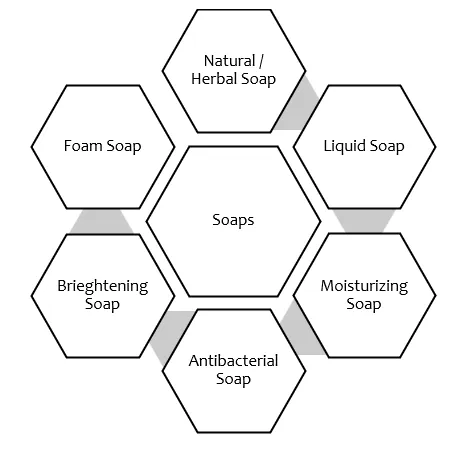
1.3.Herbal soap
It is a preparation is a medicine or drugs it contains anti-bacterial and antifungal agents which mainly uses of part of plants such as leaves, stem, roots, and fruits to treatment for an injury or disease.
The variety of soaps properties have been used to treat various skin disorders mostly skin infections are caused by fungi, streptococcus species. Juice and /extract from leaves of plants are topically are applied as anti-microbial and anti - inflammatory agents in treatment of skin diseases including eczemas, ringworm & pruritus.[7]
Herbal soap should not contain artificial colours, flavours, fluorides etc., when compare to the contain of commercial soap. Herbs are natural products mostly found in the treatment of almost all skin diseases and skin problems owing to their high medicinal value, cost effectiveness and availability.[8]
1.3.1. Concepts of polyherbal formulations
The selected individual plants contain Neem, Aloe vera, Camphor.In majority of traditional system diseases are better manage by the herbs combination (Polyherbal) instead of single herb because of synergism effect and less side effects.
The anti-inflammatory activity of the individual components of polyherbal formulation:
Neem has traditionally used for anti-inflammatory action, it contains several bioactive compounds such as flavonoids and phenolic compounds that may reduce inflammatory responses associated with irritated skin.
Aloe vera preparations and constituents have been reported to influence inflammatory mediators such as COX-2, TNF-a etc, it provides soothing or anti-inflammatory action and complement the cleansing action of the soap.
Camphor has been used for anti-inflammatory or analgesic effect, it provides cooling sensation and topical anti-inflammatory activity.[9]
1.3.2.Types of herbal formulation
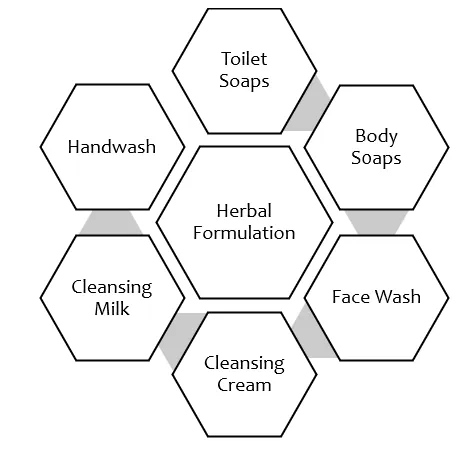
1.4.Overview of Herbal soap
Herbal soap production is a form of medicine with antibacterial, anti-aging, antioxidants, antiseptic qualities. It does not contain artificial colouring, flavouring, other ingredients. Almost all disease and skin issues can be treated with herbs because they are natural items with great therapeutic value, affordability, accessibility and compatibility.
1.4.1.Advantages of herbal soap
It is gentle on the skin, Natural ingredient and Chemical – free. It is Environmental friendly. It has benefits of aromatherapy [10]
MATERIALS AND METHODS
Table 1: Materials and It’s Sources[11]
| Material | Sources |
|---|---|
| Neem | Neem pills are collected from ripe fruits obtained from Local market. |
| Aloe vera | Aloe vera juice is obtained by striping away the outer leaf Rind-Rinsing. |
| Rice water | Rice water is a product from Rinsing, soaking or boiling Rice. |
| Camphor | Naturally sourced from the wood and bark of the Camphor Lauryl Tree |
Table 2: Material and It’s Function[11]
| Sr. No. | Material | Functions |
|---|---|---|
| 1. | Aloe vera | Provide deep moisturization, improves skin hydration & skin healing properties |
| 2. | Neem | Provides antibacterial & antifungal activity, helps in treating skin infections |
| 3. | Rice water | Provide in natural glow helps to bright skin |
| 4. | Camphor | Functions act as deodorant & cooling sensation, Antifungal activity |
| 5. | Sodium hydroxide | Saponification |
| 6. | Lavender oil | Provide fragrance |
| 7. | Vitamin-E capsule | Improve skin texture |
| 8. | Glycerine soap base | Humectant property |
| Sr. No. | Name of the Plant | Common name | Part used | Active constituents Class | Uses |
|---|---|---|---|---|---|
| 1. | Aloe barbadensis mill | Aloe vera | Inner Leaf Pulp & Gel | Polysaccharides, Vitamins (A, C, E, B-Complex) Aloin, Barbaloin | Purgative, anti-spasmodic, prevent malignancy & ulceration |
| 2. | Azadirachtin Indica | Neem | Leaves | Oleic acid, steric acid, Nimbin, Nimbidin, Flavonoids, Tannins, Essesntial oils | Antimicrobial, Anti-inflammatory & Antiviral used as medicated soaps for skin diseases |
| 3. | Oryza sativa | Rice water | Water | Amino acids, Vitamin B & E, minerals & antioxidants | Prevent dark circles, gives natural glow to skin |
| 4. | Cinnamomum Camphora | Camphor | Powder | Ketones, Borneal, Cineole, Camphene & Limonene | Cooling sensation, antimicrobial & antifungal |
| 5. | Alpha-Tocopherol | Vitamin-E | Capsule | Tocopherol (alpha, Beta, gamma) | Natural moisturizer, reduced skin damage, improve skin texture & reduces hyper pigmentation |
| 6. | Lye | Sodium Hydroxide | Powder | - | Used as alkali metal hydroxide as saponifying agent |
| 7. | Lavandula angustifolia mill | Lavender oil | Oil | Terpenes, alcohols, aldehydes & ketones | For fragrance, antimicrobial & enhance therapeutic value |
Table 3: List of crude drugs used for cosmetic purpose[11]
3. DRUGS & ADDITIVES :-
1] ALOE VERA
The name ‘Aloe’ comes from Arabic “Alloeh” which means shining bitter substances and name “Vera” comes from ‘Latin’ word it means “True”.[12]
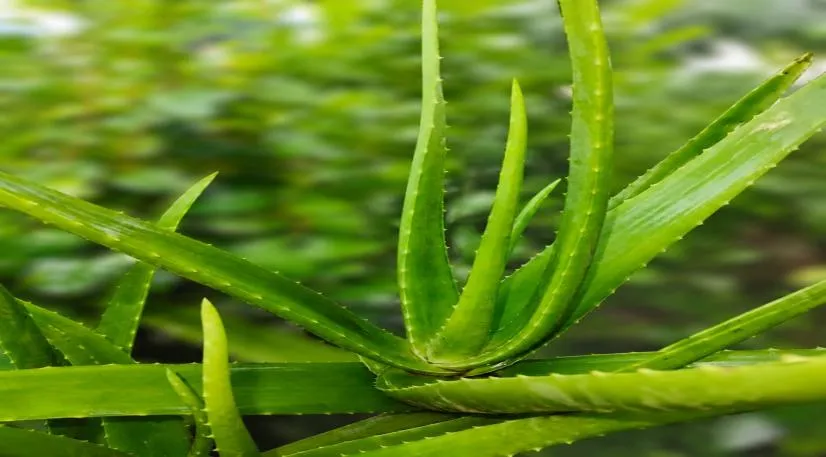
Figure_1. ALOE VERA (Aloe Barbadensis Miller), a medicinal plant widely used for its soothing, moisturizing and skin-protective properties in herbal skincare formulation.
Botanical Classification :-
Synonym: Aloe, Mussab bar
Biological Source :- It is derived from tropical cactus of the Aloe Genus.
Family :- Asphodelaceae (Liliaceae)
Chemical Constituents :-
Aloe may contain 30% Aloin which is mixture of 3-isomer :- Barbaloin, Beta-Barbaloin & Iso-Barbaloin.[12]
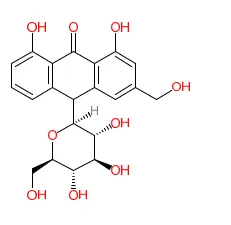
Aloin
Cosmetic Applications :-
Aloe vera is also proved to be a best remedy over the skin disease. It also used as moisturizer for oily skin. Application of aloe gel to skin will makes it look radiant. It has cleansing, soothing and nourishing properties. It removes the dead skin & promotes collagen to prevent wrinkles.[12]
Role In Soap :-
It is primarily used for moisturizing, soothing and/ skin conditioning agent. It’s bioactive constituents help with cleansing and improve overall skin. It’s properties of antioxidant and anti-inflammatory making it useful ingredient in polyherbal soap formulation. In this formulation aloe vera can complement the antimicrobial role.
Medicinal Uses:-
It helps to cure regular problems like cough, cold, indigestion, cuts etc. It can also pure arthritis, insomnia, ulcers, infection, constipation etc. It is used as purgative. It is an ingredient of compound tincture of benzoin. It has anti-inflammatory properties. It is also famous for antifungal and antibacterial properties.[13]
Advantages:-
It is Natural and safe, Suitable for all skin types and it Provides instant soothing effect. Enhances therapeutic value of formulations.
2] NEEM
Neem has been cherished for centuries in Ayurveda, Unani and Siddha system of medicines. Every part of the Neem tree from its leaves to its seeds carries remarkable medicinal power.[14]
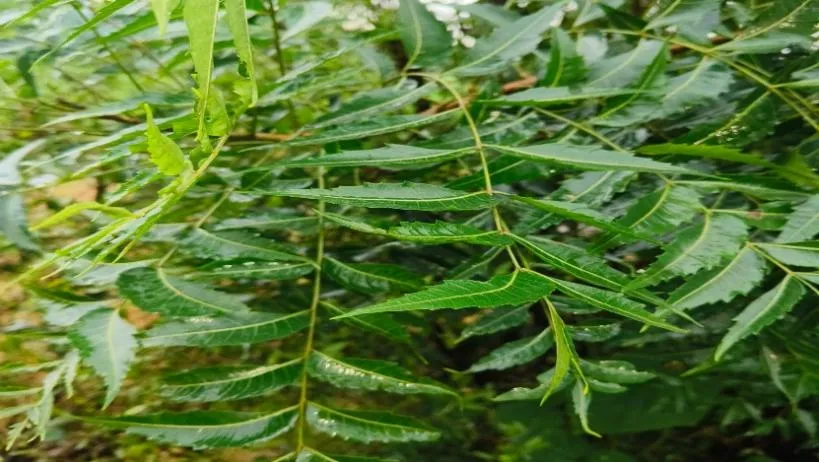
Figure_2. NEEM (Azadirachta Indica)leaves, known for their medicinal properties and traditional use in herbal skincare formulation.
Botanical Classification:-
Synonym:- Margosa, Holy tree
Biological Source :- Obtained from fully matured seeds of Azardirachta Indica Juss, Collected late in Summer.[15]
Family :- Meliaceae
Chemical Constituents :-
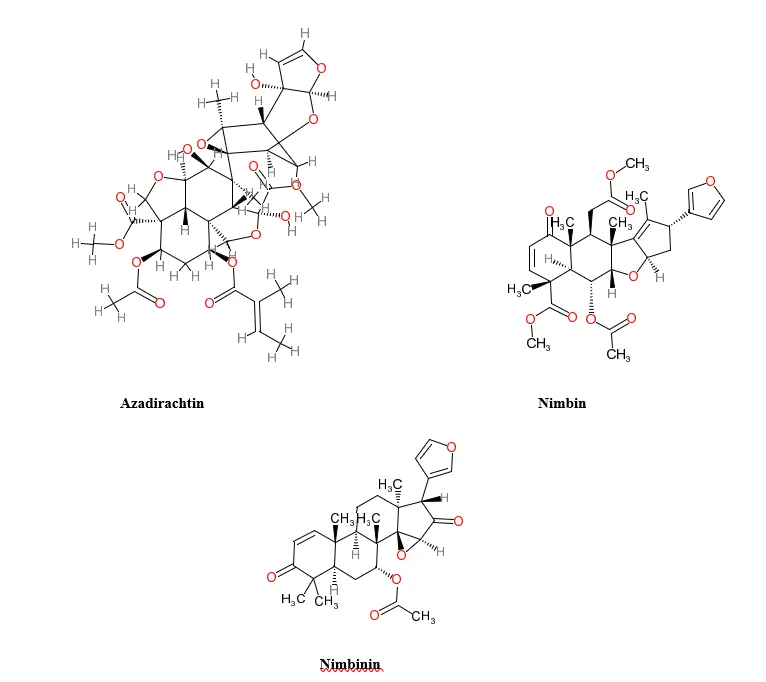
It contain a complex tetranortriterpenoid limonoid called Azadirachtin. It contains Oleic acid 50% & Steric acid 20%. The oil contains 2.0% of bitters, which are Sulphur containing compounds Nimbidin, Nimbin, Nimbinin and Nimbidol.
Cosmetic applications :-
It promotes wound healing as it is antibacterial & astringent. In psoriasis it reduces itching, irritation, roughness of skin & heals the psoriatic patches. It is also effective against many skin diseases such as pyorrhea (periodontitis), bleeding gums & sore throats. It is also used in different lotions, paste & toothpaste. Neem oil offers moisturizing & restructuring properties & is now widely used in cosmetic industry.[15]
Plant parts used:-
1] Wood
It is heavy, stable and resembles in appearance. It is moderately resistant to fungi & repugnant to most borers but difficult to impregnate with preservative.
2] Bark
It is rough with grey colour. It is beneficial in malarial fever and also show mild inhibitory activity against certain strains.
3] Leaves
Leaves pastes is useful in ulceration caused by cow pox. They are used to prepare a very effective medicine for leukoderma. An aqueous extract of leaves is used as antiviral in viral diseases.
4] Fruits
Fruit is used as tonic, antiperiodic, purgative and emollient as anthemintic. It is beneficiary in urinary disease & in the treatment of piles.
5] Kernel
The powdered kernel when mix with wheat, protects it against rice weevil, lesser grain borer.[16]
Role in Soap :-
Neem is incorporated into herbal soap as a biological herbal active ingredients. It’s leaves & other plant parts contains flavonoids, tannins, phenolic compounds & other bioactive constituents. Neem has been investigated for antimicrobial, anti-inflammatory & antioxidant activities, making it a promising ingredients for skin cleansing formulations. It provides the main pharmacological or herbal component of the polyherbal soap.
Medicinal Uses:-
Posses antiviral activity, used as medicated soaps from Skin diseases, Spermicidal. It is used as anti-inflammatory, antiarthritic, antipyretic, antifungal, antimalarial, antibacterial, hypoglycemic, spermicidal & diuretic properties.[17]
Anti-Fungal property of Neem:-
Fungicidal properties of neem extracts are promising and significantly reduced conidial germination in several fungi. The extracts of Azadirachta indica from bark and leaf, inhibited both spore germination and mycelial growth of Epidermophyton floccosum, Microsporum gypseum and Trichophyton mentagrophyte.
Neem leaf is an essential ingredient of many Ayurveda medicines. Gedunin and nimbidol are found in the leaves of neem, are shown powerfulantifungal activity in various fungal infections in humans. Traditional forms of medicine practiced for centuries in Africa and Asia has been reported that, the leaf extract of Azadirachta Indica posses wound healing activity.
Azadirachta indica or Neem, is one of the most versatile medicinal plant having a wide spectrum of biological activity and has become a cynosure of modern medicine.[18]
Advantages:-
It is Natural and eco-friendly, Multifunctional (antimicrobial and anti-inflammatory) agent. It suitable for oily and acne-prone skin. Easily available and cost-effective.
3] RICE WATER
Rice contains all of the essential Nutrients & Minerals. It is customary to wash before cooking & to discard the washed rice water. In this review the authors would like to highlight some of the important aspects of rice-washed water, which has been used for variety of purposes.
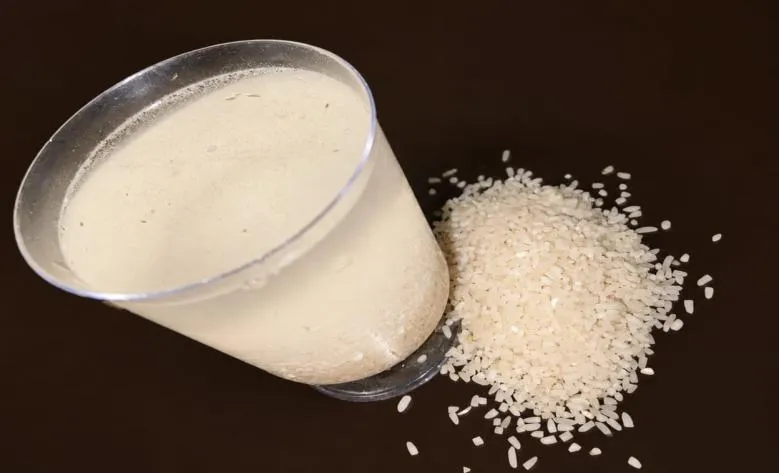
Figure_3. RICE WATER, derived from rice (Oryza Sativa), traditionally used in haircare and skincare formulation.
Biological Source :- Oryza Sativa & Oraya galleria.
Family :- Poaceae
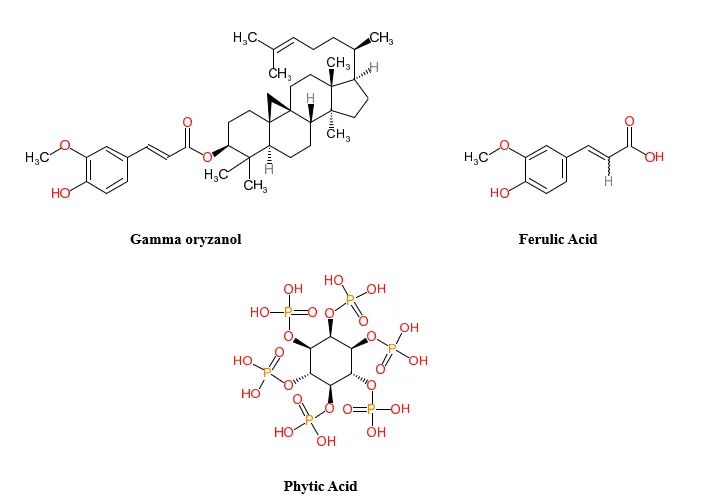
Chemical Constituent :- The most important active constituent is Amino acids, Vitamin B & E, Minerals and Antioxidant and Rice bran. The hard outer layer of the husk is reach in ferulic acid, Gamma oryzanol & Phytic acid.[19]
Antimicrobial Activity :-
The antimicrobial activity was screened against pseudomonas aeruginosa, aspergillus brasiliensis & E-coli.
Cosmetic Application :-
Rice washed water along with nasya & strotonjana, was used in one of them for breast enlargement & shape. With the help of some herbals & fermented products, a non-stimulating antiaging soap was created. This soap’s main ingredients & base was fermented rice washed water. Fermented rice water contains traces of kojic acid.[20]
Role In Soap Formulation :-
Rice water obtained from the washing, soaking or cooking of oryza sativa rice, contains starch & various water soluble nutrients. In herbal soap formulation it serve as supportive skin conditioning & moisturizing ingredients. It add natural, plant derived component to the formulation & support it’s cosmetic positioning.
Medicinal Uses :-
For brightening skin, can help in reduce redness, itching & swelling, prevents dark circle & fade dark spots, gives natural glow to skin. It control excess oil & shrink the poures. It also boosts skin barrier health & improves skin elasticity.[21]
4] CAMPHOR
Camphor is not only the fragrant compounds, as due to its properties it has also found use in the therapy of skin diseases of bacterial and fungal etiology.[22]
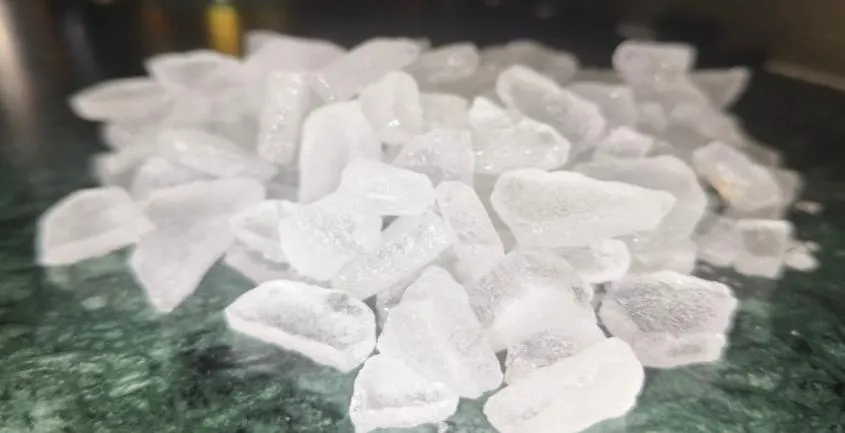
Figure_4. CAMPHOR (Cinnamomum Camphora), a naturally occuring bicyclic monoterpene ketone used in topical formulations for its characteristic aroma and cooling sensation.
Synonyms :- Karpoora, Camphora, Camphre, Gum Camphor.
Biological Source :- It is naturally occurring bicyclic monoterpene ketone obtained traditionally from Cinnamomum Camphora.
Family :- Lauraceae
Chemical Constituents :- Bicyclic monoterpene ketone, Volatile constituents such as Borneol, Cineole, Limonene & Camphene.
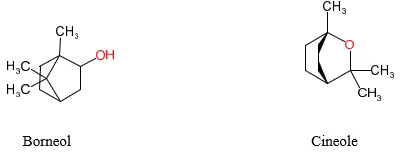
Antifungal activities of camphor :-
Camphor possesses well established antimicrobial activity, Corroborated by an extensive & steadily growing body of literature.
Topical use of Camphor :-
Camphor oil has been used for centuries in the management of conditions like arthritis & inflammation. Camphor has long been used be topically for the relief of musculoskeletal pain associated with rheumatism. It’s analgesic properties believed to provide temporary relief by stimulating local blood flow & sensory nerves.
Role In Soap Formulation :-
Camphor is incorporated into herbal soap primarily as a cooling, aromatic & topical active ingredients. It’s cooling sensation can provide a refreshing feeling after application. It is also have antimicrobial & anti-inflammatory potential, which may complement the antimicrobial activity of Neem. It’s strong characteristics odour can contribute to the aroma of herbal soap.
Medicinal Uses :-
Cooling sensation, Antimicrobial, Anti-fungal & other biological activities. It cleanses & protects the skin against harmful bacteria, rashes & allergies. Camphor used to treat pain, cold sores, hemorrhoids, osteoarthritis, anti-itching & to increase blood flow. It is a topical anti-tussive. It is also used as topical analgesic & anasthetic to relieve pain.[23]
5] VITAMIN E- CAPSULE
Vitamin E is a fat soluble nutrient, specifically a group of eight compound, that act as an antioxidant in body. Vitamin E capsules are commonly used for skin care. It often used to address dryness, scars & wrinkles. Vitamin E capsules are often used for their antioxidant properties reduce hyperpigmentation.[24]

Figure_5. VITAMIN-E CAPSULE, an antioxidant commonly used in skincare formulations to help protect the skin from oxidative damage.
Biological Name :- Alpha-tocopherol
Active constituent :- The active compound of vitamin E capsule is (Alpha, Beta, Gamma, Delta) Tocopherol & (Alpha, Beta, Gamma, Delta) Tocotrienols.
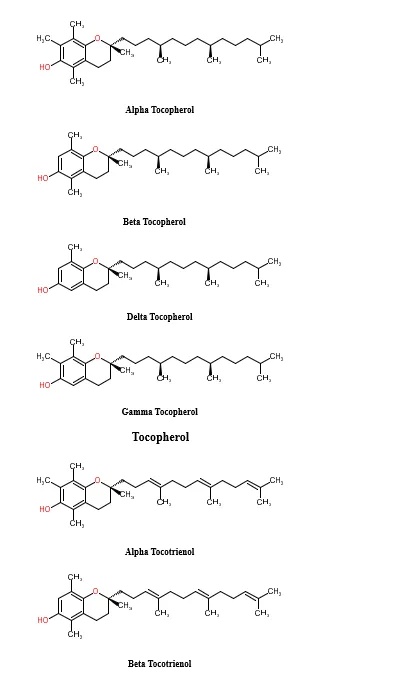
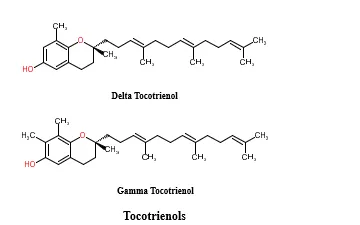
Uses:-
Vitamin E is a natural moisturizer can help to keep skin soft & moist. It may help to reduce skin damage from sun exposure. It also gives brightening & soothing effect. It may improve the skin texture & reduces hyper-pigmentation.[25]
6] SODIUM HYDROXIDE
Sodium hydroxide is exceedingly dangerous in its pure form, cosmetics & skin care products include very little amount of it, making them safe to use.
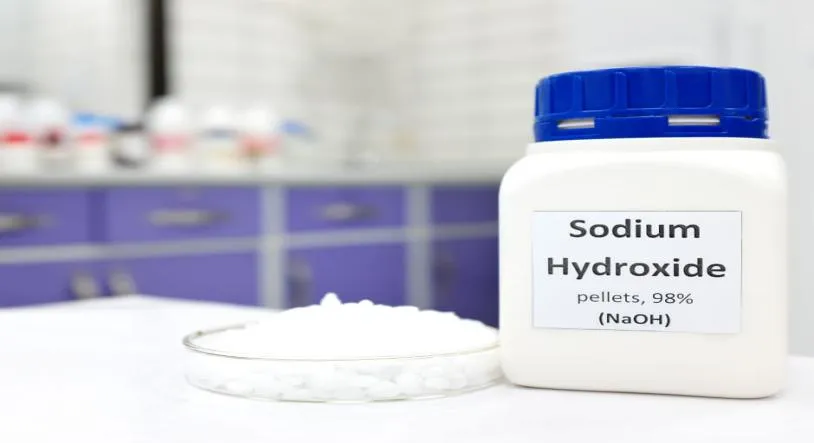
Figure_6. SODIUM HYDROXIDE (NaOH), alkaline agent used in soap formulation to facilitate the saponification process.
Biological Name:- Lye
Chemical Information: Sodium Hydroxide
Molecular formula: NaOH
Molecular weight :- 40g/mol
Medicinal Uses:-
Cleansers, soaps, cosmetics, creams & lotions are just few examples of products used in the beauty & skin care industries that contain sodium hydroxide to balance pH. It is used as alkali metal hydroxide for saponification.[26]
Role in Herbal Soap Formulation :-
It acts as saponifying agent, It converts oils and fats into soap and glycerine. It determines hardness and cleansing ability of soap. It is essential for forming the final solid soap bar.
Advantages :-
It is highly effective and gives fast reaction, produces foam and stables soap. It is readily available and cost effective.[27]
7] GLYCERINE SOAP BASE
Glycerine is a trihydroxy alcohol widely used in cosmetic formulations for it’s humectants properties. Glycerine soap base is popular choice for making rice soap due to its moisturizing properties & ability to create a clear, appealing base. In soap bases glycerine not only retains moisture but also enhances transparency & mildness, making it suitable for sensitive skin.[28]

Figure_7. GLYCERINE SOAP BAR, a moisturizing cleansing product that helps retain skin hydration and maintain skin softness.
8] LAVANDER ESSENTIAL OIL
Lavender calms & refreshes the senses, perfect for daily use both for face & body, it cleanses deeply without drying. Suitable for all skin types.[28]
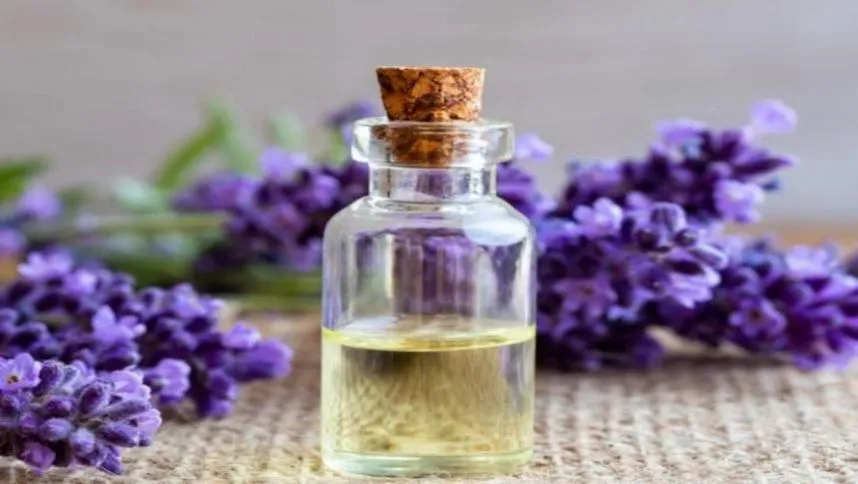
Figure_8. LAVANDER OIL (Lavendula Angustifolia), an essential oil commanly used in skincare formulations for its fragrance and soothing properties.
Botanical Classification :-
Synonyms:- English Lavender, Lavandula oil
Biological source :- Essential oil obtained from flowering tops of Lavandula angustifolia mill
Family :- Lamiaceae
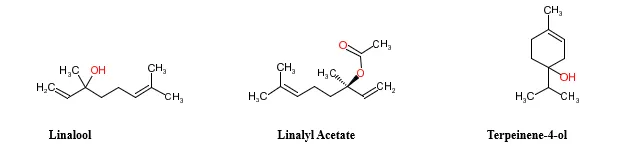
Chemical constituents:- Linalool, linalyl acetate, terpinene-4-ol
Role in Herbal Soap Formulation:-
It has aromatic & calming properties (gives fragrance to the soap and enhances its calming property). It also has antimicrobial and anti-inflammatory action.[29]
4. METHODS OF PREPARATION
Step 1: Collection of drugs
Collect Some leaves of Neem and Aloe Vera, wash with distilled water. Take the rice and needed amount Camphor.
Step 2: Extract preparation
1] Extraction of Aloe Vera gel
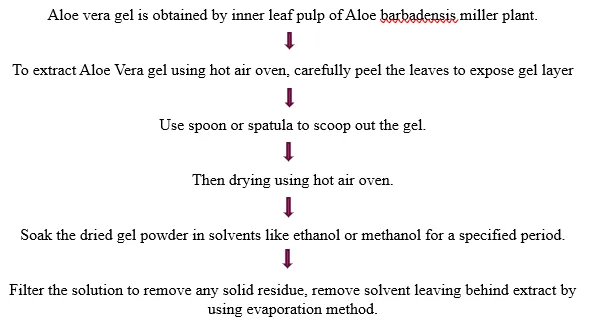
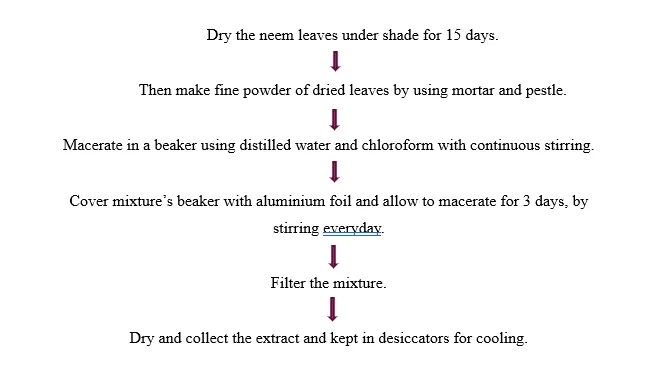
2] Extraction of Neem powder
Step 3: Preparation of soap base
Take q.s. of soap base and cut it into small pieces for easy melting. Melt the soap base by using a double boiler method to avoid direct overheating and burning. Maintain the temperature between 60-70○c
Step 4: Addition of herbal extract and essential oil
After melting remove the prepared soap base from heat. Add the extracted herbal ingredients one by one (Neem leaves powder, Aloe vera gel). Add lavender essential oil into the mixture of soap base.
Step 5: Preparation and Addition of alkali metal agent
Prepare NaOH solution and add this solution into mixture with continuous stirring.
Step 6: Addition of Active components
Add Vitamin-E capsule’s liquid and Camphor powder into the mixture with continue stirring until all actives dissolves completely to form a homogenous mixture.
Step 6: Moulding
Select the proper mould for soap, pour the prepared soap mixture carefully into clean & dry soap moulds. Allow to cooled down at room temperature. Tap the mould gently to remove trapped air bubbles & obtain a smooth surface.
Step 7: Evaluation
The final formulation are test for physical appearance, PH, foaming, ability, antibacterial activity & stability.
Step 8: Packaging & storage
Wrap the prepared polyherbal soap in butter paper or suitable packaging material to protect it from moisture and contamination. Store the soap in cool & dry place away from direct sunlight.[30-33]
5. EVALUATION PARAMETER
1] Physical Evaluation
2] Physiochemical Evaluation
3] Foaming Properties
4] Washability
The washability test should perform to evaluate the ease of removal of the soap from the skin after application.[39]
5] Skin Compatibility
Patch tests are conducted on volunteers to reveal no irritation or allergic reactions, indicating excellent skin compatibility.
6] Cleansing Ability
The cleansing ability of the soap is asses by washing standardized soiled surfaces or skin and observe removal of dirt and oil.[40]
7] Microbial Testing
Microbial testing is essential to ensure the safety of herbal soaps and prevent potential contamination that could lead to skin infections or irritation. The absence of harmful microorganisms is crucial for maintaining the product’s safety and efficacy.[41]
8] Stability Studies
The soap samples are store at room temperature and elevate the temperature for a specific period of time.
6. RECENT TRENDS
With increasing awareness about fewer side effects of herbal cosmetics today’s generation is using herbal soaps, cosmetics and many of the herbal formulation.[42]
As per the other market trends in Ayurvedic soap or natural soap industry are also susceptible to changes.
1] Herbal and Natural Products:- People love to buy products made from herbal and natural ingredients.
2] Eco-friendly and sustainable package:- Sustainable and eco friendly packaging is trending in whole market.
3] Customisation and Personalisation:- Customising soap formulas with natural soap ingredients is trending nowdays.
4] Premium and Luxury natural herbal soaps:- Herbal soaps are made with herbs and concoction of oils and elixirs, this make them a benefiting inclusion in the category of premium and luxury soaps.
5] Herbal soaps for specific demographics:- The herbal soap market trends are not limited to including herbal soap ingredients and working on innovative formulas it can be catered to specific demographics by promoting herbal soaps benefits for specific skin issues.[43]
7. FUTURE AND GLOBAL PROSPECTS
Consumer demand for herbal cosmetics and herbal products is rapidly growing segment globally. The potential herbal soap from this study can be commercialised to improve formulation quality. The demand for herbal and natural products is increasing globally. Advances in formulation techniques and quality control can improve the stability and effectiveness of herbal soaps.
With growing consumer awareness herbal soaps are expected to play role in future of skin care and cosmetics industries.[44]
CONCLUSION
Herbal soaps represent a natural and effective alternative to synthetic soaps. They offer multiple benefits, including gentle cleansing, antimicrobial activity and environmental safety. The increasing popularity of herbal products highlights the importance of integrating traditional knowledge with modern science for better skin care solutions.[44]
For successfully formulate polyherbal soap using natural herbal extracts and for evaluate various physiochemical parameters it should includes physical properties acceptable pH and good foamability, stable foam retention and appropriate moisture content.[45]
REFERENCES


Bhoomi Murekar, Aditi Kachave, Rima Khade, Dr. Shriram Bairagi, Neem, Aloe Vera and Camphor - Based Herbal Soap: Comprehensive Review of Formulation and Evaluation, Int. J. of Pharm. Sci., 2026, Vol 4, Issue 11, 2939-2954. https://doi.org/10.5281/zenodo.24333520
 10.5281/zenodo.24333520