

We use cookies to ensure our website works properly and to personalise your experience. Cookies policy
1,2,3,4,5 Department of Pharmacoogy, Divine College of Pharmacy, Satana
6 Department of Pharmaceutical Chemistry, Divine College of Pharmacy, Satana.
Rheumatoid arthritis (RA) is a chronic autoimmune and inflammatory disorder characterized by persistent synovial inflammation, progressive cartilage degradation, and irreversible joint destruction. Despite significant advances in disease-modifying therapies, long-term treatment is often associated with adverse effects, variable patient responses, and substantial economic burden, highlighting the need for safer and multi-target therapeutic alternatives. Commelina benghalensis L., a medicinal herb widely employed in traditional medicine, has attracted increasing scientific interest owing to its diverse phytochemical profile and reported anti-inflammatory, antioxidant, and immunomodulatory properties. The present review provides an integrative evaluation of the anti-arthritic potential of C. benghalensis by combining evidence from phytochemical investigations, network pharmacology approaches, molecular mechanisms, and experimental studies, with particular emphasis on findings derived from Freund’s Complete Adjuvant (FCA)-induced arthritis models. Available evidence suggests that flavonoids, phenolic compounds, phytosterols, and other bioactive constituents of the plant may exert synergistic therapeutic effects through modulation of multiple molecular targets involved in rheumatoid arthritis pathogenesis. Network pharmacology-based analyses indicate the involvement of key inflammatory and immune-regulatory pathways, including TNF-?, NF-?B, MAPK, PI3K/Akt, and JAK/STAT signaling cascades. Experimental findings further support the ability of C. benghalensis to attenuate paw edema, reduce inflammatory mediators, alleviate oxidative stress, and protect joint architecture in arthritic conditions. By integrating phytochemical knowledge with systems-level pharmacological insights and preclinical evidence, this review highlights the potential of C. benghalensis as a promising multi-target candidate for rheumatoid arthritis management. Furthermore, current research gaps, challenges in standardization, and future directions for translational development are critically discussed to facilitate its progression from traditional use to evidence-based therapeutic application
Rheumatoid arthritis (RA) is a chronic, systemic autoimmune disorder characterized by persistent inflammation of synovial joints, progressive cartilage degradation, and irreversible bone erosion. The disease affects approximately 0.5–1% of the global population and represents a major cause of disability, reduced quality of life, and socioeconomic burden. Unlike degenerative joint disorders, rheumatoid arthritis involves a complex interplay between genetic susceptibility, environmental triggers, oxidative stress, and dysregulated immune responses. Activated macrophages, T lymphocytes, B cells, and fibroblast-like synoviocytes contribute to the excessive production of pro-inflammatory cytokines, including tumor necrosis factor-alpha (TNF-α), interleukin-1 beta (IL-1β), and interleukin-6 (IL-6), which collectively drive synovial hyperplasia, pannus formation, cartilage destruction, and bone resorption [1].
Current therapeutic strategies primarily rely on non-steroidal anti-inflammatory drugs (NSAIDs), corticosteroids, disease-modifying anti-rheumatic drugs (DMARDs), and biological agents targeting specific inflammatory mediators. Although these interventions have significantly improved disease management, their long-term use is frequently associated with adverse effects such as gastrointestinal complications, hepatotoxicity, immunosuppression, cardiovascular risks, and treatment resistance. Furthermore, the multifactorial nature of rheumatoid arthritis limits the effectiveness of single-target therapeutic approaches, emphasizing the need for safer and more comprehensive treatment modalities capable of modulating multiple pathological pathways simultaneously [2,3].
Natural products continue to serve as an important source of bioactive molecules for the management of inflammatory and autoimmune diseases. The growing interest in plant-derived therapeutics has been driven by their chemical diversity, multi-target pharmacological actions, and historical use in traditional medicine systems. Recent advances in systems biology and computational pharmacology have further strengthened the scientific evaluation of medicinal plants by enabling the identification of bioactive compounds, molecular targets, signaling pathways, and pharmacological networks involved in disease modulation. In this context, network pharmacology has emerged as a powerful tool for understanding the complex interactions between phytochemicals and biological systems, particularly in multifactorial diseases such as rheumatoid arthritis [4,5].
Among the medicinal plants receiving increasing scientific attention, Commelina benghalensis L. (Family: Commelinaceae), commonly known as Bengal dayflower, occupies a unique position due to its extensive ethnomedicinal applications and diverse phytochemical composition. The species is widely distributed throughout tropical and subtropical regions of Asia and Africa and has traditionally been employed for the management of inflammatory disorders, fever, wounds, skin diseases, gastrointestinal disturbances, and pain-related conditions. Various parts of the plant have been reported to contain flavonoids, phenolic compounds, tannins, alkaloids, glycosides, sterols, and other secondary metabolites that contribute to its pharmacological activities. Experimental investigations have demonstrated antioxidant, antimicrobial, anti-inflammatory, analgesic, hepatoprotective, and immunomodulatory properties, suggesting its potential relevance in the management of chronic inflammatory diseases [6,7].
The pharmacological significance of C. benghalensis is particularly intriguing in the context of rheumatoid arthritis because many of its reported phytoconstituents possess mechanisms capable of regulating oxidative stress, inflammatory mediator production, and immune-cell activation. These biological activities correspond closely with key molecular events involved in RA pathogenesis. Furthermore, emerging evidence indicates that plant-derived flavonoids and phenolic compounds may influence multiple signaling pathways, including NF-κB, MAPK, PI3K/Akt, and JAK/STAT cascades, which are critically involved in inflammatory progression and joint destruction [8-10].
Freund’s Complete Adjuvant (FCA)-induced arthritis remains one of the most widely accepted experimental models for evaluating anti-arthritic agents because it closely mimics several immunological, biochemical, and histopathological features observed in human rheumatoid arthritis. Findings obtained from FCA-induced animal studies provide valuable insights into disease mechanisms and therapeutic responses, facilitating the translation of preclinical observations into potential clinical applications.
Considering the growing interest in multi-target therapeutics and the increasing application of systems pharmacology in natural product research, a comprehensive synthesis of the available evidence regarding Commelina benghalensis is warranted. Therefore, the present review aims to integrate current knowledge on the phytochemical profile, network pharmacology-based target prediction, molecular mechanisms, and FCA-induced experimental evidence associated with the anti-arthritic potential of C. benghalensis. By critically examining these interconnected dimensions, this review seeks to provide a mechanistic framework for understanding the therapeutic value of this medicinal plant and to identify future opportunities for its development as a scientifically validated intervention for rheumatoid arthritis.
2. Botanical Profile and Ethnomedicinal Significance of Commelina benghalensis L.
2.1 Botanical Overview
Commelina benghalensis L., commonly referred to as Bengal dayflower or tropical spiderwort, belongs to the family Commelinaceae and is widely distributed throughout tropical and subtropical regions of Asia, Africa, and South America. Although frequently regarded as an agricultural weed, increasing scientific attention has highlighted its medicinal value and diverse pharmacological properties. The plant exhibits remarkable ecological adaptability and can thrive under varied environmental conditions, contributing to its extensive geographical distribution and long-standing use in traditional healthcare systems [11,12].
Taxonomically, C. benghalensis is classified under the Kingdom Plantae, Order Commelinales, Family Commelinaceae, and Genus Commelina. It is a succulent, creeping, annual-to-perennial herb characterized by branched stems, alternate leaves, fibrous roots, and distinctive blue flowers enclosed within folded spathes. The species possesses both aerial and subterranean flowers, a unique reproductive adaptation that enhances survival and propagation under diverse environmental conditions. Such biological resilience has contributed to its widespread occurrence and availability as a traditional medicinal resource in several countries [13].
Table 1. Taxonomic Classification of Commelina benghalensis L.
|
Taxonomic Rank |
Classification |
|
Kingdom |
Plantae |
|
Division |
Magnoliophyta |
|
Class |
Liliopsida |
|
Order |
Commelinales |
|
Family |
Commelinaceae |
|
Genus |
Commelina |
|
Species |
Commelina benghalensis L. |
2.2 Morphological Characteristics
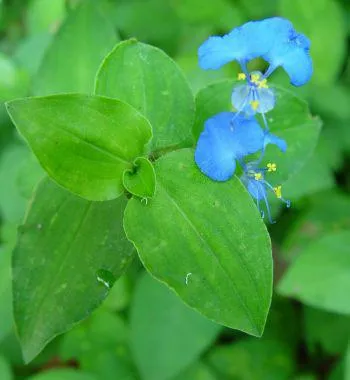
Figure 1. Botanical Appearance of Commelina benghalensis L.
The plant typically grows as a prostrate or ascending herb with fleshy stems capable of rooting at the nodes. Leaves are simple, alternate, ovate to lanceolate, and possess a characteristic sheathing base. The flowers are generally blue to bluish-purple and consist of three petals, two of which are conspicuously larger than the third. The fruit is a capsule containing multiple seeds that contribute to its efficient dispersal and persistence. These morphological features not only facilitate species identification but also influence the accumulation and distribution of bioactive secondary metabolites within different plant tissues.
2.3 Geographical Distribution
Commelina benghalensis is believed to have originated in tropical regions of Africa and Asia and is currently distributed across India, China, Sri Lanka, Bangladesh, Nepal, Ethiopia, Nigeria, South Africa, Brazil, and several other tropical countries. The plant commonly grows in cultivated fields, roadsides, grasslands, wetlands, and disturbed habitats. Its widespread availability has facilitated its incorporation into various indigenous medicinal systems and ethnobotanical practices [12]. The extensive geographical distribution of C. benghalensis is particularly relevant from a pharmaceutical perspective because environmental factors such as soil composition, climate, and altitude may influence phytochemical composition and biological activity. Consequently, geographical variation should be considered during future standardization and quality-control studies involving medicinal preparations derived from this species.
2.4 Traditional and Ethnomedicinal Applications
For centuries, C. benghalensis has been utilized in traditional medicine for the treatment of diverse ailments. Different plant parts, including leaves, stems, roots, and the whole plant, have been employed either individually or in combination with other medicinal herbs. Ethnomedicinal reports indicate its use in managing fever, headache, jaundice, constipation, skin disorders, burns, sore throat, snakebite, wound healing, gastrointestinal disturbances, and inflammatory conditions [13].
The therapeutic relevance of C. benghalensis in inflammatory disorders is particularly noteworthy. Traditional healers in several regions have employed plant preparations to alleviate pain, swelling, and inflammatory symptoms, suggesting the presence of biologically active constituents capable of modulating inflammatory pathways. Although traditional claims alone cannot establish therapeutic efficacy, they often provide valuable leads for pharmacological investigation and drug discovery. The growing body of experimental evidence supporting anti-inflammatory and antioxidant activities of C. benghalensis lends scientific credibility to several of these historical applications.
Table 2. Selected Traditional Uses of Commelina benghalensis L.
|
Traditional Use |
Plant Part Used |
|
Fever management |
Whole plant |
|
Headache relief |
Leaves |
|
Wound healing |
Leaves and stem |
|
Skin disorders |
Whole plant |
|
Jaundice |
Whole plant |
|
Gastrointestinal complaints |
Leaves |
|
Inflammatory conditions |
Whole plant |
|
Pain management |
Leaves and roots |
2.5 Relevance to Rheumatoid Arthritis Research
The ethnomedicinal significance of C. benghalensis extends beyond its traditional use as a general anti-inflammatory remedy. Many disorders for which the plant has historically been employed share common pathological features with rheumatoid arthritis, including chronic inflammation, oxidative stress, immune dysregulation, and tissue damage. This observation provides an important rationale for exploring its anti-arthritic potential through modern pharmacological approaches.Contemporary systems pharmacology recognizes that medicinal plants frequently exert therapeutic effects through multiple compounds acting on interconnected biological targets rather than a single molecular mechanism. Such a multi-target therapeutic paradigm aligns closely with the complex pathophysiology of rheumatoid arthritis. Consequently, C. benghalensis represents a promising candidate for network pharmacology-guided investigations aimed at identifying bioactive compounds, predicting molecular targets, and elucidating signaling pathways associated with disease modulation. These considerations collectively justify a comprehensive evaluation of its phytochemical composition and molecular mechanisms, which are discussed in subsequent sections.
3. Phytochemical Landscape of Commelina benghalensis: Linking Chemical Diversity with Anti-Arthritic Potential
The therapeutic value of medicinal plants is largely determined by the diversity and biological activity of their secondary metabolites. In recent years, phytochemical investigations of Commelina benghalensis have revealed the presence of numerous bioactive constituents belonging to different chemical classes, including flavonoids, phenolic compounds, alkaloids, tannins, saponins, glycosides, terpenoids, phytosterols, and carbohydrates. These metabolites are not only responsible for the plant's traditional medicinal applications but also provide a molecular basis for its reported anti-inflammatory, antioxidant, antimicrobial, and immunomodulatory properties [14,15]. Unlike conventional synthetic drugs that typically interact with a single molecular target, medicinal plants contain multiple bioactive constituents capable of acting simultaneously on interconnected biological pathways. This characteristic is particularly advantageous in rheumatoid arthritis, where disease progression involves a complex network of inflammatory mediators, immune cells, oxidative stress pathways, and signaling cascades. Consequently, the phytochemical complexity of C. benghalensis supports the concept of multi-target intervention, which is increasingly recognized as an effective strategy for managing chronic inflammatory disorders [16].
Several phytochemical studies have identified flavonoids as one of the predominant classes of bioactive compounds present in C. benghalensis. Flavonoids are widely recognized for their ability to suppress inflammatory responses through inhibition of pro-inflammatory cytokines, regulation of reactive oxygen species (ROS), and modulation of intracellular signaling pathways. Compounds belonging to this class have been reported to interfere with the activation of nuclear factor-kappa B (NF-κB), mitogen-activated protein kinase (MAPK), and Janus kinase/signal transducer and activator of transcription (JAK/STAT) pathways, all of which play central roles in rheumatoid arthritis pathogenesis [17]. Phenolic compounds constitute another important group of phytochemicals in C. benghalensis. These compounds possess strong antioxidant properties that enable them to neutralize free radicals and reduce oxidative damage associated with chronic inflammation. Oxidative stress has emerged as a major contributor to synovial tissue injury and cartilage degradation in rheumatoid arthritis. Therefore, phenolic constituents capable of restoring redox homeostasis may indirectly attenuate inflammatory progression and joint destruction [18].
Phytosterols and terpenoid derivatives reported in the plant have also attracted scientific interest because of their documented anti-inflammatory activities. Previous investigations involving structurally related phytosterols have demonstrated their ability to inhibit cytokine production, reduce leukocyte infiltration, and suppress inflammatory enzyme expression, including cyclooxygenase-2 (COX-2) and inducible nitric oxide synthase (iNOS). Such mechanisms are highly relevant to rheumatoid arthritis, where excessive production of inflammatory mediators contributes to persistent synovitis and tissue damage [19]. Tannins and saponins present in C. benghalensis may further enhance its therapeutic potential through complementary mechanisms. Tannins exhibit antioxidant and protein-binding properties that can reduce tissue injury during inflammatory responses, whereas saponins have been associated with immunomodulatory effects capable of regulating immune-cell activation and cytokine secretion. The coexistence of these phytochemicals within a single plant matrix suggests the possibility of synergistic interactions that may amplify therapeutic outcomes beyond those achievable by individual compounds alone.
From a network pharmacology perspective, the presence of chemically diverse metabolites supports the hypothesis that C. benghalensis exerts anti-arthritic effects through a multi-component, multi-target, and multi-pathway mode of action. Rather than acting on a single inflammatory mediator, the plant is likely to influence a broader molecular network involving cytokine signaling, oxidative stress regulation, immune modulation, and apoptosis-related pathways. Such a systems-level mechanism is consistent with the emerging paradigm of network medicine and provides a strong rationale for further computational and experimental investigations. Although the phytochemical profile of C. benghalensis continues to expand, current evidence indicates that flavonoids, phenolic acids, phytosterols, and terpenoid constituents are the most probable contributors to its anti-inflammatory and anti-arthritic activities. Future studies employing advanced analytical platforms such as high-performance liquid chromatography (HPLC), liquid chromatography, mass spectrometry (LC–MS), metabolomics, and molecular networking approaches will be valuable for identifying additional bioactive constituents and establishing compound-specific pharmacological mechanisms.
Table 3. Major Phytochemical Classes Identified in Commelina benghalensis and Their Potential Relevance to Rheumatoid Arthritis
|
Phytochemical Class |
Representative Constituents Reported |
Potential Anti-Arthritic Relevance |
|
Flavonoids |
Flavonoid derivatives |
Cytokine suppression, NF-κB inhibition |
|
Phenolic compounds |
Phenolic acids |
Antioxidant and anti-inflammatory effects |
|
Terpenoids |
Terpenoid derivatives |
Modulation of inflammatory signaling |
|
Phytosterols |
β-sitosterol-like sterols |
Reduction of inflammatory mediator production |
|
Tannins |
Hydrolysable and condensed tannins |
Protection against oxidative tissue damage |
|
Saponins |
Saponin derivatives |
Immunomodulatory activity |
|
Alkaloids |
Various alkaloid constituents |
Potential regulation of inflammatory pathways |
|
Glycosides |
Natural glycosidic compounds |
Supportive antioxidant and protective effects |
4. Network Pharmacology Framework for Deciphering the Anti-Arthritic Mechanisms of Commelina benghalensis
The conventional “one drug–one target–one disease” paradigm has proven insufficient for explaining the therapeutic effects of medicinal plants, particularly in complex disorders such as rheumatoid arthritis. Increasing evidence suggests that phytomedicines exert their pharmacological actions through multiple constituents acting simultaneously on interconnected molecular targets and signaling pathways. Network pharmacology has emerged as a valuable systems-level approach for investigating these complex interactions and has become increasingly important in natural product research. By integrating phytochemical information, target prediction, disease-associated genes, and pathway enrichment analyses, network pharmacology provides a mechanistic framework for understanding how medicinal plants influence disease progression at a molecular level [20]. In the context of Commelina benghalensis, the diverse phytochemical composition described in previous sections suggests the presence of numerous bioactive molecules capable of interacting with multiple biological targets involved in rheumatoid arthritis. Flavonoids, phenolic compounds, phytosterols, and terpenoid constituents are particularly attractive candidates for network pharmacology investigations because these classes of compounds have previously demonstrated interactions with inflammatory mediators, immune-regulatory proteins, and oxidative stress pathways. Rather than acting independently, these phytochemicals are likely to form a coordinated pharmacological network that contributes to the overall therapeutic effect of the plant [21]. A typical network pharmacology workflow begins with the identification of phytoconstituents followed by the prediction of potential molecular targets using publicly available databases and computational algorithms. These predicted targets are subsequently compared with rheumatoid arthritis-associated genes obtained from disease databases. The overlapping targets represent potential therapeutic nodes through which plant-derived compounds may exert anti-arthritic activity. Such an approach enables researchers to prioritize biologically relevant targets and establish a mechanistic link between phytochemistry and disease modulation [22].
Rheumatoid arthritis is characterized by extensive molecular crosstalk involving inflammatory cytokines, chemokines, transcription factors, and signaling proteins. Consequently, disease-associated target networks frequently highlight molecules such as TNF, IL6, IL1B, PTGS2, AKT1, STAT3, MAPK1, JUN, VEGFA, and RELA as central regulators of inflammatory progression. These proteins function as molecular hubs that coordinate cytokine signaling, immune-cell activation, angiogenesis, oxidative stress responses, and synovial tissue remodeling. Because many plant-derived phytochemicals are known to interact with these targets, the anti-arthritic activity of C. benghalensis may involve simultaneous regulation of several pathogenic pathways rather than inhibition of a single mediator [23]. Protein–protein interaction (PPI) analysis further strengthens this systems-level perspective by identifying highly connected hub genes within disease networks. In rheumatoid arthritis, hub proteins such as TNF-α, IL-6, AKT1, STAT3, and MAPK family members frequently occupy central positions due to their extensive interactions with downstream signaling molecules. Therapeutic modulation of these hubs can produce broader biological effects compared with targeting peripheral proteins. Therefore, network pharmacology provides an opportunity to identify whether phytochemicals present in C. benghalensis are capable of influencing these critical regulatory nodes [24].
Beyond target identification, functional enrichment analyses offer important insights into the biological processes affected by plant-derived compounds. Gene Ontology (GO) enrichment studies in rheumatoid arthritis commonly reveal involvement in inflammatory response, regulation of cytokine production, leukocyte activation, oxidative stress response, apoptotic regulation, and immune-system processes. These biological functions closely correspond with the experimentally reported pharmacological activities of C. benghalensis, further supporting its potential relevance in arthritis management. Similarly, Kyoto Encyclopedia of Genes and Genomes (KEGG) pathway analyses frequently identify several signaling pathways associated with rheumatoid arthritis progression. Among these, the TNF signaling pathway, NF-κB signaling pathway, PI3K/Akt pathway, MAPK cascade, JAK/STAT pathway, and Toll-like receptor signaling pathway consistently emerge as major therapeutic targets. Dysregulation of these pathways contributes to excessive cytokine production, synovial inflammation, pannus formation, cartilage degradation, and bone erosion. The ability of plant-derived phytochemicals to simultaneously influence multiple pathways may therefore provide a mechanistic advantage over single-target interventions [25]. An important strength of network pharmacology lies in its capacity to bridge traditional medicinal knowledge with modern molecular biology. In the case of Commelina benghalensis, network-based approaches facilitate the transformation of ethnopharmacological observations into testable mechanistic hypotheses. Rather than viewing the plant as a collection of isolated compounds, network pharmacology conceptualizes it as a dynamic therapeutic system in which multiple phytochemicals cooperate to modulate interconnected disease networks. This perspective aligns particularly well with the multifactorial nature of rheumatoid arthritis and supports the development of evidence-based phytotherapeutic strategies. Collectively, current systems pharmacology concepts suggest that the anti-arthritic activity of C. benghalensis is likely mediated through coordinated regulation of inflammatory cytokines, oxidative stress pathways, immune signaling cascades, and tissue-destructive processes. These mechanistic insights provide the foundation for subsequent investigations involving protein–protein interaction networks, pathway enrichment analyses, molecular docking studies, and experimental validation in FCA-induced arthritis models.
Table 4. Potential Molecular Targets Relevant to the Anti-Arthritic Activity of Commelina benghalensis
|
Target |
Biological Function |
Relevance in Rheumatoid Arthritis |
|
TNF |
Master inflammatory cytokine |
Synovial inflammation and joint destruction |
|
IL6 |
Cytokine signaling |
Chronic inflammation and immune activation |
|
IL1B |
Pro-inflammatory mediator |
Cartilage degradation and pain |
|
PTGS2 (COX-2) |
Prostaglandin synthesis |
Inflammation and edema |
|
AKT1 |
Cell survival signaling |
Synovial proliferation |
|
STAT3 |
Cytokine-mediated transcription |
Immune dysregulation |
|
MAPK1 |
Intracellular signaling |
Cytokine production and inflammation |
|
RELA |
NF-κB transcription factor component |
Expression of inflammatory genes |
|
VEGFA |
Angiogenesis regulator |
Pannus formation |
|
JUN |
Transcription factor |
Cellular proliferation and inflammation |
Table 5. Major Signaling Pathways Potentially Modulated by Commelina benghalensis
|
Pathway |
Biological Outcome |
|
TNF Signaling Pathway |
Cytokine production and inflammation |
|
NF-κB Pathway |
Expression of inflammatory genes |
|
PI3K/Akt Pathway |
Cell survival and immune regulation |
|
MAPK Pathway |
Inflammatory signaling cascade |
|
JAK/STAT Pathway |
Cytokine-mediated responses |
|
Toll-Like Receptor Pathway |
Innate immune activation |
|
Apoptosis Pathway |
Regulation of inflammatory cell survival |
|
Oxidative Stress Pathways |
Redox homeostasis and tissue protection |
5. Molecular Targets and Signaling Pathways Underlying the Anti-Arthritic Activity of Commelina benghalensis
Rheumatoid arthritis is a multifactorial inflammatory disease driven by a complex network of cytokines, transcription factors, intracellular signaling proteins, and immune cells. The chronic nature of the disease arises from sustained activation of these interconnected molecular pathways, resulting in persistent synovitis, progressive cartilage degradation, and bone destruction. Consequently, therapeutic strategies capable of simultaneously modulating multiple pathogenic targets have gained considerable attention. The phytochemical diversity of Commelina benghalensis suggests that its anti-arthritic effects may originate from coordinated interactions with several key inflammatory and immune-regulatory pathways rather than a single molecular target.
5.1 TNF-α as a Central Therapeutic Target
Tumor necrosis factor-alpha (TNF-α) is widely recognized as one of the most important cytokines involved in rheumatoid arthritis pathogenesis. Elevated TNF-α levels stimulate synovial fibroblast proliferation, enhance inflammatory cell recruitment, promote cytokine release, and accelerate cartilage and bone destruction. The clinical success of TNF inhibitors further emphasizes the critical role of this cytokine in disease progression. Experimental and phytochemical studies involving medicinal plants have demonstrated that flavonoids and phenolic compounds can suppress TNF-α production and downstream inflammatory responses. Given the abundance of these compounds in C. benghalensis, it is plausible that the plant exerts part of its anti-arthritic activity through attenuation of TNF-mediated signaling. Such modulation may subsequently reduce the expression of secondary inflammatory mediators and limit tissue damage within affected joints [26].
5.2 Interleukin-Mediated Inflammatory Networks
In addition to TNF-α, interleukin-1 beta (IL-1β) and interleukin-6 (IL-6) are major contributors to rheumatoid arthritis pathology. IL-1β stimulates matrix metalloproteinase production, enhances cartilage degradation, and promotes osteoclast-mediated bone resorption. Meanwhile, IL-6 contributes to chronic inflammation, B-cell activation, T-cell differentiation, and systemic manifestations of rheumatoid arthritis [27]. Persistent elevation of these cytokines creates a self-amplifying inflammatory environment within synovial tissues. Plant-derived polyphenols and flavonoids have repeatedly demonstrated the capacity to reduce IL-1β and IL-6 production through regulation of intracellular signaling pathways. Therefore, the phytochemical constituents of C. benghalensis may interfere with cytokine-driven inflammatory amplification, thereby limiting disease progression and preserving joint integrity.
5.3 NF-κB Signaling Pathway
The nuclear factor-kappa B (NF-κB) pathway serves as a master regulator of inflammatory gene expression. Activation of NF-κB leads to transcription of numerous pro-inflammatory mediators, including TNF-α, IL-1β, IL-6, cyclooxygenase-2 (COX-2), and inducible nitric oxide synthase (iNOS). In rheumatoid arthritis, persistent NF-κB activation contributes to chronic inflammation, synovial hyperplasia, and tissue destruction [28]. Many naturally occurring flavonoids have been shown to inhibit NF-κB activation by preventing degradation of inhibitory proteins or blocking nuclear translocation of transcription factors. Considering the phytochemical profile of C. benghalensis, inhibition of NF-κB signaling represents one of the most plausible mechanisms through which the plant may exert broad-spectrum anti-inflammatory activity. Suppression of this pathway would simultaneously affect multiple downstream inflammatory mediators, consistent with the multi-target therapeutic concept of network pharmacology.
5.4 MAPK Signaling Cascade
Mitogen-activated protein kinase (MAPK) signaling is another major pathway implicated in rheumatoid arthritis. The MAPK family, including extracellular signal-regulated kinase (ERK), c-Jun N-terminal kinase (JNK), and p38 MAPK, regulates cellular proliferation, cytokine production, apoptosis, and inflammatory responses. Excessive activation of MAPK pathways contributes to synovial inflammation and cartilage destruction through enhanced production of inflammatory mediators and matrix-degrading enzymes [29]. Phytochemicals possessing antioxidant and anti-inflammatory properties frequently exhibit inhibitory effects on MAPK activation. Consequently, modulation of MAPK signaling may represent an additional mechanism through which C. benghalensis influences inflammatory responses and protects joint tissues from progressive damage.
5.5 PI3K/Akt and JAK/STAT Signaling Pathways
Recent studies have highlighted the importance of phosphoinositide 3-kinase/protein kinase B (PI3K/Akt) and Janus kinase/signal transducer and activator of transcription (JAK/STAT) pathways in rheumatoid arthritis pathogenesis. These pathways regulate cell survival, immune-cell activation, cytokine signaling, and inflammatory gene expression. Dysregulated PI3K/Akt and JAK/STAT signaling contributes to synovial fibroblast proliferation, resistance to apoptosis, and chronic immune activation. Network pharmacology investigations frequently identify AKT1 and STAT3 among the most significant hub genes associated with anti-inflammatory phytochemicals. Therefore, bioactive compounds present in C. benghalensis may influence these pathways, reducing inflammatory signaling and restoring immune homeostasis. Such effects could complement the regulation of TNF-α and NF-κB pathways, producing a broader therapeutic response [30].
5.6 Oxidative Stress and Antioxidant Defense
Oxidative stress has emerged as a major contributor to rheumatoid arthritis progression. Excessive production of reactive oxygen species damages cellular proteins, lipids, and DNA while simultaneously amplifying inflammatory signaling. Oxidative injury accelerates cartilage degeneration and contributes to synovial tissue destruction. The antioxidant activity reported for C. benghalensis is therefore highly relevant to its proposed anti-arthritic potential. Phenolic compounds and flavonoids present within the plant may scavenge free radicals, enhance endogenous antioxidant defenses, and suppress oxidative stress-mediated inflammatory pathways. By restoring redox balance, these phytochemicals may provide additional protection against chronic joint damage.
5.7 An Integrated Mechanistic Perspective
The available evidence suggests that the anti-arthritic activity of Commelina benghalensis cannot be attributed to a single compound or molecular target. Instead, the plant appears to function through a coordinated pharmacological network involving suppression of inflammatory cytokines, inhibition of NF-κB and MAPK signaling, regulation of PI3K/Akt and JAK/STAT pathways, and attenuation of oxidative stress. Such a multi-target mode of action aligns closely with contemporary network pharmacology concepts and may explain the therapeutic potential observed in traditional medicine and experimental studies. Taken together, these interconnected mechanisms provide a strong biological rationale for the anti-arthritic activity of C. benghalensis and establish the foundation for subsequent discussion of preclinical evidence obtained from FCA-induced arthritis models.
Table 6. Major Molecular Targets and Proposed Anti-Arthritic Actions of Commelina benghalensis
|
Molecular Target/Pathway |
Role in Rheumatoid Arthritis |
Potential Effect of C. benghalensis |
|
TNF-α |
Initiates inflammatory cascade |
Suppression of cytokine production |
|
IL-1β |
Cartilage degradation |
Reduction of inflammatory damage |
|
IL-6 |
Chronic immune activation |
Modulation of cytokine signaling |
|
NF-κB |
Transcription of inflammatory genes |
Inhibition of inflammatory mediator expression |
|
MAPK |
Cytokine production and synovial proliferation |
Regulation of inflammatory signaling |
|
PI3K/Akt |
Cell survival and immune activation |
Restoration of cellular homeostasis |
|
JAK/STAT |
Cytokine-mediated signaling |
Reduction of inflammatory responses |
|
ROS/Oxidative Stress |
Tissue damage and inflammation |
Antioxidant protection |
6. Experimental Evidence Supporting the Anti-Arthritic Potential of Commelina benghalensis: Insights from FCA-Induced Arthritis Models
Experimental validation remains an essential step in translating computational predictions and ethnopharmacological observations into scientifically credible therapeutic evidence. Although network pharmacology can identify potential molecular targets and signaling pathways, biological confirmation is required to determine whether these predicted interactions result in measurable anti-arthritic effects under pathological conditions. Among the available preclinical models, Freund's Complete Adjuvant (FCA)-induced arthritis is considered one of the most reliable and extensively utilized models for evaluating anti-arthritic agents because it reproduces several immunological, biochemical, and histopathological characteristics observed in human rheumatoid arthritis [31]. FCA-induced arthritis is characterized by progressive joint inflammation, synovial hyperplasia, infiltration of inflammatory cells, cartilage degradation, oxidative stress, and bone erosion. Following adjuvant administration, animals typically develop primary inflammation at the injection site, followed by secondary systemic inflammatory responses affecting distant joints. This progression closely resembles the chronic inflammatory nature of rheumatoid arthritis and provides a valuable platform for assessing disease-modifying effects of natural products. The anti-arthritic potential of Commelina benghalensis can be interpreted through its reported anti-inflammatory, antioxidant, and immunomodulatory activities. Experimental studies involving plant extracts have demonstrated the ability to reduce inflammatory responses and oxidative damage, suggesting possible therapeutic benefits in arthritis management. The phytochemical constituents identified in C. benghalensis, particularly flavonoids, phenolic compounds, and phytosterols, are known to regulate inflammatory mediators implicated in FCA-induced arthritis. Therefore, the pharmacological effects observed in experimental investigations may be attributed to the combined action of these bioactive molecules rather than a single constituent.
One of the most commonly evaluated parameters in FCA studies is paw edema, which serves as an indicator of inflammatory severity. Effective anti-arthritic interventions generally produce a significant reduction in paw swelling by suppressing cytokine production, limiting inflammatory-cell infiltration, and reducing vascular permeability. Based on its reported anti-inflammatory properties, C. benghalensis is expected to attenuate edema formation through inhibition of inflammatory mediators such as TNF-α, IL-1β, and IL-6. Reduction in paw volume is often accompanied by improvements in clinical arthritis scores, reflecting decreased disease severity and improved joint function [32]. In addition to clinical observations, hematological and biochemical markers provide important insights into disease progression and therapeutic response. FCA-induced arthritis is frequently associated with elevated erythrocyte sedimentation rate (ESR), increased C-reactive protein (CRP), leukocytosis, anemia, and altered cytokine profiles. Successful anti-arthritic treatments typically restore these parameters toward normal physiological ranges. Given the anti-inflammatory and antioxidant activities reported for C. benghalensis, modulation of these biomarkers would be consistent with its proposed therapeutic mechanism. Oxidative stress plays a crucial role in FCA-induced arthritis by amplifying inflammatory signaling and promoting tissue destruction. Excessive generation of reactive oxygen species contributes to lipid peroxidation, protein oxidation, and cellular injury within synovial tissues. Consequently, biomarkers such as malondialdehyde (MDA), superoxide dismutase (SOD), catalase (CAT), and glutathione (GSH) are frequently assessed in experimental studies. The antioxidant constituents of C. benghalensis may reduce oxidative damage by scavenging free radicals and enhancing endogenous antioxidant defenses, thereby protecting joint tissues from progressive degeneration. Histopathological evaluation represents one of the most informative approaches for assessing anti-arthritic efficacy. Untreated arthritic animals typically exhibit extensive synovial proliferation, inflammatory-cell infiltration, pannus formation, cartilage erosion, and bone destruction. In contrast, effective therapeutic interventions reduce these pathological alterations and preserve joint architecture. The anti-inflammatory and antioxidant mechanisms proposed for C. benghalensis suggest its potential to mitigate histological damage and maintain structural integrity of affected joints [32].
The mechanistic significance of these experimental observations becomes particularly evident when interpreted alongside network pharmacology findings. Predicted modulation of TNF-α, IL-6, NF-κB, MAPK, PI3K/Akt, and JAK/STAT pathways provides a molecular explanation for reductions in inflammation, oxidative stress, and tissue injury observed in preclinical models. Thus, experimental evidence and systems pharmacology appear to converge on a common therapeutic framework, supporting the hypothesis that C. benghalensis functions through a multi-target mechanism of action. Despite encouraging findings, important limitations remain. Most available investigations involving C. benghalensis have focused on general pharmacological activities rather than detailed anti-arthritic characterization. Standardization of plant extracts, identification of active constituents, pharmacokinetic evaluation, and long-term safety studies remain insufficiently explored. Future FCA-based studies integrating molecular biology, cytokine profiling, transcriptomics, and metabolomics could substantially strengthen the evidence base and facilitate clinical translation. The available experimental evidence, when interpreted in conjunction with phytochemical and network pharmacology data, supports the potential of Commelina benghalensis as a promising candidate for rheumatoid arthritis management. The convergence of anti-inflammatory, antioxidant, and immunomodulatory mechanisms highlights the value of this medicinal plant as a multi-target therapeutic system deserving further investigation.
Table 7. Key Parameters Evaluated in FCA-Induced Arthritis Studies and Their Relevance
|
Parameter |
Significance in Arthritis |
Expected Effect of C. benghalensis |
|
Paw volume |
Degree of inflammation |
Reduction in edema |
|
Arthritis score |
Clinical disease severity |
Improvement in symptoms |
|
TNF-α |
Pro-inflammatory cytokine |
Decreased expression |
|
IL-1β |
Joint destruction mediator |
Reduced levels |
|
IL-6 |
Chronic inflammatory marker |
Downregulation |
|
ESR |
Systemic inflammation |
Normalization |
|
CRP |
Acute-phase response marker |
Reduction |
|
MDA |
Oxidative stress marker |
Decrease |
|
SOD |
Antioxidant defense |
Increase |
|
CAT |
Antioxidant enzyme activity |
Increase |
|
Histopathology |
Structural joint damage |
Preservation of joint architecture |
7. Integrating Network Pharmacology and Experimental Evidence: A Systems-Level Mechanism for the Anti-Arthritic Action of Commelina benghalensis
The increasing adoption of systems pharmacology has transformed the understanding of medicinal plants from simple sources of bioactive compounds into complex therapeutic networks capable of modulating multiple disease-associated pathways simultaneously. In rheumatoid arthritis, where disease progression is driven by interconnected inflammatory, oxidative, immunological, and tissue-destructive mechanisms, such a systems-oriented perspective is particularly valuable. The collective evidence reviewed thus far suggests that the anti-arthritic potential of Commelina benghalensis may arise from coordinated interactions among its phytochemical constituents and multiple molecular targets involved in rheumatoid arthritis pathogenesis [33].
Traditional pharmacological investigations frequently attempt to identify a single active constituent responsible for therapeutic activity. However, accumulating evidence indicates that medicinal plants often exert their biological effects through synergistic interactions among multiple compounds. In the case of C. benghalensis, flavonoids, phenolic compounds, phytosterols, terpenoids, tannins, and other secondary metabolites may collectively contribute to anti-inflammatory and immunomodulatory effects. Rather than functioning independently, these constituents are likely to influence overlapping biological pathways, thereby generating a broader and more sustained therapeutic response than would be expected from any single molecule alone.
Network pharmacology provides a mechanistic explanation for this phenomenon by demonstrating how multiple phytochemicals can converge on common disease-associated targets. Predicted interactions involving TNF, IL6, IL1B, AKT1, STAT3, MAPK1, PTGS2, and RELA suggest that the pharmacological effects of C. benghalensis are distributed across an interconnected molecular network rather than confined to a single pathway. Such target convergence is particularly important in rheumatoid arthritis because inflammatory cytokines, transcription factors, and signaling proteins participate in extensive molecular crosstalk. Consequently, modulation of several targets simultaneously may produce superior therapeutic outcomes compared with selective inhibition of individual mediators.
An integrated interpretation of the available evidence suggests that suppression of inflammatory cytokine signaling represents one of the central mechanisms underlying the anti-arthritic effects of C. benghalensis. The predicted regulation of TNF-α, IL-1β, and IL-6 provides a plausible explanation for reductions in synovial inflammation, inflammatory-cell infiltration, and tissue injury observed in experimental settings. These cytokines occupy upstream positions within inflammatory networks and regulate numerous downstream mediators responsible for disease progression. Therefore, even modest attenuation of their activity may produce widespread biological consequences.
The NF-κB signaling pathway appears to function as another important mechanistic node within the proposed therapeutic network. Activation of NF-κB promotes the transcription of multiple inflammatory genes and perpetuates chronic inflammation in rheumatoid arthritis. Phytochemical constituents of C. benghalensis possessing antioxidant and anti-inflammatory properties may interfere with NF-κB activation, thereby limiting the production of inflammatory cytokines, prostaglandins, and nitric oxide. Such effects could contribute to the reduction of paw edema, inflammatory biomarkers, and histopathological damage reported in arthritis models.
Beyond cytokine regulation, modulation of MAPK, PI3K/Akt, and JAK/STAT signaling pathways may further enhance therapeutic efficacy. These pathways collectively regulate immune-cell activation, cellular proliferation, apoptosis, and cytokine production. Their dysregulation contributes to synovial hyperplasia, pannus formation, and resistance to programmed cell death. Consequently, simultaneous regulation of these pathways may suppress inflammatory progression while restoring cellular homeostasis within affected joints.
Oxidative stress constitutes another critical component of the proposed mechanism. Chronic inflammation generates excessive reactive oxygen species that amplify tissue injury and further stimulate inflammatory signaling. The antioxidant properties attributed to phenolic compounds and flavonoids present in C. benghalensis may reduce oxidative stress by neutralizing free radicals and enhancing endogenous antioxidant defenses. This dual anti-inflammatory and antioxidant activity creates a favorable environment for tissue protection and may help interrupt the vicious cycle linking oxidative damage and inflammation.
When viewed collectively, the available evidence supports a systems-level therapeutic model in which C. benghalensis functions through multiple interconnected mechanisms. Bioactive phytochemicals appear to target inflammatory cytokines, transcription factors, oxidative stress mediators, and intracellular signaling pathways simultaneously. The resulting pharmacological effects include suppression of inflammation, attenuation of oxidative injury, modulation of immune responses, protection of cartilage and bone tissues, and preservation of joint function. Such a multi-target mechanism is highly compatible with the complex pathophysiology of rheumatoid arthritis and reinforces the value of network pharmacology as a framework for understanding medicinal plant activity.
Importantly, the proposed systems-level mechanism should be regarded as a dynamic model rather than a definitive representation of biological reality. Additional experimental studies incorporating transcriptomics, proteomics, metabolomics, molecular docking, and target-validation approaches are required to confirm specific phytochemical–target interactions. Nevertheless, the convergence of ethnomedicinal knowledge, phytochemical evidence, network pharmacology predictions, and experimental findings provides a compelling rationale for continued investigation of Commelina benghalensis as a potential anti-arthritic therapeutic resource.
Table 8. Proposed Systems-Level Mechanism of Commelina benghalensis in Rheumatoid Arthritis
|
Phytochemical Action |
Molecular Target/Pathway |
Biological Outcome |
|
Anti-inflammatory activity |
TNF-α, IL-1β, IL-6 |
Reduced cytokine production |
|
NF-κB inhibition |
RELA/NF-κB pathway |
Decreased inflammatory gene expression |
|
MAPK modulation |
ERK, JNK, p38 MAPK |
Reduced inflammatory signaling |
|
PI3K/Akt regulation |
AKT1 pathway |
Restoration of cellular homeostasis |
|
JAK/STAT modulation |
STAT3 signaling |
Improved immune regulation |
|
Antioxidant activity |
ROS-associated pathways |
Reduced oxidative stress |
|
Immunomodulatory activity |
Cytokine networks |
Balanced immune responses |
|
Tissue-protective activity |
Cartilage and bone pathways |
Preservation of joint structure |
8. Molecular Docking and In-Silico Validation: Opportunities for Mechanistic Confirmation
Network pharmacology provides valuable insights into potential phytochemical–target interactions; however, the predicted relationships generated through computational analyses require further validation. Molecular docking has emerged as an important in silico approach for evaluating the binding affinity and interaction patterns between bioactive compounds and disease-associated proteins. By estimating the likelihood of molecular recognition at the protein active site, docking studies help bridge the gap between target prediction and experimental verification, thereby strengthening mechanistic interpretations derived from systems pharmacology investigations [34].
In rheumatoid arthritis research, molecular docking is widely employed to investigate interactions between plant-derived compounds and key inflammatory proteins such as tumor necrosis factor-alpha (TNF-α), cyclooxygenase-2 (COX-2), interleukin-6 (IL-6), Janus kinase (JAK), signal transducer and activator of transcription 3 (STAT3), and nuclear factor-kappa B (NF-κB)-associated proteins. These proteins are central regulators of inflammatory signaling and represent important therapeutic targets for both conventional drugs and natural products. Consequently, docking studies can provide valuable mechanistic support for the anti-arthritic potential of medicinal plants. The phytochemical profile of Commelina benghalensis suggests the presence of several compound classes capable of interacting with these targets. Flavonoids, phenolic compounds, and phytosterols identified within the plant possess structural characteristics that have been associated with anti-inflammatory activity in numerous medicinal species. The hydroxyl groups present in polyphenolic compounds, for example, facilitate hydrogen-bond formation with amino acid residues located within protein binding pockets, potentially contributing to favorable ligand–target interactions. Similarly, hydrophobic interactions involving phytosterols and terpenoid derivatives may influence protein stability and signaling activity. From a systems pharmacology perspective, molecular docking offers an opportunity to prioritize candidate compounds identified through phytochemical investigations. Network pharmacology often predicts dozens or even hundreds of potential targets, making experimental validation challenging. Docking studies can narrow this list by identifying phytochemicals that exhibit strong theoretical interactions with key hub proteins such as TNF, IL6, AKT1, STAT3, MAPK1, and PTGS2. Such prioritization enables more focused biological investigations and facilitates the rational selection of compounds for in vitro and in vivo studies. An important advantage of molecular docking lies in its ability to visualize molecular interactions at an atomic level. Binding poses generated through docking simulations can reveal hydrogen bonding, hydrophobic interactions, electrostatic attractions, and other molecular contacts that contribute to ligand recognition. These interaction profiles provide mechanistic insights that complement experimental observations and may help explain the biological activities associated with particular phytochemicals. In the context of rheumatoid arthritis, such analyses may clarify how compounds from C. benghalensis interfere with inflammatory signaling cascades and cytokine-mediated responses [34].
Despite its utility, molecular docking should not be regarded as definitive proof of biological activity. Docking predictions are influenced by protein structure quality, scoring algorithms, ligand flexibility, and computational assumptions. Consequently, favorable docking scores do not necessarily translate into therapeutic efficacy under physiological conditions. Experimental confirmation through enzyme inhibition studies, cell-based assays, cytokine profiling, and animal models remains essential for validating computational findings. Recent advances in computational biology have expanded the scope of in silico validation beyond traditional docking approaches. Molecular dynamics simulations, free-energy calculations, quantitative structure–activity relationship (QSAR) modeling, and artificial intelligence-assisted drug discovery platforms now provide additional opportunities for investigating phytochemical-target interactions. The integration of these techniques with network pharmacology may significantly improve the identification of bioactive compounds and facilitate the development of evidence-based phytotherapeutics [35]. For Commelina benghalensis, future studies combining phytochemical characterization, target prediction, molecular docking, molecular dynamics simulations, and experimental validation could provide a more comprehensive understanding of its anti-arthritic mechanisms. Such an integrated workflow would not only strengthen mechanistic evidence but also support the translation of traditional medicinal knowledge into scientifically validated therapeutic applications.
Table 9. Potential Molecular Targets for Future Docking Studies of Commelina benghalensis
|
Target Protein |
Biological Role in Rheumatoid Arthritis |
Rationale for Docking Investigation |
|
TNF-α |
Central inflammatory cytokine |
Evaluate cytokine-modulating potential |
|
IL-6 |
Chronic inflammatory mediator |
Assess immunomodulatory interactions |
|
COX-2 (PTGS2) |
Prostaglandin synthesis |
Investigate anti-inflammatory effects |
|
AKT1 |
Cell survival signaling |
Explore regulation of synovial proliferation |
|
STAT3 |
Cytokine-mediated transcription |
Assess immune-signaling modulation |
|
MAPK1 |
Inflammatory signaling cascade |
Examine pathway-specific interactions |
|
NF-κB-associated proteins |
Inflammatory gene expression |
Evaluate transcriptional regulation potential |
|
JAK family proteins |
Cytokine signaling |
Investigate pathway inhibition mechanisms |
9. Research Gaps and Current Limitations
Despite promising evidence supporting the anti-inflammatory and anti-arthritic potential of Commelina benghalensis, several limitations hinder its translational development. Current studies are largely restricted to phytochemical screening and preliminary pharmacological investigations, with limited arthritis-specific research. The active compounds responsible for the observed therapeutic effects have not been fully isolated or characterized. Additionally, variations in geographical source, harvesting conditions, and extraction methods may significantly influence phytochemical composition, highlighting the need for standardized extracts.
Although network pharmacology provides valuable mechanistic insights, most predicted compound–target interactions remain experimentally unverified. Similarly, molecular docking and advanced computational studies involving C. benghalensis are scarce. Pharmacokinetic, bioavailability, and long-term toxicity data are also insufficient, limiting the assessment of clinical applicability. Furthermore, modern omics-based approaches such as transcriptomics, proteomics, and metabolomics have not yet been extensively applied to this plant. Most importantly, no clinical studies have evaluated its efficacy and safety in rheumatoid arthritis patients. Addressing these gaps through multidisciplinary research will be essential for validating the therapeutic potential of C. benghalensis and facilitating its development as a scientifically supported anti-arthritic phytopharmaceutical.
Table 10. Major Research Gaps and Future Requirements
|
Research Area |
Current Limitation |
Future Requirement |
|
Anti-arthritic studies |
Limited disease-specific investigations |
More FCA and CIA model studies |
|
Active compounds |
Incomplete identification |
Isolation and characterization |
|
Standardization |
Variable extract composition |
Marker-based standardization |
|
Network pharmacology |
Predicted targets unverified |
Experimental validation |
|
Molecular docking |
Limited studies available |
Docking and molecular dynamics |
|
Pharmacokinetics |
Insufficient ADME data |
PK and bioavailability studies |
|
Omics research |
Lack of systems-level data |
Transcriptomics and metabolomics |
|
Clinical evidence |
No human studies |
Randomized clinical trials |
10. Future Perspectives and Translational Opportunities
The anti-arthritic potential of Commelina benghalensis offers promising opportunities for future drug discovery and phytopharmaceutical development. Further research should focus on the isolation and characterization of bioactive compounds responsible for its therapeutic effects and the validation of their molecular targets through advanced computational and experimental approaches. The integration of network pharmacology with molecular docking, artificial intelligence, and multi-omics technologies may provide deeper insights into the complex mechanisms underlying its anti-arthritic activity. In addition, the development of standardized extracts and novel drug-delivery systems could improve the stability, bioavailability, and therapeutic efficacy of plant-derived constituents. Comprehensive pharmacokinetic, toxicological, and safety evaluations are also required to support clinical translation. Most importantly, well-designed clinical studies are necessary to confirm the efficacy and safety of C. benghalensis in rheumatoid arthritis patients. Such multidisciplinary investigations may facilitate the transformation of this traditionally used medicinal plant into a scientifically validated, multi-target therapeutic option for rheumatoid arthritis management and contribute to the development of safer and more effective plant-based interventions in inflammatory diseases.
CONCLUSION
Commelina benghalensis L. has emerged as a promising medicinal plant with considerable potential for the management of rheumatoid arthritis due to its diverse phytochemical composition and multi-target pharmacological properties. The evidence reviewed in this article indicates that bioactive constituents such as flavonoids, phenolic compounds, terpenoids, and phytosterols may collectively contribute to anti-inflammatory, antioxidant, and immunomodulatory activities relevant to arthritis therapy. Network pharmacology provides a valuable framework for understanding how these phytochemicals interact with key molecular targets, including TNF-α, IL-1β, IL-6, NF-κB, MAPK, PI3K/Akt, and JAK/STAT signaling pathways, which are critically involved in disease progression. Experimental findings from arthritis models further support the therapeutic potential of C. benghalensis by demonstrating its ability to attenuate inflammation, oxidative stress, and joint damage. Collectively, the integration of phytochemical evidence, systems pharmacology, and experimental data suggests that C. benghalensis functions through a coordinated multi-component and multi-target mechanism. Although additional studies are required to establish standardization, safety, and clinical efficacy, the current evidence highlights C. benghalensis as a promising candidate for future anti-arthritic drug discovery and phytopharmaceutical development.
REFERENCES


Darshan Sonawane, Chandrashekhar Patil, Kajal Pansare, Jubershaha Fakir, Durgesh Pagar, Sunil Mahajan, Network Pharmacology Perspectives on the Anti-Rheumatoid Arthritis Potential of Commelina benghalensis: A Comprehensive Review, Int. J. of Pharm. Sci., 2026, Vol 4, Issue 7, 843-863, https://doi.org/10.5281/zenodo.21185706
 10.5281/zenodo.21185706