

We use cookies to ensure our website works properly and to personalise your experience. Cookies policy
PRES’s College of Pharmacy for Women Chincholi, Nashik, Maharashtra, India, 422102.
Nowadays, obesity is so prevalent in the world’s population that it is starting to overtake under nutrition and infectious diseases as the leading cause of illness. Obesity is specifically linked to diabetes mellitus, heart disease, some types of cancer, and breathing problems during sleep. A body-mass index (weight divided by height squared) of 30 kg m–2 or above is considered obese, however this does not account for the harmful effects of intra-abdominal fat or the morbidity and mortality linked to more moderate levels of overweight. Genetic vulnerability, increased access to high-energy meals, and a decline in the need for physical activity in contemporary culture all contribute to the global obesity epidemic. It is no longer appropriate to see obesity as merely Introduction: Numerous health issues are brought on by or made worse by obesity, both on its own and in conjunction with other illnesses1. It is specifically linked to the onset of type 2 diabetes mellitus, coronary heart disease (CHD), a higher risk of several types of cancer, respiratory issues (such as obstructive sleep apnea), and osteoarthritis of both large and small joints. According to the Build and Blood Pressure Study, the negative consequences of being overweight often take ten years or more to manifest. Increasing levels of overweight and obesity are significant indicators of a shorter lifespan, according to epidemiological research and life insurance data3[1]. The most popular and straightforward method for estimating body fat in clinical practice is to use a formula that combines height and weight. The fundamental premise is that fat mass accounts for the majority of weight difference among individuals of the same height, and body-mass index (BMI) is the formula most commonly used in epidemiological investigations. The practical techniques used in clinical practice to evaluate body fatness are described in Box 1. A BMI-based graded classification of overweight and obesity offers important insights into rising body fat percentages[2].
The most recent list of the top 10 main health indicators shows how urgent the present weight issue is, with physical activity and obesity ranking higher than tobacco usage. Numerous epidemiological studies have shown a strong correlation between rising rates of obesity and mortality[6].12–15 One of many BMI vs death curves is shown in Figure 1, which shows how fat increases mortality risk exponentially
•Chart :
[Figure - see the formatted PDF]
Therapy:
1.medical therapy
2.diet therapy
3.Exercise
4.Behaviour therapy
5.pharmacotherapy
6.surgical therapy
1.Medical Therapy :
Numerous commercial programs have emerged around the United States, taking advantage of the growing demand for obesity therapy and creating a booming multi-billion dollar industry. These nonsurgical regimens fall into four broad categories: medication, behavior modification, exercise, and food. A growing body of research indicates that these techniques are successful in helping many individuals lose a little amount of weight; however, these strategies are typically only helpful in the short term, and patients typically find it difficult to continue these treatments indefinitely. Research is still being done, especially to find safe and efficient medication treatments that target the molecular flaws in obesity.[9].
2.Diet therapy:
Theoretically, dieting should be an easy way to lose weight because it creates an energy deficit, where energy intake is less than energy expenditure. This strategy is much more challenging to implement in a setting where tasty, high-calorie items are readily available, as many people can attest from personal experience. The typical outcomes of many diet regimens, where the majority of patients experience early weight loss but the weight loss is not sustained over time, provide a clear illustration of this fundamental issue.[10].
Diets strong in protein and low in carbohydrates appear to be especially successful for reducing appetite, perhaps due to the presence of branched-chain amino acids.58. Therefore, the diet's composition may not be the only factor contributing to the weight loss; there may also be a decrease in overall caloric intake. Furthermore, a more recent study revealed that there is no difference in weight reduction between diets high and low in carbohydrates59, suggesting that overall energy intake—rather than dietary composition— determines weight loss. The long-term safety and effectiveness of low-carb, high protein/fat diets are still unknown due to the lack of long-term trials.[11][12].
Exercise :
Although physical activity and exercise are essential components of effective weight control regimens, exercise's impact on weight loss is, at most, minimal. For instance, it takes about 40 miles of walking to burn one kilogram of fat. Exercise's impact on weight loss varies, but most studies only indicate a slight decrease (~2 kg), and some show no benefit at all [13][14][15].
However, because physical activity increases maximal oxygen uptake and thus cardiorespiratory fitness, exercise is probably independently important to the well-being of overweight and obese people.37,63,64 Moreover, regular exercise facilitates the maintenance of weight loss. [16].66 Unfortunately, the unrealistic expectations of weight loss from exercise regimens that are promoted by many commercial enterprises may lead to disappointment and exercise cessation.[17].
Behavior therapy :
In many behavioral problems, conditioning most likely plays a significant influence. Similar to Pavlov's dog, which drooled at the sound of a bell, people who are overweight or obese develop a habit of repeatedly associating things like beer and pizza with watching athletic events on television. Therefore, the goal of behavior therapy for obesity is to recognize urges and reduce or eliminate the triggers that cause overeating. However, compared to other illnesses like depression, anxiety, and bulimia, behavior therapy is not as successful against obesity on its own. Instead, it is best used in conjunction with other methods of weight loss[18].
Pharmacotherapy :
Like other nonsurgical treatments, medication therapy is moderately effective, but it only results in a small (~10%) reduction in weight and necessitates ongoing use to sustain this outcome. Furthermore, pharmacotherapy for obesity has a poor reputation due to the risky side effects of several medications, such as addiction with amphetamines[19].and alular heart disease with venlafaxine with phentermine (fen-peen)[20]. However, new types of anti-obesity medications may potentially be developed as a result of recent breakthroughs in our knowledge of the molecular mechanisms underlying weight regulation.
In one trial, 35% of the participants taking dexfenfluramine (as opposed to 17% of the placebo group) were able to drop at least 10% of their starting weight, indicating a slight but statistically significant benefit in weight loss[21]. Phentermine is a central adrenergic agonist that suppresses hunger and causes weight loss[22].Combination therapy using catecholamine (phentermine) and serotonergic (venlafaxine) medications was shown to be successful in reducing weight[23][24].and it gained widespread use until an uncommon type of alular heart disease in women using this combination was reported in 199773 and confirmed in additional research.[25][26].
Siberian, a β-phenethylamine, is a selective inhibitor of the reuptake of both serotonin and norepinephrine and is used more commonly after the discontinuation of venlafaxine and dexfenfluramine. It produces both decreased food intake and increased thermogenesis[27][28].
Surgical therapy :
Intestinal malabsorption and gastric restriction are the two main designs of bariatric weight-loss operations. Rearranging the small intestine to reduce the functional length or effectiveness of the intestinal mucosa for nutrition absorption is known as a MA absorptive surgery (Figure 3).
• Impact :
Physical Health impact :
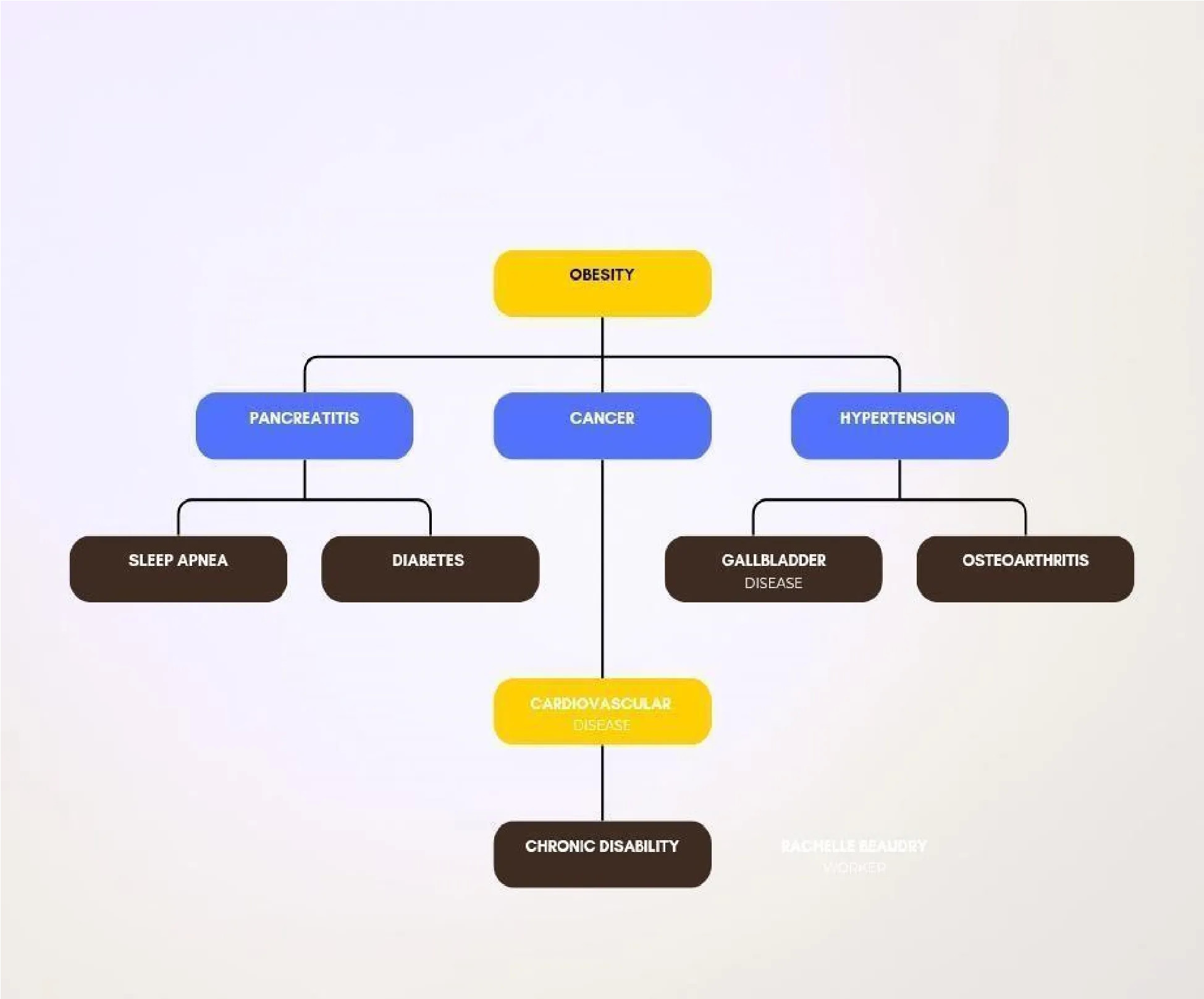
Cancers (breast, endometrial, ovarian, colorectal, esophageal, kidney, pancreatic, prostate), Type 2 diabetes, hypertension, stroke, coronary artery disease, congestive heart failure, asthma, chronic back pain, osteoarthritis, pulmonary embolism, gallbladder disease, and an increased risk of disability are some of the co-morbidities associated with being overweight or obese. All this leads to more than three million fatalities worldwide annually[30][31].
Impact on mental health:
It's unclear how obesity and mental health issues are related[32]. On the other hand, being overweight is stigmatized, and prejudice against obesity might result in some mental illnesses. The quality of life is directly or indirectly impacted by a growing risk of low selfesteem, mood disorders, motivational disorders, eating disorders, poor body image, and interpersonal communication issues, according to scientific research[33][34].
Impact on social aspect :
By itself, weight-related discrimination is linked to unhealthy behaviors such binge eating, pathological overeating, sedentary lifestyles, and reduced physical activity, all of which contribute to increased weight gain. Once more, this vicious loop increases the likelihood of encountering prejudice based on weight[35] Spiritual aspects :
There are very few studies on the effects of obesity on spiritual health. An investigation on the connection between emotional eating and spiritual well-being revealed a correlation between higher levels of emotional eating and poorer levels of spiritual well-being, particularly in women.
Risk of obesity;
Numerous medical conditions that raise morbidity and death are linked to obesity. The World Health Organization and the National Institutes of Health both define obesity as a body mass index (BMI) of kglm2 and overweight as a BMI of 25–30. Insulin resistance, diabetes mellitus, hypertension, dyslipidemia, cardiovascular disease, gallstones and cholestasis, sleep apnea and other respiratory disorders, and a higher risk of some types of cancer are the ailments most frequently linked to obesity.
Diagram:
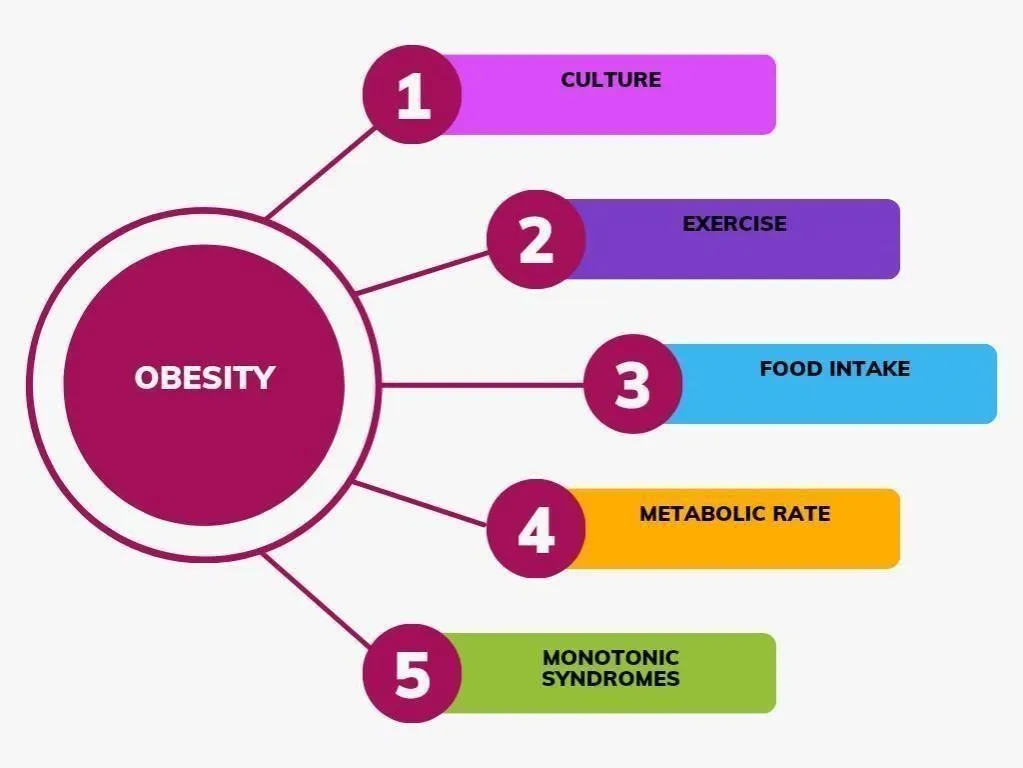
•Factor influencing obesity:
Obesity is not one single condition but rather a set of
Different disorders with various causes. The mechanisms
Determining variations in body weight are complex and Involve an interaction of genetic, environmental and Psychosocial factors operating through physiological mediators of energy intake and expenditure. Although genetic differences Are of undoubted import- trance, the marked rise in the prevalence of obesity is best explained by behavioral and environmental changes that have resulted from
1.genetic :
Although obesity runs in families, no genetic factors may lessen or increase the impact of genotype on the etiology of obesity. The genetic factors appear to function through susceptibility genes, with the exception of uncommon obesity-associated disorders. These genes raise the likelihood of acquiring a trait, but they are neither necessary for its manifestation nor adequate on their own to explain the emergence of a disease. Results from twin studies that exposed pairs of twins to periods of positive and negative energy balance22 lend credence to the susceptible-gene hypothesis. There was more similarity between pairs than between pairs in the variations in the rate of weight gain, the percentage of weight acquired, and the location of fat deposition. This implies variations in genetic vulnerability within a
This implies that individuals who are most prone to develop obesity under a certain set of environmental conditions are determined by variations in genetic susceptibility within a community
2. Environment factor:
The role of environmental factors that reveal latent inclinations to develop obesity is implied by the susceptible-gene theory.
Because there may be a delay in an individual’s exposure to a “obesogenic” environment, a change in lifestyle related to living circumstances, and uncertainty regarding the exact timing of the onset of weight gain, predictions regarding potential interactions between genes and the environment are challenging. Energy use. The most fluctuating element of energy
3.Energy expenditure :
The energy component that varies the most
Physical exercise accounts for 20–50% of total expenditures.
Energy consumption. The evaluation of the degree of physical activity
Comparable in subject groups with BMIs of less than 20, 20–25, and 25–35, indicating comparable levels of regular activity. When adjusted for varying body proportions, the assessment of energy expenditure in the home using doubly labeled water also reveals similar values for obese and lean participants[37]. There is no correlation between total energy intake or fat consumption and the prevalence of obesity in the UK, but there is strong correlation between proxy measures of physical activity (watching television and owning a car) and the secular rise in adult obesity.
4.Energy intake:
Given the accessible availability of highly delicious meals, it is remarkable that no direct association has been reported between the incidence of obesity and increased energy intake in affluent nations. Inaccurate food intake reporting complicates our understanding of how energy consumption contributes to the genesis of obesity.
Comparisons of energy intake and expenditure in obese patients consistently reveal a deficit in self-reported food intake of roughly 30% of the energy requirements34, 35.
Underreporting is commonly acknowledged as a characteristic of obesity. There is solid proof.[39][40]
Environmental factors most likely function by either increasing energy intake or decreasing energy expenditure. While cross-cultural dietary studies have not consistently demonstrated a relationship between nutritional determinants and relative weights, there is some evidence linking high-fat diets to an increased risk of obesity within populations[37].
4.culture :
Research indicates the significant influence of environmental elements on obesity development, as demonstrated by migrant studies and the ‘westernization’ of dietary habits and lifestyles in emerging nations.
A comparable pattern is observed among Africans residing in the United States.
The incidence of overweight and obesity rises with age in both genders until approximately 50 to 60 years, especially noticeable between the ages of 20 and 40[42].
Cardiovascular function in obesity :
Schematic representation of the physiological alterations in cardiovascular function associated with incremental weight gain. Some obese people have increased systemic v Diagram vascular resistance, which causes concentric LV hypertrophy and a persistent rise in blood pressure (hypertension) Diagram:
[Figure - see the formatted PDF]
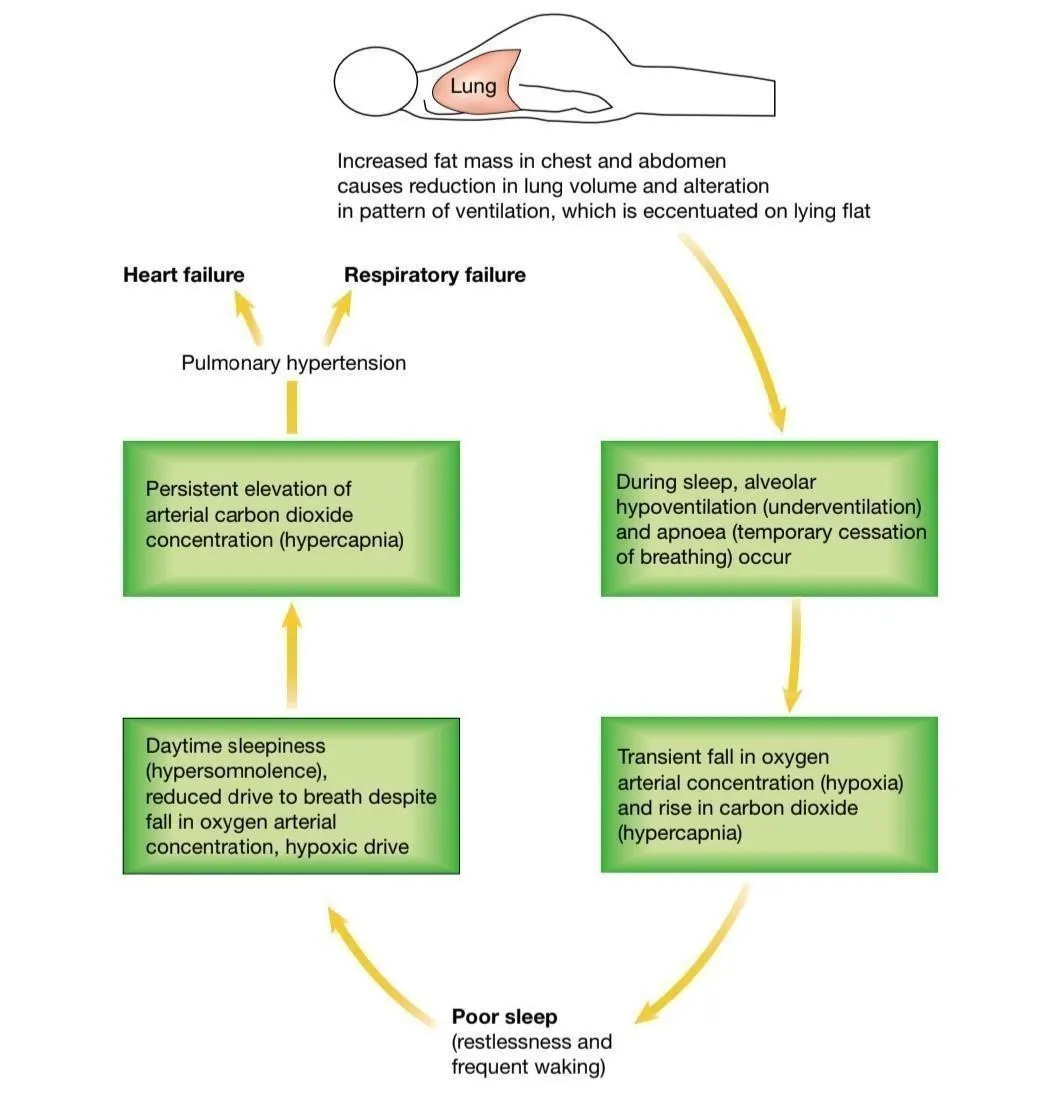
• sleep breathing abnormalities in obesity:
Diagrammatic representation of how a gradual rise in body weight affects respiratory function as you sleep. Obese individuals have impaired respiratory function, particularly when they are lying flat. Alveolar hypoventilation and brief episodes of apnea occur during sleep, which are followed by an increase in arterial carbon dioxide (hypercapnia) and a decrease in arterial oxygen saturation (hypoxia).These conditions can cause hyper somnolence, or daytime sleepiness, in certain people. They can also cause chronic hypoxia and hypercapnia, which can lead to the development of pulmonary hypertension, heart failure, and ultimately respiratory failure.
Prevention/Treatment of Childhood Obesity:
We recommend the following elements for preventing obesity at various stages of development :
Perinatal: provide healthy prenatal nutrition and care, prevent excessive weight gain in moms, manage diabetes, assist mothers in losing weight after giving birth, and provide nutrition education.
Infancy: promote increased and continued breastfeeding until at least six months of age, postpone the introduction of solid meals until after six months of age, offer a balanced diet and steer clear of excessively high-calorie snacks, and regularly monitor weight gain.
Childhood: prevent excessive PR pubertal obesity, check weight gain for height (slow down if excessive), provide dietary instruction, and promote regular physical exercise.
Adolescence: Maintain regular physical exercise, keep a balanced diet as the next generation of parents, and avoid gaining too much weight following a growth spurt.
CONCLUSION:
One of the most crucial public health priorities must be the effects of overweight and obesity on several aspects of health. Comprehensive methods are required to prevent and contain this outbreak.
REFERENCES


Shraddha Holkar, Roma Sharma, Anuja Sanap, Krutika Kadam, Obesity as Medical Problem , Int. J. of Pharm. Sci., 2026, Vol 4, Issue 10, 5088-5097. https://doi.org/10.5281/zenodo.23831609
 10.5281/zenodo.23831609