

We use cookies to ensure our website works properly and to personalise your experience. Cookies policy
School of Graduate Studies, The University of Jordan, Amman, Jordan.
Dextrins are high-value starch hydrolysates commonly employed in infant foods, bakery formulations, encapsulants, thickeners and nutraceuticals because of their enhanced solubility, digestibility and functionality. The current study explored and optimized enzymatic and maltbased hydrolysis systems for improved dextrin production from durum wheat flour as a substitute starch-rich cereal. The effectiveness of acid, commercial enzyme (?amylase+amyloglucosidase), malted wheat flour+amyloglucosidase and malted barley flour+amyloglucosidase hydrolysis systems were compared. Hydrolysis was measured by glucose yield (dextrose equivalent), starch conversion and viscosity. The combination of 10% malted barley flour with amyloglucosidase showed the best hydrolytic activity with the highest yield of glucose (57.42% dry matter basis) in durum wheat flour, which represented 77.34% conversion of available carbohydrate fraction, along with considerable viscosity reduction. Malted wheat flour with amyloglucosidase also exhibited appreciable hydrolytic efficiency but less than barley malt. Hydrolysis with commercial enzymes led to moderate glucose yield and acid hydrolysis was the least effective. Durum wheat flour showed better results than bread wheat flour and semolina, suggesting good starch accessibility and hydrolytic characteristics. This study supports the feasibility of replacing traditional ?-amylase preparations with malted barley flour as an economical, natural and renewable source of enzymes for dextrin production. Malted hydrolysis can be a promising "natural" approach to produce cereal-based dextrin with potential applications in infant formulas, functional foods and starch processing.
Dextrins are low-molecular-weight carbohydrates formed through partial hydrolysis of starch and are widely used in food, pharmaceutical, and industrial formulations because of their high solubility, reduced viscosity, improved digestibility, and functional versatility (Sun et al., 2010). In food systems, dextrins function as stabilizers, bulking agents, carriers, texture modifiers, and rapidly digestible carbohydrate sources, particularly in infant cereals and specialty nutrition products (Lanciers et al., 1998).
Wheat is one of the world’s most important cereal crops and serves as a major source of starch, protein, minerals, and dietary energy (Food and Agriculture Organization [FAO], 2014). Among commercially cultivated wheat species, durum wheat (Triticum durum) is especially valuable in Mediterranean and semi-arid regions due to its adaptability to dry climates and desirable milling quality (Shewry, 2009). Durum wheat is traditionally utilized for pasta, semolina, and flatbread manufacture; however, its potential as a raw material for starch hydrolysate production remains insufficiently exploited (Liu et al., 1996).
The wheat kernel is composed primarily of bran, germ, and endosperm, with starch concentrated in the endosperm fraction. Wheat flour generally contains 60–75% starch, mainly composed of amylose and amylopectin polymers (Zencirci & Karagoz, 2004; Srichuwong & Jane, 2007; Koehler & Wieser, 2013). These starch components can be hydrolyzed into smaller saccharides and dextrins, resulting in lower molecular weight products with improved processing functionality.
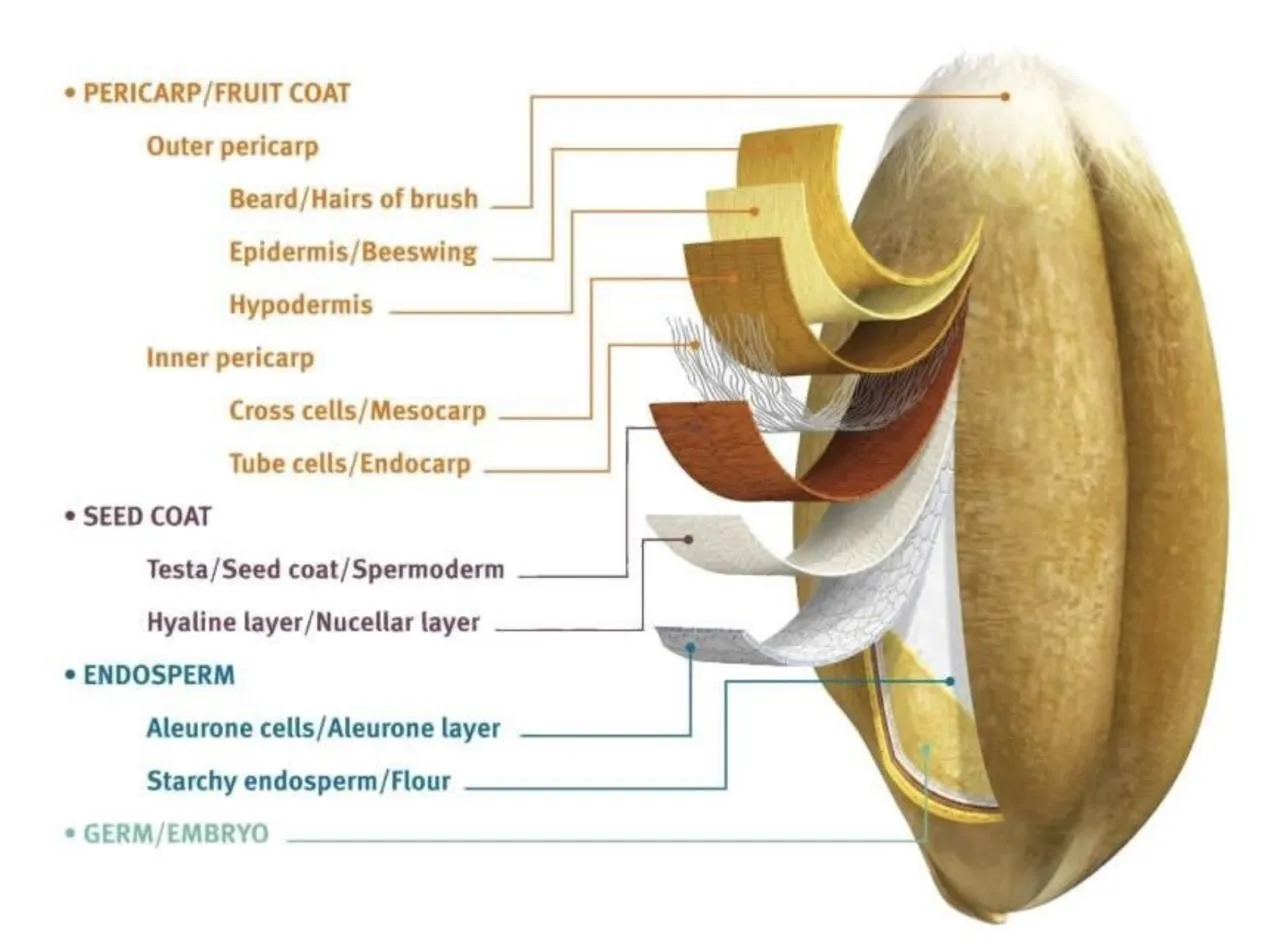
Figure 1. Structure of Durum wheat Kernel
Commercial dextrin production is commonly achieved through acid hydrolysis or enzymatic treatment using carbohydrases such as α-amylase and amyloglucosidase (Blazek & Copeland, 2010). α-Amylase randomly cleaves internal α-(1→4) glycosidic linkages, reducing viscosity and generating dextrins, whereas amyloglucosidase further hydrolyzes terminal α-(1→4) and α-(1→6) bonds to release glucose (Kulp, 1975). Although purified enzymes are effective, their industrial use can increase processing costs, especially in developing regions.
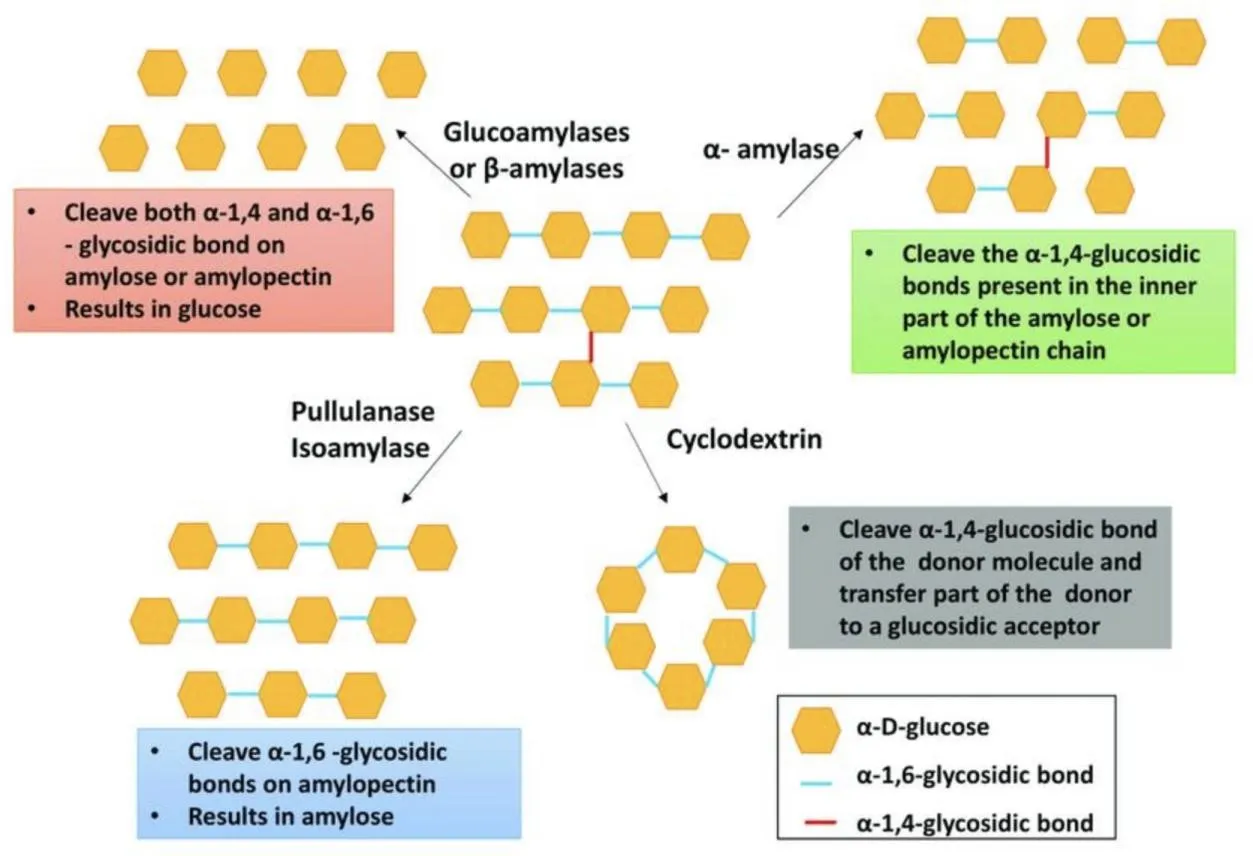
Figure 2. Starch Hydrolysis Mechanism (Vivek Kumar, 2024)
Acid hydrolysis is another conventional method for starch conversion; however, it often requires strict pH control, neutralization, and may generate undesirable side reactions (Hebeda, 1993). Consequently, there is increasing interest in identifying natural and economical alternatives to commercial enzyme systems. Malted grains represent one such alternative. During germination, grains synthesize hydrolytic enzymes including α-amylase and β-amylase capable of starch degradation. Malted barley is especially known for its high diastatic power and has long been used in brewing and starch conversion processes (Power, 1993). Direct use of malted grain flour may therefore provide a low-cost and sustainable enzymatic source for dextrin production.
Hydrolysis efficiency is influenced by starch granule structure, botanical source, gelatinization characteristics, particle size, porosity, and enzyme accessibility (Buleon et al., 1998). Previous studies have shown that starches from different cereal sources exhibit different digestion kinetics under identical enzymatic conditions (Fuwa et al., 1980; Slaughter et al., 2001).
Therefore, the present study aimed to optimize enzymatic and malt-based hydrolysis systems for enhanced dextrin production from durum wheat flour. Specific objectives included:
MATERIALS AND METHODS
2.1 Raw Materials
Wheat grains (durum wheat) were obtained from a local market and milled into flour and semolina using a laboratory mill. Commercially milled bread wheat flour was used as control for starch hydrolysis. Barley grain and wheat flour malt was used as a source of enzymes for starch hydrolysis. All materials were stored in dry conditions in a tightly closed container until used (AOAC, 2000).
2.2 Preparation of Flour Fractions
The grains of durum wheat were separated into two parts. One part was ground into fine flour and the other part into semolina. The grains were sieved to obtain uniform particle size to be used for hydrolysis. The flour that passed through the mesh sieves was collected for analysis and the coarse portion was termed as semolina (Liu et al., 1996).
2.3 Chemicals and Enzymes
Analytical grade chemicals were used for the experiment. α-amylase and amyloglucosidase enzymes were used for enzyme-catalysed hydrolysis. Hydrochloric acid and sodium carbonate were used for acid treatment and neutralization, respectively. Calcium chloride solution was used to increase the enzyme activity for enzymatic treatment (Hebeda, 1993; Yousef, 2015).
2.4 Analysis of Flour Samples
Flour moisture, ash, protein, fat, pH and acidity were quantified by official methods (AOAC, 2000) in bread wheat flour, durum wheat flour and semolina. Total carbohydrate was determined by difference (AOAC, 2000).
2.5 Water Solubility and Water Absorption Capacity
Water solubility index and water absorption capacity were measured by the method of Leach et al. (1959). Flour slurries were heated and then centrifuged, and the soluble or swollen components were weighed. These parameters were used to assess starch hydration and hydrolyzability.
2.6 Processing for Dextrin Production
Dextrin was produced using four different hydrolysis systems.
2.6.1 Acid Hydrolysis
A slurry of flour was prepared in distilled water, acidified to pH 1.5 with hydrochloric acid and heated under pressure. The hydrolysate was then neutralized with sodium carbonate as in previous starch hydrolysates (Macallister et al., 1975; Yousef, 2015).
2.6.2 Commercial Enzyme Hydrolysis
Flour slurries were treated with α-amylase at optimum conditions (pH 6.2-6.8 and 60°C). These samples were then incubated with amyloglucosidase at low pH (3.5-4.8) for saccharification. Enzymes were deactivated via thermal treatment (Hebeda, 1993; Kulp, 1975).
2.6.3 Malted Wheat Flour Hydrolysis
Malted wheat flour was added to the flour slurries at levels of 0, 5, 10 and 20% (w/w). The samples were incubated under the optimal conditions for cereal amylases (30°C; pH 4.5) and glucose release was monitored to determine the optimal treatment level (Power, 1993; Yousef, 2015).
2.6.4 Malted Barley Flour Hydrolysis
Hydrolysis of malted barley flour was carried out similar to malted wheat flour. Optimization experiments were conducted to determine the selected concentrations to be combined with amyloglucosidase for increased starch conversion (Power, 1993).
2.7 Glucose Yield
The degree of starch hydrolysis was measured as glucose content by the glucose oxidaseperoxidase (GOD-POD) method. The absorbance of the sample was read at 550 nm using a calibrated spectrophotometer (AOAC, 2000).
2.8 Viscosity Measurement
Dynamic viscosity of hydrolyzed slurries was measured with rotational viscometers at various shear rates. The extent of starch depolymerization was indicated by percentage decrease in the viscosity of the slurry as compared to the control (Sun et al., 2010).
2.9 Statistical Analysis
Triplicate measurements were made unless stated otherwise. Data were expressed as the mean ± standard deviation. The statistical analysis of variance (ANOVA) was performed using SAS statistical program and differences among means were tested at p ≤ .05 (SASI, 2002;).
3. RESULTS
3.1 Proximate Composition of Raw Materials
The chemical and physical properties of bread wheat flour, durum wheat flour and semolina play a crucial role in the hydrolysis process and the quality of the produced dextrin. Moisture levels of the substrates (10.55-13.07%) were within limits for cereal flours. Ash content of durum wheat flour (1.19%) was higher than that of bread wheat flour (0.55%), suggesting a higher mineral content of durum wheat flour. Protein content varied between 9.05% and 9.60% (14% moisture basis), with durum wheat flour having the highest protein content. The highest carbohydrate content was found in semolina (75.17%) and bread wheat flour (75.27%), followed by durum wheat flour (74.24%) (Yousef, 2015). The results suggest that all substrates were suitable for dextrin production. The higher protein and ash content of durum wheat flour might be due to variations in endosperm structure or milling properties, which affect flour hydration and accessibility for enzyme action (Koehler & Wieser, 2013).
Table 1. Proximate Composition of Flour Samples (14% Moisture Basis)
|
Parameter (%) |
Bread Wheat Flour |
Durum Wheat Flour |
Semolina |
|
Moisture |
14.00 |
14.00 |
14.00 |
|
Protein |
9.05 |
9.60 |
9.18 |
|
Fat |
1.15 |
0.99 |
0.68 |
|
Ash |
0.54 |
1.17 |
0.97 |
|
Carbohydrates |
75.27 |
74.24 |
75.17 |
3.2 pH, Acidity, Water Solubility and Water Absorption
The pH of all samples ranged from 5.95-6.10, which is a normal range for cereal flours. The pH value did not significantly differ among the substrates (Yousef, 2015). The water solubility of the samples ranged from 5.46% to 6.51%, with water absorption between 453% and 559%. Bread wheat flour showed the highest water absorption (559%) followed by semolina (475%) and durum wheat flour (453%). High water absorption may allow for starch swelling and better enzyme penetration during hydrolysis (Leach et al., 1959).
Table 2. Functional Properties of Flour Samples
|
Parameter |
Bread Wheat Flour |
Durum Wheat Flour |
Semolina |
|
pH |
6.10 |
6.08 |
5.95 |
|
Acidity (mL NaOH/10 g) |
2.85 |
2.95 |
1.45 |
|
Water Solubility (%) |
6.51 |
6.40 |
5.46 |
|
Water Absorption (%) |
559 |
453 |
475 |
3.3 Determination of Optimum Malt Concentration for Hydrolysis
The optimum level of natural enzyme was determined by adding malted barley flour and malted wheat flour at levels ranging from 0-20% to durum wheat flour. The glucose yield increased with higher malt concentrations, affirming that increasing malt concentrations provided more enzymatic activity. Malted wheat flour was less effective than malted barley flour at all concentrations. At 10% level, malted barley resulted in 1.13% glucose yield, whereas malted wheat produced 0.48%. Going to 20% malt addition had little effect on glucose yield, so the optimum malt addition was 10% (Yousef, 2015).
Table 3. Effect of Malt Concentration on Glucose Yield (% dmb)
|
Malt Level (%) |
Malted Barley Flour |
Malted Wheat Flour |
|
0 |
0.15 |
0.15 |
|
2 |
0.57 |
0.27 |
|
5 |
0.76 |
0.28 |
|
10 |
1.13 |
0.48 |
|
20 |
1.21 |
0.49 |
3.4 Hydrolysis
Comparison Malted barley flour (10%) + amyloglucosidase yielded the greatest amount of glucose from durum wheat flour (57.42%) followed by malted wheat flour + amyloglucosidase (53.14%) and commercial enzymes (50.26%). The acid hydrolysis treatment resulted in only 9.24% glucose yield, demonstrating poor conversion efficiency (Yousef, 2015). These results demonstrate that malted barley flour can replace commercial αamylase in starch hydrolysis systems without compromises to conversion efficiency.
Table 4. Glucose Yield (% dmb) After Different Hydrolysis Methods
|
Treatment |
Durum Wheat Flour |
Bread Wheat Flour |
Semolina |
|
Malted barley + AMG |
57.42 |
56.01 |
55.52 |
|
Malted wheat + AMG |
53.14 |
51.12 |
45.08 |
|
α-Amylase + AMG |
50.26 |
50.03 |
29.80 |
|
Acid hydrolysis |
9.24 |
8.93 |
7.66 |
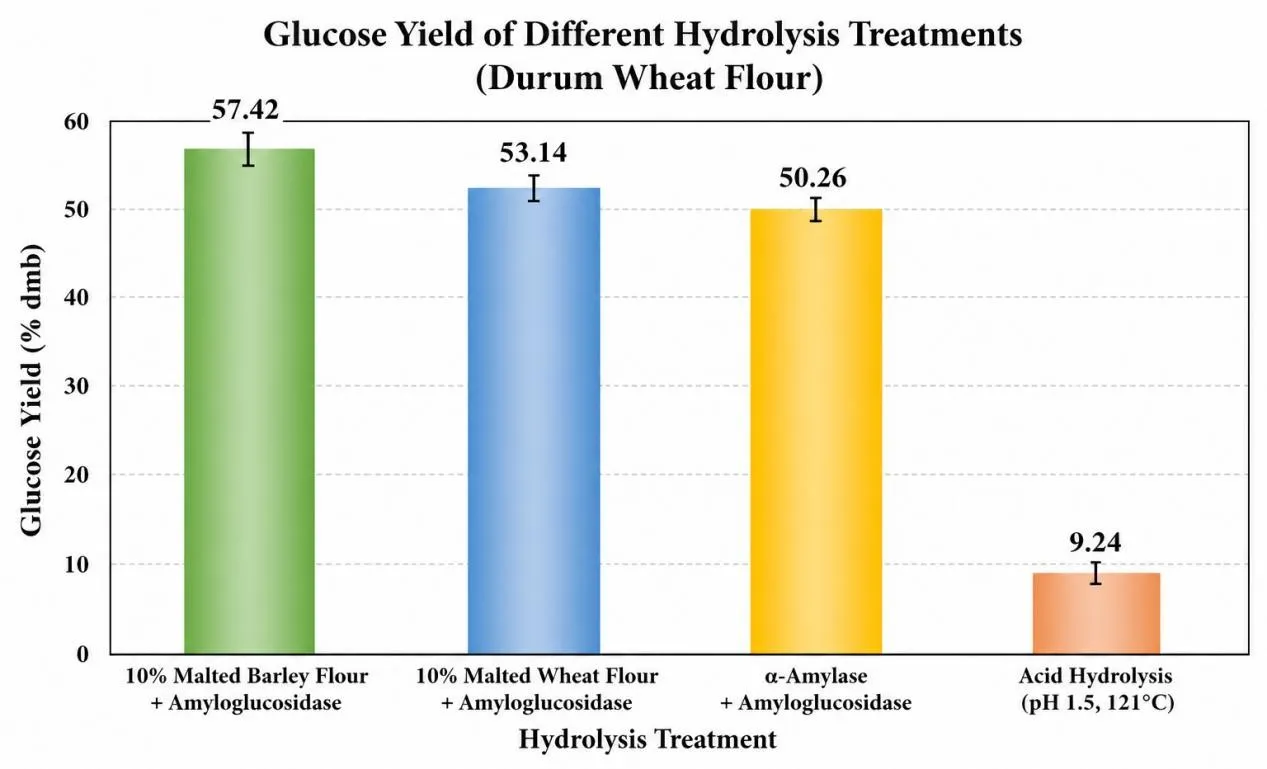
Figure 3. Comparative Glucose Yield of Different Hydrolysis Treatments Using Durum Wheat Flour
3.5 Viscosity
Reduction slurry viscosity decreased upon hydrolysis, indicating starch hydrolysis. The largest reduction was observed in treatments using malted barley flour and commercial enzymes, a property that is important for infant cereals and instant beverages as low-viscosity and high-energy density products are preferred (Sun et al., 2010). The possibility of reducing viscosity and increasing glucose yield indicate that the optimized malt-mediated hydrolysis process is industrially attractive.
DISCUSSION
The findings indicated that the method of hydrolysis had a significant impact on dextrin production from durum wheat flour. The combined treatment of 10% malted barley flour and amyloglucosidase resulted in the highest glucose yield and the greatest decrease in viscosity, indicating the most efficient conversion of starch into glucose (Yousef, 2015). The superior efficacy of malted barley flour can be explained by its high diastatic power and good endogenous amylolytic activity, which occurs during germination. Barley malt is reported to have significant α-amylase and β-amylase activity which can break down starch into dextrins and maltose (Power, 1993). These products can then be further broken down into glucose when treated with amyloglucosidase, leading to increased saccharification. This indicates a complementary action between the malt enzymes and amyloglucosidase. Malted wheat flour also enhanced hydrolysis over acid treatment, but was not as effective as barley malt. This could be due to reduced enzyme activity or diastatic power of malted wheat compared with barley subjected to similar processing conditions. The durum wheat flour exhibited significantly better hydrolysis than bread wheat flour and semolina. This could be attributed to starch granule characteristics, particle size distribution and better accessibility for the action of enzymes. Flour particles (smaller in size than semolina) have a larger surface available for enzyme adsorption, which could account for the reduced glucose yield in semolina treatments (Snow & O’Dea, 1981). Moreover, differences in starch gelatinization properties between durum and bread wheat might also affect the hydrolysis rate (Vansteelandt & Delcour, 1999). The lowest glucose yield was obtained with acid hydrolysis. This is another evidence that enzymatic hydrolysis is more specific and more controllable than acid hydrolysis, which may lead to incomplete conversion or sugar degradation under severe processing conditions (Hebeda, 1993). Also, acid hydrolysis requires neutralization at the end of the process, making it more complex. A reduction in viscosity after hydrolysis is important in industry as products with reduced viscosity and increased solids content are preferred for infant cereal and beverage formulations. Moderate starch hydrolysis enables the production of energy-rich products with enhanced flowability and digestibility (Sun et al., 2010). In summary, the results suggest malt-assisted starch hydrolysis is an effective and cost-efficient alternative to commercial enzymes. The 10% malted barley flour treatment in combination with amyloglucosidase may represent a viable option for the sustainable production of dextrins from durum wheat flour for use in the food industry.
CONCLUSION
The current study successfully attempted to produce dextrins from durum wheat flour by enzymatic and malt-assisted hydrolysis. The best treatment was found to be the combination of 10% malted barley flour and amyloglucosidase, which exhibited the highest glucose content and significant decrease in viscosity when compared to acid and commercial enzymes in the study (Yousef, 2015). The conversion efficiency of durum wheat flour was higher than that observed with bread wheat flour and semolina, suggesting that it may represent a good cereal raw material for value-added dextrin production. The improved conversion efficiency may be due to the accessibility of starch, particle size, and characteristics of hydrolysis (Vansteelandt & Delcour, 1999). The acid hydrolysis process showed the lowest conversion efficiency, demonstrating that biological systems are more specific and less harsh, and provide a better quality product than chemical methods (Hebeda, 1993). The microbial source of the enzyme system (malted barley flour) also offers a low-cost and eco-friendly option to purified α-amylase enzymes. Decreased viscosity after hydrolysis also suggests that the dextrins produced would be suitable for food applications requiring high solids with adequate viscosity, such as infant cereals, medical nutrition and instant beverages (Sun et al., 2010). Therefore, the optimized malt-assisted hydrolysis process provides a clean-label, economical and industrially feasible approach for improved dextrin production from durum wheat flour. Future research to be conducted should include pilot-scale production, stability, sensory and functional attributes of the dextrins.
REFERENCES


Ashraf Mohamad Yosef, Mohd Ahed Omar Mansour, Optimization of Enzymatic and Malt-Based Hydrolysis for Enhanced Dextrin Production from Durum Wheat Flour, Int. J. of Pharm. Sci., 2026, Vol 4, Issue 9, 679-687, https://doi.org/10.5281/zenodo.22333477
 10.5281/zenodo.22333477