

We use cookies to ensure our website works properly and to personalise your experience. Cookies policy
*1Student, Abhinav Education Society's College of Pharmacy, Narhe, Pune, Maharashtra, India
2Student, Abhinav Education Society's College of Pharmacy, Narhe, Pune, Maharashtra, India
3Student, Abhinav Education Society's College of Pharmacy, Narhe, Pune, Maharashtra, India
4Student, Abhinav Education Society's College of Pharmacy, Narhe, Pune, Maharashtra, India
5Professor, HOD B.Pharm Practice, Abhinav Education Society's College of Pharmacy, Narhe, Pune, Maharashtra, India
6Clinical Pharmacologist, Sahyadri Super Speciality Hospital, Hadapsar, Pune, Maharashtra, India
7Principal, Abhinav Education Society's College of Pharmacy, Narhe, Pune, Maharashtra, India
Immediate hypersensitivity reactions (IHRs) associated with paclitaxel may interrupt chemotherapy and can range from mild cutaneous manifestations to life-threatening clinical events. To determine the incidence, clinical pattern, severity, associated treatment-cycle characteristics, management, and immediate outcomes of paclitaxel-associated IHRs. A six-month prospective observational study was conducted at Sahyadri Super Specialty Hospital, Hadapsar, Pune. Ninety-one adult and geriatric patients receiving intravenous paclitaxel contributed 250 chemotherapy cycles. Patient characteristics, cancer diagnosis, treatment protocol, body surface area, cycle number, reaction timing, symptoms, management, and outcome were recorded using a structured data-collection form. Reactions occurring during or within one hour of paclitaxel administration were considered immediate. Data were summarized descriptively; severity was assessed using the stated NCCN grading approach and causality assessment was included in the study workflow. Eight IHRs occurred during 250 paclitaxel cycles, giving a cycle-level incidence of 3.2%. Four reactions (50%) occurred during the first paclitaxel cycle, and the reactions were observed within the first 10 minutes of administration. All eight reactions occurred during the weekly conventional paclitaxel protocol Three reactions were mild (37.5%), three were severe (37.5%), and two were life-threatening (25.0%). Paclitaxel infusion was stopped immediately and symptomatic treatment included dexamethasone, hydrocortisone, and pheniramine according to clinical presentation. All affected patients recovered; seven continued or were cautiously rechallenged, while one patient was changed to another regimen. No reaction-related death occurred. Paclitaxel-associated IHRs were uncommon in this cohort but were concentrated in the early part of treatment, particularly the first cycle and the first minutes of infusion. Premedication, direct observation, rapid interruption of infusion, and prompt supportive management were central to favourable immediate outcomes
Cancer treatment frequently requires combination regimens in which the therapeutic benefit of antineoplastic medicines must be balanced against treatment-related toxicity. Chemotherapy-related adverse effects may be haematological or non-haematological and can influence treatment continuity, supportive-care requirements, and patient safety. The attached source manuscript identifies breast, lung, colorectal, uterine, thyroid, prostate, and bladder cancers among commonly discussed malignancies and emphasizes the need for careful monitoring of anticancer therapy [4–10].
Paclitaxel is a taxane antineoplastic agent used in several solid tumours, including breast, ovarian, lung, and pancreatic cancers. Its antitumour activity results from binding to the beta-subunit of tubulin, stabilizing microtubules, preventing their depolymerization, and producing cell-cycle arrest at the G2/M phase. The medicine is administered intravenously, is extensively protein-bound, and is metabolized mainly through CYP2C8 with a smaller contribution from CYP3A4. Important adverse effects include myelosuppression, peripheral neuropathy, cardiovascular disturbances, alopecia, mucosal and gastrointestinal effects, and hypersensitivity reactions [3,12,13].
Paclitaxel-associated hypersensitivity reactions can include flushing, pruritus, erythema, facial puffiness, dyspnoea, oxygen desaturation, chest tightness, back pain, cardiovascular instability, or unresponsiveness. The mechanism is not fully defined; however, the solvent Cremophor EL used in conventional paclitaxel formulations has been implicated in non-IgE-mediated mast-cell activation. Reactions are commonly reported during the initial minutes of infusion and are particularly relevant during early treatment cycles. Premedication with a corticosteroid and histamine-receptor antagonists reduces, but does not completely eliminate, the risk [1–3,13,14].
Previous reports cited in the source manuscript describe a variable incidence of paclitaxel hypersensitivity, with rates influenced by formulation, premedication regimen, infusion protocol, allergy history, age, obesity, respiratory dysfunction, and prior reaction. Because the clinical course can differ according to co-administered medicines, rechallenge, desensitization, and formulation, local prospective data are valuable for determining practical monitoring and management requirements.
The present study therefore evaluated immediate hypersensitivity reactions associated with paclitaxel in a tertiary-care setting. The study focused on reaction incidence, timing, severity, demographic and treatment-cycle characteristics, supportive management, and the immediate outcome of continuation, rechallenge, or change of regimen.
2. MATERIALS AND METHODS
2.1 Study design and setting
This prospective observational study was conducted for six months at Sahyadri Super Specialty Hospital, Hadapsar, Pune. The study enrolled 91 patients who collectively received 250 chemotherapy cycles containing intravenous paclitaxel. The work was designed to observe immediate paclitaxel hypersensitivity, document its cycle-level incidence, and describe the management used in routine clinical care.
2.2 Eligibility criteria
Adult patients aged 18 years or older, including geriatric patients, were eligible when they received paclitaxel during the study period. Paediatric patients below 18 years of age were excluded.
2.3 Data collection and clinical observation
A structured form was used to record age, gender, medical history, cancer diagnosis, chemotherapy protocol, relevant laboratory investigations, body surface area, cycle number, and chemotherapeutic prescription details. Patients were observed directly during intravenous paclitaxel administration. The study defined IHRs as reactions occurring during or within one hour after paclitaxel administration, with particular clinical attention to the first minutes of infusion.
2.4 Reaction assessment and management
When an IHR was suspected, the paclitaxel infusion was stopped immediately. Reaction symptoms and severity were assessed using the grading approach stated in the source protocol, and the workflow included WHO causality assessment. Supportive medicines were administered according to the symptoms and clinical severity. After stabilization and recovery, the treating team determined whether paclitaxel could be cautiously restarted or whether the patient should be changed to another regimen.
2.5 Statistical analysis
The collected data were analysed using descriptive statistics. Counts and percentages were used to summarize demographic characteristics, diagnoses, protocol distribution, reaction incidence, reaction timing, severity, management, and outcomes. No additional inferential analysis beyond that reported in the source manuscript was introduced.
Table 1. Study framework and eligibility criteria
|
Parameter |
Study detail |
|
Study design |
Prospective observational study |
|
Study site |
Sahyadri Super Specialty Hospital, Hadapsar, Pune |
|
Study duration |
Six months |
|
Study population |
91 adult and geriatric patients |
|
Observation units |
250 paclitaxel chemotherapy cycles |
|
Inclusion criteria |
Patients aged 18 years or older receiving intravenous paclitaxel |
|
Exclusion criterion |
Paediatric patients below 18 years |
|
Primary observation |
Immediate paclitaxel hypersensitivity reaction, incidence, severity, management, and outcome |
|
Analysis |
Descriptive statistics using counts and percentages |
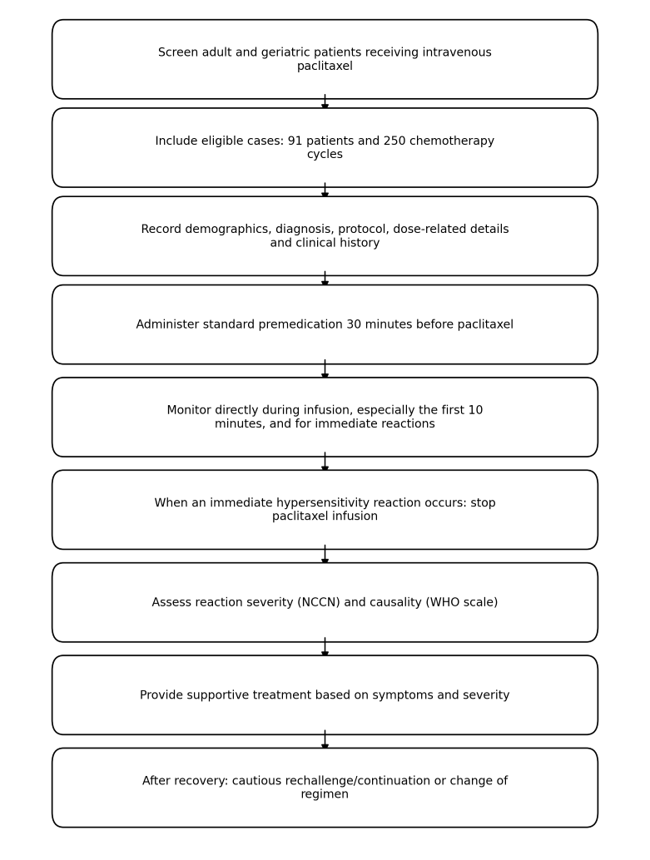
Figure 1. Schematic representation of patient observation, reaction assessment, and management procedure
3. RESULTS
3.1 Study cohort and cycle-level demographics
The study included 91 unique patients and 250 paclitaxel chemotherapy cycles. Because the supplied gender and age graphs total 250 observations, these distributions were interpreted and reported at the chemotherapy-cycle level. Female patients accounted for 186 cycles (74.4%), whereas male patients accounted for 64 cycles (25.6%). The largest age-group contribution was 51–60 years, representing 96 cycles (38.4%), followed by 61–70 years with 60 cycles (24.0%).
Table 2. Cycle-level gender and age distribution
|
Characteristic |
Cycles, n |
Percentage (%) |
|
Gender: Female |
186 |
74.4 |
|
Gender: Male |
64 |
25.6 |
|
Age 21–30 years |
2 |
0.8 |
|
Age 31–40 years |
18 |
7.2 |
|
Age 41–50 years |
42 |
16.8 |
|
Age 51–60 years |
96 |
38.4 |
|
Age 61–70 years |
60 |
24.0 |
|
Age 71–80 years |
24 |
9.6 |
|
Age 81–90 years |
8 |
3.2 |
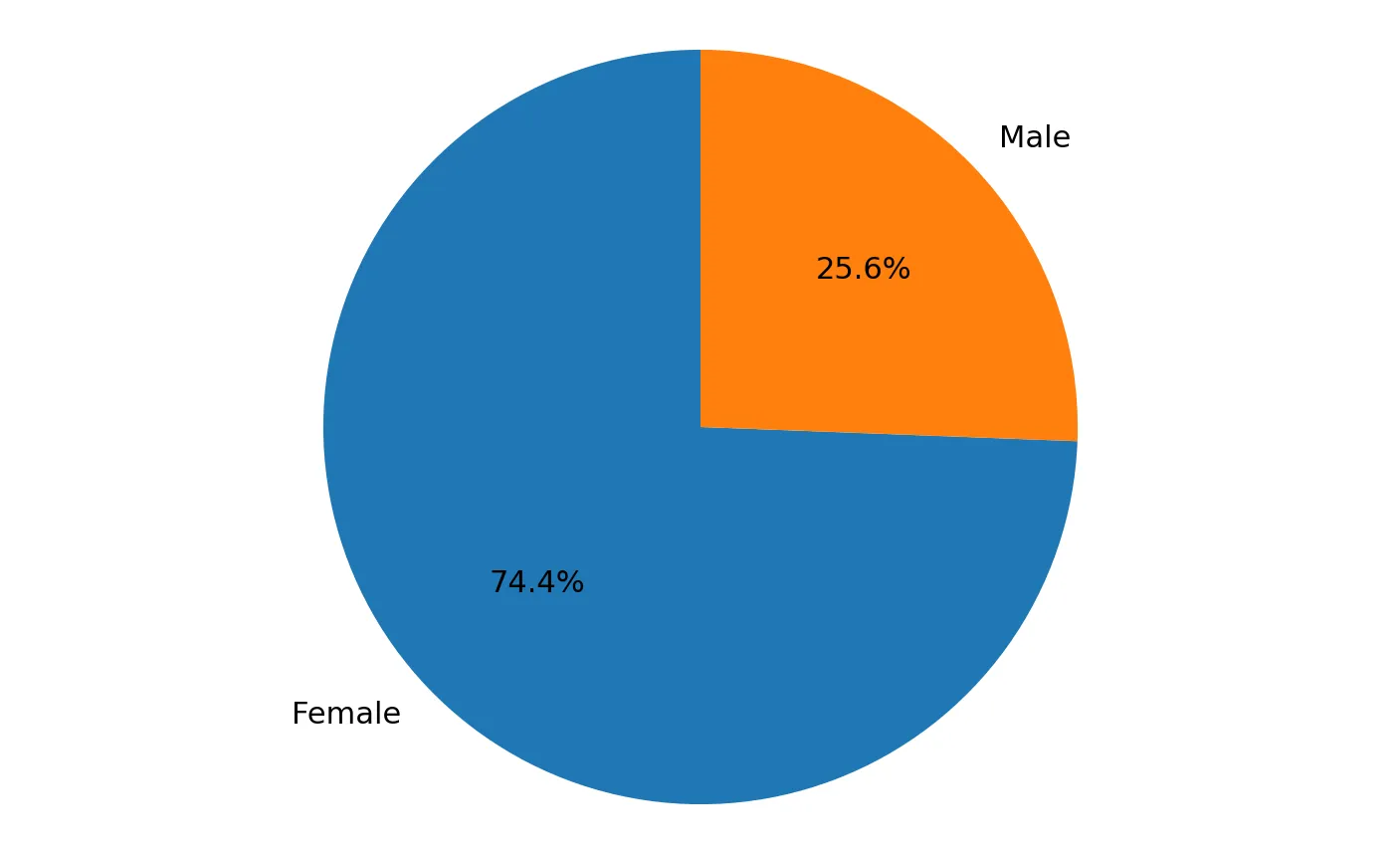
Figure 2. Gender distribution across the 250 paclitaxel chemotherapy cycles.
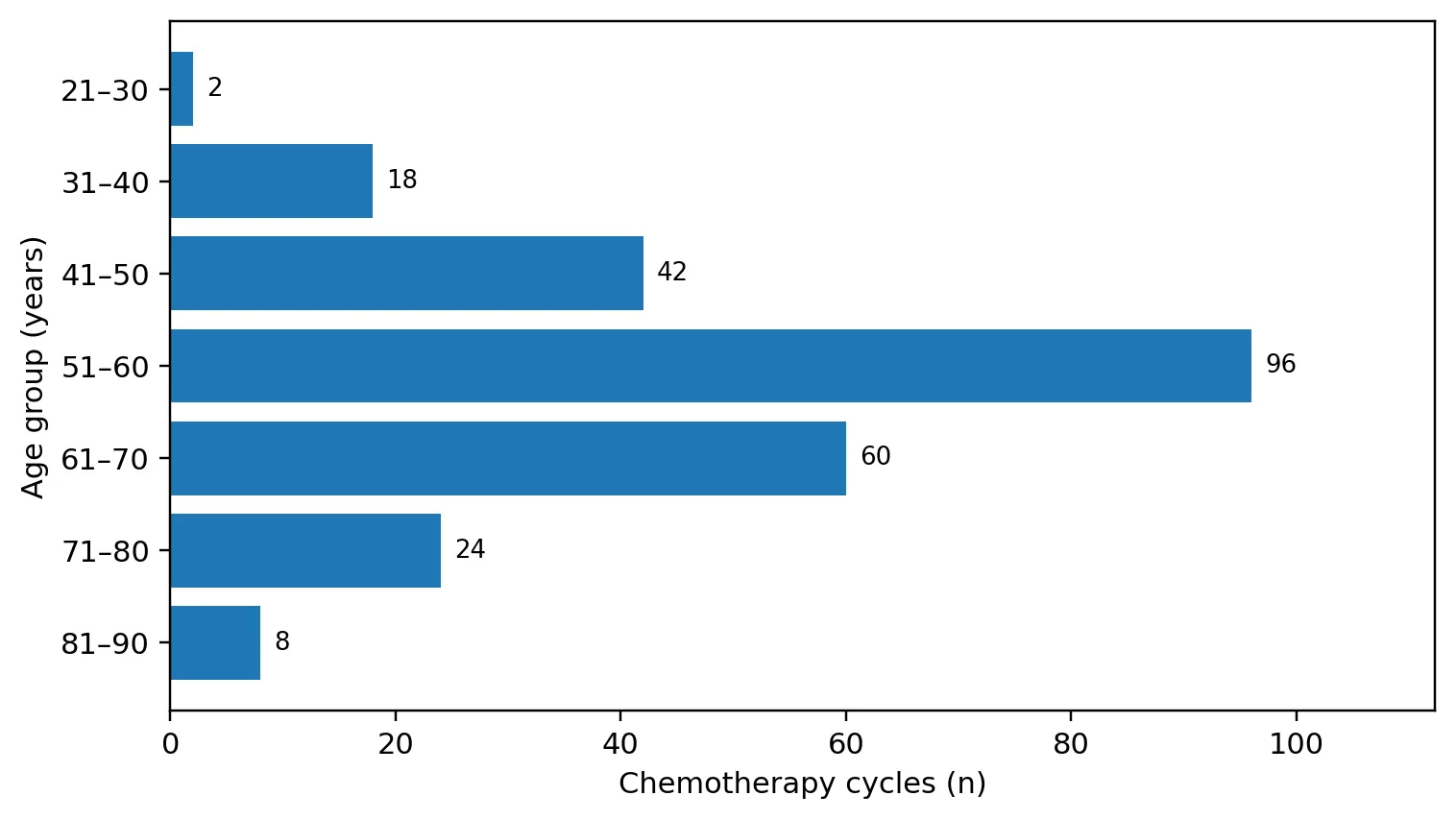
Figure 3. Age-group distribution across the 250 paclitaxel chemotherapy cycles.
3.2 Distribution of cancer diagnoses
Breast carcinoma was the most frequently represented diagnosis, accounting for 106 cycles (42.4%). Oesophageal carcinoma accounted for 45 cycles (18.0%), followed by ovarian carcinoma with 22 cycles (8.8%) and endometrial carcinoma with 20 cycles (8.0%). The remaining diagnoses each contributed less than 6% of the cycle-level distribution.
Table 3. Cancer diagnoses represented in paclitaxel chemotherapy cycles
|
Diagnosis |
Cycles, n |
Percentage (%) |
|
Breast carcinoma |
106 |
42.4 |
|
Oesophageal carcinoma |
45 |
18.0 |
|
Ovarian carcinoma |
22 |
8.8 |
|
Endometrial carcinoma |
20 |
8.0 |
|
Cricopharyngeal carcinoma |
14 |
5.6 |
|
Lung carcinoma |
13 |
5.2 |
|
Cervical carcinoma |
9 |
3.6 |
|
Malignant melanoma |
9 |
3.6 |
|
Gastro-oesophageal junction carcinoma |
4 |
1.6 |
|
Mucoepidermoid carcinoma |
4 |
1.6 |
|
Pancreatic carcinoma |
2 |
0.8 |
|
Retromolar trigone metastatic disease |
1 |
0.4 |
|
Poorly differentiated squamous cell carcinoma |
1 |
0.4 |
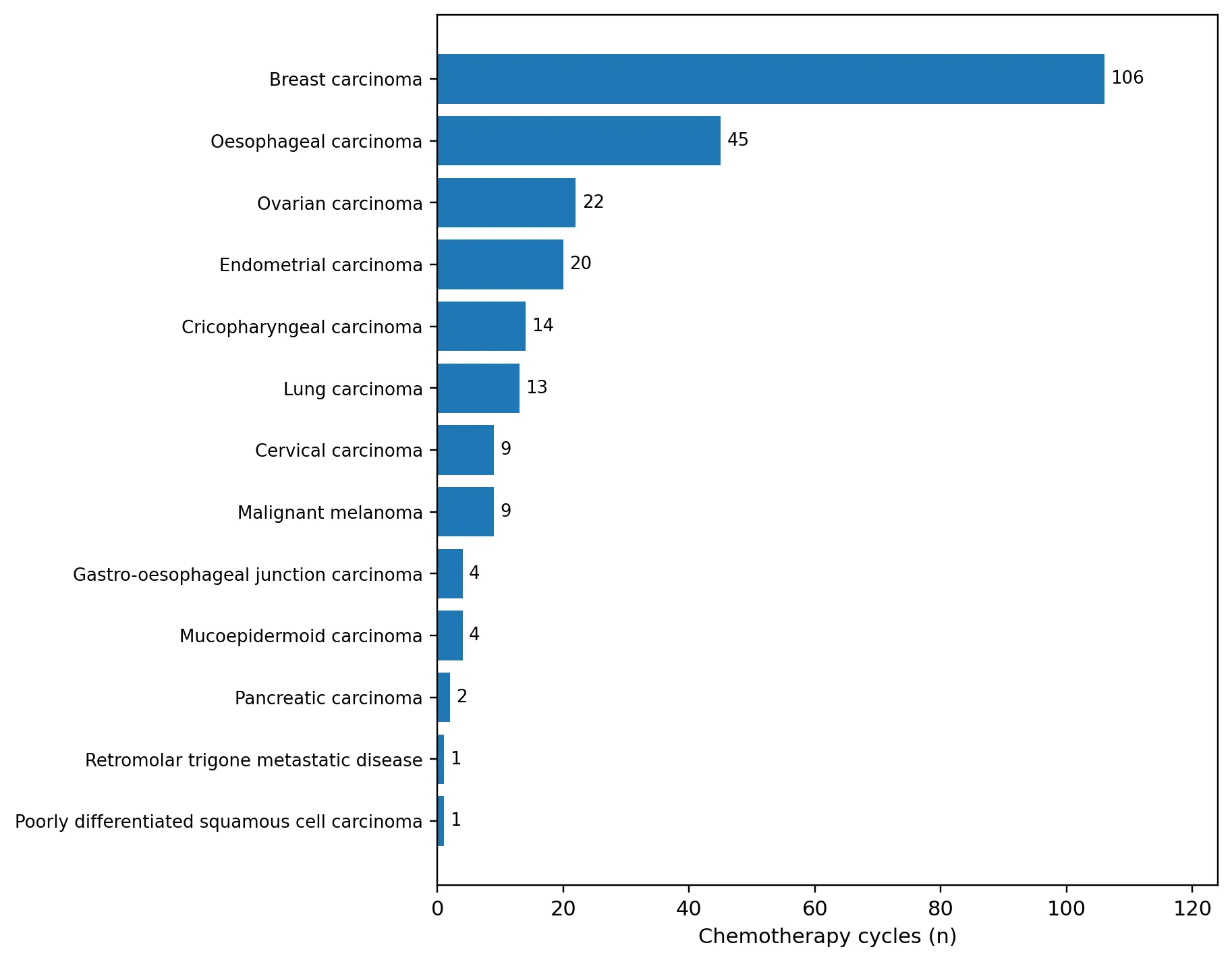
Figure 4. Categorization of paclitaxel chemotherapy cycles according to cancer diagnosis.
3.3 Incidence and timing of immediate hypersensitivity reactions
Eight reactions were observed in 250 paclitaxel chemotherapy cycles, corresponding to an incidence of 3.2%. The remaining 242 cycles (96.8%) were completed without a recorded IHR. Four of the eight reactions (50.0%) occurred during cycle 1. One reaction each occurred during cycles 3, 4, 6, and 11. The reported reactions developed within the first 10 minutes of paclitaxel administration, indicating that the earliest infusion period was the most clinically important observation window in this cohort.
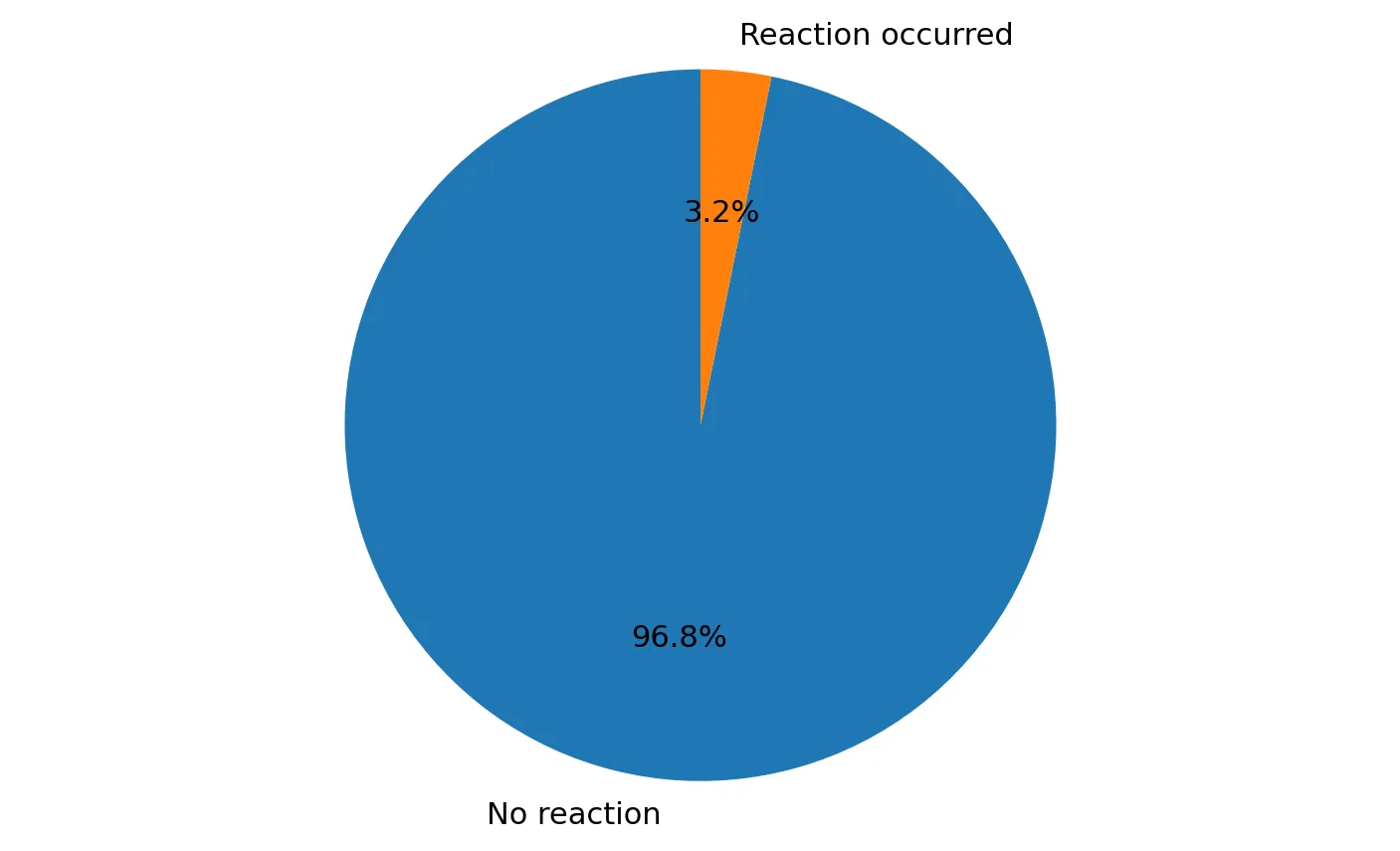
Figure 5. Cycle-level incidence of immediate hypersensitivity reactions to paclitaxel.
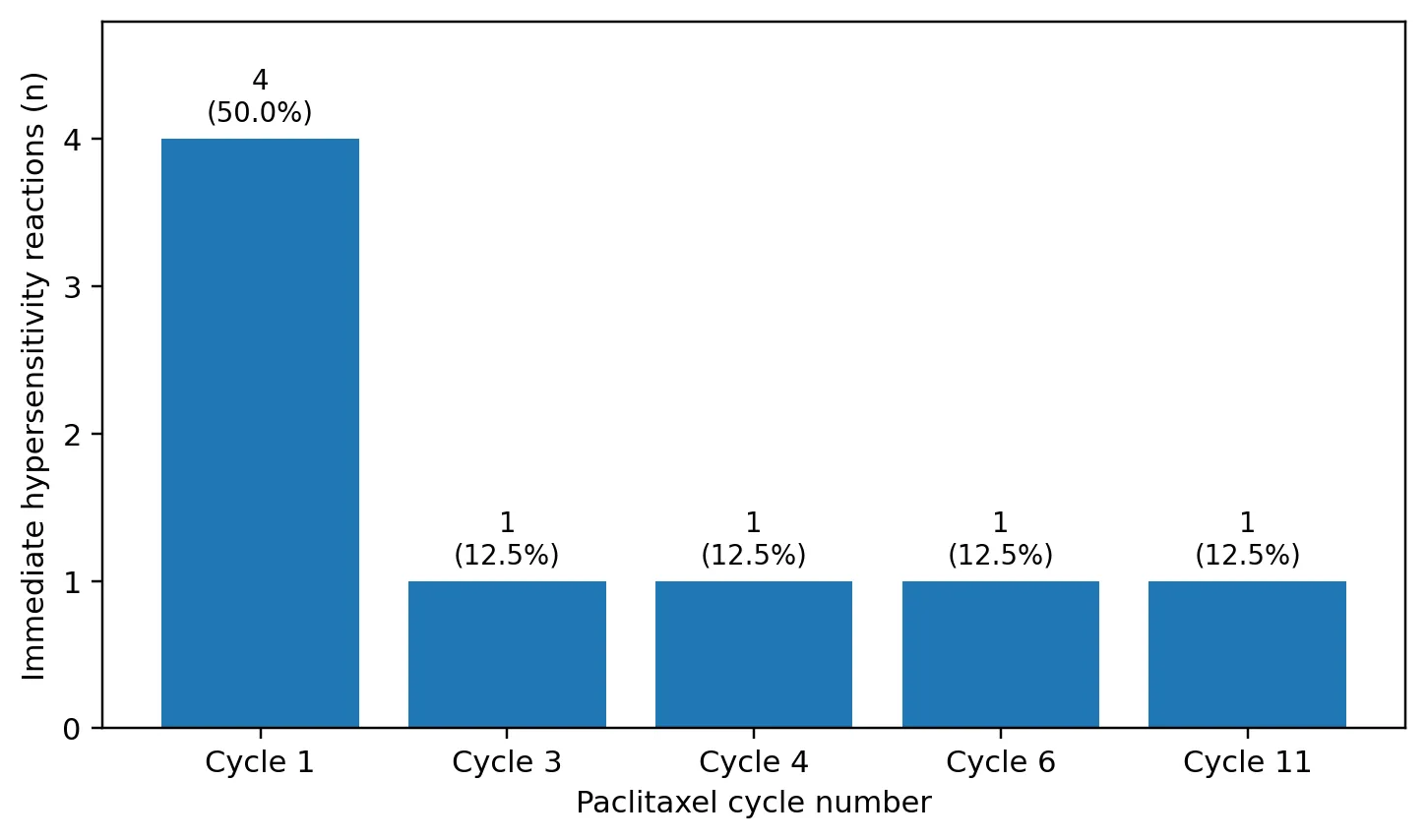
Figure 6. Distribution of immediate hypersensitivity reactions according to paclitaxel cycle number.
3.4 Reaction distribution by age group and body surface area
Two reactions each occurred in the age groups 31–40, 41–50, and 51–60 years, representing 25.0% of the eight reactions for each group. One reaction occurred in the 61–70-year group and one in the 71–80-year group. The descriptive distribution did not show a single dominant age group. According to body surface area, one reaction was recorded at 1.21–1.40 m², two each at 1.41–1.60, 1.61–1.80, and 1.81–2.00 m², and one at 2.01–2.20 m².
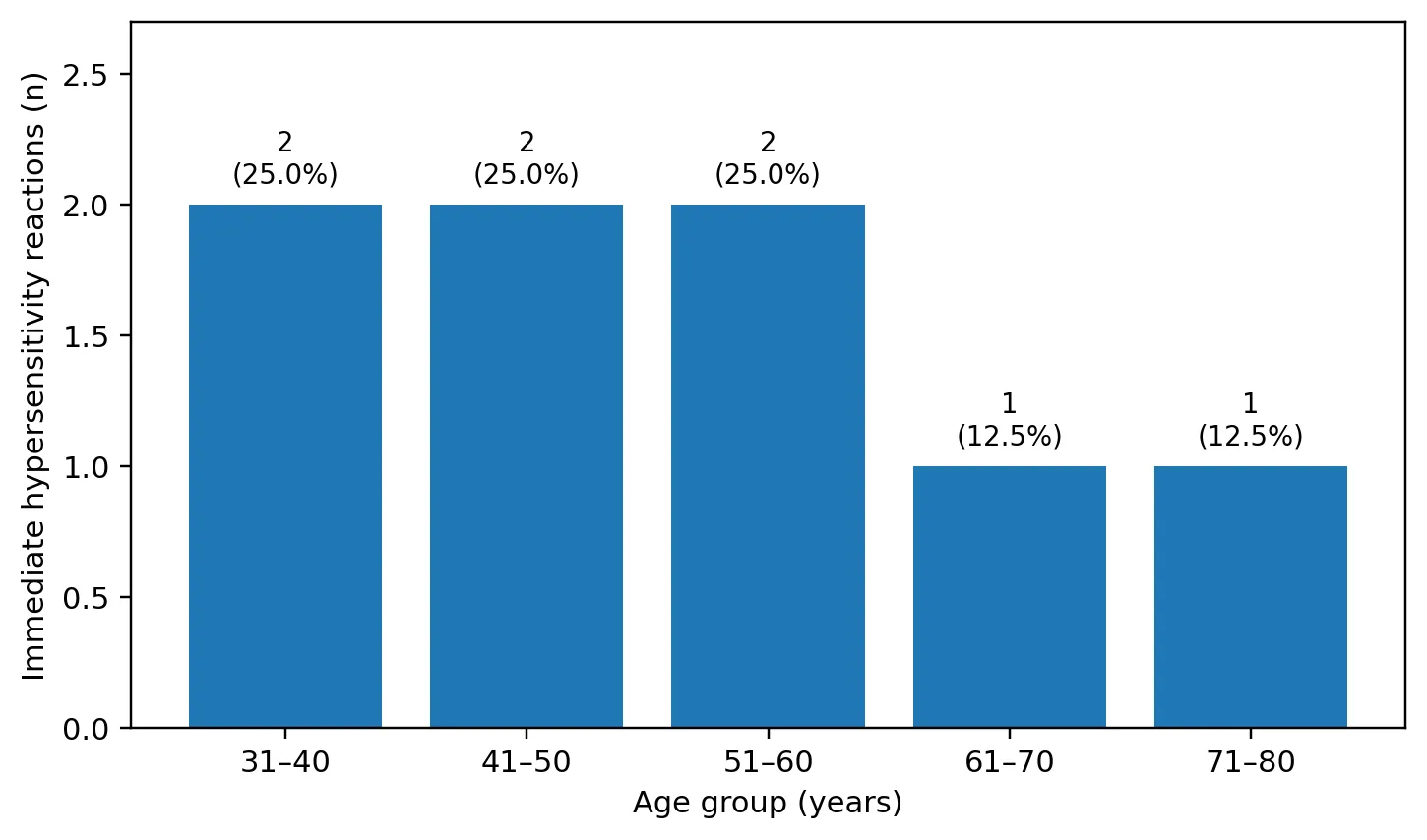
Figure 7. Age-group distribution of the eight immediate hypersensitivity reactions.
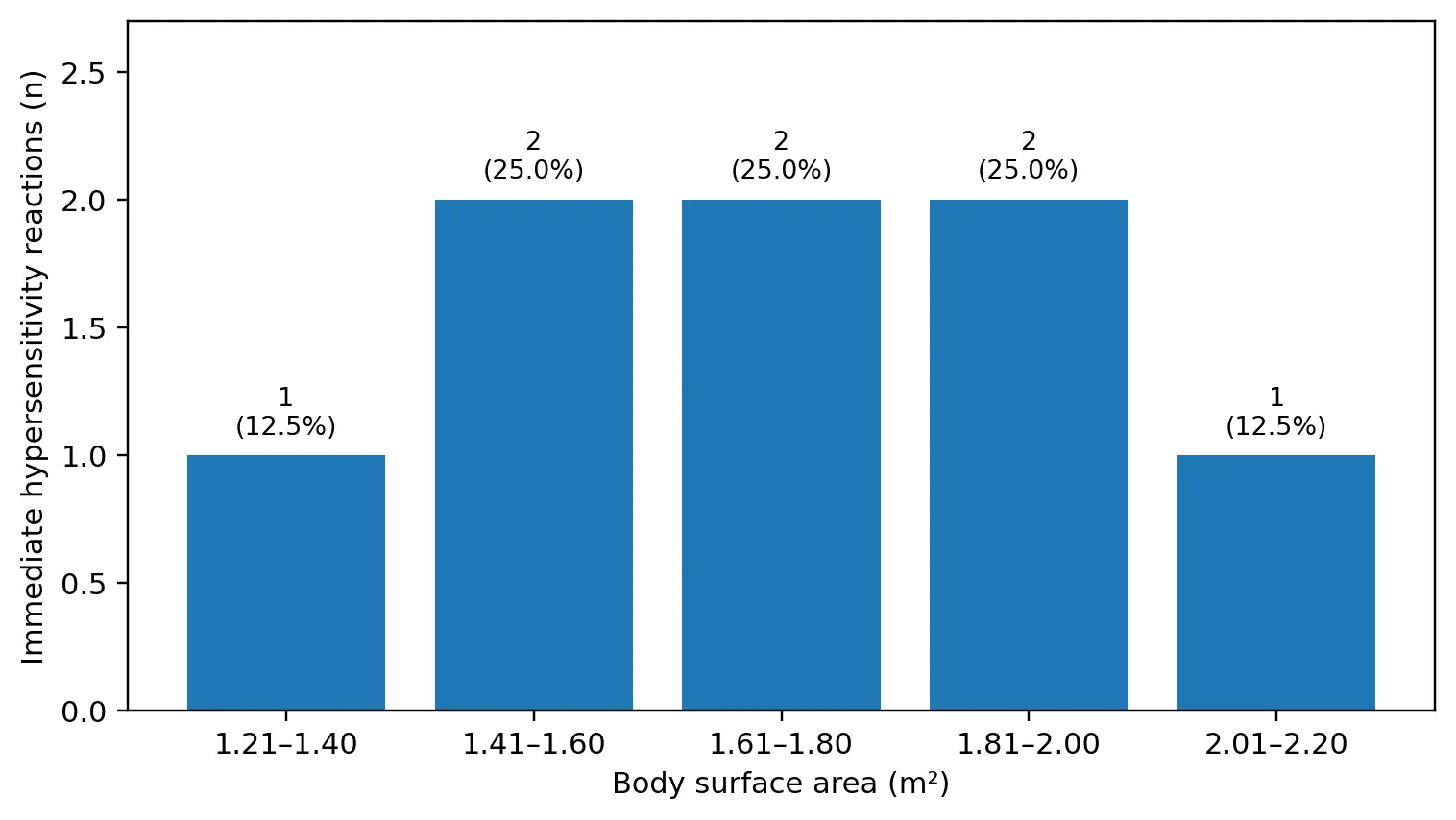
Figure 8. Distribution of the eight immediate hypersensitivity reactions according to body surface area.
3.5 Paclitaxel protocols and reaction occurrence
The source chart reported 213 weekly conventional paclitaxel cycles, 23 three-weekly paclitaxel cycles, and 11 weekly nab-paclitaxel cycles. These three reported protocol categories total 247 cycles; three of the 250 study cycles were not categorized in the supplied protocol graph. All eight IHRs occurred during the weekly conventional paclitaxel protocol. No reaction was reported in the three-weekly paclitaxel or weekly nab-paclitaxel categories in the supplied results.
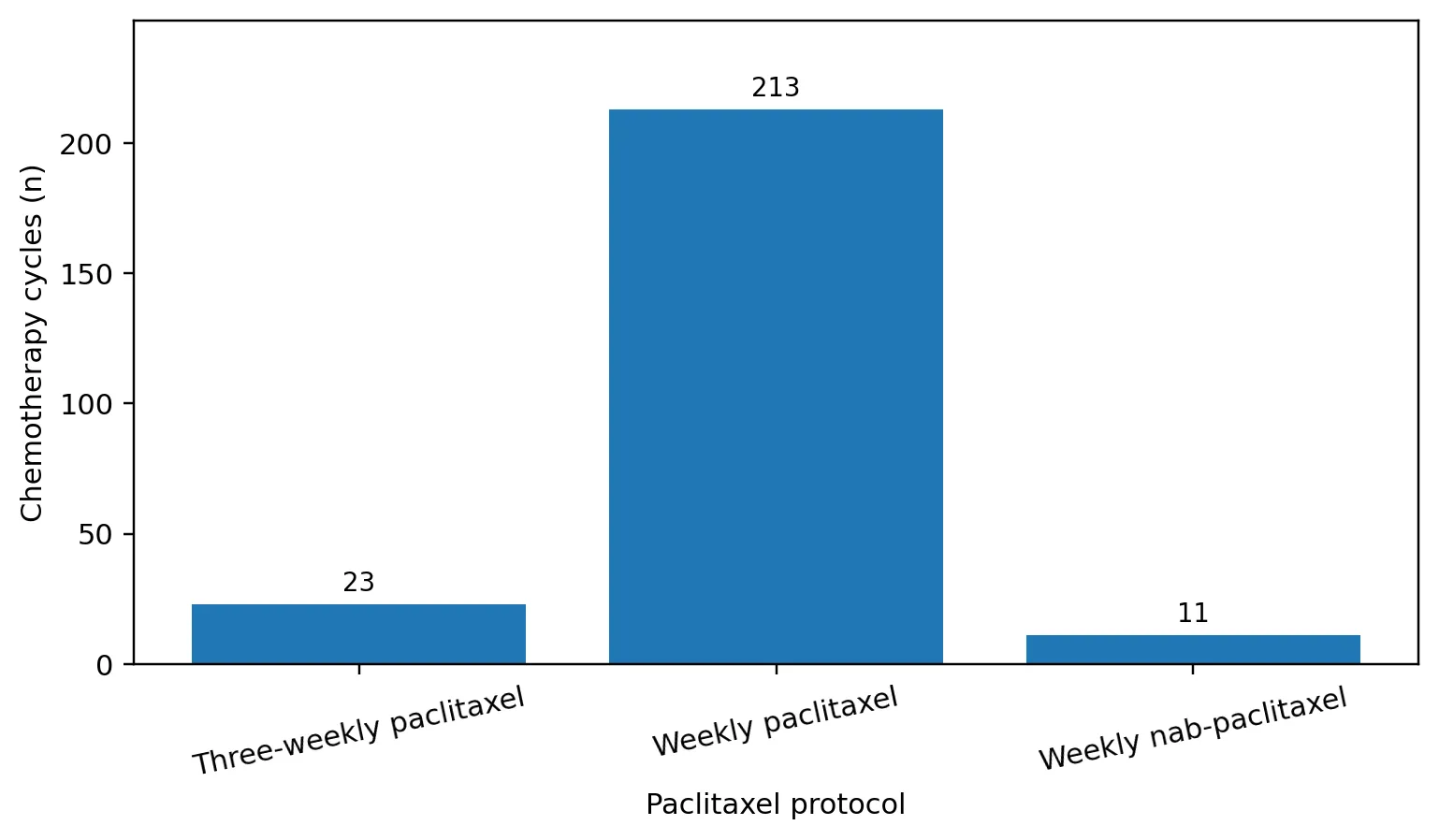
Figure 9. Distribution of paclitaxel cycles by the three protocol categories reported in the source dataset.
Note: The reported protocol counts total 247 cycles; three study cycles were not categorized in the supplied graph.
3.6 Severity, supportive treatment, and outcomes
Among the eight affected cases, three reactions were classified as mild (37.5%), three as severe (37.5%), and two as life-threatening (25.0%). Mild manifestations included itching, redness, and puffiness. Severe manifestations included dyspnoea, reduced oxygen saturation, swelling, and facial sweating. Life-threatening presentations included unresponsiveness, chest tightness, and severe back pain. Paclitaxel infusion was stopped immediately in all affected cases. Supportive medicines included dexamethasone, hydrocortisone, and pheniramine (Avil), selected according to clinical symptoms and severity. All eight patients recovered. Seven patients continued treatment or underwent cautious rechallenge after recovery, while one patient was changed to another regimen following a life-threatening reaction. No reaction-related death was reported.
Table 4. Characteristics of the eight immediate hypersensitivity reactions
|
Domain |
Category |
Reactions, n |
Share of reactions (%) |
|
Age group |
31–40 years |
2 |
25.0 |
|
Age group |
41–50 years |
2 |
25.0 |
|
Age group |
51–60 years |
2 |
25.0 |
|
Age group |
61–70 years |
1 |
12.5 |
|
Age group |
71–80 years |
1 |
12.5 |
|
Body surface area |
1.21–1.40 m² |
1 |
12.5 |
|
Body surface area |
1.41–1.60 m² |
2 |
25.0 |
|
Body surface area |
1.61–1.80 m² |
2 |
25.0 |
|
Body surface area |
1.81–2.00 m² |
2 |
25.0 |
|
Body surface area |
2.01–2.20 m² |
1 |
12.5 |
|
Cycle number |
Cycle 1 |
4 |
50.0 |
|
Cycle number |
Cycle 3 |
1 |
12.5 |
|
Cycle number |
Cycle 4 |
1 |
12.5 |
|
Cycle number |
Cycle 6 |
1 |
12.5 |
|
Cycle number |
Cycle 11 |
1 |
12.5 |
|
Severity |
Mild |
3 |
37.5 |
|
Severity |
Severe |
3 |
37.5 |
|
Severity |
Life-threatening |
2 |
25.0 |
Table 5. Immediate management and clinical outcome
|
Management/Outcome |
Reported Finding |
Number Affected |
|
Immediate action |
Paclitaxel infusion stopped |
8 |
|
Supportive medicines |
Dexamethasone, hydrocortisone, and pheniramine according to symptoms/severity |
8 |
|
Recovery |
Recovered from the immediate reaction |
8 |
|
Continuation/rechallenge |
Treatment continued or paclitaxel cautiously restarted after recovery |
7 |
|
Regimen change |
Changed to another regimen after a life-threatening reaction |
1 |
|
Mortality |
No reaction-related death |
0 |
4. DISCUSSION
This prospective observational study documented eight IHRs during 250 paclitaxel chemotherapy cycles, corresponding to a cycle-level incidence of 3.2%. The incidence reported in the source manuscript was lower than the higher rates described in earlier literature, including reports in which hypersensitivity occurred in a substantial proportion of patients before standardized premedication and infusion precautions [1–3,13,14]. The present finding supports the clinical value of premedication and direct observation but also confirms that reactions may still occur despite these preventive measures.
Timing was a prominent feature. Half of all reactions occurred during the first paclitaxel cycle, and the observed clinical events developed within the first 10 minutes of administration. This pattern is consistent with the source manuscript’s background discussion that paclitaxel reactions are commonly concentrated in the first or second exposure and within the initial minutes of infusion. The results therefore support maintaining the greatest level of vigilance at treatment initiation rather than assuming that premedication eliminates risk.
The age and body-surface-area distributions were spread across several categories. Two reactions each occurred in the 31–40, 41–50, and 51–60-year groups, and the body-surface-area distribution was similarly dispersed. Because the study used descriptive analysis and only eight reactions occurred, the supplied results do not establish a single dominant demographic risk group. The practical implication within this dataset is that all patients receiving paclitaxel required observation, rather than monitoring being restricted to a narrowly defined age or body-size category.
All eight reactions were associated with the weekly conventional paclitaxel protocol in the supplied results, whereas no reaction was reported for weekly nab-paclitaxel. The source manuscript relates conventional paclitaxel hypersensitivity to Cremophor EL and notes that formulation and administration rate may influence reaction occurrence. The observed protocol pattern is therefore clinically relevant, although the study results remain descriptive and do not establish a comparative causal effect between formulations.
Clinical manifestations ranged from itching, redness, and puffiness to dyspnoea, oxygen desaturation, facial swelling, sweating, chest tightness, severe back pain, and unresponsiveness. The presence of two life-threatening reactions demonstrates that a low overall incidence does not imply low clinical importance. The immediate interruption of infusion and prompt symptomatic treatment were followed by recovery in every affected patient. Seven patients were able to continue or undergo cautious rechallenge, while one patient was changed to another regimen. No reaction-related death occurred.
Overall, the findings emphasize a structured clinical approach: appropriate premedication, careful observation at the beginning of infusion, rapid recognition of symptoms, immediate stopping of paclitaxel when a reaction is suspected, severity-based supportive treatment, and individualized decisions regarding rechallenge or regimen change. This approach was associated with favourable immediate outcomes in the study cohort.
5. CONCLUSION
Paclitaxel-associated immediate hypersensitivity reactions occurred in 8 of 250 chemotherapy cycles, giving an incidence of 3.2%. Reactions were concentrated in the early infusion period, and 50% occurred during the first treatment cycle. Three reactions were mild, three were severe, and two were life-threatening. Immediate interruption of paclitaxel and severity-based supportive management resulted in recovery of all affected patients, with seven continuing or undergoing cautious rechallenge and one changing regimen. Premedication and close monitoring, especially during the first minutes and early cycles, remain essential components of safe paclitaxel administration.
REFERENCES


Sudarshan Shinde*, Harishkumar Dangi, Rohini Yadav, Kiran Sargar, Dr. Hemalata Wadkar, Dr. Rahul Surve, Dr. Trupti Tuse, Paclitaxel-Associated Immediate Hypersensitivity Reactions: Incidence, Severity, And Clinical Management In A Tertiary Care Hospital, Int. J. of Pharm. Sci., 2026, Vol 4, Issue 8, 355-367. https://doi.org/10.5281/zenodo.21773880
 10.5281/zenodo.21773880