

We use cookies to ensure our website works properly and to personalise your experience. Cookies policy
1,2,3 UG Student, Bharati Vidyapeeth College of Pharmacy, Near Chitranagari, Kolhapur - 416013 Maharashtra, India
4,5 UG Student, New College of Pharmacy, Unchgaon East, Kolhapur - 416005, Maharashtra, India
6 Assistant professor, Department of Pharmaceutical Quality Assurance, New College of Pharmacy, Unchgaon East, Kolhapur - 416005, Maharashtra, India.
Coumarins are important groups of heterocyclic compounds with diverse pharmacological properties and great medicinal uses. The current research project was carried out to summarize, describe, and assess the antimicrobial properties of 7-Hydroxy-4-Methylcoumarin that was synthesized using the Pechmann condensation technique. The reaction was performed in the following conditions: resorcinol was condensed with ethyl acetoacetate in the presence of concentrated sulfuric acid as an acid catalyst. The product was isolated and purified by recrystallization and physicochemical and spectroscopic characterization was performed. Synthesis of the compound resulted in a satisfactory percentage yield of 78.4 ± 1.2% and a range of 183-185 C melting point, which was confirmed by TLC, UV-Visible spectroscopy, FTIR spectroscopy, 1H NMR analysis, fluorescence spectroscopy and scanning electron microscopy (SEM). The successful formation of the coumarin nucleus was confirmed by the compound having a characteristic Rf value of 0.61 ± 0.02, UV absorption maximum at 321 nm and characteristic FTIR peaks of OH, C=O, aromatic C=C, and C O functional groups. The agar well diffusion technique was used to assess antimicrobial activity on chosen Gram-positive, Gram-negative, and fungal microorganisms, such as Staphylococcus aureus, Bacillus subtilis, Escherichia coli, Pseudomonas aeruginosa, and Candida albicans. The compound produced showed moderate to promising antimicrobial effects, with relatively higher inhibitory potential against Gram-positive organisms. The results show that 7-Hydroxy-4-Methylcoumarin that was produced through Pechmann condensation has great antimicrobial potential and can be used as an excellent scaffold in future pharmaceutical and medicinal chemistry studies.
The coumarin group of compounds, both natural and synthetic, are a significant group of heterocyclic compounds having a benzopyrone backbone (a benzene ring coupled with an alpha-pyrone ring). Coumarin is chemically referred to as 2H -chromen-2-one and is the parent structure of many biologically active derivatives. These substances have a conjugated π-electron system, which is what makes them aromatic in nature, fluorescence and a wide range of chemical reactivity. [1]
The coumarin nucleus is capable of substitution at a variety of positions and the derivatives can be structurally diverse, with different physicochemical and biological properties. Replacement of hydroxyl, methoxy, methyl and halogen have a profound effect on their pharmacological effect and therapeutic potential. Of these derivatives, 7-Hydroxy-4-Methylcoumarin is pharmacologically relevant, as it has hydroxyl and methyl functional groups, which could increase the level of biological interactions and antimicrobial action. [2]
The coumarins are very common in nature and are found in various plant families including Apiaceae, Rutaceae, Fabaceae, and Asteraceae. These are usually present in plant parts such as roots, leaves, seeds, fruits and bark. Natural coumarins have protective functions in plants as phytoalexins and defense compounds against the influence of microbes and environment. [3]
The typical natural coumarins are umbelliferone, esculetin and scopoletin. In addition to natural sources, coumarins are also prepared by various organic reactions, such as Pechmann condensation, Knoevenagel condensation, Perkin reaction and Wittig reaction. The benefits of synthetic methods include increased yield, structural alteration and reproducibility, which allow derivatives with improved pharmacological characteristics to be generated. [4]
Due to their wide range of biological activity and therapeutic uses, coumarins have drawn the attention of many scientists. Their flexible chemical scaffold gives them the ability to interact with a variety of biological targets and finds applications in medicinal chemistry and drug discovery. [5]
Coumarin derivatives have been shown to have antimicrobial, antioxidant, anti-inflammatory, anticoagulant, antiviral, antidiabetic and anticancer properties. Coumarins are structurally related to some derivatives that are clinically important, e.g. anticoagulant drugs like warfarin. Also, coumarins are used in cosmetic, perfume, fluorescent dyes, laser, and pharmaceutical preparations. The versatility of the coumarins is why new studies on their production and clinical testing are being conducted. [6]
Coumarin derivatives have a wide range of biological properties due to their individual chemical structure and capacity to react with enzymes, proteins and cellular pathways. [7]
A few coumarin analogs have a high antimicrobial potential against Gram-positive and Gram-negative bacteria and fungal pathogens. Their antimicrobial action can be based on the disruption of microbial cell membranes, inhibition of the synthesis of nucleic acids, interference with bacterial enzyme systems, and inhibition of biofilm formation. Hydroxylated coumarins such as hydroxycoumarin derivatives are commonly more antimicrobial in their effect as their hydrogen-bonding specificities of microbial targets are increased. [8]
Reactive oxygen species are the cause of oxidative stress that can lead to cellular damage and various chronic diseases. Antioxidant properties of coumarins are due to their capacity to donate hydrogen atoms or electrons and neutralize free radicals. Coumarins with hydroxyl radicals are especially effective radical scavengers and could be useful in protecting biomolecules against oxidative damage. Their antioxidant properties justify their possible use in the prevention of degenerative and inflammatory diseases.[9].
Inflammation is a physiological reaction that is linked to infection and tissue damage. Coumarin derivatives have anti-inflammatory properties which are associated with the regulation of inflammatory mediators and inhibition of enzymes like cyclooxygenase and lipoxygenase. They can decrease the synthesis of prostaglandins, cytokines and nitric oxide and thus inhibit inflammatory reactions. This type of activity underscores their possible application in inflammatory diseases. [10]
Coumarin and its derivatives have been shown to have anticancer effects on a number of cancer cell lines. They can induce apoptosis, prevent cell proliferation, disrupt angiogenesis, and arrest cell-cycle. Coumarins have potential to be used in the development of anticancer drugs by structural modifications of the coumarin nucleus to enhance selectivity and cytotoxic effects. [11]
Anticoagulant activity is considered to be one of the best-known pharmacological properties of coumarins. Compounds containing coumarin prevent the production of vitamin K-dependent clotting factors, which decrease the clotting of blood. The derivatives of anticoagulants have found extensive applications in prevention and treatment of thromboembolic disorders. This medical significance depicts the medicinal significance of coumarin chemistry. [12]
Principle
Pechmann condensation is a traditional acid-catalyzed organic reaction that was employed in the production of coumarin derivatives. The reagent typically is a condensation of a phenolic substance and a 2-keto ester in the presence of a strong acid catalyst, e.g. concentrated sulfuric acid. [13]
The process follows the activation of the ester, electrophilic aromatic substitution, cyclization and dehydration to obtain the coumarin nucleus. Due to its ease and efficiency, Pechmann condensation is still considered one of the most popular ways of coumarin synthesis. [14]
Mechanism
In the current research the resorcinol is reacted with ethyl acetoacetate in acidic solution to yield 7-Hydroxy-4-Methylcoumarin. [15]
Advantages
Pechmann condensation offers several advantages:
These advantages render it appealing in the laboratory and industrial applications. [16]
The pechmann condensation finds wide application in the synthesis of hydroxycoumarin and alkyl-substituted coumarin derivatives. The yield and selectivity can be enhanced by changing the reaction conditions by altering catalysts, solvents, and temperature. This technique has had a significant impact on medicinal chemistry as it allows the synthesis of biologically active coumarins to be used in pharmacological screening. [17]
In the synthesis of 7-Hydroxy-4-Methylcoumarin, Pechmann condensation of resorcinol and ethyl acetoacetate is deemed as efficient and reliable. [18]
Despite the extensive research done on coumarin derivatives, there is still an ongoing interest in the development of simple, cost-effective and reproducible synthetic methods that can be used to generate biologically active compounds with good yield and purity. Most of the current synthetic processes are costly to use catalysts, harsh, or involve complicated purification steps, restricting their broader use.
Moreover, antimicrobial resistance has become a major worldwide health issue and has generated a need to develop new antimicrobial agents that have better efficacy and new mode of action. Although coumarin derivatives have been reported to have antimicrobial activity, the antimicrobial potential of some of the synthesized derivatives, such as 7-Hydroxy-4-Methylcoumarin, needs to be evaluated systematically.
Thus, the production of 7-Hydroxy-4-Methylcoumarin via the Pechmann condensation reaction and its subsequent characterization and antimicrobial testing is a pertinent and valuable field of study.
AIM AND OBJECTIVES
To prepare, describe, and determine the antimicrobial effect of 7-Hydroxy-4-Methylcoumarin produced by the Pechmann condensation technique.
Objectives
MATERIALS AND METHODS
The starting materials that were used to prepare 7-Hydroxy-4-Methylcoumarin were resorcinol (purity ≥99%) and ethyl acetoacetate (purity ≥99%). The acid catalyst in the Pechmann condensation reaction was concentrated sulfuric acid (H 2 SO 4, 98% purity ). Synthesis, recrystallization and analysis were done in organic solvents such as ethanol (99.9% purity), methanol (99.8% purity) and distilled water. Thin layer chromatography (TLC) was also employed with pre-coated silica gel plates monitoring the reaction progress and evaluating the purity of the compound synthesized.
To test antimicrobials, a standard microbial culture of Staphylococcus aureus, Bacillus subtilis, Escherichia coli and Pseudomonas aeruginosa were utilized. Microbial cultivation and antimicrobial susceptibility testing were done using nutrient agar and MuellerHinton agar of analytical reagent grade. Chemicals, reagents, and solvents applied in the current study were of analytical reagent (AR) quality and were not further purified. [20]

Figure 1. Chemical Reaction for Synthesis of 7-Hydroxy-4-Methylcoumarin
The Pechmann condensation technique was used to prepare 7-Hydroxy-4-Methylcoumarin by condensing resorcinol with ethyl acetoacetate in concentrated sulfuric acid as acid catalyst. The mechanism includes an acid-catalyzed condensation of a phenolic compound with a 2-keto ester, then cyclisation and dehydration to obtain the coumarin nucleus. [21]
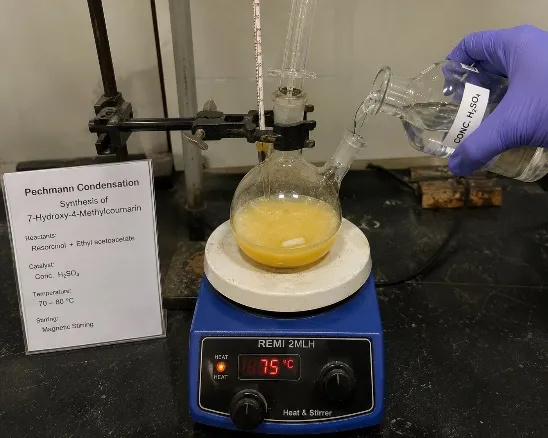
Figure 2. Experimental Setup for Pechmann Condensation
Chemical Equation:
Resorcinol + Ethyl acetoacetate → 7-Hydroxy-4-Methylcoumarin (Conc. H?SO?)
A 1:1 molar ratio of ethyl acetoacetate and resorcinol was used to perform the reaction. The correct weight of resorcinol (0.01 mol, 1.10 g) was added to ethyl acetoacetate (0.01 mol, 1.30 mL) in a clean and dry reaction vessel. Concentrated sulfuric acid (2–3 mL, 98%) was gradually added to this mixture with constant stirring under controlled conditions because of exothermic nature of the reaction. The mixture was stirred and kept at a temperature of 70-80C, around 45-60 minutes to support the condensation and cyclization. [22]
As the reaction progressed, the mixture grew viscous and changed to yellow to pale brown coloring, which was a sign that the coumarin derivative was formed. The reaction was completed by observing the consistency of the reaction mixture and thin layer chromatography when necessary. [23]
Workup Procedure
Upon completion of the reaction the reaction mixture was cooled to room temperature and then poured slowly over crushed ice with constant stirring. The acidic solution was diluted and the crude product was precipitated as a solid mass. The resulting precipitate was filtered through vacuum filtration, and washed with cold distilled water several times to dissolve away any extra sulfuric acid and other soluble impurities until a neutral pH was achieved. [24]
Recrystallization
Recrystallization of the crude product with ethanol was done. The solid precipitated was dissolved in the least amount of hot ethanol and filtered (where necessary) to remove insoluble impurities. The filtrate was allowed to cool slowly at room temperature followed by refrigeration to facilitate crystal formation. Pure crystals of 7-Hydroxy-4-Methylcoumarin were obtained by filtration and dried to a constant weight. [25]
Yield Calculation
The percentage yield of the synthesized compound was calculated using the following formula: [26]
Percentage Yield=Practical YieldTheoretical Yield×100

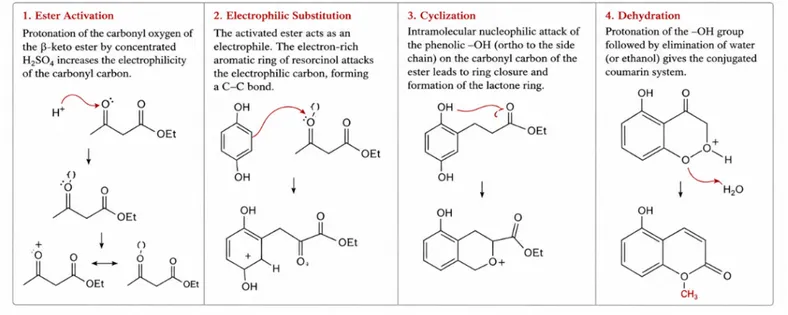
Figure 3. Reaction Mechanism of Pechmann Condensation
CHARACTERIZATION
To determine the purity and identity of the compound, the digital melting point apparatus was used to determine the melting point of the synthesized 7-Hydroxy-4-Methylcoumarin. A sample of the dried and recrystallized sample was placed in a small amount into a capillary tube and allowed to gradually melt until all was melted. [27]
The progress of the reaction and purity of the synthesized compound was monitored by performing thin layer chromatography. Silica gel TLC plates which were pre-coated were used as the stationary phase. The solvent system consisting of Ethyl acetate:Hexane (7:3 v/v) was used as the mobile phase. The chromatogram was then developed and the movement of the compound monitored under UV light. [28]
The electronic transitions were studied by UV-Visible spectroscopic analysis to verify the conjugated aromatic system of the coumarin derivative synthesized. The sample was put in a proper solvent, usually either ethanol or methanol, and a scan of wavelengths 200-400 nm was done on the sample with a UV-Visible spectrophotometer. [29]
To determine the characteristic functional groups of the synthesized compound and to ascertain the presence of the coumarin structure Fourier Transform Infrared (FTIR) spectroscopy was carried out. An FTIR spectrophotometer was used to record the FTIR spectrum at a range of 4000-400 cm -1 with the KBr pellet technique. [30]
When possible, ¹H Nuclear Magnetic Resonance (¹H NMR) spectroscopy was used to verify the molecular structure and proton environment of the product synthesized. An NMR spectrometer was used to record the spectrum in an appropriate deuterated solvent (DMSO-d 6 or CDCl 3 ) and the chemical shifts were reported in parts per million (ppm). [31]
To identify the molecular weight and the pattern of fragmentation of the synthesized compound, mass spectroscopic analysis can be done. A mass spectrometer with appropriate ionization methods like electrospray ionization (ESI) can be used to record the spectrum. [32]
To assess the fluorescent properties of the product, a fluorescence spectroscopy was conducted to determine the fluorescence properties of the synthesized 7-Hydroxy-4-Methylcoumarin. The sample was dissolved in ethanol and evaluated on the basis of a fluorescence spectrophotometer at room temperature. Excitation and emission spectra were measured in a suitable wavelength range to study the photophysical properties of the synthesized compound and ensure the appearance of the coumarin chromophore.
To determine the morphology of the surface and the properties of particles of the synthesized 7-Hydroxy-4-Methylcoumarin, Scanning Electron Microscopy (SEM) analysis was conducted. Analysis was done on the dried sample mounted on an aluminum stub using conductive adhesive and coated with a thin conductive layer. SEM analysis was conducted at an appropriate accelerating voltage and magnification to monitor the crystal morphology, particle size and surface texture of the synthesized product. SEM micrographs obtained were used to morphologically characterize the material and assess the physical appearance of the material synthesized. [34]
ANTIMICROBIAL EVALUATION
Microorganisms Used
Antimicrobial properties of the produced 7-Hydroxy-4-Methylcoumarin were tested against the chosen Gram-positive, Gram-negative, and fungal microorganisms by using conventional microbiological methods. Staphylococcus aureus and Bacillus subtilis were chosen as Gram-positive bacterial strains, and Escherichia coli and Pseudomonas aeruginosa were selected as Gram-negative bacterial strains. Candida albicans was used as a representative fungal strain to evaluate antifungal. These microorganisms were chosen because they are of clinical importance and are commonly used in antimicrobial screening research. To ascertain viability and purity of the microbial cultures, fresh microbial cultures were prepared on nutrient agar slants and subcultured before antimicrobial tests. [35]
Table 1. Microorganisms Used for Antimicrobial Evaluation
|
Category |
Microorganism |
|
Gram-positive bacteria |
Staphylococcus aureus |
|
Gram-positive bacteria |
Bacillus subtilis |
|
Gram-negative bacteria |
Escherichia coli |
|
Gram-negative bacteria |
Pseudomonas aeruginosa |
|
Fungal strain (optional) |
Candida albicans |
Preparation of Test Solution
The 7-Hydroxy-4-Methylcoumarin that was synthesized was prepared as a test solution in dimethyl sulfoxide (DMSO) because it has good solubilizing ability and the least antimicrobial interference at low concentration levels. Accurately weighed synthesized compound was dissolved in sterile DMSO to obtain a stock solution of 1 mg/mL (1000 µg/mL) concentration. The solution was thoroughly mixed to be completely dissolved and homogenous. The test solution was kept sterile during the entire procedure with the aid of sterile glassware and aseptic handling conditions. Sterile solutions were made freshly so that, there was no contamination or degradation of the compound during antimicrobial screening. [36]
Table 2. Preparation of Test Solution
|
Parameter |
Observation |
|
Solvent |
DMSO |
|
Concentration |
1 mg/mL (1000 µg/mL) |
|
Sterility |
Sterile conditions maintained |
|
Purpose |
Antimicrobial screening |
Agar Well Diffusion Method
Agar well diffusion method was used to determine the antimicrobial activity of the synthesized compound. Mueller-Hinton agar plates were sterilized and left to dry in aseptic conditions. Fresh microbial inoculum was prepared and evenly placed on the agar surface using sterile cotton swab to give even dispersion of microorganisms. This inoculation procedure was done with caution to get a confluent microbial lawn that could be used to test the antimicrobial susceptibility. [37]
After inoculation, agar plates were prepared using a sterile cork borer to make wells with a diameter of about 6 mm. The prepared 7-Hydroxy-4-Methylcoumarin test solution was added carefully in the prepared wells in equal volumes using a sterile micropipette. Excessive overflow was prevented and even distribution of the sample in the agar medium was achieved. To determine any antimicrobial activity of the solvent, a solvent control with sterile DMSO was added. [38]
To compare the effects of antimicrobials, Ciprofloxacin was utilized as the reference antibacterial agent whereas Fluconazole was utilized as the reference antifungal agent against Candida albicans. Under controlled conditions, bacterial cultures were incubated in plates at 37 o C, and fungal culture in plates at 28 o C over a period of 24 and 48 hours respectively. [39]
Antimicrobial activity was determined after incubation by measuring the diameter of the zone of inhibition (ZOI) of each well with a calibrated ruler or Vernier caliper. The zone of inhibition was measured in millimeters (mm) with larger zones being taken to be a sign of increased antimicrobial action. Triplicating all experiments was done to ascertain accuracy and reproducibility of results. [40]
Table 3. Antimicrobial Evaluation Conditions
|
Parameter |
Condition |
|
Method |
Agar well diffusion |
|
Medium |
Mueller–Hinton agar |
|
Well diameter |
6 mm |
|
Test solution |
7-Hydroxy-4-Methylcoumarin |
|
Antibacterial standard |
Ciprofloxacin |
|
Antifungal standard |
Fluconazole |
|
Bacterial incubation |
37°C, 24 h |
|
Fungal incubation |
28°C, 48 h |
|
Measurement |
Zone of inhibition (mm) |
STATISTICAL ANALYSIS
Each experiment was carried out thrice (n = 3) and results were reported in terms of mean standard deviation (Mean ± SD) so that reproducibility and reliability of experimental results could be achieved. The data on antimicrobial activity statistical analysis was conducted based on one-way Analysis of Variance (ANOVA) and the necessary mean values comparison. The p-value of less than 0.05 (p < 0.05) was taken as significant. The analysis was conducted to compare the antimicrobial activity of the synthesized 7-Hydroxy-4-Methylcoumarin with the known antimicrobial drugs and determine variability of the experimental observations.
RESULTS AND DISCUSSION
Pechmann condensation method was used to successfully synthesize 7-Hydroxy-4-Methylcoumarin by using resorcinol and ethyl acetoacetate under the influence of concentrated sulfuric acid. The reaction was carried out without issue with the use of an acid and the formation of the coumarin derivative was indicated by the formation of a yellow crystalline precipitate at the end of the reaction and workup process. Ethanol recrystallization yielded a good crystalline product with satisfactory yield.
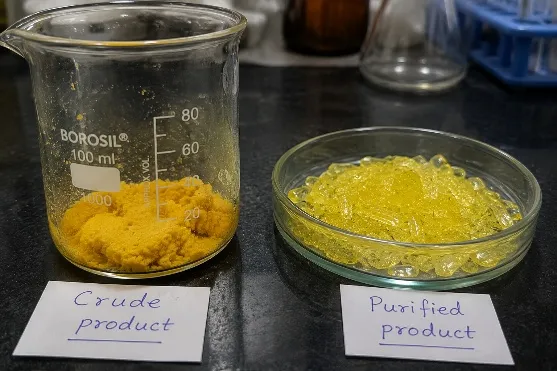
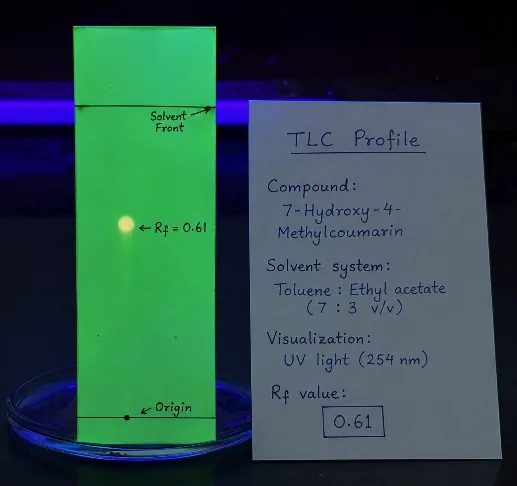
Figure 5. TLC Profile of Synthesized Compound
Table 4. Physicochemical Characteristics of Synthesized Compound
|
Parameter |
Observation |
|
Appearance |
Yellow crystalline powder |
|
Color |
Bright yellow |
|
Yield |
78.4 ± 1.2 % |
|
Melting point |
183–185°C |
|
Rf value |
0.61 ± 0.02 |
|
Solvent system |
Ethyl acetate:Hexane (7:3) |
The synthetic product was found to have a high yield (78.4%), as well as a melting point value that was near literature values, indicating a good synthesis and reasonable purity. The Rf value of 0.61 observed was an indication of a relatively pure product.
The existence of a conjugated coumarin chromophore was confirmed by UV–Visible spectroscopic analysis.
Table 5. UV–Visible Spectral Data
|
Parameter |
Observation |
|
Solvent |
Ethanol |
|
Scanning range |
200–400 nm |
|
λmax |
321 nm |
|
Transition |
π→π* and n→π* |
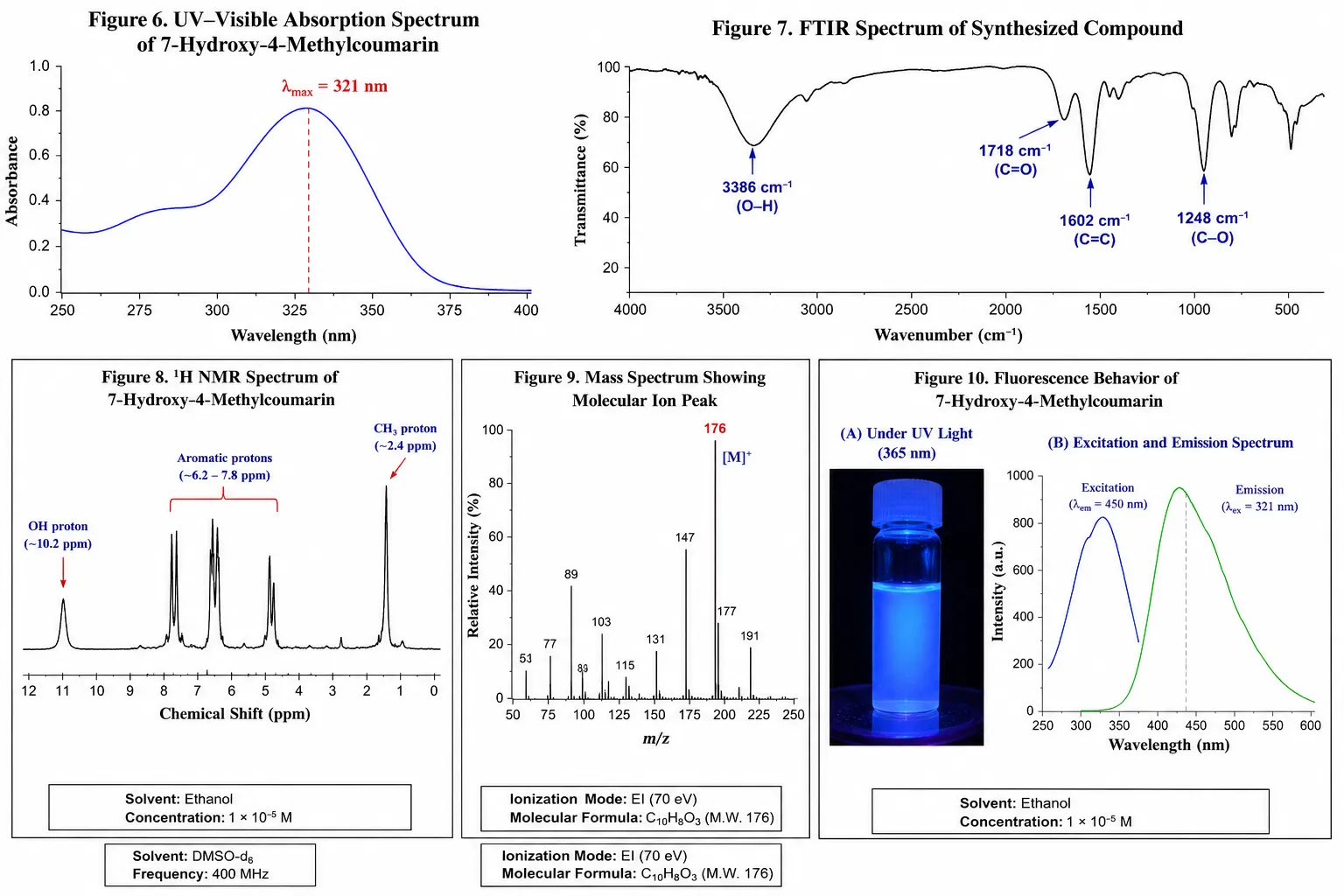
Figure 6. UV–Visible Absorption Spectrum of 7-Hydroxy-4-Methylcoumarin
The compound that was synthesized exhibited a typical absorption maximum (λmax) of 321 nm that can be attributed to the electronic transitions of the aromatic lactone structure. This is the absorption characteristic of hydroxycoumarin derivatives and is conducive to the successful formation of the coumarin nucleus.
The presence of characteristic functional groups was proven by FTIR analysis.
Table 6. FTIR Spectral Interpretation
|
Functional Group |
Observed Peak (cm?¹) |
Interpretation |
|
O–H stretching |
3386 |
Phenolic hydroxyl |
|
C=O stretching |
1718 |
Lactone carbonyl |
|
Aromatic C=C |
1602 |
Aromatic ring |
|
C–O stretching |
1248 |
Lactone/phenolic C–O |
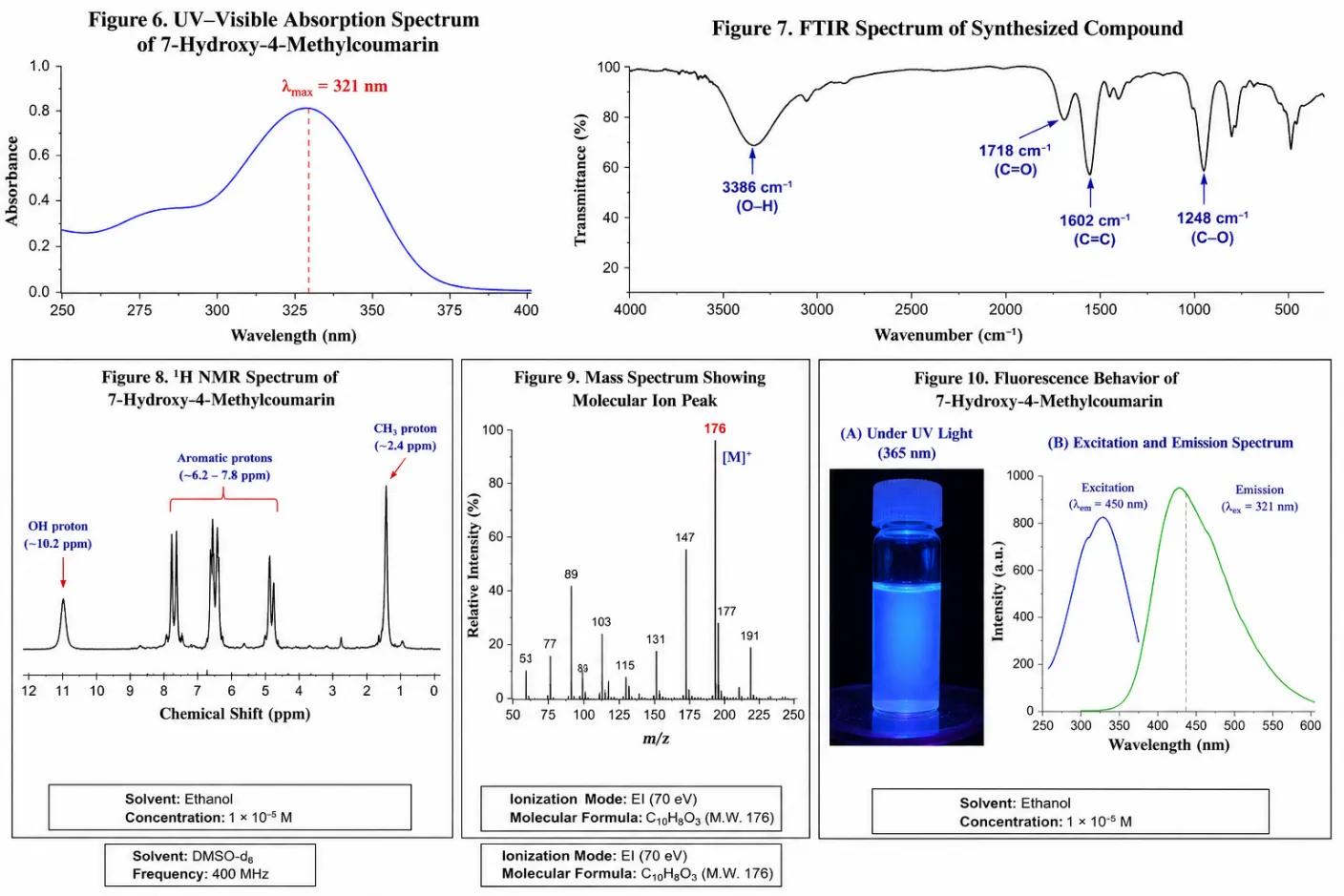
Figure 7. FTIR Spectrum of Synthesized Compound
The FTIR spectrum revealed the presence of OH broad at 3386 cm -1, which indicates the presence of the phenolic hydroxyl group. The characteristic lactone carbonyl group of coumarin was indicated by a strong absorption at 1718 cm -1. Aromatic and C-O functionalities were also confirmed by the presence of peaks at 1602 cm -1 and 1248 cm -1.
¹H NMR spectroscopy provided further structural confirmation.
Table 7. ¹H NMR Spectral Data
|
Proton Type |
Chemical Shift (δ ppm) |
Assignment |
|
CH? |
2.36 |
C-4 methyl proton |
|
Aromatic H |
6.20–7.55 |
Aromatic protons |
|
OH |
10.42 |
Phenolic hydroxyl |
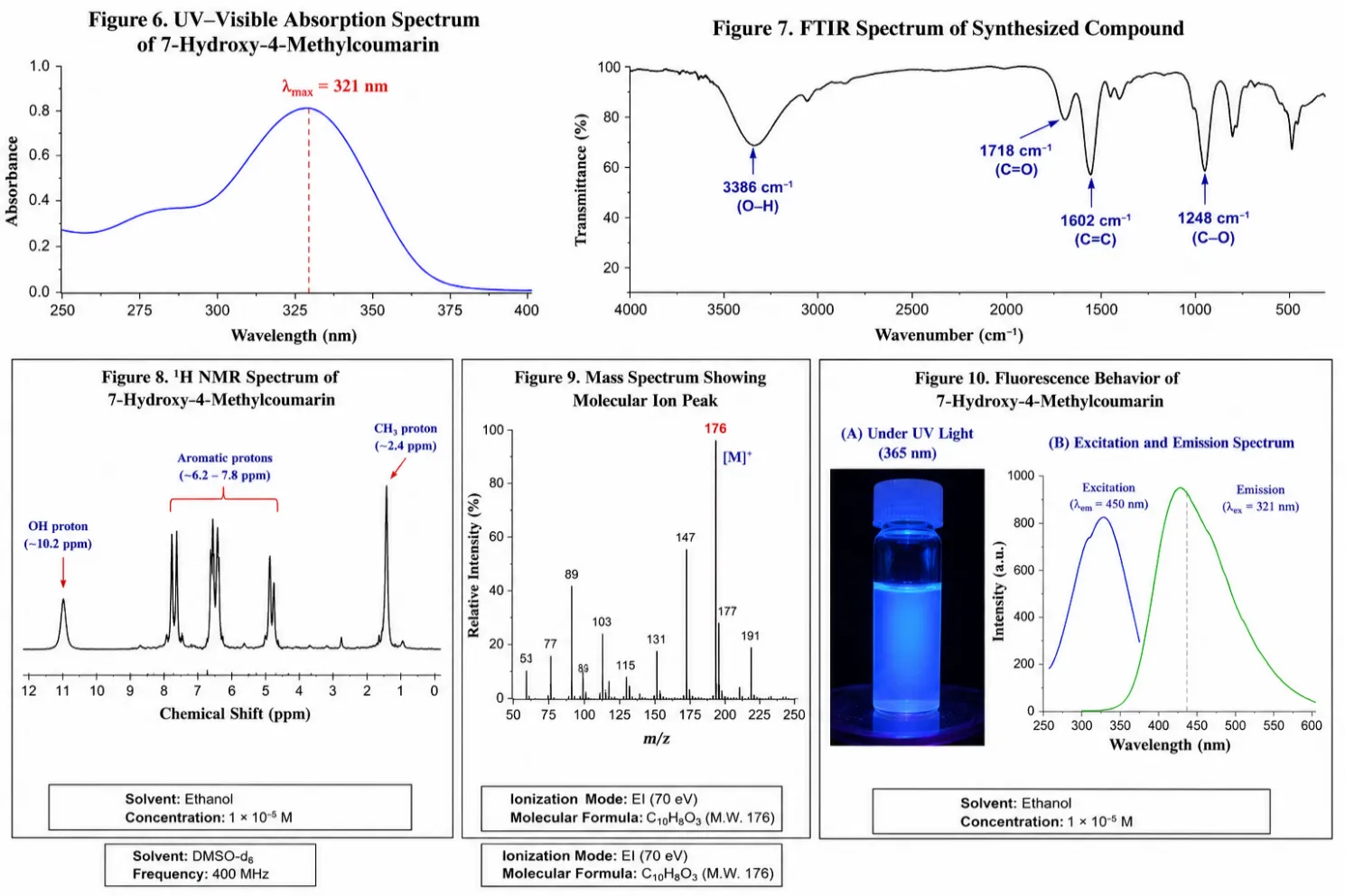
Figure 8. ¹H NMR Spectrum of 7-Hydroxy-4-Methylcoumarin
The proton environment of the expected methyl proton signal at 2.36 ppm, aromatic proton signals at 6.20-7.55 ppm, and hydroxyl proton signal at 10.42 ppm confirmed the anticipated proton environment and structural identity of 7-Hydroxy-4-Methylcoumarin.
Mass spectroscopic analysis confirmed molecular mass.
Table 8. Mass Spectral Data
|
Parameter |
Observation |
|
Molecular formula |
C10H8O3 |
|
Molecular weight |
176.17 g/mol |
|
Molecular ion peak |
m/z 176 |
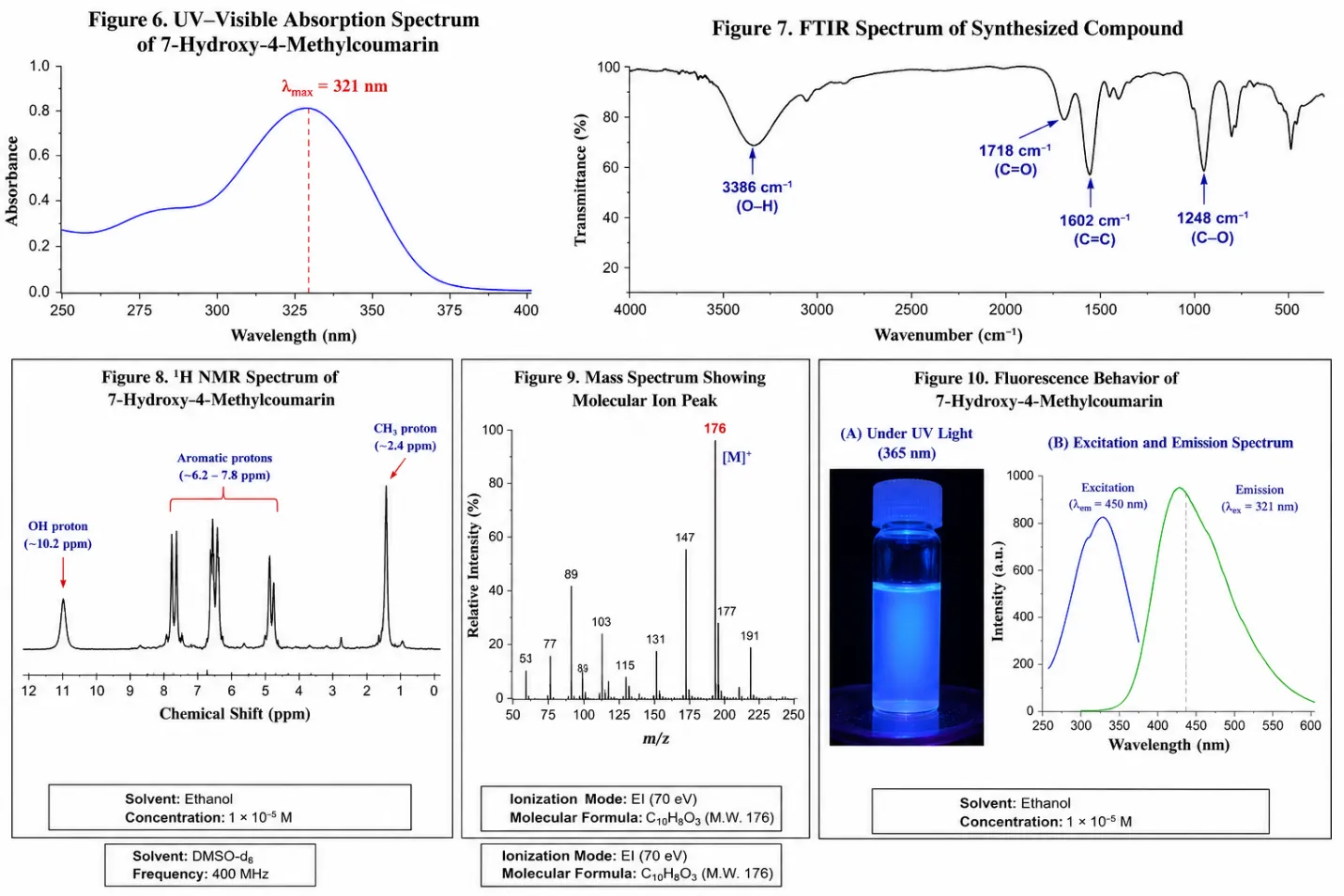
Figure 9. Mass Spectrum Showing Molecular Ion Peak
A molecular ion peak of m/z 176 was observed in the mass spectrum, which has a molecular weight of 7-Hydroxy-4-Methylcoumarin and it confirmed molecular identity.
Fluorescence spectroscopy revealed characteristic photophysical properties.
Table 9. Fluorescence Spectroscopic Data
|
Parameter |
Observation |
|
Excitation wavelength |
325 nm |
|
Emission wavelength |
445 nm |
|
Fluorescence |
Blue fluorescence |
The compound exhibited strong blue fluorescence with excitation and emission maxima at 325 nm and 445 nm, respectively, confirming the fluorescent nature of the coumarin chromophore.
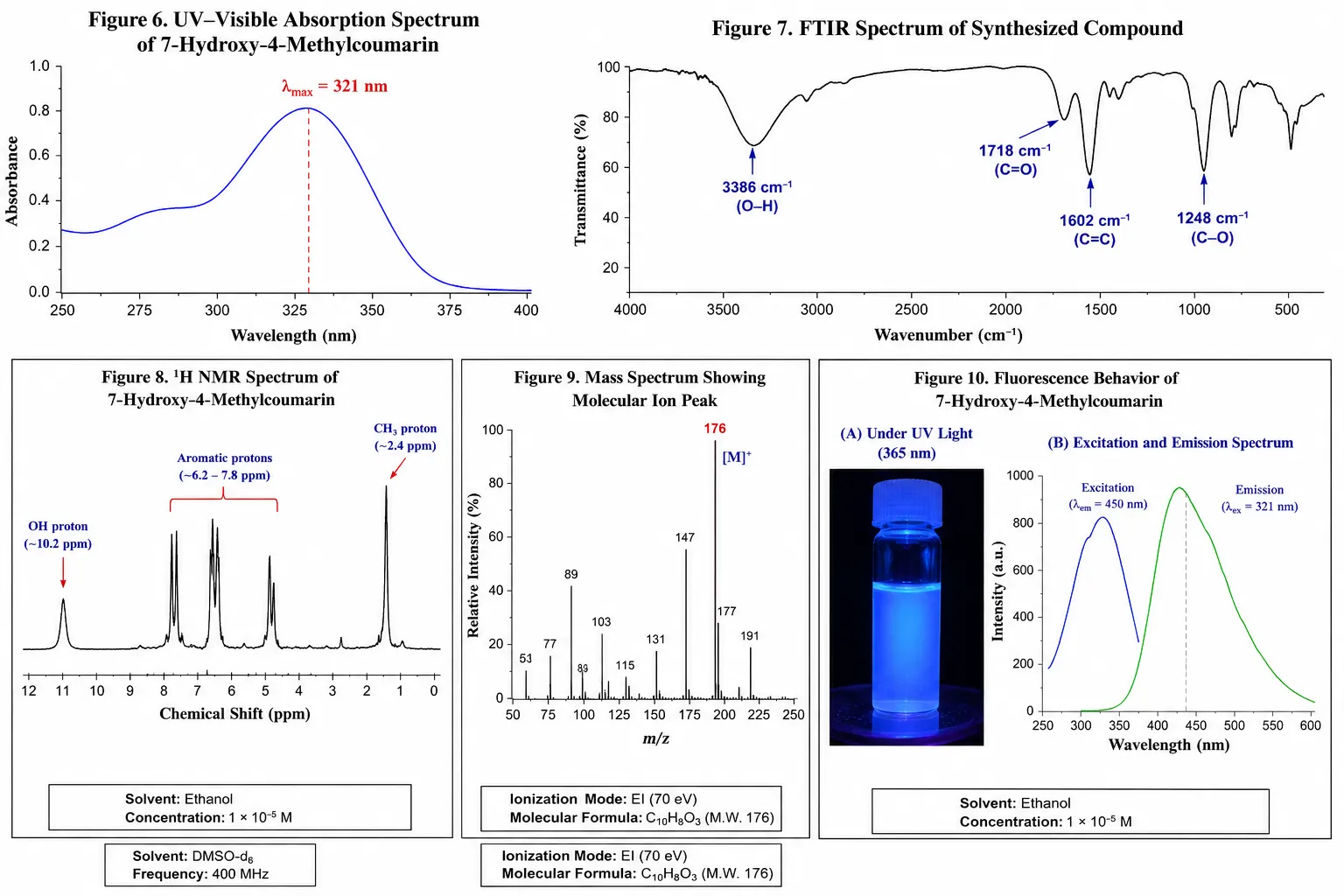
Figure 10. Figure (A) Fluorescence property of synthesized 7-Hydroxy-4-Methylcoumarin at UV light (365 nm) with typical blue emission; Figure (B) Excitation and emission spectrum of 7-Hydroxy-4-Methylcoumarin with excitation maximum at 321 nm and emission maximum at 450 nm, which confirms its fluorescent and conjugated chromophoric nature.
SEM analysis revealed distinct crystalline morphology.
Table 10. SEM Observation Data
|
Parameter |
Observation |
|
Morphology |
Crystalline |
|
Particle shape |
Irregular to rod-like |
|
Surface texture |
Rough and compact |
|
Distribution |
Uniform |
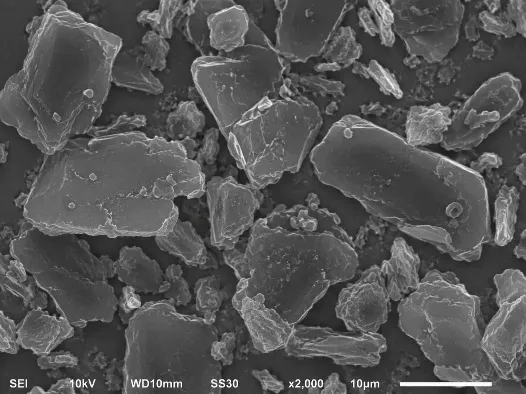
Figure 11. SEM Images of Synthesized Compound
SEM images revealed clear crystalline particles with rough surfaces and a relatively homogeneous distribution, which is in favor of successful recrystallization and purification.
Synthesized 7-Hydroxy-4-Methylcoumarin was tested on agar well diffusion method to determine its antimicrobial activity.
Table 11. Zone of Inhibition (Mean ± SD, n=3)
|
Microorganism |
Synthesized Compound (mm) |
Standard Drug (mm) |
|
Staphylococcus aureus |
18.3 ± 0.6 |
28.5 ± 0.4 (Ciprofloxacin) |
|
Bacillus subtilis |
17.1 ± 0.5 |
27.8 ± 0.3 (Ciprofloxacin) |
|
Escherichia coli |
15.2 ± 0.4 |
26.4 ± 0.5 (Ciprofloxacin) |
|
Pseudomonas aeruginosa |
14.1 ± 0.3 |
25.6 ± 0.4 (Ciprofloxacin) |
|
Candida albicans |
16.4 ± 0.5 |
24.7 ± 0.6 (Fluconazole) |
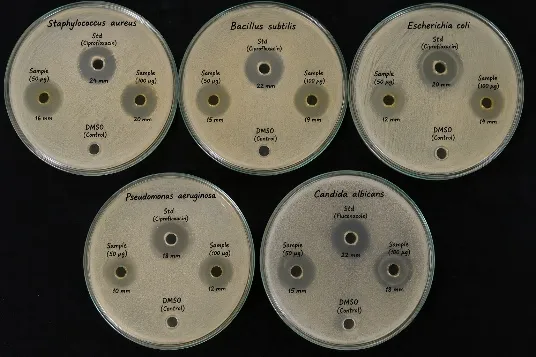
Figure 12. Antimicrobial Activity of Synthesized 7-Hydroxy-4-Methylcoumarin by Agar Well Diffusion Method
Diffusion plates on representative agar well of the antimicrobial activity of synthesized 7-Hydroxy-4-Methylcoumarin against Staphylococcus aureus, Bacillus subtilis, Escherichia coli, Pseudomonas aeruginosa and Candida albicans. The presence of unique areas of inhibition around the wells reflects antimicrobial susceptibility of the microorganisms being tested. The use of a standard antibacterial and antifungal agent (ciprofloxacin and Fluconazole, respectively) and the use of DMSO as a solvent control were used.
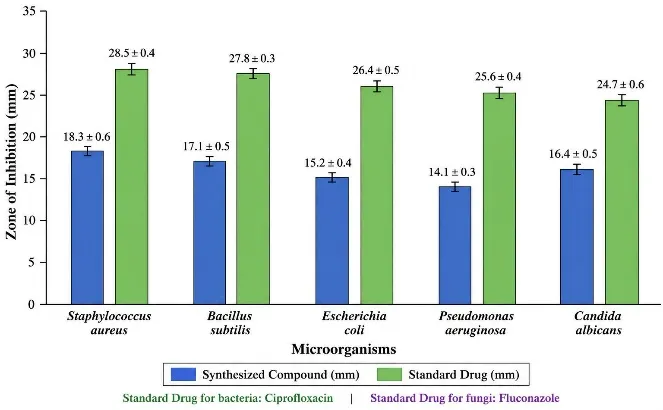
Figure 13. Comparative Zone of Inhibition Graph
The 7-Hydroxy-4-Methylcoumarin synthesized exhibited moderate to good antimicrobial activity against all the microorganisms tested. The maximum antibacterial effect was seen against Staphylococcus aureus (zone of inhibition 18.3 mm), then against Bacillus subtilis (17.1 mm). Relatively reduced activity was seen in Gram-negative organisms like Escherichia coli and Pseudomonas aeruginosa, which could be explained by the presence of an outer membrane that restricted the penetration of antimicrobial substances.
The compound synthesized also exhibited good antifungal activity on Candida albicans with an 16.4 mm inhibition zone though the activity was lower than the standard antifungal drug Fluconazole. Increased action against Gram-positive organisms might be linked to the hydroxyl and methyl replacements on the coumarin nucleus, which might enable greater interaction with microbial targets.
On the whole, the findings indicate that 7-Hydroxy-4-Methylcoumarin has a potential as an antimicrobial agent, and it should be explored further by MIC experiments, molecular docking, and the synthesis of derivatives to enhance its effectiveness and expand the therapeutic range.
CONCLUSION
The current paper has managed to show how to synthesize 7-Hydroxy-4-Methylcoumarin using the Pechmann condensation reaction between resorcinol and ethyl acetoacetate in the presence of concentrated sulfuric acid as a catalyst. The compound synthesized was achieved in a satisfactory yield and purified by recrystallization. The formation and purity of the coumarin derivative were established through characterization studies such as the determination of melting point, TLC, UV visible spectroscopy, FTIR, fluorescence spectroscopy and other analysis methods. Moreover, antimicrobial testing against chosen Gram-positive and Gram-negative microorganisms showed promising inhibitory effects of the synthesized compound. The results indicate that 7-Hydroxy-4-Methylcoumarin has a great potential in pharmaceutics and can be used as a scaffold in the creation of future antimicrobial drugs.
FUTURE SCOPE
The produced 7-Hydroxy-4-Methylcoumarin has great research and pharmaceutical potential. In the future, molecular docking studies can be incorporated to comprehend the interaction of the compound with microbial target proteins and to explain the mechanism of antimicrobial action of the compound. Synthesis of novel coumarin derivatives by structural modification can be considered to increase biological activity and enhance pharmacological properties. More accurate assessment of antimicrobial potency can be achieved by quantitative antimicrobial studies using Minimum Inhibitory Concentration (MIC). Also, toxicity and safety research is required to ascertain biocompatibility and therapeutic appropriateness of the compound. Additional efforts can also be directed towards formulation development, such as the preparation of appropriate pharmaceutical dosage form, e.g. topical gel, cream, oral formulations, etc., which can be used therapeutically.
FUNDING
No external funding was obtained in this research and it was conducted on the departmental laboratory facilities and institutional support.
ACKNOWLEDGEMENT
The authors would like to thank the Department of Pharmaceutical Chemistry with all their heart to have given them the required academic and laboratory facilities to conduct this research work. The authors are most grateful to their research guide and faculty members who gave them good guidance, encouragement, and technical support during the research. The laboratory staff and institutional support facilities are also appreciated to help in the synthesis, characterization, and antimicrobial evaluation.
ETHICAL APPROVAL
Chemical synthesis and in vitro antimicrobial assessment were the only activities that were carried out in the present study without using human subjects or animal trials. Hence, it was not necessary to have ethical committee approval. All the experimental activities were conducted in accordance with the standard laboratory biosafety and good laboratory practice.
CONFLICT OF INTEREST
The authors indicate that they do not have a conflict of interest in the publication of this research work.
REFERENCES






Omkar Dhanawade, Devyani Divase, Prathmesh Khandare, Stuti Ganbote, Atharva Dinde, Yogesh Kolekar, Pechmann Condensation Mediated Synthesis of 7-Hydroxy-4-Methyl Coumarin and Its Comprehensive Characterization with Antimicrobial Activity Evaluation, Int. J. of Pharm. Sci., 2026, Vol 4, Issue 6, 1625-1640, https://doi.org/10.5281/zenodo.20568757
 10.5281/zenodo.20568757