
View Article

  • Pharmaceutical Care and Patient’s Safety

  • Guru Nanak Institute of Pharmaceutical Science & Technology 157/F Nilgunj Road, Sodepur, Kolkata- 700114.

Abstract

This paper is about to control patient’s quality of life by responsible supply of pharmaceutical care. By having therapeutic, clinical pharmacy knowledge, pharmacists can identify the drug related problem and provide solutions to the patients. It’s essential to look after the improper drug selection, inappro-priate dosage, adverse drug reaction etc. To avoid all these factors, it requires good communication, prescription illustration skills and maintenance of records. Some documentations of pharmaceutical cares are S.O.A.P format, C.O.R.E format, F.A.R.M format

Keywords

Risk management, pharmaceutical care control, medication error, Fixed dose Combination of APIs, Innovative Dosage Forms

Introduction

× Popup Image

The Pharmaceutical care is known as the important rule of drug therapy for achieving proper therapeutic outcomes to improve the patient’s life quality. Pharmaceutical care involves the process through which a pharmacist can Identify potential and actual drug related problems.

  • Potential Drug Related Problems: Pharmacists check for possible interactions between new and existing medications that might increase adverse effects or reduce effectiveness. For example, they identify potential drug-drug, drug-food or drug-disease interactions. Pharmacists review patient history for allergies of sensitive to avoid prescribing drugs that may cause adverse reactions. By tracking all the medications a patient is taking, they can spot unnecessary duplications, which may arise if multiple providers prescribe similar drug unknowingly.
  • Actual Drug-Related Problems: Pharmacists are trained to recognize signs of adverse drug reactions when interacting with patients and they can suggest appropriate alternative therapies. Through lab values or patient observations, it can be detected when a drug is not achieving its therapeutic effect or is reaching toxic levels, which can compromise health.

By actively resolving existing problems and taking steps to prevent potential ones, pharmacists play a key role in optimizing medication therapy, ensuring patient safety. This comprehensive approach helps maintain effective treatment while reducing risks associated with medication use.[2]

  1. Digital Pharmaceutical Care

In past time, pharmaceutical care was supplied primarily in a direct manner; however, over time it has gradually turned into a format that includes digital environments and communications among pharmacist, doctor and patient.

Digital Pharmaceutical Care also known as Tele pharmacy.

Telepharmacy is defined as the requirements of pharmaceutical care and high facilities through modern communication technologies. It allows remote medicated dispensing process, concession, and management, particularly for patients in rural or underserved areas [1]. eHealth encloses a wide range of electronic processes and communication methods used in healthcare centres, including electronic health records (EHRs), health information exchange (HIE), and mobile health applications [2] applied in daily lifestyle.

  1. Types of Telepharmacy Services

1. Automated Dispensing: these dispensing involves the use of automated dispensing systems and telecommunication technologies to dispense medications under the supervision of a licensed pharmacist. This service is particularly worth in rural areas where approach to a physical pharmacy may be finite pr not possible. The pharmacist can oversee purity and quality of the dispensing process, ensure the accuracy of prescriptions, and provide necessary consultations via video conferencing or telephone [2].

 2. Medication Therapy Management (MTM): MTM services in telepharmacy include comprehensive medication reviews, medication reconciliation, adherence support, and patient education. These services are conducted remotely through secure communication channels. Pharmacists can check out patients' medication rules, identify probable drug interactions, and optimize health-giving plans previously and save time also. MTM services are crucial for patients with chronic conditions or those taking multiple medications, as they help simplifying complex medication adherence and overall health outcomes [3].

3. Patient awareness and Education: Telepharmacy allows pharmacists to supply counseling individually and knowledge to the patients from distance. This includes instructions on medication use, side effects, lifestyle modifications, and disease management. Through video conferencing or secure messaging, pharmacists can interact with patients, answer their questions, and address any concerns they may have. This service is particularly beneficial for patients who have difficulty visiting a pharmacy in person [4].

 4. Chronic Disease Management: Telepharmacy plays a significant role in the management of chronic diseases such as diabetes, hypertension, and asthma, blood pressure range. Pharmacists can remotely monitor patients' health conditions, review their medication adherence, and adjust therapy as needed. Regular virtual check-ins and monitoring help ensure that patients maintain control over their chronic conditions, reducing the risk of complications and hospitalizations [5].

  1. Scope and Applications

1.  Remote Rural Areas: One of the primary applications of telepharmacy is in rural and remote areas where access to healthcare services is often limited. Telepharmacy bridges the gap by providing essential pharmacy services to patients in these locations. Automated dispensing systems and telecommunication technologies allow pharmacists to serve patients who would otherwise have to travel long distances to access a pharmacy [6].

2. Urban and Suburban Areas: Telepharmacy is not limited to rural settings; it is increasingly being implemented in urban and suburban areas as well. In these regions, telepharmacy enhances the convenience and accessibility of pharmacy services. For example, busy professionals and individuals with mobility issues can benefit from remote consultations and medication delivery services, reducing the need for frequent in-person visits to a pharmacy [7]and save time.

3. Hospital and Clinical Settings: Hospitals and clinics are also adopting telepharmacy to improve the efficiency and quality of care. In hospital settings, telepharmacy can support medication reconciliation at discharge, reducing the risk of medication errors and readmissions. Clinical pharmacists can provide remote consultations to patients [8].

 4. Community Pharmacies: Community pharmacies are increasingly integrating telepharmacy services to extend their reach and improve patient care. By offering virtual consultations and MTM services, community pharmacists can provide personalized care to patients, regardless of their location. This approach helps build stronger patient-pharmacist relationships and ensures continuous care [9].

  1. Technological Components
  1.  The foundation of telepharmacy lies in telecommunication methods, including video conferencing, telephones,secure messaging platforms, and mobile applications. These technologies grease real-time communication between pharmacists and patients, enabling remote consultations, medication management, and follow-up care. Video conferencing, in particular, provides a visual and interactive platform for pharmacists to assess patients' health conditions and offer counseling [10]. Then is an illustration “Rules of taking drug by virtue of videotape discussion"
  2. A patient is discharged from the hospital after a heart surgery. She/he needs to manage multiple medications to recover. The pharmacist uses a video conferencing platform (e.g., Zoom or Skype) to conduct a medication therapy management (MTM) session with the patient.

Technology Used:

1. Secure video conferencing software

2. High-definition webcam

3. Audio headset

4. Electronic Health Record (EHR) system

Process:

1. Patient logs in to the video conferencing platform from the home computer or mobile device.

2. Pharmacist joins the session, reviews the EHR, and discusses the medication regimen.

3. They review potential drug interactions, side effects, and dosing instructions.

4. Pharmacist demonstrates how to properly take medications and answers questions.

5. The session is recorded and stored in patient's EHR for future reference.[21]

This example demonstrates how telecommunication technology enables remote pharmacist-patient consultations, improving patient care and outcomes in the comfort of their own homes.

 2. Automated Dispensing machines: Automated dispensing processes are integral to telepharmacy, ensuring the accurate, high quality and efficient dispensing of medications [58]. These systems can store, manage, and dispense medications under the supervision of a licensed pharmacist. They reduce the risk of dispensing errors, impurity and improve workflow efficiency, allowing pharmacists to focus more on clinical tasks and patient care [11].

 3. Electronic Health Records (EHRs): EHRs provides pharmacists critical situation with access to comprehensive, real-time patient health information [57]. EHRs enable pharmacists to review patients' medication histories, allergies, and laboratory results, facilitating informed decision-making and improving medication safety. The integration of EHRs with telepharmacy systems ensures continuity of care and enhances communication among healthcare providers and pharmacists [12].

4. Mobile Health Technologies: Mobile health applications play a significant role in telepharmacy by enabling patients to access pharmacy services, receive medication reminders, and communicate with pharmacists from the convenience of their homes and also can send emergency situation notifications to their families

  1. Benefits of Telepharmacy

1. Improve accessibility of Pharmacy Services: Telepharmacy impactfully improves access to pharmacy services, particularly for patients in underserved locations. By leveraging telecommunication technologies, telepharmacy ensures that patients receive timely and essential pharmaceutical care, regardless of their location. This enhanced access helps address healthcare disparities and ensures that all patients receive the care they need [14].

2.Enhanced Medication Management and Adherence: Telepharmacy supports better medicine operation and adherence through normal remote consultations and monitoring Pharmacists can provide personalized medication reviews, adherence support, and education, helping patients understand the importance of their medications and how to take them correctly. Improved adherence leads to better health outcomes and reduces the risk of complications [15].

3. Cost-Effectiveness and Efficiency: Telepharmacy offers a cost-effective and efficient solution to delivering pharmacy services [55].  It reduces the need for in- person visits, trip charges, and associated costs, making healthcare more affordable for cases. For healthcare providers, telepharmacy improves workflow efficiency, allowing pharmacists to serve more patients and focus on clinical tasks [16].

 4. Patient Safety and Quality of Care: Telepharmacy enhances patient safety and quality of care by ensuring accurate medication dispensing, providing timely consultations, and monitoring patients' health conditions [56]. The use of EHRs and automated dispensing systems reduces the risk of medication errors, while regular follow-up care ensures that patients receive continuous and comprehensive care.

  1. Benefits of eHealth in Pharmacy Practice

1. Improved Access to Care:

eHealth technologies enhance access to pharmacy services, particularly for patients in remote or underserved areas [54]. By enabling remote consultations and medication management, eHealth ensures that patients receive timely and appropriate care regardless of their location [9].

 2. Enhanced Medication methodology:

eHealth supports better drug interaction through real- time access to patient data and streamlined working flows. Pharmacists can use EHRs and HIE technology to review patients' medication histories, identify potential drug interactions in body, and make informed clinical decisions [52]. Mobile health apps and telemedicine platforms further support medication and chronic disease management more preciously [10].


3. Cost- Effectiveness: 

eHealth technologies enhance the effectiveness of drugs operations by reducing the need for in- person visits, streamlining working flows, and minimizing the duplication of services. These efficiencies translate into cost and time savings for both patients and healthcare providers, making healthcare more affordable and accessible [11].

4. Patient Engagement and Empowerment: eHealth tools authorize patients by providing them with easy access to their health information and pharmacy services [53]. Mobile health apps and telemedicine platforms provide patient engagement and self - management, leading to better health outcomes. Patients can take an active role in their care, communicate with pharmacists more effectively, and make informed decisions about their own health conditions [12].  Telepharmacy represents a significant role in pharmacy practice, offering innovative technology to meet the growing demands of health cares. By improving access to care, enhancing medication management, and promoting patient engagement, these technologies are transforming the delivery of pharmaceutical services [51]. As healthcare providers and policymakers continue to embrace and support these innovations, telepharmacy and eHealth will play an increasingly vital role in improving health outcomes and the overall quality of care. The ongoing development and integration of these technologies hold great promise for the future, ensuring that pharmacy practice continues to evolve and adapt to the changing needs of patients and healthcare systems.[44]

Before pharmacists accept these responsibilities to provide pharmaceutical care they must pass through those criteria:[17]

  • Knowledge and skills in pharmaceutics and clinical pharmacology: Pharmacists with strong pharmaceutics skills understand how drugs are formulated, ensuring that they reach the appropriate part of the body and provide the intended therapeutic effect and with expertise in clinical pharmacology understand how drugs move through the body, drug interaction and pharmacogenomics.[50]
  • Mobilization of drugs distribution system: Improvements in how medications are stored, transported, and dispensed to ensure that they reach patients in a timely, safe, and effective manner. This process involves the integration of technology, logistics, and regulatory practices to make the distribution of drugs more responsive to healthcare needs.
  • Commitment to quality improvement and assessment procedure: It reflects a continuous effort to assess, evaluate, and improve all aspects of healthcare practices, from clinical care to operational processes.[53]
  • Development of relationship with patients and others health care professional: Strong relationships foster trust, enhance communication, improve patient outcomes, and create a collaborative environment that ultimately benefits both patients and providers.[49]
  1. PROCESS OF PHARMACEUTICAL CARE


  • Collection of patient data: private and objective information should be collected regarding the individua

general health and exertion status, once medical history, drug and social history, diet and present illness history. As a result, a connective data is shared across healthcare professionals. The collection of patient data refers to the process of gathering, recording,

and storing information related to a patient's health, medical history, and treatment. [48]


Types of Patient Data

1. Demographic data: Name, age, sex, address, contact information, etc.

2. Medical history: Previous illnesses, surgeries, allergies, medications, etc[47]

3. Clinical data: Vital signs, laboratory test results, medical imaging reports, etc.

4. Treatment data: Medications, dosages, treatment plans, response to treatment, etc.

5. Life data: Diet, exercise, smoking habits, alcohol consumption, etc. [18]

Technologies of Collecting Patient Data   

1.Electronic Health Records (EHRs): Digital versions of patient charts, containing comprehensive medical information.

2. Patient interviews: Healthcare professionals gather information through conversations with patients.

3. Physical examinations: Healthcare professionals collect data through physical examinations, such as vital signs and medical imaging.[19]

4. Laboratory tests: Blood tests, urinalyses, and other diagnostic tests provide valuable patient data.

5. Wearable devices and mobile apps: Patients can track their health metrics, such as activity levels, sleep patterns, and blood pressure, using wearable devices and mobile apps.[46]

  • Identification of problems: In pharmaceutical care requires pharmacists to stay vigilant, assess medications comprehensively, and work closely with both patients and other healthcare providers. By identifying and addressing these problems, pharmacists ensure safer, more effective medication use, prevent adverse events, and ultimately contribute to improved patient health outcomes.
  • Good therapeutic plan: A treatment plan is a collaboration effort between a pharmacist and patient’s therapeutical plan. The plan includes:[20]

1. Assessment: A thorough assessment of the patient's condition, including medical history, physical examination, and diagnostic tests.[45]

2. Diagnosis: A clear diagnosis of the patient's condition.

3. pretensions and objects Specific, measurable, attainable, applicable, and time- bound (SMART) pretensions.

4. Interventions: A detailed plan of therapeutic interventions, including medications, therapies, and lifestyle modifications.

5. Monitoring and evaluation: Regular monitoring and evaluation to assess progress and make adaptations.

6. Case education Case education and support to empower the case to take an active part in their care.

Monitoring and evaluation: This plan should include description of treatment regimen, methods of monitoring for adverse reactions and methods for evaluating treatment response at least monthly during therapy. [21]

Monitoring involves the methodical collection, analysis, and use of information to track a design's progress and performance in real- time.
Evaluation is the methodical assessment of a design's design, perpetration, and issues to determine its effectiveness, effectiveness, and impact.

 It helps:[44]

1.Assess effectiveness Determine whether the design achieved its intended objects.

2. Assess efficiency: Evaluate the resources used to achieve the project's objectives.

3. Assess impact: Determine the project's influence on the target population, community, or environment.

  • Personalization of drugs: Diagnostic testing is often employed for selecting appropriate and optimal therapies based on the patient’s genetics and diseases. For more specification, a pharmacist can make development of fixed dose combination of APIs. [22]

Key Aspects of Personalization of Drugs:

1. Genetic profiling: Analysing a patient's genetic makeup to identify specific genetic variations that affect drug response.

2. Biomarker identification: Identifying specific biomarkers, such as enzymes or proteins, that can predict drug response or toxicity.[43]

3. Pharmacogenomics: Studying how genetic variations affect an individual's response to drugs.

4. Dose optimization: Adjusting drug dosages based on an individual's genetic profile, age, weight, and other factors.[58]

5. Therapeutic drug monitoring: Regularly monitoring drug levels in the blood to ensure optimal dosing and minimize toxicity.

  • Monitoring outcomes: After achieving the goal of therapeutic treatment, there are some circumstantial, like inappropriate monitoring, patient idiosyncrasy or unnecessary drug regimen etc. Types of Outcome Monitoring:[23]

1. Clinical outcomes: Monitoring symptoms, disease progression, or treatment response.

2. Functional outcomes: Assessing daily functioning, quality of life, or ability to perform tasks.

3. Patient-reported outcomes: Collecting data directly from patients on their experiences, symptoms, or quality of life.[24]

4.profitable issues assessing the cost- effectiveness or cost- benefit of an intervention.

1.The response of studies regarding the application of pharmaceutical care services                                   


The significant part of clinical druggists

The cooperation acceptance of physicians

Factors limited the providing of 1 PCs

Not specify the role of clinical pharmacists

Not aware of any role


Preface pharmaceutical care services (PCs) have evolved significantly over the last many decades, with a lesser focus on case’s safety and proven effectiveness in a wide range of surrounds. numerous of the substantiation supporting this fashion comes from the United States, the evaluation and relinquishment of (PCs) which differ greatly across the globe [25]

1.The Development of Innovative Dosage Forms of the Fixed-amount Combination of APIs

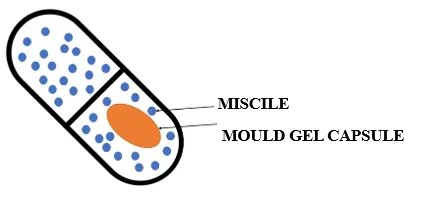
This review gives an overview for pharmaceutical technologists on the latest trends in FDC formulations such as Encapsulation of liquid combination, cardiovascular polypill, Multilayer tablet.[59]

  • ENCAPSULATION OF LIQUID COMBINATION:[26]

Combodart was the first FDC designed to treat moderate to severe benign prostatic hyperplasia. The structure of the product is a soft gel capsule filled with a liquid additive. Types of Encapsulations for Liquid Combinations:[27]

1.Multiple mixes One liquid is dispersed within another liquid, which is also reprised within a third liquid.

2. Liposomes: Tiny vesicles made of lipids, which can encapsulate two or more liquids.

3. Polymer-Based Encapsulation: Using polymers to create microcapsules or nano capsules that can hold multiple liquids.

4. Hydrogel-Based Encapsulation: Using hydrogels to create capsules that can encapsulate two or more liquids.[42]


  • CARDIOVASCULAR POLYPILL:[28]

Polypills are a valuable therapeutic tool for people suffering from various disease due to the combination of many drugs in one product by simplifying the administration of drugs to medical personnel. [29]


  • MULTILAYER TABLETS:[30]

Multilayer tablets are designed for a variety of reasons such as separation of incompatible APIs, to control the area of release of one or two different APIs and controlling the release of an API from one subcaste by taking advantage of the functional parcels of the other subcaste. Types of Multiple Layer Tablets:[41]

1. Bilayer Tablets: Consist of two layers, each containing a different active ingredient or excipient.

2. Tri layer Tablets: Consist of three layers, each containing a different active ingredient or excipient.

3. Multilayer Tablets: Consist of four or more layers, each containing a different active ingredient or excipient.


  • HYDRODYNAMICALLY BALANCED SYSTEMS:[31]

The flotation technology for developing a hydrodynamically balanced system involves mixing medicines with hydrocolloids similar as hydroxypropyl methylcellulose K4M, K15M and K100M.

Key Characteristics of HBS:[60]

1. Stability: The system balances its stability, despite changing fluid flow, pressure, pH or temperature.

2. Balance: The system's components, such as fluids, solids, semi solid and gases, are in equilibrium, ensuring smooth operation in the body.

3. Hydrodynamic equilibrium: The system's fluid dynamics are balanced, minimizing turbulence, vibration, and noise.[40]

Design Principles for HBS:[32]

1. Fluid dynamics determination: Understanding the behaviour of fluids within the system to optimize design.[61]

2. System creation: Creating mathematical models to simulate and predict system behaviour.[39]

3. Material selection: Choosing materials that can resist the system's operating conditions.

4. Geometry perfection: Designing the system's geometry to minimize turbulence and ensure smooth flowabilities.[34


SOME OF THE ADVANTAGES FROM THE FDC FORMULATIONS:[33]

Fixed-Dose Combination (FDC) formulations provide several advantages, including:

Advantages of FDC Formulations:

1. Improved Patient Complication: FDCs simplify treatment regimens, reducing the number of pills patients need to take, and increasing the likelihood of adherence.

2. Increase Efficacy: FDCs can improve treatment outcomes by providing a fixed ratio of active ingredients, which can lead to better therapeutic effects.

3. Reduced Pill load: FDCs decrease the number of pills patients need to take, making it easier to manage complex treatment regimens.[34]

4. Increased benefits: FDCs offer a single tablet or capsule that contains multiple active ingredients, making it easier for patients to manage their medications.

5. Cost-Effective: FDCs can reduce healthcare costs by decreasing the number of prescriptions, reducing the need for multiple medications, and minimizing waste.[36]

6. Improved Safety: FDCs can reduce the risk of adverse interactions between multiple medications, as the fixed combination is designed to be safe and effective.

7. Simplified Dosing: FDCs eliminate the need for patients to manage multiple dosing schedules, reducing the risk of errors and improving treatment outcomes.[35]

8. Better Disease control: FDCs can improve disease management by providing a comprehensive treatment approach that addresses multiple aspects of a condition.

Examples of FDC Formulations [37]

1. Highly active Antiretroviral therapy (HAART): FDCs are commonly used in ART to treat HIV/AIDS, combining multiple medications into a single tablet.

2. Hypertension treatment: FDCs are used to treat hypertension, combining multiple medications, such as diuretics, beta blockers, and ACE inhibitors.[38]

CONCLUSION

Pharmaceutical care and Telepharmacy both involve the improvement of health condition with a structured therapeutic plan and designed medication for achieving specific desired outcomes for the patients.

ACKNOWLEDGEMENT

The completion of this research paper would not have been possible without the support and guidance of Anuranjita Kundu and Guru Nanak Institute of Pharmaceutical Science & Technology. Their fidelity and overwhelming attitude towards helping scholars is merely responsible for completing my exploration paper. The stimulant and insightful feedback were necessary in negotiating this task.
I thank all the staffs of the institution for their cooperation and kind support throughout my exploration period.

REFERENCES

  1. Robert J. Cipolle, Linda M. Strand, Peter C. Morley "Pharmaceutical Care Practice: The Patient-Centered Approach to Medication Management Services"
  2. Jose M. Zuniga, Stuart Anderson, Graham Dukes "Patient Safety: Pharmacovigilance and Risk Management"
  3. Calvin H. Knowlton "Pharmaceutical Care: Insights from Community Pharmacists"
  4. Henri Manasse "Medication Safety: An Essential Guide"
  5. Baldoni, S., Amenta, F., & Ricci, G. (2019). Telepharmacy Services: Present Status and Future Perspectives: A Review. Medicina (Kaunas, Lithuania), 55(7), 327. https://doi.org/10.3390/medicina55070327
  6. Kehrer, J. P., Eberhart, G., Wing, M., & Horon, K. (2013). Pharmacy’s role in a modern health continuum. Canadian Pharmacists Journal, 146(6), 321-324. https://doi.org/10.1177/1715163513506370
  7. European Commission. (2019). Inequalities in access to healthcare—A study of national policies. Retrieved January 12, 2019, from https://ec.europa.eu/social/main.jsp?catId=738&langId=en&pubId=8152&furtherPubs =yes
  8. Bates, I., John, C., Seegobin, P., & Bruno, A. (2018). An analysis of the global pharmacy workforce capacity trends from 2006 to 2012. Human Resources for Health, 16(3). https://doi.org/10.1186/s12960-018-0267-y
  9. Win, A. Z. (2017). Telepharmacy: Time to pick up the line. Research in Social and Administrative Pharmacy, 13(4), 882-883. https://doi.org/10.1016/j.sapharm.2015.06.002
  10. Le, T., Toscani, M., & Colaizzi, J. (2018). Telepharmacy: A new paradigm for our profession. Journal of Pharmacy Practice. https://doi.org/10.1177/0897190018791060
  11. Sherman, J. (2007). Telepharmacy? A promising alternative for rural communities. Pharmacy Times. Retrieved January 13, 2019, from http://www.pharmacytimes.com/publications/issue/2007/2007-02/2007-02-6296
  12. Shawn, R. (2010). Telepharmacy advantages and disadvantages. EzineArticles. Retrieved January 13, 2019, from http://ezinearticles.com/?Advantages-andDisadvantages-of-Tele-Pharmacy&id=4651775
  13. ngaran DM. Telemedicine and telepharmacy: current status and future implications. Am J Health Syst Pharm. 1999; 56:1405-1426.
  14. National Advisory Committee on Rural Health and Human Services. 2006 Report to the Secretary. Available at: http://ruralcommittee.hrsa.gov/nacpubs.htm. Accessed October 28, 2006.
  15. North Dakota Telepharmacy Project. Telemedicine technical assistance documents: a guide to getting started in telemedicine. Chapter 10. Available at: http://telepharmacy.ndsu.nodak.edu/publications/TELEPHARMACY-TAD1.pdf. Accessed October 10, 2006.
  16. Peterson CD, Anderson HC. The North Dakota telepharmacy project: restoring and retaining pharmacy services in rural communities. J Pharm Technol. 2004;20:28-39.
  17. Retail Pharmacy Management. Telepharmacy making headway in remote states. Available at: www.retailpharmacymgmt.com/indexpub.cfm?pubid=10. Accessed October 26, 2006.
  18. Clifton GD, Byer H, Heaton K, Haberman DJ, Gill H. Provision of pharmacy services to underserved populations via remote dispensing and two-way videoconferencing. Am J Health Syst Pharm. 2003; 60:2577-2582.
  19. Bynum A, Hopkins D, Thomas A, et al. The effect of telepharmacy counseling on metered-dose inhaler technique among adolescents with asthma in rural Arkansas. Telemed J E Health. 2001;7(3):207-217.
  20. Gulliford SM, Schneider JK, Jorgenson JA. Using telemedicine technology for pharmaceutical services to ambulatory care patients. Am J Health Syst Pharm. 1998;55:1512-1515.
  21. North Dakota Telepharmacy Project. Is a telepharmacy right for my community? Available at: http://telepharmacy.ndsu.nodak.edu/publications/communitymanual.htm. Accessed October 9, 2006.
  22. Wells, G. A., Shea, B., O’Connell, D., Peterson, J., Welch, V., Losos, M., & Tugwell, P. (2019). The Newcastle-Ottawa Scale (NOS) for assessing the quality of nonrandomized studies in meta-analyses. Retrieved January 15, 2019, from http://www.ohri.ca/programs/clinical_epidemiology/Oxford.asp
  23. Rebello, K. E., Gosian, J., Salow, M., Sweeney, P., Rudolph, J. L., & Driver, J. A. (2017). The Rural PILL Program: A post discharge telepharmacy intervention for rural veterans. The Journal of Rural Health, 33(3), 332-339. https://doi.org/10.1111/jrh.12212
  24. McFarland, R. (2017). Telepharmacy for remote hospital inpatients in north-west Queensland. Journal of Telemedicine and Telecare, 23(8), 861-865. https://doi.org/10.1177/1357633X17732367
  25. Sankaranarayanan, J., Murante, L. J., & Moffett, L. M. (2014). A retrospective evaluation of remote pharmacist interventions in a telepharmacy service model using a conceptual framework. Telemedicine and e-Health, 20(10), 893-901. https://doi.org/10.1089/tmj.2013.0362
  26. International Pharmaceutical Federation (FIP). Global Pharmacy Workforce Report. The Hague: International Pharmaceutical Federation (FIP); 2012. Available from: http://www.fip.org/files/members/library/FIP_workforce_Report_2012.pdfhttps://www.liebertpub.com/doi/full/10.1089/tmj.2021.0575
  27. Gautam S. C.,Saha L.  Fixed dose combinations (FDCs): rational or irra tional: a view point, Br. J. Clin. Pharmacol., 65(5):795-796, 2007.
  28. Availabe  at:  http://www.drug-dev.com/Main/Back-Issues/FIXEDDOSE-COMBINATIONS-FixedDose-Combination-Produ- 673.aspx
  29. Available at:  http://www.pharmtech.com/pharmtech/Formulation/Tackling-challenges-in-the-development-of-fixed-do/ArticleStandard/Article/detail/839706
  30. WHO/FIP Training Workshop, Pharmaceutical Development with Focus on Pediatric formulations, Cape Town, South Africa. 16-20 April, 2008.  Available at:  ttp://apps.who.int/prequal/trainingresources/pq_pres/TrainingZAApril07/Training_CapeTown.pdf
  31. WHO Drug Information 17(3),143-227, 2003. Available at:http://apps.who.int/medicinedocs/en/d/Js4955e/
  32. Frequently asked questions about the 4-drug fixed-dose combination tablet recommended by the World Health Organization

for treating tuberculosis

WHO/CDS/STB/2002.18  Global  Drug  Facility,  Geneva.  Available  at:

http://www.stoptb.org/assets/documents/gdf/whatis/FAQ-brochure.pdf

  1. Penali  K.P,  Jansen  F.H,  Single-day,  three-dose  treatment  with  fixed  dose  combination artesunate/sulfamethoxypyrazine/pyrimethamine to cure Plasmodium falciparum malaria, Int. J. Infec. Diseases, 12(4):430-

437, 2008.

  1. Drug  Update,  Regional  Drug  and  Therapeutics  Centre,  Fixed  Dose  Combinations,  Part  1,  October  2008.  Available  at: http://www.formulary.cht.nhs.uk/pdf,_doc_files_etc/RDTC/Drug_Updates/061_Fixed-Dose_Combinations_(1).pdf
  2. Blomberg B. et al, The  rationale for recommending fixed-dose combination tablets  for treatment of tuberculosis,  Bulletin of

the World Health Organization, 79: 61–68, 2001

  1. Wang JS, Huang CN, Hung YJ, Kwok CF, Sun JH, Pei D, Yang CY, Chen CC, Lin CL, Sheu WH,Acarbose plus metformin fixed-dose combination outperforms acarbose monotherapy for type 2 diabetes, Diabetes Res. Clin. Pr.,102(1):16-24, 2013.
  2. Donohue  JF1,  Maleki-Yazdi  MR,  Kilbride  S,  Mehta  R,  Kalberg  C,  Church  A.,Efficacy  and  safety  of  once-daily

umeclidinium/vilanterol 62.5/25 mcg in COPD,Respir. Med. 107(10):1538-46, 2013.

  1. Gupta AK, Arshad S,  Poulter NR.Agents: A Meta-Analysis Compliance, Safety, and Effectiveness of  Fixed-Dose Combinations

of Antihypertensive, Hypertension. 55(2):399-407, 2010.

  1.  Davies G, Fixed-dose combination for adults accessing antiretroviral therapy,Afr. J. HIV Med.14(1):41-43, 2013.
  2. Szałek  E. et  al, The  pharmacokinetics  of  the  effervescent vs.  conventional  tramadol/paracetamol  fixed-dose  combination tablet in patients after total gastric resection, Pharmacol. Rep. 66,159–164,2014.
  3. Schoor J., A review of weak opioids used in combination with other analgesics to

treat low back pain, S. Afr. Pharm. J., 79(2):10-12, 2012.

  1. Kaplan W, Effect of fixed‐dose combination (FDC) drugs on development of clinical antimicrobial resistance: a review paper,

135-150, 2003. http://whqlibdoc.who.int/publications/2003/a86263_part8.pdf.

www.medscape.com

  1. Okwelogu  CO,  Matas  MD,  Ifudu  D,  Silva  B,  York  P,  Preliminary  formulation  of  a  fixed-dose  pediatric  combination  of

artesunate and amodiaquine hydrochloride, MWJ 1(3):1-4, 2010.

  1. Singh S, Bhutani H, Mariappan TT, Quality Problems of Anti-tuberculosis Fixed Dose Combinations  (FDCS): A Way Forward,

Ind. J. Tuberc. 53:201-205, 2006.

  1. Available  at:  http://www.nps.org.au/publications/health-professional/health-news-evidence/2013/fixed-dose-

combinations

  1. Kafrawy  NE,  Rashwan  M,  Lion  K,  Khedr  K,  Nashaat  N,  Effectiveness  and  tolerability  of  fixed  dose  combination  of

amlodipine/valsartan  in  treatment  of  hypertension  in  the  real-life  setting  among  Egyptian patients,  The  Egyptian  Heart

Journal 66,1–35, 2014.

  1. Aslam S,  Fixed-dose Combination  Therapy  in  Hypertension:  Focuson  Fixed-dose Combination  of  Amlodipine  and  Valsartan

(Exforge®),Clin. Med& Therap.1,1521–1529, 2009.

  1. Mitra  A,  Wu  Y,  Challenges  and  Opportunities  in  Achieving  Bioequivalence  for  Fixed-Dose  Combination  Products,  AAPS

Journal, 14(3):646-655, 2012.

  1. Mehrdad H,  Shahbazi MA, Azimi K,Bioequivalence evaluation of  a triamterene–hydrochlorothiazide generic  product: A new

bioequivalence index for fixed-dose combinations, Regul. Toxicol. Pharm. 59, 149–156, 2011.

  1. Chien  KL,  Chao  CL,  Su  TC,  Bioavailability  Study  of  Fixed-Dose  TabletVersus  Capsule  Formulation  of  Amlodipine  Plus Benazepril:  A  Randomized,  Single-Dose,  Two-Sequence,  Two-Period,  Open-Label,Crossover  Study  in  Healthy  Volunteers,

Curr. Ther. Res. Clin. Exp. 66(2):69-79, 2005. 

Reference

  1. Robert J. Cipolle, Linda M. Strand, Peter C. Morley "Pharmaceutical Care Practice: The Patient-Centered Approach to Medication Management Services"
  2. Jose M. Zuniga, Stuart Anderson, Graham Dukes "Patient Safety: Pharmacovigilance and Risk Management"
  3. Calvin H. Knowlton "Pharmaceutical Care: Insights from Community Pharmacists"
  4. Henri Manasse "Medication Safety: An Essential Guide"
  5. Baldoni, S., Amenta, F., & Ricci, G. (2019). Telepharmacy Services: Present Status and Future Perspectives: A Review. Medicina (Kaunas, Lithuania), 55(7), 327. https://doi.org/10.3390/medicina55070327
  6. Kehrer, J. P., Eberhart, G., Wing, M., & Horon, K. (2013). Pharmacy’s role in a modern health continuum. Canadian Pharmacists Journal, 146(6), 321-324. https://doi.org/10.1177/1715163513506370
  7. European Commission. (2019). Inequalities in access to healthcare—A study of national policies. Retrieved January 12, 2019, from https://ec.europa.eu/social/main.jsp?catId=738&langId=en&pubId=8152&furtherPubs =yes
  8. Bates, I., John, C., Seegobin, P., & Bruno, A. (2018). An analysis of the global pharmacy workforce capacity trends from 2006 to 2012. Human Resources for Health, 16(3). https://doi.org/10.1186/s12960-018-0267-y
  9. Win, A. Z. (2017). Telepharmacy: Time to pick up the line. Research in Social and Administrative Pharmacy, 13(4), 882-883. https://doi.org/10.1016/j.sapharm.2015.06.002
  10. Le, T., Toscani, M., & Colaizzi, J. (2018). Telepharmacy: A new paradigm for our profession. Journal of Pharmacy Practice. https://doi.org/10.1177/0897190018791060
  11. Sherman, J. (2007). Telepharmacy? A promising alternative for rural communities. Pharmacy Times. Retrieved January 13, 2019, from http://www.pharmacytimes.com/publications/issue/2007/2007-02/2007-02-6296
  12. Shawn, R. (2010). Telepharmacy advantages and disadvantages. EzineArticles. Retrieved January 13, 2019, from http://ezinearticles.com/?Advantages-andDisadvantages-of-Tele-Pharmacy&id=4651775
  13. ngaran DM. Telemedicine and telepharmacy: current status and future implications. Am J Health Syst Pharm. 1999; 56:1405-1426.
  14. National Advisory Committee on Rural Health and Human Services. 2006 Report to the Secretary. Available at: http://ruralcommittee.hrsa.gov/nacpubs.htm. Accessed October 28, 2006.
  15. North Dakota Telepharmacy Project. Telemedicine technical assistance documents: a guide to getting started in telemedicine. Chapter 10. Available at: http://telepharmacy.ndsu.nodak.edu/publications/TELEPHARMACY-TAD1.pdf. Accessed October 10, 2006.
  16. Peterson CD, Anderson HC. The North Dakota telepharmacy project: restoring and retaining pharmacy services in rural communities. J Pharm Technol. 2004;20:28-39.
  17. Retail Pharmacy Management. Telepharmacy making headway in remote states. Available at: www.retailpharmacymgmt.com/indexpub.cfm?pubid=10. Accessed October 26, 2006.
  18. Clifton GD, Byer H, Heaton K, Haberman DJ, Gill H. Provision of pharmacy services to underserved populations via remote dispensing and two-way videoconferencing. Am J Health Syst Pharm. 2003; 60:2577-2582.
  19. Bynum A, Hopkins D, Thomas A, et al. The effect of telepharmacy counseling on metered-dose inhaler technique among adolescents with asthma in rural Arkansas. Telemed J E Health. 2001;7(3):207-217.
  20. Gulliford SM, Schneider JK, Jorgenson JA. Using telemedicine technology for pharmaceutical services to ambulatory care patients. Am J Health Syst Pharm. 1998;55:1512-1515.
  21. North Dakota Telepharmacy Project. Is a telepharmacy right for my community? Available at: http://telepharmacy.ndsu.nodak.edu/publications/communitymanual.htm. Accessed October 9, 2006.
  22. Wells, G. A., Shea, B., O’Connell, D., Peterson, J., Welch, V., Losos, M., & Tugwell, P. (2019). The Newcastle-Ottawa Scale (NOS) for assessing the quality of nonrandomized studies in meta-analyses. Retrieved January 15, 2019, from http://www.ohri.ca/programs/clinical_epidemiology/Oxford.asp
  23. Rebello, K. E., Gosian, J., Salow, M., Sweeney, P., Rudolph, J. L., & Driver, J. A. (2017). The Rural PILL Program: A post discharge telepharmacy intervention for rural veterans. The Journal of Rural Health, 33(3), 332-339. https://doi.org/10.1111/jrh.12212
  24. McFarland, R. (2017). Telepharmacy for remote hospital inpatients in north-west Queensland. Journal of Telemedicine and Telecare, 23(8), 861-865. https://doi.org/10.1177/1357633X17732367
  25. Sankaranarayanan, J., Murante, L. J., & Moffett, L. M. (2014). A retrospective evaluation of remote pharmacist interventions in a telepharmacy service model using a conceptual framework. Telemedicine and e-Health, 20(10), 893-901. https://doi.org/10.1089/tmj.2013.0362
  26. International Pharmaceutical Federation (FIP). Global Pharmacy Workforce Report. The Hague: International Pharmaceutical Federation (FIP); 2012. Available from: http://www.fip.org/files/members/library/FIP_workforce_Report_2012.pdfhttps://www.liebertpub.com/doi/full/10.1089/tmj.2021.0575
  27. Gautam S. C.,Saha L.  Fixed dose combinations (FDCs): rational or irra tional: a view point, Br. J. Clin. Pharmacol., 65(5):795-796, 2007.
  28. Availabe  at:  http://www.drug-dev.com/Main/Back-Issues/FIXEDDOSE-COMBINATIONS-FixedDose-Combination-Produ- 673.aspx
  29. Available at:  http://www.pharmtech.com/pharmtech/Formulation/Tackling-challenges-in-the-development-of-fixed-do/ArticleStandard/Article/detail/839706
  30. WHO/FIP Training Workshop, Pharmaceutical Development with Focus on Pediatric formulations, Cape Town, South Africa. 16-20 April, 2008.  Available at:  ttp://apps.who.int/prequal/trainingresources/pq_pres/TrainingZAApril07/Training_CapeTown.pdf
  31. WHO Drug Information 17(3),143-227, 2003. Available at:http://apps.who.int/medicinedocs/en/d/Js4955e/
  32. Frequently asked questions about the 4-drug fixed-dose combination tablet recommended by the World Health Organization

for treating tuberculosis

WHO/CDS/STB/2002.18  Global  Drug  Facility,  Geneva.  Available  at:

http://www.stoptb.org/assets/documents/gdf/whatis/FAQ-brochure.pdf

  1. Penali  K.P,  Jansen  F.H,  Single-day,  three-dose  treatment  with  fixed  dose  combination artesunate/sulfamethoxypyrazine/pyrimethamine to cure Plasmodium falciparum malaria, Int. J. Infec. Diseases, 12(4):430-

437, 2008.

  1. Drug  Update,  Regional  Drug  and  Therapeutics  Centre,  Fixed  Dose  Combinations,  Part  1,  October  2008.  Available  at: http://www.formulary.cht.nhs.uk/pdf,_doc_files_etc/RDTC/Drug_Updates/061_Fixed-Dose_Combinations_(1).pdf
  2. Blomberg B. et al, The  rationale for recommending fixed-dose combination tablets  for treatment of tuberculosis,  Bulletin of

the World Health Organization, 79: 61–68, 2001

  1. Wang JS, Huang CN, Hung YJ, Kwok CF, Sun JH, Pei D, Yang CY, Chen CC, Lin CL, Sheu WH,Acarbose plus metformin fixed-dose combination outperforms acarbose monotherapy for type 2 diabetes, Diabetes Res. Clin. Pr.,102(1):16-24, 2013.
  2. Donohue  JF1,  Maleki-Yazdi  MR,  Kilbride  S,  Mehta  R,  Kalberg  C,  Church  A.,Efficacy  and  safety  of  once-daily

umeclidinium/vilanterol 62.5/25 mcg in COPD,Respir. Med. 107(10):1538-46, 2013.

  1. Gupta AK, Arshad S,  Poulter NR.Agents: A Meta-Analysis Compliance, Safety, and Effectiveness of  Fixed-Dose Combinations

of Antihypertensive, Hypertension. 55(2):399-407, 2010.

  1.  Davies G, Fixed-dose combination for adults accessing antiretroviral therapy,Afr. J. HIV Med.14(1):41-43, 2013.
  2. Sza?ek  E. et  al, The  pharmacokinetics  of  the  effervescent vs.  conventional  tramadol/paracetamol  fixed-dose  combination tablet in patients after total gastric resection, Pharmacol. Rep. 66,159–164,2014.
  3. Schoor J., A review of weak opioids used in combination with other analgesics to

treat low back pain, S. Afr. Pharm. J., 79(2):10-12, 2012.

  1. Kaplan W, Effect of fixed?dose combination (FDC) drugs on development of clinical antimicrobial resistance: a review paper,

135-150, 2003. http://whqlibdoc.who.int/publications/2003/a86263_part8.pdf.

www.medscape.com

  1. Okwelogu  CO,  Matas  MD,  Ifudu  D,  Silva  B,  York  P,  Preliminary  formulation  of  a  fixed-dose  pediatric  combination  of

artesunate and amodiaquine hydrochloride, MWJ 1(3):1-4, 2010.

  1. Singh S, Bhutani H, Mariappan TT, Quality Problems of Anti-tuberculosis Fixed Dose Combinations  (FDCS): A Way Forward,

Ind. J. Tuberc. 53:201-205, 2006.

  1. Available  at:  http://www.nps.org.au/publications/health-professional/health-news-evidence/2013/fixed-dose-

combinations

  1. Kafrawy  NE,  Rashwan  M,  Lion  K,  Khedr  K,  Nashaat  N,  Effectiveness  and  tolerability  of  fixed  dose  combination  of

amlodipine/valsartan  in  treatment  of  hypertension  in  the  real-life  setting  among  Egyptian patients,  The  Egyptian  Heart

Journal 66,1–35, 2014.

  1. Aslam S,  Fixed-dose Combination  Therapy  in  Hypertension:  Focuson  Fixed-dose Combination  of  Amlodipine  and  Valsartan

(Exforge®),Clin. Med& Therap.1,1521–1529, 2009.

  1. Mitra  A,  Wu  Y,  Challenges  and  Opportunities  in  Achieving  Bioequivalence  for  Fixed-Dose  Combination  Products,  AAPS

Journal, 14(3):646-655, 2012.

  1. Mehrdad H,  Shahbazi MA, Azimi K,Bioequivalence evaluation of  a triamterene–hydrochlorothiazide generic  product: A new

bioequivalence index for fixed-dose combinations, Regul. Toxicol. Pharm. 59, 149–156, 2011.

  1. Chien  KL,  Chao  CL,  Su  TC,  Bioavailability  Study  of  Fixed-Dose  TabletVersus  Capsule  Formulation  of  Amlodipine  Plus Benazepril:  A  Randomized,  Single-Dose,  Two-Sequence,  Two-Period,  Open-Label,Crossover  Study  in  Healthy  Volunteers,

Curr. Ther. Res. Clin. Exp. 66(2):69-79, 2005. 

Photo
Anuranjita Kundu
Corresponding author

Guru Nanak Institute of Pharmaceutical Science and Technology

Photo
Susmita Khamaru
Co-author

Guru Nanak Institute of Pharmaceutical Science and Technology

Susmita Khamaru, Anuranjita Kundu, Pharmaceutical Care and Patient’s Safety, Int. J. of Pharm. Sci., 2026, Vol 4, Issue 6, 7242-7255, https://doi.org/10.5281/zenodo.21033107

More related articles
Review On Recent Advances in Nitrogen Heterocycles...
Kadeeja Jumailath V. H., Dr. G. Babu, Ayswarya K., Dr. Byju K., A...
Formulation of Tablet using different Natural Bind...
Misba Mujawar, Ujma Belif, Ashwini Aldar, Dineshbabu Naidu...
Formulation and evaluation of herbal Anti arthriti...
Khushbu Mohourle, Nutan Bodhale, Vaishnavi Rajurkar, Vaishnavi Sh...
Nanotechnology-Based Herbal Topical Drug Delivery Systems: Recent Advances and F...
Sanjiban Utpalkumar Sarkar, Nityananda Mondal, Kankana Koner, Sourish Maity, Souradip Pal, Nasimul I...
To Develop an Eco-Friendly Herbal Hydrogel by Using Seed Mucilage and Leaf Extra...
Suhas Khandagale, Dr. Nilesh Chachda, Supriya Bhagat, Pratiksha Chende...
Related Articles
A Prospective Observational Study On Usage Patterns Of Teicoplanin In Different ...
M. Nisar Ahamed, Venkat Ramesh, Issac Illuri, Bandhal Vinod Mounika, Nikitha Chidurala, Prasanna Val...
Toxicity Outcomes of Cisplatin-Based Chemotherapy in Cervical and Head & Neck Ca...
Dr. Vishal Toka , Shaik Mushtak Hussain, Mogilicharla Archana , Jarupla Mahika ...
Review On Recent Advances in Nitrogen Heterocycles: Synthesis, Properties, And E...
Kadeeja Jumailath V. H., Dr. G. Babu, Ayswarya K., Dr. Byju K., Anudhanya Parengal...
More related articles
Review On Recent Advances in Nitrogen Heterocycles: Synthesis, Properties, And E...
Kadeeja Jumailath V. H., Dr. G. Babu, Ayswarya K., Dr. Byju K., Anudhanya Parengal...
Formulation of Tablet using different Natural Binder and Evaluation of their eff...
Misba Mujawar, Ujma Belif, Ashwini Aldar, Dineshbabu Naidu...
Formulation and evaluation of herbal Anti arthritis oil using Zingiber Officinal...
Khushbu Mohourle, Nutan Bodhale, Vaishnavi Rajurkar, Vaishnavi Shankarpure, Irshad Ahmad ...
Review On Recent Advances in Nitrogen Heterocycles: Synthesis, Properties, And E...
Kadeeja Jumailath V. H., Dr. G. Babu, Ayswarya K., Dr. Byju K., Anudhanya Parengal...
Formulation of Tablet using different Natural Binder and Evaluation of their eff...
Misba Mujawar, Ujma Belif, Ashwini Aldar, Dineshbabu Naidu...
Formulation and evaluation of herbal Anti arthritis oil using Zingiber Officinal...
Khushbu Mohourle, Nutan Bodhale, Vaishnavi Rajurkar, Vaishnavi Shankarpure, Irshad Ahmad ...