

We use cookies to ensure our website works properly and to personalise your experience. Cookies policy
Department of Pharmaceutics, Bharathi College of Pharmacy, Bharathinagara, Mandya, Karnataka-571422, India.
Ambroxol Hydrochloride, a mucolytic and expectorant agent, possesses a short half-life and undergoes first-pass metabolism, necessitating repeated dosing. The present study aimed to formulate and evaluate fast dissolving sublingual films of Ambroxol Hydrochloride by the solvent casting method to achieve rapid drug release and improve patient compliance. The films were prepared using Hydroxypropyl Methylcellulose E15 (HPMC E15), Polyvinyl Alcohol (PVA), Cross Carmellose Sodium (CCS), and other suitable excipients and were evaluated for thickness, weight variation, folding endurance, surface pH, drug content, percentage moisture uptake, percentage moisture loss and in vitro drug release. FTIR studies confirmed the compatibility of the drug with the selected excipients. The prepared films exhibited acceptable physicochemical properties, with thickness ranging from 0.173 to 0.228 mm, drug content from 89.67% to 95.20%, and surface pH values between 6.65 and 6.87. The optimized formulation (F5) showed a maximum cumulative drug release of 94.03% within 10 minutes. These findings suggest that fast dissolving sublingual films of Ambroxol Hydrochloride are a promising drug delivery system for rapid onset of action and improved patient compliance in the management of respiratory disorders.
The oral route is the most preferred method of drug administration because of its convenience, non-invasive nature, and improved patient compliance. However, paediatric, geriatric, and dysphagic patients often experience difficulty in swallowing conventional dosage forms, leading to poor compliance and ineffective therapy.[1] To overcome these limitations, fast-disintegrating dosage forms were developed as an alternative to conventional tablets and capsules, as they rapidly disintegrate in the oral cavity without the need for water and improve patient convenience.[2]
The sublingual route was employed to achieve rapid systemic drug delivery and is particularly beneficial for patients with swallowing difficulties. Drugs administered beneath the tongue are absorbed directly into the systemic circulation through the highly vascularized sublingual mucosa, partially bypassing hepatic first-pass metabolism and improving bioavailability.[3] The sublingual region exhibits greater permeability because of its thin, non-keratinized epithelium and rich blood supply.[4] Drug absorption through this route is mainly influenced by lipid solubility, degree of ionization, and molecular weight and occurs predominantly by passive diffusion across the mucosal membrane.[5] In addition, factors such as salivary flow, residence time in the oral cavity, and drug lipophilicity significantly affect sublingual drug absorption.[6]
Fast dissolving sublingual films are thin, flexible polymeric strips that rapidly hydrate and disintegrate in saliva, releasing the drug for absorption through the oral mucosa.[7] These films provide several advantages, including rapid onset of action, ease of administration without water, improved patient compliance, and enhanced bioavailability.[8]
Ambroxol Hydrochloride is a well-established mucolytic and expectorant agent widely used in the management of respiratory disorders such as bronchitis, chronic obstructive pulmonary disease, and asthma. It enhances mucociliary clearance by reducing mucus viscosity and increasing surfactant production. However, conventional dosage forms are associated with limitations such as delayed onset of action, first-pass metabolism, and reduced patient compliance, particularly in paediatric and geriatric patients.[9]
Therefore, the present study was undertaken to formulate and evaluate fast dissolving sublingual films of Ambroxol Hydrochloride using suitable film-forming polymers and excipients to achieve rapid drug release and improved therapeutic efficacy.
MATERIALS USED
Ambroxol Hydrochloride was purchased from Balaji drug store., Mumbai, PEG 4000 collected from Central Drug House Pvt Ltd., New Delhi, HPMC E15 LV from Loba Chemie Pvt Ltd., Mumbai, CCS and Aspartame from Shreeji Chemicals., Mumbai, PEG 400 from Ranbaxy Laboratories Ltd., Punjab, PVA, Citric acid and Menthol from SD Fine Chem Ltd., Mumbai.
PREFORMULATION STUDIES
The Ambroxol hydrochloride pure drug was evaluated for different parameters like determination of melting point, solubility analysis, determination of absorption maximum (λmax), standard calibration curve, drug and excipient interaction by FTIR.
Determination of melting point of the drug
The melting point of Ambroxol Hydrochloride was determined using the capillary tube method with the aid of a melting point apparatus. [10]
Determination of absorption maximum (λmax) of the drug
A solution of Ambroxol Hydrochloride with a concentration of 10 µg/mL was prepared using phosphate buffer (pH 6.8): methanol (1:1). The prepared solution was scanned in the wavelength range of 200–400 nm using a UV-Visible spectrophotometer to determine the wavelength of maximum absorption (λmax). The absorption spectrum obtained was used to identify the λmax of Ambroxol Hydrochloride.[11]
Fourier transform infrared spectroscopy (FTIR) studies
FTIR studies were carried out to investigate the compatibility between Ambroxol Hydrochloride and the selected excipients. The infrared spectra of pure Ambroxol Hydrochloride and its physical mixtures with PEG 4000, HPMC E15, Polyvinyl Alcohol (PVA), Cross Carmellose Sodium (CCS), PEG 400, Aspartame and Citric acid were recorded over a spectral range of 3500–800 cm⁻¹ using a Shimadzu IR Spirit FTIR spectrophotometer.[12]
METHOD OF PREPARATION
Solvent Casting Technique
Solvent casting method is one of the simplest and most widely employed techniques for film formulation. This method offers better film clarity and uniform thickness compared to extrusion methods. In this technique, the required quantity of polymers is dissolved in distilled water, while the drug solid dispersion and other excipients were dissolved in a suitable solvent system. Both solutions are then combined and stirred continuously to obtain a homogeneous mixture known as the casting solution. The resulting solution is poured into a casting mould or Petri dish and allowed to dry by solvent evaporation, resulting in the formation of films. [13]
Preparation of Fast Dissolving Sublingual Films
The fast dissolving sublingual films of Ambroxol Hydrochloride were prepared by the solvent casting method. Initially, the required quantities of the film-forming polymers, HPMC E15 and Polyvinyl Alcohol (PVA), were accurately weighed and dissolved in distilled water. The polymeric solution was allowed to stand for 15 minutes to ensure complete hydration and swelling of the polymers and was then stirred on a magnetic stirrer for 30 minutes to obtain a clear and bubble-free solution.[14]
In a separate beaker, the required quantity of Ambroxol Hydrochloride solid dispersion was dissolved in a suitable solvent system and stirred continuously until a clear solution was obtained. PEG 400 was added as a plasticizer, while Cross Carmellose Sodium (CCS), Aspartame, Citric acid, Menthol and Peppermint oil were incorporated into the formulation with continuous stirring. The drug solution and polymeric solution were then mixed thoroughly using a magnetic stirrer to obtain a homogeneous casting solution.
The resulting solution was poured into a pre-lubricated glass Petri plate and dried at room temperature until a flexible film was formed. After complete drying, the films were carefully peeled off and cut into 2 × 2 cm² pieces. The prepared films were wrapped in butter paper and aluminium foil and stored at room temperature until further evaluation.[15]
Table 1: Composition of sublingual films.
|
Formulation code |
*Pure drug: Carrier |
HPMC E15 (mg) |
PVA (mg) |
CCS (mg) |
PEG400 (mg) |
Aspartame (mg) |
Citricacid (mg) |
Menthol (mg) |
Peppermint oil (drops) |
Distilled Water (ml) |
|
F1 |
1:1 |
320 |
320 |
48 |
64 |
128 |
48 |
16 |
2-3 |
18 |
|
F2 |
1:1 |
320 |
320 |
96 |
64 |
128 |
48 |
16 |
2-3 |
18 |
|
F3 |
1:1 |
480 |
480 |
96 |
96 |
128 |
48 |
16 |
2-3 |
18 |
|
F4 |
1:1 |
320 |
320 |
48 |
128 |
128 |
48 |
16 |
2-3 |
18 |
|
F5 |
1:1 |
320 |
320 |
96 |
128 |
128 |
48 |
16 |
2-3 |
18 |
|
F6 |
1:1 |
480 |
480 |
96 |
192 |
128 |
48 |
16 |
2-3 |
18 |
*Solid dispersion of Pure drug (Ambroxol HCl): Carrier (PEG4000) = 1:1 (480mg: 480mg)
EVALUATION OF SUBLINGUAL FILMS
The prepared sublingual films were evaluated for different parameters like Thickness, Weight variation, Folding endurance, Surface pH, Drug content, Percentage moisture uptake, Percentage moisture loss and In vitro dissolution study.
Drug content
A 2 × 2 cm² film was placed in 100 mL of phosphate buffer (pH 6.8) and stirred continuously on a bench-top orbital shaker for 24 hours. The resulting solution was then filtered, suitably diluted, and analyzed using a UV-visible spectrophotometer at 284 nm. The drug content was calculated from film samples and reported as the final result.[16]
In vitro drug release
The in vitro drug release study was performed using a USP dissolution test apparatus Type II (Paddle type) containing 400 mL of phosphate buffer (pH 6.8) as the dissolution medium. The study was carried out at a temperature of 37 ± 0.5°C and a paddle rotation speed of 50 rpm. Samples of 1 mL were withdrawn at predetermined time intervals of 2, 4, 6, 8, and 10 minutes and replaced with an equal volume of fresh dissolution medium to maintain sink conditions. The withdrawn samples were suitably diluted and analyzed using a UV-visible spectrophotometer at the λmax of Ambroxol Hydrochloride (284 nm) to determine the percentage of drug released.[17]
RESULT AND DISCUSSION
The melting point of Ambroxol Hydrochloride was determined by the capillary tube method using a melting point apparatus. The melting point of the pure drug was found to be 235.33°C, which is in close agreement with the reported value. The sharp and narrow melting range indicated the purity and identity of Ambroxol Hydrochloride and confirmed the absence of impurities or degradation products.
Solubility analysis of Ambroxol Hydrochloride was carried out in water, phosphate buffer pH 7.4, phosphate buffer pH 6.8, ethanol, and methanol. The solubility was found to be 31.20 mg/ml in water, 47.21 mg/ml in phosphate buffer pH 7.4, 52.00 mg/ml in phosphate buffer pH 6.8, 149.03 mg/ml in ethanol, and 219.29 mg/ml in methanol. According to IP solubility criteria, Ambroxol Hydrochloride was sparingly soluble in water, soluble in phosphate buffers (pH 6.8 and 7.4), and freely soluble in ethanol and methanol.
Table 2: Solubility analysis of Ambroxol Hydrochloride
|
Solvents |
Solubility (mg/ml) |
Volume of solvent for 1gm (ml/g) |
Solubility Criteria |
|
Water |
31.20 |
32.05 |
Sparingly soluble |
|
Buffer pH 7.4 |
47.21 |
21.18 |
Soluble |
|
Buffer pH 6.8 |
52.00 |
19.23 |
Soluble |
|
Ethanol |
149.03 |
6.71 |
Freely soluble |
|
Methanol |
219.29 |
4.56 |
Freely soluble |
The λmax of Ambroxol Hydrochloride was determined by scanning a 10 µg/mL solution in phosphate buffer pH 6.8: methanol (1:1) using a UV-Visible spectrophotometer in the wavelength range of 200–400 nm. The maximum absorbance (λmax) was observed at 284 nm. Therefore, 284 nm was selected as the analytical wavelength for the estimation of drug content and in vitro drug release studies.
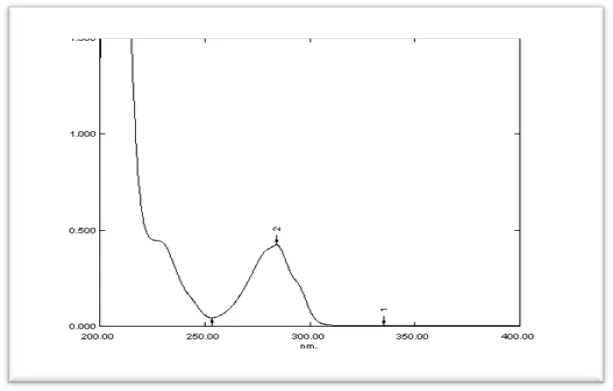
Figure 1: λmax of Ambroxol Hydrochloride
The compatibility between Ambroxol Hydrochloride and the selected excipients was evaluated by FTIR using a Shimadzu IR Spirit FTIR spectrophotometer over the range of 3500–800 cm⁻¹. The characteristic peaks of Ambroxol Hydrochloride were retained in the physical mixture containing PEG 4000, HPMC E15, PVA, CCS, PEG 400, Aspartame, and Citric acid, with only minor shifts in the wavenumbers. No significant disappearance of characteristic peaks or formation of new peaks was observed, indicating the absence of any chemical incompatibility between the drug and excipients. Therefore, the FTIR study confirmed the compatibility of Ambroxol Hydrochloride with the selected excipients and supported their suitability for the development of fast dissolving sublingual films.
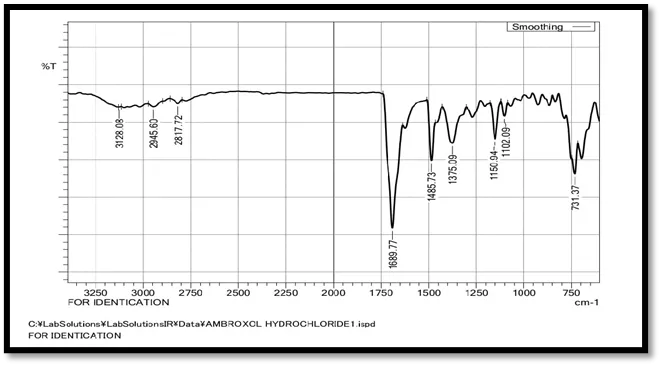
Figure 2: FT-IR Spectra of Ambroxol Hydrochloride.
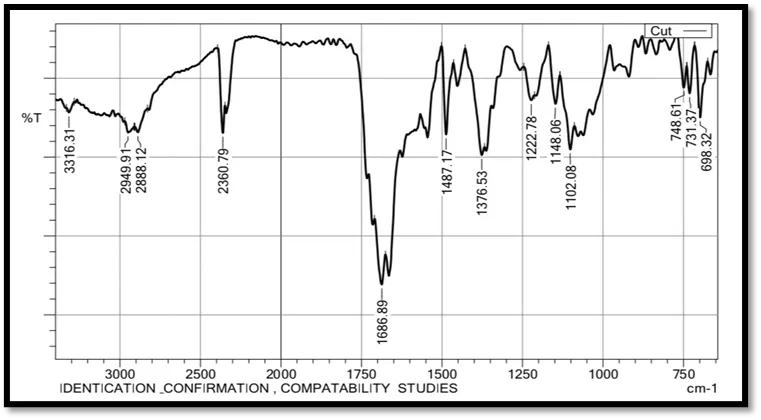
Figure 3: FTIR Spectra of Ambroxol Hydrochloride and physical mixture (PEG 4000, HPMC E 15, PVA, CCS, PEG 400, Aspartame, Citric acid)
The thickness of the prepared films ranged from 0.173 mm (F1) to 0.228 mm (F6), indicating the formation of thin and uniform films suitable for sublingual administration. Formulations F3 and F6 exhibited comparatively higher thickness values, which may be attributed to the higher concentrations of the film-forming polymers HPMC E15 and PVA. In contrast, F1 and F2 showed lower thickness values because of their lower polymer content. However, all formulations exhibited acceptable thickness, indicating uniform casting and satisfactory film formation.
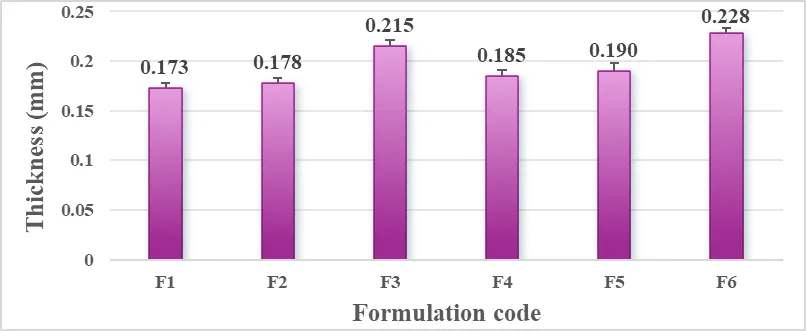
Figure 4: Thickness of formulations F1-F6
The weight variation of the prepared films ranged from 0.160 g (F1) to 0.278 g (F6). Formulations containing higher concentrations of HPMC E15 and PVA exhibited comparatively higher weights, whereas formulations with lower polymer concentrations showed reduced film weight. The obtained values indicated acceptable weight uniformity among all formulations.
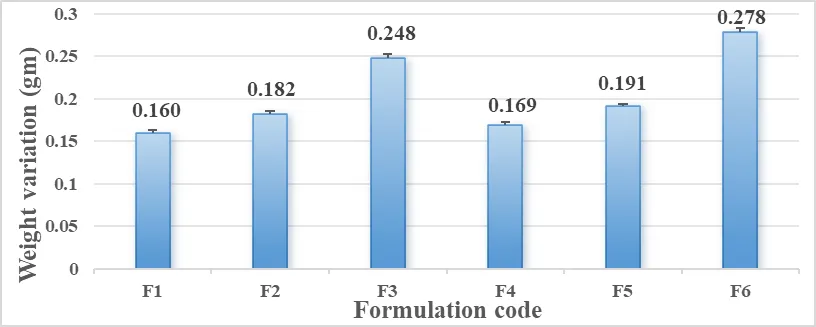
Figure 5: Weight variation of formulations F1-F6
The surface pH of all formulations ranged from 6.65 to 6.87, which is close to the pH of saliva. Therefore, all formulations are expected to be non-irritant and suitable for sublingual administration without causing mucosal irritation.
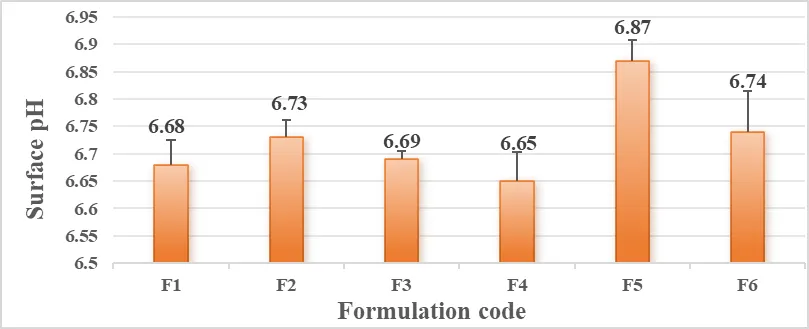
Figure 6: Surface pH of formulations F1-F6
The folding endurance of the prepared films ranged from 318 to more than 350 folds, indicating good mechanical strength and flexibility of the films. Formulations F3, F4 and F5 showed folding endurance greater than 350, demonstrating excellent flexibility and resistance to breakage, whereas F6 exhibited the lowest value of 318 folds. The satisfactory folding endurance of the films may be attributed to the film-forming properties of HPMC E15 and PVA along with the plasticizing effect of PEG 400, which imparted adequate elasticity and mechanical strength to the films.
The percentage moisture uptake ranged from 1.27% (F1) to 3.93% (F6). Higher moisture uptake observed in F3, F5 and F6 may be attributed to the hydrophilic nature of HPMC E15, PVA and CCS which promoted absorption of atmospheric moisture. Lower moisture uptake in F1 indicated comparatively lower hygroscopicity and better resistance to moisture.
The percentage moisture loss ranged from 2.35% (F3) to 4.76% (F4). Formulations with lower polymer concentrations exhibited comparatively higher moisture loss, whereas formulations containing higher polymer levels retained moisture more effectively. The obtained values indicated acceptable stability of the prepared films under dry conditions.
Table 3: Evaluation of sublingual films.
|
Formulation code |
Folding endurance (no of folds) |
% Moisture uptake |
% Moisture loss |
|
F1 |
324 |
1.27 |
4.32 |
|
F2 |
338 |
2.70 |
2.67 |
|
F3 |
>350 |
3.23 |
2.35 |
|
F4 |
>350 |
2.30 |
4.76 |
|
F5 |
>350 |
3.08 |
3.59 |
|
F6 |
318 |
3.93 |
2.46 |
Drug content ranged from 89.67% (F6) to 95.20% (F5). All formulations were within acceptable limits, indicating uniform distribution of the drug throughout the films. Formulations F2, F4, and F5 exhibited comparatively higher drug content, whereas F1, F3 and F6 showed slightly lower values, which may be attributed to minor variations during film casting and drying. Overall, the results confirmed satisfactory uniformity of mixing and drug distribution in all formulations.
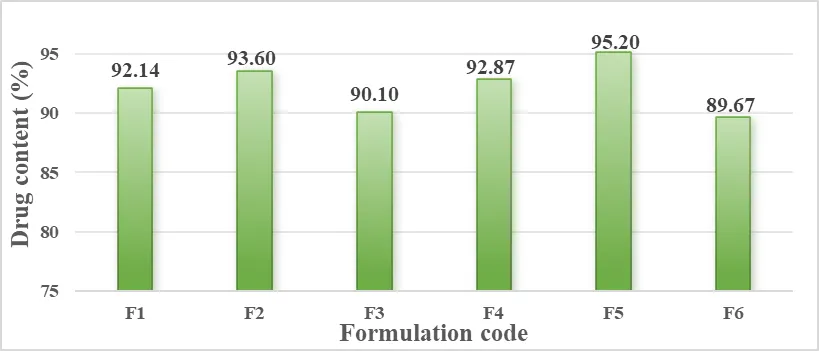
Figure 7: Drug content of formulations F1-F6
All formulations exhibited rapid and progressive drug release within 10 minutes, which is desirable for fast dissolving sublingual films. The percentage cumulative drug release ranged from 87.34% (F6) to 94.03% (F5) at the end of 10 minutes. Formulations F2 (92.54%) and F5 (94.03%) exhibited comparatively higher drug release, while F1, F3, F4 and F6 showed relatively lower release profiles. The enhanced drug release observed in F5 may be attributed to the optimum concentration of CCS along with an appropriate polymer-plasticizer ratio, which promoted rapid disintegration and improved drug dissolution.
Among all the formulations, F5 exhibited the highest drug release (94.03%), highest drug content (95.20%), excellent folding endurance (>350 folds), acceptable moisture characteristics and satisfactory physicochemical properties. Therefore, F5 was considered the optimized formulation and found suitable for the development of fast dissolving sublingual films of Ambroxol Hydrochloride for rapid onset of action and effective sublingual drug delivery.
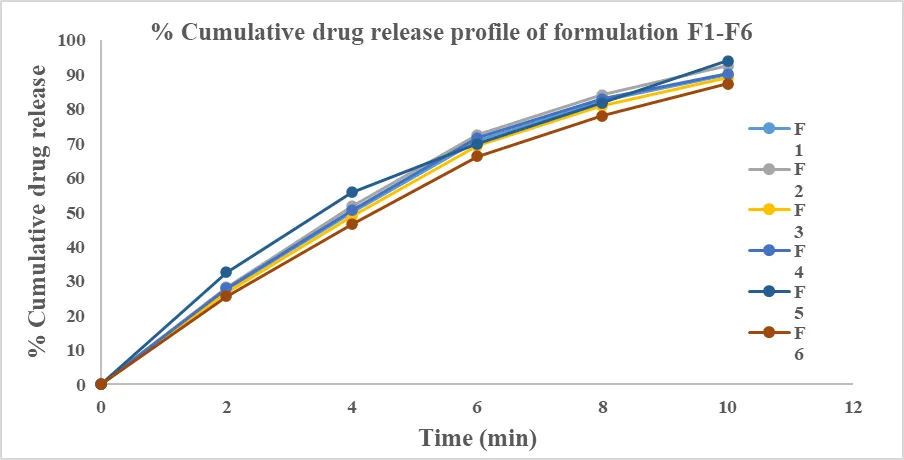
Figure 8: % Cumulative drug release of formulation F1-F6
CONCLUSION
The present study successfully formulated and evaluated Ambroxol Hydrochloride fast dissolving sublingual films by the solvent casting method. The prepared films exhibited satisfactory physicochemical and mechanical characteristics and showed rapid drug release within a short duration, indicating their suitability for sublingual administration. Among all the formulations, F5 demonstrated the best overall performance with the highest drug content, maximum drug release, excellent folding endurance and acceptable physicochemical characteristics and was therefore selected as the optimized formulation. Hence, the developed fast dissolving sublingual film of Ambroxol Hydrochloride can be considered a promising dosage form for achieving rapid systemic drug delivery and onset of action.
REFERENCES

Mohammad Ali, Jayanth M. C., Parthiban S., Pharmaceutical Formulation And In Vitro Evaluation of Ambroxol Hydrochloride Fast Dissolving Sublingual Films, Int. J. of Pharm. Sci., 2026, Vol 4, Issue 8, 287-296, https://doi.org/10.5281/zenodo.21772654
 10.5281/zenodo.21772654