

We use cookies to ensure our website works properly and to personalise your experience. Cookies policy
1*Department of Pharmacognosy, Holy Grace Academy of Pharmacy, Mala, 680732, Kerala, India
1Department of Pharmacology, Nirmala College of Pharmacy , Muvattupuzha, 686661, Kerala, India
2Department of Pharmacology, Nirmala College of Pharmacy , Muvattupuzha, 686661, Kerala, India
3Holy Grace Academy of Pharmacy, Mala, 680732, Kerala, India
4Holy Grace Academy of Pharmacy, Mala, 680732, Kerala, India
5Holy Grace Academy of Pharmacy, Mala, 680732, Kerala, India
The setting of standards is a crucial step in determining the identity, purity, and quality of unprocessed plant-based drugs and formulations. In this case, a herbal syrup containing Combretum indicum, a common plant found in India's Western Ghats, was subjected to various preclinical studies. The drug was standardized according to WHO parameters through morphological study, microscopic investigation, and phytochemical screening. The results showed that the drug met the identification, purity, and quality criteria as per pharmacopeial standards. A herbarium specimen of Combretum indicum was prepared and authenticated by a botanist. The plant material was collected from the Holy Grace Campus and processed for the research project. Morphological analysis of the drug and the prepared syrup was conducted, which is important for identification. Phytochemical screening of the extracted drug revealed the presence of various constituents, including carbohydrates, tannins, flavonoids, and alkaloids. The herbal syrup was formulated and analysed for its physicochemical properties. The syrup was evaluated for its anthelmintic and anticancer activities. The anthelmintic activity was tested using Indian earthworms, Pheretima posthuma, in the pharmacognosy laboratory of Holy Grace Academy of Pharmacy. The results showed a dose-dependent increase in the effectiveness of the syrup, with the lowest dose causing death in 60 minutes. The anticancer activity was evaluated at the Amala Cancer Research Centre Society in Thrissur, and the results indicated a dose-dependent increase in the anticancer activity of the syrup.
Medicinal plants are important sources of bioactive compounds used in traditional and modern medicine. Pharmacognostic studies are essential for the identification, authentication, and quality control of crude drugs through morphological, microscopic, physicochemical, and phytochemical analyses [1,2].
Combretum indicum (syn. Quisqualis indica), a member of the Combretaceae family, is a woody climbing shrub widely distributed in tropical regions [18]. Various parts of the plant are traditionally used for treating intestinal worms, fever, skin diseases, and gastrointestinal disorders [3]. Phytochemical studies reveal the presence of alkaloids, flavonoids, tannins, glycosides, and phenolic compounds responsible for its therapeutic properties [4].
Anthelmintic Activity
Helminth infections are common parasitic diseases, especially in tropical countries. Plant-derived compounds are widely investigated as alternative anthelmintic agents [5]. Extracts of Combretum indicum have shown anthelmintic activity against worms such as Pheretima posthuma, likely due to the presence of tannins and alkaloids that interfere with parasite metabolism [6,19].
Anticancer Activity
Cancer remains a major global health problem, and natural products continue to be an important source of anticancer drugs [7]. Phytochemicals such as flavonoids and phenolic compounds present in Combretum indicum exhibit cytotoxic and antioxidant activities, suggesting potential anticancer effects [8].
Herbal Syrup Formulation
Herbal syrups are commonly used oral formulations because they are palatable, stable, and easy to administer. They typically consist of a sucrose base containing plant extracts and are evaluated for physicochemical parameters such as pH, viscosity, and stability to ensure quality and therapeutic effectiveness [9,10].
Medicinal Uses
Combretum indicum (syn. Quisqualis indica) is widely used in traditional medicine for the management of several ailments. The fruits and seeds possess anthelmintic properties and are traditionally used to treat intestinal parasites such as Ascaris species. Decoctions of the fruits and seeds are commonly administered as vermifuges and are also used in the treatment of nephritis. The seeds are sometimes given to children to control diarrhoea, while seeds macerated in oil are applied externally for parasitic skin diseases, boils and sores. Root decoctions are used as vermifuges and for rheumatism, whereas the leaf juice is applied for boils, ulcers and headache associated with fever. In traditional Philippine medicine, the plant is also used as a pectoral remedy, and in certain traditional practices it has been reported to be consumed as a method of birth control [3,13,14,15,16].
MATERIALS AND METHODS
Plant Material Collection and Authentication
Fresh leaves of Combretum indicum were collected from the campus of Holy Grace Academy of Pharmacy, Kerala, India. The plant material was authenticated by a qualified botanist at St. Thomas College, Thrissur. A herbarium specimen was prepared and preserved for future reference following standard pharmacognostic procedures [1].
Preparation of Plant Extract
The collected leaves were washed, shade dried, and powdered using a mechanical grinder. The powdered material was subjected to Soxhlet extraction using ethanol as the solvent. The extract was concentrated using a rotary evaporator and stored in airtight containers for further studies [2].
Pharmacognostic Evaluation
Pharmacognostic studies including organoleptic evaluation (colour, odour, taste, and texture), macroscopic examination, and microscopic analysis were performed to confirm the identity and purity of the plant material according to standard pharmacognostic methods [1,2].
Preliminary Phytochemical Screening
Qualitative phytochemical analysis of the plant extract was carried out to identify the presence of major secondary metabolites such as alkaloids, flavonoids, tannins, glycosides, saponins, carbohydrates, and phenolic compounds using standard procedures [4].
Preparation of Herbal Syrup
A herbal syrup formulation containing the plant extract was prepared using sucrose as the base. The extract was incorporated into the syrup base with suitable flavoring agents and preservatives to obtain a uniform and palatable formulation [9].
Evaluation of Herbal Syrup
The prepared formulation was evaluated for physicochemical parameters including colour, taste, pH, viscosity, and stability using standard pharmaceutical evaluation techniques [9,17].
Anthelmintic Activity
Anthelmintic activity was evaluated using Indian earthworms (Pheretima posthuma), which are commonly used as experimental models for intestinal parasites. Different concentrations of the plant extract and herbal syrup were tested and compared with a standard drug. The time taken for paralysis and death of worms was recorded to determine the anthelmintic activity [6].
Anticancer Activity
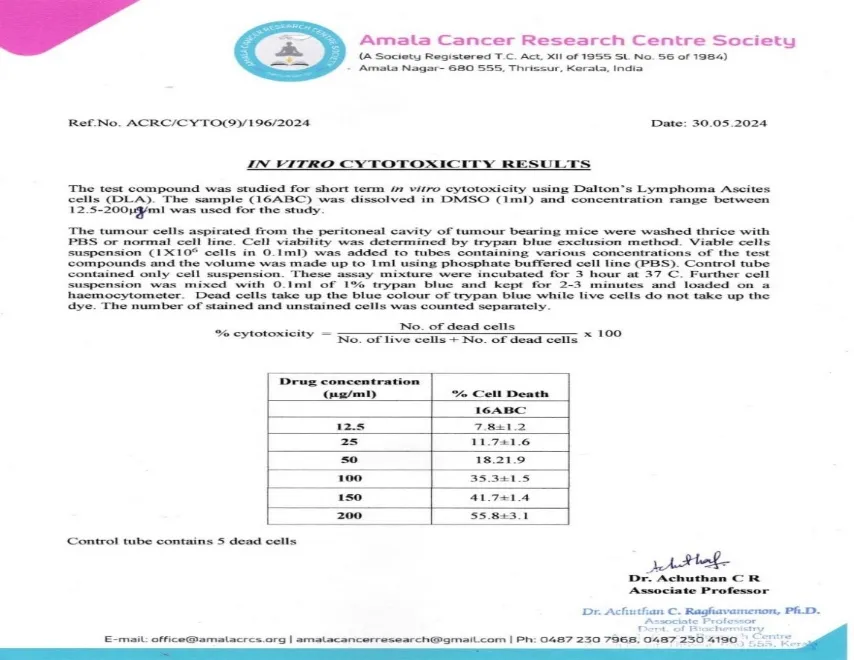
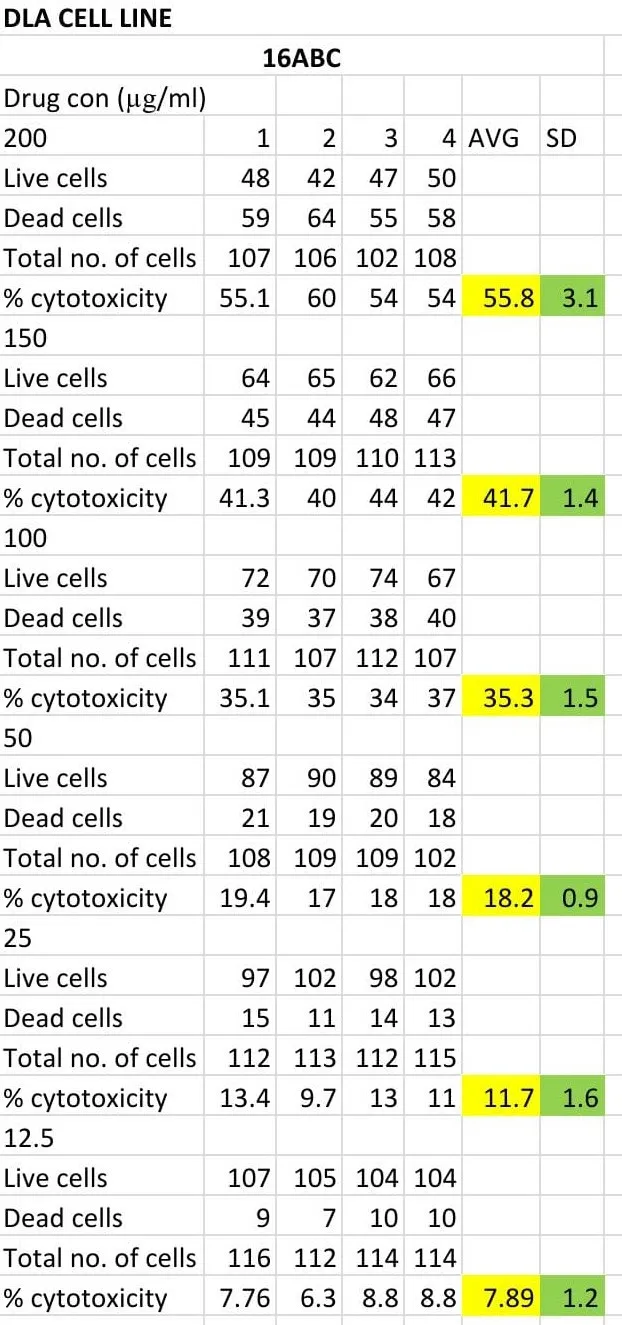
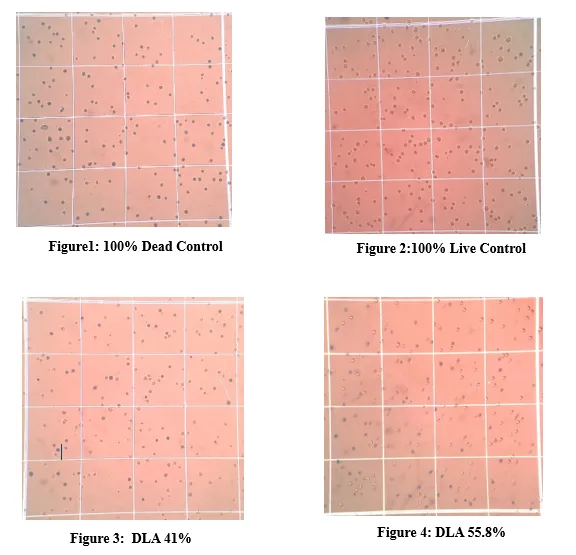
The anticancer activity of the plant extract was evaluated using Dalton’s Lymphoma Ascites (DLA) cell line. The cytotoxic activity was assessed using the trypan blue exclusion method, where the percentage of viable and non-viable cells was determined after treatment with different concentrations of the extract [11].
Statistical Analysis
All experimental results were expressed as mean ± standard deviation (SD). Statistical significance between groups was evaluated using appropriate statistical tests, and a value of p < 0.05 was considered statistically significant [12].
RESULTS
Pharmacognosostic Evaluation
The pharmacognostic analysis of Combretum indicum revealed characteristic morphological and microscopic features useful for plant identification and authentication.
Phytochemical Screening
Preliminary phytochemical screening of the plant extract indicated the presence of several important secondary metabolites including alkaloids, flavonoids, tannins, glycosides, saponins, steroids, carbohydrates, proteins and phenolic compounds. These phytoconstituents are known to contribute to various biological activities and therapeutic effects of medicinal plants.
Table 01: Phytochemical Components
|
COMPONENTS |
Combretum indicum |
|
Proteins |
+ |
|
Carbohydrate |
+ |
|
Tannins |
+ |
|
Flavonoids |
+ |
|
Alkaloids |
+ |
|
Triterpenoids |
+ |
|
Phenols |
+ |
|
Saponins |
- |
|
Ellagic acids |
- |
|
Resin |
+ |
Anthelmintic Activity
The plant extract demonstrated significant anthelmintic activity, as indicated by reduced paralysis and death time of test worms when compared with the control group. The activity increased with increasing concentration of the extract, suggesting dose-dependent anthelmintic potential.
Table 02 :Anthelminthic Activity
|
STD |
CONC |
PARALYSIS TIME |
DEATH TIME |
TEST |
CONC |
PARALYSIS TIME |
DEATH TIME |
|
1 |
2mg/ml |
36 min |
40 min |
1 |
20mg/ml |
36 min |
1hr 6min |
|
2 |
4mg/ml |
31 min |
35 min |
3 |
60mg/ml |
34 min |
1hr 2min |
|
3 |
6mg/ml |
22 min |
24 min |
5 |
100mg/ml |
33 min |
1hr |
|
4 |
8mg/ml |
16 min |
21 min |
|
|
|
|
|
5 |
10mg/ml |
15 min |
19 min |
|
|
|
|
|
NORMAL SALINE |
0.09mg/ml |
1hr 6min |
|
|
|
|
|
|
PLANE WATER |
|
1hr 10min |
|
|
|
|
|
Anticancer Activity
In vitro cytotoxicity evaluation showed that the plant extract exhibited moderate anticancer activity, reducing the viability of cultured cancer cells in comparison with untreated controls. The observed activity may be attributed to the presence of bioactive phytochemicals such as flavonoids and phenolic compounds.
Table 03 :Table Containing DLA Cell line
Herbal Syrup Evaluation
The formulated herbal syrup prepared from the plant extract showed acceptable physicochemical properties, including suitable pH, viscosity, color, taste and stability. The formulation remained stable during the observation period and was found suitable for oral administration
DISCUSSION
The present study demonstrates the pharmacognostic standardization, phytochemical evaluation, and biological activities of Combretum indicum. The pharmacognostic analysis confirmed the identity and purity of the plant material through characteristic morphological and microscopic features, which are essential parameters for quality control of crude drugs.
Preliminary phytochemical screening revealed the presence of various secondary metabolites such as alkaloids, flavonoids, tannins, glycosides, and phenolic compounds. These constituents are known to contribute significantly to the biological activities of medicinal plants. Flavonoids and phenolic compounds are widely reported for their antioxidant and anticancer properties, while tannins and alkaloids are associated with anthelmintic activity.
The anthelmintic activity observed in this study showed a clear dose-dependent effect against Pheretima posthuma. The reduction in paralysis and death time of worms may be attributed to the presence of tannins, which can interfere with the energy metabolism of parasites or bind to proteins in the gastrointestinal tract, leading to death of the worms. Similar findings have been reported in earlier studies on plant-based anthelmintic agents.
The anticancer activity evaluated using the DLA cell line indicated moderate cytotoxic effects of the plant extract. The observed activity may be due to the presence of flavonoids and phenolic compounds, which are known to induce apoptosis and inhibit cell proliferation. Although the study provides preliminary evidence of anticancer potential, the exact mechanism of action remains unclear and requires further investigation using advanced techniques such as molecular assays and multiple cancer cell lines.
The formulated herbal syrup showed acceptable physicochemical properties, indicating its suitability for oral administration. The stability and palatability of the formulation further support its potential as a convenient dosage form.
Overall, the study provides scientific validation for the traditional use of Combretum indicum and highlights its potential as a source of bioactive compounds. However, further studies involving quantitative phytochemical analysis, in vivo models, and mechanistic evaluation are necessary to establish its therapeutic efficacy and safety.
CONCLUSION
The test compound was studied for short term invitro cytotoxicity in cancer cell line and for anthelmintic activity using Pheretima posthuma earthworm and it was concluded that the herbal formulation (syrup) was showing anti-cancer and anthelmintic properties.
ACKNOWLEDGEMENT
We Express Our Wholehearted Gratitude To All Our Guide Dr P. P. John, Professor And Hod, Department Of Pharmacognosy, Holy Grace Academy Of Pharmacy For Giving Us An Opportunity To Work On “Pharmacognostic Study Of Combretum Indicum And Preparation And Evaluation Of Herbal Syrup From Combretum Indicum By Anthelmintic And Anticancer Activity”.
REFERENCES






P. P. John*, Alen Thankachan, Shifa Doulath, Sherin Joseph, M. M. Mohammed Adnan, Shadila P. C., Pharmacognostic Evaluation Of Combretum Indicum And Formulation Of A Herbal Syrup With Anthelmintic And Anticancer Activity, Int. J. of Pharm. Sci., 2026, Vol 4, Issue 7, 3648-3655. https://doi.org/ 10.5281/zenodo.21431981
 10.5281/zenodo.21431981