

We use cookies to ensure our website works properly and to personalise your experience. Cookies policy
Department of Pharmacy Faculty of Medical Paramedical and Allied Health Science, Jagannath University, Jaipur, Rajasthan, 303901, India.
The Malabar nut (Justicia adhatoda), widely referred to as Vasaka, is a significant medicinal plant utilized in traditional practices like Ayurveda and Unani, especially for the treatment of asthma. Its therapeutic properties are largely attributed to a diverse range of bioactive compounds, including alkaloids like vasicine and vasicinone, as well as flavonoids, tannins, saponins, and essential oils. Notably, vasicine and vasicinone are the most important compounds, providing bronchodilatory, expectorant, and anti-inflammatory benefits. Asthma is a long-term respiratory condition characterized by inflammation of the airways, bronchospasm, and excessive mucus production. The pharmacological effects of Malabar nut effectively address these primary characteristics. Vasicine assists in relaxing bronchial smooth muscles, which enhances airflow and facilitates easier breathing. Additionally, it aids in mucociliary clearance by boosting respiratory secretions, helping to eliminate mucus from the airways.Moreover, the flavonoids found in this plant offer antioxidant advantages, diminishing oxidative stress that could exacerbate airway inflammation. Research has indicated that Justicia adhatoda extracts can decrease airway resistance, lessen eosinophil accumulation, and modulate immune responses, aiding in the long-term management of asthma. The plant also demonstrates antimicrobial effects, which help in preventing secondary respiratory infections. Its relatively safe profile at appropriate dosages makes it a promising alternative or complementary treatment to standard medications, which may lead to side effects with extended use. Contemporary research continues to support its traditional uses and investigate its potential for standardized formulations.
The Malabar nut (Justicia adhatoda), commonly referred to as Vasaka or Adhatoda, is a highly regarded medicinal plant with a long history of use in traditional medicine practices such as Ayurveda, Unani, and Siddha. It is particularly renowned for its effectiveness in addressing respiratory issues and diseases. A key ailment it aids in treating is asthma. Asthma is a chronic condition that impacts the lungs and airways, hindering a person's ability to breathe easily. Individuals with asthma frequently suffer from symptoms like wheezing, coughing, chest tightness, and difficulty breathing. These symptoms can be exacerbated by factors such as dust, smoke, pollen, cold air, infections, and stress. Although there are contemporary medications available to help manage asthma, they can sometimes lead to side effects.
The little evergreen shrub known as malabar nut is frequently found in tropical and subtropical areas, particularly in Southeast Asia and India. Although this plant's roots, blooms, and bark also have some advantages, its leaves are primarily utilized medicinally. Malabar nuts are significant because they contain unique compounds known as phytochemicals. These are organic substances with health advantages that are present in plants. Alkaloids, particularly vasicine and vasicinone, are the most significant phytochemicals in Malabar nuts. The plant also includes essential oils, flavonoids, tannins, and saponins. Each of these substances contributes to the plant's therapeutic qualities.The phytochemicals included in Malabar nuts are essential for the treatment of asthma. The constriction of airways brought on by the tightness of the muscles surrounding them is one of the primary issues associated with asthma. This makes it difficult for air to flow through. One of the primary alkaloids in Malabar nuts, vasicine, aids in the relaxation of these muscles. Bronchodilation is the term for this action. Breathing gets simpler when the airways relax and widen. Because of this, Malabar nut is highly helpful when asthma episodes occur and immediate treatment is required. Vasicinone, another crucial substance, enhances respiration and promotes this effect. Mucus accumulation in the airways is another significant problem associated with asthma.
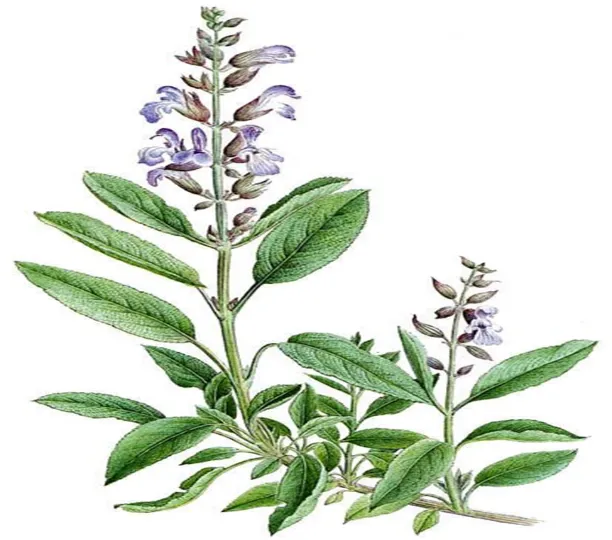
02. Malabar nut (Justicia adhatoda)
For ages, traditional medical systems like Ayurveda, Unani, and Siddha have utilized malabar nut, also known as Vasaka or Adhatoda. Its scientific name is Justicia adhatoda. Asthma, bronchitis, cough, and colds are among the respiratory conditions for which it is highly regarded. The plant belongs to the Acanthaceae family and is recognized for its powerful therapeutic properties due to the presence of various bioactive compounds. Its therapeutic value has been established by both traditional knowledge and contemporary scientific research, making it important in phytochemistry and pharmacology.
The plant is mostly found in tropical and subtropical areas, including Southeast Asian nations like India, Sri Lanka, Nepal, Myanmar, and Malaysia. It is frequently found in India's northeastern states, Uttar Pradesh, Maharashtra, Punjab, Haryana, and the foothills of the Himalayas. It thrives in rocky areas, roadsides, dry soils, woodland margins, and backyard gardens. It is frequently grown close to populated areas as a hedge plant and for soil conservation because to its ease of climate adaptation.
The dense evergreen shrub Justicia adhatoda typically reaches a height of 1.5 to 3 meters. It has soft, hairy branches and smooth, ash-colored bark. Large, lance-shaped leaves are grouped in opposing pairs. They smell strongly like tea and have a bitter taste. The fruit is a tiny capsule filled with seeds, and the flowers are clustered and white with purple patterns.
The presence of significant phytochemicals such alkaloids, flavonoids, tannins, saponins, phenolic compounds, and essential oils is primarily responsible for the therapeutic efficacy of Malabar nuts. The majority of its medicinal effects are attributed to the alkaloids vasicine and vasicinone. The plant's ability to reduce inflammation is another significant characteristic. Inflammation narrows the airways and makes breathing difficult in conditions like asthma. By regulating dangerous molecules like histamines and cytokines, the phytochemicals found in Justicia adhatoda aid in the reduction of inflammation. Additionally, by scavenging free radicals and shielding lung tissues from oxidative damage, flavonoids and phenolic substances have antioxidant properties.
Additionally, the herb has immunomodulatory and antibacterial qualities. It controls immunological reactions that cause allergic asthma and aids in the fight against microbial respiratory infections. The plant's leaves, roots, bark, blossoms, and seeds have all historically been used to treat a variety of ailments, including intestinal worms, fever, nausea, and snake bites. Herbal syrups, powders, decoctions, and leaf juice are frequently made for therapeutic purposes.
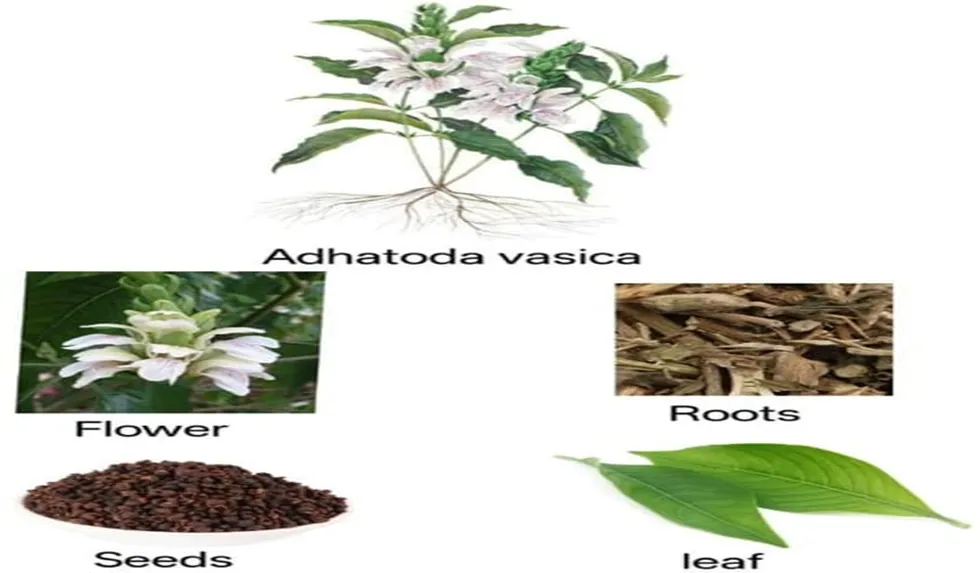
03. Justicia adhatoda's Chemical Components
Justicia adhatoda's rich chemical composition, particularly its alkaloids, is the primary source of its therapeutic significance. The most significant active compounds are vasicine and vasicinone, which are responsible for many of the plant’s therapeutic effects. Vasicine acts as a bronchodilator by relaxing the airways in the lungs, making breathing easier in conditions such as asthma and bronchitis. It also slightly lowers blood pressure, slows heart rate, and increases the strength of heart contractions. Chemically modified vasicine has led to the development of bromhexine, a widely used mucolytic drug that helps thin and remove mucus from the respiratory tract.Other alkaloids that contribute to the plant's therapeutic qualities include vasicinol, vasicinine, vasicolinone, vasakin, adhatodine, and anisotinine in addition to vasicine and vasicinone. Additionally, some substances have insecticidal and anti-feedant properties, such as deoxyvasicine. Leaf extracts have been shown to function against microorganisms that cause tuberculosis, ease coughing, and loosen sputum.
S.No
|
Category |
Details |
|
|
1 |
Plant Identification |
Justicia adhatoda, commonly called Malabar Nut, Vasaka, or Adhatoda, belongs to the family Acanthaceae and is an evergreen shrub. |
|
2 |
Distribution and Habitat |
Found mainly in tropical and subtropical regions such as India, Sri Lanka, Nepal, and Southeast Asia. It grows well in forests, roadsides, gardens, and warm climates. |
|
3 |
Morphological Features |
A shrub about 1–3 meters tall with large lance-shaped green leaves, white flowers with purple streaks, and small capsule fruits containing seeds. |
|
4 |
Parts Used |
Leaves are the most important medicinal part, while roots, bark, flowers, and seeds are also used in traditional medicine. |
|
5 |
Traditional Uses |
Widely used in Ayurveda, Unani, and Siddha systems for treating asthma, cough, bronchitis, cold, fever, infections, and bleeding disorders. |
|
6 |
Phytochemical Composition |
Contains alkaloids like vasicine and vasicinone, along with flavonoids, tannins, saponins, phenolic compounds, and essential oils. |
|
7 |
Pharmacological Properties |
Shows bronchodilator, expectorant, anti-inflammatory, antioxidant, antimicrobial, and immunomodulatory activities. |
|
8 |
Role in Asthma |
Helps relax airways, remove mucus, reduce inflammation, and improve breathing, making it useful in asthma management. |
|
9 |
Forms and Modern Research |
Used as leaf juice, powder, decoction, syrup, tablets, and herbal formulations. Modern studies confirm its respiratory benefits and therapeutic potential. |
|
10 |
Importance, Safety, and Limitations |
Economically important in herbal medicine industries and environmentally sustainable. Generally safe in proper doses, but excessive use may cause side effects, and more clinical studies are needed. |
04. Asthma
Asthma is a long-term inflammatory respiratory condition that damages the lungs' airways. Breathing becomes challenging in this illness because the airways become constricted, bloated, and packed with extra mucus. It affects people of all ages, including children, adults, and the elderly, and is one of the most prevalent respiratory conditions in the world. Each person has a different level of asthma severity. While some people only sometimes have minor symptoms, others have severe or frequent asthma episodes that can negatively impact their quality of life and everyday activities. Because inflammation in the airways frequently persists even in the absence of symptoms, asthma is regarded as a chronic illness that requires ongoing care.Shortness of breath, chest tightness, wheezing, and coughing are typical signs of asthma. A whistling sound made when breathing as a result of constricted airways is called wheezing. Exercise and exposure to cold air can exacerbate coughing, which is frequently worse at night or in the early morning. Breathing becomes challenging during an asthma episode because the muscles around the airways contract, mucus production rises, and airflow is restricted. If severe episodes are not treated right away, they could turn fatal.Immunological, environmental, and genetic variables all contribute to the development of asthma. Asthma is more common in people who have a family history of allergies, asthma, or other respiratory conditions. Air pollution, tobacco smoke, dust, mold, pollen, strong scents, and pet dander are examples of environmental triggers that can irritate the airways and cause symptoms. Asthma attacks can be triggered and airway inflammation exacerbated by respiratory diseases such as influenza and the common cold. For sensitive people, stress, worry, and vigorous exercise might exacerbate symptoms.Asthma comes in a variety of forms. The most prevalent type of asthma is allergic asthma, also known as atopic asthma, which is brought on by allergens such dust mites, mold, pollen, and pet hair. Exposure to chemicals, fumes, dust, or gases at work can induce occupational asthma, particularly in jobs like farming, painting, and manufacturing. Even with large doses of treatment, severe asthma is a persistent condition in which symptoms are uncontrollable. One of the most prevalent chronic illnesses in children is childhood asthma, which typically starts before the age of five. While some kids overcome the illness, others carry its symptoms into adulthood.Asthma is primarily caused by bronchoconstriction, inflammation of the airways, and excessive mucus production. While bronchoconstriction happens when the smooth muscles around the airways tighten, inflammation causes the lining of the airways to expand. When combined, these alterations decrease airflow and make breathing challenging. Long-term inflammation may cause airway remodeling, a structural alteration in the airways that can permanently impair lung function.Asthma symptoms can be exacerbated by a variety of factors. Because viruses enhance lung inflammation and mucus production, respiratory infections are among the most prevalent triggers. Exercise-induced asthma can be brought on by physical activity, particularly in dry or cold weather. Other significant culprits include dust, industrial pollution, cigarette smoke, and abrupt weather shifts. Anger, excitement, anxiety, and emotional stress can all cause airway constriction and change breathing patterns. Sensitive people may also experience asthma symptoms when exposed to certain foods and preservatives, especially sulfites, which are included in processed foods and beverages.
05. Justicia Adhatoda's Mechanism of Action in the Management of Asthma
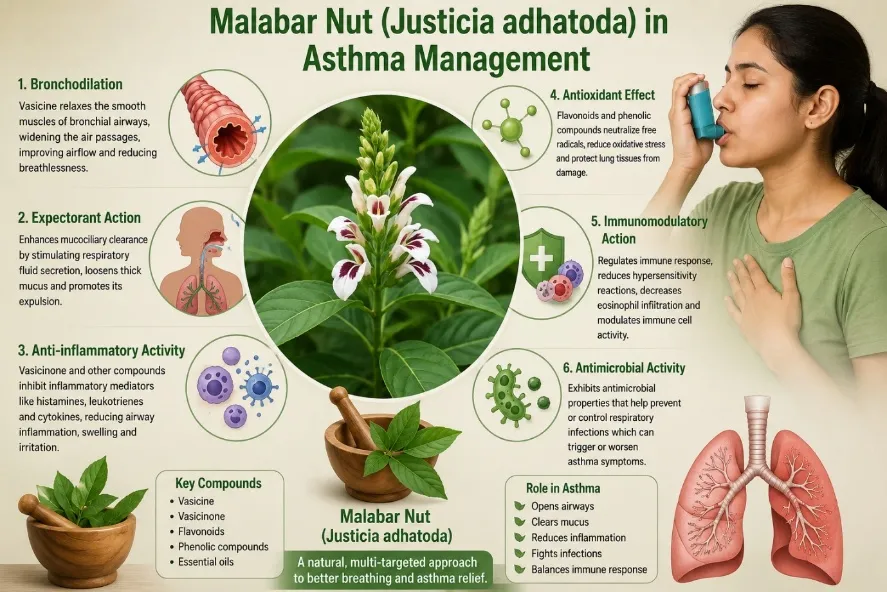
Vasaka, also known as malabar nut (Justicia adhatoda), is a significant medicinal plant that is frequently used in traditional medicine to treat respiratory conditions including asthma. The presence of bioactive substances as vasicine, vasicinone, flavonoids, and phenolic compounds is primarily responsible for its medicinal effectiveness. These phytochemicals improve respiratory function and alleviate asthma symptoms through a variety of methods.
Bronchodilation is one of the main effects of Malabar nut. The bronchial airways' smooth muscles are relaxed by the alkaloid vasicine, which causes the airways to enlarge. During asthma episodes, this lessens bronchospasm and increases airflow, which facilitates breathing. Strong expectorant action is another feature of the plant. It facilitates the removal of thick mucus from the airways by increasing mucociliary clearance and stimulating the flow of respiratory fluids. This lessens chest congestion, obstruction of the airways, and chronic coughing.
Its anti-inflammatory action is another significant mechanism. Inflammatory mediators including histamines, leukotrienes, and cytokines are inhibited by substances like vasicinone. The plant helps prevent airway narrowing and lessens the symptoms of asthma by lowering airway inflammation and edema. Additionally, by scavenging dangerous free radicals, the plant's flavonoids and phenolic components offer antioxidant activity. This lessens oxidative stress and shields lung tissues from harm brought on by persistent inflammation.
By controlling hypersensitive immunological reactions associated with allergic asthma, malabar nut also demonstrates immunomodulatory benefits. It may lessen allergy symptoms by controlling immune cell activity and reducing eosinophil infiltration. Additionally, the plant's antibacterial qualities aid in preventing respiratory infections, which frequently cause asthma attacks. Justicia adhatoda functions as an efficient natural asthma treatment through these combined activities.
|
Pharmacological Action |
Effect in Asthma |
|
Bronchodilator |
Opens airways |
|
Anti-inflammatory |
Reduces swelling |
|
Expectorant |
Clears mucus |
|
Antioxidant |
Protects lung tissue |
|
Antitussive |
Reduces coughing |
06. Justicia adhatoda Dosage Forms and Preparations
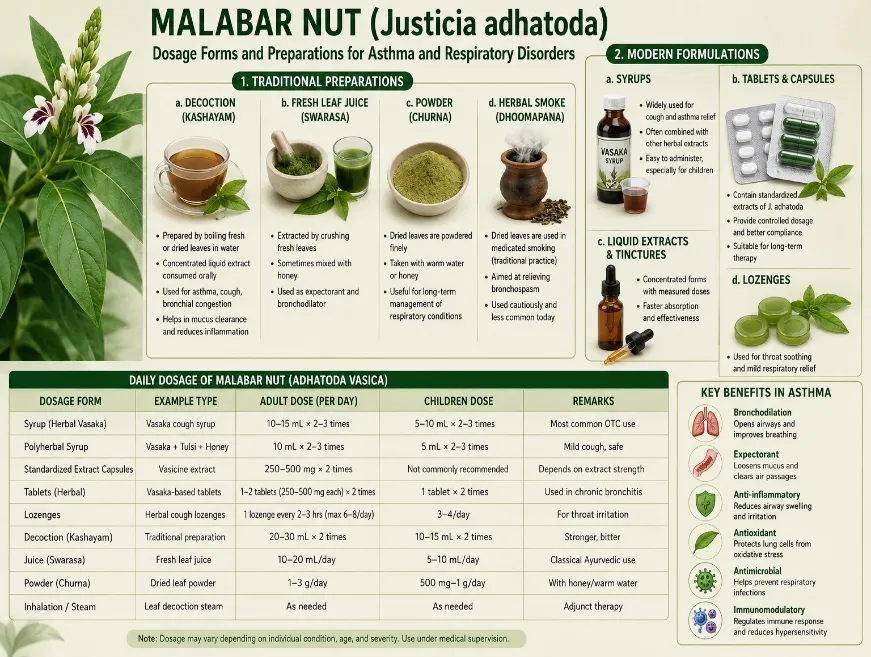
In both traditional and contemporary medicine, malabar nut (Justicia adhatoda), sometimes referred to as Vasaka, is frequently used to treat respiratory conditions such asthma, cough, bronchitis, and colds. Active ingredients like vasicine and vasicinone are primarily responsible for its therapeutic efficacy. To enhance its therapeutic advantages and patient convenience, various dosage forms are produced.
Malabar nut is frequently used as a decoction (Kashayam), fresh leaf juice (Swarasa), powder (Churna), and herbal smoke (Dhoomapana) in ancient systems such as Ayurveda and Unani. A concentrated liquid extract used to treat cough, mucus congestion, and airway inflammation is made by boiling fresh or dried leaves in water. Crushed leaves are used to extract fresh leaf juice, which is frequently combined with honey to enhance expectorant effect and taste. For long-term respiratory assistance, powdered dry leaves are taken with honey or warm water. Although it is less frequent now, herbal smoke made from dried leaves was once used to lessen bronchospasm.Syrups, tablets, capsules, liquid extracts, tinctures, and lozenges are examples of contemporary medicinal preparations. Because they are simple to use, herbal syrups are frequently used to treat cough and asthma, particularly in youngsters. For long-term respiratory disorders, tablets and capsules with standardized extracts offer precise dose and improved patient compliance. While lozenges assist relieve moderate respiratory pain and throat irritation, liquid extracts and tinctures provide quicker absorption. Justicia adhatoda is still a significant herbal therapy in respiratory healthcare because of its efficacy, safety, and natural nature.
07. Daily Dosage of Malabar Nut
Dosage Form
|
Adult Dose |
Children Dose |
Remarks |
|
|
Syrup (Herbal Vasaka) |
10–15 mL, 2–3 times daily |
5–10 mL, 2–3 times daily |
Common OTC preparation |
|
Polyherbal Syrup |
10 mL, 2–3 times daily |
5 mL, 2–3 times daily |
Often combined with Tulsi and honey |
|
Standardized Extract Capsules |
250–500 mg, 2 times daily |
Usually not recommended |
Depends on extract strength |
|
Tablets |
1–2 tablets (250–500 mg each), 2 times daily |
1 tablet, 2 times daily |
Used in chronic bronchitis |
|
Lozenges |
1 lozenge every 2–3 hrs (max 6–8/day) |
3–4/day |
Soothes throat irritation |
|
Decoction (Kashayam) |
20–30 mL, 2 times daily |
10–15 mL, 2 times daily |
Strong and bitter preparation |
|
Fresh Leaf Juice (Swarasa) |
10–20 mL/day |
5–10 mL/day |
Classical Ayurvedic use |
|
Powder (Churna) |
1–3 g/day |
500 mg–1 g/day |
Taken with honey/warm water |
|
Steam/Inhalation |
As needed |
As needed |
Adjunct therapy for congestion |
08. Justicia Adhatoda Extraction Techniques
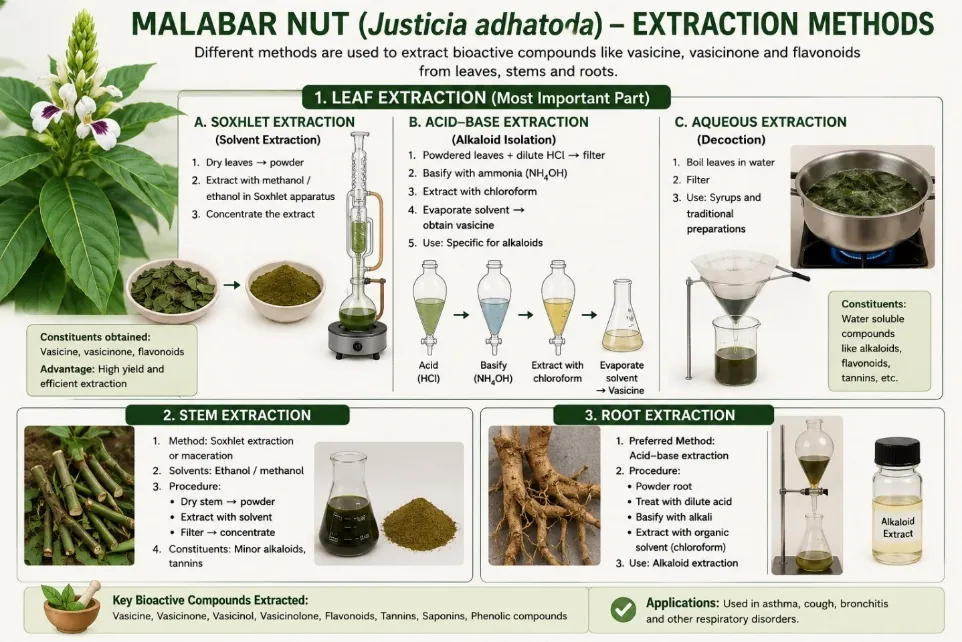
The active medicinal compounds of Malabar Nut (Justicia adhatoda), particularly alkaloids like vasicine and vasicinone, are extracted using a variety of techniques. Due to its high content of medicinal ingredients, the leaves are the most widely used section.
1. Extraction of Leaves
One popular solvent extraction technique is Soxhlet extraction. This method uses a Soxhlet equipment to extract dried leaf powder using either methanol or ethanol. After that, the extract is condensed to produce substances like flavonoids, vasicine, and vasicinone. High yield and effective extraction are provided by this technique.
Alkaloid isolation is the primary application of acid-base extraction. Ammonia is used to make powdered leaves alkaline after they have been filtered and treated with diluted hydrochloric acid. Purified vasicine is produced once the alkaloids are extracted using chloroform and evaporated.
In aqueous extraction (decoction), leaves are boiled in water and then filtered. Herbal syrups and traditional medicines frequently employ this technique.
2. Extraction of Stems and Roots
Soxhlet extraction or maceration with ethanol or methanol are used to extract stems. Alkaloids are mostly isolated from roots via acid-base extraction. Minor alkaloids, tannins, and other therapeutic substances are present in these preparations.
09. Justicia adhatoda's safety, toxicity, and adverse effects
When administered in prescribed therapeutic dosages, malabar nut (Justicia adhatoda), also referred to as Vasaka, is usually regarded as safe. In traditional medicine, it is frequently used to treat respiratory conditions like cough, bronchitis, and asthma. To prevent adverse effects, however, appropriate dose and medical care are crucial.
Depending on the preparation, different dosages are typically advised. Typically, 1-3 grams of leaf powder (Churna) are taken daily with honey or warm water. Kashayam, a decoction made from fresh or dried leaves, is often taken in daily doses of 20–50 mL. 5–10 mL of fresh leaf juice (Swarasa) is frequently given, frequently combined with honey. You should take syrups, pills, and standardized extracts as directed by your doctor or the manufacturer. Age, health, and the severity of the illness can all affect dosage.
Despite the plant's modest toxicity, prolonged or excessive use may have adverse effects. Nausea, vomiting, diarrhea, loose stools, and stomach irritation are common side effects. Rare allergic responses can also happen, like skin irritation or rash. Because it relaxes smooth muscles, high dosages may result in moderate hypotension.
In some situations, extra safety measures are required. Vasicine may cause uterine contractions, thus pregnant women should avoid using it. It should only be used under medical supervision by nursing mothers, infants, and people with liver, kidney, or cardiac problems. To avoid cumulative effects and potential drug interactions, long-term use should also be closely monitored.
10. Malabar Nut's Drawbacks and Difficulties in Managing Asthma
Even though the malabar nut (Justicia adhatoda) has a lot of therapeutic potential for treating asthma, there are a number of restrictions and issues with its use that need to be resolved before it can be widely accepted in contemporary medicine.
1. Insufficient Standardization
The lack of appropriate standards in herbal products is one of the main issues. The concentration and quality of traditional Malabar nut formulations, such as powders or decoctions, frequently differ. The amounts of active ingredients like vasicine and vasicinone may not always remain constant, even in contemporary goods. It might be challenging to guarantee consistent efficacy and safety across various batches and brands due to this lack of homogeneity, which can result in unpredictable treatment outcomes.
2. Phytochemical Content Variability
Malabar nut phytochemical composition might differ greatly for a number of reasons:
a. Location
b. Soil and climate conditions
c. Time for harvesting
d. Utilized plant part e. Methods of processing and storage
The concentration of bioactive chemicals is impacted by this fluctuation, which in turn impacts the pharmacological efficacy of the plant. For instance, the amount of alkaloids in leaves gathered at different stages of growth may vary, resulting in variable therapeutic benefits.
3. Clinical Validation is Required
Large-scale, carefully planned human therapeutic trials are currently lacking, despite several experimental (in-vitro and in-vivo) research supporting the anti-asthmatic qualities of Malabar nut. The majority of the evidence that is currently accessible is derived from preliminary study or traditional knowledge. Insufficient clinical validation.
a. Its effectiveness in comparison to conventional medications is still unknown.
b. It's unclear what the ideal dosage and length of treatment are.
There is insufficient evidence on safety in certain groups, such as youngsters, the elderly, and pregnant women.
4. Formulation and Dosage Difficulties
Due to variations in active component concentration and production techniques, determining the appropriate dosage can be challenging. Inadequate dosage can lower efficacy or raise the possibility of adverse effects.
5. Possible Interactions with Drugs
Conventional asthma drugs like bronchodilators or antihistamines may interact with malabar nut. However, there aren't many thorough research on these interactions, which makes using them in conjunction with contemporary therapies difficult.
11. Justicia Adhatoda's Prospects for Asthma Management in the Future
Justicia adhatoda, sometimes referred to as Vasaka or Malabar nut, has drawn a lot of scientific interest due to its possible use in the treatment of asthma. Despite its widespread use in traditional systems like Ayurveda and Unani, current research is looking into novel ways to enhance its therapeutic uses in respiratory health.
Because Justicia adhatoda, also known as Vasaka or Malabar nut, may be used to treat asthma, it has attracted a lot of scientific attention. Even though it is widely used in ancient systems like Ayurveda and Unani, research is currently exploring new ways to improve its therapeutic use in respiratory health.Clinical research and validation is another exciting field. Large-scale clinical trials are still needed, despite early research supporting the anti-asthmatic properties of Malabar nut. When compared to traditional asthma drugs, these trials can establish the ideal dosage, long-term safety, and efficacy. Integration of this therapeutic plant into conventional healthcare systems will be aided by scientific validation.
Exciting opportunities are also presented by advanced drug delivery technologies. Inhalable preparations, liposomes, nanoparticles, and formulations based on nanotechnology may enhance the bioavailability and targeted delivery of active substances to the lungs. This could lessen systemic side effects and improve therapy effectiveness.
Another crucial area of study is combination therapy. To enhance overall asthma treatment and lessen reliance on synthetic medications, malabar nut may be taken in conjunction with contemporary bronchodilators or corticosteroids. Furthermore, studies on its immunomodulatory properties might show that it is beneficial for allergic and chronic inflammatory respiratory conditions.Future focus on tissue culture, genetic advancement, and sustainable farming will also contribute to meeting the increasing demand for this priceless medical plant while protecting its natural resources.
CONCLUSION
Justicia adhatoda, sometimes referred to as Vasaka or Malabar nut, is a significant medicinal plant with enormous promise for treating respiratory conditions like asthma. Its medicinal significance is highlighted by its traditional use in Ayurveda and Unani medicine, which is backed by contemporary scientific research. The plant's therapeutic qualities are attributed to a number of bioactive substances, including vasicine, vasicinone, flavonoids, tannins, and phenolic compounds. Bronchodilation, expectorant action, anti-inflammatory activity, antioxidant protection, and antibacterial properties are just a few of the ways that malabar nut works. These characteristics aid in mucus removal, inflammation reduction, airway muscle relaxation, and lung tissue protection against oxidative stress and infection. Compared to many synthetic medications, one of its main advantages is its multi-target activity, which offers a comprehensive approach to asthma control. It is also appropriate for long-term supportive therapy because, when taken as prescribed, it has a reasonably safe profile. Nevertheless, issues including inconsistent phytochemical composition, a lack of standardization, and a dearth of clinical trials persist. Therefore, to guarantee its safety, efficacy, and incorporation into contemporary healthcare systems for future respiratory treatment, more scientific investigation, standardized formulations, and clinical validation are required.
REFERENCES


Pushank, Dr. Amit Sharma, Phytochemical and Pharmacological Importance of Malabar Nut in Asthmatic Conditions, Int. J. of Pharm. Sci., 2026, Vol 4, Issue 6, 170-180, https://doi.org/10.5281/zenodo.20485863
 10.5281/zenodo.20485863