

We use cookies to ensure our website works properly and to personalise your experience. Cookies policy
Saroj Institute of Technology and Management Lucknow, Uttar Pradesh, India.
The present study was carried out to investigate the phytochemical composition and biological activities of Ixora chinensis leaves. Medicinal plants are known to contain natural compounds that show healing properties, and this study focuses on identifying and evaluating those compounds in this plant.The leaf extract was prepared and analyzed using standard phytochemical screening methods. Physicochemical parameters such as loss on drying, total ash, acid-insoluble ash, and extractive values were determined to assess the quality and purity of the plant material.For detailed chemical profiling, advanced techniques such as Thin Layer Chromatography (TLC), High Performance Thin Layer Chromatography (HPTLC), UV–Visible spectroscopy, FTIR, and ¹³C NMR were used. These techniques helped in identifying functional groups and chemical structures present in the extract.The antioxidant potential was evaluated using the DPPH free radical scavenging assay, while antimicrobial activity was tested against selected bacterial and fungal strains.The results confirmed the presence of important phytochemicals such as alkaloids, flavonoids, phenols, tannins, glycosides, and terpenoids. The extract showed strong antioxidant activity and moderate to good antimicrobial effects.Overall, the study suggests that Ixora chinensis leaves may serve as a natural source of bioactive compounds with potential pharmaceutical applications
Medicinal plants have been used by humans since ancient times to treat different kinds of diseases and health problems. Long before modern medicines were developed, people depended on plants for healing. Even today, many traditional medicine systems like Ayurveda, Unani, and Siddha still use plant-based remedies because they are natural and are generally considered safer than synthetic drugs (Sofowora, 1993; WHO, 2011).
One of the main reasons medicinal plants are important is because they contain many bioactive compounds. These compounds are called phytochemicals. Some common phytochemicals are alkaloids, flavonoids, tannins, phenols, saponins, glycosides, and terpenoids. Each of these compounds has different biological effects on the human body. For example, some help in killing harmful bacteria, some reduce inflammation, and some protect the body from oxidative stress caused by free radicals (Harborne, 1998; Trease & Evans, 2009). Because of these properties, medicinal plants are now being studied again in modern science. Researchers are interested in finding natural alternatives to chemical drugs, especially for long-term diseases and infections. Many modern medicines are actually developed from plant compounds or are inspired by them (Cragg & Newman, 2013).
Ixora chinensis, commonly known as Chinese Ixora, is a flowering plant that is mostly grown for decoration. However, in traditional medicine, this plant is also known for its healing properties. People have used it in different regions for treating infections, skin problems, swelling, and general weakness in the body. It is believed that the leaves of this plant may contain compounds that help in protecting the body from damage and disease (Khandelwal, 2013). Even though traditional uses of Ixora chinensis are known, scientific studies on this plant are still limited. There is not enough detailed research to clearly explain which compounds are responsible for its medicinal effects and how strong those effects actually are.
That is why this study is important. The main aim of this research is to identify the phytochemical compounds present in the leaves of Ixora chinensis and to evaluate its biological activities, especially antioxidant and antimicrobial properties. This is done using standard laboratory methods so that the results can be scientifically validated. Medicinal plants have gained increasing attention in recent years because many synthetic drugs are associated with side effects, toxicity, and microbial resistance. Due to this, researchers are now focusing more on natural products obtained from plants. Plant-based medicines are considered important sources of safer and cost-effective therapeutic agents. According to the World Health Organization (WHO), a large percentage of the world’s population still depends on traditional herbal medicines for primary healthcare. This shows the global importance of medicinal plants in maintaining human health and treating diseases. One of the major health problems faced by modern society is oxidative stress. Oxidative stress occurs when harmful molecules called free radicals are produced in excess inside the body. These unstable molecules can damage important cellular components such as proteins, lipids, and DNA. Continuous oxidative stress may lead to several chronic diseases including cancer, diabetes, cardiovascular diseases, aging, and neurodegenerative disorders. Antioxidants are compounds that help in neutralizing free radicals and protect the body from cellular damage. Natural antioxidants obtained from medicinal plants are considered safer and more beneficial than synthetic antioxidants because they are less toxic and may provide additional health benefits.
In addition to oxidative stress, microbial infections are also becoming a serious global health concern. Many pathogenic bacteria and fungi are developing resistance against commonly used antibiotics. This problem, known as antimicrobial resistance, reduces the effectiveness of modern medicines and increases the difficulty of treating infections. Because of this growing problem, scientists are searching for new antimicrobial agents from natural sources. Medicinal plants contain several bioactive compounds that can inhibit the growth of microorganisms and may help in the development of new antimicrobial drugs. Therefore, plants with both antioxidant and antimicrobial properties are considered highly valuable in pharmaceutical research. Among medicinal plants, the genus Ixora belongs to the family Rubiaceae and includes many flowering species distributed in tropical and subtropical regions. Different species of Ixora have been traditionally used in folk medicine for the treatment of fever, wounds, diarrhea, skin diseases, ulcers, and infections. Previous studies on some Ixora species have reported the presence of important phytochemicals such as flavonoids, phenols, triterpenoids, and alkaloids, which are associated with several biological activities including antioxidant, anti-inflammatory, antimicrobial, and anticancer effects. Ixora chinensis is an ornamental shrub widely known for its attractive red flowers and decorative value in gardens and landscapes. Despite its ornamental importance, the plant is also believed to possess medicinal properties. Traditional healers in some regions use different parts of the plant for treating skin infections, inflammation, wounds, and digestive problems. The leaves are particularly important because leaves are often rich in secondary metabolites that help plants protect themselves against environmental stress and microbial attack. These secondary metabolites may also provide therapeutic benefits to humans.
Scientific evaluation of medicinal plants is very important because traditional claims alone are not sufficient for modern therapeutic applications. Proper phytochemical and biological studies help in identifying the active constituents responsible for medicinal effects and provide scientific evidence for their traditional uses. Advanced analytical techniques such as TLC, HPTLC, UV spectroscopy, FTIR, and NMR play an important role in understanding the chemical nature of plant extracts. Similarly, antioxidant and antimicrobial assays help in determining the biological effectiveness of medicinal plants under laboratory conditions. Although a few studies have been carried out on Ixora species, detailed information regarding the phytochemical composition and biological activities of Ixora chinensis leaves is still limited. Most available studies focus only on general medicinal uses, while comprehensive investigations involving phytochemical screening, chromatographic analysis, spectroscopic characterization, antioxidant evaluation, and antimicrobial studies are comparatively less explored. Therefore, more scientific research is needed to validate its medicinal potential and to explore its possible pharmaceutical applications.
Considering the increasing demand for natural therapeutic agents, the present study was designed to investigate the phytochemical constituents and biological activities of Ixora chinensis leaves. The study aims to evaluate the antioxidant and antimicrobial potential of the plant extract using standard scientific methods. In addition, chromatographic and spectroscopic techniques were used for the characterization of bioactive compounds present in the extract. The findings of this study may contribute to the development of natural antioxidant and antimicrobial agents and may also provide a scientific basis for the traditional medicinal use of Ixora chinensis.
Figure:1 Overview of medicinal plants, role of phytochemicals, oxidative stress mechanism
and the importance of Ixora chinensis in drug discovery.
2.MATERIALS AND METHODS
2.1 Collection of Plant Material
Fresh leaves of Ixora chinensis were collected from a healthy and well-grown plant. Only good and fresh leaves were selected for the study. After collection, the leaves were washed properly with clean water to remove dust, dirt, and other unwanted particles present on the surface.
Then, the leaves were kept for drying in shade at room temperature. Shade drying is preferred because direct sunlight can damage or reduce some important natural compounds present in medicinal plants (Harborne, 1998). After complete drying, the leaves were crushed and ground into a fine powder using a grinder. This powder was stored carefully and used for further experiments.
2.2 Preparation of Plant Extract
The dried leaf powder was used to prepare the extract. For this study, water was used as the solvent because it is safe, simple, and commonly used in basic phytochemical research studies (Trease & Evans, 2009). The powdered sample was mixed with distilled water and kept for some time so that the active compounds could dissolve into the liquid properly. After soaking, the mixture was filtered using filter paper to separate the liquid extract from the solid plant residue. The filtered liquid was then gently concentrated using standard laboratory methods. This concentrated extract was collected and stored properly for all further biological and chemical tests in the study.
2.3 Physicochemical Studies
Physicochemical analysis was carried out to check the quality, purity, and standardization of the plant material. These tests are important because they help confirm whether the plant sample is suitable for scientific research (WHO, 2011).
The following parameters were studied:
● Loss on drying: This shows the amount of moisture present in the plant sample.
● Total ash value: This indicates the total inorganic content present in the sample.
● Acid-insoluble ash: This helps in identifying earthy materials like silica or dirt.
● Water-soluble ash: This shows how much inorganic content dissolves in water.
● Extractive values: These indicate how much active chemical material can be extracted using different solvents. All these parameters are important for standard quality evaluation of
medicinal plants as recommended in pharmacognosy guidelines (Khandelwal, 2013).
2.4 Phytochemical Screening
Simple qualitative chemical tests were performed to identify the presence of different bioactive compounds in the plant extract. These compounds are responsible for most of the medicinal properties of plants.
Different standard tests were used for different groups of compounds:
● Alkaloids: Tested using Mayer’s and Dragendorff’s reagents
● Flavonoids: Checked using alkaline reagent test
● Phenols and tannins: Detected using ferric chloride test
● Glycosides: Identified using Keller–Killiani test
● Saponins: Checked by foam formation test
● Terpenoids: Detected using Salkowski test
● These phytochemical screening methods are widely used in medicinal plant research to identify bioactive constituents (Sofowora, 1993). The results from these tests help confirm the presence of important compounds that may be responsible for antioxidant and antimicrobial activities of the plant.
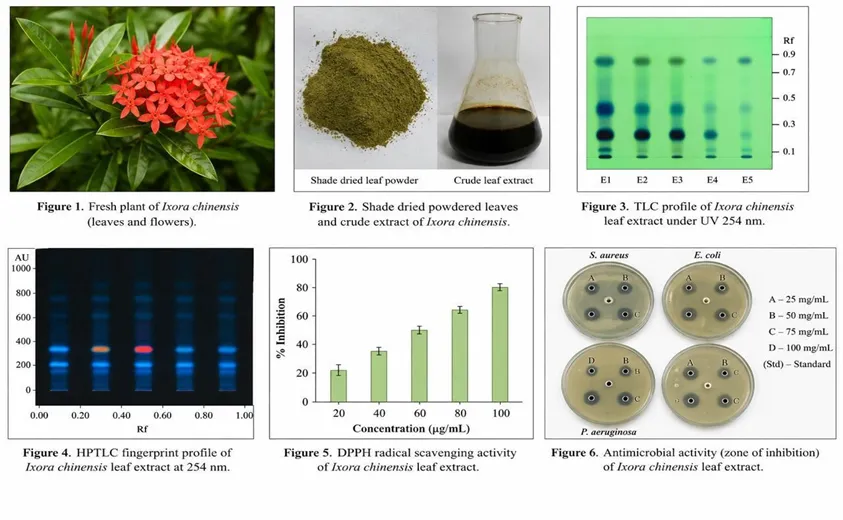
Figure:2 Schematic representation of plant collection, extract preparation, phytochemical analysis and biological evaluation of Ixora chinensis leaves.
3.RESULTS
The analysis of Ixora chinensis leaves showed that the plant material was of good standard based on physicochemical evaluation. The values obtained from tests like moisture content, ash values, and extractive values were found to be within normal acceptable limits. This suggests that the plant sample was properly collected, clean, and suitable for further laboratory studies as recommended in pharmacognosy guidelines (WHO, 2011; Khandelwal, 2013).
During phytochemical screening, the leaf extract showed the presence of several important groups of natural compounds. These included alkaloids, flavonoids, phenols, tannins, glycosides, and terpenoids. These compounds are commonly reported in medicinal plants and are known to play an important role in biological activities such as antioxidant and antimicrobial effects (Harborne, 1998; Sofowora, 1993). Their presence indicates that the plant may have therapeutic potential.
Chromatographic studies using TLC and HPTLC gave multiple spots and peaks in the extract. This pattern confirms that the plant is not made up of a single compound but contains a mixture of different phytochemicals. Each separate spot represents a different compound present in the extract. Such fingerprint profiling is widely used for herbal standardization and quality assessment (WHO, 2011).
Spectroscopic results further supported the chemical complexity of the extract. UV–Visible analysis showed absorption in the ultraviolet region, which generally indicates the presence of conjugated systems in plant compounds. FTIR results confirmed functional groups such as hydroxyl (–OH) and carbonyl (C=O), which are commonly found in phenolic and flavonoid compounds. In addition, ¹³C NMR data helped in understanding the carbon framework of the molecules, suggesting that the extract contains structurally diverse bioactive constituents (Silverstein et al., 2005). In the antioxidant assay using DPPH, the extract showed noticeable free radical scavenging activity. This means the plant was able to neutralize free radicals effectively in a concentration-dependent manner. This activity is usually linked with phenolic and flavonoid content present in medicinal plants, which act as natural antioxidants (Brand-Williams et al., 1995).
The antimicrobial test also showed positive results. The extract produced clear zones of inhibition against selected bacterial and fungal strains, which indicates that it can suppress microbial growth to some extent. This activity may be due to the combined effect of tannins,
alkaloids, and terpenoids, which are known to interfere with microbial cell structure and function (Sofowora, 1993).
Overall, the findings suggest that Ixora chinensis leaves contain multiple biologically active compounds and exhibit promising antioxidant and antimicrobial properties, supporting its traditional medicinal use.
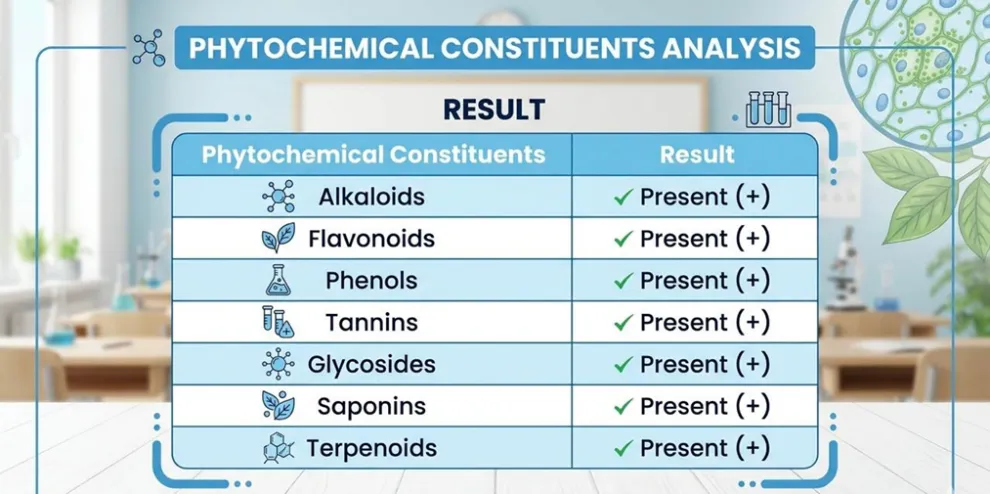
Table 1. Preliminary phytochemical screening of Ixora chinesis leaf extract
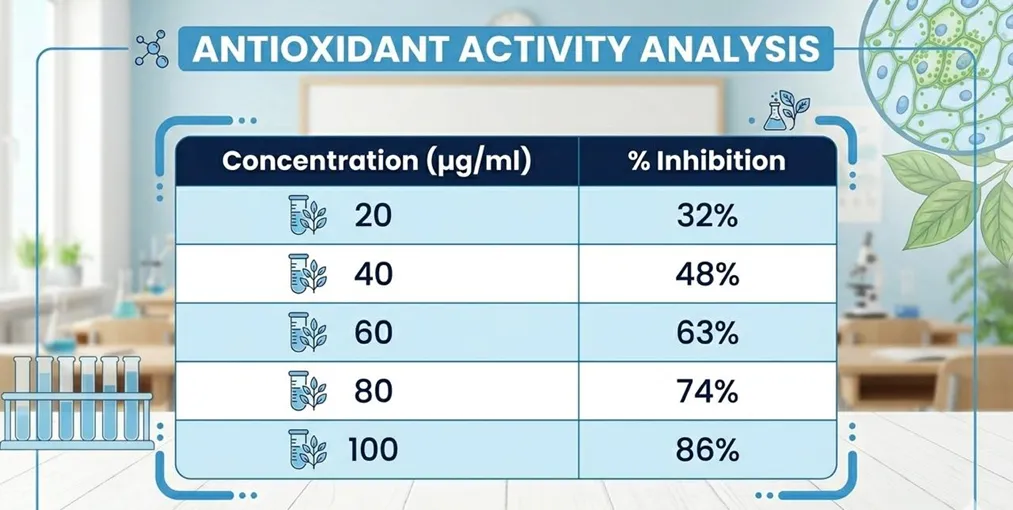
Table 2. DPPH free radical scavenging activity of Ixora chinensis leaf extract
4.DISCUSSION
The results of this study clearly show that Ixora chinensis leaves contain several important phytochemicals, especially flavonoids and phenolic compounds. These compounds are mainly responsible for the strong antioxidant activity observed in the extract. They help in protecting the body’s cells from damage caused by free radicals, which are unstable molecules that can lead to many diseases if not controlled (Harborne, 1998; Brand-Williams et al., 1995).
Along with this, compounds like alkaloids, tannins, and terpenoids may be responsible for the antimicrobial activity seen in the study. These compounds are known to affect microorganisms by damaging their cell structure or stopping their growth. Because of this, the extract was able to show inhibition against selected bacteria and fungi.
The results obtained from chromatographic and spectroscopic studies also support the presence of different types of active compounds in the plant. The TLC and HPTLC results showed multiple components, while UV, FTIR, and NMR analysis confirmed that the extract contains chemically diverse structures. This indicates that the plant works through a combination of different compounds rather than a single active ingredient. In addition, the antioxidant activity observed in this study may be associated with the ability of phenolic and flavonoid compounds to donate hydrogen atoms or electrons to free radicals. This mechanism helps in stabilizing reactive oxygen species and prevents oxidative damage inside the body. Similar antioxidant behavior of plant phenolics has been reported in many medicinal plants used in traditional medicine (Benzie & Strain, 1996). Therefore, the presence of these compounds in Ixora chinensis suggests that the plant may have protective effects against diseases related to oxidative stress.
The antimicrobial activity shown by the extract may also be due to the synergistic action of multiple phytochemicals present in the plant. Tannins are known to precipitate microbial proteins, while terpenoids may disrupt microbial membrane integrity. Alkaloids can interfere with important metabolic pathways of microorganisms, resulting in inhibition of growth and reproduction. Because of these combined effects, medicinal plants often show broad-spectrum antimicrobial potential against different pathogens (Cowan, 1999).
The chromatographic fingerprint obtained through TLC and HPTLC analysis further supports the chemical richness of the plant extract. Multiple spots and peaks observed in the chromatograms indicate the presence of several secondary metabolites with different polarities and chemical characteristics. Such fingerprint profiling is useful for standardization and quality control of herbal drugs. It also helps in ensuring the authenticity and consistency of medicinal plant materials used for therapeutic purposes (Sarker & Nahar, 2012).
Similarly, spectroscopic techniques provided additional evidence regarding the structural complexity of the phytochemicals present in the extract. FTIR analysis confirmed the presence of functional groups commonly associated with bioactive compounds, including hydroxyl, carbonyl, and aromatic groups. These functional groups are often linked with antioxidant and antimicrobial activities in plant-derived compounds. NMR spectroscopy also helped in understanding the carbon skeleton and molecular environment of the compounds present in the extract, indicating that the plant contains structurally diverse metabolites (Silverstein et al., 2005). Another important observation from the present study is that the biological activity of the extract is likely not due to a single compound alone. Instead, the therapeutic effect may result from the combined interaction of several phytochemicals present in the plant. This phenomenon is commonly known as synergistic activity, where multiple compounds work together to produce stronger biological effects compared to individual constituents alone. Such synergistic interactions are frequently observed in herbal medicines and are considered one of the major advantages of plant-based therapy.
The present findings are also consistent with previous reports on other medicinal plants belonging to the Rubiaceae family, many of which have demonstrated antioxidant, antimicrobial, anti-inflammatory, and wound healing properties. This indicates that plants belonging to this family may serve as important natural sources of therapeutic agents. Therefore, Ixora chinensis may also possess additional pharmacological activities that require further investigation through advanced experimental studies.
Despite the promising findings, the present study has certain limitations. The study mainly focused on preliminary phytochemical screening and in vitro biological evaluation. Quantitative estimation of individual compounds and detailed molecular investigations were not carried out. In addition, the exact mechanism of action responsible for the observed antioxidant and antimicrobial activities remains unclear. Therefore, future studies involving compound isolation, toxicity evaluation, molecular docking, and in vivo pharmacological studies are required to establish the therapeutic potential of the plant more clearly.
Overall, the discussion supports the view that Ixora chinensis leaves are rich in biologically active phytochemicals and possess promising antioxidant and antimicrobial properties. The study provides scientific support for the traditional medicinal use of the plant and highlights its potential importance in herbal drug research and natural product-based pharmaceutical development.
Overall, the findings of this study are similar to earlier scientific reports on medicinal plants, which also suggest that natural plant compounds play an important role in antioxidant and antimicrobial drug development (Sofowora, 1993).
FUTURE SCOPE
Although this study demonstrates promising antioxidant and antimicrobial potential of Ixora chinensis, there remains considerable scope for further detailed investigation to fully explore its medicinal value. The present work mainly focuses on preliminary screening and in vitro evaluations; therefore, more advanced and systematic studies are required to strengthen the findings.
Firstly, the isolation and purification of individual bioactive compounds from the crude extract
can be carried out using advanced chromatographic techniques. This will help in identifying the specific molecules responsible for the observed biological activities and may lead to the discovery of novel lead compounds for drug development.
Secondly, more sophisticated analytical techniques such as LC-MS (Liquid Chromatography– Mass Spectrometry), GC-MS (Gas Chromatography–Mass Spectrometry), and NMR spectroscopy can be employed for a more comprehensive phytochemical profiling. These techniques will provide precise structural identification and help in understanding the chemical complexity of the plant in greater detail.
Thirdly, in vivo studies should be conducted to evaluate the pharmacological efficacy and toxicological safety of the plant extracts in living systems. Such studies are essential to determine bioavailability, metabolism, effective dosage, and possible side effects, which cannot be fully assessed through in vitro experiments alone.
Furthermore, molecular mechanism studies can be explored to understand how the bioactive compounds interact at the cellular and genetic level. This may provide insight into the pathways responsible for antioxidant and antimicrobial effects.
Finally, well-designed clinical trials are necessary in the future to validate the therapeutic potential of Ixora chinensis in humans. Successful clinical validation could pave the way for the development of standardized herbal formulations and natural drug products. This would help bridge the gap between traditional medicinal knowledge and modern evidence-based pharmaceutical applications.
CONCLUSION
This study demonstrates that the leaves of Ixora chinensis are a rich source of biologically active phytochemical constituents. The qualitative and quantitative phytochemical analysis confirmed the presence of important secondary metabolites such as flavonoids, phenolic compounds, alkaloids, tannins, and terpenoids. These compounds are well known for their diverse pharmacological activities and collectively contribute to the therapeutic potential of the plant. The antioxidant assays revealed that the extract exhibits notable free radical scavenging activity, which indicates its ability to reduce oxidative stress. This property is mainly attributed to the presence of phenolic and flavonoid compounds, which can donate hydrogen atoms or electrons to neutralize reactive oxygen species. Such activity suggests that Ixora chinensis may play a protective role against oxidative damage associated with various chronic diseases.
Similarly, the antimicrobial studies showed that the plant extract possesses significant inhibitory effects against selected microbial strains. This activity may be due to the synergistic action of
multiple phytoconstituents that interfere with microbial cell structure and metabolic processes. The observed results support the traditional use of medicinal plants for managing infections and highlight the potential of Ixora chinensis as a natural antimicrobial agent.
The findings obtained from different analytical techniques, including phytochemical screening, chromatographic separation, spectroscopic characterization, antioxidant evaluation, and antimicrobial testing, collectively validate the biological importance of this plant. Each method provided supportive evidence regarding the presence and activity of bioactive compounds.
In conclusion, Ixora chinensis leaves exhibit strong phytochemical diversity along with promising antioxidant and antimicrobial properties. This makes the plant a valuable candidate for further pharmacological research. Future studies focusing on isolation of individual active compounds, mechanism of action, toxicity evaluation, and formulation development could further enhance its application in the field of herbal drug development and modern therapeutics.
REFERENCES


Neda Shakil, Dr. Yeddu Trilochana, Phytochemical Screening and Biological Evaluation of Ixora chinensis Leaves for Antioxidant and Antimicrobial Activities, Int. J. of Pharm. Sci., 2026, Vol 4, Issue 6, 2121-2130, https://doi.org/10.5281/zenodo.20605044
 10.5281/zenodo.20605044