

We use cookies to ensure our website works properly and to personalise your experience. Cookies policy
Department of Pharmaceutical chemistry, Anandi Pharmacy College, Kalambe Tarf Kale, Kolhapur, India
Moringa oleifera Lam., popularly referred to as drumstick tree or the “miracle tree,” is an important medicinal plant native to the Indian subcontinent and widely cultivated across tropical and subtropical regions worldwide. This review provides a systematic overview of its phytopharmacological properties and biochemical composition, covering different parts of the plant such as leaves, seeds, pods, bark, roots, and flowers. Moringa is rich in a variety of bioactive constituents, including flavonoids, phenolic acids, alkaloids, glucosinolates, isothiocyanates, carotenoids, and essential amino acids. These compounds are responsible for its wide range of pharmacological activities, such as antioxidant, antimicrobial, anti-inflammatory, anticancer, hepatoprotective, neuroprotective, hypoglycemic, and cardioprotective effects. The review compiles current scientific evidence on its phytochemical profile, extraction techniques, mechanisms of action, and therapeutic uses, highlighting the significance of each plant part in contributing to its medicinal value. It also integrates recent research with traditional knowledge to present a comprehensive understanding of the therapeutic potential of this ethnobotanically important plant.
Moringa oleifera Lam. (Family: Moringaceae) has emerged as one of the most extensively studied medicinal plants in contemporary pharmaceutical research. Native to the foothills of the Himalayas in northwestern India, this multipurpose plant has been traditionally utilized in Ayurvedic medicine for thousands of years. The botanical designation reflects its rapid growth and remarkable nutritional and pharmaceutical properties that have justified its vernacular appellations as the "miracle tree" or "nutritional powerhouse"[1][2].
The global cultivation of Moringa oleifera extends across tropical and subtropical regions, including Africa, Asia, the Caribbean, and Latin America, reflecting increasing recognition of its nutraceutical and therapeutic significance. This expansion correlates with growing scientific validation of its traditional medicinal uses and discovery of novel pharmacological applications. Contemporary pharmaceutical research has identified and characterized numerous bioactive metabolites responsible for the multifaceted biological activities attributed to this plant [3][4].
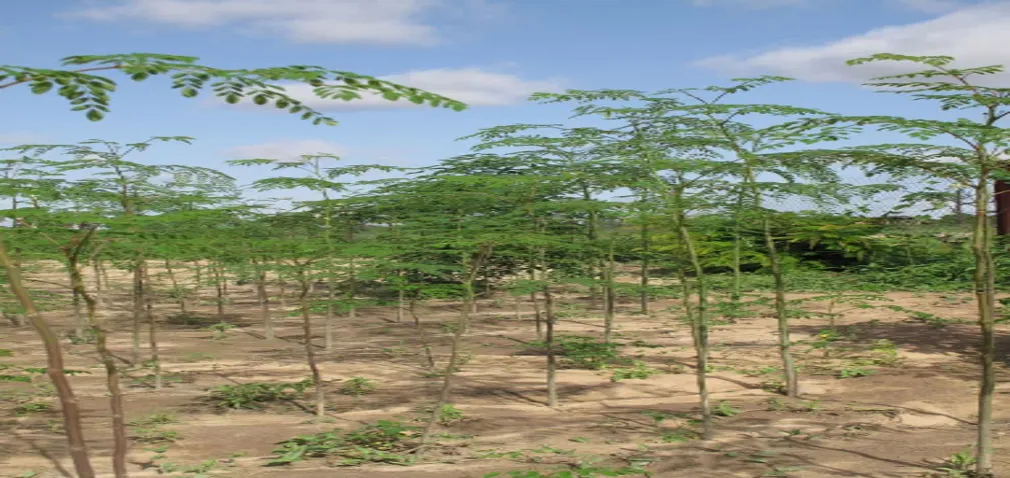
Figure 1: Moringa oleifera tree showing characteristic morphology and growth habit in natural habitat
The pharmaceutical potential of Moringa oleifera derives from its exceptional accumulation of beneficial phytochemicals, including vitamins (A, C, D), minerals (calcium, potassium, iron, phosphorus), essential amino acids, and diverse secondary metabolites with bioactive properties. Unlike many medicinal plants with limited therapeutic applications, Moringa oleifera exhibits a broad spectrum of pharmacological effects attributed to its complex phytochemical profile. Every morphologically distinct part of the plant—leaves, seeds, pods, bark, roots, and flowers—demonstrates distinct bioactive compounds and pharmacological properties, each contributing uniquely to the overall therapeutic potential [5][6].
2. Botanical Description and Traditional Uses
2.1 Taxonomic Classification and Morphological Characteristics
Moringa oleifera Lam. represents the most economically important species within the genus Moringa, belonging to the monogeneric family “Moringaceae”. The plant is a deciduous, fast-growing tree that typically attains heights of 7-12 meters, though specimens exceeding 12 meters have been documented. The characteristic morphology includes a straight trunk with thin branches, compound tripinnate leaves with small leaflets, small white and fragrant flowers, and elongated slender pods containing small seeds enclosed in a papery wing-like appendage [1][7].
2.2 Ethnobotanical Applications and Traditional Medicine
Traditional medicine systems, particularly Ayurvedic and Unani medicine, have incorporated Moringa oleifera for therapeutic management of diverse pathological conditions:
3. Phytochemical Characterization of Moringa oleifera
3.1 Leaf Phytochemistry
Moringa oleifera leaves represent the most extensively characterized and widely utilized plant part, comprising the richest reservoir of bioactive compounds among all plant tissues.
3.1.1 Phenolic Compounds
Leaves demonstrate exceptionally high concentrations of diverse phenolic compounds, which serve as primary determinants of antioxidant capacity. Quantitative analyses have identified flavonoids comprising the predominant phenolic class, with specific compounds including:
Phenolic acids identified in leaf tissues include gallic acid (1.034 mg/g dry weight—most abundant), chlorogenic acid (0.018-0.489 mg/g dry weight), and caffeic acid (0.409 mg/g dry weight). Hydroxycinnamic acid derivatives are also present in notable concentrations. These compounds contain hydroxyl groups strategically positioned to facilitate electron donation, thereby neutralizing free radicals and preventing lipid peroxidation cascades [3][8].
Table 1: Major bioactive compounds in different Moringa oleifera plant parts with concentrations and primary pharmacological activities
|
Bioactive Compound |
Plant Part |
Concentration |
Primary Activity |
|
Quercetin |
Leaves |
High |
Antioxidant, anti-inflammatory |
|
Kaempferol |
Leaves |
Moderate |
Free radical scavenging |
|
Gallic acid |
Leaves |
1.034 mg/g DW |
Antimicrobial, anticancer |
|
β-Carotene |
Leaves, Seeds |
7.3 mg/100g |
Antioxidant, vision support |
|
Niazimicin |
Seeds |
Trace |
Antitumor promoter |
|
Benzyl isothiocyanate |
Seeds |
Moderate |
Antibacterial |
|
Moringine |
Seeds |
Trace |
Antimicrobial |
|
Protein content |
Pods |
19.34% |
Nutritional, immune support |
|
Vitamin C |
Pods |
157% RDI/100g |
Antioxidant, immune function |
3.1.2 Carotenoids
Leaves accumulate substantial carotenoid concentrations with significant antioxidant and photoprotective properties. Six primary carotenoids have been identified, including:
These lipophilic antioxidants function through multiple mechanisms including singlet oxygen quenching and triplet state deactivation, thereby protecting cellular structures against oxidative deterioration[9][10].
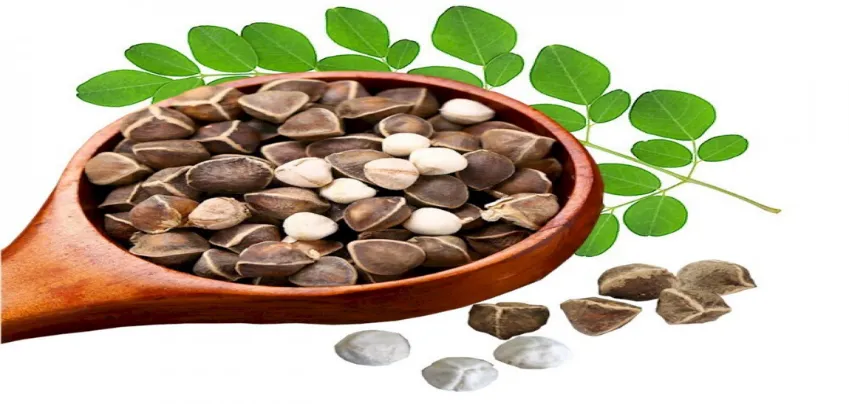
Figure 2: Moringa oleifera drumstick seeds and pods showing characteristic morphology and structural details
3.1.3 Proteins and Amino Acids
Moringa oleifera leaves serve as a rich source of essential amino acids, presenting a well-balanced and complete amino acid profile with notable abundance of aromatic and hydrophobic residues. The protein fractions isolated from the leaves exhibit a wide range of biological activities, including anticancer, hepatoprotective, antidiabetic, antibacterial, and antioxidant effects. The structural configuration of these peptides facilitates their interaction with various cellular targets and enzymatic systems, thereby enhancing their therapeutic potential. [11].
3.1.4 Glucosinolates and Isothiocyanates
Moringa leaves contain glucosinolate compounds and their corresponding isothiocyanate metabolites, which arise through enzymatic hydrolysis when plant tissues undergo mechanical disruption. This process involves myrosinase enzyme activation, resulting in β-D-glucose hydrolysis and liberation of isothiocyanates (ITCs), thiocyanates, sulfates, and nitriles. These secondary metabolites demonstrate potent antimicrobial properties and anticarcinogenic potential [12].
3.2 Seed Phytochemistry
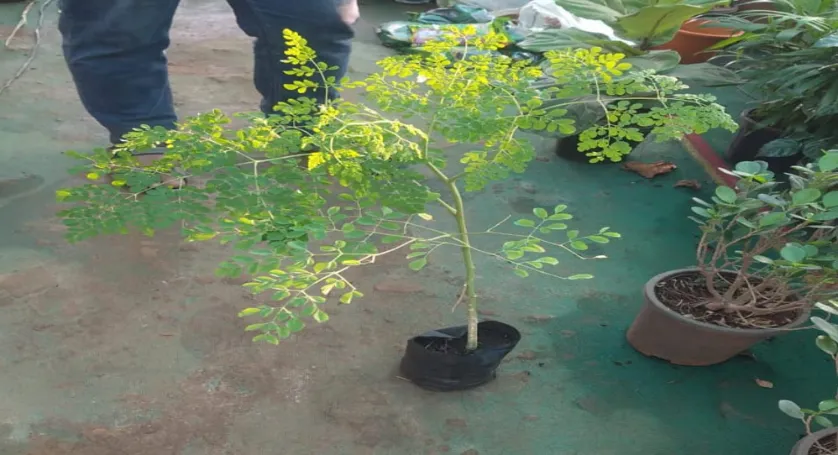
Figure 3: Figure 3: Moringa oleifera root structure and morphology demonstrating extensive branching pattern
Seeds represent a pharmaceutical reservoir for specialized bioactive compounds distinct from leaf metabolites. Notable seed-specific compounds include:
3.2.1 Thiocarbamates and Isothiocyanates
Seeds accumulate thiocarbamate and isothiocyanate-related compounds functioning as tumor promoter inhibitors. Specific compounds including 4-(α-L-rhamnosyloxy)-benzyl isothiocyanate and β-sitosterol-3-O-β-D-glucopyranoside demonstrate significant activity against Epstein-Barr Virus-Early Antigen (EBV-EA). Niazimicin, identified as a potent antitumor promoter, exhibits remarkable cytostatic and cytotoxic effects against multiple carcinoma cell lines [13][14].
3.2.2 Lipid Composition
Seed oil demonstrates characteristic composition with oleic acid predominance. Seeds also accumulate β-sitosterol, erucic acid, and eicosanoic acid. The lipid profile enables utilization as both nutritional and therapeutic agent, with oil extraction leaving valuable seed cake residue containing 24 identified bioactive compounds [15].
3.3 Pod Phytochemistry
Pods represent an underexplored yet pharmacologically significant plant compartment. Young pods contain:
One hundred grams of fresh sliced pods provides 157% of the recommended daily vitamin C intake for adults, establishing pods as exceptional nutritional and pharmaceutical resources [16].
3.4 Bark and Root Phytochemistry
While less extensively characterized than leaves and seeds, bark and roots accumulate secondary metabolites conferring cardiac-stimulant properties and antimicrobial activities. These plant parts demonstrate particular enrichment in alkaloid compounds and phenolic derivatives [17].
4. Extraction Methodologies and Optimization
4.1 Solvent Selection and Extraction Parameters
Bioactive compound recovery demonstrates substantial dependency on extraction methodology parameters:
Table 2: Impact of extraction solvents on bioactive compound recovery from Moringa oleifera tissues
|
Extraction Solvent |
Plant Part |
Total Phenolics % |
Total Flavonoids % |
|
80% Ethanol |
Leaves |
136.4 |
- |
|
80% Acetone |
Leaves |
- |
783.1 |
|
70% Ethanol |
Leaves |
High |
High |
|
100% Methanol |
Leaves |
Highest |
Moderate |
|
50% Water/ Ethanol |
Leaves |
Moderate |
Moderate |
|
Aqueous extract |
Roots |
Moderate |
Low |
4.1.1 Ethanol-Based Extraction
Ethanol extraction demonstrates superior efficiency for phenolic compound recovery. The 70% ethanol concentration optimizes extraction of flavonoids and phenolic acids while minimizing extraction of antagonistic compounds. This solvent concentration facilitates optimal bioavailability and antioxidant potential[18].
4.1.2 Acetone-Based Extraction
Acetone extraction demonstrates preferential recovery of flavonoid compounds, with 80% acetone achieving maximal flavonoid extraction (783.1% increase relative to baseline). Extracts prepared with acetone display enhanced biological activity in free radical scavenging assays [19].
4.1.3 Ultrasound-Assisted Extraction (UAE)
Ultrasound-assisted extraction parameters significantly influence compound recovery. Optimal conditions identified include 50% water composition, 60:1 liquid-to-solid ratio, and 60°C temperature for 60-minute extraction duration. Under these parameters, quercetin concentrations reached 216.4 µg/g and quercetin-derived glycosides achieved 293.9 µg/g, demonstrating superior extraction efficiency compared to conventional methods [20].
4.2 Characterization Methodologies
4.2.1 Phytochemical Screening
High-Performance Liquid Chromatography coupled with mass spectrometry (HPLC-MS/MS) and Ultraviolet spectroscopy (HPLC-UV/ESI-MS/MS) enables precise identification and quantification of individual phytochemical constituents. These analytical approaches have confirmed the predominance of flavonoid compounds in Moringa extracts [21].
4.2.2 Antioxidant Assays
Antioxidant capacity determination employs multiple complementary methodologies:
5. Pharmacological Activities and Mechanisms
5.1 Antioxidant Properties
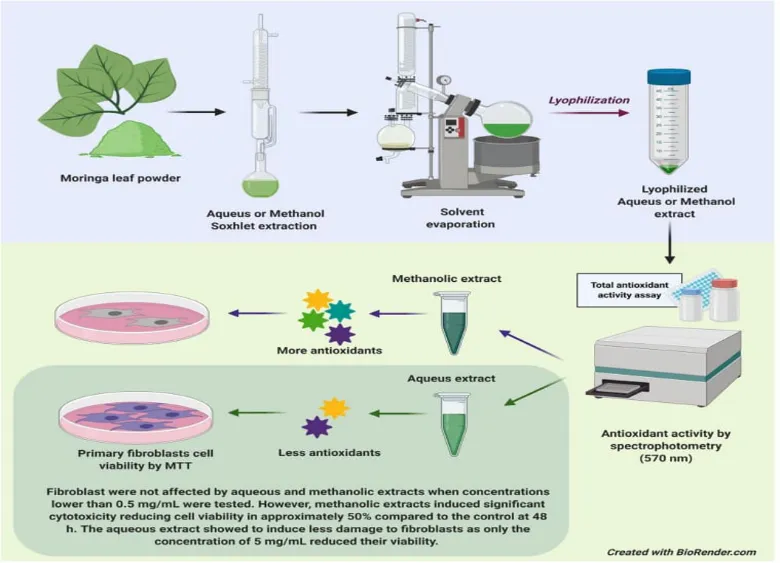
Figure 4: Antioxidant activity of Moringa oleifera leaf powder against free radicals (conceptual representation)
Antioxidant activity represents the most extensively documented pharmacological property of Moringa oleifera. Multiple mechanisms contribute to this activity:
5.1.1 Hydroxyl Group Redox Chemistry
Phenolic compounds in Moringa leaves contain hydroxyl groups strategically positioned to facilitate electron donation to free radicals. This electron transfer effectively neutralizes radical species and prevents propagation of oxidative chain reactions. The synergistic combination of multiple antioxidants (flavonoids, phenolic acids, carotenoids, and vitamins) demonstrates superior efficacy compared to individual antioxidant compounds, suggesting enhanced antioxidant cascade mechanisms [22].
5.1.2 Metal Chelation Properties
Phenolic compounds demonstrate capacity to chelate transition metal ions (particularly iron and copper), thereby preventing their participation in Fenton-type reactions that generate hydroxyl radicals. This mechanism provides supplementary antioxidant defense [23].
5.2 Antimicrobial Activities
Moringa extracts demonstrate broad-spectrum antimicrobial activity against diverse pathogenic organisms:
Table 3: Antimicrobial activity of Moringa oleifera extracts against pathogenic microorganisms
|
Bacterial Species |
Extract Type |
Zone of Inhibition (mm) |
Standard |
|
Bacillus subtilis |
Ethyl acetate |
28 ± 8.2 |
Kanamycin (25 μg) |
|
Streptococcus viridans |
Ethyl acetate |
21.67 ± 5.86 |
Kanamycin (25 μg) |
|
Shigella sonnei |
Ethyl acetate |
6 ± 1.73 |
Kanamycin (25 μg) |
|
E. coli |
Hexane |
Moderate |
Kanamycin (25 μg) |
|
Klebsiella pneumoniae |
Various |
Variable |
- |
|
P. aeruginosa |
Methanol |
High |
Various antibiotics |
|
S. pneumoniae |
Methanol |
High |
Streptomycin |
|
Candida species |
Methanol |
High |
Nystatin, Gentamicin |
5.2.1 Mechanisms of Antimicrobial Action
Primary mechanisms underlying antimicrobial efficacy include:
The ethyl acetate extract demonstrates superior antimicrobial efficacy compared to methanol and hexane extracts for specific bacterial strains, suggesting differential solvent extraction of active constituents [24][25].
5.3 Anti-inflammatory Properties
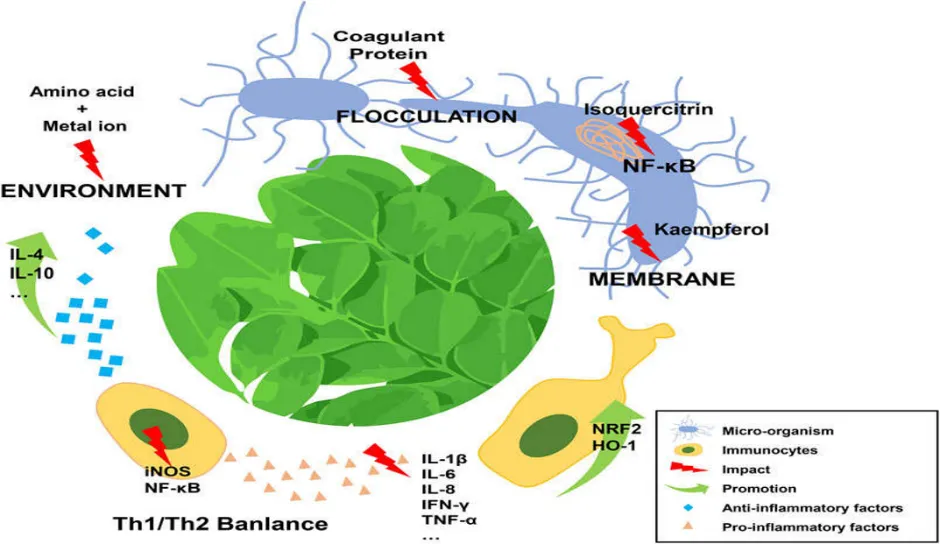
Figure 5: Moringa oleifera pharmacological properties and therapeutic effects overview
Anti-inflammatory activity of Moringa oleifera involves multiple molecular pathways and cytokine modulation:
5.3.1 Cytokine Suppression
Ethanolic extracts prepared with 50% and 70% ethanol concentrations (30 μg/mL) significantly inhibited secretion of pro-inflammatory cytokines:
The 70% ethanol extract demonstrated particularly robust anti-inflammatory effects, consistent with optimal phenolic compound recovery at this concentration [26].
5.3.2 NF-κB Pathway Modulation
Phenolic compounds in Moringa inhibit nuclear factor-kappa B (NF-κB) pathway activation, thereby reducing transcription of pro-inflammatory genes. This mechanism prevents upregulation of cyclooxygenase-2 (COX-2) and inducible nitric oxide synthase (iNOS) [27].
5.4 Anticancer Properties
Multiple bioactive compounds in Moringa oleifera exhibit antitumor activity through distinct mechanisms:
5.4.1 Cytostatic and Cytotoxic Effects
Alkaloids, flavonoids, and isothiocyanate compounds inhibit cancer cell proliferation through:
Niazimicin demonstrates particularly potent antitumor promotion activity. Studies evaluating Moringa extracts against HepG2 (hepatocellular carcinoma), MCF7 (breast cancer), and HCT116/Caco2 (colorectal cancer) cell lines demonstrated robust cytotoxic effects measured through apoptosis quantification [28][29].
5.4.2 EBV-EA Inhibition
Specific compounds including 4-(α-L-rhamnosyloxy)-benzyl isothiocyanate and niazimicin inhibit Epstein-Barr Virus-Early Antigen (EBV-EA) expression, providing evidence for antitumor promotion activity and potential hepatocellular carcinoma prevention [30].
5.5 Hepatoprotective Properties
Moringa oleifera demonstrates significant hepatoprotective effects through multiple mechanisms:
Experimental models evaluating Moringa extracts against drug-induced hepatotoxicity (paracetamol, antitubercular agents) and viral hepatitis models demonstrate significant hepatoprotective activity, restoring hepatic enzyme profiles and improving histological parameters [31].
Moringa oleifera exhibits multifaceted antidiabetic mechanisms:
5.6.1 Hyperglycemia Management
Methanolic leaf extracts demonstrate significant hypoglycemic activity in streptozotocin-induced diabetic animal models:
Proposed mechanisms include:
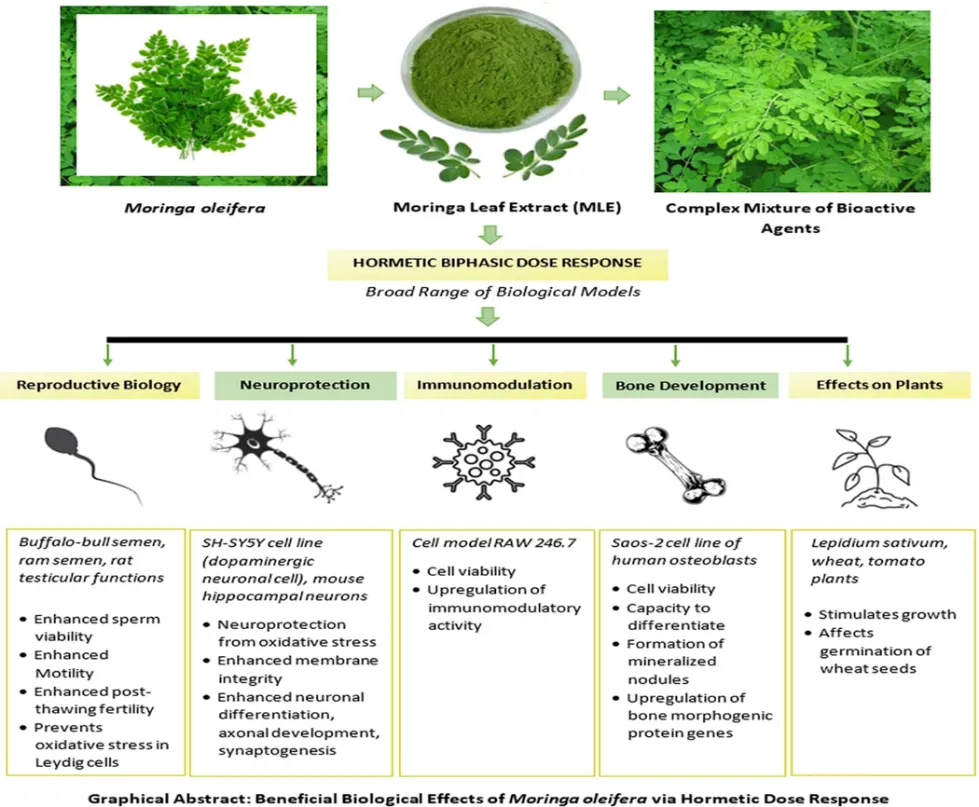
Figure 6: Moringa induces benefiial effects via hormesis mechanisms in cardiovascular protection
Moringa oleifera demonstrates comprehensive cardiovascular protective properties through multiple distinct mechanisms:
Aqueous and ethanolic extracts exhibit blood pressure-reducing properties, potentially mediated through:
5.7.2 Lipid Profile Modulation
Moringa extracts demonstrate capacity to reduce circulating lipid concentrations:
These lipid-modifying effects contribute substantially to overall cardiovascular risk reduction [34][35].
5.8 Neuroprotective and CNS Effects
Moringa oleifera leaves extract restores brain monoamine levels (serotonin, dopamine, norepinephrine), suggesting potential therapeutic utility in Alzheimer's disease and other neurodegenerative conditions [36].
5.8.2 Anticonvulsant Properties
Aqueous root extracts and ethanolic leaf extracts demonstrate anticonvulsant activity in penicillin-induced convulsion models. The mechanisms potentially involve:
Methanolic leaf extracts exhibit antiepileptic activity in pentylenetetrazole-induced seizure models, suggesting therapeutic potential in epilepsy management [37].
6. Bioaccessibility and Bioavailability
6.1 In Vitro Gastrointestinal Digestion
Simulated gastrointestinal digestion studies reveal differential bioavailability of Moringa phytochemicals across digestive phases:
Minimal compound degradation occurs during oral phase digestion. Most phenolic compounds, carotenoids, and other bioactive constituents remain stable, suggesting effective buccal and sublingual absorption potential.
Post-gastric phase digestion reveals reduction in phenolic compound concentrations, attributable to acidic pH-mediated degradation and limited absorption in the gastric environment [38].
Substantial decreases in major phenolic compounds occur during the post-intestinal phase, reflecting metabolic transformation, enzymatic degradation, and absorption in the intestinal compartment. Despite these reductions, antioxidant activity persists, suggesting retention of bioactive metabolites [39].
To enhance bioavailability of Moringa phytochemicals:
7. Different Parts Characterization and Specific Applications
Table 4: Moringa oleifera leaf components and their characterization with applications
|
Leaf Component |
Primary Bioactive Compounds |
Key Therapeutic Applications |
|
Leaf extract |
Flavonoids, phenolic acids, vitamins |
Antioxidant, antimicrobial, hepatoprotective |
|
Leaf powder |
Complete nutrient profile |
Nutritional supplement, immune enhancement |
|
Leaf oil |
Chlorophyll, lutein, zeaxanthin |
Eye health, photoprotection |
|
Leaf tea |
Aqueous extractable compounds |
Anti-inflammatory, digestive support |
Leaves constitute the primary pharmaceutical component, demonstrating:
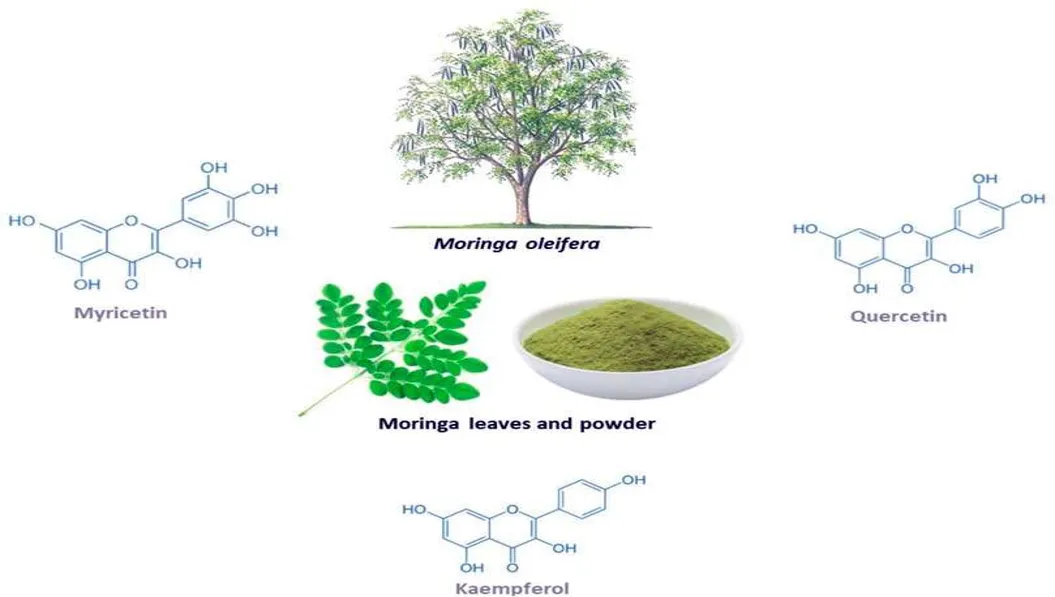
Figure 7: Characterization of Moringa oleifera seeds showing antidiabetic properties
Seeds demonstrate specialized bioactive profiles:
7.3 Pods: Nutritional and Therapeutic Potential
Pods remain underexplored despite significant pharmaceutical potential:
7.4 Bark and Roots: Specialized Applications
Bark and root tissues demonstrate:
7.5 Flowers: Underexplored Therapeutic Potential
Flowers remain relatively uncharacterized despite traditional applications:
8. Quality Control and Standardization
Standardization of Moringa oleifera preparations requires:
Table 5: Quality control standards for Moringa oleifera preparations
|
Quality Parameter |
Test Method |
Target Range |
Acceptance Criteria |
|
Total phenolics |
Folin-Ciocalteu |
136-145% |
≥130% |
|
Total flavonoids |
Aluminum chloride |
750-790% |
≥700% |
|
DPPH activity |
IC\textsubscript{50} |
45-55 μg/mL |
≤60 μg/mL |
|
Microbial load |
CFU/g |
<1000 |
<1000 |
|
Heavy metals |
ICP-MS |
<permitted limits |
Pb <0.1, Cd <0.05 ppm |
|
Pesticide residues |
GC-MS |
Absent |
<0.01 ppm |
8.2 Standardization Parameters
Pharmaceutical standardization requires specification of:
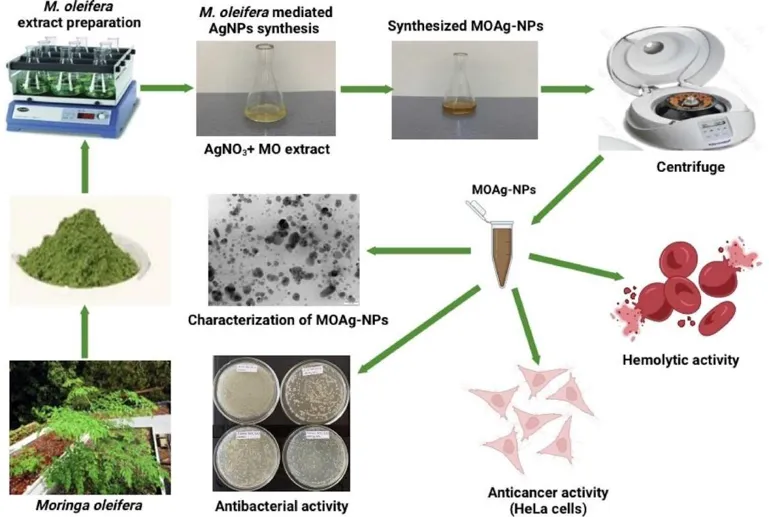
Figure 8: Novel nanoparticle synthesis for enhanced Moringa oleifera drug delivery
Traditional formulation approaches include:
Contemporary pharmaceutical technology enables enhanced bioavailability:
Encapsulation of Moringa phytochemicals in liposomes enhances:
Polymeric nanoparticles, solid lipid nanoparticles (SLN), and other nanoformulations provide:
9.2.3 Mucoadhesive Formulations
Buccal and sublingual delivery systems utilizing mucoadhesive polymers enable:
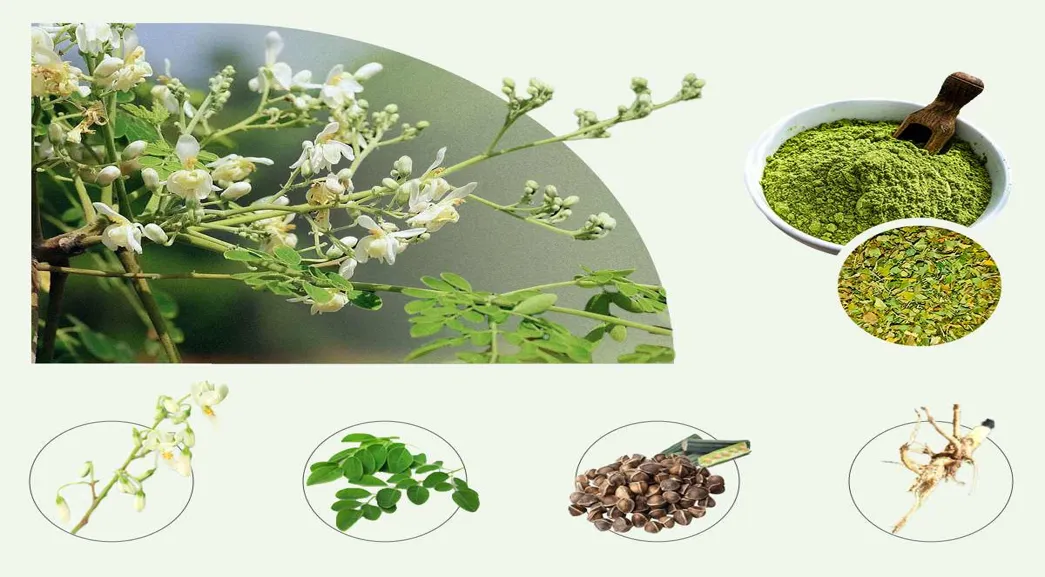
Figure 9: Moringa oleifera tree and leaves showing nutritional and medicinal benefits
Moringa oleifera demonstrates validated efficacy in diabetes management through:
Typical dosing: 5-15 g dried leaf powder daily or equivalent extract preparation [51].
10.1.2 Inflammatory Conditions
Inflammatory disease management including:
Standard protocols employ 100-300 mg/day of standardized extract [52].
Antimicrobial properties applicable to:
Typical antimicrobial protocols: 5-15 g leaf powder or equivalent extract [53].
10.2 Emerging Clinical Applications
10.2.1 Neurodegenerative Disease Management
Monoamine-restoring properties suggest potential application in:
Emerging clinical protocols typically employ 300-500 mg/day of standardized extract [54].
10.2.2 Malnutrition and Nutritional Support
Exceptional nutrient density makes Moringa valuable in:
Standard protocols: 5-10 g leaf powder daily in nutritional interventions [55].
11. Safety Profile and Toxicology
11.1 Acute and Subchronic Toxicity
Toxicological investigations in animal models demonstrate:
11.2 Specific Safety Considerations
11.2.1 Pregnancy and Lactation
Root preparations demonstrate oxytocic activity (uterine stimulant) and should be avoided during pregnancy. Leaf preparations demonstrate galactagogue effects and are generally considered safe and beneficial during lactation [57].
Potential interactions include:
Clinical monitoring recommended when combining with pharmaceutical agents [58].
Soil-grown Moringa may accumulate:
Sourcing from non-polluted regions and analytical verification essential for safety assurance [59].
|
Preparation Form |
Typical Dose |
Frequency |
Duration |
|
Leaf powder |
5-15 g |
Once or twice daily |
Continuous |
|
Standardized extract |
100-300 mg |
Once daily |
Continuous |
|
Aqueous extract |
250-500 mL |
Once or twice daily |
Continuous |
|
Seed extract |
50-150 mg |
Once daily |
30-90 days |
|
Oil (seed) |
5-15 mL |
With meals |
Continuous |
12. Recent Advances and Future Perspectives
12.1 Nanotechnology Integration
Emerging technologies enable:
Synergistic combinations demonstrate enhanced efficacy:
Molecular docking and in silico studies facilitate:
12.4 Clinical Trial Development
Future research priorities include:
13. CONCLUSION
Moringa oleifera is an outstanding medicinal plant known for its rich phytochemical composition and diverse pharmacological activities. Various parts of the plant, including leaves, seeds, pods, bark, roots, and flowers, contribute unique bioactive constituents with specific therapeutic roles. Among these, the leaves exhibit the highest pharmacological potential due to their strong antioxidant, antimicrobial, and anti-inflammatory properties. Seeds are a source of bioactive compounds such as isothiocyanates with notable antibacterial and antitumor activities, while pods are nutritionally rich, providing essential amino acids and vitamins. The integration of traditional ethnobotanical knowledge with modern scientific research supports the wide-ranging therapeutic applications of Moringa oleifera.
Scientific investigations have identified more than 20 classes of bioactive compounds, including flavonoids, phenolic acids, carotenoids, alkaloids, glucosinolates, and isothiocyanates. The efficiency of extraction methods plays a crucial role in isolating these compounds, with 70% ethanol and 80% acetone reported as effective solvents for phenolics and flavonoids, respectively. Advanced analytical techniques such as HPLC-MS/MS have enabled accurate identification and quantification of these phytochemicals, aiding in the development of standardized formulations.
Pharmacological studies, both in vitro and in vivo, have confirmed a broad spectrum of biological activities, including strong antioxidant potential, antimicrobial effects comparable to standard antibiotics, anti-inflammatory action via cytokine regulation, and anticancer activity against various cancer cell lines. Additionally, cardioprotective, hepatoprotective, neuroprotective, and antidiabetic effects have been demonstrated in experimental models.
Moringa oleifera also exhibits a favorable safety profile, with low toxicity and minimal adverse effects at therapeutic doses, supported by its long history of traditional use. Future research should focus on quality standardization, improving bioavailability through advanced drug delivery systems, and conducting well-designed clinical trials to confirm its efficacy.
Current pharmaceutical prospects include the development of standardized extracts with defined active markers, application of nanotechnology-based delivery systems, formulation of synergistic herbal combinations, and validation through randomized controlled clinical studies. Overall, Moringa oleifera represents a successful convergence of traditional medicine and modern science, offering significant potential for pharmaceutical development, nutraceutical applications, and functional foods. Continued multidisciplinary research will further clarify its mechanisms and expand its therapeutic utility in addressing modern health challenges.
REFERENCES


Priti Mastud, Aarti Varne, Swapnali Kasture, Phytopharmacology and Characterization of Different Parts of Moringa oleifera, Int. J. of Pharm. Sci., 2026, Vol 4, Issue 7, 2577-2599. https://doi.org/10.5281/zenodo.21339726
 10.5281/zenodo.21339726