

We use cookies to ensure our website works properly and to personalise your experience. Cookies policy
1 Faculty of Pharmacy, Mandsaur University, Mandsaur, India.
2 St. Soldier Institute of Pharmacy, Lidhran Campus, Jalandhar 144011, Punjab, India
Polyphenols exhibit extensive pharmacological activities including antioxidant, anti-inflammatory, anticancer, cardioprotective, and neuroprotective effects. However, their clinical translation remains limited due to poor aqueous solubility, low membrane permeability, rapid metabolism, and reduced oral bioavailability. Phytosome technology has emerged as a promising lipid-based nanocarrier platform capable of enhancing the stability, absorption, and therapeutic efficacy of polyphenolic compounds through the formation of phospholipid–polyphenol molecular complexes. Recent advances in computational chemistry and molecular simulation approaches have significantly improved the mechanistic understanding of phytosome formation, intermolecular interactions, membrane permeation, and structural stabilization. This review comprehensively summarizes the molecular basis of phytosome formation, emphasizing hydrogen bonding, van der Waals interactions, and electrostatic stabilization between phosphatidylcholine and major polyphenols including epigallocatechin gallate, quercetin, resveratrol, luteolin, and curcumin. Furthermore, recent computational approaches including density functional theory, molecular docking, molecular dynamics simulations, and steered molecular dynamics are critically discussed for elucidating phytosome behavior in biological environments. The review also highlights therapeutic applications of polyphenol phytosomes in cancer, inflammation, metabolic disorders, and neurodegenerative diseases. Finally, current limitations, translational challenges, regulatory considerations, and future perspectives for computationally guided phytosome engineering are presented.
Natural products continue to play a major role in modern drug discovery, with polyphenols gaining considerable attention because of their diverse pharmacological activities, including antioxidant, anti-inflammatory, anticancer, cardioprotective, and neuroprotective effects. Polyphenolic compounds such as epigallocatechin gallate (EGCG), quercetin, resveratrol, luteolin, and curcumin have demonstrated promising therapeutic potential in numerous preclinical studies. Despite these beneficial properties, their clinical application remains limited due to poor aqueous solubility, low membrane permeability, rapid metabolism, and reduced oral bioavailability (Atanasov et al., 2021).
To overcome these limitations, nanotechnology-based delivery systems have been extensively explored to improve the stability and therapeutic efficiency of polyphenols. Among these approaches, phytosome technology has emerged as a highly promising lipid-based delivery platform. Phytosomes are molecular complexes formed between phospholipids, mainly phosphatidylcholine, and phytochemicals through non-covalent interactions such as hydrogen bonding and electrostatic attraction. Unlike conventional liposomes, phytosomes involve direct molecular complexation, resulting in enhanced membrane permeability, improved absorption, and greater physicochemical stability (Lu et al., 2019).
Recent advances in computational chemistry have significantly improved the understanding of phytosome formation and behavior at the molecular level. Computational techniques including density functional theory (DFT), molecular docking, molecular dynamics (MD), and steered molecular dynamics (SMD) simulations provide valuable insights into intermolecular interactions, self-aggregation, membrane permeation, and thermodynamic stability of phytosomal systems (Hashemzadeh et al., 2023). Therefore, this review focuses on recent developments in phytosome technology for polyphenol delivery, emphasizing molecular interactions, computational approaches, and therapeutic applications.
2. PHYTOSOME TECHNOLOGY
2.1 Definition and Structure
Phytosomes are advanced lipid-based drug delivery systems formed through the molecular interaction between phytoconstituents and phospholipids, mainly phosphatidylcholine (PC). The term “phytosome” is derived from two words: “phyto,” meaning plant, and “some,” meaning cell-like structure. In these systems, bioactive plant compounds form stable molecular complexes with phospholipids through hydrogen bonding and other non-covalent interactions, resulting in improved solubility, absorption, and therapeutic performance (Lu et al., 2019).
Unlike conventional herbal extracts, phytosomes are designed to enhance the compatibility of hydrophilic phytochemicals with lipid-rich biological membranes. Phosphatidylcholine acts not only as a carrier molecule but also as a membrane-compatible amphiphilic compound that improves the transport of phytochemicals across cellular barriers (Barani et al., 2021).
Structurally, phytosomes differ significantly from liposomes. In liposomes, active compounds are physically entrapped within aqueous cavities or lipid bilayers without forming direct chemical interactions with phospholipids. In contrast, phytosomes involve molecular complexation between the polar functional groups of phytochemicals and the polar head of phosphatidylcholine. This molecular arrangement leads to greater structural stability and enhanced membrane permeation compared with conventional liposomal systems (Patel et al., 2009).
Phosphatidylcholine is the most commonly used phospholipid in phytosome preparation due to its biocompatibility, amphiphilic nature, and ability to integrate into biological membranes. The phospholipid molecule contains a hydrophilic head and hydrophobic fatty acid tails, allowing interaction with both aqueous and lipid environments. Polyphenolic compounds such as epigallocatechin gallate (EGCG), quercetin, resveratrol, luteolin, and curcumin are widely incorporated into phytosomal systems because they possess multiple hydroxyl groups capable of forming strong intermolecular interactions with phospholipids (Hashemzadeh et al., 2023).
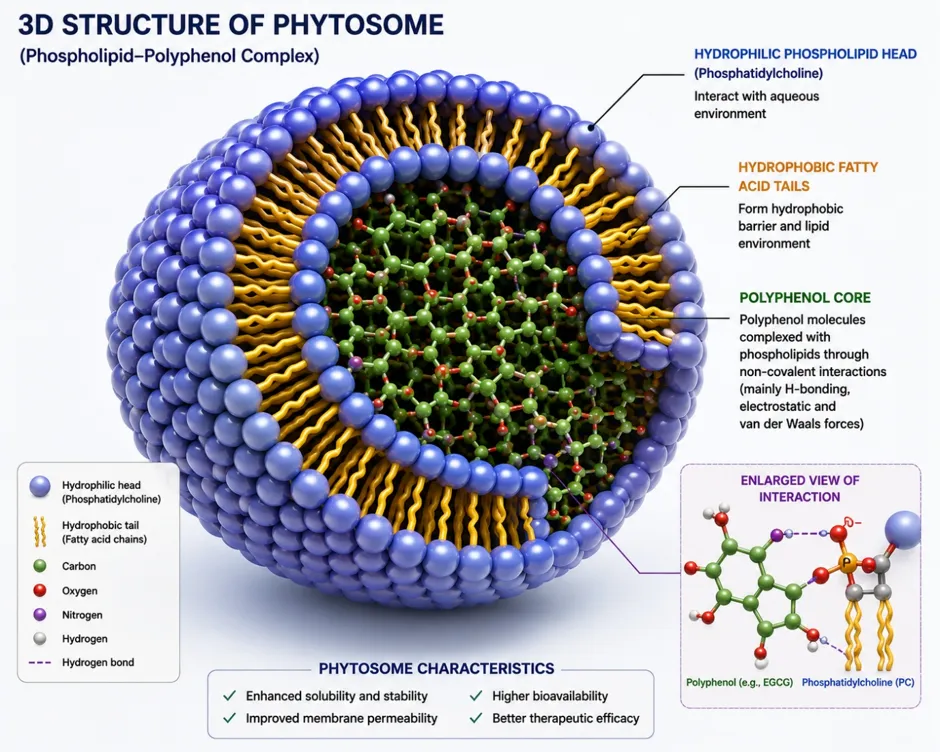
Figure 1 Structure of Phytosomes
2.2 Mechanism of Formation
The formation of phytosomes mainly depends on non-covalent intermolecular interactions between phospholipids and phytochemicals. Among these interactions, hydrogen bonding plays the most important role in stabilizing the phytosomal complex. The hydroxyl groups of polyphenols interact strongly with the phosphate and glycerol groups of phosphatidylcholine, forming stable hydrogen-bonded structures (Hashemzadeh et al., 2023).
In addition to hydrogen bonding, electrostatic attractions contribute significantly to phytosome stability. Polar functional groups present in both phospholipids and phytochemicals generate dipole–dipole interactions that enhance molecular association and reduce structural instability in aqueous environments. Computational studies have demonstrated that electrostatic interactions are major contributors to the stabilization energy of phytosomal complexes (Hashemzadeh et al., 2023).
Amphiphilic interactions also play an essential role in phytosome formation and self-assembly. The hydrophilic head of phosphatidylcholine interacts with polyphenolic compounds, while the hydrophobic fatty acid tails orient toward lipid regions. This amphiphilic behavior facilitates the spontaneous formation of vesicle-like structures capable of improving membrane permeability and drug transport across biological barriers (Lu et al., 2019).
Recent molecular dynamics studies have further revealed that van der Waals interactions and hydrophobic effects support the self-aggregation and compact organization of phytosomes in aqueous environments. These interactions collectively enhance the stability, solubility, and biological performance of phytosomal formulations.
2.3 Preparation Methods
Several preparation methods have been developed for phytosome synthesis depending on the physicochemical properties of phytochemicals and formulation requirements.
The solvent evaporation method is one of the most commonly used techniques for phytosome preparation. In this approach, phospholipids and phytochemicals are dissolved in an appropriate organic solvent such as ethanol, methanol, or dichloromethane. The solvent is then removed under reduced pressure using a rotary evaporator, resulting in the formation of a thin phytosomal complex film. The obtained complex is subsequently dried and collected for further characterization (Semalty et al., 2007).
In the antisolvent precipitation method, phospholipids and phytochemicals are first dissolved in an organic solvent and then mixed with a non-solvent system under continuous stirring. The sudden reduction in solubility leads to precipitation of the phytosomal complex. This method is widely preferred because of its simplicity, rapid processing, and ability to produce particles with relatively uniform size distribution.
The thin-film hydration technique is adapted from liposome preparation methods and is frequently used for vesicular phytosome formulations. A thin lipid film is formed through solvent evaporation and subsequently hydrated using aqueous media under controlled conditions. Hydration causes swelling and self-assembly of lipid molecules into vesicular phytosomal structures with improved encapsulation efficiency and stability.
The supercritical fluid method is an advanced and environmentally friendly approach for phytosome preparation. Supercritical carbon dioxide is commonly used as a solvent medium because of its low toxicity and easy removal after processing. This technique enables better control over particle size, morphology, and purity while minimizing residual solvent contamination. Although highly efficient, its industrial application remains limited due to high operational costs and specialized equipment requirements.
2.4 Advantages of Phytosome Technology
Phytosome technology offers several advantages over conventional formulations and other lipid-based delivery systems.
One of the major benefits is improved bioavailability. Molecular complexation between phospholipids and phytochemicals enhances lipid compatibility and facilitates absorption through biological membranes. Several studies have demonstrated significantly increased oral bioavailability of phytosomal formulations compared with free phytochemicals (Lu et al., 2019).
Phytosomes also exhibit enhanced membrane permeability because the phospholipid component easily integrates with cellular lipid bilayers. This property improves drug transport across gastrointestinal and cellular membranes, resulting in better tissue distribution and therapeutic efficacy.
Another important advantage is increased physicochemical stability. Complex formation protects polyphenols from oxidation, hydrolysis, and enzymatic degradation under physiological conditions. This stabilization prolongs the circulation time of phytochemicals and preserves their biological activity.
In addition, phytosomes provide improved pharmacokinetic properties including prolonged systemic retention, controlled drug release, and reduced elimination rates. Controlled release behavior helps maintain therapeutic drug concentrations for longer durations while reducing dosing frequency and side effects.
Due to these advantages, phytosome technology has emerged as a promising platform for the delivery of poorly bioavailable natural compounds in applications related to cancer therapy, inflammation, cardiovascular diseases, and neurodegenerative disorders.
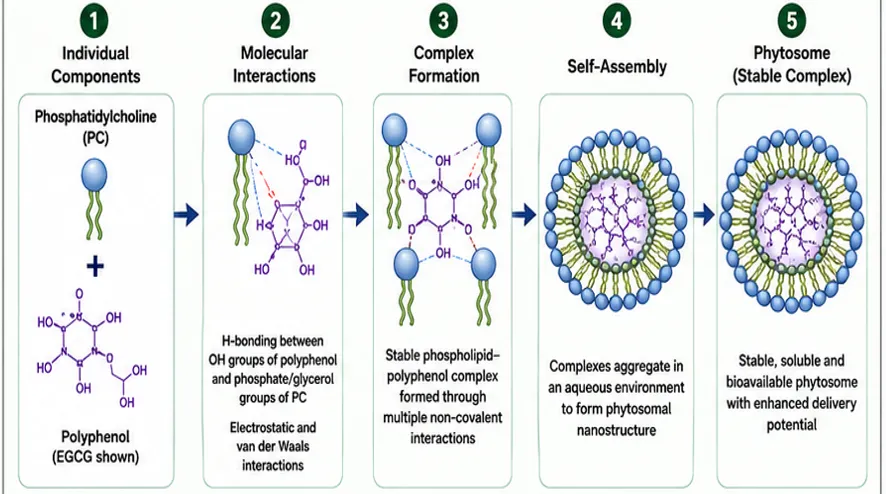
Figure 2 Formation Mechanism of Phytosomes
3. MOLECULAR BASIS OF PHYTOSOME FORMATION
3.1 Hydrogen Bonding
Hydrogen bonding is considered the primary driving force responsible for the formation and stabilization of phytosomal complexes. Polyphenolic compounds contain multiple hydroxyl (–OH) groups that can interact strongly with the phosphate and glycerol regions of phosphatidylcholine through non-covalent hydrogen bonding. These interactions create stable molecular associations between the phytochemical and phospholipid components, improving the solubility and membrane compatibility of polyphenols (Lu et al., 2019).
Recent computational investigations have shown that the strength and number of hydrogen bonds significantly influence phytosome stability. In particular, epigallocatechin gallate (EGCG) exhibits the strongest hydrogen bonding interactions with phosphatidylcholine due to the presence of numerous hydroxyl groups and its flexible molecular structure (Hashemzadeh et al., 2023). The flexibility of EGCG allows better molecular orientation and facilitates the formation of multiple intermolecular hydrogen bonds with phosphate and glycerol groups of phosphatidylcholine. As a result, EGCG-based phytosomes demonstrate greater structural stability and stronger complex formation compared with less flexible polyphenols such as resveratrol.
Hydrogen bonding also plays a protective role by preventing dissociation of the phytosome in aqueous environments. Molecular dynamics studies have demonstrated that strong hydrogen-bonded interactions maintain phytosome integrity during self-aggregation and membrane permeation processes (Hashemzadeh et al., 2023).
3.2 van der Waals Interactions
In addition to hydrogen bonding, van der Waals (vdW) interactions contribute significantly to the stabilization of phytosomal systems. These weak intermolecular forces mainly occur between the hydrophobic fatty acid chains of phosphatidylcholine and the aromatic regions of polyphenolic compounds. Although individually weaker than hydrogen bonds, vdW interactions collectively support the compact organization and self-assembly of phytosomes.
Van der Waals interactions are particularly important in stabilizing hydrophobic domains within the phytosomal structure. During self-aggregation, the hydrophobic tails of phosphatidylcholine orient inward to minimize contact with the aqueous environment, forming a lipid-rich core structure. Simultaneously, polyphenolic molecules interact with the phospholipid surface through both hydrophobic and hydrogen-bonding interactions, resulting in stable vesicle-like assemblies (Barani et al., 2021).
Computational studies have further shown that vdW interactions facilitate phytosome aggregation and contribute to the formation of compact nanostructures with improved membrane permeability and stability (Hashemzadeh et al., 2023).
3.3 Electrostatic Interactions
Electrostatic interactions also play an important role in phytosome formation and stabilization. These interactions arise from differences in charge distribution and dipole moments between phospholipids and polyphenolic compounds. The polar phosphate group of phosphatidylcholine can interact with electron-rich oxygen atoms present in polyphenols through dipole–dipole interactions and electrostatic attraction.
Energy decomposition analyses have demonstrated that electrostatic interactions contribute substantially to the total stabilization energy of phytosomal complexes (Hashemzadeh et al., 2023). These interactions strengthen molecular association and improve the structural integrity of phytosomes under physiological conditions.
Furthermore, the distribution of partial charges across phospholipid and polyphenol molecules influences the orientation and organization of the phytosomal complex. Polyphenols with higher polarity and multiple hydroxyl groups generally exhibit stronger electrostatic interactions and enhanced complexation efficiency.
3.4 Thermodynamic Stability
The stability of phytosomal complexes can be better understood through thermodynamic parameters such as Gibbs free energy, adsorption energy, and energy decomposition analysis.
Gibbs free energy (ΔG) is commonly used to evaluate the spontaneity of phytosome formation. Negative ΔG values indicate that the complexation process occurs spontaneously and is thermodynamically favorable. Computational studies have reported that phytosome formation between phosphatidylcholine and polyphenols is generally associated with negative Gibbs free energy values, confirming the stability of these systems (Hashemzadeh et al., 2023).
Adsorption energy is another important parameter used to assess the strength of interactions between polyphenols and phospholipids. More negative adsorption energy values indicate stronger molecular interactions and greater complex stability. Among different polyphenols, EGCG-phosphatidylcholine complexes exhibit the most negative adsorption energy due to the formation of multiple strong hydrogen bonds, making EGCG phytosomes more stable than quercetin-, luteolin-, or resveratrol-based systems.
Energy decomposition analysis (EDA) provides further insight into the individual contributions of different intermolecular forces to phytosome stabilization. EDA studies have shown that electrostatic interactions contribute the largest portion of stabilization energy, followed by van der Waals interactions and orbital interactions (Hashemzadeh et al., 2023). These findings confirm that phytosome formation is primarily governed by non-covalent interactions rather than covalent chemical bonding.
Overall, the combined effects of hydrogen bonding, van der Waals forces, and electrostatic interactions determine the structural organization, stability, and biological performance of phytosomal systems.
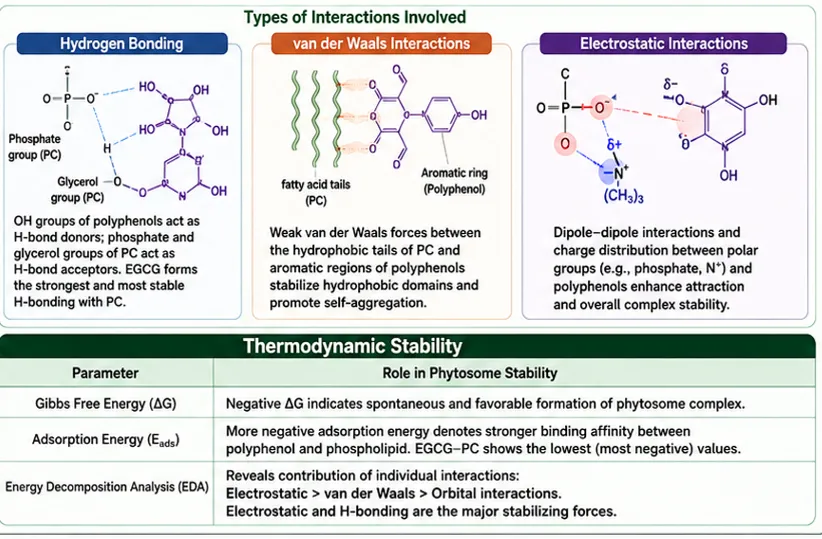
Figure 3 Type of bonding involve in Phytosomes
4. COMPUTATIONAL APPROACHES IN PHYTOSOME DESIGN
Computational approaches have become powerful tools in the rational design and optimization of phytosomal drug delivery systems. These techniques provide molecular-level insights into the interactions between phospholipids and phytochemicals, helping researchers understand the stability, binding mechanisms, membrane permeability, and overall behavior of phytosomes before experimental validation. Modern computational methods such as density functional theory (DFT), molecular docking, molecular dynamics (MD), and steered molecular dynamics (SMD) simulations have significantly accelerated the development of efficient phytosomal formulations with improved therapeutic performance.
4.1 Density Functional Theory (DFT)
Density functional theory (DFT) is one of the most widely used quantum mechanical approaches for investigating molecular interactions in phytosomal systems. DFT enables detailed analysis of the electronic structure, charge distribution, and intermolecular interactions between phospholipids and polyphenolic compounds at the atomic level.
One of the major applications of DFT in phytosome research is hydrogen bond analysis. Polyphenols contain multiple hydroxyl (–OH) groups that interact strongly with phosphate and glycerol groups of phosphatidylcholine through hydrogen bonding. DFT calculations help determine the number, strength, and geometry of these interactions, which are critical for phytosome stability (Hashemzadeh et al., 2023). Computational studies have shown that EGCG forms the strongest hydrogen-bond network with phosphatidylcholine because of its high number of hydroxyl groups and flexible structure.
DFT is also extensively used to evaluate electronic density distribution within phytosomal complexes. Electronic density mapping allows visualization of electron-rich and electron-deficient regions involved in intermolecular interactions. Such analyses help identify active binding sites and explain the polarity and stability of phytosome systems (Raissi & Farzad, 2020).
Another important application of DFT is the calculation of interaction energy between phytochemicals and phospholipids. Lower interaction energy values generally indicate stronger and more stable complex formation. DFT-derived thermodynamic parameters such as adsorption energy and Gibbs free energy provide valuable information regarding the spontaneity and stability of phytosome formation (Hashemzadeh et al., 2023).
4.2 Molecular Docking
Molecular docking is a computational technique used to predict the preferred orientation and binding affinity between two interacting molecules. In phytosome research, docking studies are commonly employed to investigate the interactions between polyphenolic compounds and phospholipid molecules.
One major application of molecular docking is predicting phytochemical–phospholipid affinity. Docking algorithms estimate the binding energy and interaction patterns between phosphatidylcholine and different polyphenols such as EGCG, quercetin, curcumin, and resveratrol. Compounds exhibiting stronger binding affinity are generally expected to form more stable phytosomal complexes with enhanced membrane permeability and bioavailability (Lu et al., 2019).
Docking studies also provide detailed binding site analysis by identifying the specific regions involved in intermolecular interactions. These analyses reveal how hydroxyl groups of polyphenols interact with phosphate, glycerol, and choline groups of phosphatidylcholine through hydrogen bonding and electrostatic interactions. Understanding these binding orientations is important for designing stable and efficient phytosomal formulations.
Furthermore, molecular docking serves as a rapid and cost-effective screening tool for evaluating multiple phytochemicals before experimental formulation studies. This approach reduces both experimental workload and development time in phytosome research.
4.3 Molecular Dynamics Simulation
Molecular dynamics (MD) simulation is a powerful computational approach used to study the dynamic behavior and structural evolution of phytosomal systems over time under simulated physiological conditions. Unlike static docking models, MD simulations provide detailed information regarding molecular motion, stability, flexibility, and self-assembly processes.
One of the key applications of MD simulation in phytosome research is studying self-aggregation behavior. During phytosome formation, phospholipids and polyphenols spontaneously organize into stable nanostructures through hydrogen bonding, hydrophobic interactions, and electrostatic forces. MD simulations help visualize this self-assembly process and evaluate the compactness and stability of the resulting complexes (Hashemzadeh et al., 2023).
MD simulations are also widely used for stability analysis of phytosomal formulations. Parameters such as root mean square deviation (RMSD) are commonly calculated to evaluate structural stability during simulation. Lower RMSD fluctuations generally indicate a more stable phytosomal system. Studies have reported that EGCG-phosphatidylcholine complexes exhibit relatively low RMSD values due to strong hydrogen bonding interactions (Hashemzadeh et al., 2023).
Another important parameter is the radius of gyration (Rg), which reflects the compactness of the phytosomal structure. Smaller and stable Rg values suggest tighter molecular packing and improved structural integrity. MD studies have shown that stable phytosomal complexes maintain compact conformations throughout simulation time.
Hydrogen bond persistence analysis is also crucial in evaluating phytosome stability. Persistent hydrogen bonds throughout the simulation indicate strong molecular interactions and enhanced resistance to dissociation in aqueous environments. In many studies, EGCG-based phytosomes demonstrate greater hydrogen bond persistence compared with other polyphenolic systems.
Overall, MD simulations provide valuable insights into the molecular behavior, flexibility, and long-term stability of phytosomal nanocarriers under biological conditions.
4.4 Steered Molecular Dynamics
Steered molecular dynamics (SMD) is an advanced simulation technique used to investigate molecular transport and membrane permeation processes by applying external mechanical forces to molecules. In phytosome research, SMD simulations are particularly useful for studying how phytosomal complexes interact with biological membranes.
One important application of SMD is the investigation of membrane penetration mechanisms. During oral absorption and cellular uptake, phytosomes must cross lipid bilayers efficiently. SMD simulations help evaluate the force required for phytosomal complexes to penetrate membrane structures and identify the molecular interactions involved in this process (Hashemzadeh et al., 2023).
SMD also provides important information regarding transport energetics. Parameters such as pulling force, work profiles, and energy barriers are analyzed to determine the ease of membrane translocation. Lower energy barriers generally indicate better membrane permeability and improved delivery efficiency.
Another important application is predicting cellular uptake behavior. By simulating the interaction between phytosomes and model lipid membranes, SMD studies can estimate the ability of phytosomal systems to enter cells and release bioactive compounds intracellularly. These predictions are valuable for optimizing phytosomal formulations intended for cancer therapy, targeted drug delivery, and oral administration.
Recent computational studies have demonstrated that strong hydrogen bonding and amphiphilic organization significantly enhance the membrane permeation ability of phytosomal complexes. These findings highlight the importance of computational approaches in guiding the rational design of highly efficient phytosomal drug delivery systems.
5. IMPORTANT POLYPHENOLS USED IN PHYTOSOMES
Polyphenols are among the most extensively investigated phytochemicals in phytosome-based drug delivery systems because of their remarkable therapeutic potential and relatively low toxicity. However, the majority of these compounds suffer from poor physicochemical and pharmacokinetic properties, including low aqueous solubility, chemical instability, rapid metabolism, and limited membrane permeability. Phytosome technology has emerged as an effective strategy to overcome these limitations by improving the absorption, stability, and bioavailability of polyphenols through molecular complexation with phospholipids (Lu et al., 2019).
5.1 Epigallocatechin Gallate (EGCG)
Epigallocatechin gallate (EGCG), the principal catechin present in green tea, is widely recognized for its potent antioxidant and anticancer activities. EGCG has shown promising therapeutic effects against several cancers, including breast, prostate, colon, and lung cancer, mainly through regulation of apoptosis, oxidative stress, angiogenesis, and inflammatory signaling pathways (Kanlaya & Thongboonkerd, 2019). Despite its strong biological activity, EGCG exhibits poor chemical stability under physiological conditions and undergoes rapid degradation and oxidation, resulting in limited bioavailability.
Phytosome-based delivery systems significantly improve the stability and membrane permeability of EGCG. Molecular studies have demonstrated that EGCG forms strong hydrogen bonds with phosphatidylcholine because of its multiple hydroxyl groups, resulting in highly stable phytosomal complexes (Hashemzadeh et al., 2023). Enhanced membrane permeation and improved protection against oxidative degradation contribute to better therapeutic efficacy of EGCG phytosomes.
5.2 Quercetin
Quercetin is a naturally occurring flavonoid widely distributed in fruits, vegetables, onions, and medicinal plants. It possesses strong anti-inflammatory, antioxidant, antiviral, and anticancer properties. Quercetin exerts anti-inflammatory effects mainly through inhibition of NF-κB, MAPK, and pro-inflammatory cytokine signaling pathways (Li et al., 2016). However, its clinical application is limited due to poor aqueous solubility and low gastrointestinal absorption.
Phytosomal formulations have been shown to improve the oral absorption and bioavailability of quercetin by increasing its lipid compatibility and membrane transport. The interaction between quercetin and phosphatidylcholine enhances solubility and protects the compound from premature degradation in the gastrointestinal tract (Barani et al., 2021). As a result, quercetin phytosomes demonstrate improved pharmacokinetic behavior and greater therapeutic effectiveness compared with free quercetin.
5.3 Resveratrol
Resveratrol is a naturally occurring stilbene polyphenol found in grapes, berries, peanuts, and red wine. It has attracted considerable attention due to its cardioprotective, antioxidant, anti-aging, neuroprotective, and anticancer activities. Resveratrol helps reduce oxidative stress, modulate inflammatory pathways, and improve endothelial function, thereby contributing to cardiovascular protection (Malaguarnera, 2019).
Despite these therapeutic advantages, resveratrol suffers from rapid metabolism and poor systemic bioavailability because of extensive first-pass metabolism in the liver and intestine. Phytosome technology helps overcome these limitations by enhancing the stability and sustained release behavior of resveratrol. Complexation with phospholipids prolongs circulation time and improves tissue distribution, leading to enhanced therapeutic activity and reduced metabolic degradation.
5.4 Luteolin
Luteolin is a flavonoid commonly present in celery, parsley, green pepper, chamomile, and other medicinal herbs. It exhibits strong antioxidant, anti-inflammatory, antimicrobial, and anticancer activities. Luteolin has also shown neuroprotective potential through suppression of oxidative stress and inflammatory mediators (Imran et al., 2019).
However, luteolin exhibits poor water solubility and limited oral bioavailability, which restrict its therapeutic application. Incorporation into phytosomal systems improves the physicochemical stability and absorption of luteolin by increasing its interaction with biological membranes. Studies have shown that luteolin phytosomes possess improved stability and enhanced antioxidant activity compared with free luteolin formulations (Barani et al., 2021).
5.5 Curcumin
Curcumin, the major bioactive constituent of turmeric (Curcuma longa), is one of the most extensively studied natural compounds because of its potent anticancer, antioxidant, anti-inflammatory, and antimicrobial properties. Curcumin regulates multiple signaling pathways associated with cancer progression, inflammation, and apoptosis (Prasad et al., 2014). However, its clinical application remains challenging due to extremely poor oral absorption, low aqueous solubility, rapid metabolism, and fast systemic elimination.
Phytosome-based curcumin formulations have demonstrated significantly enhanced systemic exposure and improved bioavailability compared with conventional curcumin preparations. Phospholipid complexation increases membrane permeability and protects curcumin from metabolic degradation. Several studies have reported that curcumin phytosomes exhibit superior therapeutic efficacy, prolonged circulation time, and enhanced cellular uptake, making them promising candidates for cancer therapy and inflammatory disorders (Lu et al., 2019).
Table 1. Important Polyphenols Used in Phytosomes
|
Polyphenol |
Major Activity |
Major Limitation |
Benefit of Phytosome |
|
EGCG |
Anticancer |
Poor stability |
Enhanced permeability and stability |
|
Quercetin |
Anti-inflammatory |
Poor solubility |
Improved absorption and bioavailability |
|
Resveratrol |
Cardioprotective |
Rapid metabolism |
Sustained release and prolonged circulation |
|
Luteolin |
Antioxidant |
Low bioavailability |
Improved physicochemical stability |
|
Curcumin |
Anticancer |
Poor oral absorption |
Enhanced systemic exposure and uptake |
7. THERAPEUTIC APPLICATIONS
Phytosome technology has attracted considerable attention in biomedical research because of its ability to improve the delivery, stability, and therapeutic performance of polyphenolic compounds. By enhancing membrane permeability and protecting phytochemicals from degradation, phytosomes have demonstrated promising applications in cancer therapy, neuroprotection, inflammatory disorders, and cardiometabolic diseases.
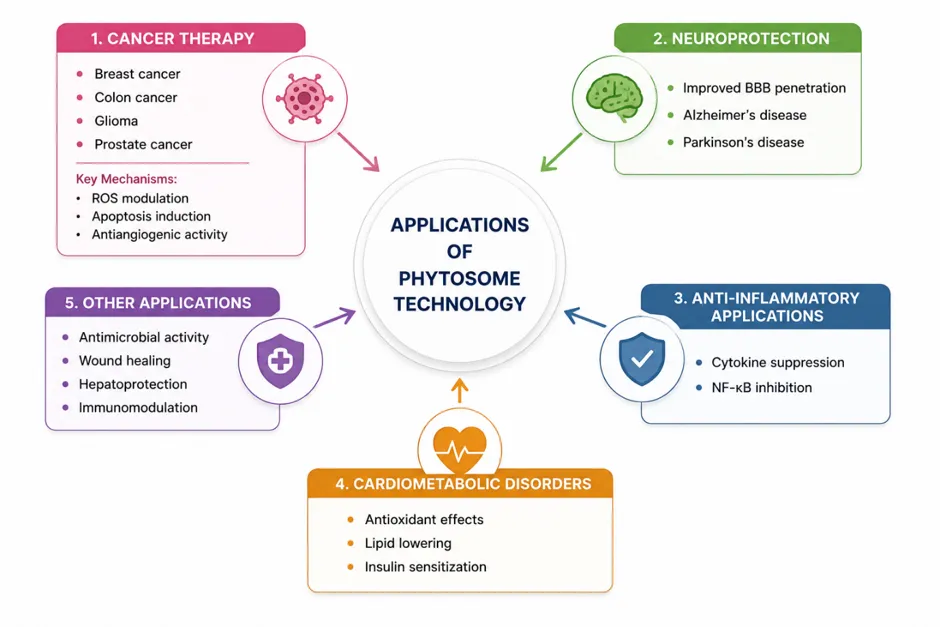
Figure 4 Applications of Phytosomes
7.1 Cancer Therapy
Polyphenol-loaded phytosomes have shown substantial therapeutic potential against various cancers due to their improved cellular uptake, prolonged circulation time, and enhanced bioavailability. Several studies have reported that phytosomal formulations increase the anticancer efficacy of polyphenols compared with their free forms.
Breast cancer remains one of the leading causes of cancer-related mortality among women worldwide. Polyphenols such as EGCG, quercetin, and curcumin exhibit significant anticancer effects against breast cancer cells by regulating oxidative stress, apoptosis, and inflammatory signaling pathways. Phytosomal formulations improve the intracellular delivery of these compounds, leading to enhanced inhibition of tumor cell proliferation and metastasis (Barani et al., 2021).
Curcumin phytosomes, in particular, have shown improved therapeutic activity in breast cancer models due to enhanced membrane penetration and increased systemic exposure. EGCG phytosomes also suppress estrogen receptor signaling and reduce angiogenesis in breast cancer tissues.
Colon cancer is strongly associated with oxidative stress and chronic inflammation. Polyphenol phytosomes have demonstrated the ability to inhibit colon cancer cell growth through ROS-mediated apoptosis and modulation of inflammatory pathways. Quercetin and resveratrol phytosomes have shown improved cytotoxicity against colon cancer cells compared with free compounds because of enhanced cellular uptake and sustained release properties (Lu et al., 2019).
Glioma treatment remains challenging due to poor drug penetration across the blood–brain barrier (BBB). Phytosomal systems offer advantages in improving brain delivery of polyphenols because phospholipid-based carriers possess higher membrane compatibility. Curcumin and resveratrol phytosomes have demonstrated increased uptake into glioma cells and enhanced induction of apoptosis through mitochondrial dysfunction and ROS generation (Maiti et al., 2021).
Polyphenols such as EGCG and resveratrol have shown inhibitory effects against prostate cancer progression through suppression of androgen receptor signaling, oxidative stress reduction, and apoptosis induction. Phytosome formulations improve the bioavailability and tissue distribution of these compounds, thereby enhancing their anticancer potential (Hashemzadeh et al., 2023).
Mechanisms of Anticancer Activity
ROS Modulation
Reactive oxygen species (ROS) play a dual role in cancer progression and cell death. Polyphenol phytosomes help regulate intracellular ROS levels by increasing oxidative stress in cancer cells while protecting normal cells from oxidative damage. Enhanced ROS generation in tumor cells promotes mitochondrial dysfunction and apoptotic signaling.
Phytosomal polyphenols activate intrinsic and extrinsic apoptotic pathways by regulating proteins such as Bax, Bcl-2, caspases, and cytochrome c. Improved cellular uptake of phytosomal formulations leads to stronger apoptosis induction and tumor growth inhibition.
Tumor angiogenesis is essential for cancer growth and metastasis. Polyphenol phytosomes suppress angiogenesis by inhibiting vascular endothelial growth factor (VEGF), hypoxia-inducible factor-1α (HIF-1α), and inflammatory mediators. This reduces tumor vascularization and limits cancer progression.
7.2 Neuroprotection
Polyphenols have demonstrated significant neuroprotective effects because of their antioxidant and anti-inflammatory properties. However, poor blood–brain barrier (BBB) penetration often limits their effectiveness in neurological disorders. Phytosome technology improves BBB permeability and enhances the delivery of polyphenols to brain tissues.
Blood–Brain Barrier (BBB) Penetration
The phospholipid-based structure of phytosomes enhances lipid membrane interaction, facilitating transport across the BBB. Improved brain uptake has been reported for curcumin, quercetin, and resveratrol phytosomes, resulting in better neuroprotective outcomes compared with free compounds (Puglia et al., 2018).
In Alzheimer’s disease, oxidative stress, neuroinflammation, and amyloid-β accumulation contribute to neuronal degeneration. Polyphenol phytosomes reduce oxidative damage, inhibit amyloid aggregation, and suppress neuroinflammatory signaling pathways. Curcumin phytosomes, in particular, have shown improved neuroprotective activity due to enhanced brain bioavailability.
Parkinson’s disease is characterized by dopaminergic neuronal loss and oxidative stress. Polyphenol phytosomes help reduce neuronal inflammation and oxidative injury while improving mitochondrial function. Resveratrol and quercetin phytosomes have demonstrated protective effects against neurodegeneration in experimental Parkinson’s disease models.
7.3 Anti-inflammatory Applications
Chronic inflammation is associated with various diseases including arthritis, cardiovascular disorders, neurodegeneration, and cancer. Polyphenol phytosomes exhibit potent anti-inflammatory effects due to improved absorption and prolonged circulation.
Phytosomal polyphenols suppress the production of pro-inflammatory cytokines such as TNF-α, IL-1β, IL-6, and COX-2. Improved bioavailability allows stronger inhibition of inflammatory mediators compared with conventional formulations (Li et al., 2016).
NF-κB is a major transcription factor involved in inflammatory signaling. Polyphenol phytosomes inhibit NF-κB activation, thereby reducing inflammatory responses and oxidative stress. Curcumin and quercetin phytosomes have shown significant suppression of NF-κB-mediated inflammation in both in vitro and in vivo studies.
7.4 Cardiometabolic Disorders
Polyphenol phytosomes have also shown therapeutic benefits in cardiometabolic diseases including diabetes, obesity, hypertension, and atherosclerosis.
Oxidative stress is a key contributor to cardiovascular and metabolic disorders. Polyphenol phytosomes enhance antioxidant defense systems by scavenging free radicals and increasing antioxidant enzyme activity. Improved stability and absorption contribute to stronger antioxidant effects compared with free polyphenols.
Resveratrol and quercetin phytosomes have demonstrated lipid-lowering effects by reducing LDL cholesterol, triglycerides, and lipid peroxidation. Improved bioavailability enhances their ability to regulate lipid metabolism and vascular function.
Polyphenol phytosomes improve glucose metabolism and insulin sensitivity through regulation of inflammatory pathways, oxidative stress, and insulin signaling mechanisms. Curcumin and EGCG phytosomes have shown promising antidiabetic effects in experimental models by improving insulin response and reducing hyperglycemia.
Overall, phytosome technology significantly enhances the therapeutic potential of polyphenols across multiple disease conditions by improving stability, absorption, membrane permeability, and targeted delivery.
8. CHALLENGES AND FUTURE PERSPECTIVES
Despite the significant progress achieved in phytosome technology, several scientific and translational challenges still limit its large-scale clinical application. One of the major concerns is the lack of standardized formulation protocols. Variations in phospholipid composition, preparation methods, particle size, and phytochemical concentration can greatly influence the stability, bioavailability, and therapeutic efficacy of phytosomal systems. In many studies, differences in experimental conditions make it difficult to compare results and establish universally accepted manufacturing standards (Lu et al., 2019). Furthermore, maintaining long-term physicochemical stability remains challenging because phytosomes may undergo aggregation, oxidation, or leakage of active compounds during storage.
Another important limitation is the insufficient availability of clinical and toxicological data. Although numerous in vitro and in vivo studies have demonstrated promising therapeutic outcomes, only a limited number of phytosomal formulations have progressed to clinical evaluation. The long-term safety, biodistribution, metabolism, and pharmacokinetic behavior of phytosome-based nanocarriers are still not fully understood. Regulatory approval also remains a challenge because there are no globally harmonized guidelines specifically designed for phytosomal nanomedicines. The complexity of nanocarrier characterization, reproducibility, and quality control further complicates regulatory acceptance and industrial translation (Barani et al., 2021).
Large-scale production and commercialization of phytosomes also present technical and economic challenges. Advanced preparation methods such as supercritical fluid processing and nanoengineering techniques require specialized equipment, high operational costs, and skilled personnel. In addition, scale-up processes may alter particle size distribution, encapsulation efficiency, and structural integrity, affecting the final therapeutic performance of the formulation. Therefore, the development of cost-effective, reproducible, and scalable manufacturing technologies remains essential for future commercialization.
Despite these limitations, the future of phytosome technology appears highly promising due to rapid advancements in nanotechnology, computational chemistry, and personalized medicine. Emerging computational approaches such as artificial intelligence (AI), machine learning, and molecular simulation techniques are expected to accelerate the rational design and optimization of phytosomal systems. These technologies can predict molecular interactions, stability, membrane permeability, and drug release behavior before experimental formulation, thereby reducing development time and research costs (Hashemzadeh et al., 2023). In addition, hybrid phytosomal systems incorporating polymers, targeting ligands, or stimuli-responsive materials may further improve targeted drug delivery and therapeutic specificity.
Future research should also focus on improving targeted delivery, controlled release mechanisms, and organ-specific accumulation of phytosomal formulations. The integration of phytosomes with precision medicine strategies could enable personalized treatment approaches based on patient-specific disease profiles. Moreover, expanding clinical studies and establishing standardized regulatory frameworks will be critical for translating phytosome technology from laboratory research to clinical and commercial applications. With continued interdisciplinary research and technological innovation, phytosomes have the potential to become highly effective and clinically relevant delivery platforms for natural bioactive compounds.
CONCLUSION
Phytosome technology has emerged as a highly promising strategy for improving the delivery and therapeutic performance of polyphenolic compounds. By forming stable molecular complexes between phospholipids and phytochemicals, phytosomes significantly enhance the solubility, membrane permeability, stability, and bioavailability of polyphenols that otherwise suffer from poor pharmacokinetic properties. The molecular interactions governing phytosome formation, particularly hydrogen bonding, van der Waals forces, and electrostatic interactions, play crucial roles in determining the stability and functionality of these nanocarriers.
Recent advances in computational approaches such as density functional theory (DFT), molecular docking, molecular dynamics (MD), and steered molecular dynamics (SMD) simulations have provided valuable molecular-level insights into phytosome behavior, self-aggregation, membrane permeation, and thermodynamic stability. These techniques have accelerated the rational design and optimization of phytosomal systems while reducing formulation time and experimental costs.
Polyphenol-loaded phytosomes have demonstrated considerable therapeutic potential in cancer therapy, neuroprotection, inflammatory disorders, and cardiometabolic diseases due to their enhanced cellular uptake and improved pharmacological activity. Among the investigated polyphenols, EGCG, quercetin, resveratrol, luteolin, and curcumin have shown particularly promising outcomes when formulated as phytosomal complexes.
Despite these advancements, several challenges remain, including formulation standardization, large-scale production, long-term stability, regulatory approval, and limited clinical evidence. Future research should focus on developing scalable manufacturing processes, improving targeted delivery systems, and integrating computational modeling with experimental nanotechnology. In addition, artificial intelligence and machine learning approaches may further enhance the design of next-generation phytosomal formulations with improved therapeutic precision and clinical applicability.
Overall, phytosome technology represents a versatile and effective platform for the delivery of natural bioactive compounds and holds substantial potential for future pharmaceutical and biomedical applications.
REFERENCES

Prachi Sharma, Ashish Aggarwal, Phytosome Technology for Polyphenol Delivery: Molecular Interactions, Computational Insights, and Therapeutic Applications, Int. J. of Pharm. Sci., 2026, Vol 4, Issue 6, 2069-2086. https://doi.org/10.5281/zenodo.20595374
 10.5281/zenodo.20595374