

We use cookies to ensure our website works properly and to personalise your experience. Cookies policy
Raj Kumar Goel Institute of Technology, Ghaziabad, Uttar Pradesh, 201003, India.
Progressive memory loss, synaptic malfunction, oxidative stress, and persistent neuroinflammation are hallmarks of neurodegenerative diseases and age-related cognitive decline, which are significant worldwide health issues. Interest in plant-based nutraceutical techniques for memory improvement and neuroprotection has increased due to the growing drawbacks of traditional pharmacotherapy, such as its low effectiveness and side effects. Flavonoids, alkaloids, terpenoids, and phenolic acids are among the many bioactive compounds found in phytochemicals derived from medicinal plants like Bacopa monnieri, Curcuma longa, Ginkgo biloba, and Withania somnifera. These compounds target several pathological pathways linked to cognitive dysfunction. According to preclinical data, these nutraceuticals scavenge reactive oxygen species and activate endogenous defense mechanisms including the Nrf2/ARE pathway to provide antioxidant benefits.Additionally, they reduce neuroinflammatory signaling mediated by NF-?B and pro-inflammatory cytokines, improve synaptic plasticity by upregulating brain-derived neurotrophic factor (BDNF), and modify cholinergic transmission by inhibiting acetylcholinesterase. Furthermore, a number of substances derived from plants target the fundamental causes of neurodegeneration by reducing tau hyperphosphorylation, improving mitochondrial function, and attenuating amyloid-beta aggregation. Following a nutraceutical intervention, learning behavior, spatial memory, and biochemical antioxidant indicators are consistently improved in animal models of memory impairment, such as scopolamine-induced amnesia, chronic stress paradigms, and transgenic models of Alzheimer-like disease. There are still issues with bioavailability, standardization, and clinical translation despite encouraging mechanistic and preclinical results. All things considered, plant-based nutraceuticals provide a multitargeted and mechanistically sound strategy for memory improvement and neuroprotection, which calls for more carefully, planned clinical research to confirm their long-term effectiveness and therapeutic potential.
One of the biggest global public health and socioeconomic issues is cognitive decline and neurodegenerative illnesses. Memory, executive function, language, and behavior impairment, as well as progressive neuronal degeneration and synaptic loss, are hallmarks of disorders like Parkinson's and Alzheimer's [1]. Alzheimer's disease is the primary cause of cognitive impairment in older persons, accounting for between 60 and 70 percent of all dementia cases worldwide. More than 55 million individuals worldwide suffer from dementia, according to recent epidemiological estimates, and this figure is expected to rise to over 130 million by 2050 as a result of demographic aging and longer life expectancies [2].
The financial cost is similarly significant. The yearly worldwide cost of dementia care, which includes medical bills, social services, and unpaid caring, has topped $1 trillion USD and is predicted to grow over the next several decades. These diseases cause caregivers and families to experience significant psychological and social stress in addition to financial pressure [3]. In addition to neurodegenerative illnesses with a clinical diagnosis, 15–20% of people over 60 suffer from moderate cognitive impairment (MCI), which frequently acts as a bridge between dementia and normal aging [4]. Cognitive diseases are becoming more common due to a number of factors, including age-related cognitive decline, stress-induced memory loss, vascular cognitive dysfunction, diabetes-related cognitive deficiencies, and neurocognitive alterations linked with metabolic syndrome. Cognitive decline results from intricate and interconnected pathogenic pathways at the molecular and cellular levels [5].
Oxidative stress is a major factor because, although making up just 2% of body weight, the brain uses around 20% of all oxygen, making it very susceptible to damage from reactive oxygen species (ROS) [6]. In neurodegenerative diseases, elevated lipid peroxidation, protein oxidation, and DNA damage have all been repeatedly noted. A vicious cycle of brain damage is created when mitochondrial malfunction worsens energy deficiencies and raises ROS production. Pro-inflammatory cytokines including TNF-α, IL-1β, and IL-6 are continuously produced as a result of chronic neuroinflammation caused by activated microglia and astrocytes [7]. Excessive glutamate signaling excitotoxicity causes calcium overload and neuronal death. Memory impairments are directly caused by impaired cholinergic neurotransmission, specifically decreased acetylcholine levels in the cortex and hippocampus.
Furthermore, tau protein hyperphosphorylation and the pathological buildup of amyloid-beta plaques impair synaptic integrity and neural transmission. Neuronal survival and synaptic plasticity are hampered by decreased levels of neurotrophic factors, such as brain-derived neurotrophic factor (BDNF) [8]. The fact that mitochondrial impairment, oxidative stress, inflammation, protein aggregation, and synaptic dysfunction all coexist highlights how complex cognitive decline is. As a result, treatment techniques that focus on a single route are frequently insufficient, highlighting the necessity of multitargeted therapies that may simultaneously modulate many interrelated pathways [9].
Current pharmaceutical therapies do not alter the condition; rather, they merely provide symptomatic alleviation, despite advancements in neuroscience. For example, NMDA receptor antagonists like memantine and acetylcholinesterase inhibitors like donepezil are frequently used in the treatment of Alzheimer's disease [10]. Although these medications may slow the course of symptoms or offer slight cognitive enhancements, their benefits are transient and frequently linked to negative side effects like nausea, lightheadedness, and cardiovascular issues. Furthermore, no presently authorized drug reliably stops neuronal deterioration or recovers lost cognitive function, and treatment response varies greatly among individuals. The critical need for safer, multitargeted, and preventative methods is highlighted by this therapeutic constraint [11].
Enthusiasm in plant-based nutraceuticals for cognitive health has increased as a result of growing discontent with traditional therapy. Bioactive substances obtained from food or medicinal plants that provide health advantages beyond simple nourishment are known as nutraceuticals. The antioxidant, anti-inflammatory, anti-apoptotic, and neurotrophic qualities of these substances are being investigated more and more [12].
Ayurveda, Traditional Chinese Medicine, and other ethnomedical systems have long utilized traditional medicinal herbs including Bacopa monnieri, Ginkgo biloba, Withania somnifera, and Curcuma longa to improve brain clarity and memory. According to recent pharmacological research, its phytochemicals which include phenolic compounds, alkaloids, terpenoids, and flavonoids modify a number of neuronal pathways that are important for cognitive function [13].
By maintaining cellular homeostasis, mitochondrial function, and synaptic integrity, neuroprotection refers to methods that stop or reduce neuronal damage. It includes reducing excitotoxicity, activating endogenous antioxidant systems like the Nrf2 pathway, inhibiting neuroinflammatory signals (like the NF-κB pathway), and modulating oxidative stress [14].
On the other hand, memory enhancement aims to improve hippocampus function, neurotransmitter balance, synaptic plasticity, and learning processes. Acetylcholinesterase inhibition, brain-derived neurotrophic factor (BDNF) overexpression, long-term potentiation (LTP) augmentation, and defense against amyloid-beta-induced synaptic toxicity are important processes. Crucially, pleiotropic effects are frequently seen by plant-based nutraceuticals, which concurrently target memory-enhancing and neuroprotective pathways [15].
With a focus on molecular insights and preclinical data, this review aims to thoroughly investigate plant-based nutraceutical techniques for memory improvement and neuroprotection. The main phytochemicals and medicinal plants, their molecular targets, and the signaling pathways involved in cognitive regulation will all be examined in this review [16]. It will also assess results from animal and in vitro models of memory impairment, talk about standardization and bioavailability issues, and point up areas for further research. This study aims to offer a scientific basis for the logical development of plant-derived nutraceuticals as prospective therapeutic or preventative methods for neurodegenerative diseases and cognitive decline by fusing experimental data with molecular knowledge [17].
A comprehensive and systematic literature search was conducted to identify relevant studies evaluating plant-based nutraceuticals for memory enhancement and neuroprotection. Multiple electronic databases were searched to ensure broad coverage of biomedical, pharmacological, and interdisciplinary research. The primary databases included PubMed, Scopus, Web of Science, and ScienceDirect [18].
To capture grey literature and minimize publication bias, additional searches were performed using Google Scholar. Reference lists of relevant review articles and selected primary studies were also manually screened to identify additional eligible publications. The search covered studies published up to the most recent available date prior to manuscript preparation [19].
The search strategy was designed to identify studies focusing on phytochemicals, herbal extracts, and nutraceutical compounds with reported cognitive or neuroprotective effects. Keywords and controlled vocabulary terms were combined using Boolean operators (AND, OR) to refine the search and increase specificity.
Representative search strings included:
Additional combinations incorporated related terms such as “oxidative stress,” “neuroinflammation,” “synaptic plasticity,” “mitochondrial dysfunction,” and “animal models.” Truncation and wildcard symbols were applied where appropriate to capture variations in terminology.
Studies were included based on predefined eligibility criteria to ensure scientific rigor and relevance. Eligible publications were:
Both mechanistic cellular studies and animal behavioral models of cognitive impairment were considered to provide a comprehensive overview of preclinical evidence.
Studies were excluded if they met any of the following conditions:
Review articles were excluded from primary data synthesis but were used for background information and reference tracking.
The study selection process was conducted in multiple stages. Initially, titles and abstracts were screened to exclude clearly irrelevant articles. Potentially eligible studies were then subjected to full-text assessment to determine final inclusion.
For each selected study, relevant data were systematically extracted, including plant source, specific bioactive compounds, type of extract, experimental model (cell line or animal model), dosage and duration of treatment, biomarkers assessed (e.g., oxidative stress markers, inflammatory cytokines, antioxidant enzymes), and reported cognitive or behavioral outcomes. This structured methodology ensured transparency, reproducibility, and comprehensive coverage of the available preclinical evidence supporting plant-based nutraceutical strategies for memory enhancement and neuroprotection [14].
Complex, interconnected molecular and cellular abnormalities that gradually reduce neuronal survival, synaptic transmission, and network connectivity are the cause of cognitive decline and neurodegenerative diseases. Pathological pathways that overlap between conditions like Parkinson's disease and Alzheimer's disease include oxidative stress, chronic neuroinflammation, protein aggregation, mitochondrial dysfunction, cholinergic deficiencies, and impairment of synaptic plasticity. These mechanisms work in concert to hasten cognitive decline and neuronal damage [20].
A major factor in the development and advancement of neurodegeneration is oxidative stress. Because of its high oxygen demand (about 20% of total body oxygen), high lipid content, and comparatively limited antioxidant ability, the brain is especially susceptible. Overproduction of reactive oxygen species (ROS) causes DNA damage, protein oxidation, and lipid peroxidation [21]. Neurodegenerative diseases have been repeatedly linked to elevated levels of oxidized nucleic acids, 4-hydroxynonenal (4-HNE), and malondialdehyde (MDA).
A vicious cycle of oxidative damage is created when the mitochondrial electron transport chain malfunctions, increasing the generation of ROS [22]. By causing cytochrome c release and caspase activation, oxidative stress damages membrane integrity, inhibits ion channel function, and initiates apoptotic pathways. Cumulative oxidative damage impairs neuronal survival over time and is a direct cause of memory loss [23].
Another indicator of cognitive deterioration is chronic neuroinflammation. When oxidative stress, protein aggregation, or neuronal damage occur, microglia—the central nervous system's resident immune cells—become continuously active. Pro-inflammatory cytokines including TNF-α, IL-1β, and IL-6 are released by activated microglia along with nitric oxide and other ROS [24].
Prolonged stimulation results in chronic inflammatory signaling, synaptic dysfunction, and neuronal death, even if acute inflammatory responses may be helpful at first. The inflammatory cascade is sustained by the activation of transcription factors like NF-κB, which leads to progressive neurodegeneration. Astrocyte reactivity interferes with neuronal-glial communication and intensifies inflammatory reactions [25].
One of the main characteristics of Alzheimer's disease pathogenesis is protein aggregation and misfolding. Amyloid-β (Aβ) peptides build up extracellularly to create plaque, which disrupts synaptic transmission and sets off inflammatory reactions [26]. Because they cause oxidative stress and disturb calcium homeostasis, Aβ oligomers are especially hazardous.
Neurofibrillary tangles are caused by aberrant hyperphosphorylation of the tau protein within cells. Axonal transport and neural transmission are disrupted by tau dysfunction, which also affects microtubule stability. Progressive cognitive decline, neuronal shrinkage, and synaptic loss are all caused by the combined load of tau tangles and Aβ plaques [27].
Calcium homeostasis and neural energy metabolism depend on mitochondria. Reduced ATP synthesis, decreased oxidative phosphorylation, and increased ROS formation are all consequences of mitochondrial dysfunction in neurodegenerative diseases. Cellular integrity is further jeopardized by changes in mitochondrial dynamics, such as diminished fusion or excessive fission [28].
When damaged mitochondria are cleared by defective mitophagy, malfunctioning organelles accumulate, increasing oxidative stress and apoptosis. High-demand brain areas like the cortex and hippocampus, which are critical for learning and memory functions, are especially impacted by energy deficiencies [29].
According to the cholinergic hypothesis, decreased acetylcholine levels in the hippocampus and cerebral cortex are closely linked to cognitive loss, especially in Alzheimer's disease. Memory encoding and retrieval are hampered by the reduction in neurotransmitter availability caused by cholinergic neuron degeneration in the basal forebrain [30]. Neurotransmitter depletion is made worse by increased activity of acetylcholinesterase (AChE), the enzyme that breaks down acetylcholine. The therapeutic use of AChE inhibitors to treat symptoms is based on this shortcoming; however, the underlying neurodegenerative processes are not addressed by these therapies [31].
Learning and memory formation depend on synaptic plasticity, especially long-term potentiation (LTP). Through protein aggregation, inflammatory signaling, and oxidative damage, neurodegeneration impairs synapse structure and function. Neuronal survival and synaptic remodeling are hampered by decreased expression of neurotrophic factors, such as brain-derived neurotrophic factor (BDNF) [32]. Synaptic connection is further compromised by NMDA receptor dysfunction, aberrant glutamatergic signaling, and dendritic spine loss. Synaptic failure is thought to be the main cause of early memory impairments because synaptic integrity is more important for cognitive function than neuronal quantity alone [33].
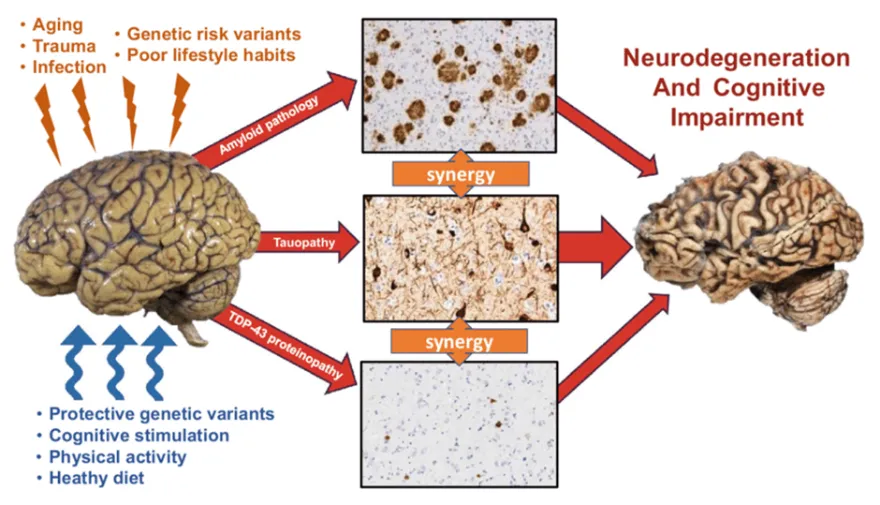
Fig 1: Pathophysiology of Cognitive Decline and Neurodegeneration [34]
Nutraceuticals derived from plants have neuroprotective benefits by addressing the fundamental pathogenic aspects of cognitive decline through multitargeted molecular pathways. Phytochemicals alter interrelated oxidative, inflammatory, amyloidogenic, cholinergic, and synaptic signaling pathways, in contrast to single-target synthetic medications. The primary mechanistic areas of plant-derived neuroprotection are described in the sections that follow [35].
One of the main causes of neuronal damage in conditions like Alzheimer's disease is oxidative stress. Flavonoids, phenolic acids, and polyphenols produced from plants have potent antioxidant qualities that both directly and indirectly combat reactive oxygen species (ROS) [36]. Direct scavenging of free radicals, including peroxynitrite, hydroxyl radicals, and superoxide anions, is one of the main processes. In order to stabilize these reactive species and stop lipid peroxidation, protein oxidation, and DNA damage in neuronal cells, phytochemicals give hydrogen atoms or electrons [37].
Plant bioactives improve endogenous antioxidant defense mechanisms in addition to direct scavenging. They restore redox equilibrium in neurons by upregulating important antioxidant enzymes such as glutathione peroxidase (GPx), catalase (CAT), and superoxide dismutase (SOD). Activation of the Nrf2 (nuclear factor erythroid 2–related factor 2) pathway is a key regulatory mechanism [38]. Nrf2 moves to the nucleus in response to oxidative stress and attaches itself to antioxidant response elements (ARE), which stimulates the transcription of genes including heme oxygenase-1 (HO-1) and NAD(P)H quinone oxidoreductase 1 (NQO1) that are involved in detoxification and antioxidant defense. Numerous polyphenols found in plants increase Nrf2 activity, bolstering inherent neural resistance to oxidative damage [39].
Cognitive impairment is greatly influenced by chronic neuroinflammation. Compounds originating from plants modulate redox-sensitive signaling pathways to provide strong anti-inflammatory actions. One of the main targets is the suppression of the transcription factor NF-κB pathway, which controls the production of pro-inflammatory mediators [40]. Inflammatory cytokines including TNF-α, IL-1β, and IL-6, which are frequently increased in neurodegenerative diseases, are produced less when NF-κB activation is suppressed. By reducing inflammatory cascades and microglial activation, phytochemicals prevent secondary neuronal injury and maintain synaptic function [41].
Furthermore, a variety of plant chemicals decrease inflammatory gene expression and apoptotic signaling via modulating mitogen-activated protein kinase (MAPK) pathways. These substances break the vicious loop that connects oxidative stress and neuroinflammation by acting as both antioxidants and anti-inflammatory drugs [42].
Aggregation of proteins is a characteristic of Alzheimer's disease. Through a variety of processes, plant-based bioactives prevent the development and aggregation of amyloid-beta (Aβ). By reorienting cleavage into the non-amyloidogenic route, they alter the processing of amyloid precursor protein (APP) and decrease the production of Aβ [43].
Several phytochemicals have been shown to inhibit β-secretase (BACE1), the enzyme that starts amyloidogenic processing of APP. Plant chemicals reduce plaque formation and Aβ production by decreasing BACE1 activity. Moreover, certain flavonoids decrease synaptotoxic effects by preventing Aβ oligomerization and fibril formation [44]. By preventing aberrant tau hyperphosphorylation, which compromises microtubule integrity and axonal transport, plant-derived substances also exhibit anti-tau characteristics. Neuronal integrity is enhanced and neurofibrillary tangle development is decreased when kinases like GSK-3β are modulated [45].
The core theory of cognitive impairment is still the cholinergic deficiency hypothesis. Acetylcholinesterase (AChE), the enzyme that breaks down acetylcholine, is mostly inhibited by plant-based nutraceuticals, which promote cholinergic neurotransmission [46].
Phytochemicals improve memory encoding and retrieval by increasing synaptic acetylcholine availability through AChE inhibition. Similar to low-dose pharmaceutical inhibitors, several plant alkaloids and flavonoids have moderate but notable AChE inhibitory action. Acetylcholine production may also be further promoted by certain plant extracts that increase choline acetyltransferase activity. By doing these things, plant substances aid in reestablishing neurotransmitter balance without the severe side effects that are frequently connected to synthetic cholinesterase inhibitors [47].
Beyond only avoiding harm, neuroprotection also includes enhancing synaptic plasticity and neuronal survival. Numerous plant bioactives alter intracellular signaling pathways to promote neurogenesis and synaptic plasticity [48].
One important mechanism is the upregulation of brain-derived neurotrophic factor (BDNF). Learning and memory are supported by BDNF, which also promotes dendritic development, neuronal survival, and long-term potentiation (LTP). Synaptic connection is strengthened and BDNF production is increased when cAMP response element-binding protein (CREB) signaling is activated [49]. Additionally, substances produced from plants control pro-survival pathways such MAPK/ERK signaling cascades and PI3K/Akt. These pathways are activated to facilitate synaptic plasticity, prevent apoptosis, and increase neuronal survival. In preclinical studies, phytochemicals increase cognitive function via increasing CREB phosphorylation and modifying downstream neurotrophic signaling [50].
Table 1: Mechanistic Basis of Plant-Based Neuroprotection
|
Mechanistic Domain |
Key Molecular Targets/Pathways |
Mechanisms of Action |
Neuroprotective Outcomes |
|
Antioxidant Mechanisms |
Reactive oxygen species (ROS) |
Direct scavenging of superoxide anions, hydroxyl radicals, peroxynitrite |
Reduction of lipid peroxidation, protein oxidation, and DNA damage [51] |
|
Endogenous antioxidant enzymes (SOD, CAT, GPx) |
Upregulation of antioxidant defense enzymes |
Restoration of neuronal redox balance |
|
|
Nrf2–ARE pathway |
Activation of Nrf2 leading to increased expression of HO-1 and NQO1 |
Enhanced cellular resilience against oxidative injury [52] |
|
|
Anti-inflammatory Actions |
NF-κB pathway |
Inhibition of NF-κB activation |
Reduced transcription of pro-inflammatory mediators |
|
Pro-inflammatory cytokines (TNF-α, IL-1β, IL-6) |
Decreased cytokine production |
Attenuation of neuroinflammation and microglial activation |
|
|
MAPK signaling pathways |
Modulation of inflammatory and apoptotic signaling |
Prevention of secondary neuronal damage |
|
|
Anti-amyloidogenic Effects |
Amyloid precursor protein (APP) |
Shift toward non-amyloidogenic processing |
Decreased amyloid-β (Aβ) formation [53] |
|
β-secretase (BACE1) |
Enzymatic inhibition |
Reduced amyloid plaque generation |
|
|
Aβ aggregation pathways |
Inhibition of oligomerization and fibril formation |
Protection against synaptotoxicity |
|
|
Anti-tau Effects |
Tau protein |
Inhibition of hyperphosphorylation |
Reduced neurofibrillary tangle formation [54] |
|
GSK-3β kinase |
Modulation of kinase activity |
Improved microtubule stability and axonal transport |
|
|
Cholinergic Modulation |
Acetylcholinesterase (AChE) |
Enzyme inhibition |
Increased synaptic acetylcholine levels |
|
Choline acetyltransferase |
Enhancement of enzyme activity |
Improved acetylcholine synthesis |
|
|
Neurogenesis & Synaptic Plasticity |
Brain-derived neurotrophic factor (BDNF) |
Upregulation of BDNF expression |
Enhanced neuronal survival and synaptic growth |
|
CREB signaling |
Increased CREB phosphorylation |
Improved learning and memory processes [55] |
|
|
PI3K/Akt and MAPK/ERK pathways |
Activation of pro-survival signaling cascades |
Promotion of neurogenesis and inhibition of apoptosis |
The multitarget mechanisms and acceptable safety profiles of plant-based nutraceuticals have made them intriguing treatment options for memory improvement. Numerous botanicals with notable neuroprotective effects have been identified by extensive preclinical research.
The ability of Bacopa monnieri to improve cognition is well known. Its neuropharmacological effects are caused by its main active ingredients, bacosides, particularly bacoside A. By scavenging reactive oxygen species and boosting endogenous antioxidant enzymes including SOD, CAT, and GPx, bacopa has potent antioxidant activity. Additionally, it increases synaptic acetylcholine levels by inhibiting acetylcholinesterase, which modifies cholinergic transmission. Preclinical research in animal models shows enhancements in memory retention, synaptic plasticity, and spatial learning, especially in the hippocampus [56].
Ginkgolides and bilobalide are among the bioactive flavonoids and terpenoids found in ginkgo biloba. These substances enhance cerebral blood flow via vasodilatory processes and have anti-inflammatory and antioxidant qualities. Ginkgo extracts mitigate oxidative stress, prevent ischemia and amyloid-induced cognitive deficits, and decrease neuronal death in experimental animals. Further supporting neuronal survival and better cognitive results is its capacity to boost mitochondrial activity [57].
One polyphenol with well-established neuroprotective qualities, curcumin, is found in the rhizome of Curcuma longa leaves. Curcumin lowers neuroinflammatory signaling through NF-κB suppression, modifies the processing of amyloid precursor proteins, and prevents amyloid-β aggregation. Additionally, it strengthens antioxidant defenses by activating the Nrf2 pathway. Preclinical research shows better cognitive function and less amyloid load, but poor bioavailability is still a translational hurdle [58].
Other botanicals with noteworthy preclinical evidence include Vaccinium corymbosum-derived anthocyanin-rich blueberries that improve synaptic signaling and increase BDNF expression; Camellia sinensis, which is rich in EGCG with antioxidant and anti-amyloidogenic properties; Rosmarinus officinalis, which supports cholinergic function; and Withania somnifera, which promotes neurite outgrowth and decreases neuroinflammation [59].
Table 2: Major Plant-Based Nutraceuticals with Memory-Enhancing Potential
|
Plant Source |
Key Active Constituents |
Primary Mechanisms |
Preclinical Cognitive Evidence |
|
Bacopa monnieri |
Bacosides (notably bacoside A), saponins |
Antioxidant (ROS scavenging); upregulation of SOD, CAT, GPx; acetylcholinesterase inhibition; enhancement of cholinergic transmission |
Improved spatial learning and memory retention; enhanced hippocampal synaptic plasticity in animal models [60] |
|
Ginkgo biloba |
Flavonoids (quercetin, kaempferol); terpenoids (ginkgolides, bilobalide) |
Antioxidant and anti-inflammatory effects; enhancement of cerebral blood flow; mitochondrial protection |
Reduced neuronal apoptosis; protection against ischemic and amyloid-induced cognitive impairment |
|
Curcuma longa |
Curcumin (polyphenolic curcuminoid) |
Inhibition of amyloid-β aggregation; modulation of APP processing; NF-κB inhibition; Nrf2 activation |
Reduced amyloid burden; improved cognitive performance in Alzheimer’s preclinical models [61] |
|
Withania somnifera |
Withanolides |
Antioxidant and anti-inflammatory actions; neurite outgrowth promotion; cholinergic support |
Enhanced memory performance and reduced neuroinflammation in experimental models |
|
Camellia sinensis |
Epigallocatechin gallate (EGCG), catechins |
Antioxidant; anti-amyloidogenic; mitochondrial stabilization |
Improved learning behavior; attenuation of oxidative stress and amyloid toxicity \ |
|
Rosmarinus officinalis |
Rosmarinic acid, carnosic acid |
Antioxidant; anti-inflammatory; cholinergic modulation |
Protection against oxidative neuronal damage; improved memory-related performance [62] |
|
Vaccinium corymbosum (Blueberry) |
Anthocyanins |
Upregulation of BDNF; anti-inflammatory; enhancement of synaptic signaling |
Improved cognitive function and synaptic plasticity in aging models |
Preclinical studies offer fundamental proof of the plant-based nutraceuticals' capacity to improve memory and preserve the nervous system. These investigations assess behavioral outcomes, molecular indicators linked to cognitive function, and mechanistic pathways using both in vitro and in vivo experimental models.
Neuronal cell lines including PC12, SH-SY5Y, and primary hippocampus neurons are frequently used in in vitro research to investigate the cytoprotective and mechanistic effects of plant bioactives. To mimic neurodegenerative diseases, these models are subjected to oxidative stressors (such hydrogen peroxide), amyloid-β peptides, or inflammatory stimuli [63]. The capacity of phytochemicals to lower the formation of reactive oxygen species, stop apoptosis, stop amyloid accumulation, and alter intracellular signaling pathways such Nrf2, NF-κB, PI3K/Akt, and MAPK is evaluated. Dose-dependent cellular responses and molecular targets may be thoroughly investigated in these regulated systems [64].
Neuroprotective effects are functionally validated in animal models. While amyloid-β (Aβ)-induced models imitate amyloid toxicity, scopolamine-induced amnesia models are frequently employed to mimic cholinergic dysfunction. Progressive neuropathological symptoms are further replicated in transgenic mice with Alzheimer's disease that produce mutant tau or APP proteins. When given in these models, plant-derived nutraceuticals have been shown to enhance memory and learning, lower the amyloid load, lessen oxidative stress, and suppress neuroinflammation [65].
Standardized behavioral tests are used to assess cognitive ability. Passive avoidance tests examine associative learning and memory consolidation, the Morris water maze measures spatial learning and memory retention, and the Y-maze measures working memory and spontaneous alternation behavior. After receiving phytochemical therapy, improvements in escape latency, alternation percentage, and retention latency are frequently recorded [66].
Preclinical research measures cholinergic indicators like acetylcholinesterase (AChE) activity, antioxidant enzymes like superoxide dismutase (SOD), and oxidative stress markers like malondialdehyde (MDA). To assess synaptic plasticity and neuronal survival, neurotrophic factors in particular, brain-derived neurotrophic factor, or BDNF are also measured. Improved cognitive results are consistently correlated with lower levels of MDA and AChE as well as higher expression of SOD and BDNF [67].
In preclinical models, dose-dependent effects are commonly seen. Particular dosage ranges usually yield the best cognitive effects, however very high dosages may result in moderate toxicity or decreased efficacy. These results emphasize how crucial uniform dosing procedures and pharmacokinetic assessment are to easing the transition to clinical research [68].
Moreover, variations in extract composition, bioactive content, administration method, and treatment duration can all lead to variations in dose-response relationships. Standardized extracts with predetermined concentrations of active phytochemicals are necessary to guarantee study comparability and repeatability [69]. Furthermore, the effectiveness of treatment is greatly influenced by elements such metabolic stability, blood–brain barrier permeability, bioavailability, and interaction with other signaling pathways. Optimizing translational potential and creating well-structured clinical trials will need thorough pharmacokinetic and pharmacodynamic profiling, which includes determining the minimal effective dosage and no-observed-adverse-effect level (NOAEL) [70].
Pharmacokinetic constraints, extract composition heterogeneity, and regulatory obstacles often restrict the clinical translation of plant-based nutraceuticals, despite their excellent mechanistic and preclinical evidence for neuroprotection and memory improvement. Therefore, a thorough grasp of formulation techniques, safety, central nervous system (CNS) distribution, and bioavailability is necessary for effective therapeutic development [71].
Despite oral administration is still the most convenient and patient-friendly methods of delivering nutraceuticals, many phytochemicals have low oral bioavailability. Low aqueous solubility, chemical instability in gastrointestinal disorders, restricted intestinal permeability, fast phase I and phase II metabolism, and significant first-pass hepatic clearance are important limiting factors [72]. For example, polyphenolic substances are susceptible to conjugation processes (glucuronidation, sulfation, and methylation) and oxidation, which lowers the amounts of active aglycone forms in the bloodstream [73].
Furthermore, certain phytochemicals can be actively expelled back into the intestinal lumen by efflux transporters such P-glycoprotein (P-gp) and multidrug resistance-associated proteins (MRPs), which further restricts absorption [74]. Variations in gut microbiota across individuals also affect how plant components are biotransformed, producing metabolites with varying biological activities. These intricacies emphasize the necessity of metabolic profile and pharmacokinetic optimization while also contributing to variation in treatment responses [75].
Sufficient penetration across the blood–brain barrier is essential for neuroprotection and cognitive improvement. Together, endothelial cells, tight junction proteins, astrocytic end-feet, and pericytes make up the BBB, a highly selective interface that prevents xenobiotics from entering the central nervous system. BBB permeability is determined by molecular properties such transporter affinity, hydrogen bonding ability, lipophilicity, and molecular weight (usually less than 500 Da) [76].
The CNS accumulation of many plant-derived chemicals is limited because they are either excessively hydrophilic or substrates of efflux transporters. Additionally, before active forms reach the brain, systemic metabolism might lower their concentration. To increase the effectiveness of CNS targeting, strategies that increase lipophilicity, shield drugs from premature metabolism, or take advantage of receptor-mediated transcytosis pathways are being investigated more and more [77].
Novel formulation approaches have been created to get around pharmacokinetic obstacles. Polymeric nanoparticles, solid lipid nanoparticles, nanostructured lipid carriers, nanoemulsions, dendrimers, and liposomes are examples of nanotechnology-based systems that enhance solubility, guard against enzymatic degradation, and provide controlled or prolonged release. By using endocytosis or transcytosis processes, these carriers can improve gastrointestinal absorption and make it easier for the BBB to penetrate [78].
By complexing phytochemicals with phospholipids, phytosome technology increases membrane permeability and boosts systemic bioavailability. Micellar systems and cyclodextrin inclusion complexes also improve solubility and stability [79]. In preclinical studies, surface modification of nanoparticles with targeting ligands (such as lactoferrin or transferrin) has occasionally shown enhanced brain delivery. Crucially, these cutting-edge methods may lower necessary dosages while simultaneously improving pharmacokinetic profiles, reducing the possibility of side effects and preserving therapeutic efficacy [80].
Because of their natural nature and long history of usage in traditional medicine, plant-based nutraceuticals are usually regarded as safe. Low acute toxicity and high safety margins are frequently reported in preclinical toxicity assessments. However, safety cannot be taken for granted. Excessive consumption may result in hepatotoxicity, gastrointestinal issues, or changes in hematological markers, according to dose escalation studies [81].
Another crucial factor to take into account is herb-drug interactions, especially in older populations where people may be on many drugs [82]. The pharmacokinetics of medications taken together may be impacted by certain phytochemicals that change drug transporter function or influence cytochrome P450 enzymes. To provide thorough safety profiles, long-term safety investigations, evaluations of reproductive toxicity, and post-marketing surveillance are necessary [83].
Inconsistency in extract composition is a significant obstacle in nutraceutical research. Phytochemical concentration can be greatly impacted by differences in plant species, geographic origin, cultivation techniques, harvesting time, drying techniques, and extraction solvents. The repeatability of clinical results and experimental discoveries is compromised in the absence of standardization [84].
Regulatory compliance, uniformity, and dependability are guaranteed by standardized extracts with specified amounts of marker chemicals. For quality control, sophisticated analytical methods including mass spectrometry, fingerprint profiling, and high-performance liquid chromatography (HPLC) are used. Product safety and consistency are further supported by adherence to Good Manufacturing Practices (GMP) and Good Agricultural and Collection Practices (GACP). Bridging the gap between experimental research and evidence-based clinical application will need the establishment of verified pharmacokinetic parameters, therapeutic dosage ranges, and bioequivalence criteria [85].
Preclinical data is mounting that plant-based nutraceuticals have the potential to improve memory and provide neuroprotection. These bioactives work mechanistically by addressing the fundamental pathophysiological mechanisms that underlie cognitive decline through integrated and multitarget pathways. By scavenging reactive oxygen species and triggering endogenous antioxidant defenses like the Nrf2 pathway, they reduce oxidative stress. At the same time, they reduce pro-inflammatory cytokines and block NF-κB signaling to control neuroinflammation. Additionally, several phytochemicals reduce tau hyperphosphorylation, restrict β-secretase activity, interfere with amyloidogenic processing, and improve cholinergic neurotransmission by inhibiting acetylcholinesterase. Crucially, by upregulating BDNF and modifying the CREB, PI3K/Akt, and MAPK pathways, a number of plant chemicals support neurogenesis and synaptic plasticity. Plant-based nutraceuticals differ from single-target pharmaceutical medicines due to their pleiotropic mechanism of action.
Phytochemicals' multitarget properties complement the complex nature of neurodegenerative diseases. Learning, memory retention, oxidative biomarkers, inflammatory mediators, and synaptic signaling are all continuously improved in preclinical models. Translational feasibility is being strengthened by advanced formulation techniques that improve bioavailability and central nervous system penetration, such as standardized extracts and nano-delivery systems. Variability in extract composition and pharmacokinetics, however, continues to be a hurdle that has to be methodically addressed.
There is currently a lack of strong clinical validation despite encouraging experimental evidence. Randomized, double-blind, placebo-controlled trials with sufficient sample numbers and defined outcome measures have to be given top priority in future studies. The identification of therapy benefits may be enhanced by stratification according to metabolic state, genetic risk factors, and illness stage. Clinical mechanistic interpretation will be improved by combining biomarker-based endpoints, such as neurotrophic factors, inflammatory cytokines, and oxidative stress markers, with cognition tests.
Combination therapies may provide synergistic advantages due to the intricate and interrelated mechanisms involved in neurodegeneration. Superior neuroprotective results may be achieved by logically combining complimentary phytochemicals that target amyloid disease, oxidative stress, inflammation, and synaptic dysfunction all at once. To guarantee therapeutic efficacy without unfavorable interactions, however, pharmacodynamic interactions, ideal dosage ratios, and safety profiles must be carefully examined.
Nutraceuticals derived from plants may be useful in preventative neurology, especially for those who are susceptible to age-related cognitive impairment. Nutraceutical strategies may help postpone the start and progression of illness when paired with lifestyle therapies including physical exercise, cognitive training, balanced eating, and metabolic risk management. To optimize therapeutic effect, future studies should investigate early-intervention techniques and long-term preventative approaches. To sum up, plant-based nutraceuticals provide a potential supplemental or adjunct strategy for neuroprotection and memory improvement. Converting mechanistic findings into useful therapeutic applications will need bolstering clinical data, refining formulations, and incorporating these drugs into all-encompassing preventative frameworks.
REFERENCES

Abhishek Saini, Anjali Singh, Dr. Sagarika Kabra, Ghanshyam, Sonali Sharma,Geetika Mehta, Rashmi Tripathi, Dr. Monika Sachdeva, Plant-Based Nutraceutical Strategies for Memory Enhancement and Neuroprotection: Mechanistic Insights and Preclinical Evidence, Int. J. of Pharm. Sci., 2026, Vol 4, Issue 6, 2390-2409, https://doi.org/10.5281/zenodo.20610568
 10.5281/zenodo.20610568