

We use cookies to ensure our website works properly and to personalise your experience. Cookies policy
Sri Ramachandra Faculty of Pharmacy, Sri Ramachandra Institute of Higher Education and Research (DU)
Raft-forming gastroretentive drug delivery systems (GRDDS) are advanced oral drug delivery systems that form a buoyant raft in contact with gastric fluid. This buoyant raft creates an effervescent system that traps CO2, thereby hindering gastroesophageal reflux and prolonging the retention of drug in the gastric milieu for targeted delivery and controlled release. This approach facilitates enhanced therapeutic effects, improves patient compliance, reduce the frequency of dosing, and decrease systemic adverse events. This review article describes the history, mechanisms, methods of preparation, evaluation and the current trends in raft-forming gastroretentive drug delivery systems. Rafts form through physical swelling of hydrophilic polymers, chemical gelation by carbon dioxide release, in situ physiological stimuli-responsive gelation and ionic crosslinking. Common polymers include sodium alginate, HPMC, pectin, gellan gum, carbopol, xanthan gum, guar gum, chitosan, poloxamers and methylcellulose. Multiple formulation approaches like liquid raft systems, in situ gelling formulations, multiparticulate systems, super porous hydrogels, bioadhesive rafts and nanotechnology integrated rafts have been employed. Critical quality attributes are analyzed using physical and performance tests like viscosity, raft strength, gelation capacity, density, raft floating lag time, raft floating duration, drug content, in vitro release, texture analysis and stability study. The complex nature of these systems can be studied using FTIR, DSC, XRD, SEM, micro-CT and CLSM. QbD and DoE have been successfully employed in designing and optimizing raft systems. In conclusion, raft forming GRDDS offer great promise for GERD and related diseases and subsequent developments are expected with integrated nanotechnology and AI.
The mechanism that creates rafts is fascinating because it aids in delivering medications like antacids to the stomach. When this raft-forming system touches the fluids in the stomach it makes a gel that creates a layer. This layer acts like a barrier that keeps things like acid and enzymes from getting into the esophagus [1]. The raft-forming system usually has something in it that helps make the gel. It also has some bicarbonates that make it lighter. This means the raft-forming system can float in the stomach fluids. The raft-forming system is a way to give people drugs. It helps the body absorb the medication better so the medicine works more effectively [2].The raft-forming system stays in the stomach for a while which helps reduce irritation. The raft-forming system is great for people who need medication for their stomach problems. The raft forming system is used a lot because it is a way to deliver medications slowly and steadily in the stomach and intestines. This system controls how the medicine is released keeping a steady level of medication in the blood. These special fluids stay liquid at room temperature [3]. The raft-forming system is a way to get medication to the stomach and the raft-forming system helps people feel better. The raft-forming system plays a crucial role in the administration of medication for gastrointestinal conditions, as it simplifies the process of taking the drugs [4].
2. History of GRDDS
Gastro retentive Drug Delivery Systems or GRDDS started in the 1960s to early 1970s. The main goal of Gastro retentive Drug Delivery Systems was to keep the medicine in our stomach for a time. This would help our body to absorb the medicine better and treat problems in our stomach. Over years Gastro retentive Drug Delivery Systems changed a lot [5]. At first Gastro retentive Drug Delivery Systems were big and heavy. Now Gastro retentive Drug Delivery Systems are very advanced. They can float, expand and even stick to the walls of our stomach. This helps Gastro retentive Drug Delivery Systems work better for medicines. There were systems called Floating Systems [6]. People used Floating Systems from the 1970s to the 1980s. These Floating Systems were special because they were lighter than the food and liquids in our stomach. So Floating Systems could float on top of everything in our stomach. Some of these Floating Systems were like tablets. When we took these tablets they would release a gas called carbon dioxide. This gas helped the tablets stay in our stomach for a time [7]. Gastro retentive Drug Delivery Systems, like these were very helpful. Then came the Expanding Systems and Swellable Systems from the 1980s to the 1990s. These systems were made of materials like hydrogels and polymers. When they got to the stomach they would get bigger or unfold. This stopped them from moving into the part of our digestive system too quickly. Now from the 2000s to the present Floating Systems and other systems are not the focus [8]. Modern Advancements include technologies like systems that stick to the mucous in our stomach and systems that are very dense made with things like zinc oxide or iron oxide. There are systems that use magnets to help treat specific areas of our stomach. For example these systems can help get rid of bacteria, like Helicobacter pylori [9].
3. Need for prolonged gastric retention
Raft-forming systems need prolonged gastric retention to maximize drug absorption, maintain localized action, and prevent acid reflux. By floating on stomach contents, they release medication continuously at targeted sites. This extended duration improves therapeutic efficacy while reducing dosing frequency and systemic side effects [10].
4. Scope and Objectives of Raft Systems in Treatment
Raft systems are made to make medicines work better when we take them by mouth. These Raft Systems form a kind of gel that floats on top of the food in our stomach after we take the medicine. The main goal of Raft Systems is to keep the medicine in our stomach for a time so it can work properly and release the drug in a controlled way [11]. Raft Systems are really useful for people with stomach problems like acid reflux, stomach ulcers and gastroesophageal reflux disease. The floating gel in Raft Systems acts like a barrier that stops stomach food from going up into our throat. Raft Systems can also help our body absorb medicines better and we may not need to take them as often [12]. This can make it easier for people to take their medicines and feel better. Now Raft Systems are not just used for antacids. Also for delivering other medicines, like antibiotics and anti-ulcer drugs to our stomach. This makes Raft Systems a great way to deliver medicines that need to stay in our stomach for a time to work properly [13].
5. Mechanism of raft systems
5.1 Based on Physical Mechanism
When we talk about activated raft-forming drug delivery systems we are looking at how these systems work. They form a gel or raft because of changes in conditions like how much water they absorb, how much they swell, how thick they become and how temperature affects them. These systems are usually made as liquids or thin solutions that have kinds of polymers that love water. When you take these systems by mouth they meet the stomach fluid. The polymers quickly absorb water and start to swell. This makes the polymer chains get bigger spread out and get all tangled up which leads to a gel network that is like a three-dimensional mesh [14]. The gel that forms, which people often call a raft is less dense than the stomach fluid around it so it floats on top of the stomach fluid. This floating raft works like a barrier that keeps the drug in the stomach for a time and helps it work better for a longer time. The polymers that are often used in these activated raft systems are sodium alginate, hydroxypropyl methylcellulose, xanthan gum, guar gum, carbopol and pectin. These are used because they can swell and form gels well [15]. These systems are good because they are simple to make do not need chemical reactions are easy to take and patients like them because they come in a liquid form. However, how well the raft works can depend on how the stomach moves and how well the raft can float which depends on how thick the polymersre how much they can swell and how strong the gel is. Some examples of activated raft-forming systems are special antacid suspensions that have alginate and formulations that swell and stay in the stomach for a long time to release the drug slowly [16]. Activated raft-forming drug delivery systems, like these are very useful. Activated raft-forming drug delivery systems work in a special way. They are made to help the drug stay in the stomach for a time. Activated raft-forming drug delivery systems have many advantages. They are simple and easy to use. Activated raft-forming drug delivery systems are a good way to give people the drugs they need [17].
5.2 Based on Chemical Mechanism
In raft-forming drug delivery systems that use a chemical reaction a gel- substance forms when the medicine meets the acidic environment of the stomach. This happens because of a chemical reaction between the medicines components and the stomachs acidic environment [18]. Many available raft-forming products work this way. These products usually contain a gelling agent like sodium alginate and a gas-producing agent like sodium bicarbonate, calcium carbonate or potassium bicarbonate.
Chemical Reactions
Carbon dioxide generation
NaHCO3+HCl→NaCl+H2O+CO2↑

Calcium alginate gel formation
2Alg-+Ca2+→Ca(Alg)2

When taken orally the medicine reaches the stomach. There it reacts with the stomachs acid and the carbonate or bicarbonate salts. This reaction produces carbon dioxide gas. At the time calcium ions from calcium carbonate interact with alginate molecules. This interaction helps create a calcium alginate gel network [19]. The carbon dioxide produced gets trapped in the gel making it less dense and able to float on the stomach’s contents. This floating structure, called a raft acts as a barrier. It helps keep the medicine in the stomach for a time and prevents stomach contents from flowing back into the esophagus. The main reaction involves sodium bicarbonate reacting with acid [20]. This produces sodium chloride, water and carbon dioxide gas. Calcium ions help link alginate chains together to form calcium alginate gel. Some common components of these systems are Sodium alginate, Calcium carbonate, Sodium bicarbonate, Potassium bicarbonate. These systems have benefits. They can form a raft quickly provide buoyancy and stay in the stomach for a longer time. They are also effective in managing gastroesophageal reflux disease (GERD). However, their performance depends on the stomach acidity level. Sometimes they can cause discomfort or bloating due, to gas production. Examples of these systems include Gaviscon formulations. Other examples are alginate–bicarbonate drug delivery systems [21].
5.3 Based on Physiological Stimuli Mechanism
Systems that form gels in the body work because of conditions in the stomach and intestines. These conditions include changes in acidity, salt concentration, presence of proteins or temperature. When these systems are taken they stay liquid.. When they enter the stomach the body conditions make them form a gel.[22]
5.3.1 Acid-Triggered Systems
Some materials stay liquid at one level of acidity. Form a gel at another. The system is liquid when it is made. When it meets the environment of the stomach the material changes. The materials chains come together to form a gel. Materials Used are Carbopol,Polyacrylic acid derivatives, Chitosan. The gel forms where it is needed. The drug is released in a controlled way [23].
5.3.2 Ion-Activated Systems
The system forms a gel when it meets salts that are naturally in stomach fluid. The material interacts with salts like calcium, sodium or magnesium. These salts help form a gel that floats. Materials used are Sodium alginate, Gellan gum, Pectin. Sodium alginate turns into a gel when it meets calcium ions [24].
5.3.3 Temperature-Sensitive Systems
These systems turn from liquid to gel at body temperature. The system stays liquid at room temperature. When it reaches body temperature (around 37°C) the materials chains change. The gel. Stays in the stomach for a longer time. Materials used are Poloxamer 407, Poloxamer 188, Methylcellulose. Advantages are easy to take quickly forms a gel in the stomach.[25]
5.3.4 Enzyme-Responsive Systems
Some materials form a gel when they meet proteins, in body fluids. The proteins change the materials structure. This change helps form a gel and release the drug in a controlled way. Applications are Delivering drugs to targets. Making formulations that stay in the stomach and release drugs slowly [26].
6. Anatomy and Physiology of stomach
The success of GRDDS depends on how we understand the stomach and how it empties food. The human stomach has three parts: the fundus, the body and the antrum which is also called the pylorus. After we eat our stomach can hold about one liter of food [27]. This can be different for each person and it can be as little as 250 milliliters or as much as 500 milliliters when we are not eating. The part of the stomach, which is made up of the fundus and the body stores food that has not been digested yet while the lower part, the antrum mixes the food. The antrum is like a pump that helps move food out of the stomach by pushing it [28]. The pylorus is like a door that separates the stomach from the duodenum. It helps decide how long food stays in the stomach. The stomach is made up of three parts: The body of the stomach, pylorus, fundus of the stomach [29]. GRDDS relies on the stomach and how it works so we need to understand the stomach and its parts, like the fundus, the body and the antrum to make GRDDS successful [30]. As illustrated in Figure 1, the stomach consists of various anatomical compartments such as the fundus, body, pyloric antrum, and pylorus, which are connected to the esophagus and the duodenum. This arrangement of compartments in the stomach is related to the functions of storing, mechanical processing, digestive process in the stomach, and the emptying of the stomach contents
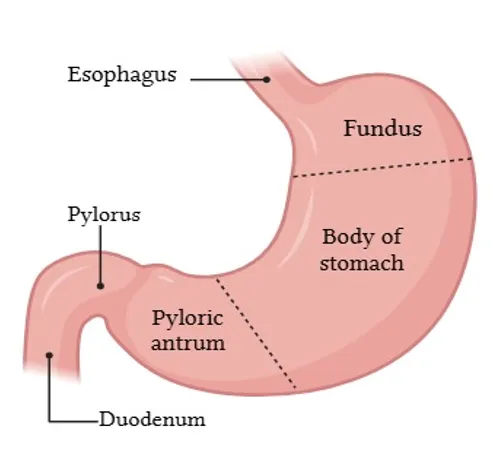
Figure 1. Schematic illustration of the stomach depicting its different anatomical compartments and gastrointestinal connections[31].
6.1 Gastric Motility
Gastric motility is driven by a mix of muscle activity, nerve signals and hormones. Interstitial cells of Cajal (ICC) help generate waves, about 3 cycles per minute. These slow waves begin along the curve of the stomach. Move towards the pylorus. This movement helps to coordinate muscle contractions in the part of the stomach. If the ICC or nerve signals are disrupted it can cause problems with stomach movement [32]. This can lead to conditions like Gastroparesis (stomach paralysis) When we are not eating the stomach has a pattern. It is called the migrating motor complex or MMC. The MMC repeats every 90 to 120 minutes. Its main job is to clear out any leftover food, from the stomach. Phase I: This phase lasts 40-60 minutes with no contractions, slow waves. Phase II: This phase lasts 30-50 minutes with contractions that get stronger. Phase III: This phase lasts 5-10 minutes with regular contractions at 3 cycles per minute moving contents through the stomach. Phase IV: This is a transition back to no contractions This process helps prevent overgrowth by acting like the stomach is grinding food [33].
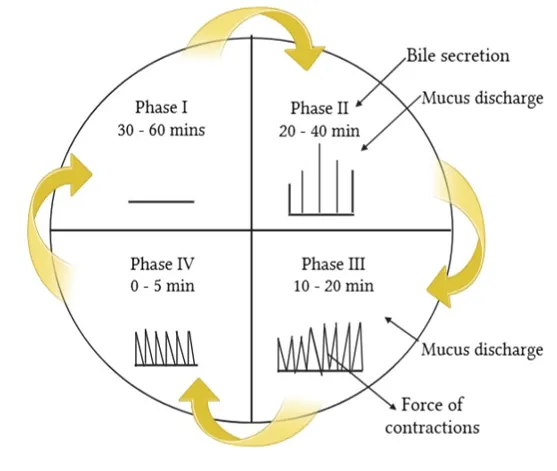
Figure 2.Illustration of the four stages of the gastric migrating motor complex (MMC) [34].
When we eat, the MMC Is replaced by steady contractions in the upper stomach for accommodation. The lower stomach also shows waves to grind food into small particles. The contractions start irregularly then become more organized moving food through the stomach and into the intestine [35]. Nutrient feedback from the intestine slows down stomach emptying. We can visualize motility as a cycle: MMC forms a 90–120-minute loop, with different phases. After eating it shifts to a pattern lasting 2-4 hours with stomach waves grinding solids before emptying [36].
7. Materials Used in Raft Systems
7.1Natural Polymers
The use of natural polymers in the preparation of raft forming drug delivery system has become quite common owing to their biocompatibility, biodegradability, and safety. These polymers have the ability to readily swell upon contact with gastric fluids, which then leads to the formation of viscous gel leading to formation of raft [37]. Natural polymers commonly employed for this purpose include sodium alginate, pectin, guar gum, xanthan gum, chitosan, and carrageenan. Sodium alginate is the most preferred one amongst these polymers owing to its excellent gelling property under acidic conditions [38].
7.2 Synthetic Polymers
Synthetic polymers find application in raft formulations in order to provide greater mechanical strength, viscosity, stability, and sustained-release properties. Examples of synthetic polymers commonly applied include hydroxypropyl methyl cellulose (HPMC), carbopol, polyvinyl alcohol (PVA), polyethylene oxide (PEO), and methacrylates [39]. Synthetic polymers may be used either individually or together with natural polymers for enhancing raft properties and increasing gastric retention period. The use of synthetic polymers ensures higher repeatability of the formulation and provides more accurate control over polymer swelling rate and drug release profile [40].
7.3 Alginates and Pectin Derivatives
Alginates and pectin derivatives represent the main gelling agents used in raft-forming systems. Sodium alginate, isolated from brown algae, exhibits ion-induced gelation when exposed to calcium ions, thereby creating a tough and floatable gel structure [41]. Pectin is another natural polysaccharide obtained from plants, which also gels due to cross-linking with the help of calcium ions. Both polymers have received high attention because they readily form a floatable raft upon exposure to gastric fluid. Such a gel serves as a physical barrier preventing gastroesophageal reflux, at the same time regulating drug delivery [42].
7.4 Gas-Generating Agents
Gas-generating agents play a crucial role as an important constituent that makes raft systems buoyant. Gas-generating agents commonly used include sodium bicarbonate, potassium bicarbonate, calcium carbonate, and magnesium carbonate. These materials react to produce carbon dioxide upon coming into contact with hydrochloric acid present in the stomach [43]. The produced gas gets trapped inside the gel structure, thus decreasing its density and making the raft float in the contents of the stomach. Floating improves retention, prolonged residence of the drug in the stomach, and hence increasing the efficacy of the formulation [44].
7.5 Cross-Linking Agents
Cross-linking agents are essential in reinforcing the gel matrix of raft formulations. Among the widely utilized cross-linkers are calcium salts, including calcium carbonate, calcium chloride, calcium sulfate, and calcium lactate [45]. Cross-linking agents dissociate and release calcium ions which bind with the alginate or pectin chain to create a three-dimensional gel system via ionic cross-linking. This leads to an increase in the mechanical properties of the gel with enhanced strength, stability, and motility tolerance. With appropriate optimization, cross-linking agents are capable of producing a stable raft formulation [46].
7.6 Biomaterials
under Research With the progress of raft-based systems for drug delivery, various innovative biomaterials are under investigation with an intent to develop more efficient therapeutic strategies. Biomaterials that are currently being investigated include modified polysaccharides, thiolated polymers, hydrogel nanocomposites, bioadhesive polymers, intelligent stimuli-sensitive polymers, and biodegradable nanoparticles [47]. Such biomaterials will allow achieving better mucoadhesion, developing strong gel systems, delivering drugs specifically to certain targets, and prolonging the residence time of the system in the stomach. Certain biomaterials used in raft-based systems can react to pH levels, temperature, or ions in the environment, allowing for site-specific release of medications [48].
8. Drugs suitable for raft forming system
Drugs with a window absorption in the stomach and intestines such as Riboflavin and Levodopa. Drugs mainly absorbed in the stomach and upper intestines like Calcium supplements, chlordiazepoxide and cinnarizine [49]. Drugs that work directly in the stomach for example: Antacids and Misoprostol. Drugs that break down in the colon such as Ranitidine HCI and Metronidazole. Medicines like Amoxicillin Trihydrate can change the bacteria in the colon [50].
Table 1. Some representative drugs for use in raft forming gastro-retention drug delivery systems
|
Therapeutic Class |
Drugs |
Roles |
|
Antacid agents
|
Alginate-based antacid formulations
|
The medicine works inside the stomach. Helps to reduce the symptoms of acid reflux. This is what it does to help people who have acid reflux. The stomach is where the medicine does its job and it helps to make the symptoms of reflux less severe. Acid reflux is a problem that the medicine tries to solve by working inside the stomach [51]. |
|
Anti-ulcer medications
|
Misoprostol
|
The idea is to slow down the movement of food from the stomach, to the intestines. This way the body can get the most out of the medicine, which's the therapeutic effect of the medicine. The therapeutic effect of the medicine will last longer because the stomach is holding onto the food for a time [52]. |
|
Antimicrobial agents
|
Amoxicillin
|
The goal is to make the stomach keep the medicine for a period, which is very important, for effectively getting rid of Helicobacter pylori [53]. |
|
Drugs with limited absorption windows |
Riboflavin, Levodopa
|
The formulation of the drug is very important. It needs to be in the right place, which is the upper gastrointestinal tract, for the best results [54]. |
|
Anti-reflux medications
|
Ranitidine
|
The goal is to keep the medicine in contact with the environment, for an extended period. This will really help improve how well the medicine works. The medicine and the gastric environment need to work for a longer time to get the best results [55]. |
9. Polymers for raft forming systems
9.1 Sodium alginate
Sodium alginate is a substance that comes from nature. It is used a lot to make medicines that float on the stomach. When sodium alginate meets the acid in the stomach and some other things like calcium it makes a special kind of gel really fast. This gel is like a float that sits on top of the food in the stomach. It helps the medicine stay in the stomach for a time and it stops the food from coming back up into the throat [56]. Sodium alginate is a choice for making these floating medicines because it is safe for the body it breaks down easily it is not poisonous and it makes a great float. That is why sodium alginate is used much to make special medicines that stay in the stomach and release the drug slowly and it is also used to make medicines that help with heartburn and other stomach problems. Sodium alginate is really good, at making these floating systems, which's why it is used for both medicines that help with heartburn and medicines that release the drug slowly [57].
9.2 Pectin
Pectin, a natural polymer, is widely used in drug delivery systems since it forms gels nicely. When it meets gastric fluids, it creates a stable, floating viscous gel. Pectin is biocompatible, meaning it doesn't irritate or toxify tissue, and biodegradable too, which means the body can break it down easily. Because of these traits, pectin works well in gastroretentive formulations, boosting how long the drug stays in the stomach and improving its release at the right spot. So, it both controls drug delivery and keeps a good safety record [58].
9.3 Guar gum
Guar gum is a natural polysaccharide that's commonly used in drug delivery systems. It helps create rafts and keeps things gastroretentive because it swells and forms gels really well. When used as a swelling agent, guar gum quickly takes on water in the stomach, growing into a big gel network. This process makes and keeps the raft stable, which stops stuff from leaving the stomach too fast. The gum slows down how quick the drug spreads out, making it last longer. So, not only does it improve how well the medicine works, but it also lets you take fewer doses and keeps drug levels nice and steady in your gut [59].
9.4 Chitosan
Chitosan is a natural polymer used a lot in raft-forming drug delivery systems. It sticks really well to the gastric mucosal surface, which makes the drug stay in the stomach longer. Because of this, it helps create stronger gel structures that keep the medication in contact with the stomach lining for more time [60]. This longer contact boosts how well the body absorbs the drug, making treatments work better and allowing for continuous release. So, chitosan is pretty valuable when it comes to developing next-level gastro retentive formulations [61].
9.5 Hydroxypropyl Methylcellulose (HPMC)
Hydroxypropyl Methylcellulose (HPMC) and Carbopol are key synthetic polymers in raft-forming drug delivery systems to boost gastric retention and make treatments work better. HPMC acts mainly as a release-retardant, forming a thick gel that slows down drug diffusion. This keeps the drug hanging around longer and ensures steady release. As a result, it helps maintain constant drug levels in the stomach and ramps up how well the treatment works [62].
9.6 Carbopol
Carbopol acts as a bioadhesive polymer with great mucoadhesive properties. When it absorbs moisture, it swells and sticks to the gastric mucosal surface. This leads to better mucosal adhesion and a longer stay in the stomach. Combining HPMC and Carbopol in raft systems gives double benefits—they offer controlled drug release along with strong bioadhesion. This improves gastric retention, boosts drug absorption, and ramps up therapeutic effectiveness [63].
10. Approaches of Grdds
10.1 Floating systems
Floating systems are a way to make medicine stay in the stomach for a time. These systems help keep the medicine in the stomach where it is needed. The medicine works in that area of the body. This is really helpful for people who have reflux and other stomach problems. People are still trying to make these floating systems better by mixing things together to make them stronger. They also want to control how the medicine is released from the floating systems. This will make the floating systems work better for people who need them [64]. Floating systems are very useful for people, with stomach problems.There are two types of floating systems: Effervescent Systems are the ingredients that can produce gas. There are systems that form rafts and these are one type of these mechanisms. Non-effervescent Systems are swellable materials. They also have systems that stick to the stomach lining. Raft-forming systems are a type of floating system that forms a gel barrier in the stomach [65].
10.2 High density systems
The "Anchor" Effect is really something. When you put high density pellets into a liquid that forms a kind of raft these pellets can act like anchors. They keep the medicine right where it is needed in the part of the stomach, which is called the antrum [66]. The raft itself is like a shield that stops stomach acid from going up into the esophagus. At the time the high-density pellets have the actual medicine, in them. The raft work together to keep the medicine in the stomach, where the high density pellets can do their job [67].
10.3 Bioadhesive Systems
For a raft system bioadhesive systems are really helpful when it comes to treating Gastroesophageal Reflux Disease also known as GERD because the bioadhesive systems create a kind of "sticky" raft. This bioadhesive systems raft can coat the esophagus that is inflamed as it moves upward. The bioadhesive systems provide a layer that protects the esophagus and this layer stays in place for a longer time than a liquid would [68]. The bioadhesive systems are very good, at doing this. A standard raft system is like a barrier that floats on the stuff in your stomach. It helps stop the stomach contents from coming up and keeps the medicine in your stomach for a while. But it does not stay there for long usually it lasts for about 2–4 hours. On the hand a bioadhesive raft system does two things: it acts like a floating barrier and it also sticks to the lining of your stomach or esophagus because of its mucoadhesive properties [69]. This means the raft stays in your stomach for a lot longer for 4–8 hours. So bioadhesive raft systems are better at delivering medicine to the place, which is usually the stomach or esophagus wall. This is a lot better than raft systems, which just float on the surface of your stomach. Because bioadhesive raft systems stay in place longer and deliver medicine to the spot they can make the medicine work better and last longer, in your stomach and intestines [70].
10.4 Swelling and expanding systems
The Raft-Forming systems make a kind of protection against the stomach emptying too fast. A regular raft will just float on the stomach liquid, But a swelling or expanding raft gets really big so it cannot go through the opening at the bottom of the stomach even when the stomach is squeezing hard. This way the drug stays in the stomach for a time like 8 to 12 hours, which is the swelling and expanding systems are to keep the drug in the stomach for a long time [71].
10.5 Raft forming system
The way a Raft Forming System works is really interesting. These systems are like tablets that just dissolve. When they get into your stomach they change from a liquid to a gel. a Raft Forming System like a kind of raft that inflates really fast in your stomach. People like this approach for a reasons. The Raft Forming System gives you relief quickly. It is also safe because it breaks down and passes through your intestines when the drug is all gone. The Raft Forming System is very good for people with GERD or Heartburn [72].
10.6 Superporous hydrogel
Standard rafts need carbon dioxide bubbles to stay on top of the water. Super porous hydrogels use a special inside structure that makes them swell up really fast and float a lot. Think of a hydrogel like a dense sponge you use in the kitchen and think of a superporous hydrogel as a piece of foam that has a lot of air in it. It works much faster and stays on top of the water for a much longer time [73]. For some medicines like Riboflavin or Levodopa that can only be absorbed by the body at times the super porous hydrogel raft system is really good. It stops the pill from emptying quickly before it has a chance to float on the water. The holes inside the hydrogel are all connected, which lets the medicine come out at a very steady and predictable rate [74].
10.7 Magnetic systems
The Raft-Forming System is really simple. It uses magnetism to keep the Raft-Forming System in one place, which's, in the stomach. The Raft-Forming System is pretty amazing because of this. The Raft-Forming System stays put thanks to magnetism [75]. This means the raft will stay put no matter what even if your stomach is churning around or if you are down. Normally rafts just float on top of things. A magnetic raft is different because it uses attraction to stay where it is supposed to be [76].
11. Physicochemical characterization of raft-forming liquid formulations
11.1 Viscosity Measurements:
Viscosity measurement of the raft forming liquid formulations was done by using a Brookfield DV-III Ultra Viscometer having spindle no. 64. The measurements were taken in an environment where the temperature maintained is 25 ± 1°C. These formulations were tested for their viscosity at 50 rpm spindle speed and the viscosity measurements were made in triplicates. Viscosity plays an important role in the ease of administration and acceptance of the patients. Higher viscosity increases gastric retention. Multiple speeds of spindle can also be used to study rheology. Properties such as Newtonian and non-Newtonian nature can be studied [77].
11.2 Density of Formed Rafts
For density determination of the raft, 10 mL of the formulation is cautiously introduced to 35 mL of 0.1 N HCl (pH 1.2) in a 50 mL measuring cylinder. The weight of the dry measuring cylinder is measured initially (W₁). After raft formation time of 30 minutes, the measuring cylinder along with its contents is weighed again (W₂) [78].
The calculation for the weight of raft is as follows:
Weight of raft =W2-W1

Finally, the volume of raft (V) is measured in cm³ using the marking on the measuring cylinder. The raft density is then determined as:
D = W2-W1V
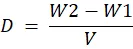
Where,
D = Density of raft (g/cm³)
W₂ − W₁ = Weight of raft (g)
V = Volume of raft (cm³)
Three trials were done per sample formulation and the average was recorded. Raft density must be less than that of gastric fluid for successful raft formation. Lower density means high buoyancy and extended time in stomach. Density measurements assist in predicting floating characteristics in vivo. Uniform density demonstrates uniform gel formation. Variations in density suggest changes in polymer concentration or generated gases.
11.3 Raft Strength:
Raft strength was determined with a Texture Analyzer (TA. XT Plus, Stable Micro Systems, UK). An L-shaped probe made from stainless steel wire was vertically suspended in a 250 mL glass beaker filled with 150 mL of 0.1 N HCl solution (pH 1.2), which was kept at 37°C. The probe was arranged in such a way that it was not in contact with the bottom of the beaker. Raft-forming liquid composition was poured into an acid medium, and it was left to form a raft layer around the probe for 30 minutes. Then the probe was drawn upwards through the raft at a steady rate of 5 mm/s. The maximal force required to break the raft was registered in grams (g). This value defined the strength of the raft structure [79].
11.4 Other Important Aspects for Evaluation
Raft strength reveals the stability of the gel structure. High-strength rafts provide better resistance to gastric movements. Very strong rafts can cause patients' discomfort or problems with drug delivery. Raft strength depends on polymer concentration and extent of cross-linking [80].
11.5 Studies of Dissolution of Raft Forming Formulations Using in vitro Methods:
Using a USP II Dissolution Tester, we investigated how much drug is released from different raft-forming formulations. The dissolution testing was performed under sink conditions (no drug accumulation) at 37°C. A total of 200 ml of 0.1 N HCl (pH 1.2) was used as the dissolution medium. The dissolution apparatus was filled with 10 ml of the raft formulation, and the amount of time it took for the raft to float to the top of the solution was measured and recorded as the Floating Lag Time (FLT). The duration of time that the raft floated at the liquid-air interface was also measured and recorded as the Total Floating Time (TFT) [81]. At various times after the raft formed and floated, approximately 5 ml of dissolution medium were withdrawn from the test vessel and replaced with the same volume of fresh dissolution medium at the sink condition facilities. Samples of the withdrawn drug were filtered through a 0.45-μm membrane filter and analyzed for drug concentration using HPLC. Cumulative Percent Drug Release versus Time was plotted to create a cumulative drug release versus time profile. Each of the dissolution experiments was performed in triplicate and the results were presented as the mean ± standard deviation (SD) [82].
11.6 General evaluations
11.6.1 Floating Lag Time (FLT)
Indicates how quickly the formulation becomes buoyant. A shorter FLT is better for quick raft formation. It is influenced by gas-generating agents and the viscosity of the formulation [83].
11.6.2 Total Floating Time (TFT)
Represents how long the buoyancy lasts in gastric conditions. Longer floating times relate to extended gastric retention. This is important for sustained-release gastroretentive systems [84].
11.6.3 In Vitro Drug Release
Determines how the drug is released from the raft and the rate of liberation. It helps predict how the drug will perform in the body. Release data can fit to kinetic models such as: Zero-order kinetics, First-order kinetics, Higuchi model, Korsmeyer-Peppas model. This information provides insights into diffusion-controlled and erosion-controlled release mechanisms [85].
12. Formulation Design Approaches
12.1 Liquid Raft Systems
Liquid raft systems are made as liquids, suspensions or syrups that stay liquid before you take them and turn into a floating gel barrier when they reach your stomach. These systems usually have a polymer that helps form a raft, like sodium alginate, pectin or carrageenan. They also have agents that produce gas, such as sodium bicarbonate and calcium carbonate. When they meet stomach acid the polymer turns into a gel matrix. At the time carbon dioxide, from the carbonate salts gets trapped inside the gel. This creates a density floating raft that stays on top of the stomach contents [86]. The goal of designing these systems is to keep them easy to swallow before you take them. They should turn into a gel quickly form a raft and stay floating in your stomach for a long time. Some systems may also include stabilizers, preservatives and flavoring agents to make them more stable and easier to take. Example: A known example is an antacid made with sodium alginate, sodium bicarbonate and calcium carbonate. After you take it it forms a floating raft that acts as a barrier to prevent stomach acid from flowing up. The liquid raft system helps keep stomach acid down. The raft stays on top of the stomach contents. This helps the medicine work better [87].
12.2 In Situ Gelling Systems
In gelling raft systems are like liquids that you can pour easily before they go into your body.. Once they get inside your stomach they turn into a gel. This happens because the system has helpers called polymers that change when they meet the conditions inside your stomach. These conditions can be a change in how acidic it's how salty it is or how hot it is. Some common helpers are sodium alginate, gellan gum, chitosan and xanthan gum. For some of these systems the change happens when they meet the acid in your stomach. In systems it is the calcium that makes the helpers come together to form a strong gel. This gel then traps air bubbles that come from salts making a floating structure that looks like a raft [88]. The goal of making these systems is to make them easy to take spread evenly in your stomach stay there for a time and release the drug slowly over time. Example: There is a system made with sodium alginate and gellan gum that also has calcium carbonate. This system turns into a gel in the part of your stomach and is used to keep drugs like metformin or antacids, in your stomach for a long time [89].
12.3 Floating Raft Systems
Floating raft systems are made to stay on top of the stomach fluids for a time. The stuff inside these systems has helpers that make a gas when they meet the stomach acid. This gas gets stuck in a kind of gel, which makes the whole thing lighter and helps it float.Some other things can be added to make the floating raft systems work better [90]. These things can be lightweight helpers, water-repelling materials or helpers that make foam. The goal is to make the floating raft systems float for a time and release the medicine in a controlled way Floating raft systems are really good for medicines that get absorbed in the stomach or the beginning of the intestine. They are also good for treating stomach problems. Example: There is a floating raft system for a medicine called ranitidine hydrochloride. It has sodium alginate and sodium bicarbonate, in it. This system floats on the stomach fluids for a time, which helps the medicine work better and stay in the stomach longer [91].
12.4 Multiparticulate Raft Systems:
Multiparticulate raft systems are made up of small units that contain medicine like beads or pellets or microspheres or granules. These units are spread out in a liquid that forms a raft. The units are made using methods, such as ionotropic gelation or extrusion-spheronization or spray drying or emulsion polymerization. When you take this medicine, the liquid that forms the raft makes a layer in your stomach that floats. The small units that contain medicine get stuck in this layer. This is a design because it helps the medicine get released slowly and it spreads the medicine out all through your digestive system [92]. The good thing about raft systems is that they help prevent too much medicine from being released all at once. They also help the medicine move through your stomach and intestines in a consistent way. This means that the medicine works better and more reliably, than types of medicine. Example: Some people made beads out of calcium alginate and filled them with amoxicillin. They put these beads into a raft system that is also made out of alginate. They wanted to see if this would help the medicine stay in the stomach for a time and if it would help treat infections caused by Helicobacter pylori [93].
12.5 Nanotechnology-Integrated Raft Systems
Nanotechnology-integrated raft systems are a way to give medicines that combines the things about raft systems with the benefits of using tiny particles to deliver medicines. This method involves putting the medicine inside particles like nanoparticles, nanocapsules , liposomes, solid lipid nanoparticles or nanoemulsions. Then these tiny systems are mixed into a liquid that forms a raft. When you take this medicine, a floating raft forms in your stomach. The tiny particles that are part of the raft help control how the medicine is released and make sure it goes to the place [94]. These tiny particles also help the medicine work better by making it easier to dissolve protecting it from breaking down helping it get into the body and making it more effective. To make this work you have to be careful when designing the mixture. You have to get the size of the particles right and make sure they have the right charge and that the medicine is inside the particles in the right amount. You also have to make the raft strong and buoyant so that it stays in your stomach for a time and the medicine is delivered in the right way. Example: For instance scientists have made a kind of nanotechnology-integrated raft system using curcumin-loaded chitosan nanoparticles and a sodium alginate raft system. This was done to help keep the medicine in the stomach for a time and make it work better for people, with stomach problems. The curcumin is a medicine that does not dissolve well in water so the nanotechnology-integrated raft system helps make it more effective [95].
13. Formulation Development and Optimization of Raft-Forming Drug Delivery Systems
13.1 Quality by Design (QbD)
Quality by Design is a way to make sure that the things we make are good and work well. We use Quality by Design when we are making kinds of medicine that form a raft in the stomach. Quality by Design is an approach used in the development of raft-forming drug delivery systems to ensure consistent product quality and safety and efficacy of the Quality by Design. In Quality by Design we first decide what we want the product to do this is called the Quality Target Product Profile of the Quality by Design [96]. We think about things like how fast the raft forms how long it floats how strong the raft is and how the medicine is released from the Quality by Design. Then we look at the things that can affect how the product turns out like the ingredients and the way we make it. We try to understand how these things affect the final product of the Quality by Design. This helps us make products that're strong and work well and it also helps us reduce mistakes when we are making the Quality by Design [97].
13.2 Design of Experiments (DOE)
Design of Experiments is a tool that helps us make the possible medicine that forms a raft. Design of Experiments is a tool used to optimize raft-forming formulations by studying the effects of multiple formulation variables simultaneously in the Design of Experiments. We change things like how much of each ingredient we use, like sodium alginate. We see how it affects the product in the Design of Experiments. We measure things like how strong the raft's how long it takes to form and how well the medicine is released from the Design of Experiments. The Design of Experiments helps us find the way to make the medicine and it also helps us not have to try as many different things, which saves time and makes the process more efficient, for the Design of Experiments [98].
13.3 Critical Material Attributes
The chemical and biological properties of raw materials are called Critical Material Attributes. These properties greatly affect the quality of the raft system. Type and concentration of gelling polymers, Particle size of the pharmaceutical ingredient, Viscosity grade of polymers, Concentration of gas-generating agents Purity of excipients are some Critical Material Attributes, in raft formulations. If these attributes vary it can affect the raft formation, buoyancy, gel strength, drug release, therapeutic performance. So Critical Material Attributes must be carefully chosen and controlled during formulation development [99].
13.4 Critical Process Parameters
The manufacturing variables that directly affect the quality and performance of the raft-forming system are called Critical Process Parameters. These parameters include mixing speed and time , temperature during preparation order of ingredient addition , adjustment homogenization conditions, filling operations .If Critical Process Parameters are not properly controlled it may result in poor polymer hydration, non-uniform distribution of gas-generating agents, inadequate raft formation, inconsistent drug release, Monitoring and optimizing Critical Process Parameters ensure that high-quality raft formulations are produced consistently with the desired floating and gastro retentive properties [100].
14. Characterization and Evaluation Methods
14.1 Raft Strength
The strength of a raft is an important thing to consider when we are looking at raft-forming formulations. This is about how strong the gel raft's when it meets the fluid in our stomach. A good raft should be able to stay when our stomach moves and squeezes it. We measure the strength of a raft by using machines that can tell us how much force it takes to break the raft. If a raft is strong it can stay in our stomach for a time and do a better job of stopping stomach acid from coming up into our esophagus [101].
14.2Gelation Studies
We do gelation studies to see how well a formulation can turn into a gel when it meets the fluid in our stomach. In this test we add the formulation to a liquid that is like the fluid in our stomach and we keep it at the same temperature as our body. Then we watch to see how long it takes for the formulation to turn into a gel. We also look at what the gel looks like how thick it's how long it lasts. If a formulation can turn into a gel quickly it can make a raft right away which is important, for delivering drugs and stopping acid reflux [102].
14.3 Floating Lag Time:
The time it takes for the formulation to float to the top of the medium after it comes into contact with simulated gastric fluid is called the floating lag time. This tells us how fast the raft becomes buoyant. We usually do this test in a liquid that is kept at 37°C. It is better if the floating lag time is short because the formulation can float quickly and form a layer over the stomach contents, which helps to reduce the times when stomach acid comes back up and helps the stomach keep the formulation for longer [103].
14.4 Floating Duration
The total time the raft stays floating on the medium is called the floating duration. We figure this out by watching how the formulation floats in gastric fluid all the time. The best raft system should stay floating for a time so that it can stay in the stomach for a long time and keep working. If the raft floats for a time it makes the formulation work better by keeping the drug in the stomach for a longer time [104].
14.5 Viscosity Studies
We do viscosity studies to see how the liquid formulation flows before we give it to someone. We usually measure the viscosity, with a tool called a Brookfield viscometer at controlled temperatures. The viscosity needs to be just right so that it's easy to swallow and can still form a good gel. If the viscosity is too low the raft might not form well. If it is too high it might be hard to give the formulation. So it is very important to get the viscosity right for both the patient and how well the formulation works [105].
14.6 Drug Content Analysis
We do drug content analysis to find out how much of the drug is in the medicine and to make sure it is spread out evenly. We take a bit of the medicine and mix it with a liquid that helps us measure it. Then we use tools like UV-visible spectrophotometry or high-performance liquid chromatography to see how much drug is in it. We compare the results with what the label says to make sure the drug content is correct and the medicine is made right [106].
14.7 In Vitro Dissolution Studies
We do in vitro dissolution studies to see how fast the drug comes out of the delivery system when it is in the stomach. We use a machine that is like the stomach and add liquid that is like what is in the stomach. We take samples at times and check how much drug is, in them. These studies tell us how fast the drug comes out and how long it takes. This helps us guess how the delivery system will work in the body [107].
14.8 Texture Analysis
We use analysis to see how strong the special delivery system is. We check how hard it is, how well it sticks together how sticky it is, how flexible it is and how well it bounces back. We use a machine that presses on the delivery system to see how much force it takes to change its shape. These things are important because they help the delivery system stay in the stomach and keep working. If the delivery system is just right it can stay in the stomach for a time and keep protecting it [108].
14.9 Stability Studies
We do stability studies to check how well our special raft-forming formulation holds up over time. The formulation is kept in conditions like high temperature and humidity as, per regulatory guidelines. These conditions include term accelerated tests and long-term storage tests. We regularly check things like how it looks its pH level, thickness, drug content, if it forms a gel properly if it floats well in water and how it dissolves [109]. Stability studies help us make sure our formulation stays good effective and works as expected from the start till the end of its shelf life. The formulations quality, safety, efficacy and performance are checked throughout its shelf life to ensure it remains stable Stability studies also ensure the formulation remains stable [110]
15. Advanced Analytical Techniques
15.1 Fourier Transform Infrared Spectroscopy (FTIR)
Fourier Transform Infrared Spectroscopy (FTIR) is a popular technique used for the identification of the chemical composition of compounds and assessing the compatibility of drugs with excipients in raft drug delivery system formulations. FTIR is a technique that involves the measurement of absorption of infrared radiation by molecular bonds at certain wavelengths to generate a spectrum of peaks which act as a fingerprint of the molecule [111]. In raft formulations, FTIR is used to ascertain the presence of any functional groups in polymers including sodium alginate, pectin, xanthan gum, and bioadhesives. It is also helpful in identifying any drug-excipient interaction by comparing spectra before and after formulation of the drug delivery system. Any change in peaks indicates interactions of some sort [112].
15.2 Differential Scanning Calorimetry (DSC)
The Differential Scanning Calorimetry (DSC) technique allows studying the thermodynamic properties and the state of drugs and excipients as well as the effect of heating or cooling on them. This method includes measuring the quantity of heat either emitted or absorbed by the material being tested during heating or cooling [113]. Within raft-forming systems, DSC can be applied to find the temperature at which a drug melts, as well as the glass transition and crystallization points and detect any interactions that might occur between different components of the formulation. This way, one could define whether a drug maintains its crystal structure or acquires an amorphous state due to some reactions [114].
15.3 X-Ray Diffraction (XRD)
X-Ray Diffraction (XRD) is a technique that helps understand whether pharmaceuticals are in a crystalline or amorphous state. The analysis is carried out using the diffraction of X-rays on samples that reveal their crystal lattice [115]. This technique is employed in raft-forming drug delivery system studies, and it is used for understanding the physical state of the drug in raft-forming drug delivery systems and changes in the crystallinity of the drug after incorporation into the polymer matrix. When there are sharp peaks, the drug material will be crystalline, but when broad halos can be seen, then it can be assumed that it is amorphous [116].
15.4 Scanning Electron Microscopy (SEM)
Scanning Electron Microscopy (SEM) refers to an advanced technique which allows for visualization of surface morphological and structural properties of raft preparations through high magnification. Scanning electron microscopy involves the use of a highly focused beam of electrons which are used to produce an image through electron interaction [117]. SEM analysis is used to characterize the structure of rafts including their porosity, roughness, gel networks, and drug particle distribution within the raft. SEM is important in the understanding of the link between raft structures and performance features such as buoyancy and mechanical stability [118].
15.5 Micro-Computed Tomography (Micro-CT Imaging)
Micro-Computed Tomography (Micro-CT), also known as Micro-CT Imaging, is a sophisticated three-dimensional imaging method that enables scientists to see inside pharmaceutical compounds without damaging the material. The method uses X-ray beams to produce images from cross sections, which are then compiled into a 3D reconstruction of the specimen [119]. In the context of raft-forming drug delivery systems, the method is utilized to analyze internal porosity, the distribution of air bubbles, the formation of a gel-like substance, density differences, and the stability of the raft that forms. Micro-CT helps scientists understand the role of the gas created in the formulation in providing buoyancy to the drug delivery system [120].
15.6 Confocal Laser Scanning Microscopy (CLSM)
The Confocal Laser Scanning Microscopy (CLSM) is a highly sophisticated technology which is capable of giving 3D images of pharmaceutical preparations in high resolution. This imaging process makes use of lasers and spatial pinholes which ensure the removal of any signal out of focus [121]. The confocal laser scanning microscopy is utilized in studying processes related to raft formation such as gel formation, polymer distribution, drug localization, microstructure organization, and the interaction between various components of the preparation. Some fluorescent dyes can be added into the system to visualize various parts of the formulation. Raft formation and swellability can also be observed by the CLSM using simulation conditions close to physiology [122].
16. Recent advances in raft forming drug delivery
Recent advances in raft-forming drug delivery systems (RF-DDS) focus on enhancing gastroretention and improving bioavailability for drugs with narrow absorption windows, using smart polymers (gellan, xanthan, pectin) that form stable, low-density, in situ gels. Key innovations include rapid, buoyant raft formation for treating GERD, H. pylori, and tailored sustained release for drugs like acyclovir and ondansetron HCl, utilizing natural, biodegradable[123].
17. Future Perspectives
17.1 Integration of Artificial Intelligence in Raft-Forming Drug Delivery Systems
Artificial Intelligence (AI) is gaining popularity as a key technology in the formulation and development of improved raft-forming drug delivery systems. The use of AI will involve analyzing big data obtained from formulation development studies and finding complicated interrelationships among formulation ingredients, manufacturing parameters, and final products [124]. In the case of raft-forming systems, AI techniques will aid in predicting vital characteristics such as gel stiffness, floating ability, buoyancy, drug release profile, viscosity, and stability. Through the incorporation of experimental data into computational models, many different formulations can be tested to come up with optimum formulation with minimum efforts. The use of AI technologies will also make it easier to monitor manufacturing procedures in real time to maintain quality control [125].
17.2 Formulation Optimization through Machine Learning
Machine Learning (ML), an offshoot of artificial intelligence, possesses great promise for the optimization of raft formulation. Traditional formulation optimization often involves trial-and-error procedures that are both expensive and time-consuming. Machine learning can be employed in the identification of parameters that may affect the properties of the raft, including polymer concentration, cross-linking agent content, inclusion of gas-producing agents, and drug inclusion within the formulation [126]. The machine learning model provides a means of determining the ideal parameters needed to ensure desirable results in terms of sustained residence, raft strength, and effective drug delivery. Machine learning techniques have the potential for integration with DoE and QbD methods for the purpose of developing effective formulations while ensuring minimal use of resources. Machine learning is set to play an increasingly important role in the development of the next generation of raft systems, especially as more pharmaceutical data sets become available [127].
17.3 Personalized Rafts for Precision Medicine
Precision medicine is an evolving science that seeks to design therapy based on individual traits of the patients, which include genetic makeup, physiology, pathophysiology of the disease condition, age, and even lifestyle. In future, it is possible that the formulation of rafts will incorporate a more tailored approach where each patient would be provided with a raft system customized to their unique requirements with regard to drug delivery parameters such as dosage, rate of release and gastric retention ability [128]. This way, individuals suffering from severe GERD, ulcers or H. pylori infection can have customized rafts specifically made for their needs so that there is maximum local targeting and prolonged retention of drugs at the desired sites. With patient profiling, use of monitoring devices and advanced AI-powered clinical decision-making tools, such personalized raft systems can offer greater benefits than the current one-size-fits-all formulation approaches [129].
17.4 Hybrid Gastroretentive Drug Delivery Systems
Future research is being directed towards the design of hybrid gastroretentive drug delivery systems that utilize raft formation along with other methods of drug retention in the stomach to further augment the effectiveness of drug therapy. Such drug delivery systems will incorporate the benefits of raft formation along with drug adhesion, expandable systems, swelling matrices, floating microspheres, magnetic systems, and nanoparticle-based drug delivery systems [130].The combination of multiple retention mechanisms could greatly increase drug retention within the stomach, facilitate site-specific drug delivery, and allow for better control over drug release kinetics. For example, bioadhesive raft systems could float in the stomach and also adhere to the gastric wall leading to improved retention and drug absorption. Similarly, raft systems incorporating nanoparticles could deliver sensitive drugs in an efficient manner. Hybrid gastroretentive drug delivery systems hold immense promise for the future and may be used for treating various stomach ailments or providing efficient oral delivery of drugs having narrow therapeutic index, low bioavailability, or stomach-specific actions [131].
CONCLUSION
People around the world are looking for raft-forming systems now. This is because lots of people have GERD, 1 billion people. The way we live eating much processed food being overweight feeling stressed, smoking and not moving around enough all contribute to acid problems. Raft-forming systems are different from proton pump inhibitors and H₂ blockers. They help people feel better quickly they work right where they are needed. They do not cause many side effects that affect the whole body. This makes raft-forming systems very good for people to buy and use on their own. Also, because raft-forming systems do not affect the body they are less likely to cause bad effects over time. This is why people like to use raft-forming systems and doctors like to recommend them. Raft-forming systems are really good for people, with acid problems.
ACKNOWLEDGEMENT
The authors would like to thank all those who contributed to the preparation of this review article. The authors also acknowledge the support and resources that facilitated the completion of this work.
REFERENCES




Gopinath S, Shahana K, Udayageethan L, Vigneshwar M, Anbarasan B, Raft-Forming Gastroretentive Systems for Targeted Gastric Therapy: Mechanistic Classification, Formulation Design, and Emerging Nanotechnology-Integrated Approaches, Int. J. of Pharm. Sci., 2026, Vol 4, Issue 9, 737-762. https://doi.org/10.5281/zenodo.22335844
 10.5281/zenodo.22335844