

We use cookies to ensure our website works properly and to personalise your experience. Cookies policy
School of Pharmacy, Chouksey Engineering College, Bilaspur (CG)
Ceramides are essential lipids that are functional in the stratum corneum. They are now being used in topical, dermocosmetic and clinical formulations that help restore compromised skin barrier function. A recent review that highlights advanced ceramide for better skin barrier repairing formulations, examines lipid biochemistry, formulation strategies, mechanisms of action, evaluation systems, and clinical application. This review of recent literature (2020–2025) on ceramides covers ceramide classification, lamellar lipid organisation, the role of ceramide chain length and head-group chemistry, and ceramide interaction with cholesterol, free fatty acids, humectants, and anti-inflammatory excipients. Recent advancements in the formulation have included the development of multivesicular emulsions, lipid vesicles, liposomes, nanoemulsions, solid lipid nanoparticles, nanostructured lipid carriers, hydrogels and biomimetic lipid systems aimed at improving the dispersion, stability, deposition and controlled release of highly lipophilic ceramide molecules. From a mechanistic standpoint, the supplementation of ceramides is linked to the restoration of intercellular lipid architecture and a reduction in transepidermal water loss. Furthermore, it favours hydration, tolerability to dermatological therapy, and may possibly normalise barrier-related inflammatory and microbial modifications. The clinical evidence for the use of ceramides is at its strongest level in atopic dermatitis, dry skin or xerosis, eczema-prone skin, sensitive skin, acne-treatment tolerance, and other skin conditions. However, this evidence has limited clinical relevance for direct product-to-product translation across ceramide product categories. This is primarily due to the heterogenicity between ceramide species, lipid ratios, comparator vehicles, endpoints, duration, and patient populations in their clinical studies. An integration of objective methods, such as TEWL, corneometry, skin pH, tape stripping, lipidomics, spectroscopy, irritation testing, and clinically valid scoring systems, should provide a standardized and objective means of identifying skin biophysical effects. Future research should focus on standardized lipid ratios, long-term prevention of relapse, pediatrics and geriatrics trials, transparent product-comparator trials and clinical endpoints linked to biomarkers. Systems that repair the barrier using ceramide are a clinically relevant and mechanistically rational base for evidence-based skin care and modern topical therapies.
Ceramides are vital lipids that serve a function in the SC. They are now utilized in a topical, dermatological cosmetic and clinical formulation to restore destroyed skin barrier function. An updated review that highlights advances in ceramide for improved skin barrier repairing formulations examines lipid biochemistry, formulation strategies, mechanisms of action, evaluation systems, and clinical application. A literature review inclusive of 2020 to 2025 on ceramides accentuates the classification of ceramides, lamellar lipid organisation, the role of chain length and head-group chemistry on the mode of action of ceramide, and ceramide interaction with cholesterol, free fatty acid, humectants, and anti-inflammatory excipients, among others. Improvements in formulation recently include the development of multivesicular emulsions, lipid vesicles, liposomes, nanoemulsions, solid lipid nanoparticles, nanostructured lipid carriers, hydrogels and biomimetic lipid systems to improve the dispersion, stability, deposition and controlled release of highly lipophilic ceramide molecules. As per the mechanism, ceramide supplementation helps restore inter-cellular lipid structure and lowers transepidermal water loss. I don’t know if it’s a good idea to copy other people’s answers to a question. Clinical evidence for ceramide use is strongest in atopic dermatitis, dry skin or xerosis, eczema-prone skin, sensitive skin, acne-tolerance, and others. There is weaker evidence for skin rheology and rosacea. Nonetheless, there is limited clinical relevance to product-to-product translation across ceramide product categories. This heterogenicity is primarily being the reason behind differences in ceramide species, lipid ratios, comparator vehicles, endpoints, duration, and patient populations. An integrated use of objective methods including TEWL, corneometry, skin pH, tape stripping, lipidomics, spectroscopy, irritation testing, as well as clinically validated scoring systems, should allow for standardized and objective identification of skin biophysical effects. Next-generation studies must assess standardized lipid ratios; rigorously evaluate the long-term prevention of relapse; conduct trials in pediatrics and geriatrics; perform clear product-comparator trials; use clinical endpoints closely linked to biomarkers. Ceramide-repairing barrier systems represent a plausible clinically relevant and a rational base for evidence-based skin care and contemporary topical therapies, the skin barrier is a dynamic physicochemical and immunological system rather than just a passive surface. The most visible structural manifestation is the stratum corneum, where flattened corneocytes are embedded in an intercellular lipid matrix that is formed mainly by ceramides, cholesterol, and free fatty acids. This arrangement limits loss of water, protects against irritants and allergens, modulates microbial ecology and prevents the alteration of the local biochemical environment necessary for epidermal homeostasis [3–11].
The emphasis on ceramide-based topical systems has grown in popularity because barrier dysfunction is present in atopic dermatitis, xerosis (dry skin), acne treated with retinoids or benzoyl peroxide, aged skin, sensitive skin and post-procedure recovery. Under these circumstances, the reduction or the compositional alteration of stratum corneum ceramides is associated with impaired lamellar packing, increased transepidermal water loss, discomfort and increased susceptibility to inflammation [12-20].
Contemporary ceramide products aim for diverse skin outcomes. The latest studies on ceramide promotion highlight the importance of formulation compatibility, sufficient dissolution of ceramides, co-delivery of cholesterol and free fatty acids, vesicular or multivesicular release, and non-invasive clinical endpoints for product evaluation. Quality of formulation is important because undissolved or poorly dispersed ceramides may not engender barrier repair despite the label stating ceramides present [3,16-18,41-44].
The current evidence from skin lipid biology, pharmaceutical formulation, dermatological evaluation, and clinical studies is integrated. The goal is to assist researchers devising topical delivery systems and clinicians interpreting ceramide-based products in barrier-related dermatoses.
3. Organised literature Search and PRISMA 2020 reporting approach.
We developed a systematic search strategy for PubMed/MEDLINE, Scopus, Web of Science, ScienceDirect/Elsevier, SpringerLink, and Google Scholar. The search terms consisted of groups of terms pertaining to ceramide, skin barrier, formulation and clinical evidence: ceramide skin barrier, ceramide formulation, ceramide topical delivery, skin barrier repair, transepidermal water loss, TEWL, corneometry, atopic dermatitis ceramide, ceramide moisturiser, stratum corneum lipids, ceramide clinical trial, pseudo-ceramide, ceramide liposome, nanoemulsion, nanostructured lipid carrier, lipidomics. The time limit for reference window was 2020-2025. We prioritized peer-reviewed articles, reviews, randomized or prospective clinical studies, dermatology guidelines and papers on validated measurement-methods with DOI, PMID, PMCID or publisher URL traceability [1,2].
Because this manuscript is a narrative review backed by a structured search rather than a prospectively registered systematic review, the PRISMA diagram is provided as a search-map template to be finalized after the export from the database, deduplication, and independent screening before submission to the journal. This prevents the fabrication of database counts and maintains methodological quality and PRISMA-compatible documentation
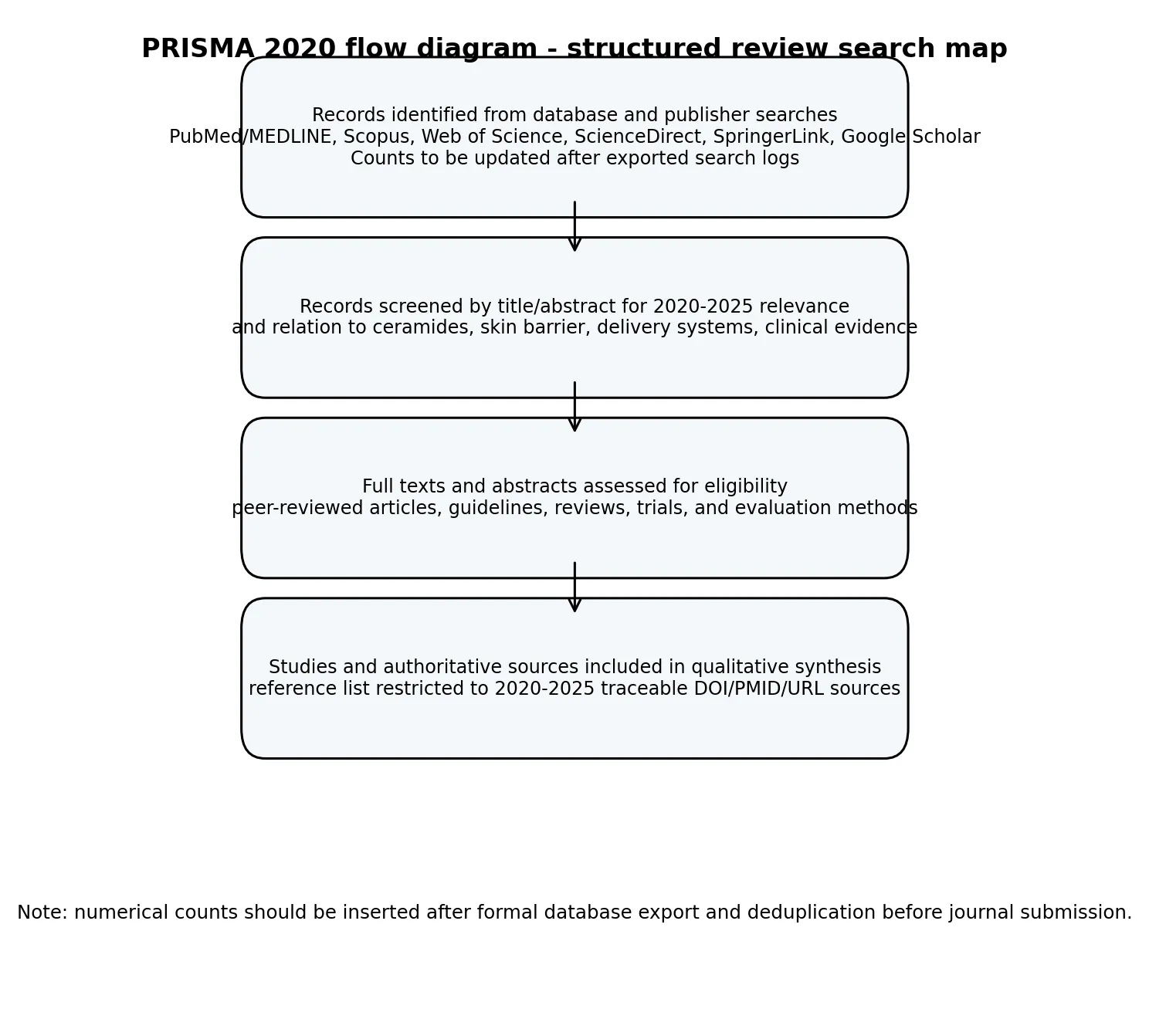
Figure 10. PRISMA 2020 structured search map for ceramide-based skin barrier repair literature.
4. Anatomy of the Skin Barrier: Structure and Function
The process of keratinocyte differentiation, the formation of the cornified envelope, the secretion of lamellar bodies, lipid processing, and the regulated desquamation help establish the epidermal barrier. The outermost layer of the skin, called the viable epidermis, produces precursors which are transformed in the stratum corneum. The corneocytes present there provide mechanical resilience and the intercellular lipids create the principal barrier to permeability.
Formulation Scientists Still Find the Physical Model Useful. Corneocytes are the bricks and ceramides and cholesterol plus fatty acids are the mortar While the model is simplified, it embodies the principle that barrier integrity depends on ordered lipid lamellae, corneocyte cohesion, water-binding natural moisturizing factor, and acidic pH [8–11, 15].
The immunity and microbiome composition are also linked to barrier function. Enhanced pH, lipid changes, and disrupted corneocyte envelope integrity may foster protease activity, irritant penetration and inflammation signalling. Lipid abnormalities in atopic dermatitis interact with filaggrin status, immune cytokines and microbial shift to form a self-reinforcing barrier-inflammation cycle [9-15,71-75].
For topical formulations, the anatomical target of interest is not only drug penetration into viable epidermis but also replenishment and organization of lipids within the stratum corneum. As a result, barrier-repair products must be evaluated for deposition, lamellar order, hydration, and tolerability – not just transdermal penetration.
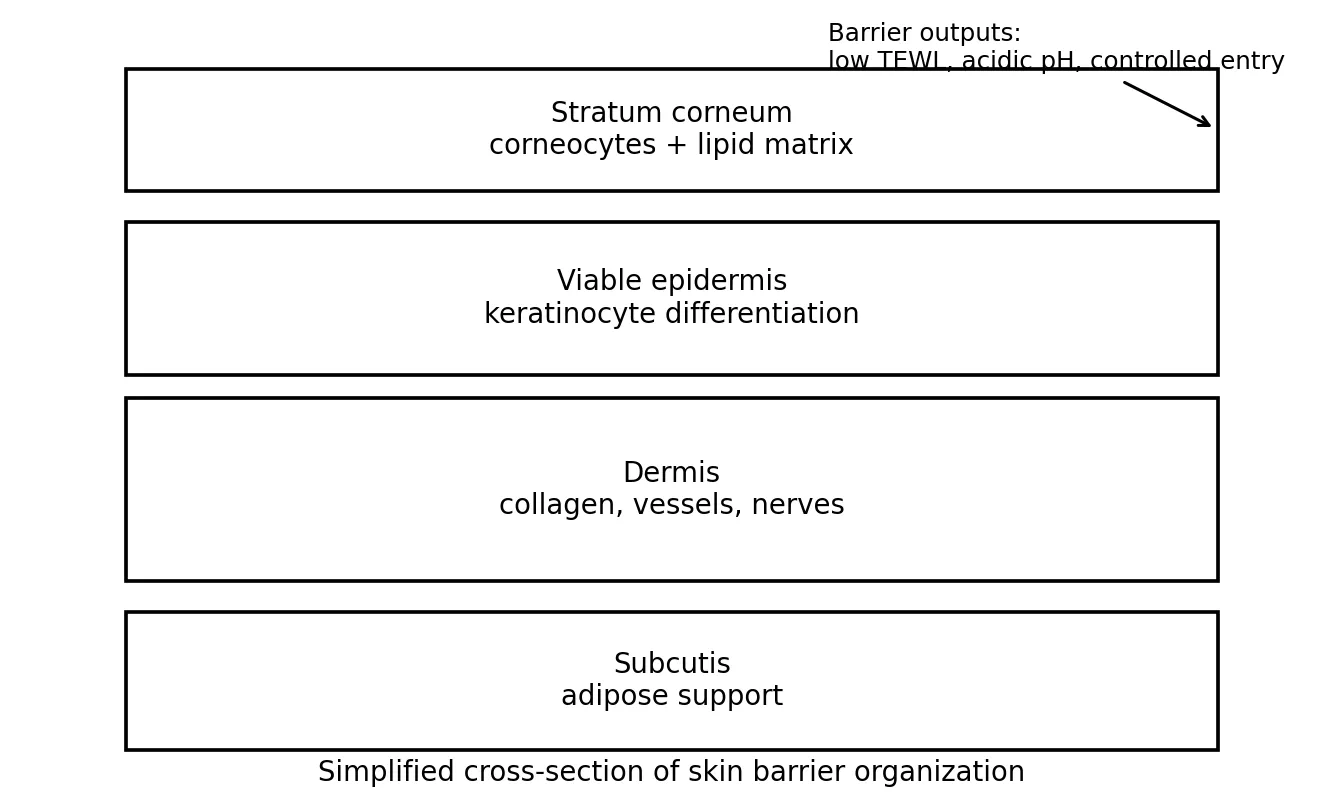
Figure 1. Structure and functional organization of the skin barrier.
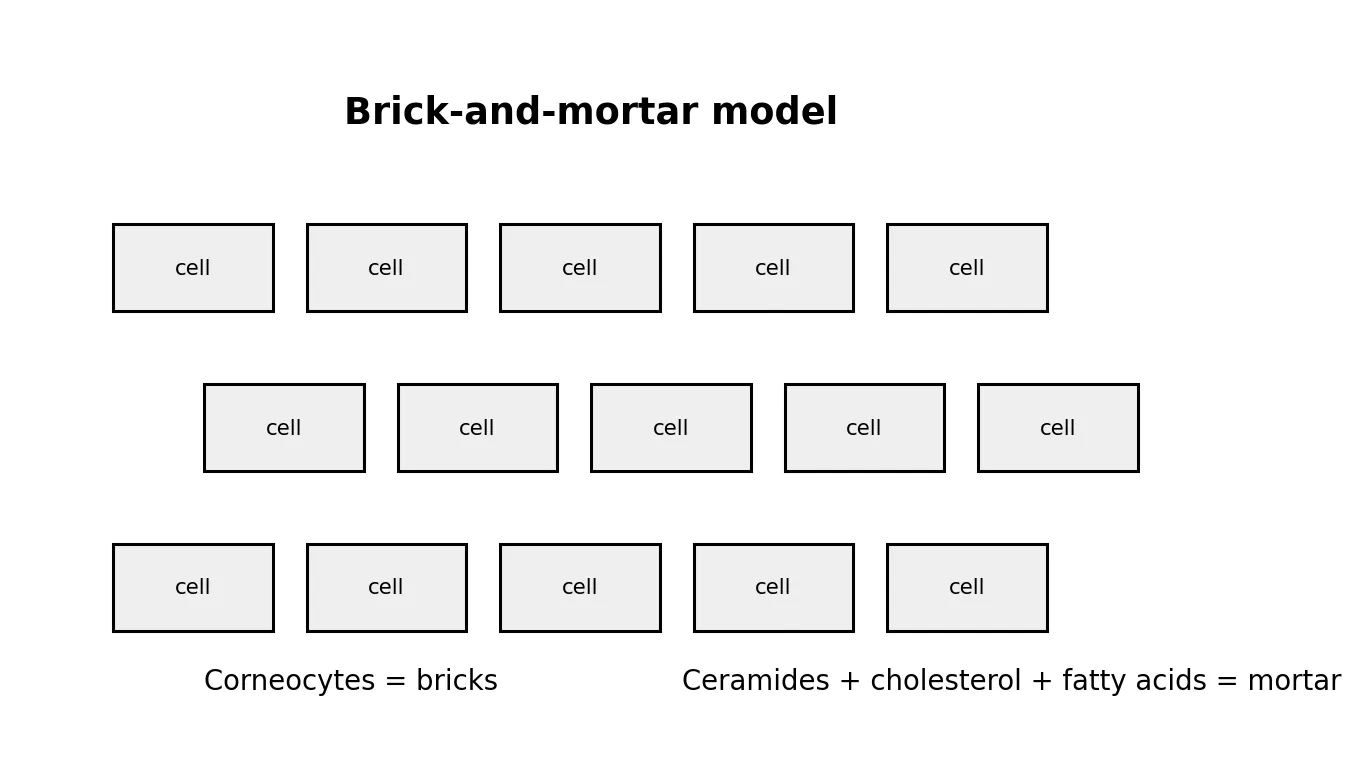
Figure 2. Brick-and-mortar model of stratum corneum barrier architecture.
Table 1. Classification of major skin ceramides and structural features.
|
Class |
Common abbreviation |
Structural feature |
Barrier relevance |
|
Non-hydroxy sphingosine ceramides |
CER NS |
Non-hydroxy fatty acid linked to sphingosine |
Contributes to compact lateral packing and water barrier. |
|
Non-hydroxy phytosphingosine ceramides |
CER NP |
Non-hydroxy fatty acid with phytosphingosine base |
Often reduced in barrier disorders and used in dermocosmetic products. |
|
Alpha-hydroxy sphingosine ceramides |
CER AS |
Alpha-hydroxy fatty acid linked to sphingosine |
Supports polar head-group interactions and lamellar stability. |
|
Alpha-hydroxy phytosphingosine ceramides |
CER AP |
Alpha-hydroxy fatty acid with phytosphingosine base |
Relevant to hydration and ordered lipid matrix formation. |
|
Omega-O-acylceramides |
CER EOS/EOP/EOH |
Very long-chain omega-hydroxy ceramides esterified with linoleic acid |
Key for long periodicity lamellae and corneocyte lipid envelope maturation. |
|
Protein-bound ceramides |
CLE-associated ceramides |
Covalently attached lipids on corneocyte envelope |
Essential for anchoring extracellular lamellae to corneocytes. |
5. Ceramide Classification and Biological Role
Ceramides in the human stratum corneum are different. They differ in sphingoid base, fatty acid chain length, hydroxylation, omega-esterification, and covalent binding to cornified envelope. The difference at hand is much more than a difference in name; it governs lateral packing, lamellar periodicity, permeability, and mechanical strength [3-8,11-14].
Ceramide NP, AP, NS, EOS, EOP, and the like are often mentioned since they represent an important clinical-commercial class of lipids. Acylceramides like EOS are particularly vital as their omega-linoleoyl components play a role in the formation of the corneocyte lipid envelope and long periodicity lamellae. A compromised permeability barrier is a result of the reduced acylceramide processing or protein-bound ceramide formation [4,12-14].
The abnormal levels of ceramides that can be found within certain diseases include reduced total ceramide content, shortened chain-length distribution, altered subclass ratios, as well as changes to protein-bound ceramide pools. Atopic dermatitis has the strongest evidence, but related disturbances have been reported or proposed in psoriatic, ichthyotic, seborrheic and acne-prone, aging and sensitive [9-15,20-29].
Ceramides’ effectiveness from a formulation perspective cannot be examined in isolation from delivery and vehicle context. Lipophilicity of ceramides limits aqueous solubility and crystallization. Thermo and process control are required. A product with ceramide in its ingredients may not necessarily deliver bioavailable ceramide in a skin barrier-supportive form.
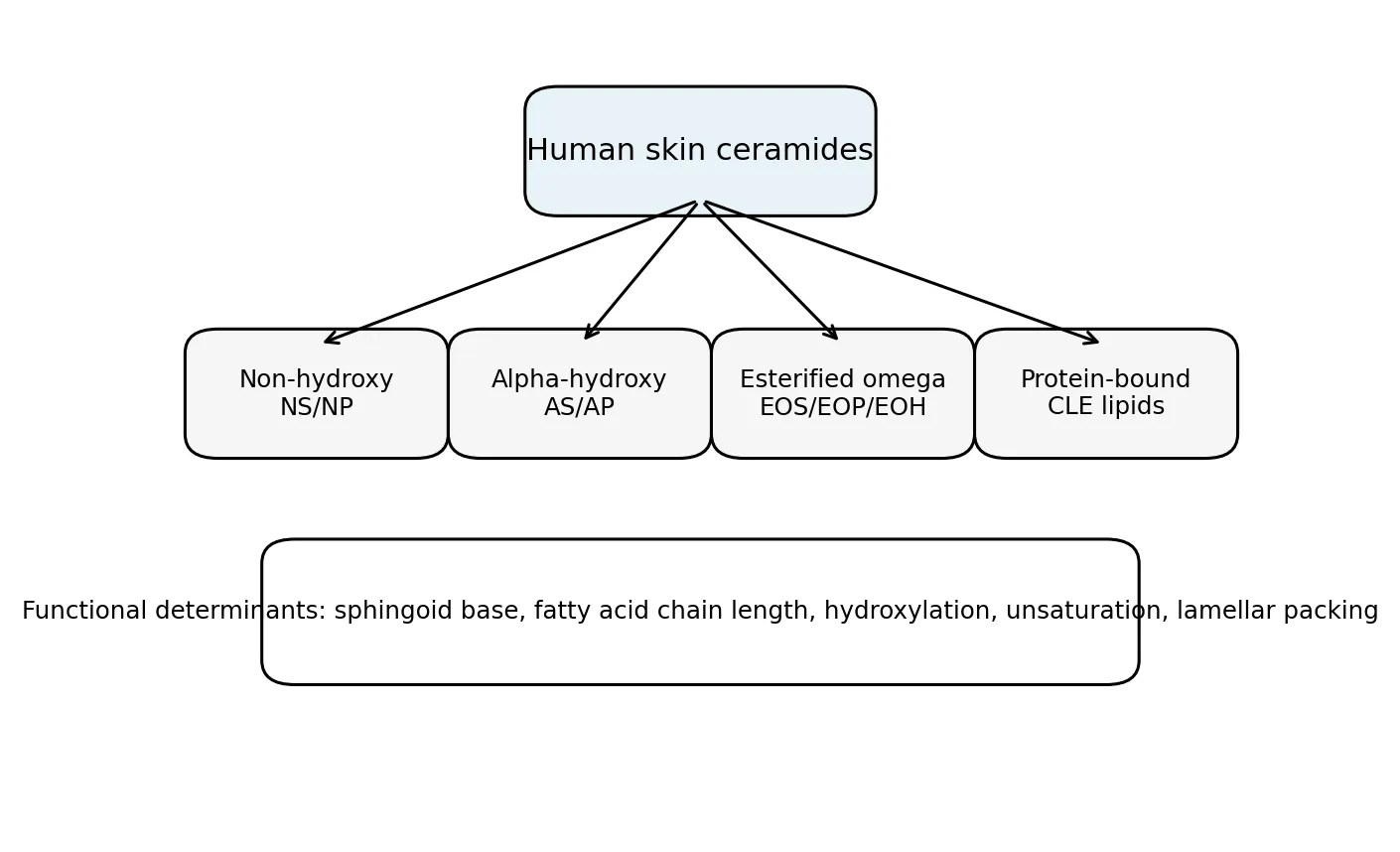
Figure 3. Ceramide classification overview and formulation-relevant structural determinants.
Table 2. Role of ceramides in normal and diseased skin.
|
Biological domain |
Normal role |
Alteration during barrier dysfunction |
Formulation implication |
|
Permeability barrier |
Ordered lamellae restrict water and solute movement. |
Disordered lipid packing increases TEWL. |
Use skin-identical lipid ratios and deposition-focused vehicles. |
|
Hydration |
Ceramide-rich lipid matrix supports water retention with NMF. |
Dryness, scaling, and roughness increase. |
Combine ceramides with humectants such as glycerin or hyaluronic acid. |
|
Inflammation |
Intact barrier reduces irritant and allergen entry. |
Barrier leakage promotes immune activation. |
Adjunctive use may reduce treatment irritation. |
|
Microbiome |
Acidic lipid-rich surface supports microbial balance. |
Dysbiosis and Staphylococcus dominance may increase in AD. |
Avoid high-pH or harsh-surfactant systems. |
|
Clinical tolerability |
Resilient skin tolerates actives better. |
Retinoids, antiseptics, and detergents cause stinging. |
Barrier-supportive moisturizers improve adherence. |
Table 3. Ceramide deficiency or alteration in dermatological conditions.
|
Condition |
Barrier pattern |
Ceramide-related observation |
Clinical relevance |
|
Atopic dermatitis |
Elevated TEWL, dry skin, itch, inflammation |
Reduced or altered ceramide subclasses and lipid ordering |
Most evidence for ceramide adjunctive moisturization. |
|
Xerosis |
Dryness, scaling, fissuring risk |
Lipid depletion and hydration loss |
Leave-on ceramide products may support sustained hydration. |
|
Aging skin |
Reduced lipid synthesis, dryness, sensitivity |
Age-associated shifts in stratum corneum lipid profile |
Requires long-term, tolerable barrier repair. |
|
Acne-treated skin |
Irritation from benzoyl peroxide, retinoids, isotretinoin |
Barrier impairment worsens tolerability |
Ceramide cleansers and moisturizers improve treatment adherence. |
|
Sensitive skin |
Reactivity, stinging, environmental intolerance |
Barrier impairment and lipid imbalance may contribute |
Pseudo-ceramide or gentle ceramide systems may reduce reactivity. |
|
Diabetic dry skin |
Xerosis, fissures, infection risk |
Barrier compromise with reduced hydration |
Ceramide-based adjuncts may be useful, but data are limited. |
6. Mechanisms of Skin Barrier Repair by Ceramides
Ceramide-driven barrier repair occurs through a series of steps. The formulation must first allow for ceramide availability in a compatible state held at the skin surface, enable deposition into the SC lipid domain, and lipid organization near the ceramide with cholesterol and free fatty acids. When these conditions are reached, lateral packing and lamellar structure can be enhanced, resulting in lower permeability to water [3,4,16-19,41-44].
Reducing transepidermal water loss is a key clinical and mechanistic target. When the intercellular lipid pathway is more ordered and less permissive to water diffusion, it becomes less active. Nonetheless, transient epidermal water loss (TEWL) is environmentally sensitive and should be evaluated in conjunction with other hydration, pH, irritation, and clinical scores instead of as a standalone endpoint [56-63].
Epidermal differentiation, the maturation of corneocyte envelopes, activity of lipid-processing enzymes, and susceptibility to inflammation of the skin are all affected by ceramides. An acidic pH is beneficial for enzymes involved in lipid processing while an elevated pH can hinder barrier recovery and increase protease activity. Ceramide formulations should not contain alkaline pH and surfactants.
Clinical benefits may occur indirectly via enhanced treatment tolerance. For patients on retinoids, benzoyl peroxide, topical corticosteroids, calcineurin inhibitors, or regular cleansing, ceramide-containing regimens can reduce dryness and irritation, which can improve adherence and reduce flare cycles [20-23,27-30,76-80].
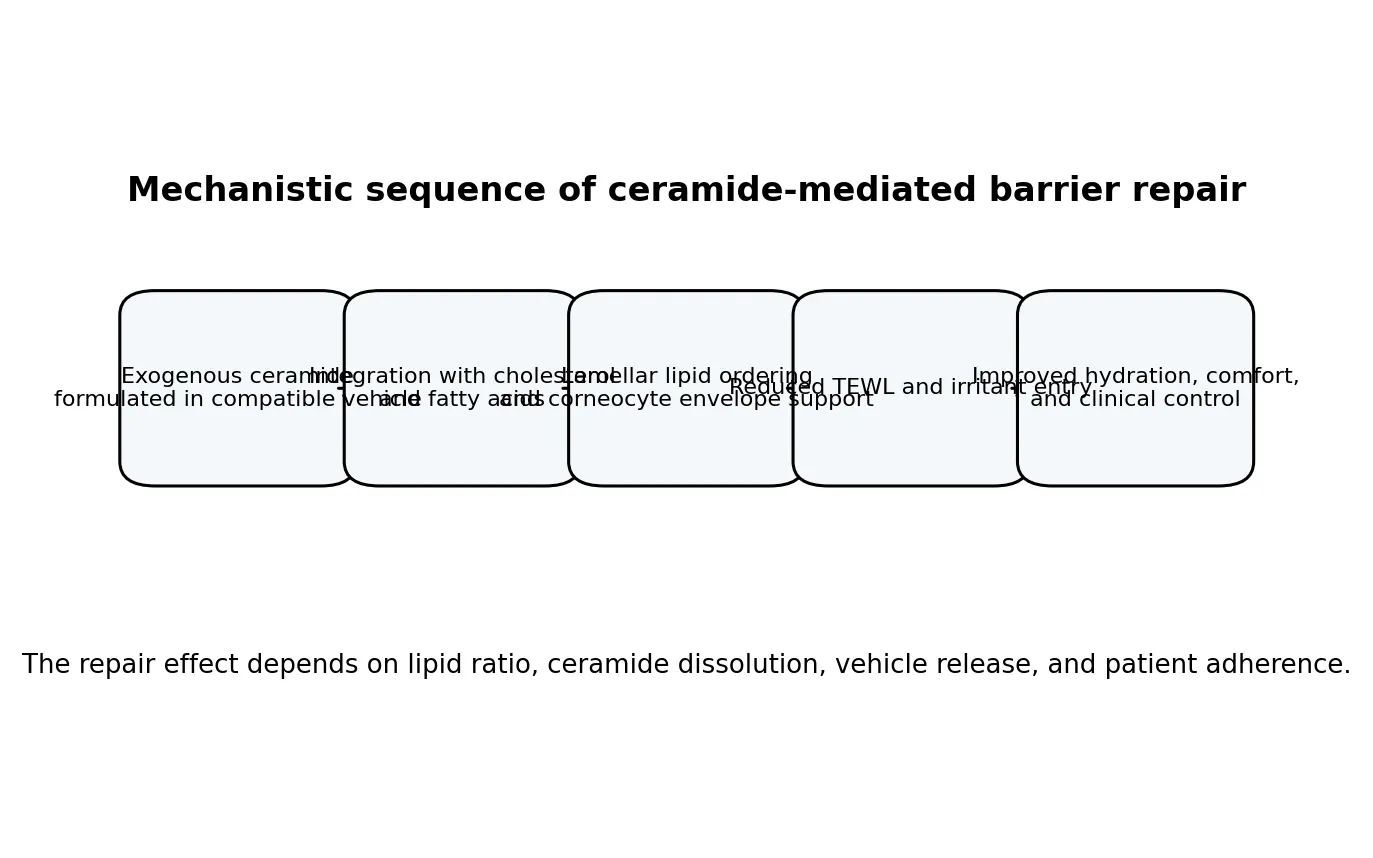
Figure 4. Mechanism of ceramide-mediated skin barrier repair.
Table 4. Mechanistic links between ceramide replacement and measurable barrier outcomes.
|
Mechanism |
Expected outcome |
Recommended measurement |
Interpretive caution |
|
Lamellar lipid ordering |
Lower permeability and stronger barrier |
FTIR, Raman spectroscopy, TEWL |
Requires appropriate controls and standardized environment. |
|
Humectant-lipid synergy |
Higher stratum corneum hydration |
Corneometry, conductance, Raman water profile |
Hydration may rise without true barrier strengthening. |
|
pH support |
Improved enzyme activity and lower irritation |
Skin surface pH |
pH varies by site, age, and cleansing. |
|
Reduced irritant entry |
Less erythema, stinging, and itch |
Patch testing, VAS itch, clinical scores |
Vehicle and fragrance confound tolerability. |
|
Microbiome compatibility |
Improved ecological resilience |
16S sequencing, culture, clinical flare rate |
Causality is difficult in small studies. |
7. Ceramide-Based Delivery Systems and Formulation Strategies
Creams, lotions, gels, ointments, and emulsions continued to be the dominant delivery forms because they are acceptable to the patient and can be commercially manufactured at scale. How do you anticipate sensitive skin will react to the glossy finish and heavy body cream? It must be frustrating to say no all the time.
Multivesicular emulsion and liposomal System is attractive for depositing skin-identical lipids in a controlled manner and prolonged moisturization as compared with simple emollients. Recent investigations have revealed that delivery architecture matters as much as ingredient identity in evidence using ceramide-containing systems.
Nanocarrier systems like liposomes, niosomes, ethosomes, transfersomes, solid lipid nanoparticles and others may be used to overcome the limitations of ceramide solubility and deposition. These platforms can enhance dispersion, boost physical stability, control release, and aid targeting to skin, though translation requires safety, scale-up, regulatory clarity, and sensory acceptability.
Combination systems are frequently utilized in clinical skincare. Ceramides are frequently used with cholesterol and free fatty acids to recreate natural lipid ratios. Additionally, to enhance water binding, they are combined with glycerin and hyaluronic acid, and with niacinamide and panthenol to enhance anti-inflammatory and barrier properties. Furthermore, they are blended with plant or postbiotics for comfort, microbiome ecology or marketing edge. The full combination clinical evidence is stronger when the full product is tested against a matched vehicle or comparator [20-24,30,76].
The key challenges in formulating the vaccines include poor water solubility, high melting point, crystallization, unsaturated lipids oxidation, surfactants incompatibility, insufficient release due to overly occlusive bases, sensory greasiness, and stability during storage. To create the ceramide-containing liposomes, the scientists applied quality-by-design and response surface methodology. This supports a rational method for developing new products in the future.
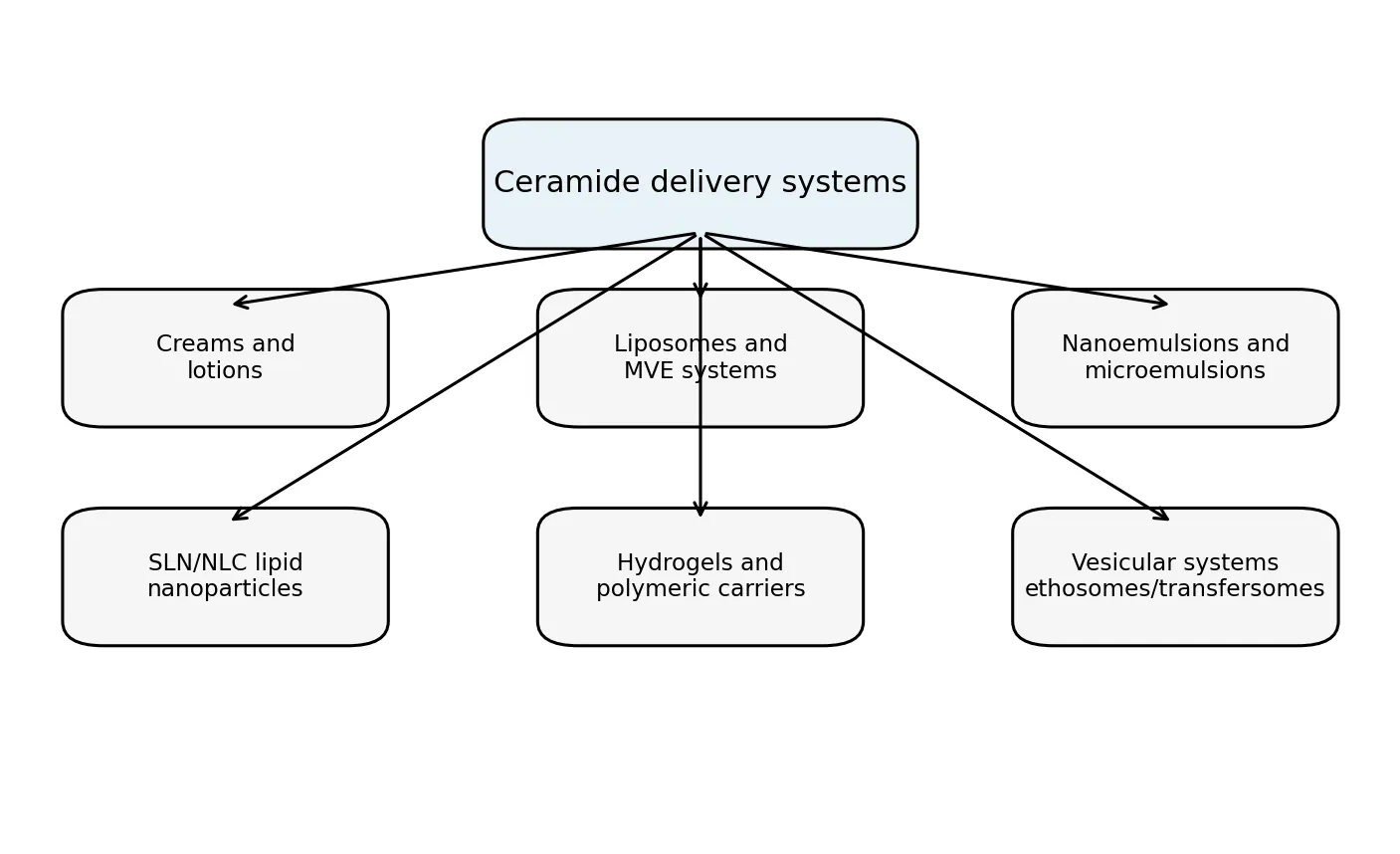
Figure 5. Ceramide-based delivery systems and formulation platforms.
Table 5. Comparison of conventional and advanced ceramide delivery systems.
|
System |
Advantages |
Limitations |
Best-use scenario |
|
Creams/lotions |
High acceptability; scalable; suitable for daily use |
May have limited ceramide deposition if poorly dispersed |
Maintenance therapy and xerosis. |
|
Ointments |
High occlusion; useful for severe dryness |
Greasy feel; poor daytime acceptability |
Fissured or very dry skin. |
|
MVE systems |
Sustained lipid release; clinical familiarity |
Requires proprietary process control |
Eczema-prone and long-duration hydration needs. |
|
Liposomes |
Biocompatible lipid bilayer; controlled loading |
Physical instability and scale-up concerns |
Ceramide NP replacement and biomimetic systems. |
|
Nanoemulsions |
Improved dispersion of lipophilic actives |
Surfactant level may irritate compromised skin |
Lightweight cosmetic systems and sprayable products. |
|
SLN/NLC |
Solid/semi-solid lipid matrix; controlled release |
Polymorphic changes; complex characterization |
Lipophilic actives and combined lipid delivery. |
|
Hydrogels/polymeric carriers |
Cooling feel; flexible rheology |
May need lipid-compatible compartments |
Sensitive skin and post-procedure repair. |
Table 6. Common excipients used in ceramide-based formulations.
|
Excipient class |
Examples |
Function |
Formulation caution |
|
Physiological lipids |
Cholesterol, fatty acids, triglycerides |
Lamellar organization and lipid replacement |
Ratio and chain length influence performance. |
|
Humectants |
Glycerin, hyaluronic acid, urea |
Water binding and hydration |
High levels may sting on fissured skin. |
|
Soothing agents |
Panthenol, allantoin, oat derivatives |
Comfort and irritation reduction |
Botanical allergens must be considered. |
|
Barrier modulators |
Niacinamide, postbiotic ingredients |
Inflammation, sebum, microbiome support |
Clinical evidence is product-specific. |
|
Emulsifiers/surfactants |
Nonionic emulsifiers, phospholipids |
Stabilization and dispersion |
Harsh surfactants can damage barrier. |
|
Antioxidants |
Tocopherol, chelators |
Oxidation control |
Must be compatible with pH and packaging. |
8. Evaluation Methods for Ceramide-Based Skin Barrier Repair Systems
The performance of any formulation must connect to skin biology. The tests used on excipient and drug are basically characterize solubility, crystallinity, particle size, zeta potential, rheology, pH, viscosity, release and stability in formulation development. Assessment of release, deposition, permeation, and structural compatibility can be done in ex vivo or in vitro studies before clinical testing.
TEWL continues to be the most commonly used objective indicator of permeability barrier integrity in clinical or instrumental studies. According to several studies, transepidermal water loss (TEWL) ought to be measured under certain controlled conditions because it is sensitive to the environment as well as the technique of measurement. Such conditions include temperature, humidity, acclimatization, body-site, and probe [56-63].
Measures of corneometry and conductance quantify the hydration of corneometry. Articles that show an increase in moisturization or hydration can be beneficial to substantiating moisturization claims. However, any pertinent studies should include TEWL. This proves that increased hydration alone does not prove lipid barrier restoration. The complementary data is provided by skin pH sebumetry, erythema, itch scales, and comfort by the patient.
Including lipidomics, Raman spectroscopy, FTIR spectroscopy and confocal microscopy tape stripping can provide mechanistic detail. FTIR is informative about lipid chain conformation and ordering, but Raman spectroscopy can more extensively profile water and lipid signatures, and lipidomics can determine whether ceramide profiles shift to healthier configurations [11-18,62-65].
Clinical scores must be appropriate to the population. Atopic dermatitis mainly uses SCORAD, EASI, IGA, VAS itch, DLQI, CDLQI and IDLQI. For xerosis and sensitive skin, an assessment involving dryness scores, stinging tests, evaluations by dermatologists, and patient satisfaction may be more relevant.
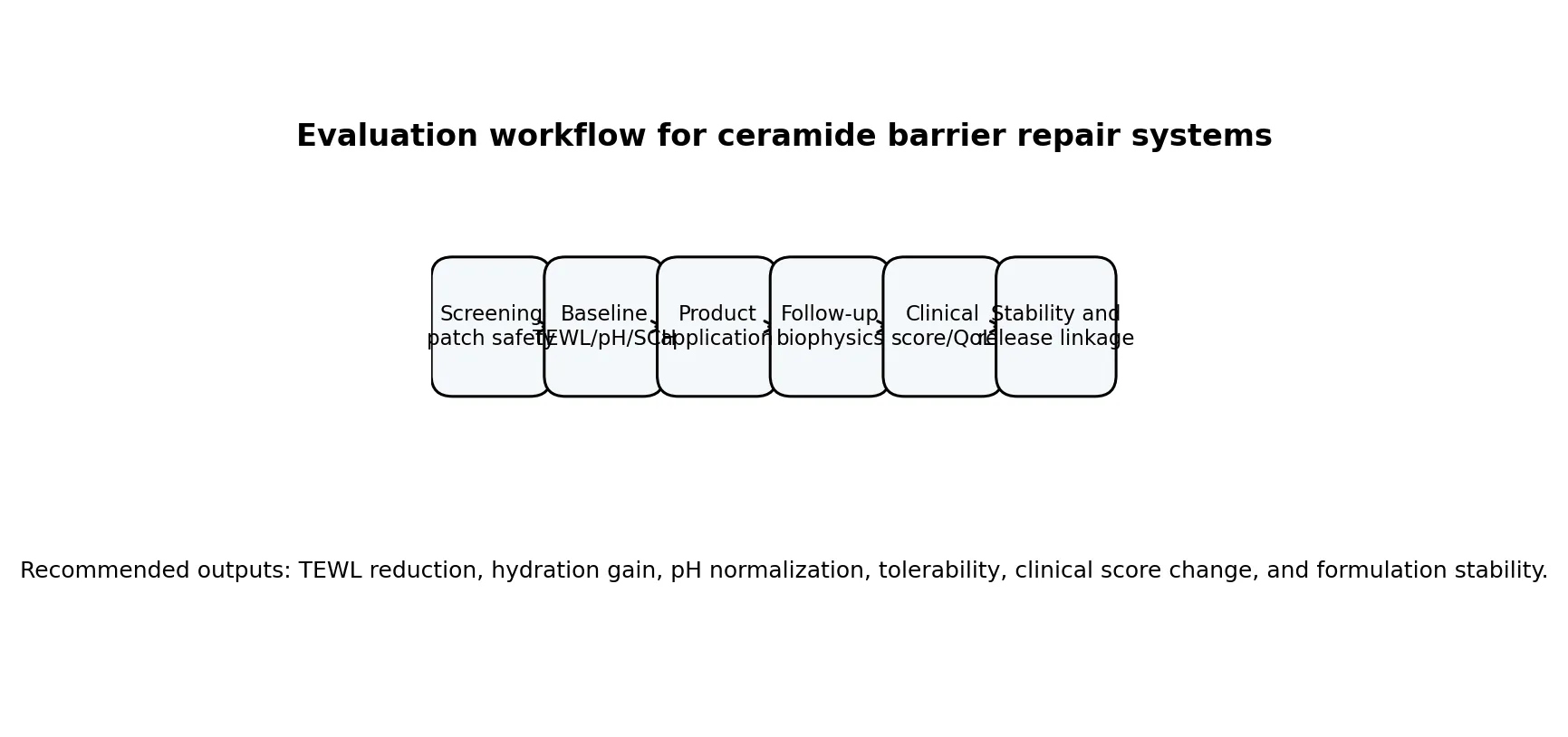
Figure 6. TEWL, hydration, and clinical evaluation workflow.
Table 7. Evaluation methods for ceramide-based skin barrier repair systems.
|
Method |
What it measures |
Strength |
Limitation |
|
TEWL |
Water vapor flux through skin |
Direct functional barrier marker |
Highly environment-sensitive. |
|
Corneometry |
Stratum corneum hydration by capacitance |
Fast and non-invasive |
Hydration endpoint, not lipid structure. |
|
Skin pH |
Surface acidity |
Relevant to lipid enzymes and microbiome |
Affected by cleansing and site. |
|
Tape stripping |
Layer-by-layer SC sampling |
Compatible with lipidomics and NMF analysis |
Requires standardized pressure and sequence. |
|
FTIR spectroscopy |
Lipid chain conformation and ordering |
Mechanistic formulation evidence |
Instrumentation and interpretation expertise required. |
|
Confocal Raman spectroscopy |
Water/lipid depth profiles |
Non-invasive molecular profiling |
Cost and availability limit routine use. |
|
Patch testing/HRIPT |
Irritation and sensitization risk |
Safety support for leave-on products |
Does not prove clinical efficacy. |
|
Clinical scales |
Disease severity and patient burden |
Clinically meaningful |
Subject to assessor variability. |
Table 8. TEWL and corneometry-based assessment parameters.
|
Parameter |
Recommended control |
Interpretation |
Reporting requirement |
|
Temperature/humidity |
Stable controlled room |
Variation changes TEWL and hydration readings |
Report exact conditions. |
|
Acclimatization |
15-30 min rest before measurement |
Reduces sweating and transient variation |
Report acclimatization duration. |
|
Anatomical site |
Same site and marked area |
Barrier differs by body region |
Use templates or site maps. |
|
Product washout |
Defined interval without product |
Avoids residual product artifact |
Report washout and cleansing method. |
|
Repeated readings |
Triplicate or stable average |
Improves reliability |
Report device and averaging method. |
|
Clinical timing |
Baseline, immediate, 12 h, 24 h, weeks |
Captures acute and sustained effects |
Predefine primary endpoint. |
9. Clinical Studies and Evidence from 2022-2025
Recent clinical findings suggest that ceramide-containing regimens may aid consumers with barrier-impaired skin or those who are prone to eczema. However, this benefit may vary significantly by product, comparator, and endpoint. Ceramide containing multi-vesicular systems, applied in the RESTORE program and associated clinical trials, were shown to improve hydration, lipid structure, TEWL and irritation resistance to dry eczema-prone skin [16-19].
In a randomized trial, a ceramide-dominant moisturizing cream and cleanser used for 28 days improved skin permeability and symptoms in adults with moderate eczema. There were no serious treatment-related adverse events noted in the available abstracted record [20]. A wide study conducted in 2023 reported that ceramide containing moisturizers for atopic dermatitis improved SCORAD and TEWL, with superiority of SCORAD vs non-ceramide containing moisturisers [21].
In 2025, a comparative multicenter randomized study conducted on a ceramide-based postbiotic moisturizer versus a paraffin-based moisturizer in mild to moderate atopic dermatitis. The existing record showed that both products improved disease activity but equivalence was not proved within the margin pre-established, highlighting the need for careful comparator design [22].
Fake ceramide systems offer an alternative route for sensitive or impaired barrier skin. Recent findings show that sprays containing pseudo-ceramides can enhance the barrier function and aid the normalization of the skin's ceramide profile. According to other small clinical studies, ceramide lotions may improve short-term hydration and TEWL in dry skin; and larger randomized trials are needed [24].
The discussion around ceramide-containing adjunctive skincare for acne is increasing especially about the dryness, peeling, and stinging from the treatment. Expert opinions and new split-face data suggest that ceramide- and niacinamide-containing moisturizers can improve tolerance of acne treatments without worsening treatment outcomes [28,76].
Ceramides should not be viewed as a universal cure, but rather a useful adjunct. The strongest applications involve the control of dryness, support for treatment tolerance, stabilization of the barrier and maintenance of remission. Applications in the diabetic dry skin, geriatric xerosis, post-procedure repair, and long-term relapse prevention have weaker evidence.
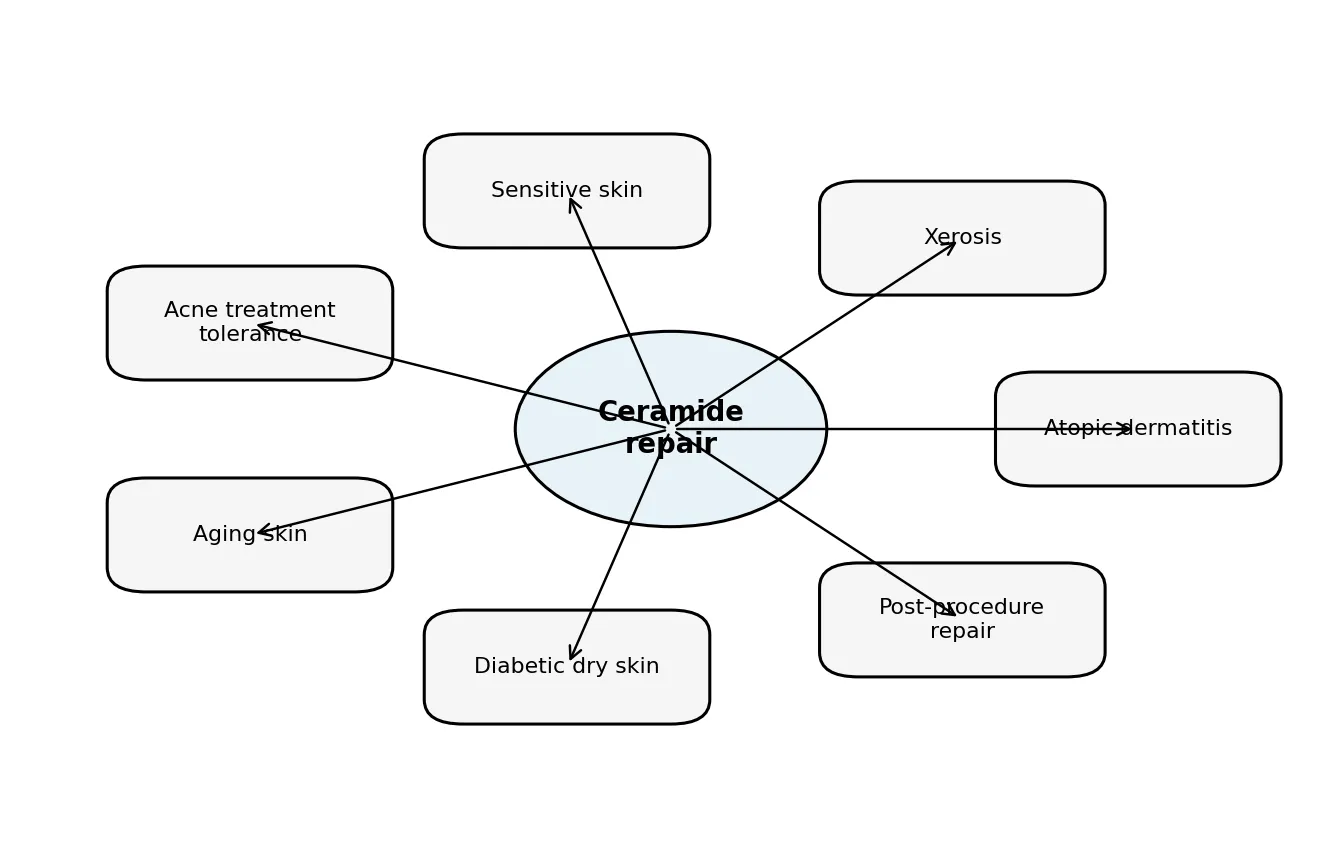
Figure 7. Clinical application map of ceramide-based barrier repair systems.
Table 9. Recent clinical evidence on ceramide-based formulations, 2022-2025.
|
Study/source |
Population/application |
Design or evidence type |
Main implication |
|
Danby et al., 2022 |
Dry eczema-prone adult skin |
Randomized observer-blind intra-subject study |
Ceramide-containing lipid system improved barrier structure and irritation resistance. |
|
Danby et al., 2022 |
Adults with atopic dermatitis |
Comparative emollient physiology study |
Different emollients produce distinct barrier effects; vehicle matters. |
|
Nugroho et al., 2023 |
Atopic dermatitis |
Systematic review and meta-analysis |
Ceramide moisturizers improved SCORAD and TEWL; SCORAD benefit favored ceramide products. |
|
Tempark et al., 2024 |
Mild to moderate acne vulgaris |
Split-face randomized controlled trial |
Ceramide/niacinamide moisturizer improved tolerability of anti-acne therapy. |
|
Aich et al., 2024 |
Healthy volunteers with dry skin |
Single-center non-randomized study |
Topical ceramide lotion improved hydration and lowered TEWL over 24 h. |
|
Akahane et al., 2024/2025 |
Sensitive skin with impaired barrier |
Pseudo-ceramide intervention |
pCer spray improved barrier function and ceramide profile markers. |
|
De et al., 2025 |
Mild to moderate atopic dermatitis |
Multicenter randomized comparison |
Ceramide postbiotic and paraffin products improved disease activity; equivalence was not proven. |
|
Andrew et al., 2025 |
Adults predisposed to AD |
Physiological lipid supplementation study |
Topical skin-identical lipids rebalanced ceramide profile and strengthened barrier function. |
Table 10. Safety and tolerability profile of ceramide formulations.
|
Safety domain |
Typical expectation |
Risk factor |
Recommended mitigation |
|
Irritation |
Generally low for well-formulated products |
Fragrance, high surfactant, low pH extremes |
Patch testing and fragrance-free options. |
|
Allergy |
Rare for ceramide itself |
Botanical extracts, preservatives, lanolin derivatives |
Full ingredient transparency and HRIPT. |
|
Acne comedogenicity |
Low in lightweight non-comedogenic vehicles |
Heavy occlusives and rich oils |
Use gel-cream or lotion systems for oily skin. |
|
Pediatric use |
Potentially useful for barrier support |
Thin infant skin and higher exposure-to-weight ratio |
Use minimal fragrance-free products with pediatric evidence. |
|
Long-term use |
Barrier maintenance likely |
Insufficient long-duration controlled data |
Collect adherence, flare, and safety data beyond 3-6 months. |
10. Research Gap
Standardization is the key research gap. Published products vary in ceramide species, lipid ratios, vehicle type, delivery technology, comparator, frequency of application, and outcomes. It is difficult to tell whether reported benefit arises from ceramide, co-delivery of cholesterol/fatty acid, humectant effects, occlusion, anti-inflammatory excipients, or better cleansing behaviour [16-24,30-36].
The designs of clinical trials are different from each other. A lot of trials are small, single-center, open-label, short-duration or product-sponsored. Randomized, blinded, and comparator-controlled trials with prespecified endpoints larger than those required for labeling claims are needed especially for relapse prevention and steroid sparing claims as well as use of product-matched vehicles, longer follow-up and possibly even larger studies based on available data.
Populations that are vulnerable and understudied require focused evidence. Differences in barrier physiology and safety considerations exist in pediatric neonatal, geriatric, diabetic, sensitive-skin and post-procedure populations. One should not extrapolate data from studies involving healthy adult forearm studies for clinical purposes [26,31,37-40].
Missed regulatory classification gap. Ceramide products may be described in various ways, including as cosmetics, dermocosmetics, medical devices, barrier creams, or adjunctive topical therapies. A formulation that claims to treat the disease, prevent relapses or repair barriers, and which does more than moisturisation, will need stronger clinical support.
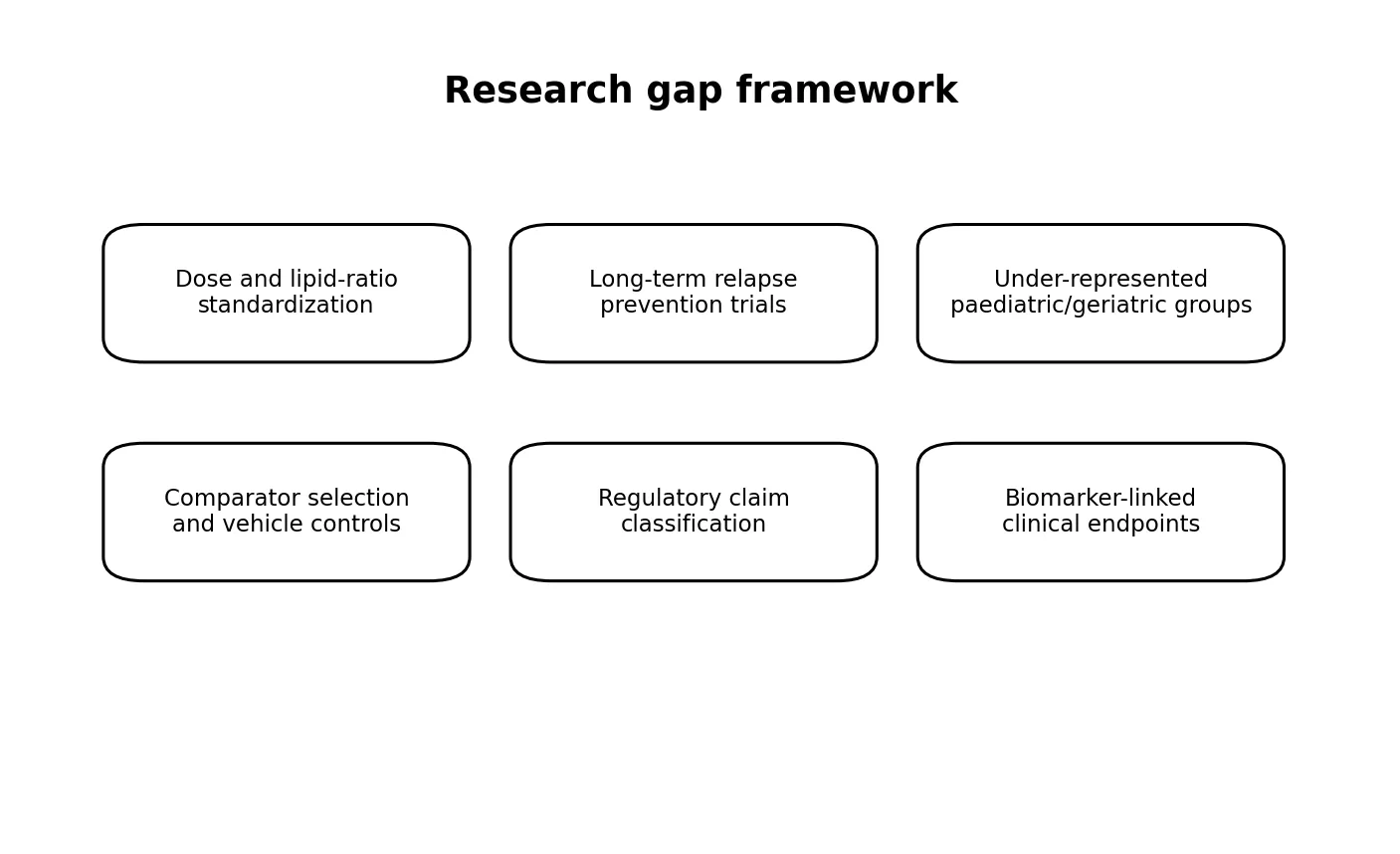
Figure 8. Research gap framework for ceramide-based barrier repair.
Table 11. Research gaps in ceramide-based skin barrier repair.
|
Gap |
Why it matters |
Recommended study design |
|
Ceramide dose and ratio |
Label presence does not ensure bioavailable repair effect |
Dose-ranging studies with lipidomics and TEWL. |
|
Comparator standardization |
Non-matched vehicles confound results |
Vehicle-controlled and active-comparator trials. |
|
Long-term relapse data |
Maintenance claims require follow-up |
Six-to-twelve-month flare-prevention studies. |
|
Pediatric/geriatric evidence |
Barrier physiology and safety differ by age |
Age-specific pragmatic trials. |
|
Mechanistic endpoints |
Clinical improvement may lack lipid proof |
Combine TEWL, Raman/FTIR, tape-stripping lipidomics. |
|
Regulatory terminology |
Cosmetic vs therapeutic claims vary |
Claim-specific substantiation framework. |
11. FUTURE PERSPECTIVES
Personalized barrier repair is the expected future action for ceramide systems. A study of tape stripping and lipidomics may help to identify patients with specific deficiencies of ceramide subclasses. Such profiles may help to guide product selection and clinical monitoring [11-18].
Another priority is ceramide systems that are microbiome-compatible. Barrier lipids, pH and microbial ecosystem interact: Future products should steer clear of harsh damaging surfactants; and employ evidence-based approaches that support normal microbial balance without overstating claims concerning probiotic/postbiotic etc. [9,15,22,71-75].
Biomimetic lipid nanocarriers can enhance the delivery of ceramides that are low soluble. Systems that combine physical stability, manufacturability, acceptable performance and clinically relevant endpoints will likely have the best promise [41-55].
Using experimental-design approaches like quality-by-design, response surface methodology, and factorial optimization can cut down formulation development by trial-and-error. These techniques are notably beneficial for achieving equilibrium with regard to loading ceramide/particle size, polydispersity, cholesterol content/release/irritating risk [41]
As the skincare marketplace becomes more vegan, traceable, and green, there will be greater focus on sustainable plant ceramides. Yet, purity, stereochemistry, bioequivalence and clinical performance balance sustainability claims.
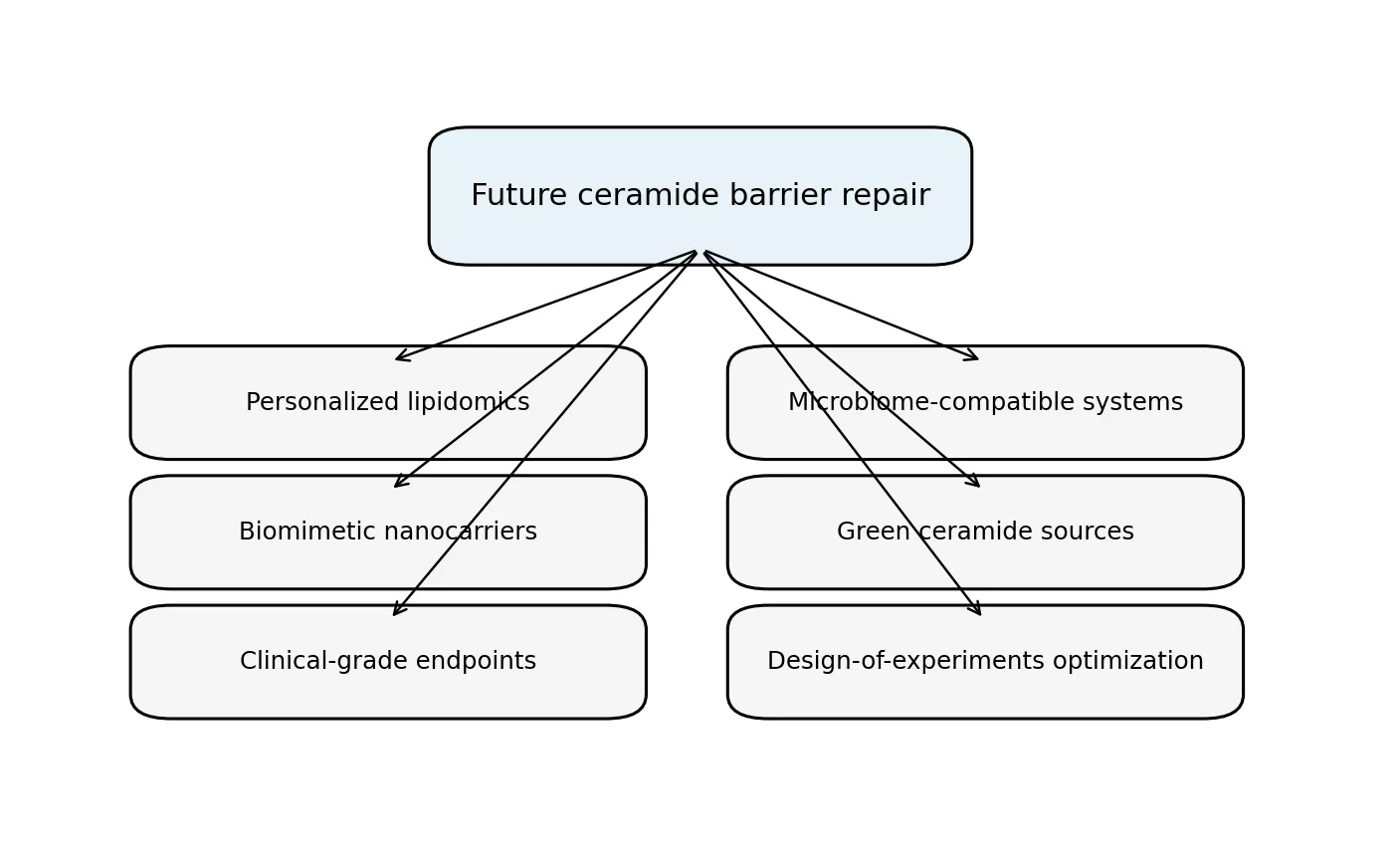
Figure 9. Future perspective model for translational ceramide formulation research.
Table 12. Future formulation strategies.
|
Strategy |
Expected benefit |
Critical validation need |
|
Biomimetic lipid ratios |
Closer replication of stratum corneum composition |
Lipidomics and lamellar-ordering evidence. |
|
Personalized lipid profiling |
Targeted barrier repair by patient phenotype |
Clinical utility and cost-effectiveness. |
|
Microbiome-compatible vehicles |
Reduced dysbiosis and irritation risk |
Longitudinal microbial and clinical outcomes. |
|
Smart release lipid carriers |
Sustained ceramide deposition |
Release-deposition correlation. |
|
Green ceramide sourcing |
Sustainable supply and market acceptance |
Purity, stereochemistry, and efficacy proof. |
|
Combination therapy support |
Improved tolerability of active dermatological therapy |
Randomized adjunctive trials. |
CONCLUSION
Ceramide-based skin barrier repair is supported by a strong mechanistic foundation and growing clinical evidence. Ceramides are core structural lipids of the stratum corneum, and their deficiency or altered profile contributes to barrier dysfunction in several dermatological conditions. Restoring ceramide-rich lipid organization can reduce TEWL, improve hydration, and support treatment tolerability when the formulation delivers ceramides in a compatible and bioavailable state.
The field has advanced from simple moisturization toward biomimetic, lipid-ratio-based, and carrier-enabled systems. However, formulation quality, comparator design, endpoint selection, and patient population remain decisive. Ceramide products should be evaluated as complete formulations rather than as isolated ingredient claims.
Future research should standardize ceramide species and ratios, extend clinical follow-up, include vulnerable populations, integrate non-invasive lipidomics and spectroscopy, and clarify regulatory claims. With rigorous formulation science and clinically meaningful endpoints, ceramide-based systems can serve as an important bridge between dermatological therapy, cosmetic science, and preventive barrier health.
REFERENCES



Surya Kumar Sahu, Pushpendra Kumar Sahu, Digeshwari Patel, Anish Chandy, Recent Advances in Ceramide-Based Skin Barrier Repair Systems: Formulation Strategies, Mechanisms, and Clinical Applications, Int. J. of Pharm. Sci., 2026, Vol 4, Issue 7, 2991-3013, https://doi.org/10.5281/zenodo.21374814
 10.5281/zenodo.21374814