

We use cookies to ensure our website works properly and to personalise your experience. Cookies policy
Guru Nanak College Of Pharmaceutical Sciences, Jhajhra, Dehradun, Uttarakhand
Fixed Dose Combinations (FDCs) are medicines containing two or more active pharmaceutical ingredients in a single dosage form. India is one of the largest producers and consumers of FDCs globally. While rational FDCs improve patient compliance and therapeutic outcomes, irrational combinations pose serious public health risks including adverse drug reactions, therapeutic failure, and antimicrobial resistance. The Central Drugs Standard Control Organization (CDSCO) governs FDC regulation under the Drugs and Cosmetics Act, 1940. Despite regulatory reforms, approval inconsistencies, weak pharmacovigilance, and enforcement gaps remain. This paper examines regulatory challenges associated with FDC approval and control in India, including the 2016 ban on over 300 irrational combinations, and provides recommendations for strengthening the regulatory framework.
Fixed Dose Combinations, commonly known as FDCs, are medicines that contain two or more active pharmaceutical ingredients in a single dosage form.1 These medicines are widely used in modern healthcare systems because they reduce the number of tablets a patient needs to take. FDCs are commonly used in diseases such as tuberculosis, diabetes, hypertension, HIV/AIDS, asthma, and infections.
India is one of the largest producers and consumers of FDCs in the world.2 The Indian pharmaceutical market contains thousands of combination products. Many combinations are clinically beneficial; however, some lack proper scientific evidence to justify their use.
The Central Drugs Standard Control Organization (CDSCO) is responsible for regulating drugs in India under the Drugs and Cosmetics Act, 1940.3 While regulations exist, loopholes and enforcement challenges have allowed irrational combinations to reach the market. This project discusses the regulatory challenges related to approval and monitoring of FDCs in India.
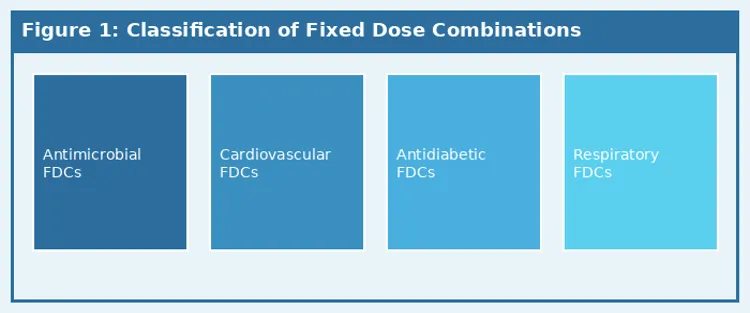
Figure 1: Classification Of Fixed Dose Combinations By Therapeutic Category
OVERVIEW OF FIXED DOSE COMBINATIONS
Definition And Concept
Fixed Dose Combinations are formulations where two or more drugs are combined in a fixed ratio.4 The purpose of combining medicines is to improve treatment effectiveness and patient compliance. In chronic diseases, patients are often required to take multiple medicines every day, making FDCs essential for simplifying treatment regimens.
Types And Uses Of FDCs
FDCs are classified based on therapeutic purpose.5 Common categories include antimicrobial combinations, cardiovascular combinations, antidiabetic combinations, respiratory combinations, and pain management combinations. In diseases like tuberculosis and HIV, combination therapy is essential to prevent drug resistance.
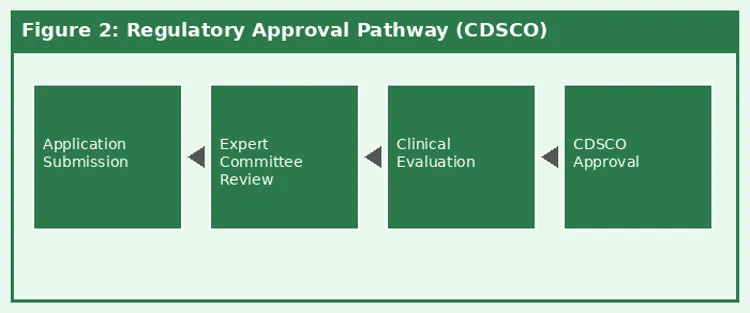
Figure 2: Regulatory Approval Pathway For FDCs Through CDSCO
ADVANTAGES OF FDCS
FDCs offer several key advantages in healthcare. One of the most significant is improved patient compliance — patients taking multiple medicines separately are more prone to missing doses.4 FDCs also reduce pill burden, particularly in chronic diseases like tuberculosis, HIV/AIDS, and diabetes where long-term treatment is required. In infectious diseases, combination products help reduce the risk of drug resistance by ensuring patients receive all required agents simultaneously.
DISADVANTAGES AND RISKS OF FDCS
Despite their benefits, FDCs also carry disadvantages.2 One major problem is difficulty in dose adjustment when a patient experiences side effects from only one component. Combining multiple medicines may increase drug interactions and adverse reactions. Irrational FDCs expose patients to unnecessary drugs, increasing toxicity risk without therapeutic benefit.
REGULATORY FRAMEWORK IN INDIA
The regulation of drugs in India is governed by the Drugs and Cosmetics Act, 1940 and the Drugs and Cosmetics Rules, 1945.3 The Drug Controller General of India (DCGI) plays a major role in approving new medicines. Earlier, many FDCs were approved by state authorities without central oversight, creating inconsistency and allowing irrational combinations to enter the market. Subsequent guidelines from CDSCO mandated scientific evidence, clinical data, and safety documentation for FDC approval.
CDSCO AND DRUG APPROVAL PROCESS
The CDSCO evaluates new drug applications requiring detailed information on composition, manufacturing process, stability studies, clinical data, and safety profiles.3 The approval process generally includes preclinical studies, clinical trials, bioequivalence studies, and expert committee review. The CDSCO assesses whether a combination is rational and provides therapeutic advantage compared to individual medicines used separately.
IRRATIONAL FIXED DOSE COMBINATIONS
Irrational FDCs are combinations lacking proper scientific justification.5 These products may contain drugs with similar mechanisms of action, unnecessary ingredients, or pharmacologically incompatible components. Examples include unnecessary antibiotic combinations, high-toxicity painkiller combinations, and cough syrups with multiple redundant ingredients. Experts have criticized the pharmaceutical industry for promoting such combinations for commercial benefit rather than patient welfare.
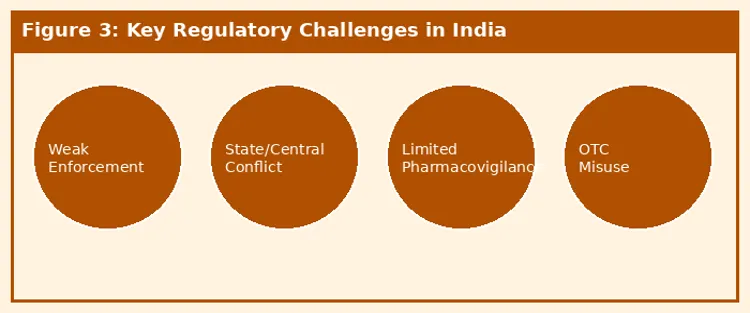
Figure 3: Key Regulatory Challenges in FDC Approval and Control in India
REGULATORY CHALLENGES
India faces multiple regulatory challenges in FDC approval and control.1,5 These include lack of coordination between central and state authorities, a large volume of existing combination products requiring monitoring, limited pharmacovigilance infrastructure, and enforcement difficulties. Over-the-counter availability without prescriptions contributes to misuse. Commercial pressure from pharmaceutical companies seeking expedited approvals, combined with shortage of trained regulatory professionals, further complicates effective regulation.
BAN ON IRRATIONAL FDCS IN INDIA
In 2016, the Government of India banned more than 300 irrational FDCs following expert committee recommendations.3 Banned products included combinations used for pain relief, cough, infections, and other conditions. The pharmaceutical industry challenged the ban in court. The government maintained that many products lacked adequate scientific evidence and posed patient risks. The ban highlighted systemic weaknesses in the prior approval process and initiated further reviews and additional bans in subsequent years.
WHO GUIDELINES ON FDCS
The World Health Organization supports rational FDC use when combinations improve treatment outcomes and patient compliance.7 WHO recommends approval only when there is clear evidence of safety, efficacy, and therapeutic benefit, emphasizing the need for proper clinical trials, quality control, and pharmacovigilance. WHO guidance is particularly important for diseases such as tuberculosis, HIV/AIDS, and malaria where combination therapy is clinically necessary.
PHARMACOVIGILANCE AND MONITORING
Pharmacovigilance refers to post-marketing monitoring of medicine safety.6 India established the Pharmacovigilance Programme of India (PvPI) to collect and analyze safety data from hospitals, doctors, pharmacists, and patients. FDC monitoring is especially critical because combinations may produce unexpected interactions. Weak reporting systems and low public awareness remain significant challenges that, if addressed, could enable faster regulatory action against unsafe products.
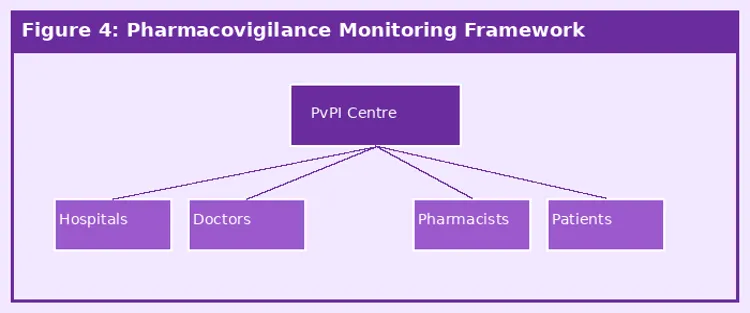
Figure 4: Pharmacovigilance Monitoring Framework Under The Pharmacovigilance Programme Of India (PvPI)
ROLE OF PHARMACEUTICAL COMPANIES
Pharmaceutical companies bear major responsibility for the development, clinical evaluation, and quality maintenance of FDCs.5 Ethical responsibility requires that patient safety be prioritized above commercial profit. Responsible companies conduct proper clinical trials, adhere to regulatory guidelines, and maintain transparent communication with authorities. Industry investment in research and support for rational medicine use can positively contribute to public health outcomes.
COMPARISON WITH INTERNATIONAL REGULATIONS
Developed countries maintain stricter FDC approval systems.6 The US FDA and European Medicines Agency require extensive clinical evidence, mandatory pharmacovigilance, and regular post-market reviews. Compared to these systems, India faces additional challenges due to its large population, diverse healthcare landscape, and extensive pharmaceutical market. However, India has made significant improvements in recent years by strengthening guidelines and improving scientific evaluation standards.
RECOMMENDATIONS AND FUTURE SCOPE
Several measures can strengthen FDC regulation in India.1,3,5 These include: enhanced coordination between central and state authorities; mandatory clinical trials and bioequivalence studies for all new combinations; strengthened pharmacovigilance infrastructure; public awareness campaigns on rational medicine use; training programs for healthcare professionals on safe prescribing; and digital monitoring systems for improved regulatory transparency. Future research should prioritize development of safer and more evidence-based combination products.
CONCLUSION
Fixed Dose Combinations are valuable tools in modern healthcare, offering benefits such as improved patient compliance and reduced pill burden. However, irrational combinations present serious public health risks. India has faced significant regulatory challenges due to inconsistent approvals, weak monitoring systems, and insufficient scientific evidence for many marketed products. The 2016 ban on over 300 irrational FDCs represented an important step forward, though further regulatory strengthening remains necessary. A transparent, evidence-based, and scientifically rigorous regulatory framework—supported by improved pharmacovigilance, stricter enforcement, and responsible industry practices—is essential for ensuring the safe and effective use of FDCs in India.
ACKNOWLEDGEMENTS
The author expresses sincere gratitude to Ms. Kriti Dabral for her valuable guidance, support, and encouragement during the completion of this project. Appreciation is also extended to the faculty members and management of Guru Nanak College of Pharmaceutical Sciences for providing the necessary academic support.
REFERENCES


Pankaj Yogi, Kriti Dabral, Regulatory Challenges in Approval and Control of Fixed Dose Combinations (FDCs) in India, Int. J. of Pharm. Sci., 2026, Vol 4, Issue 6, 3715-3720. https://doi.org/10.5281/zenodo.20704935
 10.5281/zenodo.20704935