

We use cookies to ensure our website works properly and to personalise your experience. Cookies policy
Shri. Gurudutta Shikshan Prasarak Sanstha's Institute of Pharmacy, Akola
The coronavirus disease (COVID-19), caused by Severe Acute Respiratory Syndrome Coronavirus-2 (SARS-CoV-2), has resulted in millions of deaths worldwide and continues to pose a significant public health challenge. The impact of the disease varies considerably depending on geographical location, climatic conditions, population characteristics, and cultural practices. SARS-CoV-2 is primarily transmitted through respiratory droplets and close personal contact. Although conventional medical treatments and preventive measures have significantly reduced disease severity and transmission, there is growing interest in complementary approaches that enhance host immunity. Herbal medicines, widely used in traditional healthcare systems, have gained attention due to their immunomodulatory, antiviral, anti-inflammatory, and antioxidant properties. These natural therapeutics may help strengthen the body's defense mechanisms with minimal adverse effects. This review highlights the role of important medicinal herbs in boosting immune function and explores their potential application in the prevention and management of COVID-19. Additionally, the concept of immune-system enhancement and the significance of natural compounds, including PAK-1 blockers, are discussed as promising strategies for combating emerging viral infections
Pandemic diseases remain a major global concern despite advances in medical infrastructure, as they continue to cause extensive morbidity and mortality. Viral outbreaks are particularly challenging because viruses rapidly mutate and develop resistance to existing antiviral drugs. Increased global travel, urbanization, and close human interaction have further contributed to the emergence and re-emergence of viral diseases. In the 21st century, major coronavirus outbreaks such as Severe Acute Respiratory Syndrome (SARS-CoV) and Middle East Respiratory Syndrome (MERS-CoV) have demonstrated the devastating impact of zoonotic viruses on public health. The most recent outbreak, Coronavirus Disease 2019 (COVID-19), caused by Severe Acute Respiratory Syndrome Coronavirus-2 (SARS-CoV-2), emerged in late 2019 and rapidly spread worldwide, leading the World Health Organization (WHO) to declare it a pandemic in March 2020. [1]
SARS-CoV-2 belongs to the β-coronavirus family and shares genetic similarities with bat coronaviruses. Its spike glycoprotein has a strong affinity for the human angiotensin-converting enzyme 2 (ACE2) receptor, which facilitates viral entry into host cells and enables efficient human-to-human transmission. The virus spreads mainly through respiratory droplets, saliva, and close contact, although airborne transmission has also been recognized in certain conditions. The high transmissibility and infectivity of SARS-CoV-2 have made prevention and treatment extremely challenging. To control the spread, WHO and public health agencies recommended strategies such as social distancing, early detection and isolation of infected individuals, mask use, hand hygiene, and reducing exposure to potential animal sources.[2]
Understanding viral pathogenesis is essential for developing effective vaccines and therapeutics. Although several antiviral agents, including lopinavir, Ritonavir, Chloroquine, Hydroxychloroquine, Azithromycin, Tocilizumab, and Nitazoxanide, were investigated during the pandemic, many failed to show consistent clinical benefit in large trials. Researchers also explored steroids, monoclonal antibodies, interferons, peptides, oligonucleotides, and enzyme inhibitors as potential treatment options. However, the development of safe and effective therapies often requires extensive experimentation and long-term clinical evaluation.[3]
In this context, medicinal herbs and natural products have gained renewed attention as supportive approaches for immune enhancement and disease management. Traditional medical systems such as Ayurveda, Unani, Siddha, Homeopathy, Persian medicine, and Traditional Chinese Medicine have long used herbal remedies to treat infectious diseases and strengthen the immune system. Herbs such as Ashwagandha, Giloy, Turmeric, and Tulsi are known for their immunomodulatory, anti-inflammatory, antioxidant, and respiratory protective properties. Similarly, certain Traditional Chinese Medicine formulations, including Lianhua Qingwen, have shown promising antiviral and anti-inflammatory effects in preliminary studies. [4]
Herbal medicines contain diverse bioactive phytochemicals—such as alkaloids, flavonoids, terpenoids, and phenolic compounds—that may interfere with different stages of the viral life cycle, including viral attachment, penetration, replication, assembly, and release. In Ayurveda alone, thousands of herbal formulations have been traditionally used in folk medicine. Despite their long history of use, herbal remedies were often overlooked in modern drug development. However, growing scientific interest and advances in pharmacological research are now helping to validate their therapeutic potential. [5]
The integration of traditional herbal knowledge with modern biomedical research offers a promising strategy for strengthening immunity, reducing inflammation, and supporting the prevention and management of COVID-19. Although herbal medicines cannot yet be considered a definitive cure for COVID-19, they may serve as valuable adjuncts due to their practicality, cost-effectiveness, environmental friendliness, and generally low incidence of adverse effects. This review highlights the overall picture of COVID-19, including its transmission, clinical features, and immune responses, while emphasizing the potential role of medicinal plants and herbal immune boosters in combating this pandemic.[6]
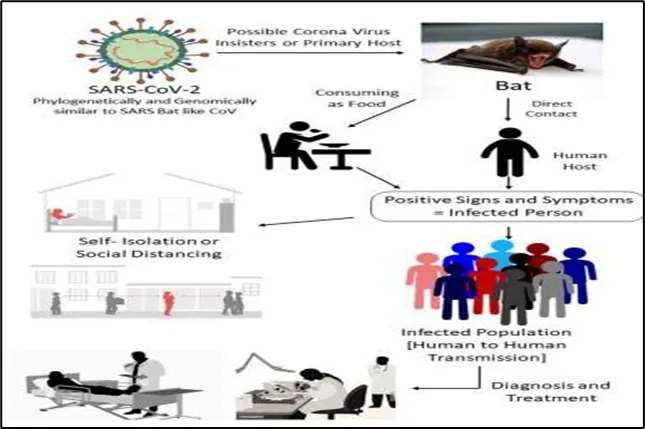
Fig. 1. Events depicting expedition of COVID-19: Initialization to Treatment
GENERAL OVERVIEW OF CORONAVIRUS
Coronavirus Disease 2019 (COVID-19) is an infectious disease caused by SARS-CoV-2, first identified in Wuhan, China, in December 2019. Due to its rapid global spread, the World Health Organization (WHO) declared it a pandemic on March 11, 2020. COVID-19 has caused significant health, social, and economic impacts worldwide [7].The disease primarily affects the respiratory system but can also damage other organs such as the heart, kidneys, and liver. Common symptoms include fever, cough, fatigue, sore throat, and loss of taste or smell, while severe cases may lead to pneumonia, acute respiratory distress syndrome (ARDS), and multi-organ failure [8].SARS-CoV-2 spreads mainly through respiratory droplets and aerosols released during coughing, sneezing, or talking. The virus enters human cells by binding its spike protein to ACE2 receptors, particularly in the lungs. In severe cases, an excessive immune response known as a cytokine storm can cause serious tissue damage and increase the risk of mortality.Despite the development of vaccines and therapeutic agents, COVID-19 remains a global health concern. Continued research, preventive measures, and supportive therapies, including medicinal herbs and natural products, may help reduce disease burden and improve public health outcomes [7,8].
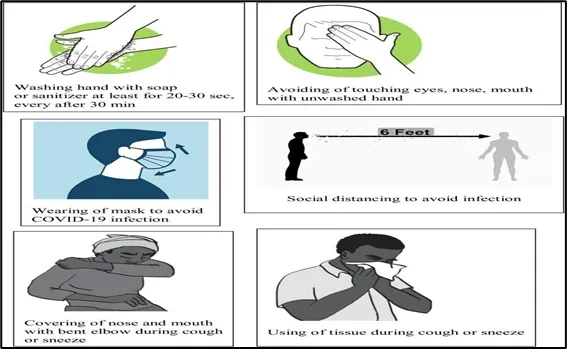
Fig 2. Preventive Measures against COVID -19
ETIOLOGY[9]
COVID-19 is caused by SARS-CoV-2, a novel Beta coronavirus from the Coronaviridae family. It is an enveloped, single-stranded RNA virus with a genome of approximately 30 kb.
Table 1. Major Structural Proteins of SARS-CoV-2 and Their Functions [9]
|
Structural Protein |
Function |
|
Spike (S) Protein |
Binds to host ACE2 receptors and facilitates viral entry into host cells. |
|
Envelope (E) Protein |
Involved in viral assembly, maturation, and release of new virions. |
|
Membrane (M) Protein |
Maintains the shape and integrity of the viral envelope and aids in virus assembly. |
|
Nucleocapsid (N) Protein |
Encapsulates and protects the viral RNA genome; involved in viral replication and transcription. [9] |
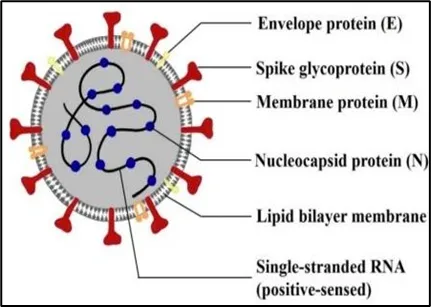
Fig 3. Structure of Corona Virus
CLINICAL ATTRIBUTES OF COVID-19
COVID-19 is characterized by a broad range of clinical manifestations, with an incubation period of approximately 2–14 days, most commonly 5–6 days after exposure. The disease typically presents with symptoms such as fever, dry cough, fatigue, headache, muscle pain, sore throat, and loss of taste or smell. While many infected individuals experience mild to moderate illness, some patients develop more serious complications, including shortness of breath, hypoxia, chest pain, persistent fever, and gastrointestinal disturbances. In severe cases, COVID-19 may progress to pneumonia, acute respiratory distress syndrome (ARDS), septic shock, and multi-organ failure.[10]
Table 2. Clinical Attributes of COVID-19 [10]
|
Clinical Attribute |
Description |
|
Incubation Period |
2–14 days, with symptoms typically appearing 5–6 days after exposure. |
|
Common Symptoms |
Fever, dry cough, fatigue, muscle pain, headache, sore throat, and loss of taste or smell. |
|
Moderate to Severe Manifestations |
Shortness of breath, hypoxia, chest pain, persistent fever, gastrointestinal symptoms, and in severe cases, acute respiratory distress syndrome (ARDS) or multi-organ failure. |
|
Risk Factors for Severe Disease |
Advanced age (>60 years), diabetes, hypertension, cardiovascular diseases, obesity, and immunocompromised conditions. |
IMMUNOMODULATORS
Immunomodulators are substances that modify or regulate the activity of the immune system, enhancing or suppressing its response to achieve a desired therapeutic effect.
Immunostimulants
Immunostimulants are substances that activate or strengthen the immune system, helping the body fight infections, cancers, and immune deficiencies. They can be natural, herbal agents like Withania somnifera (Ashwagandha), Tinospora cordifolia (Guduchi), and Ocimum sanctum (Tulsi). These agents are mainly used to boost immunity and enhance resistance against diseases [11].
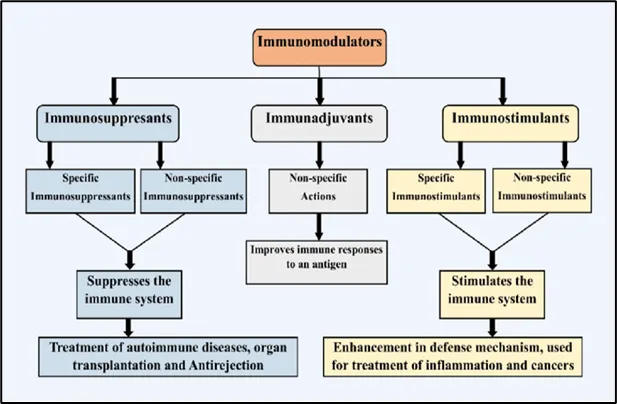
Fig 4. Types of Immunomodulators
HERBS WITH IMMUNOMODULATORY ACTIVITIES
Key herbs include Neem (Azadirachta indica A. Juss), Amalaki (Emblica officinalis Gaertn.), Kutki (Picrorhiza kurroa Royle ex Benth), Guduchi (Tinospora cordifolia (Willd Miers), Moringa (Moringa oleifera Lam.), Tulsi (Ocimum sanctum L.), Ashwagandha (Withania somnifera L.) Dunal), Cinnamon (Cinnamomum zeylanicum Blume), Black pepper (Piper nigrum L.), Ginger (Zingiber officinale Roscoe), Turmeric (Curcuma longa L.), Liquorice (Glycyrrhiza glabra L.), Aloe (Aloe barbadensis Mill.), Harsingar (Nyctanthes arbor-tristis L.), Satavar (Asparagus racemosus Willd.), Almond (Prunus amygdalus), and Broccoli (Brassica oleracea L.) [12].
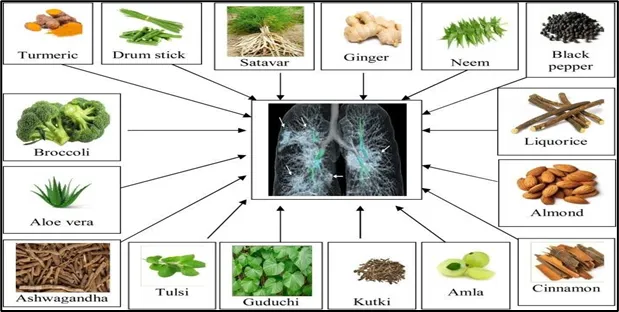
Fig 5. Herbal Plants as Immunomodulators against COVID-19
Table 3. Herbal Immunomodulators and Their Major Pharmacological Activities[13-20]
|
S. No. |
Herb (Scientific Name) |
Major Bioactive Constituents |
Immunomodulatory/Antiviral Activity |
|
1 |
Turmeric (Curcuma longa) |
Curcumin, Turmerones, Zingiberene |
Enhances T-cell activity, macrophage function, and antiviral defense |
|
2 |
Drumstick (Moringa oleifera) |
Quercetin, Kaempferol, Isothiocyanates |
Stimulates NK cells and antibody-mediated immune responses |
|
3 |
Neem (Azadirachta indica) |
Nimbin, Azadirachtin, Quercetin |
Activates macrophages and enhances cytokine production |
|
4 |
Shatavari (Asparagus racemosus) |
Shatavarins, Steroidal sapogenins |
Promotes T-cell activation and IgG secretion |
|
5 |
Ginger (Zingiber officinale) |
Gingerol, Shogaol, Zingiberene |
Enhances cytokine production and immune responses |
|
6 |
Amla (Phyllanthus emblica) |
Vitamin C, Gallic acid, Ellagic acid |
Increases NK cell activity and interferon production |
|
7 |
Tulsi (Ocimum sanctum) |
Eugenol, Ursolic acid, Apigenin |
Improves phagocytosis and antiviral immunity |
|
8 |
Kutki (Picrorhiza kurroa) |
Kutkin, Picrosides, Apocynin |
Enhances phagocytic activity and immune regulation |
|
9 |
Black Pepper (Piper longum) |
Piperine, Piperic acid, Piperamide |
Stimulates macrophages and increases WBC count |
|
10 |
Ashwagandha (Withania somnifera) |
Withanolides, Alkaloids, Saponins |
Enhances macrophage activity and immunomodulation |
|
11 |
Aloe (Aloe vera) |
Aloin, Aloesin, Polysaccharides |
Improves humoral immunity and phagocytic activity |
|
12 |
Cinnamon (Cinnamomum verum) |
Cinnamaldehyde, Eugenol, Camphor |
Enhances cell-mediated and humoral immunity |
|
13 |
Liquorice (Glycyrrhiza glabra) |
Glycyrrhizic acid, Glabridin |
Modulates complement system and antiviral responses |
|
14 |
Almond (Prunus amygdalus) |
Vitamin E, Amino acids, Essential oils |
Enhances cytokine production and immune cell function |
|
15 |
Broccoli (Brassica oleracea) |
Sulforaphane, Glucosinolates, Flavonoids |
Activates macrophages and reduces inflammation |
|
16 |
Guduchi (Tinospora cordifolia) |
Tinosporaside, Berberine, Palmatine |
Enhances phagocytosis, antibody production, and antiviral immunity |
RECENT CASE STUDIES AND CLINICAL EVIDENCES ON HERBAL IMMUNOMODULATORS IN THE POST-PANDEMIC ERA
The post-pandemic era has renewed interest in herbal immunomodulators for immune support, disease prevention, and recovery from viral infections. Recent clinical and experimental studies have demonstrated their potential to regulate immune responses, reduce inflammation, and improve overall health outcomes. This section summarizes the latest evidence under the following categories:[21]
• Clinical Case Studies (Human Trials & Observations) – Evaluating the effectiveness of herbal immunomodulators in improving immunity and post-COVID recovery.[22]
• Experimental Case Studies (In-vitro & Animal Models) – Investigating the mechanisms of action, immunomodulatory effects, and therapeutic potential of herbal medicines.[23]
Table 4. Recent Clinical Case Studies on Herbal Immunomodulators in the Post-Pandemic Era[25-17]
|
Herbal Immunomodulator |
Study Type |
Key Findings |
|
Ashwagandha (Withania somnifera) |
Human clinical studies and case reports |
Improved post-COVID fatigue, sleep quality, stress management, and normalization of immune markers such as lymphocytes and cytokines. (PubMed) |
|
Guduchi (Tinospora cordifolia) |
Pilot trials and case series |
Reduced persistent cough, fatigue, and low-grade inflammation in long-COVID patients; improved inflammatory markers. |
Table 5. Experimental Case Studies on Herbal Immunomodulators (In-vitro and Animal Models)[28-29]
|
Herbal Preparation |
Experimental Model |
Major Findings |
|
Amla (Phyllanthus emblica) Extract |
Activated macrophage cultures (In-vitro) |
Reduced pro-inflammatory cytokines (IL-1β, TNF-α) and increased anti-inflammatory cytokine (IL-10), demonstrating immune-balancing effects. |
|
Triphala Formulation |
Rodent post-infectious and dysbiosis models |
Restored gut microbial diversity, enhanced mucosal immunity, and supported gut–immune axis function. |
Table 6. Recent and Emerging Immunomodulator Drugs in the Post-Pandemic Era[30-33]
|
Drug/Formulation |
Type |
Mechanism of Action |
Potential Application |
|
DF-006 |
Small-molecule ALPK1 agonist |
Activates innate immune pathways and restores immune balance. |
Chronic hepatitis B and post-viral immune recovery. |
|
INNA-051 |
Synthetic innate immune receptor agonist |
Enhances antiviral defense mechanisms and innate immunity. |
Long-term immune resilience and viral infection prevention. |
|
CoroQuil-Zn |
Polyherbal and zinc formulation |
Reduces oxidative stress and boosts innate and adaptive immunity. |
Mild-to-moderate COVID-19 and post-COVID recovery. |
ADVANTAGES
Herbal immunomodulators offer several advantages due to their natural origin and broad spectrum of biological activities. They are generally biocompatible, cost-effective, and associated with fewer adverse effects than synthetic drugs. Their rich phytochemical content, including flavonoids, alkaloids, terpenoids, and polysaccharides, helps enhance both innate and adaptive immunity while providing antioxidant and anti-inflammatory benefits. Additionally, many herbal agents exhibit adaptogenic properties, support recovery from infections, improve immune homeostasis, and may act synergistically with conventional therapies. These characteristics make them promising candidates for long-term immune support and future drug development.[34]
DISADVANTAGES
Despite their therapeutic potential, herbal immunomodulators have several limitations. The lack of standardization, quality control, and well-established dosage guidelines can result in inconsistent efficacy and safety. Many herbal products still lack sufficient large-scale clinical validation, and some may interact with conventional medications, leading to adverse effects. Risks of contamination, toxicity, allergic reactions, and variable potency further limit their widespread acceptance. Moreover, inadequate regulatory oversight, unclear mechanisms of action, and concerns regarding sustainable harvesting of medicinal plants remain significant challenges in their clinical application and commercialization.[35]
FUTURE PROSPECTS
The future of immunomodulatory therapy lies in integrating synthetic drugs with herbal immunomodulators to achieve safer and more effective immune support. Advances in nano-delivery systems, mucosal formulations, and personalized immunonutrition are expected to improve the bioavailability and targeted action of these agents. Medicinal herbs such as Ashwagandha, Guduchi, Turmeric, and Tulsi have shown promising immunoprotective, antiviral, and anti-inflammatory effects, making them valuable candidates for long-term immune resilience and post-viral recovery. Further clinical studies are needed to establish standardized formulations, optimal dosages, and long-term safety. The combination of herbal immunomodulators with vaccines, antiviral drugs, and modern immunotherapies may provide synergistic benefits in preventing and managing future infectious diseases.
CONCLUSION
Immunomodulators have emerged as important tools for maintaining immune health and supporting recovery in the post-pandemic era. Herbal immunomodulators such as Guduchi, Tulsi, Turmeric, Ashwagandha, Shatavari, and Amalaki provide antiviral, antioxidant, and anti-inflammatory benefits with good safety profiles, while newer synthetic agents such as DF-006 and INNA-051 offer targeted and potent immune regulation. Polyherbal formulations like CoroQuil-Zn further demonstrate the potential of combining traditional knowledge with modern science. Overall, integrating evidence-based herbal and synthetic immunomodulators represents a promising strategy for enhancing immune resilience, preventing infections, and improving public health outcomes in the future.
REFFERNCES
India Med Today Editorial Team. Ministry of Ayush approves CoroQuil-Zn by Remedium






Anisha Lohiya, Anjali Pawsale, Aditi Dahapute, Varun Choudhary, Mohit Wadhwani, Ankita Shegokar, Review on Herbal Immunomodulators, Int. J. of Pharm. Sci., 2026, Vol 4, Issue 6, 2985-2994, https://doi.org/10.5281/zenodo.20644590
 10.5281/zenodo.20644590