

We use cookies to ensure our website works properly and to personalise your experience. Cookies policy
Department of Pharmaceutical Chemistry, Devaki Amma Memorial College of Pharmacy, Chelembra, Malappuram, Kerala, India
Nitrogen?containing heterocycles constitute one of the most important classes of scaffolds in contemporary medicinal chemistry, materials science, and catalysis, and appear in the majority of recently approved small?molecule drugs and many functional materials [9]. They offer favorable physicochemical profiles, including tunable basicity, hydrogen?bonding capacity, and lipophilicity, which can be systematically modulated through ring size, saturation, and substitution to optimize ADMET properties and target affinity [5]. This review summarizes the structural classification and key physicochemical features of representative five? and six?membered nitrogen heterocycles and selected fused systems that recur in bioactive molecules and functional materials [1]. Recent synthetic advances are highlighted, with emphasis on transition?metal?catalyzed C–N bond formation, C–H activation, multicomponent reactions, and green protocols such as microwave?assisted, solvent?free, and catalyst?efficient methods that improve step economy and sustainability [56]. The diverse biological activities of nitrogen heterocycles, including antimicrobial, anticancer, antiviral, anti?inflammatory, CNS, and enzyme?inhibitory actions, are discussed in relation to their mechanisms of action at DNA, enzymes, receptors, and cellular signaling pathways [8]. Emerging applications in drug discovery, targeted therapy, nanotechnology?based delivery systems, optoelectronics, and homogeneous catalysis further illustrate the versatility of nitrogen heterocycles as privileged scaffolds and underscore their central role in the design of next?generation therapeutics and functional materials [10].
Heterocycles are cyclic organic compounds in which one or more atoms in the ring are heteroatoms—most commonly nitrogen, oxygen, or sulfur—rather than carbon [1-4]. They play a crucial role in medicinal chemistry, materials science, and natural‑product chemistry, as they constitute the core structures of numerous drugs, nucleic acids, dyes, and agrochemicals [1-4]. A heterocyclic compound is defined as any cyclic molecule that contains at least one heteroatom in the ring; common heteroatoms include N, O, S, P, and less frequently Se, Si, etc. Structurally, heterocycles are usually classified by [1,4]:
Nitrogen heterocycles are present in the majority of small‑molecule drugs (over 80% of recent FDA‑approved drugs contain at least one N‑heterocyclic ring) [1,5]. They structurally resemble natural substrates, nucleic acid bases, alkaloids, and enzyme cofactors, which helps in target recognition [6]. Nitrogen atoms act as hydrogen‑bond donors/acceptors and coordinate with metal ions, improving interaction with enzymes, receptors, and nucleic acids [6,7]. N‑heterocycles help tune lipophilicity, solubility, pKa, and metabolic stability, influencing absorption, distribution, and bioavailability [7,8]. Easy substitution and ring fusion on N‑heterocyclic cores allow systematic SAR optimization [7]. It is present in antibiotics, antivirals, anticancer, CNS agents, antihypertensives, and NSAIDs [5]. Many kinase inhibitors and receptor‑selective drugs rely on N‑heterocyclic rings for selectivity [9]. Nitrogen‑containing heterocycles play a central role in modern materials science, where they are key components of organic semiconductors, OLED emitters, dyes, and luminescent/fluorescent probes due to their conjugated π‑systems, tunable electronic structure, and strong absorption–emission characteristics [10]. Numerous nitrogen heterocycles have been incorporated into optoelectronic and energy‑related devices such as dye‑sensitized solar cells, organic photovoltaics, and chemical sensors, where they function as efficient light‑harvesting units, charge‑transport materials, or signal‑transducing fluorophores [11]. In homogeneous catalysis, N‑heterocyclic carbenes and pyridine‑based ligands have emerged as powerful supporting ligands for transition‑metal complexes, offering strong σ‑donation, steric tunability, and enhanced stability, which has led to highly active catalysts for cross‑coupling, C–H functionalization, and other key transformations [12]. These scaffolds further find use in dyes, pigments, cosmetic colorants, food additives, and polymer additives, where their heteroatom‑containing rings enable precise tuning of color, stability, and compatibility with different matrices [6,7]. Taken together, the broad utilization of nitrogen heterocycles in drugs, agrochemicals, electronic materials, catalysts, and specialty chemicals demonstrates that they are truly “privileged scaffolds” in contemporary chemistry, providing a versatile platform for designing functional molecules across multiple industries [13]. This review aims to give a concise, overview of recent advances in nitrogen heterocycles, focusing on their synthesis, important physicochemical properties, and applications in drug molecules and functional materials. It highlights commonly used 5‑ and 6‑membered N‑heterocyclic scaffolds and selected fused systems, and summarizes modern synthetic approaches, structure–property relationships, and emerging roles in medicinal chemistry and materials science.
Nitrogen heterocycles are cyclic compounds in which one or more ring atoms are nitrogen, and they are broadly classified into 5‑membered, 6‑membered, and fused/polycyclic systems that serve as core scaffolds in numerous drug molecules and functional materials [5]. Common 5‑membered N‑heterocycles include pyrrole (a weakly basic aromatic ring present in many natural products), imidazole (important in histidine and enzyme‑active‑site mimics), pyrazole and triazole (widely used as hydrogen‑bonding pharmacophores in antimicrobial and anticancer agents), and thiazole (containing both nitrogen and sulfur, found in vitamins and antibacterial drugs) [14]. Among 6‑membered N‑heterocycles, pyridine is a strongly basic, electron‑deficient aromatic ring frequently encountered in drug Discovery portfolios, while pyrimidine forms the backbone of nucleic acid bases and nucleoside‑analogue therapeutics [9,15]. Saturated systems such as piperidine and piperazine are non‑aromatic nitrogen heterocycles commonly used to modulate basicity, solubility, and bioavailability in CNS‑acting and other pharmaceuticals [15]. Finally, fused and polycyclic systems such as indole, quinoline, isoquinoline, benzimidazole, and benzothiazole combine benzene with 5‑ or 6‑membered heterocyclic rings and are repeatedly found in antimicrobial, anticancer, and CNS‑active drug candidates [14,16].
|
5 Membered N containing Heterocyclic Ring
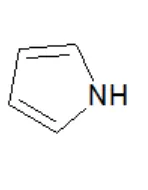
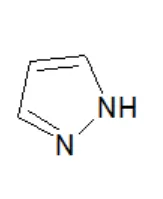
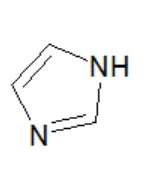
Pyrrole Pyrazole Imidazole |
|
6 Membered N containing Heterocyclic Ring
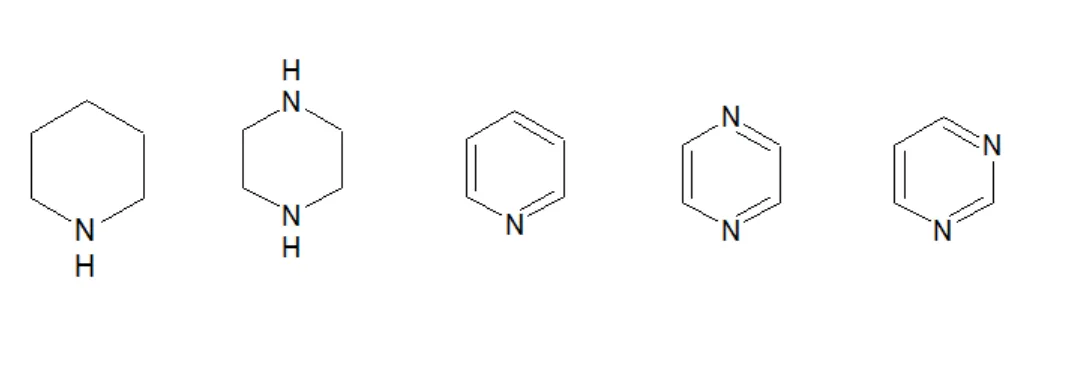
Piperidine Piperazine Pyridine Pyrazine Pyrimidine
|
Nitrogen heterocycles possess key physicochemical properties such as basicity, aromaticity, and hydrogen‑bonding ability that strongly influence their behavior in drug‑like molecules and materials [17]. The nitrogen lone pair can act as a basic site or as a hydrogen‑bond acceptor, with the strength and nature of basicity depending on ring size, hybridization, and aromaticity (e.g., sp² N in pyridine is weakly basic, while sp³ N in piperidine is more basic) [18]. The presence of heteroatoms increases molecular polarity and dipole moment, which improves solubility and facilitates hydrogen‑bond formation with biological targets such as enzymes, receptors, and nucleic acids [17]. The effect of ring size and saturation (e.g., aromatic 5‑ vs 6‑membered rings and saturated piperidine/piperazine) significantly alters lipophilicity and aqueous solubility, with saturated N‑heterocycles generally enhancing polarity and solubility compared with aromatic analogues [18]. Substituents such as electron‑donating (e.g., NH₂, OH, OCH₃) or electron‑withdrawing groups (e.g., F, CF₃, NO₂) further tune log P, solubility, and basicity, directly impacting membrane permeability and metabolic stability [19]. Collectively, these structure–property relationships allow deliberate optimization of absorption, distribution, metabolism, and excretion (ADMET) parameters, making nitrogen heterocycles versatile handles in drug‑design and QSAR‑guided molecular optimization [17].
4. Recent Synthetic Approaches
Classical cyclization strategies such as the Hantzsch pyridine/dihydropyridine synthesis, Paal–Knorr pyrrole formation, Biginelli condensation, and related cyclocondensation reactions remain widely used, because they employ simple starting materials (aldehydes, β‑keto esters, 1,3‑dicarbonyls, urea/thiourea) and reliably construct common N‑heterocyclic cores under relatively mild conditions [20].
|
General paal knorr synthesis of pyrroles 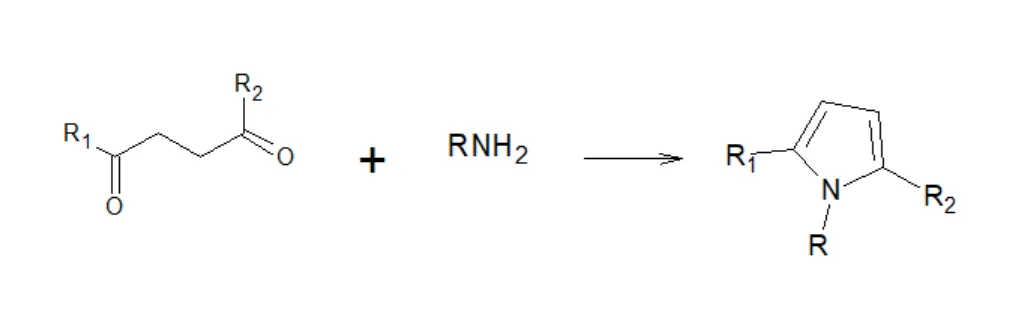
|
In recent years, transition‑metal‑catalyzed heterocyclization using palladium, copper, nickel, and other metals have become powerful tools for assembling five‑ and six‑membered nitrogen heterocycles via C–N bond formation, annulation, and C–H activation, greatly expanding access to pyrroles, pyridines, indoles, quinolines, and related scaffolds [21].
|
Pyrrole synthesis catalyzed by iron 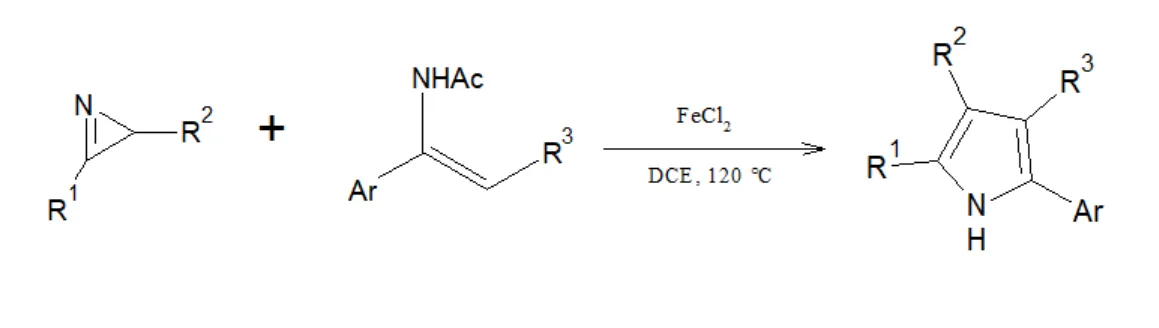
|
Named metal‑mediated and cross‑coupling‑based transformations, such as Larock‑type indole syntheses and Suzuki–Miyaura or Sonogashira couplings followed by cyclization, are frequently used to build more complex and highly substituted heterocyclic frameworks relevant to medicinal chemistry [22].
|
Larock indole synthesis 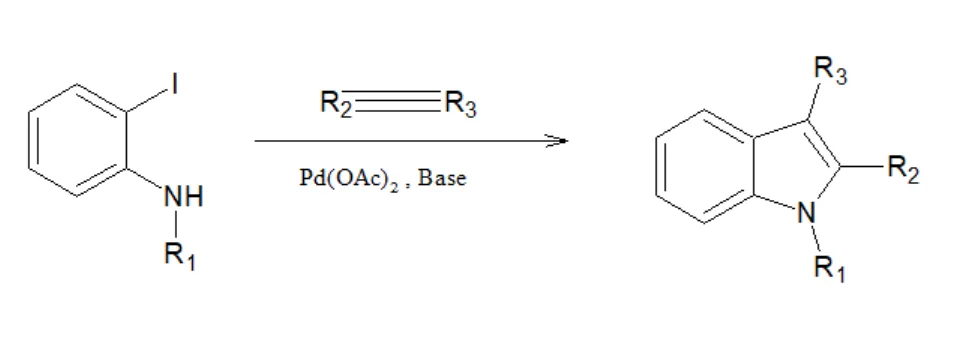
|
Multicomponent and one‑pot reactions, including Hantzsch‑type, Biginelli, Ugi, and related protocols, are attractive because they combine several simple inputs in a single step, improving step‑economy and enabling rapid generation of diverse heterocyclic libraries for drug‑discovery studies [23].
Alongside these methods, green and sustainable approaches—such as microwave‑assisted, solvent‑free, and catalyst‑efficient protocols—have gained prominence for the synthesis of bioactive N‑heterocycles, as they often shorten reaction times, increase yields, and reduce solvent and energy consumption [24].
5. BIOLOGICAL APPLICATIONS AND MECHANISM OF ACTION
Nitrogen-based heterocycles display an impressive repertoire of biological activities, including antioxidant, antimicrobial, anti-tuberculosis, analgesic, anti-inflammatory, antiviral, anti-HIV, anticancer, anti-helminthic, and other pharmacological activities. Approximately 59–60% of FDA-approved small-molecule drugs incorporate nitrogen heterocycles, underscoring their structural significance in drug design [25].
Their stability and operational efficiency in the human body. Nitrogen atoms’ ability to readily bond with DNA and proteins via hydrogen bonding [5]. Structural mimicry of endogenous metabolites and natural products [26]. The prevalence of N-heterocycles in biologically active compounds is attributed to: Their stability and operational efficiency in the human body. Nitrogen atoms’ ability to readily bond with DNA and proteins via hydrogen bonding [5]. Structural mimicry of endogenous metabolites and natural products [26].
5.1. Antimicrobial Activities
|
Heterocycle Class |
Mechanism of Action |
Examples/Applications |
|
Quinolines/ Quinolones |
Inhibit DNA gyrase and topoisomerase IV, preventing bacterial DNA replication [27] |
Chloroquine (antimalarial), Ofloxacin, Ciprofloxacin [27] |
|
Pyrido-benzothiazine |
Interact with bacterial cell wall synthesis enzymes; potent antibacterial activity [28] |
Rufluoxacin fluoro-substituted derivative) [28] |
|
1,2,4-Triazole |
Inhibit ergosterol biosynthesis (fungi); disrupt cell membrane integrity [29] |
Fluconazole, Voriconazole (antifungal) [29] |
|
Pyrroles& Imidazole |
Disrupt microbial enzyme function; antioxidant-mediated toxicity [30] |
Various novel synthetic derivatives [30] |
5.2. Anticancer Activities
|
Heterocycle Class |
Mechanism of Action |
Examples/Applications |
|
N-Based Heterocycles (General) |
Interact with DNA via hydrogen bonding; disrupt DNA replication and transcription [5] |
Broad spectrum of anticancer agents[5] |
|
Quinolines |
DNA intercalation; inhibition of topoisomerases [30] |
Anticancer treatment agents [30] |
|
Triazoles& Benzimidazoles |
Inhibit microtubule formation; induce apoptosis [30] |
Various novel anticancer scaffolds [30] |
|
Pyrimidines& Purines |
Mimic natural nucleobases; disrupt nucleotide synthesis [31] |
Antimetabolite drugs [31] |
5.3. Anti-viral & Anti-HIV Activities
|
Heterocycle Class |
Mechanism of Action |
Examples/Applications |
|
Pyrimidines & Purines |
Inhibit reverse transcriptase; block viral DNA synthesis [25] |
Anti-HIV drugs (e.g., Efavirenz contains cyclopropyl-pyrimidine) |
|
Indoles & Benzimidazoles |
Interfere with viral protease enzymes; prevent viral maturation [25] |
Hepatitis and emerging viral targets |
|
Triazoles |
Block viral entry and replication pathways [25] |
Antiviral screening compounds |
5.4. Analgesic, Anti-inflammatory, and Antioxidant Activities
|
Heterocycle Class |
Mechanism of Action |
Examples/Applications |
|
Pyrroles & Pyrazoles |
Inhibit COX-1/COX-2 enzymes; reduce prostaglandin synthesis [25] |
Analgesic and anti-inflammatory drugs |
|
Imidazole |
Modulate histamine receptors; anti-allergic effects [25] |
Antihistamine agents |
|
Various N-Heterocycles |
Scavenge free radicals; enhance antioxidant enzyme activity [25] |
Antioxidant therapeutic compounds |
6. Emerging Applications in Drug discovery and Development
Nitrogen heterocycles play increasingly transformative roles in modern drug discovery and development through several emerging applications [32,33]. One of the most significant advancements is the integration of artificial intelligence (AI) and machine learning in heterocyclic drug design. Machine learning algorithms now predict structure-activity relationships (SAR) for nitrogen heterocycles with remarkable accuracy, enabling identification of novel drug candidates much faster than traditional screening methods [32,33]. AI-driven platforms optimize heterocyclic scaffolds for improved bioavailability, selectivity, and reduced toxicity, while computational tools screen millions of heterocyclic compounds to prioritize candidates for synthesis and testing. This revolutionary approach has reduced drug discovery time from 10–15 years to 5–7 years and cut costs by 30–50%, representing a paradigm shift in pharmaceutical research [32,33].
Fluorinated heterocycles represent another major emerging application, with fluorine incorporation into heterocyclic structures significantly increasing metabolic stability, membrane permeability, and binding affinity [33]. Approximately 35% of FDA-approved drugs contain fluorine, and many are heterocyclic compounds including fluoroquinolones and fluoropyrimidines such as Fluorouracil, Ciprofloxacin, Efavirenz, and Fluconazole [33]. The high electronegativity of fluorine modifies electron distribution in heterocycles, improving drug-target interactions and resulting in enhanced therapeutic efficacy [33].
In targeted therapy and precision medicine, nitrogen heterocycles serve as critical protein kinase inhibitors in cancer treatment [33,34]. Pyrimidines and indoles specifically inhibit protein kinases, making them essential for targeted cancer therapy [33,34]. Over 50% of new anticancer drugs currently in clinical trials contain heterocyclic scaffolds, and these targeted therapies demonstrate higher efficacy and lower toxicity compared to traditional chemotherapy approaches [33,34]. Personalized drug design now tailors heterocyclic scaffolds to patient-specific mutations, with EGFR inhibitors containing quinazoline rings representing successful examples of this approach [33,34].
The application of nanotechnology and drug delivery systems has expanded heterocyclic utility dramatically [33]. Nitrogen heterocycles including pyridines and imidazole are now used in polymeric nanoparticles for targeted drug delivery, significantly enhancing solubility and stability of poorly water-soluble drugs [33]. These nanoparticle-heterocycle conjugates enable controlled release and reduce off-target effects, with emerging applications in cancer-targeted nanoparticles and brain-delivery systems for CNS drugs demonstrating the potential for treating previously inaccessible diseases [33].
Fragment-based drug design (FBDD) utilizes small heterocyclic fragments such as pyrroles and pyridines as starting points for rapid drug candidate assembly [33,35]. Multicomponent reactions combine these heterocyclic fragments to generate thousands of candidates for screening, reducing screening costs and accelerating lead identification [33,35]. Successful drugs including Venafenib (kinase inhibitor) and Bortezomib (anticancer) were designed using FBDD with heterocyclic scaffolds, demonstrating the practical clinical value of this approach [33,35].
Green chemistry and sustainable manufacturing approaches for heterocycle synthesis are gaining regulatory and industrial importance [33,36]. Microwave-assisted, sonochemical, and solvent-free methods reduce waste and energy consumption while enabling robust synthetic routes for bulk production of heterocyclic drugs [33,36]. These sustainable methods cut production costs by 20–30% and improve environmental compliance while aligning with ICH and FDA guidelines for pharmaceutical quality and sustainability [33,36].
Emerging therapeutic areas now include antiviral applications with pyrimidines and purines targeting HIV, Hepatitis B/C, and SARS-CoV-2, antibacterial applications with quinolones and triazoles addressing drug-resistant bacteria like MRSA and E. coli, and neurodegenerative disease treatments using pyridines and indoles for Alzheimer's and Parkinson's [33,34]. Heterocycles are also expanding into immunomodulatory applications for autoimmune diseases and cancer immunotherapy using benzimidazoles and piperazines, demonstrating the expanding scope of nitrogen heterocycles in treating previously unaddressed conditions [33,34].
Neuroprotective agents based on indoles, pyridines, and benzimidazoles show remarkable activity in preventing neuronal death in Alzheimer's and Parkinson's diseases [33]. These compounds inhibit oxidative stress, reduce inflammation, and block excitotoxicity, offering dual action by treating symptoms while slowing disease progression [33]. Several heterocyclic neuroprotectants are currently in Phase II and III clinical trials for neurodegenerative diseases, representing promising future therapeutic options [33].
Antioxidant and cytoprotective applications utilize pyrazoles, pyridines, and imidazole that scavenge free radicals and protect cells from oxidative damage [33]. These heterocycles reduce lipid peroxidation and enhance glutathione levels, making them valuable for treating ischemia and diabetes complications [33]. Their emerging uses in cardiovascular protection and anti-diabetic therapies demonstrate the expanding therapeutic potential of nitrogen heterocycles beyond traditional applications [33].
Overall, nitrogen heterocycles continue to drive innovation across multiple therapeutic areas through these emerging applications, with AI-driven design, fluorination strategies, targeted delivery, and sustainable manufacturing approaches representing the future of heterocyclic drug development in modern pharmaceutical science [33].
7. Challenges in Pharmaceutical Synthesis and Formulation
7.1. Poor Solubility & Low Bioavailability
Poor aqueous solubility is a common problem in new drug candidates, affecting approximately 70% of novel medications [38]. Drug candidates with poor solubility often lead to drug development failures because they have low bioavailability and poor absorption [39]. This limited water solubility of active pharmaceutical ingredients constrains their pharmacological efficacy and reduces drug absorption [40]. Various technologies are available to improve solubility, such as reducing particle size, creating solid dispersions, and using lipid-based systems [41]. Effective pharmaceutical formulation aims to address these solubility limitations early in development to improve clinical outcomes [39].
7.2. Stability & Shelf-Life Issues
Stability studies play a crucial role in determining how a drug product's quality changes over time when exposed to temperature, humidity, and light [42]. A drug product may degrade over time to a point where it becomes ineffective or unsafe due to the formation of impurities with unknown toxicity [42]. Light, humidity, and temperature changes can wreak havoc on pharmaceutical products, with potentially dangerous results [42]. Stability testing is essential during drug development to ensure that marketed products remain safe and effective under different conditions [42].
7.3. Regioselectivity in Multi-Step Synthesis
Key challenges in multistep continuous flow synthesis include controlling regioselectivity and preventing formation of undesired isomers [43,44]. Factors such as lipophilicity, solvation, and crystal lattice strength regulate solubility and can be modified to enhance it [43,44]. Enhancements in solubility can be achieved by increasing solvent affinity or decreasing lattice energy and lipophilicity [43,44].
7.4. Scale-Up Challenges
Scale-up and scale-out complexities in multiphase systems are persistent challenges in pharmaceutical formulation and development [45]. The formulation design can significantly affect the oral bioavailability of poorly soluble drugs[46].
7.5. Excipient Incompatibility with APIs
Excipients come with inherent limitations that pose challenges in drug development, manufacturing, and patient safety [47]. The limited water solubility of active pharmaceutical ingredients constrains their pharmacological efficacy [47].
7.6. Pediatric Formulation Challenges
Poor aqueous solubility, common among many new drug candidates, can lead to inconsistent absorption, necessitating higher doses and complex formulations [48].
7.7. Environmental & Sustainability Concerns
Emerging platforms supported by AI-enabled predictive modeling are promising toward realizing strong patient-centric solutions for poorly water-soluble therapeutics [49].
8. FUTURE PERSPECTIVES
The development of nitrogen heterocycles in medicinal chemistry is rapidly evolving with the integration of artificial intelligence and machine learning in drug design, which enables faster identification of novel bioactive scaffolds and reduces the time required for lead optimization [50,51]. Advanced computational methods, including chemo genomics, metabolomics, and proteomics, are increasingly being employed to predict drug–target interactions and optimize the pharmacokinetic profiles of heterocyclic compounds [52]. Sustainable and green synthetic approaches, such as solvent-free reactions, microwave-assisted synthesis, and biocatalysis, are expected to become standard practices to reduce the environmental impact of nitrogen heterocycle production in pharmaceutical industries [53]. Emerging therapeutic modalities like PROTACs (proteolysis-targeting chimeras), antibody–drug conjugates, and molecular glues, many of which contain nitrogen heterocycles, are opening new avenues for precision medicine and targeted therapies in cancer and neurodegenerative diseases [54]. Unanswered biological questions and incomplete understanding of structure–activity relationships for many heterocyclic classes suggest that further research is essential to fully exploit their pharmaceutical potential [55].
CONCLUSION
Nitrogen heterocycles have firmly established themselves as privileged scaffolds across medicinal chemistry, agrochemicals, materials science, and catalysis, owing to their structural diversity, tunable physicochemical properties, and strong propensity for specific interactions with biological targets and functional environments [5,13,26]. The survey of classical and modern synthetic strategies—from named cyclocondensation and multicomponent reactions to transition‑metal‑catalyzed C–N bond formations, C–H activation, and green microwave‑assisted or solvent‑free protocols—demonstrates that access to structurally diverse nitrogen heterocycles is now more efficient, sustainable, and compatible with industrial requirements than ever before [53,56]. Their broad spectrum of pharmacological activities, including antimicrobial, anticancer, antiviral, analgesic, anti‑inflammatory, CNS, and enzyme‑inhibitory effects, reflects the ability of nitrogen heterocycles to mimic endogenous nucleobases and cofactors, participate in hydrogen bonding and π‑stacking, and fine‑tune binding at enzymes, receptors, and nucleic acids [17,26]. Parallel advances in fluorinated heterocycles, fragment‑based design, and nano-carrier-conjugated heterocyclic systems are accelerating the discovery of targeted and personalized therapies with improved selectivity, bioavailability, and safety profiles [5,26]. Looking ahead, deeper understanding of structure–activity relationships, wider adoption of AI‑driven design and predictive modeling, and continued development of greener synthetic methodologies are expected to unlock new nitrogen‑heterocyclic chemotypes and applications, reinforcing their central role in next‑generation drug discovery and functional material design [17,56].
REFERENCES

Kadeeja Jumailath V. H., Anudhanya Parengal, Dr. Byju K., Ayswarya K., Dr. G. Babu, Review On Recent Advances in Nitrogen Heterocycles: Synthesis, Properties, And Emerging Applications, Int. J. of Pharm. Sci., 2026, Vol 4, Issue 6, 7274-7286, https://doi.org/10.5281/zenodo.21033566
 10.5281/zenodo.21033566