

We use cookies to ensure our website works properly and to personalise your experience. Cookies policy
Department of Chemistry, Shri Venkateshwara University, Gajraula, Amroha, Uttar Pradesh, India
Serratiopeptidase is a proteolytic enzyme widely used in pharmaceutical formulations for its anti-inflammatory and fibrinolytic activity; however, its proteinaceous nature and formulation as enteric-coated tablets pose significant challenges for stability assessment and quantitative analysis. The present study aimed to investigate the stress degradation behavior of serratiopeptidase in enteric-coated tablet formulations using a validated gel permeation chromatographic method. Forced degradation studies were performed by subjecting tablet samples to acidic, alkaline, oxidative, thermal, and mechanical stress conditions in accordance with stability-indicating study principles. Chromatographic separation was achieved using gel permeation chromatography, enabling effective separation of the active enzyme from its degradation products. The method was validated for specificity, precision, accuracy, linearity, and solution stability. Serratiopeptidase exhibited pronounced degradation under acidic, thermal, and oxidative stress at elevated temperatures, while comparatively lower degradation was observed under mild oxidative conditions at room temperature. Mechanical compression stress also resulted in measurable degradation, highlighting the sensitivity of the enzyme to manufacturing-related stress. In all cases, degradation products were well resolved from the parent peak, confirming the stability-indicating capability of the method. The study demonstrates that the validated gel permeation chromatographic method is suitable for evaluating the degradation behavior of serratiopeptidase in enteric-coated tablets. In alignment with analytical lifecycle concepts described in ICH Q14, the method supports reliable stability assessment and routine quality control of serratiopeptidase-containing pharmaceutical formulations.
Forced degradation studies form an integral part of pharmaceutical development and are routinely employed to evaluate the intrinsic stability of drug substances and drug products. These studies involve exposing pharmaceutical products to stress conditions more severe than those used in accelerated stability testing, such as acidic, alkaline, oxidative, thermal, and mechanical stress. The information generated from forced degradation studies is critical for understanding degradation pathways, establishing stability-indicating analytical methods, and supporting formulation development, packaging selection, and regulatory submissions. Regulatory guidelines, including ICH Q1A(R2), emphasize the importance of stress testing to demonstrate the stability characteristics of pharmaceutical products and to ensure product quality throughout their shelf life.
Serratiopeptidase is a proteolytic enzyme produced by purification from cultures of the non-pathogenic bacterium Serratia sp. E-15 and is widely used in pharmaceutical formulations for its anti-inflammatory, fibrinolytic, and anti-edematous activities. Unlike conventional small-molecule drugs, serratiopeptidase is a high-molecular-weight protein with a complex three-dimensional structure that is highly sensitive to environmental conditions such as pH, temperature, oxidation, and mechanical stress. Degradation of the enzyme may result in loss of enzymatic activity, structural modification, or fragmentation, which can compromise therapeutic efficacy. Consequently, accurate stability assessment and reliable analytical methodologies are essential for ensuring the quality and performance of serratiopeptidase-containing products.
Serratiopeptidase is commonly formulated as an enteric-coated tablet to protect the enzyme from acidic degradation in the gastric environment and to enable release in the intestinal region, where absorption is more favorable. While enteric coating enhances in vivo stability, it introduces additional complexity during analytical evaluation. Coating polymers, compression forces applied during tableting, and pH-dependent dissolution behavior can influence the degradation profile of the enzyme during manufacturing, storage, and analysis. Therefore, stability assessment of serratiopeptidase in enteric-coated tablets requires an analytical approach capable of selectively evaluating the active enzyme in the presence of formulation excipients and degradation products.
Gel permeation chromatography (GPC), also referred to as size-exclusion chromatography, is a powerful analytical technique for the separation of macromolecules based on their molecular size. GPC is particularly suitable for the analysis of proteins and enzymes, as it enables effective separation of intact biomolecules from lower-molecular-weight degradation products, aggregates, or fragments without reliance on strong interactions with the stationary phase. Compared with conventional reversed-phase chromatographic techniques, GPC offers improved selectivity for protein-based analytes and provides a reliable means of monitoring structural integrity during degradation studies.
The objective of the present study was to investigate the degradation behavior of serratiopeptidase in enteric-coated tablet formulations under various stress conditions, including acidic, alkaline, oxidative, thermal, and mechanical stress, using a validated gel permeation chromatographic method. The study aims to establish degradation patterns, demonstrate the stability-indicating capability of the method, and support its application for routine quality control and stability studies. In addition, the work aligns with analytical lifecycle concepts outlined in ICH Q14 by emphasizing method understanding, robustness, and suitability throughout the product lifecycle.
MATERIALS AND METHODS
Chemicals and Reagents
Serratiopeptidase enteric-coated tablet formulations were obtained from Kusum healthcare pvt. Ltd. Potassium dihydrogen orthophosphate, sodium hydroxide, hydrochloric acid, and hydrogen peroxide were of analytical reagent grade. HPLC grade water was used throughout the study. All solutions were prepared freshly unless otherwise stated.
Instrumentation
Chromatographic analysis was performed using a high-performance liquid chromatography (HPLC) system equipped with a quaternary pump, autosampler, column oven, and photodiode array (PDA) detector. Data acquisition and processing were carried out using appropriate chromatographic software. Separation was achieved using a Waters Ultrahydrogel™ Linear column (300 mm × 7.8 mm), which is suitable for size-based separation of high-molecular-weight biomolecules.
Chromatographic Conditions
The mobile phase consisted of potassium dihydrogen orthophosphate buffer adjusted to pH 9.5. The flow rate was maintained at 0.5 mL min⁻¹ with an injection volume of 10 µL. The column oven temperature was set at 65 °C to ensure adequate solubility and consistent elution of the enzyme, while the autosampler temperature was maintained at 15 °C to minimize solution degradation. Detection was carried out at a wavelength of 220 nm. The chromatographic conditions were optimized to achieve effective separation of serratiopeptidase from its degradation products.
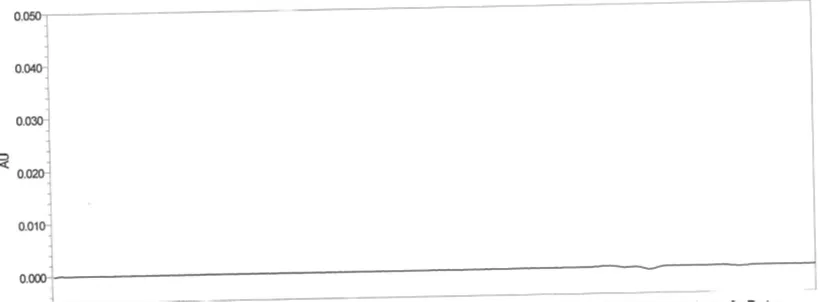
(a): Blank Chromatogram
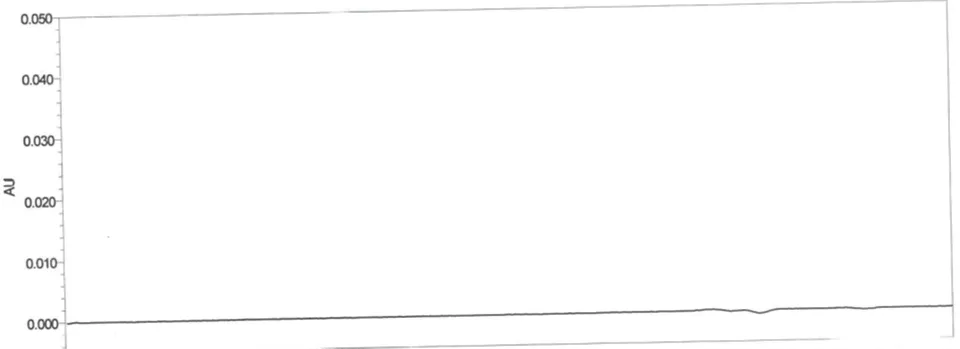
(B): Placebo Chromatogram
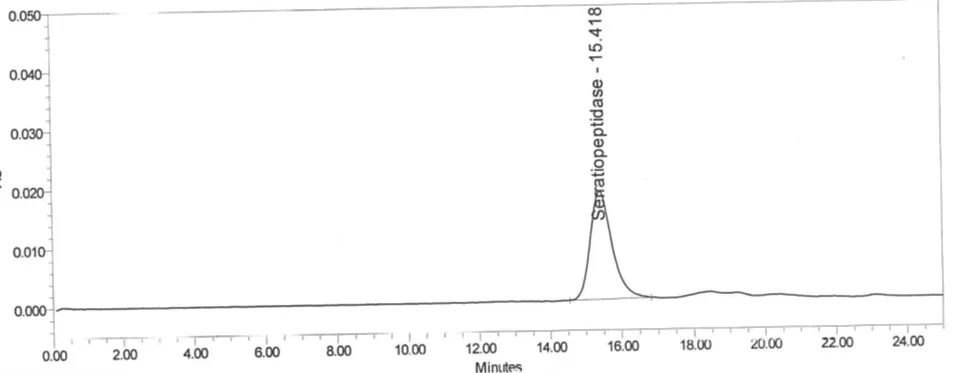
(C): Standard Chromatogram
(D) : Sample Chromatogram
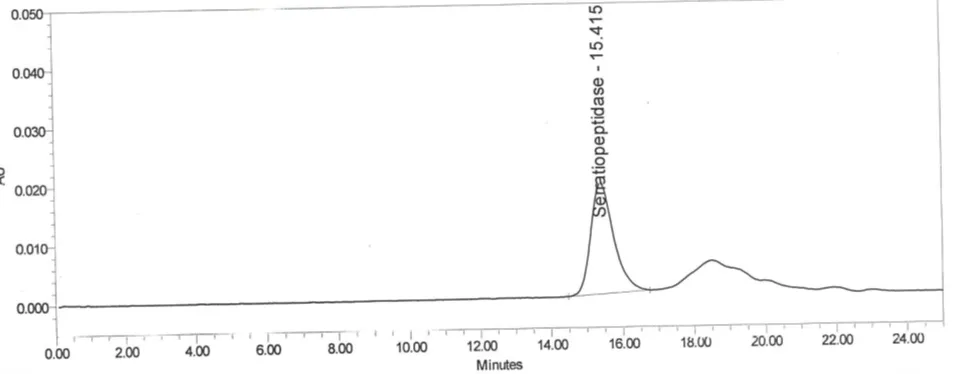
Figure 1 – Typical chromatogram of (a)blank, (b) standard, and (c) placebo
Preparation of Standard Solution
An accurately weighed quantity of serratiopeptidase reference material was transferred into a suitable volumetric flask and dissolved in mobile phase with gentle mixing to obtain a standard stock solution of known concentration. The solution was further diluted with mobile phase to obtain working standard solutions within the linearity range of the method. Standard solutions were stored at 15 °C during analysis.
Preparation of Sample Solution
Enteric-coated tablets were accurately weighed and finely powdered. An amount of powder equivalent to the labeled claim of serratiopeptidase was transferred to a volumetric flask. The sample was treated with mobile phase and subjected to sonication to ensure complete extraction of the enzyme from the sample matrix. The resulting solution was allowed to equilibrate, filtered through a suitable membrane filter, and diluted appropriately with mobile phase prior to chromatographic analysis.
Method Validation
The analytical method was validated in accordance with ICH Q2(R1) guidelines for specificity, precision, accuracy, linearity, and solution stability. Specificity was evaluated by comparing chromatograms of blank, placebo, and sample solutions to confirm the absence of interference at the retention time of serratiopeptidase. Precision was assessed by repeated analysis of sample preparations, and accuracy was evaluated through recovery studies at multiple concentration levels. Linearity was established over the studied concentration range, and solution stability was assessed by analyzing stored samples over a defined time period.
Table 1 – Summary of method validation parameters
|
Sr. No. |
Parameter |
Acceptance Criteria |
Results |
Remarks |
|
1. |
Specificity |
No interference should be observed at the retention time of Serratiopeptidase peak from blank and placebo. Purity purity of Serratiopeptidase peak should pass. |
No interference observed at the retention time of Serratiopeptidase peak Purity purity of Serratiopeptidase peak is passing |
Passes |
|
2. |
System precision |
The relative standard deviation (% RSD) for peak area counts of Serratiopeptidase peak in standard solution should not be more than 2.0%. |
% RSD = 1.1% |
Passes |
|
3. |
Method precision |
The % relative standard deviation observed for assay values of six samples should not be more than 2.0%. |
% RSD-1.5% |
Passes |
|
4. |
Intermediate Precision |
The overall % relative standard deviation of twelve assay values; six of method precision samples and six of intermediate precision samples should not be more than 2.0%. |
% RSD for twelve samples- % RSD-1.6%
|
Passes |
|
5. |
Linearity |
The regression coefficient for Serratiopeptidase should not be less than 0.99000. |
Regression coefficient observed 0.99981 |
Passes |
|
6. |
Accuracy |
% Recovery should be within 98.0% to 102.0%.
|
Mean % Recovery at 80% level: 98.7 100% level: 98.9 130% level: 99.3 150% level: 100.1 Overall % recovery: 99.3 |
Passes
|
|
7. |
Robustness |
Requirement of system suitability should meet in all robustness conditions. |
System suitability criteria were met in all robustness conditions. |
Passes |
|
8. |
Stability in Analytical Solution |
The difference between the initials and at the different time intervals should not be more than 2.0%. |
Stability of analytical solution observed up to 24 hrs at 15°C temperature. |
Passes |
Forced Degradation Studies
Forced degradation studies were conducted to evaluate the stability of serratiopeptidase in enteric-coated tablets under various stress conditions. Tablet samples were subjected to acidic, alkaline, oxidative, thermal, and mechanical stress in accordance with stability-indicating study principles.
After stress treatment, samples were neutralized where necessary, diluted with mobile phase, and analyzed using the validated chromatographic method.
Figures:
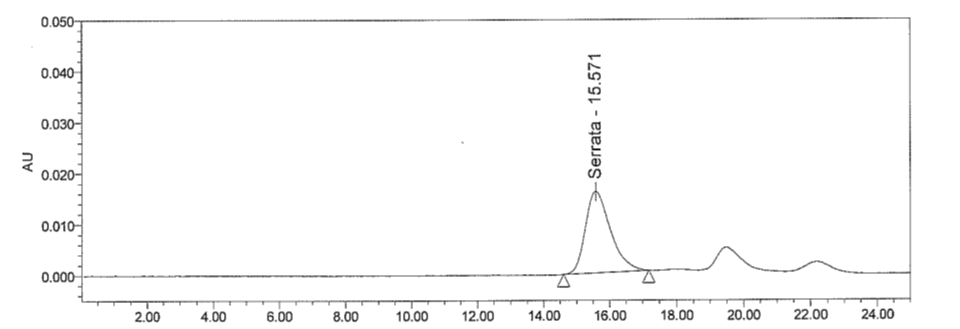
Base degradation:
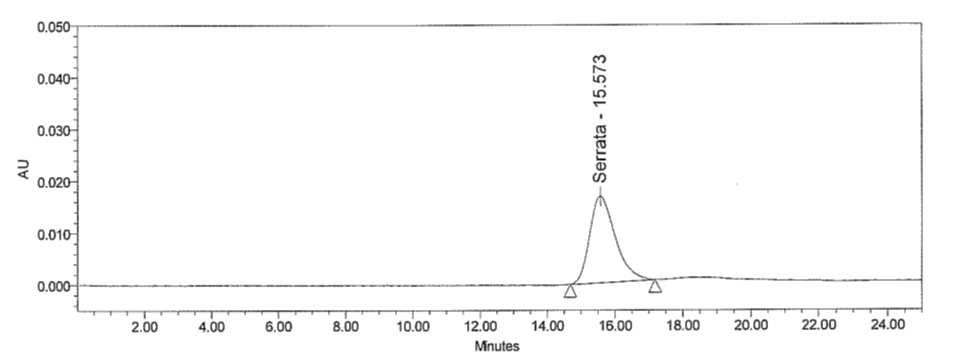
Thermal degradation:
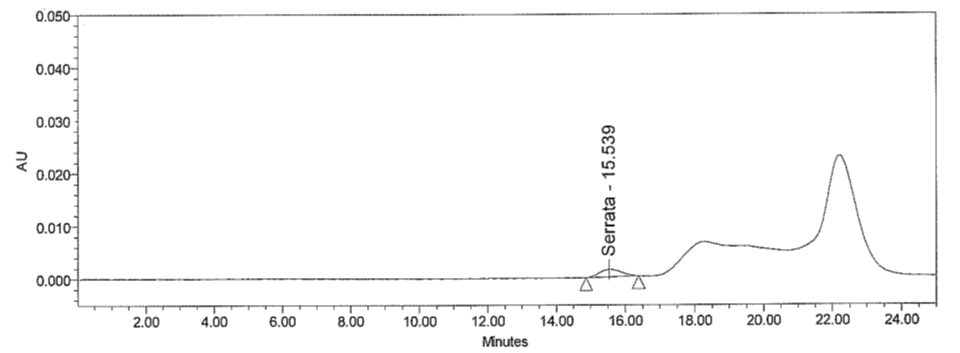
Peroxide degradation
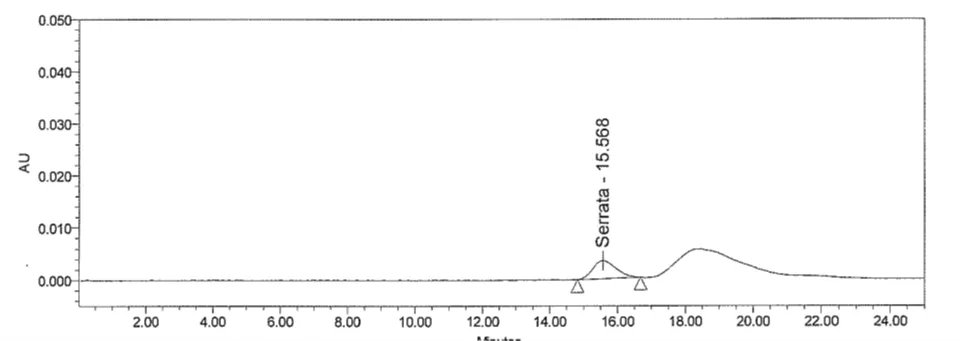
Acid degradation:
FORCED DEGRADATION – RESULTS AND DISCUSSION
Overview of Forced Degradation Studies
Forced degradation studies were conducted to evaluate the intrinsic stability of serratiopeptidase in enteric-coated tablet formulations and to demonstrate the stability-indicating capability of the validated gel permeation chromatographic method. Tablet samples were subjected to acidic, alkaline, oxidative, thermal, and mechanical stress conditions representing chemical, environmental, and manufacturing-related stress factors. Degradation was assessed by monitoring changes in assay values and chromatographic peak profiles of serratiopeptidase relative to unstressed control samples.
The chromatographic method provided clear separation of the intact enzyme from degradation products under all stress conditions, enabling reliable evaluation of degradation behavior.
Acidic Degradation Behavior
Exposure of serratiopeptidase tablets to acidic stress resulted in pronounced and progressive degradation. At room temperature, significant degradation was observed with increasing exposure time, indicating susceptibility of the enzyme to acid-catalyzed hydrolysis. When samples were exposed to acidic conditions at elevated temperature (80 °C), rapid and extensive degradation occurred, as evidenced by a substantial reduction in assay values and disappearance of the intact enzyme peak.
Proteolytic enzymes are known to be highly unstable under acidic environments due to disruption of hydrogen bonding and unfolding of the tertiary structure. The observed degradation pattern confirms the vulnerability of serratiopeptidase to acidic conditions, emphasizing the importance of enteric coating for in-vivo protection. The gel permeation chromatographic method effectively resolved degradation products from the parent enzyme peak, demonstrating its suitability for monitoring acid-induced degradation.
Table S1 – Acid degradation data
Table 1. Acidic Stress Degradation
|
Condition |
% Assay |
% Degradation |
|
Control |
113.1 |
0.0 |
|
RT 30 min |
76.0 |
37.1 |
|
RT 60 min |
53.5 |
59.6 |
|
80°C 15 min |
37.8 |
75.3 |
|
80°C 30 min |
28.7 |
84.4 |
|
80°C 60 min |
20.7 |
92.4 |
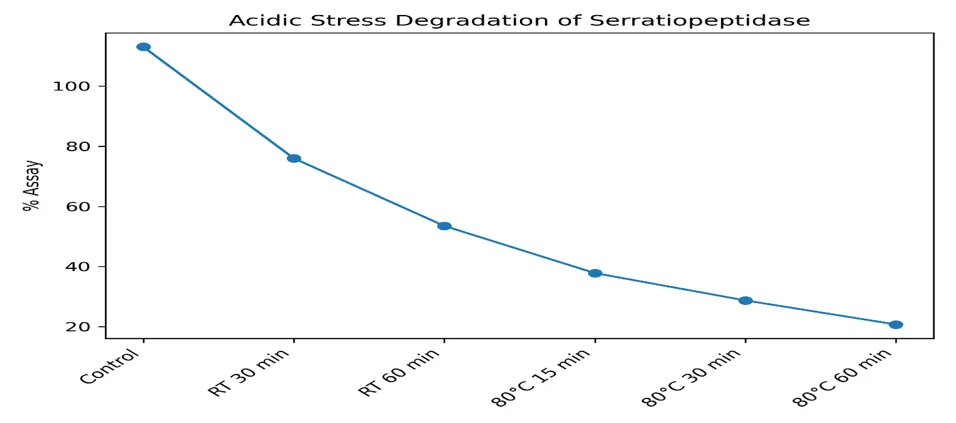
Figure 1. Acidic stress degradation profile
Alkaline Degradation Behavior
Under alkaline stress conditions, serratiopeptidase exhibited comparatively lower degradation at room temperature during initial exposure periods. However, degradation increased progressively with extended exposure time. When alkaline stress was applied at elevated temperature, a marked increase in degradation was observed, indicating temperature-dependent acceleration of base-catalyzed degradation pathways.
Alkaline hydrolysis of peptide bonds may occur at higher pH values, particularly under thermal stress, leading to fragmentation of the enzyme. The degradation trend suggests that serratiopeptidase possesses moderate stability under mild alkaline conditions but becomes increasingly unstable under combined alkaline and thermal stress. The chromatographic method consistently separated degraded species from the intact enzyme peak, enabling accurate quantification of residual serratiopeptidase.
Table S2 – Alkaline degradation data
Table 2. Alkaline Stress Degradation
|
Condition |
% Assay |
% Degradation |
|
Control |
113.1 |
0.0 |
|
RT 30 min |
106.2 |
6.9 |
|
RT 60 min |
99.1 |
14.0 |
|
RT 90 min |
81.8 |
31.3 |
|
80°C 30 min |
78.1 |
35.0 |
|
80°C 60 min |
41.5 |
71.6 |
|
80°C 90 min |
10.0 |
103.1 |
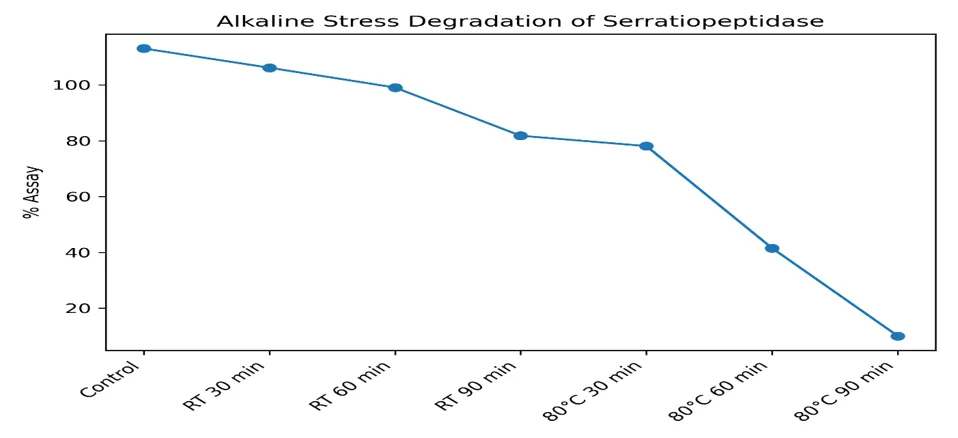
Figure 2. Alkaline stress degradation profile
Oxidative Degradation Behavior
Oxidative stress studies revealed minimal degradation of serratiopeptidase when samples were exposed to hydrogen peroxide at room temperature for short durations. This indicates relative resistance of the enzyme to mild oxidative conditions. In contrast, exposure to oxidative stress at elevated temperature resulted in rapid and extensive degradation, as reflected by a sharp decline in assay values and significant alteration of chromatographic peak profiles.
Oxidative degradation of proteins typically involves modification of susceptible amino acid residues such as methionine, cysteine, and tryptophan. The pronounced degradation observed at elevated temperature suggests enhanced susceptibility of these residues under thermal activation. The method successfully differentiated oxidative degradation products from the parent enzyme peak, confirming its stability-indicating capability under oxidative stress conditions.
Table S3 – Oxidative degradation data
Table 3. Oxidative Stress Degradation
|
Condition |
% Assay |
% Degradation |
|
Control |
113.1 |
0.0 |
|
RT initial |
112.0 |
1.1 |
|
RT 30 min |
110.0 |
3.1 |
|
RT 60 min |
108.4 |
4.72 |
|
80°C 30 min |
37.7 |
75.4 |
|
80°C 60 min |
0.1 |
113.02 |
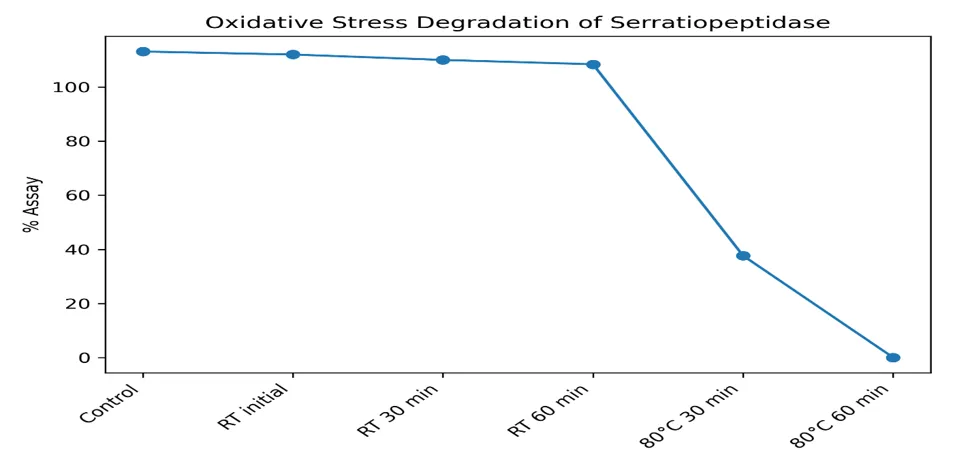
Figure 3. Oxidative stress degradation profile
Thermal Degradation Behavior
Thermal stress studies demonstrated time-dependent degradation of serratiopeptidase when exposed to dry heat at 70 °C. A gradual reduction in assay values was observed with increasing exposure duration, indicating progressive thermal denaturation of the enzyme. Prolonged thermal exposure resulted in extensive degradation, suggesting irreversible loss of enzymatic structure and activity.
Proteins are particularly susceptible to thermal denaturation due to disruption of non-covalent interactions responsible for maintaining structural integrity. The observed degradation behavior highlights the need for controlled temperature conditions during manufacturing, storage, and handling of serratiopeptidase-containing formulations.
Table S4 – Thermal degradation data
Table 4. Thermal Stress Degradation
|
Condition |
% Assay |
% Degradation |
|
Control |
113.1 |
0.0 |
|
70°C 30 min |
105.9 |
7.2 |
|
70°C 60 min |
81.5 |
31.6 |
|
70°C 90 min |
40.6 |
72.6 |
|
70°C 120 min |
10.0 |
103.1 |
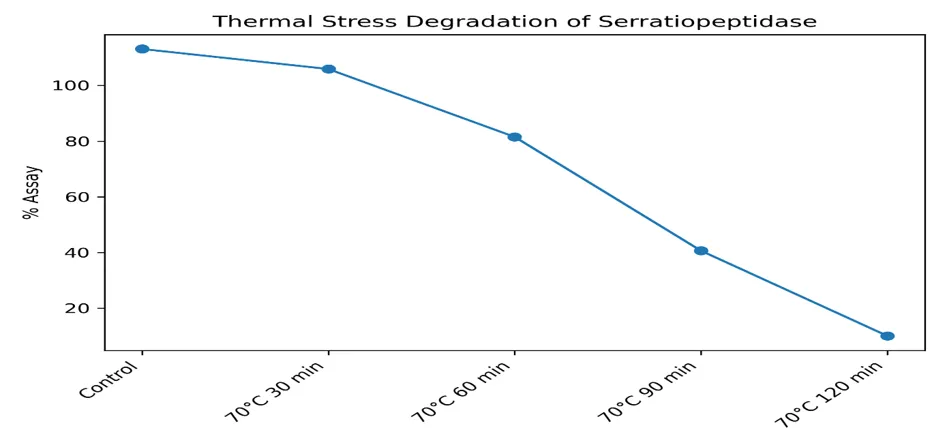
Figure 4. Thermal stress degradation profile
Mechanical (Pressure) Degradation Behavior
Mechanical stress studies performed by applying increasing compression pressure to tablet blends revealed a clear relationship between applied force and degradation of serratiopeptidase. Minimal degradation was observed at lower compression forces, while higher compression pressures resulted in significant loss of assay values. This suggests that excessive mechanical stress during tablet compression may adversely affect enzyme stability.
Mechanical stress can induce conformational changes, aggregation, or partial unfolding of protein structures. The results emphasize the importance of optimizing compression parameters during formulation development to minimize degradation of serratiopeptidase. The chromatographic method effectively detected degradation resulting from mechanical stress, supporting its application in process development and manufacturing control.
Table S5 – Pressure degradation data
Table 5. Pressure Stress Degradation
|
Condition |
% Assay |
% Degradation |
|
No pressure |
113.1 |
0.0 |
|
Minimum force |
100.0 |
13.1 |
|
6 Ton |
64.8 |
48.3 |
|
8 Ton |
60.2 |
52.9 |
|
10 Ton |
56.6 |
56.5 |
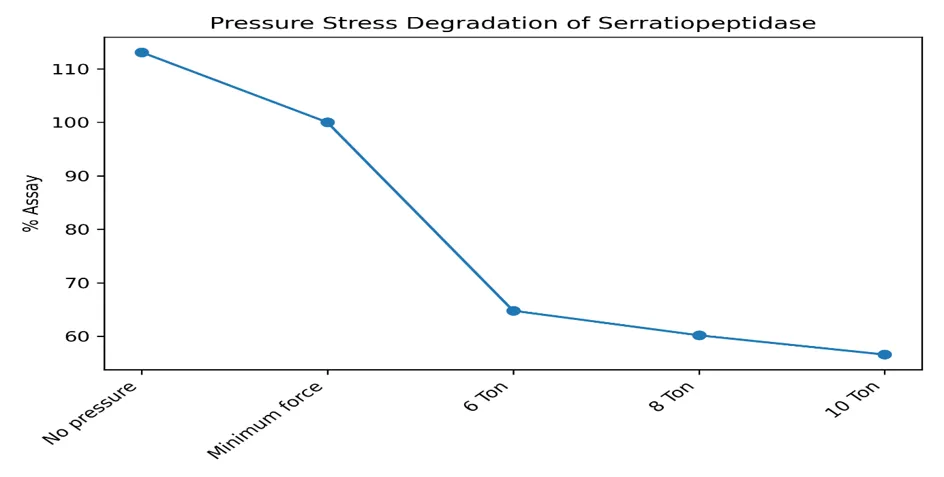
Figure 5. Pressure stress degradation profile
Stability-Indicating Capability and Analytical Lifecycle Perspective
Across all stress conditions evaluated, the validated gel permeation chromatographic method consistently separated serratiopeptidase from its degradation products, confirming its stability-indicating nature. The method demonstrated reliable performance under varied stress scenarios relevant to formulation development, manufacturing, and storage.
In alignment with ICH Q14 analytical lifecycle principles, the study provides a comprehensive understanding of method performance and degradation behavior, supporting continued suitability of the method for routine quality control and stability testing throughout the product lifecycle.
CONCLUSION
The present study systematically evaluated the degradation behavior of serratiopeptidase in enteric-coated tablet formulations under a range of chemical, thermal, and mechanical stress conditions using a validated gel permeation chromatographic method. The results demonstrated that serratiopeptidase is highly susceptible to acidic, thermal, oxidative (at elevated temperature), and mechanical stress, while exhibiting comparatively lower degradation under mild oxidative conditions at room temperature. These findings highlight the intrinsic instability of the enzyme and emphasize the importance of appropriate formulation design, manufacturing control, and storage conditions for serratiopeptidase-containing products.
The gel permeation chromatographic method effectively separated the intact enzyme from its degradation products across all stress conditions, confirming its stability-indicating capability. The method showed satisfactory performance characteristics in accordance with ICH Q2(R1) and provided consistent, reliable results during stress testing. Furthermore, the comprehensive understanding of degradation behavior and method performance aligns with analytical lifecycle concepts outlined in ICH Q14, supporting the continued suitability of the method throughout product development and routine quality control.
Overall, the study provides valuable insights into the stability profile of serratiopeptidase in enteric-coated tablets and establishes a robust analytical approach for monitoring degradation. The proposed method can be effectively applied for formulation development, process optimization, stability studies, and quality control of serratiopeptidase-based pharmaceutical products.
ACKNOWLEDGEMENTS:
The author is highly grateful to Mr. Sanjeev Gupta, Mr. Rajeev Gupta, Kusum Healthcare Pvt. Ltd, & Dr. Rahul Kumar for providing the necessary facilities & their kind support.
REFERENCES


Shyam Sunder Shrivastava, Dr. Rahul Kumar, Stress Degradation Behavior of Serratiopeptidase in Enteric-Coated Tablets Evaluated by a Validated Gel Permeation Chromatographic Method, Int. J. of Pharm. Sci., 2026, Vol 4, Issue 6, 5788-5800. https://doi.org/10.5281/zenodo.20805988
 10.5281/zenodo.20805988