

We use cookies to ensure our website works properly and to personalise your experience. Cookies policy
East point college of pharmacy pharmacology. Bangalore Karnataka, India
Nephrotoxicity is a clinically significant complication arising from exposure to a range of therapeutic agents, among them cisplatin, aminoglycoside antibiotics, and radiopharmaceuticals. The underlying pathology is driven principally by oxidative stress, inflammatory cascades, mitochondrial dysfunction, apoptosis, and cytokine-mediated injury. Despite growing awareness of these mechanisms, current nephroprotective options remain constrained by limited efficacy and non-trivial adverse effect profiles, leaving a clear therapeutic gap for safer alternatives. Medicinal plants have attracted increasing attention in this context, particularly those with documented antioxidant and anti-inflammatory activity. Euphorbia neriifolia, a member of the Euphorbiaceae family with a long history in traditional medicine, contains a diverse array of secondary metabolites — triterpenoids, flavonoids, phenolics, sterols, saponins, alkaloids, and glycosides — that collectively confer broad pharmacological activity. Evidence from related plant species suggests that such phytoconstituents protect the kidney by scavenging reactive oxygen species (ROS), attenuating lipid peroxidation, suppressing pro-inflammatory cytokines, modulating NF-?B signalling, restoring antioxidant enzyme activity, and limiting mitochondrial injury. This review examines the global burden of nephrotoxicity and the principal mechanisms through which renal injury develops, with particular attention to oxidative stress, inflammation, and cytokine dysregulation. It also consolidates available evidence on the phytochemistry and pharmacological properties of E. neriifolia, and discusses how widely used experimental models cisplatin- and gentamicin-induced nephrotoxicity have informed our understanding of antioxidant and anti-inflammatory renoprotection. Although direct nephroprotective data for E. neriifolia remain sparse, the cumulative phytochemical and pharmacological evidence strongly supports further targeted investigation,
Nephrotoxicity constitutes a major and persistent challenge in clinical medicine, arising frequently from therapeutic agents including cisplatin, aminoglycoside antibiotics, radiopharmaceuticals, and various other drugs [1,3]. Patients with pre-existing renal impairment carry a disproportionately high burden of nephrotoxic drug exposure, underscoring the critical importance of vigilant monitoring and preventive strategies [1]. Chronic kidney disease and urinary tract infections further heighten susceptibility to antibiotic-associated renal injury [2]. At a mechanistic level, nephrotoxic agents act primarily through oxidative stress, mitochondrial dysfunction, inflammation, and apoptosis — processes that converge to initiate and sustain kidney damage [3].
Among these, oxidative stress occupies a central position. Unchecked generation of reactive oxygen species (ROS) triggers lipid peroxidation, damages proteins and nucleic acids, and disrupts the normal physiology of renal tubular cells [6,7]. The link between ROS accumulation and chronic kidney disease progression is well established, and experimental work has demonstrated that antioxidant agents such as curcumin can meaningfully improve renal function and reduce oxidative markers in disease models [4,5].
Current therapeutic strategies, however, fall short of adequate nephroprotection. Cisplatin-induced oxidative injury remains a dose-limiting obstacle in oncology, while newer antibiotic classes and radioligand therapies continue to carry clinically relevant nephrotoxic risks [8,11]. Advances in kidney microphysiological systems have refined preclinical assessment, yet effective renoprotective interventions are still lacking [11]. Against this background, medicinal plants particularly those with documented antioxidant and anti-inflammatory properties represent a promising avenue of investigation.
Euphorbia neriifolia, commonly referred to as the Indian spurge tree, has a well-documented place in traditional medical systems across South Asia. Earlier work has characterised its ethnobotanical significance, phytochemical composition, and pharmacological activities including antioxidant, anti-inflammatory, antimicrobial, and cytoprotective effects [12,13] and these findings provide a credible foundation for exploring its nephroprotective potential.
2. GLOBAL BURDEN OF NEPHROTOXICITY
Drug-induced nephrotoxicity is a leading cause of both acute kidney injury and chronic kidney disease worldwide [1,3]. Its prevalence is especially pronounced in hospitalised patients, particularly those receiving nephrotoxic agents in the setting of already compromised renal function, where careful drug selection and monitoring become essential [1]. Antibiotic-associated renal injury is of particular concern in patients with urinary tract infections and underlying nephropathy [2].
The mechanisms through which nephrotoxic agents damage the kidney are varied and often intersecting, encompassing oxidative stress, ischaemia, inflammation, tubular obstruction, and direct tubular cytotoxicity [3]. Agents such as cisplatin, aminoglycosides, and radiotherapeutic compounds preferentially injure renal tubular epithelial cells [3,4], while the long-term renal sequelae of radioligand therapies and newer antibiotics add further to the overall clinical burden [5,6]. The emergence of kidney microphysiological models offers improved tools for predicting nephrotoxic risk and evaluating candidate protective interventions [6].
3. ROLE OF OXIDATIVE STRESS AND INFLAMMATION IN KIDNEY DAMAGE
Oxidative stress arises when ROS production outstrips the capacity of the endogenous antioxidant defence system, generating damage across cellular lipids, proteins, and nucleic acids and ultimately impairing renal function [6,7]. Its involvement in the development and progression of chronic kidney disease is firmly established, and there is growing evidence that ROS-driven injury feeds into inflammatory signalling pathways, creating a self-reinforcing cycle of renal fibrosis and tissue destruction [7,8].
Inflammation compounds nephrotoxic injury through the actions of pro-inflammatory cytokines, notably TNF-α, IL-1β, and IL-6, which promote inflammatory cell infiltration, cellular apoptosis, and fibrotic remodelling [8,9]. Compounds that reduce oxidative burden while simultaneously curtailing cytokine production have been shown to substantially improve renal functional parameters and limit the histopathological damage characteristic of established nephrotoxicity [4,5,9].
4. Mechanisms Of Nephrotoxicity
4.1 OXIDATIVE STRESS AND ROS PRODUCTION
Nephrotoxic agents including cisplatin, gentamicin, arsenic, and certain environmental toxins drive oxidative injury in renal tubular cells primarily through excessive ROS generation [38]. The downstream consequences of this ROS burden are wide-ranging: mitochondrial injury, apoptosis, inflammatory signalling, autophagy, and pyroptosis have all been implicated in the progression of drug-induced nephrotoxicity [38].
Natural antioxidants counter these effects by scavenging ROS, bolstering the intrinsic antioxidant defences, and limiting the oxidative cascades that propagate cellular damage in cisplatin-treated kidneys [32]. Polysulfide compounds show notable renoprotective activity through similar mechanisms. When concurrent exposure to toxic elements such as arsenic and antimony occurs, ROS-mediated autophagy and pyroptotic pathways are activated, intensifying the overall renal injury [33].
4.2 LIPID PEROXIDATION
Lipid peroxidation is a direct consequence of oxidative stress, degrading cellular membranes and eroding the structural and functional integrity of the renal tubule [34]. This process perpetuates oxidative damage and is closely linked to the emergence of renal cellular dysfunction and tissue injury. Therapeutic agents capable of interrupting lipid peroxidation including vitamin E and α-lipoic acid have demonstrated protective effects in nephrotoxicity models, in part by limiting oxidative and inflammatory injury [34]. Flavonoid-rich plant extracts have also shown benefit in gentamicin-induced nephrotoxicity, while cilastatin has been reported to attenuate cisplatin-induced lipid alterations and associated tubular damage [35,37].
4.3 CYTOKINE-MEDIATED INFLAMMATION
The pro-inflammatory cytokines TNF-α, IL-1β, and IL-6 are central mediators of nephrotoxic injury, promoting inflammatory infiltration, apoptosis, fibrosis, and through their positive feedback on ROS generation further oxidative damage [38,40]. A growing body of evidence demonstrates that natural bioactive compounds can interrupt these inflammatory pathways. Ursolic acid reduces circulating levels of IL-1β, IL-6, and TNF-α and attenuates apoptosis and oxidative stress in cisplatin-treated animals . Diosmin exerts comparable renoprotective effects through cytokine modulation and oxidative damage reduction , while phenolic compounds isolated from Tamarix honey alleviate nephrotoxicity by suppressing the IL-6/STAT3/TNF-α axis and blocking oxidative stress-driven apoptosis [40].
4.4 NF-ΚB SIGNALLING PATHWAY
NF-κB occupies a central regulatory node in the inflammatory and oxidative stress response and plays a well-documented role in nephrotoxicity pathogenesis. Its activation drives renal injury by promoting inflammatory gene expression, apoptosis, and oxidative cellular damage [41]. Natural compounds have proven effective at targeting this pathway: kaempferol attenuates cisplatin-induced nephrotoxicity by modulating NF-κB alongside oxidative stress, inflammation, and apoptosis [41]; umbelliferone protects against gentamicin-induced renal toxicity through suppression of the TLR4/NF-κB-p65/NLRP3 pathway; and apocynin reduces methotrexate-induced nephrotoxicity by inhibiting both NF-κB-p65 activity and the downstream p38-MAPK and IL-6/STAT-3 signalling cascades.
4.5 MITOCHONDRIAL DYSFUNCTION
Mitochondrial integrity is essential for maintaining ATP production and limiting ROS generation within the kidney, and its disruption is an early and important feature of nephrotoxicity [44]. Mitochondrial injury both arises from and amplifies oxidative stress, creating a damaging feedback loop that promotes inflammation and further cellular damage within renal tissues [44]. Leonurine, a natural compound, has been shown to protect against cisplatin-induced nephrotoxicity by simultaneously inhibiting mitochondrial dysfunction, suppressing NLRP3 inflammasome activation, and reducing endoplasmic reticulum stress, demonstrating the therapeutic value of multi-target mitochondrial protection [45].
5. LIMITATIONS OF CURRENT THERAPIES
Despite meaningful advances in our understanding of nephrotoxicity, the therapeutic options currently available remain inadequate. Cisplatin-induced oxidative injury continues to be a major dose-limiting factor in cancer treatment, and newer agents including certain antibiotics and radioligand therapeutics carry their own clinically significant nephrotoxic risks. Existing nephroprotective strategies are often hampered by limited efficacy, adverse effect profiles, or the risk of interfering with the pharmacological action of the primary drug. There is therefore a genuine and pressing need for safer, more effective agents that combine antioxidant and anti-inflammatory activity without compromising therapeutic outcomes.
6. BOTANICAL PROFILE OF EUPHORBIA NERIIFOLIA
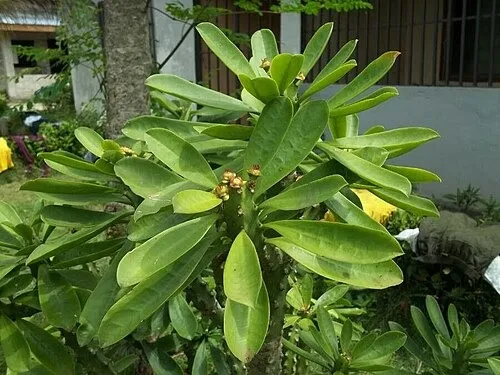
Euphorbia neriifolia Linn. (family Euphorbiaceae), commonly known as the Indian spurge tree, is a xerophytic succulent shrub distributed across tropical and subtropical regions [46]. Its distinctive morphology thick fleshy stems, spines, latex-containing tissues,and simple leaves reflects adaptation to arid conditions. Across traditional medicine systems, various parts of the plant (leaves, stems, latex, and roots) have been employed for centuries in the management of inflammatory conditions, respiratory ailments, skin diseases, pain, and infectious diseases. Pharmacological investigation has since validated a broad spectrum of biological activities, including antioxidant, anti-inflammatory, antimicrobial, hepatoprotective, wound-healing, and immunomodulatory effects [13,16,47].
7. PHYTOCHEMICAL CONSTITUENTS RELEVANT TO RENAL PROTECTION
Phytochemical studies of E. neriifolia have identified a rich array of bioactive constituents, including triterpenoids, flavonoids, phenolics, sterols, alkaloids, saponins, glycosides, and diterpenes, a profile broadly consistent with the secondary metabolite diversity seen across the genus Euphorbia. These compounds account for the plant's antioxidant and anti-inflammatory activities and underpin its overall therapeutic value. Among them, phenolic compounds and flavonoids are of particular relevance to renal protection: they are potent scavengers of ROS generated during oxidative stress, inhibit lipid peroxidation, and modulate key inflammatory mediators. More broadly, phytoconstituents derived from medicinal plants have demonstrated nephroprotective effects by enhancing antioxidant enzyme activity and downregulating inflammatory signalling pathways.
8. TRITERPENOIDS (EUPHOL) AND RENAL PROTECTION
Euphol, the principal triterpenoid of Euphorbia species, possesses well-characterised antioxidant, anti-inflammatory, and cytoprotective properties [52]. Triterpenes from this genus attenuate inflammatory responses through modulation of the PI3K/AKT/Bax and NF-κB/NLRP3 signalling pathways. Euphol has additionally been reported to modulate TGF-β signalling, suggesting a potential anti-fibrotic dimension to its renoprotective activity. Taken together, these properties indicate that the triterpenoid fraction of E. neriifolia may contribute to kidney protection through complementary antioxidant, anti-inflammatory, and anti-fibrotic mechanisms.
9. PHENOLICS AND RENAL PROTECTION
Phenolic compounds are among the most potent natural antioxidants, protecting tissues from oxidative damage by maintaining redox homeostasis and strengthening cellular defence mechanisms. Polyphenols and their metabolites have been specifically recognised for their nephroprotective effects, reducing oxidative stress and dampening inflammatory signalling in the kidney. Experimental models of chemically induced renal injury have demonstrated that phenolic acids can significantly attenuate nephrotoxic damage, and dietary polyphenols have shown benefit in chronic kidney disease management by supporting antioxidant defences and reducing inflammation. The phenolic fraction of E. neriifolia is therefore well positioned to contribute to renal protection through ROS scavenging, inhibition of lipid peroxidation, and modulation of inflammatory cytokine activity.
10. STEROLS AND RENAL PROTECTION
Sterols regulate lipid metabolism and may influence the onset and trajectory of renal disease. Sterol regulatory element-binding proteins (SREBPs) are particularly relevant to diabetic nephropathy, and modulating their activity has been associated with improved renal outcomes and decelerated disease progression. Disruptions in lipid homeostasis are recognised as drivers of renal dysfunction and inflammation, making the maintenance of sterol balance an important consideration in nephroprotection. The sterol constituents of E. neriifolia may therefore contribute to kidney health by supporting lipid metabolic homeostasis and modulating inflammatory signalling pathways.
11. EXPERIMENTAL MODELS OF NEPHROTOXICITY
11.1 CISPLATIN-INDUCED NEPHROTOXICITY
Cisplatin-induced nephrotoxicity is the most widely employed experimental model for evaluating nephroprotective interventions. Cisplatin accumulates selectively in renal proximal tubular cells, producing substantial and reproducible kidney injury that closely mirrors the clinical nephrotoxicity observed during chemotherapy, lending the model high translational relevance. Injury develops through overlapping pathological mechanisms: oxidative stress, inflammation, apoptosis, mitochondrial dysfunction, and vascular damage each contribute to the overall picture [62,64]. Natural antioxidants have consistently shown capacity to alleviate cisplatin-induced renal injury by enhancing endogenous antioxidant defences and reducing oxidative damage, and compounds with combined antioxidant and anti-inflammatory activity are increasingly recognised as the most promising candidates for nephroprotection [62,64].
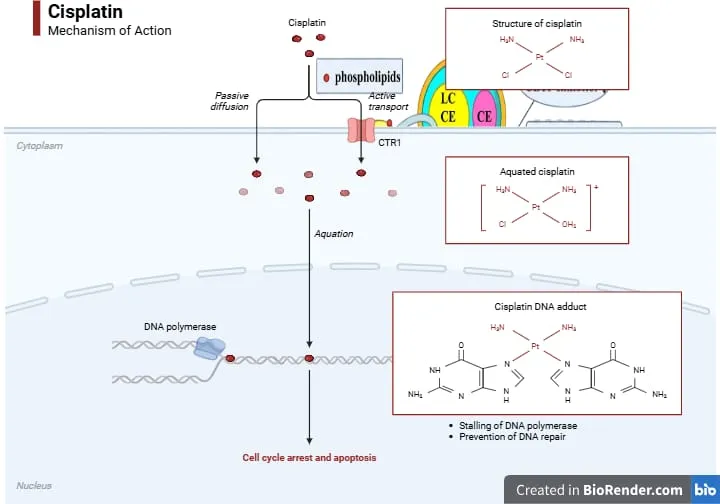
FIG 1: Cisplatin enters renal tubular cells via passive diffusion and transporter-mediated uptake. Once internalised, it undergoes aquation to its active form, which binds DNA and forms adducts, disrupting replication and transcription. The resulting DNA damage triggers cell cycle arrest and initiates apoptotic signalling (Biorender).
11.2 GENTAMICIN-INDUCED RENAL DAMAGE
Gentamicin-induced nephrotoxicity serves as a complementary experimental model for investigating acute kidney injury and assessing candidate renoprotective agents. The injury is characterised by oxidative stress, mitochondrial dysfunction, inflammation, and programmed cell death [65,66]. Programmed necrosis of tubular and collecting duct cells is a notable histopathological feature, contributing substantially to progressive renal tissue loss [65]. Oxidative stress and inflammatory signalling pathways are central to the progression of this injury pattern, culminating in structural damage and functional impairment [66].
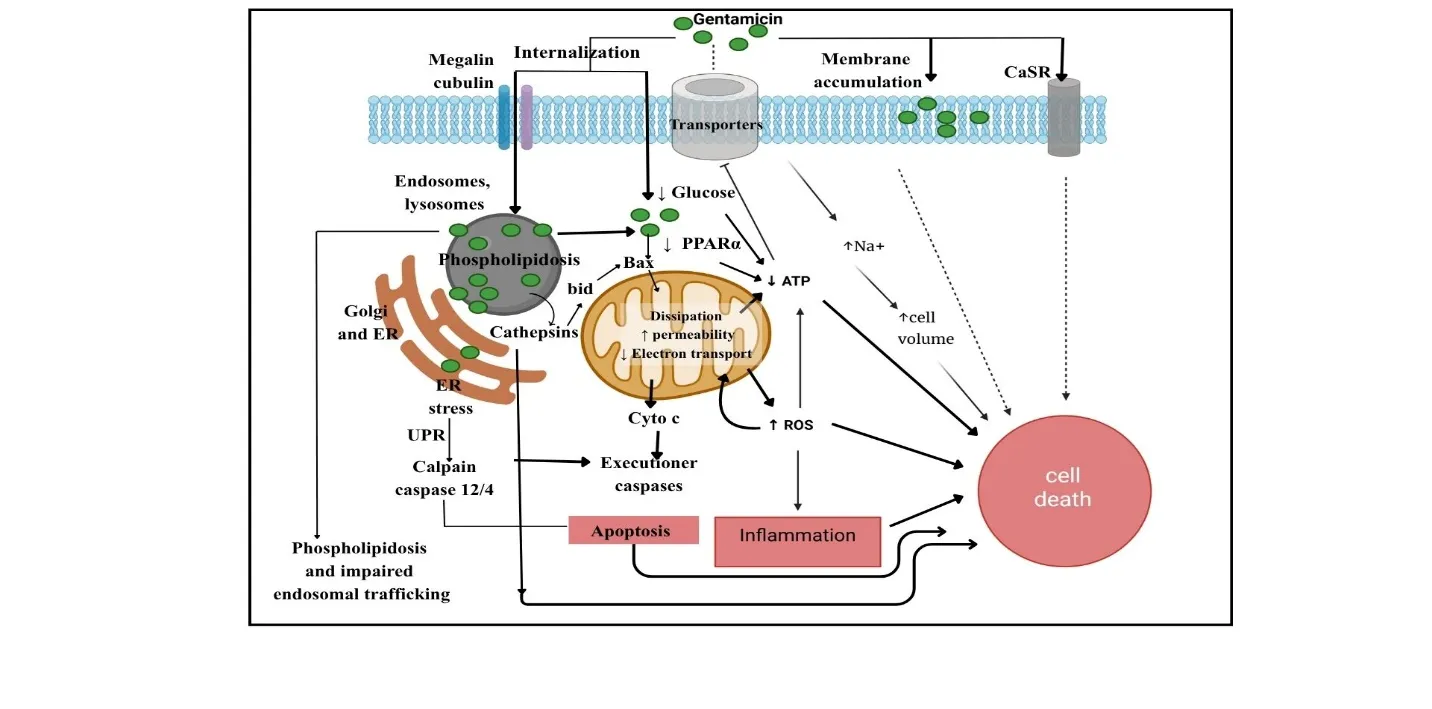
FIG 2: Gentamicin cytotoxicity is initiated by megalin/cubilin-mediated internalisation and membrane accumulation. This triggers endoplasmic reticulum stress, mitochondrial dysfunction via cytochrome c release, impaired ATP synthesis, and elevated ROS production, with apoptotic and inflammatory cell death as the final outcome (Biorender).
12. ANTIOXIDANT ENZYME MODULATION
The kidney's intrinsic antioxidant system centred on superoxide dismutase (SOD), catalase (CAT), and glutathione (GSH) constitutes the primary enzymatic defence against oxidative injury. Preserving the activity of these enzymes is fundamental to redox homeostasis and renal tissue protection. Natural compounds such as quercetin, catechin, and genistein restore these enzyme activities in cisplatin-treated animals, meaningfully reducing oxidative stress-related damage [67]. Natural antioxidants more broadly have been shown to reinforce endogenous defence mechanisms and limit ROS-driven renal injury [63,68]. The bioactive phytochemicals of E. neriifolia are thus well placed to support nephroprotection through enhanced antioxidant enzyme activity and reduced oxidative burden in renal tissues [12,13,68].
13. IN VITRO AND IN VIVO EVIDENCE FOR NEPHROPROTECTION
The nephroprotective potential of E. neriifolia is likely to operate through mechanisms comparable to those characterised in other nephroprotective medicinal plants principally antioxidant and anti-inflammatory actions. Medicinal plants assessed in in silico, in vitro, and in vivo nephrotoxicity models have consistently demonstrated kidney-protective effects by reducing oxidative stress and suppressing inflammatory responses [20]. More specifically, certain plant extracts have been shown to protect against cisplatin-induced nephrotoxicity by alleviating oxidative stress and improving renal function markers [21], providing scientific precedent for this class of intervention. Given its rich antioxidant and anti-inflammatory phytoconstituent profile, E. neriifolia represents a credible candidate for direct nephroprotective investigation [12,22].
14. FUTURE PERSPECTIVES
While the antioxidant and anti-inflammatory activity of E. neriifolia is reasonably well supported, its specific nephroprotective potential requires more systematic investigation. Priority areas for future research include the isolation and structural characterisation of the individual phytoconstituents responsible for renal protection; detailed in vitro and in vivo evaluation across diverse kidney injury models; and mechanistic work focused on the key signalling pathways implicated in nephroprotection, particularly NF-κB, Nrf2, inflammatory cytokines, oxidative stress, and mitochondrial dysfunction. Comprehensive histopathological and biochemical assessment will be essential to substantiate any observed protective effects. Ultimately, rigorous clinical evaluation of safety, tolerability, and therapeutic efficacy will be required before E. neriifolia can be considered for application as a nephroprotective agent in human medicine.
15. CONCLUSION
Nephrotoxicity is a clinically important complication driven by converging pathological mechanisms — oxidative stress, inflammation, apoptosis, and mitochondrial dysfunction — that collectively impair renal function. Excess ROS production and heightened inflammatory signalling are the primary engines of kidney injury, and the therapeutic options currently available remain limited and burdened by adverse effects. Cisplatin- and gentamicin-induced experimental models have been instrumental in delineating these mechanisms and in identifying candidate protective interventions. Within this landscape, medicinal plants have emerged as a promising class of nephroprotective agents. Euphorbia neriifolia, with its triterpenoids, flavonoids, phenolic compounds, and sterols, possesses the pharmacological profile necessary to protect the kidney through free radical scavenging, inhibition of lipid peroxidation, and modulation of inflammatory signalling pathways. Direct experimental evidence for its nephroprotective activity remains limited, and targeted in vitro, in vivo, and clinical studies are essential to validate this potential and elucidate the molecular mechanisms underlying its renoprotective effects.
REFERENCES





K. Saimahesh *, Keshava murthy S.G, Niharika C.P, likitha V, Preethi S.M, Targeting Oxidative Stress and Inflammation in Nephrotoxicity: Evidence from Euphorbia Neriifolia Research, Int. J. of Pharm. Sci., 2026, Vol 4, Issue 6, 4308-4320. https://doi.org/ 10.5281/zenodo.20731513
 10.5281/zenodo.20731513