

We use cookies to ensure our website works properly and to personalise your experience. Cookies policy
Department of Pharmaceutics, Deccan School of Pharmacy, Hyderabad, Telangana, India 500001.
Psoriasis is a chronic, non-contagious autoimmune disease that causes skin cells to grow rapidly. Psoriasis presents in multiple forms such as plaque, flexural, guttate, pustular or erythrodermic. The symptoms of psoriasis include Dry, cracked skin, Silvery scales, Itching, Pitted nails, Joint pain, swelling, Skin dryness and irritation. Current psoriasis therapies include topical corticosteroids, vitamin D analogs, systemic immunosuppressants, and biologics. Treatment resistance, high costs, and severe side effects are common limitations of conventional therapies. To resolve these clinical challenges, phytoconstituents have emerged as safer, mechanism based alternatives. Phytoconstiutents are secondary metabolites of plants that give medicinal plants their specific physiological and therapeutic properties. Phytoconstituents such as flavonoids, terpenes, and polyphenols naturally treat psoriatic symptoms. These phytoconstituents are extracted, isolated, and analyzed and developed into modern medical therapies. These compounds have demonstrated anti-inflammatory, immunomodulatory, antioxidant, and anti-proliferative properties in preclinical models of psoriasis. Use of an advanced drug delivery system to overcome the limitations and offers a stable and patient-friendly alternative to traditional synthetic treatment for managing psoriasis. Phytoconstiuents improves the overall quality of life for psoriasis patients by providing a gentle, highly effective alternative to conventional treatments.
Millions of people worldwide suffer from psoriasis, a chronic and recurrent skin condition. It is distinguished by the existence of inflammatory skin lesions, such as scaly, reddened, and itchy plaques. Patients' quality of life may be significantly impacted by this illness, both mentally and physically. There are several clinical manifestations of psoriasis, but the most prevalent type is plaque psoriasis, which appears as distinct lesions with silvery scales and underlying erythema. The elbows, knees, scalp, and lumbar region are typical locations for these lesions.
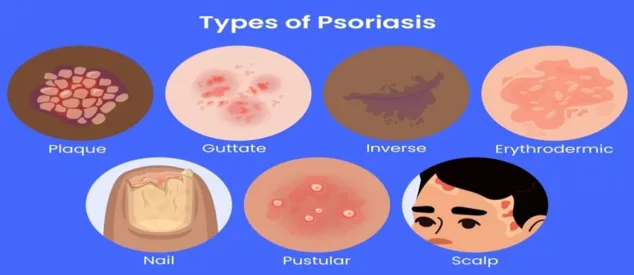
Figure 1: TYPES OF PSORIASIS
Excessive keratinocyte proliferation and accumulation in the skin's outermost layer cause psoriasis, which is characterized by scaly plaques. The interaction between inflammatory cytokines and receptors on the surface of these cells causes this hyperproliferation of keratinocytes.1
Symptoms of Psoriasis:
Psoriasis Treatment:
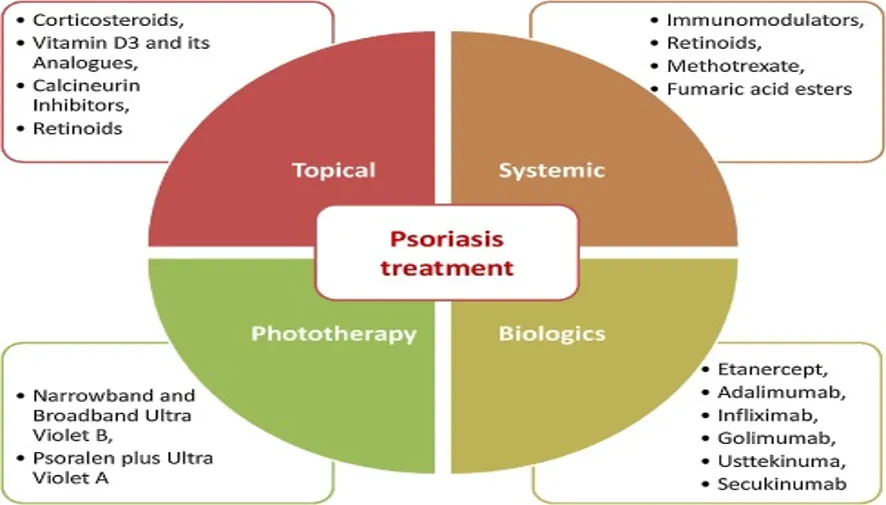
Figure 2: PSORIASIS TREATMENT
Immunologically, the disease is driven by abnormal activation of dendritic cells and T lymphocytes leads to the release of proinflammatory cytokines like TNF-α, IL-17A, IL-23, which fuel keratinocyte hyperproliferation and chronic inflammation. Conventional treatments including topical agents, phototherapy, and biologics offer symptomatic relief but are confined by adverse side effects, expensive, and treatment resistance. To resolve these clinical challenges, phytoconstituents have emerged as safer, mechanism based alternatives.2
Table 1: TYPES OF PSORIASIS
|
TYPES OF PSORIASIS |
DESCRIPTION |
|
Plaque psoriasis |
It is characterized by red patches covered with silvery white scales. |
|
Guttate psoriasis |
Triggered by childhood infections like strep throat and characterized by small drop shaped spots. |
|
Inverse psoriasis |
It is characterized by smooth, red, shiny patches. |
|
Pustular psoriasis |
It is characterized by pustules surrounded by red skin. |
|
Erythrodermic psoriasis |
It is characterized by fiery redness and peeling and severe burning. It is life threatening type. |
|
Nail psoriasis |
Affects fingernails and toenails characterized by pitting and discoloration. |
PHYTOCONSTITUENTS FOR THE MANAGEMENT OF PSORIASIS:
Phytoconstituents such as flavonoids, terpenes, and polyphenols naturally treat psoriatic symptoms. Phytoconstituents target psoriasis by modulating cytokines and scavenging free radicals. These phytoconstituents are extracted, isolated, and analyzed and developed into modern medical therapies. The most commonly used phytoconstituents for the treatment of psoriasis include:
Azadirachtin:
Class: Triterpenoid
Source: Seeds of the neem tree.
BCS Class: IV
Properties: Anti-bacterial, Anti-fungal, Anti-inflammatory
Neem inhibits inflammatory pathways involve in aetiology of psoriasis. They reduce the inflammatory response by inhibiting the synthesis of proinflammatory cytokines such as IL-6, IL-17 and TNF-α.Neem oil shown to promote keratinocyte proliferation. It alters several signaling pathways such as phosphoinositide 3-kinase, (PI3 K)/Akt route and the Mitogen-Activated Protein Kinase (MAPK) pathway, Nuclear Factor- kappa B (NF-kB) pathway. Neem reduces the amount of plaques in psoriatic skin by decreasing abnormal keratinocyte growth and promoting normal epidermal cell turnover through these altered pathways3.
Hesperidin:
Class: Bioflavonoid
Source: Citrus fruits
BCS Class: IV
Properties: Anti-microbial, Anti-oxidant, Anti-inflammatory
Hesperidin has been found to have anti-inflammatory qualities in numerous studies. IL-1β, TNF-α and other pro-inflammatory cytokines that are connected to the pathophysiology of psoriasis can all be suppressed by it.
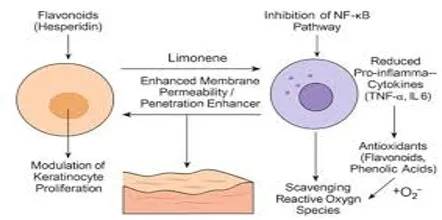
Figure 3: MECHANISM ACTION OF HESPERIDIN
Hesperidin is a flavanone glycoside naturally present in all citrus fruits. Hesperidin has inhibitory effects on keratinocyte proliferation and have anti-psoriatic properties in murine models with imiquimod-induced psoriasis-like dermatitis. Innovative nanotechnology has been applied to meet the objective of safe and efficacious psoriasis therapy. New topical transporters have been tested to improve skin permeation such as microemulsion, niosomes, nanogel, deformable liposomes, liposomal hydrogel, and solid lipid nanoparticles.4
Curcumin:
Class: Polyphenol
Source: Turmeric
BCS Class: IV
Properties: Anti-microbial, Anti-oxidant, Anti-inflammatory
Several pharmacological studies have shown that curcumin has anti-inflammatory, antioxidant, anti-tumor, and anti-vascular remodeling effects. It regulates various cell signaling molecules, including phosphorylase kinase; transferrin receptor; total cholesterol; transforming growth factor-β; pro-inflammatory cytokines (e.g., TNF-α, IL-17, IL-1β, and IL-6); STAT3; endothelin-1 apoptosis protein; nuclear factor-κB (NF-κB); cyclooxygenase-2; and antioxidants. Curcumin has low toxicity but poor bioavailability, which may benefit patients with psoriasis as adjunctive therapy.5
Luteolin:
Class: Flavonoid
Source: Celery, parsley, Thyme, green bell peppers
BCS Class: II
Properties: Anti-microbial, Anti-oxidant, Anti-inflammatory, Anti-allergic
Luteolin a representative component of Reseda luteola, exists in many kinds of traditional Chinese medical herbs such as Lonicera, Perilla, chrysanthemum, pepper, and orchid. It has been well established that luteolin has a variety of pharmacological effects, including anti-tumor, anti-inflammation, anti-oxidation, and immune regulation. The anti-inflammatory activity of luteolin was reported to downregulate levels of pro-inflammatory cytokines, nitric oxide (NO), COX-2, and inducible nitric oxide synthase (iNOS). Luteolin could also reduce viruses-induced inflammatory response through blocking of nuclear factor kappa B (NF-κB) signaling pathways. As to psoriasis, it is a kind of skin disease with a close relationship with inflammation. Besides, previous studies have suggested that luteolin and its analogues decreased keratinocyte proliferation. Additionally, a luteolin glucoside was suggested to alleviate skin lesion in murine models of atopic dermatitis. Based on the research findings, we postulate luteolin may alleviate psoriasis-like lesions by modulating dermal inflammation response.6
Gallic acid:
Class: Phenolic acid
Source: Berries, mangoes, green tea
BCS Class: III
Properties: Anti-microbial, Anti-oxidant, Anti-inflammatory.
The degradation product of delphinidin is gallic acid (GA). This phenolic acid compound found in fruits, red wine, or green tea exerts pleiotropic antioxidant, anticarcinogenic, antimicrobial, and anti-inflammatory properties. Previous research has demonstrated the inhibitory effect of Gallic acid on pro-inflammatory transcription factors, such as STAT3, RORγt, and NF-κB, or cytokines as IL-1β and TNF, which contribute to psoriasis development.7
Kaempferol:
Class: Flavonoid
Source: Capers, saffron, leafy greens and various herbs.
BCS Class: IV
Properties: Anti-microbial, Anti-oxidant.
Kaempferol is a flavonoid present in jasmine flower paste(Jasminum officinale L.), belongs to the family Oleaceae. It is also present in various plants, including fruits, medicinal herbs, and vegetables. Its potential therapeutic effects, including anti-oxidant, anti-inflammatory properties. It has been demonstrated that kaempferol prevents immune cells and keratinocytes from producing and releasing pro-inflammatory cytokines that are involved in the pathophysiology of psoriasis, such as IL-6, IL-1β, and TNF-α.3
Glycyrrhiza glabra (Glycyrrhizic acid):
Class: Triterpenoid saponin
Source: Liquorice root
BCS Class: IV
Properties: Anti-microbial, Anti-oxidant, Anti-viral.
Liquorice is the dried unpeeled rhizome and its roots.. Liquorice extract is usually produced by extracting with alcohol. The liquorice root contains about 20% of water-soluble active ingredients and glycyrrhizic acid, which is comprised 3–5% of the root. The color of liquorice root is bright yellow due to 1–1.5% of flavonoids such as liquiritigenin and isoliquiritigenin. The liquorice roots contain 5–15% of sugars (glucose and sucrose).
The liquorice extracts contain corticosteroid like and anti-inflammatory activities. Liquorice extract plays an important role in converting prostaglandins and glucocorticoids into inactive metabolites and inhibiting enzymes important for raising prostaglandin levels prostaglandins such as PGE2 and PGF2α.8
Table 2: PHYTOCONSTITUENTS AND THEIR PROPERTIES
|
Phytoconstituent |
Family name |
structure |
Mechanism |
|
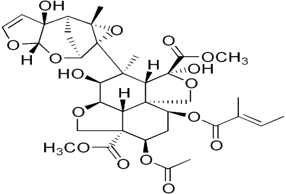
Azadirachtin |
Meliaceae |
|
Inhibits synthesis of IL-6, IL-17 and TNF-α. |
|
Hesperidin |
Rutaceae |
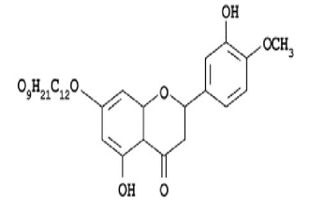
|
Inhibits IL-1β, TNF-α |
|
Curcumin |
Zingiberaceae |

|
Inhibits synthesis of IL-17,IL- 22 and TNF-α |
|
Luteolin |
Asteraceae, Fabaceae, etc. |
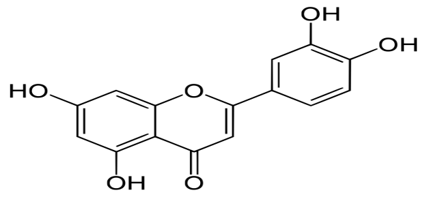
|
Inhibits synthesis of IL-6,IL-17 and TNF-α |
|
Gallic acid |
Fabaceae, Anacardiaceae, etc. |

|
Reduces pro-inflammatory Th17 and IFN-γ cells |
|
Kaempferol |
Zingiberaceae, Theaceae, Oleaceae, etc. |
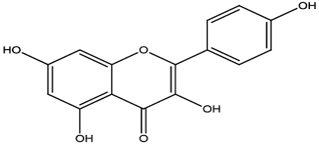
|
Suppress IL-6,IL-17A and TNF-α |
|
Glycyrrhizic Acid
|
Fabaceae |
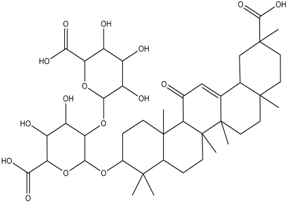
|
Suppress IL-17A, IL-23, and TNF-α |
|
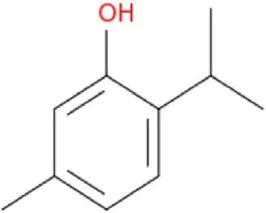
Thymol |
Lamiaceae |
|
It reversed the upregulated expression of proinflammatory cytokines in the skin (TNF-α, IL-22, IL-23, IL-17A, IL-17F, IL-17C, IL-6, IL-1β and IFN-γ) |
|
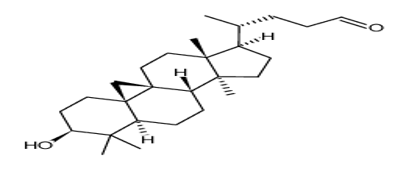
Wrightial |
Apocynaceae |
|
reduces the secretion of pro-inflammatory mediators, such as interleukins (IL-8, IL-17, IL-23). |
|
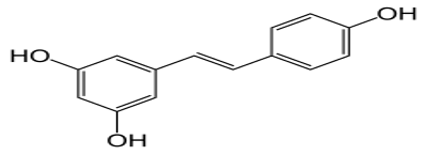
Resveratrol |
Fabaceae,vitaceae, etc. |
|
down regulate NF-κB |
|
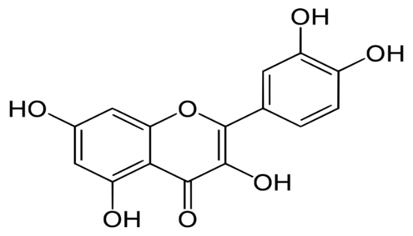
Quercetin |
Asteraceae, Rutaceae, etc. |
|
Induces keratinocytes apoptosis |
|
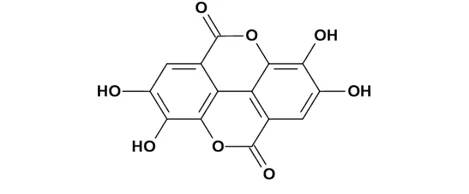
Ellagic acid |
Rosaceae, Lythraceae,etc. |
|
Downregulate NF-κB and oxidative stress related cascades |
Thymol:
Class: Monoterpenoid phenols
Source: Thyme
BCS Class: II
Properties: Anti-microbial, Anti-oxidant, Anti-inflammatory.
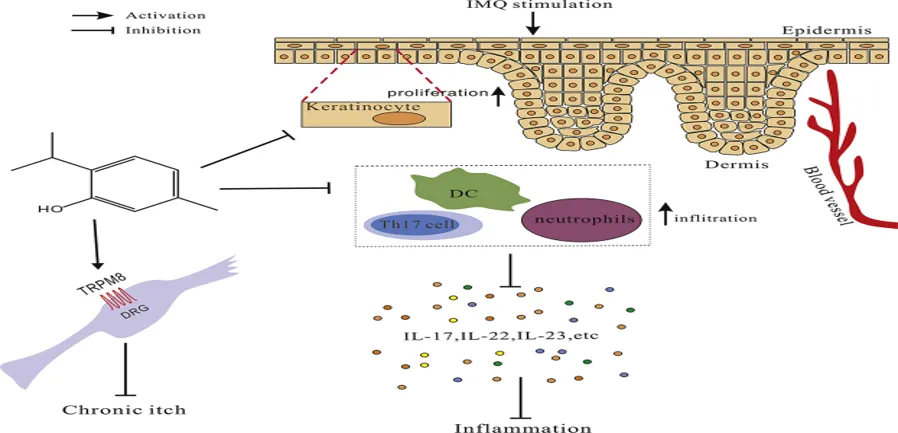
Figure 4: MECHANISM OF ACTION OF THYMOL
Thymol reduced the scratching behavior in IMQ mice, and activated Ca2+ response in cervical DRG neurons via TRPM8 channel. Also, thymol alleviated psoriasis-like skin lesions, and attenuated the enhanced infiltration of dermal neutrophils, dendritic cells (DCs) and Th17 cells. In addition, it reversed the up regulated expression of pro-inflammatory cytokines in the skin (TNF-α, IL-22, IL-23, IL-17A, IL-17F, IL-17C, IL-6, IL-1β and IFN-γ) and serum (TNF-α, IL-6, IL-1β, IL-17A and IFN-γ). Our results indicated that thymol can effectively ameliorate pruritus and the symptoms of psoriasis-like inflammation induced by IMQ, which makes it a promising drug for the treatment of psoriasis.9
Wrightial:
Class: Terpene
Source: Wrightia tinctoria
BCS Class: II/IV
Properties: Anti-microbial, Anti-inflammatory.
Wrightial is the principal active ingredient extracted from (Wrightia tinctoria L.), belonging to the family Apocynaceae. Multiple pharmacological actions were demonstrated by W. tinctoria, including anti-microbial, anti-helminthic, anti-oxidant, anti-cancer, anti-psoriatic, anti-inflammatory, anti-diabetic, diuretic, hepatoprotective, and anti-ulcer properties.3Anti-psoriatic activity of Wrightia tinctoria extract was tested using mouse tail test. Longitudinal sections of tail skin were cut, and it was stained with hematoxylineosin. Histometricalanalysis of sample revealed strong activity of extract (63.94%) compared to standard isoretinoic acid (48.52%). Both standard and sample thickened the epidermal thickness compared to control.10
Resveratrol:
Class: Polyphenol
Source: Grapes,berries,peanuts.
BCS Class: II
Properties: Anti- oxidant, Anti-inflammatory.
The polyphenol resveratrol has anti-inflammatory effects in various cells, tissues, animals and human settings of low-grade inflammation. Psoriasis is a disease of both localized and systemic low-grade inflammation. The Sirtuin1 enzyme thought to mediate the effects of resveratrol is present in skin and resveratrol is known to down regulate NF-κB; an important contributor in the development of psoriasis. Resveratrol ameliorates psoriasis, and changes expression of retinoic acid stimulated genes, IL-17 signalling pathways, IL-17A and IL-19 mRNA levels in a beneficial manner, which suggests resveratrol, might have a role in the treatment of psoriasis.11
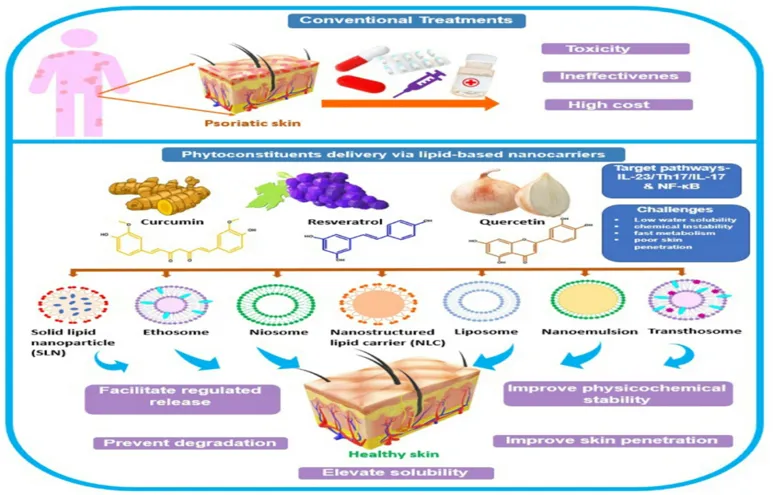
Figure 5: FORMULATIONS BASED ON CONSTITUENTS
Quercetin:
Class: Flavonoid
Source: Onions, Kale, Apples
BCS Class: II
Properties: Anti- oxidant, Anti-inflammatory.
Quercetin has shown a range of biological activities, highlighting its potential as a therapeutic agent for psoriasis. Notch1, AKT, and Glut1 were highly expressed in psoriasis. Quercetin induced keratinocyte apoptosis and inhibited the Notch signaling pathway, as well as the expression of AKT and Glut1. Inhibition of Notch signaling led to keratinocyte apoptosis and downregulation of the AKT and Glut1 expression.12
Ellagic acid:
Class: Polyphenol
Source: Berries, nuts and pomegranates
BCS Class: IV
Properties: Anti- oxidant, Anti-inflammatory, Anti- proliferative.
EA showed promising anti-psoriatic properties, mainly by suppressing pro-inflammatory cytokines and improving barrier integrity. Overall, the following evidence indicates that EA can downregulate multiple signaling pathways implicated in psoriasis, including NF-κB and oxidative stress–related cascades.
However, clinical validation and formulation optimization are still required before EA can be considered a therapeutic alternative or adjunct to standard treatments.13
Advantages of Phytoconstituents over conventional synthetic Treatments:
From Extracts to Advanced Drug Delivery Systems:
The above-mentioned phytoconstituents are incorporated into many novel formulations for the management of psoriasis; some of them include
Table 3: ADVANCED DRUG DELIVERY SYSTEMS
|
Phytoconstituents |
Advanced Drug Delivery Systems |
Key Findings |
|
Hesperidin |
Nanostructured lipid carriers loaded gel |
The enhanced formulation shows:
|
|
Quercetin
|
Phytosome based topical hydrogel |
The enhanced formulation shows:
|
|
Thymol
|
Nanostructured lipid carriers loaded gel |
The gel containing thymol-NLCs was tested in an imiquimod-induced psoriasis mouse model and showed improved healing, compared to negative control.16 |
|
Resveratrol |
Polymeric micelles
|
The enhanced formulation shows: Reduction in PASI score, Splenomegaly, Serum cytokines levels, and Hyperkeratosis.17 |
CONCLUSION:
In conclusion, Psoriasis is a chronic, immune mediated skin disorder characterized by well demarcated plaques covered with silvery white scales. Phytoconstiuents are secondary metabolites of plants. The phytoconstituents helps to treat psoriasis. These compounds have demonstrated anti-inflammatory, immunomodulatory, antioxidant, and anti-proliferative properties in preclinical models of psoriasis. Phytoconstituents deals with inflammation, oxidative stress and by reducing skin cells overproduction. They are good for long term management of psoriasis as they do not have serious side effects. Phytoconstituents are more helpful when they are used with advanced drug delivery systems. This will make it possible to have treatments that are very effective, safe and easy to use.
CONFLICT OF INTEREST:
The authors declared that there is no conflict of interest regarding the publication of this article.
FUNDING:
The authors declared that this study has received no financial support.
REFERENCES

Abdul Mannan, Ummul Khair Afifa Fatima, The Role of Herbal Phytoconstituents in The Management of Psoriasis: A Review of Therapeutic Potential, Int. J. of Pharm. Sci., 2026, Vol 4, Issue 7, 5236-5247. https://doi.org/10.5281/zenodo.21627495
 10.5281/zenodo.21627495