

We use cookies to ensure our website works properly and to personalise your experience. Cookies policy
Department Of Mechanical Engineering, Shree Venkateshwara Hi-Tech Engineering College (Autonomous), Gobi.
This project aims to enhance safety in the tyre manufacturing industry by identifying, assessing, and mitigating hazards using risk assessment and statistical tools. The focus is on pinpointing major and minor risks, analyzing root causes, and implementing effective control measures to create a hazard-free working environment. There is a growing interest among stakeholders in understanding Environmental Health and Safety management, with companies recognizing its importance in operations. The analysis explores the current state of Environmental Health and Safety management, emphasizing integration into overall management systems, assessing industry adherence, identifying trends, and highlighting improvement areas. Goal-oriented programs are viewed as contributors to industry profitability, emphasizing significant improvement opportunities through the effective utilization of existing systems and providing valuable industry guidance.
Occupational health and safety refer to organized efforts to identify workplace hazards and reduce accidents and exposure to harmful conditions. It also includes training in accident prevention, emergency response, and use of protective equipment. Due to industrialization, workers are exposed to mechanical, chemical, electrical, and radiation hazards, making health and safety an important aspect influenced by government regulations and awareness. The work environment greatly affects worker efficiency, and a safe environment improves productivity.
1.1 Health of Workers
Health is a state of complete physical, mental, and social well-being, not merely the absence of disease.
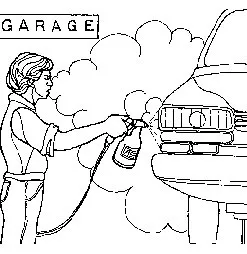
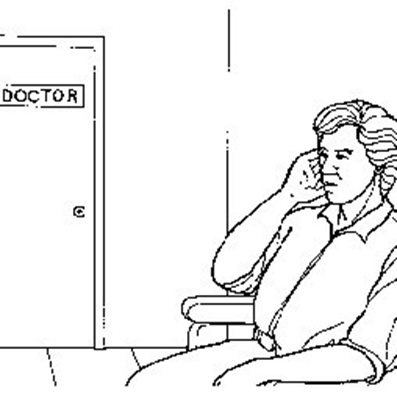
Fig 1.1 Health of the workers
1.2 Statutory Provisions (Factories Act, 1948)
Important provisions include cleanliness, proper waste disposal, adequate ventilation, temperature control, removal of dust and fumes, sufficient lighting, drinking water, sanitation facilities, and avoidance of overcrowding.
1.3 Safety of Workers
Safety involves measures to prevent accidents and injuries such as proper fencing of machinery, safe handling of equipment, protection against fire and hazardous substances, and maintaining safe working conditions.
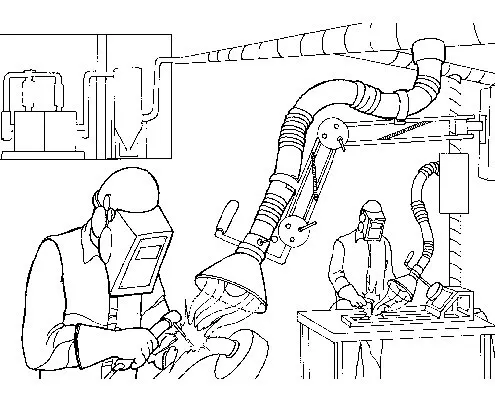
Fig 1.2 Safety of the workers
1.4 Occupational Accidents and Diseases
Work-related accidents and diseases can cause physical harm, loss of income, and medical expenses along with indirect social impacts. Common occupational diseases include asbestosis, silicosis, lead poisoning, and noise-induced hearing loss.
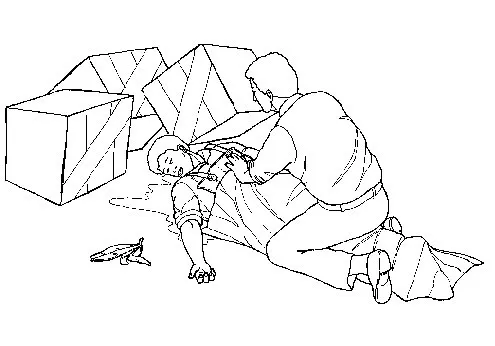
Fig 1.3 Occupational accidents/disease
1.5 Importance of Management and Training
Management commitment and worker participation are essential for maintaining safety. Training helps workers identify hazards, prevent risks, and ensure safety at the workplace.

Fig 1.4 Identifying hazards in the workplace
1.6 Health and Safety Programmes
Effective programmes reduce workplace hazards, improve worker morale, and enhance productivity while ensuring continuous safety practices.
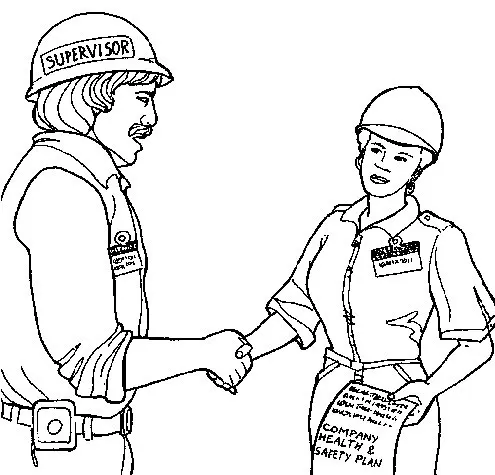
Fig 1.5 Importance of management commitment on health and safety
1.7 Objectives of the Study
Primary objective: To study health and safety measures at Sundaram Industries Pvt. Ltd., Chennai. Secondary objectives include studying worker awareness, analyzing risks and accidents, evaluating management role, measuring satisfaction levels, and suggesting improvements.
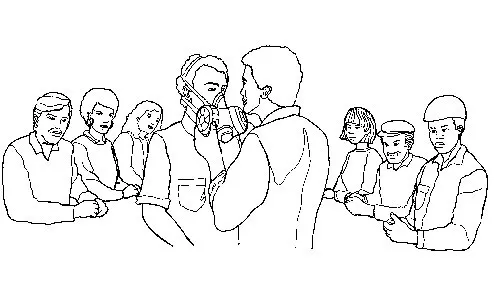
Fig 1.6 Importance of training
1.8 Need and Scope of the Study
Health and safety are essential for worker well-being and productivity. This study helps identify existing practices and areas for improvement in the organization.
1.9 Limitations of the Study
The study is limited to one organization, has a small sample size, and may include response bias.
II LITERATURE REVIEW
Johannson B, Rask K, and Stenberg M (2010) studied the effects of piece rate wages on health and safety by analyzing 31 relevant research articles out of 75 and found that most studies indicated negative impacts such as musculoskeletal problems and occupational injuries. Tompa E, Dolinschi R, and de Oliveira (2009) reviewed occupational health and safety interventions and concluded that ergonomic and injury prevention measures are financially beneficial, particularly in manufacturing sectors. Dee W. Edington and Alyssa B. Schultz (2008) examined the relationship between health risks and workplace costs, revealing that poor employee health leads to increased healthcare expenses and reduced productivity. Lucia Artazcoz et al. (2007) focused on gender inequalities in occupational health and emphasized the need to consider social and family factors affecting workers, especially women. Ala-Mursula L et al. (2006) found that long working hours are associated with increased sickness absence, while flexible working hours improve employee health. Baker A, Heiler K, and Ferguson S (2002) studied extended work schedules in mining and observed that longer shifts do not significantly impact absenteeism unless combined with excessive overtime. Haworth N, Tingvall C, and Kowadlo N (2000) highlighted the importance of fleet safety programs, including safer vehicles and driver training. Graves C, Matanoski G, and Tardiff R (2000) concluded that carbonless copy paper poses minimal health risks under normal conditions. Karen J.M. Niven (2000) identified challenges in evaluating the economic benefits of health and safety interventions, especially in healthcare. Spurgeon A, Harrington J, and Cooper C (1997) found that long working hours can negatively affect mental and physical health. Chapple S and Mears T (1996) analyzed workplace safety policies and noted that wages often reflect health risks, while compensation systems influence reporting of injuries. Hasle P and Limborg H (1995) observed that small enterprises face higher safety risks and require simple, cost-effective preventive measures. The International Council on Nanotechnology highlighted gaps in documenting workplace safety practices in nanotechnology. The Scandinavian Journal of Work, Environment, and Health discussed potential risks of engineered nanoparticles and the need for proper monitoring and safety measures. R. Panday and B. Rachmat (2020) identified various workplace hazards in the chemical industry and emphasized risk control through engineering and protective measures. R. Pawin Vivid, N. Selvakumar, and M. Ruvankumar (2020) used HIRA techniques in truck manufacturing to identify risks and recommend appropriate safety controls.
III COMPANY PROFILE AND MANUFACTURING PROCESS
3.1 About Company
Sundaram Industries (TVS TREAD) offers a wide range of precure and conventional retreads for both radial and bias tyres. The company was founded by T.V. Sundram Iyengar in 1943 and is a part of the TVS Mobility Group, which has a strong legacy and global presence. The company is a pioneer in tyre retreading and recycling in India, focusing on reducing rubber waste and promoting sustainable practices. With advanced technology and continuous improvement, TVS TREAD ensures high-quality products and services. It operates multiple production centers across the country and provides cost-effective tyre solutions with extended tyre life and reduced environmental impact.

Fig 3.1 Company logo
3.2 Location
The company is located at A1-F3/A, New SIDCO Industrial Estate, Maraimalai Nagar – 603209, Tamil Nadu, India.
3.3 Security Setup
The organization maintains security through different shifts, including general shift officers and guards allocated for A, B, and C shifts to ensure safety and monitoring within the premises.
3.4 Retreading Process
The retreading process begins with initial inspection, where tyres are checked for damages and suitability. This is followed by buffing, which removes the worn-out tread to prepare the surface. In the building stage, new tread rubber is applied using cushion gum for proper bonding. The tyre is then enclosed in an envelope to maintain pressure and shape. Vulcanizing is carried out using heat and pressure to cure the rubber and ensure durability. Finally, the tyre undergoes inspection to ensure it meets quality and safety standards.
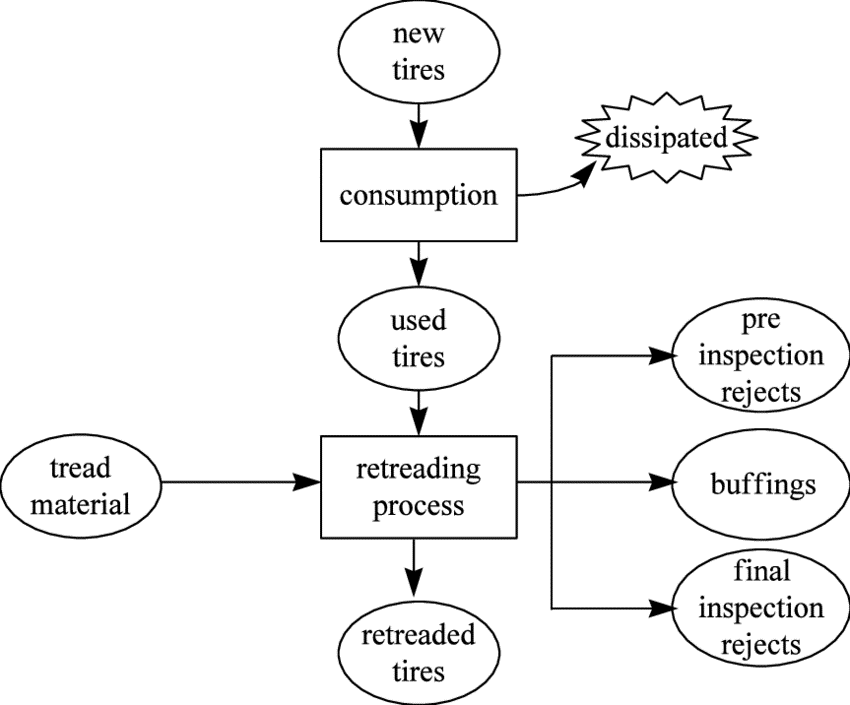
Fig 3.2 Retread tyre process flow diagram
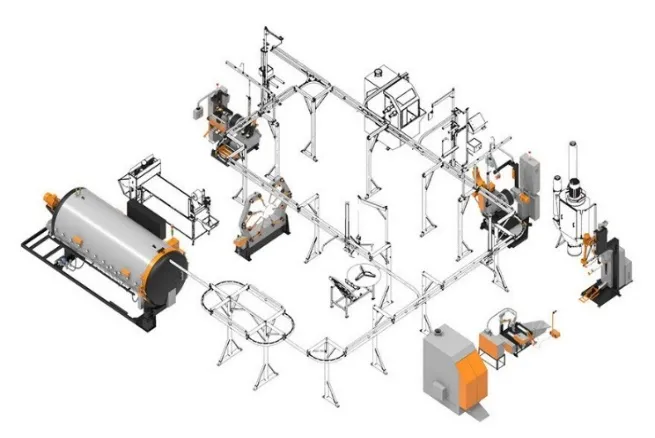
Fig 3.3 Retreading plant layout
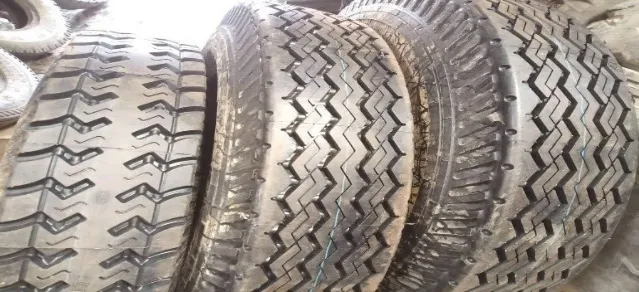
Fig 3.4 Final product
3.5 Solid Tyre Manufacturing Process
The manufacturing process starts with raw material mixing, where rubber and chemicals are combined. Bead winding forms the inner structure, followed by calendaring where materials are coated with rubber. Extrusion shapes rubber components, and internal mixing ensures uniformity. The green tyre is then assembled and subjected to curing under heat and pressure to achieve the final shape. In the final inspection stage, tyres are tested for quality, safety, and performance before being approved for use.
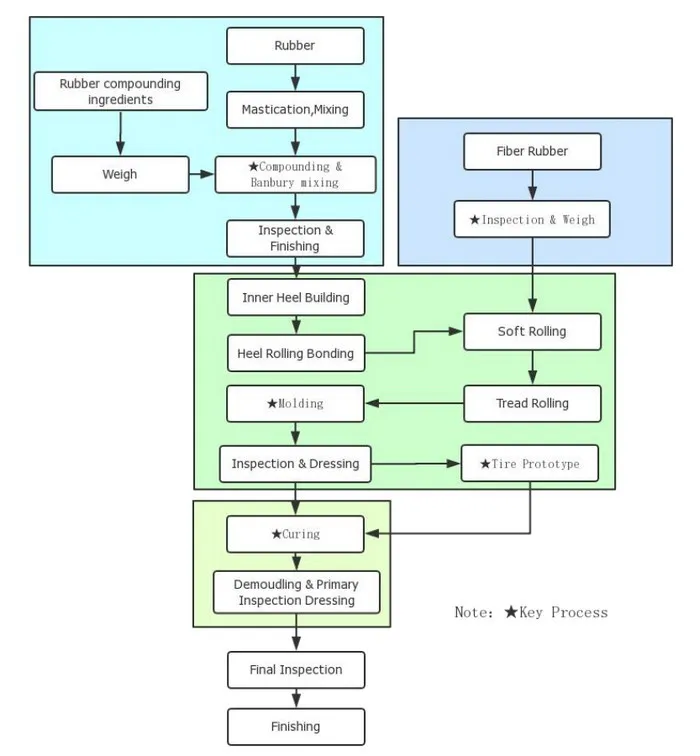
Fig 3.5 Solid tyre process flow diagram
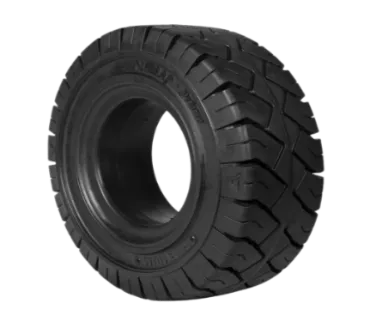
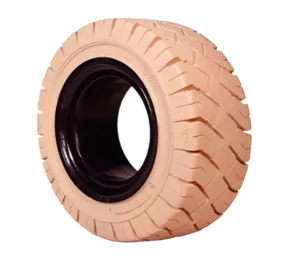
Fig 3.6 Final product
IV RESULT ANALYSIS
4.1 Risk Assessment Process
Risk assessment involves identifying hazards in the plant, evaluating their severity, and analyzing associated risks. The risks are recorded in a tabular format using a risk matrix for better understanding and control. Suitable control measures are then identified and implemented to reduce risks. This process provides a systematic approach to hazard identification and risk control.
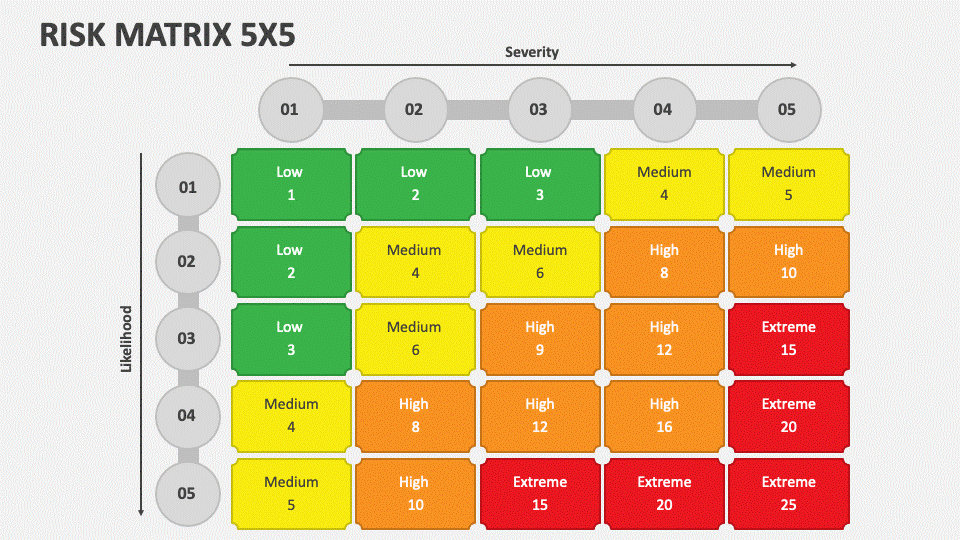
Fig 4.1 Risk matrix 5x5
4.2 Research Design
Research design refers to the plan for collecting and analyzing data. The study adopts a descriptive research design to understand health and safety conditions in the organization.
4.3 Sampling Design
4.3.1 Population
The population for the study includes workers of Sundaram Industries Pvt. Ltd., Chennai (1943 employees).
4.3.2 Sampling Method
Stratified sampling method was used for selecting respondents.
4.3.3 Sample Size
The study was conducted over 20 days with approximately 7 respondents per day. The expected sample size was 140, and the actual sample collected was 135.
4.3.4 Pilot Survey
A pilot survey was conducted to test the questionnaire and ensure its effectiveness before the final data collection.
4.3.5 Sources of Data
Primary data was collected through interview schedules and risk assessment techniques. Secondary data was gathered from journals, magazines, and online sources.
4.3.6 Geographical Area
The study was conducted at Sundaram Industries Pvt. Ltd., Chennai.
4.3.7 Data Collection Instruments
Datawas collected using 135 structured questionnaires consisting of 26 closed-ended questions, along with risk assessment methods.
4.3.8 Statistical Tools Used
The study used statistical tools such as Chi-square analysis, Correlation, and ANOVA for data analysis.
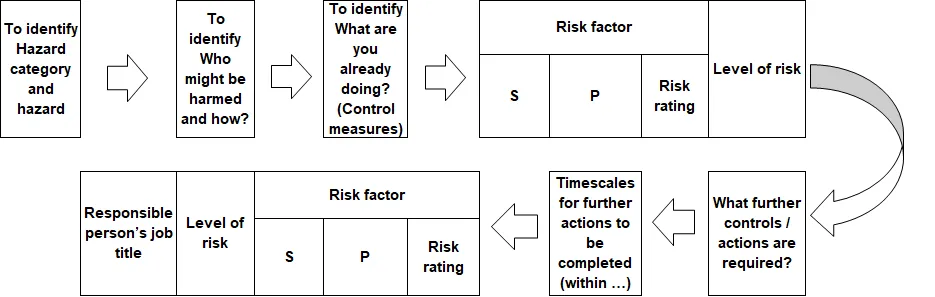
Fig 4.2 Risk assessment technique
V DATA COLLECTION FOR HEALTH AND SAFETY MEASURES AND RISK ASSESSMENT
5.1 Workplace Risk Assessment for Tyre Industry
The workplace risk assessment identified various hazards in the tyre industry affecting workers, supervisors, and visitors. Major hazards include movement of vehicles, hazardous substances, fire, electricity, noise, slips and trips, machinery risks, load handling, and vibration. Risks such as rubber dust inhalation, fire accidents, electrical shocks, excessive noise, and machine-related injuries were observed. Some risks were categorized as low and medium, while others like hazardous substances, machinery, and vibration were identified as extreme risks. Existing control measures include safety instructions, maintenance practices, use of fire extinguishers, and work guidelines. However, gaps such as lack of personal protective equipment (PPE), poor housekeeping, and inadequate safety measures were also noticed. Proper control measures like use of PPE, training, maintenance, and improved safety practices are essential to reduce risks.
5.2 Health and Safety Measures for Workers
Interview Schedule Questionnaire
The data for the study was collected using a structured questionnaire consisting of 26 questions. The questionnaire included demographic details such as age and experience, along with questions related to awareness of health and safety measures, training, communication, and facilities provided by the company. It also covered aspects like availability of drinking water, stress levels, medical facilities, and safety practices.
The questionnaire included different types of questions such as dichotomous (Yes/No), multiple choice, Likert scale, and ranking questions. It assessed worker knowledge about first aid, workplace environment, machine safety, training effectiveness, accident frequency, and safety inspections. Additionally, it evaluated worker satisfaction levels and the role of management in implementing health and safety measures.
VI DATA ANALYSIS FOR HEALTH AND SAFETY MEASURES FOR WORKERS AND RISK ASSESSMENT FOR WORKPLACE
6.1 Workplace Risk Assessment Analysis
The analysis identified major hazards such as hazardous substances, machinery risks, and vibration exposure. Hazardous substances in tyre buffing showed extreme risk due to dust and smoke inhalation; control measures like ventilation systems, respiratory protection, worker breaks, and health surveillance reduced the risk to medium. Work equipment hazards in the cracker milling machine were initially extreme due to lack of guards and emergency switches; implementation of sensors, guards, emergency switches, and training reduced the risk to medium. Vibration hazards also showed extreme risk due to continuous machine use without protection; providing anti-vibration gloves, training, medical checkups, and advanced machinery reduced the risk to medium.
6.2 HSE Measures – Percentage Analysis
6.2.1 Age of Respondents
Most respondents (53%) are aged 31–35, followed by 27% in 26–30 and 20% in 36–40; none are below 25 or above 40.
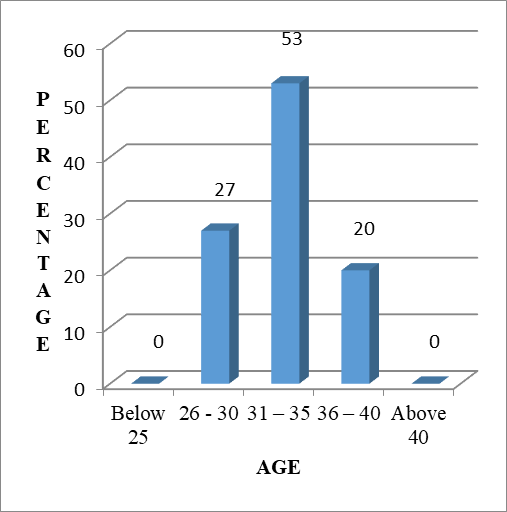
6.2.1 Figure showing the age of the respondents
6.2.2 Experience of Respondents
47% have 11–15 years of experience, 43% have 6–10 years, and 10% have 16–20 years; none fall below 5 or above 20 years.
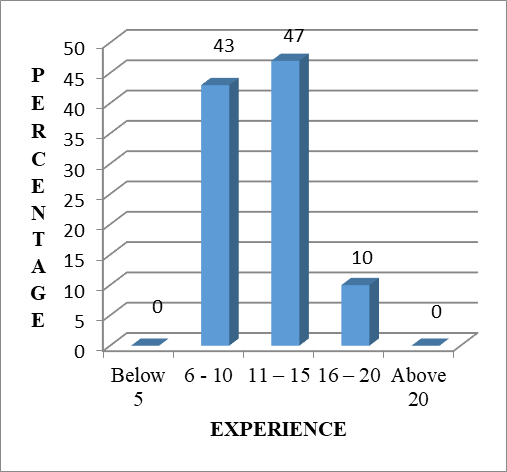
6.2.2 Figure showing the experience (in years) of the respondents
6.2.3 Awareness of Health and Safety
53% of workers are not aware of health and safety measures, while 47% are aware.
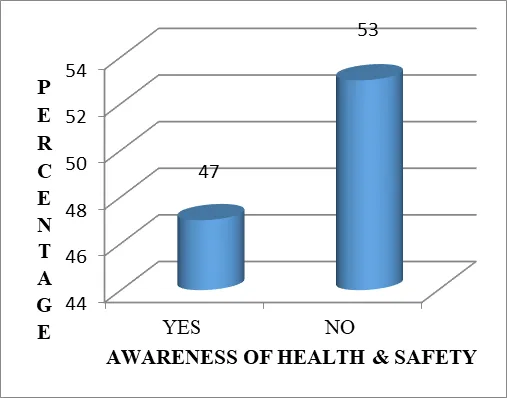
6.2.3 Figure showing the awareness of health and safety
6.2.4 Communication of Safety Measures
64% report lack of effective communication, while only 36% confirm proper communication systems.
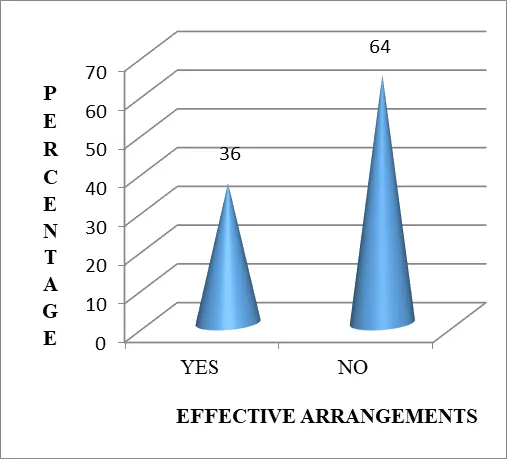
6.2.4 Figure showing the effective arrangements for communicating health and safety matters
6.2.5 Medical Facilities
53% confirm availability of medical facilities, while 47% report absence.
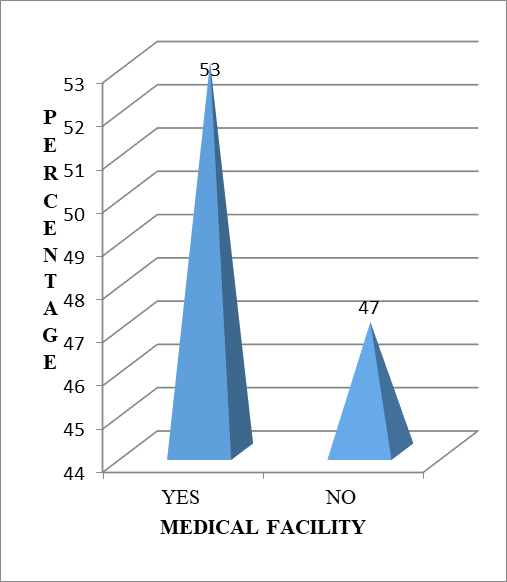
6.2.5 Figure showing the medical facility
6.2.6 Safety Training
53% attended training, while 47% have not received any training.
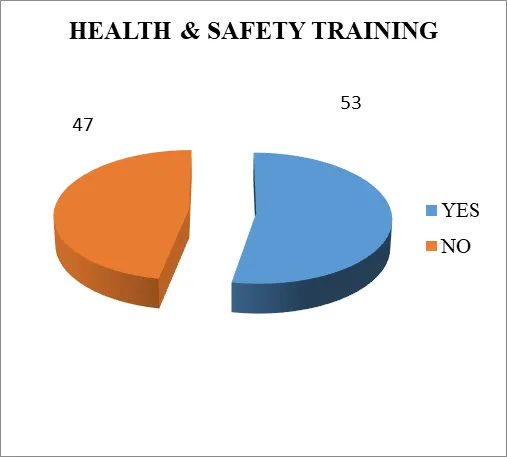
6.2.6 Figure showing the health and safety training
6.2.7 Training Frequency
56% report training once in 3 years, 24% once in 5 years, and 20% yearly; none receive frequent training.
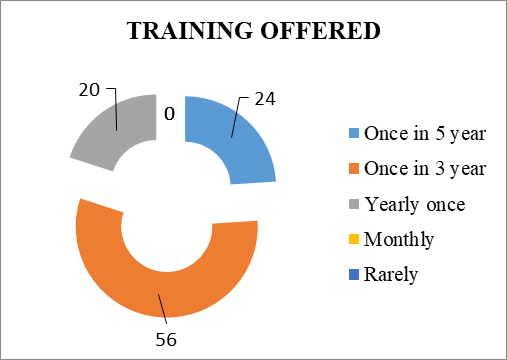
6.2.7 Figure showing the frequency of training offered
6.2.8 Drinking Water Facility
50% say water is available sometimes, 33% often, 10% always, and 7% rarely.
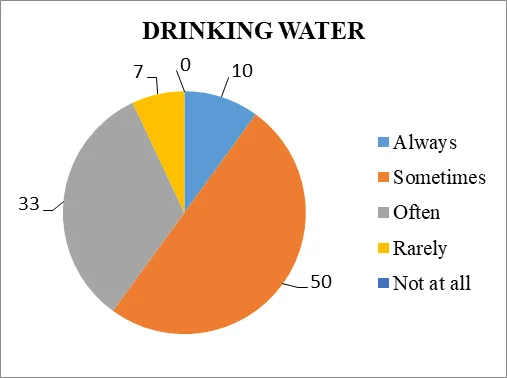
6.2.8 Figure showing the drinking water facility
6.2.9 Work Stress
53% often experience stress, 33% sometimes, 7% always, and 7% rarely.
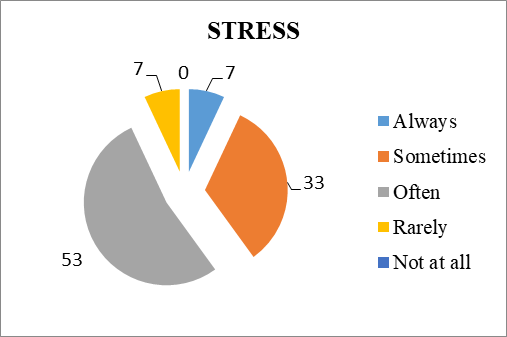
6.2.9 Figure showing the stress toward work
6.2.10 First Aid Awareness
84% strongly agree and 16% agree that they are aware of first aid.
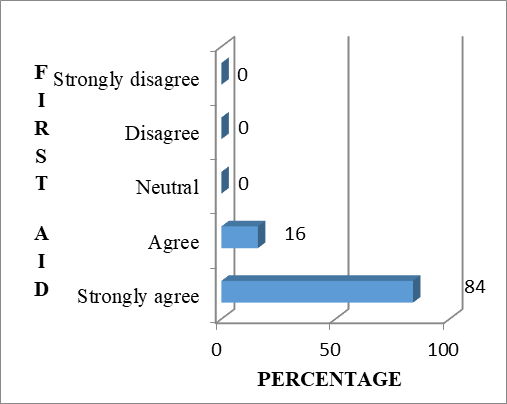
6.2.10 Figure showing the awareness about first aid activities and contents of the first aid kit
6.2.11 Disciplinary Procedures
71% strongly agree and 29% agree that procedures are effectively implemented.
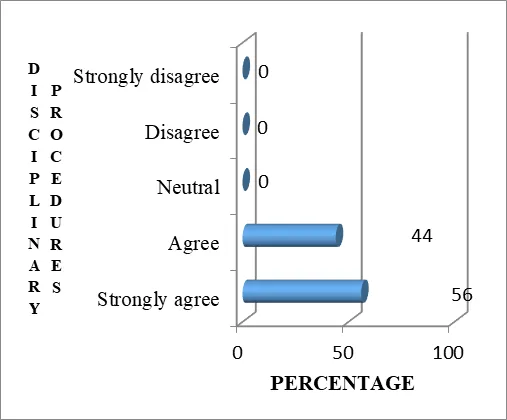
6.2.11 Figure showing the effective disciplinary procedures implementation
6.2.12 Working emperature
60% agree and 24% strongly agree that temperature is reasonable; 16% are neutral.
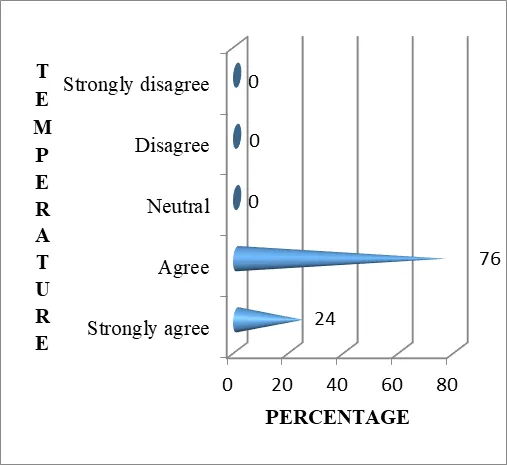
6.2.12 Figure showing the working temperature is reasonable to work
6.2.13 Workspace Adequacy
57% agree, 16% strongly agree, and 27% are neutral regarding space availability.
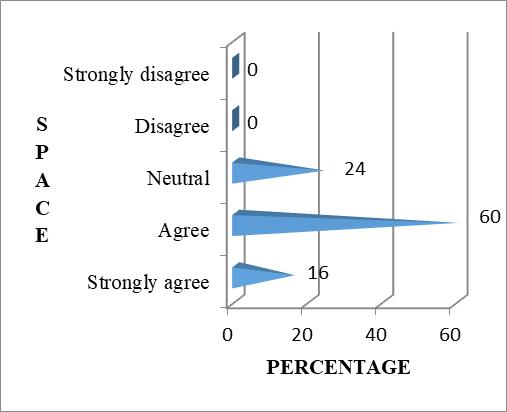
6.2.13 Figure showing the enough space to work
6.2.14 Sanitation Facilities
40% strongly agree, 33% agree, and 27% are neutral about cleanliness.
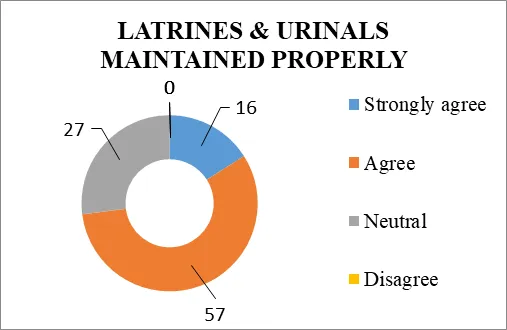
6.2.14 Figure showing the latrines and urinals are cleaned and maintained properly
6.2.15 Workplace Safety Environment
47% strongly agree, 37% agree, and 16% are neutral about safety.
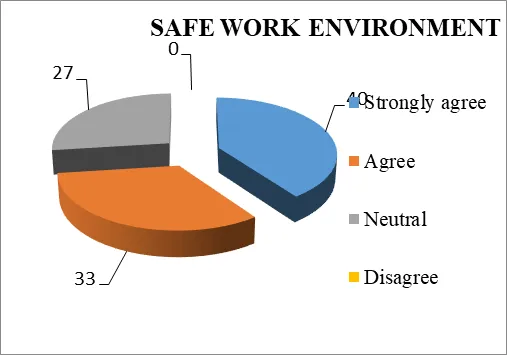
6.2.15 Figure showing the environment is safe to work
6.2.16 Training Before Machine Handling
47% strongly agree, 37% agree, and 16% are neutral.
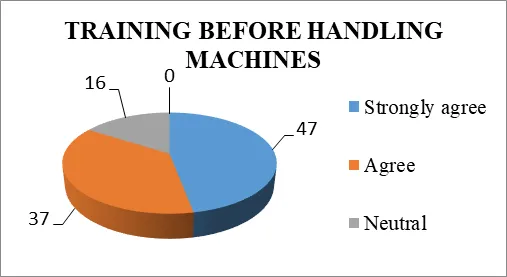
6.2.16 Figure showing the enough training given to workers before handling the machines
6.2.17 Health Checkups
69% report quarterly checkups, 24% half-yearly, and 7% monthly.
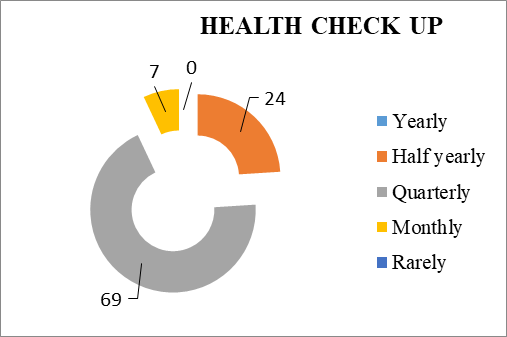
6.2.17 Figure showing the health checkup for workers
6.2.18 Machine Maintenance
60% say machines are often maintained, 17% sometimes, 20% rarely, and 3% always.
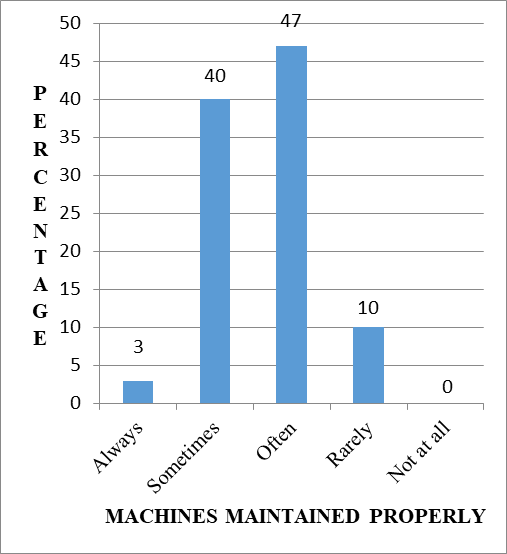
6.2.18 Figure showing the machines maintained properly
6.2.19 Accident Occurrence
60% say accidents occur often, 17% sometimes, 20% rarely, and 3% always.
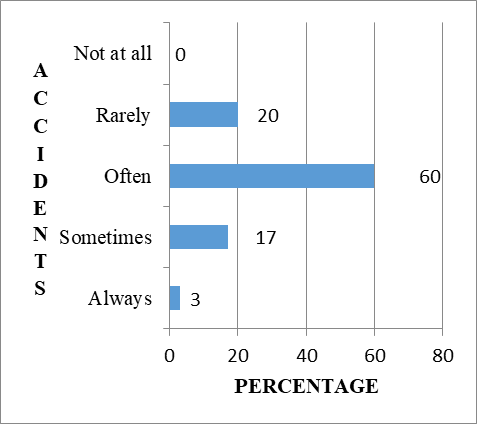
6.2.19 Figure showing the accidents happened
6.2.20 Accident Types
Electric shocks (47%) are most common, followed by finger injuries (37%), fire accidents (13%), and falls (3%).
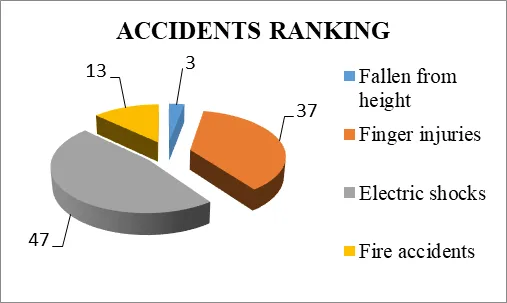
6.2.20 Figure showing the ranking accidents by their occurrence
6.2.21 Safety Requirements
73% confirm safety provisions, while 27% report lack of safety measures.
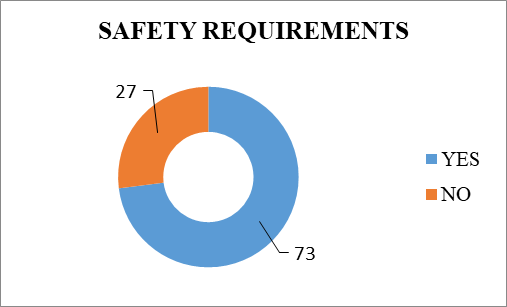
6.2.21 Figure showing the company providing safety requirements
6.2.22 Safety Committee
69% report no safety committee, while 31% confirm its existence.
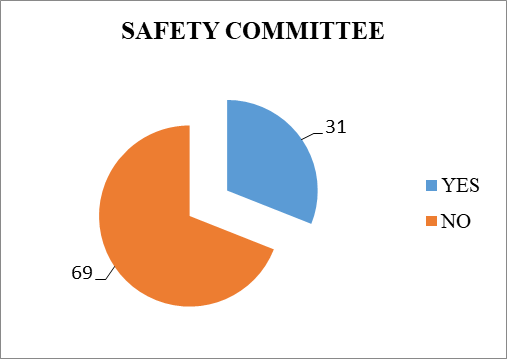
6.2.22 Figure showing the safety committee formed
6.2.23 Safety Inspections
67% report monthly inspections, 20% yearly, and 13% weekly.
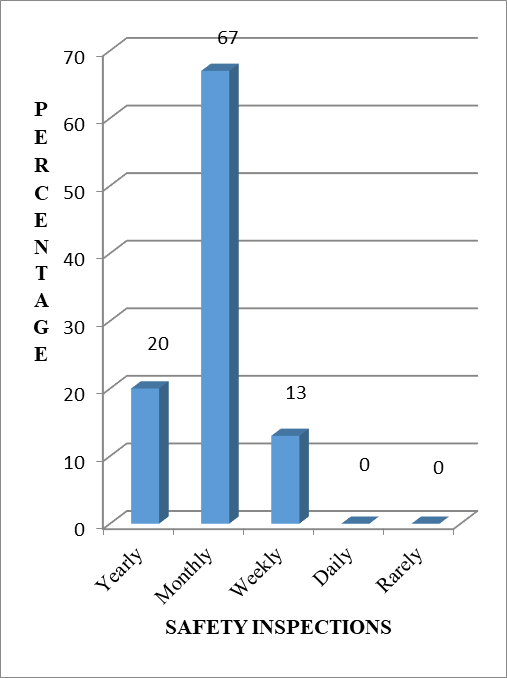
6.2.23 Figure showing the safety inspections held in the company
6.2.24 Satisfaction Level
87% are satisfied and 13% are neutral; none are dissatisfied.
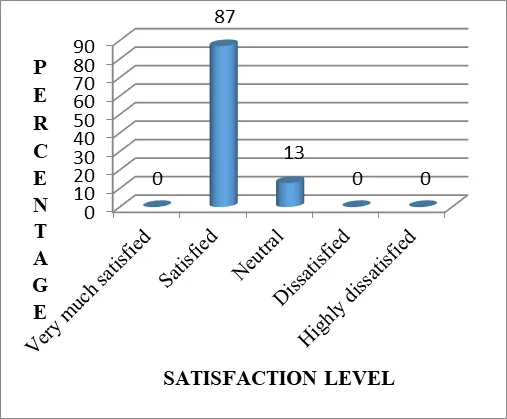
6.2.24 Figure showing the satisfactory level of workers towards health and safety measures
6.2.25 Management Role
50% rate management as better, 40% best, and 10% good.
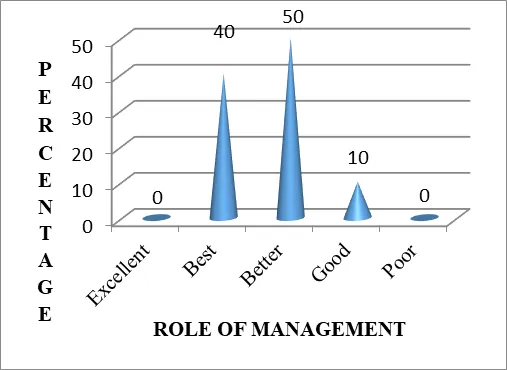
6.2.25 Figure showing the role of management in implementing health and safety
6.3 Chi-Square Analysis
6.3.1 Awareness vs Training
Calculated value (1.2) is less than table value (3.841), so H0 is accepted. There is a relationship between awareness and training.
6.3.2 Disciplinary Procedures vs Safety Environment
Calculated value (41.606) is greater than table value (9.488), so H0 is rejected. No relationship exists between disciplinary procedures and safety environment.
6.4 Correlation Analysis
Correltion between machine maintenance and accidents is 0.813, indicating a strong positive relationship; better maintenance reduces accidents.
6.5 ANOVA Analysis
Calculated F value (8.217) is greater than table value (2.87), so H0 is rejected. There is a significant difference in health and safety measures provided to workers.
Overall Inference
The study shows that while basic safety measures and facilities exist, there are gaps in awareness, communication, and training frequency. High-risk hazards like dust exposure, machinery, and vibration require improved controls. Statistical analysis confirms that training improves awareness, maintenance reduces accidents, and safety measures significantly impact worker well-being.
VII FINDINGS FOR HEALTH AND SAFETY MEASURES TO WORKERS AND WORKPLACE
7.1 Percentage Wise Data Analysis:
53% of respondents are aged 31–35 years, 27% are 26–30 years, and 20% are 36–40 years. 47% have 11–15 years of experience, 43% have 6–10 years, and 10% have 16–20 years. 53% are not aware of health and safety measures, while 47% are aware. 64% state there is no effective communication for health and safety, while 36% report effective communication. 53% confirm medical facilities are provided, whereas 47% say they are not. 53% attended health and safety training, while 47% did not. 56% report training is offered once in 3 years, 24% once in 5 years, and 20% yearly. 50% say drinking water is sometimes available, 33% often, 10% always, and 7% rarely. 53% often experience stress, 33% sometimes, 7% always, and 7% rarely. 84% strongly agree they are aware of first aid, while 16% agree. 56% strongly agree disciplinary procedures are effective, and 44% agree. 76% agree that working temperature is reasonable, while 24% strongly agree. 60% agree they have enough space, 24% are neutral, and 16% strongly agree. 57% agree sanitation is maintained, 27% are neutral, and 16% strongly agree. 40% strongly agree the environment is safe, 33% agree, and 27% are neutral. 47% strongly agree adequate training is given before handling machines, 37% agree, and 16% are neutral. 69% report quarterly health checkups, 24% half-yearly, and 7% monthly. 47% say machines are often maintained, 40% sometimes, 10% rarely, and 3% always. 60% say accidents often occur, 20% rarely, 17% sometimes, and 3% always. 47% rank electric shocks as most frequent, 37% finger injuries, 13% fire accidents, and 3% falls. 73% confirm safety requirements are provided, while 27% disagree. 69% report no safety committee, while 31% confirm its presence. 67% state inspections occur monthly, 20% yearly, and 13% weekly. 87% are satisfied with safety measures, while 13% are neutral. 50% rate management role as better, 40% as best, and 10% as good.
7.2 Statistical Analysis:
7.2.1 Chi-Square Analysis:
There is a relationship between worker awareness and health and safety training. There is no relationship between disciplinary procedures and a safe working environment.
7.2.2 Correlation:
A strong positive correlation (0.813) exists between machine maintenance and accidents.
7.2.3 ANOVA:
There is a significant difference in health and safety measures provided to workers.
VIII SUGGESTIONS FOR HEALTH AND SAFETY MEASURES TO WORKERS AND WORKPLACE
The company should create awareness among workers regarding health and safety practices. Effective communication systems must be established for reporting and discussing safety issues. Regular health and safety training should be provided at least once a year. Adequate drinking water facilities must be ensured at all times. Management should take steps to reduce worker stress levels. Orientation programs should be conducted to improve confidence in workplace safety. Proper machine maintenance must be carried out to reduce delays and accidents. Workers should be given sufficient training to prevent frequent accidents. Practices like meditation can be encouraged to improve concentration and reduce errors. A safety committee should be formed to monitor safety practices. Regular safety inspections must be conducted to maintain a high level of workplace safety. A good relationship between management and workers should be maintained to ensure smooth implementation of safety policies.
CONCLUSION
It is revealed from the study that, the health and safety measures adopted in Sundaram Industries Pvt Ltd. Chennai are provided to the workers according to the provisions of the factories act. It reveals that the awareness of the workers about health and safety in the workplace is inadequate. Also repeated accidents like electric shocks, finger injuries are occurred in the workplace. Suitable ideas were suggested to avoid those accidents and to improve the health and safety measures. The role of management in implementing health and safety in the organization is very effective. Most of the workers were satisfied with the health and safety measures adopted in the company. If the company implements effective disciplinary procedures; it will help the company to go with their policies and also to maintain health and safety in the organization.
REFERENCES




Satheesh Vasantharaja C, Dr. Mohankumar E, The Study of Health and Safety Measures at Tyre Industry, Int. J. of Pharm. Sci., 2026, Vol 4, Issue 5, 6651-6667, https://doi.org/10.5281/zenodo.20391033
 10.5281/zenodo.20391033