

We use cookies to ensure our website works properly and to personalise your experience. Cookies policy
New Montfort Institute of Pharmacy, Ashti, Wardha.
The present study was undertaken to develop and evaluate a herbal sunscreen cream containing extracts of Aloe vera and Rubia cordifolia for effective protection against harmful ultraviolet (UV) radiation. Aloe vera was selected for its moisturizing, soothing, and antioxidant properties, while Rubia cordifolia was incorporated due to its potent antioxidant, anti-inflammatory, and photoprotective activities. The herbal extracts were formulated into a cream base using suitable excipients and evaluated for physicochemical parameters such as appearance, pH, viscosity, spreadability, homogeneity, washability, stability, and skin irritation. The formulation exhibited desirable cosmetic characteristics, good stability, appropriate pH, and excellent spreadability, making it suitable for topical application. In vitro Sun Protection Factor (SPF) assessment demonstrated significant UV-protective activity, which may be attributed to the synergistic effects of the herbal extracts. The cream was found to be non-irritant and safe for skin use, indicating its potential as a natural and effective alternative to synthetic sunscreen products. Overall, the developed herbal sunscreen cream showed promising photoprotective efficacy, stability, and user acceptability, supporting its application in herbal cosmetic and skincare formulations.
1.1 Definition of Herbs
Herbs are plants or plant parts (such as leaves, stems, roots, flowers, seeds, or extracts) that are valued for their medicinal, therapeutic, aromatic, or nutritional properties. They contain bioactive compounds like alkaloids, flavonoids, tannins, phenolics, and essential oils, which contribute to various biological activities such as healing, protection, and disease prevention.1
1.2 Definition of Herbal Sunscreen
Herbal sunscreen refers to a topical cosmetic formulation made using natural plant-derived ingredients that help protect the skin from harmful effects of ultraviolet (UV) radiation. These formulations contain herbal extracts rich in antioxidants and photoprotective compounds that absorb, reflect, or neutralize UV rays. In addition to sun protection, herbal sunscreens also provide skin benefits such as hydration, soothing effects, anti-inflammatory action, and protection against oxidative stress, making them a safer and eco-friendly alternative to synthetic sunscreens.2
1.3 Skin:
The skin acts as a protective barrier against harmful environmental influences such as microorganisms, pollutants, chemicals, and radiation. Despite its protective nature, prolonged exposure to adverse environmental conditions can damage the skin, leading to various disorders such as dryness, irritation, pigmentation, premature aging, and even skin cancer. Among all these environmental factors, solar radiation is one of the most harmful agents affecting skin health.3
1.4 UV Radiation and Classification
Sunlight is composed of electromagnetic radiation that includes ultraviolet (UV), visible, and infrared radiation. Ultraviolet radiation is further classified into three types based on wavelength:
UVC radiation is absorbed by the ozone layer and does not reach the Earth's surface. However, UVA and UVB rays penetrate the atmosphere and have significant biological effects on human skin. UVA rays penetrate deeper into the dermal layer and are primarily responsible for photoaging, wrinkles, loss of elasticity, and pigmentation. UVB rays, on the other hand, affect the epidermal layer and are mainly responsible for sunburn, erythema, and direct DNA damage, which can ultimately lead to skin cancer.4
Exposure to UV radiation also leads to the generation of reactive oxygen species (ROS) in the skin. These free radicals cause oxidative stress, which damages cellular components such as lipids, proteins, and DNA. This oxidative damage contributes to premature aging, inflammation, and carcinogenesis. Therefore, protecting the skin from UV radiation is essential to maintain skin health and prevent long-term damage.5
To minimize the harmful effects of UV radiation, sunscreens are widely used. Sunscreens are topical formulations designed to protect the skin by preventing the penetration of UV rays. They function through various mechanisms such as absorption, reflection, and scattering of UV radiation. The effectiveness of sunscreen is measured in terms of the Sun Protection Factor (SPF), which indicates the level of protection provided against UVB radiation. Higher SPF values correspond to greater protection.6
Due to these limitations, there has been an increasing demand for natural, safe, and ecofriendly alternatives, leading to the development of herbal sunscreen formulations.7
Herbal cosmetics are formulations that contain plant-derived ingredients such as leaves, roots, flowers, fruits, and seeds. These natural products are rich in bioactive compounds like flavonoids, phenolics, alkaloids, tannins, and vitamins. These compounds possess multiple beneficial properties such as antioxidant, anti-inflammatory, antimicrobial, and photoprotective activities. Herbal cosmetics are preferred over synthetic products due to their advantages:
Herbal sunscreens represent an important category of cosmetic products that combine natural ingredients with UV protective properties. These formulations not only protect the skin from harmful UV radiation but also provide additional benefits such as hydration, nourishment, and repair of damaged skin. Many plant-based compounds have the ability to absorb UV radiation and neutralize free radicals, thereby acting as natural photoprotective agents.9
Among the various herbal ingredients used in cosmetic formulations, Aloe vera is one of the most widely utilized medicinal plants. It belongs to the family Liliaceae and has been used for centuries for its therapeutic properties. Aloe vera contains a variety of active constituents, including vitamins (A, C, E), enzymes, amino acids, sugars, lignin, saponins, and salicylic acid. These components contribute to its diverse pharmacological activities, such as:
Aloe vera helps in maintaining skin hydration by preventing moisture loss and improving skin elasticity.11
Another important plant used in this study is Rubia cordifolia, commonly known as Manjistha. It is a well-known medicinal plant in traditional Ayurvedic medicine and belongs to the Rubiaceae family. The roots of this plant are rich in bioactive compounds such as anthraquinones (alizarin, purpurin, rubiadin), glycosides, flavonoids, and tannins. These compounds exhibit a wide range of pharmacological activities, including:
Recent scientific studies have demonstrated that Rubia cordifolia possesses significant ultraviolet protective properties. The anthraquinone compounds present in the plant absorb UV radiation and help in preventing skin damage caused by sunlight. Additionally, its antioxidant activity helps in reducing oxidative stress and preventing premature aging. Its antimicrobial properties also help in protecting the skin from infections.13
The combination of Aloe vera and Rubia cordifolia in a sunscreen formulation is expected to produce a synergistic effect, enhancing the overall effectiveness of the product. While Aloe vera provides hydration, soothing, and healing effects, Rubia cordifolia contributes to UV protection and antioxidant activity. Together, they form a highly effective herbal formulation for protecting the skin against environmental damage.14
In recent years, consumer preference has shifted significantly towards natural and herbal products due to increasing awareness about the harmful effects of synthetic chemicals. Herbal sunscreen formulations not only meet this demand but also offer additional therapeutic benefits, making them a promising alternative to conventional sunscreens.15
Therefore, the present study focuses on the development and evaluation of a herbal sunscreen cream using Aloe vera and Rubia cordifolia extract. The aim is to formulate a product that provides effective sun protection while being safe, stable, economical, and beneficial for overall skin health.16
One of the most important and rapidly expanding applications of herbs in cosmetics is in the development of sunscreens. Sunscreens are essential topical formulations designed to protect the skin from harmful ultraviolet (UV) radiation emitted by the sun. UV radiation is one of the most significant environmental factors responsible for skin damage and is classified into UVA, UVB, and UVC rays based on wavelength. While UVC is absorbed by the ozone layer, UVA and UVB rays penetrate the atmosphere and reach the skin surface, causing both short-term and long-term damage.
Exposure to UV radiation is responsible for a wide spectrum of skin disorders. Acute effects include erythema (redness), sunburn, inflammation, and irritation, while chronic exposure leads to more serious conditions such as premature aging (photoaging), hyperpigmentation, wrinkles, loss of skin elasticity, immune suppression, and even skin cancer. Continuous UV exposure also triggers the formation of reactive oxygen species (ROS) in the skin, resulting in oxidative stress. This oxidative damage affects cellular components such as lipids, proteins, and DNA, thereby accelerating skin aging and increasing the risk of carcinogenesis.
Conventional sunscreens available in the market are primarily formulated using synthetic chemical UV filters such as oxybenzone, avobenzone, octinoxate, and octocrylene. Although these compounds provide effective photoprotection, they are associated with several limitations. These include skin irritation, allergic reactions, phototoxicity, and potential endocrine-disrupting effects with prolonged use.
Among the various medicinal plants used in herbal cosmetic formulations, Aloe vera and Rubia cordifolia are widely recognized for their exceptional therapeutic and skin-protective properties.
The combination of Aloe vera and Rubia cordifolia in a single sunscreen formulation offers a synergistic effect that significantly enhances the overall efficacy of the product. While Aloe vera primarily contributes to hydration, soothing, and tissue regeneration, Rubia cordifolia provides strong antioxidant activity and UV-protective effects. Together, these two herbs work in a complementary manner to strengthen the skin’s natural defense system against UV-induced damage, improve skin texture, and promote long-term skin health. This synergism makes the formulation more effective than individual herbal extracts alone.
Conventional sunscreens available in the market are primarily formulated using synthetic organic UV filters and inorganic physical blockers. Chemical filters such as oxybenzone, avobenzone, octinoxate, and octocrylene absorb UV radiation, whereas physical agents like titanium dioxide and zinc oxide reflect or scatter UV rays. Although these compounds provide effective photoprotection, they are associated with several limitations. These include skin irritation, contact dermatitis, photosensitivity reactions, and potential endocrine-disrupting effects with prolonged use. Furthermore, concerns have been raised regarding their systemic absorption and accumulation in human tissues.17
Biological Source
Aloe vera is obtained from the fresh leaves of Aloe barbadensis Miller, belonging to the family Liliaceae (Asphodelaceae).
Synonym
Ghritkumari
Morphological Characteristics
Leaves:- Thick, green , fleshy with serrated margins
Gel:- Transparent, viscous and odourless
Roots:- Fibrous
Stem:- Short or absent
Chemical Constituents
It contains more than 75 biologically active components, including:-
Uses
Mechanism of Action
1. Moisturizing Effect
Polysaccharides form a protective layer on the skin and retain moisture, preventing drynesss
2. Anti-inflammatory Action
Inhibits prostaglandin synthesis and reduce redness, swelling and irritation
3. Antioxidant Activity
Neutralizes free radicals (ROS) generated by UV radiation, preventing oxidative damage
Advantages
Role in Sunscreen Formulation
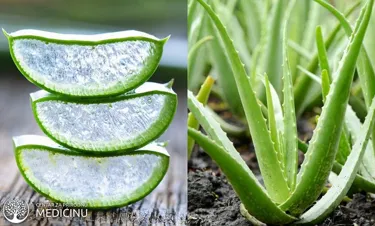
Figure No. 01. Aloe Vera
2.2. RUBIA CORDIFOLIA
Biological Source
Rubia cordifolia (Manjistha) consists of dried roots of the plant belonging to the family Rubiaceae.
Synonyms
Manjistha , Indian Madder
Morphological Features
Chemical Constituents
Pharmacological Actions
1. Antioxidant Activity
2. Anti-inflammatory Action
3. Antimicrobial Activity
Mechanism of UV Protection
Anthraquinones absorb UV radiation and prevent its penetration into the skin. They also neutralize free radicals formed due to UV exposure.
Uses
5.2.8 Role in Sunscreen Formulation

Figure no. 02. Rubia Cordifolia
2.3. STEARIC ACID
Category: Emulsifier, thickening agent
Description:
White waxy fatty acid obtained from natural fats.
Functions:
Mechanism:
Forms soap with TEA → stabilizes emulsion
Advantages:
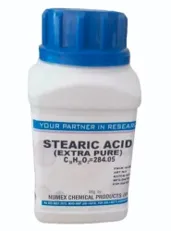
Figure no. 03. Stearic Acid
2.4. GLYCERIN
Category: Humectant
Functions:
Mechanism:

Figure no. 04. Glycerin
2.5. BEESWAX
Synonyms
Cera Alba (White Beeswax) , Cera Flava (Yellow Beeswax)
Biological Source
Purified wax obtained from the honeycomb of the honeycomb of the honey bee Apis mellifera.
Family:- Apidae
Morphological Characters
Chemical Constituents
Uses
Mechanism of Action
Advantages
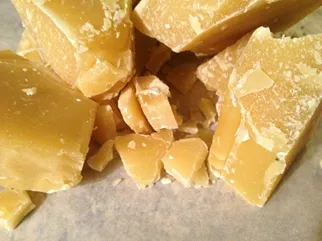
Figured no. 05. Beeswax
2.6. COCONUT OIL
Synonyms
Copra Oil , Coconut Fat
Biological Name :- Cocos nucifera
Family :- Arecaceae
Morphological Characters
Chemical Constituents
Uses
Mechanism of Action
Advantages
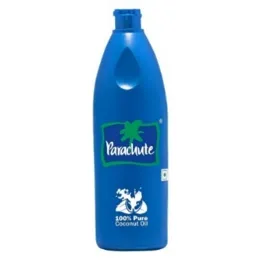
Figure no. 06. Coconut Oil
2.7. ROSE OIL
Synonyms :- Rose Otto , Attar of Rose
Biological Name :- Rosa damascena
Family :- Rosaceae
Morphological Characters
Chemical Constituents
Uses
Mechanism of Action
Advantages
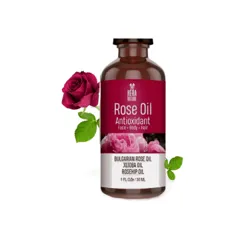
Figure no. 07. Rose Oil
2.8. VITAMIN E
Synonyms :- Alpha-Tocopherol, Tocopherol Acetate
Chemical Nature :- Fat-soluble vitamin
Family :- Not Applicable (Vitamin)
Morphological Characters
Chemical Constituents
Uses
Mechanism of Action
Advantages

Figure no. 08. Vitamin E
2.9. METHYL PARABEN
Synonyms :- Methyl p-Hydroxybenzoate , Nipagin
Chemical Name :- Methyl 4-Hydroxybenzoate
Family :- Paraben Group Preservatives
Morphological Characters
Chemical Constituents
Methyl ester of p-hydroxybenzoic acid.
Uses
Mechanism of Action
Advantages
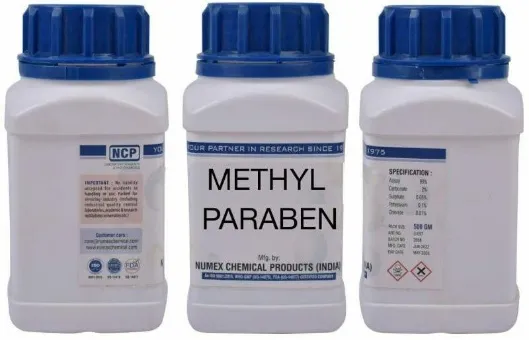
Figure no. 09. Methyl Paraben
3. PROCEDURE
3.1. COLLECTION AND AUTHENTICATION OF PLANT MATERIALS
Fresh Aloe vera leaves and dried Rubia cordifolia roots are collected from a reliable source.
The materials are authenticated by a qualified botanist based on:-
3.2. PREPARATION OF PLANT EXTRACTS
3.2.1. Preparation of Aloe vera Gel
1. Fresh Aloe vera leaves are washed with distilled water.
2. Outer green peel is removed carefully.
3. The inner gel is collected using a sterile spatula.
4. The gel is homogenized using a blender.
5. The gel is filtered to remove fibers.
6. The extract is stored in a refrigerator until use.
3.2.2. Preparation of Rubia cordifolia Extract
Step 1: Drying and Powdering
Roots are washed and dried under shade
Ground into coarse powder
Step 2: Extraction
Powder is soaked in distilled water/ethanol
Macerated for 24–48 hours
Heated gently if required
Step 3: Filtration
Filtered using muslin cloth or filter paper
Step 4: Concentration
Solvent is evaporated to obtain concentrated extract
Step 5: Storage
Stored in airtight container for further use
3.3. PREFORMULATION STUDIES
Preformulation studies are carried out to understand the physical and chemical properties of ingredients.
3.3.1. Organoleptic Evaluation
Colour :- White
Odor :- Characteristic
Appearance :- Characteristic
3.3.2. Solubility Study
Solubility of extracts in water and solvents
3.3.3. pH Determination
Measured using pH meter
3.3.4. Compatibility Study
Drug-excipient compatibility observed visually
3.4. FORMULATION OF HERBAL SUNSCREEN CREAM
The cream is prepared using oil-in-water (O/W) emulsion method.
3.4.1. Preparation Procedure
Step 1: Oil Phase Preparation
Stearic acid and cetyl alcohol are weighed t
Melted at 70°C
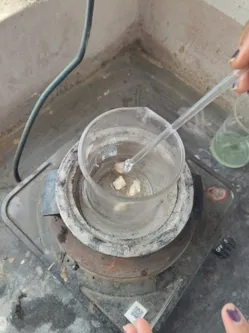
Figure no. 10. Formulation of oil phase
Step 2: Aqueous Phase Preparation
Glycerin and water heated to 70°C
Aloe vera gel added
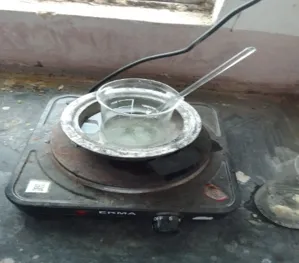
Figure no. 11. Formation of Aqueous phase
Step 3: Emulsification
Step 4: Addition of Extract
Rubia cordifolia extract added
Mixed uniformly
Step 5: Neutralization
TEA added to adjust pH
Step 6: Cooling
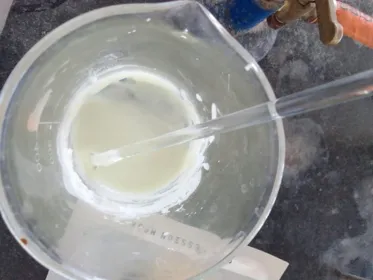
Figure no. 12. Formation of Sunscreen
Table no. 01. Formulation Table
|
Ingredients |
F1 (g) |
F2 (g) |
F3 (g) |
F4 (g) |
F5 (g) |
|
Aloe vera gel |
5.0 |
7.5 |
10.0 |
12.5 |
15.0 |
|
Rubia Cordifolia |
1.0 |
2.0 |
3.0 |
4.0 |
5.0 |
|
Stearic Acid |
6.0 |
6.0 |
6.0 |
6.0 |
6.0 |
|
Beeswax |
2.5 |
2.5 |
2.5 |
2.5 |
2.5 |
|
Coconut Oil |
4.0 |
4.0 |
4.0 |
4.0 |
4.0 |
|
Glycerine |
2.5 |
2.5 |
2.5 |
2.5 |
2.5 |
|
Vitamin E |
0.25 |
0.25 |
0.25 |
0.25 |
0.25 |
|
Rose Oil |
0.25 |
0.25 |
0.25 |
0.25 |
0.25 |
|
Methyl Paraben |
0.10 |
0.10 |
0.10 |
0.10 |
0.10 |
|
Distilled Water |
28.40 |
24.90 |
21.40 |
17.90 |
14.40 |
INTERPRETATION
5. EVALUATION PARAMETER
5.1. Appearance
Appearance is the first parameter evaluated in a cream formulation. It includes observation of colour, texture, consistency, and overall aesthetic appeal of the product. A good sunscreen cream should possess a uniform colour, smooth texture, and elegant appearance without any signs of phase separation or grittiness. Appearance plays an important role in consumer acceptance and indicates the quality of the formulation.
5.2. pH Determination
The pH of the cream is measured using a calibrated digital pH meter. The pH should be compatible with the natural pH of the skin (approximately 5.5–7.0) to avoid irritation, dryness, or damage to the skin barrier. An ideal pH ensures product stability and safe topical application. The pH of herbal sunscreen creams is generally maintained within the skin-friendly range.
5.3. Viscosity
Viscosity refers to the resistance of the cream to flow and is measured using a Brookfield viscometer. It determines the consistency and thickness of the formulation. Appropriate viscosity ensures easy application, uniform distribution on the skin, and stability during storage. Excessively high viscosity may make spreading difficult, whereas low viscosity may result in poor retention on the skin.
5.4. Spreadability
Spreadability is the ease with which a cream spreads over the skin surface. It is determined by placing a fixed amount of cream between two glass slides and measuring the area or distance covered under applied weight. Good spreadability ensures uniform application of the sunscreen, enhances patient compliance, and improves the effectiveness of UV protection.
5.5. Washability
Washability indicates the ease with which the cream can be removed from the skin using water. A sunscreen cream should possess adequate adhesion during use while still being easily washable without causing irritation. This parameter is important for consumer convenience and hygiene.
5.6. Extrudability
Extrudability refers to the ease with which the cream can be expelled from its container or collapsible tube. It is determined by applying pressure to the tube and measuring the amount of cream extruded. Good extrudability ensures convenient dispensing and proper patient usage of the product.
5.7. Irritancy Test
The irritancy test is performed to evaluate the safety of the formulation on the skin. A small quantity of cream is applied to a defined area of skin and observed for signs of redness, itching, swelling, burning sensation, or other adverse reactions. The absence of irritation indicates that the formulation is safe for topical use.
5.8. Sun Protection Factor (SPF) Determination
SPF is the most important parameter for sunscreen evaluation. It measures the ability of the formulation to protect the skin against UVB radiation. SPF is determined using a UV-Visible spectrophotometer by measuring absorbance in the wavelength range of 290–320 nm. Higher SPF values indicate better protection against sunburn and UV-induced skin damage.
5.9. Stability Studies
Stability studies are conducted to evaluate the physical, chemical, and microbiological stability of the cream during storage. Formulations are stored under different conditions such as room temperature, refrigeration, and elevated temperature. Parameters such as color, odor, pH, viscosity, homogeneity, and phase separation are monitored periodically. Stability studies help determine the shelf life and quality of the product over time.
Table no. 02. Evaluation Table
|
Parameter |
F1 |
F2 |
F3 |
F4 |
F5 |
|
Appearance |
Light brown smooth |
Brown smooth |
Brown homogeneous |
Dark brown homogeneous |
Dark brown smooth homogeneous no grittiness |
|
PH |
6.2- 6.4 |
6.4- 6.6 |
6.4- 6.5 |
6.7- 6.9 |
6.8- 7.1 |
|
Viscosity |
120- 24,500 |
135- 26,800 |
145- 28,400 |
110- 30,110 |
105- 32,500 |
|
Spreadability |
0.4- 12.5 |
0.3- 14.2 |
0.5- 15.8 |
0.4- 17.4 |
0.3- 19.2 |
|
Washability |
good |
good |
Very good |
Very good |
Excellent |
|
Extrudability |
2.1- 88 |
1.8- 92 |
2.0- 95 |
1.7- 98 |
1.5- 102 |
|
Irritancy Test |
No irritation |
No irritation |
No irritation |
No irritation |
No irritation |
|
SPF Value |
0.3- 12.4 |
0.4- 15.8 |
0.3- 18.6 |
0.4- 21.9 |
0.4- 25.8 |
|
Stability study |
stable |
stable |
stable |
Stable |
Highly stable, no change in colour, pH or viscosity |
6. CONCLUSION
The herbal sunscreen cream formulated using Aloe vera and Rubia cordifolia demonstrated satisfactory physicochemical characteristics and effective photoprotective activity. Aloe vera was incorporated due to its moisturizing, soothing, wound-healing and antioxidant properties, while Rubia cordifolia was selected for its rich content of anthraquinones, flavonoids and phenolic compounds that possess antioxidant and UV-protective activities.
Aloe vera contributed significantly to skin hydration and improved the overall texture of the cream. The polysaccharides and antioxidant constituents present in Aloe vera help protect skin cells from oxidative stress induced by ultraviolet radiation. Additionally, its anti-inflammatory activity may reduce erythema and skin irritation caused by sun exposure.
Rubia cordifolia (Manjistha) enhanced the sunscreen potential of the formulation through its strong antioxidant and free radical scavenging properties. The presence of bioactive compounds such as alizarin and purpurin helps neutralize reactive oxygen species generated by UV radiation, thereby reducing photoaging and cellular damage. These properties make Rubia cordifolia a promising natural photoprotective agent in herbal cosmetic preparations.
7. RESULT
The formulated herbal sunscreen creams were successfully prepared and evaluated for different quality parameters. All formulations showed smooth texture, good appearance and acceptable consistency. The Ph values ranged from 5.8 to 6.4, which is suitable for skin application and minimizes the possibility of irritation. Viscosity values increased gradually from 18, 500 cps (F1) to 22, 300 cps (F5), indicating improved consistency with increasing concentrations of herbal extracts.
Spreadability values ranged from 6.2 to 7.4cm, with formulation F3 showing the highest spreadability. Homogeneity and washability were found to be satisfactory for all formulations, while irritancy studies showed no signs of redness, itching or skin irritation. Extrudability values indicated easy removal of cream from the container and acceptable product handling characteristics.
The SPF values obtained for F1, F2, F3, F4 and F5 were 8.5, 11.2, 14.8, 17.5 and 20.1 respectively. The increase in SPF value with increasing concentrations of Aloe vera and Rubia cordifolia confirmed the significant role of these herbal ingredients in enhancing UV protection. Formulation F5 exhibited the highest SPF value and demonstrated superior photoprotective activity compared to the other formulations.
Overall, the results indicated that the formulated herbal sunscreen creams possessed good physicochemical properties, satisfactory stability, excellent skin compatibility and effective sun-protective activity. Among all formulations, F5 was identified as the optimized formulation due to its highest SPF value, excellent homogeneity, good washability, absence of irritation and superior antioxidant potential.
REFERENCES

Rani More, Irshad Ahmad, To Develop and Evaluate a Herbal Sunscreen Cream using Aloe vera and Rubia cordifolia Extract, Int. J. of Pharm. Sci., 2026, Vol 4, Issue 6, 7398-7413. https://doi.org/10.5281/zenodo.21045045
 10.5281/zenodo.21045045