

We use cookies to ensure our website works properly and to personalise your experience. Cookies policy
1Department of Pharmaceutical Quality Assurance, R.C. Patel Institute of Pharmacy, Karwand Naka, Shirpur, Dist. Dhule (MS) India 425405
2Department of Pharmaceutical Chemistry, R.C. Patel Institute of Pharmacy, Karwand Naka, Shirpur, Dist. Dhule (MS) India 425405
Transethosomes are a new type of ultradeformable lipid vesicle that can go across the stratum corneum has a natural barrier and enhances transdermal and targeted delivery of medication. In this paper, the critical evaluation of transethosomes as hybrid nanocarriers that integrate is presented phospholipids, high ethanol levels, and edge activators to synergistically combine ethosomal fluidization having transfersomal elasticity. Transethosomes provide superior deformability, enhanced skin permeability, increased drug entrapment efficiency, improved capacity, and the ability to encapsulate hydrophilic as well as lipophilic medicines, in contrast with traditional liposomes and other vesicle systems. The article thoroughly studies the composition of formulations, methodologies of preparation, physicochemical characterization, and the processes which promote better transdermal transport, including ethanol-induced lipid breakdown, vesicle compliance and skin-interaction lipids. A methodical review of the therapeutic applications in skin issues, analgesia, hormonal treatment, anticancer injection, and transcutaneous vaccination is introduced with relative observations of the advantages of these, compared with traditional ones. The paper also discusses some of the key issues with reproducibility, regulatory considerations and long-term safety. New trends including altering the surface, with stimuli-responsive transethosomes, and integrating them with physical improvement methods are considered as means to enhance the accuracy of targeting and translation of clinical data in the future. The paper provides a detailed and up-to-date discussion of transethosomes through the combination of mechanistic understanding, formulation factors, and translational barriers, making them an effective platform to develop further noninvasive transdermal and targeted drug delivery systems.
INTRODUCTION
A. Brief overview of transdermal drug delivery
Transdermal drug delivery is a patient-friendly alternative to invasive methods because it skips first-pass metabolism and gastrointestinal degradation. However, it has to deal with the stratum corneum, which is the skin's main protective layer (1). This outermost layer is made up mostly of corneocytes that are embedded in a lipid matrix. Because it is dense and hydrophobic, it stops most therapeutic drugs from passing through (2). Transethosomes and other advanced nanovesicular carriers have been created to get around these problems with permeation. Their ethanol-lipid hybrid structure makes them better at penetrating the skin than traditional systems (1), (3). Transethosomes are better nanocarriers for both transdermal and targeted applications because they are a mix of ethosomes, which are made of ethanol and make things more fluid, and transfersomes, which make things more flexible. This review elucidates the structural innovations, mechanistic advantages, and therapeutic potential of transethosomes above standard liposomes, drawing on recent breakthroughs in nanovesicular design for optimised skin permeability and drug release (3), (4)Traditional liposomes are good at holding different medications, but their stiff bilayers make it hard for them to go through the skin. This shows that we need more flexible vesicular systems like transethosomes (5,6). Transethosomes are a new kind of vesicular technology that combines phospholipids, ethanol, water, and edge activators or permeation enhancers to make ultra-deformable structures that help therapeutics penetrate deeper into the skin and encapsulate both hydrophilic and hydrophobic substances (3), (7). These elastic vesicles exhibit superior penetration into the stiff lipid network of the stratum corneum due to their flexible structure, setting them apart from conventional liposomes, which are less adaptable (8). As a result, transethosomes penetrate the skin better than regular ethosomes because of the combined effects of ethanol and edge activators that make vesicles more flexible and break up the organisation of lipids in the skin (9). Transethosomes combine these features to make drug transport more efficient, using methods like passive diffusion and membrane fusion that go beyond the limits of typical liposomes' stiff bilayers (10), (11). This increased deformability lets transethosomes move across the stratum corneum's winding intercellular channels without breaking, which is something that regular liposomes can't do. The structural advantages of transethosomes enhance their clinical utility in administering a wide array of medicines, including NSAIDs, anticancer drugs, and antifungals, directly into systemic circulation through non-invasive transdermal pathways (8). This non-invasive method not only makes it easier for patients to follow their treatment plan, but it also allows for exact dosing for long-term illnesses because transethosomes have an elastic structure that allows for sustained release profiles (12). This architecture makes transethosomes better at treating skin illnesses by delivering the drug exactly to the damaged parts of the skin, which is better than liposomes at getting through the stratum corneum barrier (10).
B. Introduction to liposomes and transethosomes
Phospholipid bilayers make up traditional liposomes, which have a watery core. This lets hydrophilic medications get inside the core and lipophilic drugs get into the bilayer. However, their hardness makes them hard to bend when the skin is under stress (13). Transethosomes, on the other hand, use edge activators, phospholipids, ethanol, and water to make extremely flexible, PC-based nano-vesicular systems that keep their shape across skin layers, making them more effective at getting through the skin (7) . The elasticity-driven adaptation of transethosomes further underscores their utility in precision transdermal applications by enabling non-invasive penetration of macromolecules over the stratum corneum's tough barrier (10),(12). Transethosomes use edge activators to destabilise phospholipid membranes, which lets them go deeper into the skin than regular liposomes, which are limited to the top layers of skin because their bilayers are not flexible (14), (15). This flexibility allows transethosomes to hold pharmaceuticals with a wide range of molecular weights, from low to large, while keeping bioactive payloads for slow release without needing complicated adjuvants or preparation techniques . Their simple composition, which uses easy thin-film hydration or vortexing methods, makes them even easier to make for clinical-scale production (16). These new developments in transethosomal design show how they could change precision medicine by connecting new ideas from the lab with real-world transdermal uses (3). These advancements establish transethosomes as a translational paradigm in transdermal therapy, utilising their phospholipid-based vesicular architecture to surpass the barrier function of the stratum corneum more effectively than rigid liposomes, thereby improving patient compliance through noninvasive, self-administered delivery (17), (18). The fact that transethosomes are better at forming vesicles than liposomes is a good reason to look at their composition, structure, and performance limits in the next parts of this review (18), (19).
2.Traditional Liposomes
A. Structure and Composition
Phospholipids, such phosphatidylcholine, are the main building blocks of traditional liposomes. They are organised in a bilayer structure that surrounds an aqueous core, which allows both hydrophilic and lipophilic medicines to be encapsulated (20). Cholesterol can be added to change the rigidity of the membrane and make it more stable, however these phospholipid bilayers are usually stiff (17). This stiffness makes them less flexible, which makes them more likely to break when they move through tiny intercellular channels and stops them from going deep into the skin (19). This structural constraint substantially constrains their therapeutic efficacy in transdermal administration. Transethosomes, on the other hand, combine phospholipids with a lot of ethanol and edge activators to make vesicles that are very flexible and have a low viscosity. This composition makes elastic structures that can change shape and squeeze through the pores in the stratum corneum. This makes trans-epidermal penetration better and lets drugs get deeper into the body (4). This flexible structure of transethosomes makes them a better choice for transdermal applications since they fix the main structural problems with regular liposomes that make it hard to transfer payloads to deeper layers of skin (21), (22). Transethosomes are different from typical liposomes because they are metastable, which means they can change shape and form again when they are pushed through skin pores that are smaller than their diameter. This is a dynamic process that traditional liposomes can't do (23),(24). This static rigidity restricts conventional liposomes predominantly to the superficial layers of the stratum corneum, preventing them from attaining therapeutic concentrations in deeper dermal or systemic compartments (25), (26). This type of confinement shows how important it is to have advanced vesicular systems like transethosomes, which use ethanol to make fluids more fluid and surfactants to make them more elastic (13), (27).
B. Advantages in drug delivery
Traditional liposomes are biocompatible, meaning that they do not cause immunological responses or cytotoxicity. Their applications are also very diverse, including the ability to protect pharmaceuticals against enzymatic degradation, and the ability to allow cellular membrane fusion to enable specific intracellular release (12), (28). They are also in favor of surface ligand conjugation in receptor-mediated targeting, and are resistant to degradation. They also have a fondness to stratum corneum keratin, which aids in absorption (17), (29), (30). However, as a transdermal, their multilamellar rigidity makes them difficult to release over time, reach deep tissues and penetrate the stratum corneum (8). Transethosomes prevent these limitations by using the ethanol-induced fluidity, edge activators of elasticity and a net negative surface charge which results in increased deformability, reduced vesicle size, reduced opsonisation, and improved dermal permeation in comparison to liposomes (31), (32), (33), (34). This combination not only breaks down lipids in the stratum corneum but also keeps the payload safe as it transits, and is better than proliposomes, transfersomes, ethosomes, etc. in trans-epidermal delivery (4), (35), (36), (37), (38), (39), (40). These properties make transethosomes a biocompatible and biodegradable carrier system that is more stable and efficient and can penetrate deeper into the skin since its lipid composition is similar to that of the stratum corneum (29). It is a lipid mimicry that allows the synergistic interaction with endogenous skin ceramides and increases the fusion of the vesicles and the prolongation of the period that the vesicles reside within viable epidermal layers to achieve better therapeutic outcomes (8). Moreover, transethosomes have been demonstrated to be superiorly stable than deformable liposomes and maintain efficacy when subjected to both occlusive and non-occlusive conditions and do so using non-toxic ingredients that can easily be commercialised (2).
C. Limitations in transdermal delivery
Liposomes of a conventional type are not well absorbed by the skin due to the rigid phospholipid bilayers. occlude the small intercellular lipid permeability of the stratum corneum. This means that they mostly stay on the surface of the skin and do not reach deeper layers of the skin or the bloodstream (41), (42). These penetration are limited by the fact that they have limited physical and chemical stability. even worse problems, so they are not ideal to topical distribution, although. phospholipids are biocompatible in nature (36). The confinement and instability of the surface is confined. traditional liposomes highlight the need of ethanol-added vesicular advances. including transethosomes, which make use of deformability to enter skin pores 5 to 10 times. smaller than their diameter, which helps to deliver macromolecular drugs effectively, with peptides and proteins (25). Transethosomes are able to overcome these issues by including. A phospholipid matrix was added to edge activators and a high ethanol concentration. This makes flexible, low-viscosity vesicles that are more easily trans-epidermally penetrating than liposomes.(4). These advancements enable enhanced therapeutic results in transdermal applications by promoting the release of encapsulated substances into the basal layers of the skin and even into the bloodstream (43).
3.Transethosomes: An Advanced Nanocarrier System
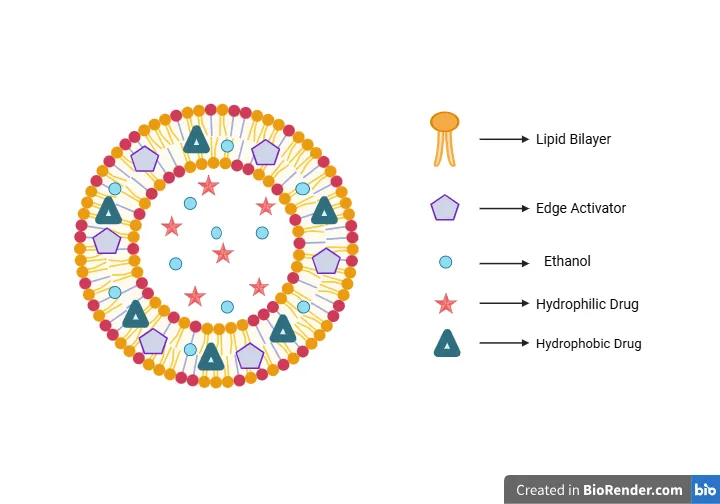
Figure -1 Structure and Components of Transethosomes
A. Definition and composition
Transethosomes are a new type of ethosomal system that combines phospholipids with high levels of ethanol (usually 20–50%) and edge activators like surfactants. This makes vesicles that can change shape and penetrate the skin better than regular ethosomes and liposomes (30). This hybrid formulation includes penetration enhancers and ethanol, which makes it better than regular ethosomes at getting drugs into the skin, keeping them there, and making them available to the body (38). These edge activators, which include surfactants like sodium stearate, dicetyl phosphate, and stearylamine, make the vesicles even more flexible and able to work with a wider range of active medicinal substances (30). This formulation flexibility includes ultraflexible liposomes, which are vesicular carriers made of phospholipids, ethanol, and water. These liposomes help with problems with bioavailability and solubility in transdermal systems (33). Transethosomes are different from regular liposomes in that they are very flexible, have great skin permeability, and have better flow rates. This is because they combine ethanol and edge activators in their phospholipid-based structure (44). This structural synergy lets transethosomes change shape elastically as they penetrate the skin. This is because the ratio of surfactant to phospholipid makes them more flexible than stiff liposomes (32). Transethosomes exhibit superior entrapment efficiency for various medication classes, including peptides, hormones, and antibiotics, exceeding traditional liposomes in both safety and patient adherence measures (2). Their phospholipid bilayer, which is made up of ethanol and surfactants, makes it even easier for them to mix with skin lipids, which helps them stay in the body longer and causes less irritation, making them more useful in clinical settings (40), (45). These ultradeformable vesicles, which are usually nanosized for the best stability, have large drug loads inside their elastic phospholipid bilayers that are loaded with ethanol. This makes them a better choice for topical use (7), (40). Transethosomes are made by methods such aqueous phase injection with quick mixing or thin-film hydration followed by sonication. They have smaller, more uniform vesicle sizes than stiff liposomes made with traditional film-forming procedures (19), (39). This size optimisation improves their capacity to get through tight spots in the stratum corneum while keeping their structure intact when exposed to normal shear pressures (30). Their ability to keep vesicle size homogeneity and membrane organisation despite shear stresses is another proof of their structural resilience, as shown by particle size analysis and advanced methods like X-ray scattering or differential scanning calorimetry (2).
B. Distinctive structural traits
Transethosomes have a soft, flexible phospholipid bilayer that is high in ethanol (usually 20–50%). This makes them fluid and gives them ultradeformability, which lets them squeeze through stratum corneum lipid lamellae with little stress and without breaking apart (12), (46). This ethanol-induced fluidity disturbs the structured lipid domains of the stratum corneum, hence boosting vesicular interactions with skin ceramides for deeper penetration (19), (47). Also, by including edge activators within this bilayer construction, a negative surface charge and a reduced bending modulus are conferred, allowing spontaneous shape adjustment in response to transdermal gradients, hence achieving a level of precision in follicular and intracellular targeting that has never been previously matched (40). Such ultradeformable properties also contribute to the fact that the vesicles can be kept intact longer after they have permeated, which allows drugs to be released over a longer period of time in living epidermal layers without undergoing the quick clearance processes which is common in regular liposomal systems (31). This ability to transform shape results in transethosomes being even more liable to fuse with cell membranes once they have reached their target dermal regions. This allows localised drug release and therapeutic efficacy to be achieved that rigid liposomes cannot (48). This fusion process has been explained using advanced imaging techniques, such as confocal laser scanning microscopy, which has confirmed the accumulation of transethosomes in deeper skin layers compared to liposomes, which are confined to the skin surface (35). This further dermal localisation is consistent with significantly higher levels of drug deposition patterns, as shown by quantitative fluorescence results that indicate that transethosomes achieve much higher levels of drug deposition patterns, in viable skin layers, than liposomes (17). It is this high retention that enables transethosomes to entrap both lipophilic and hydrophilic medicines in their flexible phospholipid-ethanol-water matrix. This makes it possible for them to deliver a wide range of therapeutic payloads through the skin (1). Also, the thermodynamic stability of transethosomes in changing temperature conditions is due to the presence of multiple lamellar but flexible sub-units that form the transethosomes (3).Unlike conventional liposomes, which frequently demonstrate phase transition instabilities resulting in leakage at high temperatures, transethosomes preserve vesicular integrity through the stabilising intercalation of ethanol into phospholipid domains (30).
C. Advantages over traditional liposomes
Transethosomes are better than regular liposomes because they combine the best parts of ethosomal ethanol fluidity and transfersomal deformability. They are a hybrid nanocarrier system made up of phospholipids, ethanol, and water that can squeeze through tight junctions in the stratum corneum better than regular liposomes (1). This hybrid formulation, distinguished by elevated ethanol concentration and edge activators like Tween or Span surfactants combined with phospholipids, produces vesicle diameters between 40 and 200 nm, enhancing deep skin penetration beyond the surface limitations of conventional liposomes (2). This nanoscale optimisation, along with the fluidizing effect of ethanol, greatly increases transdermal flow and therapeutic absorption. This makes transethosomes useful for both localised and systemic treatments. Transethosomes, on the other hand, use their flexible structure to get drugs deeper into the skin and into the body, making them more biocompatible and less toxic. Traditional liposomes have rigid bilayers and are bigger, which makes it harder for them to get through the stratum corneum. Because of this biocompatibility profile, transethosomes are game-changing tools for connecting nanomedicine research with clinical practice to meet unmet transdermal medicinal requirements (3). The addition of edge activators or permeation enhancers to phospholipids, ethanol, and water sets transethosomes apart as ultradeformable vesicles that can more easily get through stratum corneum barriers than stiff liposomes (6), (7). Clinical tests highlight this greater barrier penetration, as transethosomes exhibit improved medication absorption through stratum corneum breakdown and fusion with epidermal lipids, characteristics not present in rigid liposomes (3), (5). These characteristics give transethosomes better skin-permeation abilities than regular ethosomes and liposomes. This is because the combination of ethanol-induced softness and edge activator-enhanced elasticity changes skin lipids to allow for deeper drug transport (8), (9). This synergistic lipid disruption is demonstrated by blue shifts in C-H stretching vibrations using ATR-FTIR measurement, signifying altered stratum corneum lipid ordering and increased fluidity that facilitates transethosomal penetration (4). These disturbances enable transethosomes to spontaneously adapt to intercellular lipid channels, obtaining transdermal efficiencies that inflexible liposomes, limited to superficial epidermal deposition, cannot attain (8), (49). As a result, transethosomes' elastomeric deformability, which is enhanced by ethanol's ability to break up the lipid organisation of the stratum corneum and make vesicles more flexible, allows them to stay in the skin where they are needed while minimising systemic exposure and keeping their therapeutic potency (4). Transethosomes' capacity to target retention is further shown by the fact that they are not toxic, break down naturally, and are compatible with living things. These qualities make them better than regular liposomes for safe topical distribution in skin therapies (11). Transethosomes also have better thermodynamic stability and can hold more lipophilic medications than regular liposomes. This is because ethanol gets into the phospholipid bilayers and stops them from clumping together or leaking when they are stored for a long time (13).
4.Mechanisms of Enhanced Transdermal Delivery by Transethosomes
A. Increased deformability and elasticity
Transethosomes have a unique structure made up of ultradeformable lipid vesicles that makes them more flexible and elastic. This lets them naturally squeeze through small stratum corneum intercellular channels when bioinduced stress gradients are present, which is not possible with rigid liposomes (12). Edge activators, including surfactants like Tween or Span, make the phospholipid bilayer less stable, which gives it elasticity. This lets transethosomes move across corneocyte gaps as small as 0.5 nm with very little mechanical pressure (13), (38). This surfactant-induced destabilisation reduces the phase transition temperature of the lipid bilayers, making the vesicles behave more like liquids and keeping their structure intact while they move into the deep dermis (40). This adaptive fluidity enables transethosomes to maintain their intact vesicular structure or to undergo fusion and mixing with skin lipids while traversing transdermal barriers, hence enhancing delivery depth and efficiency in comparison to structurally rigid liposomes (50). This elasticity-driven navigation allows transethosomes to reach deep dermal layers by adapting to bioinduced stress gradients. This ability was first seen in deformable vesicles like transfersomes and was enhanced in transethosomes through the use of combined edge activators and ethanol (15). The elasticity enhancement is demonstrated by the uneven spherical structure of transethosomes and their exceptional ability to encapsulate pharmaceuticals of varying molecular weights, setting them apart from typical liposomes, which are limited by size (9), (14). Moreover, this structural adaptability allows transethosomes to enhance local membrane composition in reaction to anisotropic external stress, hence maximising deformability during stratum corneum traversal, as seen by edge activator-incorporated vesicles (28). Adding edge activators not only makes vesicles better able to deal with transdermal restrictions, but it also works with ethanol to make bilayers more fluid so that they may easily pass through broken stratum corneum channels (12), (28). This cooperative enhancement makes sure that transethosomes are stable and have high bilayer flexibility while they permeate, which lets them easily pass through narrow skin channels to go into the bloodstream. This is different from regular liposomes, which are limited by their hardness (37), (51). Transethosomes' irregular spherical shape and ability to hold medications of different molecular weights show that they can change shape, which makes them more useful in transdermal systems (7). This adaptability, which is made possible by elasticity, is made even stronger by the combined use of edge activators and penetration enhancers. These give the structure a more flexible, less rigid structure than regular liposomes, which lets ultra-flexible vesicles deform and invade skin pores when they are stimulated (52). This ability to change shape in response to stimuli makes it possible for transethosomes to cross the stratum corneum barrier without breaking it. Rigid liposomes can't do this because they can't fit through the skin's tight intercellular channels (18). The elasticity-driven penetration is enhanced by the synergistic effect of edge activators and ethanol, which gives transethosomes better physicochemical properties than regular liposomes. This allows them to penetrate the skin more easily and deform more easily for effective transdermal administration (16). Empirical studies show that transethosomes are much more deformable than typical liposomes because of their uneven spherical shape and their capacity to trap medicines with molecular weights ranging from 130 Da to 235 kDa (41). This flexibility allows transethosomes to stick to broken stratum corneum lipid lamellae, making it easier for them to move via intercellular pathways since they are more elastic when edge activators and ethanol are added (39), (53). Traditional liposomes have inflexible bilayers that do not permit this type of adaptive adherence, that is, they simply remain on. the surface and don't penetrate deeply into the skin (10). In tests on human skin in vivo, too. Lend credence to the notion that the transethosomes exhibit more penetrative ability. They contain their phospholipid and polysorbate 80. compositions had mean diameters of 146 nm and maximum deformability, which allowed intact vesicles to penetrate deeper layers of skin and preserve its structure, not the one of case with ethosomes or rigid liposomes (13). This maintenance of vesicular integrity in the course of. transdermal transit is the basis of the extended retention of transethosomes in sebaceous glands. and hair follicles, allowing them to be distributed selectively to follicles outside of either of them. ethosomes and inflexible liposomes (19). This follicular retention benefit makes transethosomes particularly helpful in localised therapies that target pilosebaceous units. They don't have the superficial confinement that ethosomes have or the limited follicular access that these rigid liposomes afford (18), (26).Transethosomes' hybrid composition, which includes 30% ethanol and edge activators, combines the disruptive intercellular lipid fluidisation of ethosomes with the ultradeformable metastability of transfersomes. This creates a synergistic mechanism that pushes intact vesicles deeper into the dermis for unprecedented transdermal effectiveness (24). These diverse deformability characteristics establish transethosomes as a revolutionary advancement in nanocarrier design, paving the way for their significant benefits in transdermal drug administration compared to conventional liposomes (13). These deformability-driven advantages make transethosomes more useful for treating common skin illnesses like psoriasis and acne, because precise targeting of the dermis meets unmet demands in getting through the stratum corneum barrier (10), (11). This deformability-mediated superiority includes transethosomes' ability to get through basal keratinocytes and the dermis while keeping the structure of human skin explants intact, which is better than liposomes that only work on superficial corneocytes.(54) Transethosomes can get deep into basal keratinocytes and dermal compartments because of their soft and flexible vesicular structure. This is because phospholipids and ethanol work together to let them squeeze through tight skin pores, which is better than the way rigid liposomes can get through.
B. Ethanol-induced fluidization of lipid bilayers
Ethanol gives transethosomal vesicles a unique fluidity by changing the shape of the epidermal layer and making it easier for them to get deep into the stratum corneum through holes created by fluidisation (14). This fluidisation breaks up the orderly packing of lipids in the stratum corneum, making temporary water channels that help vesicles diffuse into healthy epidermal layers (10). This ethanol-mediated fluidisation gives transethosomes the dynamic bilayer flexibility they need to move through tight intercellular gaps and into the bloodstream, unlike stiff liposomes, which are blocked by intact stratum corneum lipid organisation (22). This ethanol-driven bilayer disturbance works even better with transethosomal edge activators to break down proteins and make lipids more fluid in the stratum corneum. This makes it easier for vesicles to enter the body than with liposomes, which have a static penetration profile (55). This combination of ethanol and edge activators in transethosomes greatly increases medication bioavailability by allowing for prolonged release profiles in deeper dermal reservoirs. This is something that liposomes can't do because they only deposit drugs on the surface (3). Thus, this increased bioavailability through ethanol-induced fluidisation makes transethosomes a better way to deliver drugs with short half-lives through the skin. This allows for controlled and prolonged therapeutic activity while avoiding the first-pass effect that reduces the effectiveness of liposomes (51). This fluidisation mechanism not only gets around the stratum corneum's strong barrier, but it also shows that transethosomes are a better biocompatible nanosystem than regular liposomes, which get stuck in the upper skin layers because they are too stiff and release too much cargo at once (56). Additionally, this ethanol-mediated fluidisation promotes the exchange of transethosomal lipid components with stratum corneum lipids, hence improving medication partitioning into deeper epidermal layers while mitigating the surface obstruction characteristic of rigid liposomes (57). It is this process of lipid exchange that makes. transethosomes that can remain longer in the skin, which aids in sustaining. concentrations of lipid that can stiffen liposomes cannot do so due to their rapid clearance out of the skin. (17). It is this extended period of time in the skin that makes transethosomes reach therapeutic. measures of drugs in the blood without passing through the liver at the first stage, which restricts the application of liposomes (30), (58). Such bioavailability advantages in a systemic aspect make transethosomes ideal in terms of bioavailability. A mediated transport of lipophilic and hydrophilic medicines across the is mediated by nanocarriers. stratum corneum, which expands treatment options in treating multiple disorders other than the drawbacks of traditional liposomes (59). All these features emphasize. transethosomes' evolution as a revolutionary nanocarrier approach to surmount the stratum corneum barrier which prevents the passage of most drugs, thereby increasing the therapeutic. options for transdermal applications (59).This ethanol-mediated fluidisation, as seen in nanoethosomes made with 30% ethanol and 2% phosphatidylcholine, makes it much easier for cardiovascular medicines like minoxidil to get through the skin by going beyond the permeability limits of hydroethanolic phospholipid solutions (2). This fluidisation caused by ethanol also helps transethosomes interact with sebum in hair follicles, making them better at getting to pilosebaceous units than liposomes, which don't penetrate follicles as well because they are too stiff (60). The follicular targeting superiority of transethosomes enhances their use in lipid-based nanosystems for topical uses, facilitating effective distribution to pilosebaceous units in situations such as acne vulgaris (61). Transethosomes' ability to penetrate hair follicles makes them a viable lipid-based nanocarrier for targeting the pilosebaceous unit in alopecia therapies. For example, ethosomal minoxidil has been shown to be more effective at promoting hair regeneration (38), (62). Because transethosomes are attracted to the pilosebaceous unit, they make a strong lipid-based nanocarrier for treating illnesses connected to the pilosebaceous unit, such as acne and alopecia. This is because they can create drug reservoirs that are specific to certain tissues and go beyond the surface constraints of liposomes (62). These mechanisms drive transethosomes towards its benefits in transdermal drug administration, where they show better skin permeability than deformable liposomes, both when the skin is covered and when it isn't (2). This change shows how well transethosomes can deliver drugs to pilosebaceous units in skin conditions like seborrhoeic dermatitis and alopecia. They work better than liposomes because ethanol breaks down skin lipids, which lets them get deeper into the hair follicles (62), (63). Transethosomes penetrate deeper into hair follicles, which helps them build up in hair follicle ducts. This makes it easier for them to reach pilosebaceous structures that stiff liposomes can't reach because they become stuck at follicular orifices (60). Transethosomes can effectively transport therapies like finasteride for treating androgenic alopecia by targeting hair follicle ducts. Liposomes can't reach deeper follicular layers since they aren't flexible enough (64). Transethosomes, on the other hand, use their ability to change shape more easily in the presence of ethanol to get into hair follicles that are rich in sebaceous glands. This is shown by their buildup in hair shafts and better delivery to pilosebaceous units when there is too much sebum in acne vulgaris (60), (65).
C. Interaction with skin lipids
Transethosomes show better compatibility with epidermal lipids because their fluidity is caused by ethanol, which makes it easier for them to mix and fuse with intercellular lipids in the stratum corneum. This creates intercellular permeation pathways that rigid liposomes can't use because their structure doesn't fit (66). This lipid fusion changes the ordered orthorhombic packing of stratum corneum ceramides into a more disordered hexagonal phase. This makes it easier for therapeutics to move sideways through tortuous intercellular domains that liposomes' rigid bilayers can't reach (59). This phase change, caused by the high ethanol concentration of transethosomes in a phospholipid matrix, makes vesicular fusion with skin lipids even better, allowing for deeper penetration than what is possible with regular liposomes (4). This fusion-driven permeation is based on the "ethanol effect," which happens when ethanol breaks apart lipid multilayers in the stratum corneum, making lipids more mobile and less dense so that transethosomes can get into deeper layers of skin (35). This ethanol-induced breakdown also allows transethosomes to directly penetrate corneocytes while maintaining vesicular integrity by non-endocytic fusion with plasma membranes, a feature lacking in stiff liposomes (13). This non-endocytic fusion process works much better with transethosomes' great deformability, which lets them penetrate intact vesicles via stratum corneum lipid multilayers by breaking up lipid organisation and creating transepidermal osmotic gradients. These paths are not available to stiff liposomes (52). These lipid interactions make transethosomes ultradeformable nanosystems that can penetrate the intact stratum corneum while keeping vesicular integrity, which allows them to carry actives deeper into the dermal layers (67). This ultradeformable lipid interaction sets transethosomes apart from regular liposomes by allowing both vesicular and skin lipid bilayers to become more fluid when exposed to ethanol. This lowers the lipid density in the stratum corneum, making it easier for drugs to diffuse deeper into the skin (40), (46). This decrease in stratum corneum lipid density caused by ethanol also stabilises transethosomes by creating a negative charge on their surface. This keeps them from sticking together by using electrostatic repulsion, which keeps them flexible for longer periods of time than liposomes (45). This stabilisation of the surface charge also helps prevent transethosomal aggregation in lipid-rich environments. This keeps the vesicles' flexibility steady so they can keep permeating into moist stratum corneum domains where liposomes destabilise (40). This ongoing suppleness in wet conditions lets transethosomes go through the skin and into the bloodstream by taking advantage of osmotic gradients, which makes them better than liposomes (68). These interactions with skin lipids show that transethosomes can pass through the intercellular gaps of the stratum corneum better than liposomes. This makes them better lipid-based nanocarriers for successful transdermal medication administration (8), (12). These lipid interactions push transethosomes towards the next step, which is the ethanol-induced fluidisation of lipid bilayers. This further enhances their penetration even beyond being. combines well with skin lipids (69). This fluidisation of transethosomal lipid under the influence of ethanol. bilayers provides them with softness and flexibility to allow them to penetrate intact barriers to the skin. This is unlike liposomes that are stiffer (46). Ethanol is mixed with when it reacts with. phospholipid bilayers and water, it makes vesicular carriers that are more flexible than stiff liposomes and can get through the stratum corneum barrier more easily (33), (40). In antimicrobial uses, this fluidisation is in collaboration with transethosomal fusion with. to target drugs to the bacteria cell membranes to enhance their efficacy, despite solubility constraints limiting liposomal. performance (48). This enhancement brought about by fluidisation is compatible with larger nanocarrier. methods that involve ethanol based systems such as ethosomes to pass through stratum corneum. More effective than the ordinary liposomes, as revealed in recent studies (59),(70). This deformability through fluidization allows transethosomes to squeeze through narrow links in the. stratum corneum, which rigid liposomes are unable to do as they are not very elastic (1).This fluidisation works well with transethosomes' ethanol-lipid hybrid structure to give them nanosized deformability, which allows drugs to penetrate and stay in the skin barrier better than regular liposomes (3). This fluidity caused by ethanol also reduces the melting point of the stratum corneum, which breaks up its tightly packed lipid structure and makes it easier for transethosomes to get into deeper layers of skin (30). This ethanol-mediated disruption of stratum corneum lipid organisation facilitates transethosomes' hybrid advantages, combining ethosomal ethanol-driven fluidity with transfersomal deformability to enable both lipophilic and hydrophilic drug delivery through the skin barrier for local or systemic therapeutic effects (1), (59). The combination of edge activators like Tween 80 or sodium deoxycholate with phospholipids and high ethanol concentrations makes transethosomes even more flexible than regular liposomes (2). This hybrid deformability makes it easier for transethosomes to fuse with skin lipid bilayers, which allows them to structurally carry payloads deeper into the dermis while obtaining better release characteristics than rigid liposomes (41). Transethosomes are versatile nanocarriers capable of encapsulating hydrophilic and in addition to that, hydrophobic molecules. hydrophobic medicines very well. This renders them applicable in a broad spectrum of therapeutic. uses, both locally and systemically (3).
D. Ethanol has a penetration enhancement effect
The transethosomal penetration is improved by ethanol, which interferes with the packing of lipids in the stratum corneum, forming temporary water pathways, which enhance drug diffusion beyond the deficiencies of traditional liposomes (3), (38). This interference removes lipids in the. stratum corneum into transethosomal bilayers, enhancing drug partitioning and diffusion to enhanced transdermal transport (6). These properties endow the transethosomes with hybrid properties. featured attributes of ethosomes and transfersomes, which allows more efficient. It is able to penetrate the stratum corneum barrier more than the traditional liposomes (1). The edge activators also increase the deformability of vesicles, enabling transethosomes. to transfuse through small skin pores, and get higher transdermal delivery efficiency (7), (8). The summative impact of lipid fluidisation triggered by ethanol, as well as surfactant-mediated elasticity enhances the permeability of the skin significantly over liposomes and ethosomes. (5), (9).Activators of edges based on surfactants that are installed on bilayers of phospholipids offer molecular flexibility that enables transethosomes to manoeuvre through constricted skin pathways, to obtain a better delivery of drugs than rigid liposomes (8), (32). These surfactants also interferes with the ordering of lipid chains in the stratum corneum, as seen in the blue shifts of CH vibrations of ATR-FTIR experiments, forming temporary permeation pathways. unavailable to stiff liposomes (4). Also, ethanol-induced lipid disruption together with edge activators enhances the efficiency of transethosomal drug entrapment and thermodynamic stability of both lipophilic and hydrophilic drugs over compared to conventional liposomes (13), (47). Therefore, transethosomes have increased entrapment efficiency than liposomes and niosomes because of destabilization of bilayers by surfactants. which increases accommodation of drugs in vesicles (19), (29).
5.Advantages of Transethosomes in Transdermal Drug Delivery
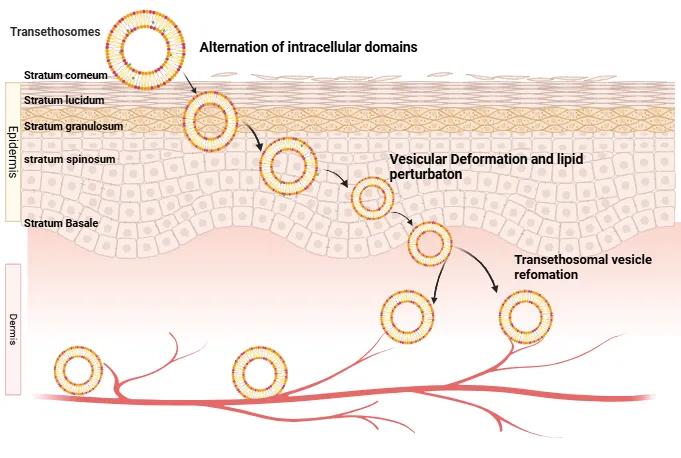
Figure -2 Penetration of Transethosomes through different layers of skin
A. Improved skin permeation and penetration
The drug penetration across the human skin ex vivo is demonstrated to be significantly higher in transethosomes than liposomes, attaining flux values 3.50- and 2.15-fold higher because of their ethanol-surfactant synergistic design (13), (35). This synergy increases permeability because of the formation of stratum corneum lipid complexes, enhancing drug delivery via interactions that Rigid liposomes are unable to do (40). Corneocyte is also temporarily modified by transethosomes. protein structure and intercellular lipids, and the formation of paracellular channels of transport not accessible to rigid liposomes (12). Their ultradeformable vesicles disrupt lipid bilayers. at channel edges, aiding further diffusion of drugs into epidermal layers and resulting in. excellent penetration kinetics over liposomes (9).These penetration properties facilitate effective transdermal delivery of peptides, hormones and antibiotics with improved safety, efficacy, and compliance of patients as compared to traditional methods (2). The elastic nanovesicular structure of transethosomes - a combination of phospholipids, ethanol andedge activators - surpasses stratum corneum barrier more effectively than chemical alone (14), (21) enhancers or rigid liposomes alone Transfersomal flexibility combined with it. and ethosomal fluidisation further increases drug permeation using skin models compared. containing liposomes, niosomes and other vesicles (44), (4),(28).Additionally, transethosomes ensure the stability of drugs in permeation, as shown in formulations comprising antihypertensive agents, peptides and antibiotics (7). Their preparation through simple techniques such as thin-film hydration and rotary evaporation supports scalable it is easier to make and produce compared to traditional liposomes (31). Moreover, the vesicular structure is based on phospholipids, which increases biocompatibility and enables effective encapsulation of a wide range of therapeutic agents allowing transethosomes to break molecular weight and ionization barriers of the stratum corneum in a more efficient manner than liposomes (17), (18).
B. Enhanced drug entrapment efficiency
Transethosomes attain a greater efficiency of drug entrapment via surfactant-mediated. bilayer destabilisation, which enables a higher drug accommodation in vesicular structures. in addition to the drawbacks of the rigid liposomes (16). The addition of permeability modulators. also enables encapsulation of high-molecular-weight drugs traditionally encapsulated in liposomes are unable to effectively trap because they have a stable bi-layer structure (19). Edge activator-mediated enabling entrapment also retains drugs longer in transit during transdermal transport, and reduces premature leakage when using liposomes and when it is necessary to increase drug deposition at the dermal targets (4). As a result, transethosomes are effective in encapsulating and transporting hydrophilic, lipophilic, and macromolecular drugs, circumventing payload constraints on traditional liposomes (32).The vesicular-flexible structure of transethosomes enables it to be prepared using scalable methods like thin-film hydration and sonication, making the size of the vesicles uniform. distribution throughout therapeutic formulations (38).This consistent vesicle size enhances penetration of phospholipid-based vesicular systems across the molecular weight and ionisation barriers of the stratum corneum, surpassing conventional liposomes in addressing skin penetration challenges (18). Due to their deformability, transethosomes can change shape and pass through intercellular lipid lamellae of the stratum corneum, enabling deeper dermal penetration than less flexible liposomes . Vesicles smaller than 70 nm can be deposited within the epidermis and dermis, promoting improved drug retention compared with liposomes that accumulate mainly on the skin surface (71).Edge activators further enhance vesicle flexibility by reducing interfacial tension and creating membrane imperfections that allow rapid shape adaptation under transdermal stress gradients (28), (72), (37). This adaptive deformability enables transethosomes to encapsulate both hydrophilic and lipophilic drugs within their lipid bilayers, overcoming the limited aqueous core capacity of traditional liposomes (11). Their combination of elasticity enables vesicles to deform, and pass by means of stratum corneum pores less than half their diameter, a quality not exhibited by rigid liposomes (73). The high vesicular flexibility and irregular spherical shape contribute to circulation via intercellular routes and fissured lipid lamellae of the stratum corneum, which increases the drug permeation relative to the rigid liposomes (53), (37).Elastic vesicles made up of phospholipids and edge activators interfere with the tightly packed lipid structure stratum corneum, which enables transethosomes to merge with skin lipids and infiltrate deeper layers without structural breakdown (39), (24), (50). This synergistic fusion causes a temporary epidermal barrier fluidisation, which is not seen in liposomes that are stabilized with cholesterol and whose rigidity prevents further penetration (74). The presence of edge activators in addition offers bilayer elasticity, which allows vesicles to quickly deform and absorbs through stratum corneum through pores that are smaller than their own (52).Unlike rigid liposomes, transethosomes do not suffer structural damage when traversing epidermal layers and it results in enhanced site-specificity of therapeutic delivery of drugs through improved bioavailability of drugs (10),(22). Their enhanced Their potential to be used as a promising platform in dermatological and other applications is due to their bioavailability and targeting potential applications in drug delivery systems (17). Moreover, transethosomes are self-exhibiting maximizing deformability, tuning membrane elasticity when in contact with skin pores to enhance extracellular transport pathways which are not possible with conventional liposomes (51).These elastic vesicular carriers, which are similar to transfersomes and ethosomes have been widely used as models that can be used to penetrating the stratum corneum and delivering drugs to deeper skin layers (45), (26). It is yet to be seen whether the exact definition of the term will be agreed upon mechanisms of their permeation of the skin and in vivo performance as compared to solution-based systems (75) recent evidence suggests that osmotic gradients mediated by edge activators allow intact vesicular transport through epidermal hydration gradients, leading to transdermal efficiencies of delivery as high as invasive methods (76).
C. Increased stability and storage
Transethosomes are more resilient compared to the normal liposomes due to the ethanol which gives the transethosomes a net negative surface charge, so that it does not aggregate, but can be stored longer without appearing loss (2). This stabilization also ensures encapsulated drugs against oxidative degradation,as opposed to liposomes, which are susceptible to peroxidation and leakage (31). Ethanol disrupts the phospholipid bilayers and preserves the integrity of vesicles in changing storage conditions, making transethosomes that can be used on a large scale and in commercial formulations (56),(77). They effectively retain bioactive compounds, such as antioxidants and naftifine, with high recovery (>96%) and minimal changes in size over three months at 4°C (78), (79).Optimized 30% ethanol, 4% phospholipid and edge activators such as Tween 80 formulations. keep the particle size, zeta potential, and homogeneity of the vesicles (50146nm, PDI<0.060.2) increasing the colloidal stability in comparison with liposomes (80), (81).Edge activators improve deformability, facilitate skin penetration, and preserve vesicular morphology under physiological and acidic conditions (13), (81). This makes transethosomes superior nanosystems for controlled antioxidant delivery in cutaneous applications (78), (80).
D. Ability to encapsulate both hydrophilic and lipophilic drugs
Transethosomes have an amphiphilic bilayer structure that is enhanced by edge activators like surfactants. This lets them trap hydrophilic drugs in the aqueous core and lipophilic drugs in the phospholipid membrane, which is better than liposomes' ability to trap hydrophobic drugs (71), (82)Transethosomes can hold both hydrophilic charged, water-loving, lipid-loving, and amphiphilic medicines in their flexible bilayers. This makes it easy to load pharmaceuticals with different molecular weights, giving them better therapeutic flexibility than stiff liposomes (12). This flexibility in transethosomes includes charged hydrophilic therapeutics that are kept in the inner aqueous compartment and water-insoluble payloads that are added to the lipid bilayer. This makes transethosomes more useful in transdermal regimens than liposomes, which have more limited entrapment profiles (76), (83). Transethosomes are better nanocarriers for phytochemicals that don't dissolve well or are hard to absorb since they can work in both water and oil. This solves clinical translation problems that liposomes can't (84). As a result, transethosomes can hold hydrophilic, lipophilic, and amphiphilic medicines with both low and high molecular weights, allowing them to pass through the stratum corneum barrier that stops regular liposomes (71), (82). Their amphiphilic properties enable the concurrent encapsulation and release of both hydrophilic and hydrophobic substances, offering synergistic therapeutic advantages that liposomes cannot provide due to compositional limitations (85). This compositional flexibility in transethosomes enables their utilisation in complex transdermal therapies, like integrated corticosteroid and antioxidant treatments, where liposomes struggle to accommodate varied payloads (76).This ability to encapsulate is what makes transethosomes so effective at delivering antifungal drugs like terbinafine and anticancer drugs like imiquimod. They can penetrate and deposit better on the skin compared to liposomes, ethosomes and deformable vesicles (2). The increased skin deposition in The reason why transethosomes have a hybrid composition of phospholipids, ethanol and water is because the composition is made up of a mixture of these components. and renders them more pliant, and capable even of passing through narrow crevices within the stratum corneum easily compared to hard liposomes (1). This flexibility-based navigation in transethosomes allows antifungals and chemotherapeutics to build up deeper in the skin, resulting in much better retention in living layers of the skin than in liposomes, which are constrained by their inflexible bilayers (40), (86). This in turn enhanced dermal retention in transethosomes leads to increased therapeutic efficiencies in antifungal and anticancer. transdermal uses, in which their high ethanol level and edge stimulators cooperatively destabilize stratum corneum lipids, causing drug bioavailability to exceed liposomal limitations(2),(3). Their unusual ethanol lipid constitution is the only one that is a mixture of. membrane fluidity with nanosized deformability to permit drugs to penetrate deeper into the skin and remain there longer than liposomes are able to stay. The penetration through deformability mediations in transethosomes, which are the result of their hybrid ethosomal-transfersomal structure containing edge activators, greatly increases the skin permeability and flow rates in comparison with traditional liposomes, which has been demonstrated in the case of antifungal delivery (3), (87). Voriconazole-loaded transethosomes showed an improved skin deposition in vivo in viable epidermal layers Compared to traditional liposomes, deformable liposomes, ethosomes and polyethylene glycol solutions (88). This superior deposition highlights transethosomes' hybrid ethosomal transfersomal design, a hybrid technology of high ethanol concentrations combined with edge activators to work together to make stratum corneum lipids more fluid and give them the ability to change form independently in order to be able to squeeze through tight skin constrictions (89).
E. Controlled and sustained drug release
Transethosomes- offer regulated, prolonged drug release through ethanol-softened, edge. activator-generated elastic bilayers, regulating diffusion and protracting payload retention during transdermal transport (7), (8). Ethanol interferes with stratum corneum lipids to create temporary channels, which increase penetration and extend the therapeutic effects of it compared to rigid liposomes (4), (8), (53). This prolonged discharge decreases peak plasma changes, which occur and with glimepiride, and has antifungal drug delivery to deeper tissue (90),(91),(92).Transethosomes maintain vesicular integrity by the skin, which allows gradual intracellular. payload release not cytotoxic (within 24 hrs) as shown with cholecalciferol. (35), (9). Their simple, scalable formulation enables surface engineering to targeted ligand receptor interactions, supporting delivery of macromolecules such as insulin and gap junctionproteins through constrictions that are smaller than they are (92), (93), Enhanced deformability enhances the pharmacokinetics of peptide medicines, such as glimepiride and other peptides, and keeps plasma longer gels than the standard ones (94), (95). Excellent biocompatibility with keratinocytes, fibroblasts, and muscle cells promotes safe intracellular uptake and preservation of organelles, enhancing patient adherence through a painless, non-invasive method of transdermal delivery (54), (12), (31). This renders transethosomes to be better than liposomes in delivering both low -and high-molecular-weight therapeutics (92).
6.Targeted Drug Delivery Using Transethosomes
A.Surface modification for active targeting
Surface-modified transethosomes with ligands like peptides or antibodies enable receptor-mediated recognition by dermal cells, improving accumulation in target sites compared to passive liposomes (18), (2), (97). Combined with penetration enhancers and edge activators, they provide targeted delivery, enhanced flexibility, and improved therapeutic localisation (98). Ligand-conjugated formulations selectively distribute macromolecules, ensuring biocompatibility and sustained effects in vivo (30), (99).These vesicles can traverse pores 5–10 times smaller than their size, delivering macromolecules up to 1000 kDa, including insulin and anti-inflammatory agents, with examples in hyaluronic acid- and ceramide-modified transethosomes demonstrating improved retention and stability (100), (97). Ethanol and edge activators confer deformability, enabling stratum corneum lipid fluidisation and shape adaptation for deeper skin penetration beyond liposomes and ethosomes(15), (52).Transethosomes exploit osmotic gradient-driven propulsion for non-occlusive transdermal delivery, surpassing rigid liposomes that require occlusion (101), (102).
B. Stimuli-responsive transethosomes
Stimuli-responsive transethosomes have polymers on their phospholipid surfaces that are sensitive to pH or temperature. This allows for precise on-demand drug release in inflamed dermal microenvironments where the pH has changed or the temperature has risen. This improves therapeutic specificity beyond the passive diffusion limits of unmodified liposomes (11). This targeted release in stimuli-responsive transethosomes is especially helpful for treating psoriasis. Ex vivo permeation tests show that these gels are much better at getting through the skin than regular gels. This is because ethanol makes the lipids in the stratum corneum more fluid, which pushes the vesicles deeper into the affected dermal layers . Moreover, these stimuli-responsive transethosomes exhibit enhanced follicular targeting capabilities by utilising their flexibility for seamless deposition in hair follicles and sebaceous glands, thereby enabling localised delivery of anti-psoriatic drugs with low systemic exposure (35). Clinical assessments further validate this increased permeability, revealing transethosomes' ability to significantly lower Psoriasis Area and Severity Index scores with decreased irritation relative to liposomal formulations (97). The "ETH effect" is what makes this treatment work so well. Ethanol in transethosomes causes phospholipids to fuse with stratum corneum lipids, which increases the accumulation of epidermal cells and the flow of dermal cells for drugs like tacrolimus (35). Transethosomal formulations also penetrate the skin better than regular liposomes. This is because ethanol breaks down skin lipids, which makes it easier for both hydrophilic and lipophilic drugs to reach deeper layers of skin (51), (103). Transethosomes are better carriers for dual-drug systems because they can hold a wide range of therapeutics. For example, TRA and BT-loaded flexible liposomes with a particle size of about 70 nm and an encapsulation efficiency of over 98% caused significant decreases in epidermal thickness and cytokine levels in vivo . This dual-drug encapsulating potential in transethosomes extends to psoralen administration, where they achieve considerably higher transdermal flow and skin deposition rates compared to liposomes, as established in comparative permeation tests(35). These comparative investigations highlight transethosomes' enhanced biocompatibility with human skin fibroblasts compared to ethanolic solutions alone, due to the incorporation of phosphatidylcholine that reduces irritation while facilitating deep dermal accumulation of psoralen for psoriasis treatment (104). Transethosomes, on the other hand, use edge activator-induced flexibility and high ethanol content to get through intercellular spaces through diffusion and capillary action. This allows for deeper dermal antigen deposition (4), (92), (103). Liposomes, on the other hand, clump together on the surface because they are rigid and don't move through follicular infundibula well. This follicular-mediated antigen presentation by transethosomes enhances immune responses by facilitating increased uptake by Langerhans cells and dendritic cells in the viable epidermis, beyond the superficial retention and inadequate immunogenicity of conventional liposomes (10). Consequently, the surface modification of transethosomes with dendritic cell receptor ligands, such as mannose, enhances vaccine uptake by improving targeted delivery to antigen-presenting cells, thereby addressing any limitations in transdermal penetration and resulting in superior humoral and cellular immune responses compared to unmodified liposomes (105).
C. Potential for dermal and follicular targeting
Transethosomes have a lot of potential for targeting the skin because their ultradeformable structure lets them move through the tortuous intercellular pathways of the stratum corneum under transdermal hydration gradients. This lets the drug spread evenly throughout the viable dermal strata, unlike rigid liposomes, which only trap the drug in one area (106). Transethosomes' follicular routing enhances their dermal targeting. Their elastic bilayers allow intact vesicles to navigate into hair follicle reservoirs for sustained release of therapeutics like anti-inflammatory agents, which is better than liposomes' confinement to infundibular openings(4), (38). Transethosomes are great for transcutaneous vaccine delivery because they can target hair follicles. Their flexible structure makes it easier for antigens to reach dermal dendritic cells by squeezing through intercellular spaces in the stratum corneum, which is not possible with rigid liposomes (105). This flexible navigation leads to the targeted activation of dermal dendritic cells, which triggers strong Th1 and cytotoxic T lymphocyte responses that are necessary for anticancer immunity. This is shown by mannose-modified transethosomes increasing absorption by receptor-mediated endocytosis (107). In transdermal vaccination models, these mannose-functionalized transethosomes trigger better humoral and cellular immune responses than regular liposomes. This is because they can transfer follicular antigens to antigen-presenting cells and dermal dendritic cells. Such tailored immune activation highlights transethosomes' advantages over liposomes, which have a rigid shape that makes it hard for them to penetrate the skin properly, limiting deposition to the top epidermis and making it hard for them to reach perifollicular antigen-presenting cells (107). Recent findings indicate that transethosomes are effective for transcutaneous immunisation, as their ethanol-enriched formulation provokes immunological responses akin to intramuscular injection, exceeding the superficial retention capabilities of liposomes (106), (108). Future study should focus on improving transethosome compositions by combining surfactants with ethanol to enhance vesicle fluidity, which would make their transdermal vaccination effectiveness even better than current liposomal standards (108).
7.Formulation Considerations for Transethosomes
A. Lipid composition and ratios
Transethosomes are made with phospholipids as the main lipid, along with a lot of ethanol and surfactants to make them more flexible and able to penetrate the skin better than regular liposomes (16), (34). Phospholipids, such as phosphatidylcholine, make up the bilayer matrix at the best ratios of 70–90% w/w. They work together with edge activators, such as sodium cholate (5–15% w/w), to make vesicles more elastic than liposomes, which are rigid. This is because their flexible structure lets them squeeze through tight junctions in the stratum corneum (1). Tween-80 or Span 80 surfactants, added at 10–20% w/w relative to lipids, make the bilayer packing even less stable, which makes it more elastic. This helps transethosomes adapt to nanoscale corneocyte gaps without blocking them, which is different from liposomes (3). This strategic integration of surfactants not only increases the efficacy of transethosomal entrapment for a variety of payloads, but it also makes sure that the shelf life is longer than that of typical liposomes when stored at room temperature (2). The exact lipid-to-surfactant ratio, which is usually kept between 3:1 and 5:1, also optimises the packing parameter for spontaneous curvature production. This helps stable multilamellar vesicles form with deformability that lasts longer than liposomes (10). Fine-tuning the amounts of edge activators within these ratios further improves transethosomal interaction with stratum corneum lipids, causing fluidisation similar to ethosomal mechanisms for better dermal penetration than liposomes (26), (40). Moreover, the addition of surfactants with a specific hydrophilic-lipophilic balance in these optimised ratios changes the size and zeta potential of the vesicles, which improves colloidal stability and biocompatibility for longer transdermal retention than liposomes (29). These compositional improvements also let transethosomes hold both hydrophilic and lipophilic payloads better than liposomes. This is because surfactants like Tween 80 break down the lipid bilayer to make it more flexible, and ethanol makes it softer and easier to penetrate (2), (50). This ethanol-surfactant synergy in transethosomes produces vesicles measuring 40 to 200 nm and having a higher negative zeta potential. These properties improve electrostatic repulsion, making transethosomes better than liposomes for colloidal dispersion and skin penetration (30). These characteristics jointly boost transethosomes' adaptation to sonication-induced size reduction and uniformity, as seen by optimised amplitudes producing PDI values that signify monodisperse populations for improved transdermal efficacy (29). Moreover, altering the saturation of phospholipid chains in these compositions affects the fluidity of the transethosomal membrane, allowing for customised adjustments to different skin barrier disruptions to improve therapeutic effectiveness compared to liposomes (1). Because their saturated phospholipid bilayers make them stiff, inflexible liposomes can't change their fluidity in the same way, which makes them less adaptable to transdermal stimuli and less efficient at delivering payloads (19). Transethosomes, on the other hand, use edge activators like non-ionic surfactants or bile salts to greatly lower the interfacial tension in the lipid bilayer. This makes them more elastic, which lets them get through corneocyte gaps that are much smaller than their vesicle diameter. This is something that rigid liposomes can't do(5). This penetration induced by flexibility is made even stronger by transethosomes' negative ζ-potential, which helps them stay away from negatively charged skin surfaces and break up stratum corneum lipids so they may build up deeper in the skin than liposomes (109). Real-world studies show that binary transethosome formulations that mix propylene glycol with ethanol in the right amounts significantly improve the ability of drugs to get trapped and pass through the stratum corneum compared to regular liposomes (30). These kinds of binary formulations show how propylene glycol makes ethanol's fluidizing actions even stronger by breaking up stratum corneum intercellular lipids even more, which increases transethosomal penetration fluxes beyond liposomal limits (41). Empirical evidence indicates that the negative zeta potential of transethosomes, intensified by ethanol absorption, facilitates electrostatic repulsion and colloidal stability that surpasses that of liposomes, hence improving penetration rates through human skin strata (45). As a result, transethosomes' enhanced deformability, made possible by edge activators and ethanol, allows for the creation of ultra-deformable vesicles that break up lipid bilayers in the stratum corneum, allowing drugs to pass through much more easily than stiff liposomes (3), (6).
B. Ethanol concentration
Transethosomes contain high ethanol levels (>20–30% v/v), which impart a negative surface charge, preventing aggregation via electrostatic repulsion and enhancing vesicle–membrane interactions, making them more stable than liposomes (30). Ethanol induces bilayer fluidisation by extracting stratum corneum lipids and promoting vesicle fusion, enabling superior penetration compared to rigid liposomes (8),(1). This effect of ethanol is intensified. deformability by forming lipidethanol complexes, which enable the vesicles to pass through the skin barriers and form temporary penetration channels which is supported by ATR-FTIR studies (4),(92). It also increases the encapsulation of both the hydrophilic and hydrophobic drugs, which makes it better transethosomes better carriers of dermal and transdermal delivery than liposomes. (3), (7), (93).Ethanol also decreases the size and aggregation of vesicles and enhances them biopercubation and mechanical stability in the skin layers, as shown in ex vivo tests with better ability to retain drugs and less toxicity than liposomes (13), (77).The overall process of drug loading in transethosomes has generally used thin-film hydration with edge activators, which take advantage of the solubility of ethanol, to attain higher entrapment efficiency than liposomes (9), (92). Active loading using the disruption of bilayers mediated by the surfactant supports the active loading of the lipid sonication, which creates uniform vesicles of a nano size with increased penetration(2)Also, when undergoing the rotary evaporation procedure, incorporation of ethanol enhances vesicle uniformity, elasticity and monodispersity leading to an optimization of the size distribution, zeta potential, and scalability for effective transdermal applications (4), (46).
C. Drug loading techniques
The hydroalcoholic hydration of phospholipid films through rotary are the preparation of transethosomes evaporation, in which ethanol aids in the incorporation of both hydrophilic and hydrophobic supports and drugs facilitate the formation of uniformly sized vesicles following sonication (30), (38). This method increases drug loading, dissolving edge activators during the formation of the films, to form deformable vesicles that can be extruded through membranes of 100200 nm diameter, enhancing size uniformity and flexibility outside liposomes (71), (8).This is in contrast to liposomes that can rupture when extrusion occurs because of rigid bilayers, transethosomes are stable due to ethanol mediated fluidisation (21). The cold procedure, which entails phospholipids mixed with ethanol and at room temperature, propylene glycol maintains the heat-sensitive drugs, and has a high percentage of success efficiency and scalability in encapsulation (38). This method also allows a possibility of incorporation of controlled drug delivery using stimuli-responsive polymer, which is not possible with conventional liposomes(18).Ethanol-glycol and mechanical dispersion generate ultra flexible vesicles that are able to penetrate the hair follicles and deeper layers of the skin, and provides better entrapment, penetration and stability than liposomes and classical ethosomes (2), (98). Characterisation ascertains nanoscale size, low polydispersity and stable strong vesicular morphology with zeta potential(109).The interaction of ethanol and is synergistic edge activators increases the bilayer fluidity, destabilizes stratum corneum lipids, and elevates deformability, enabling transethosomes to pass through small intercellular gaps and they accumulate in the deeper layers of skin and follicles, unlike rigorous liposomes (9), (12).Edge activators (e.g., Tweens, Span, sodium cholate, sodium deoxycholate) also destabilize lipid bilayers, which allow vesicles to traverse pores that are smaller than the vesicles but still permit the passage of the vesicles a structural integrity when skin is punctured causing increased deposition and permeation than liposomes (39), (41), (92).Overall, their superior deformability, driven by ethanol and edge activators, allows transethosomes to adapt, penetrate, and deliver drugs efficiently across skin barriers compared to conventional liposomes (28), (52).
Table 1: Mechanistic & Characterization Features
|
Aspect / Feature |
Description |
Comparison to Liposomes / Other Systems |
Citations |
|
Characterization techniques |
Dynamic light scattering for nanoscale dimensions, polydispersity, zeta potentials; transmission electron microscopy for vesicular morphology |
Confirms essential properties for transdermal efficacy |
(110) |
|
Synergistic interplay of ethanol and edge activators |
Confers superior vesicular elasticity and skin permeation; ethanol disrupts stratum corneum lipid domains while enhancing bilayer fluidity for deeper dermal deposition |
Superior to conventional liposomes |
(9), (12), (19) |
|
Follicular targeting |
Prolonged retention within sebaceous glands and hair follicles |
Unattainable with liposomes' limited deformability |
(19) |
|
Edge activator incorporation (e.g., Tweens, Span, sodium cholate, sodium deoxycholate) |
Markedly enhances vesicle flexibility beyond ethosomes by destabilizing bilayers; synergistically combines ethosomal ethanol effects with transfersomal deformability |
Enables deep dermal penetration via squeezing through narrow intercellular channels; unattainable by rigid liposomes |
(13), (15), (32) |
|
Deformability and penetration |
Amplifies intercellular lipid fluidization; seamless navigation through stratum corneum pores smaller than vesicle dimensions; highest deformability indices; intact penetration into human skin layers visualized by TEM; superior in vivo deposition/permeation |
Preserves structural integrity during transit unlike rigid liposomes |
(13), (38), ,(92) |
|
Bilayer fluidity with edge activators (e.g., sodium cholate) |
Induces membrane defects and accumulates at stress points for energy-efficient shape adaptation; ultra-deformable navigation through stratum corneum constrictions |
Distinguished from liposomes' static rigidity |
(28), (52) |
|
Ultra-deformable properties in stimuli-responsive transethosomes |
Overcome ethosomal dehydration risks during non-occlusive application; sustained skin hydration and deeper permeation |
Absent in traditional liposomes |
(14) |
D.Preparation methods
Transethosomes are made by combining basic ethosomal parts like phospholipids and ethanol with single-chain surfactants like polysorbate 80 or sodium cholate, which work as edge activators to speed up the release and increase permeability(35), (82). This integration, which is different from transfersomal formulations that include 10–25% surfactants and 3–10% ethanol without propylene glycol, uses edge activators to make vesicles ultradeformable, which lets them squeeze through stratum corneum holes that are smaller than their diameter(111),(112). These edge activators, which are usually made up of surfactants or bile salts at concentrations of 10–25%, destabilise the lipid bilayer to create a high radius of curvature. This makes the vesicles more elastic and allows them to move under non-occlusive conditions that keep trans-epidermal osmotic gradients (113). Transethosomes take use of osmotic forces to move themselves deep into the skin, unlike liposomes, which rely on passive diffusion and generally clump together under such gradients because their bilayers are not flexible (12). This deformability is seen in low-energy preparation methods, where just hydration of phospholipid-ethanol solutions under agitation produces translucent transethosomal dispersions enhanced with polysorbate 80 as the edge activator (13). These formulations show better entrapment efficiencies for both hydrophilic and lipophilic therapies compared to hard liposomal preparations. The reason behind this is that the edge activators assist drugs and lipids communicate more in the low-shear dispersion (12), (110). Additionally, these low-shear buffering agents such as phosphate saline at pH 6.4 are added to dispersions to enhance hydration media and keep osmotic balance and vesicle integrity throughout formation (113). High additional support of the is given by performance liquid chromatography and fluorescence spectroscopy homogeneity of the drug loading and release kinetics in these dispersions, showing their transdermal applications therapeutic potential (18). These are low-shear processes which are extremely unlike liposomal thin-film hydration techniques, which require high-energy sonication or extrusion which may lead to vesicle aggregation and bad polydispersity indices (2), (114)
Table 2 : Preparation and Loading Methods
|
Technique |
Steps/Key Components |
Advantages |
Comparison to Liposomes |
Citations |
|
Hydroalcoholic hydration via rotary evaporation |
Hydration of phospholipid films formed via rotary evaporation; ethanol facilitates incorporation of hydrophobic or hydrophilic drugs into lipid matrix prior to sonication for size refinement and uniformity |
Higher drug payloads through ethanol-mediated solubilization of edge activators during film deposition; deformable vesicles primed for extrusion |
Contrasts with liposomal methods by enabling higher payloads |
(30), (38) |
|
Extrusion |
Post-sonication extrusion through polycarbonate membranes of 100–200 nm pore size |
Stabilizes transethosomal bilayers by homogenizing vesicle dimensions and enhancing elasticity; superior transdermal flux without structural rupture |
Liposomes often exhibit vesicle rupture during extrusion due to rigid bilayers lacking ethanol stabilization; limits scalability |
(21), (71) |
|
Cold method |
Controlled mixing of phospholipids with ethanol and propylene glycol at ambient temperatures |
Preserves heat-labile drugs' integrity; comparable encapsulation efficiencies to thermal processes; scalable alternative |
Absent in liposomal protocols |
(38) |
|
Incorporation of stimuli-responsive polymers (in cold method) |
Incorporating during mixing |
Enables pH- or temperature-sensitive transethosomes for on-demand drug release profiles |
Unattainable in liposome-based cold preparations |
(18) |
|
Mechanical dispersion
|
Disperse phospholipids in ethanol-glycol mixtures under stirring |
Yields ultra-flexible vesicles with enhanced moldability for non-invasive follicular penetration; optimized constituents for entrapment efficiency, permeation, stability |
Beyond liposomal capabilities |
(2), (99) |
8.Applications of Transethosomes in Various Therapeutic Areas
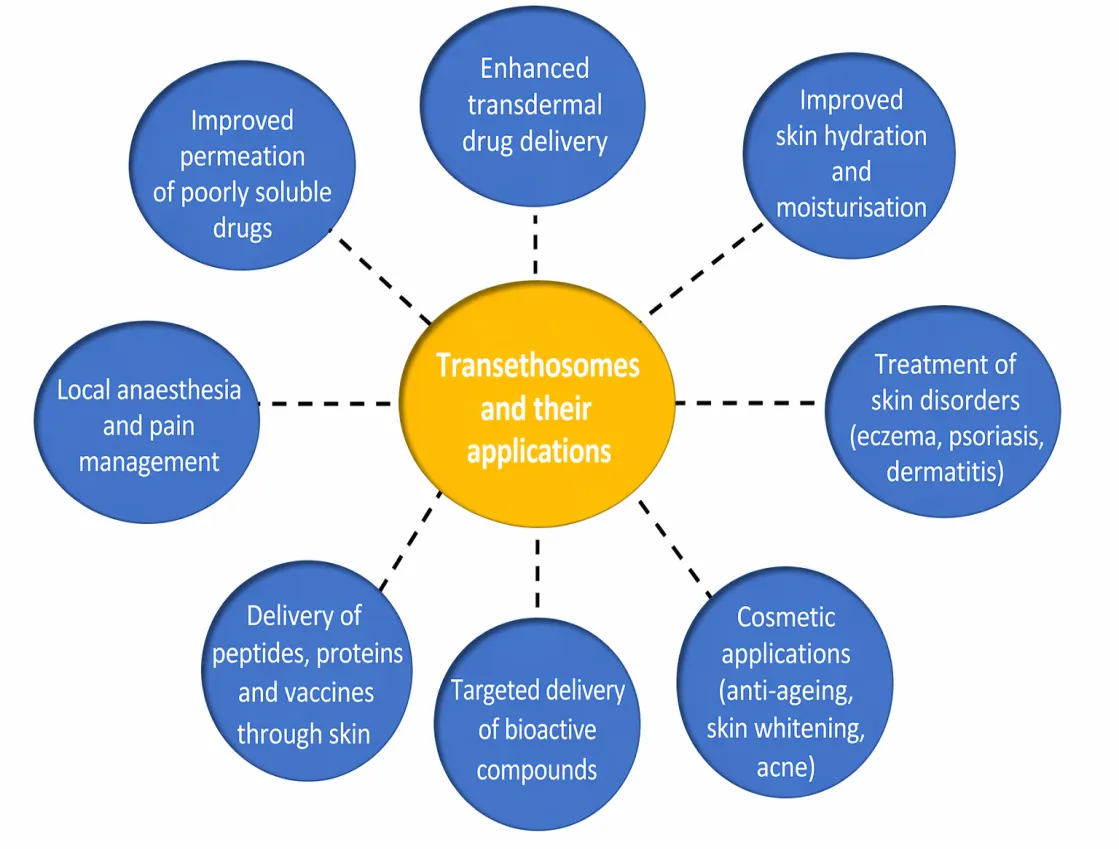
Figure-3 Transethosomes and their Application
A. Dermatological disorders
Transethosomes have presented themselves as being very promising as far as skin related conditions such as psoriasis and others are concerned atopic dermatitis by giving anti-inflammatory agents such as corticosteroids to the corresponding skin, which minimizes the systemic side effects, which accompany traditional topical treatments (22), (40). Encapsulation of methotrexate Transethosomal encapsulation of methotrexate has been has been reported to have higher clearance rates of lesions in psoriasis animals than liposomal. formulations. This is due to the fact that the stratum corneum is disintegrated by ethanol, which makes the drug permeate the skin reach deeper (30). Transethosomal techniques have also facilitated the ease with which tretinoin and 5 can be used get through the stratum corneum in psoriasis treatments which has helped photodynamic therapy work better (115). In addition, transethosomal preparations of griseofulvin have been successfully used to eliminate fungal infections in animal models in eight days with bi-daily topical treatment, surpassing traditional vesicular systems in skin deposition and therapeutic efficacy (92). Transethosomal anthralin gels in psoriasis patients were clinically tested have demonstrated them to reduce PASI scores more and leave patients happier than liposomal gels. They also work without leading to irritation (96). These enhancements indicate that transethosomes are better than traditional liposomes, deformable liposomes, and ethosomes at obtaining the antifungal drugs such as terbinafine, amphotericin B, ketoconazole, and voriconazole into the skin and treating skin fungal infections(2).These improved penetration profiles make transethosomes a better way to make nanoformulations for common skin problems like atopic dermatitis, vitiligo, melanoma, acne, and fungal infections. They can get through the skin better than regular creams, gels, and powders (117). Transethosomes provide a very successful option for treating prevalent skin conditions such as psoriasis and acne, since they facilitate deeper penetration through the stratum corneum barrier, overcoming the limitations of typical liposomes which exhibit restricted permeability (10). Moreover, transethosomal formulations of voriconazole have demonstrated superior in vivo skin deposition within viable epidermal layers, exceeding the efficacy of conventional liposomes, deformable liposomes, ethosomes, and polyethylene glycol solutions in combating dermatophyte-induced infections (88). This deformability, along with ethanol's ability to help drugs get through the skin, gets around the physicochemical problems and side effects of topical antifungal drugs like naftifine. This makes it possible to effectively treat dermatophyte infections caused by Microsporum, Trichophyton, and Epidermophyton genera, which affect 20-25% of the world's population (16), (118). Transethosomes combine surfactants with ethanol, which makes them even more flexible and able to penetrate the skin than regular liposomes. This gives them better physicochemical properties for treating skin diseases (16). Transethosomes have demonstrated improved ocular delivery of ketoconazole for deep fungal eye infections, with very flexible vesicles attaining considerable penetration of the posterior eye segment and superior antifungal efficacy compared to conventional approaches (87). Such ocular penetration benefit is due to the flexibility of the transethosomes that allows them to pass tight junctions in the eye and break lipid barriers as they do to skin (1), (16). These ocular transethosomal systems have demonstrated high entrapment efficiency and viscoelastic properties that increase adherence to the corneal surfaces to allow release of antifungal agents over extended periods (87),(92). The new research has investigated azelaic acid-loaded transethosomal gel as new methods of delivering antidermatophyte activity.These gels have been shown to transfer the medicine better to the skin and work better against dermatophyte species in vitro and in vivo than free drug or traditional formulations (119). These azelaic acid-loaded transethosomal gels demonstrated enhanced deformability with the incorporation of edge activators, facilitating effective destabilisation of lipid bilayers and achieving more transdermal penetration compared to stiff liposomes (120). Consequently, these surfactant-enhanced transethosomes demonstrate significantly improved skin permeability for antifungals such as fluconazole, effectively overcoming the intrinsic constraints of inadequate stratum corneum penetration in conventional topical therapy (121), (122). This surfactant-mediated boost also gets rid of the buildup of lipophilic antifungals like naftifine hydrochloride in the stratum corneum, making it easier to penetrate deeper layers of skin for better treatment of superficial dermatophytes (16). Transethosomes are hybrid nanocarriers that combine ethosomes' ethanol-driven penetration with transfersomes' edge activator-induced flexibility. This makes them better at getting past tight junctions in the stratum corneum (1), (2). This hybrid architecture not only enhances transethosomal adaptability to biological membranes but also supports their potential application in non-cutaneous contexts, such as ocular delivery of antifungals like ketoconazole and natamycin (87), (123).
Table 3: Applications of Transethosomes in Dermatological Disorders
|
Condition/ Application |
Drug(s) |
Key Findings/ Outcomes |
Comparison to Conventional/ Liposomal Systems |
Citations |
|
Psoriasis and atopic dermatitis |
Corticosteroids |
Targeted delivery of anti-inflammatory agents deep into lesional skin; sustained local concentrations disrupting inflammatory cascades; minimizes systemic side effects |
Conventional topical therapies |
(2), (22), (40) |
|
Psoriasis |
Methotrexate |
Superior lesion resolution rates |
Liposomal formulations (attributed to ethanol-mediated SC disruption) |
(30) |
|
Fungal infections |
Griseofulvin |
Complete resolution in animal models within 8 days (twice-daily application) |
Conventional vesicular systems (superior skin deposition/speed) |
(92) |
|
Dermatological fungal infections |
Terbinafine, amphotericin B, ketoconazole, voriconazole |
Superior penetration capabilities, skin deposition, therapeutic efficacy |
Traditional liposomes, deformable liposomes, ethosomes |
(2) |
|
Atopic dermatitis, vitiligo, melanoma, acne, fungal infections |
– |
Overcomes penetration limitations for prevalent skin disorders |
Conventional creams, gels, powders |
(117) |
|
Psoriasis, acne |
– |
Deeper penetration through SC barrier |
Traditional liposomes (limited permeability) |
(10) |
|
Seborrheic dermatitis |
Naftifine (gels) |
Superior skin penetration/deposition into dermal layers (confocal microscopy) |
Untreated skin, commercial formulations |
(16) |
|
Atopic dermatitis (in vivo mouse models) |
– |
Prolonged antifungal activity; superior performance |
Liposomal gels, commercial ointments |
(63), (87) |
|
Dermatophyte-induced infections |
Voriconazole |
Enhanced in vivo skin deposition in viable epidermal layers |
Conventional liposomes, deformable liposomes, ethosomes, PEG solutions |
(88) |
|
Fungal infections |
– |
Effective penetration to deeper tissues |
Traditional liposomes |
(91) |
|
Dermatophyte infections |
Naftifine |
Addresses physicochemical limitations/side effects; affects 20–25% global population |
– |
(16), (118) |
|
Ophthalmic fungal eye infections (beyond dermatological) |
Ketoconazole |
Significant posterior eye segment penetration; superior antifungal activity |
Conventional systems |
(87) |
|
Ocular delivery |
– |
High flexibility for corneal tight junctions/fluidization; adhesion to corneal surfaces; sustained release |
– |
(1), (87), (92) |
|
Antidermatophyte activity |
Azelaic acid (gels) |
Enhanced cutaneous delivery/efficacy (in vitro/in vivo) |
Free drug, conventional formulations |
(119) |
|
Antidermatophyte |
Azelaic acid |
Superior deformability via edge activators; deeper penetration |
Rigid liposomes |
(120) |
|
Antifungal permeation |
Fluconazole |
Markedly superior skin permeation |
Traditional liposomes |
(121), (122) |
|
Superficial dermatophytes |
Naftifine hydrochloride |
Overcomes SC accumulation; targeted dermal deposition |
– |
(16) |
|
Hybrid nanocarriers (skin/ophthalmic) |
Antifungals (ketoconazole, natamycin) |
Superior navigation through SC tight junctions; ethanol + edge activator elasticity |
– |
(1), (2), (87),(123) |
Similarly, transethosomal formulations of amphotericin B, prepared via thin film hydration with soybean phosphatidylcholine and edge activators like sodium cholate or Tween 80, have demonstrated heightened sensitivity against fungal strains over mammalian cells in topical treatments for leishmaniasis and cutaneous fungal infections (87).
B. Pain management
Transethosomes enhance transdermal delivery of analgesics like lidocaine and diclofenac by utilising ethanol-mediated bilayer fluidisation and surfactant-induced elasticity, allowing for greater penetration into dermal nociceptors compared to rigid liposomes, which have limited skin barrier traversal (124). In musculoskeletal pain therapy, naproxen-loaded transethosomes prepared through ethanol injection with phosphatidylcholine, sodium deoxycholate, and Tween 80 as an edge activator exhibited high entrapment efficiency, small particle size, spherical morphology, and enhanced in vitro skin permeability across rat skin, resulting in increased dermal deposition and decreased systemic absorption, along with in vivo oedema reduction in experimental rats, surpassing conventional carriers (44). This improved targeting of the skin reduces the gastrointestinal side effects that come with taking NSAIDs by mouth. This makes transethosomes a viable way to relieve pain in arthritis and sports injuries (4), (125). Transethosomes have also shown significant improvements in the transdermal permeation of poorly soluble analgesics by forming ultra-deformable vesicles. This is because they have higher concentrations of ethanol, phospholipids, and edge activators, which help them get through the stratum corneum barriers better than traditional liposomes (6). These ultra-deformable structures also allow analgesics like bupivacaine to be released over time, which helps with long-lasting pain relief with less skin irritation than liposomal versions (3), (8). Clinical tests of transethosome-encapsulated butamben and benzocaine have shown that they work even better as local anaesthetic nanocarriers, speeding up the start and length of their effects by allowing them to penetrate the skin better than regular liposomal anaesthetics (37). These formulations use ethanol-induced breakdown of the stratum corneum and edge activator-mediated vesicle compression via intercellular lipids, resulting in extended cutaneous anaesthesia suitable for postoperative and procedural pain control (126). Moreover, transethosomal systems with high ethanol concentrations have demonstrated remarkable dermal penetration of lidocaine, concentrating the analgesic in dermal layers abundant in nerve endings, hence enhancing skin analgesia beyond the constraints of liposomal formulations (126), (127).
C. Hormonal therapies
Transethosomes provide a viable platform for transdermal delivery of male hormones such as testosterone, as demonstrated by patented ethosome formulations that effectively address conditions like male sterility, endocrine erectile dysfunction, and male climacteric syndrome through improved skin permeation beyond conventional liposomes (92). These ethosomal patches increased testosterone permeability through rabbit skin by 30 times compared to commercial patches like Testoderm®. They also worked better in vivo, with higher blood levels after 5 days (90). These improvements highlight the potential of transethosomes in hormone therapy by enabling noninvasive administration, ensuring high patient compliance, and reducing treatment costs for medium and large bioactive compounds (2). Transethosomes are even better for hormonal therapy because their hybrid edge activator-ethanol composition allows for tailored administration of peptides and proteins, such insulin. This composition also supports follicular routing and prolonged systemic absorption that is better than liposomal restrictions (3). This follicular and intercellular penetration process keeps the hypoglycemic effects going for a long time by depositing the drug in subcutaneous tissue. This is different from liposomes, which can't cross barriers very well (94). Recent studies emphasise transethosomes' ability to facilitate transdermal administration of oestrogen derivatives, enabling enhanced follicular penetration and hormonal balance modulation that traditional liposomes cannot provide due to their inflexible shapes (1). Transethosomes have demonstrated potential in peptide hormone administration for illnesses such as Parkinson's disease and hormone replacement treatment by facilitating deep dermal and follicular penetration of medicines, hence overcoming the skin barrier restrictions associated with traditional liposomes (128).
D. Anticancer drug delivery
Transethosomes facilitate efficient transdermal delivery of anticancer medications due to their exceptional deformability, enabling intact vesicles to traverse skin constrictions that are considerably thinner than their diameter, a feature not present in conventional liposomes (2). This deformability, combined with ethanol's ability to make stratum corneum lipids more fluid, makes it easier for chemotherapeutic drugs like paclitaxel to build up deeper in the skin. This increases their localised antitumor effectiveness while lowering their systemic toxicity beyond liposomal limits (3). Similarly, methotrexate-loaded transethosomes have demonstrated enhanced intradermal retention and targeted cytotoxicity against cutaneous cancers, utilising their elastic structure to overcome stratum corneum resistance more effectively than liposomes (2). Furthermore, the ethanol-lipid hybrid structure of transethosomes synergistically combines increased membrane fluidity with nanosized deformability to enable the dual encapsulation of both hydrophilic and hydrophobic anticancer agents, promoting enhanced intradermal retention and localised therapeutic action that conventional liposomes cannot achieve . These features make transethosomes a cutting-edge nanocarrier that could change how transdermal anticancer medicines work by connecting new ideas from the lab to clinical precision medicine (3). Transethosomes have shown better skin penetration of Coumarin 6 fluorescent dye, with about 11.4% permeation in 12 hours compared to 4.8% for liposomes. They also improve tumour penetration and cytotoxicity of paclitaxel in B16F10 melanoma cells. This superior performance in melanoma models underscores transethosomes' promise as a noninvasive nanocarrier for mitoxantrone, exhibiting elevated in vitro permeability across rat skin, heightened cytotoxicity against B16 melanoma cells, and a tumour inhibitory rate surpassing conventional solutions without severe side effects (53). Transethosomes' incorporation of edge activators and ethanol provides enhanced flexibility and bilayer fluidisation compared to liposomes, facilitating the effective entrapment and controlled release of anticancer agents with varying molecular weights for melanoma treatment, while ensuring biocompatibility and biodegradability (9). The clinical translation of transethosome-based anticancer formulations is progressing, as colchicine-loaded gels exhibit effective transdermal administration for melanoma treatment via enhanced vesicle elasticity and ethanol-induced stratum corneum rupture (53). These flexible vesicles have shown sustained-release patterns for anticancer drugs such as apigenin, providing great entrapment efficiency and deep penetration into melanocyte layers for targeted melanoma therapy (86). Likewise, transethosomes containing sulforaphane, made with 40% ethanol and 2% Phospholipon 90G, have shown better stability, deformability, and ability to penetrate the skin than transferosomes. This makes them good candidates for topical carriers for skin cancer treatments (129).
E. Vaccine delivery
Transethosomes are a promising way to deliver vaccines through the skin. They use their better deformability and the ability of ethanol to help them get through the skin to allow for noninvasive immunisation against skin diseases and skin cancers. This is better than traditional liposomes, which have trouble getting through the skin barrier (9), (130). Moreover, the simple preparation methods and scalability of transethosomes, along with the improved evaluation of vesicle morphology, size, and zeta potential, make them suitable for delivering peptide-based vaccines for melanoma treatment with better skin permeation . Their flexible structure, which is made possible by edge activators and the addition of ethanol, also allows antigens to be transported into living skin layers without breaking down, which causes strong systemic immune responses that rigid liposomes can't produce (7), (8). In melanoma immunotherapy, transethosomes containing therapeutic compounds have shown superior skin penetration, effective delivery to target locations, and higher treatment efficacy with diminished side effects relative to traditional approaches (130). These ultradeformable carriers also help carry vaccines through the stratum corneum with little disturbance to the barrier. They are more stable and permeable for antigens that target melanoma than transfersomes (108), (131) New patents show that surface-modified ceramide transethosomes may hold both water- and fat-soluble vaccine antigens at the same time, making them even better at delivering vaccines through the skin than unmodified liposomes (97). These kinds of new ideas make it possible for transethosomes to work with surface ligands that target dendritic cell receptors. This makes vaccines more effective and more likely to work in transdermal melanoma immunotherapy than unmodified liposomes (105). These improvements highlight transethosomes' ability to provoke robust cellular and humoral immune responses through transdermal pathways, exceeding traditional liposomes in the transdermal administration of melanoma antigens such as HBs and merozoite surface protein-1 . Future study should focus on integrating transethosomes with mannose receptor-targeting ligands to enhance uptake by skin dendritic cells, hence augmenting Th1 and CTL responses in transcutaneous melanoma vaccination regimens (107). This strategic ligand functionalisation is also useful in overcoming the immunostimulatory deficiencies linked with ultradeformable transfersomes during transcutaneous cancer vaccination, however, enhances delivery of antigens to skin dendritic cells, leading to enhanced priming of the CD4+ and CD8+ T cells in comparison with liposomal preparations (107). Comparative studies have shown that transethosomes have the greatest elasticity, rate of permeation and the skin deposition when loaded with voriconazole, surpassing conventional liposomes, deformable liposomes, and ethosomes. This underscores their greater potential of delivering transdermal vaccine antigens in melanoma immunotherapy (53).
9.Challenges and Future Perspectives
A. considerations of scale-up and Manufacturing
The traditional thin-film hydration and mechanical dispersion approaches suffice in. laboratory-scale production of transethosomes, but with scaling to industrial levels. hobbled by issues of reproducibility and the need to have sophisticated methods like microfluidics to ensure that the vesicle sizes, stability, and encapsulation are consistent (55), (130). Scalable alternatives that can minimize the difference between batches but retain the ultradeformable include high-pressure homogenisation and extrusion methods based on microfluidics. necessary type of structure required to penetrate the skin in transethosomal mode (107). Also, electro-spraying Solutions to putting transethosome-loaded nanoparticles on nanofibrous patches solve. scalability issues because it enables even distributions of antigens and controlled release of antigens in transcutaneous vaccine delivery (9).Nonetheless, issues related to scalability and reproducibility endure due to the lack of standardised manufacturing protocols and process validation for consistent transethosome quality, especially when integrating terpenes or edge activators (52). To get over these repeatability problems and make it easier to make transethosomes with bioactive edge activators on a wide scale, it is necessary to use continuous manufacturing platforms, such as high-shear homogenisation combined with quality-by-design principles (38). Supercritical carbon dioxide techniques show promise as viable options for large-scale transethosome production, potentially facilitating their use in vaccine delivery by ensuring uniform vesicle features suitable for industrial manufacturing (106). However, existing production methods typically don't take into account the best ethanol concentrations and edge activator ratios during scale-up. This can affect the crucial deformability needed for transethosomal transdermal efficacy (132). Using design-of-experiments methods to optimise these factors during scale-up makes sure that the fluidity caused by ethanol and the elasticity caused by edge activators stay the same, which is important for consistent transdermal performance in clinical transethosome applications (133). To solve these problems with scaling up and make sure that transethosomes are always of the same high quality for commercial transdermal applications, industries need to use quality-by-design frameworks that include important process factors like reconstitution volume and sonication time (113), (134). Moreover, ethanol injection techniques succeeded by extrusion, similar to those utilised in extensive liposome production, offer feasible routes for transethosome fabrication by guaranteeing consistency in particle size and polydispersity index while facilitating rigorous in-process controls, including sterile filtration and bioburden evaluation (97).
B. Regulatory aspects and safety concerns
Regulatory approval of transethosomes requires extensive bioequivalence studies to confirm preclinical safety and efficacy data across scaled formulations, in addition to rigorous guidance from authorities on aseptic manufacturing and quality assurance to reduce risks linked to ethanol content and vesicular stability (34). Regulatory organizations such as the FDA and others. EMA require thorough testing of transethosomal formulations to make sure they are safe for the skin, can easily pass through it, and don't cause too much irritation from ethanol. This means that the stabilisers need to be optimised before the products can be sold for transdermal use (38). Long-term biocompatibility studies, including genotoxicity and phototoxicity assessments, are necessary to transethosomal formulations to comply with. regulatory criteria of the chronic transdermal application and especially because of their advantage.activator and ethanol molecules that enhance deformability (19), (93). Additionally, Transethosomes can be improved with long-term effects by using polymeric coating or ligand conjugations. Even further vesicular stability and biocompatibility. This addresses issues of stability and. makes it easier for regulatory bodies to adopt transdermal therapies (92). Ongoing Important in will be the pharmacovigilance techniques and post-market surveillance needs tracking transethosomal performance, which ensures that there are sustained safety profiles in the presence of enhancing regulatory standards of nanocarrier-based transdermal therapies (134).Key problems also include reducing toxicity by changing the surface and using materials that are safe for the body, as well as following FDA and EMA rules for toxicological tests and making sure that transethosome formulations may be used in clinical settings (136), (137). Also, regulatory standardisation calls for the creation of particular rules and procedures for nanomaterials like transethosomes to make it easier to evaluate, approve, and make sure that thorough characterisation, toxicological, and pharmacological assessments are done (137), (138). Future research should focus on creating standardised methods for measuring transethosomal deformability and ethanol-induced fluidity, like advanced imaging and rheological profiling. This will help fill in the gaps in regulatory validation for commercial transdermal applications (22), (30). Academia, industry and regulatory are important authorities to work together to create consistent international guidelines that speed up the clinical translation of transethosome formulations as well as safety and efficacy standards for nanomaterials (2).
C. Potential for combination with other drug delivery technologies
Transethosomes also have a synergistic capability with the use of microneedle arrays or. iontophoretic gadgets enabling greater stratum corneum penetration and electro-assisted. permeation to increase transdermal flow that exceeds the boundaries of free-standing vesicles (7), (98). These types of hybrid techniques, such as incorporating transethosomes in nanofibrous patches or attaching them to polymer stimuli responder, targeted follicular distribution and on-demand release profiles even more so of personalised transdermal medicines (138). These hybrid even better, systems, such as transethosomes with polymer coatings containing either chitosan or PEG, provide even greater stability to the systems and retain drugs even better. This retards the decomposition of the. drug and can enhance treatment outcomes in dermatological and other practices (38). Future The clinical translation of these hybrid transethosome platforms through should be the subject of research. Phase I trials to determine their synergistic effectiveness with new technologies in the future like sonophoresis, thus filling the current gaps in translation research in transdermal treatments. New ideas in transethosome research should also look at combining them with hypoallergenic adhesives and new nanocarriers to solve problems with skin irritation and delivering big molecules. This would make TDDS more effective and make patients more likely to follow instructions (140). Ultimately, continued interdisciplinary cooperation among academia, industry, and regulatory agencies will be essential to actualise the complete therapeutic and commercial potential of transethosome-integrated hybrid platforms in transforming transdermal drug delivery (37), (141). At the same time, new technologies are expected to fix problems with the scalability and clinical usefulness of transethosome-based systems, such as improved lipid-polymer hybrid integrations and standardised nanomaterial procedure(141),(142)
D. New uses and research paths
Recent research has shown that combining transethosomes with physical augmentation approaches creates synergistic combinations that improve skin penetration and therapeutic outcomes in transdermal systems (22). Likewise, research on the amalgamation of transethosomes with cubosomes indicates the possibility to transform hybrid vesicular architectures that use complementary deformability and ethanol-induced permeability to enhance the versatility of transdermal therapies (12), (70). Additionally, novel research on transethosome modifications via edge activators and penetration enhancers indicates tailored vesicular adaptations for diverse transdermal needs, surpassing conventional ethosomal limitations in permeability and stability (142). Progress in the development of transethosome engineering, enable by incorporating biocompatible surfactants and higher concentrations of ethanol, enable. The penetration of voriconazole through the skin is more effective than ethosomes as shown in specific antifungal therapy (34). To come up with transethosome formulations in such a way that they can be prepared on a mass scale and applied in clinical practice next-generation transdermal nanomedicine, academia and industry need to work together across fields (37), (140). These concerted actions will eventually result into a shift towards transethosome-centric platforms, which will utilize their enhanced deformability and capacity to penetrate through ethanol to substitute the conventional liposomes in accuracy transdermal treatment (4). In summary, transethosomes are an innovative creation in vesicular carriers, characterized by the deformability they cause with ethanol, and the increased skin permeability that this effect produces making them better options to conventional liposomes to carry out transdermal and targeted delivery applications (25), (40). The reason behind this increased performance is the fact that they are composed of phospholipids, ethanol, and edge activators, which cause them to be more flexible and to pass through the stratum corneum in comparison to hard liposomes (4), (92). Ongoing improvements to the design of transethosomes, especially through careful changes to edge activators like Tween 80 and higher levels of ethanol, are making them more useful in some situations, like delivering antifungal drugs and vaccines. This is because they make antigens look better and get into cells better (2), (4).
10. CONCLUSION
A. A list of the main benefits of transethosomes
Compared to regular liposomes, transethosomes have better deformability and can fluidise stratum corneum lipids when exposed to ethanol. This makes them great for therapies that work on both hydrophilic and lipophilic skin (10), (92). Transethosomes can change shape when edge activators and ethanol work together, which may let them pass through tight junctions in the stratum corneum without breaking. Stiff liposomes, on the other hand, grow up on the surface and break when they are strained(4), (92). Transethosomes also combine edge activators with high amounts of ethanol to make transfersomes more flexible and ethosomes more fluid, which makes vesicles that can readily flow through the stratum corneum's intercellular barriers (4), (39). Transethosomes are also distinct because they are more stable for longer periods of time and have a better entrapment efficiency. This makes it easier to develop sustained release patterns that minimise the number of doses needed and help patients stick to their chronic transdermal regimens (4). Clinical studies of transethosome-loaded gels for psoriasis treatment have shown much larger reductions in PASI scores compared to liposomal alternatives, underscoring their enhanced therapeutic efficacy in clinical transdermal applications (35).Additionally, the categorisation of transethosomes alongside classical and binary ethosomes highlights their unique formulation that incorporates edge activators to enhance penetration efficiency compared to liposomes, as demonstrated by comparative vesicular analyses (38). These comparative results further validate the compositional integration of phospholipids, ethanol (20-45% v/v), and edge activators in transethosomes, resulting in remarkable flexibility and lipid bilayer destabilisation not present in typical liposomes (13),(23). This unique combination of ingredients makes transethosomes able to penetrate the skin more deeply by making the stratum corneum lipids more fluid and the vesicles more flexible. This is shown by better ex vivo permeation results compared to liposomes (35), (143). Such enhanced ex vivo performance translates to heightened therapeutic flux rates and deeper skin deposition, placing transethosomes as suitable carriers for non-steroidal anti-inflammatory medicines like indomethacin in transdermal pain management (44). This compositional advantage also allows transethosomes to distribute lipophilic medicines across skin layers with higher depth and duration than liposomes, as demonstrated by ex vivo human skin penetration tests that preserve vesicular integrity (13), (51). In vivo pharmacodynamic evaluations of transethosome gels have further corroborated their anti-inflammatory efficacy compared to traditional liposomal formulations, resulting in improved therapeutic effects in topical applications (44). These many advantages make transethosomes a game-changing platform in transdermal nanomedicine, ready to replace liposomes since they combine deformability, ethanol fluidisation, and clinical effectiveness in a way that has never been done before (51), (97). Future research directions focussing on transethosome hybridisation with stimuli-responsive polymers will enhance their precision targeting capabilities, ushering in a new age of personalised transdermal therapies beyond the limitations of liposomes (6),(18).
B. Potential impact on transdermal and targeted drug delivery
Transethosomes signify a revolutionary influence on transdermal and targeted drug delivery by introducing innovative hybrid vesicular structures that integrate ethosomal ethanol fluidisation with transfersomal edge activator deformability, overcoming liposomal rigidity to facilitate unparalleled clinical scalability and therapeutic flexibility (1),(125). This combination of several types of architecture not only gets around the biocompatibility problems of stiff liposomes, but it also makes vesicles more flexible so that they can release drugs in response to stimuli in skin microenvironments (4), (92). Their potential incorporation into therapeutic formulations is expected to enhance patient compliance through noninvasive, self-administered methods that penetrate stratum corneum barriers for molecules above 500 Daltons, as demonstrated by advancements in phospholipid vesicles (18). This hybrid's versatility also includes its ability to efficiently encapsulate both hydrophilic and hydrophobic medicines, making it useful for a wide range of localised and systemic transdermal uses . Their potential application in cardiovascular treatments illustrates this adaptability, as nanoethosomes with optimised phosphatidylcholine and ethanol compositions exhibit enhanced transdermal permeability for drugs such as minoxidil, surpassing traditional liposomal systems (2). Transethosome formulations have demonstrated potential in hormone replacement therapy for the treatment of alopecia by enabling targeted delivery of medicines to deep skin layers and hair follicles, exceeding the limitations of liposomal systems . Transethosomes are the best non-invasive vaccine administration method because they can target hair follicles and their ethanol-enhanced penetration makes it easier for the body to transmit antigens through the skin than liposomal formulations (128). The hybrid ethanol-lipid structure of transethosomes also helps them penetrate deep into tissues and release their contents for a long period of time under the skin. This has been shown in transfersomal and ethosomal models for delivering insulin and methotrexate via intact skin barriers (3), (94). These new concepts show that transethosomes are the greatest way to get over the limitations with regular liposomes that make them rigid and not very biocompatible. This makes it easier for insulin and other medications with high molecular weights to enter past epidermal barriers without being destroyed (68),(97). Transethosomes are different from other liposomes because their ethanol-lipid hybrid structure makes them unique by combining membrane fluidity and nanosized deformability. This lets them go deeper into the skin and carry both hydrophilic and hydrophobic drugs, which makes them breakthrough instruments for linking nanomedicine research with clinical transdermal treatment (3). Ongoing clinical translation efforts demonstrate the efficacy of transethosomes in the treatment of fungal infections, as griseofulvin-loaded formulations achieved complete cure in guinea pigs after 8 days by bi-daily topical applications, outperforming liposomal alternatives . This therapeutic advantage in dermatological mycoses underscores transethosomes' superior translational potential in oncology, where their hybrid deformability improves transdermal distribution of anticancer drugs like methotrexate, circumventing the limitations of liposomal entrapment (92). Their adaptability extends to antiviral therapies, since transethosome formulations have demonstrated superior skin penetration compared to liposomes and ethosomes in preclinical studies (2). These improvements all point to transethosomes playing a key role in precision transdermal therapeutics. Their nanosized architecture stabilised by ethanol makes sure that vesicles stay intact for a long time when stored in the fridge, which makes it possible to use them in large clinical trials, which is not possible with liposomes (144). Finally, transethosomes are ready to alter precision medicine by linking novel lab findings with real-world uses for unmet transdermal needs since they are more stable and have a better penetration profile (3).
C. Future outlook for transethosome-based formulation
Transethosome-based formulations may one day be able to be used with microRNA payloads to make treatments for skin problems like psoriasis that don't hurt. This is feasible because liposomal barriers are easier for methotrexate, tretinoin, and 5-aminolevulinic acid to pass through and into the skin (116). This strategic encapsulation utilises the synergistic advantages of transfersomal deformability and ethosomal ethanol augmentation, rendering transethosomes superior to conventional liposomes for antifungal therapy by delivering voriconazole to viable skin layers (88). Additionally, the combination of transethosomes with microRNA-targeted payloads offers novel prospects for inflammatory skin conditions, such as atopic dermatitis. Their ultradeformable structure—combining ethosomal ethanol dosage up to 45% with transfersomal elasticity—allows for better penetration of the skin than liposomal formulations, as shown by tacrolimus formulations and direct microscopic studies (116). As transethosome production becomes more scalable thanks to easy preparation methods that don't need sophisticated equipment, they can be generated more cheaply and used in more clinical settings. At the same time, ongoing preclinical validations demonstrate that transethosomes are biocompatible and non-irritating across different lipid compositions. This solves safety problems that make it hard to scale up liposomes (7), (8). Patients are more likely to stick to their treatment plans when they are given semisolid gels or lotions that are passive and non-invasive. This is what makes transethosomes different from invasive treatments like iontophoresis or laser procedures and makes them ready to be sold right now (2). As this trend continues, the probable employment of transethosomes with RNAi medications, like siRNA-laden surfactant-ethanol-cholesterol-osomes, promises to transform the way we transport drugs to the skin for genetic disorders, breaking through liposomal penetration barriers by a wide margin . This combination uses the edge activator and penetration enhancer of transethosomes to deliver siRNA that targets myosin Va exons and defensin beta-4 for psoriasis and pigmentation disorders, respectively. This enables enhanced penetration into the epidermis compared to conventional liposomes (145). In the future, transethosome-mediated transport of voriconazole will be better than nanoethosomes and conventional liposomes because it will have higher elasticity, better skin permeability in vitro, and better deposition in vivo in male albino mice (92). The improvement in voriconazole bioavailability caused by ethanol shows that transethosomes could be better than traditional topical carriers like gels and ointments for treating fungal infections on the skin. Vesicular systems like liposomes and ethosomes have shown some effectiveness, but they don't penetrate deep into tissues as well (118), (146). Transethosomes, which include surfactants and ethanol, are better at deforming and moving than liposomes and ethosomes. This makes them a biocompatible and stable platform for percutaneous absorption of antifungals like voriconazole in treating dermal mycoses . Transethosomes, which are made up of surfactants and ethanol, are better at changing shape and movement than liposomes and ethosomes. This makes them a stable, biocompatible base for antifungals like voriconazole to be absorbed through the skin to treat dermal mycoses (16),(87). Clinical studies corroborate this benefit, demonstrating that fluconazole-loaded transethosomes in dermatological formulations possess superior antifungal efficacy against candidiasis relative to liposomal gels and hydroethanolic solutions (147).
REFERENCES

Dikshita Jain*, Arati Kashid, Shantanu Patil, Pritam Jain, Nitin Haswani, K. M. Agrawal, Transethosomes for Enhanced Transdermal and Targeted Drug Delivery: Advantages and Mechanisms Over Traditional Liposomes. Int. J. of Pharm. Sci., 2026, Vol 4, Issue 6, 2131-2177. https://doi.org/10.5281/zenodo.20607233
 10.5281/zenodo.20607233