

We use cookies to ensure our website works properly and to personalise your experience. Cookies policy
1 Associate Professor and Head, Department of Botany, Shikshan Maharshi Guruvarya R. G. Shinde Mahavidyalaya, Paranda Dist. Dharashiv Osmanabad, 413502, (M.S.) India.
2 Assistant Professor, Department of Botany, Shriman Bhausaheb Zadbuke Mahavidyalaya, Barshi Tal. Barshi, Dist- Solapur 413401 Maharashtra, India.
3 Department of Pharmacy, College of Pharmaceutical Sciences, Government Medical College, Thiruvananthapuram, India.
4 Department of Pharmacology, School of Pharmaceutical Sciences, JSPM University Pune, India.
5,6 Tripura University (A Central University), Suryamani Nagar ,Agartala, 799022, India.
7 Department of Pharmaceutical Sciences, Dibrugarh University, Dibrugarh, Assam- 786004, India.
Phyllanthus emblica L. (Indian gooseberry or amla) is one of the important medicinal plants with wide acceptance in traditional medicine such as Ayurvedic, Siddha and Unani medicine. The plant has attracted a lot of scientific interest owing to its diverse pharmacological properties and phytochemical profile. The fruit is rich in bioactive compounds like Vitamin C, polyphenols, tannins, flavonoids, phenolic acids, alkaloids and terpenoids, among others, that make it important for therapeutic application. The present review is intended to give a broad idea of the phytochemical composition and pharmacological activities of Phyllanthus emblica with a focus on its anti-inflammatory and anti-oxidative properties. Oxidative stress is the imbalance between the generation of reactive oxygen species (ROS) and the antioxidant defenses, causing damage to cells and tissues. Chronic inflammation also plays a role in the pathogenesis of a range of diseases such as cardiovascular disease, diabetes, cancer, neurodegenerative disorders and ageing. Several experimental and clinical studies have shown that P. emblica possesses high antioxidant potential by scavenging free radicals, chelating metals, increasing antioxidants enzyme activity and regulating oxidative stress markers. Furthermore, the plant exhibits remarkable anti-inflammatory properties through the regulation of pro-inflammatory cytokines, inhibition of NF-?B signaling pathways, inhibition of cyclooxygenase and lipoxygenase enzymes, regulation of nitric oxide production and immunomodulatory activities. P. emblica is also known to possess cardioprotective, hepatoprotective, antidiabetic, antimicrobial and anti-aging properties, in addition to its antioxidant and anti-inflammatory properties. The traditional use of amla as a valuable therapeutic and nutraceutical source has been substantiated by the increasing scientific evidence. Additional clinical research and formulation studies are needed to fully elucidate its potential and contribute to its incorporation into evidence-based healthcare and preventive medicine.
1.1 Overview of medicinal plants in modern healthcare
Medicinal plants have been the foundation of health care systems for thousands of years and are still an important component of contemporary medicine. According to the World Health Organization (WHO), almost 80% of the population in the world uses traditional medicine for primary health care. The medicinal plants are rich in various bioactive compounds such as alkaloids, flavonoids, tannins, terpenoids, glycosides, phenolic compounds with different pharmacological properties. A large number of modern medicines have been derived directly or indirectly from plants, including aspirin (from willow bark), quinine (from Cinchona species) and artemisinin (from Artemisia annua). With increasing awareness of the safety, cost-effectiveness, availability and treatment of chronic diseases with plants, increasing interest has been observed in plant-based therapeutics in recent years. The incidence of oxidative stress associated diseases such as cardiovascular diseases, diabetes, neurodegenerative diseases and cancer has become increasingly more pronounced, leading to a heightened interest in medicinal plants with antioxidant and anti-inflammatory activities. The scientific progress made in phytochemical analysis, molecular biology and pharmacological screening has allowed for the identification of many bioactive compounds with therapeutic effects. Thus, the medicinal plants have been identified to be a valuable source of novel drug candidates and functional food ingredients. Phyllanthus emblica, popularly known as Indian gooseberry, or Amla, is one of the most extensively studied medicinal plants among them, owing to its wide-range of biological activity as well as phytochemical composition.
1.2 Introduction to Phyllanthus emblica
Phyllanthus emblica L. or Emblica officinalis Gaertn. is a member of the Phyllanthaceae family. It is also known as Indian gooseberry or amla, a medium-sized deciduous tree, commonly found throughout India, Sri Lanka, Southeast Asia, China and other tropical and sub-tropical areas. The fruit of P. emblica is round, smooth, light greenish yellow and has a unique sour and astringent flavor. In Indian traditional medicine, Amla is considered as one of the most significant medicinal fruits. It's known for its unusually high concentration of vitamin C, as well as a host of polyphenolic compounds such as gallic acid, ellagic acid, emblicanin A, emblicanin B, punigluconin and pedunculagin. It's antioxidant, anti-inflammatory, immunomodulatory, antimicrobial, hepatoprotective, cardioprotective and anticancer properties are attributed to these phytochemicals. Its modulation of several biochemical pathways involved in the progression of these diseases has been the reason for its increasing scientific interest. Experimental and clinical studies have proved that extracts of amla can be used to effectively scavenge the free radicals, reduce oxidative damage, control inflammatory mediators, and increase the endogenous antioxidant defense system. The results have made P. emblica an attractive therapeutic source for the prevention and control of chronic diseases linked to oxidative stress and inflammation. In addition to its medicinal uses, amla is also used as a dietary supplement and functional food ingredient. It is used in juices, candies, pickles, powders, capsules, herbal products as well as nutraceutical products. It is one of the most useful medicinal plants in modern medicine, due to its versatility, safety and broad therapeutic potential.
1.3 Historical and traditional uses in ayurveda
The medicinal significance of Phyllanthus emblica has been documented for over two millennia in classical Ayurvedic texts such as the Charaka Samhita, Sushruta Samhita, and Ashtanga Hridaya. In Ayurveda, amla is considered a “Rasayana” herb, meaning it promotes longevity, rejuvenation, vitality, and overall well-being. It is believed to balance the three doshas—Vata, Pitta, and Kapha thereby maintaining physiological harmony within the body. Traditionally, amla has been used to treat a wide variety of ailments, including digestive disorders, respiratory diseases, liver dysfunction, skin conditions, eye diseases, urinary tract infections, and metabolic disorders. Ayurvedic practitioners have long recommended amla for improving digestion, enhancing immunity, promoting healthy aging, and strengthening the cardiovascular system. It is also considered beneficial for maintaining healthy hair, skin, and eyesight.
One of the most famous Ayurvedic formulations containing amla is Triphala, a polyherbal preparation composed of P. emblica, Terminalia bellirica, and Terminalia chebula. Triphala has been traditionally used as a digestive tonic, mild laxative, detoxifying agent, and rejuvenator. Another widely used preparation is Chyawanprash, a nutrient-rich herbal formulation in which amla serves as the primary ingredient. Chyawanprash is traditionally consumed to enhance immunity, improve respiratory health, and increase physical strength. In addition to Ayurveda, amla has been extensively utilized in Siddha, Unani, Tibetan, and traditional Chinese medicine systems. These traditional applications have provided valuable insights into its therapeutic potential and have stimulated modern scientific investigations aimed at validating its medicinal properties through evidence-based research.
1.4 Global significance and economic importance
Phyllanthus emblica is known widely for its nutritional, medicinal and commercial value. With the awareness of consumers about natural health products and preventive healthcare, the demand for amla-based products has increased significantly all over the world. The amla is cultivated widely throughout India and it is still the biggest producer and exporter of its fruits and processed products. Fruit is an important raw material in pharmaceutical, nutraceutical, cosmetic, food and beverage industries. The extracts of Amla are used in numerous products like immunity boosters, antioxidants, functional foods, herbo formulations, skincare products, hair oils, shampoos and dietary supplements for their health promoting activity. Further, the increasing acceptance of herbal medicine and plant-based nutrition has broadened its market in the world. Amla is a significant source of income for the farmers and rural communities in an economic sense. It is a crop that adapts well to various climatic conditions, has relatively low production costs and is highly valued in the market in many areas. Value-added products development has improved market demand and helped in the economic development of herbal industry. In terms of public health, amla has immense potential in tackling the rising burden of oxidative stress and inflammation related chronic diseases. This is because it is cheap and easy to reach, which is crucial in developing nations with limited access to advanced care. Additionally, there are constant scientific advances that continue to discover new therapeutic uses, which continues to contribute to its role in evidence-based medicine and functional nutrition. In general, the role of Phyllanthus emblica has exceeded its traditional medicinal use, which is very significant in the world. It is a valuable natural resource of tremendous pharmacological, nutritional, industrial and economic value. Its potential for continued research and standardization is expected to further solidify its importance in modern healthcare and aid in the creation of new and innovative therapeutic products for enhancing human health and quality of life.
2. BOTANICAL PROFILE OF PHYLLANTHUS EMBLICA
2.1 Taxonomy and classification
Indian Gooseberry (Phyllanthus emblica L.) is a medicinal plant of great significance and has some tremendous nutritional and therapeutic properties. It is part of the Phyllanthaceae family, and can be found across tropical and subtropical areas. Typically the plant has been assigned to the genus Phyllanthe in the family Euphorbiaceae, but recent studies in plant taxonomy and molecular phylogenetics have reclassified it into the family Phyllanthaceae. The taxonomic classification of Phyllanthus emblica is as follows:
The plant is synonymous with Emblica officinalis., which is commonly used in traditional medicine and scientific studies. P. emblica is one of the well-studied species in the Phyllanthus genus, being of great medicinal significance. The plant's rejuvenating, antioxidant, anti-inflammatory and immunomodulatory properties make it a valuable medicinal plant in traditional medicine systems.
2.2 Vernacular names and geographical distribution
The leaves of Phyllanthus emblica have many common names in various countries and languages which show its popular and cultural values. It is known by various names in India, such as Amla (Hindi), Amalaki (Sanskrit), Nelli (Tamil), Usiri (Telugu), Avala (Marathi) and Nellikka (Malayalam). Commonly referred to as Indian gooseberry, it is known as such all over the world because the fruit looks like the gooseberry. Native to the Indian subcontinent and grown for centuries in South and Southeast Asian countries. It has a wide distribution in India, Nepal, Bangladesh, Sri Lanka, Pakistan, Myanmar, Thailand, Vietnam, Malaysia and also in the southern part of China. The species is also adaptable and medicinal, and has been introduced in several tropical and subtropical countries of the world. In India, P. emblica occurs naturally in the deciduous forests and is widely cultivated throughout the Uttar Pradesh, Madhya Pradesh, Rajasthan, Gujarat, Maharashtra, Andhra Pradesh, Tamil Nadu, Karnataka, Bihar and West Bengal states. Tree is adaptable to tropical to subtropical climates. It is also high temperature, drought and moderate soil salinity tolerant and can be grown in marginal and semi-arid lands. Typically the plant is found at an altitude between sea level and about 1800m above sea level. It is tolerant of an annual rainfall of 600-800 mm and tolerates temperatures from 0°C to 46°C. It has the ability to adapt to a variety of environments, which is one of its most notable features.
2.3 Morphological characteristics
Phyllanthus emblica is a medium-sized deciduous tree, which grows up to 8-18 m tall. Tree has a crooked trunk and spreading branches, moderately dense crown. The bark is thinly exfoliating and light grey to reddish-brown in colour, with irregular flakes. Leaves simple, small, numerous, closely set along branchlets, apparently pinnate. The individual leaves are sessile, light green and oblong, typically 1-2 cm in length. The leaves are an important part of the tree's form and help the tree to carry out photosynthesis effectively in different environmental situations. The flowers are small, greenish-yellow and unisexual. The flowers are monoecious, with male and female flowers borne on the same tree. Depending on geographical position and climatic conditions, flowering occurs in the spring and early summer. Insects and environmental factors are the primary pollinators. Fruit has highest economic and medicinal importance. It is nearly spherical drupe about 2-3cm in diameter. Fruit is smooth, glabrous and pale greenish-yellow at maturity. It has six vertical furrows, separating it into segments. The taste of the fruit is unique and is a blend of sourness, bitterness, astringency, sweetness and pungency, which is highly appreciated in traditional medicine. Fruit is drupe, 6-ribbed, containing seeds in a hard stone. Vitamins, polyphenols, tannins, flavonoids and other bioactive compounds, which give the fruits their medicinal properties are especially abundant in fresh fruits. Root system is well-developed and can absorb the nutrients and water from the soil effectively and the drought tolerance is enhanced. The overall body morphology of P. emblica indicates its adaptation to different environmental conditions and helps in its suitability for large cultivation.
2.4 Cultivation and harvesting practices
With the rising demand in the pharmaceutical, nutraceutical, cosmetic and food industries, the cultivation of Phyllanthus emblica has emerged with significance. The plant can be propagated by seeds, budding and grafting as well as vegetatively. Bulldozing and grafting, however, are the vegetative propagation methods that are generally preferred due to uniformity and increased fruit production. The tree prefers loamy, well-drained soils and pH of 6.5–8.0. However, it is fairly tolerant of a wide range of soil properties such as a sandy soil, a clayey soil or a moderately alkaline soil. In land preparation, deep ploughing is followed by the addition of organic manure to enhance the fertility of the land. This is usually done during the monsoon season when sufficient moisture is available. Spacing is recommended at 6 x 6 m to 8 x 8 m depending on the cultivar and management. Young plants need regular irrigation during establishment, older trees are very drought resistant. Proper application of farmyard manure, compost and balanced fertilizers will encourage good growth and fruit production. Pruning and canopy management are important to keep trees in shape, promote air flow and maximize fruit production. Integrated pest and disease management practices are often used to control insects, fungal disease and other pathogens. Normally takes 3-4 years after planting to begin fruit production in grafted varieties, and up to a year longer if the trees are grown from seed. The yield of commercial fruit grows steadily with age, and can be maintained for many years with good management. Harvest is normally after October and before February, depending on cultivar and regional climatic factors. Fruits are collected by hand picking or by gently shaking the branches of the trees. Mechanical damage is avoided because bruised fruits cannot be sold at the same price and keep for as long. Fruits are harvested, cleaned up, graded and processed after harvest based on the purpose. They can be sold fresh, or used in juices, powders, candies, pickles, preserves, herbal medications, nutraceuticals and cosmetics. Post-harvest handling, storage and transport are important in ensuring the nutritional and phytochemical quality of the fruit. The growing commercial interest in the utilization of amla has led to a considerable expansion of its production and generally to development of better cultivars with higher fruit quality and higher yield and resistance to disease. Hence, Phyllanthus emblica has emerged as an economically important crop which has also proved to be an important source of traditional and modern medicine industries.
3. ETHNOMEDICINAL AND TRADITIONAL APPLICATIONS OF PHYLLANTHUS EMBLICA
3.1 Role in Ayurveda, Siddha, and Unani Systems
The Phyllanthus emblica L. (amla or Indian gooseberry) is of significant importance in traditional medicine of Asia, especially Ayurveda, Siddha and Unani medicine. It has been used as a medicinal plant and a rejuvenating herb for thousands of years, and is known to have a beneficial effect on health and longevity. The wide use of its traditional medicine is due to its unique combination of nutritional richness and multiple pharmacological properties. Amla is known as Amalaki in Ayurveda and is considered to be one of the most powerful Rasayana drugs. The Rasayana therapy is centered around rejuvenation, prevention of disease, strengthening immunity and promoting longevity. Ayurveda believes that amla is capable of balancing the three doshas namely, Vata, Pitta and Kapha which helps in maintaining physiological equilibrium. It helps in cooling the Pitta dosha in particular due to its cooling properties. Amla is a beneficial medicine in classical ayurvedic texts like Charaka Samhita and Sushruta Samhita which mentions about digestive disorders, respiratory diseases, cardiovascular ailments, and degeneration during old age. Triphala is one of the most popular and famous Ayurvedic preparations with amla, which contains Phyllanthus emblica, Terminalia bellirica, and Terminalia chebula. Triphala is commonly used for detoxification, digestive support, bowel regulation and immune support. The other formulation of amla is Chyawanprash which is a herbal concoction that contains amla as the key ingredient. Chyawanprash is traditionally taken to increase vitality, boost immunity, promote respiratory well-being and to postpone ageing. Amla is used in Siddha medicine in South India with its cooling, detoxifying and rejuvenating properties. The fruit is used in the treatment of inflammation, digestive disorders, skin diseases and metabolic disorders by the Siddha system. It is thought that the plant has a beneficial effect on the resistance of the body and on the internal balance. According to Unani medicine, amla is astringent, cooling and tonic. It is used in the treatment of liver ailments, stomach trouble, blood purification and toning up for vital organs. In Unani medicine amla is found to be beneficial for digestion, appetite and prevention of old age diseases. Overall, amla has been embraced by various traditional medical systems, underscoring its remarkable therapeutic properties and ancient usage in comprehensive healthcare.
3.2 Traditional uses in gastrointestinal disorders
A traditional use of Phyllanthus emblica is to treat and manage gastrointestinal disorders, which is one of the most important uses. The fruit has had a wide variety of uses for digestive tonic, stomachic, mild laxative and gastroprotective. Amla is a highly beneficial herb to boost and strengthen the digestive system and keep the gastrointestinal system healthy in Ayurveda. It is thought to increase digestive enzymes, improve absorption of nutrients and promote bowel function. According to the traditional practitioners, amla is indicated for indigestion, constipation, hyperacidity, gastritis, peptic ulcers and dyspepsia. The fruit has a characteristic and unique combination of sour and astringent flavors, which is beneficial to digestion. This is used traditionally as a fresh fruit, dried, powdered or as a herb in herbal preparations for promoting good digestion and appetite. Amla is a good source of dietary fibre, which helps keep the colon healthy and prevents constipation. Amla has been used for a long time for treating gastric ulcers and inflammatory diseases of the gastrointestinal tract. It down regulates the temperature, which enables the traditional healers to claim it helps to calm the mucosal surfaces and that it helps to prevent excessive acid production in the stomach. Amla is used in various herbal preparations to treat people who experience discomfort due to acidity, heart burn and ulcers. Besides, amla is even applied as a natural medicine for diarrhea and dysentery. The fruit is astringent, which it is believed will decrease excessive intestinal secretions and thicken the stool. Amla is commonly used in traditional formulations with other medicinal herbs to achieve more therapeutic benefits. Promoting liver function also plays a part which is noteworthy played by amla. It is often used in traditional medicine to treat liver diseases, jaundice, and digestive weakness due to liver dysfunction. It is extremely beneficial for the liver and is involved in many other aspects of gastrointestinal health and digestion.
3.3 Applications in respiratory diseases
Phyllanthus emblica has been used traditionally in various herbal systems of medicines for treating respiratory disorders. Amla has exhibited immunomodulatory, expectorant and anti-inflammatory properties, making it extensively used in the treatment of respiratory diseases. Amla is regarded as one of the best herbs for respiratory care in Ayurveda. It is used commonly for chronic cough, bronchitis, asthma, allergic respiratory disease and recurrent respiratory infections. The fruit is said to enhance lung strength and tolerance to pollution and disease. Amla is a key ingredient of Chyawanprash, a traditional Ayurvedic medicine that is widely used for respiratory health care. It is thought to increase lung function, decrease in susceptibility to infections, and increase general immunity. The formulation is especially recommended in the period of seasonal changes when respiratory diseases are more common. Traditionally, amla is used for throat irritation, hoarseness and inflammation of the upper respiratory tract. The fruit is used to make decoctions and herbal remedies that are used to treat cough symptoms and soothe the throat. According to Siddha medicine and Unani medicine amla is used as a natural cure for bronchial disease and congestion of respiratory passages. It is thought to help get rid of mucus, decrease air way inflammation, and enhance breathing comfort. The fruit is frequently blended with honey, ginger, or other medicinal plants to boost its medicinal properties. In ancient medicine, amla is recognized for its benefits in respiratory health, potentially boosting the immune system and promoting respiratory wellness.
3.4 Use in skin disorders and wound healing
The use in skin disorders and wound healing is a clinical application of the product. Phyllanthus emblica has been used traditionally for its therapeutic effects on the skin and its therapeutic application in wound healing has a long history. The fruit is considered as a good natural medicine for healthy skin, heal the wounds and treat various skin ailments. According to the traditional ayurvedic texts, amla is a blood purifier and is beneficial for skin health as well as preventing skin diseases. Has been used to treat acne, eczema, dermatitis, psoriasis, pigmentation disorders and allergic skin conditions. Consuming amla on a regular basis is thought to rid the body of toxins and benefit the skin from the inside. Amla is also employed in topical formulations to a great extent. Amla is used in pastes, extracts, and herbal oils which are directly applied to the affected areas to alleviate inflammation and to promote wound healing. It is said to be cooling and soothing, useful for burns, cuts, ulcers and minor injuries. In traditional medicine, amla is recognized for its benefits in stimulating collagen production and retaining skin elasticity. Consequently, it is commonly used in herbal cosmetics and skin care products to diminish the appearance of aging, and enhance the beauty of skin. Another traditional use is in the area of hair care. Amla oil is known for its ability to anchor the hair follicles, lessen the amount of hairfall, stop early graying of the hair and keep the scalp healthy. The fruit is used as a natural hair tonic and is still a popular ingredient of many herbal hair products and shampoos. Amla's long history of use in ointments for skin and cosmetic products underscores its importance as a natural ingredient for maintaining the integrity of the skin and supporting tissue regeneration.
3.5 Traditional use in aging and longevity enhancement
The longevity and healthy ageing promotion is one of the most popular traditional applications of Phyllanthus emblica. Amla is described as a Rasayana herb in Ayurveda, which means it has the properties to rejuvenate the body, boost vitality and slow down the ageing process. The ancient Ayurvedic texts speak of amla as a powerful rejuvenator when consumed it can enhance the mental sharpness, physical strength and health of the body. It is thought to support the immune system, nourish body tissues and help maintain physiological balance throughout life. Historically, amla is known to prolong lifespan and enhance the quality of life. The fruit is often recommended for seniors who are suffering from weakness, fatigue, memory loss and immunity deficiency. According to traditional knowledge, amla is useful to retain cognitive functions and keep organs in good health throughout the aging process. One of the more popular Ayurvedic rejuvenative formulations, Chyawanprash is particularly aimed at longevity and vitality. The therapeutic value of the formulation is mostly due to the fact that the main ingredient is amla. Traditional medicine also highlights the significant contribution of amla in maintaining the beauty of the skin, maintaining the health of the hair and maintaining strong immunity. This has made it a natural anti-aging treatment. This continued use of amla for its longevity-promoting effects highlights its cultural and medicinal significance as a holistic health-boosting entity.
3.6 Nutraceutical and functional food applications
Phyllanthus emblica is not only used for medicinal purposes but it is also popular for being a nutraceutical and functional food ingredient. The fruit is of special nutritional value, with high content of Vitamin C, dietary fibre, polyphenols, flavonoids, tannins, minerals and amino acids. The traditional consumption of amla has been in the form of fresh fruits, fruit juice, powder, preserves, candies, pickles, and herbal drinks. These are the preparations that supply nutrition and that help maintain overall health and wellness. The focus of the concept of functional foods is the eating of foods that provide health benefits, besides their nutritional value. Amla perfectly fits this description because of the antioxidant, anti-inflammatory, immunomodulatory and protective properties. Amla has been a staple in the traditional diet and is used by traditional communities as a daily supplement to boost their vitality and prevent ailments. The modern nutraceutical industry has made use of amla as an ingredient in diet supplements, herb capsules, fortified beverages, health drinks and wellness products. People who are health conscious and would like to get disease free without taking medications are increasingly turning to it for getting healthy. Amla is often included in immunity-enhancing, cardiovascular health, metabolic management, digestive health and healthy ageing products. The fruit can also be used in various functional food formulations without affecting the nutritional quality. The shift of amla from traditional medicinal plant to a globally recognised nutraceutical ingredient is an example of the successful amalgamation of traditional knowledge into modern healthcare practices. Its continued use in functional foods and dietary supplements underscores its enduring significance in promoting human health and well-being.
4. PHYTOCHEMICAL COMPOSITION OF PHYLLANTHUS EMBLICA
4.1 Overview of phytoconstituents
Phyllanthus emblica L. Indian gooseberry/amla is known as one of the richest source of bioactive phytochemicals among medicinal plants. The remarkable therapeutic potential is mainly due to the presence of a wide range of phytoconstituents, such as polyphenols, tannins, flavonoids, alkaloids, terpenoids, vitamins, minerals, amino acids and other secondary metabolites. These compounds play important role in antioxidant, anti-inflammatory, immunomodulatory, antimicrobial, hepatoprotective, cardioprotective and anticancer effects of plant. The bioactive constituents of the plant are present in different concentrations in different parts of it such as seeds, roots, bark, leaves and fruits. Of these, the fruit is said to be the most pharmacologically significant owing to its rich vitamin C and polyphenolic content. In modern phytochemical studies, chromatography and spectroscopy methods have been used to identify a number of such constituents which are responsible for the medicinal properties of amla. These phytochemicals work together in a synergistic way, which is thought to increase the plant's therapeutic effect. The rich phytochemical profile of P. emblica enables it to regulate a wide range of physiological actions, in contrast to synthetic drugs, which typically act on specific biological pathways. This has led to significant scientific research into its natural antioxidants and potential therapeutic uses for prevention and treatment of chronic diseases, which are linked with oxidative stress and inflammation.
4.2 Polyphenols and phenolic acids
Phytochemicals are one of the most significant components of Phyllanthus emblica which includes polyphenols. They are widely recognized as having significant antioxidant effects and are known to limit the effects of free radicals and reactive oxygen species (ROS). Polyphenols help preserve cell components from oxidative damage and are important in the prevention of diseases. The polyphenolic compounds found in amla are mainly gallic acid, ellagic acid, chebulagic acid, chebulinic acid, corilagin and gallotannins. Of them, gallic acid is among the most well-studied phenolic acids, thanks to its potent antioxidant, anti-inflammatory, antimicrobial and anticancer activities. Ellagic acid has also shown to have remarkable biological properties such as free radical scavenging, protection of DNA and modulation of inflammatory pathways. Phenolic acids play a significant role in the health promoting activity of amla, which includes anti-lipid peroxidation, activation of the endogenous antioxidant system and inhibition of inflammatory mediators. These compounds have been shown to have anti-cancer, anti-neurodegenerative, anti-diabetic and anti-cardiovascular properties. The polyphenol content in amla can vary due to the cultivars, geographical location, maturity stage, and processing techniques. Fruit, however, is consistently found to be one of the most effective antioxidants when compared to a wide range of fruits and medicinal plants. This antioxidant activity is believed to be due to the presence of a high polyphenolic content.
4.3 Tannins and hydrolysable tannins
Another important class of phytochemicals in Phyllanthus emblica is the tannins. The presence of these compounds is chiefly responsible for the characteristic astringent taste of the fruit, and plays a significant role in the pharmacological activities of the fruit. Amla is especially abundant in hydrolysable tannins, regarded as amongst the most powerful natural antioxidants. Emblicanin A, emblicanin B, punigluconin, pedunculagin and geraniin are the principal hydrolysable tannins found in amla. Of these, emblicanin A and emblicanin B, two unique compounds, have garnered much interest from the scientific community because of their impressive antioxidant activity. The tannins have free radical scavenging, anti-oxidative stress and protective effects against the damage of biological macromolecules. Hydrolysable tannins are enzymatically or chemically converted to the phenolic acids, gallic acid, and ellagic acid, thus increasing their antioxidant activity further. Research has shown these compounds to be responsible for the anti-inflammatory, hepatoprotective, cardioprotective and anti-aging properties of amla. Traditional medicine also has a rich history of using amla for its wound healing, gastrointestinal protection, and immune enhancing properties, due to its high tannin content. Today's studies support these traditional uses by showing the ability of tannins to regulate inflammatory processes, prevent microbial growth and enhance tissue repair. One of the most prominent phytochemical properties of P. emblica is its high tannin content which is hydrolysable and is a major contributor to its medicinal properties.
4.4 Flavonoids and flavonol glycosides
Flavonoids are polyphenolic compounds of wide distribution in plants with a variety of biological activity. Several flavonoids and flavonol glycosides are present in Phyllanthus emblica, which play an important role in its antioxidant and anti-inflammatory properties. The principle flavonoids reported in amla include quercetin, kaempferol, rutin, myricetin and their glycosylated forms. The ability of quercetin to regulate inflammatory signaling pathways and its strong antioxidant properties is noteworthy. The anti-inflammatory, antimicrobial and cardioprotective effects of kaempferol and myricetin are also effective. Flavonol glycosides are the glycosides which are synthesized when flavonoids undergo chemical binding with sugar molecules. Such compounds tend to have better stability, solubility and bioavailability than their counterparts of aglycones. Flavonol glycosides also play a role in the antioxidant activity of amla and can help prevent oxidative damage to cells. Flavonoids have been found to exert anti-inflammatory effects, reduce oxidative stress, increase vascular function, and boost immune responses. They are able to regulate a variety of molecular targets, which is an important therapeutic activity to prevent and control chronic diseases. The synergism between the activity of tannins and phenolic acids, and the activity of flavonoids in the amla, form a phytochemical network that contributes to the medicinal effectiveness of the plant.
4.5 Alkaloids and terpenoids
Alkaloids and terpenoids are present in small amount as compared to polyphenols and tannins and responsible for the pharmacological profile of Phyllanthus emblica. The secondary metabolites exhibit a variety of biological activities and are also involved in various defense mechanisms of plants. Alkaloids are nitrogen-containing compounds with a variety of physiological effects. The amla plant has several constituents which are alkaloids reported in various parts of the plant which have antimicrobial, antioxidant and anti-inflammatory activities. The amount of alkaloids found is a relatively low amount, but they could play a role in the overall therapeutic effects of the plant. The terpenoids are among the most abundant of natural products and are best known for their therapeutic properties. Several terpenoids found in amla have antioxidant, hepatoprotective, antimicrobial and anticancer effects. These compounds can also play a role in the aroma and flavour of the fruit. Alkaloids and terpenoids collectively add to the pharmacological intricacy of amla, underscoring its potential use in managing various health ailments. Future phytochemical studies will be carried out to find more alkaloids and terpenoids that may have therapeutic significance.
4.6 Vitamins and minerals
The unparalleled nutritive profile of Phyllanthus emblica is one of its unique characteristics. The fruit is rich in various vitamins and minerals that play a role in the health-promoting properties. Vitamin C is the most plentiful and important of the vitamins. Amla is rich in vitamin C plus other vitamins in trace amounts, such as A, E and some B-complex vitamins. These provide nutrients for immune function, cellular metabolism, vision, skin health and neurological function. amla contains calcium, phosphorus, iron, potassium, magnesium, zinc, copper and chromium minerals. They play a key role in many physiological processes such as bone formation, activation of enzymes, transport of oxygen, maintenance of electrolyte balance and energy metabolism. The vitamins and minerals present in the amla boost its nutritional worth and make it a functional food and nutraceutical. Amla foods can be a valuable micronicutrient source for the populations and also offer therapeutic benefits due to its bioactive phytochemicals.
4.7 Ascorbic acid content
The ascorbic acid content (Vitamin C) is 4.7%.The ascorbic acid content (vitamin C) is 4.7%. One of the most remarkable features of Phyllanthus emblica is its very high ascorbic acid (vitamin C) content. It is one of the most natural sources of vitamin C found in nature. The vitamin C in amla is very stable as compared to many fruits, in which it can be easily destroyed during storage and processing, because of the protective effect of associated polyphenols and tannins. Vitamin C acts as a potent antioxidant that can scavenge free radicals, preventing them from harming the body's cells. It is essential for collagen production, wound healing, immunity, iron absorption and tissue repair. The vitamin also helps regenerate other antioxidants which contributes to improved antioxidant defense. Lots of studies have shown the immunomodulatory, anti-inflammatory, anti-aging and cardioprotective properties of amla can be attributed to the high vitamin C content. Amla has been shown to have a beneficial effect on the immune system, as well as on the body's ability to resist infections and oxidative stress when consumed regularly. All these phytochemicals in amla work synergistically to enhance its therapeutic potential. Therefore, the fruit is widely used for the formulation of nutraceutical products, dietary supplements, herbal products and functional foods for the treatment of health and prevention of disease. To conclude, the phytochemical composition of Phyllanthus emblica, especially the high concentration of polyphenols, tannins, flavonoids, vitamins, minerals and vitamin C, provides the scientific basis for all its medicinal applications and importance in modern day healthcare.
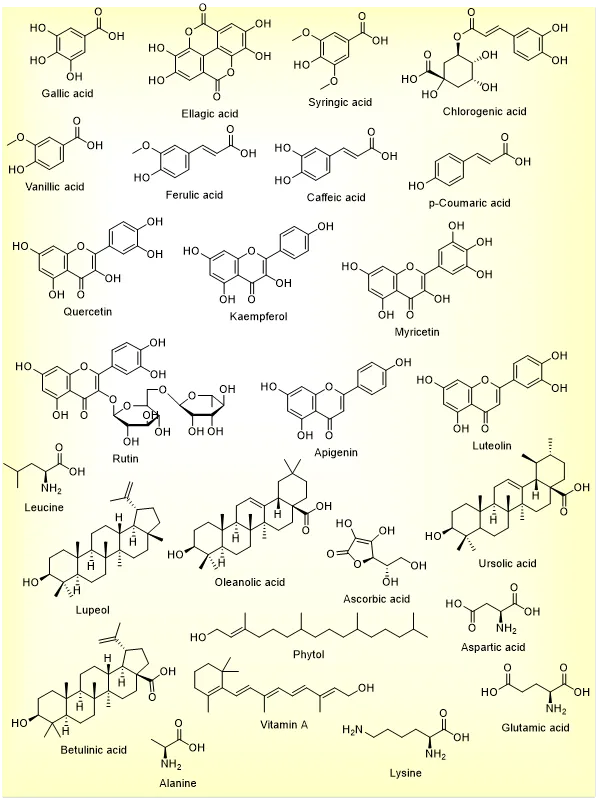
Fig.1: Phytochemical Composition of Phyllanthus emblica
5. MECHANISMS OF OXIDATIVE STRESS AND INFLAMMATION
5.1 Understanding oxidative stress
Oxidative stress is a condition in which the amount of Reactive Oxygen Species (ROS) produced exceeds the capacity of the antioxidant defense mechanisms in the body. In healthy cells, ROS are formed as normal metabolites and have significant roles in cell signaling, immunity and the maintenance of cellular homeostasis. But when there is overproduction of ROS or lower antioxidant protection, this balance will be upset and will result in oxidative stress and ultimately in cellular damage. Human body has a very complex system of antioxidants, including enzymatic antioxidants (superoxide dismutase (SOD), catalase (CAT), glutathione peroxidase (GPx) and non-enzymatic antioxidants (glutathione, vitamin C, vitamin E, carotenoids, flavonoids). These antioxidants eliminate the free-radicals and stop damage in the cells. If these defense mechanisms are overwhelmed by an increase in ROS generation, oxidative stress occurs. Oxidative stress is known to play a pivotal role in the development of several acute and chronic diseases. It is involved in cardiovascular diseases, diabetes mellitus, neurodegenerative diseases, cancer, chronic kidney disease, inflammatory diseases and aging. Chronic oxidative stress can disrupt normal cellular processes, be responsible for the regulation of gene expression and trigger pathological mechanisms that result in functional impairment of tissues and disease progression. Scientific studies in recent years have revealed the close link between oxidative stress and inflammation. Both processes are interconnected and are forming a vicious cycle: oxidative stress leads to inflammation, and inflammation leads to enhanced ROS production. Therefore, the understanding of oxidative stress mechanisms is important to the development of effective treatment, prevention and management of multiple chronic disease therapeutics.
5.2 Sources of Reactive Oxygen Species (ROS)
Reactive oxygen species are molecules containing oxygen that are highly reactive and formed during normal physiological and pathological processes. They are free radicals and non-radical oxygen derivatives. Superoxide anion (O₂•⁻), hydroxyl radical (•OH), hydrogen peroxide (H₂O₂), singlet oxygen (¹O₂), and peroxynitrite (ONOO⁻) are all ROS. In humans, the main source of ROS that is endogenous is oxidative phosphorylation of mitochondria. In cellular respiration, the electrons are carried in the mitochondrial electron transport chain to produce ATP. Some of these electrons can react with molecular oxygen before they complete their cycle and generate superoxide radicals. The primary site of energy production is the mitochondria, which are therefore the major source of ROS within the cell. The enzyme nicotinamide adenine dinucleotide phosphate (NADPH) oxidase is another important source of ROS. This enzyme complex is highly active in immune cells like neutrophils and macrophages and is responsible for the production of ROS as a means of combating the invasion of microorganisms. NADPH oxidase activation is beneficial when fighting diseases, but also over-activation can cause oxidative tissue injury. Other endogenous sources are xanthine oxidase, cytochrome P450 enzymes, peroxisomes and inflammatory cells. Under both physiological and pathological conditions, these systems are a source of ROS. Exogenous factors also contribute greatly to the production of ROS. Certain medications, unhealthy diet, alcohol consumption, industrial chemicals, pesticides, heavy metals, radiation, ultraviolet radiation and environmental pollutants can all contribute to the formation of ROS. Exposure to these factors for long periods of time can lead to oxidative stress and reduce the body's natural defenses against them. Other pathological processes like infections, ischemia-reperfusion injury, obesity, diabetes, hypertension and chronic inflammation accentuate ROS production. As a result, many diseases linked to ROS accumulation and inflammation have become a common occurrence.
5.3 Pathophysiology of oxidative damage
Oxidative damage is the result of the attack of the reactive oxygen species on cells essential components such as lipids, proteins, carbohydrates and nucleic acids. The resulting alterations in the molecular structure can compromise cell functions, disrupt tissues, and play a role in the initiation of disease. Lipid peroxidation is one of the best known effects of oxidative stress. The cell membranes have a high content of polyunsaturated fatty acids, which are especially vulnerable to oxidation by ROS. These toxic products of lipid peroxidation include malondialdehyde (MDA) and 4-hydroxynonenal (4-HNE), leading to disruption of membrane structure and function. Cellular damage to the membranes may impact on cellular permeability, signaling pathways, and energy metabolism. Proteins can also be modified by oxidation. The ROS can oxidize the amino acid residues, change the conformation of the protein, and affect the activity of enzymes. Oxidative modification may cause loss of biological function in proteins and lead to accumulation of proteins in tissues, resulting in protein dysfunction and degeneration. Oxidative stress can also result in DNA damage. ROS can cause base changes, single strand breaks and mutations in nuclear and mitochondrial DNA. These genetic changes could lead to irregular cell function, cancer development and premature ageing. The role of oxidative DNA damage has been linked to a variety of diseases such as cancer, neurodegenerative diseases and cardiovascular diseases. Mitochondria are vulnerable to oxidative damage as they are a significant source and a target of ROS. Abnormal oxidative stress may lead to the dysfunction of the mitochondria, decreased ATP generation, and activation of apoptotic pathways. ROS production is further enhanced by mitochondrial dysfunction, which further damages cells. Oxidative damage at the tissue level results in endothelial dysfunction, diminished organ function, fibrosis and chronic inflammation. The continued oxidative stress may eventually cause the cells to die by apoptosis or necrosis, causing a progressive worsening of tissue damage and disease.
5.4 Inflammatory cascade and cytokine signaling
Inflammation is a complex biological response which aids the body in fighting infections, injuries and harmful stimuli. Acute inflammation is usually helpful and is an integral part of tissue repair and host defence. If inflammation is ongoing or unmanaged, however, it can cause tissue damage and give rise to a variety of diseases. Pathogens, damaged tissues, and foreign substances trigger the inflammatory response when the immune cells detect them through special pattern recognition receptors (PRRs). When these receptors are activated, they activate intracellular signal transduction pathways that lead to the generation of inflammatory mediators. Macrophages, neutrophils, dendritic cells and other immune cells are key players in the inflammatory cascade. On activation these cells produce a variety of cytokines, chemokines, prostaglandins, leukotrienes and reactive oxygen species that regulate the inflammatory response. Cytokines are small signaling proteins, which control immune and inflammatory processes. Pro-inflammatory cytokines, such as tumor necrosis factor-alpha (TNF-α), interleukin-1 beta (IL-1β), interleukin-6 (IL-6) and interferon gamma (IFN-γ) all encourage inflammation by attracting inflammatory cells, increasing the permeability of blood vessels, and triggering other inflammatory pathways. These cytokines are necessary to remove harmful stimuli, but can lead to damage of tissue if they are produced in excessive amounts. Cytokine production in inflammation is under several intracellular signaling pathways. The nuclear factor-kappa B (NF-κB) pathway is a key pathway among these. The activation of NF-κB results in the expression of many inflammatory genes, which include cytokines, adhesion molecules and enzymes that participate in inflammation. Other important pathways involve the mitogen-activated protein kinase (MAPK) pathway, Janus kinase/signal transducer and activator of transcription (JAK/STAT) pathway and phosphoinositide 3-kinase/protein kinase B (PI3K/Akt) pathway. Oxidative stress and inflammation are closely interconnected. ROS can stimulate NF-κB and other inflammatory pathways, leading to higher production of cytokines. Activated inflammatory cells, in turn, produce more ROS, thus increasing further the oxidative stress. This bi-directional link is a vicious circle, which plays a role in the development of many chronic diseases. Chronic over-activation of inflammatory cytokine signals has been linked to cardiovascular disease, diabetes, obesity, arthritis, neurodegenerative disorders, autoimmune disorders and cancer. As a result, targeting oxidative stress and inflammatory pathways in the treatment and prevention of disease have emerged as key therapeutic strategies. To conclude, oxidative stress and inflammation are two closely related processes that are crucial in health and disease. The mechanisms in relation to ROS generation, oxidative damage, inflammatory signalling and cytokine regulation will give a scientific basis for the development of novel therapeutic approaches by utilizing natural antioxidants and anti-inflammatory agents like Phyllanthus emblica.
6. ANTIOXIDANT POTENTIAL OF PHYLLANTHUS EMBLICA
Phyllanthus emblica L. Among medicinal plants, (amla or Indian gooseberry) is among the richest natural antioxidants with a rich phytochemical profile which includes vitamin C, polyphenols, flavonoids, tannins, emblicanin A, emblicanin B, gallic acid, ellagic acid, punigluconin, and pedunculagin. Due to the antioxidant activity, P. emblica has been the subject of much research due to the role of oxidative stress in the pathogenesis of many chronic diseases, such as cardiovascular disorders, diabetes mellitus, neurodegenerative diseases, cancer or premature aging. The remarkable free radical scavenging activity is one of the major mechanisms responsible for this antioxidant activity of amla. Reactive oxygen species (ROS) and reactive nitrogen species (RNS), including superoxide anions, hydroxyl radicals, hydrogen peroxide, and peroxynitrite, can cause damage to cellular lipids, proteins, and DNA, resulting in dysfunction and disease. The active ingredients in amla neutralise these free radicals by donating electrons or hydrogen atoms, preventing the free radicals from causing oxidative damage. The fruit has been proven to possess high scavenging activity against several free radicals, which is sometimes more potent than synthetic antioxidants. Another significant antioxidant effect of P. emblica is its ability to chelate metals. The Fenton and Haber–Weiss reactions can produce highly reactive hydroxyl radicals (OH) as a result of transition metals like iron (Fe) and copper (Cu). Amla is rich in polyphenolic compounds that can complex these metal ions, preventing them from participating in the formation of radicals and thus lowering oxidative stress. This metal-chelating property is an important part of the total antioxidant activity of the plant, and is responsible for the protection against metal-induced damage to cells. P. emblica directly scavenges free radicals and chelates pro-oxidant metals, as well as boosting the activity of endogenous antioxidant defence systems. To combat the harmful effects of reactive species and maintain redox homeostasis, the body uses its own antioxidant enzymes: Superoxide dismutase (SOD), Catalase (CAT), Glutathion peroxidase (GPx), Glutathion reductase (GR), and Glutathion-S-transferase (GST). Experimental investigations of amla extracts have demonstrated that administration of these extracts significantly enhances the activity and expression of these antioxidant enzymes in different tissues. The action of amla activates endogenous antioxidant mechanisms, giving prolonged protection against oxidative stress and promoting resistance to environmental and pathological damage. Additionally, P. emblica has been shown to elevate the amount of the intracellular reduced glutathione (GSH), which plays a major role in detoxification and protection mechanisms within cells. The antioxidant enzyme system enhancing effects of amla are thought to occur through the activation of cellular signaling pathways such as the nuclear factor erythroid 2-related factor 2 (Nrf2) pathway, that is a key regulator of the expression of multiple antioxidant and cytoprotective genes. The antioxidant activity of amla is also noteworthy as it helps to control biomarkers of oxidative stress. Biomarkers of oxidative stress include malondialdehyde (MDA), lipid hydroperoxides, protein carbonyls, advanced oxidation protein products and DNA oxidation products. An increase in these biomarkers suggests higher oxidative damage in tissues. Several studies have shown that treatment with amla extracts can significantly lower the levels of MDA and other markers of oxidative stress, and increase the levels of antioxidants. This decrease in oxidative damage has been reported in experimental models of diabetes, cardiovascular disease, hepatic injury, nephrotoxicity, neurodegeneration and aging. Amla's ability to regulate oxidative stress markers suggests its therapeutic potential in preventing and managing disorders linked to hyperproduction of free radicals. A large number of in vitro studies have been carried out to investigate the antioxidant effect of P. emblica using different experimental model and assays. The most widely used antioxidant assays are DPPH (2,2-diphenyl-1-picrylhydrazyl) radical scavenging assay, ABTS radical cation decolorization assay, ferric reducing antioxidant power (FRAP) assay, oxygen radical absorbance capacity (ORAC) assay, nitric oxide scavenging assay, hydroxyl radical scavenging assay, and lipid peroxidation inhibition assays. These studies showed that the extracts of amla exhibited significant antioxidant activity in all its preparations such as aqueous extract, ethanolic extract, methanolic extract and hydroalcoholic extract. The fruit extract has demonstrated excellent capacity to neutralize several reactive species and to prevent oxidative degradation of biomolecules. The antioxidant activity of amla has also been demonstrated in vitro to depend on concentration and strongly related to amla's total phenolic and tannin contents. Emblicanin A and emblicanin B have been reported to account for significant portion of amla's antioxidant activity and are reported to act in synergy with vitamin C and other polyphenolic compounds. Cell culture studies also show that amla extracts may be beneficial against oxidative injury to various cell types caused by hydrogen peroxide, heavy metals, toxins and inflammatory stimuli. These studies have shown that treatment with the compounds derived from amla reduced the apoptosis of cells, improved the mitochondrial function, increased the activity of the antioxidant enzymes and maintained the integrity of the cells. Preliminary evidence based on phytochemical analysis, biochemical investigations and in-vitro studies clearly indicate that Phyllanthus emblica is an excellent natural antioxidant. The various mechanisms of action such as free radical scavenging, chelation of metals, enhancing of endogenous antioxidant defense, regulating of oxidative stress biomarkers and protecting cellular oxidative damage give good scientific support to its traditional use as a rejuvenating and health promoting medicinal plant. P. emblica remains a promising therapeutic agent and nutraceutical for combating oxidative stress related diseases and overall health and longevity, and is therefore being continued to be explored.
7. ANTI-INFLAMMATORY POTENTIAL OF PHYLLANTHUS EMBLICA
Phyllanthus emblica L. Anti-inflammatory properties of (amla) have been studied extensively, and the high content of polyphenols, tannins, flavonoids, vitamin C, gallic acid, ellagic acid, emblicanin A and B are the main components responsible for this effect, which is associated with the prevention of various diseases, such as cardiovascular disorders, diabetes mellitus, arthritis, neurodegenerative diseases, autoimmune disorders, and cancer. The anti-inflammatory activity of P. emblica is achieved by several molecular and cellular mechanism which act together and are responsible for suppressing inflammatory responses and returning the physiological homeostasis. One of the key mechanisms is the regulation of pro-inflammatory cytokines. Cytokines, like tumour necrosis factor alpha (TNF-α), interleukin-1 beta (IL-1β), interleukin-6 (IL-6) and interferon gamma (IFN-γ) are important in initiating and maintaining inflammation. These cytokines promote chronic inflammatory diseases and tissue damage if they are produced in excess. Many experimental studies have shown that the extracts of amla produce a significant decrease in the release and expression of these pro-inflammatory mediators and a balanced immune response. The phytoconstituents in amla inhibit the pathways involved in signaling cytokines and block the amplification of inflammatory cascades, which helps in the protection of tissues from inflammation-induced damage. One of the other prominent mechanisms is the regulation of nuclear factor-kappa B (NF-κB) signaling pathway which is responsible for the anti-inflammatory properties of P. emblica. NF-κB is a critical transcription factor that regulates the transcription of a variety of genes associated with inflammation, immunity, cell proliferation and survival. In the presence of inflammation, NF-κB is activated and enters the nucleus where it promotes the activation of cytokines, chemokines, adhesion molecules and inflammatory enzymes. It has been found that bioactive substances in amla can suppress the activation of NF-κB, which in turn down regulates the transcription of inflammatory genes and prevent the progression of inflammatory responses. Therefore, this NF-κB inhibition is regarded as a key molecular mechanism for therapeutic applications of amla in inflammatory diseases. Besides the cytokine modulation and NF-κB inhibition, P. emblica has anti-inflammatory activity by blocking cyclooxygenase (COX) and lipoxygenase (LOX) enzymes. These enzymes metabolize arachidonic acid and help in the production of the pro-inflammatory mediators prostaglandins and leukotrienes. These mediators can lead to inflammation-related pain, swelling, redness and tissue damage. Studies have shown that extracts of amla are the inhibitors of both COX and LOX enzymes, which reduces the synthesis of inflammatory eicosanoids. It works in a similar fashion to a few of the more standard anti-inflammatory medications but could have the benefit of less side effects because the plant compounds are natural and multi-targeted. Another key mechanism of the anti-inflammatory action of P. emblica is its effect on nitric oxide (NO) production. Nitric oxide is a physiological signaling molecule with important roles in immune defense, neurotransmission and vascular regulation. But overproduction of nitric oxide by inducible nitric oxide synthase (iNOS) during inflammation can lead to oxidative stress, tissue damage, and chronic inflammatory diseases. Experimental studies have shown the ability of amla extracts to inhibit expression of iNOS and inhibit excessive nitric oxide production in activated immune cells. This decrease in nitric oxide generation helps to prevent any kind of oxidative harm as well as to reduce inflammatory reactions. The synergistic effects of amla's antioxidants and anti-inflammatory properties are especially advantageous due to the interconnection of oxidative stress and inflammation, which can often exacerbate each other. In addition, P. emblica has potent immunomodulatory effects, which are important to its anti-inflammatory activity. The immune system is a key player in both protective and pathological inflammatory responses. The ideal anti-inflammatory agent would be one that would turn down inflammation when it is bad, but leave the body's immune system on when it is not. Amla has been demonstrated to regulate the activity of various immune cells such as macrophages, neutrophils, lymphocytes and other cell types that play a role in inflammation. Promotes host defense mechanisms while avoiding the over-activation of the immune system that may result in chronic inflammation and tissue destruction. It has been reported that amla has a regulatory effect on antibodies production, improve immune cell function and maintain immune homeostasis. Its immunomodulatory properties are especially beneficial in the management of disorders involving immune dysfunction, like autoimmune disorders and chronic inflammatory diseases. Moreover, the antioxidant properties found in the plant help prevent damage to immune cells due to oxidative stress, maintaining their integrity and function. The anti-inflammatory and immunomodulatory effects of P. emblica have been established in multiple in vitro and in vivo arthritis, inflammatory bowel disease, pulmonary inflammation, cardiovascular injury, hepatic inflammation and neuroinflammation animal models. The results from these studies are always consistent and have reported a decrease in inflammatory biomarkers, cytokine levels, oxidative stress markers, and tissue damage after administration of amla extract. Vitamin C, tannins, flavonoids, phenolic acids and other phytochemicals work in synergy to give the plant its wide-ranging anti-inflammatory effects. In summary, the potential of Phyllanthus emblica to modulate pro-inflammatory cytokines, inhibit the activity of NF-κB, COX, and LOX enzymes, regulate nitric oxide production, and boost immune balance, all make a scientific case for the use of Phyllanthus emblica in inflammatory ailments. The diverse mechanisms have great potential as a natural therapeutic option for the prevention and treatment of chronic inflammatory and immune-related diseases.
CONCLUSION
Phyllanthus emblica L. Indian gooseberry or amla is a highly valued medicinal plant which has been so widely used in traditional systems of medicine including Ayurveda, Siddha and Unani for many centuries. The plant is rich in phytochemicals including vitamin C, polyphenols, tannins, flavonoids, phenolic acids, alkaloids and terpenoids, contributing to its various pharmacological activities. Many of its traditional therapeutic uses have been proven to be effective by modern scientific investigations and amla is now proven to be a powerful natural antioxidant and anti-inflammatory agent. Oxidative stress and chronic inflammation play an important role in the development and progression of many disease states such as cardiovascular diseases, diabetes mellitus, neurodegenerative diseases, cancer and age-related diseases. The various bioactive compounds present in P. emblica have protective effects via several mechanisms such as free radical scavenging, chelating effect on metals, stimulating induction of antioxidant enzymes, modulation of oxidative stress markers, anti-inflammatory activity on pro-inflammatory cytokines, anti-inflammatory activity on NF-κB signaling, anti-inflammatory activity on nitric oxide production and anti-inflammatory activity on inflammatory enzymes, like cyclooxygenase and lipoxygenase. These diverse activities are indicative of its importance in oxidative stress and inflammation-related diseases. In addition, the plant has also been shown to possess strong nutraceutical properties and is being utilized in dietary supplements, functional foods and herbal medicines for general health and wellness. It is an interesting compound with a favorable safety profile and wide range of biological activity that could be useful for integrative and preventative health care strategies. The conclusion is that Phyllanthus emblica is a potential natural therapeutic agent that has great potential in the prevention of oxidative stress and inflammatory diseases. Future studies aimed at elucidating molecular mechanisms, clinical validation, bioavailability improvement, and formulation development will lend further credibility to its therapeutic applications and enable it to be incorporated in the practice of evidence-based medicine. This is because there is a growing body of scientific evidence that suggests amla can be a valuable asset in the fight against chronic diseases, enhance overall quality of life, and support human health.
REFERENCES

Prakash Pralhad Sarwade, Kavita Narayan Gaisamudre (Sarwade), Akash Chandran, Tejas Gholap, Saurav Kumar, Samima Nasrin Rahman, Raj Narayan Saha, Unlocking the Treasure Trove: Phyllanthus emblica's Phytochemical and Pharmacological Potential and its uses in Oxidative Stress and Inflammation, Int. J. of Pharm. Sci., 2026, Vol 4, Issue 6, 1913-1935. https://doi.org/10.5281/zenodo.20593583
 10.5281/zenodo.20593583