

We use cookies to ensure our website works properly and to personalise your experience. Cookies policy
Narayan Institute of Pharmacy, Gopal Narayan Singh University, Jamuhar, Bihar.
Plant-derived bioactive compounds are increasingly being explored as potential sources of natural antioxidant and antimicrobial agents. The present study aimed to comparatively evaluate the phytochemical profile, antioxidant activity, and antibacterial potential of hy-droalcoholic flower extracts of Moringa oleifera and Clitoria ternatea, along with the anti-bacterial activity of their combined extract. Flowers of both plants were authenticated, shade-dried, powdered, defatted with petroleum ether, and extracted using 70:30 ethanol–water by Soxhlet extraction. Preliminary phytochemical screening was performed using standard qualitative methods, while antioxidant activity was evaluated using the DPPH free-radical scavenging assay. Total phenolic content (TPC) and total flavonoid content (TFC) were determined using Folin–Ciocalteu and aluminium chloride colorimetric methods, re-spectively. Antibacterial activity was assessed by the agar well-diffusion method against Staphylococcus aureus and Escherichia coli. Both extracts showed the presence of im-portant phytoconstituents, particularly phenolics, flavonoids, tannins, alkaloids, carbohy-drates, amino acids, and glycosides. The extracts demonstrated concentration-dependent DPPH radical-scavenging activity, with IC?? values of 38.09 µg/mL for M. oleifera and 31.48 µg/mL for C. ternatea, indicating slightly higher antioxidant activity of C. ternatea. In contrast, M. oleifera exhibited higher TPC (77.70 mg/g) and TFC (52.58 mg/g) than C. ternatea (32.17 and 26.00 mg/g, respectively). Both extracts exhibited concentration-dependent antibacterial activity against S. aureus and E. coli, with M. oleifera generally producing larger inhibition zones than C. ternatea. At the highest tested concentration, M. oleifera produced inhibition zones of 12.3 mm against both bacterial strains, whereas C. ternatea produced inhibition zones of 10.2 mm against S. aureus and 10.4 mm against E. coli. The combined extract demonstrated antibacterial activity, producing maximum inhibi-tion zones of 12 mm against S. aureus and 13 mm against E. coli. Overall, the findings indi-cate that M. oleifera and C. ternatea flower extracts possess promising antioxidant and an-tibacterial properties, potentially associated with their phenolic- and flavonoid-rich phyto-chemical composition. The enhanced activity observed with the combined extract suggests potential for development as a plant-derived bioactive preparation; however, further studies involving phytochemical characterization, mechanistic investigation, toxicity evaluation, and formal synergy assessment are required to establish its therapeutic applicability.
Medicinal plants are valuable sources of a wide variety of biologically active compounds, many of which are responsible for exhibiting potent antimicrobial activity against pathogenic microorganisms(1). Plant-derived medicines have long been an essential component of traditional medicine and continue to be widely used for the management and treatment of various diseases(2). A large proportion of the population continuous depending on medicines derived from plant sources for healthcare purposes(3). This widespread reliance has led to growing scientific interest in medicinal plants as valuable candidates for the development of new therapeutic agents(4). According to WHO, plants are the best sources for discovering novel drugs(5).
Moringa oleifera comes from the family Moringaceae and it is broadly farmed in tropical and subtropical regions(6). It is generally used in traditional medicine system due to it contain a vast amount of nutritional and therapeutic contents(7). Various parts of the plant are known to show antioxidant, antimicrobial, anti-inflammatory and hepatoprotective activities, which are credited to the presence of bioactive constituents such as flavonoids, phenolics and alkaloids(8). Clitoria ternatea is a medicinal plant comes from the family Fabaceae and it has been commonly utilized in traditional systems of medicine for the treatment of various disease(9). The plant is reported to possess antioxidant, antimicrobial, anti-inflammatory and neuroprotective activities(10). Phytochemical studies have revealed the presence of flavonoids, phenol compounds, anthocyanins, alkaloids and tannins, which are responsible for its biological activities(11).
Moringa oleifera and Clitoria ternatea both plant extract contain large pharmacological properties, including Anti-diabetic, anti-inflammatory, antioxidant and antimicrobial activity(12). Medicinal plant is a valuable sources of natural therapeutic agents, they contain bioactive compound that are used in the treatment of many various disease(13). Extracts of many Medicinal plants have been traditionally developed for used as an antimicrobial agents(1). Traditionally used medicinal plants contain a large amount of bioactive compound that have been used for the treatment chronic and infectious diseases(1).Herbal plants act as anti-microbial compounds due to the presence of secondary metabolites(14). To overcome the antibiotics resistance problem, there is an increasing interest in plant derived antimicrobial agents(15). The main purpose of this present study is comparative antibacterial and antioxidant activity of Moringa oleifera & Clitoria ternatea flower hydro-alcoholic extract(16).
2. MATERIAL AND METHODS
2.1. Plant Collection and Authentication: Collected Moringa oleifera and Clitoria ternatea flower from the local area during the flowering season(17). The Authentication was done by Department of Botany, Government College Khimlasa, Sagar (M.P.). Both sample belonging to the family Moringaceae and Fabaceae were confirmed with Authentication Certificate Ref. No. AC/043/26 and Ref No. AC/042/26 respectively.
2.2. Preparation of Plant Extract: The collected both plant flower were shade dried at room temperature and powdered it by using mechanical grinder(18). About 100g of both Clitoria & Moringa flower powder is initially defatted with 300 ml petroleum ether using Soxhlet apparatus until the siphon tube become colorless(19). The defatted powder were naturally dried at room temperature and then hydro alcoholic (70:30 ethanol: water) extraction were done by using Soxhlet apparatus(20). A total 200ml solvent (140ml ethanol and 60ml distilled water) was used for extraction. The extraction process was continued until the siphon tube solvent become colorless(21). The obtained extracts were concentrated on hot plate and further dried in a hot air oven.(22) The dried plant extract was crushed by using mortar and pestle to obtain fine powder which were stored in airtight container for further experimental analysis.(23)
2.3. Preliminary Phytochemical Screening: Preliminary phytochemical screening was completed to confirm the presence or absence of phytochemicals constituents in both plant flower extract according to standard procedures.(24–27)
2.4. Antioxidant activity by the DPPH Method
Antioxidant potency of the Moringa oleifera and Clitoria ternatea flower extract was determined by using the DPPH (2,2-diphenyl-1-picrylhydrazyl) free radical scavenging assay.(16) In ethanol as the working reagent 0.1 mM DPPH solution was prepared.(28) To perform the assay, 1 mL of DPPH solution and 1 mL of the plant extract was combined together at different concentrations.(29) In the dark at room temperature the mixtures was incubated for few minutes to allow reaction between the DPPH free radicals and the antioxidant compounds present in the extract.(30) The concentration of DPPH radicals was measured using UV-Vis spectrophotometer at 517 nm after an incubation period using ethanol as blank. As standard Antioxidant Ascorbic acid was used.(31).
2.7.1 Total phenols content
Total phenol content (TPC) of Moringa oleifera and Clitoria ternatea flowers ethanolic extract was measured by using Folin-Ciocalteau’s reagent with Gallic acid (GA) served as standard.(32) Results were demonstrated as mg GA/g dry material.(32) In a test tube containing 5 mL of Folin-Ciocalteu reagent, 0.2 mL of extract solution was added then the mixture was shaken vigorously for 4 min and after this 4 mL of sodium carbonate solution (7.5% w/v) was added 10 times.(33) For complete mixing the mixture was made up to 25 mL with distilled water.(34) Left The solution for 90 minutes to stand and then after this by help of UV spectrophotometer absorbance was measured at 760 nm.(29) At different concentrations of standard Gallic acid solutions, 20, 40, 60, 80 and 100 ug/mL the calibration curve was constructed.(35)
2.7.2 Total Flavonoid content
Total flavonoid content (TFC) of Moringa oleifera and Clitoria ternatea flower extracts was determined using a modified colorimetric method.(36) In 45% of ethanol 0.3mL of extract solution was prepared and was mixed with 8 mL of 10% aluminum chloride and 4 mL of 0.2 M sodium acetate, After this diluted to 25 mL with de-ionized distilled water.(37) Incubated the mixture for 30 minutes at room temperature, using a UV spectrophotometer absorbance was measured at 510 nm.(38) By using rutin standard solutions (20–100 µg/mL) calibration curve was prepared.(39) TFC was demonstrated as mg of rutin equivalent per gram of dry extract mass.(40)
2.8 Antimicrobial Activity by Well Diffusion Method
2.8.1 Preparation of the Samples
The standard antibiotic Ciprofloxacin of concentration 10 μg/ml was prepared. The Different concentrations of Moringa oleifera and Clitoria ternatea flower extracts 40μg/ml, 20μg/ml, 40μg/ml, and 20μg/ml were prepared, after this volume prepared was done with distilled water up to 1ml.(41)
2.8.2 Preparation of Nutrient Agar Media
In 1 liter of distilled water 28g Nutrient Media was dissolved and before sterilization the pH of media was evaluated.(42) In autoclave at 121oC and at 15 pascal pressure agar media was sterilized for 15 minutes.(43) Nutrient agar media was transfer into plates and placed under the laminar air flow, till the agar was become solidify.(44)
2.8.3 Agar Well Diffusion Assay
Well diffusion assay method was used to evaluate the Antibacterial action of Moringa oleifera and Clitoria ternatea flower extracts against Gram-negative Escherichia coli and Gram-positive Staphylococcus aureus bacterial strains.(45) In nutrient broth freshly cultures S. aureus and E. coli bacteria were grown and to match the 0.5 McFarland turbidity standard it was adjusted.(46) prepared nutrient agar media was poured into the Petri dish, and leave it to get solidify.(47) Using sterile cotton swab cultures bacteria were spreaded on the surface of the agar plates.(48) In the inoculated media 6 mm four wells were bored with the help of sterile cork-borer.(49) Different volumes of plant extracts (20 µl and 40 µl) of Moringa oleifera and Clitoria ternatea were carefully loaded into all four wells.(50) At 37°C plates were incubated for 24 hours.(51) Zone of inhibition was measured in mm after incubation and the antibacterial action of Moringa oleifera and Clitoria ternatea was evaluated based on the diameter of the inhibition zones.(52) It was left aprox 30 minutes at room temperature before incubated.(53) To confirmed the Antibacterial Activity of extracts Plates were examined after incubation that had a clear zone of inhibition or not.(54) Zone of inhibition demonstrated around the samples were measured in millimeters by help of ruler positioned of the inverted Petri dish.(55) Elevated the Petri dish few inches above a non-reflective black background.(56) The diameters of zone of inhibition and as well as diameter of the well were measured.(57)
3. DISCUSSION AND RESULTS
3.1 Phytochemical Screening of Moringa Oleifera and Clitoria ternatea: The preliminary screening of phytochemicals in flower of Clitoria ternatea and Moringa oleifera showed the abundant presence of Phenolic compounds, Flavonoids and moderate amount of Saponins, alkaloids and steroids.
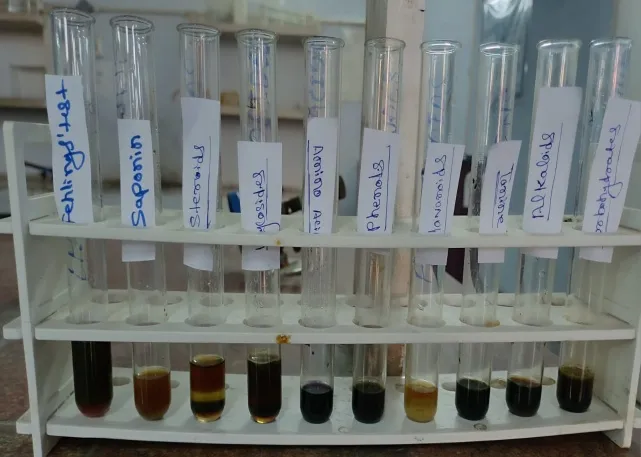
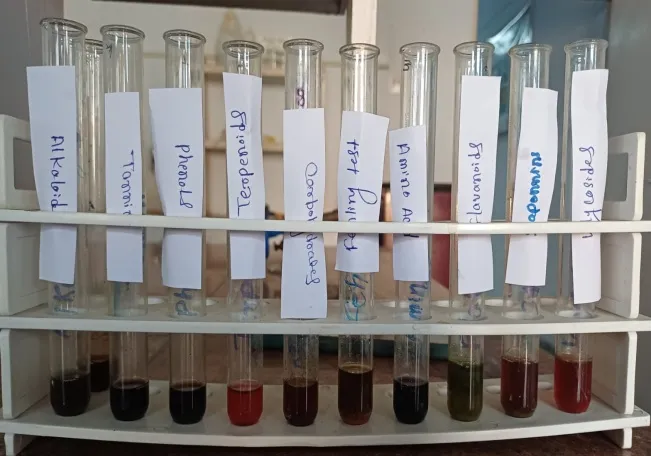
Figure 1: Phytochemical screening of Moringa oleifera Figure 2: Phytochemical screening of Clitoria ternatea
Table1: phytochemical screening of Moringa oleifera and Clitoria ternatea
|
S.NO |
Phytochemical constituent |
Moringa oleifera |
Clitoria ternatea |
|
1. |
Alkaloids |
+ |
+ |
|
2. |
Tannins |
+ |
+ |
|
3. |
phenols |
+ |
+ |
|
4. |
Flavanoids |
+ |
+ |
|
5. |
Amino acid |
+ |
+ |
|
6. |
Carbohydrates |
+ |
+ |
|
7. |
Steroids |
_ |
_ |
|
8 |
Terpenoids |
_ |
_ |
|
9. |
Saponins |
|
+ |
|
10. |
Glycosides |
+ |
+ |
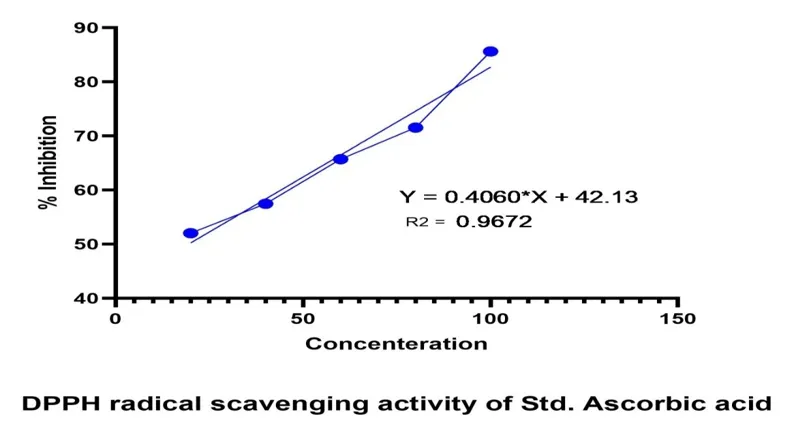
3.2 DPPH Assay of Standard Ascorbic Acid: The DPPH (2, 2-diphenyl-1-picrylhydrazyl) assay results showed concentration-dependent antioxidant activity of the test sample. When the extract concentration increased from 20 to 100μg/ml, the percentage inhibition increased from 52.06% to 85.63%, accompanied by a low in absorbance values, indicating effective free radical scavenging activity. The extract sample exhibited strong antioxidant capacity with a low IC₅₀ value of 19.38μg/ml, achieving more than 50% inhibition at a low concentration. These results indicate that the sample has strong antioxidant activity due to presence of huge bioactive compounds that can donate hydrogen or electron to DPPH radicals.
Table 2: DPPH 1, 1- diphenyl-2-picryl hydrazyl Assay of Ascorbic Acid
|
Concentration (μg/ml) |
Absorbance (nm) |
% Inhibition |
|
20 |
0.477 |
52.060 |
|
40 |
0.423 |
57.487 |
|
60 |
0.341 |
65.728 |
|
80 |
0.283 |
71.557 |
|
100 |
0.143 |
85.628 |
|
Control |
0.995 |
|
|
IC50 19.38 |
||
3.3 Antioxidant activity of Moringa oleifera and Clitoria ternatea: Moringa oleifera and Clitoria ternatea flower ethanol extracts, both extract were showed a concentration-dependent increase in radical scavenging. The experiment was showed a rise in radical scavenging activity with an increase in dosage. The inhibition % of Moringa oleifera varied from 53.33% to 91.45% with an IC₅₀ = 38.09µg/ml and Clitoria ternatea showed inhibition % from 55.06% to 91.77% with an IC₅₀=31.48µg/ml. overall both plant flower ethanol extract were showed potent Antioxidant properties but Clitoria ternatea flower ethanol extracts were showed a little higher scavenging efficiency.
Table 3: DPPH activity of Moringa oleifera
|
Concentration (µg/ml) |
Absorbance (nm) |
% Inhibition |
|
50 |
0.442 |
53.326 |
|
100 |
0.367 |
61.246 |
|
150 |
0.278 |
70.644 |
|
200 |
0.161 |
82.998 |
|
250 |
0.081 |
91.446 |
|
Control |
0.947 |
|
|
IC50 38.09 |
||
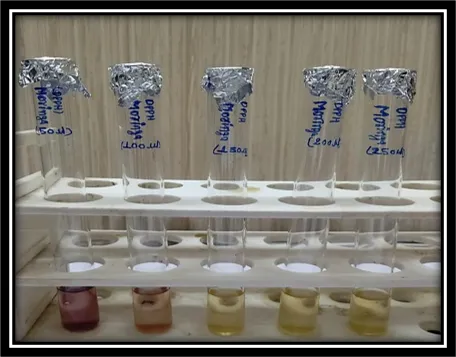
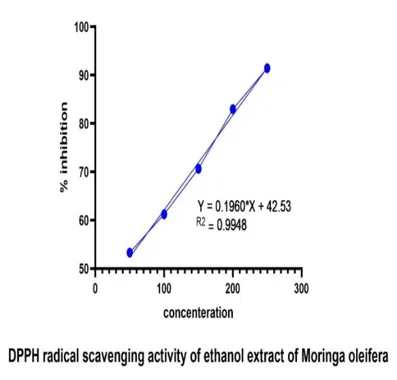
Figure 3: DPPH activity of ethanol extract of Moringa oleifera
Table 4: DPPH free radical scavenging activity of Clitoria ternatea
|
Concentration (µg/ml) |
Absorbance (nm) |
% Inhibition |
|
50 |
0.426 |
55.063 |
|
100 |
0.363 |
61.708 |
|
150 |
0.275 |
70.991 |
|
200 |
0.151 |
84.071 |
|
250 |
0.078 |
91.772 |
|
Control |
0.948 |
|
|
IC50 31.48 |
||
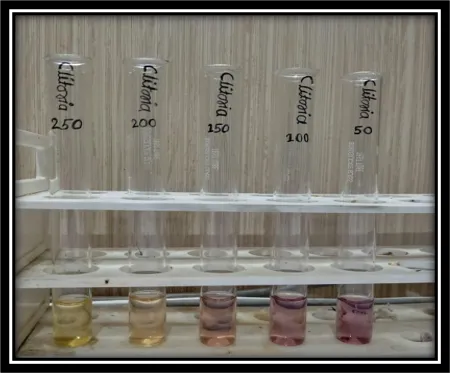
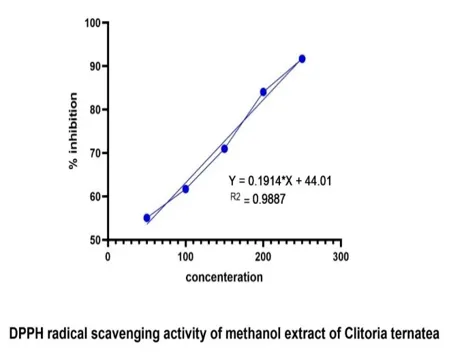
Figure 4: DPPH activity of ethanol extract of Clitoria ternatea.
3.4 Quantitative Analysis
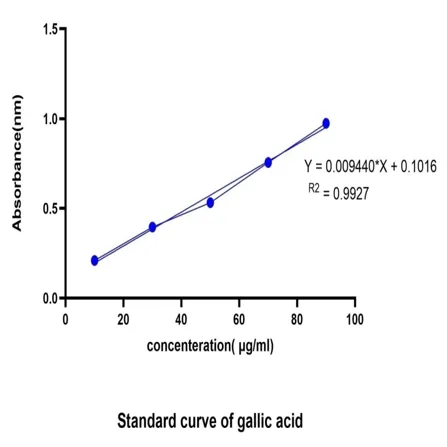
3.4.1 Total Phenolic content (TPC) estimation of standard Gallic acid: The calibration curve of Gallic acid showed a constant increase in absorbance (0.210-0.974) with concentration (10-90 µg/mL). This indicated a positive correlation between concentration and absorbance as the experiment produced suitable color development. The Folin-coicalteu reagent for phenol compounds whether showed a nearly linear progression of values, indicating high sensitivity and reproducibility with low toxicity. The wider absorbance range of the reagent compared to their normal values proves that the reagent is robust and the reaction conditions are optimum. The standard curve was thus suitable for estimating the total phenol content (in Gallic acid equivalent (GAE)) of an unknown sample and allowed for precise quantification of phenol content.
Table 5: Standard table of Gallic acid
|
S. No. |
Concentration (µg/ml) |
Absorbance (nm) |
|
1. |
10 |
0.210 |
|
2. |
30 |
0.396 |
|
3. |
50 |
0.532 |
|
4. |
70 |
0.756 |
|
5. |
90 |
0.974 |
3.4.2 Total Phenolic Content (TPC) in Moringa oleifera and Clitoria ternatea ethanolic extract: The Folin-Ciocalteu method was used to determine the total phenol contents of all of the plant extracts and was expressed in Gallic acid equivalent. Moreover, Moringa oleifera (0.830-0.835) absorbance data significantly higher than Clitoria ternatea (0.403-0.406) absorbance data. Consequently, the concentration of phenol in Moringa oleifera was definitely higher than that of Clitoria ternatea. According to the calculations, the TPC of Moringa oleifera is 77.70 mg/g while that of Clitoria ternatea is 32.17 mg/g. The findings indicate that Moringa oleifera has higher antioxidant activity than Clitoria ternatea.
Table 6: Phenolic Content in Moringa oleifera and Clitoria ternatea
|
S. No |
Absorbance |
TPC in mg/gm equivalent of Moringa oleifera extract |
|
1 |
0.830 |
77.70mg/gm |
|
2 |
0.831 |
|
|
3 |
0.835 |
|
S. No |
Absorbance |
TPC in mg/gm equivalent of Clitoria ternatea extract |
|
1 |
0.403 |
32.17 mg/gm |
|
2 |
0.404 |
|
|
3 |
0.406 |
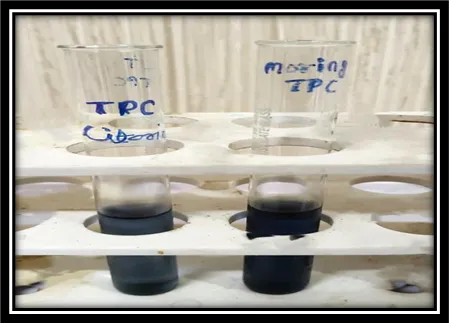
Figure 5: Total Phenolic Content in Moringa oleifera and Clitoria ternatea flower extract
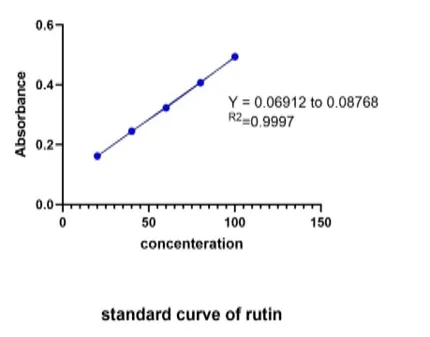
3.4.3 Determination of Total Flavonoids content of standard Rutin: The colorimetric method using rutin as the reference standard was used to calculate total flavonoid content. The calibration curve of Gallic acid shows an increasing linearity between absorbance (0.162-0.494) and concentration (20-100µg/mL). The concentration and absorbance have a strong positive relationship, indicating the color development in the experiment. The aluminum chloride colorimetric method shows a near-linear progression of values, indicating good sensitivity and reproducibility for flavonoid chemicals. The standard curve is appropriate for estimating total flavonoid content in unknown samples (as rutin equivalents (RE)).
Table 8: Absorbance of Standard Rutin
|
S. No. |
Concentration (µg/ml) |
Absorbance |
|
1. |
20 |
0.162 |
|
2. |
40 |
0.245 |
|
3. |
60 |
0.323 |
|
4. |
80 |
0.407 |
|
5. |
100 |
0.494 |
3.4.4 Total Flavonoid Content in Moringa oleifera and Clitoria ternatea flower ethanolic extract: Colorimetric method was used for both plant extract to determine the total flavonoid chemical. Moreover, Moringa oleifera absorbance readings were 0.291-0.298 and Clitoria ternatea were 0.182-0.189. As a whole, the absorbance of Moringa oleifera was considerably higher than the absorbance of Clitoria ternatea which indicates that Moringa oleifera has a higher flavonoids concentration compared to Clitoria ternatea. Calculated total flavonoid content (TFC) value of Moringa oleifera was found to be 52.58 mg/g while Clitoria ternatea value was lower at 26 mg/g. It is apparent that Moringa oleifera has nearly double the flavonoid content of Clitoria ternatea. Additionally, the low variation of absorbance readings within each sample indicates that the method is accurate and reproducible. Flavonoids possess powerful anti-oxidative and free radical lowering properties.
Table 9: Total Flavonoid Content in Moringa oleifera and Clitoria ternatea extract
|
S. No |
Absorbance |
TFC in mg/gm equivalent of Moringa oleifera extract |
|
1 |
0.291 |
52.58 mg/gm |
|
2 |
0.293 |
|
|
3 |
0.298 |
|
|
S. No |
Absorbance |
TFC in mg/gm equivalent of Clitoria ternatea extract |
|
1 |
0.182 |
26 mg/gm |
|
2 |
0.186 |
|
|
3 |
0.189 |
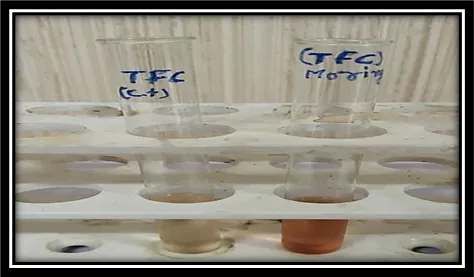
Figure 6: Total flavonoid content in Moringa oleifera and Clitoria ternatea extract
3.5 Antimicrobial activity against S.aureus by In-vitro method of Moringa oleifera and Clitoria ternatea extract: The well diffusion method was used to examine the antibacterial actions of Moringa oleifera and Clitoria ternatea against Staphylococcus aureus. In mm, we acquired the result in terms of zone of inhibition. The extract of Moringa oleifera displayed significant antibacterial activity against S aureus by forming the zone of inhibition of 12.3mm at 40ul and 10.1 mm at 20ul. The zone of inhibition showed an increase with increase in extract volume which indicates that with increase in extract concentration the antibacterial effect also increases. This indicates that the active compounds in the extract are capable of inhibiting the growth of bacteria. In the same manner, the extract of Clitoria ternatea also forming zones of inhibition of 8.1 mm at 20 and 10.2 mm at 40ul which were sufficient to prevent the growth of S. aureus. A comparison was done between the activity of both the extracts. The antibacterial effect of Moringa oleifera is higher than that of Clitoria ternatea. Due to the higher levels of phenols and flavonoids present, which are able to rupture the bacterial cell wall and inhibit the actions of microbial enzymes. Both the extracts show antibacterial activity against Staphylococcus aureus i.e. Moringa oleifera shows more activity than Clitoria ternatea.
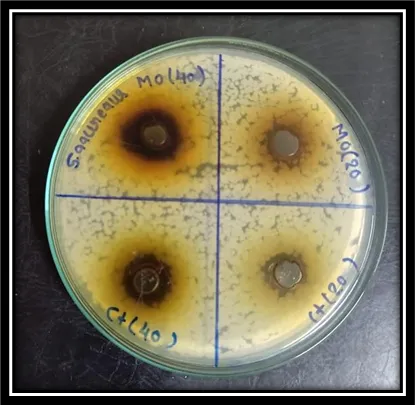
Figure 7: Antimicrobial Activity of both extract against S. aureus
Table 11: Zone of Inhibition of both extract against S. aureus
|
S. No |
Sample Name |
Zone of Inhibition (mm) |
|
1. |
Moringa oleifera (40) |
(12.3 mm) |
|
2. |
Moringa oleifera (20) |
(10.1mm) |
|
3. |
Clitoria ternatea (40) |
(10.2mm) |
|
4. |
Clitoria ternatea (20) |
(8.1mm) |
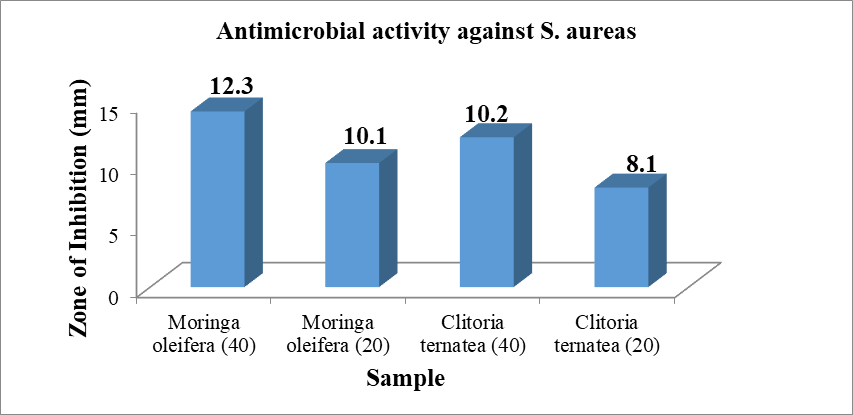
Figure 11: S. aureus Zone of Inhibition of both extract
3.5.1 Antimicrobial activity against E. coli by In-vitro method of Moringa oleifera and Clitoria ternatea extract: The ability of Moringa oleifera and Clitoria ternatea plant extracts to inhibit E coli, depending on the extract concentration. Moringa oleifera extract at 40 µl and 20 µl concentrations shown a zone of inhibition 12.3 mm and 8.1 mm respectively. Likewise, at 40µl, Clitoria ternatea extract generated inhibition zones of 10.4 mm and 6.4mm at 20µl, Moringa oleifera extract demonstrating more potent antibacterial action against E.coli than Clitoria ternatea at both different concentrations. The findings indicate that Moringa oleifera extracts posses more antibacterial activity against E coli than clitoria ternatea due to presence of huge amount of bioactive phytochemical in Moringa oleifera flower extract such as phenol and flavonoids chemicals.
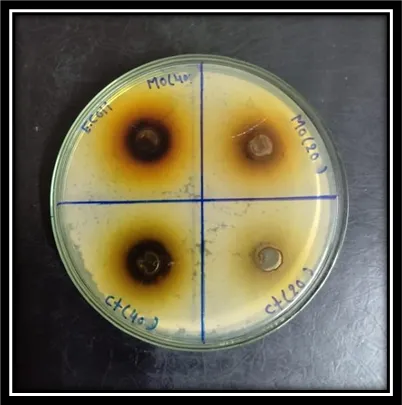
Figure 8: Moringa oleifera and Clitoria ternatea extract Antimicrobial Activity against E.coli
Table 12: E. coli Zone of Inhibition of Antimicrobial Activity
|
S. No |
Sample Name |
Zone of Inhibition (mm) |
|
1. |
Moringa oleifera (40) |
12.3 (mm) |
|
2. |
Moringa oleifera (20) |
8.1(mm) |
|
3. |
Clitoria ternatea (40) |
10.4(mm) |
|
4. |
Clitoria ternatea (20) |
6.4 (mm) |
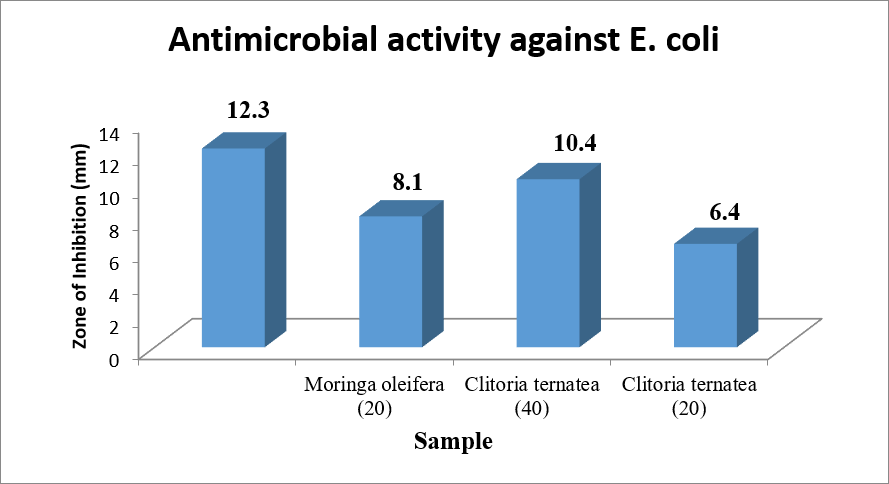
Figure 13: E. coli Zone of Inhibition of Antimicrobial Activity
3.5.2 Antimicrobial activity of ciprofloxacin and DMSO solvent against S. aureus, and E. coli by in vitro method: The well diffusion method was used to evaluate the antimicrobial activity of standard antibiotic Ciprofloxacin and solvent control dilute dimethyl sulfoxide (DMSO) on Staphylococcus aureus and Escherichia coli. Ciprofloxacin has a strong antibacterial activity against S aureus, it displayed zone of inhibition of 13.2 mm, and against E.coli with a zone of inhibition of 11.4 mm. The outcomes demonstrate potency of ciprofloxacin as a broad spectrum antibiotic stand against both Gram (−) and Gram (+) bacteria. Similarly, DMSO did not show zone of inhibition (0.0 mm) against either E.coli or S.aureus, confirming that the solvent exerted no antimicrobial activity against. The observation of antimicrobial activity of the extract is due to the bioactive constituents present in the extract and not due to the solvent. The inclusion of ciprofloxacin as a positive control and DMSO as a negative control improves the reliability and accuracy of the antimicrobial assay overall.
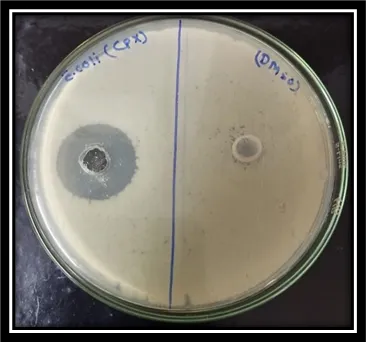
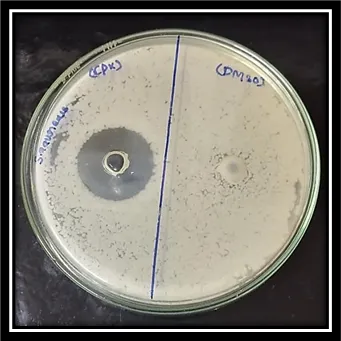
Figure 9: Ciprofloxacin and DMSO Antimicrobial Activity against S. aureus, and E. coli
Table 13: Zone of inhibition of S. aureus and E. coli bacteria
|
S. No |
Sample Name |
Zone of Inhibition (mm) |
|
1. |
Ciprofloxacin |
13.2 (mm) (S. aureus) |
|
2. |
DMSO (Dimethyl Sulfoxide) |
0.0 (No result) (S. aureus) |
|
3. |
Ciprofloxacin |
11.4 (mm) (E. coli) |
|
4. |
DMSO (Dimethyl Sulfoxide) |
0.0 (No result) (E. coli) |
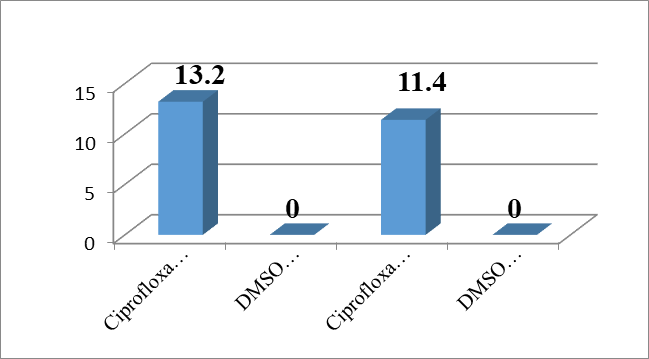
Figure10: Ciprofloxacin and DMSO Antimicrobial Activity against S. aureus, and E. coli
3.5.3 Clitoria ternatea and Moringa oleifera combined extracts Antibacterial activity against S. aureus and E. coli: The zone of inhibition method was used to study the antibacterial activity of the combined plant extracts against Staphylococcus aureus and Escherichia coli. Both species showed significant antibacterial activity, with increasing inhibition zones with increasing extract concentration. Inhibition Zones for S. aureus and E.coli were 6 mm and 5 mm at Low Doses, showing moderate antibacterial activity against the bacterial strains. Inhibition for S. aureus and E.coli reached 9 mm and 10 mm at the highest dose, showing a dose-dependent effect. The highest zone of inhibition identified were 12 mm for S. aureus and 13 mm for E.coli, indicating an increased activity at the optimal dose. The combined plant extract showed stronger suppression against E.coli bacteria, which indicates that combined extract also effective against gram –ve bacteria. The overall results show that the combinations of both plant flower extracts have potential antibacterial properties due to presence of huge amount of bioactive phytochemicals in both plants flower extract, which have the properties to damage bacterial cell membranes and stop the bacterial growth (bacteriostatic) and it work synergistically when combined.
Table 14: Zone of inhibition of combined plant extract against S.aureus and E.coli.
|
S. No |
Sample Name |
Zone of Inhibition (mm) |
|
1. |
Combined Plant Extracts (20µg/ml) |
9.2 (mm) (S. aureus) |
|
2. |
Combined Plant Extracts (40µg/ml) |
12.3 (mm) (S. aureus) |
|
3. |
Combined Plant Extracts (20µg/ml) |
8.6 (mm) (E. coli) |
|
4. |
Combined Plant Extracts (40µg/ml) |
10.5 (mm) (E. coli) |
|
5. |
Ciprofloxacin (10 µg/ml) S.aureus |
13.2 (mm) (S. aureus) |
|
6. |
Ciprofloxacin (10µg/ml) E.coli |
11.4 (mm) (E. coli) |
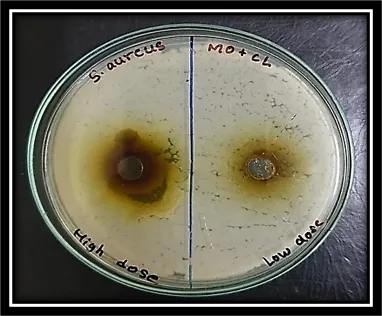
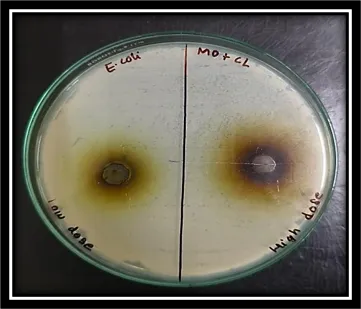
Figure 11: Zone of Inhibition of Combined Plant Extracts (Low dose and High dose) against S. aureus and E. coli
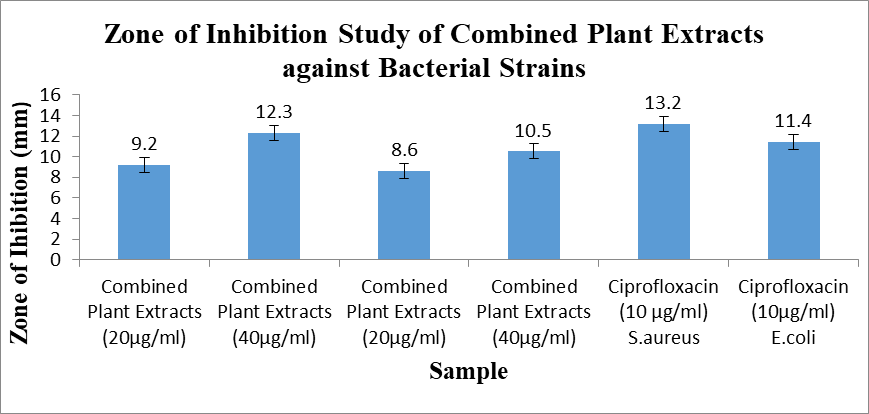
Figure 13: Zone of Inhibition Study of Combined Plant Extracts against Bacterial
Strains
CONCLUSION
The current study analyzed the antioxidant and antimicrobial activity of Extract of Moringa oleifera and Clitoria ternatea flower ethanolic extract individually and combined. This study results showed that both plant extracts had statistically significant biological activity, due to the presence of various groups of phytoconstituents such as like flavonoid Compounds, phenol compounds, alkaloids and other secondary metabolites which show therapeutic effects.
All investigation exhibited effective free radical scavenging activity, as indicating their role in neutralizing oxidative stress. Moreover, the antimicrobial research showed inhibition of the chosen microbial strains, proving useful medicines from these plants. When combined both extract demonstrated comparatively higher Antioxidant and Antimicrobial Activity than individual extract, indicating a possible synergistic interaction between Moringa's bioactive constituents and butterfly pea. The medicinal constituents of these both plants extract have the potential for effective treatment of microbial infection diseases. Based on the results both medicinal plants have potent Antioxidant and Antimicrobial activity and it may work as valuable natural obtained alternatives to synthetics antimicrobial agents. The investigation further underscores the significance of plant-based Novel herbal formulations for pharmaceuticals and bioactive compound development.
FUTURE PROSPECTIVE
Although the present study demonstrated significant antioxidant and antimicrobial activities of Moringa oleifera and Clitoria ternatea flower extracts, further investigations are necessary to explore their full therapeutic potential. Future studies should focus on the isolation, purification, and characterization of the specific bioactive compounds responsible for the observed biological activities using advanced analytical techniques such as HPLC, GC-MS, and FTIR analysis. Moreover, detailed in vivo studies and toxicity assessments are required to establish the safety profile, pharmacological efficacy, and clinical applicability of these plant extracts. The enhanced activity observed in the combined extract also warrants further exploration to understand the underlying synergistic mechanisms between the phytoconstituents of both plants. In future, these both plant flower combined extracts may be utilized in the development of natural antioxidant supplements, antimicrobial formulations, herbal medicines, food preservatives, and cosmetic preparations.
The growing interest in plant-derived therapeutics highlights the potential of these medicinal plants as sustainable and eco-friendly alternatives to synthetic drugs.
Ethical approval and consent to participate: This review article does not contain any studies with human participants or animals.
Consent for publication: Not applicable.
Conflict of interest: The authors have no conflict of interest to declare.
Authorship Contribution Statement: Lovely Kumari: Conceptualization, Visualization, Writing – original draft. Omsatyam: Validation, Data curation. Shankul Kumar: Investigation, Visualization. Dharmendra Kumar: Supervision, Methodology, Validation. Laliteshwar Pratap Singh: Conceptualization, Supervision. Shashi Ranjan Singh: Writing – Review & editing.
Funding: The authors have not received any financial support for this study.
Availability of data and material: The Data analysed in this study are available upon request to the corresponding author.
LIST OF ABBREVIATION
|
S.No |
Abbreviation |
Meaning |
|
1 |
WHO |
World Health Organization |
|
2 |
DPPH |
2,2-diphenyl-1picrylhydrazyl |
|
3 |
TFC |
Total flavonoid content |
|
4 |
TPC |
Total phenol content |
|
5 |
RE |
Rutin Equivalent |
|
6 |
IC50 |
Half Maximal Inhibitory Concentration |
|
7 |
GA/GAE |
Gallic Acid/Gallic Acid Equivalent |
|
8 |
UV-Vis |
Ultraviolet-Visible |
|
9 |
GC-MS |
Gas Chromatography-Mass Spectrometry |
|
10 |
HPLC |
High performance liquid chromatography |
|
11 |
FTIR |
Fourier transform infrared spectroscopy |
|
12 |
FeCl3 |
Ferric chloride |
|
13 |
H2SO4 |
Sulfuric Acid |
|
14 |
DMSO |
Dimethyl Sulfoxide |
REFERENCES



Lovely Kumari, Shankul Kumar, Laliteshwar Pratap Singh, Dharmendra Kumar, Shashi Ranjan Singh, Unveiling the Antioxidant and Antibacterial Potential of Moringa oleifera and Clitoria ternatea Flower Extracts: A Comparative Phytochemical Study, Int. J. of Pharm. Sci., 2026, Vol 4, Issue 8, 4058-4077, https://doi.org/10.5281/zenodo.22091243
 10.5281/zenodo.22091243