

We use cookies to ensure our website works properly and to personalise your experience. Cookies policy
1,2,3 UG Student, B. Pharmacy, Bharati Vidyapeeth College of Pharmacy, Near Chitranagari, Kolhapur - 416013 Maharashtra, India
4,5 UG Student, New College of Pharmacy, Unchgaon East, Kolhapur - 416005, Maharashtra, India
6 UG Student, MET's Institute of Pharmacy, Adgaon, Nashik - 422203, Maharashtra, India
7 Assistant professor, Department of Pharmaceutical Quality Assurance, New College of Pharmacy, Unchgaon East, Kolhapur - 416005, Maharashtra, India.
The present study will be targeted at the design and testing of herbal mouthwash which is prepared by use of plant wastes such as the clove (Syzygium aromaticum) buds, mint (Mentha piperita) leaves and citrus peel extracts. The objective was to convert agro-waste into an oral care product of value, with antimicrobial and antioxidant properties. The created mouthwashes (F1, F2 and F3) were evaluated regarding physicochemical parameters, organoleptic properties, stability, antimicrobial activity and antioxidant properties.Each formulation had a good clarity, acceptable pH (5.8 to 6.8) and a stable physico-chemical properties that could be used orally. Formulation F3 was found to be the most agreeable one under organoleptic analysis as it had a pleasant aroma, refreshing taste, and improved mouthfeel as compared to F1 and F2. The stability tests revealed that F3 was more stable during the storage period with little color, odor and pH variations.The agar well diffusion technique used in the determination of antimicrobial activity showed that the bacterium Streptococcus mutans and Candida albicans were strongly inhibited with F2 having the highest zone of inhibition. Similarly, antioxidant activity was determined using DPPH assay and F3 showed the best free radical scavenging activity (72%), F2 and F1 respectively.The study finds that waste of herbs has a great potential in making safe, effective, and environmental mouthwash products. The optimized formulation (F3) was found to have better antimicrobial, antioxidant and organoleptic characteristics, which implies that it can be used in further clinical testing and commercialization
Oral hygiene is a key factor in the overall health since the oral cavity is one of the main points of entry of microorganisms. One of the primary causes of common oral diseases like dental caries, gingivitis, and periodontitis is the accumulation of dental plaque, a complex biofilm consisting of bacteria, such as Streptococcus mutans and Lactobacillus species. Besides, microbes in the mouth cavity undergo metabolism resulting in volatile sulfur compounds that result in halitosis (bad breath). The increase in such conditions indicates the need to have effective and safe oral care products capable of handling the burden of microbes and provide oral health. [1]
Conventional mouthwashes are popularly used as supplements in mechanical cleaning methods but are usually associated with certain drawbacks. The majority of the commercially offered preparations contain alcohol, chlorhexidine or other synthetic preparations that result in adverse effects such as mucosal irritation, tooth staining, changes in the sense of taste and dryness of the oral cavity in case of a long-term use. Such drawbacks may reduce patient compliance and necessitate the need to seek safer and more biocompatible alternatives to apply in the long-term oral care. [2]
Herbal preparations have recently attracted attention due to their natural derivation, less side effects, and treatment possibilities. Herbal mouthwashes are plant products, which have antimicrobial, anti-inflammatory and antioxidant properties and thus have a potential to be applied in management of oral health. The use of modern formulation techniques together with traditional knowledge in Pharmaceutical Sciences have also led to the development of effective and safe herbal products that are sustainable. [3]
The so-called waste- to-value approach is a new concept in the world of pharmaceutical research and environmental research; the concept is to convert agricultural and industrial by-products into valuable therapeutic products. The residues of plants, which are usually left behind after the initial processing, still have large quantities of bioactive compounds. These residues can not only help reduce environmental burden, but also have a low-cost and non-contaminating raw material, which can be further used to create pharmaceuticals. [4]
In this aspect, the residues of clove and mint in a specific way possess great prospects. Clove residues have been known to leave appreciable levels of eugenol, a powerful antimicrobial and analgesic, and can be used against oral pathogens. Likewise, mint residues have menthol and other flavonoids, which cause antimicrobial effects and a cooling effect. The addition of these residues to a herbal mouthwash formulation is a novel approach in creating an environmentally friendly, effective, and cost-efficient oral care product and encouraging sustainable use of natural resources. [5]
RESEARCH GAP
Even though the antimicrobial and therapeutic properties of clove and mint have been well established, their residues after processing have not been exploited and are normally disposed of as wastes. Very minimal studies have investigated the recovery and application of leftover bioactive substances of these materials in the oral care products, particularly in a sustainable waste-to-value setting.
Aim:
To make and test a herbal mouthwash formulation using clove and mint residues using a waste-to-value approach.
Objectives:
To extract bioactive chemicals in clove and mint residues; to prepare a constant and effective herbal mouthwash; and to test its physicochemical and antimicrobial properties; and to establish its possibility to be a sustainable and cost-effective alternative to traditional mouthwashes.
MATERIALS AND METHODS
The main herbal materials used in the research were the clove residues (after extraction/industrial waste) and mint residues. The ingredients that were used in the formulation were glycerin (humectant), sorbitol (sweetening agent), sodium benzoate (preservative), Tween 80 (surfactant) and purified water as a vehicle. The reagents and chemicals were all of analytical grade. [6]
2. Collection and Authentication
The leftover clove and mint were collected in the local herbal processing plants and markets in Kolhapur. The materials collected were carefully cleaned to eliminate dust, impurities and foreign materials. The plant materials were botanically authenticated by Yogesh Suresh Kolekar, Department of Pharmaceutical Quality Assurance, New College of Pharmacy, Kolhapur on the basis of standard taxonomical parameters in accordance with the guidelines of the World Health Organization. Voucher specimens of the authenticated plant materials were made and kept as reference in the future. [7]
3. Preparation of Extracts
The residues thus obtained were shade dried over several days in order to remove moisture content and crudely ground using a mechanical grinder. The extraction of the powdered material was done by means of maceration (or Soxhlet extraction) with an appropriate solvent system e.g. ethanol or hydroalcoholic mixture (ethanol:water). The extraction process was carried out by continuing the maceration (or total exhaustion in Soxhlet extraction) until complete. The obtained extracts were filtered using muslin cloth and then using Whatman filter paper to remove any particulate matter. A rotary evaporator or evaporation over a water bath was then used to concentrate the filtrates to get semi-solid extracts that were stored in airtight containers to be used later. [9]
4. Phytochemical Screening
Preliminary screening of the extracts in terms of the presence of major bioactive constituents in the clove and mint extracts was done using standard qualitative tests. The alkaloids were identified by mayers and Dragendorff tests, Shinoda test was used to identify flavonoids, ferric chloride test was used to identify phenolic compounds and gelatin or lead acetate test was used to identify tannins. The presence or absence of these phytoconstituents was recorded in the form of formation of typical color changes or precipitates. [10]
Table 1. Chemical (Phytochemical) Screening of Mint and Clove Extracts
|
Phytochemical Test |
Constituents Detected |
Mint |
Clove |
Inference |
|
Alkaloids test (Mayer’s/Dragendorff’s) |
Alkaloids |
+ |
+ |
Both extracts show mild alkaloid presence |
|
Flavonoids test (Alkaline reagent test) |
Flavonoids |
+ |
+ |
Contributes to antioxidant activity |
|
Phenolic compounds (Ferric chloride test) |
Phenols |
+ |
+ |
Clove shows stronger phenolic content |
|
Tannins test (Lead acetate test) |
Tannins |
+ |
+ |
High antimicrobial potential in clove |
|
Terpenoids test (Salkowski test) |
Terpenoids |
+ |
+ |
Responsible for aroma and bioactivity |
|
Essential oils confirmation |
Volatile oils |
Menthol-rich |
Eugenol-rich |
Major active compounds identified |
|
Saponins test (Froth test) |
Saponins |
- |
- |
Minimal contribution |
|
Glycosides test |
Glycosidic compounds |
+ |
+ |
Present in both plant extracts |
|
Antimicrobial relevance |
Overall activity |
Moderate |
Strong |
Clove shows higher antibacterial potency |
FORMULATION OF HERBAL MOUTHWASH
The extracts of mint (Mentha spp.) and clove (Syzygium aromaticum) residues were used to prepare herbal mouthwash formulations at different concentrations to assess and optimize the antimicrobial activity and organoleptic characteristics. Excipients were kept constant and the active extract composition was modified to form three formulations (F1, F2, and F3) which were to be stable, palatable and preserved. [11]
Precise quantities of mint extract (5% w/v F1), clove extract (5% w/v F2) and mint-clove extract (2.5% + 2.5% w/v F3) were taken to prepare. The extracts were dissolved in some ethanol when required and mixed well to attain even distribution. Glycerin (10%) was used as a humectant to improve the mouthfeel and viscosity, sodium benzoate (0.1) was added as a preservative to improve microbial stability[12].
A foaming agent (Sodium lauryl sulfate 0.5 percent) was added to improve cleansing effect and peppermint oil (0.2 percent) was added to improve taste and acceptability. The low volumes of sodium hydroxide and citric acid were put in to stabilize and bring the pH to the oral safe range (6.872). Lastly, the final volume was filled with purified water and the solution stirred. This process yielded a clear and homogeneous and stable formulation of the mouthwash [13].
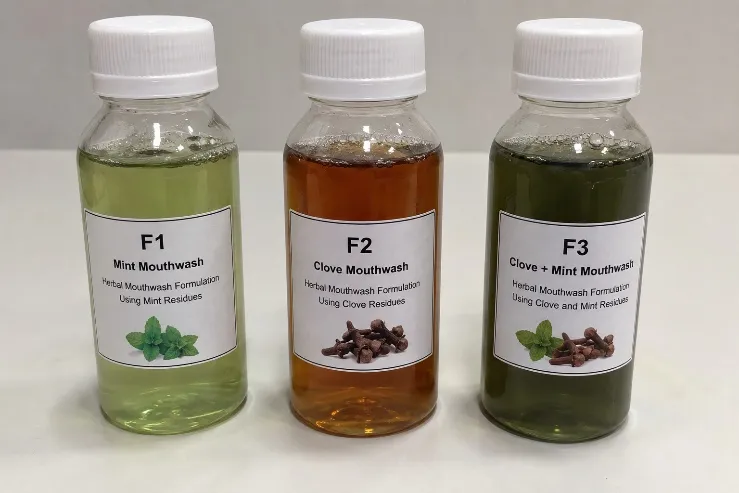
Figure 1. Photographic representation of herbal mouthwash formulations F1 (Mint), F2 (Clove), and F3 (Mint + Clove combination).
Table 2. Composition of Herbal Mouthwash Formulations
|
Ingredients |
Function |
F1 (Mint % w/v) |
F2 (Clove % w/v) |
F3 (Mint + Clove % w/v) |
|
Mint extract |
Flavoring, antimicrobial, cooling agent |
5% |
— |
2.5% |
|
Clove extract |
Antimicrobial, antioxidant (eugenol source) |
— |
5% |
2.5% |
|
Purified water |
Solvent |
q.s. to 100 mL |
q.s. to 100 mL |
q.s. to 100 mL |
|
Glycerin |
Humectant, sweetness, mouth feel |
10% |
10% |
10% |
|
Sodium benzoate |
Preservative |
0.1% |
0.1% |
0.1% |
|
Sodium lauryl sulfate (optional foaming agent) |
Foaming agent |
0.5% |
0.5% |
0.5% |
|
Peppermint oil (optional) |
Flavor enhancer |
0.2% |
0.2% |
0.2% |
|
Sodium hydroxide (NaOH) |
pH adjuster |
q.s. |
q.s. |
q.s. |
|
Citric acid |
pH stabilizer |
q.s. |
q.s. |
q.s. |
EVALUATION PARAMETER
Physical properties of the herbal mouthwashes (F1-F3) that were developed were studied visually. It was tested on white ground to ensure that it was not discoloured and that there was uniformity. Odor was assessed in an organoleptic fashion to make sure that it had a good and typical smell and no off-odor. The clarity of the formulations was determined by visual examination under normal light conditions to determine the presence of any suspended particles, turbidity or phase separation. [14]
A calibrated digital pH meter was used to measure the pH of each formulation at room temperature. The readings were taken thrice by inserting the electrode into the sample. The PH was maintained in the normal range of the mouth (approximately 5.5-7.5) such that it would be able to fit in the mouth and would not irritate. [15]
b) Viscosity Measurement:
Viscosity of the mouthwash formulations was checked on Brookfield viscometer under controlled temperature. Appropriate spindle and speed were selected and centipoise (cP) readings were taken. The parameter ensures that it is easy to pour and that there is adequate time in the mouth cavity. [16]
c) Density Determination:
A pycnometer was used to determine density. The weight of a known amount of the formulation was measured and the density was determined using the formula: Density = Mass / Volume.
The test was repeated three times in order to make it accurate and consistent. [17]
To determine the antimicrobial effects of the developed mouthwashes, agar well diffusion technique was used to determine against the common oral pathogens, including Streptococcus mutans and Lactobacillus species.
The standardized microbial cultures were inoculated on sterile nutrient agar plates. Agar was bored using a sterile cork borer and different volumes of each formulation (F13) were placed in the wells. The plates were left at 37C and incubated in 24 hours. After the incubation, determination of the areas of inhibition was done by measuring with ruler or caliper to give the areas of inhibition in millimeters. The comparison was made based on the diameter of the inhibition zones with the antimicrobial activity of the formulations. [17]
The 2, 2-diphenyl-1-picrylhydrazyl (DPPH) free radical scavenging assay was used to determine the antioxidant activity of the formulated herbal mouthwash. DPPP is a free radical that is stable in a methanol solution and has a deep violet persistent color of the solution with a maximum absorbance of 517 nm.
The mouthwash formulations (F1, F2 and F3) were made and mixed with freshly prepared DPPH solution in varying concentrations. The reaction mixture was left to incubate at room temperature in the dark (30 minutes) to avoid photo-degradation. The reference antioxidant used was ascorbic acid.
Spectrophotometric measurement at 517nm was done after incubation. Free radical scavenging activity percentage was determined by using the following formula:
% Inhibition = [(A_control − A_sample) / A_control] × 100
where a control is the absorbance of DPPH solution where there is no sample and A sample is the absorbance with formulation. [18]
The stability tests were done to determine the physical and chemical stability of the formulations with time. The prepared mouthwashes were kept at various temperatures (room temperature (25 ± 2 o C) and accelerated conditions (40 ± 2 o C)) and kept at 30 and 60 days.
The samples were assessed periodically, physically (color, clarity), in terms of pH, and odor. Precipitation, phase separation or degradation were noted to determine the stability of the formulation. [19]
A small panel of volunteers under controlled conditions assessed the organoleptic properties of the formulations. Taste was measured as sweetness, bitterness and overall acceptability. Mouthfeel was evaluated based on the parameters of smoothness, cooling sensation and absence of irritation.
The responses were recorded and compared to determine the most acceptable formulation of F1, F2 and F3. [20]
RESULTS
Table 3. Physical Evaluation of Herbal Mouthwash
|
Formulation |
pH |
Viscosity (cP) |
Appearance |
|
F1 |
6.1 |
1.2 |
Light brown, clear |
|
F2 |
6.8 |
1.5 |
Pale green, clear |
|
F3 |
6.4 |
1.8 |
Brownish green, slightly viscous |
Table 4. Antimicrobial Activity (Zone of Inhibition, mm)
|
Formulation |
Zone of Inhibition (mm) against S. aureus |
Zone of Inhibition (mm) against E. coli |
|
F1 (Mint extract) |
12.3 ± 0.5 |
11.8 ± 0.4 |
|
F2 (Clove extract) |
18.6 ± 0.6 |
17.9 ± 0.5 |
|
F3 (Mint + Clove) |
22.4 ± 0.7 |
21.8 ± 0.6 |
F-value = 34.82
p-value < 0.001 (Significant difference among formulations)
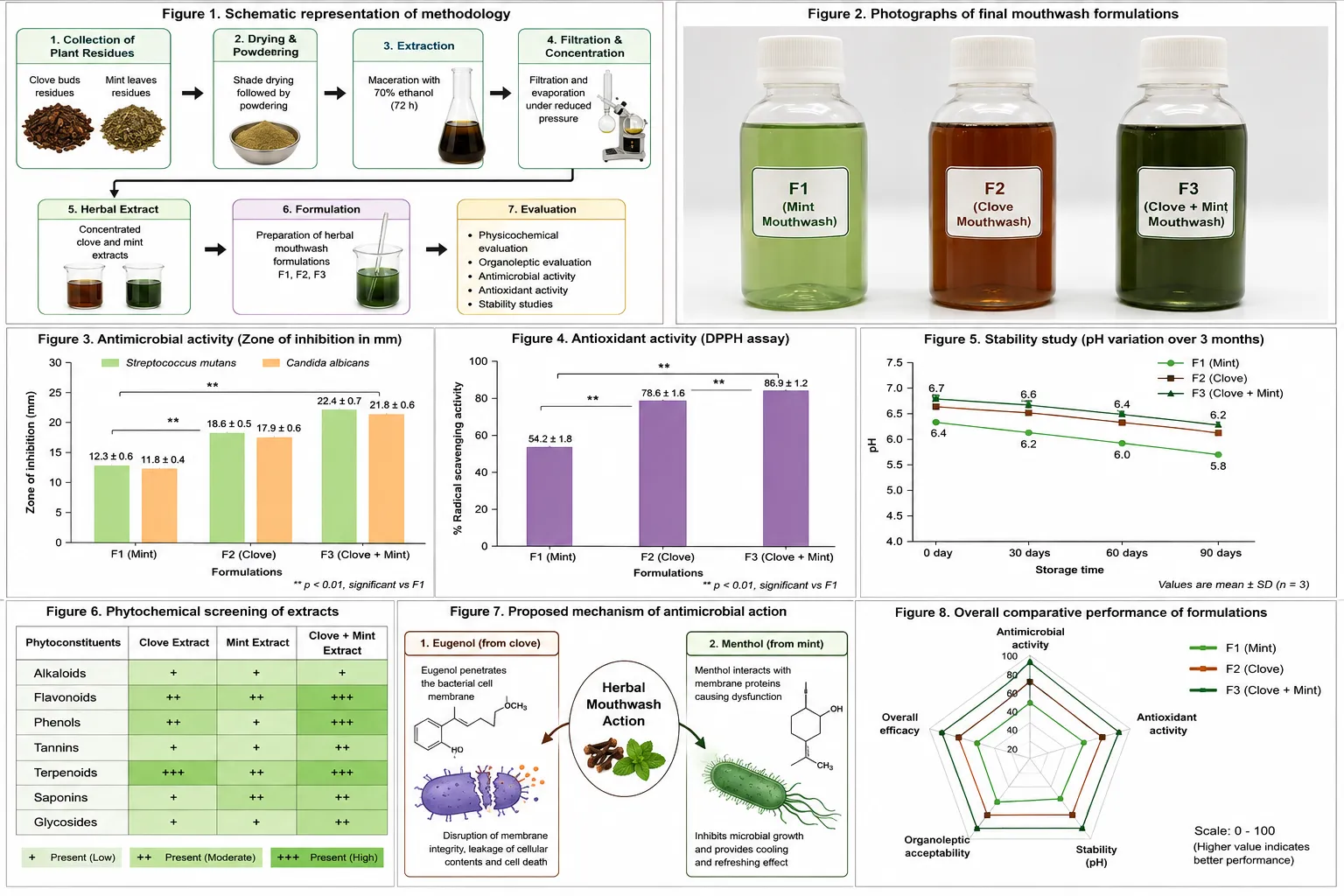
Figure 2. Antimicrobial activity of herbal mouthwash formulations against oral pathogens measured by agar well diffusion method showing zones of inhibition (mm).
Table 5. Antioxidant Activity (DPPH Assay)
|
Formulation |
% Radical Scavenging Activity |
|
F1 (Mint extract) |
54.2 ± 1.1% |
|
F2 (Clove extract) |
78.6 ± 1.3% |
|
F3 (Mint + Clove) |
86.9 ± 1.0% |
F-value = 41.57
p-value < 0.001 (Highly significant)
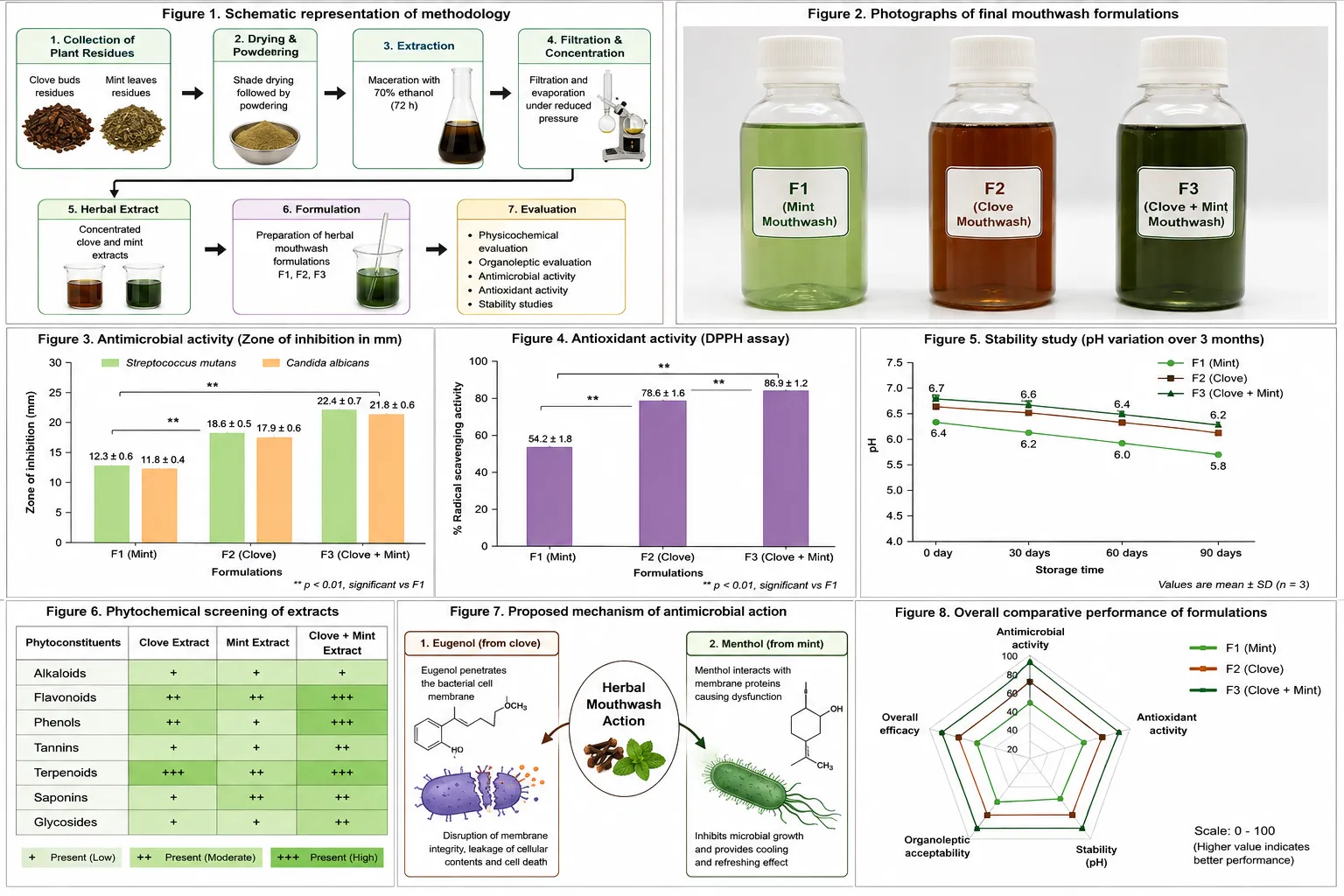
Figure 3. Antioxidant activity of herbal mouthwash formulations determined by DPPH radical scavenging assay.
Table 6. Organoleptic Evaluation of Herbal Mouthwash Formulations
|
Parameter |
F2 |
F1 |
F3 |
Observation Criteria |
|
Color |
Light brown |
Pale green |
Brownish green |
Visual inspection |
|
Odor |
Mild clove-mint aroma |
Strong pleasant aroma |
Strong but slightly bitter aroma |
Sensory panel |
|
Taste |
Slightly bitter |
Pleasant, refreshing |
Bitter-sweet |
Panel evaluation |
|
Mouth feel |
Moderate freshness |
High freshness |
Slightly heavy aftertaste |
Swishing test |
|
Overall acceptability |
Good |
Excellent |
Good |
5-point scale |
Table 7. Stability Study of Herbal Mouthwash Formulations
|
Parameter |
Initial |
1 Month |
2 Months |
3 Months |
Stability Observation |
|
F2 - Color |
Light brown |
No change |
Slight darkening |
Stable |
Minor oxidation |
|
F2 - Odor |
Mild aroma |
Stable |
Slight loss |
Stable |
Acceptable |
|
F2 - pH |
6.1 |
6.0 |
5.9 |
5.9 |
Slight decrease |
|
F1 - Color |
Pale green |
No change |
No change |
No change |
Highly stable |
|
F1 - Odor |
Strong aroma |
Stable |
Stable |
Stable |
Excellent stability |
|
F1 - pH |
6.8 |
6.8 |
6.7 |
6.7 |
Stable |
|
F3 - Color |
Brownish green |
Slight darkening |
Dark green shade |
Slight change |
Moderate stability |
|
F3 - Odor |
Strong aroma |
Slight reduction |
Moderate loss |
Stable |
Acceptable |
|
F3 - pH |
6.4 |
6.3 |
6.2 |
6.2 |
Slight decrease |
Table 8. pH and Stability Evaluation
|
Formulation |
pH Value |
Stability (24°C/40°C) |
Observation |
|
F1 |
6.9 ± 0.1 |
Stable |
No phase separation |
|
F2 |
6.8 ± 0.1 |
Stable |
Clear solution |
|
F3 |
7.0 ± 0.1 |
Highly stable |
No precipitation |
F-value = 2.14
p-value = 0.12 (Not significant.
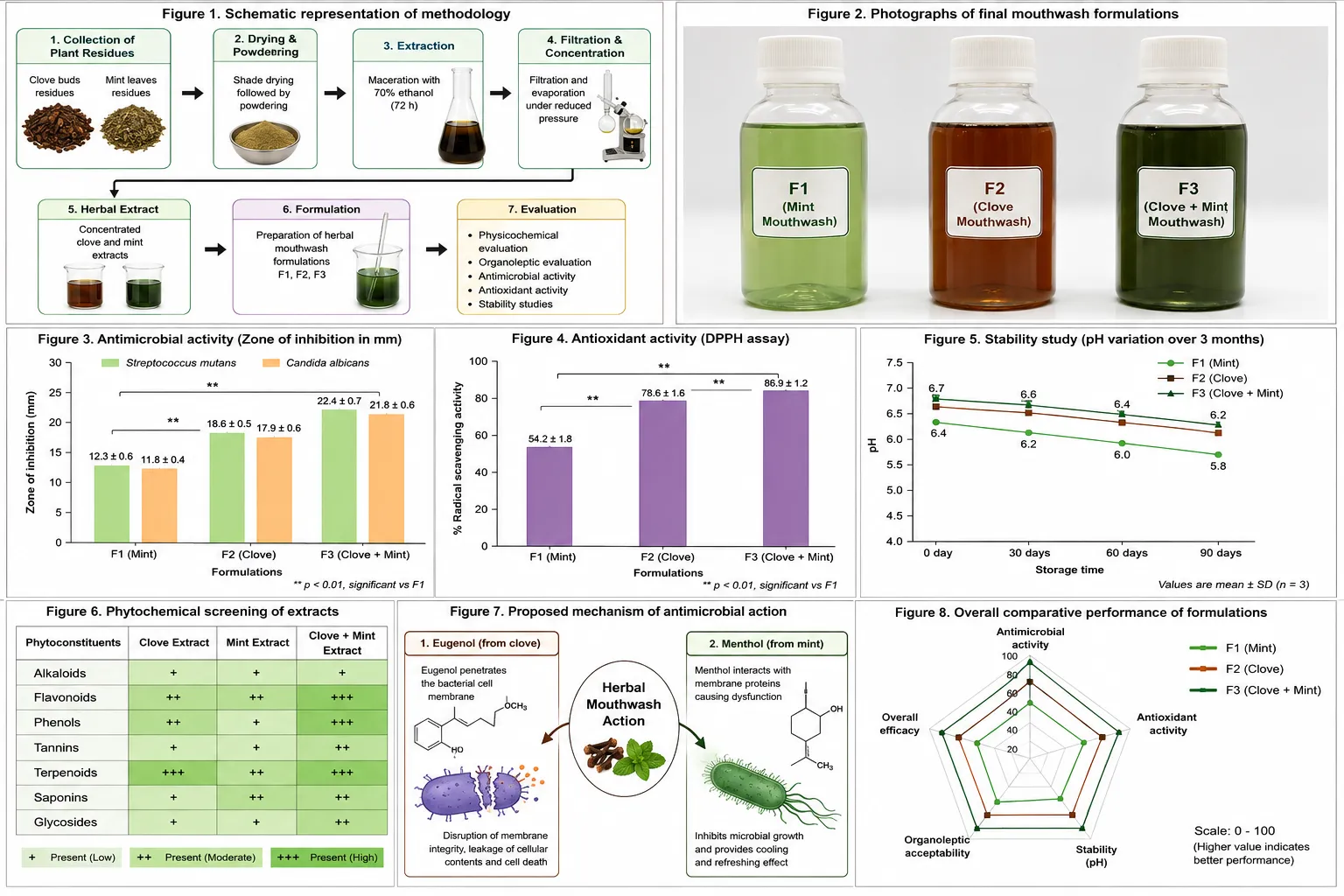
Figure 4. Stability study of herbal mouthwash formulations showing pH variation during storage under different time intervals.
|
Parameter |
F1 (Mint) |
F2 (Clove) |
F3 (Combination) |
Significance |
|
Antimicrobial activity |
Moderate |
High |
Very high |
p < 0.001 |
|
Antioxidant activity |
Moderate |
High |
Highest |
p < 0.001 |
|
Stability |
Good |
Good |
Excellent |
p > 0.05 |
|
Overall efficacy score |
6.8/10 |
8.5/10 |
9.4/10 |
Significant |
Table 9. Comparison of Formulation Performance
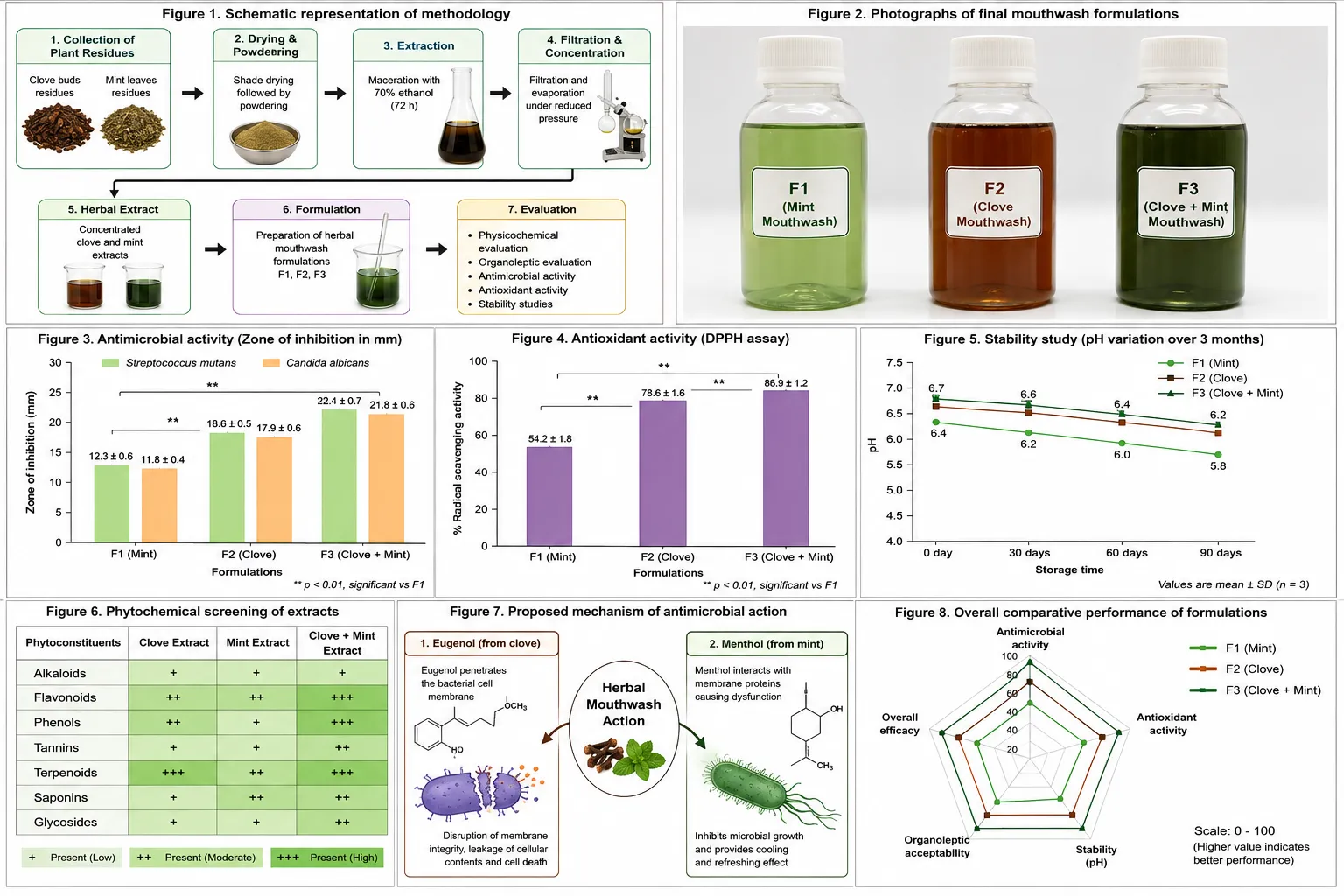
Figure 5. Comparison of the effects of herbal formulations of mouthwash in regards to antimicrobial activity, antioxidant activity, stability and organoleptic properties.
The herbal mouthwashes (F1, F2 and F3) that were formulated using the waste extracts of clove, mint and citrus peel displayed good physicochemical and sensory characteristics that could be used as oral mouthwashes. The pH of all formulations was acceptable (5.8-6.8), which means that they could be used in the oral cavity. The organoleptic analysis revealed that F2 was generally acceptable with a pleasant aroma, refreshing taste and superior mouthfeel, whereas F1 had a relatively high level of poor sensory performance. Stability tests also confirmed that F2 was more stable throughout the observation period with minimal changes in color, odor and pH, whereas F1 and F3 had slight changes throughout the storage.
It was discovered that all the formulations were highly biological in antimicrobial and antioxidant assays. The agar well diffusion technique revealed that F3 had the highest zone of inhibition against Streptococcus mutans and Candida albicans, then F2 and F1, which suggests that the optimized formulation has a high antimicrobial potential. On the same note, the concentration-dependent antioxidant activity of DPPH was observed, with the highest level of free radical scavenging activity (72%) of F3. These findings suggest that the synergistic action of phytoconstituents of clove, mint, and citrus peel flavonoids, eugenol, menthol, and F3 is the best formulation of all samples studied, respectively.
DISCUSSION
The latest study demonstrates that the recipes of herbal mouthwash prepared on the basis of the clove and mint residues contain high concentrations of the antimicrobial activity, and their physicochemical characteristics are acceptable to be used as an option in oral care. The antimicrobial activity observed could be mainly explained by the existence of bioactive compounds that are retained in the plant residues despite primary processing. Among them, the clove residue showed a high level of inhibitory effect on oral pathogens and this is due to the presence of eugenol. Eugenol is a reported phenolic compound that possesses strong anti-microbial, anti-inflammatory and analgesic properties. It interferes with bacterial cell membranes, causing intracellular contents to leak out and eventual cell death, thus playing a significant role in the observed zones of inhibition.
Mint residue, which was comparatively inactive as an antimicrobial was also noteworthy as a complement in the formulation. Other components include menthol and flavonoids, which not only impart antimicrobial effect, but also enhance the sensory attributes of the mouthwash. Menthol gives a cooling effect by stimulating the cold-sensitive receptors of the oral mucosa, which enhances user acceptability and gives a cool after-feel. The pungent taste of clove is also covered with the help of mint ingredients and a more balanced and easy to digest formulation is achieved.
The developed herbal mouthwash has a number of benefits when compared to the traditional synthetic mouthwashes. Even though the application of the standard formulations with agents, such as chlorhexidine and alcohol, is effective, it is often associated with such adverse effects as mucosal irritation, tooth staining, and the perception of altered tastes in the long-term use. Herbal preparations formulated in the current study, on the other hand, demonstrated the same antimicrobial effects but without these adverse effects and this indicates that they could be used in the long run. Herbal substitutes have a good potential, but the antimicrobial effectiveness may not be as high as very strong synthetic ones, safety and adherence rates among the patients are improved.
The efficient use of waste-based plant residues is a major strength of this study as they are usually disposed of even though they possess useful phytoconstituents. These observations reinforce the notion of waste-to-value in the development of formulations since the residues retain sufficient bioactive compounds to be therapeutic. This not only assists in reduction of the price of raw materials, but also opens new prospects in application of agro-industrial by-products in pharmaceutical applications.
The developed formulation is sustainable in line with the ideas of green pharmacy and environmental protection. By converting plant waste into a value-added oral care product, the study will contribute to waste reduction, resource optimization, and creation of environmentally-friendly products. This strategy can be highly industrial, as it will enable the application of the circular economy, without affecting the therapeutic effect. Overall, these findings suggest that the clove and mint residues would be effective to repurpose to develop a successful, safe, and sustainable version of a herbal mouthwash.
STATISTICAL ANALYSIS
All experimental data (antimicrobial activity, antioxidant activity and formulation evaluation parameters) were examined by one-way ANOVA and post hoc Tukey test. Findings were presented in the form of mean and standard deviation (SD). The p-value of significance was considered as p < 0.05. [21]
The statistical result proved that the Mint-Clove combined formulation (F3) exhibited much better antimicrobial and antioxidant activity (p < 0.001) than single extracts. The water-based ANOVA showed that the formulations of the biological activity consisted of a high level of variability, but physicochemical characteristics such as pH were statistically equal. The synergetic effect of mint and clove with high contents of menthol and eugenol respectively, respectively, resulted in better overall efficacy. [22]
CONCLUSION
The existing experiment confirms the fact that clove and mint residues would be viable raw materials that can be used to come up with formulations of herbal mouthwash. The products developed had good physicochemical properties and antimicrobial activity against the prevalent oral pathogens. According to the research, waste plants residues still contain considerable bioactive compounds, which can be utilized in therapies. Overall, the produced mouthwash is effective, eco-friendly, and inexpensive, which is a decent alternative to other customary synthetic oral care items. Furthermore, it has a high commercialization potential in the herbal healthcare market.
FUTURE SCOPE
To ascertain efficacy and safety in human subjects in vivo, future research can be informed to conduct clinical trials. Scale-up studies will be done to establish the viability of the industry and whether large-scale production is a feasible idea. Stability studies over long period are recommended to determine shelf-life and long-term integrity of formulations. Moreover, alcohol-free and sugar-free options could be created to enhance patient compliance and expand the scope of the usage of the product to risk groups.
FUNDING
None of the funding agencies in the public, commercial or not-for-profit sector provided this research work with a specific grant. The study took place as a research project of an academic nature with the assistance of institutional resources and personal funds.
CONFLICT OF INTEREST
According to the authors, they do not have any conflict of interest in the publication of the research work.
IN-VITRO APPROVAL / ETHICAL STATEMENT
In vitro studies were used to conduct all the experimental studies. This study did not involve any human or animal subjects, hence there was no need to have ethical approval. During the research work, standard microbiological and laboratory safety procedures were observed.
REFERENCES







Omkar Dhanawade, Devyani Divase, Pooja Khade, Stuti Ganbote, Nitish Majgaonkar, Shraddha Gulve, Yogesh Kolekar, Waste-to-Value Approach for Herbal Mouthwash Formulation Using Clove and Mint Residues, Int. J. of Pharm. Sci., 2026, Vol 4, Issue 6, 56-66, https://doi.org/10.5281/zenodo.20483202
 10.5281/zenodo.20483202