

We use cookies to ensure our website works properly and to personalise your experience. Cookies policy
MABD Institute of Pharmaceutical Education and Research Centre, Babhulgaon, Yeola, Maharashtra, 423401
Guava (Psidium guajava L.) is a tropical plant long recognized in traditional medicine for its healing properties. Today, it is gaining renewed interest for its wide-ranging therapeutic potential. The plant’s leaves, fruits, bark, and roots contain a rich mix of bioactive compounds—including quercetin, tannins, carotenoids, and triterpenoids—that contribute to its antioxidant, antimicrobial, antidiabetic, anti-inflammatory, and liver-protective effects. Used across cultures to treat digestive issues, infections, and metabolic disorders, guava offers a safe, nutrient-rich, and naturally cultivated option for health support. This review highlights the plant’s chemical profile, medicinal uses, and biological mechanisms, underscoring its value as a natural remedy in modern integrative healthcare.
Psidium guajava L., commonly known as guava, is a tropical evergreen shrub or small tree belonging to the Myrtaceae family. Native to the Caribbean, Central America, and South America, it is widely cultivated across tropical and subtropical regions. The plant is easily pollinated by insects, particularly the honey bee (Apis mellifera), and has long been recognized for its nutritional and medicinal value. In traditional medicine systems, guava leaves are used to treat gastrointestinal disorders such as gastroenteritis, while the fruit is known to support platelet recovery in dengue patients.
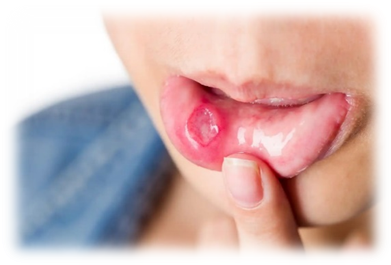
Fig.1
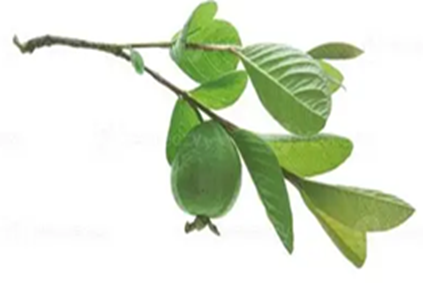
Fig.2
Guava is rich in bioactive compounds, including flavonoids (especially quercetin), tannins, triterpenoids, carotenoids, and essential oils. Quercetin, a prominent flavonoid in guava leaves, has demonstrated antibacterial, anti-diarrheal, and antiproliferative properties. In vitro studies have shown that guava leaf extracts exhibit significant cytotoxic activity against leukemia cells, outperforming standard chemotherapeutic agents like vincristine. Additionally, guava extracts have shown efficacy against microbial strains and rotavirus, further supporting their therapeutic potential.
The pharmacological effects of guava are largely attributed to its polyphenolic compounds, such as protocatechuic, ferulic, gallic, ascorbic, and caffeic acids. These secondary metabolites contribute to antioxidant activity and may act as immunostimulants. Nutritionally, guava is a powerhouse of dietary fiber, vitamins A and C, folic acid, and essential minerals like potassium, copper, and manganese. Remarkably, a single guava fruit contains up to four times more vitamin C than an orange.
Given the rising prevalence of chronic diseases such as diabetes, hypertension, and cardiovascular disorders, there is an urgent need for safe, plant-based alternatives to conventional pharmaceuticals. Morden pharmacology studies have supported the ethanomedicinal use of guave leaves and have highlighted their potential as a source of novel bioactive agents. Guava, with its broad spectrum of therapeutic compounds and minimal toxicity, presents a promising candidate for integrative medicine. This review aims to consolidate current knowledge on the phytochemical composition and pharmacological activities of P. guajava, emphasizing its role in modern health management.
Botanical Description of Psidium guajava L.:
|
Attribute |
Details |
|
Scientific Name |
Psidium guajava L. |
|
Common Names |
Guava, Lemon Guava, Yellow Guava, Goiaba (Portuguese), Guayaba (Spanish), Mpera (Kiswahili), Mubera (Kikuyu), Mupeera (Luganda) |
|
Synonyms |
Psidium cujavillus Burm, Psidium pomiferum L., Psidium pumilum Vahl, Psidium pyriferum Linn. |
|
Family |
Myrtaceae |
|
Kingdom |
Plantae |
|
Clade |
Angiosperms → Eudicots → Rosids |
|
Order |
Myrtales |
|
Genus |
Psidium |
|
Species |
Psidium guajava |
|
Native Region |
Caribbean, Central America, South America |
|
Pollination |
Mainly by insects, especially Apis mellifera (common honey bee) |
|
Growth Habit |
Evergreen shrub or small tree |
|
Cultivation Zones |
Tropical and subtropical regions worldwide |
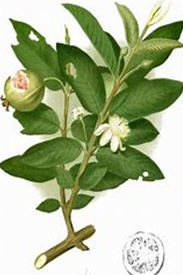
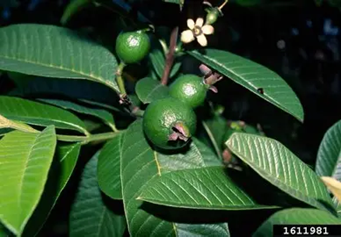
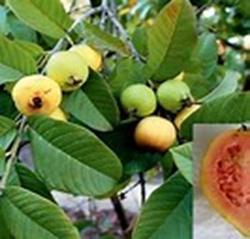
Fig.1
Ethnomedicinal Uses and Chemical Constituents of Psidium guajava L.:
Psidium guajava has been widely used in traditional medicine systems across tropical and subtropical regions, including Ayurveda, Unani, African folk medicine, and Latin American ethnomedicine. Its therapeutic applications span a broad spectrum of ailments, with different plant parts—leaves, bark, roots, and fruits—used for specific health conditions.
|
Plant Part |
Traditional Uses |
Key Chemical Constituents |
|
Leaves |
Treatment of diarrhea, dysentery, gastroenteritis, wounds, fever, and infections |
Quercetin, tannins, flavonoids, saponins, polyphenols (gallic, ferulic, caffeic acids), carotenoids |
|
Fruits |
Nutritional supplement, immune booster, antipyretic, platelet enhancer (dengue) |
Vitamin C, A, folic acid, dietary fiber, carotenoids, sugars, potassium, copper, manganese |
|
Bark |
Astringent for oral ulcers, skin infections, and wound healing |
Tannins, triterpenoids, essential oils, sesquiterpene alcohols |
|
Roots |
Decoctions for fever, digestive disorders, and antimicrobial purposes |
Alkaloids, triterpenes, phenolic acids, volatile oils |
|
Seeds |
Mild laxative, used in traditional detox remedies |
Fatty acids, sterols (β-sitosterol), protein fractions |
Pharmacological Activities of Psidium guajava L.:
Psidium guajava exhibits a wide range of pharmacological effects due to its rich phytochemical profile. Various parts of the plant—especially the leaves, fruits, bark, and seeds—have been studied for their therapeutic potential in both traditional and modern medicine.
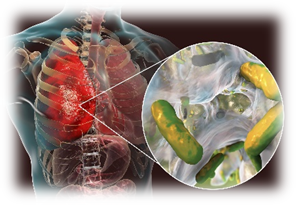
(Fig.1)
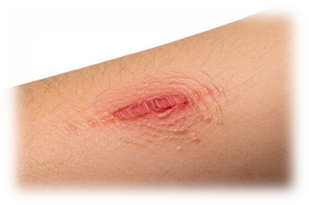
(Fig.2)
3. Cardiovascular and Antihypertensive Effects:
4. Antidiabetic Activity:
5. Antioxidant Activity:
6. Anticancer and Antiproliferative Effects:
7. Anti-inflammatory and Analgesic Effects:
8. Antimicrobial Activity
Mechanisms of Action:
Mechanism of Action: Anti-Oral Ulcer Activity of Psidium guajava
|
Mechanism |
Bioactive Constituents |
Molecular/ Cellular Action |
Therapeutic Outcome |
|
1.Anti-inflammatory Pathway Modulation |
Flavonoids (Quercetin, Kaempferol) |
Inhibition of COX and LOX enzymes → decreased synthesis of prostaglandins and leukotrienes |
Reduces pain, swelling, and erythema in ulcerated mucosa |
|
2. Antioxidant Defense Activation |
Polyphenols, Vitamin C |
Neutralization of reactive oxygen species (ROS) → protection from oxidative stress |
Minimizes oxidative damage, enhances epithelial regeneration, and prevents mucosal degradation |
|
3. Astringent and Protective Barrier Formation |
Tannins |
Precipitation of surface proteins forming a protective film over ulcer site |
Reduces irritation, limits microbial invasion, and supports moist wound healing |
|
4. Antimicrobial Action |
Flavonoids, Tannins, Terpenoids |
Disruption of bacterial cell walls and inhibition of microbial adhesion (notably Streptococcus mutans and Candida albicans) |
Prevents secondary infection and accelerates healing of traumatic or aphthous ulcers |
|
5. Cell Proliferation and Tissue Remodeling |
Polyphenols, Flavonoids |
Enhancement of fibroblast proliferation and collagen synthesis; modulation of matrix metalloproteinases (MMPs) |
Promotes tissue regeneration, collagen deposition, and balanced remodeling during healing |
MATERIALS AND METHODS:
Oral Ulcer Spray of Psidium guajava
1. Materials
|
Component |
Purpose |
Source/Grade |
|
Psidium guajava leaf extract |
Active phytoconstituent (anti-ulcer agent) |
Ethanolic extract, lab-prepared or standardized commercial source |
|
Ethanol (95%) |
Solvent for extraction |
Analytical grade |
|
Propylene glycol |
Co-solvent and humectant |
Pharmaceutical grade |
|
Glycerin |
Moisturizer and viscosity enhancer |
USP grade |
|
Sodium benzoate |
Preservative |
Analytical grade |
|
Distilled water |
Vehicle |
Double-distilled |
|
Tween 80 |
Surfactant for solubilization |
Laboratory grade |
|
Citric acid |
pH adjuster |
Analytical grade |
|
Flavoring agent (e.g., mint) |
Palatability enhancer |
Food grade |
2. Extraction of Psidium guajava Leaves
3. Formulation of Oral Ulcer Spray
4. Evaluation Parameters
Toxicity and Safety Profile:
Despite its widespread use, scientific evaluation of P. guajava’s safety is essential for therapeutic standardization.
Acute Toxicity
Chronic Toxicity
Safe Dosage Ranges
Future Scope:
CONCLUSION:
Psidium guajava L. stands out as a versatile medicinal plant with broad-spectrum therapeutic potential. Its leaves, fruits, bark, and seeds are rich in bioactive compounds such as flavonoids (quercetin, quercitrin), tannins, terpenoids, polyphenols, and essential fatty acids like linoleic and palmitoleic acid. These constituents contribute to a wide array of pharmacological activities, including antimicrobial, antidiabetic, anticancer, hepatoprotective, anti-inflammatory, antitussive, and antioxidant effects.
Traditional use of guava in managing conditions such as diabetes, skin disorders, hypertension, and respiratory infections has been supported by modern pharmacological studies. The plant’s safety profile, nutritional richness, and accessibility make it a promising candidate for developing affordable, plant-based therapies and functional foods.
Despite its proven efficacy in preclinical models, further research is essential to validate its pharmacodynamics, pharmacokinetics, and clinical utility. Standardization of extracts, dosage formulations, and controlled human trials will be critical to fully harness the therapeutic potential of P. guajava in modern medicine.
REFERENCES

Fiza Shaikh, U. V. Ghule, Dr. V. A. Kashid, Suvarna Borade, Darshan Pagar, Pratik Pagar, Mayur Vare, Yash Gavande, A Review on Guava Leaves to Healing Spray: Nature’s Remedy for Mouth Ulcer’s, Int. J. of Pharm. Sci., 2025, Vol 3, Issue 12, 1492-1500. https://doi.org/10.5281/zenodo.17857714
 10.5281/zenodo.17857714