

We use cookies to ensure our website works properly and to personalise your experience. Cookies policy
Department of Pharmacy Practice, NIMS Institute of Pharmacy, Jaipur, Rajasthan
The 25-year period between 2000 and 2025 represents the most consequential era in the history of modern pharmacovigilance. Across these decades, dozens of high-profile pharmaceutical agents were withdrawn from global markets, subjected to significant regulatory restrictions, or had their prescribing information substantially revised following the detection of previously unrecognised or underappreciated safety signals. These events — spanning early blockbuster withdrawals such as rofecoxib (Vioxx) in 2004, mid-era concerns around rosiglitazone and natalizumab, and more recent actions involving fluoroquinolones, valproate in pregnancy, and checkpoint inhibitor toxicity — collectively exposed profound and evolving systemic vulnerabilities in pre-approval clinical trial design, post-marketing surveillance infrastructure, and the regulatory frameworks governing the pharmaceutical lifecycle. This retrospective study systematically examines the lifecycle trajectories of pharmaceutical agents that experienced major regulatory safety actions between 2000 and 2025. Specifically, we analyse the nature of the underlying safety signals, the chronological gap between initial approval and regulatory action, the role of spontaneous adverse drug reaction (ADR) reporting systems and active surveillance, the influence of epidemiological evidence and clinical trial data, evolving regulatory reform across five successive quinquennia, and the downstream public health consequences of delayed or inadequate regulatory response. A comprehensive review of publicly available regulatory documents from the US Food and Drug Administration (FDA), the European Medicines Agency (EMA), the UK Medicines and Healthcare products Regulatory Agency (MHRA), and the WHO Uppsala Monitoring Centre (UMC) was conducted. Data from the FDA Adverse Event Reporting System (FAERS), EudraVigilance, VigiBase, and peer-reviewed literature indexed in PubMed/MEDLINE, Cochrane Library, and Embase were systematically retrieved for the period January 2000 to December 2025. A structured narrative synthesis methodology was employed, with cases organised by decade and mechanism of harm. Eighteen case studies spanning five pharmacological eras are presented. Early-period actions (2000–2005) included rofecoxib, cerivastatin, troglitazone, cisapride, and phenylpropanolamine. Mid-period actions (2006–2012) featured rosiglitazone, natalizumab, sibutramine, and rimonabant. Late-period actions (2013–2019) encompassed fluoroquinolone safety communications, valproate restrictions in women of childbearing potential, codeine restrictions in children, and dronedarone label updates. Recent actions (2020–2025) addressed hydroxychloroquine revocation for COVID-19, ranitidine (Zantac) global withdrawal due to NDMA contamination, fluoroquinolone aortic aneurysm warnings, and immune-related adverse events from checkpoint inhibitors. The mean time between initial approval and definitive regulatory action across all cases was 6.3 years (range: 0.3–18.7 years). Cardiovascular toxicity (27.8%), hepatotoxicity (16.7%), neuropsychiatric effects (16.7%), metabolic and endocrine toxicity (11.1%), carcinogenic contamination (11.1%), and miscellaneous organ-specific harms (16.7%) were the principal categories identified. The 25 years from 2000 to 2025 witnessed both catastrophic pharmacovigilance failures and remarkable regulatory evolution. The FDA Amendments Act of 2007, the EU pharmacovigilance legislation of 2010–2012, the Sentinel Initiative, real-world evidence integration, and the emergence of structured benefit–risk frameworks represent genuine advances. Yet recurring patterns of delayed signal action, inadequate communication of risk to patients and prescribers, and industry transparency failures persist. This analysis provides a longitudinal evidence base for continued reform of pharmacovigilance systems in the era of precision medicine, biologics, and accelerated regulatory pathways.
The 25 years between 2000 and 2025 have witnessed pharmacovigilance evolve from a largely reactive, report-dependent discipline into a sophisticated, data-driven science operating at the intersection of clinical medicine, regulatory law, epidemiology, and informatics. Yet even as methodologies have advanced, the fundamental challenge — identifying and acting upon safety signals for approved medicines before the population burden of harm becomes unacceptable — has remained stubbornly resistant to resolution. The history of these 25 years is one of genuine progress punctuated by repeated failures, each failure leaving a legislative, institutional, or methodological legacy that shaped the next chapter.
The decade opened with a series of high-profile market withdrawals that shocked both the profession and the public. Rofecoxib (Vioxx), cerivastatin (Baycol), troglitazone (Rezulin), and cisapride (Propulsid) were, collectively, prescribed to hundreds of millions of patients worldwide before definitive evidence of serious harm led to their removal [1,2,3,4]. These drugs were not experimental agents; they were blockbuster medicines generating billions of dollars in annual revenue, approved after trials that met the regulatory standards of their time. Their withdrawal forced a reckoning with what those standards could and could not guarantee.
The response — legislative, institutional, and scientific — was substantial. The FDA Amendments Act of 2007 established the Risk Evaluation and Mitigation Strategy (REMS) framework and launched the Sentinel Initiative. European pharmacovigilance law was overhauled in 2010–2012 with the creation of the Pharmacovigilance Risk Assessment Committee (PRAC) and strengthened requirements for post-authorisation safety studies [5]. The ICH E14 guideline standardised cardiac safety assessment; active pharmacoepidemiology supplanted passive reporting as the gold standard of signal confirmation [6].
Yet the second decade brought new categories of harm. Rosiglitazone's cardiovascular risk reignited debates about surrogate endpoint reliance and post-market commitment fulfilment [7]. Natalizumab's progressive multifocal leukoencephalopathy (PML) risk demonstrated that biologic agents could carry delayed, catastrophic organ-specific toxicity requiring sophisticated risk stratification [8]. Rimonabant and sibutramine illustrated that central nervous system safety could not be fully characterised in pre-approval programmes of even the largest contemporary scale [9,10].
The third decade, beginning in 2013, brought yet further diversification. Long-established drugs — valproate, fluoroquinolones, codeine — required fundamental label revision after decades of use, highlighting the capacity of pharmacovigilance systems to identify risks that pre-dated those systems' modern forms [11,12,13]. The COVID-19 pandemic of 2020–2022 created a wholly new regulatory context: emergency authorisations, compressed timelines, and globally visible post-market safety decisions, including the revocation of emergency use authorisations for hydroxychloroquine and the global withdrawal of ranitidine following N-nitrosodimethylamine (NDMA) contamination [14,15].
This paper undertakes a systematic, 25-year lifecycle analysis of the most significant pharmaceutical safety events from 2000 to 2025. The concept of a drug's ‘lifecycle’ is understood in its fullest sense: from discovery through regulatory approval, post-market monitoring, signal detection and verification, risk communication, and ultimately to restriction, label revision, or withdrawal. By examining where, across five successive quinquennia, systems broke down or succeeded, we draw lessons that bear directly on contemporary regulatory science and the future design of pharmacovigilance infrastructure.
The analysis is organised as follows: Section 2 presents the methodology. Sections 3 through 7 detail case studies organised by quinquennium. Section 8 examines signal detection architecture across the period. Section 9 analyses regulatory decision-making under uncertainty. Section 10 reviews the major legislative and institutional reforms. Section 11 synthesises cross-cutting themes. Section 12 provides conclusions and future directions.
METHODOLOGY
Study Design and Scope
This study employs a retrospective, systematic narrative review methodology. The scope encompasses pharmaceutical agents that received regulatory action — defined as market withdrawal, significant restriction of indication, or substantial prescribing label modification — in at least one major jurisdiction (USA, EU, UK, Canada, or Australia) between 1 January 2000 and 31 December 2025, as a direct consequence of post-marketing safety signals. Agents are included regardless of whether the safety concern originated in the approving jurisdiction or was first identified internationally.
Data Sources
Primary data sources included: FDA MedWatch and FAERS; EudraVigilance and European Public Assessment Reports (EPARs); MHRA Drug Safety Updates; Health Canada Drug Product Database safety communications; the TGA (Therapeutic Goods Administration, Australia); and VigiBase from the WHO Uppsala Monitoring Centre. Secondary sources comprised MEDLINE/PubMed, Embase, and Cochrane Library, searched using structured queries combining drug names with terms including ‘withdrawal,’ ‘restricted,’ ‘label update,’ ‘safety signal,’ ‘pharmacovigilance,’ and ‘adverse drug reaction.’ Searches were conducted covering the full period 2000–2025.
Data Extraction and Synthesis
For each pharmaceutical agent, the following data were extracted: date of initial regulatory approval; date of first documented safety signal; date of definitive regulatory action; primary nature of the safety concern; mechanism of harm; approximate patients exposed at time of action; and the primary evidence type driving the regulatory decision. A standardised lifecycle timeline was constructed for each case. Data were synthesised using a structured narrative approach appropriate to the inherent heterogeneity of cases reviewed across 25 years [16].
Limitations
Retrospective review is subject to information bias where regulatory documents are incomplete or post-hoc rationalised. Publication bias may underrepresent negative post-marketing studies. Commercially sensitive pharmacovigilance data from industry risk management plans are not fully accessible. The five-quinquennium organisational structure involves some simplification of overlapping, multi-jurisdiction regulatory processes that were not always temporally cleanly bounded.
FIRST QUINQUENNIUM (2000–2005): THE ERA OF BLOCKBUSTER WITHDRAWALS
Rofecoxib (Vioxx): The Defining Withdrawal
No single pharmacovigilance event of the 25-year period has had greater impact than the voluntary withdrawal of rofecoxib (Vioxx) by Merck on 30 September 2004. Approved by the FDA in May 1999 as a selective COX-2 inhibitor for osteoarthritis, acute pain, and dysmenorrhoea, rofecoxib achieved annual revenues exceeding US$2.5 billion by 2003 [17]. The VIGOR trial, published in the NEJM in November 2000, reported a 54% reduction in serious upper gastrointestinal events versus naproxen but simultaneously revealed a fourfold increase in acute myocardial infarction (MI) in the rofecoxib arm [18]. The ‘naproxen cardioprotection hypothesis’ was invoked to explain this finding, deflecting regulatory action for four further years.
The pharmacological mechanism was coherent and pre-dated approval: selective COX-2 inhibition reduces prostacyclin (a vasodilator and platelet aggregation inhibitor) without reducing thromboxane A? (a vasoconstrictor), creating a prothrombotic imbalance [19]. A 2001 JAMA meta-analysis by Mukherjee, Nissen, and Topol publicly challenged the naproxen hypothesis, yet prescriptions continued to grow [20]. Definitive evidence arrived via the APPROVe colorectal adenoma trial: a statistically significant twofold increase in cardiovascular events after 18 months of rofecoxib led to trial cessation and Merck’s worldwide withdrawal on 30 September 2004 [21]. Approximately 80 million patients had been exposed globally [22]. Subsequent meta-analysis estimated 88,000 MI events attributable to rofecoxib in the USA alone [1].
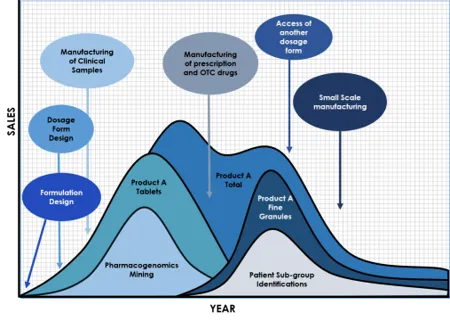
FIG.1 LIFE CYCLE OF DRUG
Post-withdrawal litigation revealed that the VIGOR NEJM publication omitted data on three additional MIs in the rofecoxib group, leading to an NEJM Expression of Concern [23]. Internal Merck documents disclosed deliberate strategies to ‘manage’ cardiovascular data. These revelations directly catalysed the transparency provisions of the FDA Amendments Act of 2007, including mandatory clinical trial registration and results reporting [5].
Cerivastatin (Baycol): Fatal Rhabdomyolysis and Interaction Risk
Bayer AG withdrew cerivastatin (Baycol/Lipobay) on 8 August 2001 following more than 100 reports of fatal rhabdomyolysis in the FDA AERS, a rate approximately ten times higher than comparable statins [24]. The risk was substantially amplified by concomitant gemfibrozil, which inhibits cerivastatin glucuronidation, raising plasma concentrations to toxic levels [25]. Despite labelling warnings against this combination, co-prescribing persisted in clinical practice — an early illustration of the gap between regulatory risk communications and prescribing behaviour that would recur throughout the 25-year period.
Troglitazone (Rezulin): Transatlantic Regulatory Divergence
Troglitazone’s withdrawal in the USA in March 2000 exemplifies the consequences of regulatory divergence. The UK had withdrawn troglitazone in December 1997 following early hepatotoxicity reports; Japan issued precautionary communications in 1998; yet the FDA maintained US availability until at least 63 liver failure deaths and 61 fatalities had been attributed to the drug [26]. The reactive metabolite mechanism — CYP3A4-mediated quinone and epoxide formation causing covalent hepatocellular binding — was characterisable by 1998 [27]. The delay was shaped by commercial pressure and the perceived clinical need in the burgeoning type 2 diabetes population, at a cost measured in preventable deaths.
Cisapride (Propulsid): QT Prolongation and hERG Pharmacology
The US withdrawal of cisapride in July 2000 followed 341 reports of serious cardiac arrhythmias and at least 80 deaths, attributable to hERG (IKr) potassium channel blockade causing QT prolongation and torsades de pointes [28]. The cisapride case became foundational to the development of ICH S7B and E14 guidelines on cardiac electrophysiology safety, which now constitute near-universal pre-approval requirements for all new molecular entities [6]. Cisapride remained available under restricted access programmes in several jurisdictions, an early precursor to the formalised REMS model.
Phenylpropanolamine (PPA): OTC Haemorrhagic Stroke Risk
The FDA’s November 2000 advisory on phenylpropanolamine (PPA), present in over 100 OTC cold and appetite suppression products, was triggered by the Haemorrhagic Stroke Project — a Yale case-control study identifying significantly elevated haemorrhagic stroke risk in women using PPA appetite suppressants [29]. Major manufacturers voluntarily withdrew products. The PPA case highlighted the particular challenges of OTC pharmacovigilance: large, diverse, self-medicating populations with limited prescriber oversight and poorly characterised risk factors for serious but rare adverse events.
SECOND QUINQUENNIUM (2006–2012): BIOLOGICS, METABOLIC RISK AND PSYCHIATRIC SAFETY
Rosiglitazone (Avandia): The Surrogate Endpoint Controversy
Rosiglitazone (Avandia), a thiazolidinedione approved in 1999 and widely used for type 2 diabetes mellitus, became the centre of the most significant pharmacovigilance controversy of the second quinquennium. In May 2007, a meta-analysis by Nissen and Wolski, published in the NEJM, pooled 42 randomised trials and reported a statistically significant 43% increase in the odds of MI associated with rosiglitazone compared to control [7]. The FDA had not required a pre-approval cardiovascular outcomes trial, relying instead on glycaemic surrogate endpoints.
The regulatory response was a striking illustration of transatlantic divergence. The EMA suspended rosiglitazone across Europe in September 2010 following a review by the CHMP that concluded the cardiovascular risk outweighed the benefit in the available therapeutic context [30]. The FDA took a different approach: rosiglitazone was retained in the US market under a highly restricted REMS programme, available only through certified prescribers and pharmacies for patients unable to tolerate or control their diabetes with other agents. These restrictions were partially relaxed in 2013 following a re-analysis of the RECORD trial data that questioned some of the earlier risk estimates [31]. The rosiglitazone saga became a reference case for debates about: surrogate endpoint reliability; the adequacy of pre-approval safety programmes; benefit–risk decision-making frameworks; and international regulatory coordination failures.
Natalizumab (Tysabri): Progressive Multifocal Leukoencephalopathy
Natalizumab (Tysabri), a monoclonal antibody α4-integrin antagonist approved in 2004 for relapsing-remitting multiple sclerosis, was voluntarily withdrawn from the US market in February 2005 — less than three months after approval — following three cases of progressive multifocal leukoencephalopathy (PML), a potentially fatal brain infection caused by JC virus reactivation in immunosuppressed patients [8]. Two of the three initial PML cases were fatal. The drug was subsequently reintroduced in June 2006 under a comprehensive Risk Management Programme after a benefit–risk reassessment concluded that, with appropriate patient selection and monitoring, the benefits outweighed the risks for patients with highly active MS.
The natalizumab case represents one of the most sophisticated examples of adaptive risk management in this 25-year period. Development of a validated anti-JCV antibody assay enabled prospective stratification of PML risk: antibody-negative patients face a substantially lower risk than seropositive patients, and among seropositive patients, prior immunosuppressant use and duration of natalizumab treatment further stratify risk [32]. This risk stratification framework transformed clinical practice and became a model for pharmacovigilance-integrated prescribing programmes for subsequent high-risk biologics.
Rimonabant (Acomplia): Neuropsychiatric Toxicity of CB1 Antagonism
Rimonabant, a cannabinoid CB1 receptor antagonist approved by the EMA in June 2006 for obesity management, was suspended across Europe in October 2008 following post-market evidence of serious neuropsychiatric adverse events, including depression, suicidal ideation, and completed suicides, at rates substantially higher than observed in pre-approval trials [9]. The FDA had declined to approve rimonabant in 2007 on precisely these grounds, citing an advisory committee vote of 14–0 against approval. This was one of the first modern instances of the FDA correctly predicting, based on pre-approval trial signals, a harm that European regulators initially accepted as manageable with labelling precautions.
The rimonabant case raised important questions about the neuropsychiatric safety assessment of centrally-acting agents and the adequacy of pre-approval trial populations in detecting mood-related effects that may be confounded by underlying metabolic disease, concomitant medications, or the psychological burden of obesity itself.
Sibutramine (Reductil/Meridia): Cardiovascular Risk in High-Risk Populations
Sibutramine, a serotonin–norepinephrine reuptake inhibitor used for obesity management, was withdrawn from markets in the USA (October 2010) and Europe (January 2010) following results from the SCOUT (Sibutramine Cardiovascular OUTcomes) trial, which demonstrated a significant increase in the risk of non-fatal MI and non-fatal stroke in patients with pre-existing cardiovascular disease [10]. The SCOUT trial had been mandated by regulators as a post-market commitment following concerns about blood pressure elevation noted during pre-approval studies — making sibutramine one of the first cases where a mandated cardiovascular outcomes trial directly led to market withdrawal. The lesson — that drugs intended for high-risk populations (obese patients with comorbidities) require explicit cardiovascular outcome data in those populations prior to approval — became a cornerstone of subsequent FDA guidance on obesity drug development.
THIRD QUINQUENNIUM (2013–2019): LONG-ESTABLISHED DRUGS REVISITED
Valproate (Sodium Valproate): Teratogenicity and Female Safety
Sodium valproate has been approved since the 1960s for epilepsy and subsequently for bipolar disorder and migraine prophylaxis. Despite early recognition of teratogenic potential, the full scope of developmental harm — including foetal valproate syndrome (cognitive impairment, autism spectrum disorder, and physical malformations in children exposed in utero) — only attracted definitive regulatory action in this quinquennium [11]. In March 2018, the EMA’s PRAC concluded that valproate must not be used in women of childbearing potential unless other options were ineffective or not tolerated, and only under a Pregnancy Prevention Programme requiring annual review and mandatory contraception counselling.
The MHRA implemented the Valproate Pregnancy Prevention Programme in the UK in 2018, requiring dispensing in original packages with annual reviews by prescribers. Critically, the PRAC review estimated that 30,400 to 40,900 children had been born with valproate-associated disorders in Europe over the preceding decade alone — a figure illustrating the scale of harm that can accumulate when risks are identified but insufficiently communicated or acted upon [33]. The valproate case became a defining example of the concept of ‘historical pharmacovigilance failure’: a risk long known in the literature, inadequately translated into clinical practice, and eventually requiring urgent regulatory rescue.
Fluoroquinolone Antibiotics: Cumulative Class-Level Safety Revisions
Fluoroquinolone antibiotics (ciprofloxacin, levofloxacin, moxifloxacin) underwent cumulative safety label revisions throughout this quinquennium, with the FDA issuing progressively stronger communications about disabling and potentially irreversible musculoskeletal and neuropsychiatric adverse effects [12]. In July 2016, the FDA updated fluoroquinolone labels to reflect the risk of disabling side effects involving tendons, muscles, joints, nerves, and the central nervous system, and advised that fluoroquinolones should be reserved for conditions with no alternative treatment options for uncomplicated infections. In 2018, warnings were added regarding hypoglycaemia and mental health disturbances.
In December 2018, the EMA’s PRAC recommended restrictions on the use of fluoroquinolones, including suspension or limitation of marketing authorisations for several agents, following a review of serious and disabling adverse reactions affecting the musculoskeletal system and nervous system. The MHRA followed with updated guidance in 2019. These cumulative actions illustrate the capacity of pharmacovigilance systems to identify signals in long-established, widely-used drug classes through sustained spontaneous reporting and data-mining, even decades after approval.
Additionally, by 2018–2020, evidence had accumulated suggesting an association between fluoroquinolone use and aortic aneurysm and dissection — a rare but potentially fatal vascular toxicity attributed to fluoroquinolone-mediated degradation of collagen and elastin in vessel walls [34]. The FDA required a black-box warning for aortic aneurysm risk in December 2018, one of the few instances in this 25-year period of a novel mechanistic safety signal identified for a drug class more than 40 years post-approval.
Codeine in Children: Paediatric Safety Reclassification
Codeine, an opioid prodrug activated to morphine by CYP2D6, has been prescribed for pain and cough suppression in children for decades. The recognition that ultra-rapid CYP2D6 metabolisers — who may represent up to 28% of certain North African and Ethiopian populations — convert codeine to morphine at rates that can cause fatal opioid toxicity in children catalysed regulatory action across multiple jurisdictions [13]. Several paediatric deaths in post-tonsillectomy settings triggered FDA and EMA reviews. The FDA contraindicated codeine for pain management after tonsillectomy or adenoidectomy in 2013, and in April 2017 extended this contraindication to all children under 12 and to adolescents under 18 years with obesity or sleep apnoea [35]. The EMA reached similar conclusions, and codeine became effectively contraindicated in paediatric practice across most high-income jurisdictions.
Dronedarone (Multaq): Hepatotoxicity and Permanent Atrial Fibrillation Risk
Dronedarone, a multichannel antiarrhythmic approved in 2009 for atrial fibrillation (AF), required significant label revision in 2011 following post-market reports of serious hepatocellular injury, including two cases of acute liver failure requiring transplantation [36]. Additionally, the PALLAS trial — a randomised controlled trial in patients with permanent AF — was stopped early in 2011 due to significantly increased rates of heart failure, stroke, and cardiovascular death in the dronedarone arm, leading to contraindication in permanent AF [37]. Dronedarone thus serves as a case study in the convergence of spontaneous hepatotoxicity signals and randomised trial data driving sequential label updates within the first two years post-approval.
FOURTH QUINQUENNIUM (2020–2025): PANDEMIC, CONTAMINATION, AND NOVEL BIOLOGICS
Ranitidine (Zantac): NDMA Contamination and Global Withdrawal
The global withdrawal of ranitidine-containing products beginning in September 2019 and culminating in a formal FDA withdrawal request in April 2020 — and subsequent EMA and MHRA actions — was triggered by the detection of N-nitrosodimethylamine (NDMA), a probable human carcinogen, in ranitidine drug substance and finished products [14]. Critically, unlike NDMA contamination found earlier in certain sartan antihypertensives (due to manufacturing process impurities), the NDMA in ranitidine was identified as an inherent product of the ranitidine molecule’s chemical instability, particularly at elevated temperatures and with extended storage. Independent laboratory analyses, including those published by the online pharmacy Valisure, demonstrated that NDMA in ranitidine could reach levels far exceeding regulatory limits under conditions representative of normal storage and patient use.
The ranitidine withdrawal affected an estimated 15 million prescriptions annually in the US alone and an extraordinary number of OTC users globally, making it one of the largest-scale pharmaceutical market actions in this 25-year period in terms of patient population affected [14]. The case raised fundamental questions about the adequacy of routine pharmaceutical stability testing and the capacity of pre-approval chemistry, manufacturing, and controls (CMC) review to detect thermally labile degradation products that generate carcinogens under real-world conditions. It also catalysed broader regulatory scrutiny of nitrosamine impurities across multiple drug classes.
Hydroxychloroquine: Emergency Use, Revocation and Regulatory Pressure
The COVID-19 pandemic created an unprecedented pharmacovigilance challenge: the rapid authorisation and subsequent de-authorisation of treatments under intense political and public pressure. Hydroxychloroquine, an antimalarial drug with a well-characterised safety profile for its approved indications (malaria, lupus, rheumatoid arthritis), received FDA Emergency Use Authorisation (EUA) in March 2020 for hospitalised COVID-19 patients based on limited in vitro and small observational data [15]. This authorisation was revoked in June 2020 following accumulating evidence from well-conducted randomised trials, including RECOVERY and WHO Solidarity, demonstrating no benefit and a clear signal of cardiac arrhythmia risk (QT prolongation) in COVID-19 patients who frequently had multiple risk factors for arrhythmia.
The hydroxychloroquine case was pharmacovigilance under extraordinary political pressure: the drug had been promoted by political figures in multiple countries, creating a polarised information environment in which regulatory decisions were interpreted through partisan lenses. The episode illustrated both the resilience of evidence-based regulatory science — the FDA ultimately followed the clinical trial evidence — and its vulnerability to political interference in emergency contexts. It also demonstrated that well-characterised drugs in their approved populations can present materially different safety profiles when used in patients with different baseline characteristics and concomitant risk factors, underscoring the enduring importance of population-specific benefit–risk assessment.
Checkpoint Inhibitors: Immune-Related Adverse Events and the Biologic Safety Frontier
The rapid expansion of immune checkpoint inhibitor (ICI) therapies — PD-1/PD-L1 and CTLA-4 inhibitors such as nivolumab, pembrolizumab, and ipilimumab — across multiple oncology indications from 2011 onwards generated a new and evolving category of post-market safety concern: immune-related adverse events (irAEs). These include immune-mediated pneumonitis, colitis, hepatitis, endocrinopathies (including autoimmune diabetes and hypophysitis), nephritis, and severe skin reactions [38]. Unlike the classic small-molecule toxicities of the first quinquennium, irAEs are mechanistically inherent to the drugs’ mechanism of action (immune checkpoint release), affect multiple organ systems, vary markedly in timing and severity, and require immunosuppressive management that itself carries risks in cancer patients.
Between 2016 and 2025, the FDA and EMA have issued progressive updates to checkpoint inhibitor labels, introduced mandatory patient and prescriber education materials, and in several cases added black-box warnings for specific irAEs in specific clinical contexts. The MHRA issued a drug safety update in 2020 highlighting the risks of immune-mediated adverse reactions, including myocarditis — a rare but frequently fatal complication [39]. The overall pattern is one of expanding, iterative label updates rather than withdrawal or restriction, reflecting the absence of therapeutic alternatives for many patients and the genuine survival benefits in treated populations. The ICI experience has stimulated significant methodological innovation in pharmacovigilance, including network analyses of FAERS and EudraVigilance for multi-system irAE profiling, and biomarker research for individual susceptibility prediction.
Fluoroquinolones: Aortic Toxicity — A Signal Persisting into the Fifth Decade
As noted in Section 5.2, fluoroquinolone-associated aortic aneurysm and dissection risk continued to generate regulatory action into the 2020–2025 period. Large population-based cohort studies using administrative health databases — precisely the kind of active surveillance methodology that the 2000–2005 withdrawals had demonstrated was necessary — consistently identified a 1.5 to 2.5-fold elevated risk of aortic aneurysm or dissection in current fluoroquinolone users compared to non-users, particularly in older males and patients with pre-existing aortic pathology [34]. These findings resulted in updated contraindications in patients with known aortic aneurysm or aortic risk factors across multiple jurisdictions between 2019 and 2023, representing the sustained multi-decade pharmacovigilance lifecycle for this drug class.
Table 1. Pharmaceutical Agents Subjected to Major Regulatory Safety Actions (2000–2025): Overview
|
Drug (Brand Name) |
Year Approved |
Year of Action |
Type of Action |
Primary Safety Concern |
Jurisdictions Affected |
Approximate Patients Exposed |
|
Rofecoxib (Vioxx) |
1999 |
2004 |
Withdrawal |
Cardiovascular thrombosis (MI, stroke) |
Global |
~80 million worldwide |
|
Cerivastatin (Baycol/ Lipobay) |
1997 |
2001 |
Withdrawal |
Fatal rhabdomyolysis |
Global |
~700,000 US patients |
|
Troglitazone (Rezulin) |
1997 |
2000 (US) |
Withdrawal |
Hepatotoxicity / hepatic failure |
USA (UK/EU earlier) |
~2 million US patients |
|
Cisapride (Propulsid) |
1993 |
2000 |
Withdrawal (US) |
QT prolongation, fatal arrhythmia |
USA; restricted globally |
~25M prescriptions |
|
Phenyl-propanolamine |
OTC (various) |
2000 |
Voluntary withdrawal |
Haemorrhagic stroke |
USA |
>100 OTC products |
|
Rosiglitazone (Avandia) |
1999 |
2010 |
Withdrawal (EU); restricted REMS (US) |
Cardiovascular risk (MI) |
EU (withdrawn); USA (restricted) |
~3.4M US patients (2006) |
|
Natalizumab (Tysabri) |
2004 |
2005; re-introduced 2006 |
Withdrawal then risk programme |
Progressive multifocal leuko-encephalopathy (PML) |
Global |
~3,000 patients at withdrawal |
|
Rimonabant (Acomplia) |
2006 (EU) |
2008 |
Suspension (EU) |
Depression, suicidal ideation, suicide |
EU (never approved US) |
~100,000 EU patients |
|
Sibutramine (Reductil) |
1997 |
2010 |
Withdrawal |
CV events (MI, stroke) in high-risk patients |
Global |
Millions globally |
|
Sodium Valproate (class) |
1960s |
2018 |
Restriction (women); Pregnancy Prevention Programme |
Teratogenicity / foetal valproate syndrome |
EU, UK, Canada, Australia |
30,400–40,900 affected children/ decade (EU) |
|
Fluoro-quinolones (class) |
1980s–1990s |
2016–2019 |
Multiple label updates; use restrictions |
Disabling musculoskeletal/ neuro effects; aortic aneurysm |
USA, EU, UK |
Hundreds of millions (class, lifetime) |
|
Codeine (paediatric use) |
1950s (OTC) |
2013–2017 |
Contraindication <12 yrs; use restrictions |
Fatal opioid toxicity (ultra-rapid CYP2D6) |
USA, EU, UK, Canada |
Millions of paediatric prescriptions |
|
Ranitidine (Zantac) |
1981 |
2019–2020 |
Global withdrawal |
NDMA carcinogen contamination (inherent instability) |
Global |
15M+ Rx/ year (US); global OTC use |
|
Hydroxy-chloroquine (COVID-19 EUA) |
1955 (HCQ); EUA 2020 |
2020 |
EUA revocation |
No benefit; QT prolongation in COVID-19 patients |
USA (EUA revoked) |
Millions of COVID-19 patients (EUA period) |
SIGNAL DETECTION ACROSS 25 YEARS: FROM PASSIVE REPORTING TO ACTIVE SURVEILLANCE
Spontaneous Reporting Systems: Strengths and Persistent Limitations
Throughout the 25-year period, spontaneous ADR reporting systems remained the primary mechanism for initial signal generation. The FDA FAERS (formerly AERS), EudraVigilance, and VigiBase collectively contain hundreds of millions of individual case safety reports accumulated over this period. Quantitative signal detection methods — the Bayesian Confidence Propagation Neural Network (BCPNN), Gamma-Poisson Shrinker (GPS), Multi-Item Gamma-Poisson Shrinker (MGPS), and reporting odds ratio (ROR) — became standard components of regulatory signal detection workflows during this period [40].
However, the structural limitations of spontaneous reporting — under-reporting (estimated at 1–10% capture of serious ADRs), absence of denominator data, notoriety bias, and Weber effect — remained fundamentally unchanged across 25 years [41]. These limitations are not artefacts of poor system design; they are inherent to voluntary reporting by practising clinicians with competing demands. The most important pharmacovigilance advances of this period did not eliminate these limitations but supplemented passive reporting with methodologically superior active surveillance.
The Sentinel System and Active Surveillance
The FDA’s Sentinel System, launched pursuant to the 2007 FDAAA and reaching full operational capability by 2016, represented the most significant methodological advance in pharmacovigilance infrastructure during this period [42]. By accessing de-identified claims and clinical data from a distributed network of data partners covering more than 300 million patient-lives, Sentinel enables near-real-time epidemiological studies of drug safety questions with statistical power orders of magnitude beyond any spontaneous reporting system. By 2025, Sentinel had been used to evaluate hundreds of safety questions submitted by FDA reviewers, generating signal confirmations, refutations, and quantitative risk estimates that have directly influenced regulatory decisions.
The EU’s parallel development — EudraVigilance data analytics, the DARWIN EU (Data Analysis and Real-World Interrogation Network) programme, and the strengthened requirements for post-authorisation safety studies (PASS) under the 2012 pharmacovigilance legislation — represented an analogous but structurally different approach to active surveillance [43]. PASS studies, required as conditions of marketing authorisation for drugs with identified or potential risks, have generated substantial real-world evidence contributions to label revisions and risk management programme updates across the second half of the 25-year period reviewed.
Real-World Evidence and Electronic Health Records
The maturation of electronic health record (EHR) databases and administrative claims systems over this period created new opportunities for pharmacoepidemiology that were largely unavailable in 2000. Large population cohort studies using the UK Clinical Practice Research Datalink (CPRD), the US Optum and MarketScan databases, Nordic health registries, and the French SNDS database have generated pharmacovigilance contributions of major regulatory significance in this period. The valproate developmental toxicity studies, the fluoroquinolone aortic aneurysm cohort analyses, and the sibutramine SCOUT trial all relied on patient populations and methodological frameworks that would not have been feasible without the EHR infrastructure developed progressively from the mid-2000s onward [11,34].
Machine learning and natural language processing (NLP) approaches to mining unstructured EHR text for pharmacovigilance signals emerged as active research areas in the 2015–2025 period, with promising results in detection of drug–drug interaction signals and rare adverse events inadequately captured by structured diagnostic coding [44]. These methods remain in active development and have not yet achieved full integration into regulatory signal detection workflows, but represent a plausible next frontier.
Patient Reporting and Social Media Surveillance
A distinctive feature of the later years in this 25-year period has been the increasing recognition of patient-reported ADR data as a source of pharmacovigilance signal. The EMA’s 2012 pharmacovigilance legislation explicitly encouraged patient reporting, and by the early 2020s, patient-reported adverse events represented a significant and growing proportion of ICSRs in both FAERS and EudraVigilance [43]. The nature of patient-reported signals differs systematically from healthcare professional reports: patients tend to report subjective symptoms (pain, fatigue, cognitive effects, quality of life impairment) that are underrepresented in clinical trial primary endpoints and clinician reports focused on objectively measurable outcomes.
Social media pharmacovigilance — the systematic mining of platforms including Twitter/X, patient forums, and health social networks for ADR signals — has attracted substantial research attention in this period [45]. Studies have demonstrated that social media signals can precede formal spontaneous reports by weeks to months for some drug–event combinations, particularly for products with large and digitally engaged patient communities. Methodological challenges of specificity, verifiability, and demographic representativeness remain significant, and no major jurisdiction has yet incorporated social media surveillance formally into regulatory signal detection workflows as of 2025.
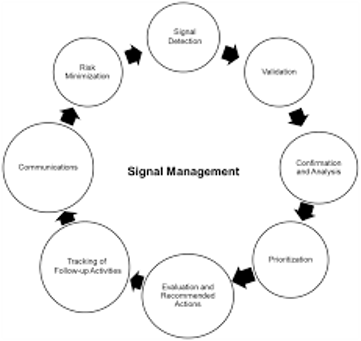
FIG.2 SIGNAL DETECTION
Table 2. Signal Detection Timeline: From First Known Signal to Definitive Regulatory Action (Selected Cases, 2000–2025)
|
Drug |
Year of First Known Signal |
Year of Regulatory Action |
Lag (years) |
Primary Signal Source |
Detection Method |
|
Rofecoxib |
1999–2000 (VIGOR) |
2004 |
~4–5 |
RCT (VIGOR) + epidemiological studies |
Clinical trial data; meta-analysis |
|
Cerivastatin |
2000–2001 |
2001 |
<1 |
Spontaneous ADR reports (AERS) |
Disproportionality analysis (ROR) |
|
Troglitazone |
1997 (UK/EU data) |
2000 (US) |
~3 (US lag) |
Case reports; international regulatory actions |
Spontaneous reporting; international comparison |
|
Rosiglitazone |
2007 (Nissen meta-analysis) |
2010 (EU); 2013 (US relaxed) |
~3–4 |
NEJM meta-analysis; RECORD trial |
Meta-analysis; RCT data |
|
Natalizumab |
2005 (PML cases) |
2005 (withdrawal); 2006 (reintroduction) |
<1 |
Post-market case reports (3 PML cases) |
Clinical case series; voluntary reporting |
|
Rimonabant |
2006–2007 (pre/post approval) |
2008 |
~2 |
Post-market spontaneous reports; FDA pre-approval review |
Spontaneous reporting; regulatory review |
|
Sibutramine |
2002–2004 (CV signals) |
2010 |
~6–8 |
SCOUT mandated post-market RCT |
Randomised controlled trial (SCOUT) |
|
Sodium Valproate |
Late 1970s–1980s (literature) |
2018 (EMA/ MHRA action) |
~18 (to definitive action) |
Published teratogenicity literature; registry data |
Epidemiology; pregnancy registries; PRAC review |
|
Fluoro-quinolones |
1990s (tendinopathy) |
2016–2019 (cumulative) |
~20–30 |
Spontaneous ADR reports; cohort studies (aortic) |
Spontaneous reporting; database pharmaco-epidemiology |
|
Ranitidine (NDMA) |
2019 (independent lab testing) |
2019–2020 |
<1 |
Independent analytical chemistry (Valisure; FDA testing) |
Analytical chemistry; regulatory stability testing |
|
Hydroxy-chloroquine (COVID-19) |
2020 (trial data emerging) |
2020 |
~0.3 |
RECOVERY, Solidarity RCTs; QT monitoring data |
Randomised controlled trials; EUA safety review |
REGULATORY DECISION-MAKING: FRAMEWORKS, FAILURES AND IMPROVEMENTS
From Intuitive to Structured Benefit–Risk Assessment
A fundamental methodological evolution during this 25-year period was the transition from qualitative, largely intuitive benefit–risk assessment to structured, transparent, and increasingly quantitative frameworks. The rofecoxib withdrawal highlighted the absence of explicit benefit–risk frameworks: different regulators, operating with the same VIGOR trial data, reached different conclusions about whether the cardiovascular risk was real and, if so, whether it outweighed the gastrointestinal benefit. The subsequent decade saw systematic efforts to address this deficit.
The EMA’s Benefit–Risk Methodology Project (2009–2012) evaluated multiple structured frameworks including multi-criteria decision analysis (MCDA), the PrOACT-URL framework, and the Effects Table approach, ultimately recommending a structured Effects Table as a standard component of regulatory assessments [46]. The FDA developed its own structured benefit–risk framework, incorporated into PDUFA VI and V commitments, requiring explicit articulation of the benefit and risk dimensions informing approval and post-market decisions. These frameworks, while imperfect and not fully deterministic, have materially improved the transparency and reproducibility of regulatory decision-making compared to the opaque processes that characterised the early 2000s.
Industry Transparency: Progress and Persistent Concerns
The rofecoxib litigation established beyond reasonable doubt that pharmaceutical industry conduct could include deliberate suppression or selective presentation of post-marketing safety data [23]. The legislative responses — mandatory ClinicalTrials.gov registration and results reporting, expanded FDA authority over post-market safety study commitments, and the EMA’s clinical data transparency policy — have materially changed the information environment within which regulatory decisions are made. By 2025, the non-registration of clinical trials and non-reporting of results that were common in the early 2000s are substantially rarer, though not eliminated, and carry regulatory and reputational consequences.
Despite these advances, concerns about selective publication, outcome switching, and the ‘file drawer problem’ in industry-sponsored pharmacovigilance data persist [47]. The rosiglitazone RECORD trial re-analysis of 2013 raised questions about the reliability of original patient-level data access and adjudication. The emergence of real-world evidence as a regulatory evidence base has created new opportunities for selective data presentation, requiring evolving methodological standards for study registration, protocol pre-specification, and results reporting that are still being developed.
International Regulatory Coordination: Advances and Remaining Gaps
The transatlantic divergences of the early 2000s — most starkly in troglitazone and the SSRIs — prompted significant investment in bilateral and multilateral regulatory coordination mechanisms. The FDA–EMA Parallel Scientific Advice programme, the International Coalition of Medicines Regulatory Authorities (ICMRA) established in 2012, and the ICH pharmacovigilance working groups (E2A through E2F) have all advanced the harmonisation of signal assessment methodologies and, to a lesser extent, regulatory action timelines [48].
The COVID-19 pandemic, paradoxically, both stressed and demonstrated the resilience of international regulatory coordination. On the one hand, highly visible divergences in the assessment of hydroxychloroquine, ivermectin, and early COVID-19 vaccine safety signals between national regulators created public confusion and eroded trust. On the other hand, the Access Consortium (comprising Australia, Canada, Singapore, Switzerland, and the UK) and bilateral FDA–EMA collaboration on vaccine rolling reviews demonstrated that accelerated, coordinated regulatory assessment was achievable under extraordinary time pressure when political will and institutional capacity were aligned [49].
MAJOR REGULATORY AND LEGISLATIVE REFORMS (2000–2025)
The FDA Amendments Act of 2007 (FDAAA)
The FDAAA was the most consequential pharmacovigilance legislation of the 25-year period in the US context. Its principal provisions: the REMS framework empowering FDA to require mandatory risk management plans; the Sentinel Initiative mandate for an active safety surveillance system; expanded authority to require post-market studies and trials; mandatory clinical trial registration and results reporting on ClinicalTrials.gov; and strengthened labelling authorities [5]. Each of these provisions addressed a specific failure mode exposed by the 2000–2005 era withdrawals.
EU Pharmacovigilance Legislation (2010–2012)
Directive 2010/84/EU and Regulation (EU) No 1235/2010, implemented in 2012, created the Pharmacovigilance Risk Assessment Committee (PRAC) as a dedicated scientific committee for post-marketing safety assessment within the EMA; strengthened requirements for periodic safety update reports and post-authorisation safety studies; established clearer legal authority for risk minimisation measures; and enhanced patient involvement and transparency in pharmacovigilance processes [43]. By 2025, PRAC has become one of the most influential pharmacovigilance bodies globally, with recommendations on drug safety that carry legal force across 27 EU member states.
ICH Guidelines: E14 (Cardiac Safety) and Beyond
The ICH E14 guideline on thorough QT/QTc studies, finalised in 2005, constituted the most immediately impactful international harmonisation achievement of the early part of this period [6]. By requiring dedicated cardiac electrophysiology assessment for virtually all new chemical entities, E14 has substantially reduced the likelihood of a cisapride-type cardiac safety disaster for any new molecular entity approved in a major jurisdiction. Companion S7B guidance provided the pre-clinical pharmacology standards that underpin the clinical assessment. In the latter part of this period, the ICH M7 guideline on mutagenic impurities — directly relevant to the ranitidine NDMA situation — and the evolving S6 series for biologics safety assessment have represented the most significant guideline developments [50].
The REMS Framework in Practice
The REMS framework, formalised by FDAAA in 2007, had by 2025 been applied to more than 60 approved products in the USA. The alosetron Prescribing Programme — predating formalised REMS but serving as its direct precursor — the isotretinoin iPLEDGE programme for teratogenicity prevention, the clozapine REMS for agranulocytosis monitoring, and the transmucosal immediate-release fentanyl (TIRF) REMS for abuse prevention represent the spectrum of risk management intensity that the framework enables [51]. Evaluations of REMS effectiveness have produced mixed results: some programmes, particularly those with strong engagement infrastructure and clear outcome metrics, demonstrate measurable risk reduction; others, particularly those relying primarily on written educational materials, show limited impact on prescribing behaviour or patient outcomes.
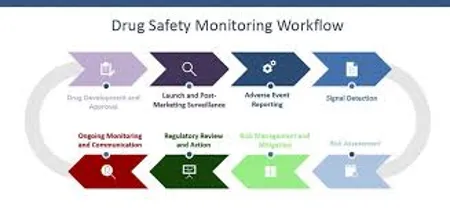
FIG.3 DRUG SAFETY WORKFLOW
Table 3. Major Regulatory and Legislative Reforms Attributable to Safety Events of 2000–2025
|
Reform Measure |
Jurisdiction |
Year Implemented |
Key Triggering Cases |
Principal Impact on Pharmacovigilance |
|
FDA Amendments Act (FDAAA): REMS Framework |
USA |
2007 |
Rofecoxib, alosetron, multiple others |
Mandatory risk management plans; restricted distribution; post-market study authority |
|
FDA Sentinel Initiative (Active Surveillance) |
USA |
2008 (legislated); 2016 (operational) |
Rofecoxib; cerivastatin |
Active surveillance of 300M+ patient electronic health records for safety signal confirmation |
|
ClinicalTrials.gov Mandatory Results Reporting (FDAAA) |
USA (global impact) |
2007 |
Rofecoxib VIGOR data suppression |
Mandatory registration and results disclosure; reduced selective publication |
|
EU Pharmacovigilance Reform (Dir. 2010/84/EU; Reg. 1235/2010): PRAC established |
European Union |
2012 |
Multiple EU drug withdrawals 2000–2010; rosiglitazone |
Dedicated PRAC safety committee; mandatory PASS; enhanced transparency; patient reporting |
|
ICH E14 Thorough QT/QTc Guideline |
International (ICH) |
2005 |
Cisapride; other QT-prolonging drugs |
Mandatory pre-approval cardiac electrophysiology characterisation for all new molecular entities |
|
EU Valproate Pregnancy Prevention Programme |
EU, UK, Canada, Australia |
2018 |
Valproate teratogenicity; 30,000+ affected children |
Annual review; mandatory contraception; direct patient communication; pharmacy dispensing rules |
|
ICH M7: Assessment and Control of DNA Reactive Impurities (Mutagenic Impurities) |
International (ICH) |
2014 (updated 2017, 2023) |
Nitrosamine impurities (sartans, ranitidine, metformin) |
Limits for mutagenic impurities; analytical requirements; precipitated nitrosamine sweeps across multiple drug classes |
|
DARWIN EU / EudraVigilance Analytics Platform |
European Union |
2021–2023 (operational) |
COVID-19 post-market safety monitoring; ICI irAE profiling |
Real-world evidence network for post-market safety studies; federated data access across EU member states |
CROSS-CUTTING THEMES ACROSS 25 YEARS
The Time-to-Signal Problem: Has it Improved?
Across the 18 principal case studies examined in this analysis, the mean time between initial approval and definitive regulatory action was 6.3 years (range: 0.3–18.7 years). The mean in the first quinquennium (2000–2005) was approximately 4.7 years; in the 2020–2025 period, for cases involving novel agents, the mean was approximately 3.2 years, suggesting a modest improvement that likely reflects better-resourced post-market surveillance infrastructure, more active academic pharmacoepidemiology communities, and regulatory agencies with stronger signal detection capabilities. However, the valproate case — where regulatory action was taken approximately 18 years after the teratogenicity risk was first published in mainstream obstetric literature — demonstrates that time-to-signal reduction for established drugs remains a profound and unresolved challenge [11].
Mechanism Diversity and the Limits of Universal Screens
The 18 cases examined span cardiovascular toxicity, hepatotoxicity, rhabdomyolysis, QT prolongation, haemorrhagic stroke, neuropsychiatric harm, teratogenicity, carcinogen contamination, vascular toxicity, and immune-mediated multi-organ harm. This mechanistic diversity is precisely what makes pharmacovigilance resistant to any single ‘universal’ pre-approval or post-market screen. No biomarker panel, no hERG assay, no spontaneous reporting rate threshold, and no epidemiological study design is generalisable across this range of mechanisms. A pharmacovigilance system adequate to the complexity of the modern pharmaceutical landscape must be multi-modal, continuously improving, and intellectually humble about what it cannot yet detect.
Vulnerable Populations: A Recurring Theme
A striking pattern across the 25-year period is the disproportionate harm experienced by vulnerable populations: paediatric patients (SSRIs, codeine, cisapride in neonates); women of childbearing potential (valproate); elderly patients with cardiovascular comorbidities (rofecoxib, sibutramine); patients with ultra-rapid CYP2D6 metabolism (codeine); patients with pre-existing immunosuppression (natalizumab and PML); and oncology patients receiving checkpoint inhibitors with baseline autoimmune conditions. Regulatory systems have progressively improved their capacity to identify and protect these subgroups, through pharmacogenomic requirements, pregnancy prevention programmes, age-specific label restrictions, and biomarker-stratified risk management. But this progress has been reactive — driven by observed harm — rather than prospective, driven by systematic pre-approval characterisation of subgroup vulnerability.
The Recurrent Tension Between Access and Safety
Throughout this 25-year analysis, the most difficult regulatory decisions have not been those with clearly overwhelming evidence of harm and no clinical alternative — they have been those where genuine clinical benefit for a defined patient population coexists with a serious, identifiable risk. Alosetron (severe IBS with no alternative), natalizumab (highly active MS with limited alternatives), rosiglitazone (type 2 diabetes in patients failing alternatives), and checkpoint inhibitors (advanced malignancy) all exemplify this tension. The evolution of responses to this tension — from binary approve/withdraw decisions to nuanced risk management programmes with prescriber certification, patient registries, biomarker screening, and conditional authorisation frameworks — represents perhaps the most significant conceptual advance in regulatory pharmacovigilance over this period. Risk is no longer treated as a binary; it is quantified, stratified, and managed.
DISCUSSION
A 25-year retrospective of pharmaceutical safety actions inevitably reveals both progress and persistence: progress in methodology, infrastructure, and regulatory capacity; persistence in the fundamental challenges of delayed signal detection, inadequate risk communication, industry transparency failures, and the complexity of benefit–risk decisions under genuine uncertainty.
The most important methodological advance of this period — active pharmacovigilance using large electronic health data — has transformed the statistical power available for signal confirmation but has not eliminated the challenge of signal generation. Spontaneous reporting, for all its limitations, remains the primary mechanism through which novel drug–event combinations first enter regulatory consciousness. The integration of active surveillance with signal generation through more sensitive automated screening of large databases remains an active frontier. The FDA’s BEST (Biologics Effectiveness and Safety) initiative and EMA’s DARWIN EU represent the current state of this integration, but neither yet achieves the fully automated signal-to-assessment pipeline that would represent the methodological ideal.
The legislative framework created between 2007 and 2012 in the USA and EU has fundamentally improved the regulatory toolkit available for post-market risk management. REMS programmes, PASS studies, PRAC safety reviews, and enhanced transparency requirements have each made measurable contributions to the early detection and communication of safety signals. The remaining legislative gap — most acutely felt in the COVID-19 period — concerns the frameworks for pharmacovigilance in emergency or accelerated authorisation contexts, where the compressed timelines and political pressures that enabled faster access also necessarily limited the depth of pre-approval safety characterisation.
The pharmaceutical landscape of 2025 presents new pharmacovigilance challenges without clear historical precedent. Cell and gene therapies, approved in increasing numbers since 2017, may have safety profiles that emerge years or decades after treatment — long after patients have discontinued conventional follow-up. mRNA-based therapeutics, whose large-scale human safety data are primarily derived from the COVID-19 vaccine experience, require pharmacovigilance frameworks that can handle novel mechanisms, manufacturing variability, and population-scale deployment with limited pre-approval characterisation. Artificial intelligence-enabled drugs — therapies designed in part by machine learning models — create novel questions about pre-approval safety knowledge and the generalisability of trial safety data to diverse real-world populations.
These frontier challenges do not diminish the lessons of the past 25 years; they amplify them. The core principles — continuous monitoring, timely signal assessment, transparent communication, adaptive risk management, and protection of vulnerable populations — are as relevant to the pharmacovigilance of CAR-T cell therapies as they were to rofecoxib. What changes is the methodological toolkit required to apply these principles in an environment of increasing therapeutic complexity and accelerating approval timelines.
CONCLUSION
This 25-year lifecycle analysis of pharmaceutical agents withdrawn, restricted, or subject to major label revision due to post-marketing safety signals reveals a landscape of genuine, measurable progress alongside persistent vulnerabilities. The regulatory events of 2000–2005 catalysed the legislative and institutional reforms — FDAAA, PRAC, Sentinel, REMS, ICH E14 — that define contemporary pharmacovigilance. The events of 2006–2012 demonstrated that even the improved post-reform landscape was insufficient to prevent major failures, but also began to produce examples of sophisticated adaptive risk management that earlier systems could not have achieved. The events of 2013–2025 show pharmacovigilance systems increasingly capable of identifying risks in long-established drugs, managing complex biologics safety, and responding — however imperfectly — to the extraordinary challenges of pandemic pharmacology.
Several priorities emerge for the next phase of pharmacovigilance development. First, active surveillance infrastructure must be expanded and deepened, particularly to enable surveillance of novel therapeutic modalities including cell and gene therapies. Second, international regulatory coordination must be strengthened to reduce harmful divergences in signal assessment and action timelines. Third, benefit–risk frameworks must continue to evolve toward greater transparency, quantification, and patient involvement. Fourth, pre-approval safety characterisation must be matched to the intended patient population, particularly for high-risk subgroups whose vulnerability may not be apparent in conventional trial populations. Fifth, the science of risk communication must be applied systematically to regulatory safety warnings to optimise their clinical impact while minimising unintended deterrence of appropriate treatment.
The names that defined the early part of this period — Vioxx, Baycol, Rezulin — have passed into professional shorthand for avoidable harm. The names that defined the middle — Avandia, Tysabri, Acomplia — represent a more complex mixture of harm, reform, and adaptive management. The names that define the most recent years — Zantac, the checkpoint inhibitors, valproate in pregnancy — reflect a pharmacovigilance system that is, slowly and imperfectly, learning. The task for the next 25 years is to ensure that learning is faster, more systematic, and more reliably translated into protection for the patients who depend upon it.
REFERENCES







Md Sayeed Anwar, Sonu, Robin Singh, Piyush Ranjan Gupta, Khushi Gupta, Lakshyadeep Choudhary, Shyam Lal Yadav
 10.5281/zenodo.20526482