The family Asteraceae represents one of the largest and most pharmacologically significant groups of flowering plants, widely recognized for its diverse phytochemical constituents and therapeutic potential. This review focuses on three selected species, Ageratina adenophora, Bidens pilosa, and Erigeron canadensis, highlighting their pharmacognostical characteristics, phytochemical profiles, traditional uses, and pharmacological activities. Pharmacognostical evaluation of these plants reveals distinct macroscopic and microscopic features, including variations in leaf morphology, trichomes, stomatal types, and vascular arrangements, which are essential for proper identification and standardization. Phytochemical investigations indicate the presence of a wide range of bioactive compounds such as flavonoids, alkaloids, terpenoids, phenolic acids, tannins, and essential oils. Pharmacological studies provide substantial evidence supporting their antimicrobial, anti-inflammatory, antioxidant, anticancer, antidiabetic, and hepatoprotective properties. Bidens pilosa is particularly noted for its immunomodulatory and antidiabetic effects, while Ageratina adenophora exhibits strong antimicrobial and anti-inflammatory activities despite its known toxicity concerns. Erigeron canadensis demonstrates diuretic and anti-inflammatory. Overall, these plants represent valuable sources of natural therapeutic agents. However, further research is required to isolate specific bioactive compounds, elucidate mechanisms of action, and establish safety profiles for clinical applications. This review underscores the importance of integrating pharmacognostical standardization with phytochemical and pharmacological studies to promote the traditional use of Asteraceae plants in modern medicine.
Herbs, also known as medicinal plants, are plants with therapeutic value that have been used for human health and well-being since ancient times. These plants are primarily used to make Ayurvedic medicine, but over time, other pharmaceutical companies began using these plants or herbs to make herbal preparations [1]. The preparation manufacture by these plants is based on established therapeutic efficacy explored from crude extract [2].Herbal preparations are now widely used by various communities due to their therapeutic value, low cost, and minimal side effects. However, because synthetic medications contain various chemicals, they are more expensive and have more adverse effects [3, 4].
Nowadays, nearly 30% of pharmaceutical preparations are made from plants due to increased demand, and the majority of developed nations that grow fewer herbs import crucial plant raw materials from developing nations [5].Numerous plants are regularly assessed for their phytoconstituents and medicinal properties [6]. Bio-active compounds are secondary plant metabolites that affect humans and animals pharmacological or toxically. Many of these plant chemicals appear to be randomly synthesized when analyzed phylogenetically. However, they're not always worthless trash [7].
The Asteraceae is one of the largest families of flowering plants, comprising over 1,700 genera and more than 24,000 species distributed worldwide. This unique arrangement is taxonomically significant and contributes to their ecological success and adaptability [8]. Plants of the Asteraceae family are highly diverse in habit, ranging from herbs and shrubs to trees, and they thrive in a wide range of climates. They are characterized by composite flower heads, modified calyx (pappus) aiding in seed dispersal, and the presence of essential oils and sesquiterpene lactones [9]. Many species are important in ethnomedicine due to their phytochemical constituents, including flavonoids, terpenoids, alkaloids, and phenolic acids, which contribute to biological activities such as anti-inflammatory, antimicrobial, antidiabetic, antioxidant, and anticancer effects [10].
Cardiovascular Disorder: The acute condition known as myocardial infarction (MI) is brought on by an imbalance in coronary blood supplies that fails to meet the myocardial oxygen demand.As research continues and various experiments are conducted, clinical evidence demonstrating the role of reactive oxygen species in cardiovascular diseases is revealed. More precisely, the generation of free radicals may outweigh the scavenging effects of antioxidants in pathological or disease conditions like MI, diabetes, or stroke, resulting in oxidative stress [11].
Antioxidant: High-antioxidant herbal medications are crucial for preventing cardiovascular disease, cancer, and neurological disorders, among many other conditions. Antioxidants are chemicals that shield your cells from free radicals, which contribute to cancer, heart disease, and other illnesses. Cardiovascular disease development and progression may be slowed by antioxidant vitamins and minerals like zinc and vitamins A, E, and C [12].
Hypertension: When your blood vessel pressure is excessively high (140/90 mm Hg or higher), you have hypertension, or high blood pressure. Although common, if left untreated, it can be dangerous. It is possible for people with high blood pressure to have no symptoms. Getting your blood pressure checked is the only way to find out [13].
Cardio tonic: Cardio tonics are medications that help the heart muscle contract more effectively, improving blood flow to all of the body's tissues. Cardiologist medications make the heart's muscle (myocardium) contract more forcefully. Cardiac output, or the volume of blood exiting the left ventricle with each contraction, increases in tandem with an increase in the amount of blood leaving the left ventricle [14].
The following plants have been selected for in-depth research into their pharmacological, phytochemical and pharmacological characteristics:
Many laboratories screen plants for their pharmacological and toxicological properties because herbal plants are an excellent source of both pharmacological and toxicological activities. Ageratina Adenophora, Bidens Pilosa, and Erigeron Canadensis are the plants used in these investigations.
Ageratina adenophora: also known as Crofton Weed, is a perennial invasive plant that is well-known for its ecological effects. However, because it contains sesquiterpenes, coumarins, and flavonoids, it has also been reported to have antimicrobial, toxic, and inflammatory properties [15].
Bidens pilosa: also known as Spanish needle, is an annual herb found in many tropical and subtropical areas. Rich in flavonoids, polyacetylenes, and phenolic compounds, it has been used traditionally for its antimicrobial, anti-inflammatory, and antidiabetic qualities [16].
Erigeron canadensis: also known as Horseweed, is a common naturalized annual herb that is used in traditional medicine as a wound-healing, diuretic, and anti-inflammatory. It includes essential oils with potential pharmacological effects, flavonoids, and tannin's [17].
PLANT PROFILE
AGERATINA ADENOPHORA:
Around the world, “croton weed” (A adenophora) a highly invasive plant species, damages the environment and results in significant financial losses. Despite its widespread influence, phylogenetic identification and evolutionary studies are challenging due to the lack of genomic and sequencing data for A. adenophora [18]. In addition to flavonoids, alkaloids, and essential oils, Ageratina adenophora is rich in bio-active substances, particularly terpenes. These chemicals' diverse biological roles make the plant important for drug research. Its antimicrobial, analgesic, anticoagulant, and antipyretic properties make it useful in traditional Indian medicine [19].
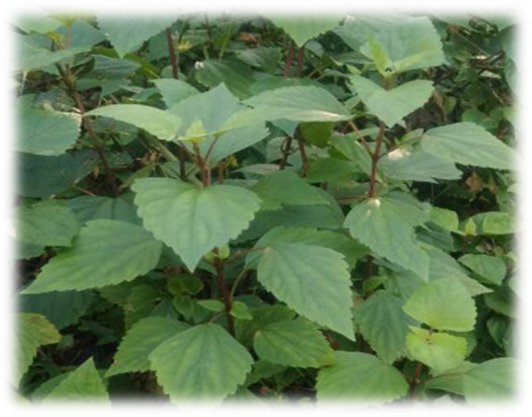
Figure 1: Leaves, Flower and Stems of Ageratina adenophora
Table 1: Taxonomical classification of Ageratina adenophora [21].
Kingdom
Plantae
Clade
Angiosperms
Order
Asterales
Family
Asteraceae
Genus
Ageratina
Species
Ageratina adenophora
Common names:
Table 2: Common names of Ageratina adenophora [22].
Common name
Language
English
Crofton weed
Hindi
Bhangra
Bengali
Haritaki
Gujarati
Kankana
Marathi
Kankan
Tamil
Kuruthikodi
Nepali
Banmara
An Overview of Its Worldwide Distribution:
The highly invasive weed Ageratina adenophora is found in over 40 countries. Particularly in China, its growth has a detrimental impact on cattle, agriculture, and natural biodiversity [23]. Since the 1800s, Ageratina adenophora, which is native to Mexico, has spread widely and naturalized in 40 countries, ranging from tropical to temperate. Its range is from Germany (53°N) to New Zealand (38°S), and its growth is fueled by apomictic reproduction and climate adaptation [24]. Ageratina Adenophora is a highly persuasive species that is mainly found in parts of south India and the Himalayan region's subtropical to warm temperature zones.
Botanical description:
Ageratina adenophora is a perennial herbaceous shrub with a maximum height of one or two meters (3.3 or 6.6 feet). Its leaves are 6–10 cm (2.4–3.9 in) long and 3–6 cm (1.2–2.4 in) wide, with opposite trowel-shaped serrated leaves. Located in clusters at the tips of branches, the tiny compound flowers bloom in late spring and summer. Each flower head is creamy white and up to 0.5 cm in diameter [25].
Chemical constituents:
A phytochemical screening of extracts from Ageratina adenophora (methanol, ethanol, hexane, chloroform, and ethyl acetate) revealed the presence of several advantageous compounds. Alkaloids were identified using a number of assays (Mayer's, Dragendorff's, and Wagner's), and the results revealed characteristic precipitates. Flavonoids, phenols, quinones, tannins, cardiac glycosides, carbohydrates, terpenoids, proteins, and amino acids were detected in their individual testing [26]. The qualitative and quantitative analysis highlighted the bioactive potential of Ageratina adenophora leaf extracts (petroleum ether, chloroform, and methanol), especially in the methanol extract. Phytochemical screening identified carbohydrates, alkaloids, phenols, flavonoids, glycosides, tannins, steroids, and terpenoids; tannins and phenols were found in significant amounts in the methanolic extract [27].
Table 3: Phytochemical constituents of Ageratina adenophora [28-37].
Sr. No.
Chemical Constituent
Extract Type
Pharmacological Activity
1
Carbohydrates
Methanol, Chloroform, Petroleum Ether
Immunomodulatory, Antioxidant
2
Alkaloids
Methanol, Chloroform, Petroleum Ether
Anticancer, Analgesic, Antimicrobial
3
Phenols
Methanol, Chloroform, Petroleum Ether
Antioxidant, Anti-inflammatory,
Cardio-protective
4
Flavonoids
Methanol, Chloroform, Petroleum Ether
Antioxidant, Anti-inflammatory,
Cardio-protective
5
Glycosides
Methanol
Cardio-protective, Anticancer, Antidiabetic
6
Tannins
Methanol
Antioxidant,
Antimicrobial, Anti-inflammatory
7
Steroids
Methanol, Chloroform, Petroleum Ether
Anti-inflammatory, Immunomodulatory, Analgesic
8
Terpenoids
Methanol, Chloroform, Petroleum Ether
Antimicrobial, Antioxidant,
Gallic acid (0.001–0.05 mg/ml) displayed a straight calibration curve with absorbance values between 0.08 and 1.16 at 765 nm. According to this curve, the methanolic leaf extract of Ageratina adenophora contained 30.0 mg gallic acid equivalents of total phenolic content per gram of dry extract [38].A bioassay-directed study identified eleven phenolic compounds, including seven recently reported ones, in the ethanol root extract of Ageratina adenophora[39].
Traditional uses: Traditional medicine has used Ageratina adenophora all over the world. It is used, among other things, as a blood coagulant, analgesic, antipyretic, anti-hypertensive, and antibacterial by local practitioners.The herb is also used to treat gastrointestinal and liver issues [40].The antibacterial, antiseptic, analgesic, and antipyretic properties of Eupatorium adenophoranow known as Ageratina adenophoraare highly valued in traditional medicine.Many cultures use its leaves and shoots to treat a wide range of ailments, such as wounds, fever, and diarrhea [41]. They are used to treat wounds, itching, measles, skin conditions, and uterine bleeding because of their astringent and antibacterial qualities [42].
Pharmacological Activity:
Antioxidant Activity: The study found that Ageratina adenophora leaves contain a variety of phytochemical s, including proteins, amino acids, carbohydrates, phenolic compounds, tannins, and alkaloids. These phytochemical not only support the synthesis and stabilization of Aa-AgNPs, but they also exhibit potential as a potential therapeutic option, supporting further clinical trials [43].
Anti-inflammatory Effects: The administration of CCGA significantly decreased the levels of NO, iNOS, COX2, and pro-inflammatory cytokines in LPS-induced RAW264.7 cells. Its anti-inflammatory effects stem from the suppression of the NF-κB signaling pathway, suggesting that CCGA may be a therapeutic agent for inflammatory disorders that need further investigation [44].
Antimicrobial Activity: Ageratina adenophora extracts were evaluated for their antibacterial activity against six human pathogenic microorganisms using disc diffusion. Both the aqueous and methanolic extracts showed significant inhibition, but the methanolic extract showed the most. Phytochemical screening revealed high levels of alkaloids, suggesting that this invasive species could be used to produce broad-spectrum antibiotics [45].
Anticancer Activity: Ageratina adenophora significantly inhibits the growth of lung cancer (A549) cells, resulting in apoptosis characterized by chromatin condensation and membrane blebbing, according to Giemsa and PI staining. These findings show that the plant has potent anticancer effects on lung cancer cells [46].
Analgesic Activity: This study investigated the effects of an ethanol extract from Ageratina adenophora on nitro-glycerine-induced migraines in rats. While significantly reducing headache-related behaviors and levels of nitric oxide, calcitonin gene-related peptide, and endothelin, the extract raised serotonin and norepinephrine, suggesting preventive effects against migraine symptoms [47].
Immunomodulatory Effects: Ageratina adenophora leaf consumption caused severe splenic damage in rats, including loss of the FRC network and alterations in the Th1/Th2 cell ratio and associated variables. These findings suggest strategies to lessen the toxicity of this invasive plant and suggest potential immunotoxicity [48].
Antidiabetic Agent: While maintaining body weight, Ageratina adenophora hydroalcoholic extract dramatically lowered blood glucose levels in Wistar rats with diabetes and normoglycemia. Insulin resistance and glucose tolerance may be improved by significant phytoconstituents such as caffeic and chlorogenic acids. More research is needed to determine their mechanisms and safety for potential use as an antidiabetic drug [49].
BIDENS PILOSA:
Bidens pilosa (Asteraceae) is an edible medicinal plant with many bio-activities reported to have a health-beneficial role in controlling various diseases. Though B. pilosa contain a diverse array of natural products, these are produced in relatively low concentrations [50]. The bioactive compounds within plants that contribute to the ability of the plant to self-protect against oxidative stress are also utilized extensively by humans as supplementary antioxidant molecules to alleviate the effects of various human diseases. The difference between the two studies means that a theoretical investigation is necessary to determine the most active form of these isomeric molecules based on their antioxidant characteristics from a structural and energetic perspective [51].
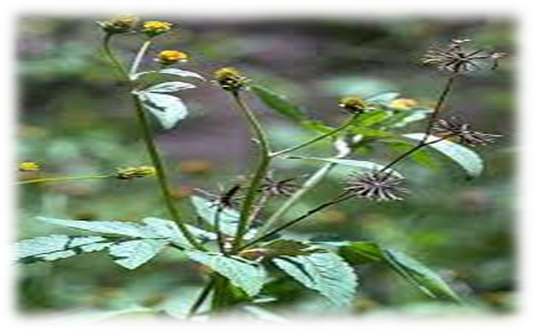
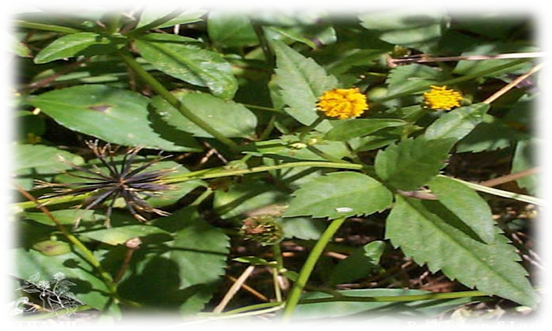
Figure 2: Leaves, Flower and Stems of Bidens Pilosa
Synonyms: Bidens sundaica var. minor, Bidens pilosa var. bimucronata, Bidens pilosa var. minor, chinensis Willd., B. leucantha Willd, B. subalternans Dc [52].
Taxonomical Classification:
Table 4: Taxonomical classification of Bidens pilosa [53].
Kingdom
Plantae
Phylum
Angiosperms
Class
Magnoliopsida
Family
Asteraceae
Order
Asterales
Genus
Bidens
Species
Bidens Pilosa L.
Common Name:
Table 5: Common names of Bidens pilosa [54].
Common name
Language
English
Black-jack
Hindi
Kumra
Gujarati
Phutium
Manipuri
Hamengsampakpi
An Overview of Its Worldwide Distribution:
Bidens pilosa is found in many tropical and subtropical regions, including parts of Asia, Africa, Europe, and the Americas. It thrives in disturbed places like the edges of roads, farms, and forests. Originally from tropical America, it is now widespread on almost every continent in the world. Bidens pilosa is prized for its therapeutic qualities, especially in traditional herbal medicine, even though it is considered a weed in some places [55].
Botanical Description:
Leaves: Bidens pilosa leaves are oblong to lanceolate in form, with lengths of 3 to 12 cm and widths of 2 to 5 cm. The leaf edges are typically coarsely toothed or serrated, with three to five lobes on each side [56].
Stem: Bidens pilosa has a herbaceous, often erect stem that can reach a height of 1.5 meters. It is typically green or reddish-brown in color and has a slightly coarse texture [57].
Root: Bidens pilosa has long, thin lateral roots and a shallow, fibrous root system. The roots, which are usually white to pale yellow in color, emit a faint, earthy odor when disturbed [58].
Flowers: The tiny yellow flowers of Bidens pilosa resemble daisies and have ray florets surrounding a central disc. The flowers are grouped in currycombs or heads and are typically 2 to 3 cm in diameter. They taste extremely bitter, especially when consumed [59].
Fruits: The fruits are roughly 1 cm long, stiff, rough, slightly curved black rods with two to three barbed awns at their distal ends. These barbed spines aid in the dispersal of seeds by adhering to humans and animals [60].
Chemical constituents:
More than 300 bioactive compounds, mostly polyacetylenes and flavonoids, can be found in abundance in Bidens pilosa.1-phenylhepta-1,3,5-triyne, polyacetylene glucosides, different phenylpropanoid glucosides, caffeoylquinic acids (such as 3,5-dicaffeoylquinic acid), and flavone glycosides such as luteolin and quercetin derivatives are among them.Since B. pilosa was first discovered in 1753, its population has grown. The exploitation and medical applications of B. pilosa have been reported in about 116 publications. According to a previous compilation, 201 compounds from this plant have been identified thus far, including 70 aliphatic, 60 flavonoids, 25 terpenoids, 19 phenylpropanoids, 13 aromatics, 8 porphyrins, and 6 other compounds [61]
Flavonoids: The plant contains a significant number of flavonoids, which are recognized for their anti-inflammatory, anti-cancer, and antioxidant properties. Two common flavonoids in Bidens pilosa, quercetin, have demonstrated potential in preventing oxidative stress-related disorders [62].
Terpenoids: Sesquiterpenes and diterpenes, in particular, are abundant in Bidens pilosa. These compounds possess a range of biological characteristics, including anti-inflammatory, anticancer, and antibacterial qualities. Terpenoids like d-limonene and β-caryophyllene have been shown to contribute to the plant's therapeutic properties [63].
Alkaloids: Pyrrolizidine alkaloids, which have been demonstrated to possess pharmacological characteristics like analgesic and anti-inflammatory effects, are among the alkaloids found in Bidens pilosa [64].
Phenolic Compounds: The antioxidant and anti-inflammatory properties of the plant are attributed to phenolic compounds, specifically phenolic acids like caffeic acid and chlorogenic acid. These substances are known to lessen oxidative cell damage and scavenge free radicals. Antibacterial, anti-inflammatory, and anticancer properties have been linked to the saponins in Bidens pilosa. Additionally, these compounds can control cholesterol levels and boost the immune system [65].
Essential Oils: Among the volatile compounds present in Bidens pilosa essential oils are terpenes, alcohols, and esters. These oils have anti-inflammatory, anti-fungal, and antibacterial properties [66].
Fatty Acids: Bidens pilosa contains fatty acids such as palmitic acid, oleic acid, and linoleic acid that have anti-inflammatory and anti-oxidative qualities [67].
Traditional uses:
Folk medicine: Used for its antiseptic, liver-protective, and anti-inflammatory qualities. It is also used to treat obesity and diabetes.
Food: The leaves and shoots can be used in teas, sauces, and as a flavoring agent.
Agriculture: Used as a bio-pesticide and herbicide.
Soil remediation: Used to remediate soils contaminated with heavy metals.
Nutritional value: Rich in phytochemicals, minerals, and essential amino acids.
Antimicrobial activity: The extract of B. pilosa has shown significant activity against selected bacterial pathogens. [68]
Pharmacological activity:
Bidens pilosa's diverse pharmacological effects are influenced by its phytochemical profile:
Antioxidant Activity: Bidens pilosa's terpenoids, phenolic acids, and flavonoids all have strong antioxidant properties. These compounds protect cells from damage caused by reactive oxygen species (ROS) and reduce oxidative stress by scavenging free radicals [69].
Antibacterial Activity: Studies have demonstrated the antibacterial properties of Bidens pilosa extracts against a range of bacteria, viruses, and fungi. These antimicrobial effects are believed to be primarily brought about by essential oils and saponins, which inhibit the growth of bacteria such as Escherichia coli, Candida albicans, and Staphylococcus aureus [70].
Anti-inflammatory Activity: Bidens pilosa has been shown to have anti-inflammatory qualities due to its flavonoid and phenolic content. These substances modify inflammatory responses by preventing the synthesis of pro-inflammatory cytokines and enzymes such as cyclooxygenase-2 (COX-2) [71].
Anticancer Activity: The phytochemicals in Bidens pilosa have demonstrated anticancer potential by stopping cell division, initiating programmed cell death (apoptosis), and stopping metastasis. For example, it has been demonstrated that quercetin and kaempferol inhibit the growth and metastasis of cancer cells in a range of cancer types [72].
Antidiabetic Activity: Because Bidens pilosa's phenolic components, saponins, and flavonoids have been shown to lower blood glucose levels and improve insulin sensitivity, it is a promising treatment for diabetes [73].
ERIGERON CANADENSIS:
Erigeron canadensis, a flowering plant in the family Asteraceae, is sometimes referred to as horseweed or Canadian fleabane. These then interact with vital cellular macromolecules, causing oxidative damage to the molecules through oxidation and reduction reactions as well as intracellular metabolic disruptions [74]. The local ecosystems in which invasive non-native plant species have been introduced are typically harmed. They can change how ecosystems work, out-compete native plant species, lower biodiversity, and have a significant economic impact [75]. The harmful effects of ionizing radiation (IR) are mediated by direct energy deposition onto the target biological molecule (DNA, proteins, lipids, and sugars) and by the interaction of the reactive. Plant phenolic compounds, such as anthocyanins, flavonoids, stilbenes, phenolic acids, tannins, etc., can considerably reduce the effects of infrared radiation at the molecular, cellular, and tissue levels [76].
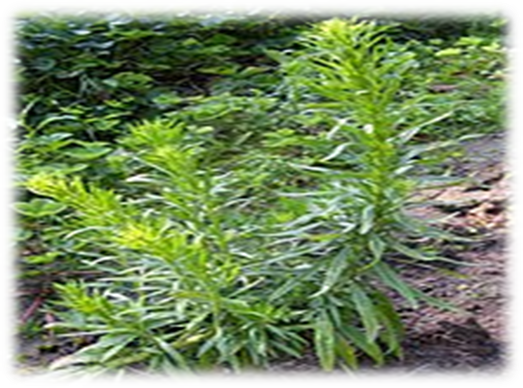
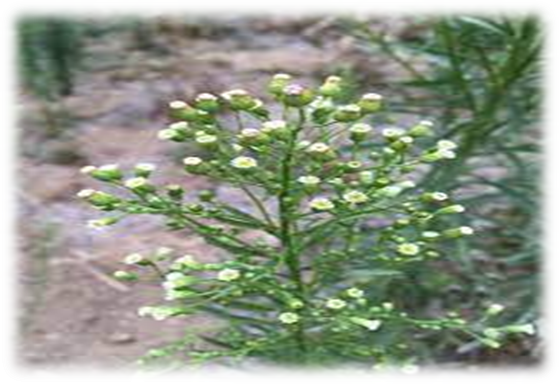
Figure 3: Leaves, Flower and Stems of Erigeron canadensis
Synonym: Conyza canadensis (L.), Erigeron canadense var. pusillus (Nutt.), Erigeron canadensis f. canadensis, Erigeron canadensis var. Leptilon canadense (L.), Erigeron canadensis f. coloratus Fassett, Erigeron canadensis var. strictus Farw., Senecio ciliatus Walter, Marsea canadensis (L.) [77].
Taxonomical Classification:
Table 6: Taxonomical classification of Erigeron canadensis [78].
Kingdom
Plantae
Division
Tracheophyta
Class
Magnoliopsida
Family
Asteraceae
Order
Asterales
Genus
Erigeron/ Conyza
Species
E. Canadensis
Common Name:
Table 7: Common names of Erigeron canadensis [79].
Common name
Language
English
Butterweed, Canadian fleabane, Canadian horseweed, horseweed.
Hindi
Gajar Ghass
Sanskrit
Jarayupriya
French
Vergerette du.
German
Kanadisches
Arabic
Theil Elfers, hashes hat El Jabal, nashis El Theban, Asa Kanada, sheikh al-rabi.
Distribution:
The plant is found in the following regions: Asia (Armenia, Azerbaijan, China, Japan, Korea, Taiwan, and Turkey); Europe (Belarus, Estonia, Latvia, Lithuania, Switzerland, Denmark, Finland, Norway, Sweden, United Kingdom, Albania, Greece, Italy, Macedonia and Spain) and the other regions [80]. Horseweed is widely distributed in its natural range, having originated in North and Central America. The majority of the temperate zone in Asia, Europe, and Australia has seen its spread to populated areas. India is home to Himachal, Assam, and other regions [81].
Botanical Description:
Erigeron canadensis is an annual forb that grows in both winter and summer. One or more of its branches reach a height of 30 to 150 cm (1 to 5 feet), and it is upright. Typically, stems are unbranched at the base unless there is damage to the apical growth points. The leaves measure 2 to 8 cm (0.8 to 3.1 in) in length and 2 to 8 mm (0.08 to 0.31 in) in width [82]. The leaf margins are ciliates and serrated. The inflorescence resembles a loose panicle. At 2 to 4 mm (0.08 to 0.16 in) tall and 3 to 7 mm (0.12 to 0.28 in) broad, the many flower heads are tiny [83].
Chemical constituents:
Limonene is one of the primary compounds in E. Canadensis essential oil, accounting for 76.03% of its 18 constituents [84]. According to phytochemical analyses, Erigeron canadensis (also known as Conyza canadensis) included flavonoids, anthraquinone, glycosides, tannin, diterpenoids, terpenoids, and saponins. Numerous sphingolipids, conyzolide, conyzoflavone, conyzapyranone A, conyzapyranone B, 4 E,8 Z-matricaria- γ-lactone, taraxerol, simiarenol, spinasterol and various sphingolipids were isolated from different plant parts [85]. Eight sesquiterpenic hydrocarbons, including beta-santalene, beta-himachalene, alpha-curcumene, gamma-cadinene, and three additional unidentified hydrocarbons, were extracted from the epigean section of the plant [86]. The essential oil composition of the Korean aerial section of Erigeron canadensis was determined to consist of 31 constituents, 18 hydrocarbons (91.99% of the total oil), two acetates (2.92%), three alcohols (3.59%), four ethers (0.49%), one aldehyde (0.05%), and three ketone (0.23%). The essential oil's main ingredients were delta-3-carene (15.9%) and D, L-limonene (68.25%) [87]
Table 8: Chemical Compound and its Composition [88]
Sr. No
Compound identified
% Composition
1
αPinene
1.9
2
β Myrcene
1.2
3
pCymene
0.8
4
Limonene
57.2
5
( E) β Ocimene
1.1
6
β Pinene
2.1
7
Sabinene
0.8
8
pMenth1(7),8(10) dien9ol
0.3
9
Camphene
2.5
10
4Hexen3one 2,2 dimethyl
0.8
11
βCaryophyllene
6.7
12
Spathulenol
1.5
13
αCurcumene
3.0
14
πMuurolene
1.1
15
Himachala1,4diene
0.7
16
2Allyl phenol
o.5
17
Un identified
0.2
18
2E,8ZMatricaria ester
0.2
19
Farnesene
0.8
20
βVatriene
0.9
21
δCadinene
0.7
22
Unidentified
0.8
23
Z,ZMatricaria ester
3.4
24
Unidentified
o.6
25
Germacrene D
4.9
26
2E,8Ematricaria ester
1.2
Traditional uses:
Erigeron has been used as a natural pesticide to keep fleas away since the Roman era. Simply keeping it in the yard keeps mosquitoes away, but you can also rub the leaves on clothes or walkways to further deter ticks, gnats, flies, and mosquitoes. acris roots are applied topically to treat arthritis, bruises, and toothaches in Italian traditional medicine [89]. Fresh leaves are crushed into a paste and placed to the aching tooth as needed to relieve dental pain. To treat dysmenorrhea, 200 g of dried leaves are boiled in one litter of water. Three times a day, 100 cc of water are taken following two hours of cooling and filtering [90].
Pharmacological activity:
Erigeron Canadensis has a wide range of pharmacological properties such as including Anti-microbial, Anti-oxidant, Anticoagulant and Anti-platelet or Anti-inflammatory and Anti-cancer activity:
Antimicrobial activity: The antibacterial properties of Erigeron Canadensis were evaluated against eight pathogenic microorganisms: Escherichia coli, Bacillus subtilis, Micrococcus luteus, Pseudomonas aeruginosa, Shigella flexneri, Shigella dysenteries, and Vibrio cholerae. The ethanolic floral extract showed the largest inhibition zone of 17 mm against P. aeruginosa and a low inhibition zone of 5 mm against B. subtilis. When it came to M. luteus and E. coli, the methanolic extract of the flower showed the lowest and highest inhibition zones, respectively. The ethanolic and methanolic stem extracts of the plant did not exhibit an inhibitory zone.[95]
Antioxidant activity: DPPH free radical activity was used to assess the antioxidant activity of the crude methanolic extract and various solvent fractions (hexane, chloroform, ethyl acetate, and butanol). At 100 μg/ml of ethyl acetate, aqueous fraction, n-hexane, and chloroform fraction, the maximum antioxidant potentials were 70.6, 71.65, 66.50, and 38.09%, with corresponding EC50 values of 50.35, 46.34, and 44.55 μg/ml. [35] The plant extract's antioxidant and protective properties against oxidative and nitrative damage caused by ONOO- were investigated in plasma proteins [96].
Anticoagulant and anti platelets activity: Protamine sulfate counteracted the in vivo anticoagulant activity of the phenolic-polysaccharide derived from Erigeron canadensis. Additionally, it had arachidonic acid-induced anti-platelet activity that was restricted to the cyclooxygenase pathway. [97]. The effects of different components of plant extracts on platelet aggregation were investigated in vitro. At concentrations higher than 0.75 mg/ml, glycoconjugate, polysaccharide, and aglycon components of either young or old plants significantly and dose-dependently inhibited platelet aggregation induced by collagen (2 microg/ml).[98]
Anti-inflammatory activity: The anti-inflammatory effects and underlying molecular mechanisms of Erigeron canadensis (ECM) methanol extract were examined in RAW264.7 macrophage cells that had been activated by lipopolysaccharide (LPS). Together with these ECM-induced inhibitory effects, there were decreases in NFκB trans activities and LPS-induced nuclear translocations. [99]
Anti-cancer activity: Erigeron canadensis root extracts were more effective than extracts from other organs, and MCF7 cells were marginally more effective. Compared to the other two cell lines, the IC50 data indicated that it was more sensitive [100]. The extracts of Erigeron canadensis roots in n-hexane exhibited the highest level of activity. However, Erigeron canadensis demonstrated a potent antiproliferative effect. [101]
CONCLUSION
With species like Bidens pilosa, Ageratina adenophora, and Erigeron canadensis exhibiting a broad range of therapeutic potential, the Asteraceae family is among the most varied and pharmacological significant groups of plants. These plants' Pharmacognostical analyses offer vital information about their diagnostic traits, which help with accurate identification and standardization and guarantee authenticity and quality control in herbal formulations.
Additionally, preliminary phytochemical studies demonstrate the presence of bioactive substances like flavonoids, alkaloids, terpenoids, tannins, phenolic acids, and essential oils. These substances are known to support a variety of pharmacological activities, such as cytotoxic, anti-inflammatory, antimicrobial, antioxidant, and antidiabetic effects. The ethnomedicinal claims are supported by these findings, which also highlight the plants' scientific value in contemporary drug discovery.
Nevertheless, despite encouraging pharmacological actions, the majority of research is still in its early stages and has little information on safety profiles, mechanisms of action, and bio-availability. Therefore, more sophisticated phytochemical, pharmacological, and clinical research is needed to confirm conventional applications and thoroughly examine their therapeutic potential.
To sum up, the Asteraceae family has enormous potential as a source of new medicinal substances. The development of safe, efficient, and reasonably priced plant-based medications will be aided by the integration of Pharmacognostical characterization with contemporary phytochemical and pharmacological research, which will also reinforce the scientific basis of traditional medicine.
REFERENCES
Hassan LG, Mshelia HE, Umar KJ, Kangiwa SM, Ogbiko C, Yusuf AJ. Phytochemical Screening, Isolation and Characterization of Beta-Sit sterol from ethyl acetate Extract of Stem Bark of Entadaafricana (Fabaceae) Guill.etPerr. J ChemSoc Niger. 2018; 43(3).
Youssef FS, Hamoud R, Ashour ML, Singab AN, Wink M. Volatile oils from the aerial parts of Eremophilamaculata and their antimicrobial activity. Chem. Bio divers. 2014; 11(5):831–41.
Rash rash M, Schommer JC, Brown LM. Prevalence and predictors of herbal medicine use among adults in the United States. J patient Exp. 2017; 4(3):108–13.
Kumar M, Prakash S, Radha, Kumari N, Pundir A, Punia S, et al. Beneficial role of antioxidant secondary metabolites from medicinal plants in maintaining oral health. Antioxidants. 2021; 10(7):1061.
Nweze C, Ibrahim H, Ndukwe GI. Beta-sitosterol with antimicrobial property from the stem bark of pomegranate (Punicagranatum Linn). J Applica Environ Manag. 2019; 23(6):1045–9.
Sani, Y., Musa, A., Pateh, U., Haruna, A., Yaro, A., Sani, M., Magaji, M. 2014. Phytochemical screening and preliminary evaluation of analgesic and anti-inflammatory activities of the methanol root extract of Cissuspolyantha. Bayero Journal of Pure and Applied Sciences, 7(1), 19-23.
Singh, S., Singh, D.B., Singh, S., Shukla, R., Ramteke, P.W. and Misra, K., 2019. Exploring medicinal plant legacy for drug discovery in post-genomic era. Proceedings of the National Academy of Sciences, India Section B: Biological Sciences, 89(4), 1141-1151.
Bartolome, A. P., Villaseñor, I. M., & Yang, W. C. (2013). Bidens pilosa L. (Asteraceae): Botanical properties, traditional uses, phytochemistry, and pharmacology. Evidence-Based Complementary and Alternative Medicine, 2013, 340215. https://doi.org/10.1155/2013/340215
Bremer, K. (1994). Asteraceae: Cladistics and classification. Timber Press.
Funk, V. A., Susanna, A., Stuessy, T. F., & Bayer, R. J. (2009). Systematics, evolution, and biogeography of Compositae. International Association for Plant Taxonomy.
Kumar, S., and Pandey, A. K. 2017. Medicinal attributes of Solanumxanthocarpum fruit consumed by several tribal communities as food: an in vitro antioxidant, anticancer and anti HIV perspective. BMC Complementary and Alternative. Medicine. 14 (1), 112.
Gheena, S. and Ezhilarasan, D. 2019, “Syringic acid triggers reactive oxygen species–mediated cytotoxicity in HepG2 cells”, Human and Experimental Toxicology. 38(6):694-702.
Karthiga, Rajesh kumar, S. and Annadurai, G. 2018, “Mechanism of Larvicidal Activity of Antimicrobial Silver Nanoparticles Synthesized Using Garcinia mangostana Bark Extract”, Journal of Cluster Science.29 (6), 1233-1241.
Lakshmi, T., Krishnan, V., Rajendran, R. and Madhusudhanan, N. 2015, “Azadirachtaindica: An herbal panacea in dentistry - An update”, Pharmacognosy Reviews.9 (17), 41-44.
Sholichin, M., Handayani, D., & Riyanto, S. (2020). Chemical constituents and biological activities of Erigeron canadensis. Pharmacognosy Reviews, 14(27), 23–30. https://doi.org/10.4103/phrev.phrev_32_19
Pandey, A. K., Singh, P., Tripathi, N. N., & Chand, S. (2014). Chemistry and bioactivities of essential oils of some Asteraceae plants. Medicinal & Aromatic Plants, 3(3), 154. https://doi.org/10.4172/2167-0412.1000154
Zhao, M., Yang, B., Wang, J. S., Liu, Y., Yu, L., & Jiang, Y. (2013). Immunomodulatory and anti-inflammatory activities of Ageratina adenophora polysaccharide in vitro and in vivo. International Journal of Biological Macromolecules, 59, 179–185. https://doi.org/10.1016/j.ijbiomac.2013.04.030
Nie X, Lv S, Zhang Y, Du X, Wang L, Biradar SS, Tan X, Wan F, Weining S. Complete chloroplast genome sequence of a major invasive species, crofton weed (Ageratina adenophora). PloS one. 2012 May 11;7(5): e36869.
Sun W, Liu SS, Zhao CC. Biological properties of active compounds from Ageratina adenophora. SAGE Open Medicine. 2023 May; 11:20503121231167964.
Gupta A, Gupta V. Ageratina adenophora Plant: A Review–One Plant with Many Therapeutic Uses.
Du E, Chen Y, Li Y, Sun Z, Gui F. Rhizospheric Bacillus-facilitated effects on the growth and competitive ability of the invasive plant Ageratina adenophora. Frontiers in Plant Science. 2022 Jun 14; 13:882255.
Chanu KD, Thoithoisana S, Kar A, Mukherjee PK, Radhakrishnanand P, Parmar K, Sharma N. Phytochemically analysed extract of Ageratina adenophora (Sprengel) RM King & H. Rob. initiates caspase 3-dependant apoptosis in colorectal cancer cell: A synergistic approach with chemotherapeutic drugs. Journal of Ethnopharmacology 2024 Mar 25; 322:117591.
P. Paul, M.K. Unnikrishnan, A.N. Nagappa, Phytochemicals as radioprotective agents — a review, Indian J. Nat. Prod. Resour. 2 (2011) 137–150.
Yadav SP, Pokhrel S, Poudel A, Devkota S, Katel S, Bhattarai N, Gautam P. Journal of Agriculture and Food Research. Journal of Agriculture and Food Research. 2024; 15:100987.
Wikipedia contributors. (2023, September 14). Ageratina adenophora. In Wikipedia, The Free Encyclopedia. Retrieved 14:41, November 24, 2023, from https://en.wikipedia.org/w/index.php?title=Ageratina_adenophora&oldid=1175337314.
Thapa A, Pokharel A, Karki H, Yadav RK, Paudel N, Bharati S, Shrestha T, Maharjan B, Karanjit S, Shrestha RL. Phytochemical Analysis, Cytotoxicity, Antibacterial and Antioxidant Activities of Extracts of Leaf of Ageratina adenophora (Spreng.). Amrit Research Journal. 2022 Dec 23;3(01):84-93.
Mazumder MU, Khazeo P, Puro KN, Jyrwa R, Jamir N, Sailo L. Qualitative and quantitative analysis of phytochemicals of crude extracts of Ageratina adenophora leaves. In Mizoram Science Congress 2018 (MSC 2018) 2018 Dec (pp. 178-182).
Zheng H, Zhang C, Wang L, Xu Z, Li H. Phytochemical investigation and biological activity of Ageratina adenophora. J Ethnopharmacol. 2009;123(3):463-72.
Liang S, Zhou X, Wang Y, Chen Y, Wang S. Studies on chromene derivatives from Ageratina adenophora roots. Nat Prod Res. 2019;33(12):1800-6.
Ghosh P, Mukherjee S, Kumar S. Isolation of monoterpene glucosides from invasive Ageratina adenophora. Phytochem Lett. 2015; 11:45-50.
Shekhar S, Walia S, Bhullar S. Bioactive sesquiterpenoids in Ageratina adenophora and their pharmacological effects. Fitoterapia. 2017; 121:73-9.
Rani R, Thakur B, Joshi M. Comprehensive analysis of carbohydrates and other phytoconstituents in Ageratina adenophora. Indian J Plant Sci. 2013;2(1):71-5.
Pan X, Chen Y, Zhu S. Phytochemical profile and medicinal properties of Ageratina adenophora. Plant Arch. 2014;14(2):603-10.
Mandal S, Yadav S, Sekhon BS. Phenolic compounds and their antioxidant activities in Ageratina adenophora extracts. Phytomedicine. 2012;19(5):398-405.
Bhattarai K, Shrestha R, Sharma K. Flavonoid content analysis of Ageratina adenophora and its pharmacological activities. J Med Plants Res. 2016;10(13):164-71.
Joshi T, Pande M, Tiwari S. Characterization of xanthoproteins in methanolic extract of Ageratina adenophora. J Phytochem. 2020;35(4):217-22.
Yadav A, Kumar R. Glycosides in invasive Ageratina adenophora and their bioactivity. Asian J Chem. 2018;30(5):1023-9.
Sharma N, Verma V, Chauhan M. Evaluation of terpenoids in Ageratina adenophora and their biological impact. J Ethnopharmacol. 2016; 179:195-200.
Lallianrawna S, Muthukumaran R, Ralte V, Gurusubramanian G, Kumar NS. Determination of total phenolic content, total flavonoid content and total antioxidant capacity of Ageratina adenophora (Spreng.) King & H. Science vision. 2013 Oct;13(4):149-56.
Zhou ZY, Liu WX, Pei G, Ren H, Wang J, Xu QL, Xie HH, Wan FH, Tan JW. Phenolics from Ageratina adenophora roots and their phytotoxic effects on Arabidopsis thaliana seed germination and seedling growth. Journal of agricultural and food chemistry. 2013 Dec 4;61(48):11792-9.
Giri S, Sahu R, Paul P, Nandi G, Dua TK. An updated review on Eupatorium adenophorum Spreng. [Ageratina adenophora (Spreng.)]: traditional uses, phytochemistry, pharmacological activities and toxicity. Pharmacological ResearchModern Chinese Medicine. 2022 Mar 1; 2:100068.
Jamir N, Mazumder MU, Khazeo P, Puro KN, Jyrwa R, Sailo L. Pharmacognostic study of the leaf of Ageratina adenophora. InMizoram Science Congress 2018 (MSC 2018) 2018 Dec (pp. 155-158). Atlantis Press.
Latha MB, Mani N, Kavikala N, Karthika S, Rajasudha V. Evaluation of secondary metabolites of Ageratina adenophora and synthesis of silver nanoparticles for its antibacterial and antioxidant activity. Oriental Journal of Chemistry. 2023;39(1):102.
Ma X, Okyere SK, Hu L, Wen J, Ren Z, Deng J, Hu Y. Anti-inflammatory activity and mechanism of cryptochlorogenic acid from Ageratina adenophora. Nutrients. 2022 Jan 19;14(3):439.
Poudel R, Neupane NP, Mukeri IH, Alok S, Verma A. An updated review on invasive nature, phytochemical evaluation, & pharmacological activity of Ageratina adenophora. Int. J. Pharm. Sci. Res. 2020; 11:2510-20.
Mani S, Natesan K, Shivaji K, Balasubramanian MG, Ponnusamy P. Cytotoxic effect induced apoptosis in lung cancer cell line on Ageratina adenophora leaf extract.
Kumar M, Garkoti SC. Allelopathy effects of invasive alien Ageratina adenophora on native shrub species of chir pine forest in the central Himalaya, India. Journal of Forest Research. 2022 Jan 2;27(1):53-62.
Wang H, Guo P, Li X, Xu M, Xing Y, Li C, Luan Y, Zheng L. Analgesic Effect of Ageratina adenophora Ethanol Extract on Migraine Rat Model. Forest Chemicals Review. 2021 Oct 31:1764-1773.
Ren Z, Gao P, Okyere SK, Cui Y, Wen J, Jing B, Deng J, Hu Y. Ageratina adenophora Inhibits Spleen Immune Function in Rats via the Loss of the FRC Network and Th1– Th2 Cell Ratio Elevation. Toxins. 2021 Apr 26;13(5):309.
Chanu KD, Sharma N, Kshetrimayum V, Chaudhary SK, Ghosh S, Haldar PK, Mukherjee PK. Ageratina adenophora (Spreng.) King & H. Rob. Standardized leaf extract as an antidiabetic agent for type 2 diabetes: An In vitro and in vivo evaluation.
Bilanda, d.c.; dzeufiet, p.d.d.; kouakep, l.; aboubakar, b.f.o.; tedong, l.; kamtchouing, p.; dimo, t. Bidens pilosa ethylene acetate extract can protect against l-name-induced hypertension on rats. Bmc complement. Altern. Med. 2017, 17, 479.
Frontiers in Pharmacology. 2023 Apr 17; 14:1178904.
Xuan, t.d.; khanh, t.d. Chemistry and pharmacology of bidens pilosa: an overview. J. Pharm. Investig. 2016, 46, 91–132.
Singh, g.; passsari, a.k.singh, p.; leo, v.v.; subbarayan, s.; kumar, b.; singh, b.p.; lalhlenmawia, h.; kumar, n.s. Pharmacological potential of bidens pilosa l. And determination of bioactive compounds using uhplc-qqqlit- ms/ms and gc/ms. Bmccomplement. Altern. Med. 2017, 17, 492.
Matsuura H, Ishikawa Y, Kishimoto M. Antioxidant and anti-inflammatory activities of Bidens pilosa L. J Nat Prod. 2018; 81(3):520-525.
Soliman KA, Asim M, Bint Al-Jassim K, et al. Pharmacognostic evaluation of Bidens pilosa (L.) leaves. J Ethnopharmacol. 2020; 259:112907.
Chukwujekwu JC, Mbah GO, Wintola O, et al. Phytochemical and pharmacological profile of Bidens pilosa L. (Asteraceae): A review. J Pharmacol. 2019; 8(3):30-41.
Matsuura H, Ishikawa Y, Kishimoto M. Antioxidant and anti-inflammatory activities of Bidens pilosa L. J Nat Prod. 2018; 81(3):520-525.
Okokon JE, Akpan H, Essien E, et al. Antimicrobial and antidiabetic activities of Bidens pilosa Linn. Phytomedicine. 2017; 35(1):61-69.
Owoyemi, o.o.; oladunmoye, m.k. Phytochemical screening and antibacterial activities of bidens pilosa l. And tridax procumbens l. On skin pathogens. Int. J. Mod. Biol. Med. 2017; 8, 24–46.
F. L. Silva, D. C. H. Fischer, J. F. Tavares, M. S. Silva, P. F. De Athayde-Filho, and J. M. Barbosa-Filho, “Compilation of secondary metabolites from Bidens pilosa L,” Molecules, vol. 16, 2011; 2, 1070–1102.
Zhou S, Qiu J, Liu Y. Phytochemical analysis of Bidens pilosa and its clinical uses. Evid Based Complement Alternat Med. 2018; 12:232794.
Soliman KA, Asim M, Bint Al-Jassim K, et al. Pharmacognostic evaluation of Bidens pilosa (L.) leaves. J Ethnopharmacol. 2020; 259:112907.
Chukwujekwu JC, Mbah GO, Wintola O, et al. Phytochemical and pharmacological profile of Bidens pilosa L. (Asteraceae): A review. J Pharmacol. 2019; 8(3):30-41.
Matsuura H, Ishikawa Y, Kishimoto M. Antioxidant and anti-inflammatory activities of Bidens pilosa L. J Nat Prod. 2018; 81(3):520-525.
Okokon JE, Akpan H, Essien E, et al. Antimicrobial and antidiabetic activities of Bidens pilosa Linn. Phytomedicine. 2017; 35(1):61-69.
Zarei M, Khazaei M, Shaterian H, et al. Chemical composition and biological activities of Bidens pilosa essential oil. Nat Prod Commun. 2015; 10(3):379-384.
Tajik, n.; tajik, m.; mack, i.; enck, p. The potential e ects of chlorogenic acid, the main phenolic components in co ee, on health: a comprehensive review of the literature. Eur. J. Nutr. 2017, 56, 2215–2244.
Saeed M, Abid M, Mustafa G, et al. Medicinal applications of Bidens pilosa in the treatment of diabetes and malaria. Int J Res Pharmaceut Sci. 2020; 12(4):1482-1491.
Shahid M, Sultana S, Shukla S, et al. Review on phytochemical and medicinal potentials of Bidens pilosa L. Int J Pharm Sci Rev Res. 2021;66(2):49-54.
Yadav R, Solanki R, Yadav S. Medicinal properties and pharmacological effects of Bidens pilosa: A comprehensive review. Biol. Pharm. Bull. 2021; 44(8):1170-1180.
Lien YC, Hsu FF, Chen YC, et al. Study on the chemical composition and antibacterial activity of Bidens pilosa leaves extract. J Ethnopharmacol. 2016; 193:281-287.
Stoilova I, Fattouch S, Caboni P, et al. Composition and antimicrobial activity of essential oil from Bidens pilosa. J Agric Food Chem. 2004; 52(13):4325-4331.
D.R. Spitz, E.I. Azzam, J.J. Li, D. Gius, Cancer Metastasis Rev. 23, 2004; 311–322
Wong, P.-S.J.; Li, M.I.; Chong, C.-S.; Ng, L.-C.; Tan, C.-H. Aedes (Stegomyia) albopictus (Skuse): A potential vector of Zika virus in Singapore. PLoS Negl. Trop. Dis. 2013; 7, 2348.
I Turell, M.J. Members of the Culex pipiens complex as vectors of viruses. J. Am. Mosq. Control Assoc. 2012; 28, 123–127.
Panche, a.n.; diwan, a.d.; chandra, s.r. Flavonoids: an overview. J. Nutr. Sci. 2016; 5, 47.
Sharma, a.; shahzad, b.; rehman, a.; bhardwaj, r.; landi, m.; zheng, b. Response of phenylpropanoid pathway and the role of polyphenols in plants under abiotic stress. Molecules 2019, 24, 2452.
Randhir, r.; Ms., y.l.; Shetty. Dark germinated fenugreek sprouts in response to peptide and phytochemical elicitors. Asia pac. J. Clin. Nutra. 2004, 13, 295–307. [PubMed]
A.k. Sinha, b.p. Joshi and r. Dogra (2001). Nat. Prod. Lett., 15(6), 439– 444.
Al-Snafi, Ali. (2017). Pharmacological and therapeutic importance of erigeron canadensis (syn: Conyza canadensis). Indo Am J P Sci. 4. 248-256. 10.5281/zenodo.344930.
U.S. National Plant Germplasm System, Erigeron canadensis, https://npgsweb.arsgrin.gov/gringlobal/taxonomydetail.aspx?id=104213.
Cronquist A, Holmgren AH, Holmgren NH, Reveal JL and Holmgren PK (eds). Intermountain flora: Vascular plants of the Intermountain West. Bronx, New York 1994; Vol 5: 496.
USDA Natural Resources Conservation Service. The Plants Database. http://plants. usda.gov ( Aug. 27, 2012).
Shakirullah M, Ahmad H, Shah MR, Ahmad I, Ishaq M, Khan N, Badshah A and Khan I. Antimicrobial activities of conyzolide and conyzoflavone from Conyza canadensis. Journal of Enzyme Inhibition and Medicinal Chemistry 2011; 26(4): 468–471.
Mukhtar N, Iqbal K and Malik A. Novel sphingolipids from Conyza canadensis. Chemical and Pharmaceutical Bulletin 2002; 50(12): 1558–1560. 53.Shao S, Yang MM, Bi SN and Wan ZQ. Flavonoids of Erigeron canadensis. Zhongguo Zhong Yao Za Zhi 2012;37(19):2902-2905.
Lenfeld J, Motl O and Trka A. Anti-inflammatory activity of extracts from Conyza canadensis. Pharmazie 1986; 41(4): 268–269.
Curini M, Bianchi A, Epifano F and Bruni R. Composition and in vitro antifungal activity of essential oils of Erigeron canadensis and Myrtus communis from France. Chemistry of Natural Compounds 2003; 39(2) : 191-194.
Wu Z. Y., Outline of New China Herbals. Shanghai Science and Technology Press, Shanghai, 1990, 417.
E.A. Asongalem, et al., Analgesic and anti-inflammatory activities of Erigeron floribundus Journal of Ethnopharmacology, 2004, 91, 301–308.
B. De Las Heras, K. Slowing, J. Benedi, E. Carretero, T. Ortega, C. Toledo, P. Bermejo, I. Iglessias, M. J. Abad, P. Gomez-Serranillos, Anti-inflammatory and antioxidant activities of plants used in traditional medicine in Ecuador. Journal of Ethnopharmacology, 1998, 61, 161–166
Li H, Chen YC. T rad Chin Drug Res Clin Pharmacol 1998; 9:141.
Biswas K and Sinha SN. Evaluation of antibacterial activity of Conyza canadensis (L.) Cronquist collected from Nainital, Uttarakhand, India. International Journal of Universal Pharmacy and Bio Sciences 2014; 3(1): 46-53.
Shah NZ, Muhammad N, Azeem S and Rauf A. Studies on the chemical constituents and antioxidant profile of Conyza canadensis. Middle-East Journal of Medicinal Plants Research 2012; 1(2): 32-35.
Pawlaczyk I, Czerchawski L, Kuliczkowski W, Karolko B, Pilecki W, Witkiewicz W and Gancarz R. Anticoagulant and anti-platelet polyphenolic-polysaccharide activity preparation of isolated from the medicinal plant Erigeron canadensis L. Thrombosis Research 2011; 127(4): 328-340.
Saluk-Juszczak J, Olas B, Pawlaczyk , Gancarz R, Wachowicz B. Effects of the extract from Conyza canadensis on human blood platelet aggregation. Gen Physiol Biophys. 2007 Jun;26(2):150-152.
Reference
Hassan LG, Mshelia HE, Umar KJ, Kangiwa SM, Ogbiko C, Yusuf AJ. Phytochemical Screening, Isolation and Characterization of Beta-Sit sterol from ethyl acetate Extract of Stem Bark of Entadaafricana (Fabaceae) Guill.etPerr. J ChemSoc Niger. 2018; 43(3).
Youssef FS, Hamoud R, Ashour ML, Singab AN, Wink M. Volatile oils from the aerial parts of Eremophilamaculata and their antimicrobial activity. Chem. Bio divers. 2014; 11(5):831–41.
Rash rash M, Schommer JC, Brown LM. Prevalence and predictors of herbal medicine use among adults in the United States. J patient Exp. 2017; 4(3):108–13.
Kumar M, Prakash S, Radha, Kumari N, Pundir A, Punia S, et al. Beneficial role of antioxidant secondary metabolites from medicinal plants in maintaining oral health. Antioxidants. 2021; 10(7):1061.
Nweze C, Ibrahim H, Ndukwe GI. Beta-sitosterol with antimicrobial property from the stem bark of pomegranate (Punicagranatum Linn). J Applica Environ Manag. 2019; 23(6):1045–9.
Sani, Y., Musa, A., Pateh, U., Haruna, A., Yaro, A., Sani, M., Magaji, M. 2014. Phytochemical screening and preliminary evaluation of analgesic and anti-inflammatory activities of the methanol root extract of Cissuspolyantha. Bayero Journal of Pure and Applied Sciences, 7(1), 19-23.
Singh, S., Singh, D.B., Singh, S., Shukla, R., Ramteke, P.W. and Misra, K., 2019. Exploring medicinal plant legacy for drug discovery in post-genomic era. Proceedings of the National Academy of Sciences, India Section B: Biological Sciences, 89(4), 1141-1151.
Bartolome, A. P., Villaseñor, I. M., & Yang, W. C. (2013). Bidens pilosa L. (Asteraceae): Botanical properties, traditional uses, phytochemistry, and pharmacology. Evidence-Based Complementary and Alternative Medicine, 2013, 340215. https://doi.org/10.1155/2013/340215
Bremer, K. (1994). Asteraceae: Cladistics and classification. Timber Press.
Funk, V. A., Susanna, A., Stuessy, T. F., & Bayer, R. J. (2009). Systematics, evolution, and biogeography of Compositae. International Association for Plant Taxonomy.
Kumar, S., and Pandey, A. K. 2017. Medicinal attributes of Solanumxanthocarpum fruit consumed by several tribal communities as food: an in vitro antioxidant, anticancer and anti HIV perspective. BMC Complementary and Alternative. Medicine. 14 (1), 112.
Gheena, S. and Ezhilarasan, D. 2019, “Syringic acid triggers reactive oxygen species–mediated cytotoxicity in HepG2 cells”, Human and Experimental Toxicology. 38(6):694-702.
Karthiga, Rajesh kumar, S. and Annadurai, G. 2018, “Mechanism of Larvicidal Activity of Antimicrobial Silver Nanoparticles Synthesized Using Garcinia mangostana Bark Extract”, Journal of Cluster Science.29 (6), 1233-1241.
Lakshmi, T., Krishnan, V., Rajendran, R. and Madhusudhanan, N. 2015, “Azadirachtaindica: An herbal panacea in dentistry - An update”, Pharmacognosy Reviews.9 (17), 41-44.
Sholichin, M., Handayani, D., & Riyanto, S. (2020). Chemical constituents and biological activities of Erigeron canadensis. Pharmacognosy Reviews, 14(27), 23–30. https://doi.org/10.4103/phrev.phrev_32_19
Pandey, A. K., Singh, P., Tripathi, N. N., & Chand, S. (2014). Chemistry and bioactivities of essential oils of some Asteraceae plants. Medicinal & Aromatic Plants, 3(3), 154. https://doi.org/10.4172/2167-0412.1000154
Zhao, M., Yang, B., Wang, J. S., Liu, Y., Yu, L., & Jiang, Y. (2013). Immunomodulatory and anti-inflammatory activities of Ageratina adenophora polysaccharide in vitro and in vivo. International Journal of Biological Macromolecules, 59, 179–185. https://doi.org/10.1016/j.ijbiomac.2013.04.030
Nie X, Lv S, Zhang Y, Du X, Wang L, Biradar SS, Tan X, Wan F, Weining S. Complete chloroplast genome sequence of a major invasive species, crofton weed (Ageratina adenophora). PloS one. 2012 May 11;7(5): e36869.
Sun W, Liu SS, Zhao CC. Biological properties of active compounds from Ageratina adenophora. SAGE Open Medicine. 2023 May; 11:20503121231167964.
Gupta A, Gupta V. Ageratina adenophora Plant: A Review–One Plant with Many Therapeutic Uses.
Du E, Chen Y, Li Y, Sun Z, Gui F. Rhizospheric Bacillus-facilitated effects on the growth and competitive ability of the invasive plant Ageratina adenophora. Frontiers in Plant Science. 2022 Jun 14; 13:882255.
Chanu KD, Thoithoisana S, Kar A, Mukherjee PK, Radhakrishnanand P, Parmar K, Sharma N. Phytochemically analysed extract of Ageratina adenophora (Sprengel) RM King & H. Rob. initiates caspase 3-dependant apoptosis in colorectal cancer cell: A synergistic approach with chemotherapeutic drugs. Journal of Ethnopharmacology 2024 Mar 25; 322:117591.
P. Paul, M.K. Unnikrishnan, A.N. Nagappa, Phytochemicals as radioprotective agents — a review, Indian J. Nat. Prod. Resour. 2 (2011) 137–150.
Yadav SP, Pokhrel S, Poudel A, Devkota S, Katel S, Bhattarai N, Gautam P. Journal of Agriculture and Food Research. Journal of Agriculture and Food Research. 2024; 15:100987.
Wikipedia contributors. (2023, September 14). Ageratina adenophora. In Wikipedia, The Free Encyclopedia. Retrieved 14:41, November 24, 2023, from https://en.wikipedia.org/w/index.php?title=Ageratina_adenophora&oldid=1175337314.
Thapa A, Pokharel A, Karki H, Yadav RK, Paudel N, Bharati S, Shrestha T, Maharjan B, Karanjit S, Shrestha RL. Phytochemical Analysis, Cytotoxicity, Antibacterial and Antioxidant Activities of Extracts of Leaf of Ageratina adenophora (Spreng.). Amrit Research Journal. 2022 Dec 23;3(01):84-93.
Mazumder MU, Khazeo P, Puro KN, Jyrwa R, Jamir N, Sailo L. Qualitative and quantitative analysis of phytochemicals of crude extracts of Ageratina adenophora leaves. In Mizoram Science Congress 2018 (MSC 2018) 2018 Dec (pp. 178-182).
Zheng H, Zhang C, Wang L, Xu Z, Li H. Phytochemical investigation and biological activity of Ageratina adenophora. J Ethnopharmacol. 2009;123(3):463-72.
Liang S, Zhou X, Wang Y, Chen Y, Wang S. Studies on chromene derivatives from Ageratina adenophora roots. Nat Prod Res. 2019;33(12):1800-6.
Ghosh P, Mukherjee S, Kumar S. Isolation of monoterpene glucosides from invasive Ageratina adenophora. Phytochem Lett. 2015; 11:45-50.
Shekhar S, Walia S, Bhullar S. Bioactive sesquiterpenoids in Ageratina adenophora and their pharmacological effects. Fitoterapia. 2017; 121:73-9.
Rani R, Thakur B, Joshi M. Comprehensive analysis of carbohydrates and other phytoconstituents in Ageratina adenophora. Indian J Plant Sci. 2013;2(1):71-5.
Pan X, Chen Y, Zhu S. Phytochemical profile and medicinal properties of Ageratina adenophora. Plant Arch. 2014;14(2):603-10.
Mandal S, Yadav S, Sekhon BS. Phenolic compounds and their antioxidant activities in Ageratina adenophora extracts. Phytomedicine. 2012;19(5):398-405.
Bhattarai K, Shrestha R, Sharma K. Flavonoid content analysis of Ageratina adenophora and its pharmacological activities. J Med Plants Res. 2016;10(13):164-71.
Joshi T, Pande M, Tiwari S. Characterization of xanthoproteins in methanolic extract of Ageratina adenophora. J Phytochem. 2020;35(4):217-22.
Yadav A, Kumar R. Glycosides in invasive Ageratina adenophora and their bioactivity. Asian J Chem. 2018;30(5):1023-9.
Sharma N, Verma V, Chauhan M. Evaluation of terpenoids in Ageratina adenophora and their biological impact. J Ethnopharmacol. 2016; 179:195-200.
Lallianrawna S, Muthukumaran R, Ralte V, Gurusubramanian G, Kumar NS. Determination of total phenolic content, total flavonoid content and total antioxidant capacity of Ageratina adenophora (Spreng.) King & H. Science vision. 2013 Oct;13(4):149-56.
Zhou ZY, Liu WX, Pei G, Ren H, Wang J, Xu QL, Xie HH, Wan FH, Tan JW. Phenolics from Ageratina adenophora roots and their phytotoxic effects on Arabidopsis thaliana seed germination and seedling growth. Journal of agricultural and food chemistry. 2013 Dec 4;61(48):11792-9.
Giri S, Sahu R, Paul P, Nandi G, Dua TK. An updated review on Eupatorium adenophorum Spreng. [Ageratina adenophora (Spreng.)]: traditional uses, phytochemistry, pharmacological activities and toxicity. Pharmacological ResearchModern Chinese Medicine. 2022 Mar 1; 2:100068.
Jamir N, Mazumder MU, Khazeo P, Puro KN, Jyrwa R, Sailo L. Pharmacognostic study of the leaf of Ageratina adenophora. InMizoram Science Congress 2018 (MSC 2018) 2018 Dec (pp. 155-158). Atlantis Press.
Latha MB, Mani N, Kavikala N, Karthika S, Rajasudha V. Evaluation of secondary metabolites of Ageratina adenophora and synthesis of silver nanoparticles for its antibacterial and antioxidant activity. Oriental Journal of Chemistry. 2023;39(1):102.
Ma X, Okyere SK, Hu L, Wen J, Ren Z, Deng J, Hu Y. Anti-inflammatory activity and mechanism of cryptochlorogenic acid from Ageratina adenophora. Nutrients. 2022 Jan 19;14(3):439.
Poudel R, Neupane NP, Mukeri IH, Alok S, Verma A. An updated review on invasive nature, phytochemical evaluation, & pharmacological activity of Ageratina adenophora. Int. J. Pharm. Sci. Res. 2020; 11:2510-20.
Mani S, Natesan K, Shivaji K, Balasubramanian MG, Ponnusamy P. Cytotoxic effect induced apoptosis in lung cancer cell line on Ageratina adenophora leaf extract.
Kumar M, Garkoti SC. Allelopathy effects of invasive alien Ageratina adenophora on native shrub species of chir pine forest in the central Himalaya, India. Journal of Forest Research. 2022 Jan 2;27(1):53-62.
Wang H, Guo P, Li X, Xu M, Xing Y, Li C, Luan Y, Zheng L. Analgesic Effect of Ageratina adenophora Ethanol Extract on Migraine Rat Model. Forest Chemicals Review. 2021 Oct 31:1764-1773.
Ren Z, Gao P, Okyere SK, Cui Y, Wen J, Jing B, Deng J, Hu Y. Ageratina adenophora Inhibits Spleen Immune Function in Rats via the Loss of the FRC Network and Th1– Th2 Cell Ratio Elevation. Toxins. 2021 Apr 26;13(5):309.
Chanu KD, Sharma N, Kshetrimayum V, Chaudhary SK, Ghosh S, Haldar PK, Mukherjee PK. Ageratina adenophora (Spreng.) King & H. Rob. Standardized leaf extract as an antidiabetic agent for type 2 diabetes: An In vitro and in vivo evaluation.
Bilanda, d.c.; dzeufiet, p.d.d.; kouakep, l.; aboubakar, b.f.o.; tedong, l.; kamtchouing, p.; dimo, t. Bidens pilosa ethylene acetate extract can protect against l-name-induced hypertension on rats. Bmc complement. Altern. Med. 2017, 17, 479.
Frontiers in Pharmacology. 2023 Apr 17; 14:1178904.
Xuan, t.d.; khanh, t.d. Chemistry and pharmacology of bidens pilosa: an overview. J. Pharm. Investig. 2016, 46, 91–132.
Singh, g.; passsari, a.k.singh, p.; leo, v.v.; subbarayan, s.; kumar, b.; singh, b.p.; lalhlenmawia, h.; kumar, n.s. Pharmacological potential of bidens pilosa l. And determination of bioactive compounds using uhplc-qqqlit- ms/ms and gc/ms. Bmccomplement. Altern. Med. 2017, 17, 492.
Matsuura H, Ishikawa Y, Kishimoto M. Antioxidant and anti-inflammatory activities of Bidens pilosa L. J Nat Prod. 2018; 81(3):520-525.
Soliman KA, Asim M, Bint Al-Jassim K, et al. Pharmacognostic evaluation of Bidens pilosa (L.) leaves. J Ethnopharmacol. 2020; 259:112907.
Chukwujekwu JC, Mbah GO, Wintola O, et al. Phytochemical and pharmacological profile of Bidens pilosa L. (Asteraceae): A review. J Pharmacol. 2019; 8(3):30-41.
Matsuura H, Ishikawa Y, Kishimoto M. Antioxidant and anti-inflammatory activities of Bidens pilosa L. J Nat Prod. 2018; 81(3):520-525.
Okokon JE, Akpan H, Essien E, et al. Antimicrobial and antidiabetic activities of Bidens pilosa Linn. Phytomedicine. 2017; 35(1):61-69.
Owoyemi, o.o.; oladunmoye, m.k. Phytochemical screening and antibacterial activities of bidens pilosa l. And tridax procumbens l. On skin pathogens. Int. J. Mod. Biol. Med. 2017; 8, 24–46.
F. L. Silva, D. C. H. Fischer, J. F. Tavares, M. S. Silva, P. F. De Athayde-Filho, and J. M. Barbosa-Filho, “Compilation of secondary metabolites from Bidens pilosa L,” Molecules, vol. 16, 2011; 2, 1070–1102.
Zhou S, Qiu J, Liu Y. Phytochemical analysis of Bidens pilosa and its clinical uses. Evid Based Complement Alternat Med. 2018; 12:232794.
Soliman KA, Asim M, Bint Al-Jassim K, et al. Pharmacognostic evaluation of Bidens pilosa (L.) leaves. J Ethnopharmacol. 2020; 259:112907.
Chukwujekwu JC, Mbah GO, Wintola O, et al. Phytochemical and pharmacological profile of Bidens pilosa L. (Asteraceae): A review. J Pharmacol. 2019; 8(3):30-41.
Matsuura H, Ishikawa Y, Kishimoto M. Antioxidant and anti-inflammatory activities of Bidens pilosa L. J Nat Prod. 2018; 81(3):520-525.
Okokon JE, Akpan H, Essien E, et al. Antimicrobial and antidiabetic activities of Bidens pilosa Linn. Phytomedicine. 2017; 35(1):61-69.
Zarei M, Khazaei M, Shaterian H, et al. Chemical composition and biological activities of Bidens pilosa essential oil. Nat Prod Commun. 2015; 10(3):379-384.
Tajik, n.; tajik, m.; mack, i.; enck, p. The potential e ects of chlorogenic acid, the main phenolic components in co ee, on health: a comprehensive review of the literature. Eur. J. Nutr. 2017, 56, 2215–2244.
Saeed M, Abid M, Mustafa G, et al. Medicinal applications of Bidens pilosa in the treatment of diabetes and malaria. Int J Res Pharmaceut Sci. 2020; 12(4):1482-1491.
Shahid M, Sultana S, Shukla S, et al. Review on phytochemical and medicinal potentials of Bidens pilosa L. Int J Pharm Sci Rev Res. 2021;66(2):49-54.
Yadav R, Solanki R, Yadav S. Medicinal properties and pharmacological effects of Bidens pilosa: A comprehensive review. Biol. Pharm. Bull. 2021; 44(8):1170-1180.
Lien YC, Hsu FF, Chen YC, et al. Study on the chemical composition and antibacterial activity of Bidens pilosa leaves extract. J Ethnopharmacol. 2016; 193:281-287.
Stoilova I, Fattouch S, Caboni P, et al. Composition and antimicrobial activity of essential oil from Bidens pilosa. J Agric Food Chem. 2004; 52(13):4325-4331.
D.R. Spitz, E.I. Azzam, J.J. Li, D. Gius, Cancer Metastasis Rev. 23, 2004; 311–322
Wong, P.-S.J.; Li, M.I.; Chong, C.-S.; Ng, L.-C.; Tan, C.-H. Aedes (Stegomyia) albopictus (Skuse): A potential vector of Zika virus in Singapore. PLoS Negl. Trop. Dis. 2013; 7, 2348.
I Turell, M.J. Members of the Culex pipiens complex as vectors of viruses. J. Am. Mosq. Control Assoc. 2012; 28, 123–127.
Panche, a.n.; diwan, a.d.; chandra, s.r. Flavonoids: an overview. J. Nutr. Sci. 2016; 5, 47.
Sharma, a.; shahzad, b.; rehman, a.; bhardwaj, r.; landi, m.; zheng, b. Response of phenylpropanoid pathway and the role of polyphenols in plants under abiotic stress. Molecules 2019, 24, 2452.
Randhir, r.; Ms., y.l.; Shetty. Dark germinated fenugreek sprouts in response to peptide and phytochemical elicitors. Asia pac. J. Clin. Nutra. 2004, 13, 295–307. [PubMed]
A.k. Sinha, b.p. Joshi and r. Dogra (2001). Nat. Prod. Lett., 15(6), 439– 444.
Al-Snafi, Ali. (2017). Pharmacological and therapeutic importance of erigeron canadensis (syn: Conyza canadensis). Indo Am J P Sci. 4. 248-256. 10.5281/zenodo.344930.
U.S. National Plant Germplasm System, Erigeron canadensis, https://npgsweb.arsgrin.gov/gringlobal/taxonomydetail.aspx?id=104213.
Cronquist A, Holmgren AH, Holmgren NH, Reveal JL and Holmgren PK (eds). Intermountain flora: Vascular plants of the Intermountain West. Bronx, New York 1994; Vol 5: 496.
USDA Natural Resources Conservation Service. The Plants Database. http://plants. usda.gov ( Aug. 27, 2012).
Shakirullah M, Ahmad H, Shah MR, Ahmad I, Ishaq M, Khan N, Badshah A and Khan I. Antimicrobial activities of conyzolide and conyzoflavone from Conyza canadensis. Journal of Enzyme Inhibition and Medicinal Chemistry 2011; 26(4): 468–471.
Mukhtar N, Iqbal K and Malik A. Novel sphingolipids from Conyza canadensis. Chemical and Pharmaceutical Bulletin 2002; 50(12): 1558–1560. 53.Shao S, Yang MM, Bi SN and Wan ZQ. Flavonoids of Erigeron canadensis. Zhongguo Zhong Yao Za Zhi 2012;37(19):2902-2905.
Lenfeld J, Motl O and Trka A. Anti-inflammatory activity of extracts from Conyza canadensis. Pharmazie 1986; 41(4): 268–269.
Curini M, Bianchi A, Epifano F and Bruni R. Composition and in vitro antifungal activity of essential oils of Erigeron canadensis and Myrtus communis from France. Chemistry of Natural Compounds 2003; 39(2) : 191-194.
Wu Z. Y., Outline of New China Herbals. Shanghai Science and Technology Press, Shanghai, 1990, 417.
E.A. Asongalem, et al., Analgesic and anti-inflammatory activities of Erigeron floribundus Journal of Ethnopharmacology, 2004, 91, 301–308.
B. De Las Heras, K. Slowing, J. Benedi, E. Carretero, T. Ortega, C. Toledo, P. Bermejo, I. Iglessias, M. J. Abad, P. Gomez-Serranillos, Anti-inflammatory and antioxidant activities of plants used in traditional medicine in Ecuador. Journal of Ethnopharmacology, 1998, 61, 161–166
Li H, Chen YC. T rad Chin Drug Res Clin Pharmacol 1998; 9:141.
Biswas K and Sinha SN. Evaluation of antibacterial activity of Conyza canadensis (L.) Cronquist collected from Nainital, Uttarakhand, India. International Journal of Universal Pharmacy and Bio Sciences 2014; 3(1): 46-53.
Shah NZ, Muhammad N, Azeem S and Rauf A. Studies on the chemical constituents and antioxidant profile of Conyza canadensis. Middle-East Journal of Medicinal Plants Research 2012; 1(2): 32-35.
Pawlaczyk I, Czerchawski L, Kuliczkowski W, Karolko B, Pilecki W, Witkiewicz W and Gancarz R. Anticoagulant and anti-platelet polyphenolic-polysaccharide activity preparation of isolated from the medicinal plant Erigeron canadensis L. Thrombosis Research 2011; 127(4): 328-340.
Saluk-Juszczak J, Olas B, Pawlaczyk , Gancarz R, Wachowicz B. Effects of the extract from Conyza canadensis on human blood platelet aggregation. Gen Physiol Biophys. 2007 Jun;26(2):150-152.
Bhopesh Kumar
Corresponding author
School of Pharmacy, Abhilashi University, Chailchowk, Mandi, Himachal Pradesh, India 175028
School of Pharmacy, Abhilashi University, Chailchowk, Mandi, Himachal Pradesh, India 175028
Dr. Abhishek Soni
Co-author
Professor
Nishant Sharma
Co-author
School of Pharmacy, Abhilashi University, Chailchowk, Mandi, Himachal Pradesh, India 175028
Bhopesh Kumar, Dr. Chinu Kumari, Dr. Abhishek Soni, Nishant Sharma, A Review on Selected plants from family Asteraceae; its Pharmacognostical, Phytochemicals, Traditional Uses and Pharmacological Activities, Int. J. of Pharm. Sci., 2026, Vol 4, Issue 4, 527-544. https://doi.org/10.5281/zenodo.19410237







 10.5281/zenodo.19410237