

We use cookies to ensure our website works properly and to personalise your experience. Cookies policy
Padmashree Dr.Vithalrao Vikhe Patil Foundation’s College of Pharmacy, Vadgaon Gupta Road Vilad Ghat, MIDC, Wadgaon Gupta, 414111, Ahilyanagar, Maharashtra, India
Ruscus aculeatus L. (Butcher’s broom) is a medicinal plant widely recognized for its therapeutic potential in the management of vascular and inflammatory disorders. Traditionally used in European herbal medicine, the plant has gained considerable scientific attention due to its rich phytochemical composition, particularly steroidal saponins such as ruscogenin and neoruscogenin, along with flavonoids and phenolic compounds. These bioactive constituents are responsible for its diverse pharmacological activities, including venotonic, vasoprotective, anti-inflammatory, antioxidant, and anti-edematous effects.This review provides a comprehensive overview of the botanical characteristics, phytochemical profile, and pharmacological properties of Ruscus aculeatus. It further explores the underlying mechanisms of action, emphasizing the role of ?-adrenergic receptor activation, inhibition of inflammatory pathways such as NF-?B, and modulation of oxidative stress. Clinical studies supporting its efficacy in conditions such as chronic venous insufficiency, hemorrhoids, and orthostatic hypotension are critically discussed.In addition, the review highlights recent advances in formulation development, including herbal combinations and novel drug delivery systems aimed at improving bioavailability and therapeutic outcomes. Future perspectives focusing on advanced pharmacological research, nanotechnology-based delivery, and personalized herbal medicine are also addressed.Overall, Ruscus aculeatus represents a promising natural therapeutic agent with significant potential for integration into modern phytopharmaceutical applications. However, further large-scale clinical studies and standardized formulations are required to fully establish its efficacy and safety profile
Medicinal plants have historically constituted a fundamental component of healthcare systems and continue to play a critical role in modern therapeutics. According to the World Health Organization (WHO), nearly 80% of the global population relies on traditional medicine, primarily plant-based remedies, for primary healthcare needs1. In recent decades, there has been a growing scientific interest in phytochemicals due to their structural diversity and broad spectrum of biological activities. Several widely used drugs, such as paclitaxel and artemisinin, have been derived from plant sources, emphasizing the importance of natural products in drug discovery2. Furthermore, the limitations associated with synthetic drugs, including adverse effects, drug resistance, and high development costs, have reinforced the need for safer and more effective plant-based alternatives3.
Ruscus aculeatus L., commonly known as Butcher’s broom, is a perennial evergreen shrub belonging to the family Asparagaceae. It is native to the Mediterranean basin and is widely distributed across Southern Europe, North Africa, and Western Asia4. Morphologically, the plant is characterized by its hard, spine-tipped cladodes (modified stems that resemble leaves), small greenish flowers, and bright red berries. The underground rhizome is the principal medicinal part used for therapeutic purposes. The plant has been extensively studied due to its rich content of steroidal saponins, particularly ruscogenin and neoruscogenin, which are considered the primary bioactive constituents responsible for its pharmacological effects5.
Traditionally, Ruscus aculeatus has been employed in European herbal medicine for the treatment of vascular disorders, especially chronic venous insufficiency (CVI), varicose veins, and hemorrhoids6. It has also been used as a diuretic, anti-inflammatory agent, and remedy for edema and urinary disorders. The therapeutic efficacy of Ruscus aculeatus in these conditions is mainly attributed to its venotonic and vasoconstrictive properties, which improve venous tone and reduce capillary permeability7. These traditional claims have been increasingly supported by pharmacological studies demonstrating its anti-inflammatory, antioxidant, and vasoprotective activities.
Despite its long history of use and increasing incorporation into modern phytopharmaceutical formulations, there remains a need for a comprehensive and critical evaluation of its phytochemical and pharmacological profile. Existing studies are often fragmented, with variations in extraction methods, standardization, and experimental models, which may lead to inconsistencies in reported outcomes8. Therefore, a systematic consolidation of available data is essential to establish a clearer understanding of its therapeutic potential and to facilitate evidence-based applications in clinical practice.The present review aims to provide an in-depth and comprehensive analysis of the phytochemical constituents and pharmacological activities of Ruscus aculeatus. It focuses on elucidating the mechanisms underlying its therapeutic effects, particularly in vascular and inflammatory disorders. Additionally, this review highlights findings from preclinical and clinical studies, evaluates safety and toxicity profiles, and identifies current research gaps. By integrating traditional knowledge with contemporary scientific evidence, this review seeks to support the rational development of Ruscus aculeatus-based formulations and to guide future research in this domain.
2. Botanical Description and Taxonomy:
2.1 Scientific Classification:
Ruscus aculeatus L., commonly referred to as Butcher’s broom, is a well-documented medicinal plant belonging to the family Asparagaceae. Its taxonomic placement has undergone revisions over time; it was previously classified under the family Liliaceae, but molecular phylogenetic studies have led to its reclassification into Asparagaceae, subfamily Nolinoideae (APG IV system)9. The scientific classification of Ruscus aculeatus is as follows:
The genus Ruscus comprises several species, but Ruscus aculeatus is the most extensively studied due to its pharmacological significance. Taxonomically, the plant is characterized by unique morphological adaptations, particularly the presence of cladodes, which distinguish it from other members of the Asparagaceae family10.
2.2 Morphological Characteristics:
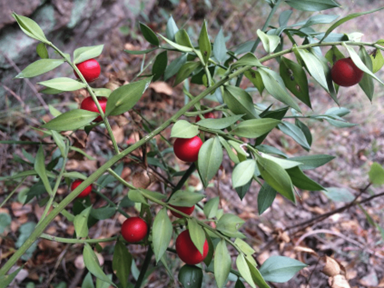
Figure 1: Morphological characteristics of Ruscus aculeatus
Ruscus aculeatus is a small, evergreen, perennial shrub typically reaching a height of 20–80 cm. The plant exhibits several distinctive morphological features that contribute to its identification and adaptation:
Stem and Cladodes: The plant possesses erect, rigid stems with modified flattened structures known as cladodes, which resemble leaves but are actually stem derivatives. These cladodes are dark green, lanceolate, and terminate in a sharp spine-like tip, serving both photosynthetic and protective functions4.
Leaves: True leaves are highly reduced, scale-like, and inconspicuous, located at the base of the cladodes.
Flowers: The flowers are small, greenish-white to purplish, and typically arise singly from the center of the cladodes. The plant is dioecious, meaning male and female flowers occur on separate plants.
Fruits: The fruit is a bright red berry, approximately 5–10 mm in diameter, containing one or two seeds. These berries are visually distinctive and contribute to seed dispersal.
Rhizome and Roots: The underground rhizome is thick, creeping, and extensively branched. It serves as the primary storage organ and is the main part used for medicinal purposes due to its high concentration of bioactive steroidal saponins5.
2.3 Geographic Distribution:
Ruscus aculeatus is native to the Mediterranean region and exhibits a wide geographical distribution across Europe, North Africa, and parts of Western Asia. It is commonly found in countries such as Spain, Italy, France, Greece, and Turkey, and extends to regions of the United Kingdom and Central Europe11.
The plant typically grows in:
It thrives in well-drained soils and demonstrates considerable tolerance to drought and varying climatic conditions. Due to its ornamental value and medicinal importance, Ruscus aculeatus has also been cultivated in other parts of the world, including North America4. Its adaptability to diverse environmental conditions has contributed to its widespread use and availability in herbal medicine.
2.4 Parts Used Medicinally:
The primary medicinal part of Ruscus aculeatus is the rhizome, which is rich in biologically active compounds, particularly steroidal saponins such as ruscogenin and neoruscogenin. These compounds are responsible for the plant’s venotonic, anti-inflammatory, and vasoprotective properties.
Other parts used include:
The rhizome is typically processed into various dosage forms, including capsules, tablets, tinctures, and standardized extracts. In modern phytopharmaceutical preparations, Ruscus aculeatus is frequently combined with other herbal agents such as hesperidin methyl chalcone and vitamin C to enhance its therapeutic efficacy in vascular disorders12.
3. Phytochemical Composition:
3.1 Major Bioactive Constituents:
Ruscus aculeatus is characterized by a diverse phytochemical profile, with steroidal saponins being the predominant and pharmacologically most significant constituents. In addition, the plant contains flavonoids, alkaloids, and phenolic compounds that collectively contribute to its therapeutic efficacy.
3.1.1 Steroidal Saponins:
Steroidal saponins are the principal active components of Ruscus aculeatus, primarily localized in the rhizome. The most notable compounds include ruscogenin and neoruscogenin, along with their glycosidic derivatives such as ruscin and desglucoruscin. These compounds possess a spirostanol or furostanol skeleton, which is characteristic of steroidal saponins5.
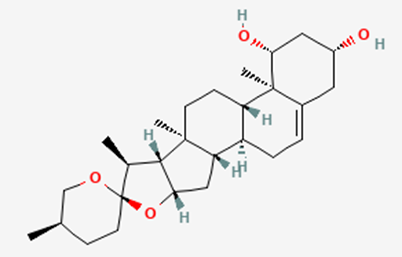
Figure 2: Chemical structure of Ruscogenin (a steroidal sapogenin from Ruscus aculeatus)
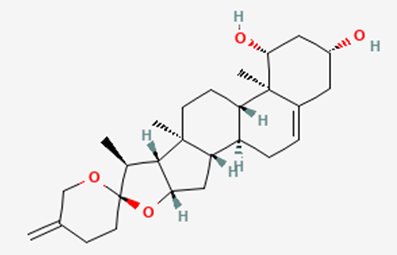
Figure 3: Chemical structure of Neoruscogenin (a steroidal sapogenin from Ruscus aculeatus)
Ruscogenins exhibit significant venotonic and anti-inflammatory activities, attributed to their ability to modulate vascular tone and inhibit inflammatory mediators. The presence of sugar moieties (e.g., rhamnose, glucose) attached to the aglycone enhances their solubility and biological activity7.
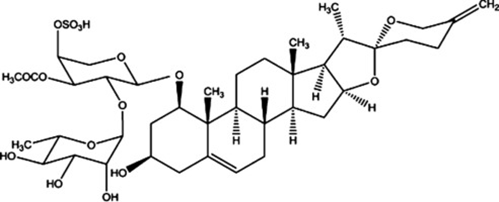
Figure 4: Chemical structure of Ruscin (a steroidal saponin from Ruscus aculeatus).
3.1.2 Flavonoids:
Flavonoids such as rutin, hesperidin-like compounds, and quercetin derivatives have been identified in Ruscus aculeatus. These compounds contribute to the plant’s antioxidant and capillary-protective effects, primarily through free radical scavenging and inhibition of oxidative stress pathways4.Flavonoids also play a synergistic role with saponins in improving vascular integrity and reducing capillary permeability.
3.1.3 Alkaloids:
Although present in smaller quantities, alkaloids have been reported in Ruscus aculeatus. Their exact chemical identity and pharmacological significance remain less extensively studied compared to saponins. However, alkaloids may contribute to minor biological activities, including antimicrobial and neuromodulatory effects13.
3.1.4 Phenolic Compounds
Phenolic constituents, including phenolic acids and tannins, are also present in Ruscus aculeatus. These compounds are known for their strong antioxidant properties, which help in reducing oxidative damage and inflammation. Phenolics may also enhance the stability and bioactivity of other phytoconstituents through synergistic interactions5.
3.2 Chemical Structure and Properties:
3.2.1 Structural Features of Key Compounds:
Steroidal Saponins:
These compounds possess a tetracyclic steroid nucleus (cyclopentanoperhydrophenanthrene ring system) with a spiroketal side chain. The aglycone (sapogenin) is linked to one or more sugar residues, forming glycosides. Structural variations in the sugar moiety influence pharmacokinetics and bioactivity14.
Flavonoids:
Flavonoids exhibit a C6–C3–C6 skeleton, consisting of two aromatic rings connected by a heterocyclic ring. Their antioxidant activity is largely dependent on hydroxyl group substitutions and conjugation15.
Phenolic Compounds:
These compounds are characterized by aromatic rings with hydroxyl groups, which enable them to donate hydrogen atoms and neutralize free radicals.
3.2.2 Solubility and Stability:
Solubility:
Steroidal saponins are generally amphiphilic, exhibiting both hydrophilic (sugar moiety) and lipophilic (steroid nucleus) properties, making them soluble in aqueous alcohols but poorly soluble in non-polar solvents. Flavonoids and phenolics are typically soluble in polar solvents such as methanol, ethanol, and water16.
Stability:
Saponins are relatively stable under moderate heat but may undergo hydrolysis under acidic or enzymatic conditions, leading to the release of aglycones. Flavonoids and phenolic compounds are susceptible to oxidation when exposed to light, heat, and oxygen, which may reduce their bioactivity15.
3.3 Extraction and Isolation Techniques:
3.3.1 Conventional Methods:
Maceration:
This is a simple extraction technique involving soaking plant material in solvents such as ethanol or methanol at room temperature. It is widely used for extracting heat-sensitive compounds but may require longer extraction times17.
Soxhlet Extraction:
Soxhlet extraction is a continuous hot extraction method that enhances the efficiency of phytochemical recovery. It is particularly useful for extracting saponins and other semi-polar compounds, although prolonged heating may lead to degradation of thermolabile constituents.
These conventional methods are cost-effective and easy to perform but often lack selectivity and efficiency compared to modern techniques.
3.3.2 Advanced Techniques:
High-Performance Liquid Chromatography (HPLC):
HPLC is extensively used for the separation, identification, and quantification of phytochemicals in Ruscus aculeatus. It provides high resolution and reproducibility, making it suitable for standardization of herbal extracts5.
Liquid Chromatography–Mass Spectrometry (LC–MS):
LC–MS is a powerful analytical technique that combines chromatographic separation with mass analysis, enabling precise identification of complex phytochemical mixtures. It is particularly useful for detecting minor constituents and structural elucidation.
Other Techniques:
Additional methods such as ultrasound-assisted extraction (UAE) and supercritical fluid extraction (SFE) have also been explored to improve extraction efficiency and reduce solvent usage17.
Advanced techniques offer higher sensitivity, selectivity, and efficiency, facilitating better characterization and standardization of Ruscus aculeatus extracts.
4. Pharmacological Activities:
Ruscus aculeatus exhibits a broad spectrum of pharmacological activities primarily attributed to its rich content of steroidal saponins, particularly ruscogenin and neoruscogenin, along with flavonoids and phenolic compounds. These bioactive constituents act through multiple molecular and cellular pathways, contributing to its therapeutic efficacy in vascular and inflammatory disorders.
4.1 Venotonic and Vasoprotective Activity:
The most extensively studied pharmacological property of Ruscus aculeatus is its venotonic and vasoprotective activity, which underlies its clinical use in chronic venous insufficiency (CVI) and related vascular disorders. Steroidal saponins, particularly ruscogenins, exert a direct vasoconstrictive effect on venous smooth muscle cells, leading to improved venous tone and reduced venous capacitance.Mechanistically, ruscogenins have been shown to activate α-adrenergic receptors, thereby inducing contraction of venous smooth muscle and enhancing venous return7. Additionally, these compounds reduce capillary permeability by stabilizing endothelial cell membranes and inhibiting the degradation of extracellular matrix components. This contributes to improved microcirculation and reduced venous stasis.Furthermore, Ruscus aculeatus extracts have demonstrated the ability to inhibit leukocyte adhesion to the endothelium, a key step in the pathogenesis of vascular inflammation and venous dysfunction18. This dual action vasoconstriction and endothelial protection supports its classification as a venotonic agent.
4.2 Anti-inflammatory Activity:
The anti-inflammatory activity of Ruscus aculeatus is primarily mediated by steroidal saponins, particularly ruscogenin, which modulate key inflammatory pathways. Ruscogenin has been reported to inhibit the expression of pro-inflammatory cytokines such as tumor necrosis factor-alpha (TNF-α), interleukin-1β (IL-1β), and interleukin-6 (IL-6)19.At the molecular level, ruscogenin suppresses the activation of the nuclear factor-kappa B (NF-κB) signaling pathway, which plays a central role in regulating inflammatory gene expression. Additionally, it inhibits the activity of cyclooxygenase (COX) enzymes and reduces the production of prostaglandins, thereby attenuating inflammation.Studies have also shown that Ruscus aculeatus reduces leukocyte infiltration and edema formation in experimental models, further confirming its anti-inflammatory potential18.
4.3 Antioxidant Activity:
The antioxidant activity of Ruscus aculeatus is attributed mainly to its flavonoid and phenolic content. These compounds exhibit free radical scavenging activity, thereby protecting cells from oxidative stress-induced damage.Flavonoids such as rutin and quercetin derivatives neutralize reactive oxygen species (ROS) by donating hydrogen atoms or electrons, thus preventing lipid peroxidation and cellular damage15. In addition, phenolic compounds enhance endogenous antioxidant defense systems by upregulating enzymes such as superoxide dismutase (SOD) and catalase.The antioxidant activity of Ruscus aculeatus contributes significantly to its vasoprotective and anti-inflammatory effects, as oxidative stress is a key factor in the pathogenesis of vascular diseases18.
4.4 Anti-edematous Activity:
Ruscus aculeatus exhibits significant anti-edematous activity, which is closely linked to its venotonic and anti-inflammatory properties. The reduction of edema is primarily achieved through decreased capillary permeability and improved lymphatic drainage.Ruscogenins strengthen capillary walls and reduce the leakage of plasma proteins and fluids into interstitial spaces. This effect is mediated by stabilization of endothelial junctions and inhibition of inflammatory mediators that increase vascular permeability7.Experimental studies have demonstrated that Ruscus aculeatus extracts effectively reduce edema in models of inflammation and venous insufficiency. Clinically, this activity translates into a reduction in symptoms such as leg swelling, heaviness, and discomfort in patients with CVI8.
4.5 Antimicrobial Activity:
Although not its primary pharmacological function, Ruscus aculeatus has demonstrated moderate antimicrobial activity against certain bacterial and fungal pathogens. This activity is attributed to the presence of saponins and phenolic compounds, which can disrupt microbial cell membranes and interfere with cellular metabolism.Saponins are known to interact with membrane sterols, leading to increased membrane permeability and eventual cell lysis. Phenolic compounds, on the other hand, exert antimicrobial effects through protein denaturation and inhibition of microbial enzymes20.Studies have reported inhibitory effects of Ruscus aculeatus extracts against Gram-positive bacteria and some fungal species, suggesting its potential as a supportive antimicrobial agent18. However, further studies are required to fully elucidate its antimicrobial spectrum and clinical relevance.
4.6 Other Activities:
4.6.1 Anti-thrombotic Activity:
Ruscus aculeatus exhibits anti-thrombotic properties, which are beneficial in preventing vascular complications associated with thrombosis. The plant extracts have been shown to inhibit platelet aggregation and improve blood flow, thereby reducing the risk of clot formation.This activity is partly mediated through modulation of endothelial function and reduction of inflammatory mediators that promote thrombosis. Additionally, improved venous tone and circulation further contribute to its anti-thrombotic effects7.
4.6.2 Cytoprotective Activity:
The cytoprotective effects of Ruscus aculeatus are primarily related to its antioxidant and anti-inflammatory properties. Ruscogenins have been shown to protect endothelial cells from oxidative stress and inflammatory damage by inhibiting ROS generation and inflammatory signaling pathways19.Moreover, these compounds help maintain cellular integrity by stabilizing cell membranes and preventing apoptosis in response to stress conditions. This cytoprotective action is particularly important in preserving vascular health and preventing tissue damage in chronic inflammatory conditions.
5. Mechanism of Action:
The pharmacological effects of Ruscus aculeatus are mediated through a combination of molecular, cellular, and receptor-mediated mechanisms, largely attributed to its major bioactive constituents, particularly the steroidal saponins ruscogenin and neoruscogenin. These compounds exert multifaceted actions on vascular, inflammatory, and oxidative pathways, thereby contributing to the plant’s therapeutic efficacy in circulatory disorders.
5.1 Molecular Pathways Involved:
The molecular mechanisms underlying the activity of Ruscus aculeatus primarily involve the modulation of inflammatory, oxidative stress, and vascular signaling pathways.One of the key pathways affected is the nuclear factor-kappa B (NF-κB) signaling pathway, which plays a central role in regulating inflammation. Ruscogenin has been shown to inhibit the activation of NF-κB, thereby suppressing the transcription of pro-inflammatory genes encoding cytokines such as tumor necrosis factor-alpha (TNF-α), interleukin-1β (IL-1β), and interleukin-6 (IL-6)19. This inhibition reduces inflammatory responses and protects vascular tissues from damage.In addition, Ruscus aculeatus influences oxidative stress pathways by enhancing endogenous antioxidant defenses. Flavonoids and phenolic compounds present in the plant scavenge reactive oxygen species (ROS) and upregulate antioxidant enzymes such as superoxide dismutase (SOD) and catalase, thereby reducing oxidative injury to endothelial cells15.Another important mechanism involves the modulation of endothelial function. Ruscogenins improve endothelial integrity by reducing leukocyte adhesion and inhibiting the release of inflammatory mediators that compromise vascular permeability. This contributes to improved microcirculation and reduced edema18.
5.2 Interaction with Receptors:
The pharmacological actions of Ruscus aculeatus are significantly mediated through its interaction with specific receptors, particularly those involved in vascular regulation.Steroidal saponins such as ruscogenin are known to interact with α?-adrenergic receptors located on venous smooth muscle cells. Activation of these receptors leads to vasoconstriction, resulting in increased venous tone and improved venous return7. This mechanism is crucial in the management of chronic venous insufficiency and related conditions.Additionally, there is evidence suggesting that Ruscus aculeatus may influence endothelial nitric oxide (NO) pathways. By modulating nitric oxide synthesis, the plant helps maintain vascular homeostasis and prevents excessive vasodilation, thereby balancing vascular tone.The plant extracts also reduce leukocyte-endothelial interactions, possibly through inhibition of adhesion molecules such as ICAM-1 and VCAM-1, which are involved in inflammatory cell recruitment. This receptor-mediated modulation further contributes to its anti-inflammatory and vasoprotective effects18.
5.3 Role of Steroidal Saponins in Pharmacological Effects:
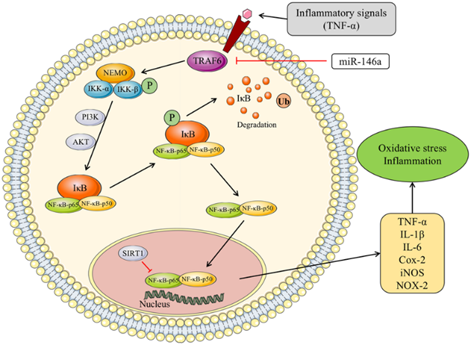
Figure 5: Mechanism of action of Ruscus aculeatus showing NF-κB inhibition, antioxidant activity, endothelial protection, and α?-adrenergic receptor-mediated venous constriction.
Steroidal saponins, particularly ruscogenin and neoruscogenin, are the primary contributors to the pharmacological activity of Ruscus aculeatus. Their effects are mediated through both direct cellular interactions and modulation of biochemical pathways.
Vascular Effects:
Ruscogenins induce contraction of venous smooth muscle by activating α-adrenergic receptors, leading to enhanced venous tone and reduced venous pooling. This action is essential for improving venous circulation and alleviating symptoms of venous insufficiency.
Anti-inflammatory Effects:
These compounds inhibit key inflammatory mediators and signaling pathways, including NF-κB, thereby reducing cytokine production and leukocyte infiltration. This results in decreased inflammation and tissue damage.
Membrane Interaction:
Due to their amphiphilic nature, steroidal saponins can interact with cell membranes, influencing membrane permeability and stability. This property contributes to their ability to protect endothelial cells and reduce capillary leakage14.
Synergistic Effects:
The pharmacological activity of Ruscus aculeatus is further enhanced by the synergistic interaction between steroidal saponins and other phytoconstituents such as flavonoids and phenolics, which collectively improve antioxidant capacity and vascular protection.Overall, the mechanism of action of Ruscus aculeatus is multifactorial, involving receptor-mediated vasoconstriction, inhibition of inflammatory signaling pathways, antioxidant effects, and endothelial protection, which together account for its therapeutic potential in vascular and inflammatory disorders.
6. Clinical Studies and Therapeutic Applications:
Clinical investigations on Ruscus aculeatus have primarily focused on its efficacy in vascular disorders, particularly chronic venous insufficiency (CVI), hemorrhoids, and orthostatic hypotension. These studies support its traditional use and demonstrate clinically relevant benefits, largely attributed to its venotonic, anti-inflammatory, and vasoprotective properties. Standardized extracts of Ruscus aculeatus, often combined with hesperidin methyl chalcone (HMC) and ascorbic acid (vitamin C), are widely evaluated in clinical settings.
6.1 Chronic Venous Insufficiency (CVI):
Chronic venous insufficiency is one of the most extensively studied indications for Ruscus aculeatus. Multiple randomized controlled trials (RCTs) and observational studies have demonstrated its effectiveness in alleviating symptoms such as leg pain, heaviness, cramps, and edema.Clinical studies have shown that standardized extracts of Ruscus aculeatus significantly improve venous tone and reduce capillary permeability. A multicenter, double-blind RCT reported that patients receiving a combination of Ruscus aculeatus extract (containing ruscogenins), HMC, and vitamin C exhibited significant reductions in leg volume and edema, along with improvement in subjective symptoms compared to placebo21.Another study demonstrated that treatment with Ruscus aculeatus extract improved microcirculatory parameters and reduced venous stasis by enhancing venous return18. The European Medicines Agency (EMA) has recognized Ruscus aculeatus as a traditional herbal medicinal product for the relief of symptoms related to CVI, including heavy legs and swelling8.Overall, clinical evidence supports the use of Ruscus aculeatus as an effective adjunct or alternative therapy for managing CVI.
6.2 Hemorrhoids:
Hemorrhoids, characterized by swollen and inflamed veins in the rectal region, share a similar pathophysiological basis with venous insufficiency. Due to its venotonic and anti-inflammatory properties, Ruscus aculeatus has been evaluated in the management of hemorrhoidal disease.
Clinical studies indicate that formulations containing Ruscus aculeatus extract reduce pain, bleeding, itching, and inflammation associated with hemorrhoids. The mechanism involves improved venous tone, decreased vascular permeability, and reduced inflammatory mediator release.Combination therapies containing Ruscus aculeatus, HMC, and vitamin C have been shown to enhance vascular integrity and accelerate symptom relief in patients with acute and chronic hemorrhoids7. These formulations are commonly available in oral and topical dosage forms and are well tolerated.Although the number of large-scale RCTs is limited, available evidence suggests that Ruscus aculeatus is beneficial as a supportive treatment in hemorrhoidal conditions.
6.3 Orthostatic Hypotension:
Orthostatic hypotension, characterized by a sudden drop in blood pressure upon standing, is another condition in which Ruscus aculeatus has shown therapeutic potential. The venoconstrictive action of ruscogenins plays a crucial role in improving vascular tone and preventing excessive blood pooling in the lower extremities.Clinical studies have demonstrated that Ruscus aculeatus extract can increase standing blood pressure and reduce symptoms such as dizziness and lightheadedness. This effect is primarily mediated through stimulation of α-adrenergic receptors, leading to enhanced venous return and stabilization of blood pressure22.In some trials, patients treated with Ruscus aculeatus showed improved orthostatic tolerance and reduced incidence of syncope. These findings highlight its potential as a natural therapeutic option for managing mild to moderate orthostatic hypotension.
6.4 Summary of Clinical Trials:
Overall, clinical studies on Ruscus aculeatus demonstrate:
Most clinical trials utilize standardized extracts containing defined amounts of ruscogenins, often in combination with flavonoids (HMC) and vitamin C to enhance efficacy. However, variability in study design, sample size, and duration highlights the need for more large-scale, well-controlled trials.
6.5 Dosage Forms and Outcomes:
Ruscus aculeatus is available in various pharmaceutical and herbal dosage forms, including:
The commonly used dosage in clinical studies ranges from 150–300 mg of standardized extract per day, often divided into two or three doses8.
Clinical outcomes associated with these dosage forms include:
7. Formulation Development:
7.1 Herbal Formulations:
Herbal formulations of Ruscus aculeatus are widely utilized in both traditional and modern phytopharmaceutical preparations, primarily for the management of vascular disorders such as chronic venous insufficiency (CVI), hemorrhoids, and edema. The rhizome extract, standardized for its content of steroidal saponins (ruscogenin and neoruscogenin), is the principal component used in these formulations18.Common dosage forms include capsules, tablets, oral liquids, and topical preparations such as creams and gels. Standardized extracts typically contain 7–11 mg of total ruscogenins per dose and are often administered in divided doses to maintain therapeutic plasma levels. These formulations aim to enhance venous tone, reduce capillary permeability, and alleviate symptoms such as swelling, pain, and heaviness in the lower limbs8Topical formulations are particularly effective in the management of hemorrhoids and localized inflammation, where they exert anti-inflammatory and vasoconstrictive effects directly at the site of application. The use of hydroalcoholic extracts improves the extraction efficiency of active constituents and ensures better bioavailability7.Despite their widespread use, challenges remain in ensuring batch-to-batch consistency, stability of phytoconstituents, and standardization of active markers, which are critical for therapeutic efficacy and regulatory approval.
7.2 Combination Products:
Combination formulations containing Ruscus aculeatus have gained significant attention due to their enhanced therapeutic efficacy through synergistic interactions. The most commonly studied and clinically used combinations include Ruscus aculeatus extract with hesperidin methyl chalcone (HMC) and ascorbic acid (vitamin C)8.Hesperidin methyl chalcone, a flavonoid derivative, complements the venotonic action of ruscogenins by improving capillary resistance and reducing vascular permeability. Vitamin C plays a crucial role in collagen synthesis and stabilization of vascular connective tissue, thereby enhancing capillary integrity12.These combination products have demonstrated superior efficacy compared to monotherapy in clinical studies, particularly in reducing edema, improving microcirculation, and alleviating symptoms associated with CVI. Additionally, such formulations exhibit improved antioxidant and anti-inflammatory effects due to the combined action of multiple bioactive compounds7.Other combinations may include flavonoids such as rutin or diosmin, which further enhance vascular protection and antioxidant capacity. These multi-component formulations are widely available in oral dosage forms and are generally well tolerated.
7.3 Novel Drug Delivery Systems:
Recent advances in pharmaceutical technology have led to the development of novel drug delivery systems (NDDS) to improve the bioavailability, stability, and targeted delivery of Ruscus aculeatus phytoconstituents. Given that steroidal saponins exhibit limited oral bioavailability due to poor membrane permeability and potential degradation, innovative delivery approaches are being explored23.Nanoparticle-based systems, such as polymeric nanoparticles and lipid-based carriers, have shown promise in enhancing the solubility and absorption of ruscogenins. These systems can protect active compounds from degradation and enable controlled release, thereby improving therapeutic outcomes.Liposomes and phytosomes are particularly attractive for delivering plant-based compounds. Phytosomal formulations, which involve complexation of phytoconstituents with phospholipids, enhance the bioavailability and cellular uptake of saponins and flavonoids. Similarly, nanoemulsions improve drug solubilization and facilitate better penetration across biological membranes24.Transdermal drug delivery systems, including gels and patches, are also being investigated for localized treatment of vascular conditions. These systems allow sustained drug release and minimize systemic side effects5.Although these novel systems show significant potential, further research is required to optimize formulation parameters, evaluate long-term stability, and conduct clinical studies to validate their efficacy and safety.
8. Future Perspectives:
8.1 Advanced Pharmacological Studies:
Although Ruscus aculeatus has demonstrated significant pharmacological potential in vascular and inflammatory disorders, further advanced studies are required to fully elucidate its therapeutic scope and molecular mechanisms. Future research should focus on detailed investigations at the genomic, proteomic, and metabolomic levels to better understand the interaction of its bioactive constituents, particularly ruscogenin and neoruscogenin, with cellular targets5.There is a need for large-scale, multicenter randomized controlled trials (RCTs) to validate its efficacy and safety across diverse populations. Additionally, studies exploring its potential in emerging therapeutic areas such as neuroinflammation, metabolic disorders, and endothelial dysfunction may expand its clinical applications. Advanced in vitro models, including 3D cell cultures and organ-on-chip systems, can further enhance the understanding of its pharmacodynamics and pharmacokinetics25.
Standardization of extracts and identification of reliable biomarkers for activity assessment are also crucial for ensuring reproducibility and regulatory acceptance. Such comprehensive pharmacological investigations will strengthen the evidence base for Ruscus aculeatus and support its integration into modern therapeutics26.
8.2 Nanotechnology-Based Delivery:
Nanotechnology offers promising opportunities to enhance the therapeutic efficacy of Ruscus aculeatus by overcoming limitations such as poor bioavailability, low solubility, and instability of its active constituents. Steroidal saponins like ruscogenin exhibit limited permeability across biological membranes, which can be significantly improved through nanocarrier-based delivery systems27.Nanoparticles, liposomes, solid lipid nanoparticles (SLNs), and nanoemulsions have been widely explored for the delivery of plant-derived compounds. These systems can improve drug solubility, protect bioactive molecules from degradation, and enable controlled and targeted release. For instance, liposomal and phytosomal formulations can enhance the absorption of saponins and flavonoids, thereby increasing their therapeutic efficiency23.Furthermore, nanotechnology-based transdermal systems may provide localized delivery for vascular conditions, reducing systemic side effects and improving patient compliance. The application of nanocarriers also allows for site-specific targeting, which is particularly beneficial in inflammatory and vascular disorders28.However, challenges such as formulation stability, scalability, toxicity, and regulatory considerations must be addressed through rigorous preclinical and clinical evaluations. Continued research in this area holds great potential for the development of advanced phytopharmaceutical formulations of Ruscus aculeatus29.
8.3 Personalized Herbal Medicine:
The concept of personalized medicine is gaining increasing importance in modern healthcare, and its integration with herbal medicine presents a novel and promising approach. Personalized herbal medicine involves tailoring therapeutic interventions based on an individual’s genetic makeup, metabolic profile, and disease characteristics.In the context of Ruscus aculeatus, variability in patient response may be influenced by genetic differences affecting drug metabolism, receptor sensitivity, and inflammatory pathways. Future research should focus on pharmacogenomic studies to identify patient-specific factors that influence the efficacy and safety of Ruscus-based therapies30.Advances in omics technologies, including genomics, metabolomics, and microbiome analysis, can facilitate the development of individualized treatment strategies. For example, understanding how gut microbiota metabolize saponins may help optimize dosing and improve therapeutic outcomes31.Additionally, integration of artificial intelligence (AI) and big data analytics can support the identification of patient subgroups that are most likely to benefit from Ruscus aculeatus formulations. This approach can enhance treatment efficacy, minimize adverse effects, and promote rational use of herbal medicines32.Despite its potential, personalized herbal medicine faces challenges such as lack of standardized protocols, limited clinical data, and regulatory complexities. Addressing these challenges will be essential for the successful implementation of this approach in clinical practice.
CONCLUSION
Ruscus aculeatus is a well-established medicinal plant with significant therapeutic potential, particularly in the management of vascular disorders such as chronic venous insufficiency, hemorrhoids, and orthostatic hypotension. Its pharmacological efficacy is primarily attributed to the presence of steroidal saponins, especially ruscogenin and neoruscogenin, which exhibit potent venotonic, anti-inflammatory, and vasoprotective activities. In addition, flavonoids and phenolic compounds contribute to its antioxidant properties, further enhancing its overall therapeutic profile.he present review comprehensively highlights the botanical characteristics, phytochemical composition, pharmacological activities, mechanisms of action, clinical applications, and formulation strategies associated with Ruscus aculeatus. Evidence from preclinical and clinical studies supports its effectiveness in improving venous tone, reducing capillary permeability, and alleviating symptoms such as edema, pain, and heaviness in vascular disorders. Furthermore, its favorable safety profile and traditional usage strengthen its position as a valuable phytotherapeutic agent.Despite these promising findings, certain limitations remain, including variability in extract standardization, limited large-scale clinical trials, and insufficient data on long-term safety and toxicity. Addressing these challenges through advanced pharmacological research, standardized formulation development, and rigorous clinical evaluation is essential for ensuring consistent therapeutic outcomes.Future advancements in nanotechnology-based delivery systems and personalized herbal medicine approaches may further enhance the bioavailability, efficacy, and patient-specific application of Ruscus aculeatus. Overall, the integration of traditional knowledge with modern scientific research underscores the potential of this plant as a reliable and effective natural therapeutic agent, paving the way for its broader application in contemporary healthcare systems.
REFERENCES


Vrushali Jyotik, Archana Nair, Hemant Pagar, Vinod Padvi, Phytochemical and Pharmacological Profile of Ruscus aculeatus: A Comprehensive Review of Its Therapeutic Activities and Clinical Potential, Int. J. of Pharm. Sci., 2026, Vol 4, Issue 4, 1939-1954, https://doi.org/10.5281/zenodo.19548143
 10.5281/zenodo.19548143